

Alfa Romeo Giulia GT
Brand
Produced from
Vehicle category
Portal
Model line
Model generation
Predecessor
Sucessor
About this model
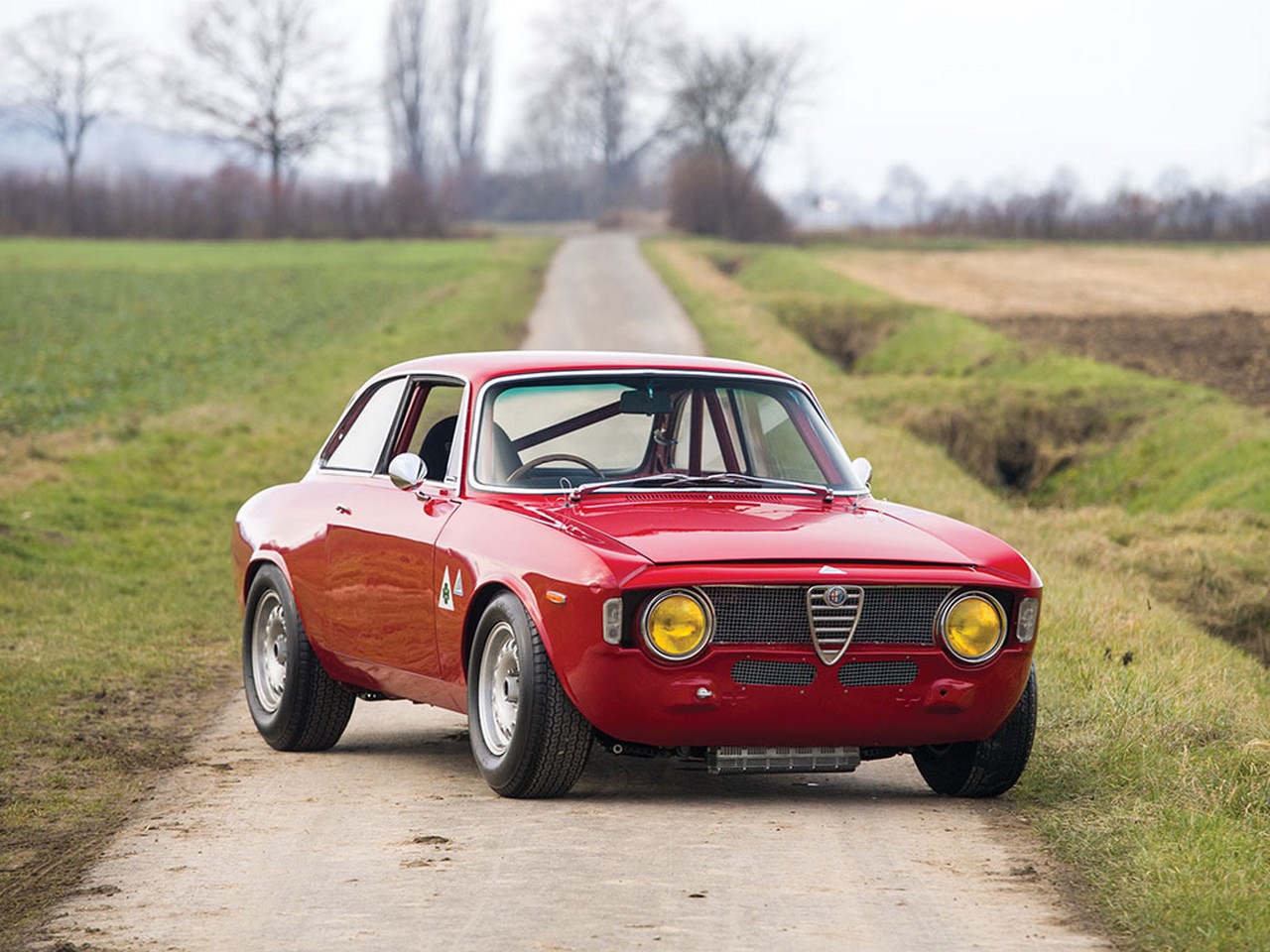
If the Alfa Romeo Giulia Saloon of 1962 was the car that defined the modern sports saloon, its coupé sibling was the car that captured the world’s heart. The Giulia Sprint GT, first unveiled in 1963, was not just a two-door version of the Berlina; it was a dynasty in its own right. It was a car that so perfectly blended world-class engineering, everyday usability, and breathtaking style that it would come to define not only Alfa Romeo but the entire 1960s European sports GT genre. It had the enormous task of replacing the beloved Giulietta Sprint, a car that had already established itself as a design icon. To achieve this, Alfa Romeo turned once again to Carrozzeria Bertone, where a 23-year-old Giorgetto Giugiaro penned what is arguably one of the most beautiful and perfectly proportioned automotive designs of all time. It was a masterpiece of simplicity and elegance that would be pitted against the Lancia Fulvia Coupé, the Porsche 912, and the emerging BMW 2002, instantly becoming the new benchmark for the aspiring driver.
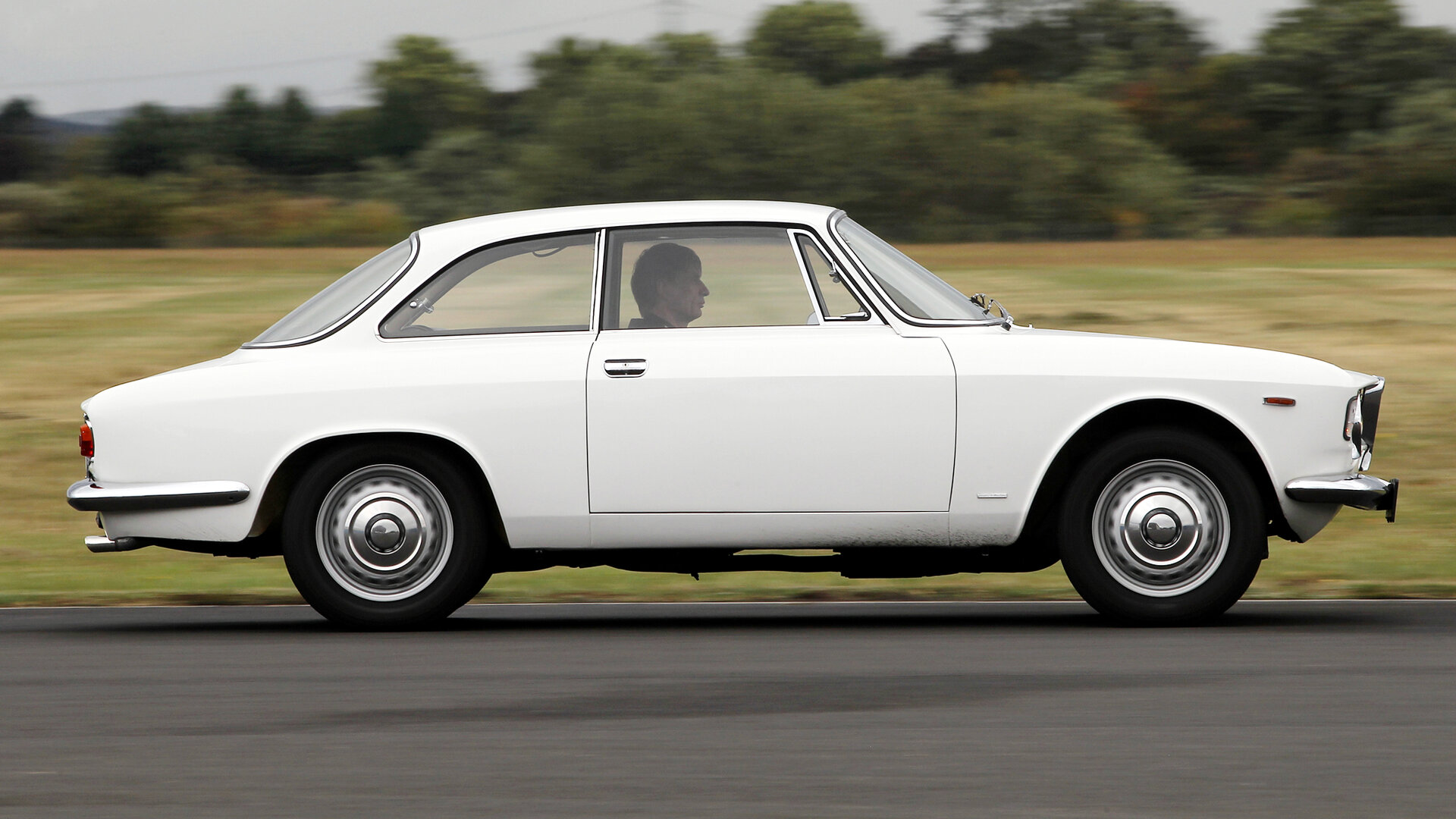
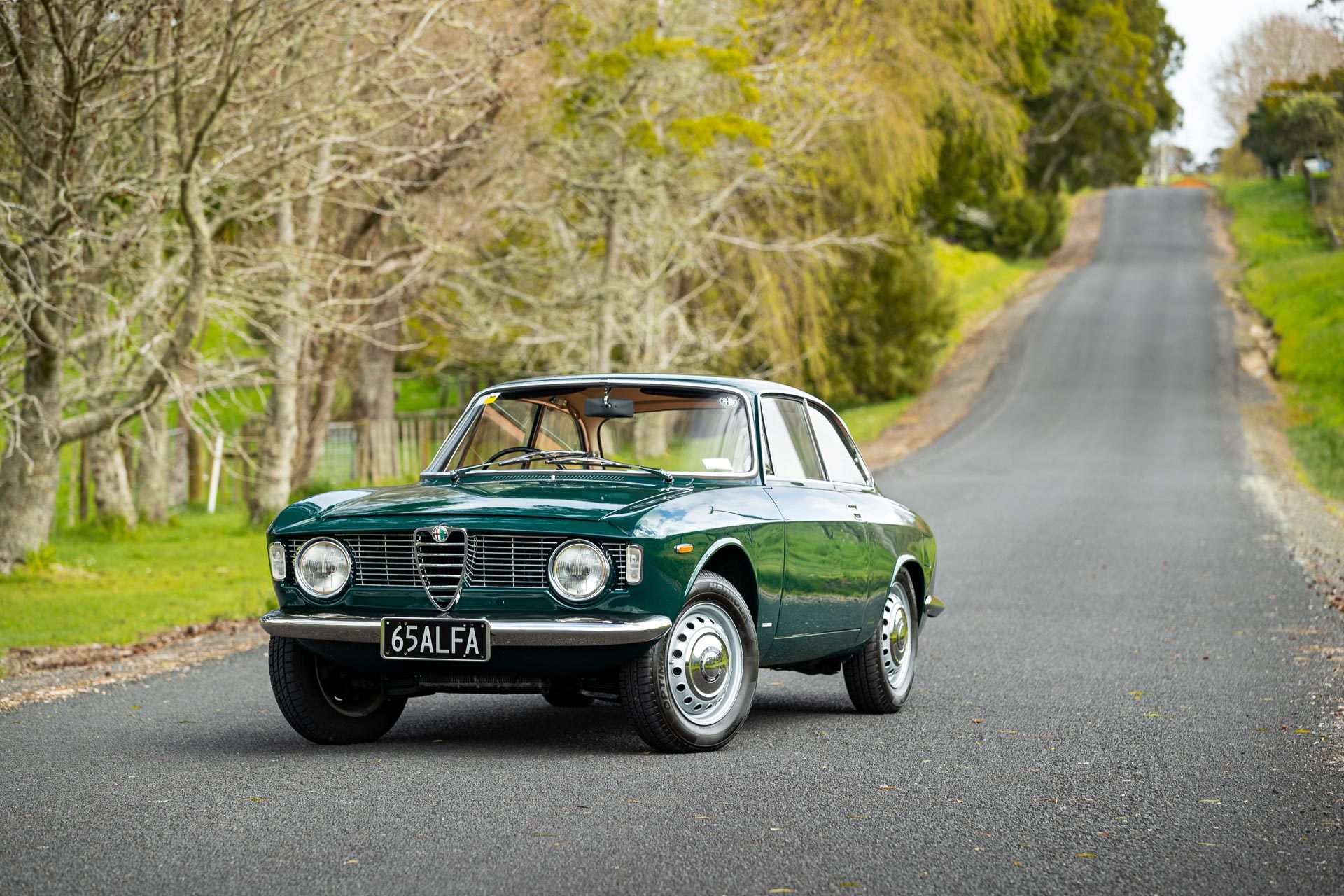
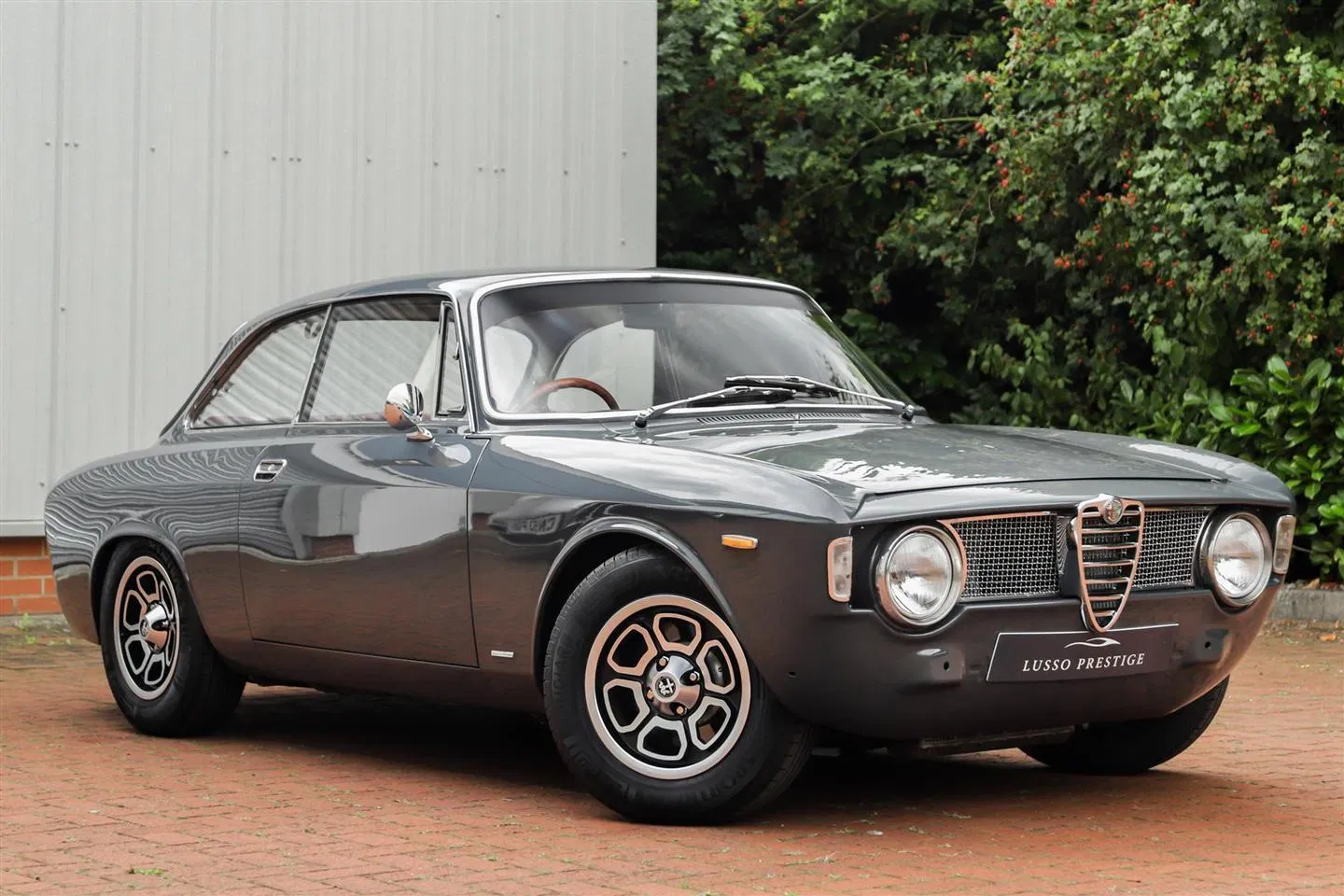
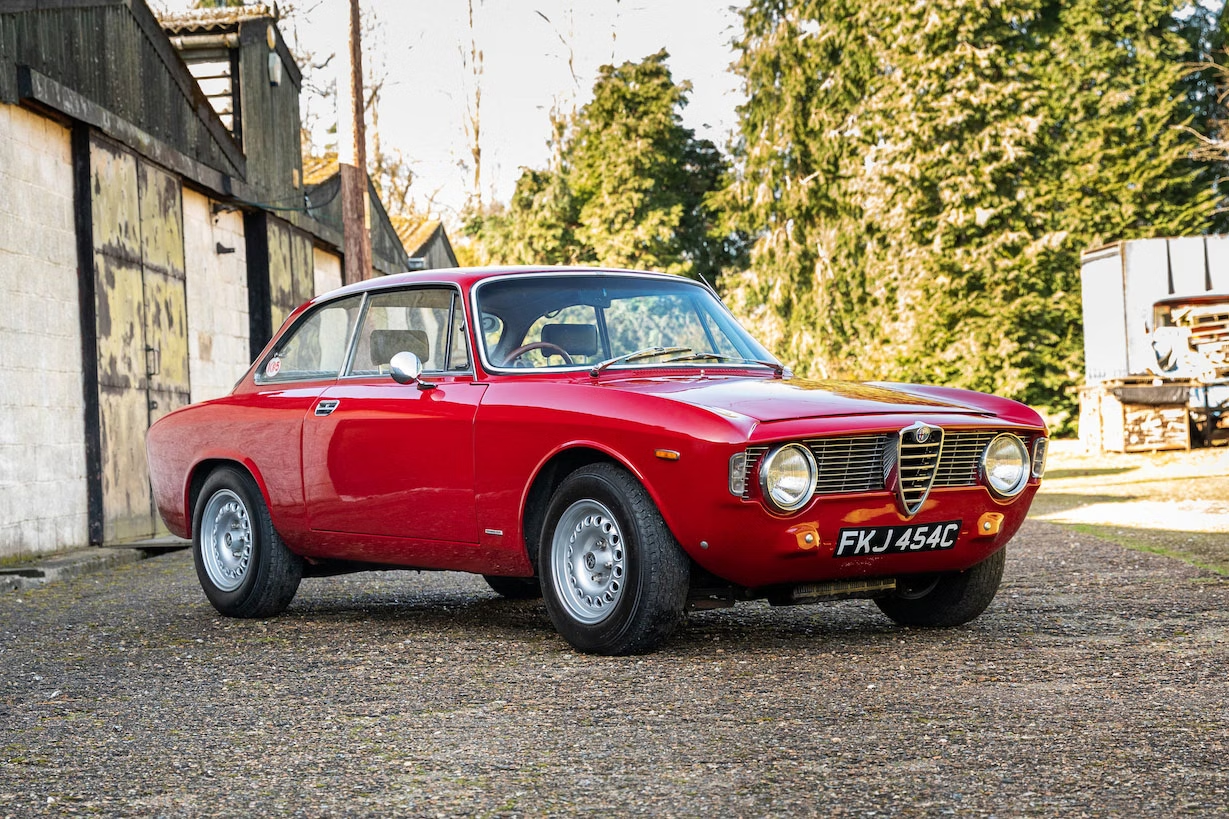
The car’s foundation was the brilliant Type 105 platform, borrowed from the Giulia saloon but with its wheelbase shortened for greater agility. This platform was a driver’s dream, combining the magnificent all-alloy, twin-cam “Nord” engine with a standard five-speed manual gearbox, four-wheel disc brakes, and a sophisticated suspension setup that paired independent front wishbones with a perfectly located solid rear axle. Giugiaro’s body was not just beautiful; it was light and compact. The debut model, the Giulia Sprint GT, featured the 1.6-litre (1,570cc) engine fed by two twin-choke Weber carburettors, producing a healthy 106 hp. It was immediately identifiable by its most famous design cue: the “Scalino,” or “step-front.” This distinctive feature, a slight recess between the leading edge of the bonnet and the front valance, created a look of purposeful elegance and remains the most coveted detail for enthusiasts. The car was an immediate critical and commercial success, a car that felt just as special driving to the office as it did on a mountain pass. Alfa Romeo briefly experimented with a convertible version, the Giulia Sprint GTC of 1964, with bodywork converted by Carrozzeria Touring. While beautiful, only around 1,000 were made before Touring’s bankruptcy, and it lacked the chassis-stiffening of its hardtop sibling.
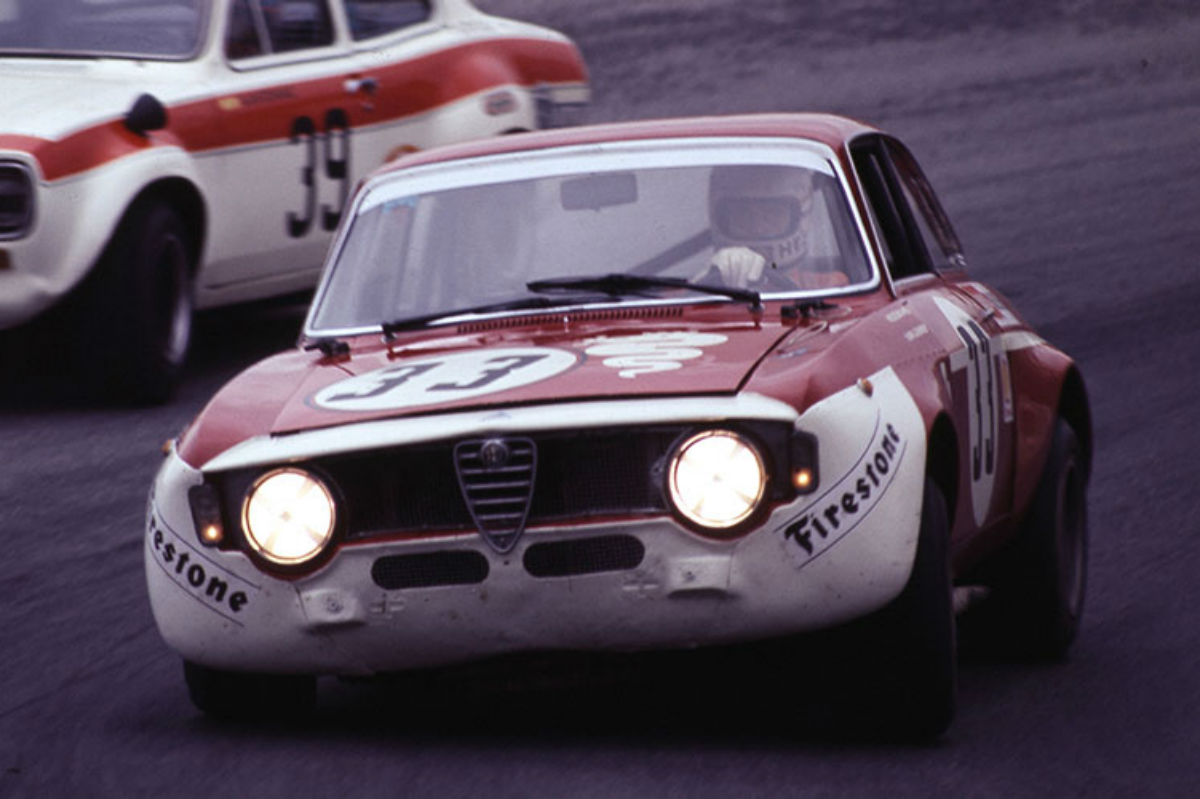
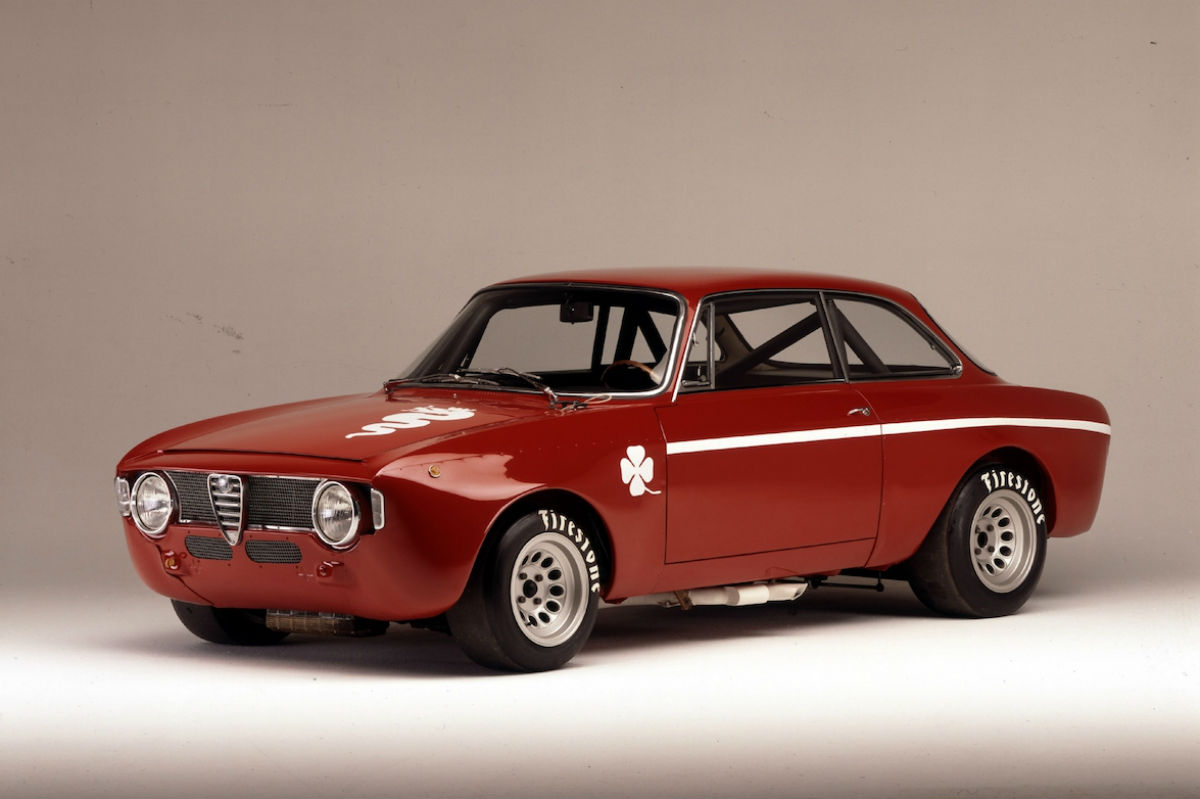
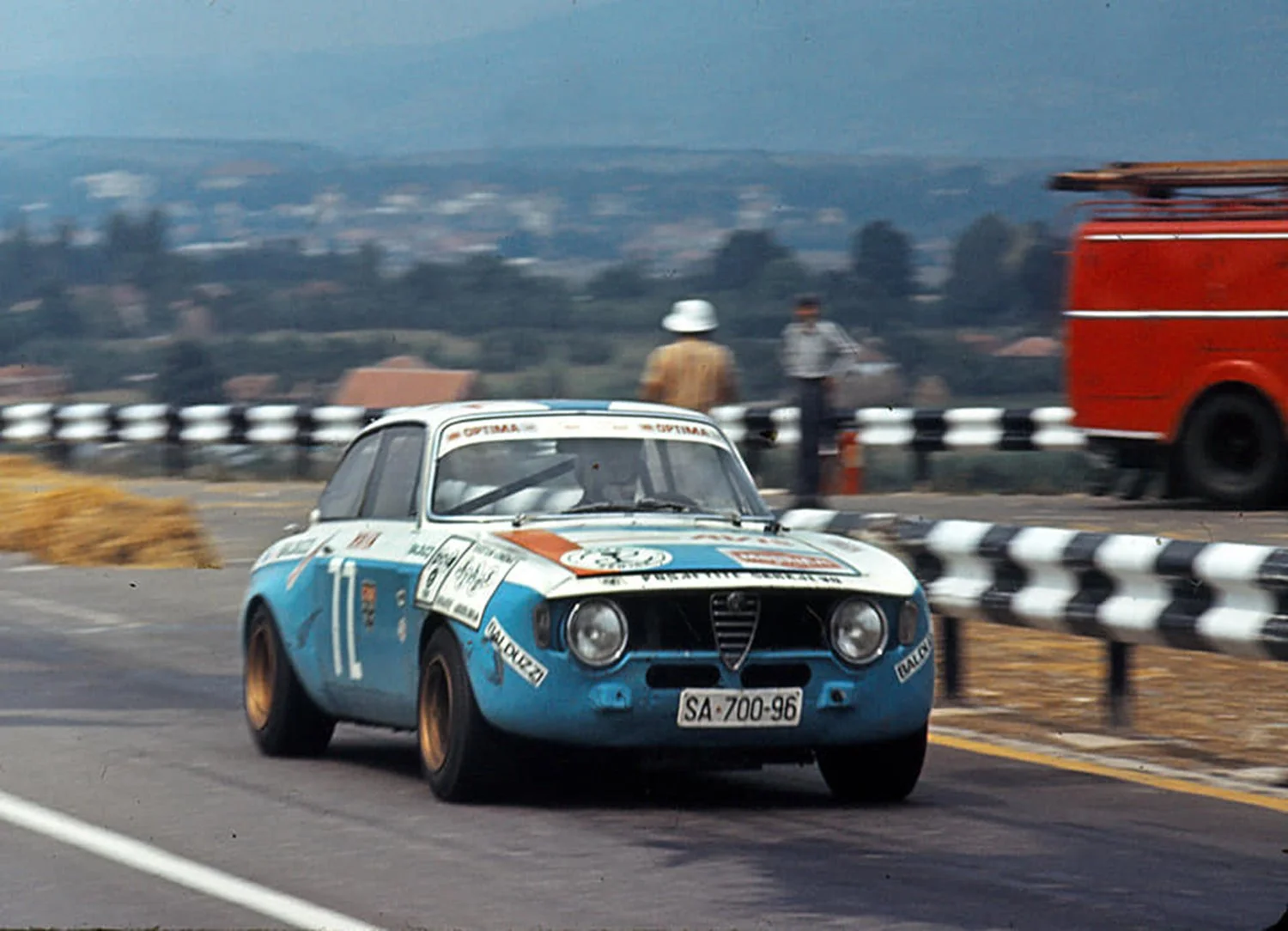
The true legend was born in 1965. Alfa Romeo’s new competition boss, Carlo Chiti, needed a weapon to win the European Touring Car Championship. He created it through his Autodelta skunkworks, and the result was the Giulia Sprint GTA. The “A” stood for Alleggerita, or “lightened.” The beautiful steel body was meticulously remade in Peraluman 25, a lightweight aluminium alloy, with Plexiglas side windows shedding even more weight. The 1.6-litre engine was transformed, receiving a new head with two spark plugs per cylinder—the birth of the legendary “Twin Spark”—fed by larger Webers. In road (Stradale) trim, it produced 115 hp, but in full Corsa (race) spec, Autodelta extracted a screaming 170 hp. Weighing just 745 kg (over 200 kg less than the road car), the GTA was a world-beater. It won the ETCC drivers’ championship three years in a row, in 1966, 1967, and 1968, utterly dominating its class. This single car cemented the 105 Coupé’s reputation as a true thoroughbred. Alongside the GTA, the standard car was upgraded in 1966 to the Sprint GT Veloce, which featured a more powerful 109 hp engine and a more refined interior, solidifying its position as the ultimate 1.6-litre road car.
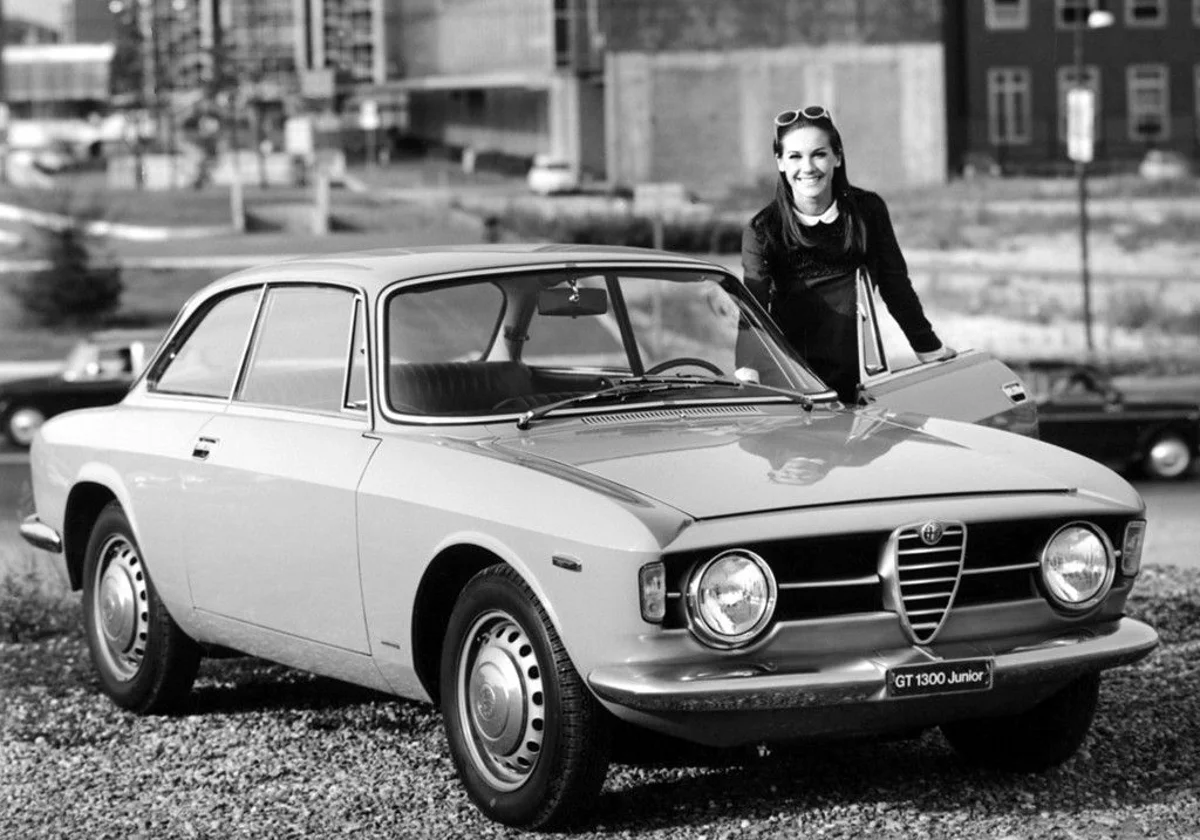
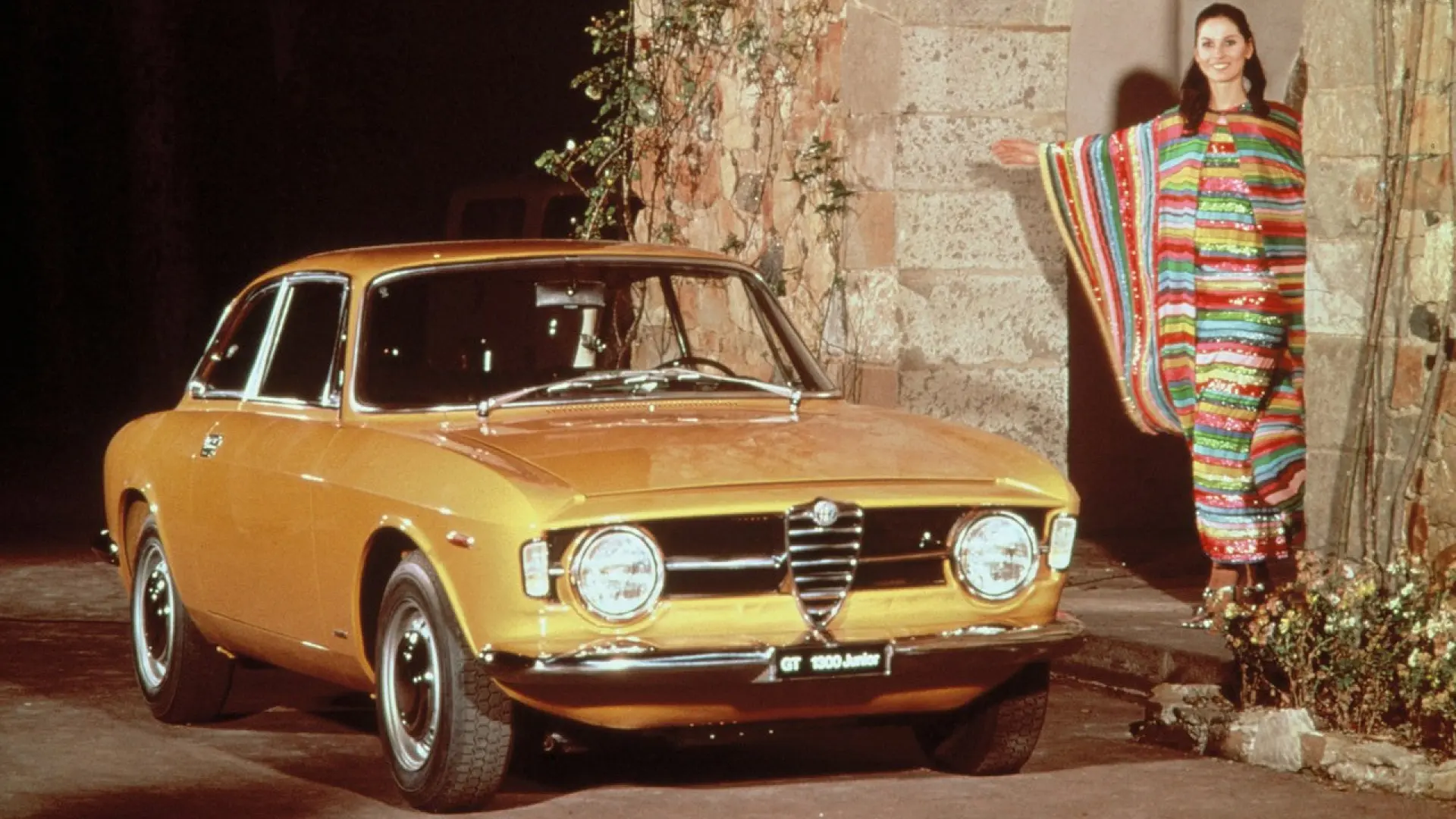
While the GTA and Veloce were winning trophies and admirers, Alfa Romeo made a brilliant commercial move. In 1966, they introduced the 1300 GT Junior. This car democratised the dream. It featured the same gorgeous “step-front” Giugiaro body, the same five-speed gearbox, and the same sublime chassis, but was fitted with the smaller (and tax-friendly) 1.3-litre (1,290cc) DOHC engine, good for 89 hp. With a simpler grille and interior, it was significantly cheaper, putting a thoroughbred Alfa coupé within reach of thousands of new buyers. The Junior was a massive success, and its balanced, high-revving nature made it a driver’s favourite in its own right. Autodelta even created the 1300 GTA Junior in 1968, applying the full Alleggerita and twin-spark treatment to the 1.3L engine to go and dominate the 1,300cc racing class.
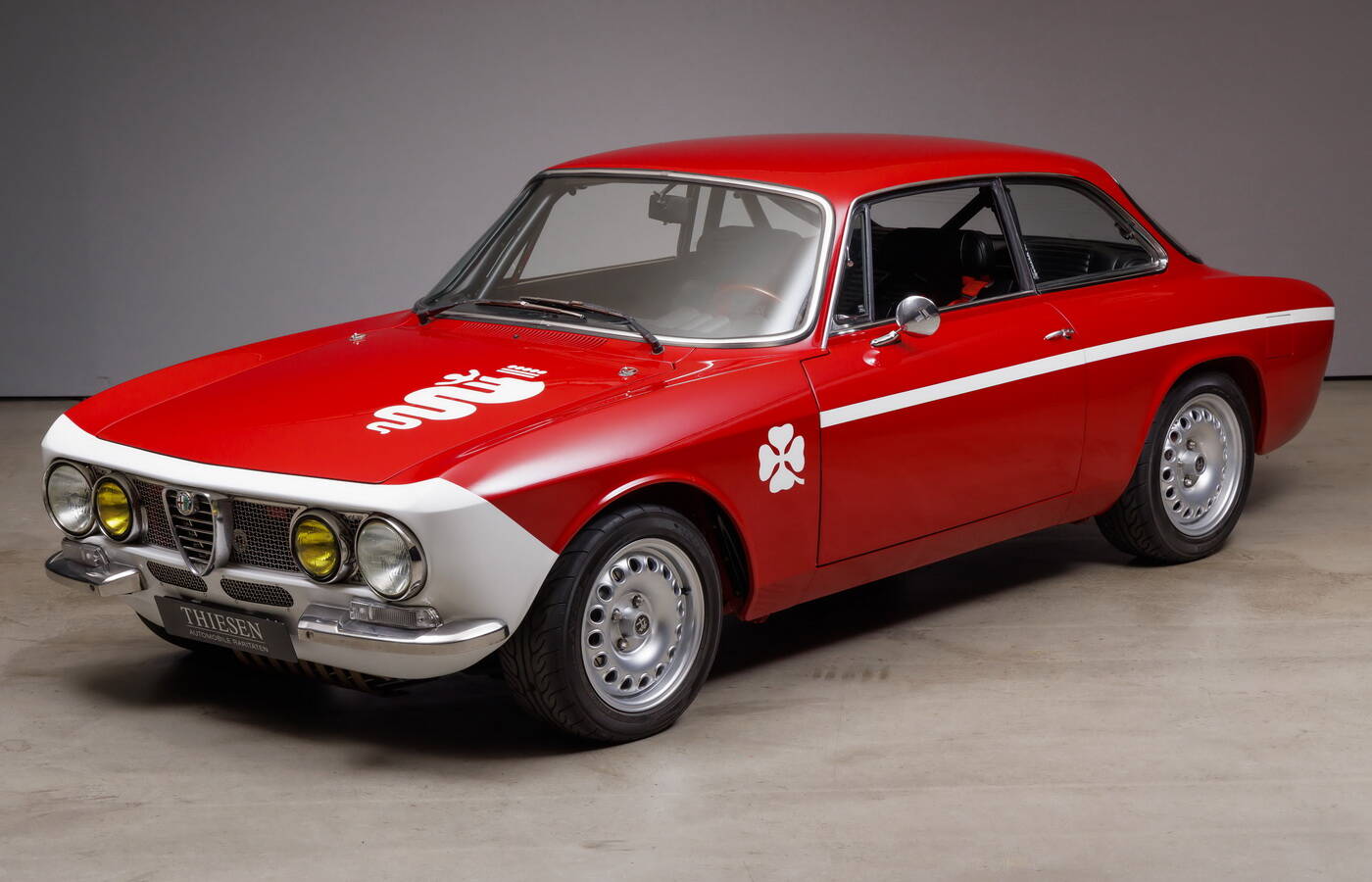
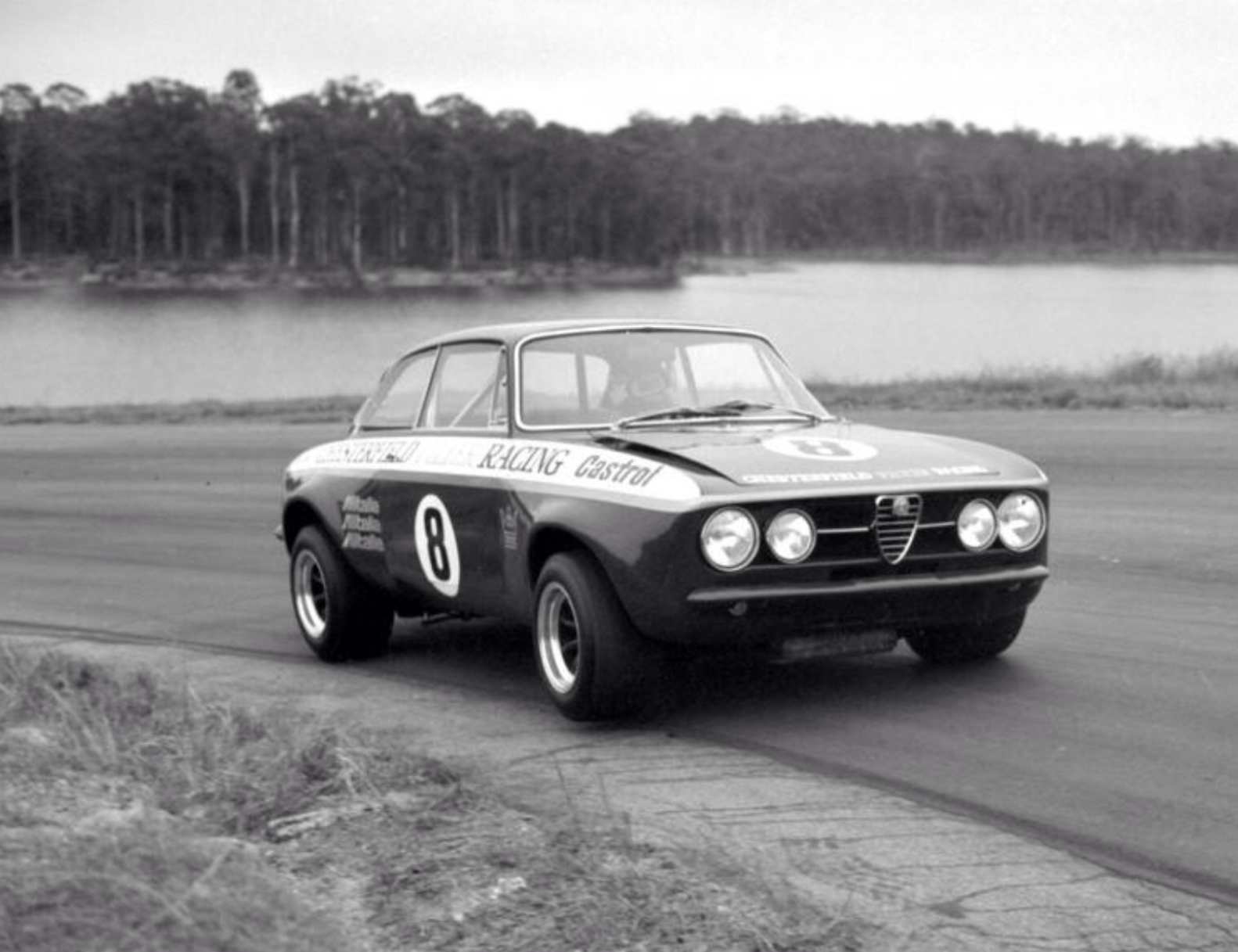
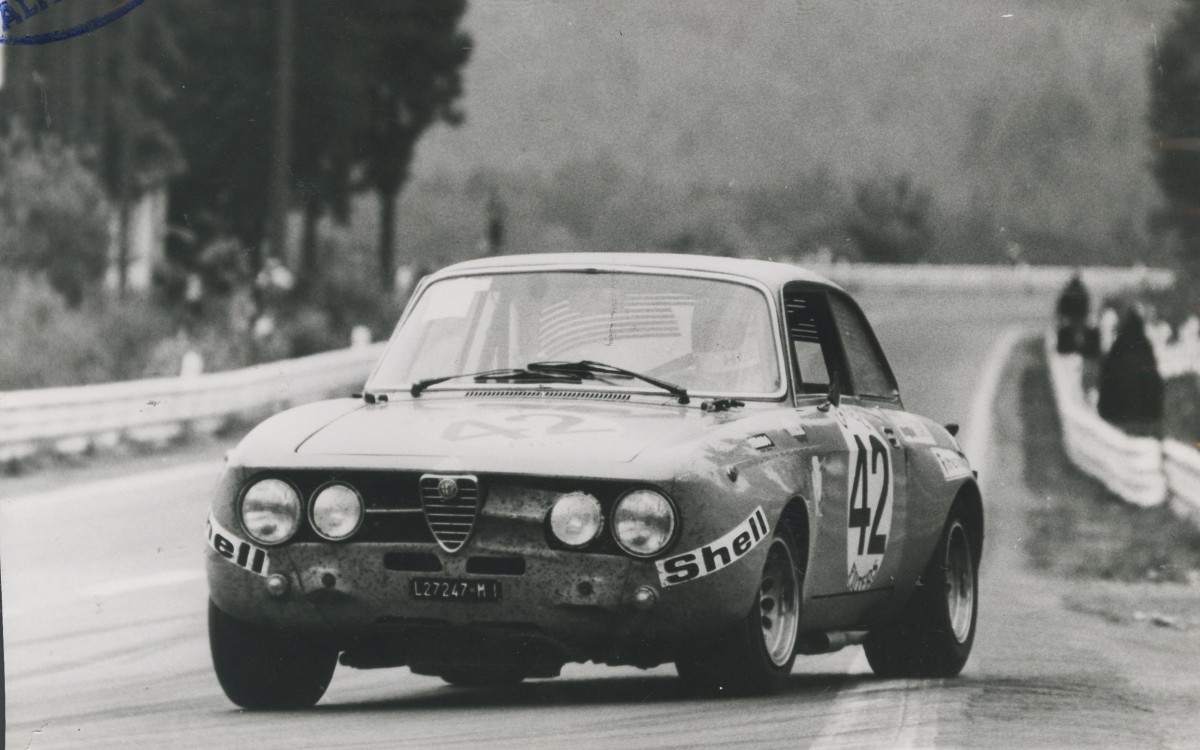
A major evolution came in 1967 with the 1750 GT Veloce (or 1750 GTV). This model marked the end of the “step-front” era. The body was restyled with a flush, smooth nose, a new quad-headlamp design, and a more prominent grille. Inside, the dashboard was completely redesigned. But the real story was the new engine. Bored and stroked to 1,779cc, the 1750 GTV was all about torque. With 122 hp, it was less frantic than the high-strung 1.6L and established the car as a formidable grand tourer, a car that could effortlessly cross continents. This “smooth-front” body also trickled down to the Junior models. The 1750 GTV became the base for Autodelta’s next monster: the GTAm of 1970. This was a Group 2 racing machine, likely based on the US-spec 1750 GTV with its SPICA fuel injection. The “Am” is often debated but is thought to mean Alleggerita Maggiorata (lightened, enlarged). The 1.8L engine was blown out to a full 2.0 litres, producing over 220 hp, and it was clothed in a brutally aggressive wide-body kit with riveted fibreglass flares. The GTAm was a different beast entirely, a snarling, muscular brawler that continued the GTA’s legacy, winning the ETCC in 1970 and 1971.
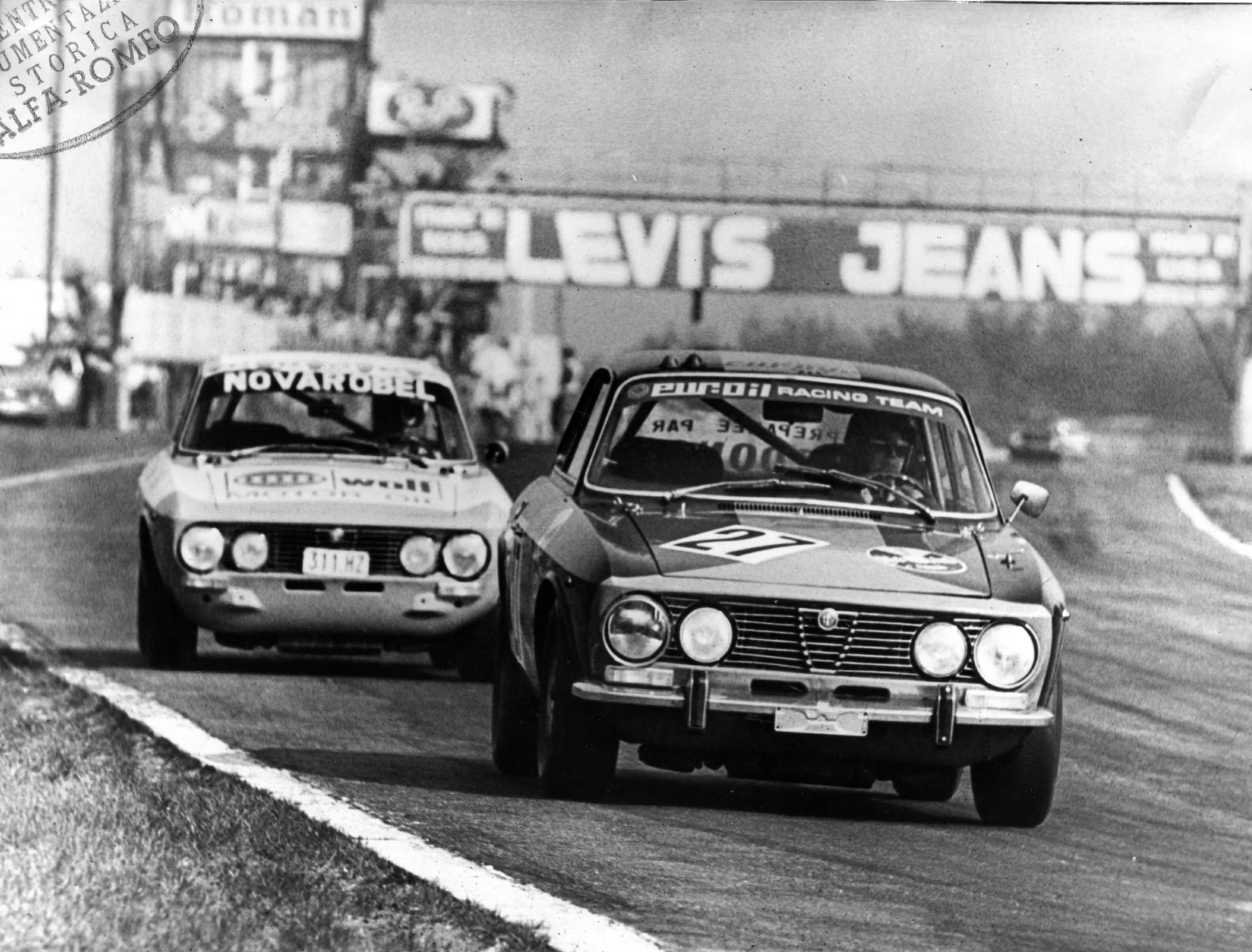
The final evolution of the line arrived in 1972: the 2000 GT Veloce. This was the ultimate road-going 105 Coupé. It took the 2.0-litre (1,962cc) engine from the GTAm’s development and put it in a civilized road package, producing 132 hp and a huge wave of torque. The 2000 GTV was distinguished by its new grille with horizontal bars, larger rear light clusters, and the most luxurious interior of the series. At the same time, the Junior range was updated, with the 1600 GT Junior re-introduced to fill the gap, using the 1.6L engine in the updated smooth-front body. The 105-series coupé remained in production until 1977, an almost unheard-of 14-year run. It was replaced by the wedge-shaped, transaxle Alfetta GTV.
The Giulia GT’s legacy is immeasurable. It was the car that did it all, a stylish companion, an accessible dream, and a dominant world champion. It is, for many, the most beautiful and definitive Alfa Romeo ever made.
Portal
Model line
Model generation
Predecessor
Sucessor
Brand
Produced from
Vehicle category
Portal
Model line
Model generation
Predecessor
Sucessor
About this model
If the Alfa Romeo Giulia Saloon of 1962 was the car that defined the modern sports saloon, its coupé sibling was the car that captured the world’s heart. The Giulia Sprint GT, first unveiled in 1963, was not just a two-door version of the Berlina; it was a dynasty in its own right. It was a car that so perfectly blended world-class engineering, everyday usability, and breathtaking style that it would come to define not only Alfa Romeo but the entire 1960s European sports GT genre. It had the enormous task of replacing the beloved Giulietta Sprint, a car that had already established itself as a design icon. To achieve this, Alfa Romeo turned once again to Carrozzeria Bertone, where a 23-year-old Giorgetto Giugiaro penned what is arguably one of the most beautiful and perfectly proportioned automotive designs of all time. It was a masterpiece of simplicity and elegance that would be pitted against the Lancia Fulvia Coupé, the Porsche 912, and the emerging BMW 2002, instantly becoming the new benchmark for the aspiring driver.
The car’s foundation was the brilliant Type 105 platform, borrowed from the Giulia saloon but with its wheelbase shortened for greater agility. This platform was a driver’s dream, combining the magnificent all-alloy, twin-cam “Nord” engine with a standard five-speed manual gearbox, four-wheel disc brakes, and a sophisticated suspension setup that paired independent front wishbones with a perfectly located solid rear axle. Giugiaro’s body was not just beautiful; it was light and compact. The debut model, the Giulia Sprint GT, featured the 1.6-litre (1,570cc) engine fed by two twin-choke Weber carburettors, producing a healthy 106 hp. It was immediately identifiable by its most famous design cue: the “Scalino,” or “step-front.” This distinctive feature, a slight recess between the leading edge of the bonnet and the front valance, created a look of purposeful elegance and remains the most coveted detail for enthusiasts. The car was an immediate critical and commercial success, a car that felt just as special driving to the office as it did on a mountain pass. Alfa Romeo briefly experimented with a convertible version, the Giulia Sprint GTC of 1964, with bodywork converted by Carrozzeria Touring. While beautiful, only around 1,000 were made before Touring’s bankruptcy, and it lacked the chassis-stiffening of its hardtop sibling.
The true legend was born in 1965. Alfa Romeo’s new competition boss, Carlo Chiti, needed a weapon to win the European Touring Car Championship. He created it through his Autodelta skunkworks, and the result was the Giulia Sprint GTA. The “A” stood for Alleggerita, or “lightened.” The beautiful steel body was meticulously remade in Peraluman 25, a lightweight aluminium alloy, with Plexiglas side windows shedding even more weight. The 1.6-litre engine was transformed, receiving a new head with two spark plugs per cylinder—the birth of the legendary “Twin Spark”—fed by larger Webers. In road (Stradale) trim, it produced 115 hp, but in full Corsa (race) spec, Autodelta extracted a screaming 170 hp. Weighing just 745 kg (over 200 kg less than the road car), the GTA was a world-beater. It won the ETCC drivers’ championship three years in a row, in 1966, 1967, and 1968, utterly dominating its class. This single car cemented the 105 Coupé’s reputation as a true thoroughbred. Alongside the GTA, the standard car was upgraded in 1966 to the Sprint GT Veloce, which featured a more powerful 109 hp engine and a more refined interior, solidifying its position as the ultimate 1.6-litre road car.
While the GTA and Veloce were winning trophies and admirers, Alfa Romeo made a brilliant commercial move. In 1966, they introduced the 1300 GT Junior. This car democratised the dream. It featured the same gorgeous “step-front” Giugiaro body, the same five-speed gearbox, and the same sublime chassis, but was fitted with the smaller (and tax-friendly) 1.3-litre (1,290cc) DOHC engine, good for 89 hp. With a simpler grille and interior, it was significantly cheaper, putting a thoroughbred Alfa coupé within reach of thousands of new buyers. The Junior was a massive success, and its balanced, high-revving nature made it a driver’s favourite in its own right. Autodelta even created the 1300 GTA Junior in 1968, applying the full Alleggerita and twin-spark treatment to the 1.3L engine to go and dominate the 1,300cc racing class.
A major evolution came in 1967 with the 1750 GT Veloce (or 1750 GTV). This model marked the end of the “step-front” era. The body was restyled with a flush, smooth nose, a new quad-headlamp design, and a more prominent grille. Inside, the dashboard was completely redesigned. But the real story was the new engine. Bored and stroked to 1,779cc, the 1750 GTV was all about torque. With 122 hp, it was less frantic than the high-strung 1.6L and established the car as a formidable grand tourer, a car that could effortlessly cross continents. This “smooth-front” body also trickled down to the Junior models. The 1750 GTV became the base for Autodelta’s next monster: the GTAm of 1970. This was a Group 2 racing machine, likely based on the US-spec 1750 GTV with its SPICA fuel injection. The “Am” is often debated but is thought to mean Alleggerita Maggiorata (lightened, enlarged). The 1.8L engine was blown out to a full 2.0 litres, producing over 220 hp, and it was clothed in a brutally aggressive wide-body kit with riveted fibreglass flares. The GTAm was a different beast entirely, a snarling, muscular brawler that continued the GTA’s legacy, winning the ETCC in 1970 and 1971.
The final evolution of the line arrived in 1972: the 2000 GT Veloce. This was the ultimate road-going 105 Coupé. It took the 2.0-litre (1,962cc) engine from the GTAm’s development and put it in a civilized road package, producing 132 hp and a huge wave of torque. The 2000 GTV was distinguished by its new grille with horizontal bars, larger rear light clusters, and the most luxurious interior of the series. At the same time, the Junior range was updated, with the 1600 GT Junior re-introduced to fill the gap, using the 1.6L engine in the updated smooth-front body. The 105-series coupé remained in production until 1977, an almost unheard-of 14-year run. It was replaced by the wedge-shaped, transaxle Alfetta GTV.
The Giulia GT’s legacy is immeasurable. It was the car that did it all, a stylish companion, an accessible dream, and a dominant world champion. It is, for many, the most beautiful and definitive Alfa Romeo ever made.
Submodels