Aston Martin DB9
Brand
Produced from
Vehicle category
Portal
Model line
Model generation
Predecessor
Sucessor
Model Overview
In the dawn of the 21st century, Aston Martin was at a profound crossroads. The company, then under Ford’s Premier Automotive Group, was building magnificent, soulful, and deeply desirable cars, but it was doing so in an almost archaic fashion. The V12 Vanquish, its flagship, was a brute-in-a-suit, hand-built at the historic Newport Pagnell factory using a complex bonded-aluminium and carbon-fibre chassis. It was a masterpiece of the old guard, but it was not a sustainable future. Aston Martin needed a revolution. It needed a car that was not only beautiful but could be produced with modern efficiency, precision, and technology. The answer, unveiled at the 2003 Frankfurt Motor Show, was the DB9. This was not just a new model; it was the first car from the all-new Gaydon factory, the first car penned by designer Henrik Fisker, and, most importantly, the first car built on the company’s game-changing “VH” (Vertical/Horizontal) bonded-aluminium platform. It was, in every sense, the car that saved Aston Martin.
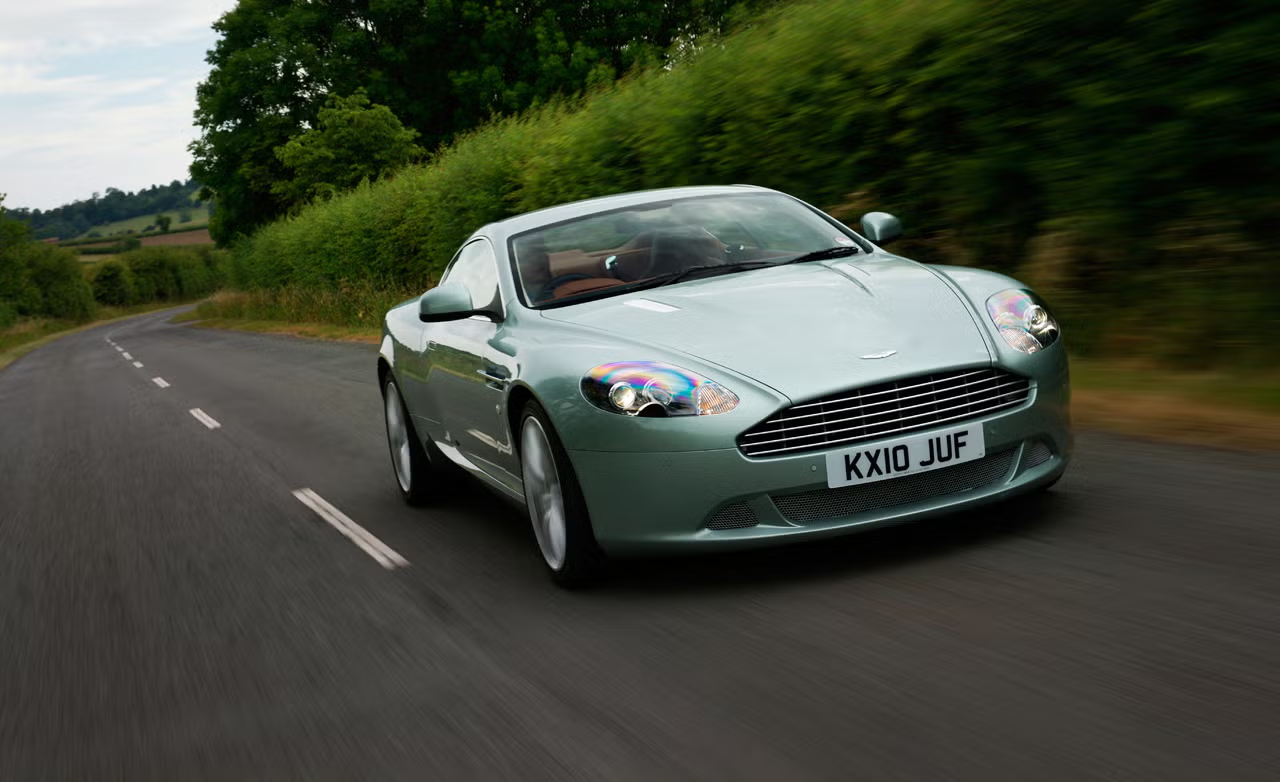
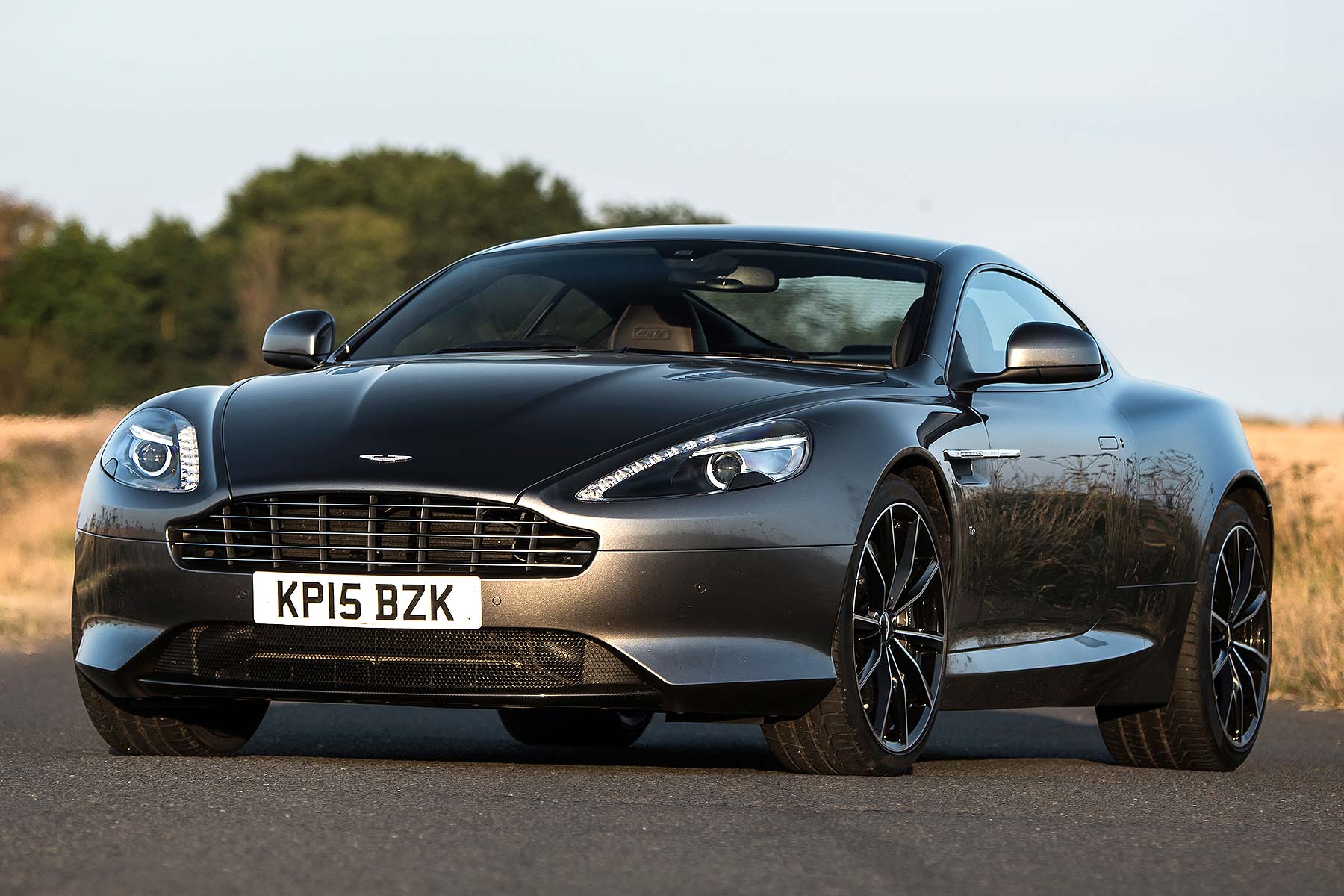
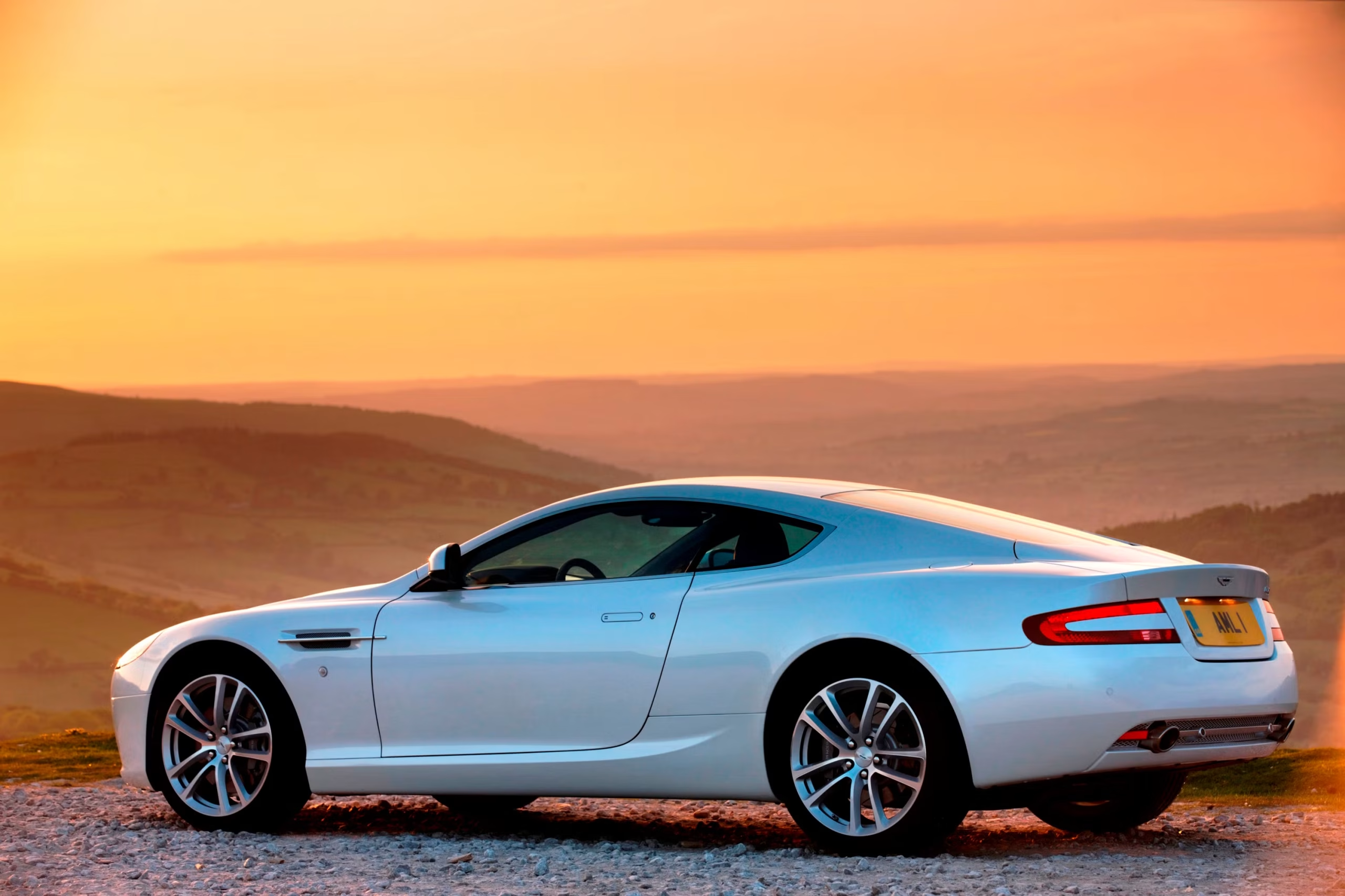
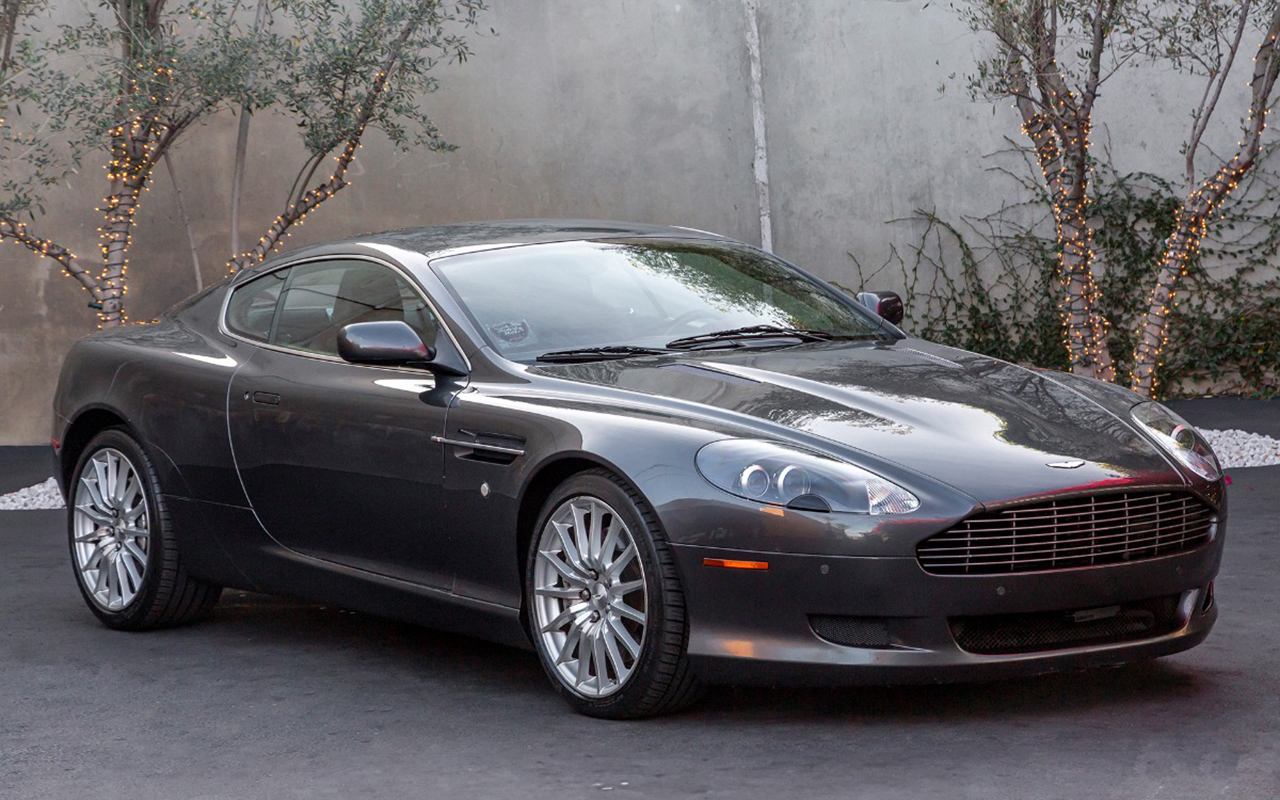
The DB9 was tasked with replacing the DB7, a car that had been a commercial success but was based on an ageing Jaguar platform. The DB9, however, was pure Aston. Its VH architecture was a revelation: a lightweight, incredibly stiff structure of bonded and riveted aluminium extrusions. This platform provided the perfect foundation, allowing the engineers to achieve a flawless 50:50 weight distribution by mounting the engine far back in the nose (front-mid) and placing the gearbox in a transaxle unit at the rear. The heart of the beast was the familiar 6.0-litre (5,935cc) V12, heavily revised from the V12 Vanquish to produce 450 hp. This was mated to either a 6-speed Graziano manual or a new 6-speed ZF “Touchtronic” automatic. Henrik Fisker’s design was, and remains, a masterclass in proportion and understated elegance. The “swan-wing” doors, the long bonnet, and the powerful haunches were pure “golden ratio” aesthetics. The interior was a quantum leap, a world of hand-stitched leather, bridge-of-weir hides, and real aluminium trim. It was a car designed to fight the Ferrari 575M and the Mercedes-Benz SL 55 AMG, but its most direct rival became the Bentley Continental GT, a car that offered similar performance but in a heavier, less sporting, all-wheel-drive package. The DB9 was the purist’s GT.
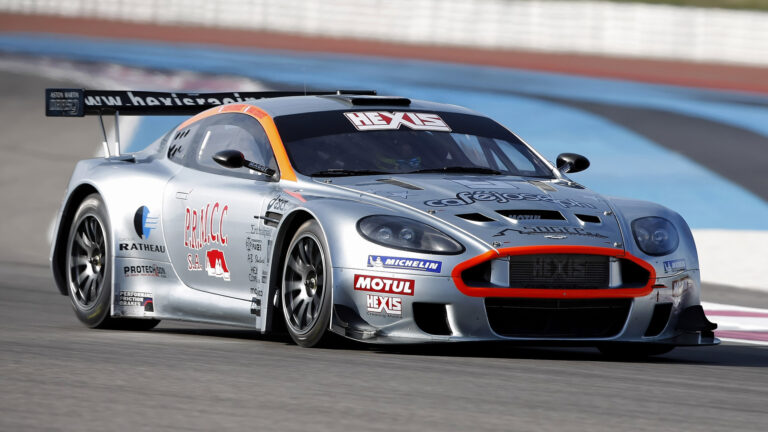
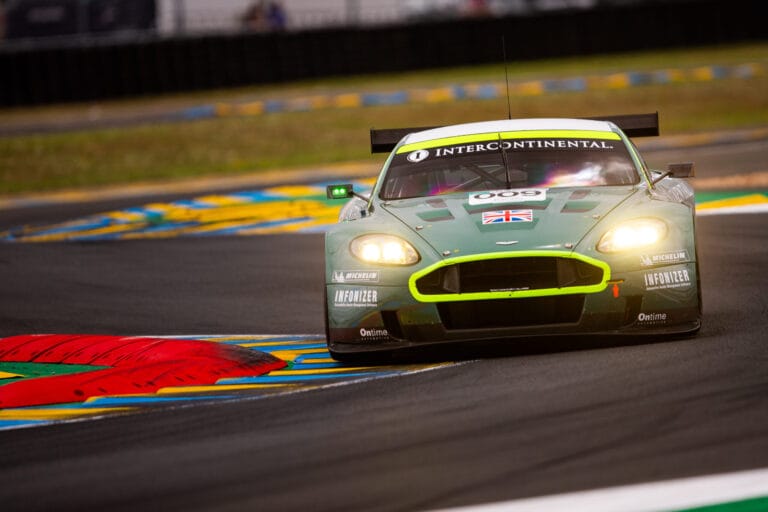
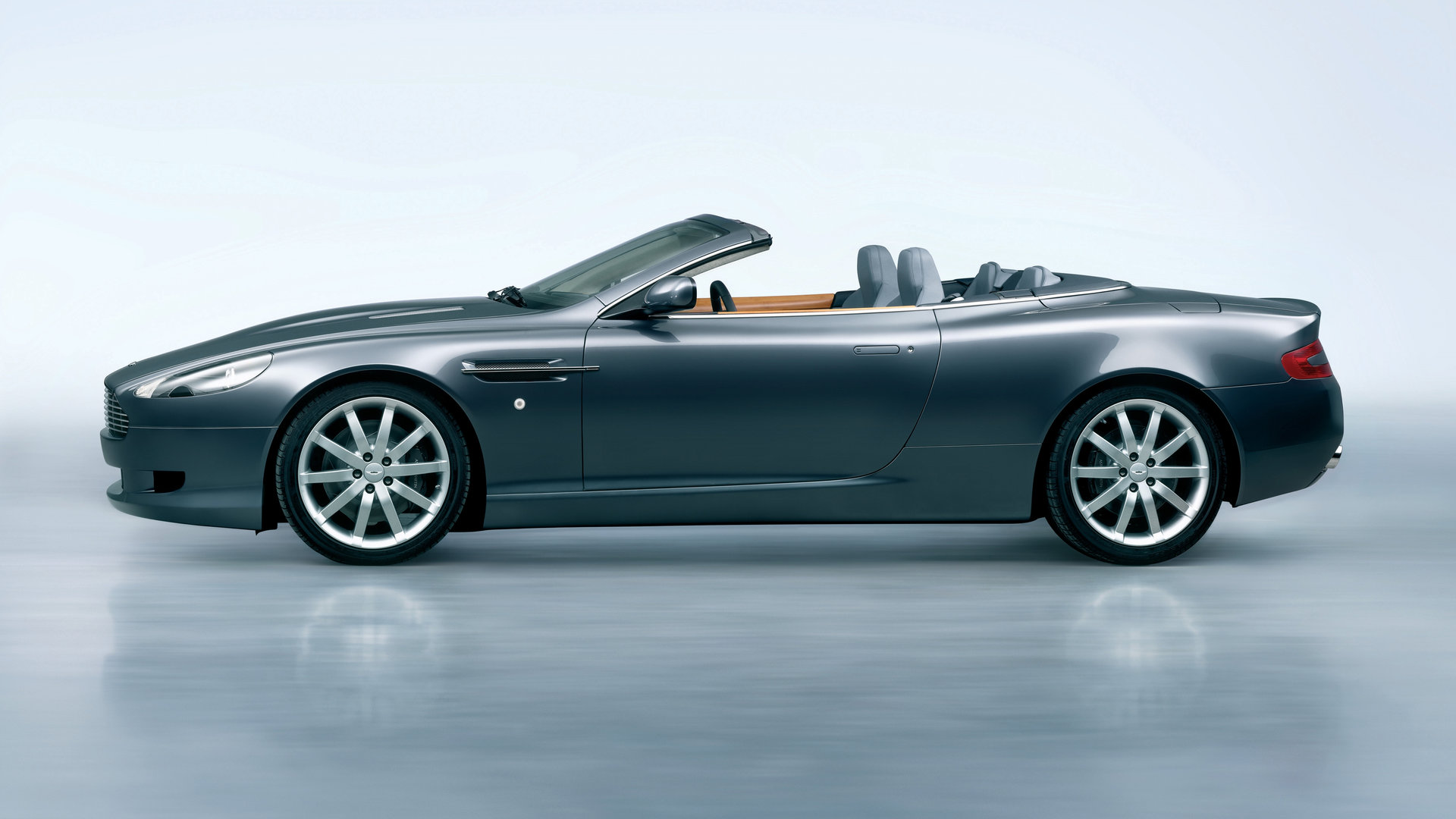
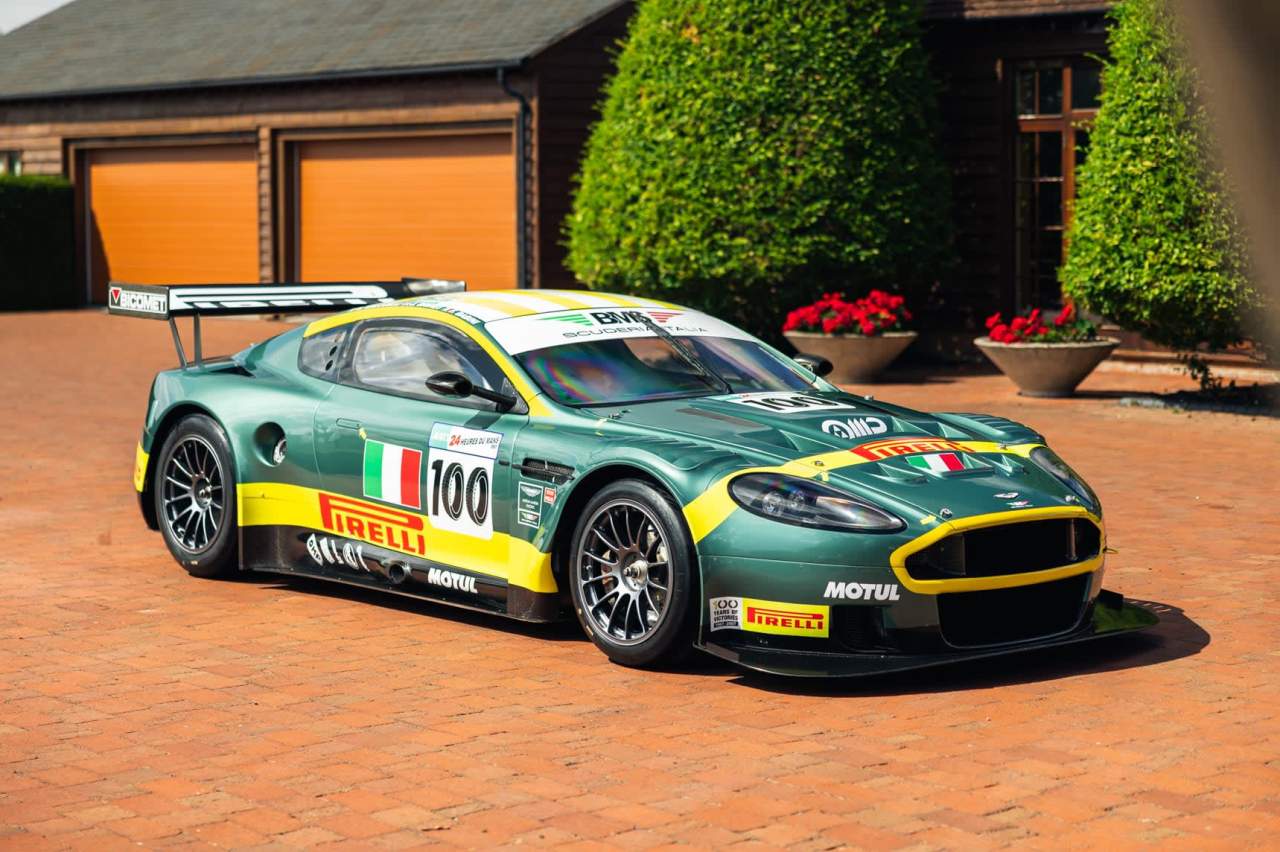
The DB9 was an immediate commercial and critical hit, offered as both a Coupé and the equally beautiful Volante (convertible). It was the backbone of the company, and it received several updates, including a major facelift in 2013 that gave it a more aggressive look and a power boost to 510 hp. But the DB9’s greatest legacy was arguably what it spawned. In 2005, Aston Martin Racing, the new factory competition arm run by Prodrive, unleashed the DBR9. This was the DB9’s evil twin, a full-blooded GT1 racing car. Using the DB9’s VH chassis and V12 block, the DBR9 was a carbon-fibre-bodied monster producing over 625 hp. It was built for one purpose: to go to Le Mans and beat the dominant Corvette C6.R. The result was one of the greatest GT racing rivalries of the 21st century. In 2007, fifty years after Aston’s last Le Mans win, the #009 DBR9, in its iconic Gulf livery, out-duelled the Corvettes in a brutal, race-long battle to win the GT1 class. Incredibly, they did it again in 2008. The DBR9 was a two-time Le Mans winner, an ALMS champion, and a Sebring winner, its glorious, screaming V12 becoming the defining soundtrack of the GT1 era. A customer version, the DBRS9, was also built for the new GT3 class and became a champion in countless national series.
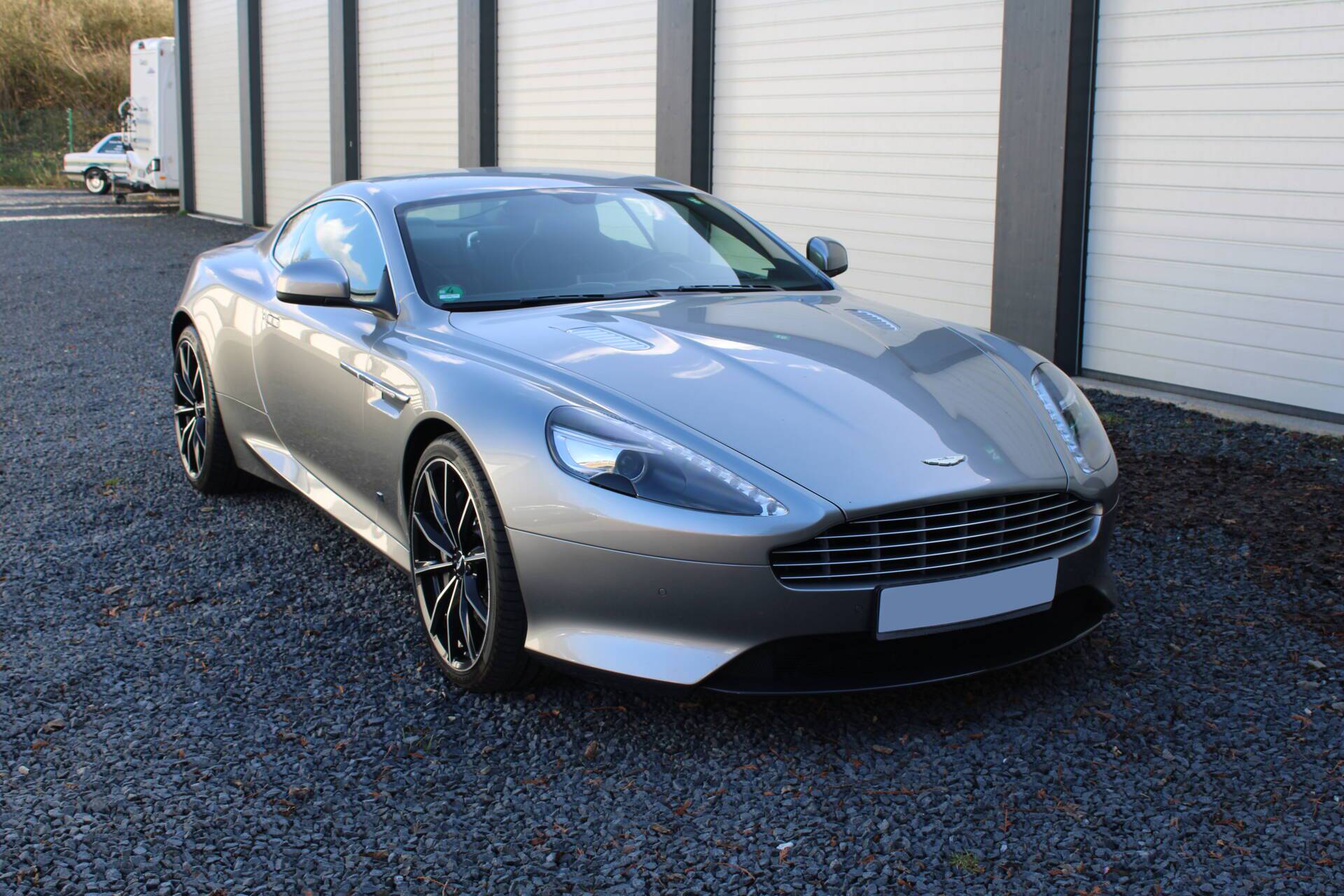
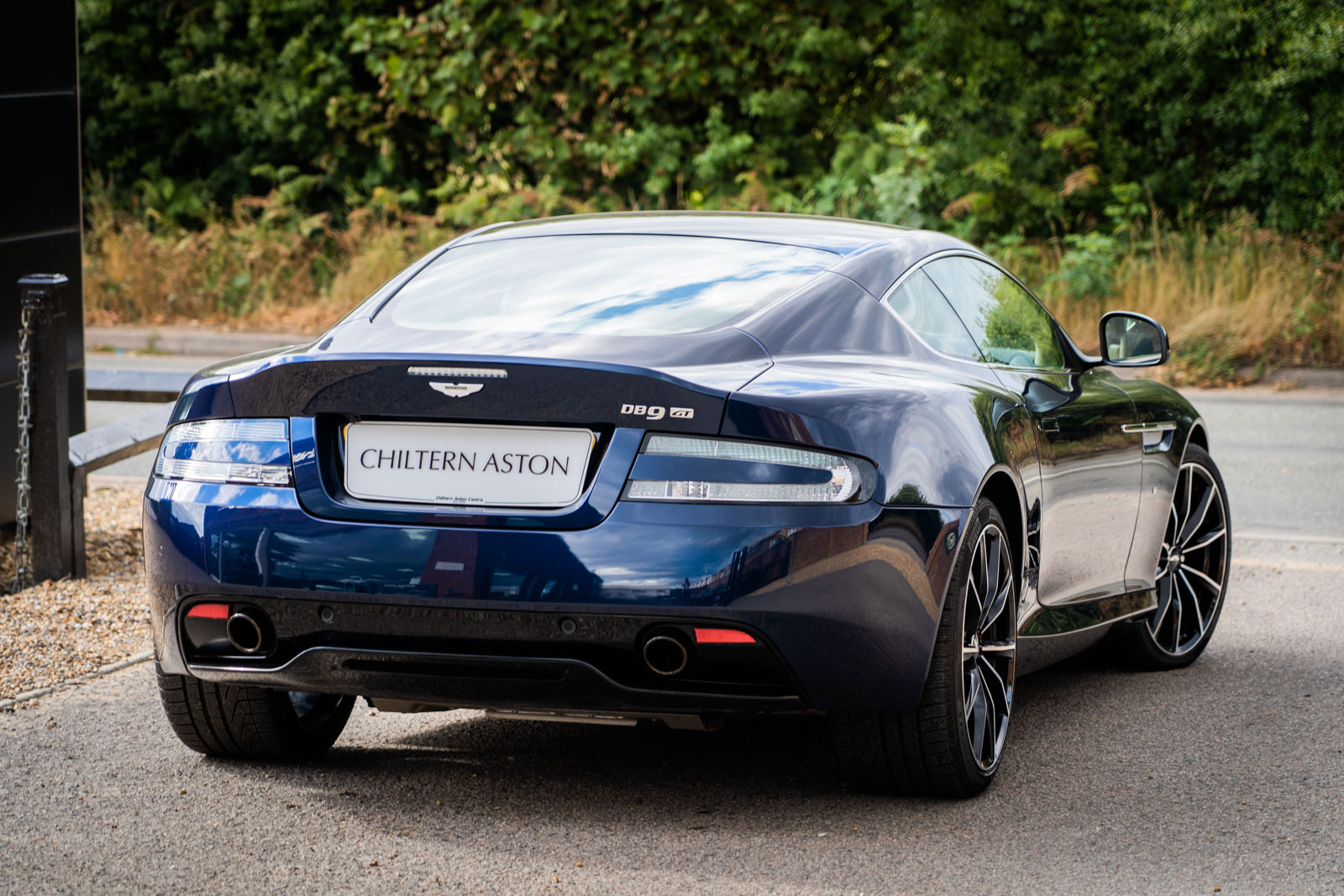
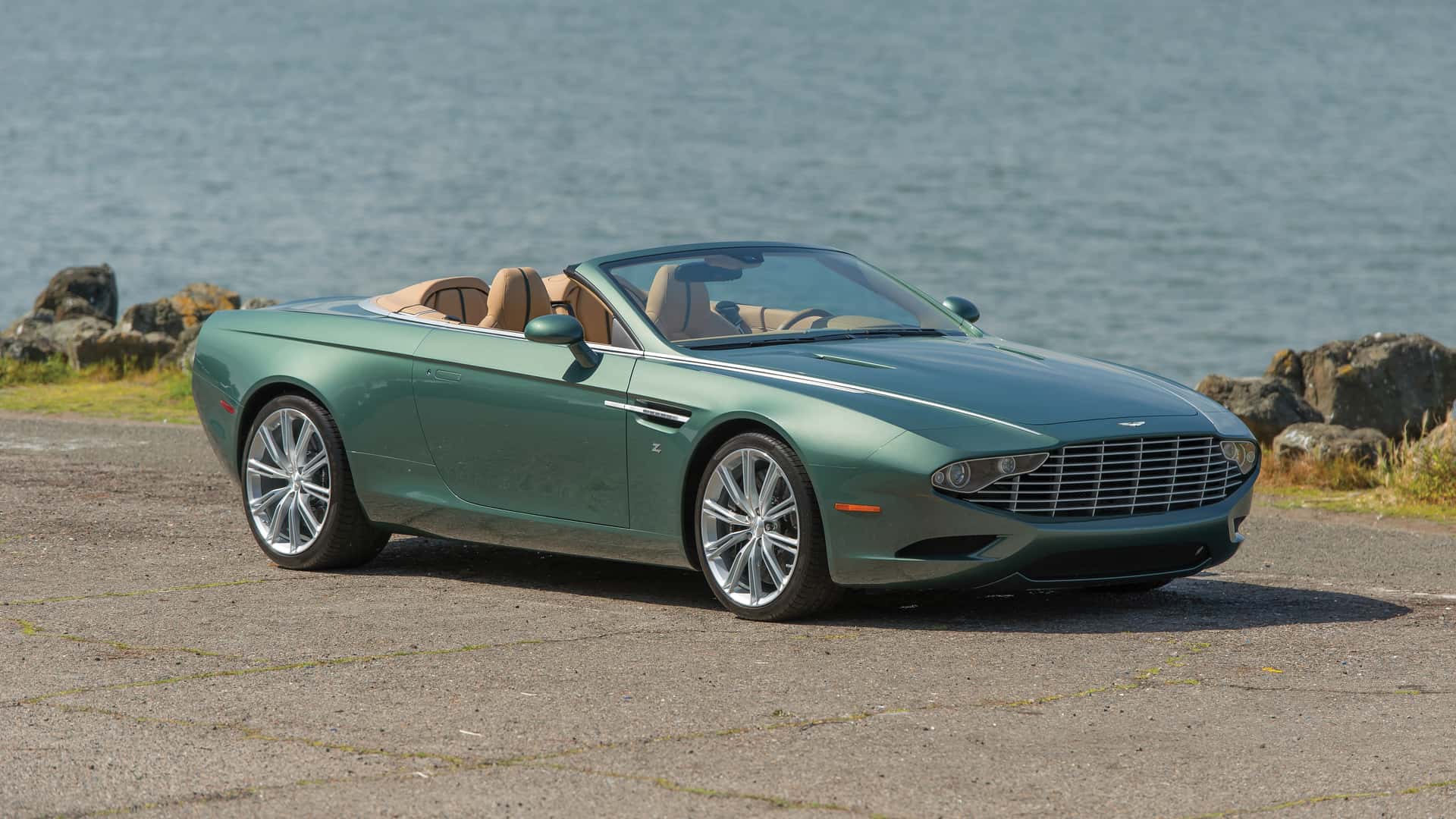
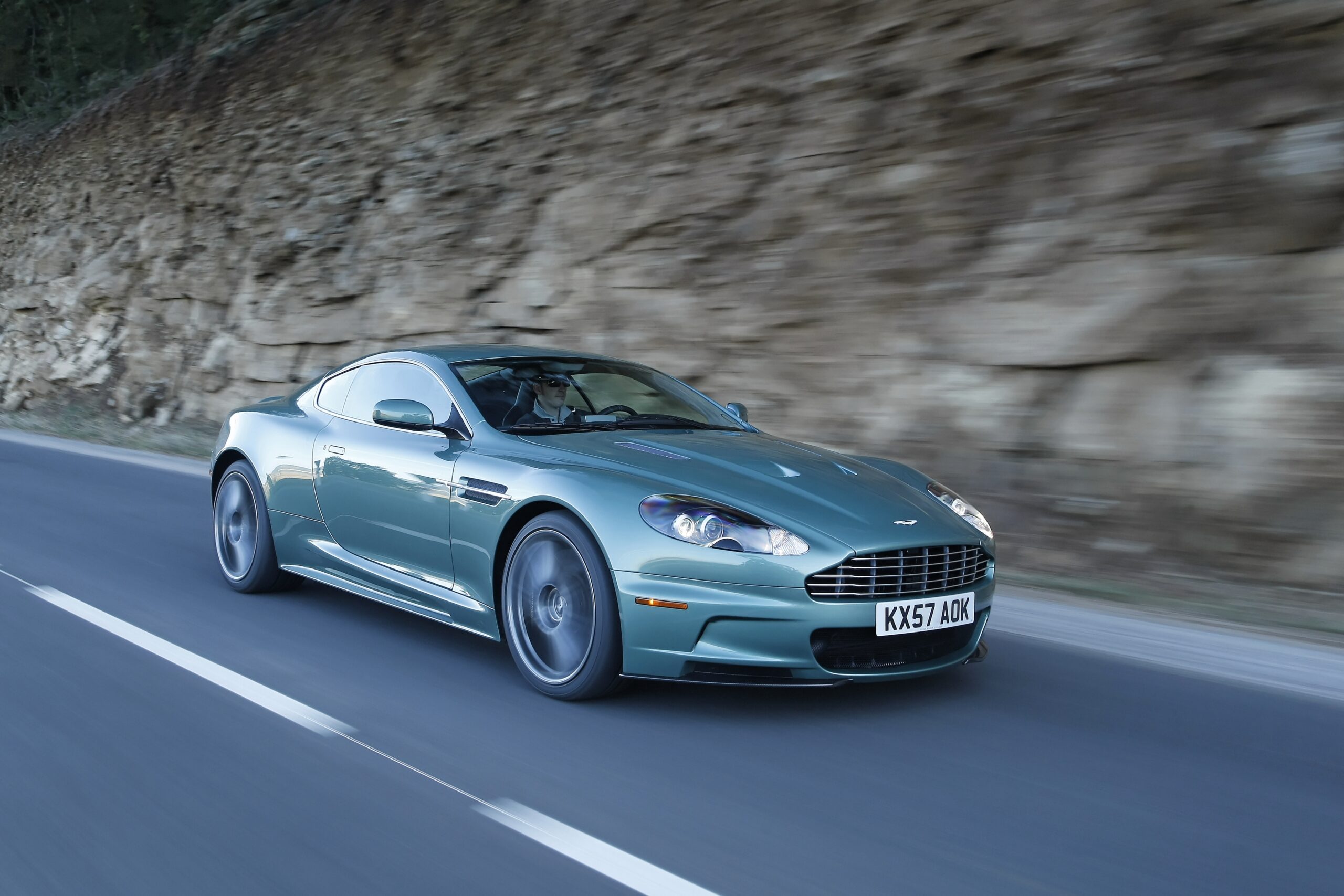
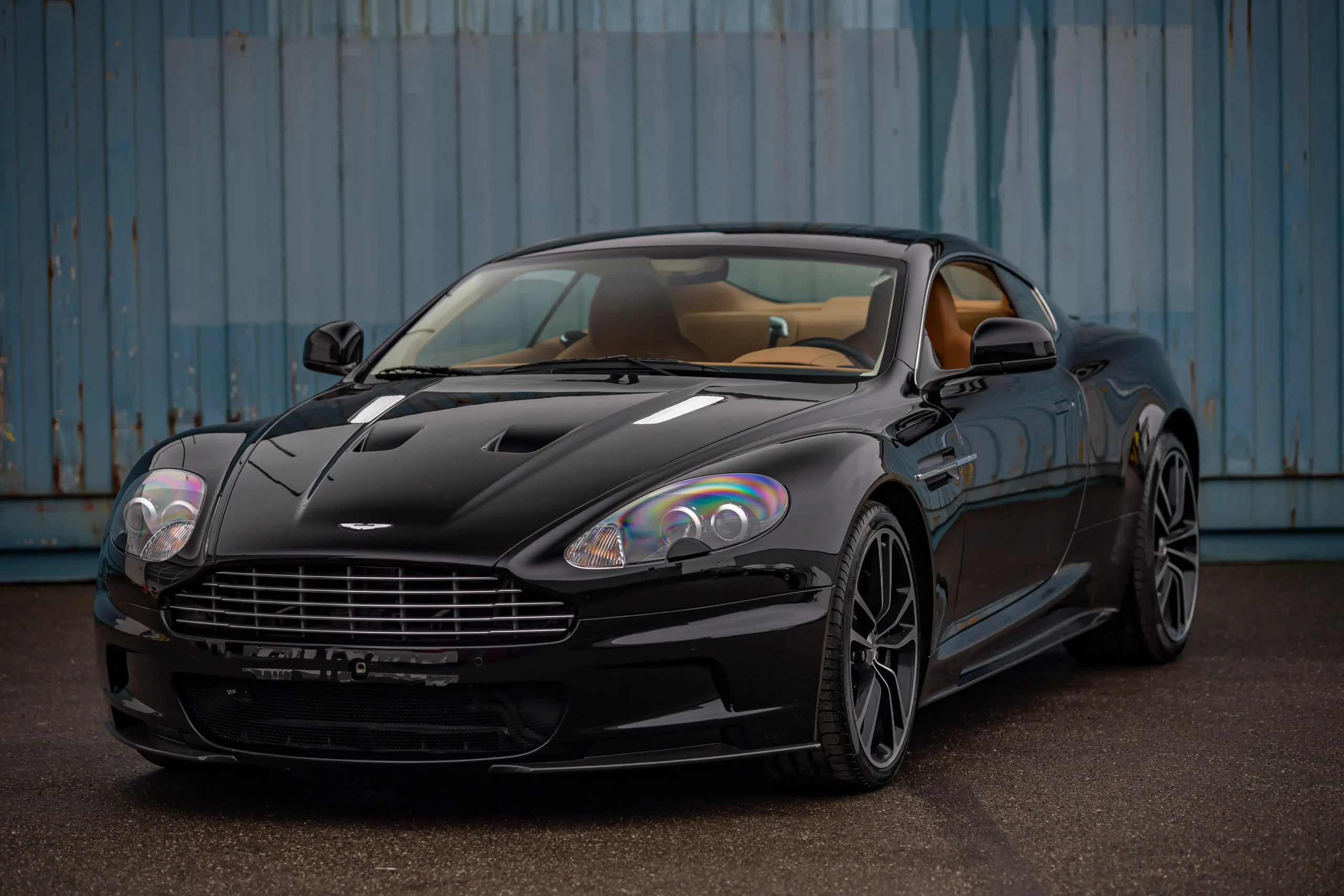
The VH platform’s flexibility also allowed Aston Martin to expand the V12 family. In 2007, the DB9’s “super-GT” sibling arrived: the DBS. Launched to the world as James Bond’s new car in Casino Royale, the DBS was a DB9 turned up to eleven. It used the same chassis but was cloaked in aggressive carbon-fibre body panels, featured carbon-ceramic brakes as standard, and its V12 was tuned to 510 hp. It was the “Vanquish S” of its generation, a direct competitor to the Ferrari 599 GTB. Then, in 2010, Aston Martin used the VH platform to create its first four-door saloon in decades: the Rapide. A direct shot at the Porsche Panamera and Maserati Quattroporte, the Rapide was essentially a stretched DB9. It retained the transaxle layout and 470 hp V12, and in doing so, created what many consider to be the most beautiful and best-handling four-door car in the world. The final iteration of the DB9 came in 2015 as the DB9 GT, a 540-hp run-out special that perfected the formula. The bloodline’s exclusivity was cemented by one-off coachbuilt specials, like the stunning DB9 Spyder Centennial Zagato of 2013.
The DB9 and its direct derivatives—the DBS, Rapide, and the Le Mans-winning DBR9—were not just cars; they were the entire Aston Martin company for over a decade. The VH platform it pioneered became the foundation for every Aston Martin of the era, including the smaller V8 Vantage. The DB9’s design language set the standard, its V12 engine became an icon, and its racing counterpart brought the brand back to the pinnacle of motorsport. It was finally replaced in 2016 by the DB11, but the DB9’s legacy is that of the car that single-handedly defined the most stable, successful, and glorious chapter in the company’s modern history.
Portal
Model line
Model generation
Predecessor
Sucessor
Brand
Produced from
Vehicle category
Portal
Model line
Model generation
Predecessor
Sucessor
Model Overview
In the dawn of the 21st century, Aston Martin was at a profound crossroads. The company, then under Ford’s Premier Automotive Group, was building magnificent, soulful, and deeply desirable cars, but it was doing so in an almost archaic fashion. The V12 Vanquish, its flagship, was a brute-in-a-suit, hand-built at the historic Newport Pagnell factory using a complex bonded-aluminium and carbon-fibre chassis. It was a masterpiece of the old guard, but it was not a sustainable future. Aston Martin needed a revolution. It needed a car that was not only beautiful but could be produced with modern efficiency, precision, and technology. The answer, unveiled at the 2003 Frankfurt Motor Show, was the DB9. This was not just a new model; it was the first car from the all-new Gaydon factory, the first car penned by designer Henrik Fisker, and, most importantly, the first car built on the company’s game-changing “VH” (Vertical/Horizontal) bonded-aluminium platform. It was, in every sense, the car that saved Aston Martin.
The DB9 was tasked with replacing the DB7, a car that had been a commercial success but was based on an ageing Jaguar platform. The DB9, however, was pure Aston. Its VH architecture was a revelation: a lightweight, incredibly stiff structure of bonded and riveted aluminium extrusions. This platform provided the perfect foundation, allowing the engineers to achieve a flawless 50:50 weight distribution by mounting the engine far back in the nose (front-mid) and placing the gearbox in a transaxle unit at the rear. The heart of the beast was the familiar 6.0-litre (5,935cc) V12, heavily revised from the V12 Vanquish to produce 450 hp. This was mated to either a 6-speed Graziano manual or a new 6-speed ZF “Touchtronic” automatic. Henrik Fisker’s design was, and remains, a masterclass in proportion and understated elegance. The “swan-wing” doors, the long bonnet, and the powerful haunches were pure “golden ratio” aesthetics. The interior was a quantum leap, a world of hand-stitched leather, bridge-of-weir hides, and real aluminium trim. It was a car designed to fight the Ferrari 575M and the Mercedes-Benz SL 55 AMG, but its most direct rival became the Bentley Continental GT, a car that offered similar performance but in a heavier, less sporting, all-wheel-drive package. The DB9 was the purist’s GT.
The DB9 was an immediate commercial and critical hit, offered as both a Coupé and the equally beautiful Volante (convertible). It was the backbone of the company, and it received several updates, including a major facelift in 2013 that gave it a more aggressive look and a power boost to 510 hp. But the DB9’s greatest legacy was arguably what it spawned. In 2005, Aston Martin Racing, the new factory competition arm run by Prodrive, unleashed the DBR9. This was the DB9’s evil twin, a full-blooded GT1 racing car. Using the DB9’s VH chassis and V12 block, the DBR9 was a carbon-fibre-bodied monster producing over 625 hp. It was built for one purpose: to go to Le Mans and beat the dominant Corvette C6.R. The result was one of the greatest GT racing rivalries of the 21st century. In 2007, fifty years after Aston’s last Le Mans win, the #009 DBR9, in its iconic Gulf livery, out-duelled the Corvettes in a brutal, race-long battle to win the GT1 class. Incredibly, they did it again in 2008. The DBR9 was a two-time Le Mans winner, an ALMS champion, and a Sebring winner, its glorious, screaming V12 becoming the defining soundtrack of the GT1 era. A customer version, the DBRS9, was also built for the new GT3 class and became a champion in countless national series.
The VH platform’s flexibility also allowed Aston Martin to expand the V12 family. In 2007, the DB9’s “super-GT” sibling arrived: the DBS. Launched to the world as James Bond’s new car in Casino Royale, the DBS was a DB9 turned up to eleven. It used the same chassis but was cloaked in aggressive carbon-fibre body panels, featured carbon-ceramic brakes as standard, and its V12 was tuned to 510 hp. It was the “Vanquish S” of its generation, a direct competitor to the Ferrari 599 GTB. Then, in 2010, Aston Martin used the VH platform to create its first four-door saloon in decades: the Rapide. A direct shot at the Porsche Panamera and Maserati Quattroporte, the Rapide was essentially a stretched DB9. It retained the transaxle layout and 470 hp V12, and in doing so, created what many consider to be the most beautiful and best-handling four-door car in the world. The final iteration of the DB9 came in 2015 as the DB9 GT, a 540-hp run-out special that perfected the formula. The bloodline’s exclusivity was cemented by one-off coachbuilt specials, like the stunning DB9 Spyder Centennial Zagato of 2013.
The DB9 and its direct derivatives—the DBS, Rapide, and the Le Mans-winning DBR9—were not just cars; they were the entire Aston Martin company for over a decade. The VH platform it pioneered became the foundation for every Aston Martin of the era, including the smaller V8 Vantage. The DB9’s design language set the standard, its V12 engine became an icon, and its racing counterpart brought the brand back to the pinnacle of motorsport. It was finally replaced in 2016 by the DB11, but the DB9’s legacy is that of the car that single-handedly defined the most stable, successful, and glorious chapter in the company’s modern history.
Submodels