
Aston Martin DBR9


Brand
Produced from
Portal
Vehicle category
Model line
Predecessor
Successor
Submodel Overview
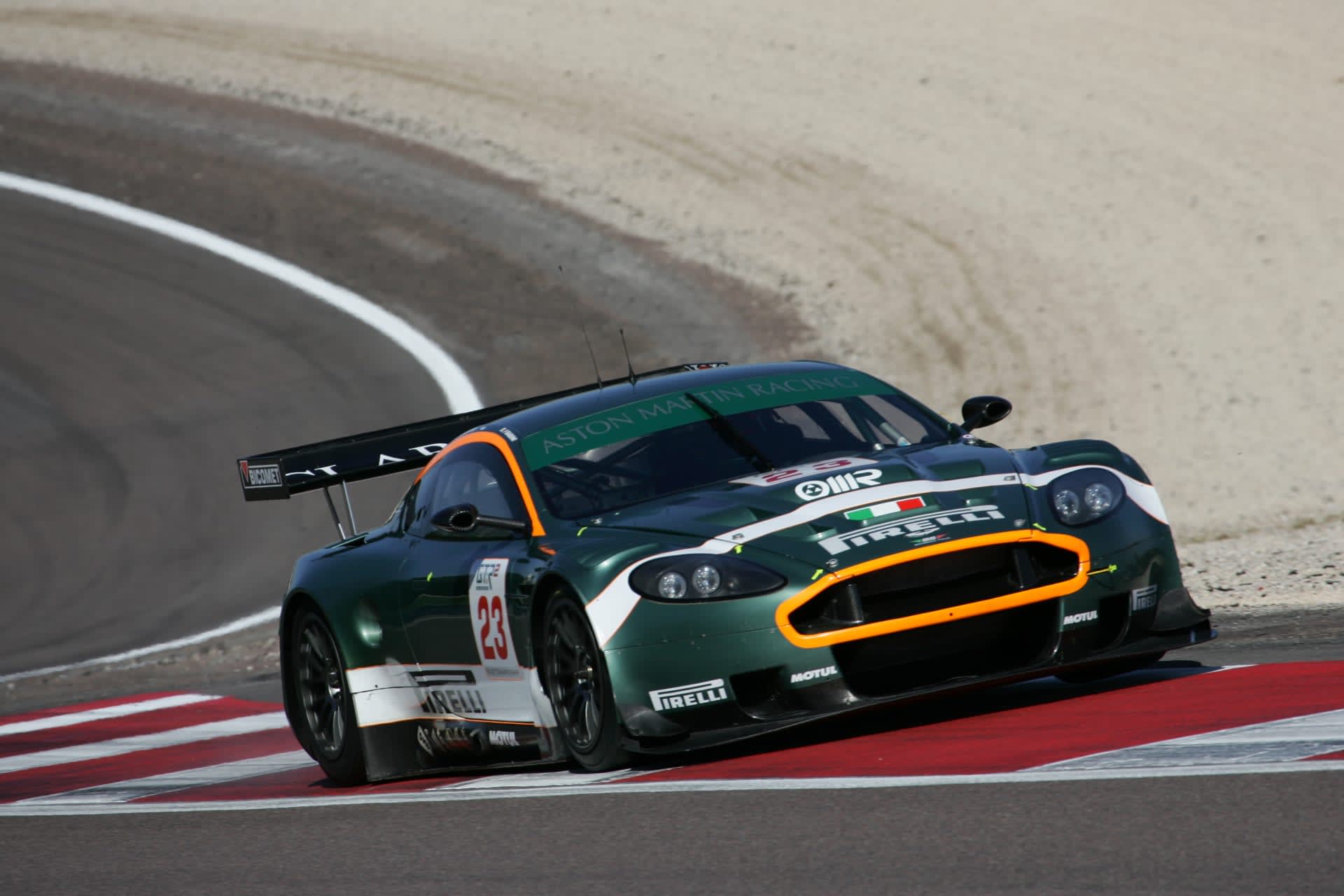
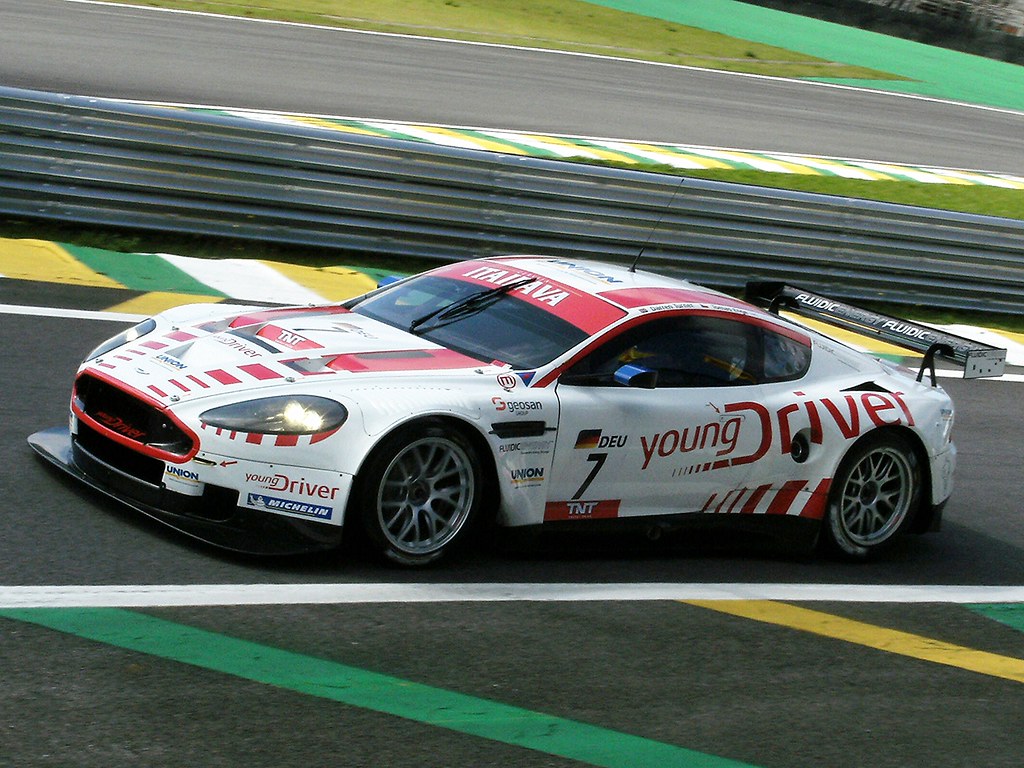
In the history of motorsport, there are sounds that transcend the mere mechanics of combustion. They are audible signatures, battle cries that define an era. The high-pitched shriek of the Matra V12, the off-beat thunder of the Audi Quattro, and, joining that hallowed choir, the apocalyptic, soul-stirring wail of the Aston Martin DBR9. When that V12 engine was unleashed in 2005, it was more than just a new car; it was the sound of a sleeping giant awakening. Aston Martin, the brand of David Brown and the 1959 Le Mans-winning DBR1, was returning to the world stage. After decades of false starts and privateer efforts, the new DBR9 was a full-factory assault, a machine created by a new partnership, Aston Martin Racing, specifically to win the 24 Hours of Le Mans.
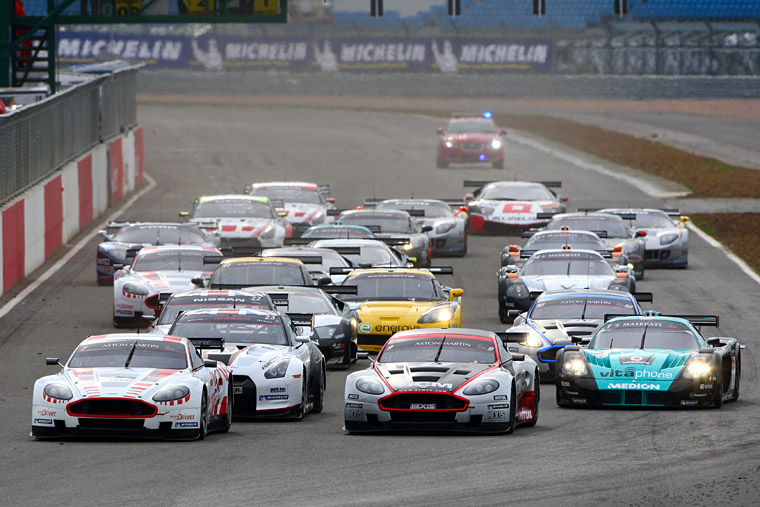
This comeback was orchestrated by Aston’s visionary CEO, Dr. Ulrich Bez, and executed by one of the sharpest minds in motorsport: David Richards of Prodrive. Prodrive was the outfit that had already turned the privateer-run Ferrari 550 Maranello into a Le Mans class-winner, and they were now tasked with transforming Aston’s new road-going flagship, the DB9, into a world-beater. The category was GT1, the final golden era of grand touring racing, a class of brutal, silhouette racers that still bore a genuine link to their road-going counterparts. The DBR9 was not entering a vacuum; it was walking into a warzone. The undisputed king of the class was the factory Pratt & Miller-run Corvette Racing team, first with their C5-R and now their new C6.R. They were the dominant, disciplined, and fearsomely fast benchmark. Alongside them were the exotic, V12-powered Maserati MC12, the brutish Saleen S7R, and a host of privateer Ferraris. The DBR9 was not just built to compete; it was built to dethrone a king.
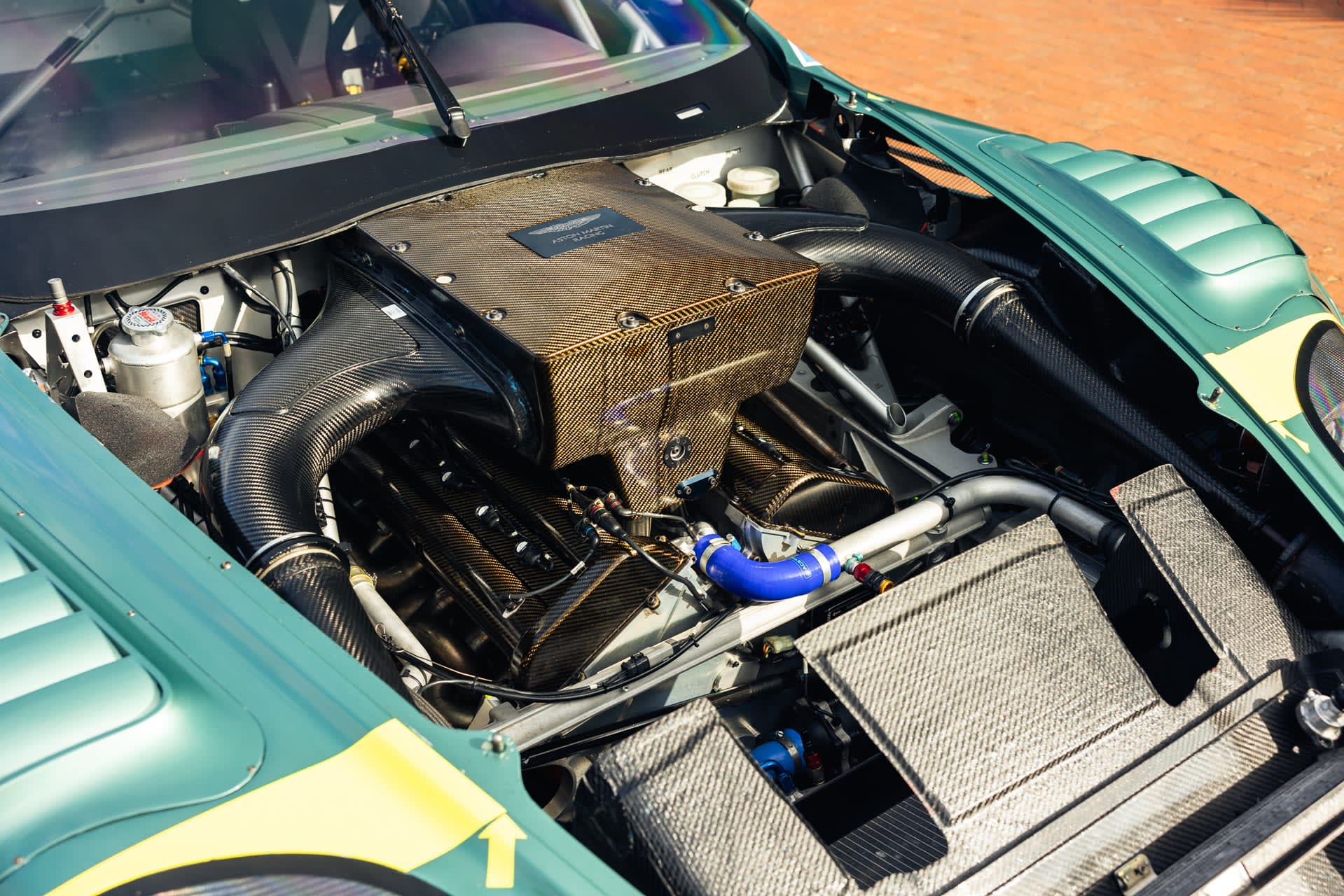
The technical brilliance of the DBR9 lies in its faithfulness to the DB9. Unlike many rivals who used a bespoke tube-frame, the DBR9 was built upon the production car’s bonded-aluminium “VH” platform. This gave the car immense inherent stiffness and was a marketing dream, proving the road car’s thoroughbred origins. Prodrive then took this chassis and systematically replaced everything else with pure racing technology. The elegant aluminium bodywork was swapped for a lightweight, carbon-fibre suit, dramatically flared to cover a wider track and incorporating a massive rear wing, flat floor, and rear diffuser for colossal downforce. The engine was the production 6.0-litre V12 block, but it was completely rebuilt for war. Stripped of its restrictors, fitted with a dry-sump lubrication system, and meticulously blueprinted, the V12 unleashed its full, uncorked potential: over 625 hp, all channelled through a 6-speed Xtrac sequential transaxle for perfect weight distribution. The suspension was all double-wishbone, but with bespoke geometry and Koni dampers. Carbon-ceramic brakes were standard. The interior was a pure, stripped, carbon-fibre “office,” with the driver’s seat fixed and moved far back for optimal balance. The result was a 1,100kg sledgehammer, a perfect blend of the DB9’s soul and Prodrive’s ruthless competition engineering.
The DBR9’s impact was immediate and explosive. It made its race debut at the 12 Hours of Sebring in 2005. In one of the most stunning debut performances in modern racing, the #57 DBR9, driven by David Brabham, Darren Turner, and Stephane Ortelli, went head-to-head with the brand new Corvette C6.Rs and won. It was a seismic shock to the GT establishment. The DBR9 was a winner straight out of the box. The rest of 2005 was a learning year, with a strong podium at Le Mans but a class win for the rival Corvette. In 2006, the rivalry intensified, with the works AMR team taking victories at Laguna Seca, Houston, and Mosport, while customer teams like Larbre Compétition won the Le Mans Series. But Le Mans itself remained the elusive prize, with Corvette again clinching the win.
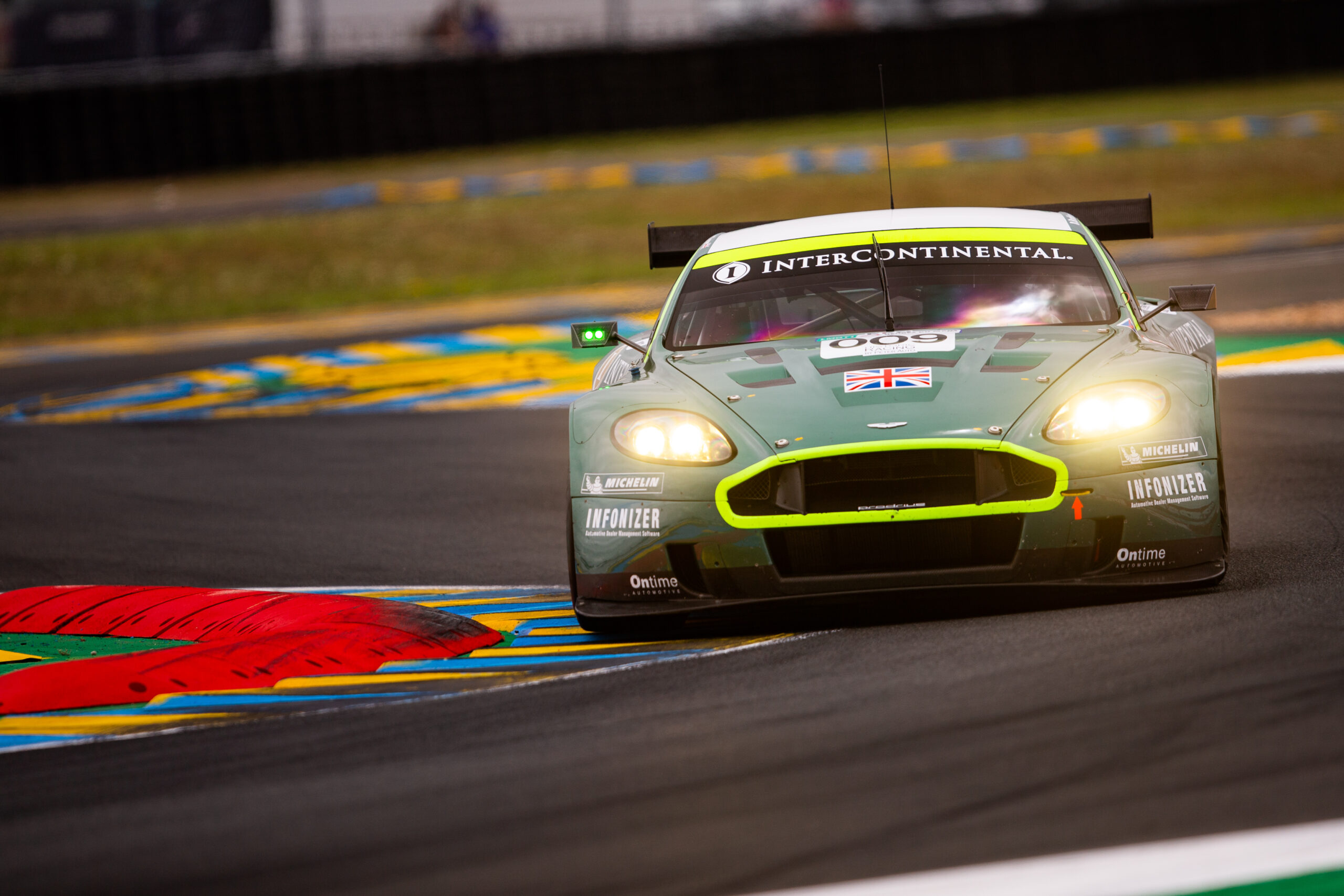
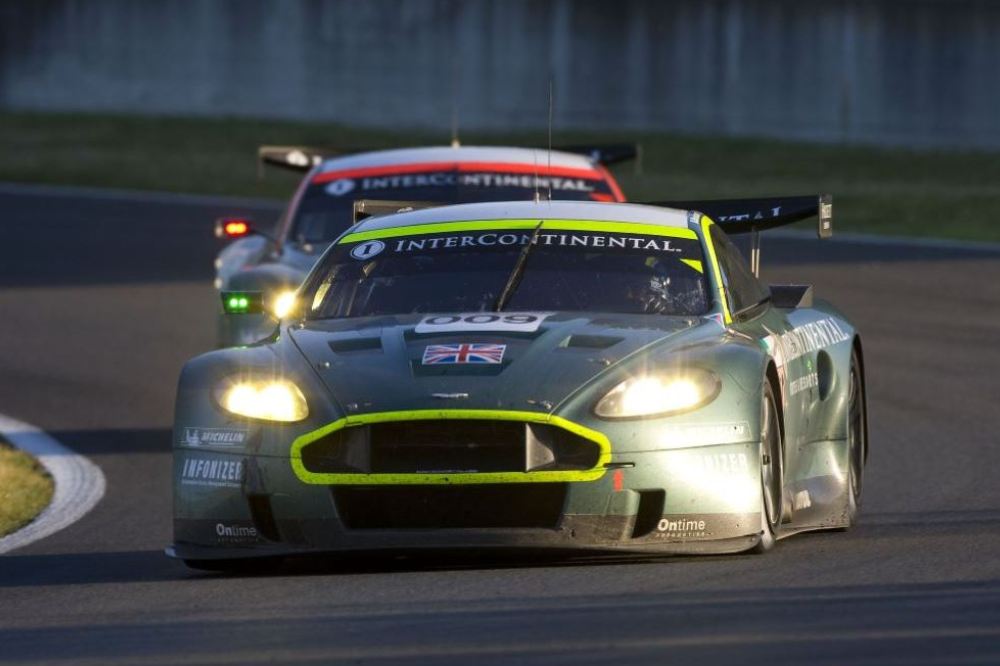
Then came 2007. The factory DBR9s returned to Le Mans, now cloaked in the iconic, pale blue and orange of Gulf Oil—a livery synonymous with endurance racing legends. This was the year. The #009 car, driven by David Brabham, Rickard Rydell, and Darren Turner, engaged in one of the most ferocious, nail-biting duels in Le Mans history against the #64 Corvette of Beretta, Gavin, and Papis. Through rain, darkness, and relentless pressure, the two cars were rarely separated by more than a lap. In the end, the Aston prevailed. It was a storybook victory, a titanic battle won, and it brought Aston Martin its first official Le Mans class win in decades. To prove it was no fluke, the team returned in 2008, and the #009 car—this time with Brabham, Turner, and new teammate Antonio Garcia—did it again. They had gone to war with the world’s best and won, twice.
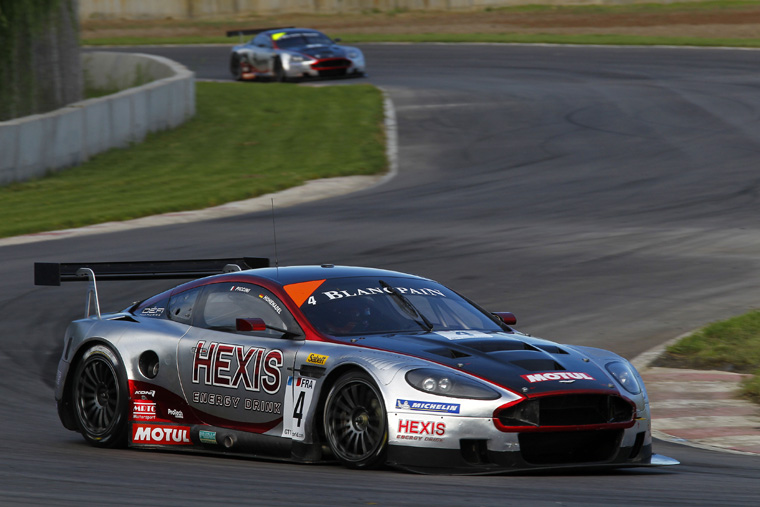
The DBR9’s legacy is monumental. It was the car that brought Aston Martin back to the pinnacle of motorsport, re-establishing the “Racing” in Aston Martin Racing. It was a commercial success, with numerous customer teams winning championships across the globe, including the 2011 FIA GT1 World Championship. It spawned the equally successful DBRS9 for the new GT3 category, which became a staple of national championships. But above all, the DBR9 will be remembered for its character. It was one of the most beautiful racing cars of its era, and it possessed a V12 soundtrack that, to this day, makes the hair on the back of your neck stand up. It was the last of the great, unrestricted V12 warriors, a true Le Mans legend.
Brand
Produced from
Portal
Vehicle category
Model line
Predecessor
Sucessor
Brand
Produced from
Portal
Vehicle category
Model line
Model generation
Predecessor
Sucessor
Submodel Overview
In the history of motorsport, there are sounds that transcend the mere mechanics of combustion. They are audible signatures, battle cries that define an era. The high-pitched shriek of the Matra V12, the off-beat thunder of the Audi Quattro, and, joining that hallowed choir, the apocalyptic, soul-stirring wail of the Aston Martin DBR9. When that V12 engine was unleashed in 2005, it was more than just a new car; it was the sound of a sleeping giant awakening. Aston Martin, the brand of David Brown and the 1959 Le Mans-winning DBR1, was returning to the world stage. After decades of false starts and privateer efforts, the new DBR9 was a full-factory assault, a machine created by a new partnership, Aston Martin Racing, specifically to win the 24 Hours of Le Mans.
This comeback was orchestrated by Aston’s visionary CEO, Dr. Ulrich Bez, and executed by one of the sharpest minds in motorsport: David Richards of Prodrive. Prodrive was the outfit that had already turned the privateer-run Ferrari 550 Maranello into a Le Mans class-winner, and they were now tasked with transforming Aston’s new road-going flagship, the DB9, into a world-beater. The category was GT1, the final golden era of grand touring racing, a class of brutal, silhouette racers that still bore a genuine link to their road-going counterparts. The DBR9 was not entering a vacuum; it was walking into a warzone. The undisputed king of the class was the factory Pratt & Miller-run Corvette Racing team, first with their C5-R and now their new C6.R. They were the dominant, disciplined, and fearsomely fast benchmark. Alongside them were the exotic, V12-powered Maserati MC12, the brutish Saleen S7R, and a host of privateer Ferraris. The DBR9 was not just built to compete; it was built to dethrone a king.
The technical brilliance of the DBR9 lies in its faithfulness to the DB9. Unlike many rivals who used a bespoke tube-frame, the DBR9 was built upon the production car’s bonded-aluminium “VH” platform. This gave the car immense inherent stiffness and was a marketing dream, proving the road car’s thoroughbred origins. Prodrive then took this chassis and systematically replaced everything else with pure racing technology. The elegant aluminium bodywork was swapped for a lightweight, carbon-fibre suit, dramatically flared to cover a wider track and incorporating a massive rear wing, flat floor, and rear diffuser for colossal downforce. The engine was the production 6.0-litre V12 block, but it was completely rebuilt for war. Stripped of its restrictors, fitted with a dry-sump lubrication system, and meticulously blueprinted, the V12 unleashed its full, uncorked potential: over 625 hp, all channelled through a 6-speed Xtrac sequential transaxle for perfect weight distribution. The suspension was all double-wishbone, but with bespoke geometry and Koni dampers. Carbon-ceramic brakes were standard. The interior was a pure, stripped, carbon-fibre “office,” with the driver’s seat fixed and moved far back for optimal balance. The result was a 1,100kg sledgehammer, a perfect blend of the DB9’s soul and Prodrive’s ruthless competition engineering.
The DBR9’s impact was immediate and explosive. It made its race debut at the 12 Hours of Sebring in 2005. In one of the most stunning debut performances in modern racing, the #57 DBR9, driven by David Brabham, Darren Turner, and Stephane Ortelli, went head-to-head with the brand new Corvette C6.Rs and won. It was a seismic shock to the GT establishment. The DBR9 was a winner straight out of the box. The rest of 2005 was a learning year, with a strong podium at Le Mans but a class win for the rival Corvette. In 2006, the rivalry intensified, with the works AMR team taking victories at Laguna Seca, Houston, and Mosport, while customer teams like Larbre Compétition won the Le Mans Series. But Le Mans itself remained the elusive prize, with Corvette again clinching the win.
Then came 2007. The factory DBR9s returned to Le Mans, now cloaked in the iconic, pale blue and orange of Gulf Oil—a livery synonymous with endurance racing legends. This was the year. The #009 car, driven by David Brabham, Rickard Rydell, and Darren Turner, engaged in one of the most ferocious, nail-biting duels in Le Mans history against the #64 Corvette of Beretta, Gavin, and Papis. Through rain, darkness, and relentless pressure, the two cars were rarely separated by more than a lap. In the end, the Aston prevailed. It was a storybook victory, a titanic battle won, and it brought Aston Martin its first official Le Mans class win in decades. To prove it was no fluke, the team returned in 2008, and the #009 car—this time with Brabham, Turner, and new teammate Antonio Garcia—did it again. They had gone to war with the world’s best and won, twice.
The DBR9’s legacy is monumental. It was the car that brought Aston Martin back to the pinnacle of motorsport, re-establishing the “Racing” in Aston Martin Racing. It was a commercial success, with numerous customer teams winning championships across the globe, including the 2011 FIA GT1 World Championship. It spawned the equally successful DBRS9 for the new GT3 category, which became a staple of national championships. But above all, the DBR9 will be remembered for its character. It was one of the most beautiful racing cars of its era, and it possessed a V12 soundtrack that, to this day, makes the hair on the back of your neck stand up. It was the last of the great, unrestricted V12 warriors, a true Le Mans legend.
Tech Specs
Technical Specifications
Tech Specs
Technical Specifications
Engine
01
03
Internal combustion engine
Configuration
V12 - 60º
Location
Front, longitudinally mounted
Construction
Aluminium alloy block and head
Displacement (cc)
5,935 cc
Displacement (cu in)
362.1 cu in
Compression
-
Bore x Stroke
89.0 mm x 79.5 mm
Valvetrain
4 valves per cylinder, DOHC
Fuel feed
Fuel Injection
Lubrication
Dry sump
Aspiration
Naturally aspirated
Output
Power (hp)
625 hp
Power (kW)
466 kW
Max power at
6,500 RPM
Torque (Nm)
700 Nm
Torque (ft lbs)
516 ft lbs
Max torque at
5,500 RPM
Drivetrain
02
03
Chassis
Type
Monocoque unibody
Material
Bonded aluminium
Body
Material
Aluminium alloy roof and carbon fibre body panels
Transmission
Gearbox
6-speed sequential
Drive
Rear Wheel Drive
Suspension
Front
Double wishbones, adjustable Koni dampers and Eibach springs
Rear
Double wishbones, adjustable Koni dampers and Eibach springs
Steering
Type
Rack and pinion, power assisted
Brakes
Front
Ventilated carbon ceramic discs Ø330 mm, 6-piston
Rear
Ventilated carbon ceramic discs Ø330 mm, 6-piston
Wheels
Front
-
Rear
-
Tires
Front
-
Rear
-
Dimensions and performance
03
03
Dimensions
Length (mm)
4,687 mm
Length (in)
184.5 in
Width (mm)
1,978 mm
Width (in)
77.9 in
Height (mm)
-
Height (in)
-
Wheelbase (mm)
2,741 mm
Wheelbase (in)
107.9 in
Weight (kg)
1,100 kg
Weight (lbs)
2,425 lbs
Performance
Power to weight
0.57 hp/kg
Top speed (km/h)
-
Top speed (mph)
-
0-100 km/h (0-60 mph)
-