Bizzarrini 5300 GT
Brand
Produced from
Vehicle category
Portal
Model line
Model generation
Predecessor
Sucessor
Model Overview
The Bizzarrini 5300 GT is not just a car. It is an act of glorious, thunderous vengeance. It is a car born from a feud, a rolling testament to the genius of one of Italy’s greatest, and most stubborn, engineering minds: Giotto Bizzarrini. To understand the 5300 GT, you must first understand the man. Bizzarrini was a titan, the chief engineer at Ferrari, the man who led the development of the car that would become the 250 GTO. But in 1961, he was a leader in the infamous “Palace Revolt,” a walk-out of Ferrari’s top talent. Cast out by Enzo, Bizzarrini’s brilliant mind went freelance. He designed Lamborghini’s first V12 engine. And then, he partnered with Renzo Rivolta to create the Iso Grifo. This is where the 5300 GT’s story truly begins.
The Grifo was a two-headed project: the A3/L (for Lusso, or luxury) was a beautiful, fast, and comfortable GT. The A3/C (for Corsa, or racing) was Bizzarrini’s baby. It was a low-slung, aggressive, front-mid-engined weapon, designed with one purpose: to beat Ferrari at Le Mans. Rivolta, a businessman, wanted to sell luxury cars; Bizzarrini, an engineer, wanted to win races. The two philosophies could not co-exist. They split in 1964. Rivolta kept the Grifo name and the A3/L. Bizzarrini took his A3/C design, founded Prototipi Bizzarrini, and in 1965, he put his own name on the car. It was finally, and defiantly, his. The Bizzarrini 5300 GT was born.
This was a car designed to fight the world’s best: the Ferrari 250 GTO/LM, the Shelby Cobra Daytona Coupé, and the lightweight Jaguar E-Types. But Bizzarrini’s formula was unique. He combined Italian chassis-design artistry with American muscle. The heart of the 5300 GT was not a complex, temperamental V12. It was a 5,359cc (327 cubic inch) Chevrolet small-block V8. It was the same engine found in the Corvette, and it was Bizzarrini’s secret weapon. It was reliable, it was cheap, it was easily tuneable, and it produced a monstrous, earth-moving wave of torque. In the road-going 5300 GT Strada, fitted with a single four-barrel Holley carburettor, it produced a healthy 365 hp. In the all-out 5300 GT Corsa, with hotter cams and four massive side-draught Weber carburettors, it spat out over 400 hp.
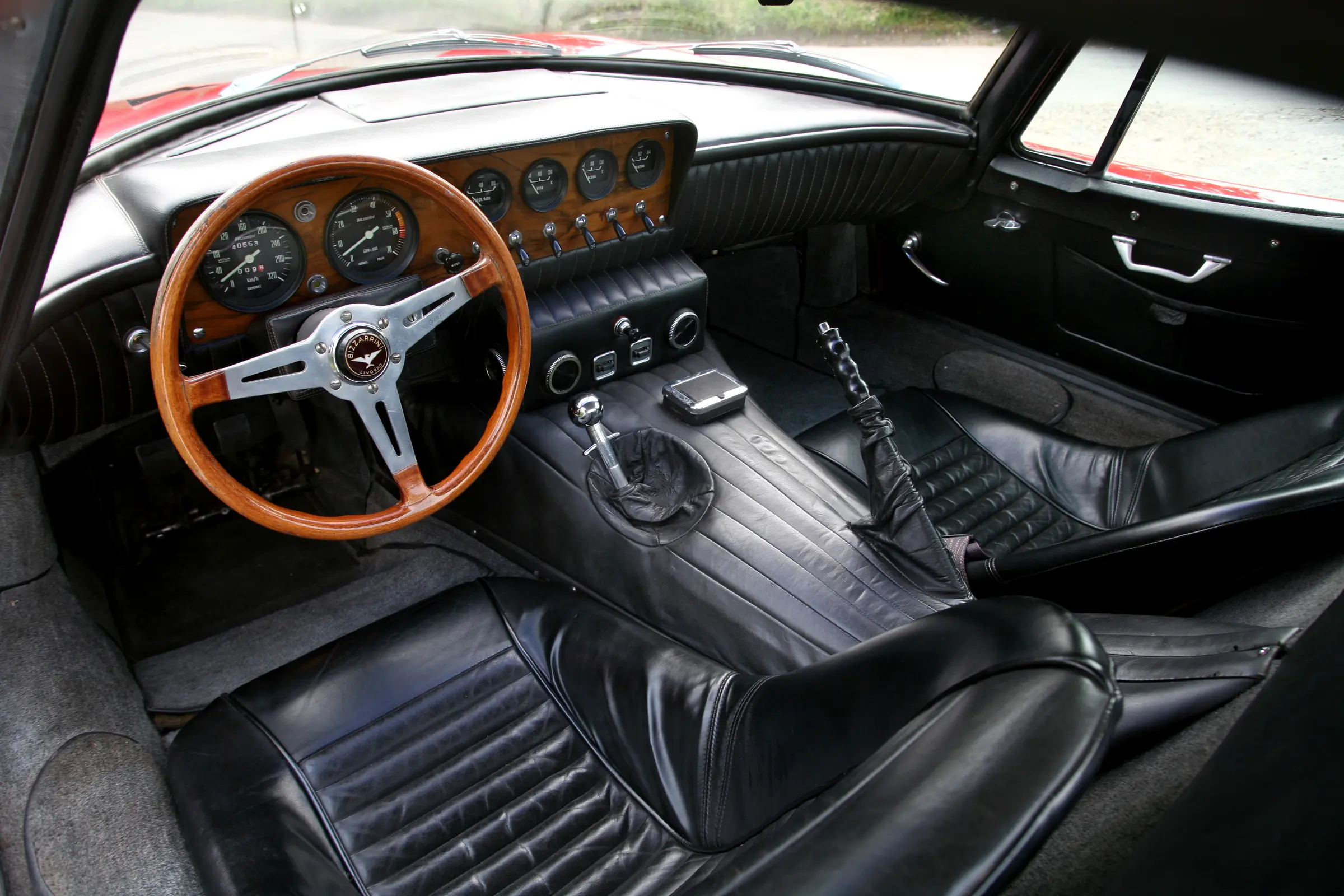
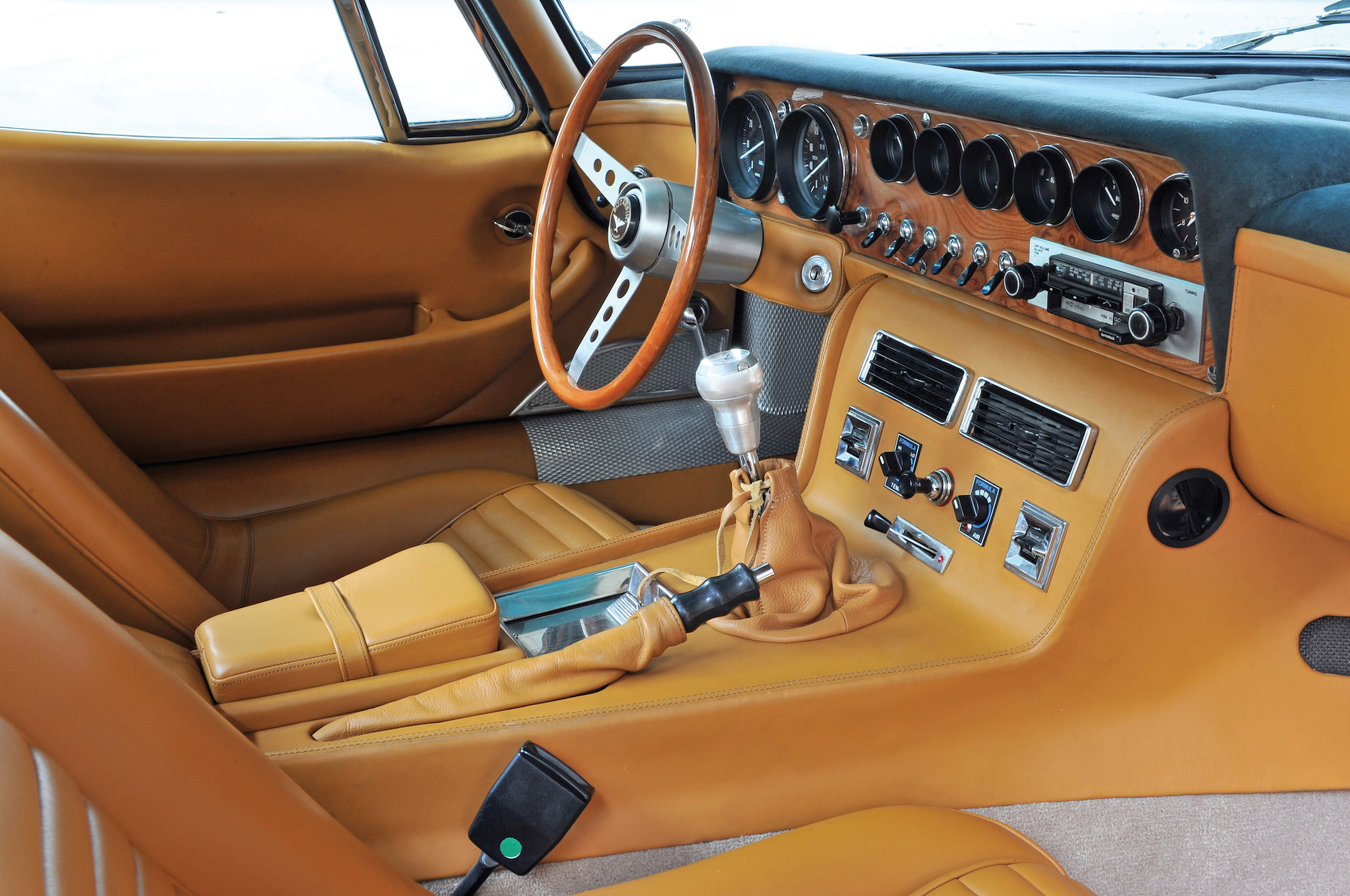
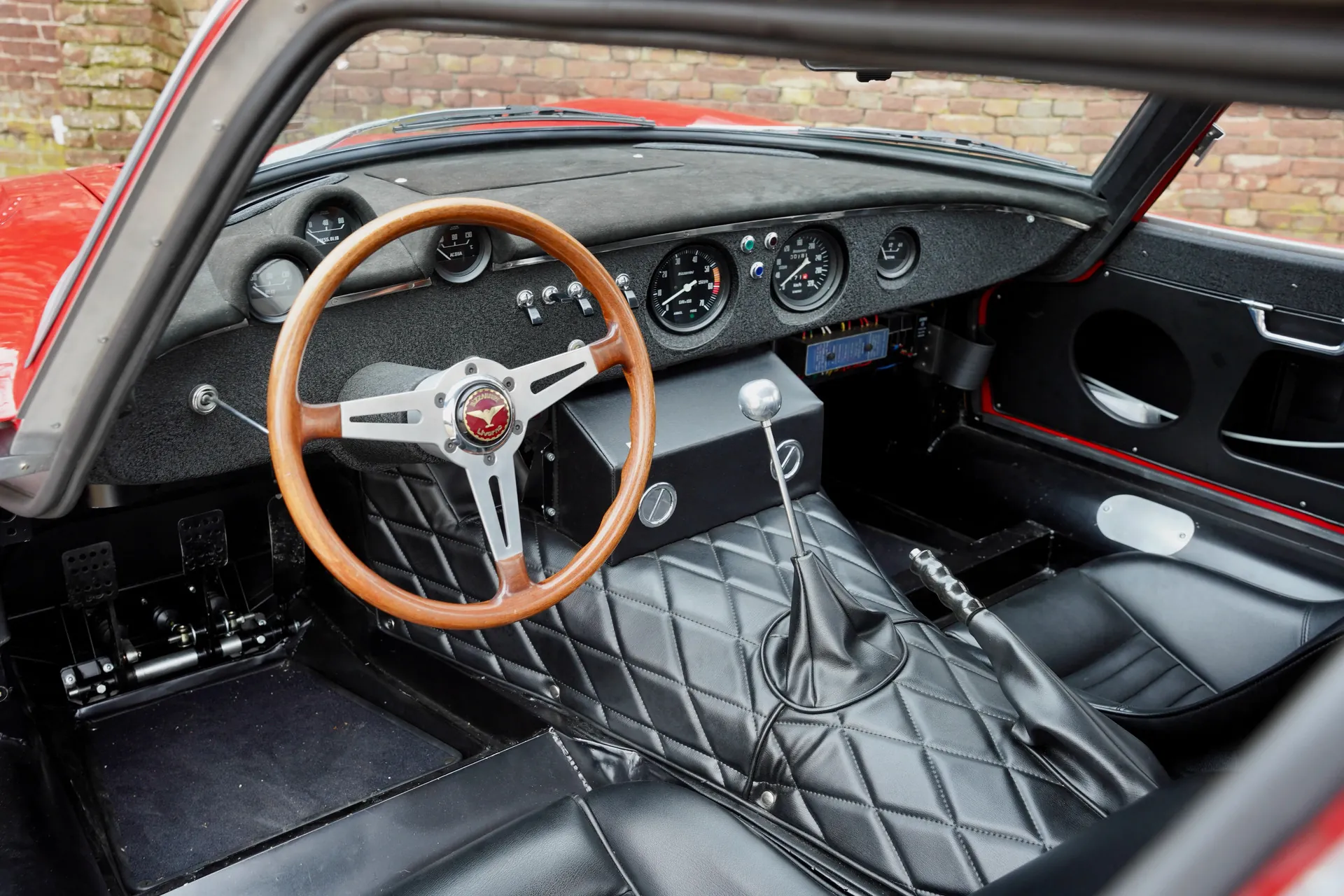
But the engine was only half the story. The car’s soul was its chassis and engine placement. This was where Bizzarrini, the father of the GTO, showed his true genius. The car was built on a sophisticated, riveted, pressed-steel “semi-monocoque” chassis, a true work of art. To achieve perfect 50:50 weight distribution, he pushed the massive V8 so far back into the chassis that it was effectively a front-mid-engined car. The front of the engine sat behind the front axle line. The distributor was accessible only through a small panel on the dashboard inside the car. Drivers famously complained of their feet being roasted by the engine’s heat, and the cabin was a cacophony of V8 thunder and mechanical noise. It was a car designed by an engineer, not an ergonomist. This layout, combined with a sophisticated De Dion rear axle (on the Corsas) and four-wheel Dunlop disc brakes, gave the 5300 GT sublime, balanced handling that belied its brutal nature.
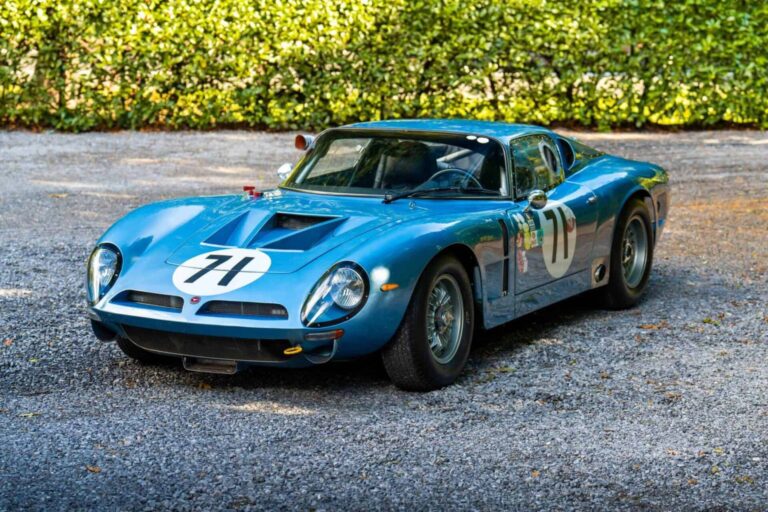
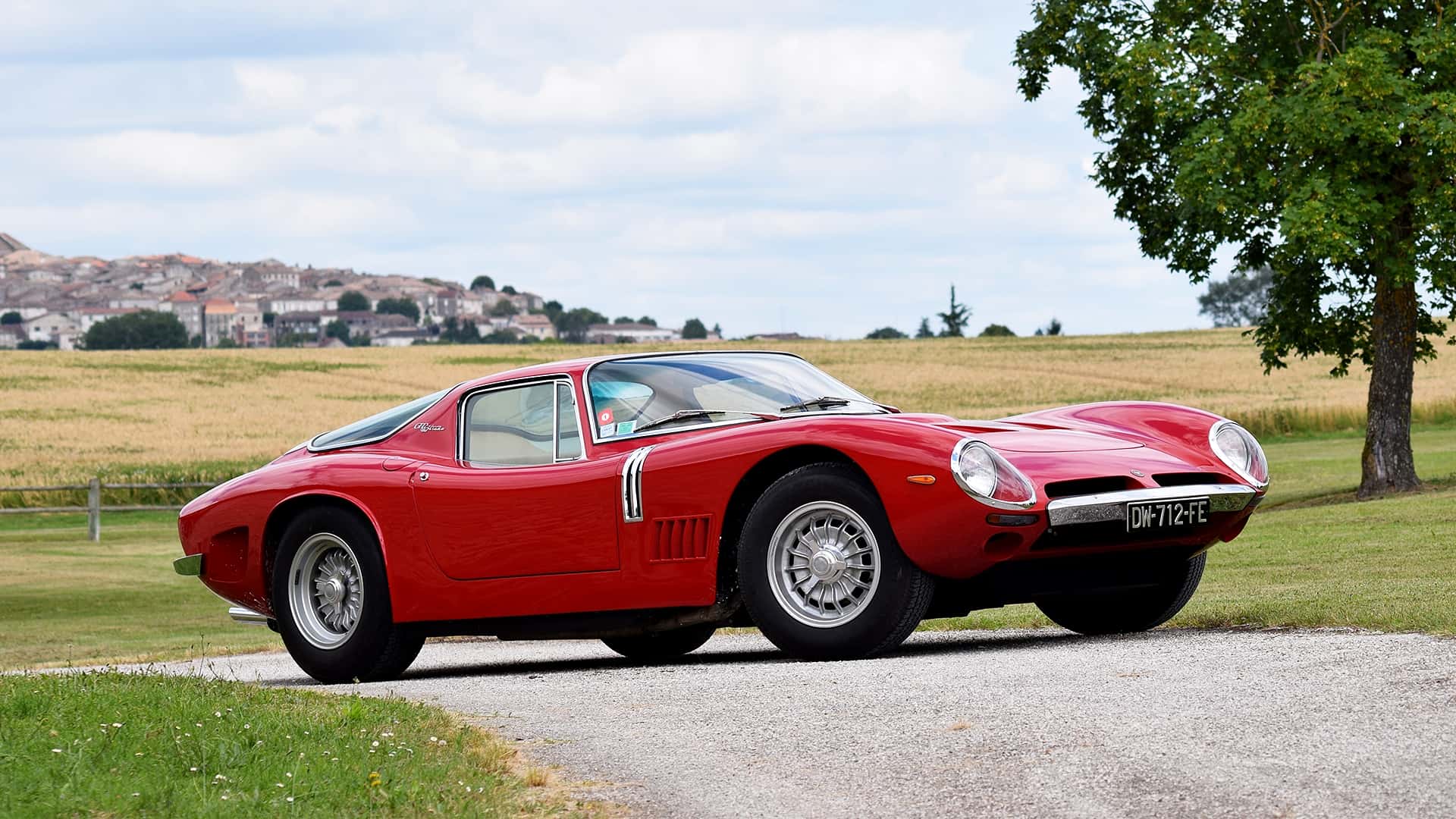
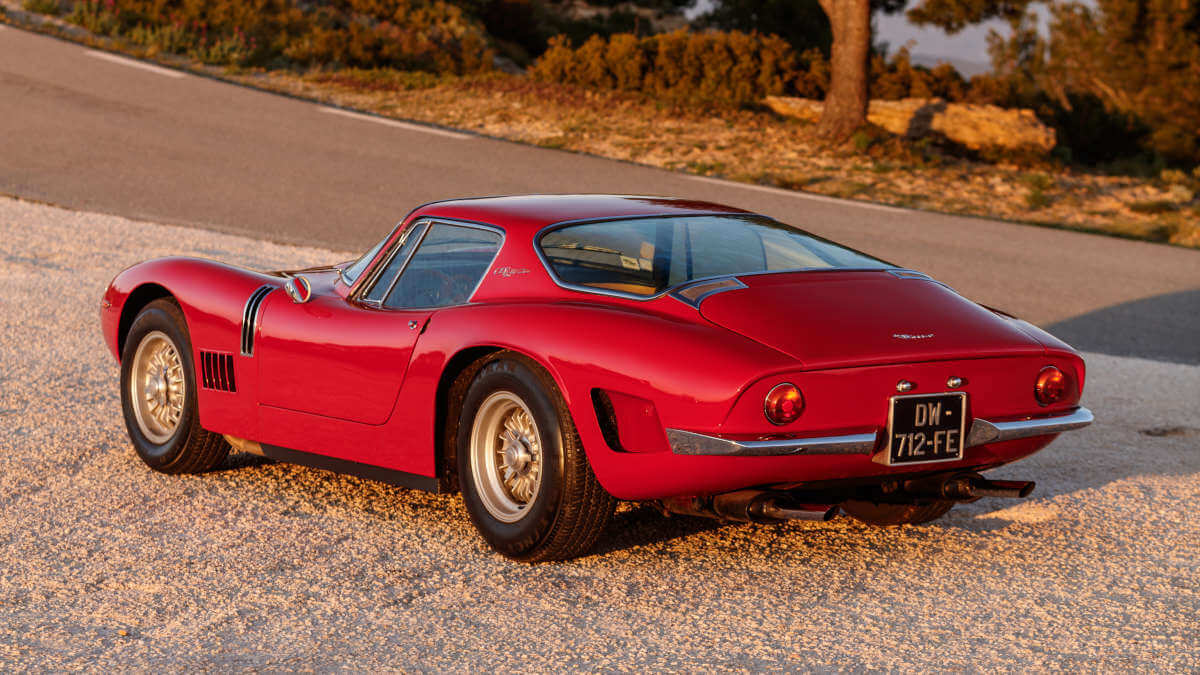
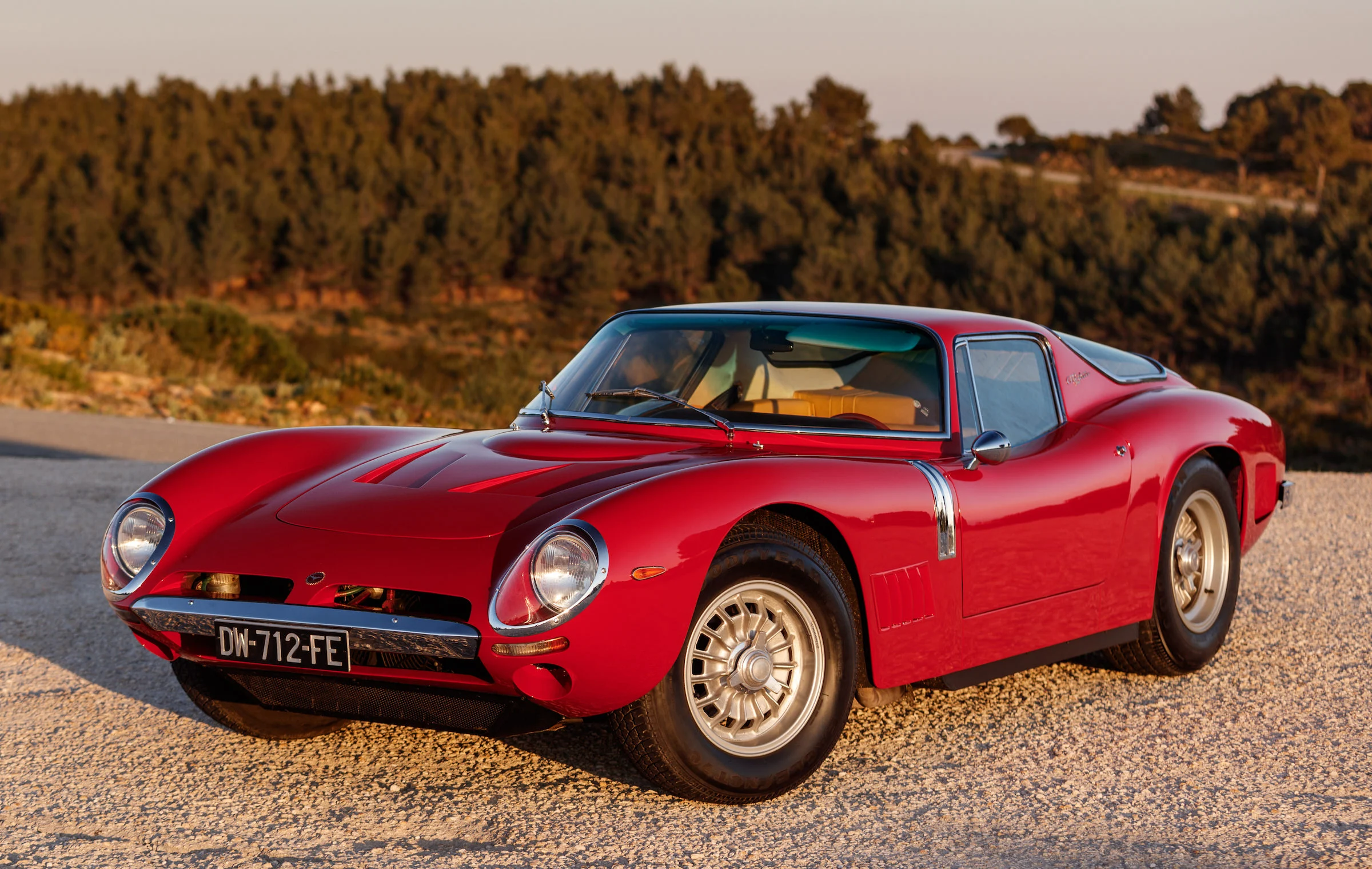
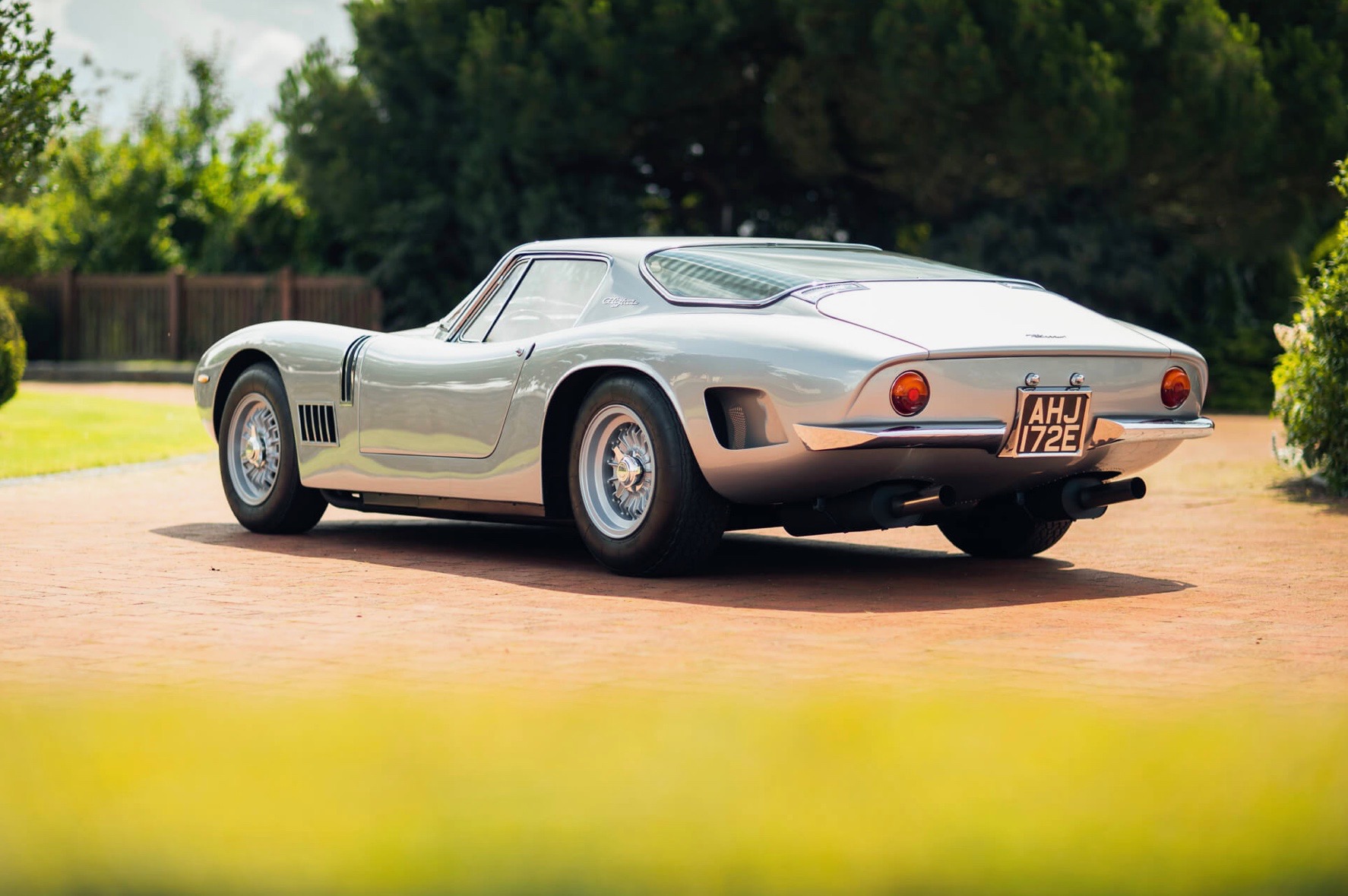
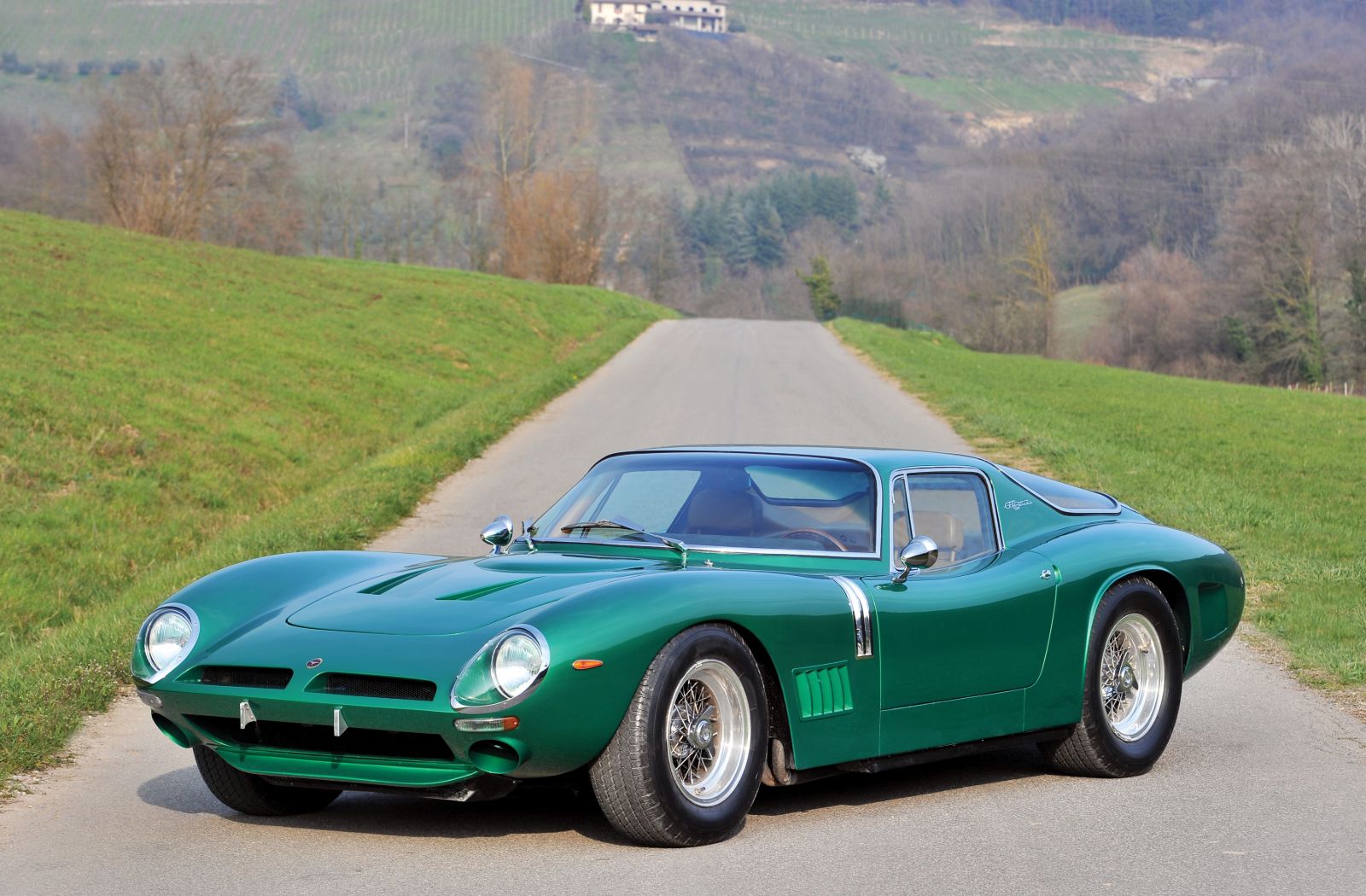
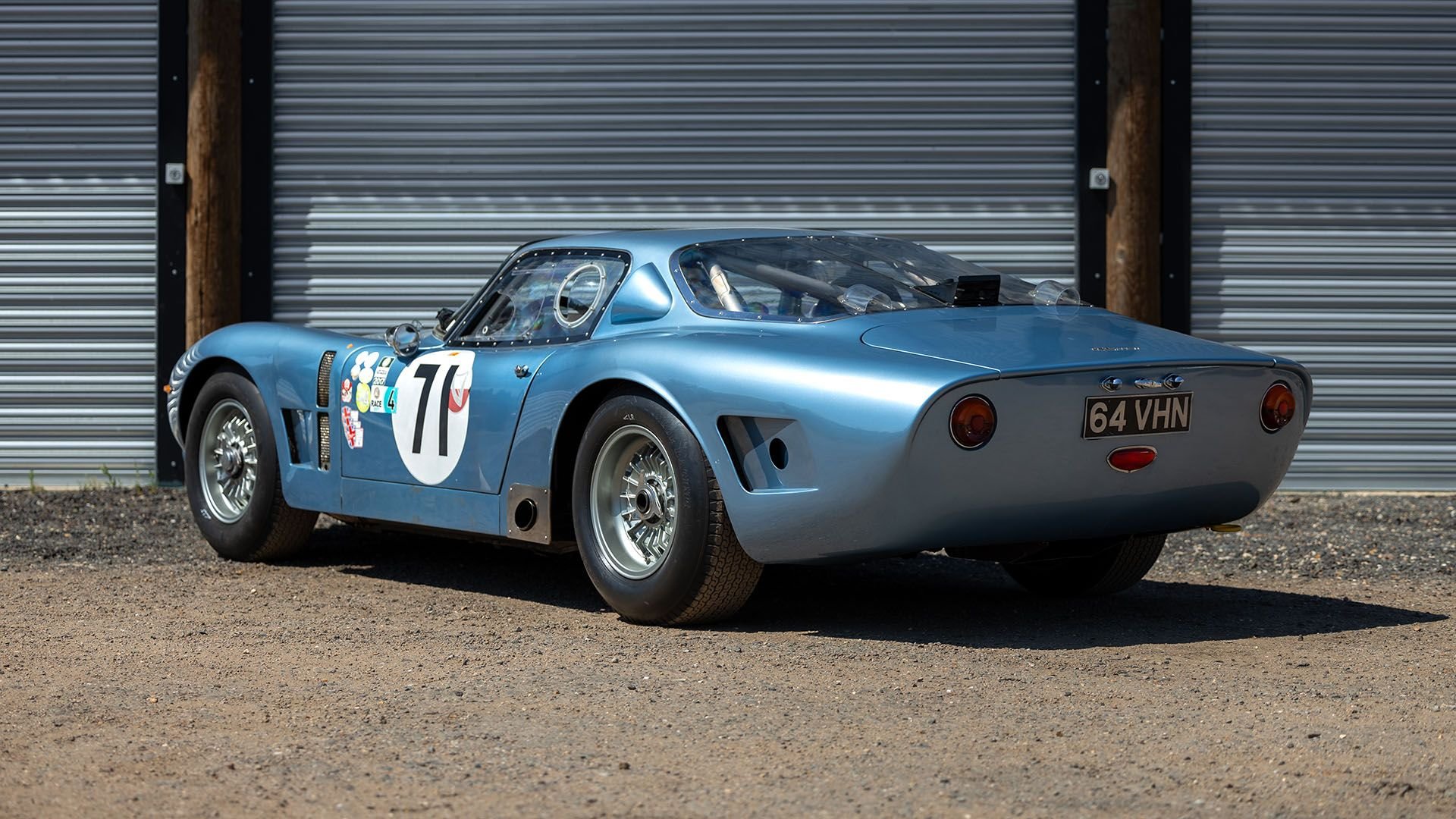
The body was the finishing touch. Penned by a young Giorgetto Giugiaro at Bertone (during the Iso phase), it was impossibly low, wide, and menacing. At just 43 inches tall, it was one of the lowest-slung cars of its era, a shark-like shape that looked like it was doing 150 mph even when parked. The Corsa models were bodied in lightweight alluminio, while the majority of Strada models used a heavier, and more practical, steel shell (though some alloy-bodied Stradas, often called America models, were built). This led to a huge weight disparity: the Corsa weighed in at a feather-light 1,100kg, while the steel Strada was a more portly 1,250kg.
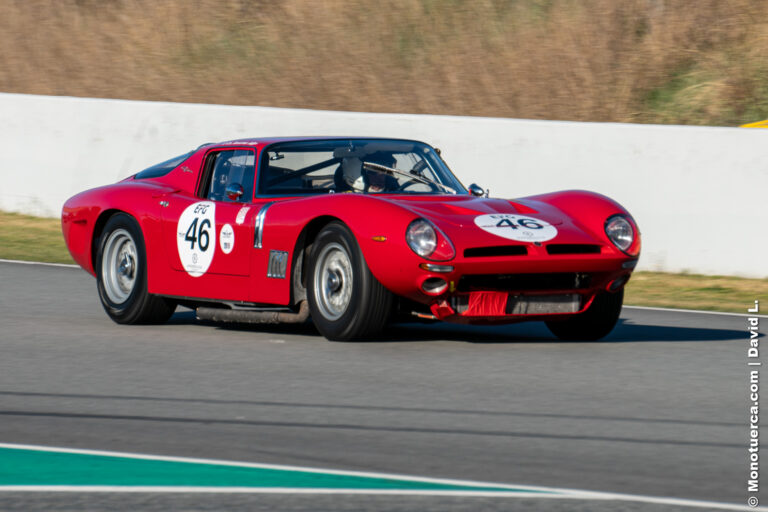
While the Strada was (and is) one of the most extreme road cars ever built, the Corsa’s history is what defines the legend. Bizzarrini’s feud with Rivolta was validated in the most spectacular way possible: at the 1965 24 Hours of Le Mans. A privateer-entered 5300 GT Corsa (technically still an Iso Grifo A3/C at that point), driven by Frenchmen Régis Fraissinet and Jean de Mortemart, thundered down the Mulsanne Straight at over 190 mph. While the factory Ferraris and Fords battled for overall glory, the Bizzarrini ran a flawless, relentless race. It not only won its class (over 5.0-litres) but finished 9th overall. It was a staggering “David vs. Goliath” achievement, a vindication of Bizzarrini’s entire philosophy. He had taken his car and beaten the establishment.
The 5300 GT is the ultimate “what if” story. Bizzarrini was a genius engineer, but a disastrous businessman. The cars were complex and expensive to build, and the company, Prototipi Bizzarrini, was tragically short-lived, folding in 1969 after building just over 130 cars. The 5300 GT remains his magnum opus. It is not just an Italian-American hybrid; it is the spiritual brother to the 250 GTO, built by the same man, but with a different, thundering V8 heart. It is a raw, uncompromising, and breathtakingly beautiful machine, the pure, undiluted vision of one of racing’s greatest minds.
Portal
Model line
Model generation
Predecessor
Sucessor
Brand
Produced from
Vehicle category
Portal
Model line
Model generation
Predecessor
Sucessor
Model Overview
The Bizzarrini 5300 GT is not just a car. It is an act of glorious, thunderous vengeance. It is a car born from a feud, a rolling testament to the genius of one of Italy’s greatest, and most stubborn, engineering minds: Giotto Bizzarrini. To understand the 5300 GT, you must first understand the man. Bizzarrini was a titan, the chief engineer at Ferrari, the man who led the development of the car that would become the 250 GTO. But in 1961, he was a leader in the infamous “Palace Revolt,” a walk-out of Ferrari’s top talent. Cast out by Enzo, Bizzarrini’s brilliant mind went freelance. He designed Lamborghini’s first V12 engine. And then, he partnered with Renzo Rivolta to create the Iso Grifo. This is where the 5300 GT’s story truly begins.
The Grifo was a two-headed project: the A3/L (for Lusso, or luxury) was a beautiful, fast, and comfortable GT. The A3/C (for Corsa, or racing) was Bizzarrini’s baby. It was a low-slung, aggressive, front-mid-engined weapon, designed with one purpose: to beat Ferrari at Le Mans. Rivolta, a businessman, wanted to sell luxury cars; Bizzarrini, an engineer, wanted to win races. The two philosophies could not co-exist. They split in 1964. Rivolta kept the Grifo name and the A3/L. Bizzarrini took his A3/C design, founded Prototipi Bizzarrini, and in 1965, he put his own name on the car. It was finally, and defiantly, his. The Bizzarrini 5300 GT was born.
This was a car designed to fight the world’s best: the Ferrari 250 GTO/LM, the Shelby Cobra Daytona Coupé, and the lightweight Jaguar E-Types. But Bizzarrini’s formula was unique. He combined Italian chassis-design artistry with American muscle. The heart of the 5300 GT was not a complex, temperamental V12. It was a 5,359cc (327 cubic inch) Chevrolet small-block V8. It was the same engine found in the Corvette, and it was Bizzarrini’s secret weapon. It was reliable, it was cheap, it was easily tuneable, and it produced a monstrous, earth-moving wave of torque. In the road-going 5300 GT Strada, fitted with a single four-barrel Holley carburettor, it produced a healthy 365 hp. In the all-out 5300 GT Corsa, with hotter cams and four massive side-draught Weber carburettors, it spat out over 400 hp.
But the engine was only half the story. The car’s soul was its chassis and engine placement. This was where Bizzarrini, the father of the GTO, showed his true genius. The car was built on a sophisticated, riveted, pressed-steel “semi-monocoque” chassis, a true work of art. To achieve perfect 50:50 weight distribution, he pushed the massive V8 so far back into the chassis that it was effectively a front-mid-engined car. The front of the engine sat behind the front axle line. The distributor was accessible only through a small panel on the dashboard inside the car. Drivers famously complained of their feet being roasted by the engine’s heat, and the cabin was a cacophony of V8 thunder and mechanical noise. It was a car designed by an engineer, not an ergonomist. This layout, combined with a sophisticated De Dion rear axle (on the Corsas) and four-wheel Dunlop disc brakes, gave the 5300 GT sublime, balanced handling that belied its brutal nature.
The body was the finishing touch. Penned by a young Giorgetto Giugiaro at Bertone (during the Iso phase), it was impossibly low, wide, and menacing. At just 43 inches tall, it was one of the lowest-slung cars of its era, a shark-like shape that looked like it was doing 150 mph even when parked. The Corsa models were bodied in lightweight alluminio, while the majority of Strada models used a heavier, and more practical, steel shell (though some alloy-bodied Stradas, often called America models, were built). This led to a huge weight disparity: the Corsa weighed in at a feather-light 1,100kg, while the steel Strada was a more portly 1,250kg.
While the Strada was (and is) one of the most extreme road cars ever built, the Corsa’s history is what defines the legend. Bizzarrini’s feud with Rivolta was validated in the most spectacular way possible: at the 1965 24 Hours of Le Mans. A privateer-entered 5300 GT Corsa (technically still an Iso Grifo A3/C at that point), driven by Frenchmen Régis Fraissinet and Jean de Mortemart, thundered down the Mulsanne Straight at over 190 mph. While the factory Ferraris and Fords battled for overall glory, the Bizzarrini ran a flawless, relentless race. It not only won its class (over 5.0-litres) but finished 9th overall. It was a staggering “David vs. Goliath” achievement, a vindication of Bizzarrini’s entire philosophy. He had taken his car and beaten the establishment.
The 5300 GT is the ultimate “what if” story. Bizzarrini was a genius engineer, but a disastrous businessman. The cars were complex and expensive to build, and the company, Prototipi Bizzarrini, was tragically short-lived, folding in 1969 after building just over 130 cars. The 5300 GT remains his magnum opus. It is not just an Italian-American hybrid; it is the spiritual brother to the 250 GTO, built by the same man, but with a different, thundering V8 heart. It is a raw, uncompromising, and breathtakingly beautiful machine, the pure, undiluted vision of one of racing’s greatest minds.
Submodels