BMW 02 Series
Brand
Produced from
Vehicle category
Portal
Model line
Model generation
Predecessor
Sucessor
Model Overview
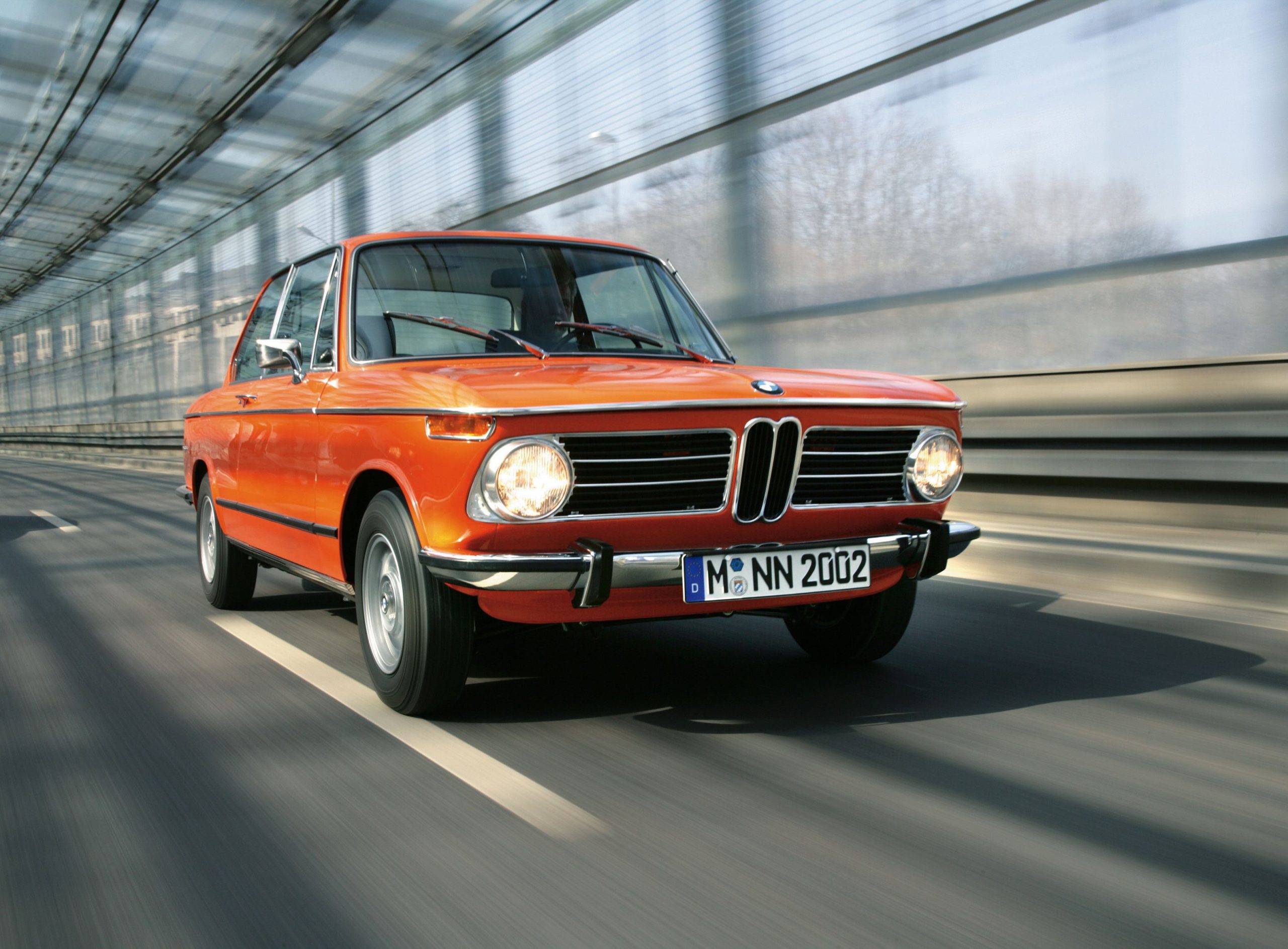
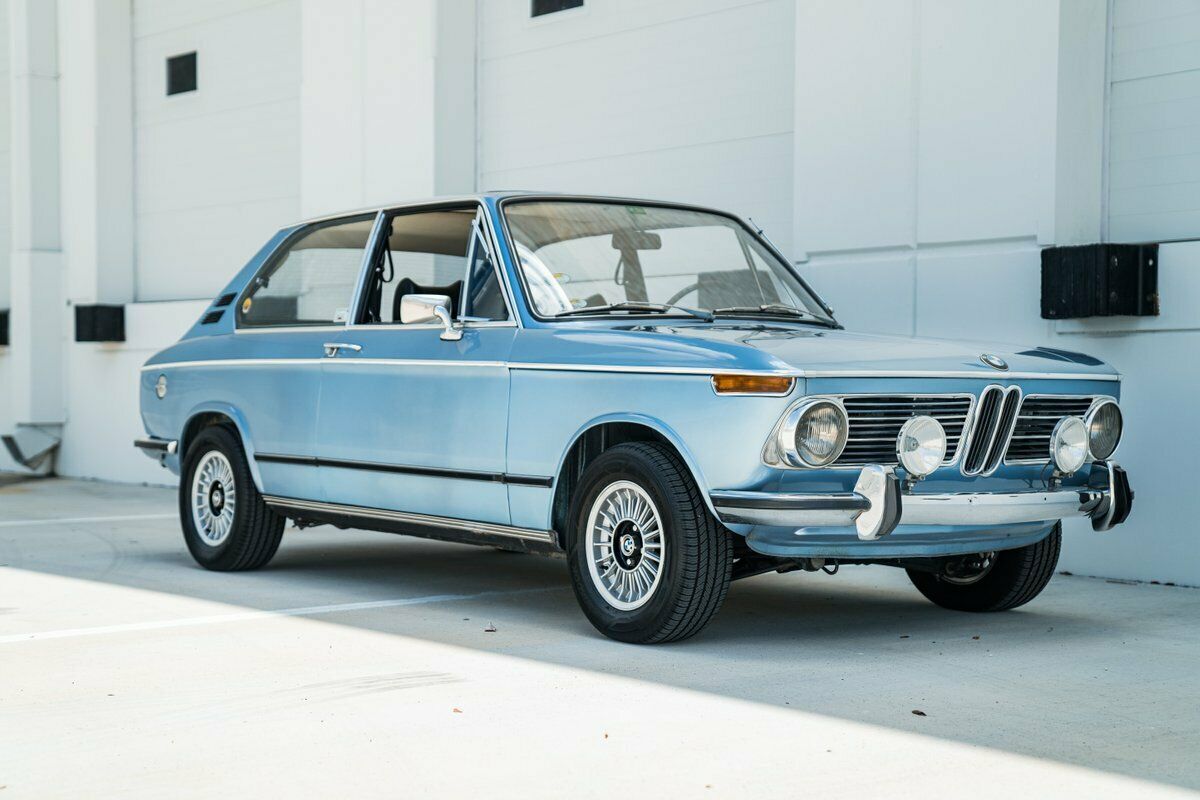
In the mid-1960s, Bayerische Motoren Werke was a company walking a tightrope. It had been saved from bankruptcy by the success of its “Neue Klasse” (New Class) saloons, sophisticated four-door cars that established BMW’s credentials for quality and engineering. But these cars, while excellent, were sensible. They lacked the fire, the sheer, unadulterated joy that defines the brand today. The company’s directors and engineers, themselves enthusiasts, knew they had a masterpiece in the M10 four-cylinder engine and a brilliant chassis. What they needed was a smaller, lighter, and more exciting package. The result, unveiled in 1966, was the 1600-2. This car, and the dynasty it spawned, was not just a new model. It was the car that invented the compact sports saloon, the car that saved BMW’s soul, and the car that created “The Ultimate Driving Machine.”
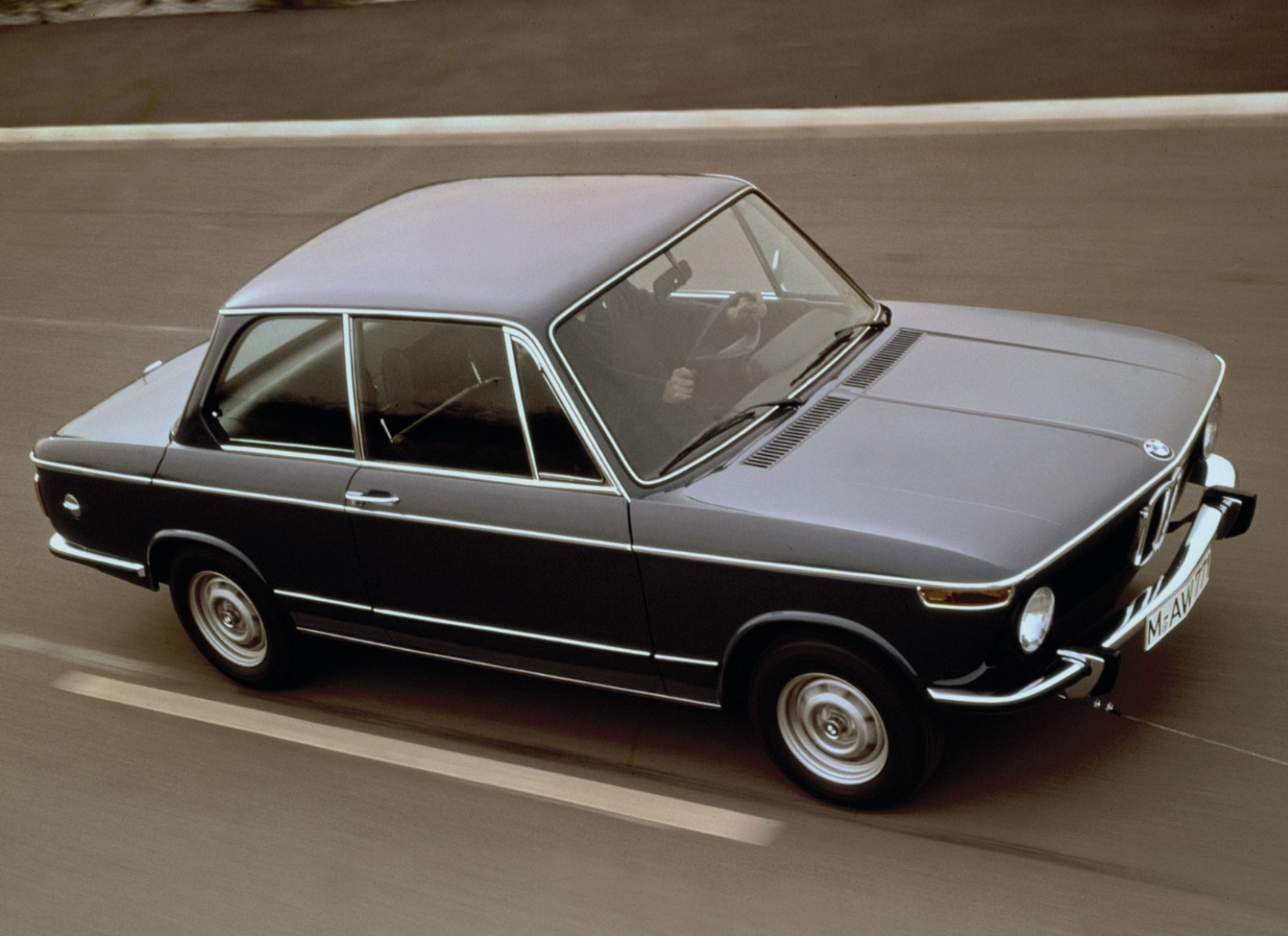
The 02 Series was not conceived in a vacuum. Its target was clear and formidable: the Alfa Romeo Giulia. The Alfa was the benchmark, a thoroughbred 1.6-litre, twin-cam, five-speed marvel that had dominated road and track. BMW’s 1600-2, with its single-cam M10 engine (producing 85 hp) and four-speed ‘box, seemed a simpler, more “Teutonic” proposition. But it had a secret weapon: its chassis. It shared the New Class’s sophisticated MacPherson strut front and, crucially, a fully independent semi-trailing arm rear suspension. This was a setup that provided a sublime balance of ride comfort and predictable, exploitable handling that its live-axle rivals could only dream of. Wrapped in a light, two-door unibody with a tall, airy glasshouse and the signature “Hofmeister kink,” the 1600-2 was a revelation. It was a “driver’s car” in the purest sense.
The true genius of the 02 platform was its scalability. Just a year later, in 1967, the 1600 ti arrived, featuring the same 1.6-litre engine but now breathing through two twin-choke Solex carburettors, boosting power to a potent 105 hp. This was the car that started the legend, a true “giant-killer” that could harass far more powerful machinery. But the defining moment, the car that made BMW in America, was a stroke of genius born from market demand. Max Hoffman, the legendary US importer, told BMW the 1600-2 was brilliant but underpowered for his customers. He famously suggested they “put the 2.0-litre engine in the 1.6-litre car.” Simultaneously, BMW’s key engineers, Alex von Falkenhausen (engine) and Helmut Bönsch (planning), had both independently done this exact swap to their personal cars. The stars aligned, and in 1968, the BMW 2002 was born.
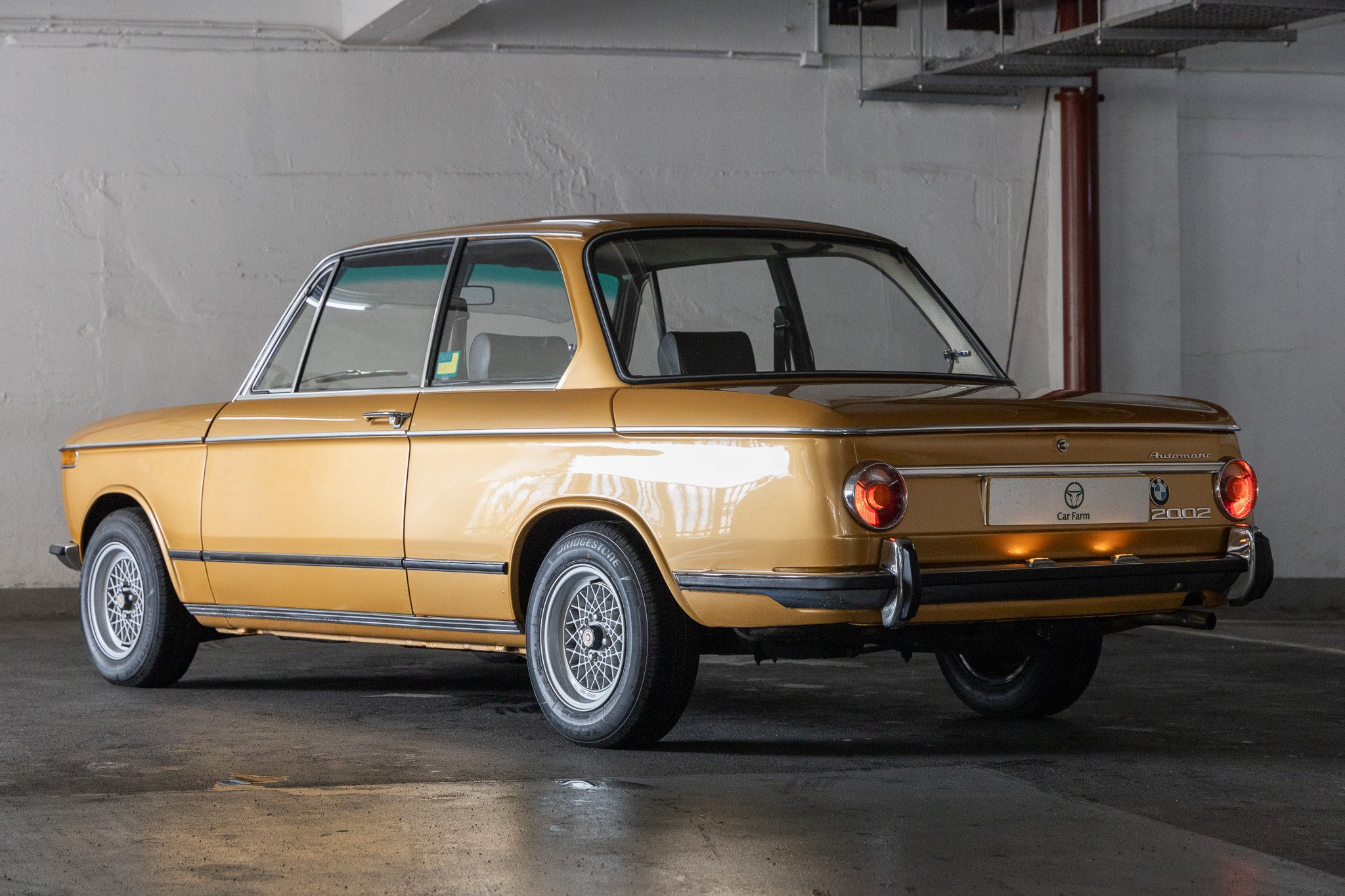
The 2002 was the masterstroke. It used the 2.0-litre M10 engine with a single-barrel carburettor, producing 100 hp. But this was 100 hp in a car weighing just 1,000 kg, and it came with a huge wave of torque. It was fast, it was practical, it was indestructible, and it handled. It was an instant, runaway success. For the European market, which was not afraid of complexity, BMW also launched the 2002 ti. This was the 1600 ti’s big brother: the 2.0-litre engine with the twin Solex carbs, good for 120 hp. This became the absolute weapon of choice for privateer racers, forming the basis for the legendary Group 2 touring car champions. As the range evolved, other models filled the gaps: the 1802 arrived in 1971 as a torquey, single-carb 1.8-litre model.
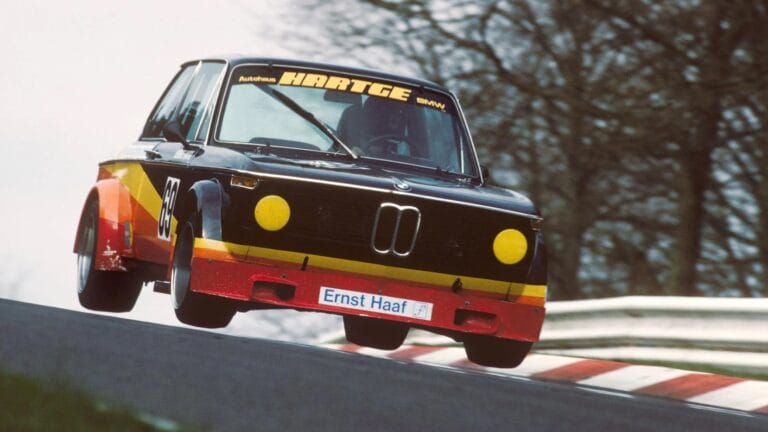
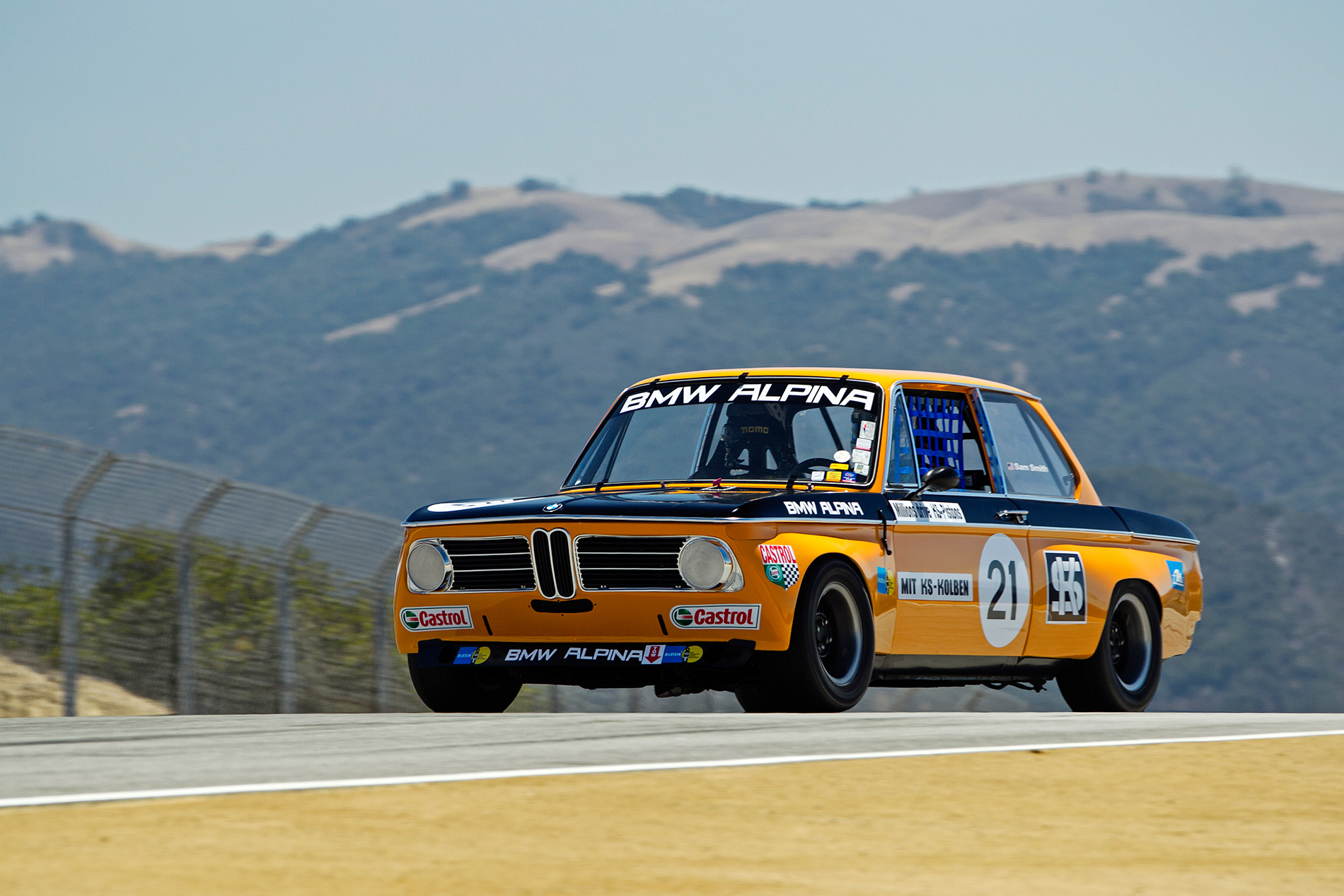
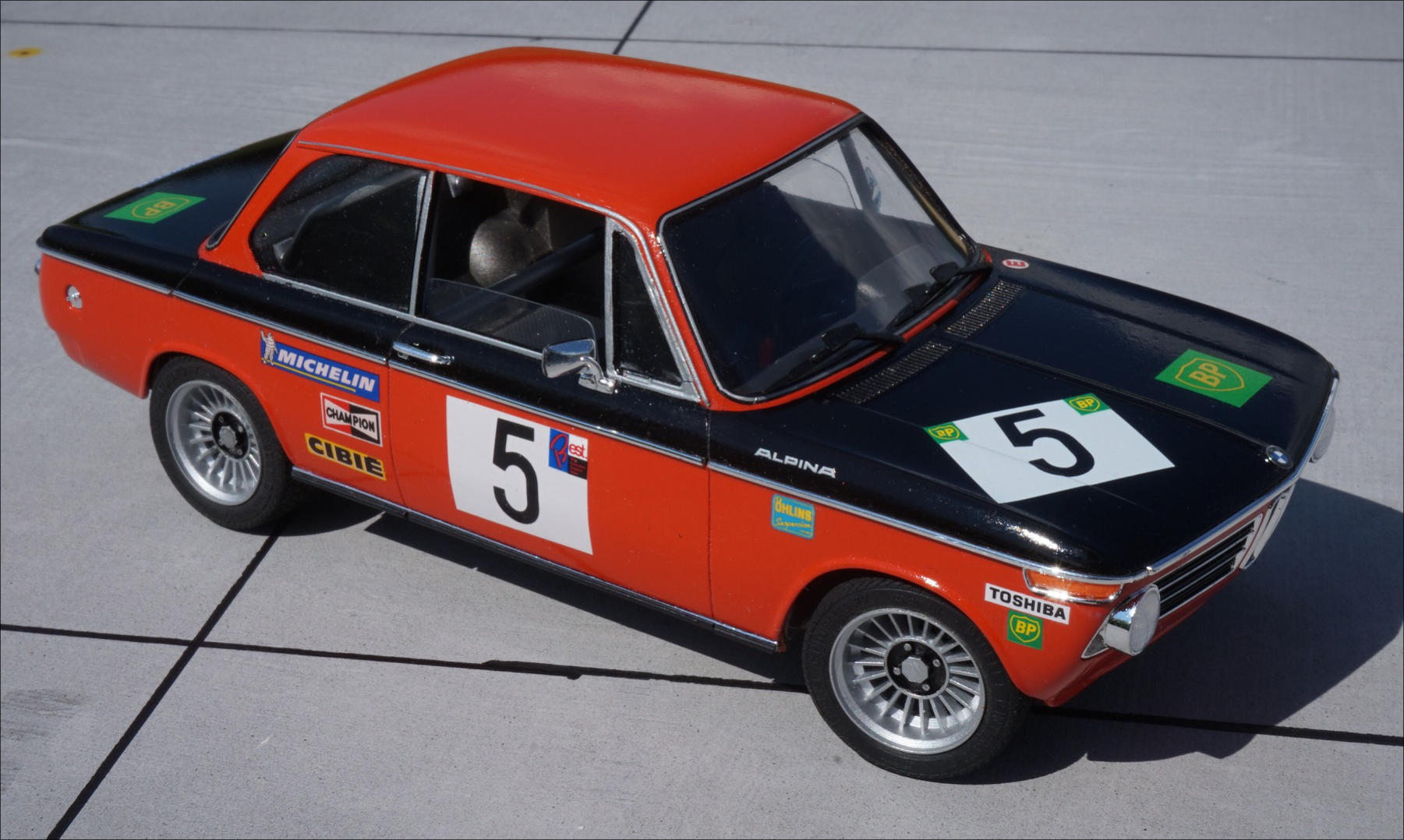
In 1971, BMW perfected the formula, replacing the complex, hard-to-tune 2002ti with a car that would become a legend in its own right: the 2002 tii. The “ii” stood for “injection,” and it was a masterpiece. It used the brilliant Kugelfischer mechanical fuel injection system, a precise, high-pressure setup that boosted power to 130 hp. The tii was not just more powerful; it was sharper, more responsive, and more efficient. It was the connoisseur’s 02, the perfect blend of road-car usability and racing-car soul. While all this was happening, the 02’s competition history was being written in fire and glory. The 2002ti and tii, in the hands of factory-backed teams like Alpina and Schnitzer, and driven by legends like Hans-Joachim Stuck, became the dominant force in the European Touring Car Championship, waging a spectacular, wheel-banging war against the Ford Escort RS1600s and Alfa Romeo GTAms.
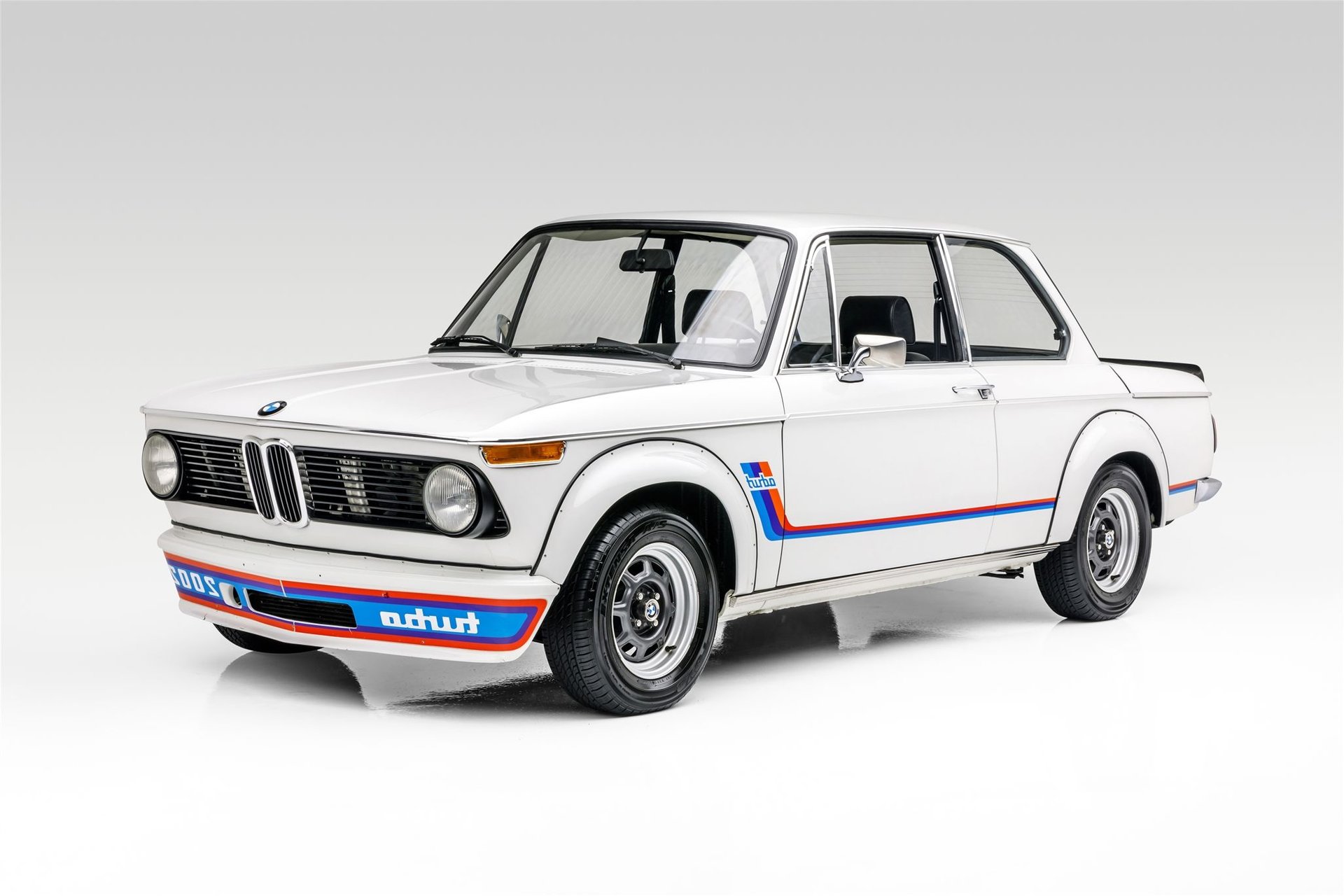
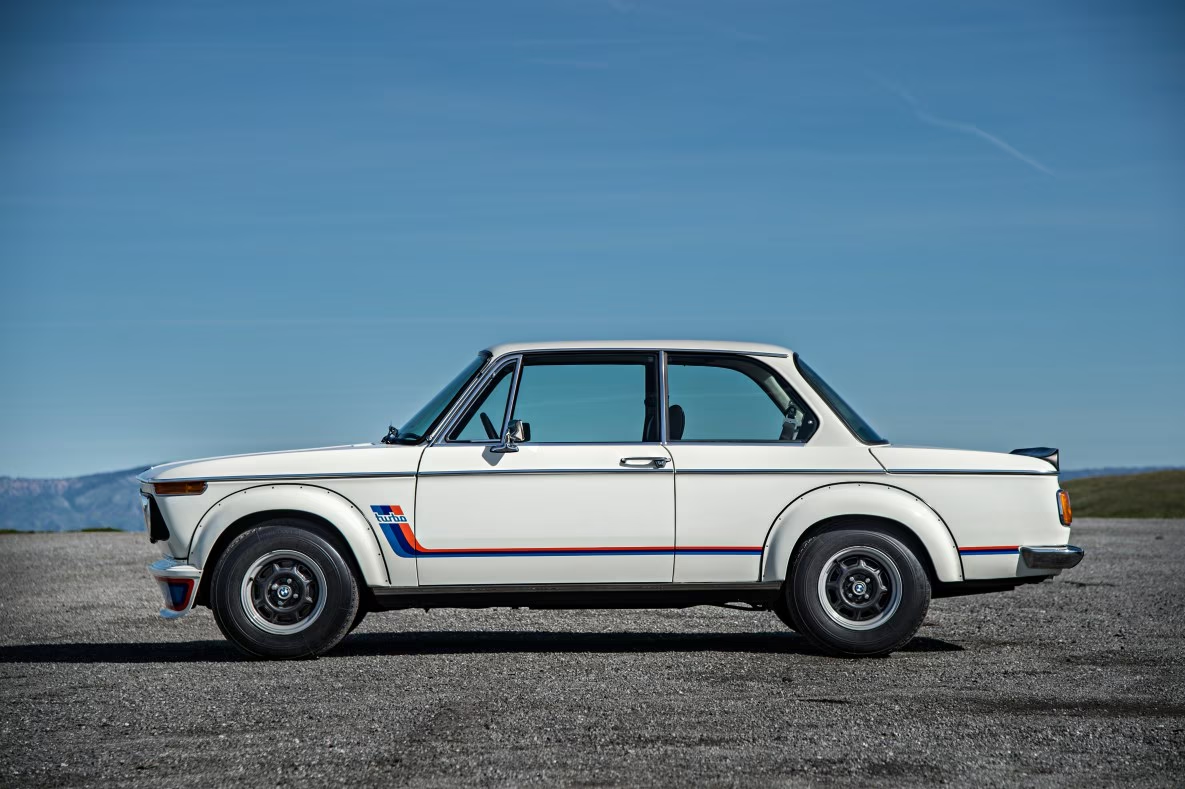
Then, in 1973, just as the 02 Series received its first major facelift (the less-loved “square-tail” lights and new grille), BMW’s engineers, flush with racing success, unleashed a monster. This was the 2002 turbo. It was Europe’s first production turbocharged car, a true “homologation special” that brought racing tech to the street. It used the tii‘s 2.0L engine but added a KKK turbocharger to produce a wild 170 hp. It was a brutal, demanding car, with explosive turbo lag and a fearsome reputation. With its riveted-on flares, aggressive front air dam, and iconic “2002 turbo” graphics in reverse script (to be read in the mirrors of the cars it was about to pass), it was the ultimate “bad boy” of the 1970s. It was also, tragically, a commercial disaster. Launched in the autumn of 1973, its debut collided head-on with the 1973 Oil Crisis. A thirsty, 170-hp “hooligan car” was the last thing the market wanted, and production ceased after just 1,672 examples.
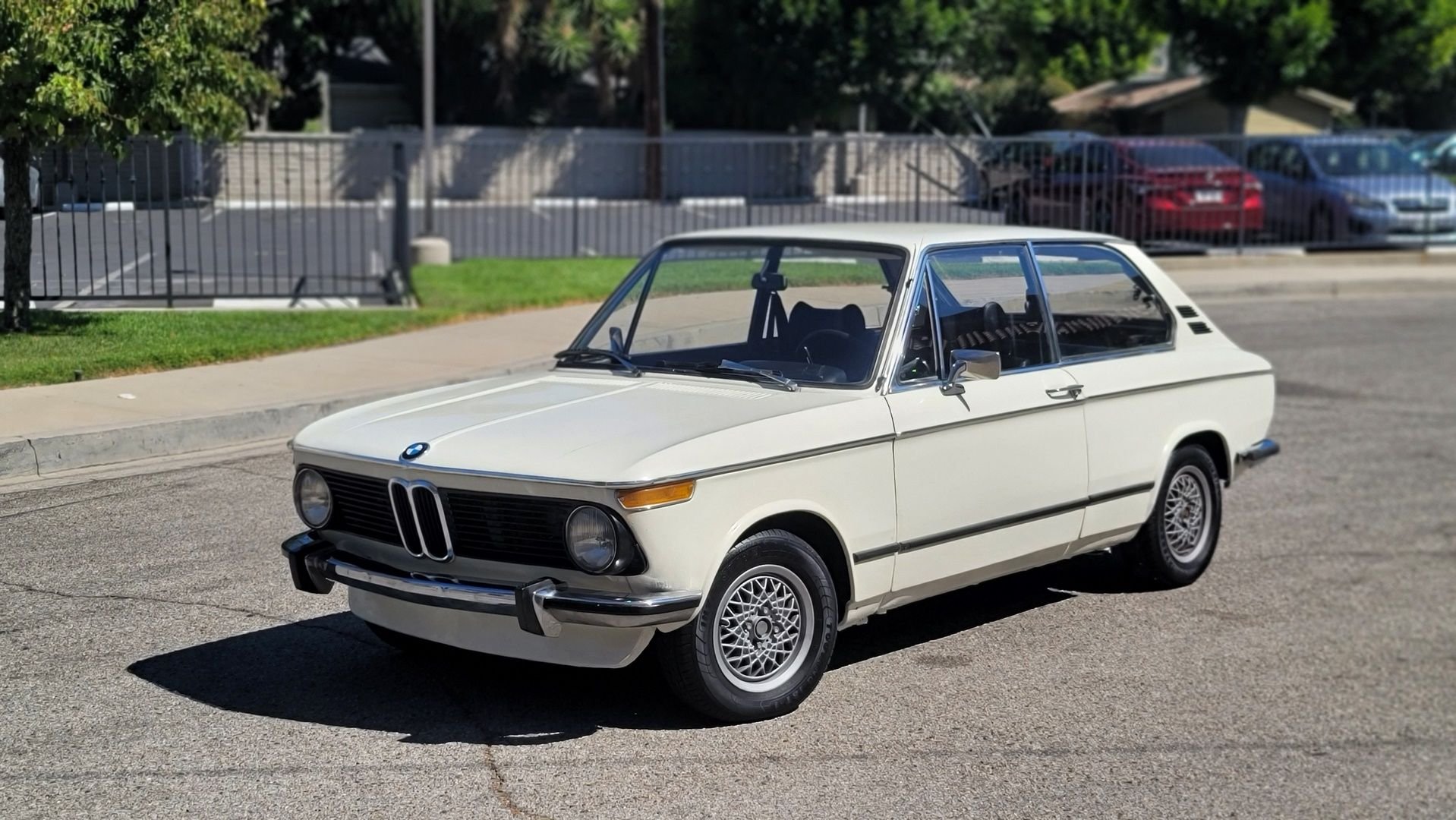
The 02 Series’ story ended in 1975 with the 1502, a budget-minded, 1.6-litre “run-out” model designed to keep the production lines moving until its successor was ready. That successor was the E21, the first-ever 3-Series. But the 02’s legacy was already secure. It had single-handedly created the compact sports saloon segment. It had made BMW in America. It had established the brand’s identity as the creator of “The Ultimate Driving Machine.” Every M3, every 328i, every single BMW that has ever been celebrated for its blend of performance and practicality owes its existence to this simple, brilliant, and transformative line of cars.
Portal
Model line
Brand
Produced from
Vehicle category
Portal
Model line
Model generation
Predecessor
Sucessor
Model Overview
In the mid-1960s, Bayerische Motoren Werke was a company walking a tightrope. It had been saved from bankruptcy by the success of its “Neue Klasse” (New Class) saloons, sophisticated four-door cars that established BMW’s credentials for quality and engineering. But these cars, while excellent, were sensible. They lacked the fire, the sheer, unadulterated joy that defines the brand today. The company’s directors and engineers, themselves enthusiasts, knew they had a masterpiece in the M10 four-cylinder engine and a brilliant chassis. What they needed was a smaller, lighter, and more exciting package. The result, unveiled in 1966, was the 1600-2. This car, and the dynasty it spawned, was not just a new model. It was the car that invented the compact sports saloon, the car that saved BMW’s soul, and the car that created “The Ultimate Driving Machine.”
The 02 Series was not conceived in a vacuum. Its target was clear and formidable: the Alfa Romeo Giulia. The Alfa was the benchmark, a thoroughbred 1.6-litre, twin-cam, five-speed marvel that had dominated road and track. BMW’s 1600-2, with its single-cam M10 engine (producing 85 hp) and four-speed ‘box, seemed a simpler, more “Teutonic” proposition. But it had a secret weapon: its chassis. It shared the New Class’s sophisticated MacPherson strut front and, crucially, a fully independent semi-trailing arm rear suspension. This was a setup that provided a sublime balance of ride comfort and predictable, exploitable handling that its live-axle rivals could only dream of. Wrapped in a light, two-door unibody with a tall, airy glasshouse and the signature “Hofmeister kink,” the 1600-2 was a revelation. It was a “driver’s car” in the purest sense.
The true genius of the 02 platform was its scalability. Just a year later, in 1967, the 1600 ti arrived, featuring the same 1.6-litre engine but now breathing through two twin-choke Solex carburettors, boosting power to a potent 105 hp. This was the car that started the legend, a true “giant-killer” that could harass far more powerful machinery. But the defining moment, the car that made BMW in America, was a stroke of genius born from market demand. Max Hoffman, the legendary US importer, told BMW the 1600-2 was brilliant but underpowered for his customers. He famously suggested they “put the 2.0-litre engine in the 1.6-litre car.” Simultaneously, BMW’s key engineers, Alex von Falkenhausen (engine) and Helmut Bönsch (planning), had both independently done this exact swap to their personal cars. The stars aligned, and in 1968, the BMW 2002 was born.
The 2002 was the masterstroke. It used the 2.0-litre M10 engine with a single-barrel carburettor, producing 100 hp. But this was 100 hp in a car weighing just 1,000 kg, and it came with a huge wave of torque. It was fast, it was practical, it was indestructible, and it handled. It was an instant, runaway success. For the European market, which was not afraid of complexity, BMW also launched the 2002 ti. This was the 1600 ti’s big brother: the 2.0-litre engine with the twin Solex carbs, good for 120 hp. This became the absolute weapon of choice for privateer racers, forming the basis for the legendary Group 2 touring car champions. As the range evolved, other models filled the gaps: the 1802 arrived in 1971 as a torquey, single-carb 1.8-litre model.
In 1971, BMW perfected the formula, replacing the complex, hard-to-tune 2002ti with a car that would become a legend in its own right: the 2002 tii. The “ii” stood for “injection,” and it was a masterpiece. It used the brilliant Kugelfischer mechanical fuel injection system, a precise, high-pressure setup that boosted power to 130 hp. The tii was not just more powerful; it was sharper, more responsive, and more efficient. It was the connoisseur’s 02, the perfect blend of road-car usability and racing-car soul. While all this was happening, the 02’s competition history was being written in fire and glory. The 2002ti and tii, in the hands of factory-backed teams like Alpina and Schnitzer, and driven by legends like Hans-Joachim Stuck, became the dominant force in the European Touring Car Championship, waging a spectacular, wheel-banging war against the Ford Escort RS1600s and Alfa Romeo GTAms.
Then, in 1973, just as the 02 Series received its first major facelift (the less-loved “square-tail” lights and new grille), BMW’s engineers, flush with racing success, unleashed a monster. This was the 2002 turbo. It was Europe’s first production turbocharged car, a true “homologation special” that brought racing tech to the street. It used the tii‘s 2.0L engine but added a KKK turbocharger to produce a wild 170 hp. It was a brutal, demanding car, with explosive turbo lag and a fearsome reputation. With its riveted-on flares, aggressive front air dam, and iconic “2002 turbo” graphics in reverse script (to be read in the mirrors of the cars it was about to pass), it was the ultimate “bad boy” of the 1970s. It was also, tragically, a commercial disaster. Launched in the autumn of 1973, its debut collided head-on with the 1973 Oil Crisis. A thirsty, 170-hp “hooligan car” was the last thing the market wanted, and production ceased after just 1,672 examples.
The 02 Series’ story ended in 1975 with the 1502, a budget-minded, 1.6-litre “run-out” model designed to keep the production lines moving until its successor was ready. That successor was the E21, the first-ever 3-Series. But the 02’s legacy was already secure. It had single-handedly created the compact sports saloon segment. It had made BMW in America. It had established the brand’s identity as the creator of “The Ultimate Driving Machine.” Every M3, every 328i, every single BMW that has ever been celebrated for its blend of performance and practicality owes its existence to this simple, brilliant, and transformative line of cars.
Submodels