BMW M1
Brand
Produced from
Vehicle category
Portal
Model line
Model generation
Predecessor
Sucessor
Model Overview
The BMW M1 is not just a car. It is a glorious, heartbreaking, and immortal “what if.” It is the story of a project born from pure ambition, a car forged by a “who’s who” of 1970s automotive legends, and a machine that ultimately failed its original mission only to achieve accidental, everlasting glory. By the mid-1970s, BMW Motorsport GmbH, led by the brilliant Jochen Neerpasch, had conquered the European Touring Car Championship with the 3.0 CSL “Batmobile”. Their next target was the ultimate prize: the World Championship for Makes. This was the domain of the Porsche 935. Neerpasch knew the CSL, a front-engined saloon, was at its absolute limit. To beat Porsche, BMW needed a mid-engined, purpose-built “silhouette” car. The E26 project was born: a car to be homologated for Group 4, with the ultimate goal of becoming a Group 5, 935-killing monster.
This was a car BMW could not build alone. The plan was a masterpiece of collaboration. The engine, the heart of the car, would be a new, bespoke 24-valve straight-six from BMW’s own engine guru, Paul Rosche. The chassis would be a multi-tubular space frame, designed by the rising star, Gian Paolo Dallara. The body, a timeless, aggressive wedge, would be penned by the master, Giorgetto Giugiaro at Italdesign. And the final assembly? That was contracted to the one company with the expertise to build such a car in low numbers: Lamborghini. This, tragically, was the project’s doom. Lamborghini, on the verge of bankruptcy, was in chaos. Production ground to a halt, timelines were missed, and the relationship dissolved in a legal and logistical nightmare. BMW was left with a brilliant design, a pile of parts, and no way to build the 400 cars required for homologation.
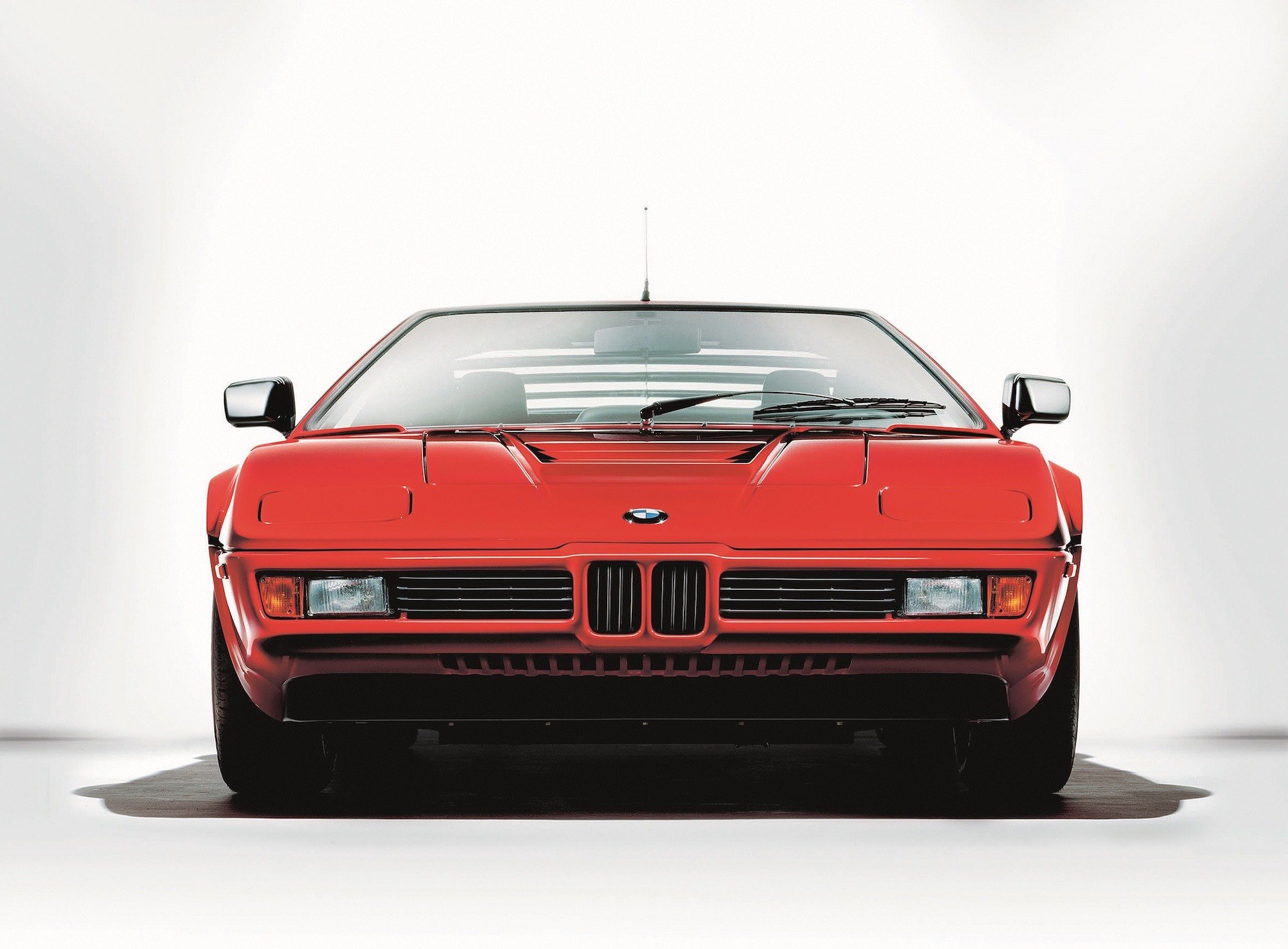
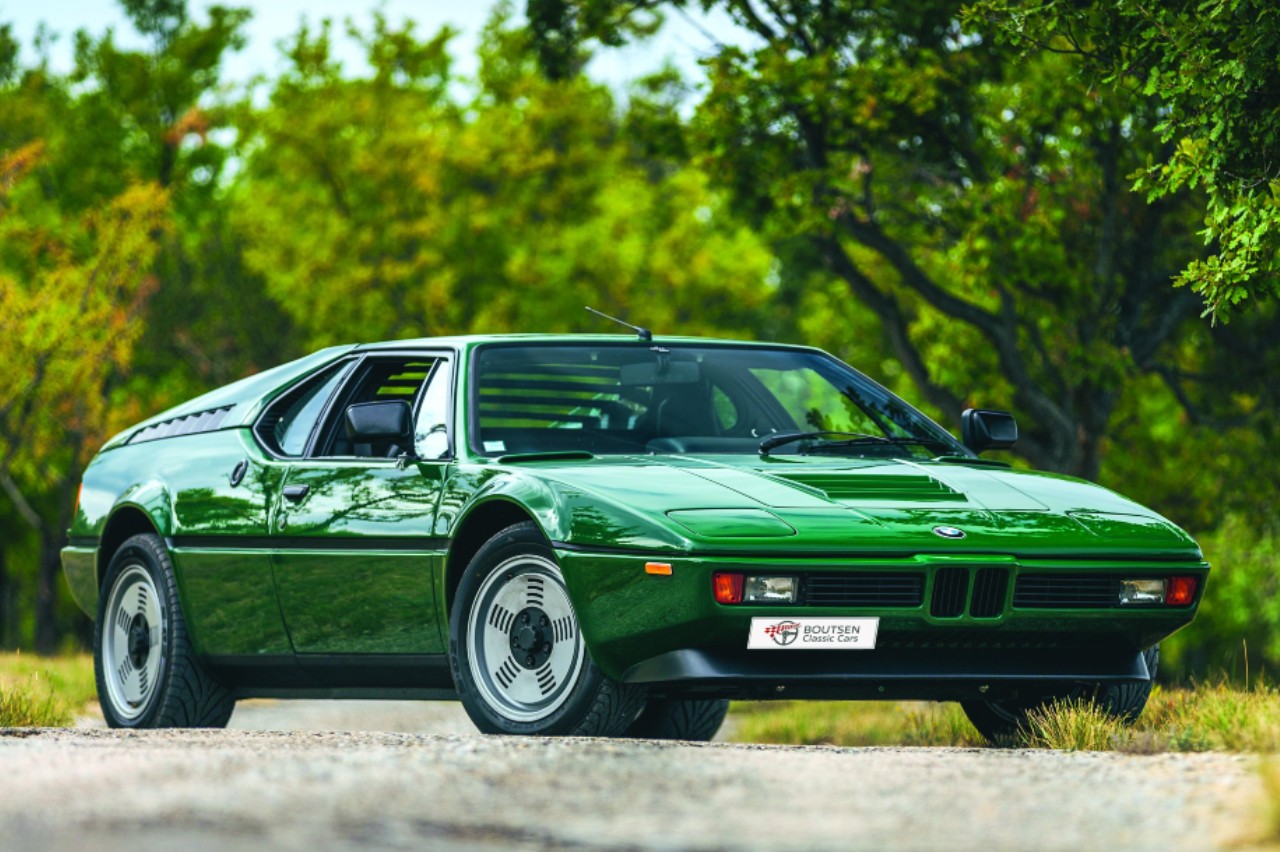
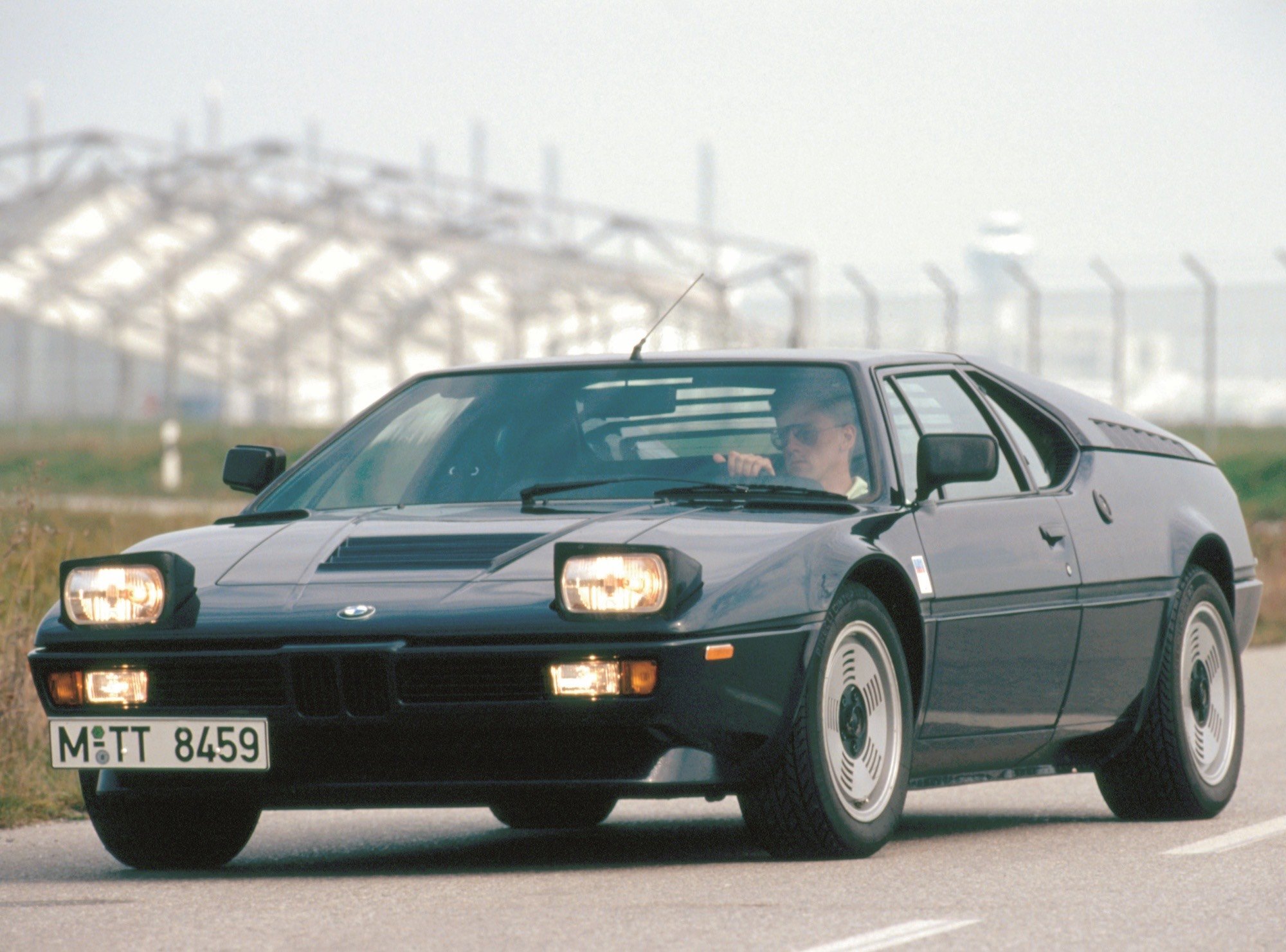
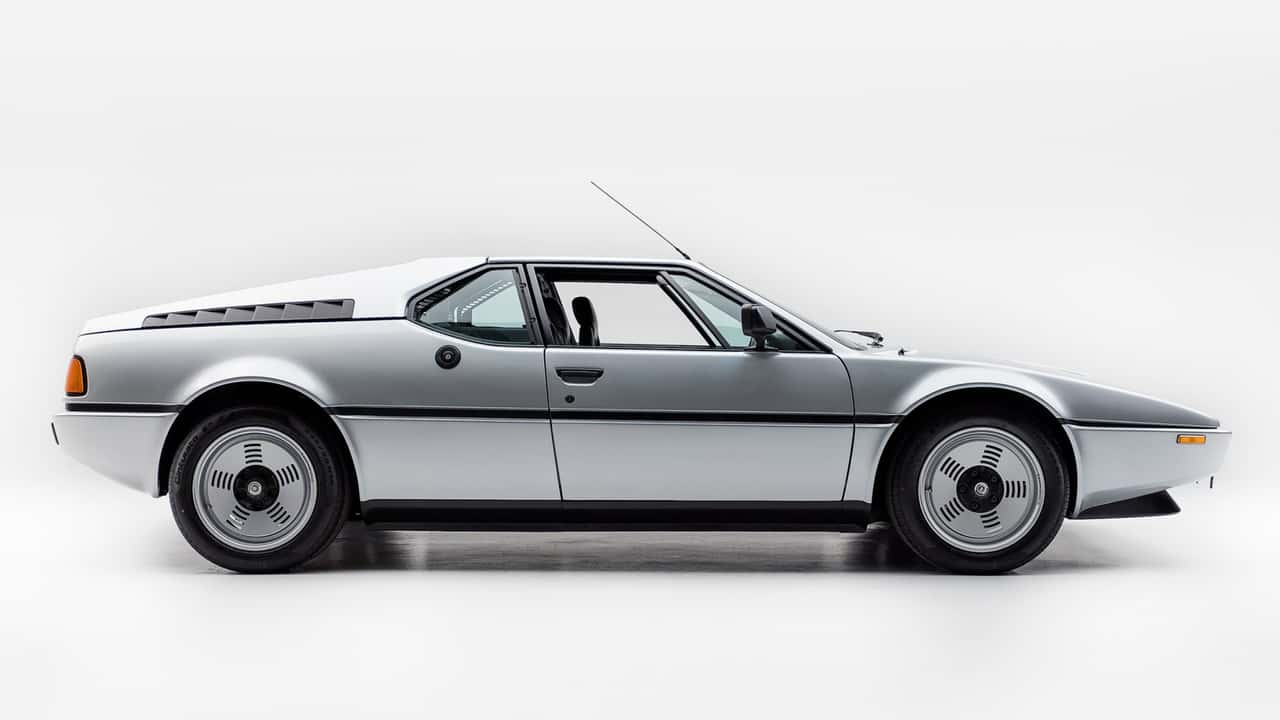
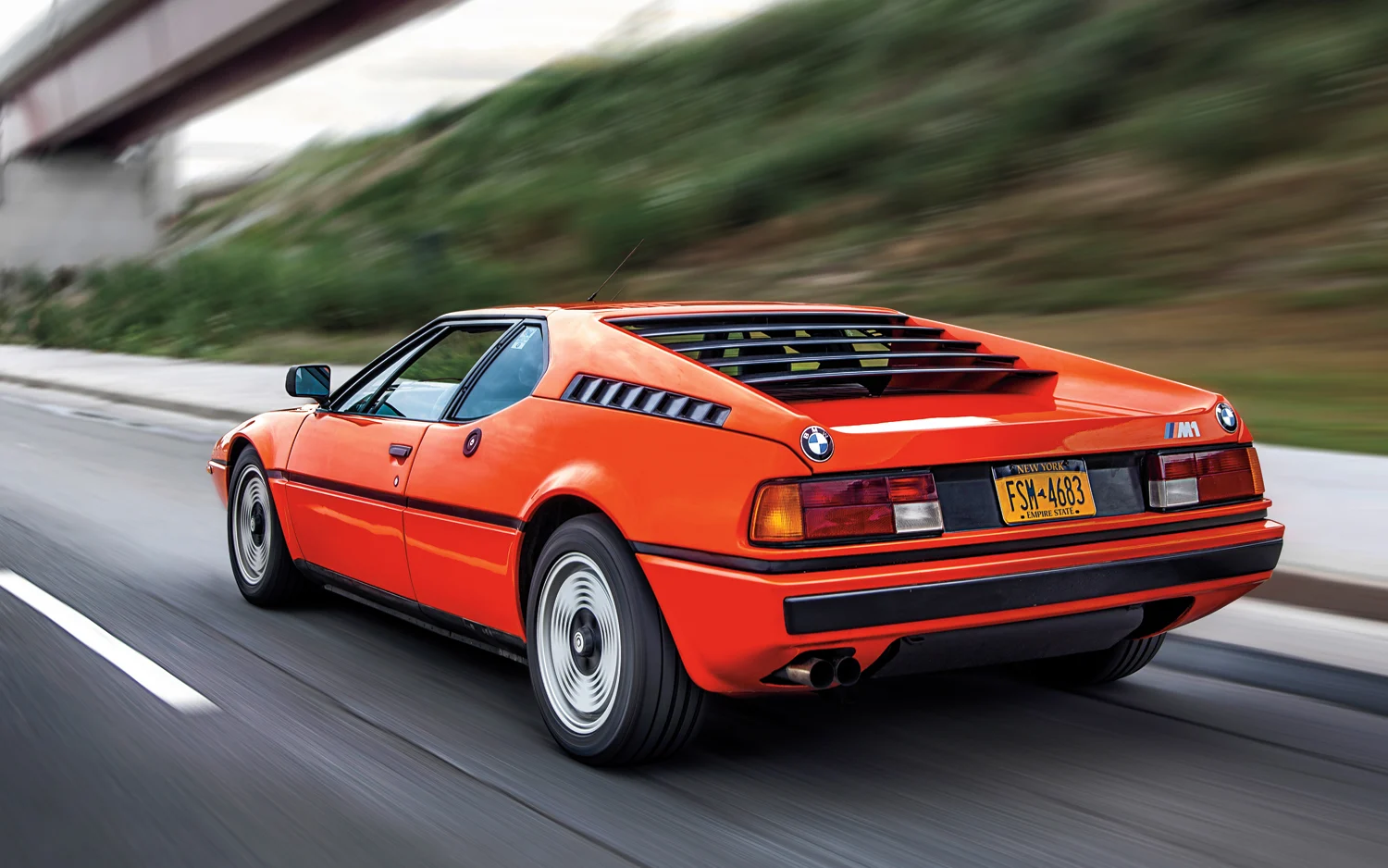
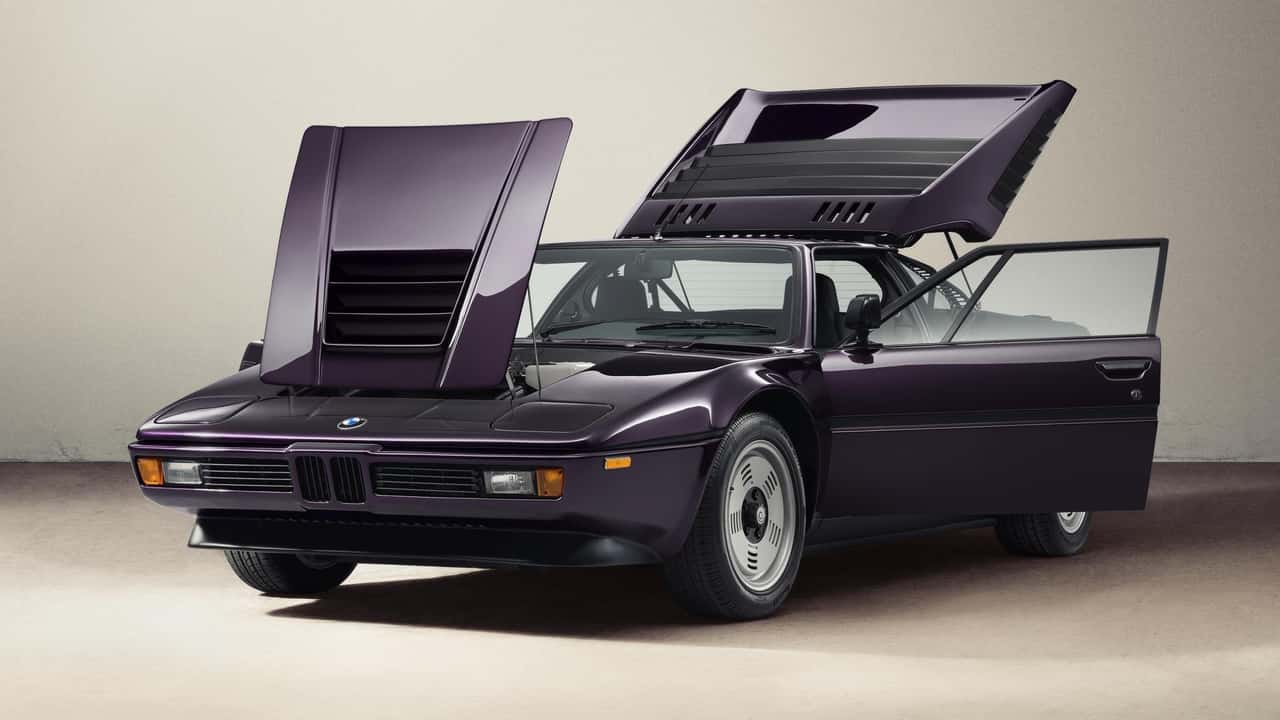
The M1’s technical specification is a testament to its singular purpose. The engine, the M88, was its soul. It was a 3.5-litre (3,453cc), dry-sump, DOHC straight-six, a direct descendant of the M49 engine from the CSL racer. With six individual throttle bodies and a Kugelfischer mechanical fuel-injection system, the road-going BMW M1 produced a conservative 277 hp. This was a colossal figure for a road car in 1978, making it Germany’s fastest production car. The body, a masterpiece of Giugiaro’s “folded paper” design, was a direct evolution of the 1972 BMW Turbo concept. It was impossibly low, wide, and draped over a rigid space frame. After BMW wrestled production back from Italy, the car’s assembly became a complex European puzzle: the frame was built by Marchesi, the fiberglass body by T.I.R., the interior was fitted by Baur in Stuttgart, and final mechanical assembly was handled by BMW M themselves. It was an arduous, hand-built process.
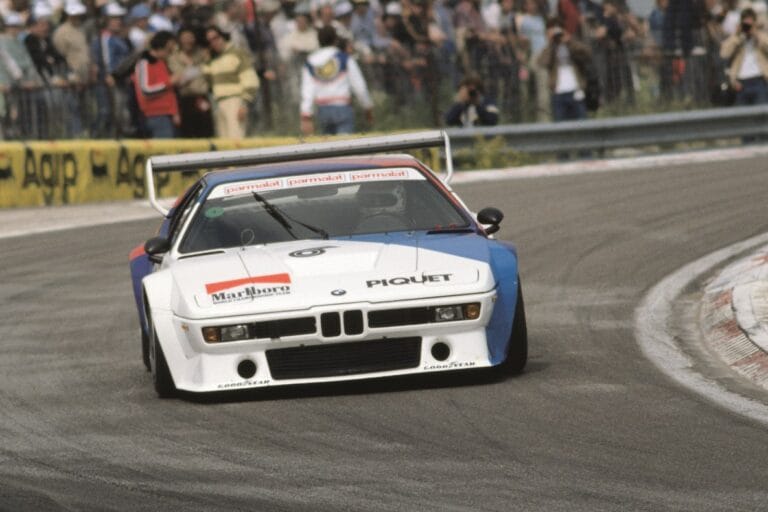
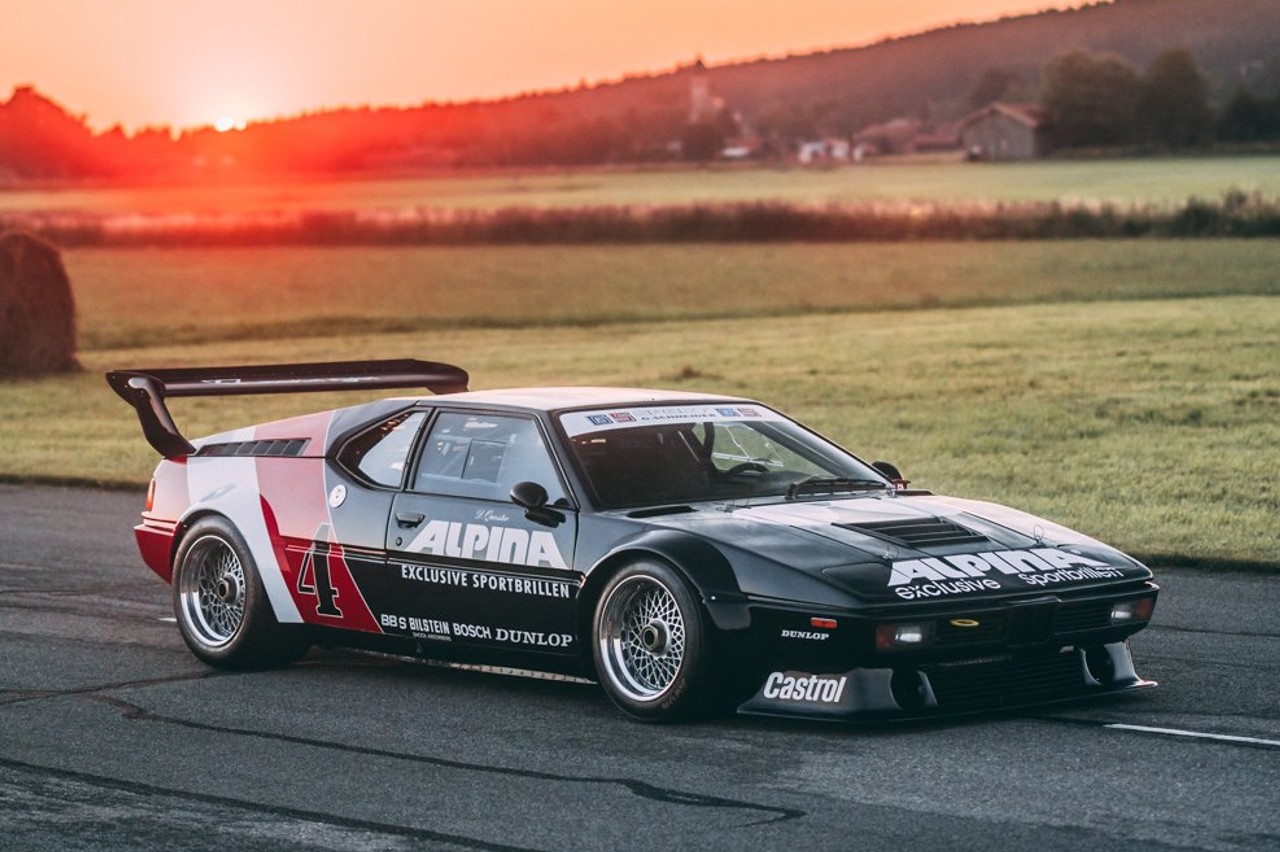
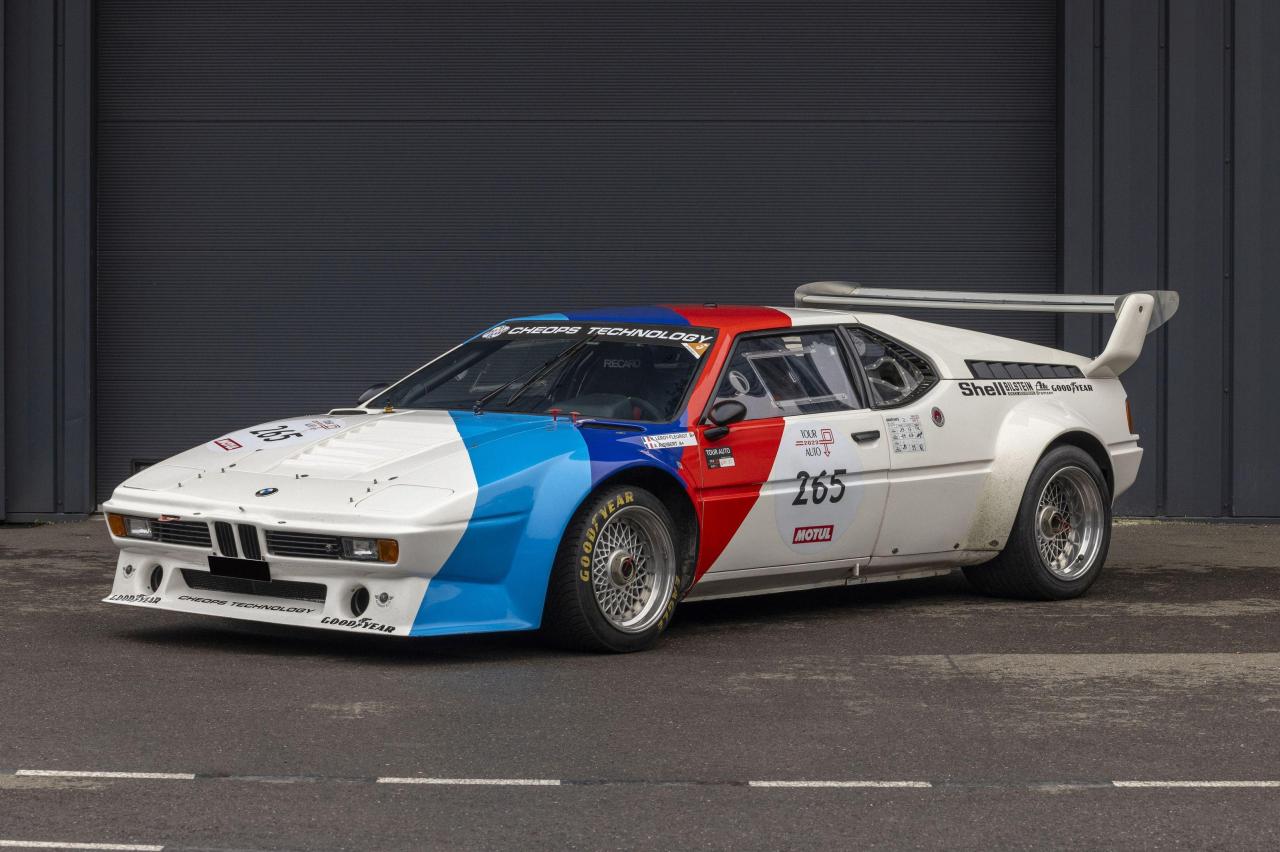
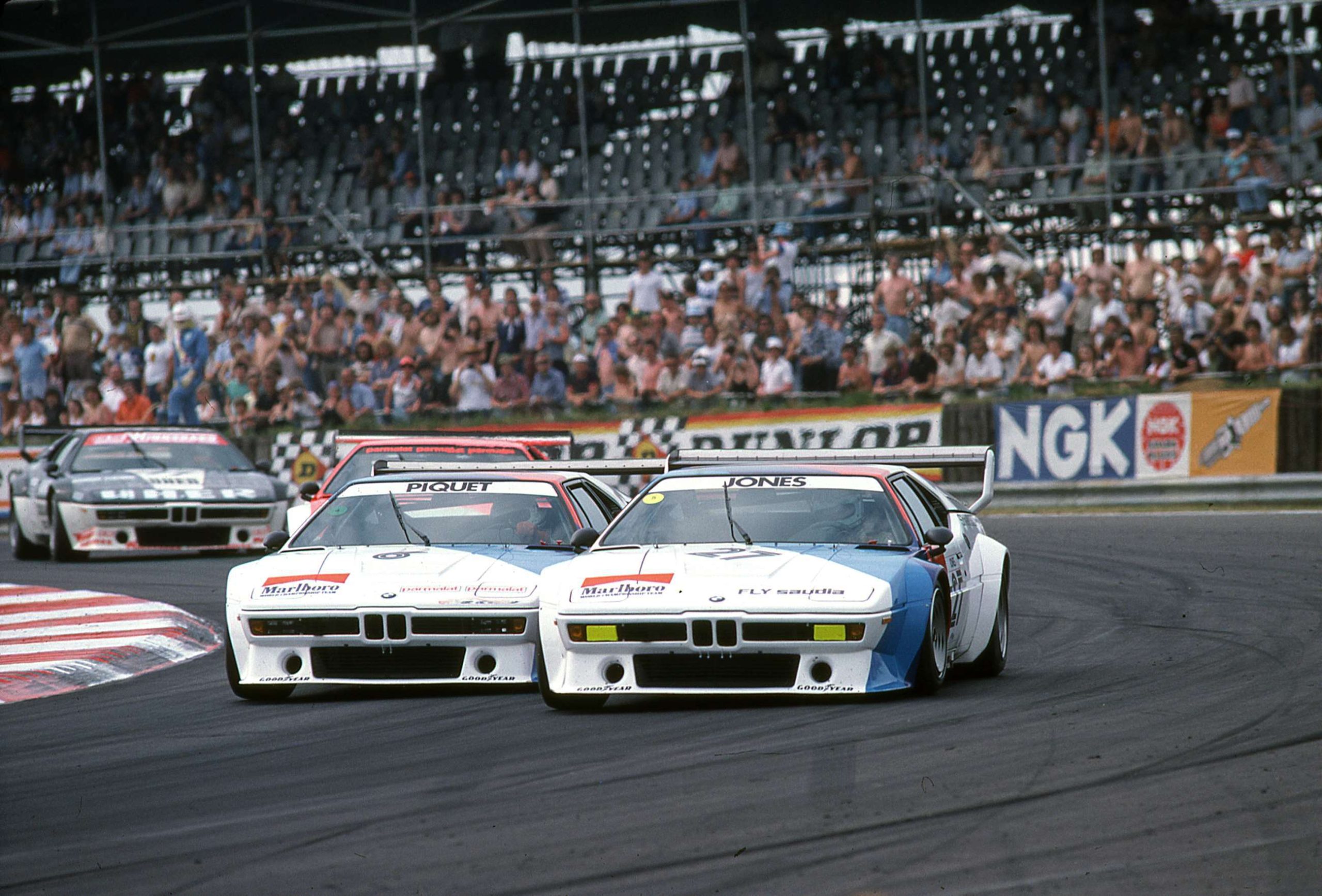
By the time BMW had finally produced enough cars to go racing, the FIA’s rules had changed, and the M1’s original target, Group 4, was becoming obsolete. The M1 was a champion without a championship. It was here that Jochen Neerpasch had his stroke of genius. If the M1 couldn’t race in an existing series, he would create a new one. The result was the 1979 BMW M1 Procar Championship. This was, and remains, one of the greatest one-make series in history. The road M1 was transformed into the M1 Procar. The M88 engine was tuned to a reliable 470 hp, the car was stripped bare, and it was fitted with a massive wing and riveted-on flares. The concept was simple: the five fastest Formula 1 drivers from practice at a Grand Prix weekend would be given identical “Works” Procars to race against a field of the world’s best privateer sports car and touring car drivers. The result was a spectacular, televised battle, with legends like Niki Lauda, Nelson Piquet, Alan Jones, and Elio de Angelis trading paint in 470-hp M1s. It was the ultimate “support race,” and Niki Lauda was crowned its first champion in 1979.
The M1 did eventually achieve its original goal. It was homologated for Group 4 in 1979 and won its class at the 24 Hours of Le Mans that same year (an M1 painted by the artist Andy Warhol). But its true potential was only unleashed when it was finally developed into the Group 5 monster Neerpasch had always dreamed of. Tuned by Schnitzer and Sauber, the M88 was fitted with one or two KKK turbochargers, pushing output to a terrifying 850-950 hp. These flame-spitting, wide-body beasts, along with the March 81P (M1/C) GTP cars in America, were monstrously fast but, by then, the “window” had been missed. The Porsche 935s had evolved, and the new Porsche 956 was about to render everything else obsolete.
The M1’s legacy is that of a glorious failure. It was a commercial disaster that cost BMW a fortune and failed to win the championship it was built for. And yet, it is one of the most beloved BMWs of all time. It remains the company’s first and only true supercar. The Procar series it spawned is a golden-era legend. Most importantly, its heart, the M88 engine, became the foundation of BMW M’s road-car dynasty. This magnificent 24-valve, race-bred straight-six was given a “second life” in the M5 (E28) and the M635CSi (E24), creating the super-saloon and super-coupé genres. The M1 may have failed its mission, but its soul went on to conquer the world. Its influence is so profound that BMW itself has twice paid tribute to it, first with the 2008 M1 Homage concept, and again with the 2019 Vision M Next.
Brand
Produced from
Vehicle category
Portal
Model line
Model generation
Predecessor
Sucessor
Brand
Produced from
Vehicle category
Portal
Model line
Model generation
Predecessor
Sucessor
Model Overview
The BMW M1 is not just a car. It is a glorious, heartbreaking, and immortal “what if.” It is the story of a project born from pure ambition, a car forged by a “who’s who” of 1970s automotive legends, and a machine that ultimately failed its original mission only to achieve accidental, everlasting glory. By the mid-1970s, BMW Motorsport GmbH, led by the brilliant Jochen Neerpasch, had conquered the European Touring Car Championship with the 3.0 CSL “Batmobile”. Their next target was the ultimate prize: the World Championship for Makes. This was the domain of the Porsche 935. Neerpasch knew the CSL, a front-engined saloon, was at its absolute limit. To beat Porsche, BMW needed a mid-engined, purpose-built “silhouette” car. The E26 project was born: a car to be homologated for Group 4, with the ultimate goal of becoming a Group 5, 935-killing monster.
This was a car BMW could not build alone. The plan was a masterpiece of collaboration. The engine, the heart of the car, would be a new, bespoke 24-valve straight-six from BMW’s own engine guru, Paul Rosche. The chassis would be a multi-tubular space frame, designed by the rising star, Gian Paolo Dallara. The body, a timeless, aggressive wedge, would be penned by the master, Giorgetto Giugiaro at Italdesign. And the final assembly? That was contracted to the one company with the expertise to build such a car in low numbers: Lamborghini. This, tragically, was the project’s doom. Lamborghini, on the verge of bankruptcy, was in chaos. Production ground to a halt, timelines were missed, and the relationship dissolved in a legal and logistical nightmare. BMW was left with a brilliant design, a pile of parts, and no way to build the 400 cars required for homologation.
The M1’s technical specification is a testament to its singular purpose. The engine, the M88, was its soul. It was a 3.5-litre (3,453cc), dry-sump, DOHC straight-six, a direct descendant of the M49 engine from the CSL racer. With six individual throttle bodies and a Kugelfischer mechanical fuel-injection system, the road-going BMW M1 produced a conservative 277 hp. This was a colossal figure for a road car in 1978, making it Germany’s fastest production car. The body, a masterpiece of Giugiaro’s “folded paper” design, was a direct evolution of the 1972 BMW Turbo concept. It was impossibly low, wide, and draped over a rigid space frame. After BMW wrestled production back from Italy, the car’s assembly became a complex European puzzle: the frame was built by Marchesi, the fiberglass body by T.I.R., the interior was fitted by Baur in Stuttgart, and final mechanical assembly was handled by BMW M themselves. It was an arduous, hand-built process.
By the time BMW had finally produced enough cars to go racing, the FIA’s rules had changed, and the M1’s original target, Group 4, was becoming obsolete. The M1 was a champion without a championship. It was here that Jochen Neerpasch had his stroke of genius. If the M1 couldn’t race in an existing series, he would create a new one. The result was the 1979 BMW M1 Procar Championship. This was, and remains, one of the greatest one-make series in history. The road M1 was transformed into the M1 Procar. The M88 engine was tuned to a reliable 470 hp, the car was stripped bare, and it was fitted with a massive wing and riveted-on flares. The concept was simple: the five fastest Formula 1 drivers from practice at a Grand Prix weekend would be given identical “Works” Procars to race against a field of the world’s best privateer sports car and touring car drivers. The result was a spectacular, televised battle, with legends like Niki Lauda, Nelson Piquet, Alan Jones, and Elio de Angelis trading paint in 470-hp M1s. It was the ultimate “support race,” and Niki Lauda was crowned its first champion in 1979.
The M1 did eventually achieve its original goal. It was homologated for Group 4 in 1979 and won its class at the 24 Hours of Le Mans that same year (an M1 painted by the artist Andy Warhol). But its true potential was only unleashed when it was finally developed into the Group 5 monster Neerpasch had always dreamed of. Tuned by Schnitzer and Sauber, the M88 was fitted with one or two KKK turbochargers, pushing output to a terrifying 850-950 hp. These flame-spitting, wide-body beasts, along with the March 81P (M1/C) GTP cars in America, were monstrously fast but, by then, the “window” had been missed. The Porsche 935s had evolved, and the new Porsche 956 was about to render everything else obsolete.
The M1’s legacy is that of a glorious failure. It was a commercial disaster that cost BMW a fortune and failed to win the championship it was built for. And yet, it is one of the most beloved BMWs of all time. It remains the company’s first and only true supercar. The Procar series it spawned is a golden-era legend. Most importantly, its heart, the M88 engine, became the foundation of BMW M’s road-car dynasty. This magnificent 24-valve, race-bred straight-six was given a “second life” in the M5 (E28) and the M635CSi (E24), creating the super-saloon and super-coupé genres. The M1 may have failed its mission, but its soul went on to conquer the world. Its influence is so profound that BMW itself has twice paid tribute to it, first with the 2008 M1 Homage concept, and again with the 2019 Vision M Next.
Submodels