
BMW M1 Procar

Brand
Produced from
Portal
Vehicle category
Model line
Predecessor
Successor
Submodel Overview
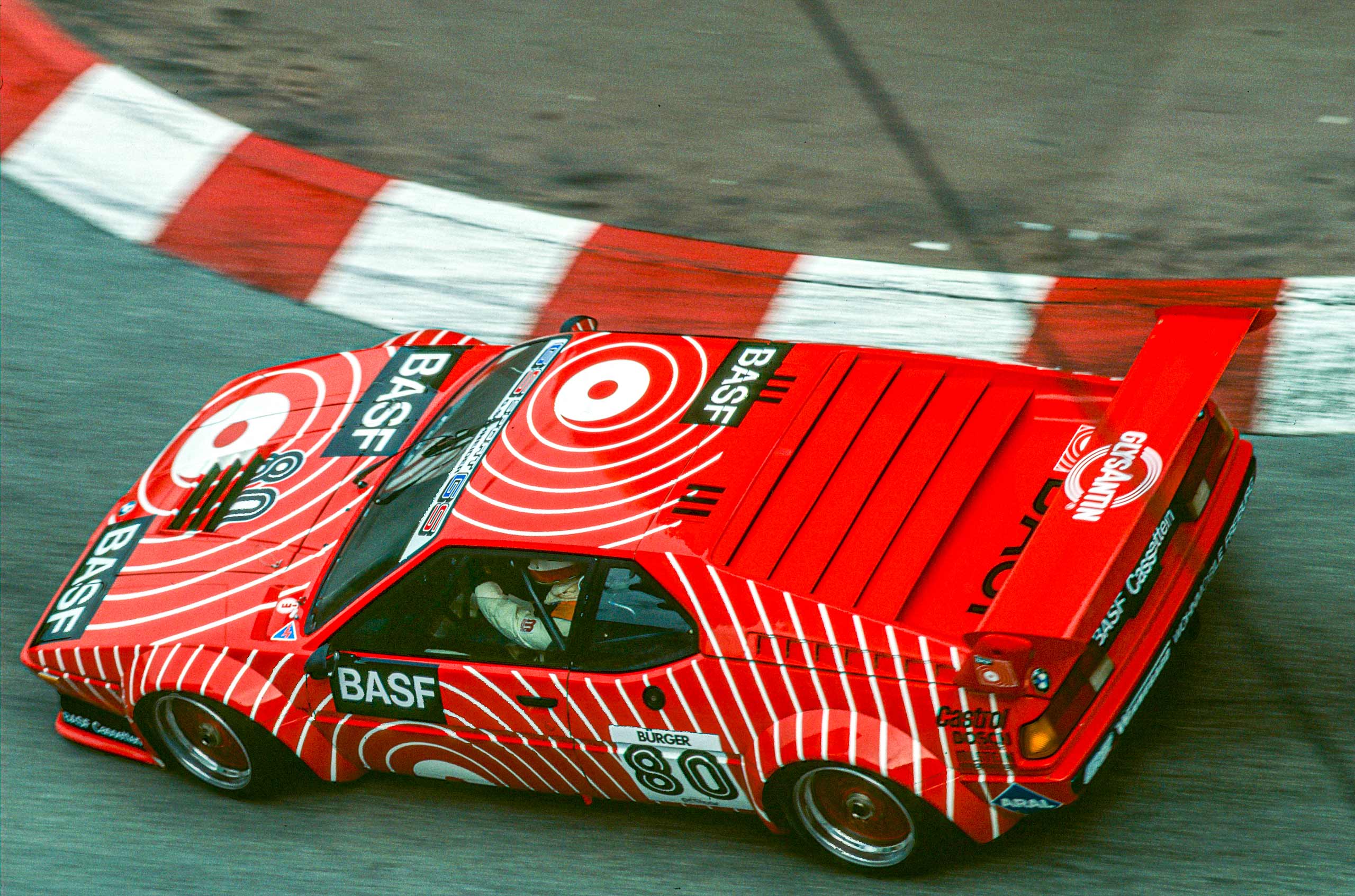
The BMW M1 Procar was not a car. It was an explosion. It was a glorious, 470-horsepower, multi-coloured solution to a 100-million-mark problem. It was the brainchild of a genius, Jochen Neerpasch, who, faced with a catastrophic failure, invented the greatest one-make racing series the world has ever seen. The M1 road car, the E26, was a car born of compromise and disaster—a “what if” machine designed by a committee of legends (Giugiaro, Dallara, Rosche) and then crippled by a collapsed production deal with Lamborghini. It was intended to be a “silhouette” racer to beat the dominant Porsche 935s in Group 5. But to do that, it first needed to be homologated for Group 4, a class that required 400 road cars to be built. By the time BMW had wrestled production back in-house and painstakingly hand-built enough cars, the rules had changed, the homologation window had passed, and the M1 was a champion without a championship.
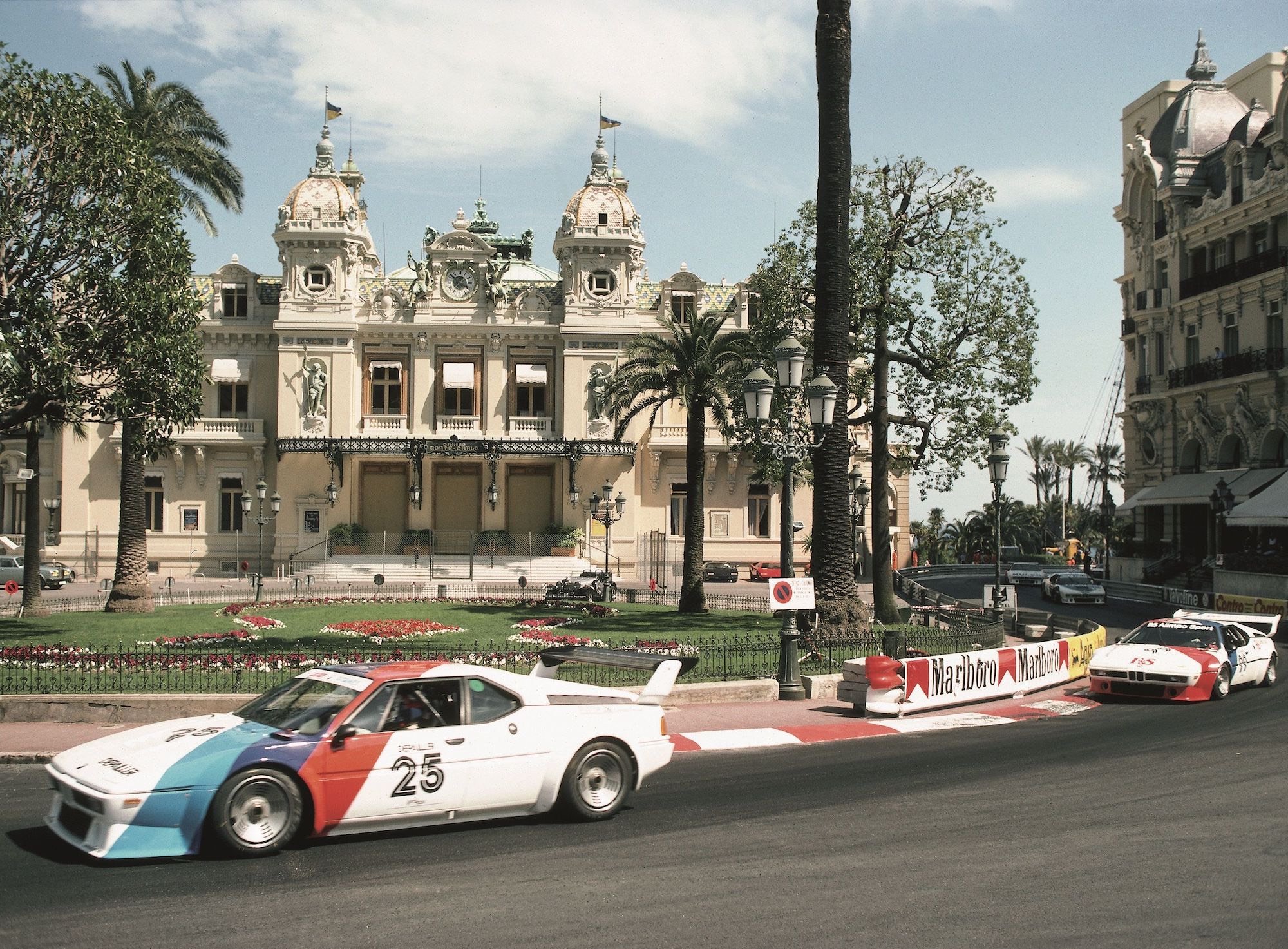
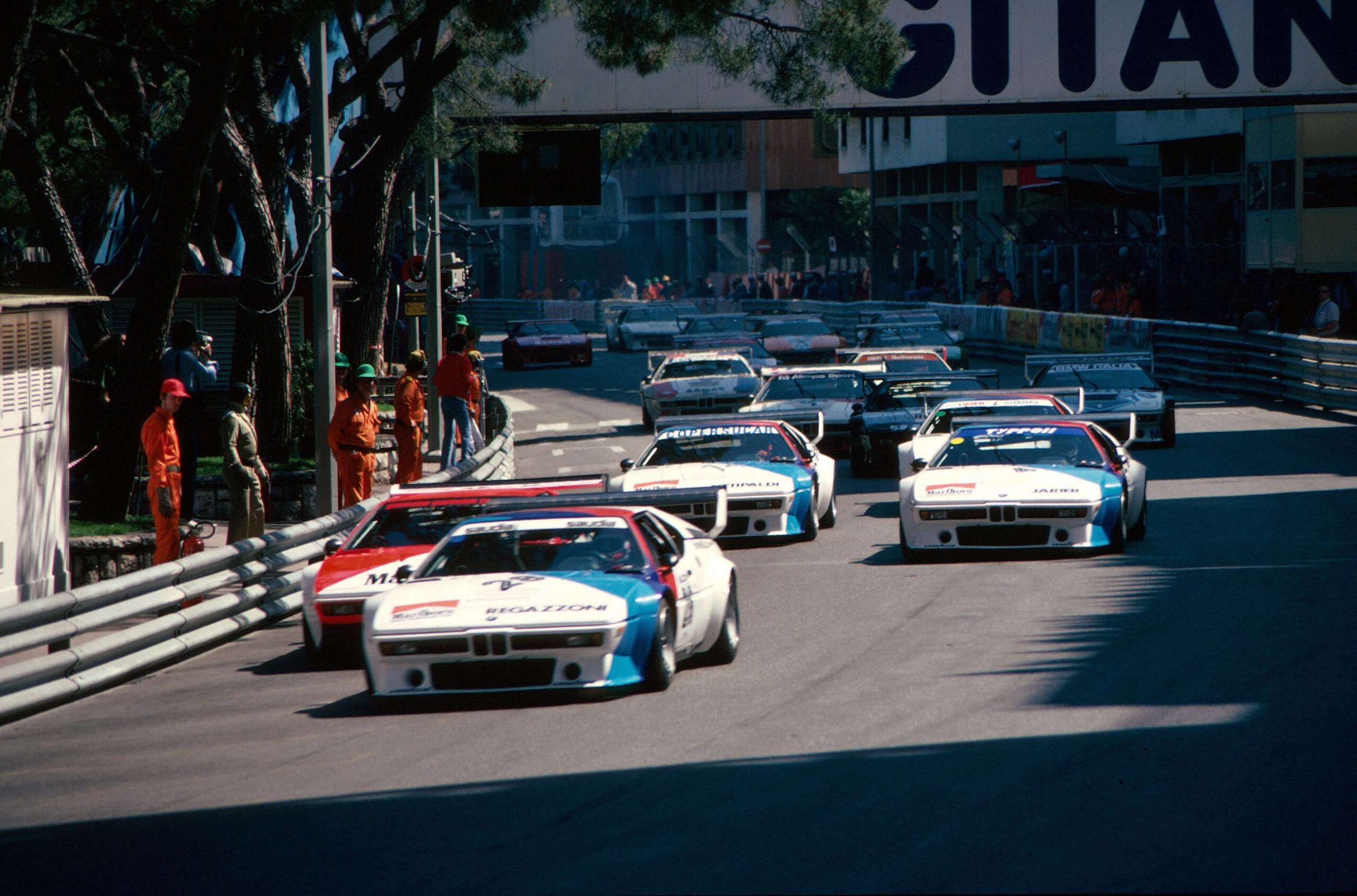
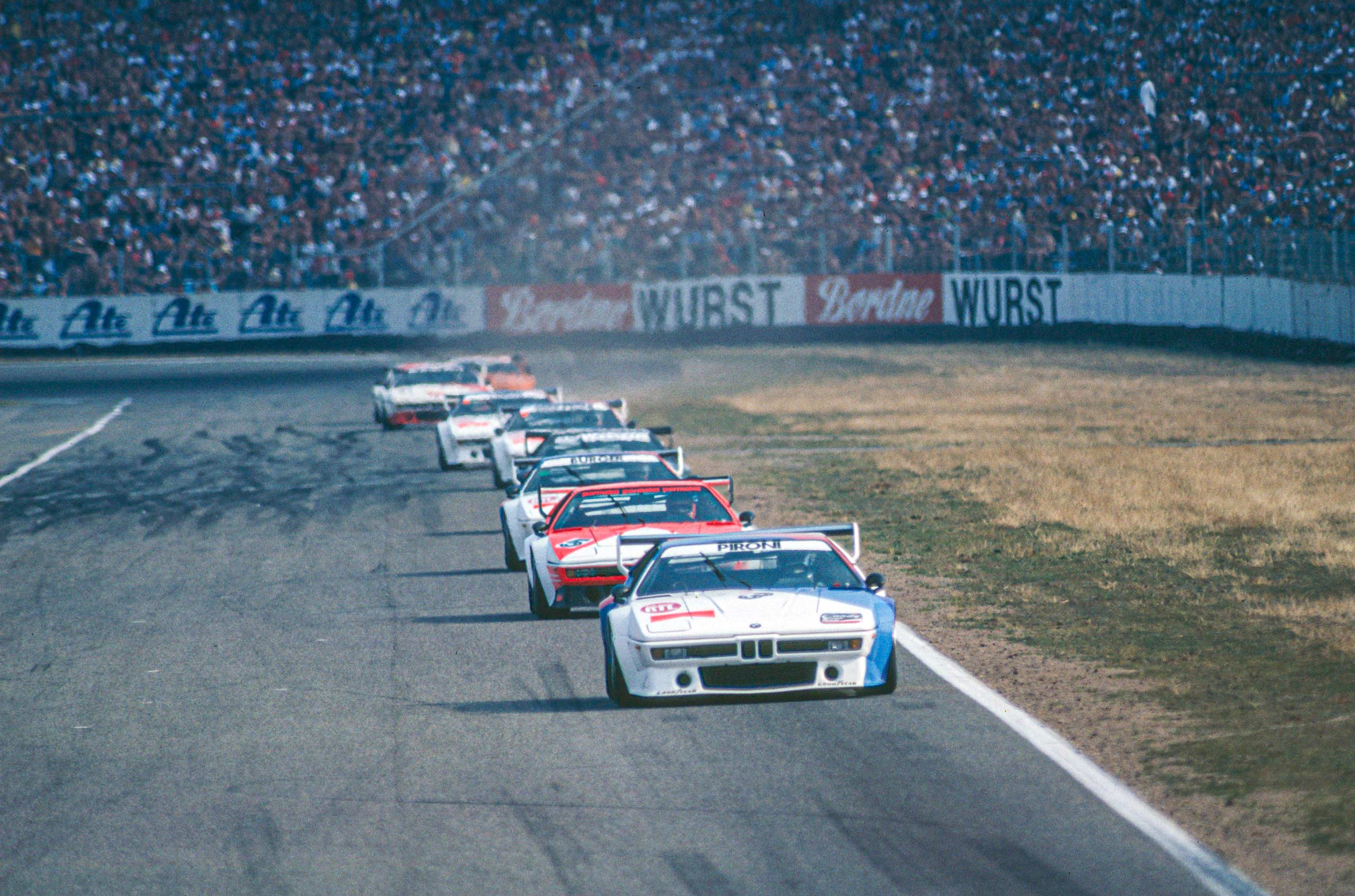
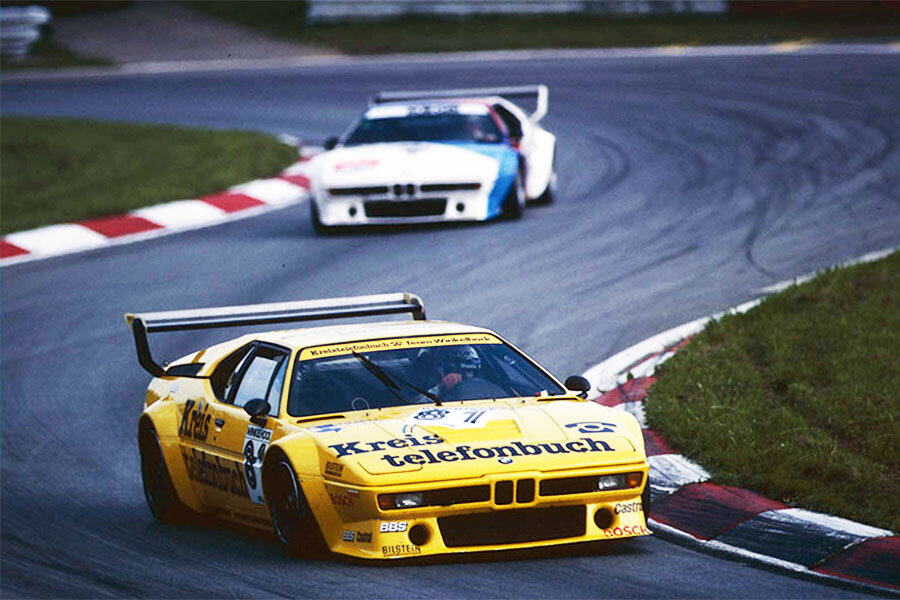
Neerpasch, the head of BMW M, was left with a fleet of the world’s most advanced GT cars, all dressed up with nowhere to go. His solution was “Plan B,” a stroke of marketing genius so audacious it remains the stuff of legend. If the M1 couldn’t join an existing series, he would create one for it. The BMW M1 Procar Championship was born. It would be a support race at the 1979 and 1980 European Formula 1 Grand Prix weekends. But here was the hook: the five fastest F1 drivers from that weekend’s practice would be given identical, factory-prepared “Works” Procars. They would then race head-to-head against a grid of the world’s best privateer sports car and touring car drivers in their own M1 Procars. It was a spectacle of “F1 stars vs. GT aces,” and it often upstaged the Grand Prix itself.
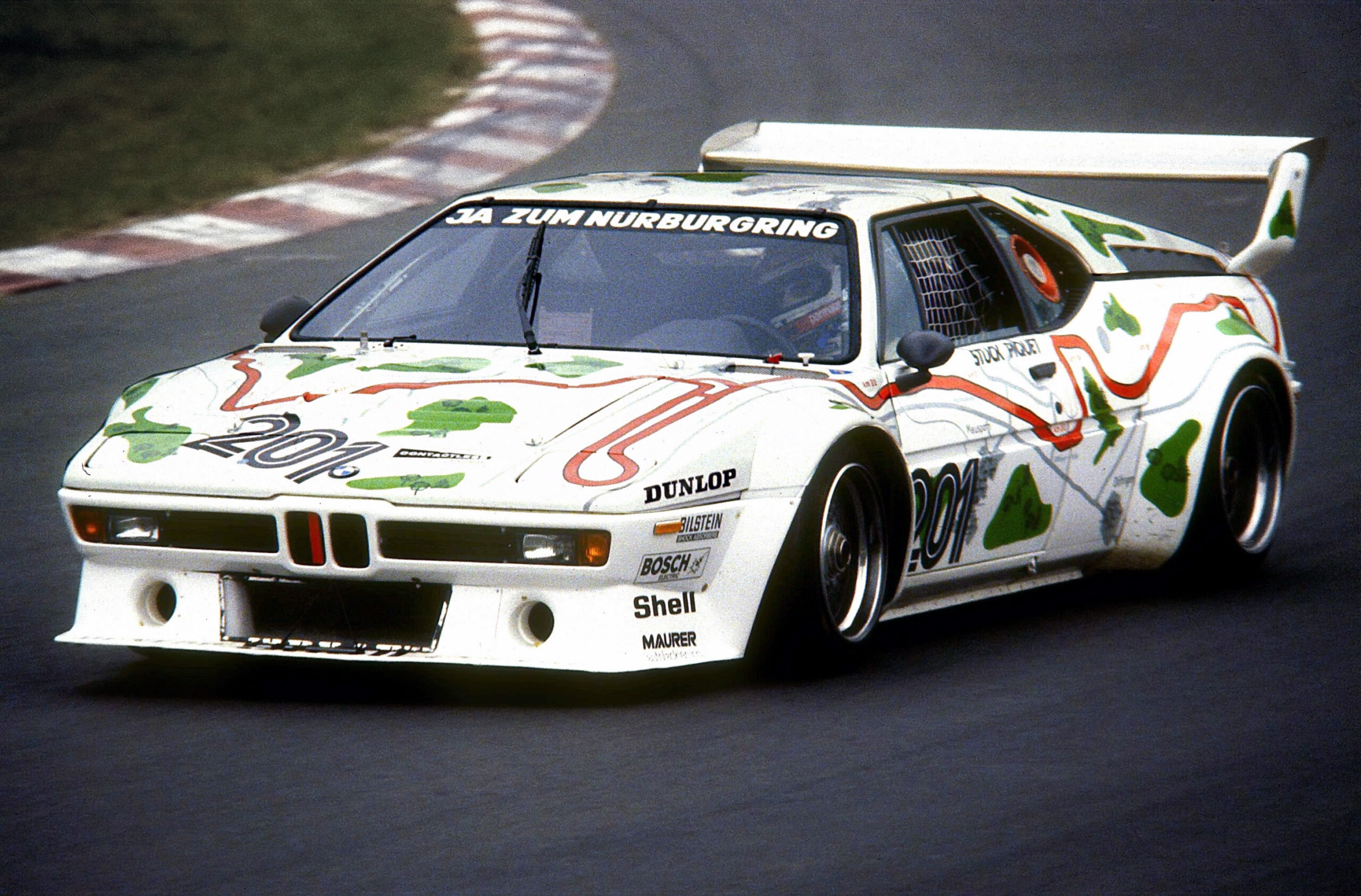
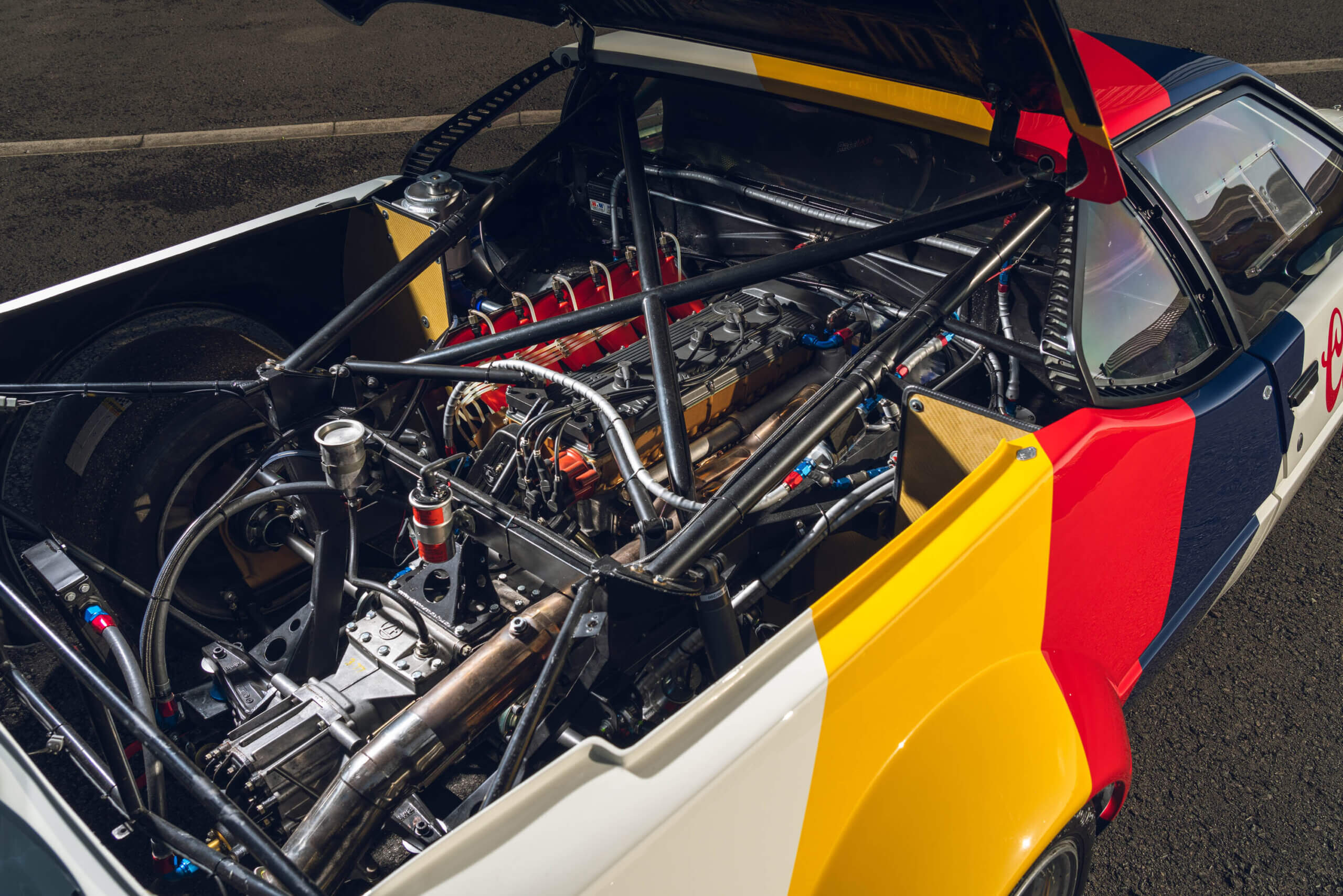
The transformation from the 277-hp M1 road car to the 470-hp M1 Procar was the work of M division and the British Formula 2 experts at Project Four Racing (led by a young Ron Dennis). The heart of the car, Paul Rosche’s magnificent M88 3.5-litre straight-six, was uncorked. The M88/1 Procar engine received aggressive new camshafts, larger valves, forged pistons, and a set of slide-throttle intakes for the Kugelfischer mechanical fuel-injection. The complex road exhaust was replaced with a set of wide-open, tuned-length headers. The result was 470 hp at a screaming 9,000 rpm, and its sound—a crisp, metallic, straight-six wail—became the signature of the series. The Dallara-designed space frame was reinforced, and the suspension was completely replaced with racing-specific uprights, adjustable coilovers, and massive anti-roll bars. The elegant Giugiaro body was draped in lightweight fiberglass, with enormous, riveted-on box-flares to cover the 16-inch centre-lock BBS “mag” wheels. A massive, adjustable rear wing and a deep chin spoiler provided the downforce. The interior was a spartan, functional office, stripped of all comfort, dominated by a single bucket seat, a web of roll-cage, and a simple dashboard.
The racing itself was spectacular. The 1979 season became a three-way battle between F1’s established heroes. Niki Lauda, then driving for Brabham, proved to be the master, reading the races with his typical intelligence and taking the inaugural championship. He was chased hard by Clay Regazzoni and Alan Jones. But the real drama was the dynamic between the F1 stars and the privateers. The F1 drivers had the raw, otherworldly talent, but the sports car aces like Hans-Joachim Stuck (who had more M1 seat-time than anyone) and Manfred Winkelhock knew the cars, how to set them up, and how to preserve them. The result was a fascinating, often-aggressive mix of driving styles, with identical cars highlighting the pure talent (and egos) of their drivers. The sight and sound of 20 M1s charging into the first corner at Hockenheim, slipstreaming at 180 mph, was sensory overload.
The 1980 season saw the balance of power shift. The privateer teams, like BS Fabrications and Schnitzer Motorsport, had figured out the cars. While the F1 stars were still incredibly fast, the privateers were now winning races. The championship battle came down to two men: a young, hard-charging F1 driver named Nelson Piquet, and the experienced sports car ace Alan Jones (who, while an F1 driver, was running as a privateer). Piquet, driving for the BS Fabrications team, clinched the title at the final, rain-soaked round at Donington Park, proving his future-champion status.
The Procar’s legacy is one of pure, unadulterated glory. It was a short-lived flash, lasting only two seasons before F1 politics and BMW’s new focus on its own F1 engine program brought it to an end. The cars were sold off, living spectacular “second lives” as flame-spitting, 850-hp Group 5 Turbo monsters in the DRM and IMSA championships. But Procar was the M1’s finest hour. It turned a catastrophic business failure into a PR masterpiece, it cemented the “M” brand in the public consciousness, and it created an immortal racing series that, to this day, has never been equalled.
Brand
Produced from
Portal
Vehicle category
Model line
Predecessor
Sucessor
Brand
Produced from
Portal
Vehicle category
Model line
Model generation
Predecessor
Sucessor
Submodel Overview
The BMW M1 Procar was not a car. It was an explosion. It was a glorious, 470-horsepower, multi-coloured solution to a 100-million-mark problem. It was the brainchild of a genius, Jochen Neerpasch, who, faced with a catastrophic failure, invented the greatest one-make racing series the world has ever seen. The M1 road car, the E26, was a car born of compromise and disaster—a “what if” machine designed by a committee of legends (Giugiaro, Dallara, Rosche) and then crippled by a collapsed production deal with Lamborghini. It was intended to be a “silhouette” racer to beat the dominant Porsche 935s in Group 5. But to do that, it first needed to be homologated for Group 4, a class that required 400 road cars to be built. By the time BMW had wrestled production back in-house and painstakingly hand-built enough cars, the rules had changed, the homologation window had passed, and the M1 was a champion without a championship.
Neerpasch, the head of BMW M, was left with a fleet of the world’s most advanced GT cars, all dressed up with nowhere to go. His solution was “Plan B,” a stroke of marketing genius so audacious it remains the stuff of legend. If the M1 couldn’t join an existing series, he would create one for it. The BMW M1 Procar Championship was born. It would be a support race at the 1979 and 1980 European Formula 1 Grand Prix weekends. But here was the hook: the five fastest F1 drivers from that weekend’s practice would be given identical, factory-prepared “Works” Procars. They would then race head-to-head against a grid of the world’s best privateer sports car and touring car drivers in their own M1 Procars. It was a spectacle of “F1 stars vs. GT aces,” and it often upstaged the Grand Prix itself.
The transformation from the 277-hp M1 road car to the 470-hp M1 Procar was the work of M division and the British Formula 2 experts at Project Four Racing (led by a young Ron Dennis). The heart of the car, Paul Rosche’s magnificent M88 3.5-litre straight-six, was uncorked. The M88/1 Procar engine received aggressive new camshafts, larger valves, forged pistons, and a set of slide-throttle intakes for the Kugelfischer mechanical fuel-injection. The complex road exhaust was replaced with a set of wide-open, tuned-length headers. The result was 470 hp at a screaming 9,000 rpm, and its sound—a crisp, metallic, straight-six wail—became the signature of the series. The Dallara-designed space frame was reinforced, and the suspension was completely replaced with racing-specific uprights, adjustable coilovers, and massive anti-roll bars. The elegant Giugiaro body was draped in lightweight fiberglass, with enormous, riveted-on box-flares to cover the 16-inch centre-lock BBS “mag” wheels. A massive, adjustable rear wing and a deep chin spoiler provided the downforce. The interior was a spartan, functional office, stripped of all comfort, dominated by a single bucket seat, a web of roll-cage, and a simple dashboard.
The racing itself was spectacular. The 1979 season became a three-way battle between F1’s established heroes. Niki Lauda, then driving for Brabham, proved to be the master, reading the races with his typical intelligence and taking the inaugural championship. He was chased hard by Clay Regazzoni and Alan Jones. But the real drama was the dynamic between the F1 stars and the privateers. The F1 drivers had the raw, otherworldly talent, but the sports car aces like Hans-Joachim Stuck (who had more M1 seat-time than anyone) and Manfred Winkelhock knew the cars, how to set them up, and how to preserve them. The result was a fascinating, often-aggressive mix of driving styles, with identical cars highlighting the pure talent (and egos) of their drivers. The sight and sound of 20 M1s charging into the first corner at Hockenheim, slipstreaming at 180 mph, was sensory overload.
The 1980 season saw the balance of power shift. The privateer teams, like BS Fabrications and Schnitzer Motorsport, had figured out the cars. While the F1 stars were still incredibly fast, the privateers were now winning races. The championship battle came down to two men: a young, hard-charging F1 driver named Nelson Piquet, and the experienced sports car ace Alan Jones (who, while an F1 driver, was running as a privateer). Piquet, driving for the BS Fabrications team, clinched the title at the final, rain-soaked round at Donington Park, proving his future-champion status.
The Procar’s legacy is one of pure, unadulterated glory. It was a short-lived flash, lasting only two seasons before F1 politics and BMW’s new focus on its own F1 engine program brought it to an end. The cars were sold off, living spectacular “second lives” as flame-spitting, 850-hp Group 5 Turbo monsters in the DRM and IMSA championships. But Procar was the M1’s finest hour. It turned a catastrophic business failure into a PR masterpiece, it cemented the “M” brand in the public consciousness, and it created an immortal racing series that, to this day, has never been equalled.
Tech Specs
Technical Specifications
Tech Specs
Technical Specifications
Engine
01
03
Internal combustion engine
Configuration
BMW M88/1 - Inline-6
Location
Mid, longitudinally mounted
Construction
Cast iron block, aluminium head
Displacement (cc)
3,453 cc
Displacement (cu in)
210.7 cu in
Compression
11.2:1
Bore x Stroke
93.4 mm x 84.0 mm
Valvetrain
4 valves per cylinder, DOHC
Fuel feed
Bosch / Kugelfischer Fuel Injection
Lubrication
Dry sump
Aspiration
Naturally aspirated
Output
Power (hp)
470 hp
Power (kW)
351 kW
Max power at
9,000 RPM
Torque (Nm)
390 Nm
Torque (ft lbs)
288 ft lbs
Max torque at
7,000 RPM
Drivetrain
02
03
Chassis
Type
Tubular spaceframe
Material
Steel
Body
Material
Fibreglass
Transmission
Gearbox
5-speed manual
Drive
Rear Wheel Drive
Suspension
Front
Double wishbones, coil springs, shock absorbers, anti-roll bar
Rear
Double wishbones, coil springs, shock absorbers, anti-roll bar
Steering
Type
Rack and pinion
Brakes
Front
Ventilated discs
Rear
Ventilated discs
Wheels
Front
-
Rear
-
Tires
Front
-
Rear
-
Dimensions and performance
03
03
Dimensions
Length (mm)
4,360 mm
Length (in)
171.7 in
Width (mm)
1,824 mm
Width (in)
71.8 in
Height (mm)
1,110 mm
Height (in)
43.7 in
Wheelbase (mm)
2,560 mm
Wheelbase (in)
100.8 in
Weight (kg)
1,020 kg
Weight (lbs)
2,249 lbs
Performance
Power to weight
0.46 hp/kg
Top speed (km/h)
310 km/h
Top speed (mph)
193 mph
0-100 km/h (0-60 mph)
4.4 s