BMW 3 Series
Brand
Produced from
Vehicle category
Portal
Model line
Model generation
Predecessor
Sucessor
Model Overview
It is not just a car. It is the benchmark. It is the standard-bearer, the textbook, and the yardstick by which all others are measured. For nearly fifty years, the BMW 3 Series has been the singular, defining answer to the question: “What is a sports saloon?” It is the car that invented the segment, the car that has dominated it, and the car that is the very heart of the BMW brand. It is the “Ultimate Driving Machine” in its purest, most successful, and most essential form. Its story is not just one of sales figures; it is a dynasty built on the racetrack and perfected for the road, a bloodline that began in 1ax.
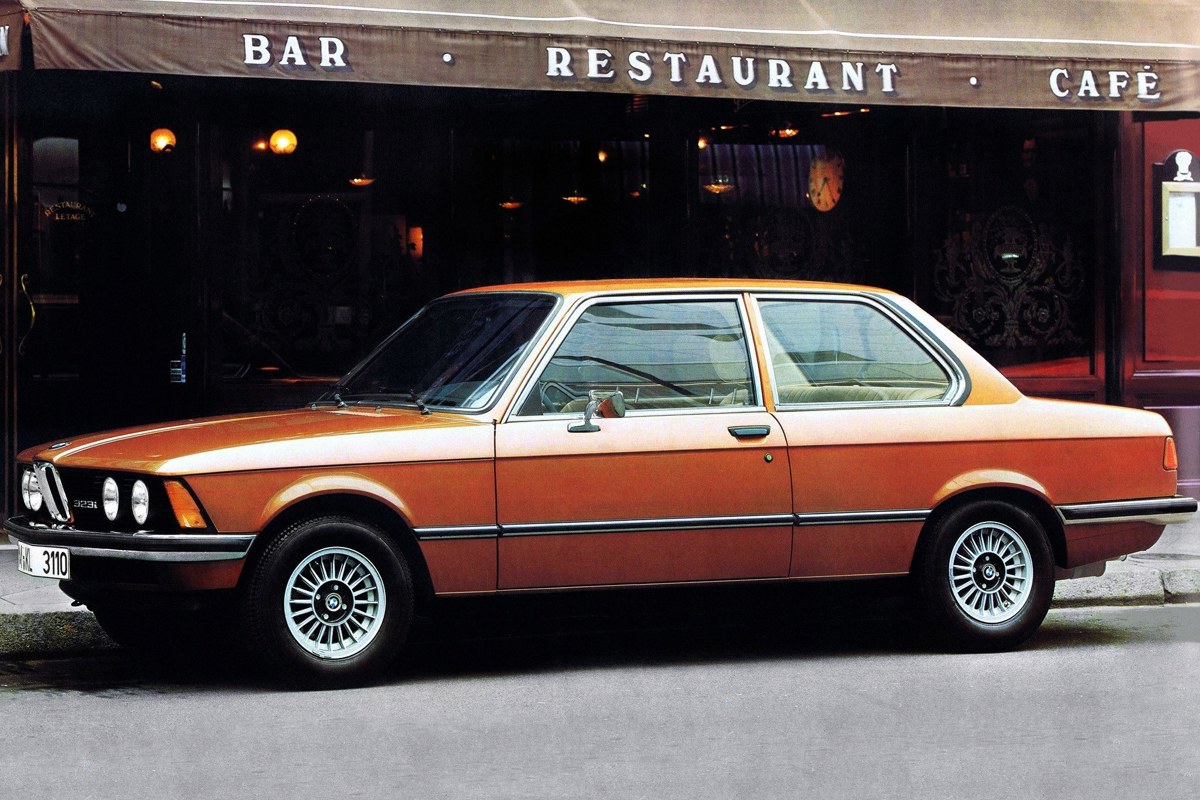
The 3 Series was born in 1975, in the shadow of its legendary predecessor, the 02 Series. The 02, particularly the 2002, was a revelation—a raw, brilliant, compact saloon that had put BMW on the map. But the 02 was a product of the 60s. The 1970s, rocked by an oil crisis, demanded something more sophisticated, safer, and more efficient. The E21 was the answer. Designed by Paul Bracq, it was a sharp, modern, wedge-shaped two-door saloon that established the 3 Series’ design DNA. Most importantly, it introduced the signature “driver-focused” angled dashboard. While it launched with the 02’s four-cylinder engines (316, 318, 320), its destiny was sealed in 1977 with the arrival of the 320/6 and 323i. This was the masterstroke: placing a new, small, “M20” straight-six engine into a compact chassis. The turbine-smooth 323i, with its 143 hp, was a “baby” CSL, and the compact sports saloon as we know it was born.
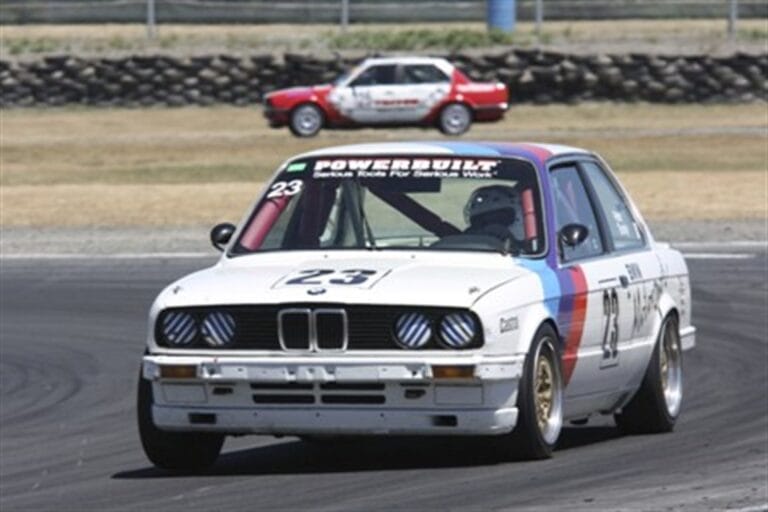
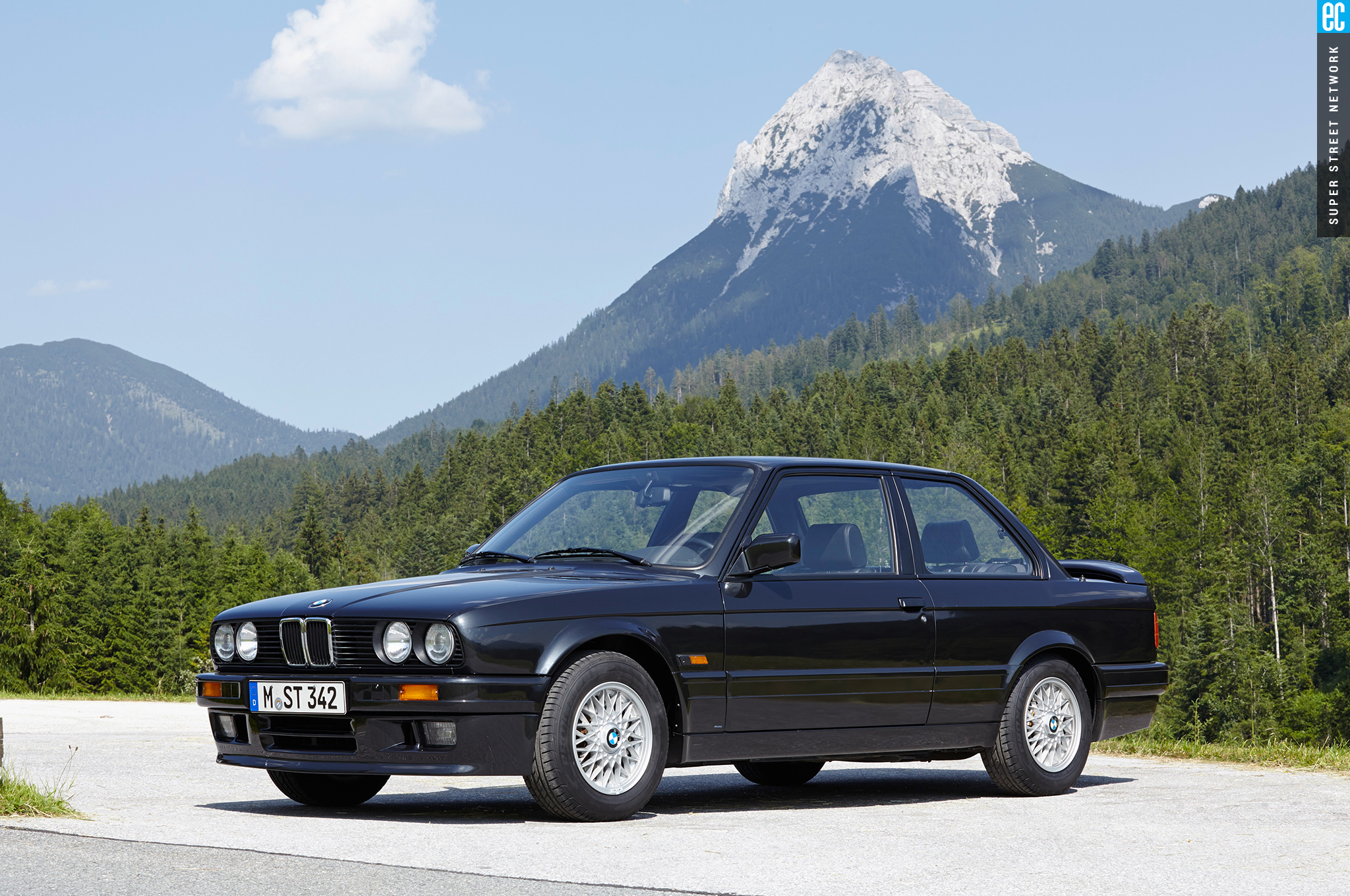
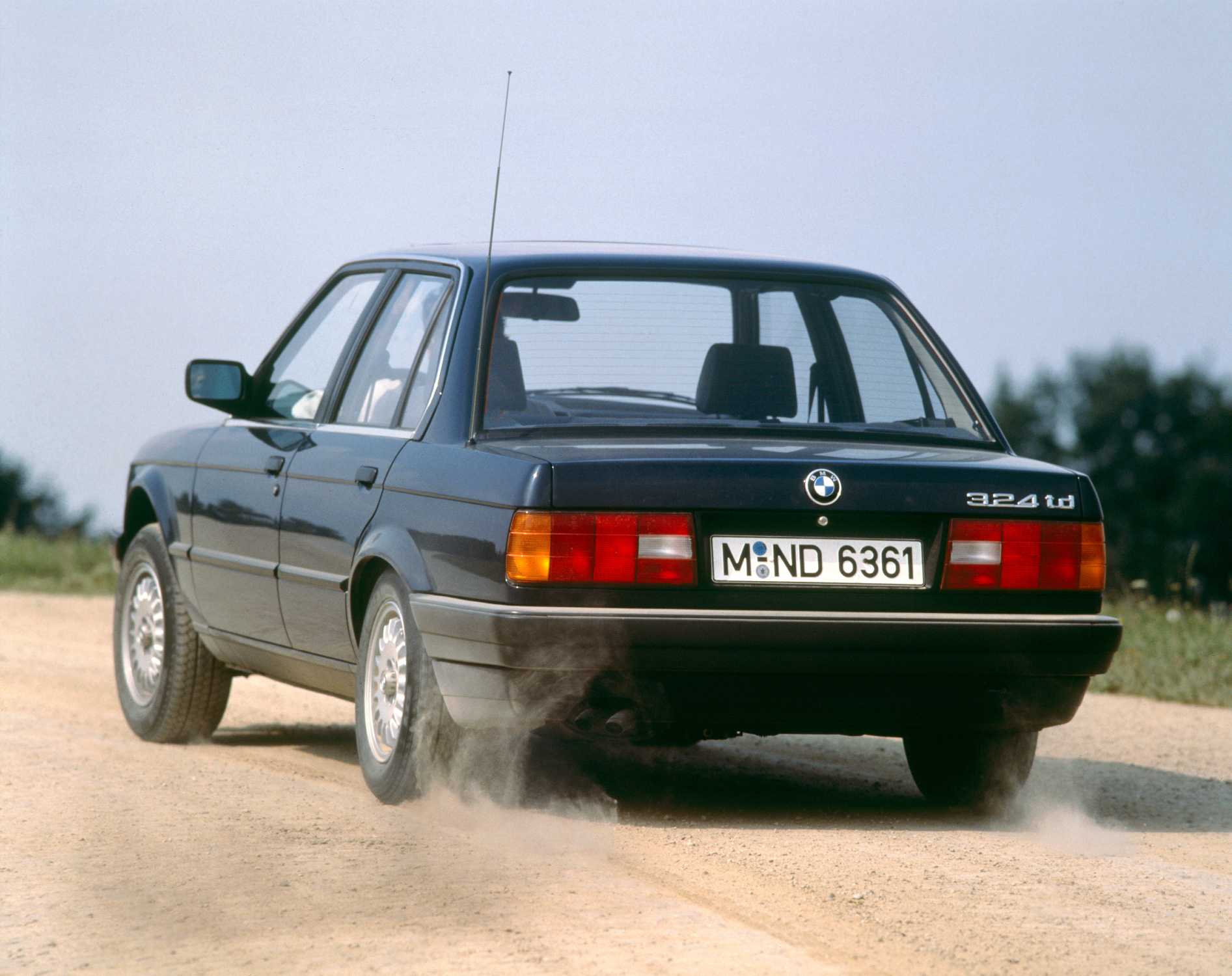
In 1982, the legend was perfected. The E30 generation arrived. Sharper, squarer, and more aerodynamically efficient, the E30 was a total evolution. It cemented the “face” of BMW for a decade with its quad-headlights, and it expanded the lineup from a simple two-door into a full-fledged family. The E30 was the first 3 Series to be offered as a four-door saloon, a “Touring” (estate), and a factory-built convertible. The 325i, with its 169-hp, 2.5-litre straight-six, became the definitive “yuppie” status symbol—a car that was simultaneously practical, prestigious, and a joy to drive. Its rivals, the new Mercedes-Benz 190E and the Alfa Romeo 75, were forced to play catch-up. But the E30’s true legacy was forged in racing. To beat the world in Group A, BMW M created the E30 M3. This was a pure homologation special. It ditched the six-cylinder for the S14, a high-revving, 16-valve four-cylinder race engine. With its “box-flare” arches and bespoke aerodynamics, the E30 M3 was a “street-legal” racer that went on to become the single most successful touring car in motorsport history.
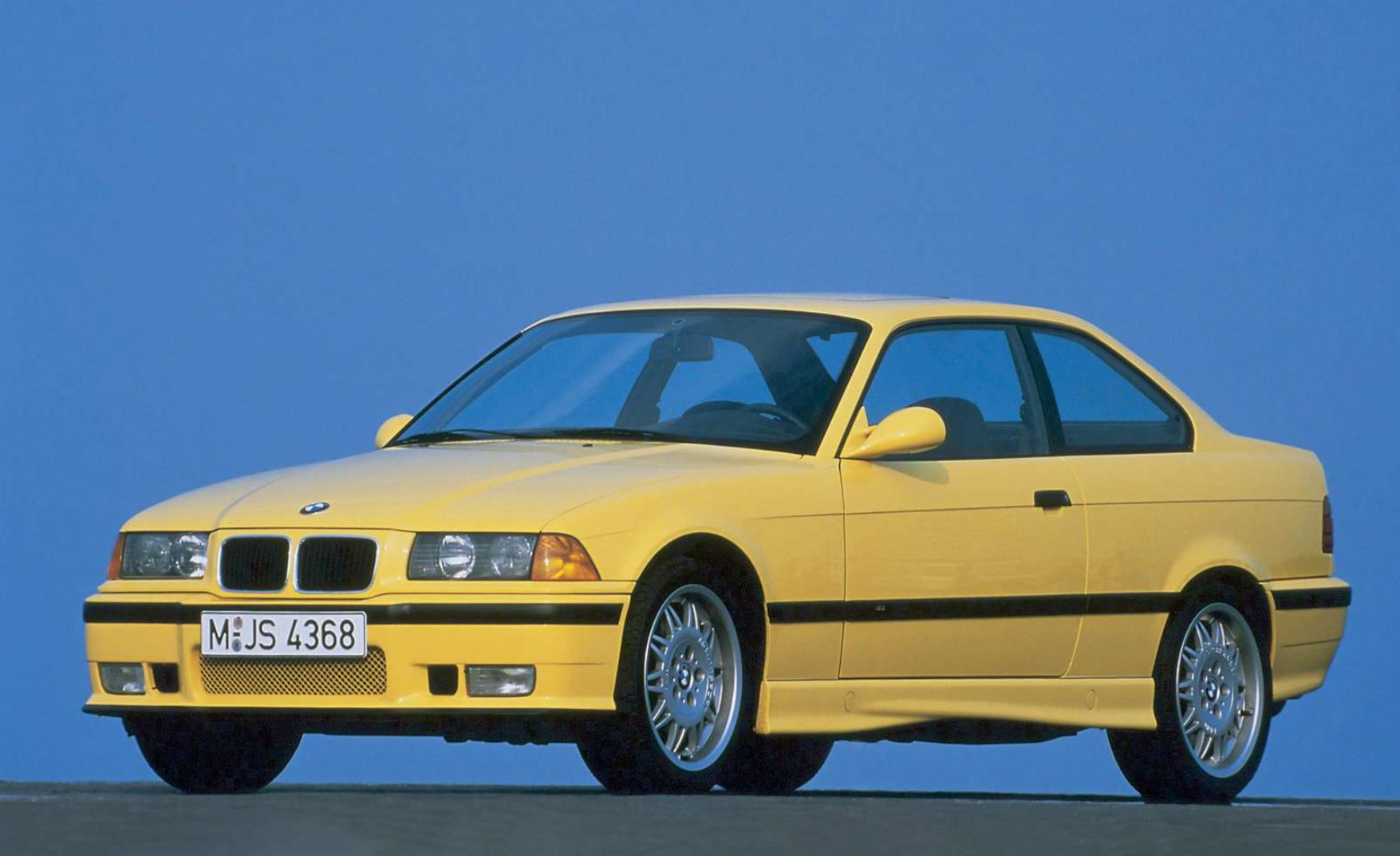
The 1990s brought maturity with the E36. This was a massive technical leap. The design was sleek, aerodynamic, and low. It introduced BMW’s “Z-axle” multi-link rear suspension, a sophisticated setup that banished the E30’s “snappy” at-the-limit handling and made the E36 a more stable, higher-speed grand tourer. The new M50 24-valve, DOHC straight-six engines were jewels of engineering, making the 325i (and later 328i) feel incredibly modern. The E36 M3 was a different beast entirely. It moved away from the M3’s “racer” roots, adopting a powerful, high-torque 3.0-litre (and later 3.2-litre) straight-six. It was a less raw, more “GT” car, but it was ferociously fast. On the track, the E36’s legend was defined not by the M3, but by the 318i/320i “Super Tourer,” which waged a legendary, high-tech war in the British Touring Car Championship.
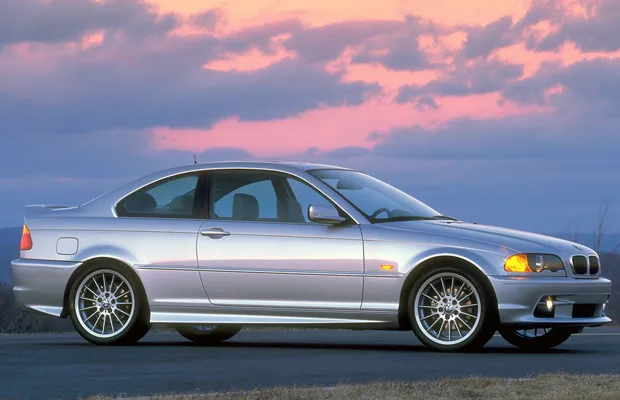
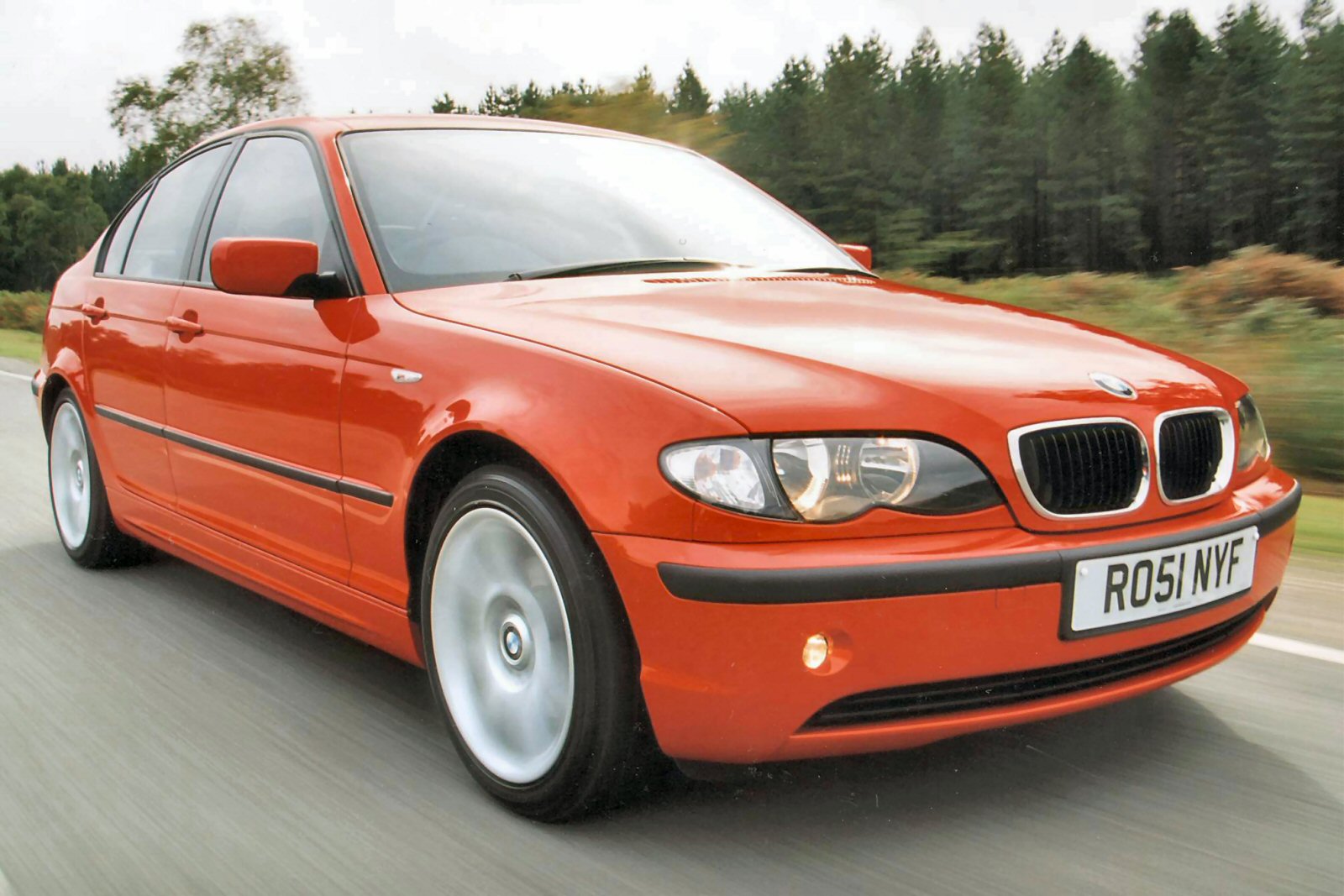
In 1997, BMW launched what many consider to be the peak: the E46. It was not a revolution, but the absolute perfection of the E36’s formula. The design was a muscular, timeless evolution. The chassis was stiffer, the handling sublime, and the interiors set a new benchmark for quality. This generation truly solidified the 3 Series as the unassailable leader, forcing Audi (A4) and Mercedes (C-Class) to scramble. The E46 M3 was, and is, a god-tier machine. Its S54 3.2-litre straight-six was the zenith of the naturally-aspirated M engine, a 333-hp masterpiece that screamed to 8,000 rpm. Its competition variant, the V8-powered M3 GTR, was a controversial, dominant, and unforgettable ALMS and Le Mans champion.
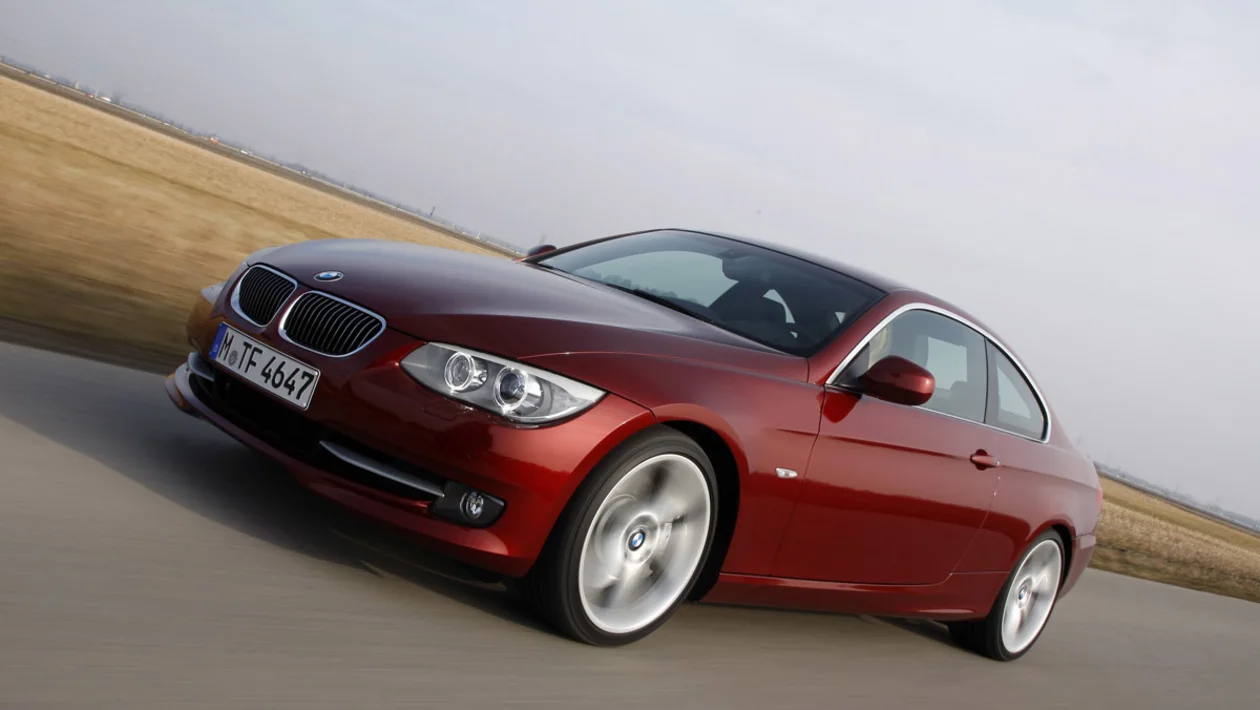
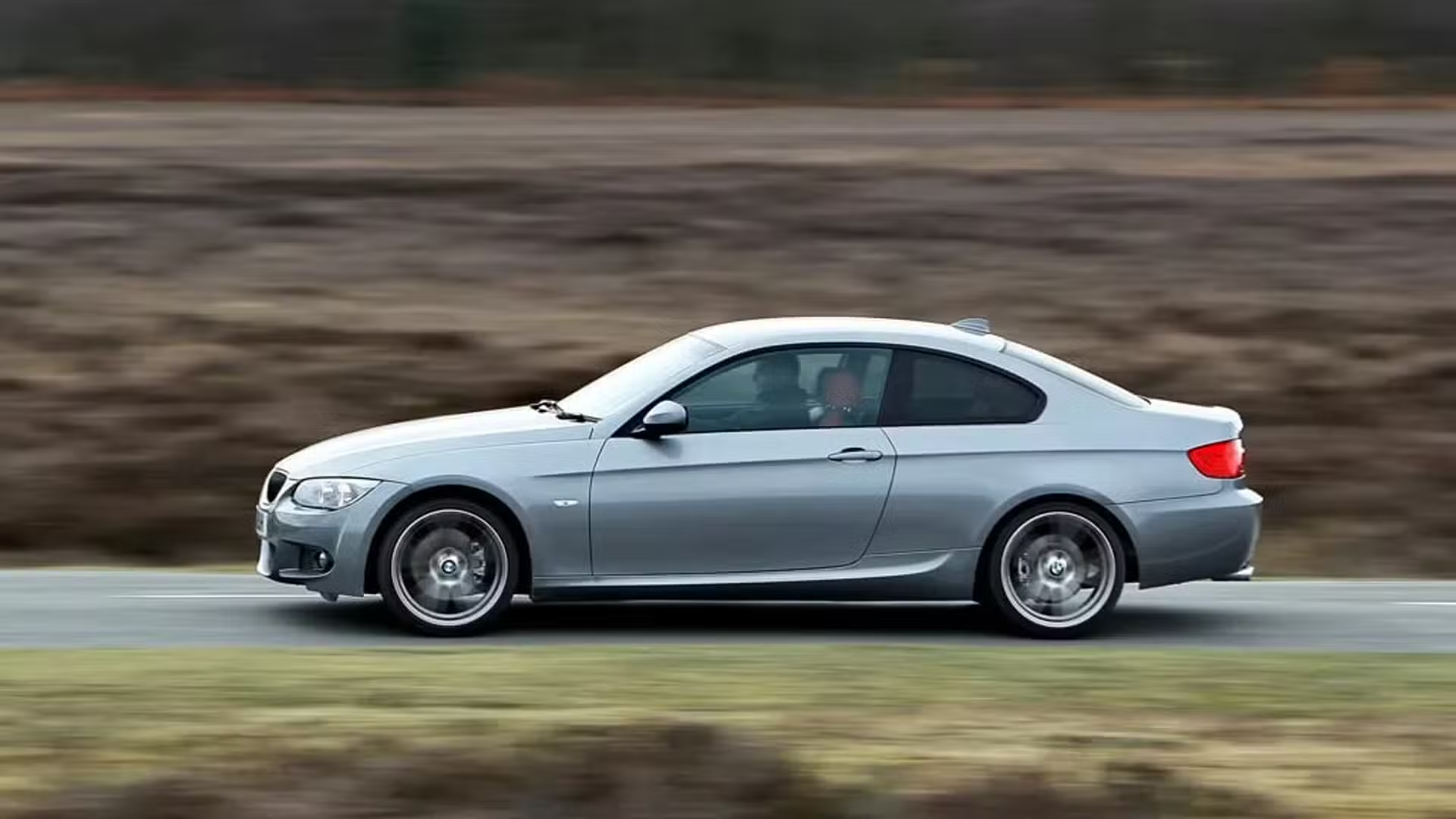
The 2000s brought change. The E90 (saloon), E91 (Touring), E92 (Coupé), and E93 (Convertible) generation adopted the controversial “flame-surfacing” design language of the Bangle era. But under the skin, it was still a masterpiece, winning countless “Car of the Year” awards. The E90 320i, in the hands of Andy Priaulx, was a World Touring Car Champion. And the M3 (E92) made the most radical change in the model’s history: it ditched the straight-six. In its place was the S65, a high-revving, 4.0-litre, 414-hp V8. It was a magnificent engine, but for many, it was the moment the M3 lost its original “soul.”
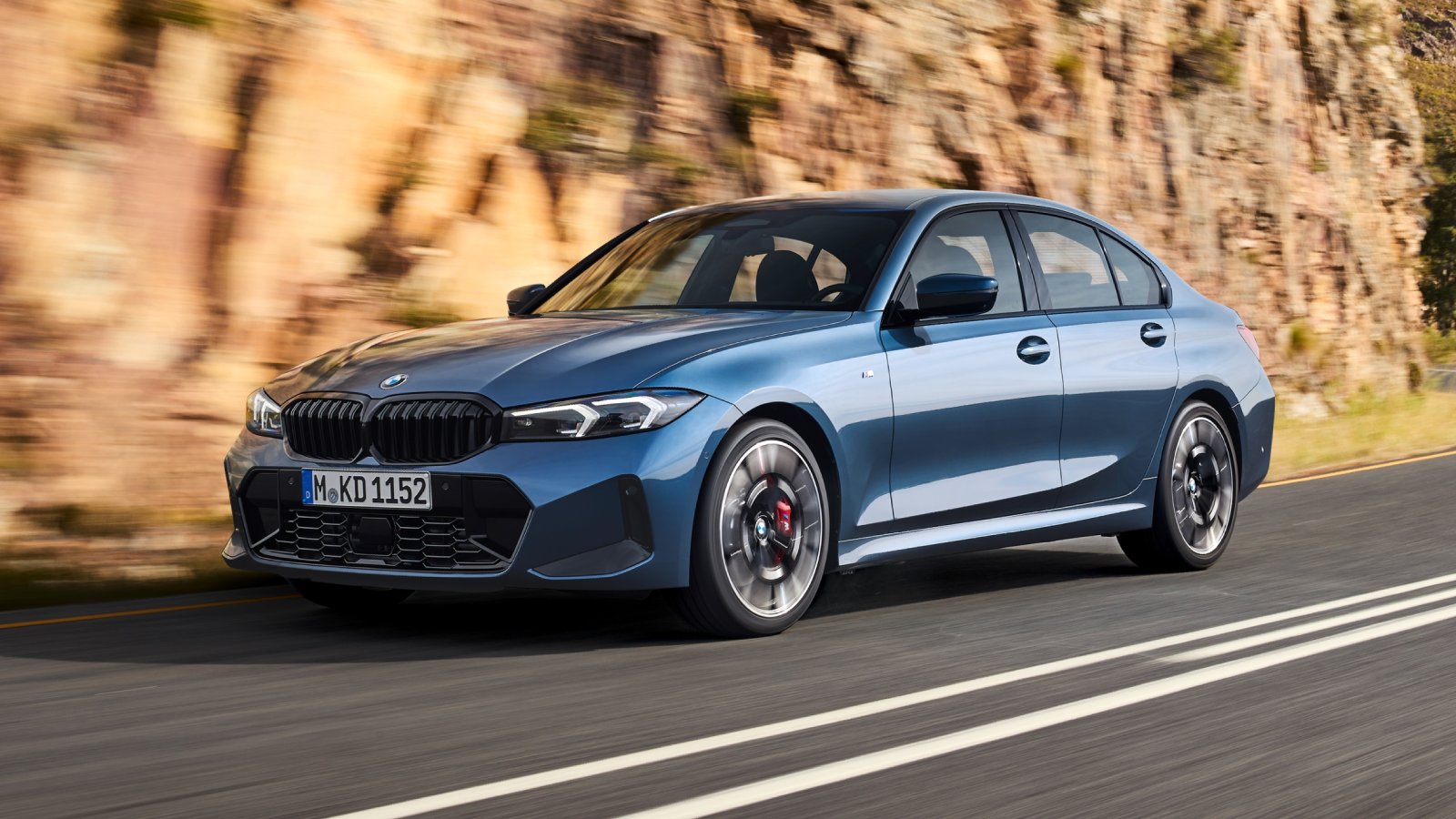
From 2011, the F30 generation marked the “modern” era. The straight-six was now turbocharged (N55/B58), and the steering became electric. The car grew larger and more comfortable, aimed at a global market. For the first time, critics began to whisper that the 3 Series had lost its dynamic crown, that its focus on “comfort” and “tech” had dulled its edge. The M3 (F80), with its new S55 twin-turbo six, was monstrously fast but lacked the sound and response of its predecessors. The G20 (2018-present) was a direct response to this criticism. With an incredibly stiff new chassis and a renewed focus on sharp handling, the G20 was designed to reclaim the throne. But it fights a new war. Its rivals are not just the C-Class and A4, but a new, electric benchmark: the Tesla Model 3.
Through eight generations, the 3 Series has been the constant. It has been a four-cylinder giant-killer, a turbine-smooth six-cylinder express, a V8-powered muscle car, and a high-tech turbo. But through it all, its core DNA has remained: a front-engine, rear-drive, 50:50 balanced chassis that must, above all else, be a joy to drive. It is the heart of BMW, the car that defines the brand, and the single most important sports saloon ever made.
Portal
Model line
Brand
Produced from
Vehicle category
Portal
Model line
Model generation
Predecessor
Sucessor
Model Overview
It is not just a car. It is the benchmark. It is the standard-bearer, the textbook, and the yardstick by which all others are measured. For nearly fifty years, the BMW 3 Series has been the singular, defining answer to the question: “What is a sports saloon?” It is the car that invented the segment, the car that has dominated it, and the car that is the very heart of the BMW brand. It is the “Ultimate Driving Machine” in its purest, most successful, and most essential form. Its story is not just one of sales figures; it is a dynasty built on the racetrack and perfected for the road, a bloodline that began in 1ax.
The 3 Series was born in 1975, in the shadow of its legendary predecessor, the 02 Series. The 02, particularly the 2002, was a revelation—a raw, brilliant, compact saloon that had put BMW on the map. But the 02 was a product of the 60s. The 1970s, rocked by an oil crisis, demanded something more sophisticated, safer, and more efficient. The E21 was the answer. Designed by Paul Bracq, it was a sharp, modern, wedge-shaped two-door saloon that established the 3 Series’ design DNA. Most importantly, it introduced the signature “driver-focused” angled dashboard. While it launched with the 02’s four-cylinder engines (316, 318, 320), its destiny was sealed in 1977 with the arrival of the 320/6 and 323i. This was the masterstroke: placing a new, small, “M20” straight-six engine into a compact chassis. The turbine-smooth 323i, with its 143 hp, was a “baby” CSL, and the compact sports saloon as we know it was born.
In 1982, the legend was perfected. The E30 generation arrived. Sharper, squarer, and more aerodynamically efficient, the E30 was a total evolution. It cemented the “face” of BMW for a decade with its quad-headlights, and it expanded the lineup from a simple two-door into a full-fledged family. The E30 was the first 3 Series to be offered as a four-door saloon, a “Touring” (estate), and a factory-built convertible. The 325i, with its 169-hp, 2.5-litre straight-six, became the definitive “yuppie” status symbol—a car that was simultaneously practical, prestigious, and a joy to drive. Its rivals, the new Mercedes-Benz 190E and the Alfa Romeo 75, were forced to play catch-up. But the E30’s true legacy was forged in racing. To beat the world in Group A, BMW M created the E30 M3. This was a pure homologation special. It ditched the six-cylinder for the S14, a high-revving, 16-valve four-cylinder race engine. With its “box-flare” arches and bespoke aerodynamics, the E30 M3 was a “street-legal” racer that went on to become the single most successful touring car in motorsport history.
The 1990s brought maturity with the E36. This was a massive technical leap. The design was sleek, aerodynamic, and low. It introduced BMW’s “Z-axle” multi-link rear suspension, a sophisticated setup that banished the E30’s “snappy” at-the-limit handling and made the E36 a more stable, higher-speed grand tourer. The new M50 24-valve, DOHC straight-six engines were jewels of engineering, making the 325i (and later 328i) feel incredibly modern. The E36 M3 was a different beast entirely. It moved away from the M3’s “racer” roots, adopting a powerful, high-torque 3.0-litre (and later 3.2-litre) straight-six. It was a less raw, more “GT” car, but it was ferociously fast. On the track, the E36’s legend was defined not by the M3, but by the 318i/320i “Super Tourer,” which waged a legendary, high-tech war in the British Touring Car Championship.
In 1997, BMW launched what many consider to be the peak: the E46. It was not a revolution, but the absolute perfection of the E36’s formula. The design was a muscular, timeless evolution. The chassis was stiffer, the handling sublime, and the interiors set a new benchmark for quality. This generation truly solidified the 3 Series as the unassailable leader, forcing Audi (A4) and Mercedes (C-Class) to scramble. The E46 M3 was, and is, a god-tier machine. Its S54 3.2-litre straight-six was the zenith of the naturally-aspirated M engine, a 333-hp masterpiece that screamed to 8,000 rpm. Its competition variant, the V8-powered M3 GTR, was a controversial, dominant, and unforgettable ALMS and Le Mans champion.
The 2000s brought change. The E90 (saloon), E91 (Touring), E92 (Coupé), and E93 (Convertible) generation adopted the controversial “flame-surfacing” design language of the Bangle era. But under the skin, it was still a masterpiece, winning countless “Car of the Year” awards. The E90 320i, in the hands of Andy Priaulx, was a World Touring Car Champion. And the M3 (E92) made the most radical change in the model’s history: it ditched the straight-six. In its place was the S65, a high-revving, 4.0-litre, 414-hp V8. It was a magnificent engine, but for many, it was the moment the M3 lost its original “soul.”
From 2011, the F30 generation marked the “modern” era. The straight-six was now turbocharged (N55/B58), and the steering became electric. The car grew larger and more comfortable, aimed at a global market. For the first time, critics began to whisper that the 3 Series had lost its dynamic crown, that its focus on “comfort” and “tech” had dulled its edge. The M3 (F80), with its new S55 twin-turbo six, was monstrously fast but lacked the sound and response of its predecessors. The G20 (2018-present) was a direct response to this criticism. With an incredibly stiff new chassis and a renewed focus on sharp handling, the G20 was designed to reclaim the throne. But it fights a new war. Its rivals are not just the C-Class and A4, but a new, electric benchmark: the Tesla Model 3.
Through eight generations, the 3 Series has been the constant. It has been a four-cylinder giant-killer, a turbine-smooth six-cylinder express, a V8-powered muscle car, and a high-tech turbo. But through it all, its core DNA has remained: a front-engine, rear-drive, 50:50 balanced chassis that must, above all else, be a joy to drive. It is the heart of BMW, the car that defines the brand, and the single most important sports saloon ever made.
Generations
Model Generations
Submodels