
BMW 323i Group A
Brand
Produced from
Portal
Vehicle category
Model line
Model generation
Predecessor
Successor
Submodel Overview
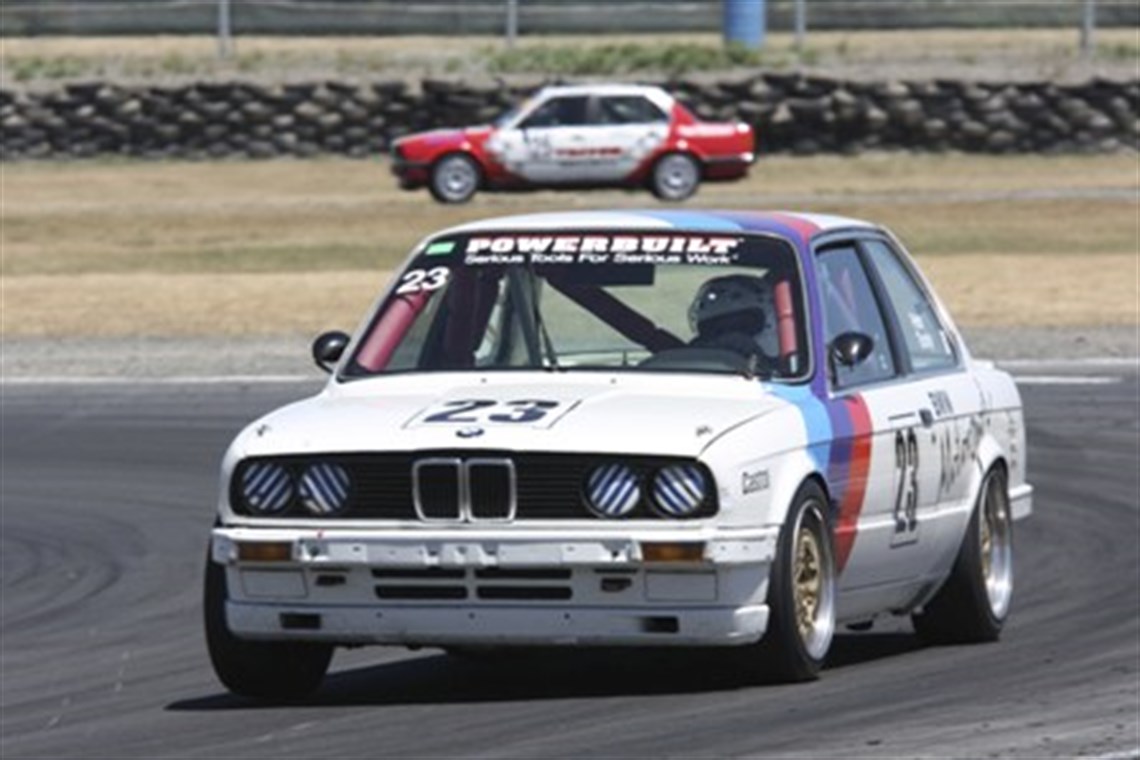
The BMW E21’s racing history is often remembered, quite spectacularly, in a blaze of fire. We think of the Group 5 monsters, the flame-spitting, 500-hp, turbocharged 320s with wings that scraped the sky, cars that were more prototype than saloon. But these were brutal, fragile, and astronomically expensive outliers. The true soul of E21 competition, the car that built the 3 Series’ reputation for toughness and balance, was a far more modest and, in many ways, more important machine. It was the 1978 BMW 323i, a car that, thanks to the new Group A “production” rules of 1982, enjoyed a glorious second life as the privateer’s unsung hero, long after its successor, the E30, had arrived in showrooms.
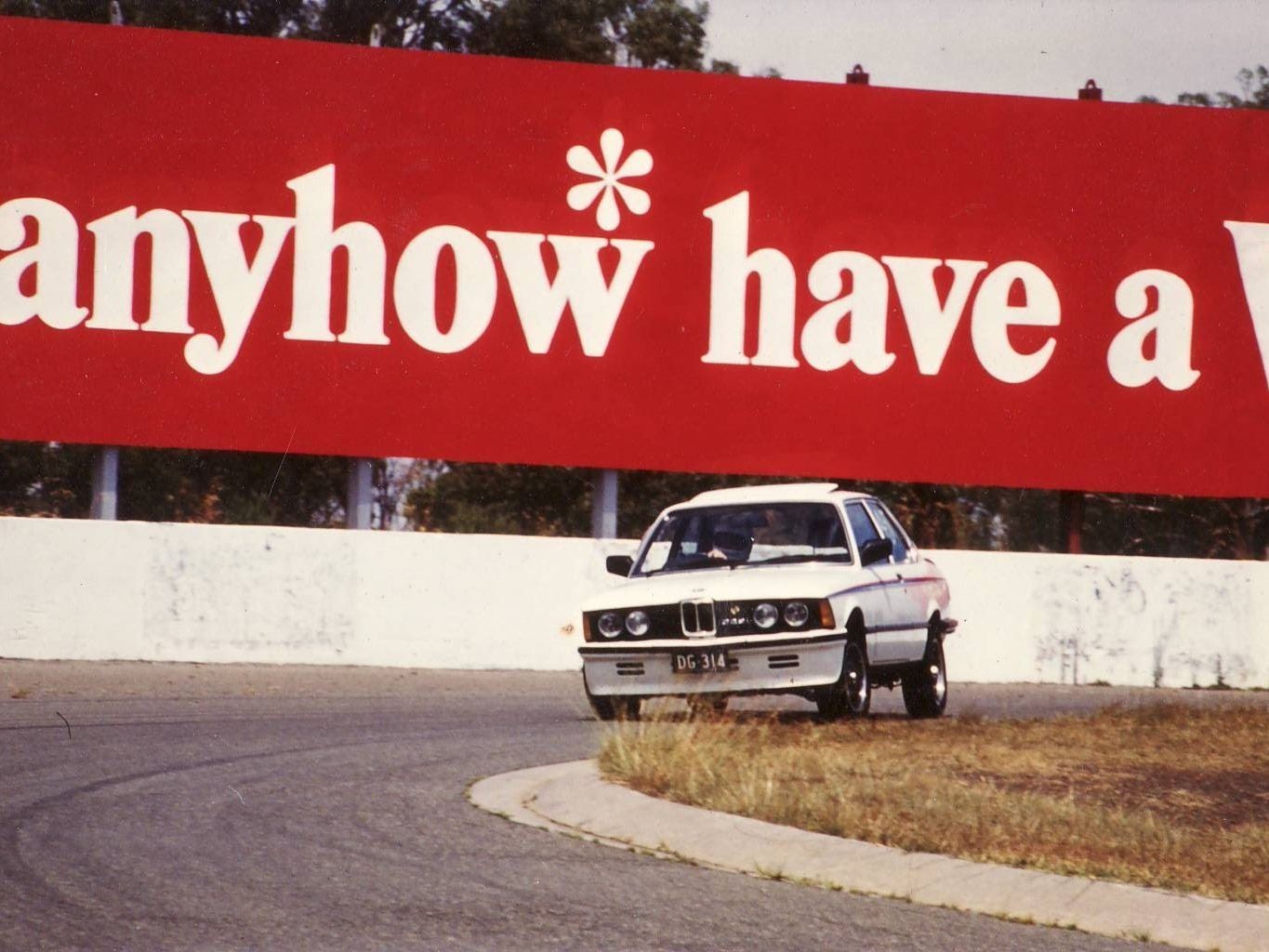
The Group A 323i was the “gentleman’s racer” in its purest form. When the new, production-based regulations were introduced, the 323i, which had been the E21’s top-of-the-line model since 1977, was a perfect candidate. It was a ” homologation special” by accident. Its rivals were a magnificent, diverse grid of European muscle: the soulful, V6-powered Alfa Romeo GTV6, the brawling Ford Capri 3.0 S, and the thundering V8-powered Rover SD1 Vitesse. Against these larger-capacity, high-torque beasts, the 323i was the underdog, a high-revving, turbine-smooth scalpel in a hammer-and-chisel fight.
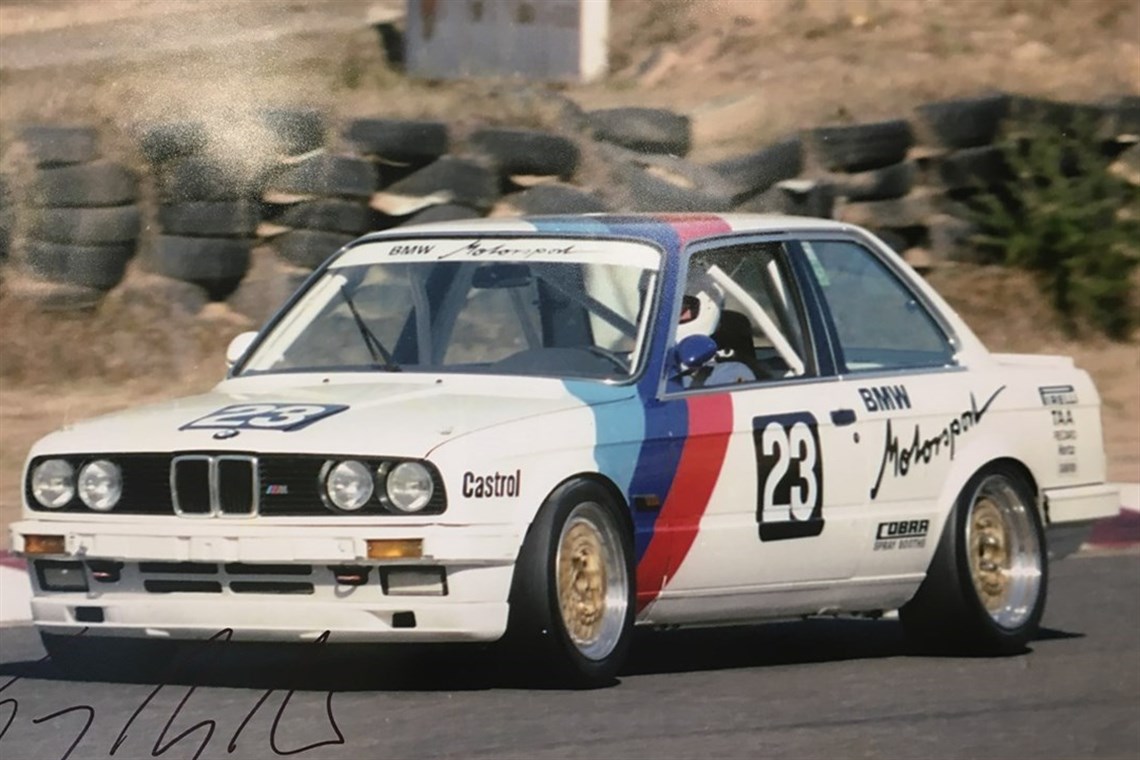
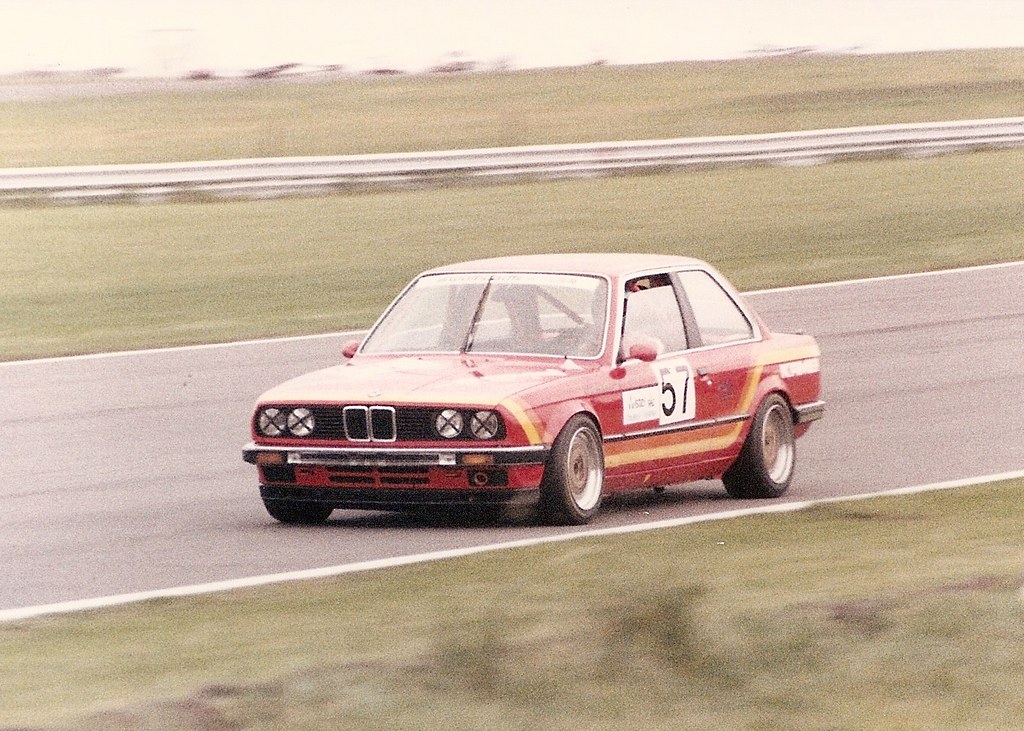
The beauty of Group A was its strict “stock” regulations. This was not a silhouette car. The 323i had to be a 323i. This meant it retained its standard, un-flared, Paul Bracq-penned steel bodywork. Its brilliance was all under the skin. The heart was the magnificent M20B23, the 2.3-litre “baby-six” engine that had defined the E21’s flagship. This was a jewel of an engine, a small-displacement, belt-driven, single-overhead-cam straight-six fed by a reliable Bosch K-Jetronic mechanical fuel-injection system. In road trim, it produced 143 hp. For Group A, tuners like Schnitzer and Hartge were not allowed to add turbos or wild multi-valve heads. Instead, they “blueprinted” the engine, meticulously balancing the crankshaft, fitting a hotter, higher-lift camshaft, and adding a simple, free-flowing exhaust. The result was a modest 170-180 hp, but it was delivered with a crisp, 7,000-rpm scream and, most importantly, it was reliable.
The M20’s power was sent through a production-based 5-speed gearbox (often a Getrag close-ratio unit) to the E21’s greatest asset: its chassis. While the Capri and Rover were still using crude, live rear axles, the 3 Series had a fully independent semi-trailing arm rear suspension from day one. In Group A, this was the car’s secret weapon. Tuners would discard the stock rubber bushings, fit rock-solid polyurethane mounts, and add immensely stiff, lower springs with Bilstein or Sachs dampers. A heavy-duty anti-roll bar would be fitted, and a limited-slip differential was essential. The interior was a wonderful paradox: a stripped, spartan cabin, dominated by a single bucket seat and a heavy roll cage, but it had to retain the factory E21 dashboard. The sight of a driver, helmeted and in a full race suit, sitting in front of the 323i’s stock, driver-focused dash and clock is a perfect snapshot of the Group A ethos.
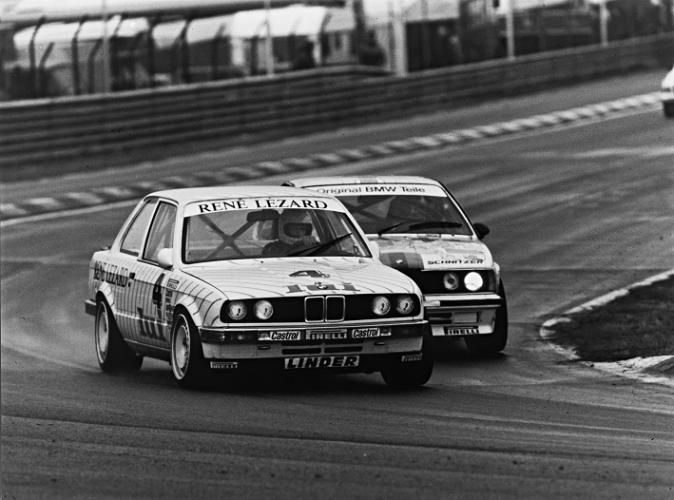
The 323i Group A’s history was not one of overall victories at the highest level; that was reserved for the larger-displacement Rovers and Jaguars. Its history was one of relentless, giant-killing persistence. It became the ultimate privateer’s weapon in the European Touring Car Championship (ETCC) from 1982 to 1985. It was the car that would consistently win its 2.5-litre class, and when the thundering V8s and V12s broke (which they often did), the little 323i would be there, wailing away, to take a shocking overall podium. It was the car that gave legends like Dieter Quester, Helmut Kelleners, and Umberto Grano a competitive ride. It was a fixture at the 24 Hours of Spa and the Nürburgring, often filling the top ten, a swarm of reliable, howling straight-sixes.
The 323i Group A is the forgotten link. It was the car that held the line for BMW in touring car racing after the wild Group 5 era had ended, and before the all-conquering E30 M3 had arrived. It was the car that, in the hands of privateers, built the 3 Series’ reputation for bulletproof reliability and chassis-balance supremacy. It proved, beyond a shadow of a doubt, that the “baby-six” M20 engine was a tough-as-nails racing motor. When the E30 M3 finally debuted in 1986, it stepped onto a stage that the humble, hard-working E21 323i had so perfectly set.
Brand
Produced from
Portal
Vehicle category
Model line
Predecessor
Sucessor
Brand
Produced from
Portal
Vehicle category
Model line
Model generation
Predecessor
Sucessor
Submodel Overview
The BMW E21’s racing history is often remembered, quite spectacularly, in a blaze of fire. We think of the Group 5 monsters, the flame-spitting, 500-hp, turbocharged 320s with wings that scraped the sky, cars that were more prototype than saloon. But these were brutal, fragile, and astronomically expensive outliers. The true soul of E21 competition, the car that built the 3 Series’ reputation for toughness and balance, was a far more modest and, in many ways, more important machine. It was the 1978 BMW 323i, a car that, thanks to the new Group A “production” rules of 1982, enjoyed a glorious second life as the privateer’s unsung hero, long after its successor, the E30, had arrived in showrooms.
The Group A 323i was the “gentleman’s racer” in its purest form. When the new, production-based regulations were introduced, the 323i, which had been the E21’s top-of-the-line model since 1977, was a perfect candidate. It was a ” homologation special” by accident. Its rivals were a magnificent, diverse grid of European muscle: the soulful, V6-powered Alfa Romeo GTV6, the brawling Ford Capri 3.0 S, and the thundering V8-powered Rover SD1 Vitesse. Against these larger-capacity, high-torque beasts, the 323i was the underdog, a high-revving, turbine-smooth scalpel in a hammer-and-chisel fight.
The beauty of Group A was its strict “stock” regulations. This was not a silhouette car. The 323i had to be a 323i. This meant it retained its standard, un-flared, Paul Bracq-penned steel bodywork. Its brilliance was all under the skin. The heart was the magnificent M20B23, the 2.3-litre “baby-six” engine that had defined the E21’s flagship. This was a jewel of an engine, a small-displacement, belt-driven, single-overhead-cam straight-six fed by a reliable Bosch K-Jetronic mechanical fuel-injection system. In road trim, it produced 143 hp. For Group A, tuners like Schnitzer and Hartge were not allowed to add turbos or wild multi-valve heads. Instead, they “blueprinted” the engine, meticulously balancing the crankshaft, fitting a hotter, higher-lift camshaft, and adding a simple, free-flowing exhaust. The result was a modest 170-180 hp, but it was delivered with a crisp, 7,000-rpm scream and, most importantly, it was reliable.
The M20’s power was sent through a production-based 5-speed gearbox (often a Getrag close-ratio unit) to the E21’s greatest asset: its chassis. While the Capri and Rover were still using crude, live rear axles, the 3 Series had a fully independent semi-trailing arm rear suspension from day one. In Group A, this was the car’s secret weapon. Tuners would discard the stock rubber bushings, fit rock-solid polyurethane mounts, and add immensely stiff, lower springs with Bilstein or Sachs dampers. A heavy-duty anti-roll bar would be fitted, and a limited-slip differential was essential. The interior was a wonderful paradox: a stripped, spartan cabin, dominated by a single bucket seat and a heavy roll cage, but it had to retain the factory E21 dashboard. The sight of a driver, helmeted and in a full race suit, sitting in front of the 323i’s stock, driver-focused dash and clock is a perfect snapshot of the Group A ethos.
The 323i Group A’s history was not one of overall victories at the highest level; that was reserved for the larger-displacement Rovers and Jaguars. Its history was one of relentless, giant-killing persistence. It became the ultimate privateer’s weapon in the European Touring Car Championship (ETCC) from 1982 to 1985. It was the car that would consistently win its 2.5-litre class, and when the thundering V8s and V12s broke (which they often did), the little 323i would be there, wailing away, to take a shocking overall podium. It was the car that gave legends like Dieter Quester, Helmut Kelleners, and Umberto Grano a competitive ride. It was a fixture at the 24 Hours of Spa and the Nürburgring, often filling the top ten, a swarm of reliable, howling straight-sixes.
The 323i Group A is the forgotten link. It was the car that held the line for BMW in touring car racing after the wild Group 5 era had ended, and before the all-conquering E30 M3 had arrived. It was the car that, in the hands of privateers, built the 3 Series’ reputation for bulletproof reliability and chassis-balance supremacy. It proved, beyond a shadow of a doubt, that the “baby-six” M20 engine was a tough-as-nails racing motor. When the E30 M3 finally debuted in 1986, it stepped onto a stage that the humble, hard-working E21 323i had so perfectly set.
Tech Specs
Technical Specifications
Tech Specs
Technical Specifications
Engine
01
03
Internal combustion engine
Configuration
BMW M20, Inline-6
Location
Front, longitudinally mounted
Construction
Cast iron block, aluminium head
Displacement (cc)
2,316 cc
Displacement (cu in)
141.3 cu in
Compression
-
Bore x Stroke
80.0 mm x 76.8 mm
Valvetrain
2 valves per cylinder, SOHC
Fuel feed
Bosch K-Jetronic fuel Injection
Lubrication
-
Aspiration
Naturally aspirated
Output
Power (hp)
230 hp
Power (kW)
171 kW
Max power at
-
Torque (Nm)
-
Torque (ft lbs)
-
Max torque at
-
Drivetrain
02
03
Chassis
Type
Monocoque unibody
Material
Steel
Body
Material
-
Transmission
Gearbox
5-speed manual
Drive
Rear Wheel Drive
Suspension
Front
McPherson struts, coil springs, shock absorbers
Rear
Semi-trailing arms, shock absorbers<
Steering
Type
Rack and pinion
Brakes
Front
Ventilated discs Ø255 mm
Rear
Drums Ø250 mm
Wheels
Front
-
Rear
-
Tires
Front
-
Rear
-
Dimensions and performance
03
03
Dimensions
Length (mm)
4,355 mm
Length (in)
171.4 in
Width (mm)
1,610 mm
Width (in)
63.3 in
Height (mm)
1,380 mm
Height (in)
54.3 in
Wheelbase (mm)
2,563 mm
Wheelbase (in)
100.9 in
Weight (kg)
-
Weight (lbs)
-
Performance
Power to weight
-
Top speed (km/h)
-
Top speed (mph)
-
0-100 km/h (0-60 mph)
-