Chevrolet Corvette
Brand
Produced from
Vehicle category
Portal
Model line
Model generation
Predecessor
Sucessor
Model Overview
In the pantheon of automotive history, there are cars that define a segment, cars that define a brand, and then there is the Chevrolet Corvette. It is a vehicle that transcends mere transportation to become a cultural monolith, a rolling embodiment of the American Dream. For over seven decades, the Corvette has been the United States’ answer to the aristocracy of Europe, a fiberglass-bodied defiant gesture that proved high performance was not the exclusive reserve of the wealthy elite. From its tentative, six-cylinder beginnings to its current, world-beating mid-engine configuration, the Corvette has survived oil crises, corporate bankruptcies, and changing tastes to remain the longest-running passenger car nameplate in history. It is “America’s Sports Car,” a title earned not through marketing, but through blood, sweat, and the smell of burning rubber on the Mulsanne Straight.
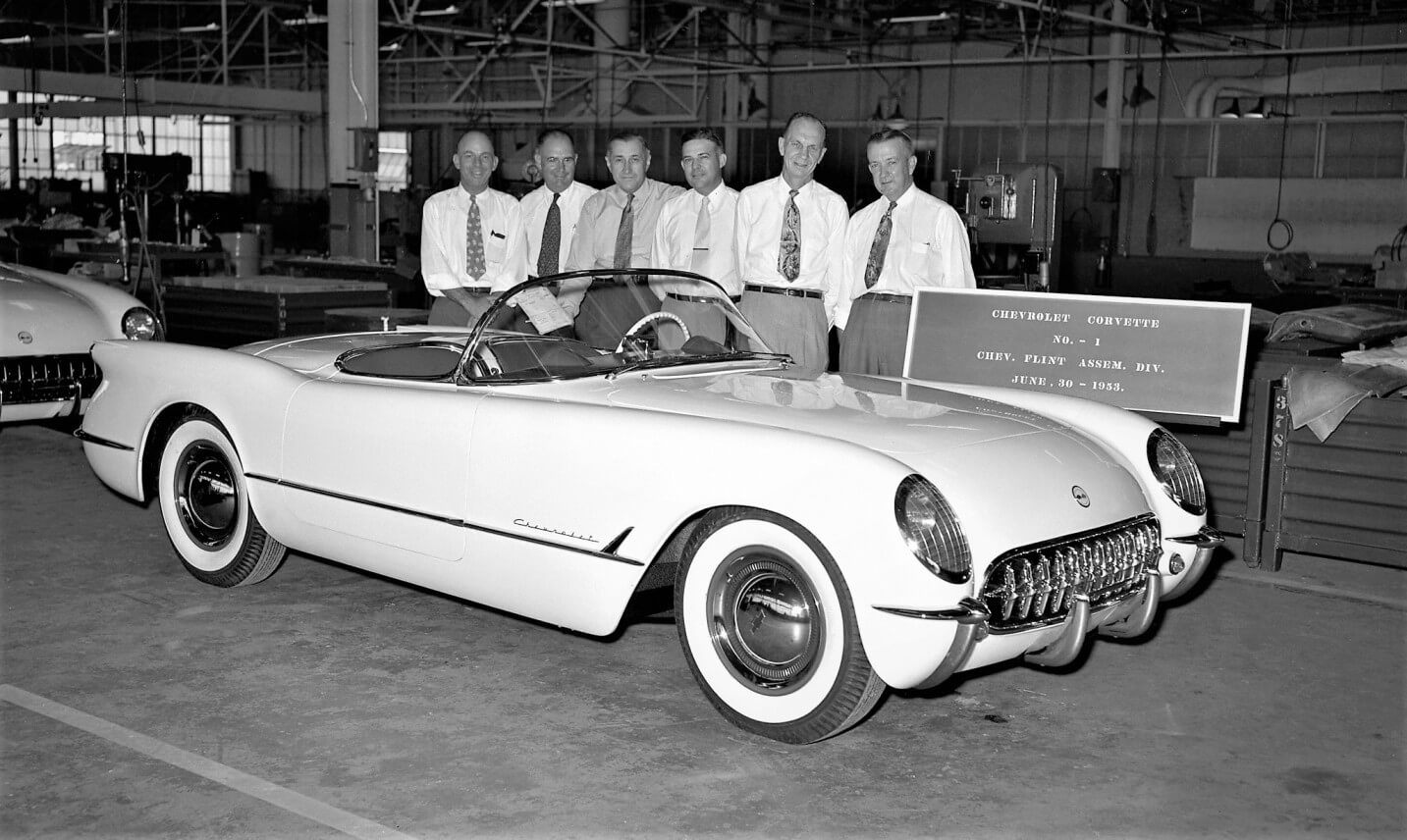
The story begins not with a roar, but with a polite cough. In 1953, GM design chief Harley Earl unveiled the C1 Corvette at the Motorama in New York. It was a breath of fresh air, a low-slung roadster designed to capture the hearts of GIs returning from Europe who had fallen in love with MGs and Jaguars. However, the early cars were flawed. Powered by the “Blue Flame” inline-six and mated to a sluggish two-speed Powerglide automatic, they were “all show and no go.” The Corvette was nearly killed in its crib. It was saved by a Russian-born engineer named Zora Arkus-Duntov, who wrote a famous memo to Ed Cole insisting that for the Corvette to survive, it had to have a heart of fire. That heart arrived in 1955: the Small Block V8. With the V8, the Corvette found its soul. The C1 evolved from a boulevard cruiser into a legitimate racer, gaining a manual transmission, fuel injection (the “Fuelie”), and the solid-axle toughness that would define it for a decade.
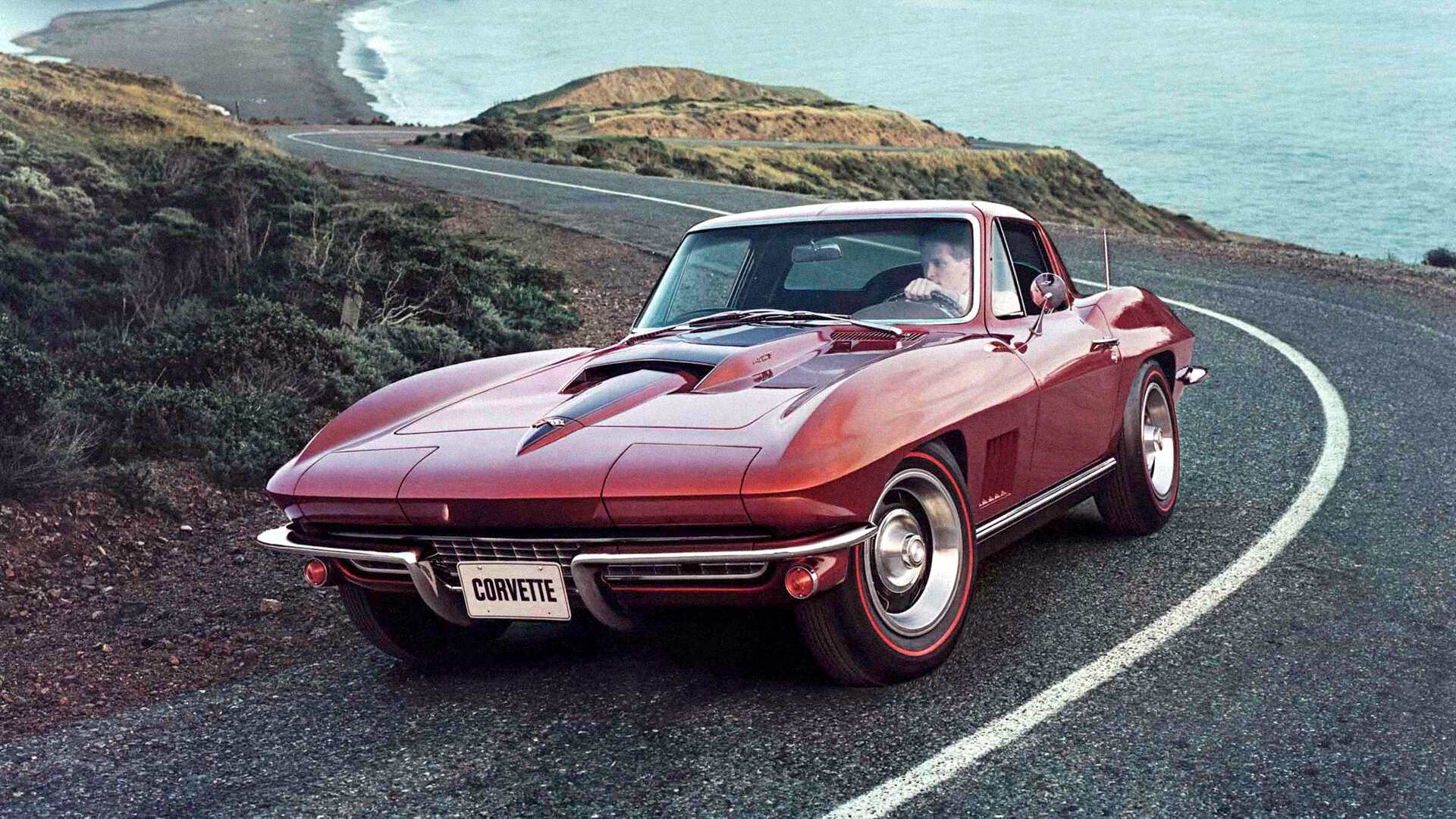
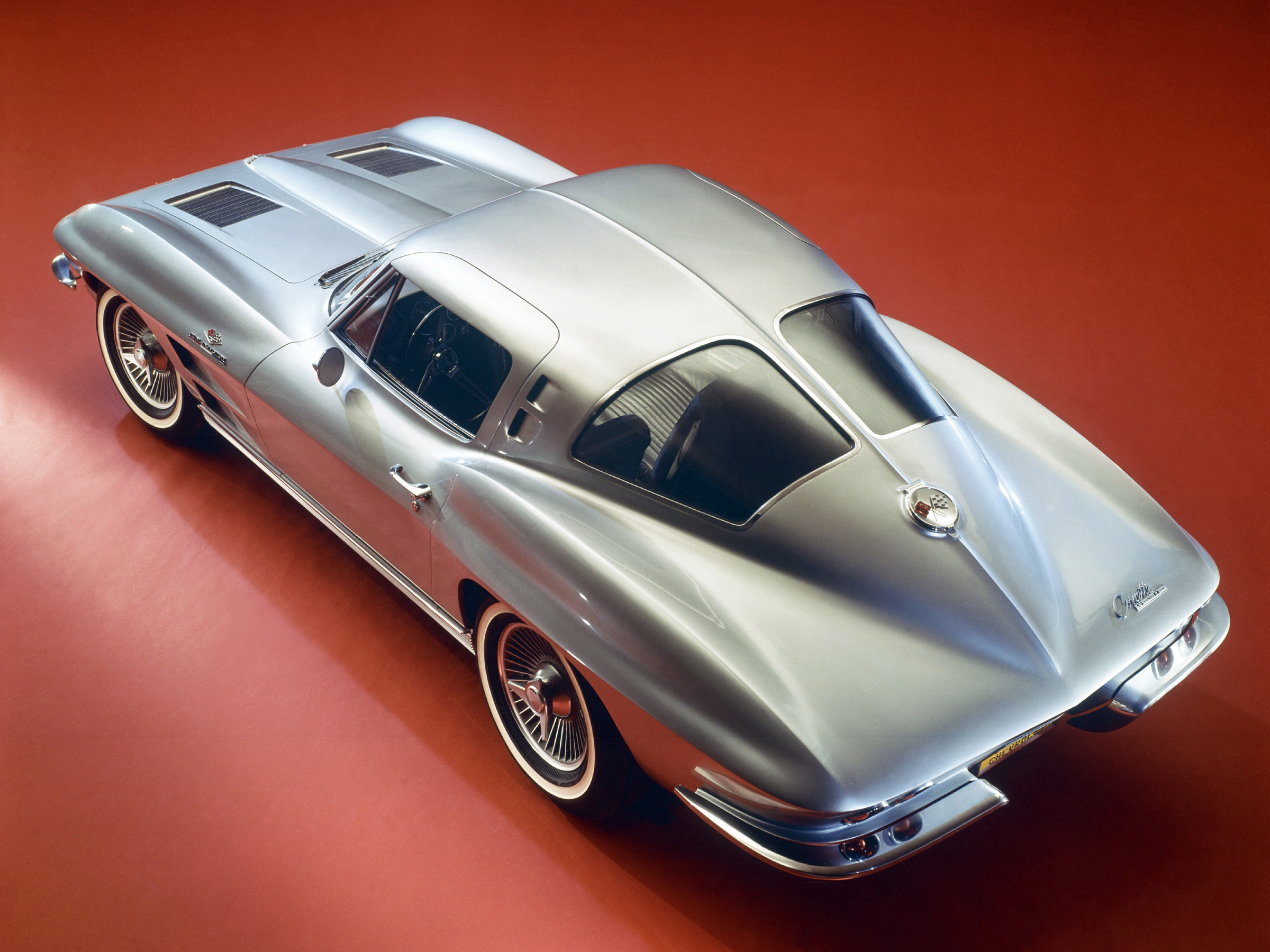
If the C1 was the childhood, the C2 (1963-1967) was the heroic adolescence. Known as the “Sting Ray,” it remains for many the most beautiful American car ever built. Penned by Bill Mitchell and Larry Shinoda, it introduced the chaotic, aggressive design language that would define the brand. The 1963 Coupe, with its split rear window, is a design icon, but the engineering underneath was the real revolution. It featured independent rear suspension, a critical move that separated the Corvette from the crude muscle cars of the era. This generation birthed the legend of the “Big Block,” culminating in the L88—a race engine barely disguised for the street—and the Grand Sport, Duntov’s secret weapon against the Shelby Cobra. The “Mid-Years” were short-lived but cast a shadow that every subsequent generation has had to live under.
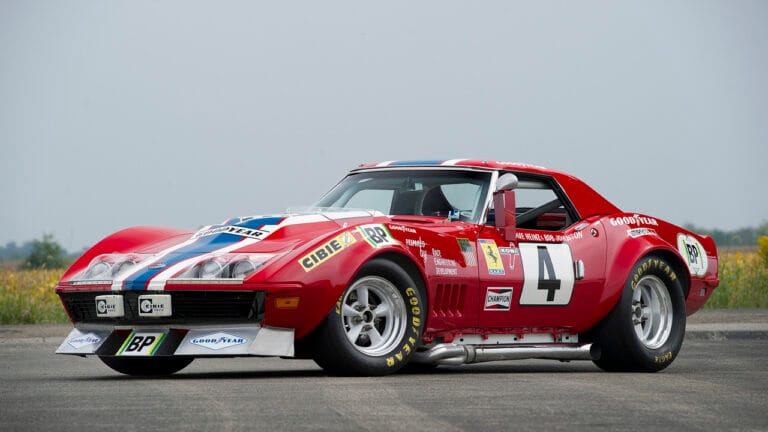
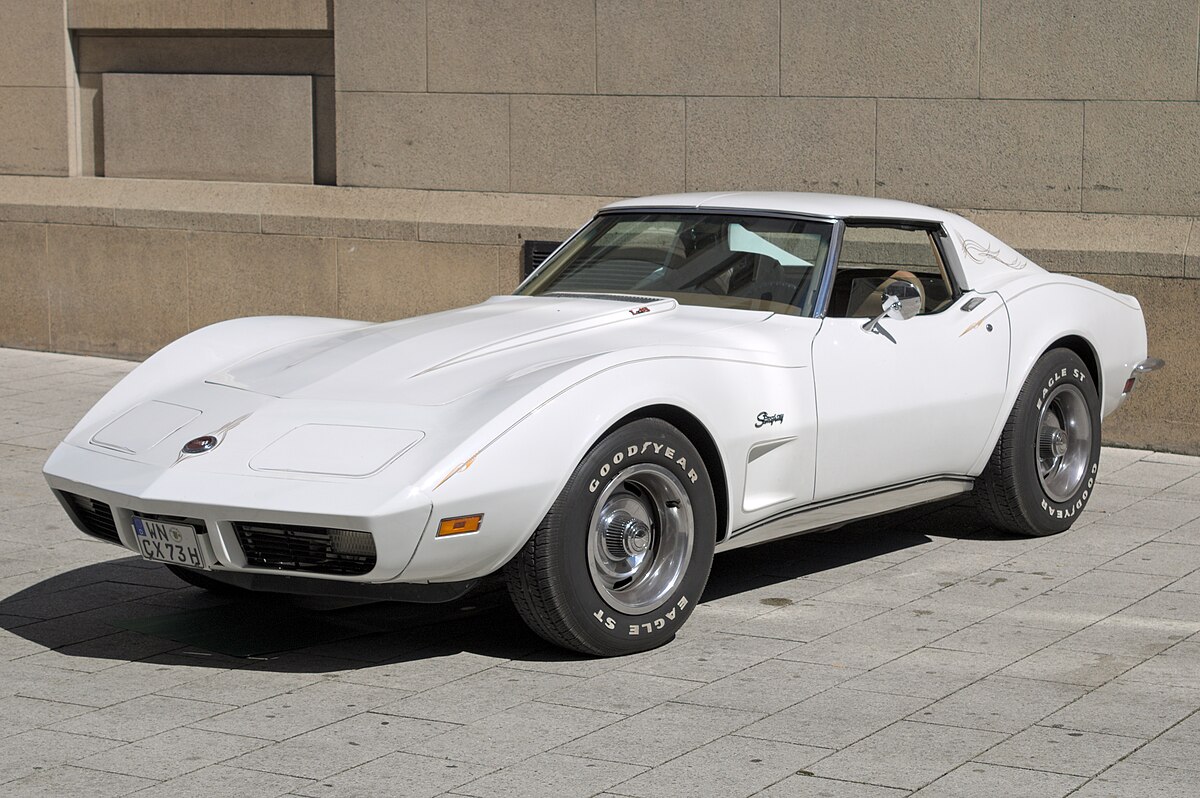
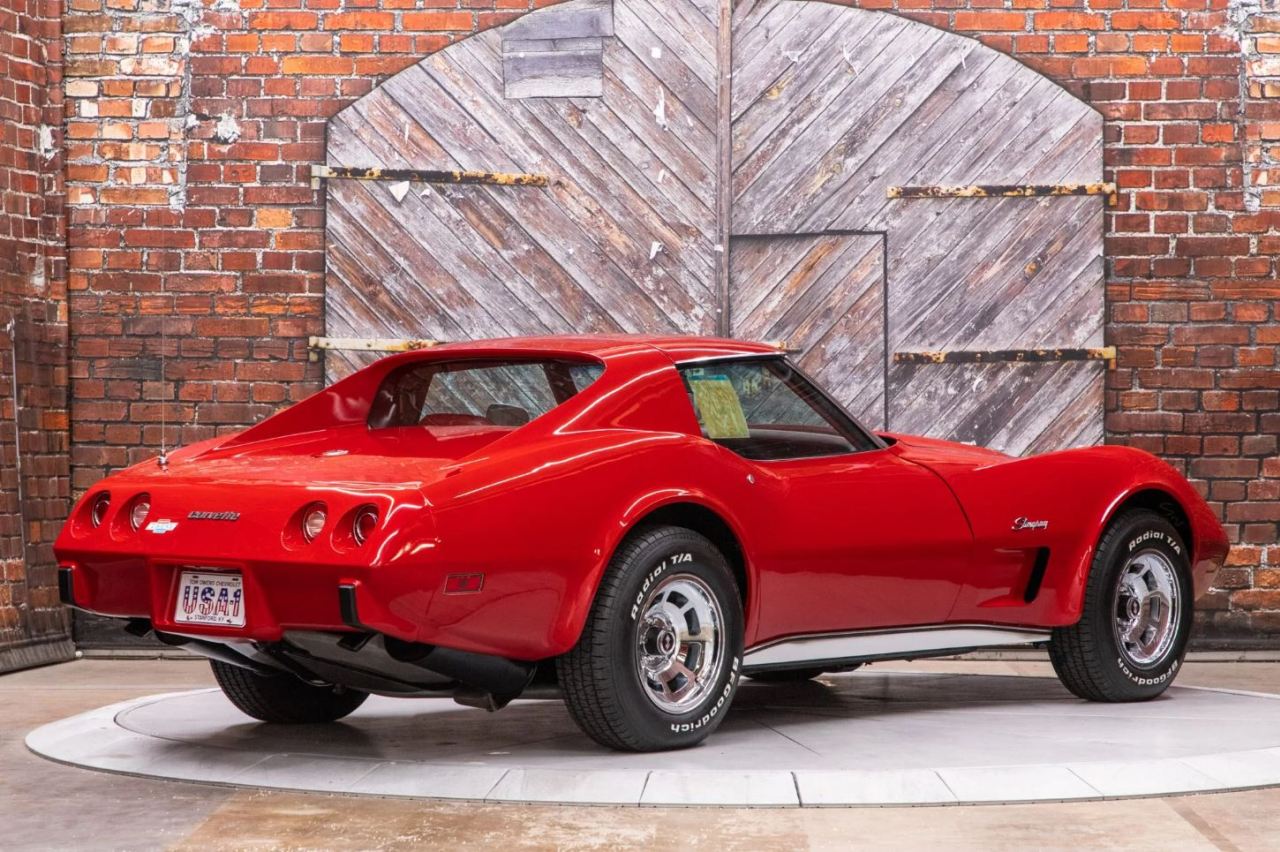
The C3 (1968-1982), inspired by the Mako Shark II concept, introduced the “Coke-bottle” shape. It was the rockstar’s car, the astronaut’s car. It lived the longest life of any generation, spanning the giddy heights of the muscle car era to the dark days of the 1970s emissions stranglehold. Early C3s, like the all-aluminium ZL1, were terrifyingly fast monsters. Later models, choked by catalytic converters and sporting urethane bumpers, became grand tourers. Yet, the C3 proved the Corvette’s resilience; even with 165 horsepower, it remained an object of desire, selling in record numbers and keeping the flame alive when rivals like the AMX and Pantera faded away.
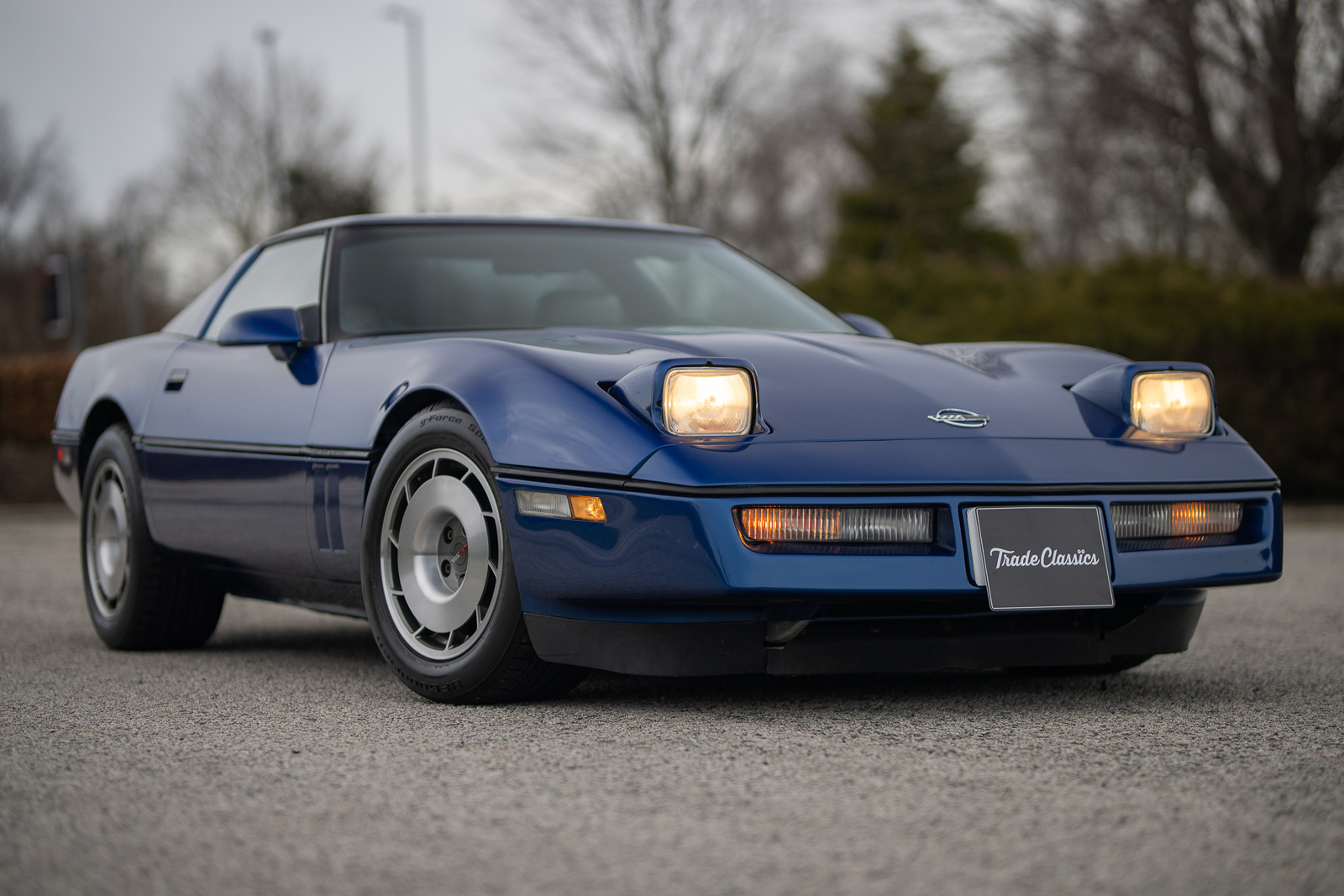
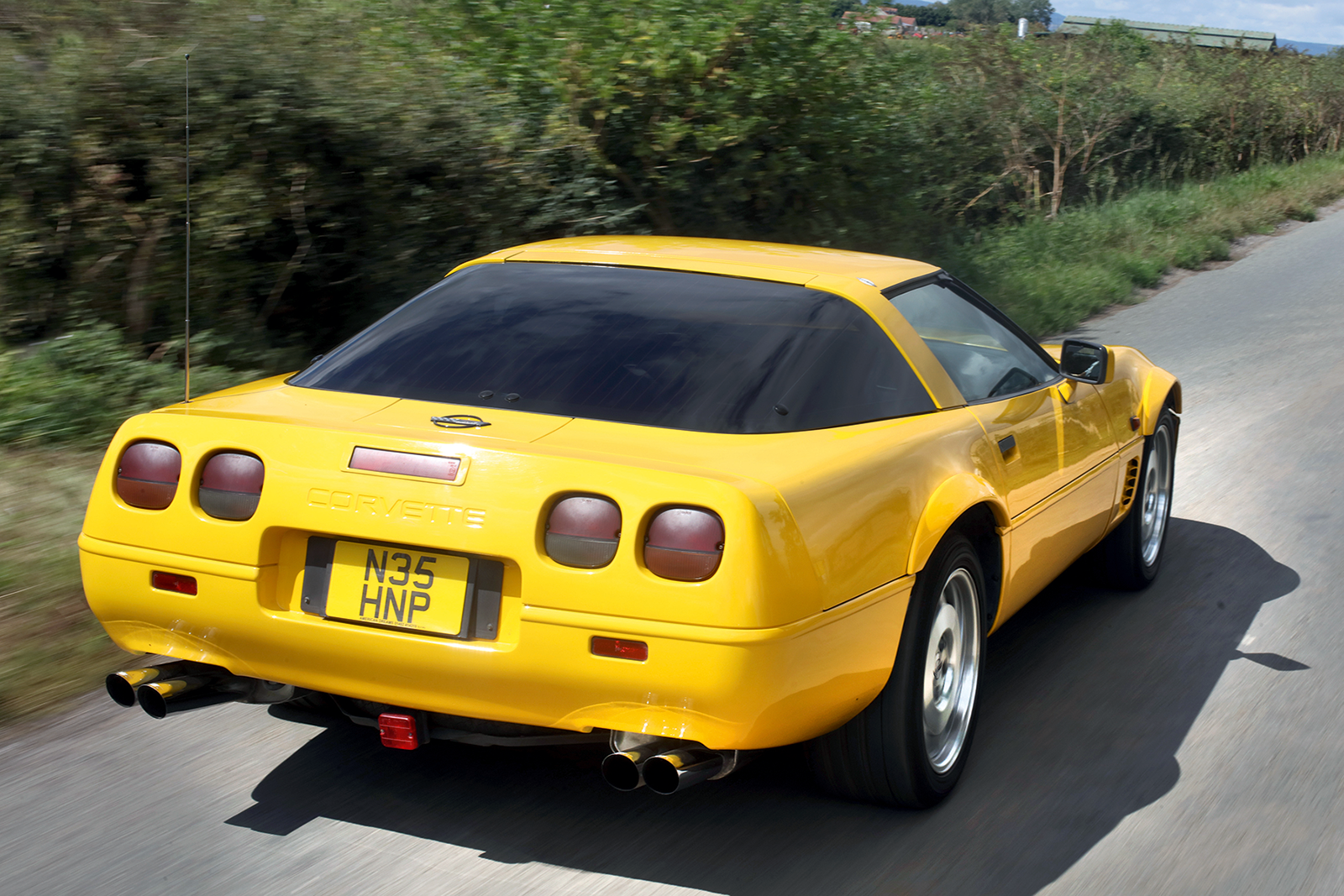
The dark clouds broke with the arrival of the C4 (1984-1996). This was the first full redesign in 15 years, and it was a quantum leap into modernity. Dave McLellan’s team focused on chassis stiffness, handling, and electronics. It was a wedge of digital futurism. While the early Cross-Fire Injection cars were modest, the generation matured into a world-beater. The pinnacle was the ZR-1 (1990-1995). With a widened tail and the exotic, Lotus-designed, Mercury Marine-built LT5 DOHC engine, the ZR-1 was the “King of the Hill,” capable of humiliating Ferraris and Porsches costing twice as much. The C4 proved that America could build a car that didn’t just go fast in a straight line, but could corner with the best in the world.
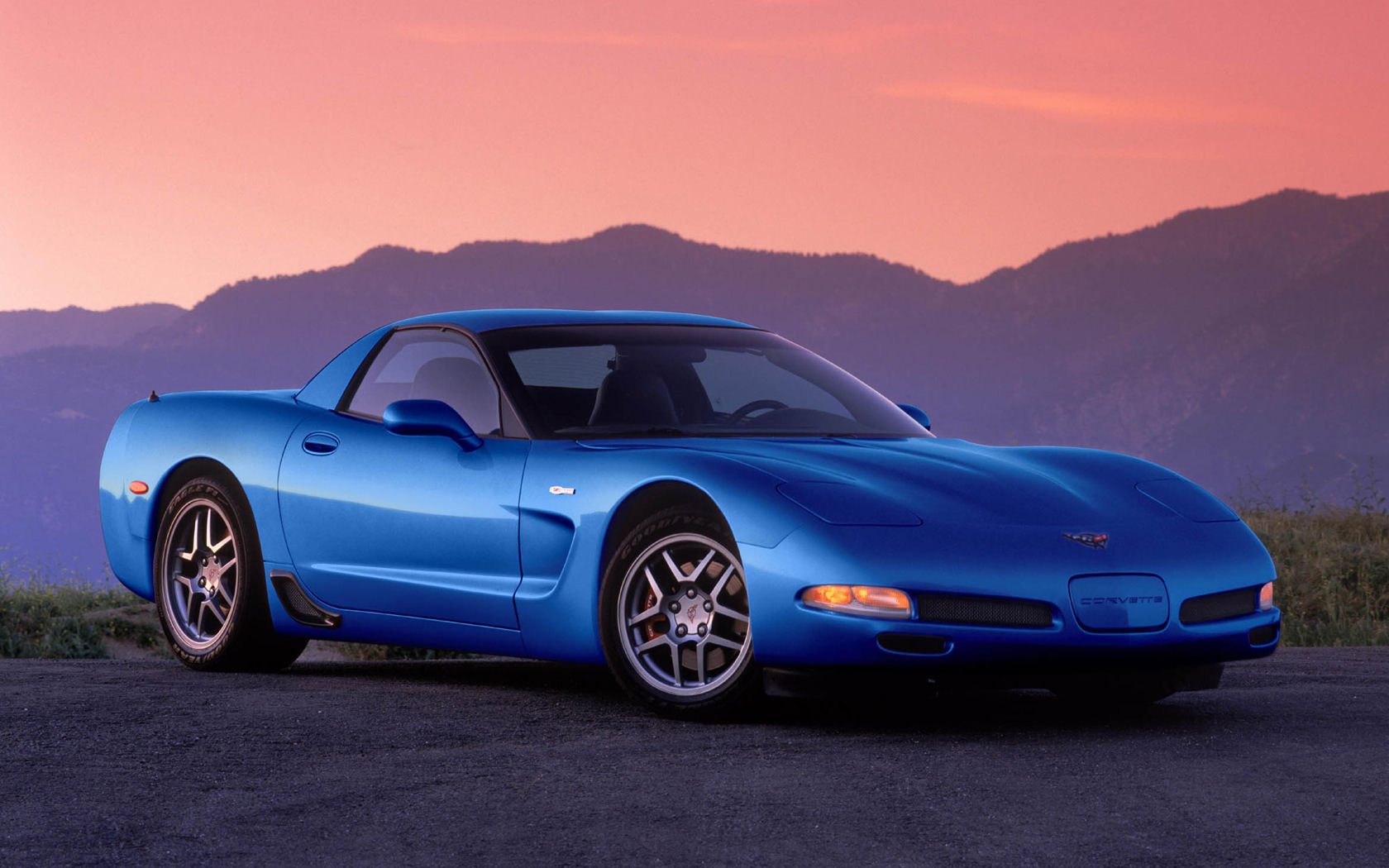
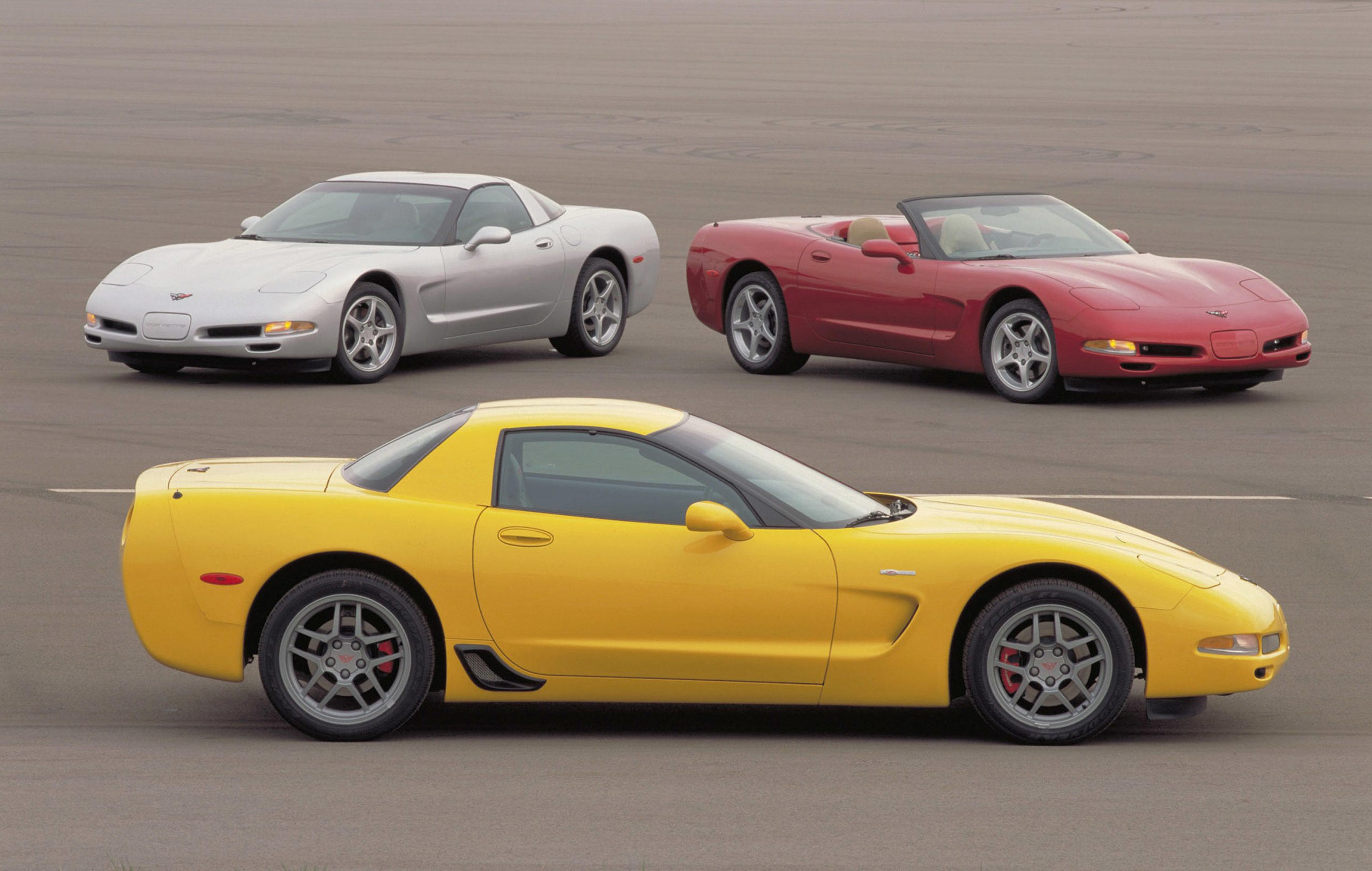
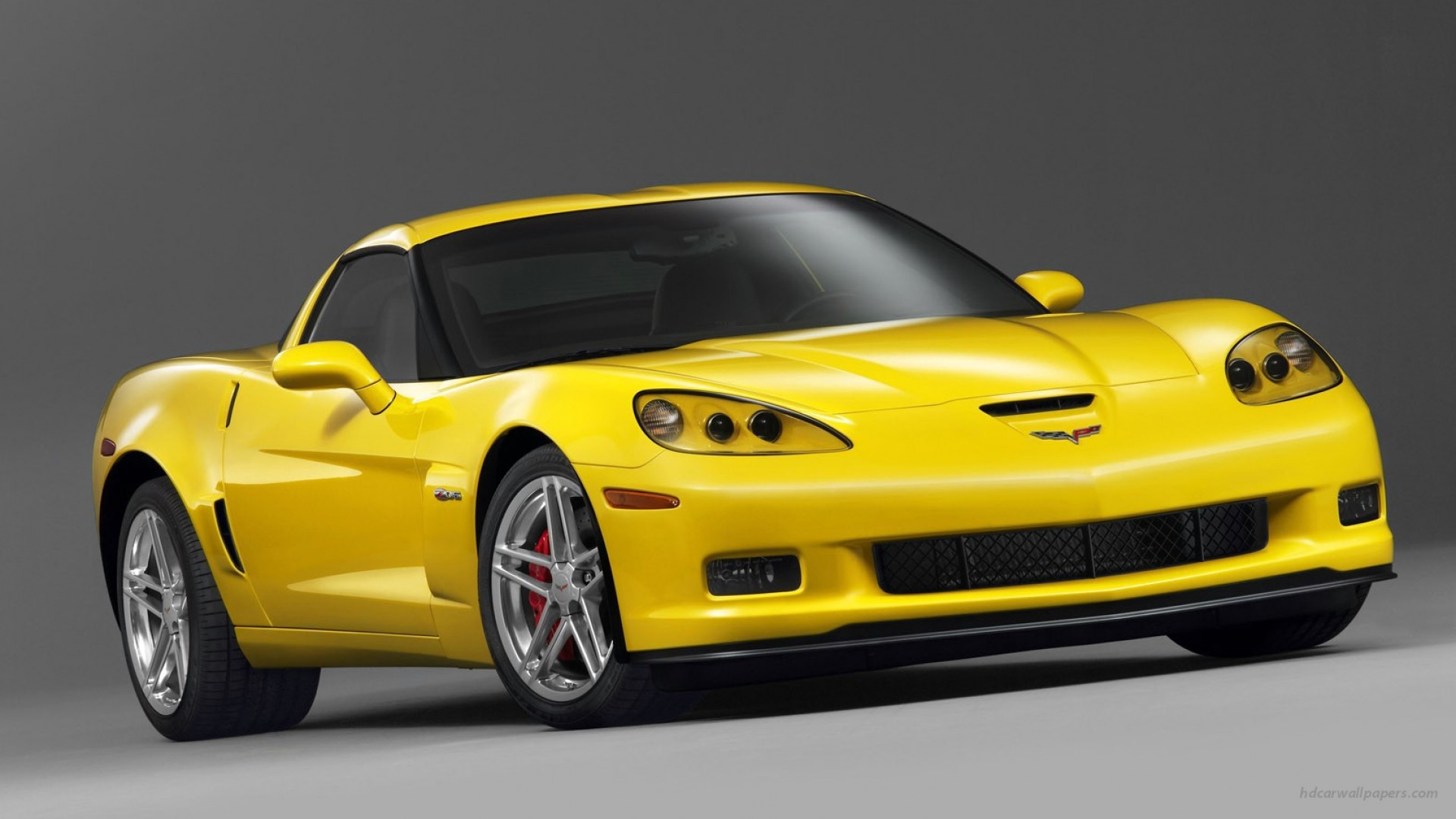
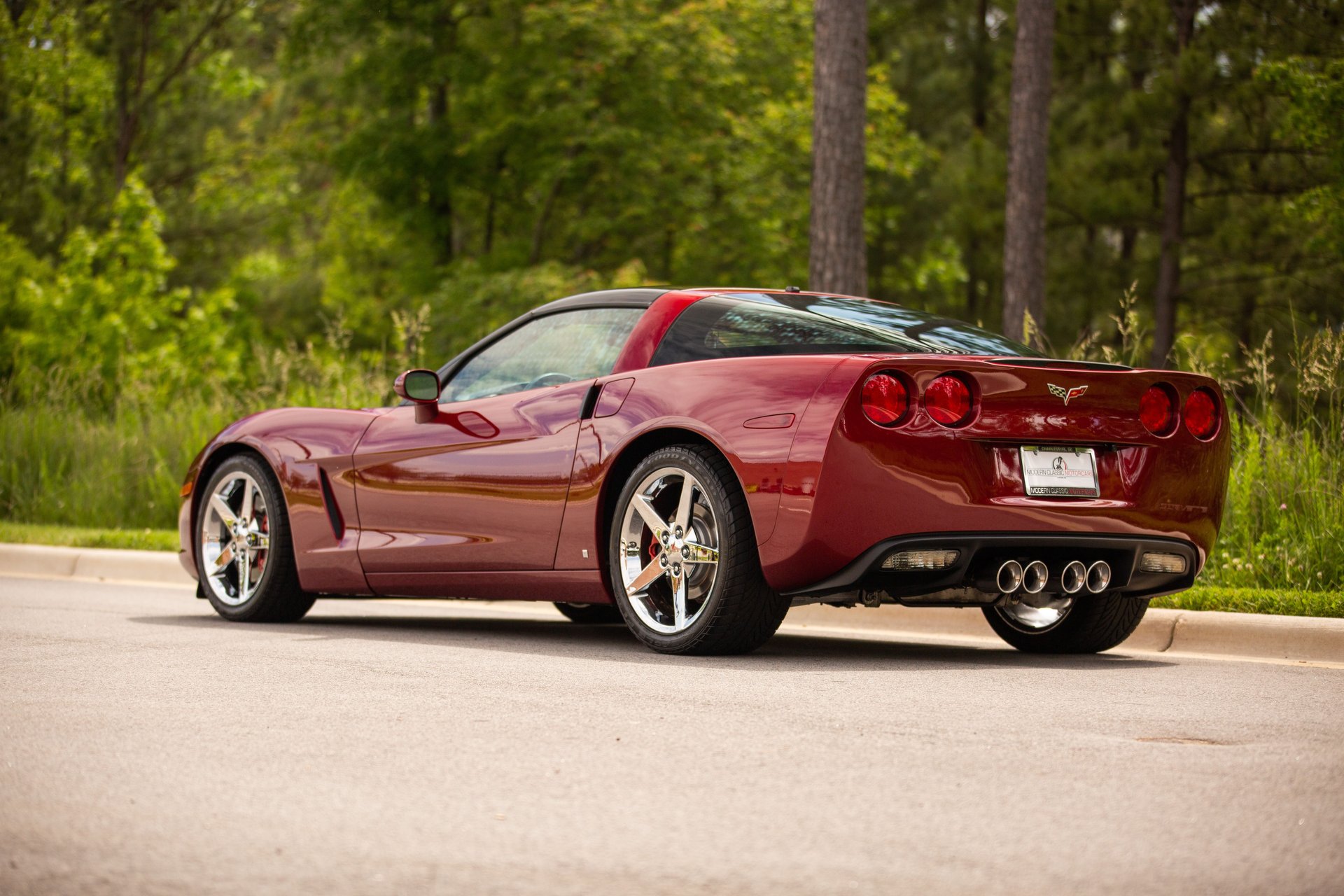
The C5 (1997-2004) was the engineering revolution. It introduced the hydroformed box frame and, crucially, moved the transmission to the rear (transaxle) for perfect 50/50 weight distribution. It was the moment the Corvette stopped being a “muscle car” and became a true sports car. The LS1 engine debuted here, a marvel of pushrod simplicity and packaging that remains the benchmark for engine swaps today. This generation also saw the return of the Z06, a stripped-out, hardtop track weapon that offered supercar performance for the price of a luxury sedan. The C6 (2005-2013) refined this formula, sharpening the styling (bringing back exposed headlights) and honing the dynamics. It gave us the Z06 with the 7.0-litre (427 ci) LS7—the largest displacement small-block ever produced—and the ZR1 “Blue Devil”, a supercharged monster that proved the Corvette could handle over 600 horsepower with grace.
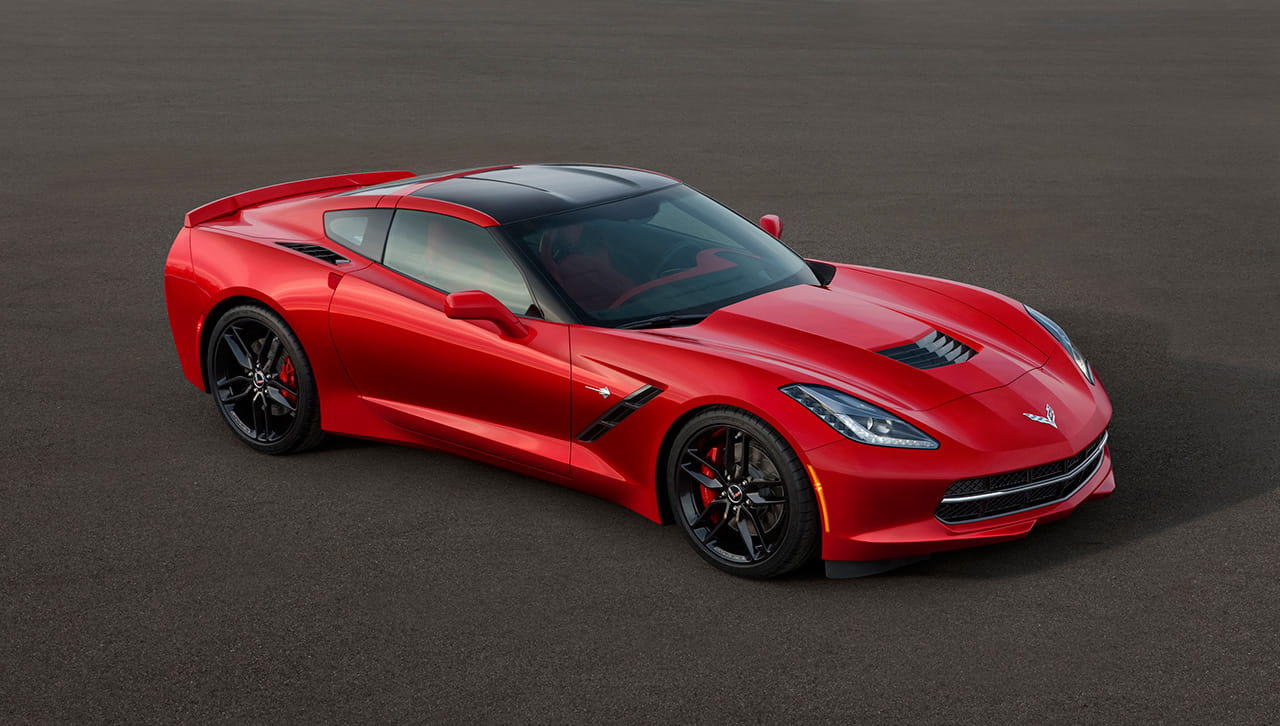
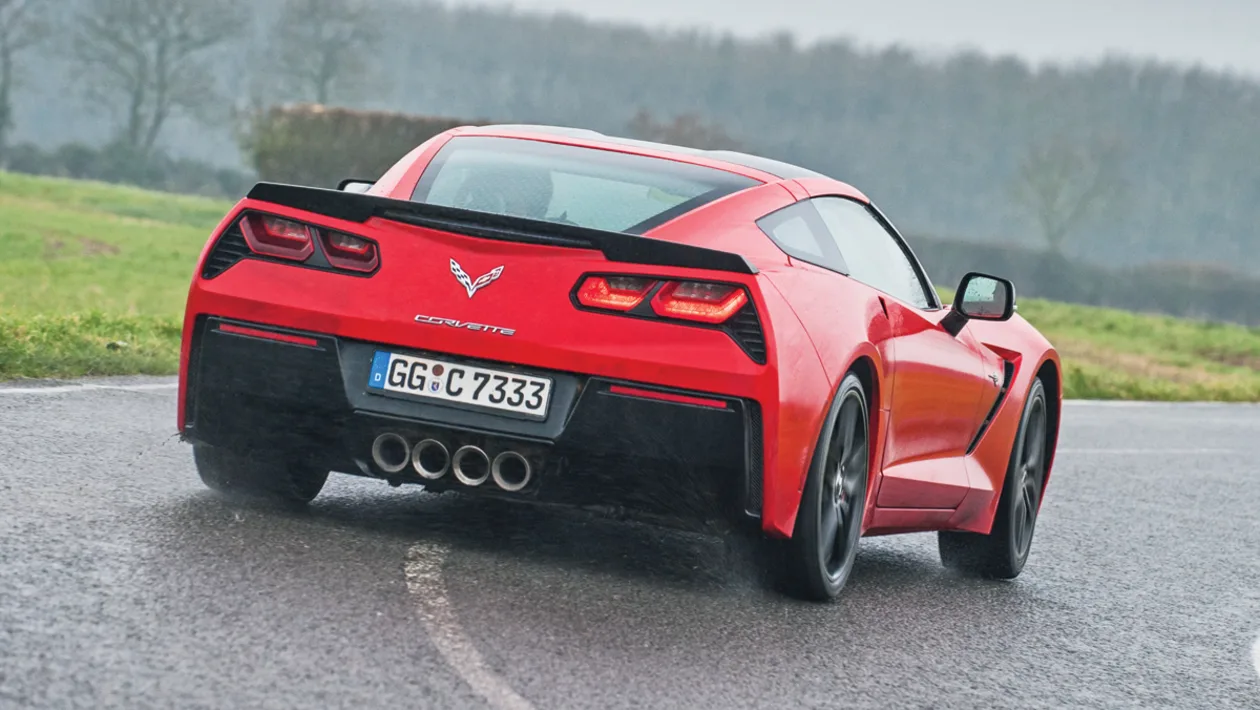
The C7 (2014-2019) was the ultimate expression of the front-engine layout. Angular, aggressive, and controversial for its “Camaro-like” taillights, it was a technological tour de force. It brought the “Stingray” name back. The chassis was stiffer, the interior was finally world-class, and the performance was staggering. The C7 Z06 and the wing-clad ZR1 were faster around a track than almost anything else with a license plate. But the engineers hit a wall; they had reached the physical limits of what a front-engine, rear-drive car could do. To go faster, the engine had to move.
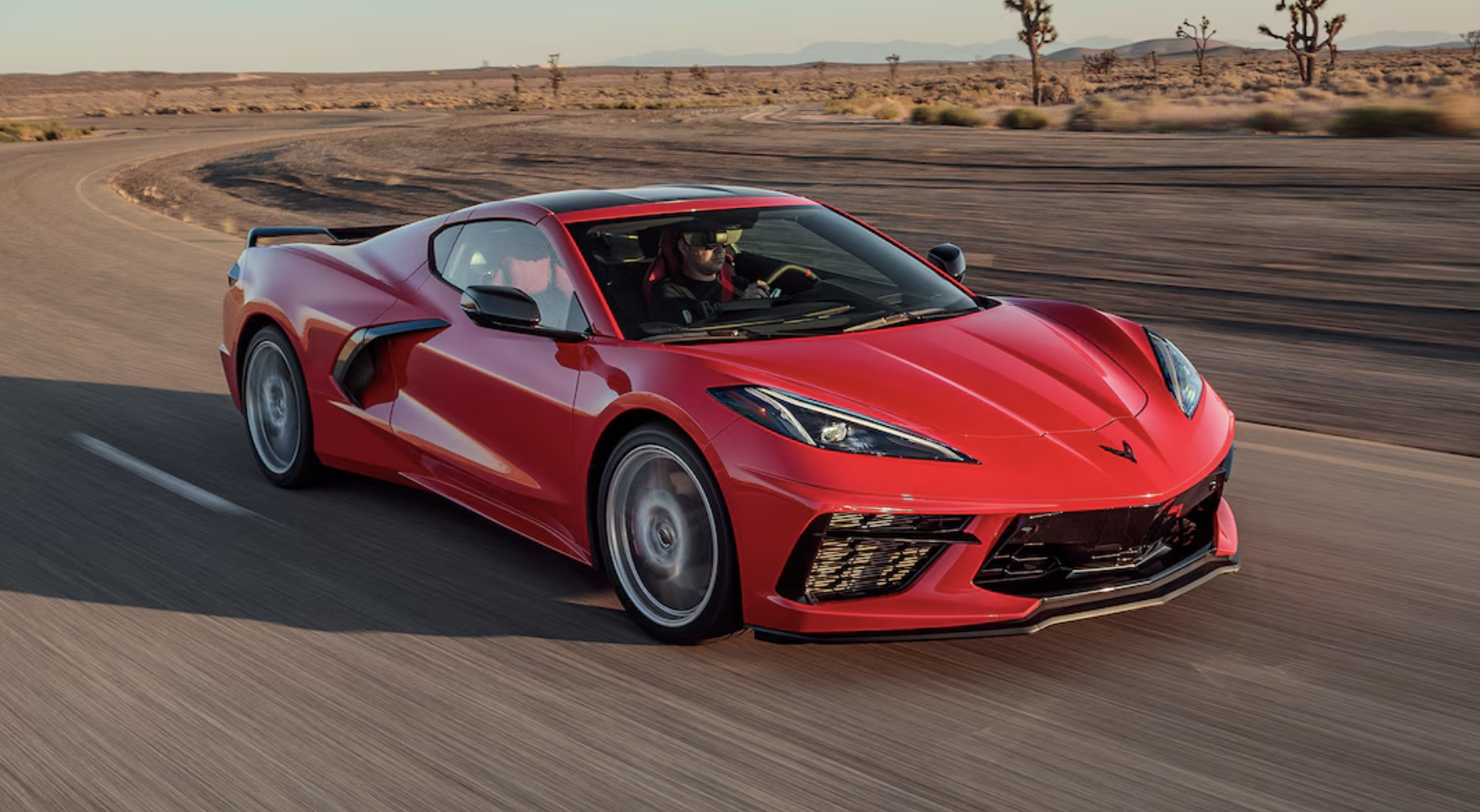
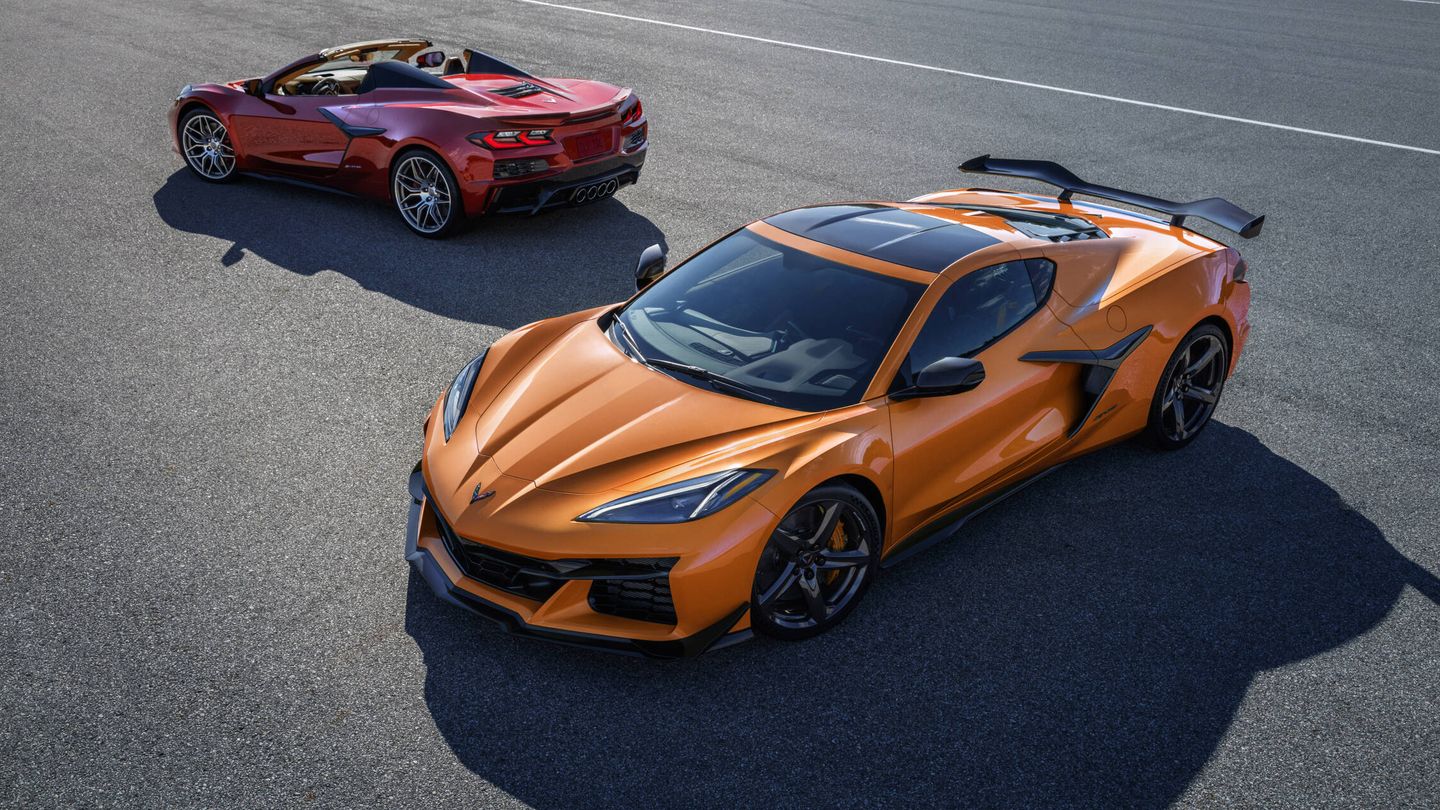
Thus, the C8 (2020-Present) was born. It was the realization of Zora Arkus-Duntov’s dream, deferred for 60 years. The engine moved to the middle. The silhouette changed from a long-nose phallus to a short-nose jet fighter. The leaf springs were gone. It was a radical reinvention that risked alienating the faithful to chase the future. It worked. The C8 Stingray, and the flat-plane crank, screaming Z06 that followed, are not just “good for the money”; they are simply “good.” They offer a driving experience that rivals McLaren and Ferrari, democratizing the exotic mid-engine experience for the American worker.
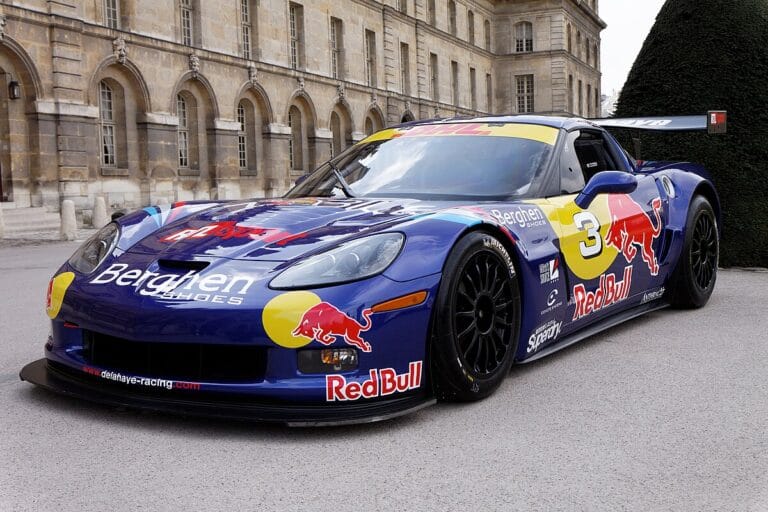
The Corvette’s legacy is cemented not just on the showroom floor, but on the track. Corvette Racing, with its ominous “Jake” skull mascot, has dominated endurance racing for twenty years. The yellow C5-R, C6.R, C7.R, and C8.R have claimed multiple class victories at the 24 Hours of Le Mans, the 24 Hours of Daytona, and the 12 Hours of Sebring. The thunderous roar of the Corvette V8 at Le Mans is as iconic as the race itself, a rugged American bassline in a symphony of European tenors. The Corvette is more than a car; it is a testament to American optimism, engineering resilience, and the unwavering belief that the open road belongs to everyone.
Portal
Model line
Model generation
Predecessor
Sucessor
Brand
Produced from
Vehicle category
Portal
Model line
Model generation
Predecessor
Sucessor
Model Overview
In the pantheon of automotive history, there are cars that define a segment, cars that define a brand, and then there is the Chevrolet Corvette. It is a vehicle that transcends mere transportation to become a cultural monolith, a rolling embodiment of the American Dream. For over seven decades, the Corvette has been the United States’ answer to the aristocracy of Europe, a fiberglass-bodied defiant gesture that proved high performance was not the exclusive reserve of the wealthy elite. From its tentative, six-cylinder beginnings to its current, world-beating mid-engine configuration, the Corvette has survived oil crises, corporate bankruptcies, and changing tastes to remain the longest-running passenger car nameplate in history. It is “America’s Sports Car,” a title earned not through marketing, but through blood, sweat, and the smell of burning rubber on the Mulsanne Straight.
The story begins not with a roar, but with a polite cough. In 1953, GM design chief Harley Earl unveiled the C1 Corvette at the Motorama in New York. It was a breath of fresh air, a low-slung roadster designed to capture the hearts of GIs returning from Europe who had fallen in love with MGs and Jaguars. However, the early cars were flawed. Powered by the “Blue Flame” inline-six and mated to a sluggish two-speed Powerglide automatic, they were “all show and no go.” The Corvette was nearly killed in its crib. It was saved by a Russian-born engineer named Zora Arkus-Duntov, who wrote a famous memo to Ed Cole insisting that for the Corvette to survive, it had to have a heart of fire. That heart arrived in 1955: the Small Block V8. With the V8, the Corvette found its soul. The C1 evolved from a boulevard cruiser into a legitimate racer, gaining a manual transmission, fuel injection (the “Fuelie”), and the solid-axle toughness that would define it for a decade.
If the C1 was the childhood, the C2 (1963-1967) was the heroic adolescence. Known as the “Sting Ray,” it remains for many the most beautiful American car ever built. Penned by Bill Mitchell and Larry Shinoda, it introduced the chaotic, aggressive design language that would define the brand. The 1963 Coupe, with its split rear window, is a design icon, but the engineering underneath was the real revolution. It featured independent rear suspension, a critical move that separated the Corvette from the crude muscle cars of the era. This generation birthed the legend of the “Big Block,” culminating in the L88—a race engine barely disguised for the street—and the Grand Sport, Duntov’s secret weapon against the Shelby Cobra. The “Mid-Years” were short-lived but cast a shadow that every subsequent generation has had to live under.
The C3 (1968-1982), inspired by the Mako Shark II concept, introduced the “Coke-bottle” shape. It was the rockstar’s car, the astronaut’s car. It lived the longest life of any generation, spanning the giddy heights of the muscle car era to the dark days of the 1970s emissions stranglehold. Early C3s, like the all-aluminium ZL1, were terrifyingly fast monsters. Later models, choked by catalytic converters and sporting urethane bumpers, became grand tourers. Yet, the C3 proved the Corvette’s resilience; even with 165 horsepower, it remained an object of desire, selling in record numbers and keeping the flame alive when rivals like the AMX and Pantera faded away.
The dark clouds broke with the arrival of the C4 (1984-1996). This was the first full redesign in 15 years, and it was a quantum leap into modernity. Dave McLellan’s team focused on chassis stiffness, handling, and electronics. It was a wedge of digital futurism. While the early Cross-Fire Injection cars were modest, the generation matured into a world-beater. The pinnacle was the ZR-1 (1990-1995). With a widened tail and the exotic, Lotus-designed, Mercury Marine-built LT5 DOHC engine, the ZR-1 was the “King of the Hill,” capable of humiliating Ferraris and Porsches costing twice as much. The C4 proved that America could build a car that didn’t just go fast in a straight line, but could corner with the best in the world.
The C5 (1997-2004) was the engineering revolution. It introduced the hydroformed box frame and, crucially, moved the transmission to the rear (transaxle) for perfect 50/50 weight distribution. It was the moment the Corvette stopped being a “muscle car” and became a true sports car. The LS1 engine debuted here, a marvel of pushrod simplicity and packaging that remains the benchmark for engine swaps today. This generation also saw the return of the Z06, a stripped-out, hardtop track weapon that offered supercar performance for the price of a luxury sedan. The C6 (2005-2013) refined this formula, sharpening the styling (bringing back exposed headlights) and honing the dynamics. It gave us the Z06 with the 7.0-litre (427 ci) LS7—the largest displacement small-block ever produced—and the ZR1 “Blue Devil”, a supercharged monster that proved the Corvette could handle over 600 horsepower with grace.
The C7 (2014-2019) was the ultimate expression of the front-engine layout. Angular, aggressive, and controversial for its “Camaro-like” taillights, it was a technological tour de force. It brought the “Stingray” name back. The chassis was stiffer, the interior was finally world-class, and the performance was staggering. The C7 Z06 and the wing-clad ZR1 were faster around a track than almost anything else with a license plate. But the engineers hit a wall; they had reached the physical limits of what a front-engine, rear-drive car could do. To go faster, the engine had to move.
Thus, the C8 (2020-Present) was born. It was the realization of Zora Arkus-Duntov’s dream, deferred for 60 years. The engine moved to the middle. The silhouette changed from a long-nose phallus to a short-nose jet fighter. The leaf springs were gone. It was a radical reinvention that risked alienating the faithful to chase the future. It worked. The C8 Stingray, and the flat-plane crank, screaming Z06 that followed, are not just “good for the money”; they are simply “good.” They offer a driving experience that rivals McLaren and Ferrari, democratizing the exotic mid-engine experience for the American worker.
The Corvette’s legacy is cemented not just on the showroom floor, but on the track. Corvette Racing, with its ominous “Jake” skull mascot, has dominated endurance racing for twenty years. The yellow C5-R, C6.R, C7.R, and C8.R have claimed multiple class victories at the 24 Hours of Le Mans, the 24 Hours of Daytona, and the 12 Hours of Sebring. The thunderous roar of the Corvette V8 at Le Mans is as iconic as the race itself, a rugged American bassline in a symphony of European tenors. The Corvette is more than a car; it is a testament to American optimism, engineering resilience, and the unwavering belief that the open road belongs to everyone.
Generations
Model Generations

Submodels