
Chevron B16 Ford Cosworth FVC
Brand
Produced from
Portal
Model line
Predecessor
Successor
Submodel Overview
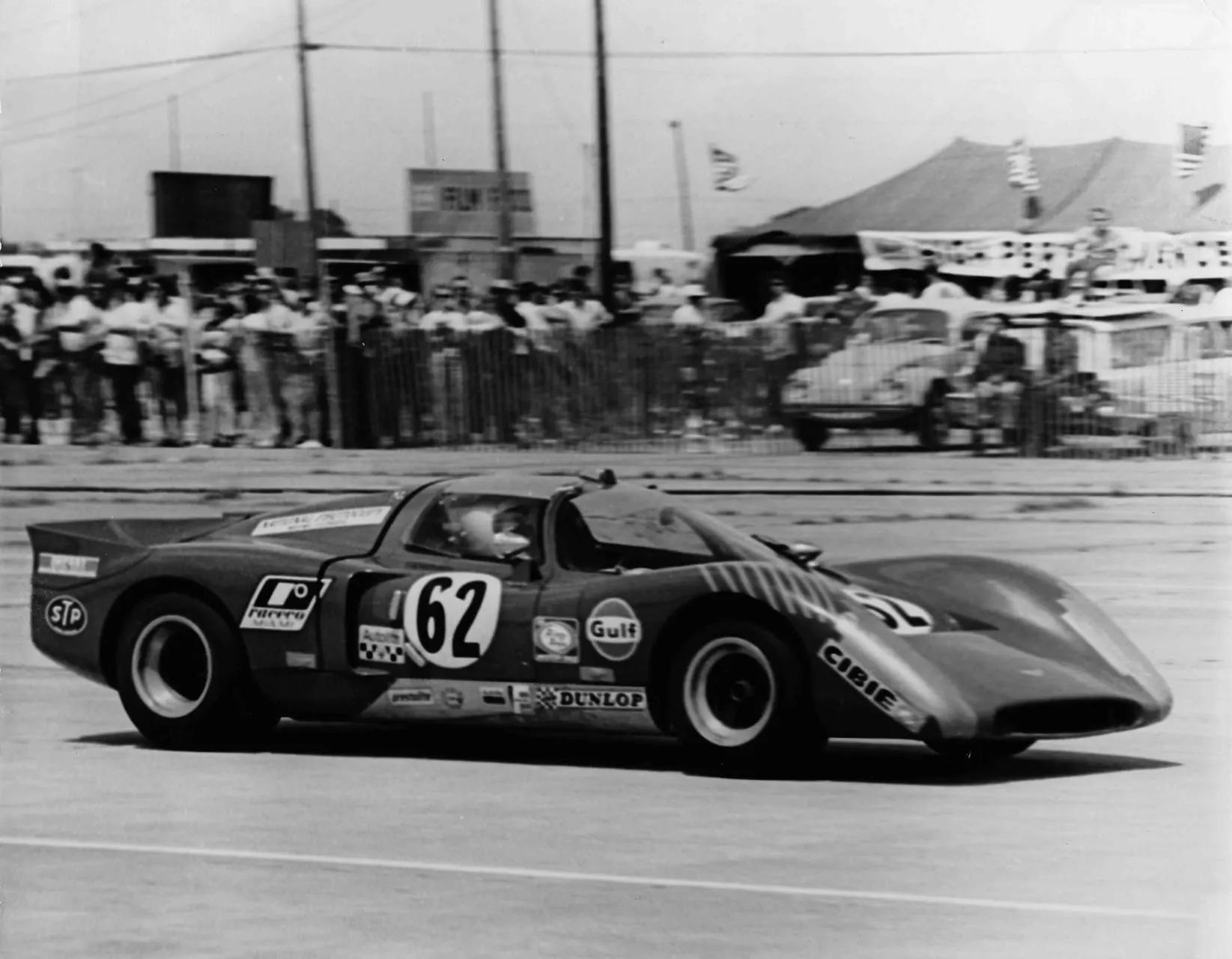
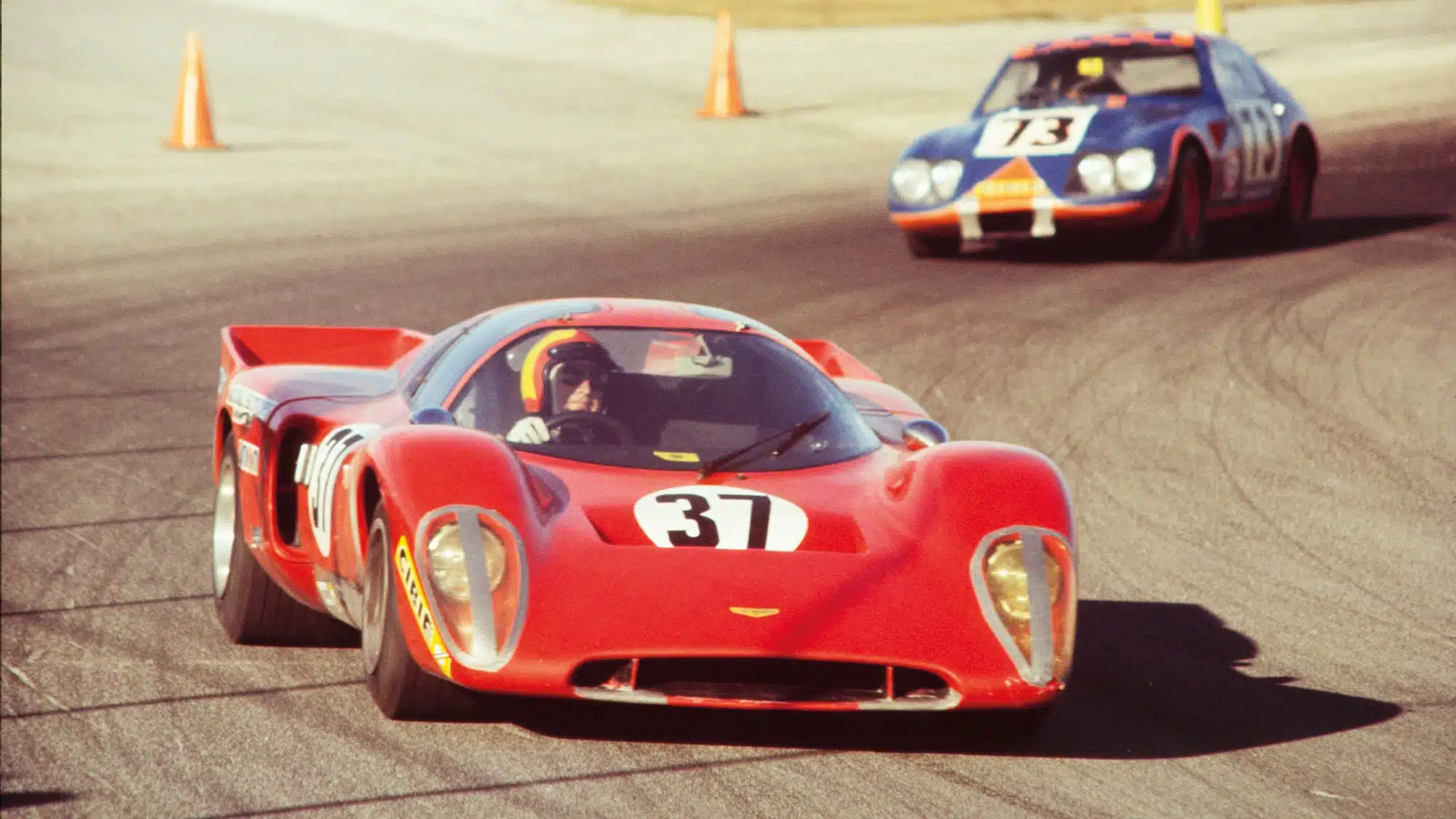
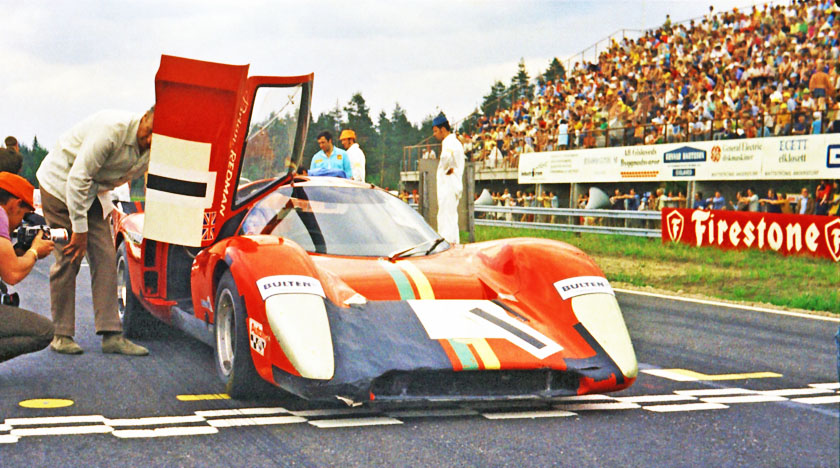
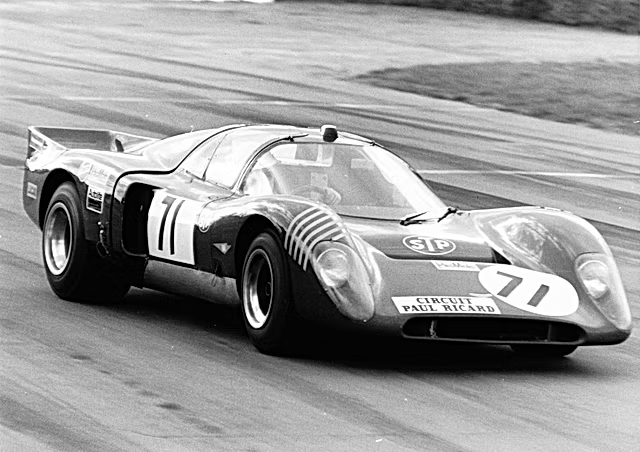
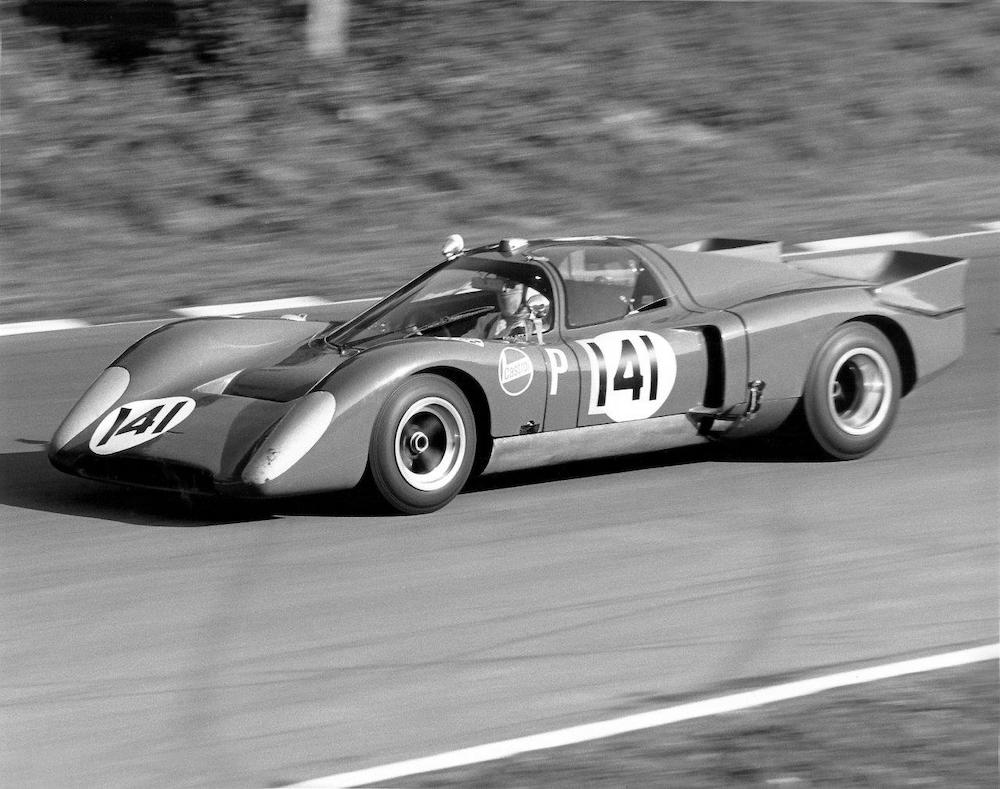
If the Chevron B16 FVA was the sprint-specialist that stunned the world on its debut, and the B16 BMW was the endurance workhorse that could hammer through 24 hours, the Chevron B16 Ford Cosworth FVC was the perfection of the formula. It was the “Goldilocks” car, the machine that combined the lightweight, high-revving DNA of a purebred racing engine with the displacement necessary to fight for overall victories in the fiercely contested European 2.0-Litre Sports Car Championship. By late 1969 and early 1970, the 2.0-litre class had become the most vibrant battleground in motorsport. The factory Abarths were getting faster, and Lola was readying its new T210. Derek Bennett, Chevron’s visionary founder, knew that the 1.6-litre FVA, despite its brilliance, was giving away too much torque to the opposition. The answer came from Northampton, in the form of Cosworth’s latest masterpiece: the FVC.
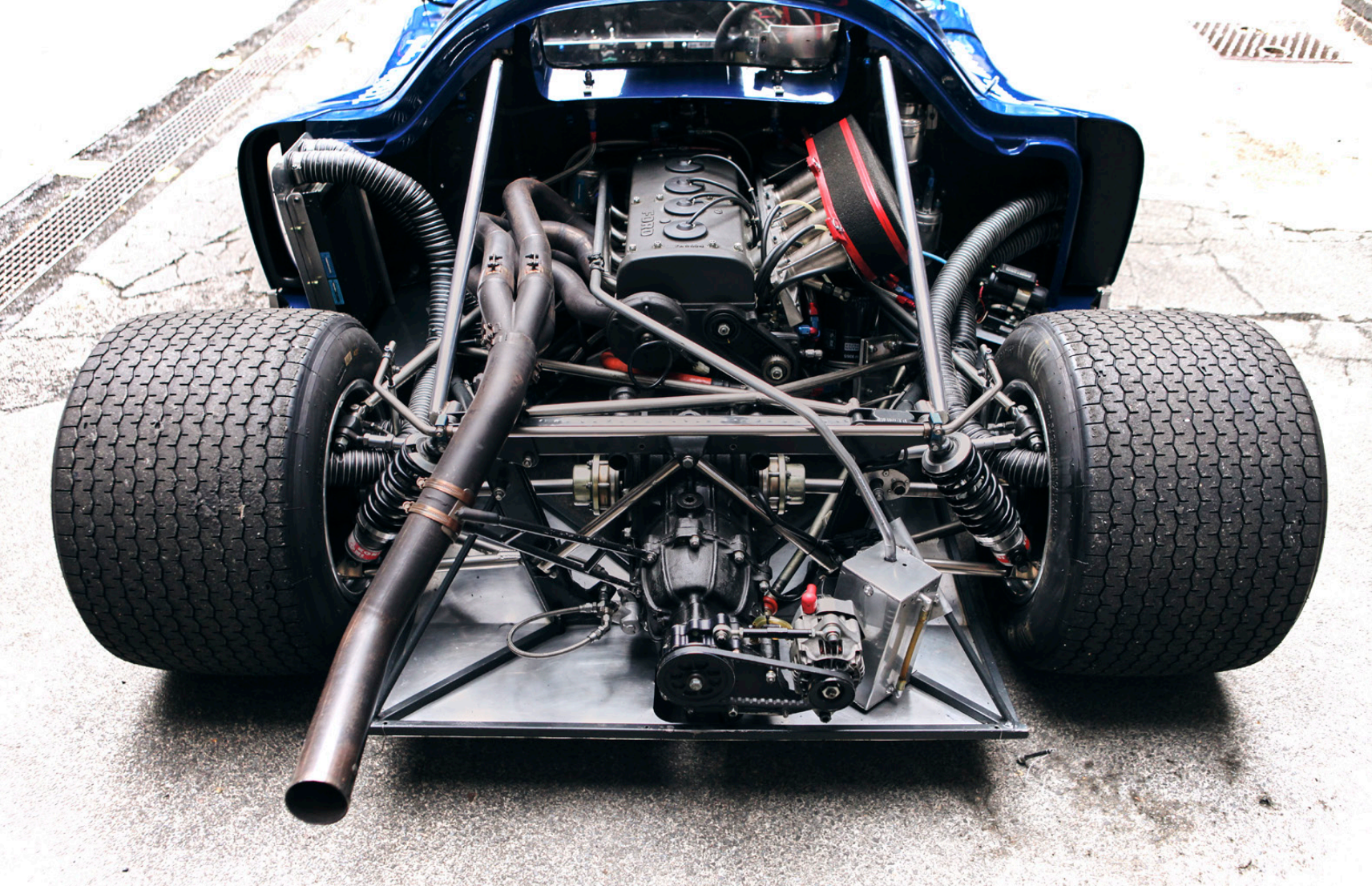
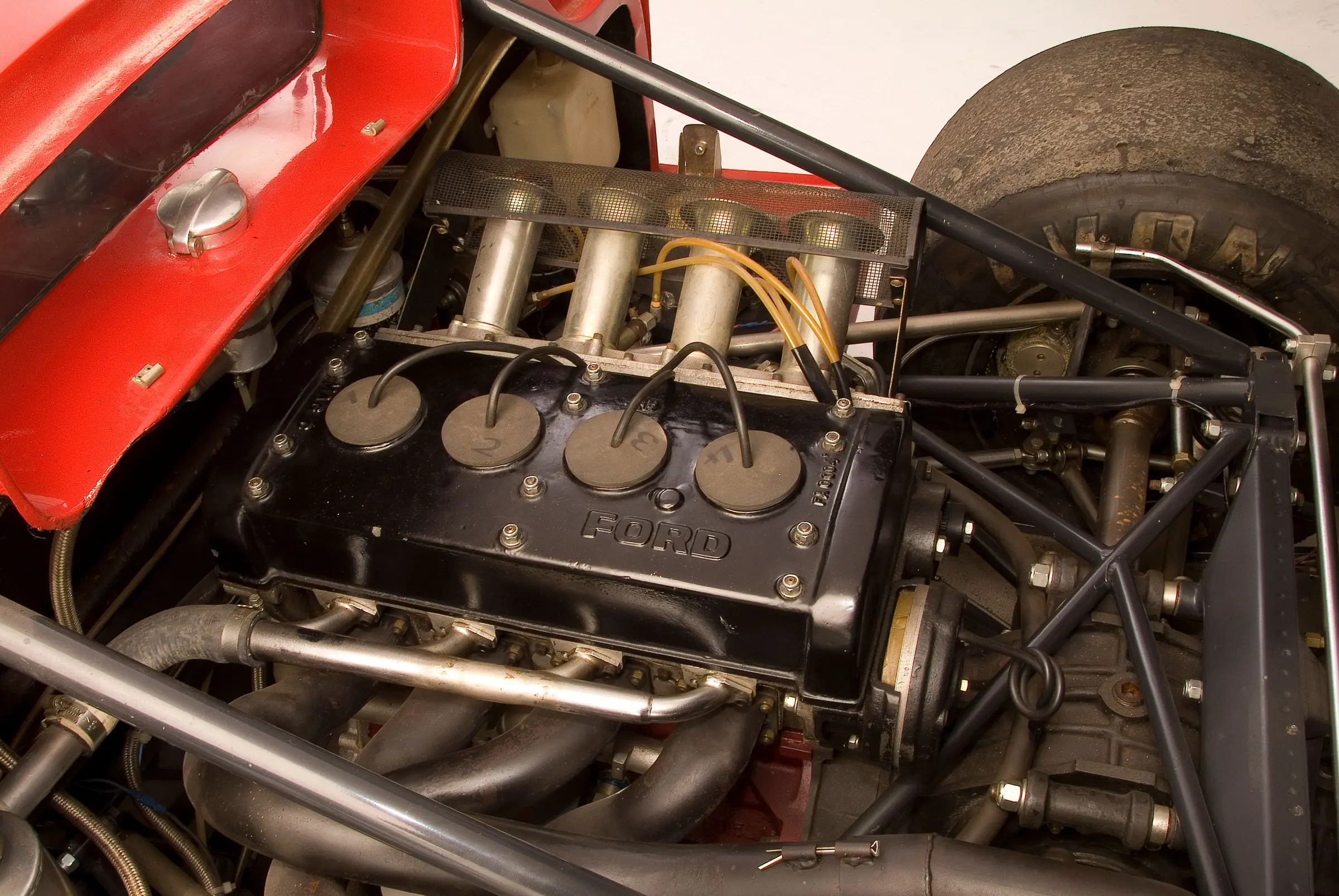
The technical specification of the B16 FVC represents the zenith of the coupé’s development. The chassis remained Bennett’s signature tubular steel spaceframe—stiff, repairable, and communicative—clothed in that impossibly beautiful, low-drag fibreglass bodywork by Specialised Mouldings. But the transformation happened behind the driver’s bulkhead. The Cosworth FVC (Four Valve Type C) was a direct evolution of the FVA, but crucially, it was designed specifically for sports car racing rather than Formula 2. Bored out to 1,790cc (and later stretched by engine builders to 1.9 or even a full 2.0 litres), the FVC retained the gear-driven cams and 16-valve architecture of its smaller sibling but added the one thing the B16 lacked: mid-range punch. Producing upwards of 235-245 bhp, it was lighter than the iron-block BMW M10 and torquier than the FVA. It was a chaotic, vibrating, aggressive engine that turned the B16 from a momentum car into a true weapon, capable of powering out of corners and screaming to 9,000 rpm on the straights.
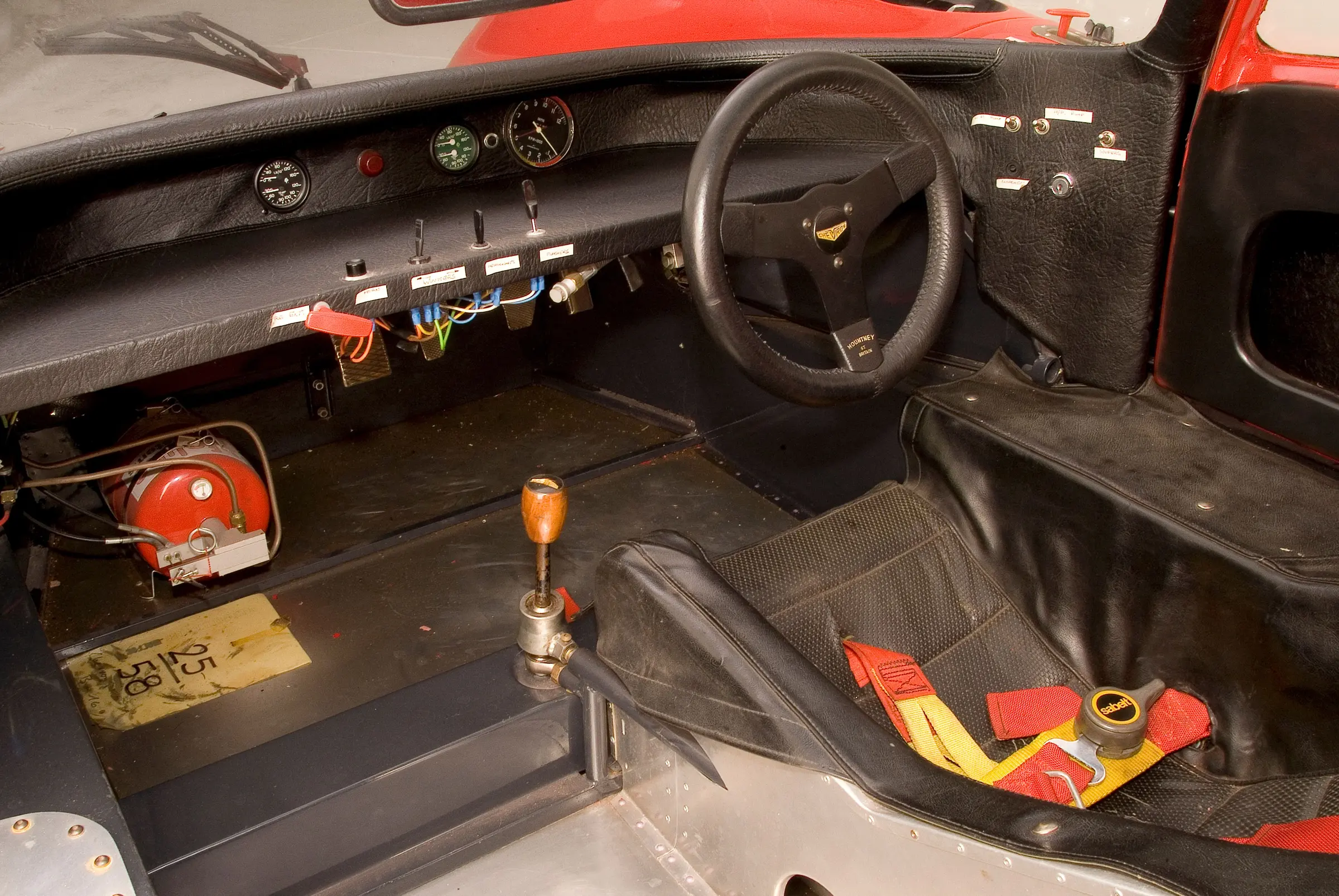
In the hands of privateers, the B16 FVC became the standard-bearer for British engineering in 1970. While the factory teams had unlimited budgets, a well-sorted B16 FVC run by a team like Red Rose Racing or Worcester Racing could turn up at any circuit in Europe and challenge for the win. The car was particularly effective on the fast, flowing circuits that rewarded its aerodynamic efficiency and the FVC’s top-end power. At tracks like Thruxton, Spa-Francorchamps, and the Österreichring, the B16 FVC was a formidable sight, often splitting the 3.0-litre prototypes and embarrassing the heavier GT cars. It offered a driving experience of pure, unadulterated intensity; the solid-mounted Cosworth engine turned the cockpit into a resonating chamber of noise and vibration, connecting the driver directly to the machine’s mechanical soul.
However, the B16 FVC also marked the end of an era. Even as it was winning races and hearts, the physics of motorsport were shifting. The FVC engine was potent, but it was expensive to run and rebuild compared to the BMW units. Furthermore, the weight penalty of the B16’s stunning coupé roof—some 40kg compared to an open car—was becoming a liability against the new generation of “barchetta” prototypes like the Lola T210 and Chevron’s own B19. By the end of 1970, the B16 FVC was fighting a rearguard action. It was still fast, still competitive, and undeniably the best-looking car on the grid, but the ruthless efficiency of the open-top spyder was taking over. Many B16 FVCs were eventually cut down into spyders to extend their racing lives, a tragic but necessary evolution in the pursuit of speed.
Today, the Chevron B16 FVC is regarded as the ultimate iteration of Derek Bennett’s most famous creation. It represents the perfect balance of power and chassis, a car that didn’t have to rely on momentum like the FVA or durability like the BMW. It won on merit, speed, and handling. In modern historic racing, the FVC-powered B16 is the car to have, a screaming, sliding, glorious reminder of a time when a steel-framed car from Bolton, powered by a Ford engine, could take on the world’s best and look absolutely flawless doing it.
Brand
Produced from
Portal
Model line
Predecessor
Sucessor
Brand
Produced from
Portal
Model line
Model generation
Predecessor
Sucessor
Submodel Overview
If the Chevron B16 FVA was the sprint-specialist that stunned the world on its debut, and the B16 BMW was the endurance workhorse that could hammer through 24 hours, the Chevron B16 Ford Cosworth FVC was the perfection of the formula. It was the “Goldilocks” car, the machine that combined the lightweight, high-revving DNA of a purebred racing engine with the displacement necessary to fight for overall victories in the fiercely contested European 2.0-Litre Sports Car Championship. By late 1969 and early 1970, the 2.0-litre class had become the most vibrant battleground in motorsport. The factory Abarths were getting faster, and Lola was readying its new T210. Derek Bennett, Chevron’s visionary founder, knew that the 1.6-litre FVA, despite its brilliance, was giving away too much torque to the opposition. The answer came from Northampton, in the form of Cosworth’s latest masterpiece: the FVC.
The technical specification of the B16 FVC represents the zenith of the coupé’s development. The chassis remained Bennett’s signature tubular steel spaceframe—stiff, repairable, and communicative—clothed in that impossibly beautiful, low-drag fibreglass bodywork by Specialised Mouldings. But the transformation happened behind the driver’s bulkhead. The Cosworth FVC (Four Valve Type C) was a direct evolution of the FVA, but crucially, it was designed specifically for sports car racing rather than Formula 2. Bored out to 1,790cc (and later stretched by engine builders to 1.9 or even a full 2.0 litres), the FVC retained the gear-driven cams and 16-valve architecture of its smaller sibling but added the one thing the B16 lacked: mid-range punch. Producing upwards of 235-245 bhp, it was lighter than the iron-block BMW M10 and torquier than the FVA. It was a chaotic, vibrating, aggressive engine that turned the B16 from a momentum car into a true weapon, capable of powering out of corners and screaming to 9,000 rpm on the straights.
In the hands of privateers, the B16 FVC became the standard-bearer for British engineering in 1970. While the factory teams had unlimited budgets, a well-sorted B16 FVC run by a team like Red Rose Racing or Worcester Racing could turn up at any circuit in Europe and challenge for the win. The car was particularly effective on the fast, flowing circuits that rewarded its aerodynamic efficiency and the FVC’s top-end power. At tracks like Thruxton, Spa-Francorchamps, and the Österreichring, the B16 FVC was a formidable sight, often splitting the 3.0-litre prototypes and embarrassing the heavier GT cars. It offered a driving experience of pure, unadulterated intensity; the solid-mounted Cosworth engine turned the cockpit into a resonating chamber of noise and vibration, connecting the driver directly to the machine’s mechanical soul.
However, the B16 FVC also marked the end of an era. Even as it was winning races and hearts, the physics of motorsport were shifting. The FVC engine was potent, but it was expensive to run and rebuild compared to the BMW units. Furthermore, the weight penalty of the B16’s stunning coupé roof—some 40kg compared to an open car—was becoming a liability against the new generation of “barchetta” prototypes like the Lola T210 and Chevron’s own B19. By the end of 1970, the B16 FVC was fighting a rearguard action. It was still fast, still competitive, and undeniably the best-looking car on the grid, but the ruthless efficiency of the open-top spyder was taking over. Many B16 FVCs were eventually cut down into spyders to extend their racing lives, a tragic but necessary evolution in the pursuit of speed.
Today, the Chevron B16 FVC is regarded as the ultimate iteration of Derek Bennett’s most famous creation. It represents the perfect balance of power and chassis, a car that didn’t have to rely on momentum like the FVA or durability like the BMW. It won on merit, speed, and handling. In modern historic racing, the FVC-powered B16 is the car to have, a screaming, sliding, glorious reminder of a time when a steel-framed car from Bolton, powered by a Ford engine, could take on the world’s best and look absolutely flawless doing it.
Tech Specs
Technical Specifications
Tech Specs
Technical Specifications
Engine
01
03
Internal combustion engine
Configuration
Ford Cosworth FVC, Inline-4
Location
Mid, longitudinally mounted
Construction
Cast iron block, aluminium alloy head
Displacement (cc)
1,790 cc
Displacement (cu in)
109.2 cu in
Compression
-
Bore x Stroke
85.7 mm x 77.5 mm
Valvetrain
4 valves per cylinder, DOHC
Fuel feed
Lucas Fuel Injection
Lubrication
Dry sump
Aspiration
Naturally aspirated
Output
Power (hp)
235 hp
Power (kW)
175 kW
Max power at
8,750 RPM
Torque (Nm)
-
Torque (ft lbs)
-
Max torque at
-
Drivetrain
02
03
Chassis
Type
Tubular frame
Material
Duraluminium and steel
Body
Material
Fibreglass
Transmission
Gearbox
5-speed manual
Drive
Rear Wheel Drive
Suspension
Front
Double wishbones, coil springs over dampers, anti-roll bar
Rear
Reversed lower wishbones, top links, twin trailing arms, coil springs over dampers, anti-roll bar
Steering
Type
Rack and pinion
Brakes
Front
Discs
Rear
Discs
Wheels
Front
-
Rear
-
Tires
Front
-
Rear
-
Dimensions and performance
03
03
Dimensions
Length (mm)
3,937 mm
Length (in)
155 in
Width (mm)
1,778 mm
Width (in)
70 in
Height (mm)
940 mm
Height (in)
37 in
Wheelbase (mm)
2,362 mm
Wheelbase (in)
93 in
Weight (kg)
-
Weight (lbs)
-
Performance
Power to weight
-
Top speed (km/h)
-
Top speed (mph)
-
0-100 km/h (0-60 mph)
-