Chevron B26



Brand
Produced from
Vehicle category
Portal
Model line
Model generation
Predecessor
Sucessor
Model Overview
By 1973, the high-stakes world of the European 2-Litre Sports Car Championship had reached a technological tipping point. For nearly a decade, Derek Bennett, the visionary founder of Chevron Cars, had defied the industrial might of Porsche, Abarth, and Lola with a philosophy rooted in brilliant pragmatism. His tubular steel spaceframes—the backbone of the legendary B8, B16, B19, B21 and 23 lineage—were the gold standard for privateers: communicative, forgiving, and easily repairable. But the winds of change were blowing, and they carried the scent of riveted aluminium. Lola had unleashed the T290 series, a monocoque design that offered superior stiffness and aerodynamic packaging. The steel frame, for all its virtues, was reaching its elastic limit. Bennett, a man who trusted his intuition above all else, recognized that to stay at the sharp end of the grid, tradition had to be sacrificed on the altar of speed. The result was the 1973 Chevron B26, a watershed machine that marked the end of an era and the beginning of a new, harder-edged dynasty. It was Chevron’s first-ever monocoque sports racing car, a machine designed not just to compete, but to crush the rebellion of the rival manufacturers.
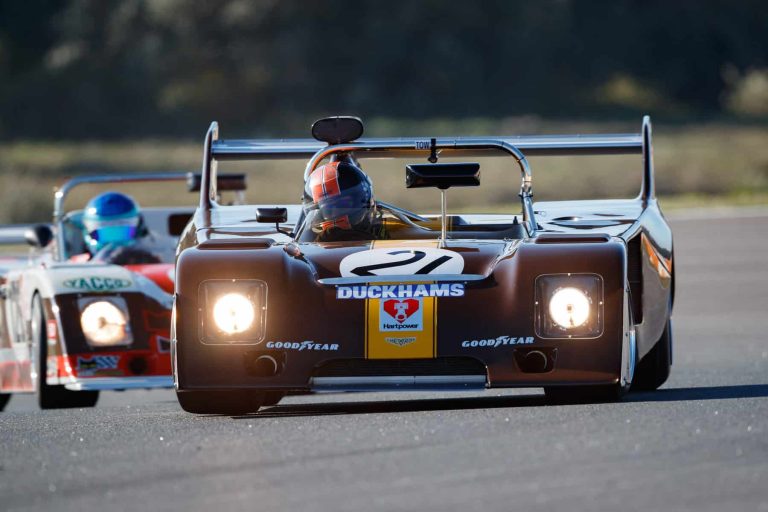
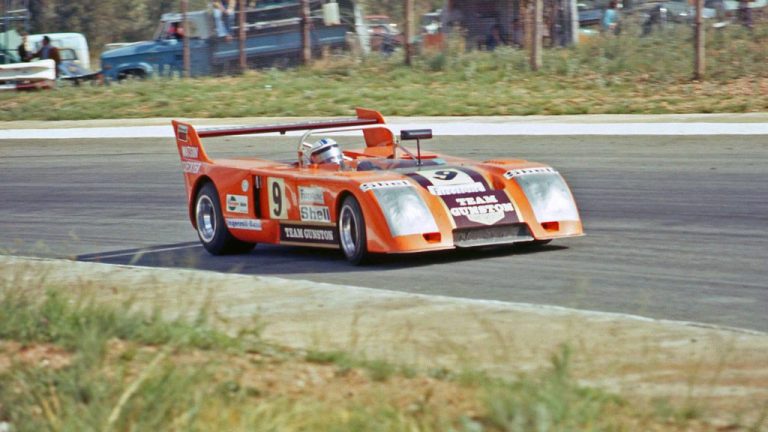
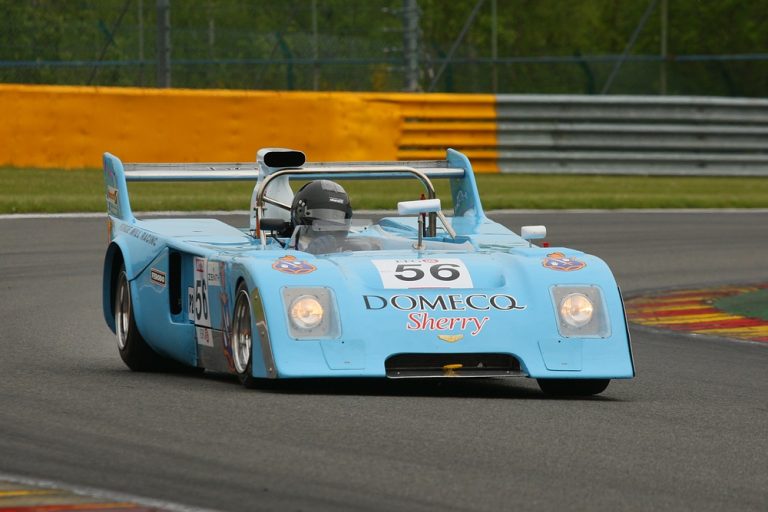
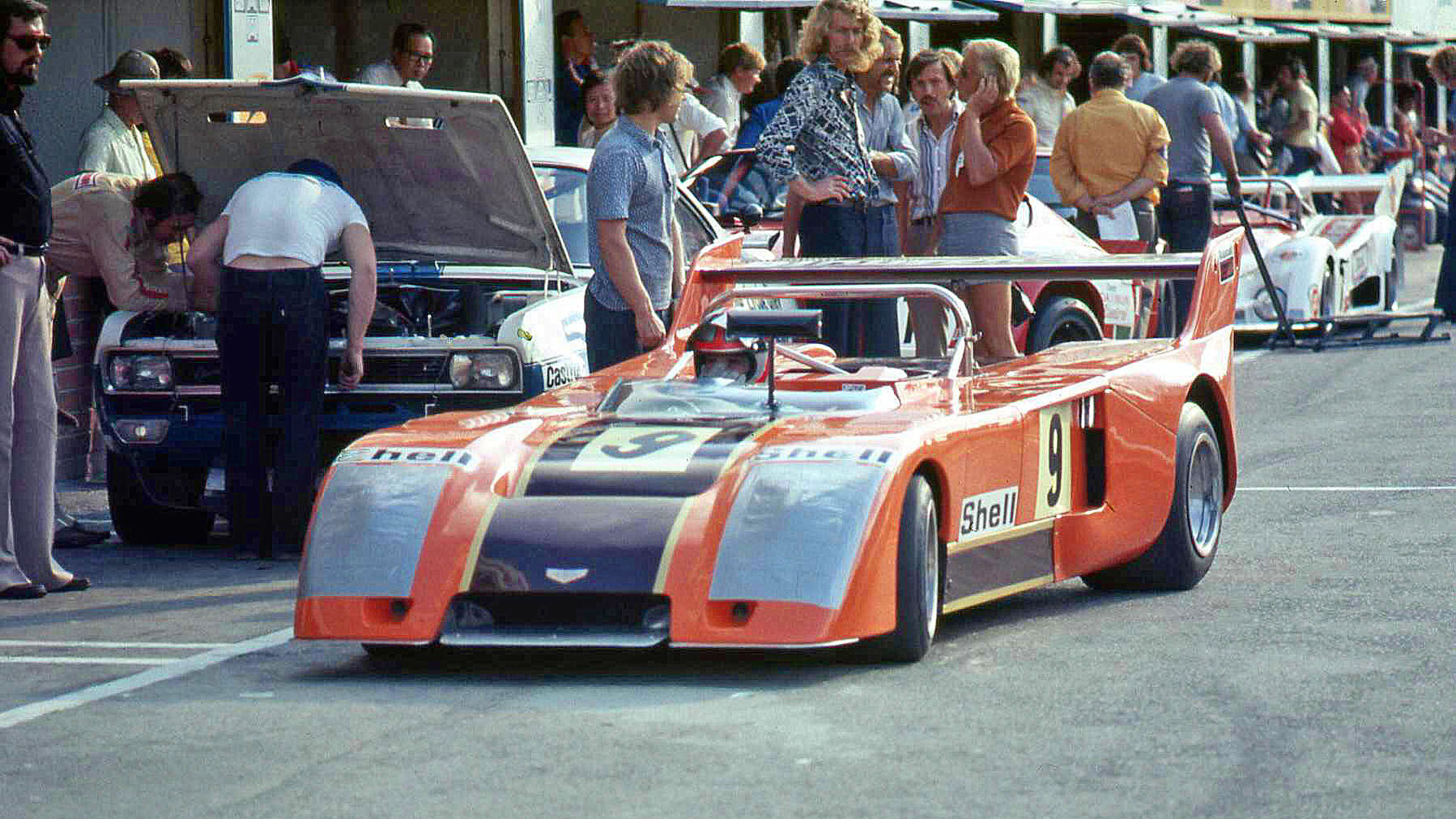
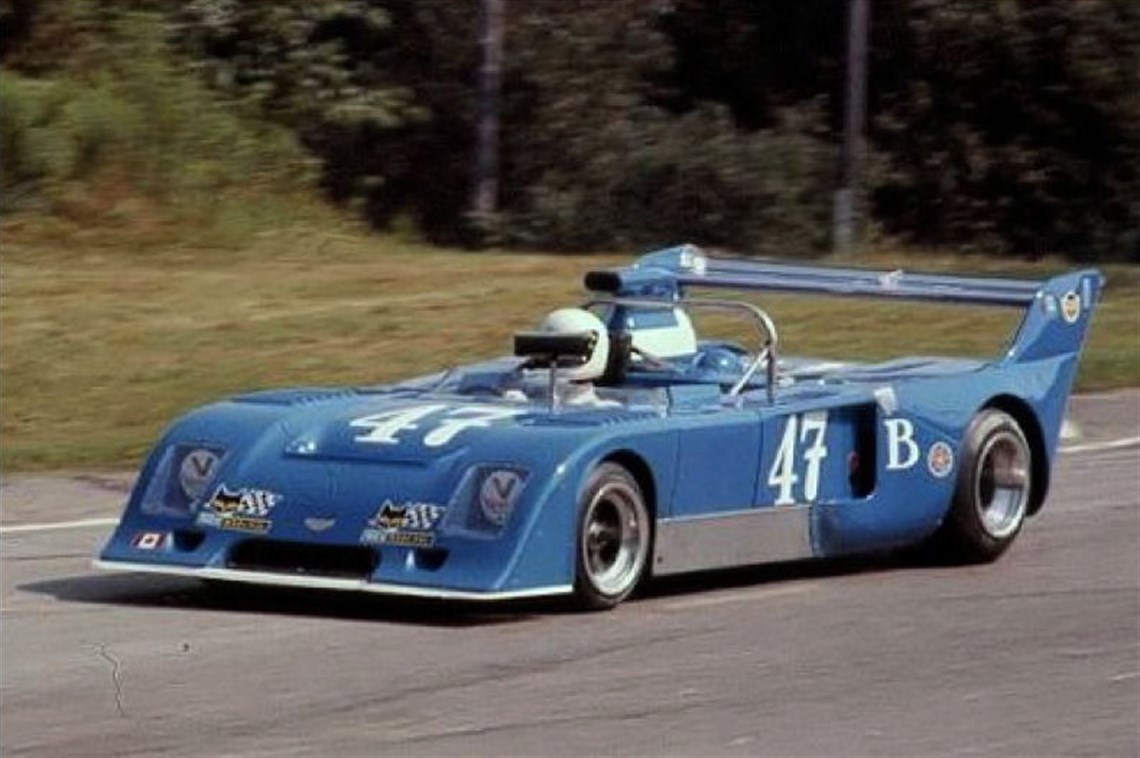
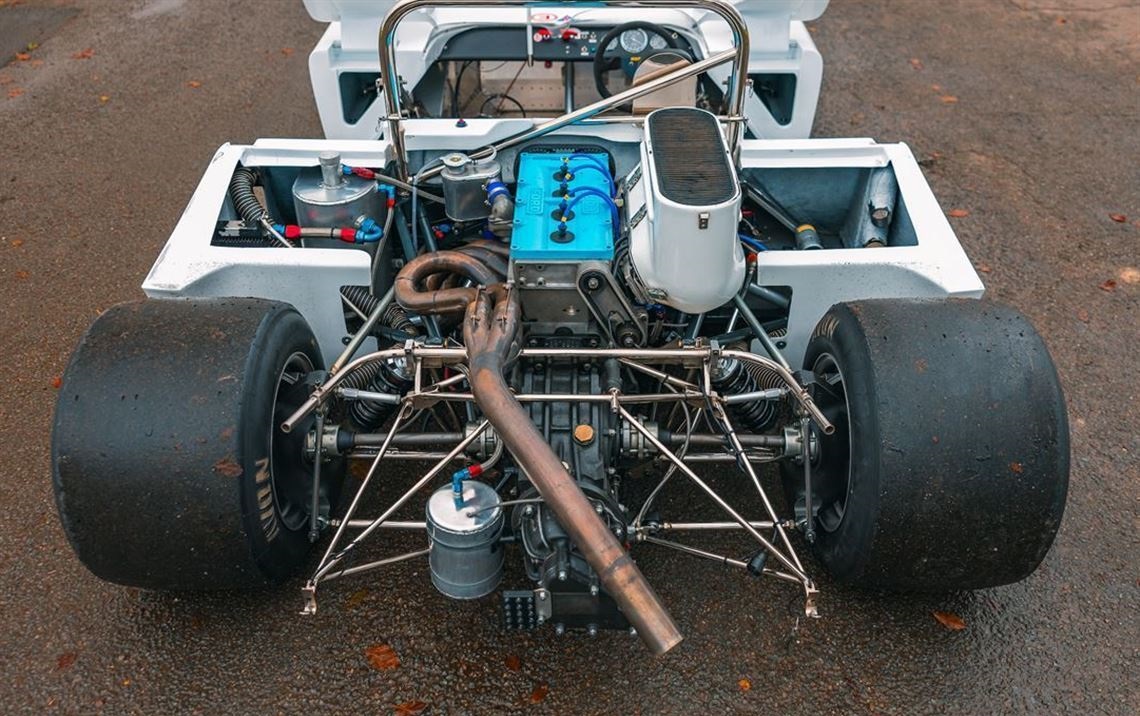
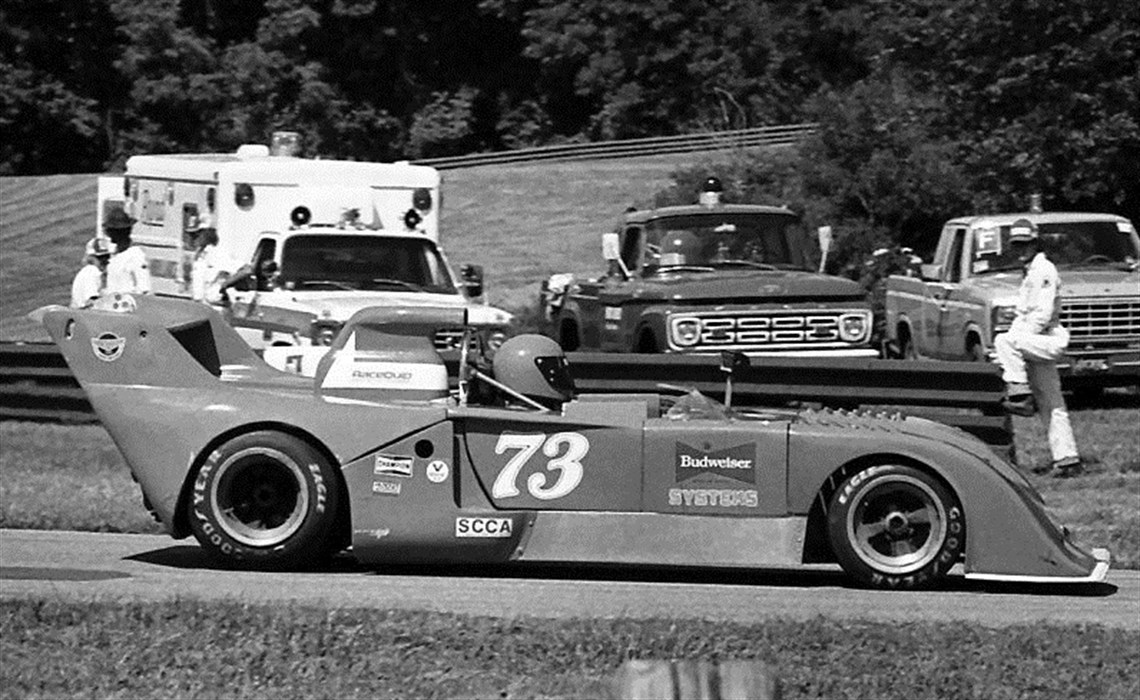
The B26 represented a profound shift in Bennett’s design language. Gone were the complex tubes of the past; in their place sat a full monocoque chassis constructed from N4 aluminium alloy, bonded and riveted to create a tub of immense torsional rigidity. This new skeleton allowed the suspension geometry to work with absolute precision, uncorrupted by chassis flex. The suspension itself followed contemporary Formula 2 practice, utilizing double wishbones at the front and a complex multi-link setup at the rear, with the coil-over dampers moved inboard to clean up the airflow. The bodywork was a radical departure from the curvaceous B19; it was a razor-sharp wedge, a flat, shovel-nosed profile that seemingly scraped the tarmac. The cockpit was moved further forward, the flanks were slab-sided to manage airflow, and the rear wing was now a full-width airfoil mounted on the transmission casing, rather than the integrated spoilers of the past. It was a brutal, functional aesthetic, a car that looked like it had been carved from a solid block of speed.
However, the B26 was not a monolithic entity; it was a platform designed to host a variety of engines, creating distinct submodels that catered to different budgets and racing philosophies. The entry-point for the serious competitor was the Chevron B26 Ford Cosworth FVC. Even in 1973, the iron-block FVC remained the privateer’s friend. Displacing 1.8 litres, it offered bulletproof reliability and a punchy torque curve that made the stiff B26 chassis manageable on rougher circuits. It was the endurance option, the engine that would keep running when the exotics failed. Conversely, for the 1.6-litre class hunters, there was the Chevron B26 Ford Cosworth FVA. Mating the ultra-stiff monocoque to the high-revving, vibration-heavy FVA created a “momentum” car of the highest order. Lacking the torque to mask mistakes, the B26 FVA required a driver to commit fully to the chassis’s immense grip, keeping the engine screaming above 9,000 rpm.
The sharp end of the B26 line, however, was defined by the aluminium-block warriors. The Chevron B26 Ford Cosworth FVD (and the closely related BDG) represented the zenith of Cosworth’s four-cylinder development at the time. The FVD was a 2.0-litre derivative of the BDA architecture, featuring an aluminium block that saved crucial weight over the rear axle. Producing upwards of 275 bhp, these engines transformed the B26 into a rocketship. The lighter engine mass combined with the stiff monocoque gave the car a level of agility that the steel-framed cars could only dream of. It was instant, reactive, and incredibly fast. Yet, a new challenger was emerging from within England. The Chevron B26 Hart 420R signaled the arrival of Brian Hart as a major player. The 420R was an alloy-block 2.0-litre engine that would eventually become the standard for the class. In 1973, it was a potent, if slightly unproven, alternative to the Cosworth hegemony, offering a different power delivery and often finding a home in the back of the B26 for teams looking for a competitive edge against the ubiquity of the BDG.
The B26’s competition history is a story of a fierce, season-long brawl against the Lola T292. The 1973 European 2-Litre Championship was essentially a match race between these two British constructors. The B26 proved to be an immediate contender. In the hands of drivers like John Lepp, who acted as the de facto works driver, and the fast privateer outfits like Red Rose Racing, the B26 racked up podiums and wins. It shone on high-speed circuits where the monocoque’s stability was paramount. At places like Thruxton and the Salzburgring, the B26 was a missile. However, it was not without teething troubles. The transition to a monocoque chassis brought new challenges in setup; the car was less forgiving than the flexible B21/B23, requiring a more precise driving style. Furthermore, the FVD and early Hart engines could be fragile, turning races into a lottery of mechanical survival.
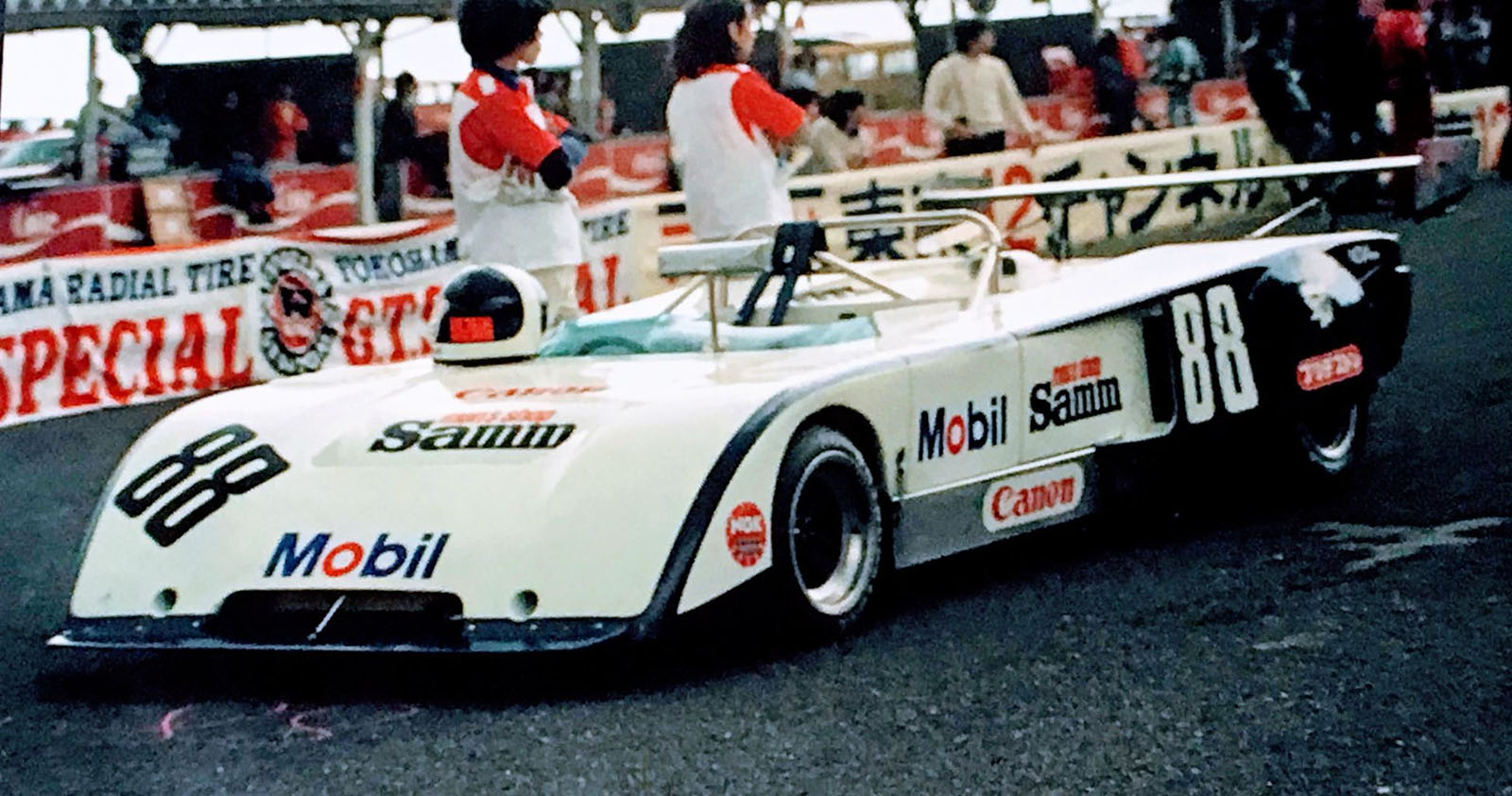
Despite the intense competition from the BMW-powered March 73S and the Abarth-Osella PA1, the Chevron B26 held the line. It proved that Bennett’s switch to aluminium was not just necessary, but successful. The car became a favorite in the Japanese Grand Champion (GC) series, where the B26 chassis was often fitted with Mazda rotary engines (carrying on the lineage of the B16 Mazda) or modified with wild, long-tail bodywork. In South Africa’s Springbok Series, the B26 continued Chevron’s dominance, its robust construction handling the grueling 9-hour races at Kyalami. The B26 was the bridge that allowed Chevron to survive the technological transition of the mid-70s. It was the father of the B27 and the B31, cars that would continue to win championships until the company’s tragic end.
The legacy of the Chevron B26 is defined by its role as the “game changer” in Derek Bennett’s history. It was the car that proved a “garagiste” could out-tech the establishment. It validated the monocoque concept for the privateer, offering a level of sophistication previously reserved for factory teams. While perhaps less romantically remembered than the beautiful B16 or the prolific B19, the B26 was a faster, more capable, and more advanced machine. It stands as the definitive wedge of the 1973 season, a flat, angry, aluminium-tubbed racer that took the sweet handling of a Chevron and gave it the structural backbone to handle the next generation of horsepower.
Portal
Model line
Brand
Produced from
Vehicle category
Model Overview
By 1973, the high-stakes world of the European 2-Litre Sports Car Championship had reached a technological tipping point. For nearly a decade, Derek Bennett, the visionary founder of Chevron Cars, had defied the industrial might of Porsche, Abarth, and Lola with a philosophy rooted in brilliant pragmatism. His tubular steel spaceframes—the backbone of the legendary B8, B16, B19, B21 and 23 lineage—were the gold standard for privateers: communicative, forgiving, and easily repairable. But the winds of change were blowing, and they carried the scent of riveted aluminium. Lola had unleashed the T290 series, a monocoque design that offered superior stiffness and aerodynamic packaging. The steel frame, for all its virtues, was reaching its elastic limit. Bennett, a man who trusted his intuition above all else, recognized that to stay at the sharp end of the grid, tradition had to be sacrificed on the altar of speed. The result was the 1973 Chevron B26, a watershed machine that marked the end of an era and the beginning of a new, harder-edged dynasty. It was Chevron’s first-ever monocoque sports racing car, a machine designed not just to compete, but to crush the rebellion of the rival manufacturers.
The B26 represented a profound shift in Bennett’s design language. Gone were the complex tubes of the past; in their place sat a full monocoque chassis constructed from N4 aluminium alloy, bonded and riveted to create a tub of immense torsional rigidity. This new skeleton allowed the suspension geometry to work with absolute precision, uncorrupted by chassis flex. The suspension itself followed contemporary Formula 2 practice, utilizing double wishbones at the front and a complex multi-link setup at the rear, with the coil-over dampers moved inboard to clean up the airflow. The bodywork was a radical departure from the curvaceous B19; it was a razor-sharp wedge, a flat, shovel-nosed profile that seemingly scraped the tarmac. The cockpit was moved further forward, the flanks were slab-sided to manage airflow, and the rear wing was now a full-width airfoil mounted on the transmission casing, rather than the integrated spoilers of the past. It was a brutal, functional aesthetic, a car that looked like it had been carved from a solid block of speed.
However, the B26 was not a monolithic entity; it was a platform designed to host a variety of engines, creating distinct submodels that catered to different budgets and racing philosophies. The entry-point for the serious competitor was the Chevron B26 Ford Cosworth FVC. Even in 1973, the iron-block FVC remained the privateer’s friend. Displacing 1.8 litres, it offered bulletproof reliability and a punchy torque curve that made the stiff B26 chassis manageable on rougher circuits. It was the endurance option, the engine that would keep running when the exotics failed. Conversely, for the 1.6-litre class hunters, there was the Chevron B26 Ford Cosworth FVA. Mating the ultra-stiff monocoque to the high-revving, vibration-heavy FVA created a “momentum” car of the highest order. Lacking the torque to mask mistakes, the B26 FVA required a driver to commit fully to the chassis’s immense grip, keeping the engine screaming above 9,000 rpm.
The sharp end of the B26 line, however, was defined by the aluminium-block warriors. The Chevron B26 Ford Cosworth FVD (and the closely related BDG) represented the zenith of Cosworth’s four-cylinder development at the time. The FVD was a 2.0-litre derivative of the BDA architecture, featuring an aluminium block that saved crucial weight over the rear axle. Producing upwards of 275 bhp, these engines transformed the B26 into a rocketship. The lighter engine mass combined with the stiff monocoque gave the car a level of agility that the steel-framed cars could only dream of. It was instant, reactive, and incredibly fast. Yet, a new challenger was emerging from within England. The Chevron B26 Hart 420R signaled the arrival of Brian Hart as a major player. The 420R was an alloy-block 2.0-litre engine that would eventually become the standard for the class. In 1973, it was a potent, if slightly unproven, alternative to the Cosworth hegemony, offering a different power delivery and often finding a home in the back of the B26 for teams looking for a competitive edge against the ubiquity of the BDG.
The B26’s competition history is a story of a fierce, season-long brawl against the Lola T292. The 1973 European 2-Litre Championship was essentially a match race between these two British constructors. The B26 proved to be an immediate contender. In the hands of drivers like John Lepp, who acted as the de facto works driver, and the fast privateer outfits like Red Rose Racing, the B26 racked up podiums and wins. It shone on high-speed circuits where the monocoque’s stability was paramount. At places like Thruxton and the Salzburgring, the B26 was a missile. However, it was not without teething troubles. The transition to a monocoque chassis brought new challenges in setup; the car was less forgiving than the flexible B21/B23, requiring a more precise driving style. Furthermore, the FVD and early Hart engines could be fragile, turning races into a lottery of mechanical survival.
Despite the intense competition from the BMW-powered March 73S and the Abarth-Osella PA1, the Chevron B26 held the line. It proved that Bennett’s switch to aluminium was not just necessary, but successful. The car became a favorite in the Japanese Grand Champion (GC) series, where the B26 chassis was often fitted with Mazda rotary engines (carrying on the lineage of the B16 Mazda) or modified with wild, long-tail bodywork. In South Africa’s Springbok Series, the B26 continued Chevron’s dominance, its robust construction handling the grueling 9-hour races at Kyalami. The B26 was the bridge that allowed Chevron to survive the technological transition of the mid-70s. It was the father of the B27 and the B31, cars that would continue to win championships until the company’s tragic end.
The legacy of the Chevron B26 is defined by its role as the “game changer” in Derek Bennett’s history. It was the car that proved a “garagiste” could out-tech the establishment. It validated the monocoque concept for the privateer, offering a level of sophistication previously reserved for factory teams. While perhaps less romantically remembered than the beautiful B16 or the prolific B19, the B26 was a faster, more capable, and more advanced machine. It stands as the definitive wedge of the 1973 season, a flat, angry, aluminium-tubbed racer that took the sweet handling of a Chevron and gave it the structural backbone to handle the next generation of horsepower.
Submodels