Chevron B31
Brand
Produced from
Vehicle category
Portal
Model line
Model generation
Predecessor
Sucessor
Model Overview
By 1975, the 2.0-litre sports car class had evolved from a gentleman’s playground into a professional arena dominated by aerodynamic sophistication and engineering precision. The days of the steel-framed B19 swarming the grid were a fading memory. The battle was now fought with aluminium monocoques, high-downforce bodywork, and increasingly exotic engines. Chevron, under the steady hand of Derek Bennett, had successfully transitioned into this new era with the B26, but the relentless pace of development demanded more. The Lola T294 was a formidable adversary, and the French were rising with their Renault-powered Alpine A441. Bennett’s response was the 1975 Chevron B31, a car that would become the definitive customer prototype of the mid-1970s. It was a machine that combined the rugged dependability of its predecessors with a refined, modern chassis that could handle the brutal power of the latest 2.0-litre engines.
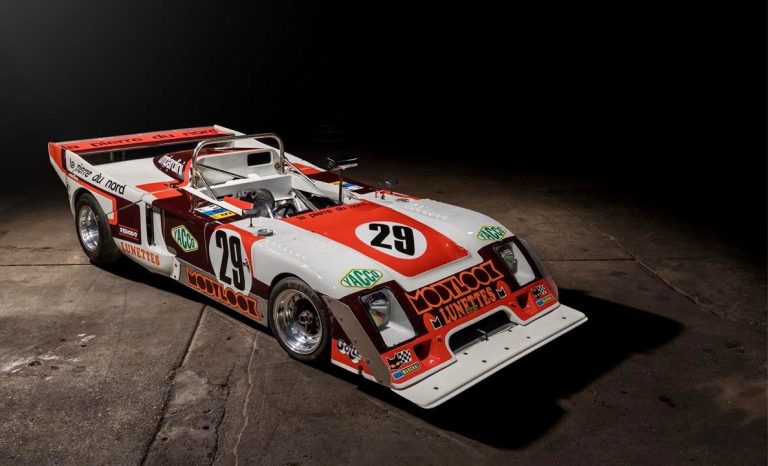
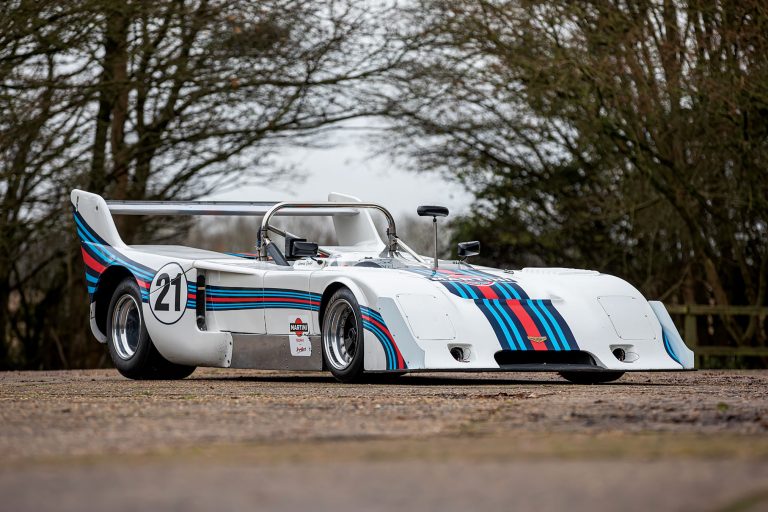
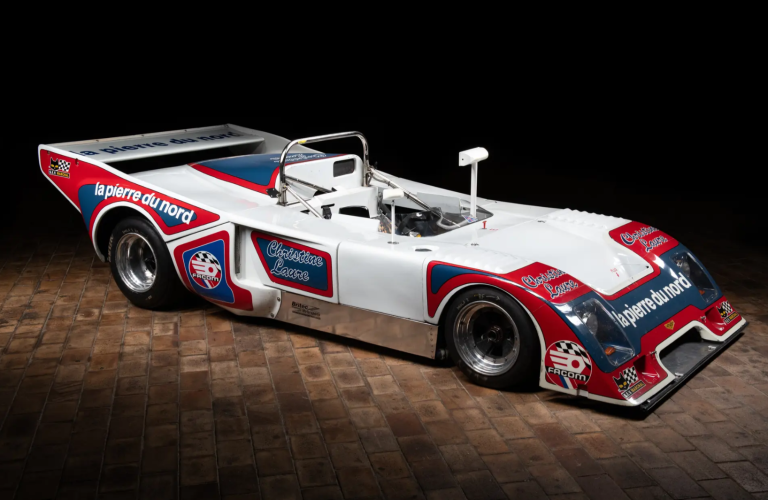
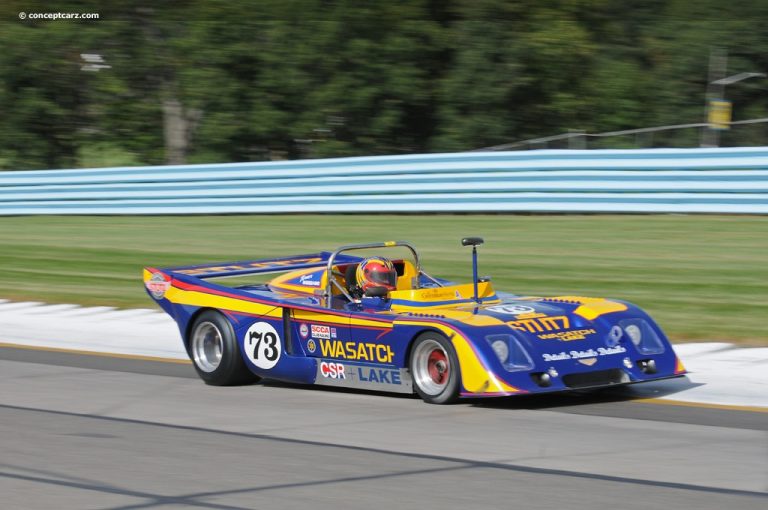
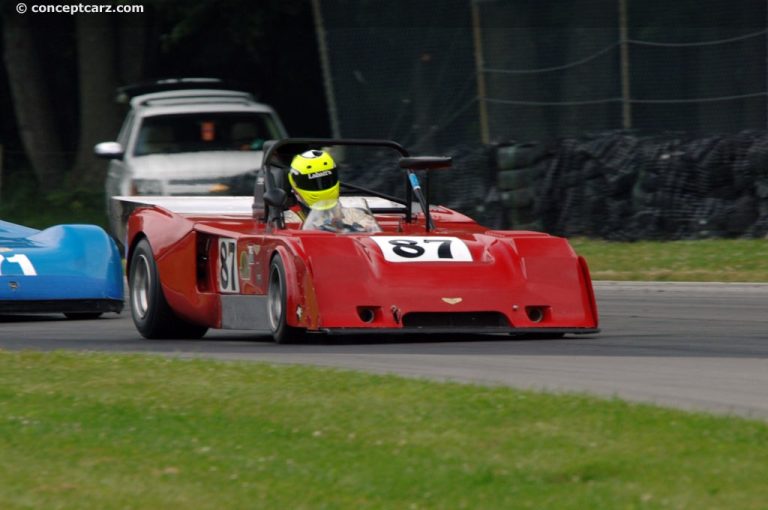
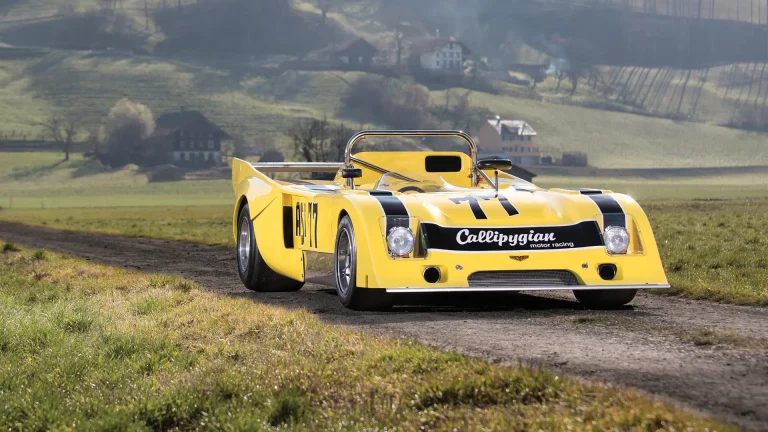
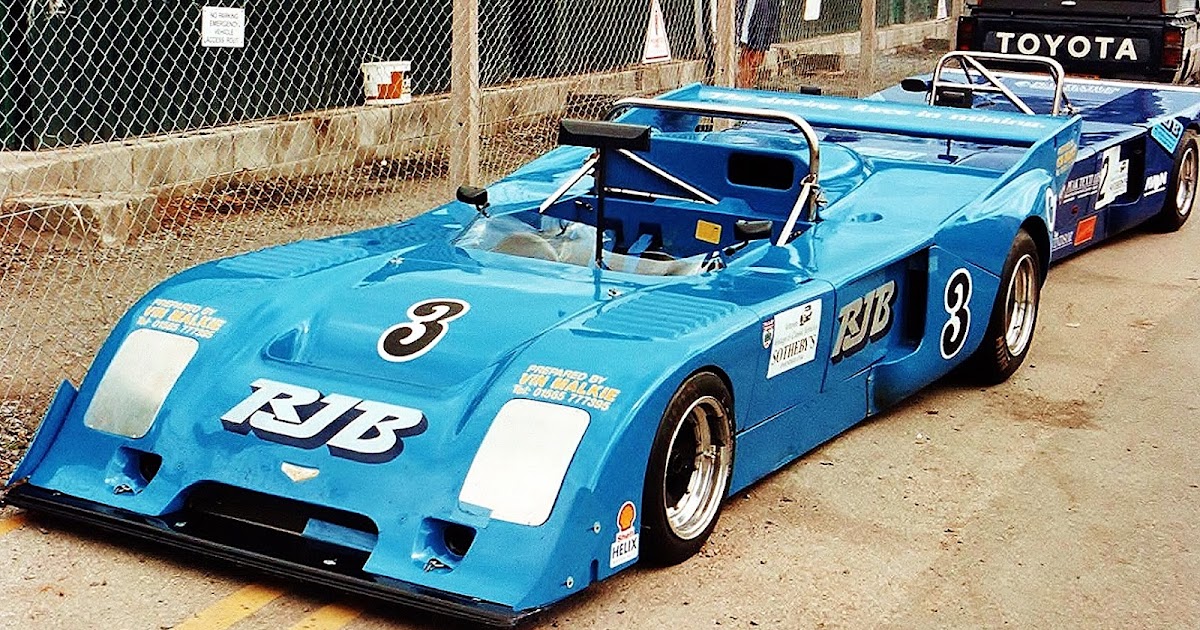
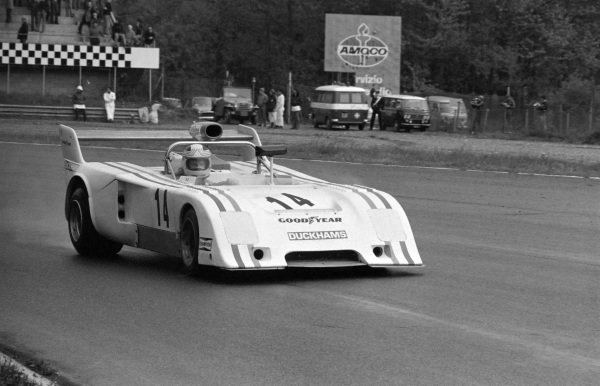
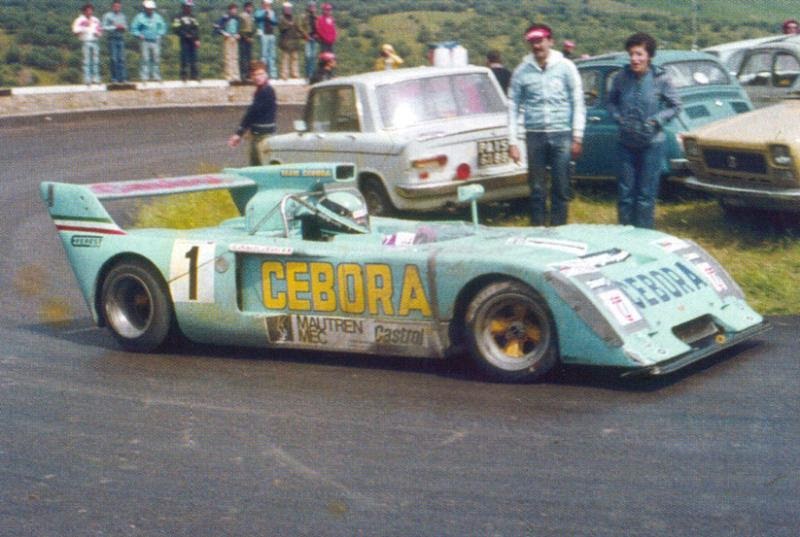
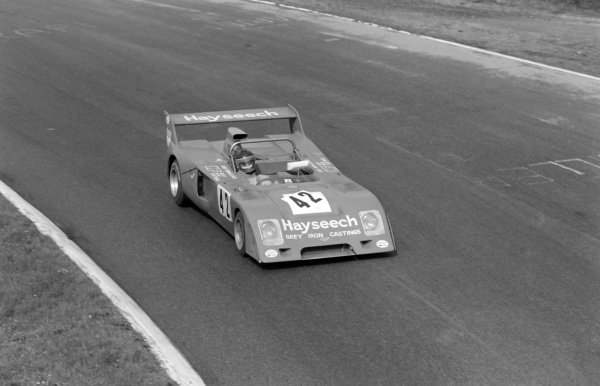
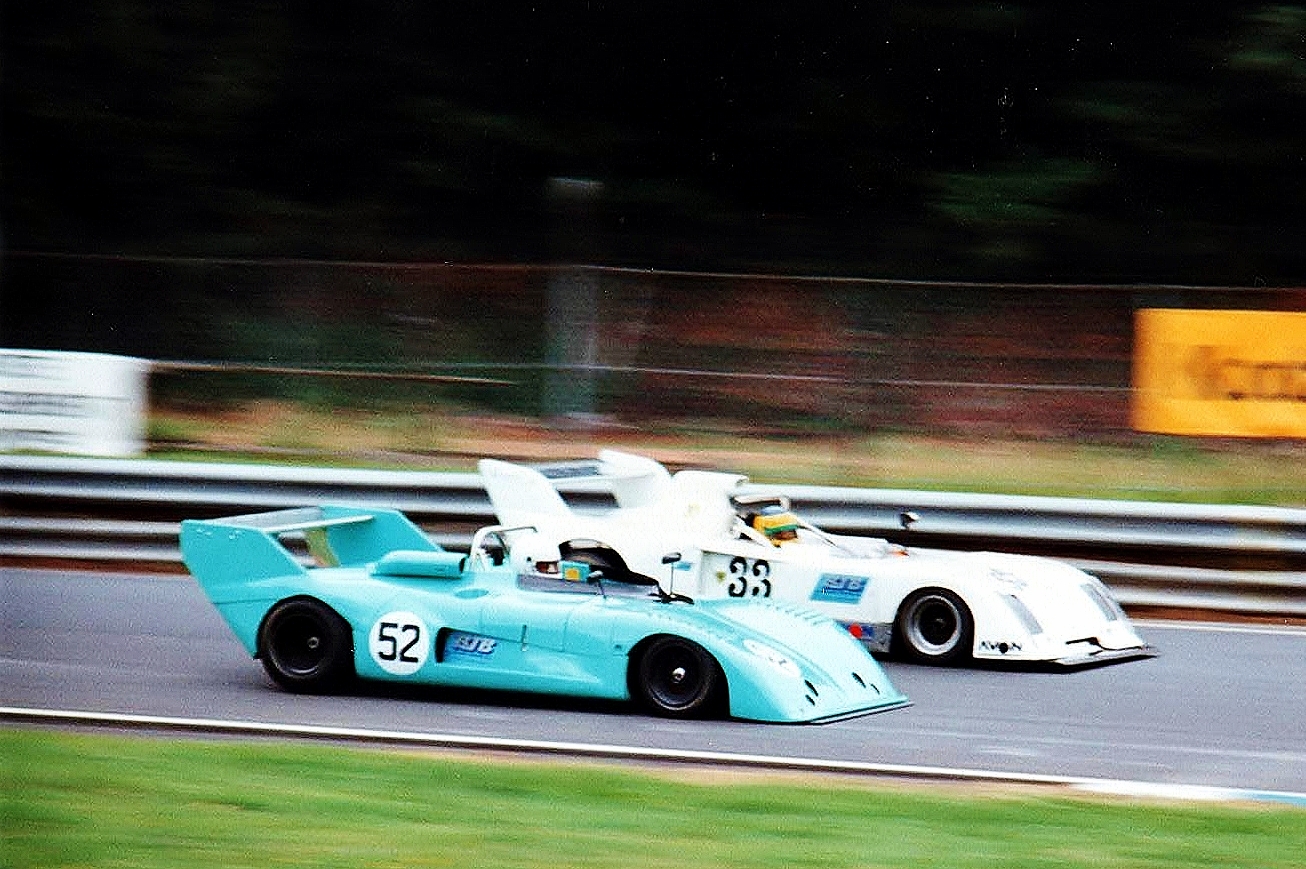
The B31 was an evolution of the B26 theme but polished to a brilliant shine. The chassis remained a riveted and bonded aluminium monocoque, but it was stiffer and lighter, designed to exploit the massive grip generated by the latest slick tires. The suspension geometry was revised, featuring parallel links and radius rods at the rear to better control the contact patch under the increased cornering loads. However, the most striking change was visual. The B31 abandoned the sharp, flat wedge of the B26 for a more curvaceous, fluid design. The nose was rounded and softened, feeding air more efficiently into the radiators and under the car. The rear deck was lower, leading to a full-width, adjustable rear wing that generated immense downforce. It was a beautiful, purposeful shape, instantly recognizable and undeniably fast.
The brilliance of the B31 model was, as was usual in Chevron’s prototypes, its chameleon-like ability to adapt to any engine a customer could afford or desire. This versatility created a fascinating spectrum of submodels. At the entry level, the Chevron B31 Ford Cosworth FVC catered to the budget-conscious privateer. The trusty 1.8-litre iron-block engine was no longer a race winner in 1975, but it was reliable and cheap, allowing clubman racers to own a state-of-the-art chassis. For the 1.6-litre class, the Chevron B31 Ford Cosworth FVA (and the later BDH) offered a high-revving, lightweight option for those hunting class honours in national championships.
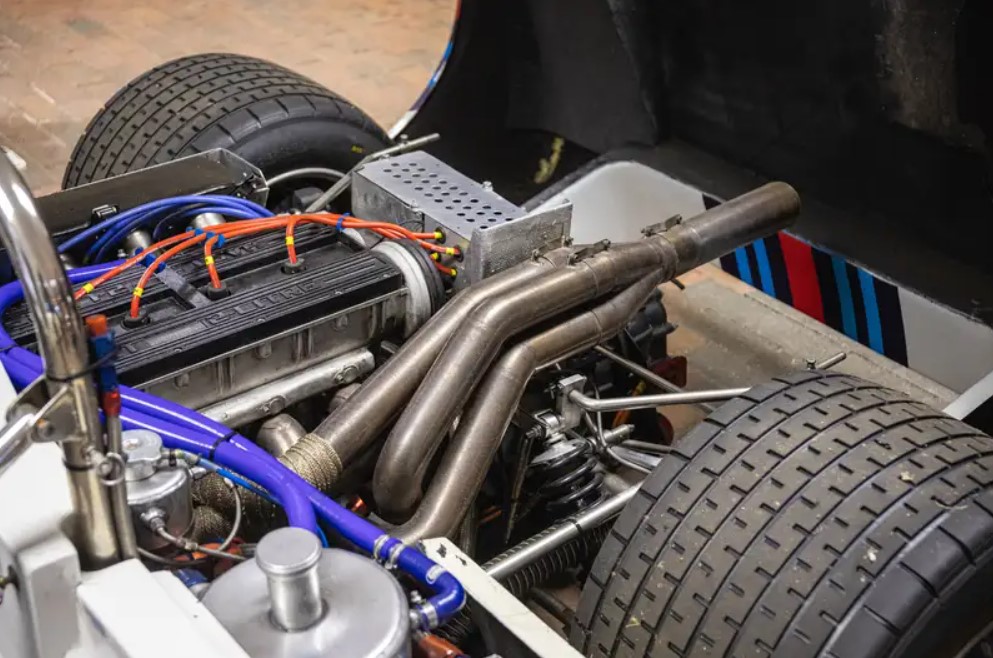
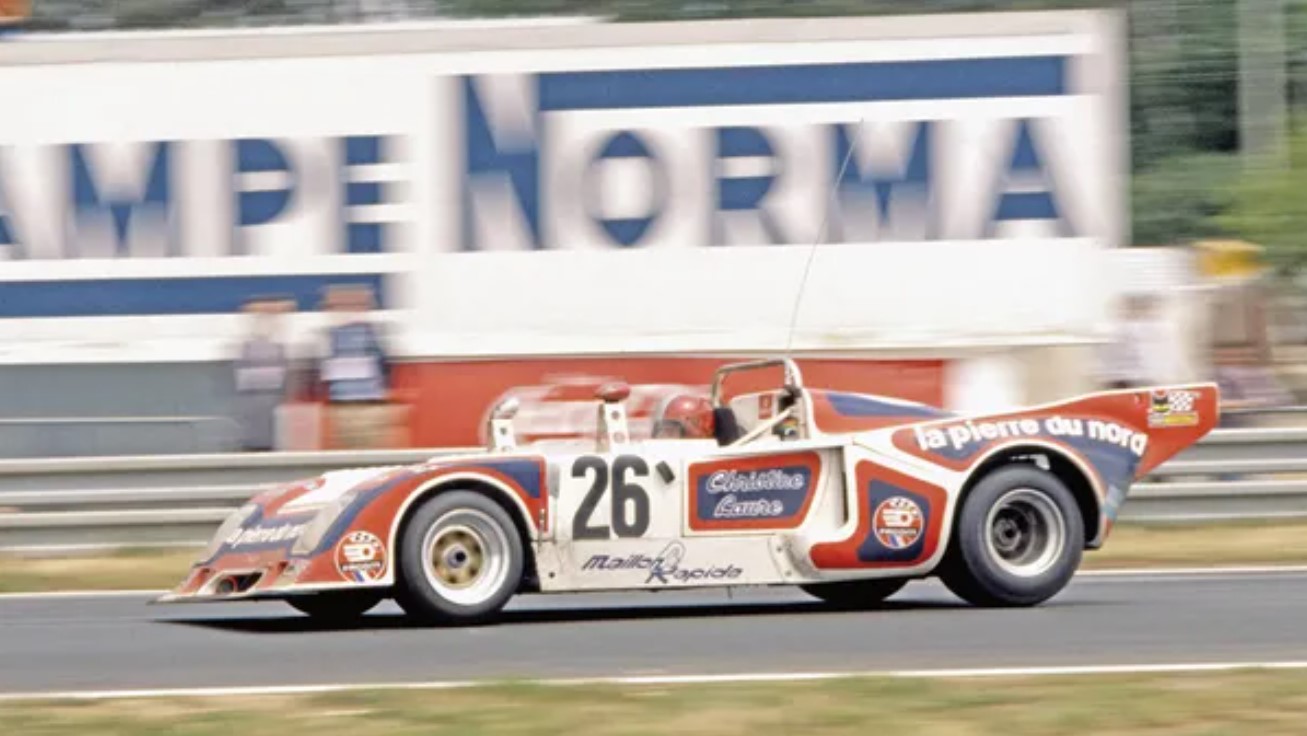
However, the sharp end of the grid was a war of alloy-block titans. The Chevron B31 Ford Cosworth BDG was the standard-bearer. The 2.0-litre, aluminium-block BDG had matured into a reliable, 285-bhp powerhouse. In the back of the B31, it created a package of devastating speed and agility, the default choice for teams chasing the European championship. Yet, the BDG was not alone. The Chevron B31 Hart 420R represented the British alternative. Brian Hart’s 2.0-litre alloy engine was gaining a reputation for punchy torque and durability, and many teams chose it to differentiate themselves from the Cosworth horde. But the most exotic and technically intriguing variant was the Chevron B31 ROC. Powered by a 2.0-litre Chrysler-Simca engine tuned by Fred Stalder’s ROC organisation, this French-powered British car was a potent, high-revving wildcard that found particular success in the French national championship and at Le Mans.
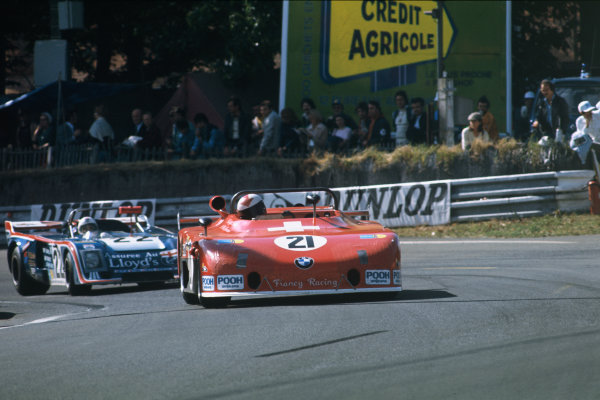
The B31’s impact on the track was total. In 1975 and 1976, it was the car to have. In the European 2-Litre Championship, B31s were omnipresent. Drivers like Chris Craft, John Lepp, and Tony Charnell used the car to rack up wins and podiums across the continent. At the 24 Hours of Le Mans, the B31 proved that a sprint car could endure. In 1975, a B31-Cosworth finished a credible 22nd overall, while the ROC-powered cars became fixtures at La Sarthe, their screaming Simca engines a distinct part of the soundscape. The car’s dominance extended to Japan, where the B31 chassis became a legend in the Grand Champion series, often modified with wild, long-tail bodywork and rotary engines. In South Africa, the B31 continued Chevron’s stranglehold on the Springbok Series, winning the 9 Hours of Kyalami against factory opposition.
Perhaps the most telling statistic of the B31’s success is its longevity. Even after Chevron introduced the B36 in 1976, the B31 remained competitive for years. Privateers continued to update and race them well into the late 1970s, proving the fundamental correctness of Bennett’s design. It was a car that could be driven by a novice and exploited by a pro. It was forgiving, fast, and, thanks to its robust construction, incredibly durable.
The legacy of the Chevron B31 is that of the ultimate 1970s customer car. It was the machine that kept the 2.0-litre class alive during a period of economic uncertainty and factory withdrawal. It allowed hundreds of drivers to experience the thrill of a proper, high-downforce prototype. It was the high-water mark of the Cosworth-powered era, a car that combined the best British chassis engineering with the finest racing engines in the world. Today, in historic racing, the B31 is a superstar. Grids of the CER and Masters series are filled with these beautiful, screaming machines, their drivers still exploring the limits of the chassis that Derek Bennett perfected fifty years ago. It stands as a rolling monument to the golden age of the privateer prototype.
Portal
Model line
Brand
Produced from
Vehicle category
Model Overview
By 1975, the 2.0-litre sports car class had evolved from a gentleman’s playground into a professional arena dominated by aerodynamic sophistication and engineering precision. The days of the steel-framed B19 swarming the grid were a fading memory. The battle was now fought with aluminium monocoques, high-downforce bodywork, and increasingly exotic engines. Chevron, under the steady hand of Derek Bennett, had successfully transitioned into this new era with the B26, but the relentless pace of development demanded more. The Lola T294 was a formidable adversary, and the French were rising with their Renault-powered Alpine A441. Bennett’s response was the 1975 Chevron B31, a car that would become the definitive customer prototype of the mid-1970s. It was a machine that combined the rugged dependability of its predecessors with a refined, modern chassis that could handle the brutal power of the latest 2.0-litre engines.
The B31 was an evolution of the B26 theme but polished to a brilliant shine. The chassis remained a riveted and bonded aluminium monocoque, but it was stiffer and lighter, designed to exploit the massive grip generated by the latest slick tires. The suspension geometry was revised, featuring parallel links and radius rods at the rear to better control the contact patch under the increased cornering loads. However, the most striking change was visual. The B31 abandoned the sharp, flat wedge of the B26 for a more curvaceous, fluid design. The nose was rounded and softened, feeding air more efficiently into the radiators and under the car. The rear deck was lower, leading to a full-width, adjustable rear wing that generated immense downforce. It was a beautiful, purposeful shape, instantly recognizable and undeniably fast.
The brilliance of the B31 model was, as was usual in Chevron’s prototypes, its chameleon-like ability to adapt to any engine a customer could afford or desire. This versatility created a fascinating spectrum of submodels. At the entry level, the Chevron B31 Ford Cosworth FVC catered to the budget-conscious privateer. The trusty 1.8-litre iron-block engine was no longer a race winner in 1975, but it was reliable and cheap, allowing clubman racers to own a state-of-the-art chassis. For the 1.6-litre class, the Chevron B31 Ford Cosworth FVA (and the later BDH) offered a high-revving, lightweight option for those hunting class honours in national championships.
However, the sharp end of the grid was a war of alloy-block titans. The Chevron B31 Ford Cosworth BDG was the standard-bearer. The 2.0-litre, aluminium-block BDG had matured into a reliable, 285-bhp powerhouse. In the back of the B31, it created a package of devastating speed and agility, the default choice for teams chasing the European championship. Yet, the BDG was not alone. The Chevron B31 Hart 420R represented the British alternative. Brian Hart’s 2.0-litre alloy engine was gaining a reputation for punchy torque and durability, and many teams chose it to differentiate themselves from the Cosworth horde. But the most exotic and technically intriguing variant was the Chevron B31 ROC. Powered by a 2.0-litre Chrysler-Simca engine tuned by Fred Stalder’s ROC organisation, this French-powered British car was a potent, high-revving wildcard that found particular success in the French national championship and at Le Mans.
The B31’s impact on the track was total. In 1975 and 1976, it was the car to have. In the European 2-Litre Championship, B31s were omnipresent. Drivers like Chris Craft, John Lepp, and Tony Charnell used the car to rack up wins and podiums across the continent. At the 24 Hours of Le Mans, the B31 proved that a sprint car could endure. In 1975, a B31-Cosworth finished a credible 22nd overall, while the ROC-powered cars became fixtures at La Sarthe, their screaming Simca engines a distinct part of the soundscape. The car’s dominance extended to Japan, where the B31 chassis became a legend in the Grand Champion series, often modified with wild, long-tail bodywork and rotary engines. In South Africa, the B31 continued Chevron’s stranglehold on the Springbok Series, winning the 9 Hours of Kyalami against factory opposition.
Perhaps the most telling statistic of the B31’s success is its longevity. Even after Chevron introduced the B36 in 1976, the B31 remained competitive for years. Privateers continued to update and race them well into the late 1970s, proving the fundamental correctness of Bennett’s design. It was a car that could be driven by a novice and exploited by a pro. It was forgiving, fast, and, thanks to its robust construction, incredibly durable.
The legacy of the Chevron B31 is that of the ultimate 1970s customer car. It was the machine that kept the 2.0-litre class alive during a period of economic uncertainty and factory withdrawal. It allowed hundreds of drivers to experience the thrill of a proper, high-downforce prototype. It was the high-water mark of the Cosworth-powered era, a car that combined the best British chassis engineering with the finest racing engines in the world. Today, in historic racing, the B31 is a superstar. Grids of the CER and Masters series are filled with these beautiful, screaming machines, their drivers still exploring the limits of the chassis that Derek Bennett perfected fifty years ago. It stands as a rolling monument to the golden age of the privateer prototype.
Submodels