
Chevron B21 Ford Cosworth BDG
Brand
Produced from
Portal
Vehicle category
Model line
Predecessor
Successor
Submodel Overview
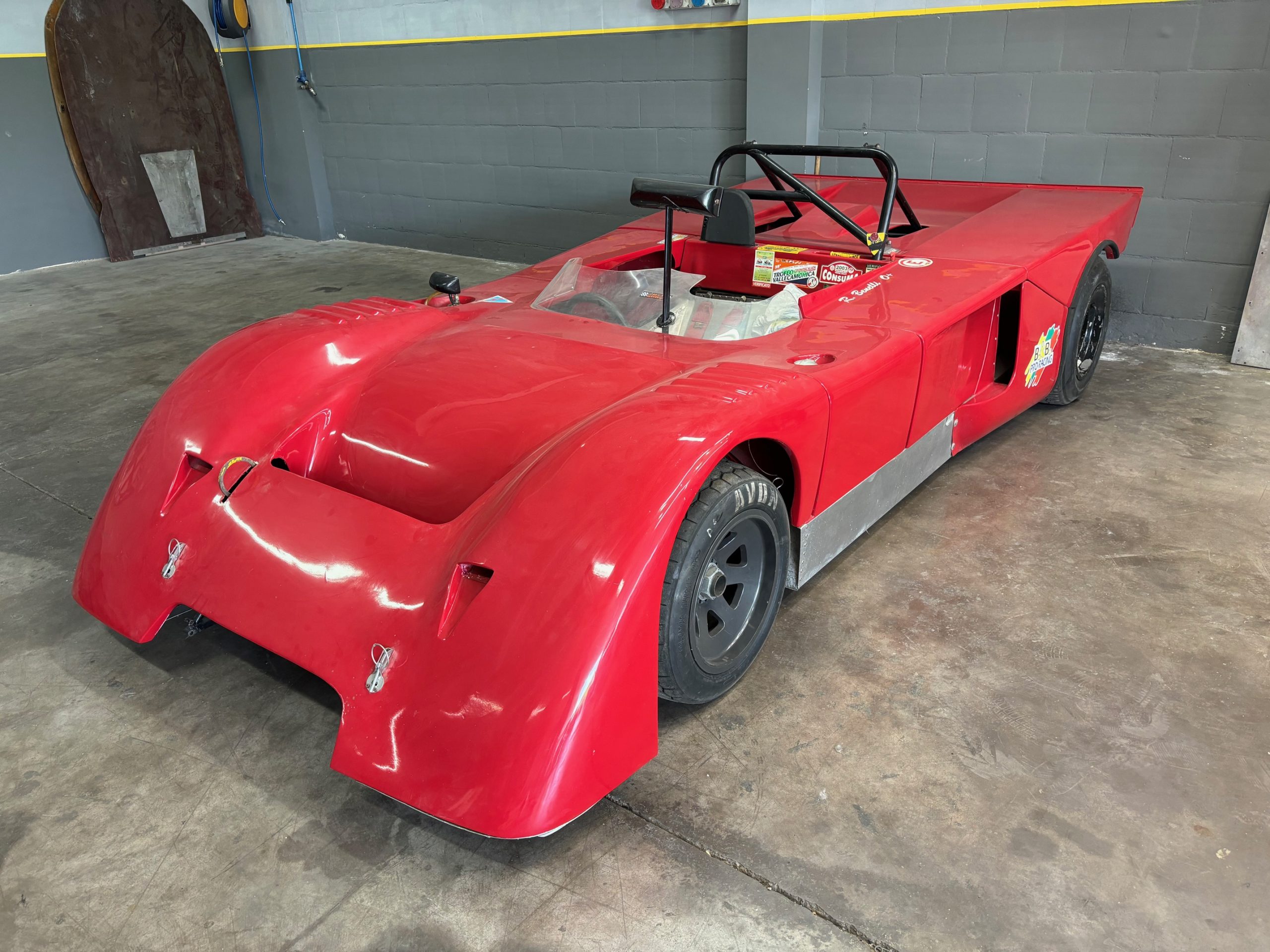
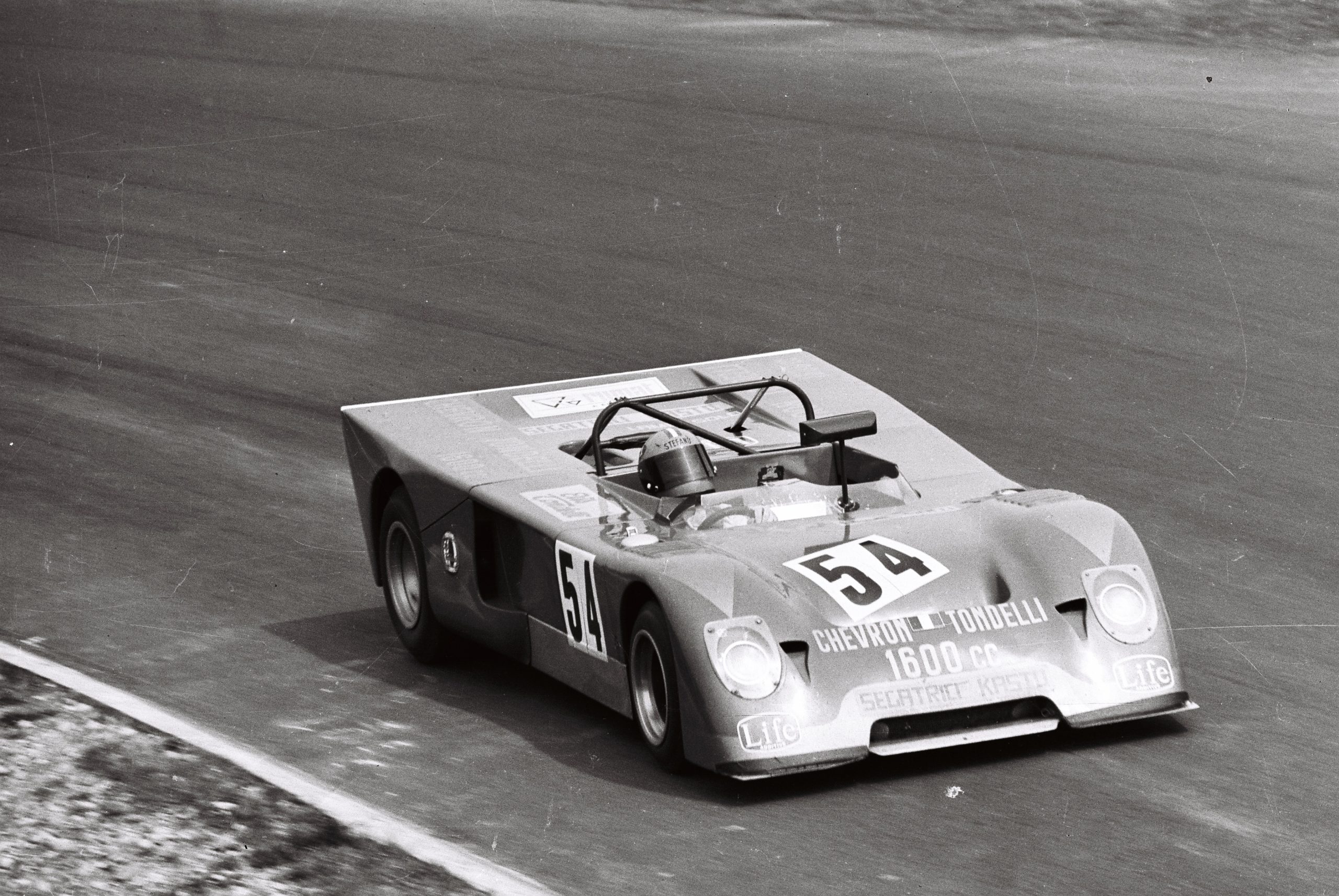
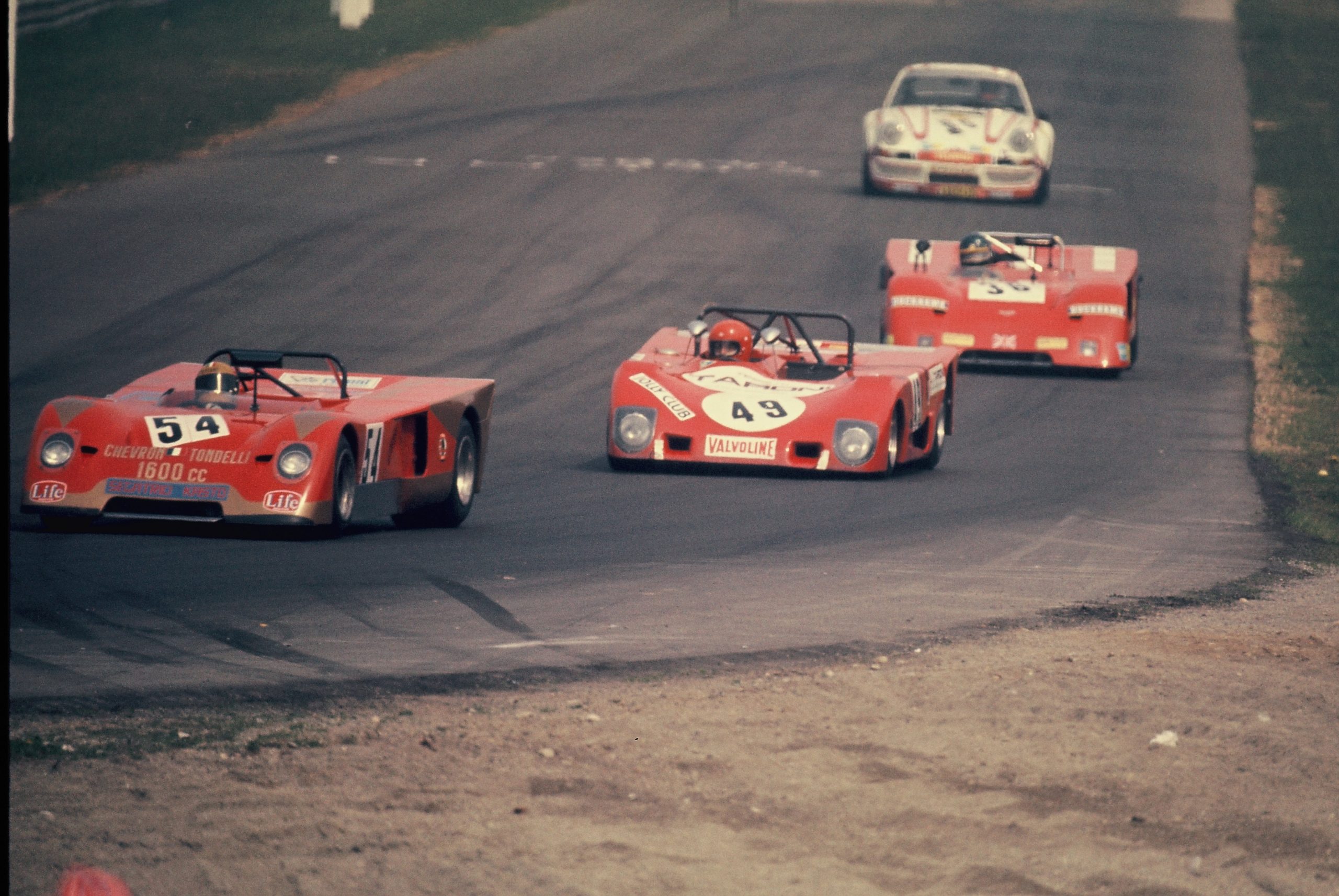
In the mercilessly competitive atmosphere of the 1972 European 2-Litre Sports Car Championship, standing still was a death sentence. The previous year’s dominant chassis, the Chevron B19, had been a revelation, but the arrival of the Lola T290 and the factory-backed Abarth-Osella PA1 demanded an immediate response. Derek Bennett, the engineering wizard of Bolton, answered with the B21, a longer, more stable platform designed to handle the increasing speeds of the era. But a chassis is only as good as its heart. While budget teams stuck with the iron-block FVC, and the brave chased the vibration-heavy horsepower of the BMW M12, the teams hunting for championships chose the ultimate evolution of the Cosworth four-cylinder: the 1972 Chevron B21 Ford Cosworth BDG.
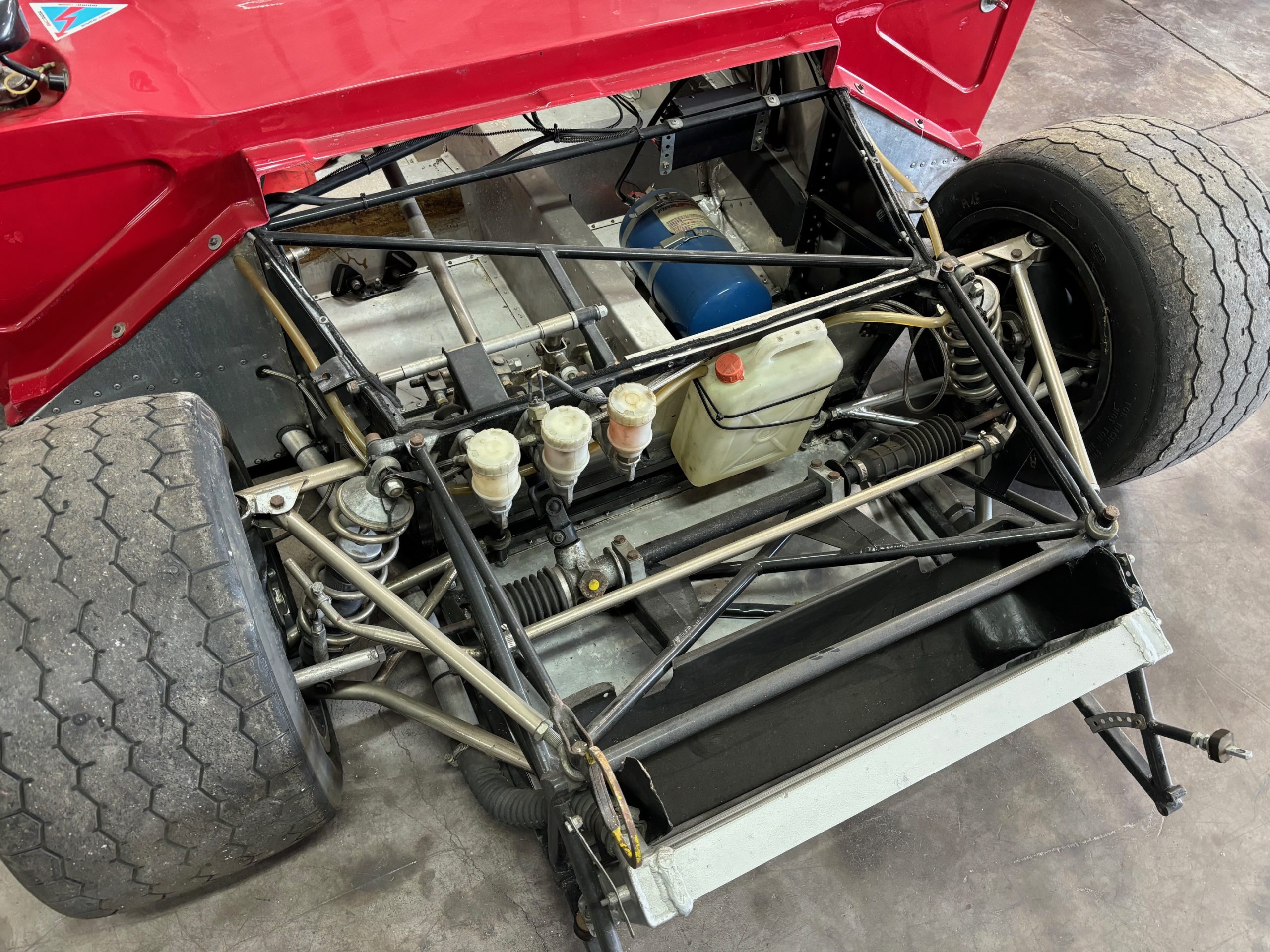
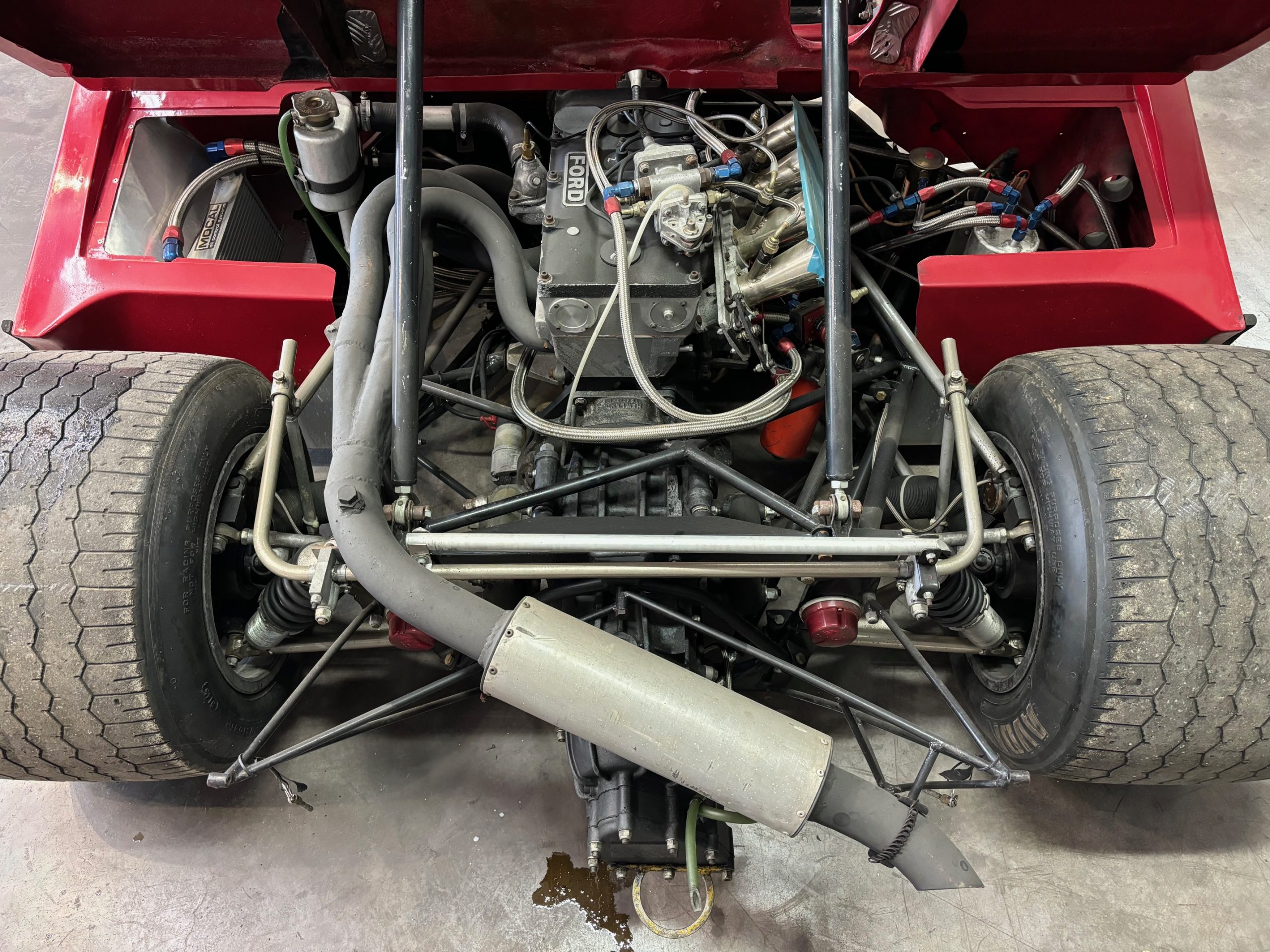
The B21 BDG represented the perfect convergence of British chassis engineering and engine technology. The B21 chassis itself was a pragmatic masterpiece, retaining Bennett’s signature tubular steel spaceframe—stiff, communicative, and easily repaired—but stretched by four inches in the wheelbase compared to the B19. This extra length calmed the car’s nervous disposition on high-speed sweepers, a critical update for the 1972 circuits. But the magic lay in the engine bay. The Cosworth BDG (Belt Drive, G-series) was the engine that finally delivered on the promise of the alloy block. Displacing a full 1,975cc, it was significantly lighter than the iron FVC, shedding roughly 40 lbs from behind the driver. This weight reduction transformed the B21’s handling, reducing the polar moment of inertia and allowing the car to change direction with telepathic immediacy. Producing a screaming 275 to 285 bhp at 9,250 rpm, the BDG offered a power-to-weight ratio that allowed the steel-framed Chevron to hunt down the lighter, monocoque Lolas.
Driving a B21 BDG was an exercise in controlled violence. The alloy block engine revved with a ferocity that the old iron motors couldn’t match, delivering a hard-edged, metallic shriek that became the soundtrack of the 1972 season. The chassis, with its updated suspension geometry and wider slick tires, generated immense mechanical grip. The longer wheelbase allowed drivers to slide the car with more confidence, a trait that became a Chevron trademark. Unlike the BMW-powered cars, which suffered from destructive vibrations, the BDG was smoother (though still frantic), allowing the chassis components to survive the rigors of a 2-hour sprint or a 1000km endurance race. It was a package of exquisite balance, where the power of the engine perfectly matched the capabilities of the chassis.
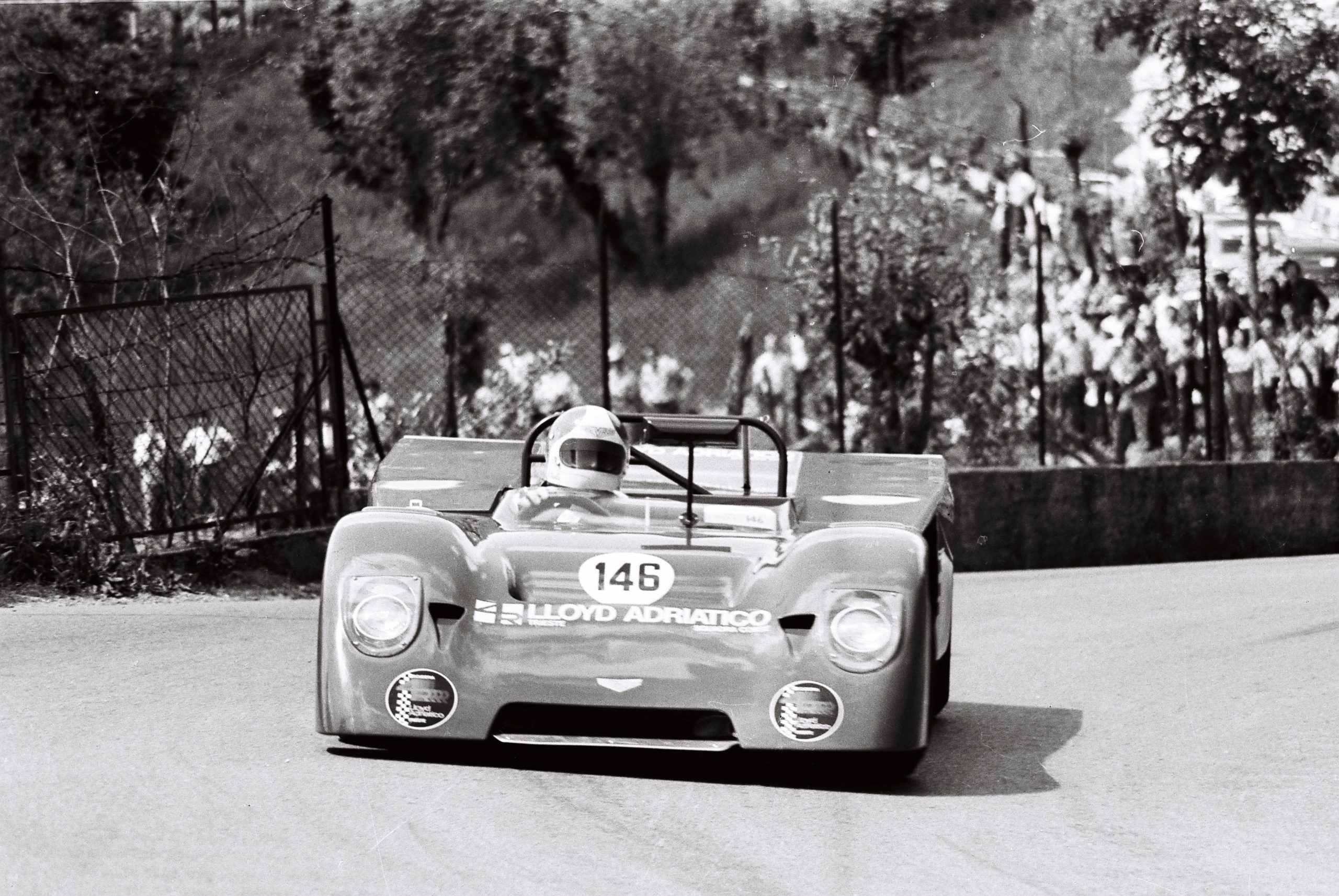
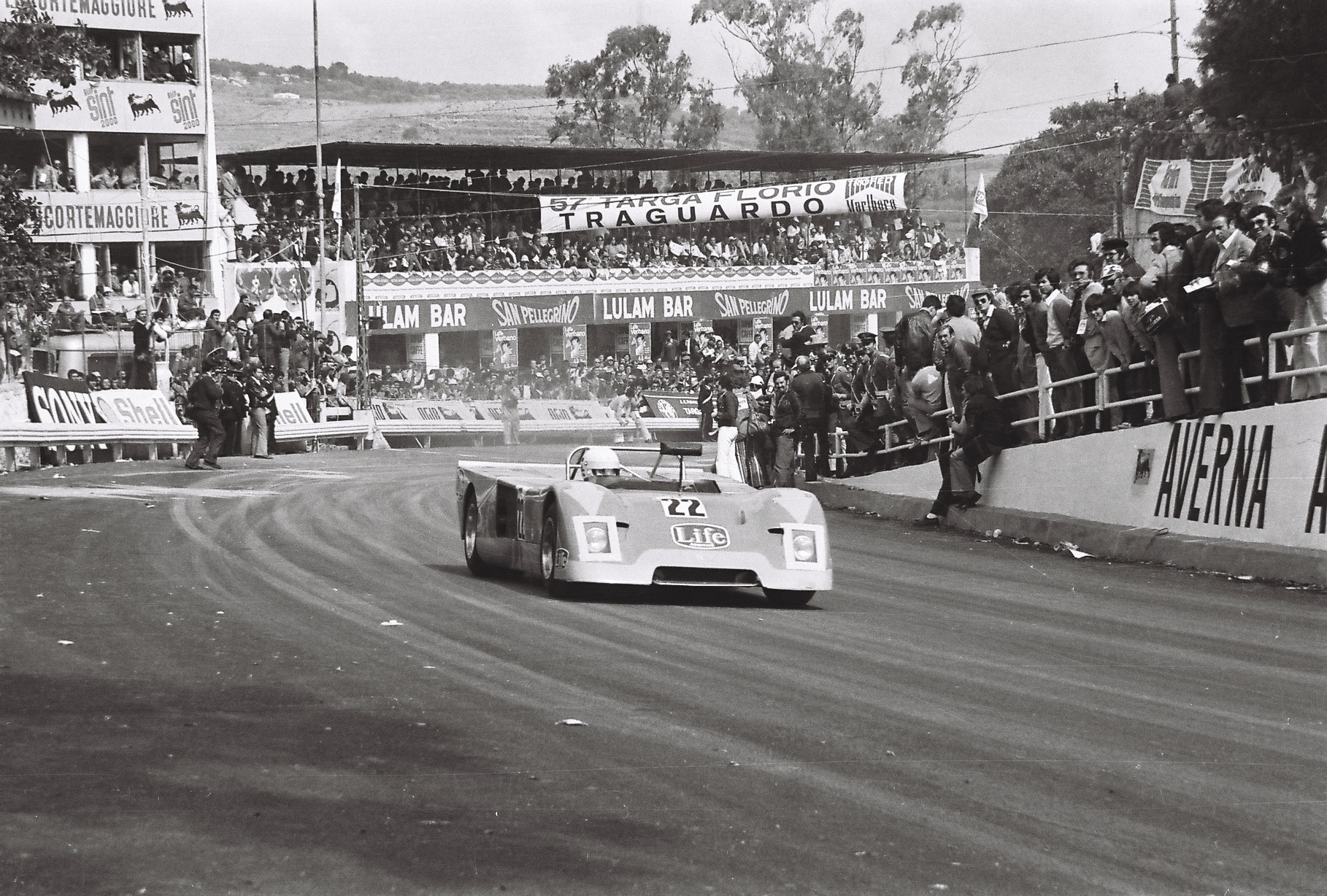
In the 1972 season, the B21 BDG was the primary weapon for the top privateer teams. In the European 2-Litre Championship, it was the car that took the fight to the factory Abarth-Osellas of Arturo Merzario. Drivers like John Lepp and the Red Rose Racing squad used the B21 BDG to score podiums and wins, proving that a customer car from Lancashire could battle the giants of Italy. The car was particularly effective on technical circuits like Jarama and Vallelunga, where the lighter weight of the BDG engine allowed the B21 to out-brake and out-corner the heavier machinery. In the South African Springbok Series, the B21 BDG continued the marque’s dominance, winning the prestigious 9 Hours of Kyalami and cementing its reputation as a durable endurance racer that didn’t sacrifice sprint speed.
The legacy of the Chevron B21 BDG is that of the ultimate steel-framed sports racer. It was the peak of the “Bennett era” before the switch to monocoques with the B26. It proved that the spaceframe concept still had life when paired with a state-of-the-art engine. The BDG engine would go on to become the standard for the class for another decade, but its installation in the B21 remains one of its most successful and iconic applications. Today, in historic racing series like the CER, the B21 BDG is widely regarded as the car to have—faster than a B19, more forgiving than a Lola, and powered by the greatest four-cylinder racing engine ever built.
Brand
Produced from
Portal
Vehicle category
Model line
Predecessor
Sucessor
Brand
Produced from
Portal
Vehicle category
Model line
Model generation
Predecessor
Sucessor
Submodel Overview
In the mercilessly competitive atmosphere of the 1972 European 2-Litre Sports Car Championship, standing still was a death sentence. The previous year’s dominant chassis, the Chevron B19, had been a revelation, but the arrival of the Lola T290 and the factory-backed Abarth-Osella PA1 demanded an immediate response. Derek Bennett, the engineering wizard of Bolton, answered with the B21, a longer, more stable platform designed to handle the increasing speeds of the era. But a chassis is only as good as its heart. While budget teams stuck with the iron-block FVC, and the brave chased the vibration-heavy horsepower of the BMW M12, the teams hunting for championships chose the ultimate evolution of the Cosworth four-cylinder: the 1972 Chevron B21 Ford Cosworth BDG.
The B21 BDG represented the perfect convergence of British chassis engineering and engine technology. The B21 chassis itself was a pragmatic masterpiece, retaining Bennett’s signature tubular steel spaceframe—stiff, communicative, and easily repaired—but stretched by four inches in the wheelbase compared to the B19. This extra length calmed the car’s nervous disposition on high-speed sweepers, a critical update for the 1972 circuits. But the magic lay in the engine bay. The Cosworth BDG (Belt Drive, G-series) was the engine that finally delivered on the promise of the alloy block. Displacing a full 1,975cc, it was significantly lighter than the iron FVC, shedding roughly 40 lbs from behind the driver. This weight reduction transformed the B21’s handling, reducing the polar moment of inertia and allowing the car to change direction with telepathic immediacy. Producing a screaming 275 to 285 bhp at 9,250 rpm, the BDG offered a power-to-weight ratio that allowed the steel-framed Chevron to hunt down the lighter, monocoque Lolas.
Driving a B21 BDG was an exercise in controlled violence. The alloy block engine revved with a ferocity that the old iron motors couldn’t match, delivering a hard-edged, metallic shriek that became the soundtrack of the 1972 season. The chassis, with its updated suspension geometry and wider slick tires, generated immense mechanical grip. The longer wheelbase allowed drivers to slide the car with more confidence, a trait that became a Chevron trademark. Unlike the BMW-powered cars, which suffered from destructive vibrations, the BDG was smoother (though still frantic), allowing the chassis components to survive the rigors of a 2-hour sprint or a 1000km endurance race. It was a package of exquisite balance, where the power of the engine perfectly matched the capabilities of the chassis.
In the 1972 season, the B21 BDG was the primary weapon for the top privateer teams. In the European 2-Litre Championship, it was the car that took the fight to the factory Abarth-Osellas of Arturo Merzario. Drivers like John Lepp and the Red Rose Racing squad used the B21 BDG to score podiums and wins, proving that a customer car from Lancashire could battle the giants of Italy. The car was particularly effective on technical circuits like Jarama and Vallelunga, where the lighter weight of the BDG engine allowed the B21 to out-brake and out-corner the heavier machinery. In the South African Springbok Series, the B21 BDG continued the marque’s dominance, winning the prestigious 9 Hours of Kyalami and cementing its reputation as a durable endurance racer that didn’t sacrifice sprint speed.
The legacy of the Chevron B21 BDG is that of the ultimate steel-framed sports racer. It was the peak of the “Bennett era” before the switch to monocoques with the B26. It proved that the spaceframe concept still had life when paired with a state-of-the-art engine. The BDG engine would go on to become the standard for the class for another decade, but its installation in the B21 remains one of its most successful and iconic applications. Today, in historic racing series like the CER, the B21 BDG is widely regarded as the car to have—faster than a B19, more forgiving than a Lola, and powered by the greatest four-cylinder racing engine ever built.
Tech Specs
Technical Specifications
Tech Specs
Technical Specifications
Engine
01
03
Internal combustion engine
Configuration
Ford Cosworth BDG, Inline-4
Location
Mid, longitudinally mounted
Construction
Cast iron block (later aluminium), aluminium alloy head
Displacement (cc)
1,975 cc
Displacement (cu in)
120.5 cu in
Compression
12.0:1
Bore x Stroke
-
Valvetrain
4 valves per cylinder, DOHC
Fuel feed
-
Lubrication
Dry sump
Aspiration
Naturally aspirated
Output
Power (hp)
280 hp
Power (kW)
208 kW
Max power at
9,250 RPM
Torque (Nm)
-
Torque (ft lbs)
-
Max torque at
-
Drivetrain
02
03
Chassis
Type
Tubular spaceframe
Material
Steel and aluminium
Body
Material
Fibreglass
Transmission
Gearbox
5-speed manual
Drive
Rear Wheel Drive
Suspension
Front
Double wishbones, coil springs over dampers, anti-roll bar
Rear
Single top links, twin lower links, twin trailing arms, coil springs over dampers, anti-roll bar
Steering
Type
Rack and pinion
Brakes
Front
Ventilated discs
Rear
Ventilated discs
Wheels
Front
-
Rear
-
Tires
Front
-
Rear
-
Dimensions and performance
03
03
Dimensions
Length (mm)
3,683 mm
Length (in)
145 in
Width (mm)
1,676 mm
Width (in)
66 in
Height (mm)
-
Height (in)
-
Wheelbase (mm)
2,362 mm
Wheelbase (in)
93 in
Weight (kg)
490 kg
Weight (lbs)
1,080 lbs
Performance
Power to weight
0.25 hp/kg
Top speed (km/h)
-
Top speed (mph)
-
0-100 km/h (0-60 mph)
-