
Chevron B26 Ford Cosworth FVA
Brand
Produced from
Portal
Vehicle category
Model line
Predecessor
Successor
Submodel Overview
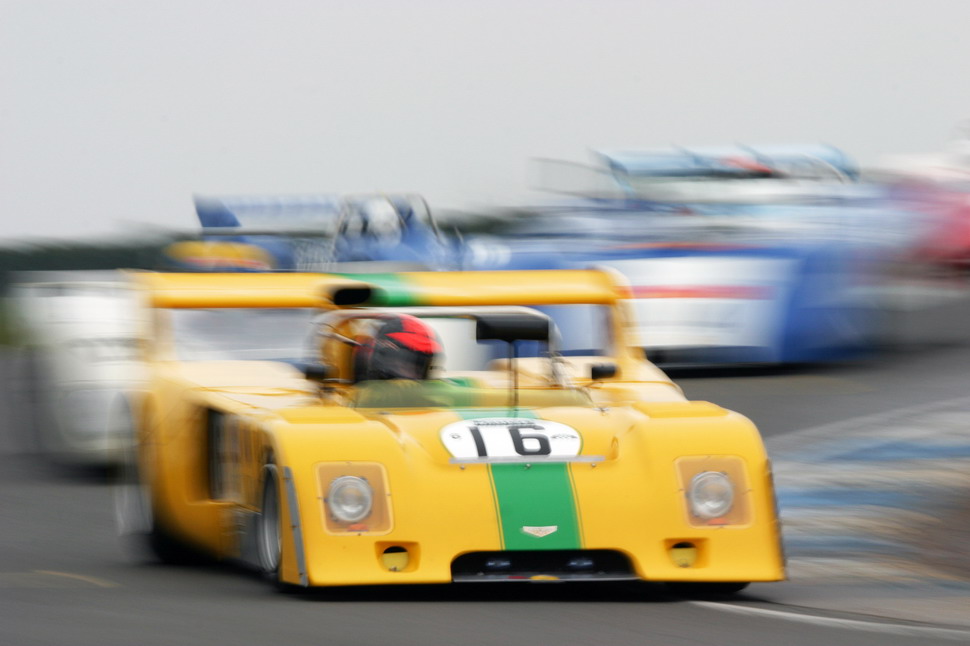
In 1973, the European sports prototype scene was undergoing a violent seismic shift. The era of the tube-frame chassis, which had sustained British constructors like Chevron and Lola for a decade, was abruptly ending, replaced by the cold, hard efficiency of the aluminium monocoque. Derek Bennett, the engineering soul of Chevron, had finally played his ace card with the B26, a razor-sharp, wedge-shaped car designed to reclaim the aerodynamic advantage from Lola. While the headlines were dominated by the 2.0-litre heavyweights powered by the new alloy-block Cosworth BDG engines, a fascinating subplot was unfolding in the 1.6-litre class. Here, in the domain of high-revving precision and momentum, the 1973 Chevron B26 Ford Cosworth FVA emerged as a machine of exquisite contradiction: a cutting-edge, futuristic chassis powered by a vintage heart, creating one of the most agile and demanding sports racers of the decade.
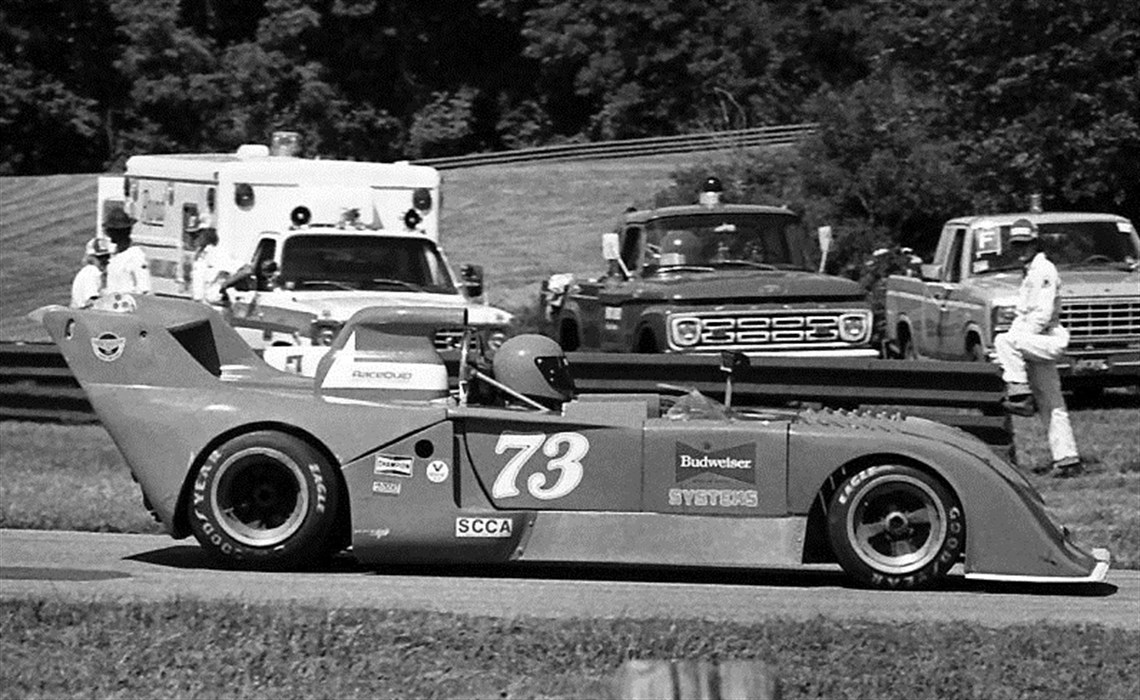
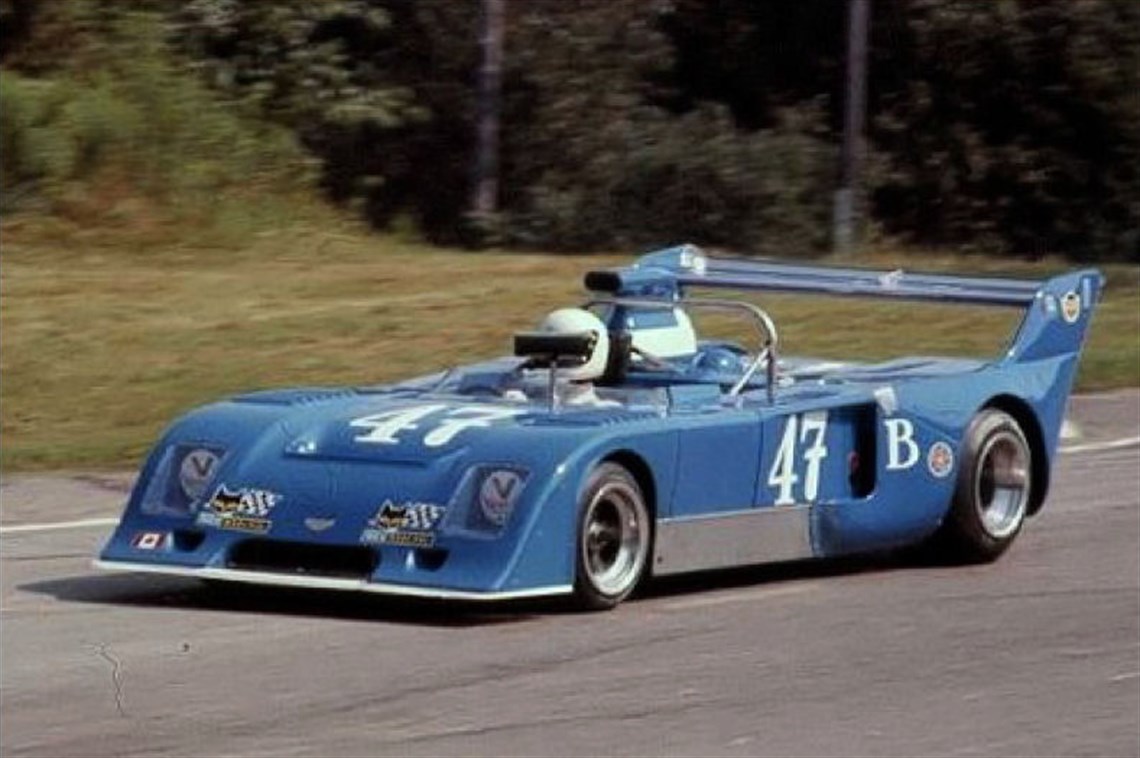
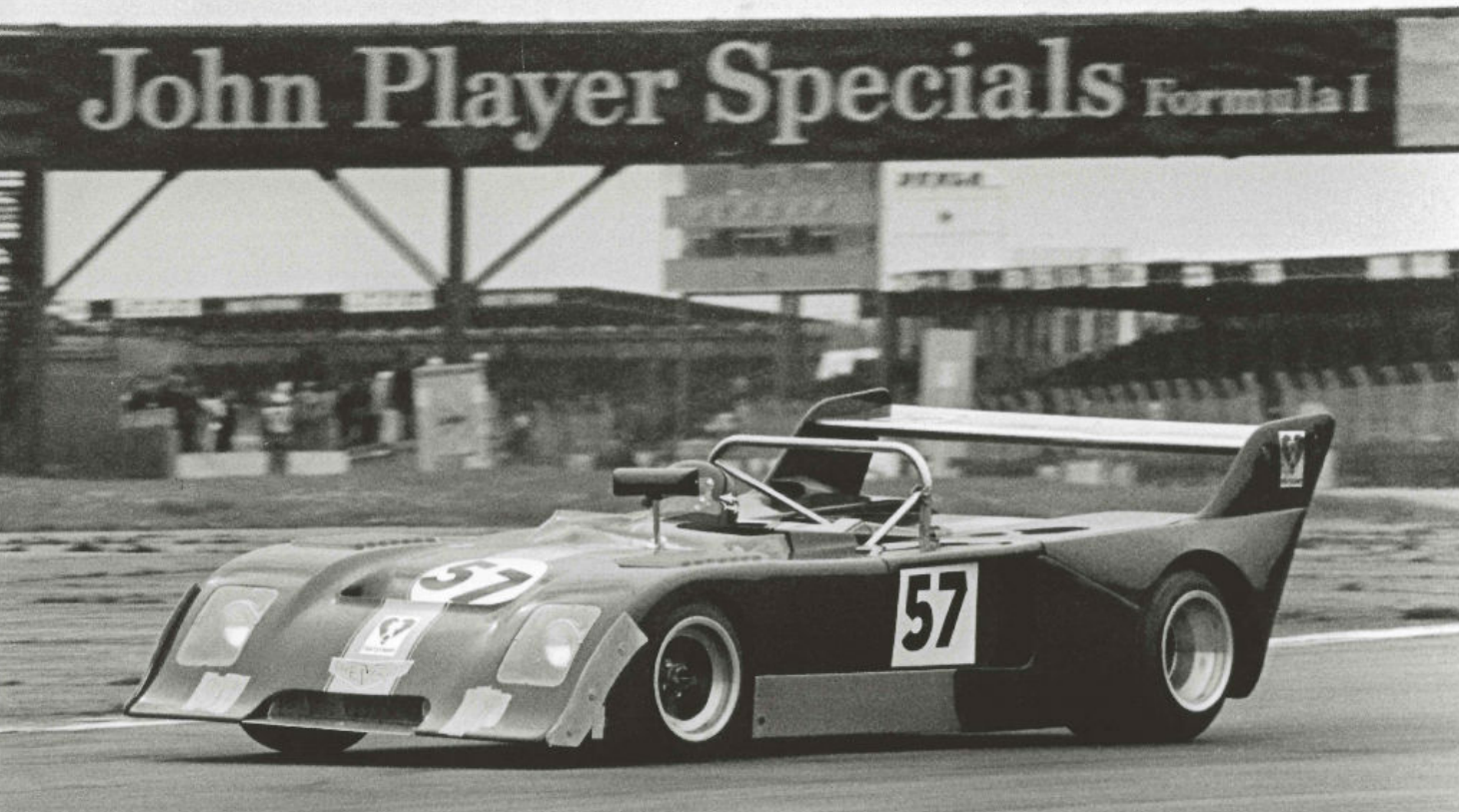
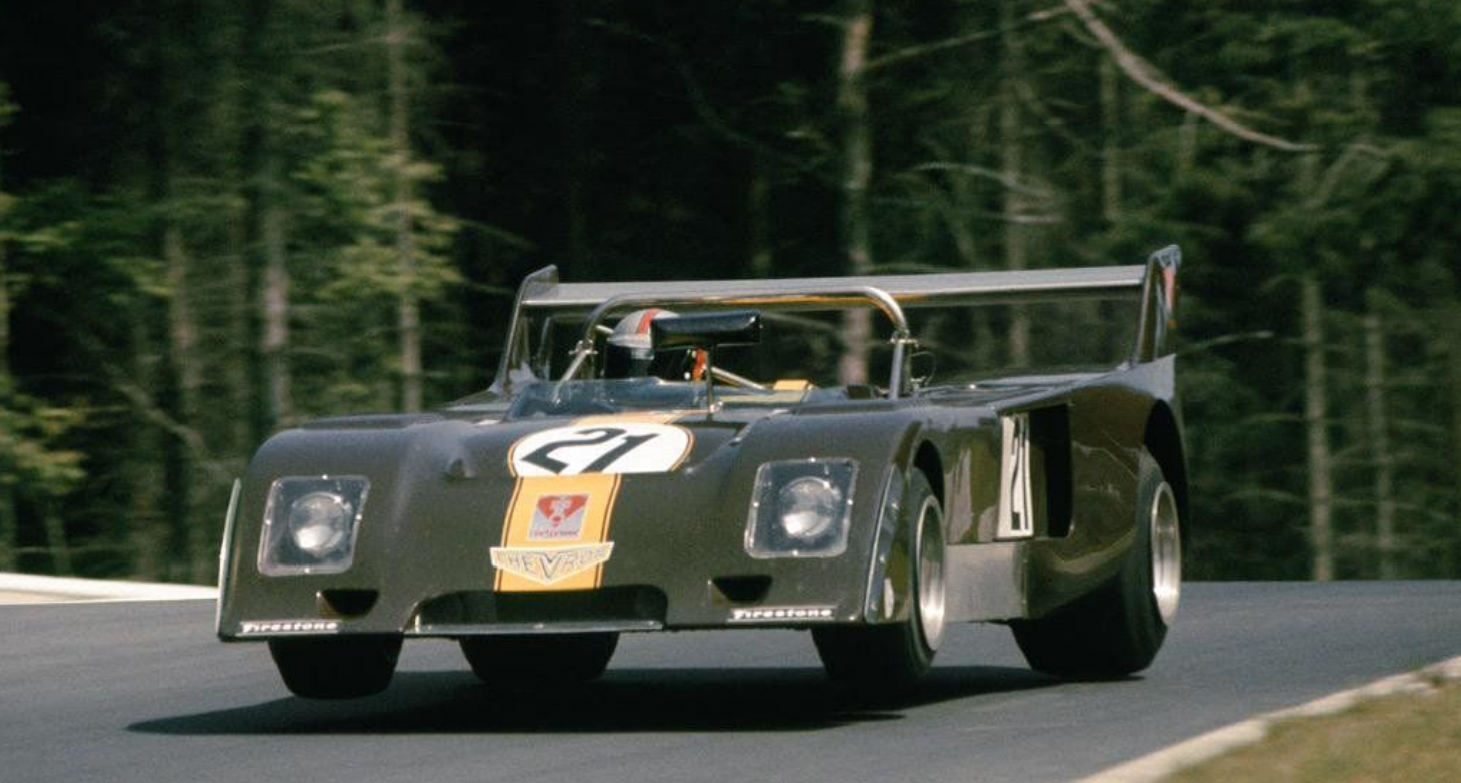
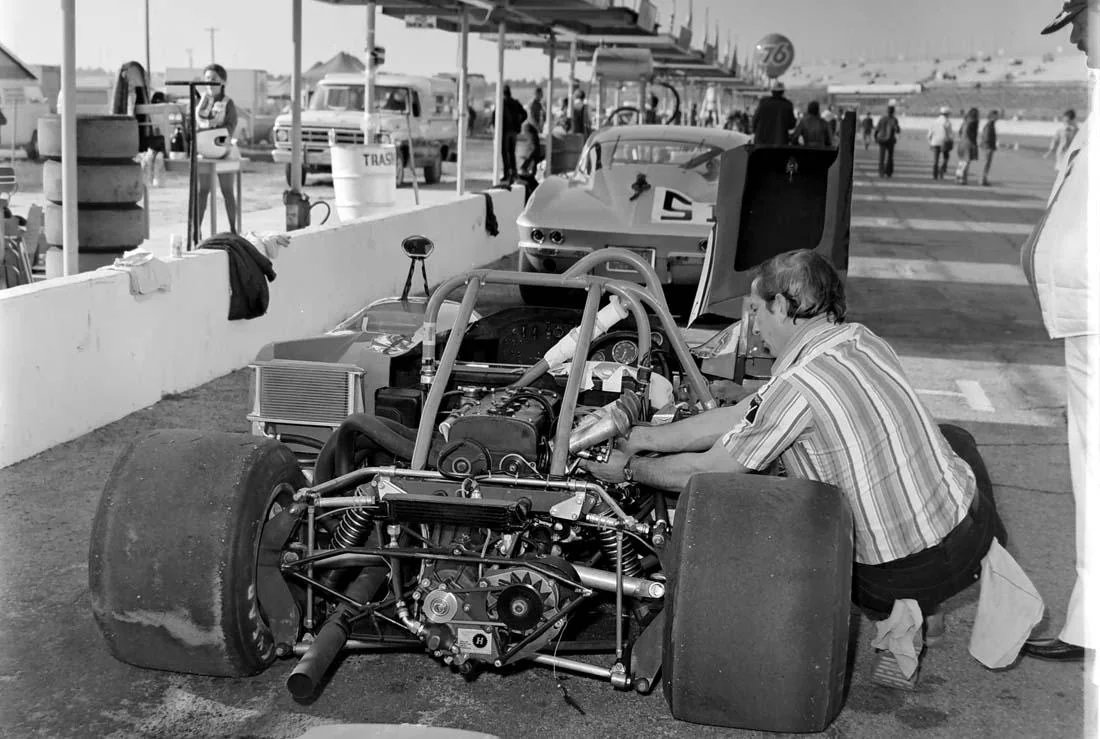
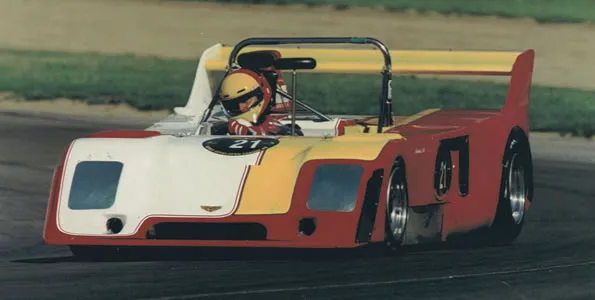
The B26 chassis was a revelation. Constructed from riveted and bonded N4 aluminium alloy, the monocoque tub offered a level of torsional rigidity that the old B23 spaceframe could only dream of. This stiffness allowed the suspension—double wishbones at the front and a refined multi-link setup at the rear—to work with absolute precision, uncorrupted by chassis flex. The bodywork was a brutal, functional wedge, featuring a “shovel nose” that generated immense front-end bite and a full-width rear wing that glued the tail to the track. Into this modern, high-downforce package, select privateers chose to install the Ford Cosworth FVA (Four Valve Type A). By 1973, the FVA was a veteran. Designed in 1966 for Formula 2, it was the engine that had launched the Cosworth legend. Displacing 1,598cc and featuring a gear-driven double overhead camshaft head on a Cortina block, it was a masterpiece of mechanical watchmaking.
The marriage of the B26 chassis and the FVA engine created a car with a distinct personality. The FVA produced around 225 bhp, but it did so at a stratospheric 9,500 rpm. It was a “light-switch” engine with virtually zero low-end torque. Unlike the 2.0-litre cars, which could rely on cubic inches to haul them out of a slow corner, the B26 FVA required a driver of absolute commitment. The throttle had to be treated as an on-off switch, and the revs had to be kept in the upper quartile of the tachometer. However, the FVA was significantly lighter than the iron-block FVC and more compact than the BMW engines. This reduced weight, centered in the incredibly stiff B26 monocoque, gave the car a polar moment of inertia that was almost non-existent. It changed direction with the immediacy of a kart, allowing drivers to carry impossible speeds through chicanes and fast sweepers.
In the 1973 season, the B36 FVA was the weapon of choice for the “class hunter”. It was designed to dominate the 1.6-litre category in the European Sports Car Championship and national series like the British Sports Car Championship. While it couldn’t match the top speed of the 290-bhp BDG cars on the long straights of Paul Ricard or Hockenheim, on technical circuits like Vallelunga, Jarama, or the short loop at Brands Hatch, it was a giant-killer. The B26’s superior aerodynamics and mechanical grip allowed the FVA driver to brake meters later than the heavier 2.0-litre cars and get back on the power earlier. It was a car that won by refusing to slow down, maintaining momentum at all costs.
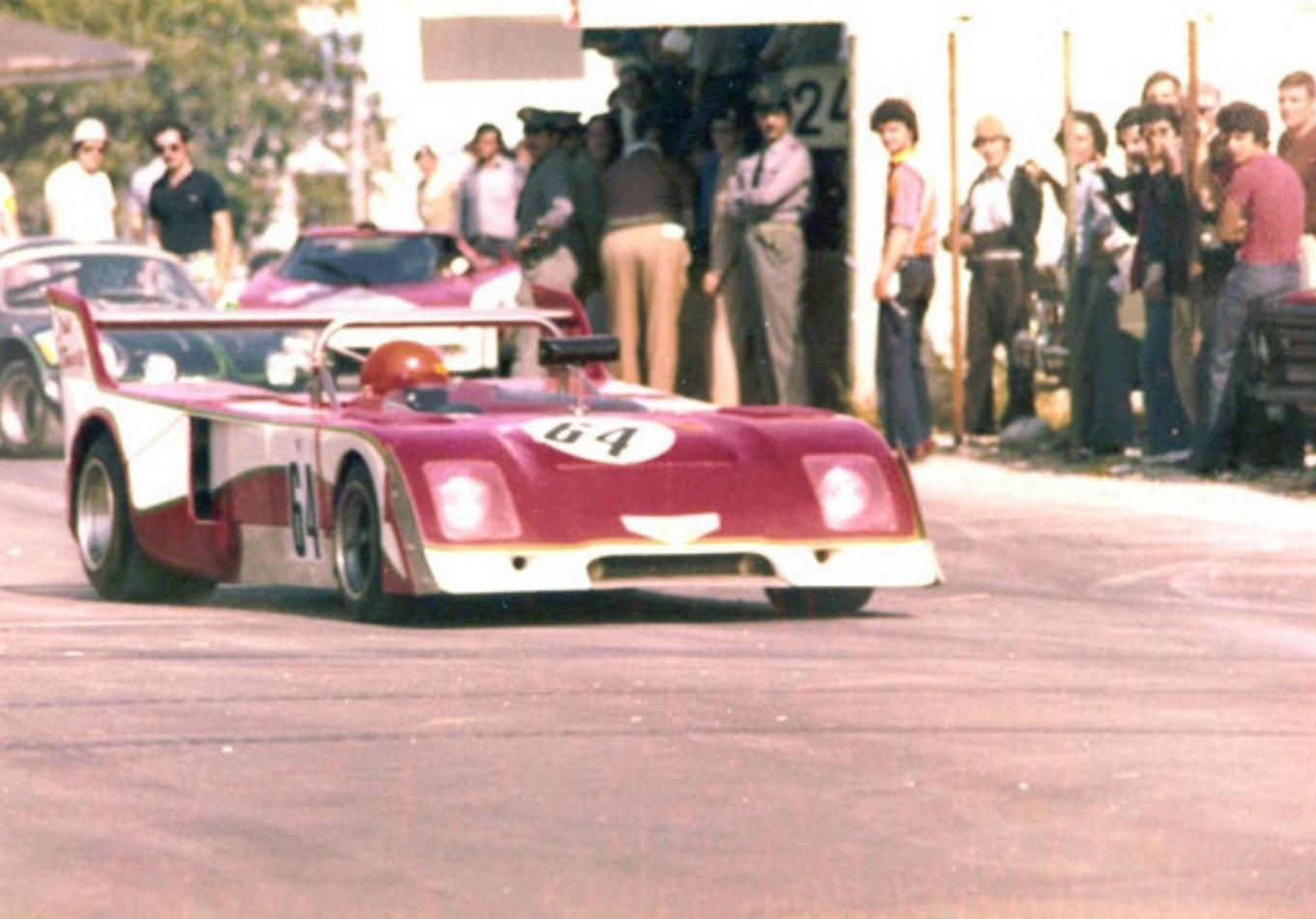
The B26 FVA also found a stronghold in the European Hill Climb Championship. In the mountains, where agility is worth more than top speed, the lightweight, high-revving package was devastating. The stiff monocoque allowed the car to react instantly to the rapid direction changes of a hill climb, while the FVA’s explosive throttle response (once “on the cam”) was perfect for launching out of hairpins. It was a sensory overload; the piercing, metallic shriek of the gear-driven cams echoing off the canyon walls became one of the definitive sounds of the 1.6-litre class.
However, the B26 FVA was also a swansong. The arrival of the Cosworth BDH—essentially a downsized, alloy-block BDA—was beginning to offer a more modern alternative for the small-displacement class. Yet, for the purist, the FVA remained the engine of choice. It was more robust than the early alloy engines and possessed a pedigree that connected the driver directly to the golden era of Jim Clark and Graham Hill. The 1973 Chevron B26 FVA stands as a testament to the versatility of Derek Bennett’s engineering. It proved that his first monocoque was not just a sledgehammer for the big engines, but a precision instrument capable of extracting the maximum performance from a vintage masterpiece. It was a car for the brave, the precise, and the fast—a screaming wedge of British engineering that refused to let the 1.6-litre class go quietly into the night.
Brand
Produced from
Portal
Vehicle category
Model line
Predecessor
Sucessor
Brand
Produced from
Portal
Vehicle category
Model line
Model generation
Predecessor
Sucessor
Submodel Overview
In 1973, the European sports prototype scene was undergoing a violent seismic shift. The era of the tube-frame chassis, which had sustained British constructors like Chevron and Lola for a decade, was abruptly ending, replaced by the cold, hard efficiency of the aluminium monocoque. Derek Bennett, the engineering soul of Chevron, had finally played his ace card with the B26, a razor-sharp, wedge-shaped car designed to reclaim the aerodynamic advantage from Lola. While the headlines were dominated by the 2.0-litre heavyweights powered by the new alloy-block Cosworth BDG engines, a fascinating subplot was unfolding in the 1.6-litre class. Here, in the domain of high-revving precision and momentum, the 1973 Chevron B26 Ford Cosworth FVA emerged as a machine of exquisite contradiction: a cutting-edge, futuristic chassis powered by a vintage heart, creating one of the most agile and demanding sports racers of the decade.
The B26 chassis was a revelation. Constructed from riveted and bonded N4 aluminium alloy, the monocoque tub offered a level of torsional rigidity that the old B23 spaceframe could only dream of. This stiffness allowed the suspension—double wishbones at the front and a refined multi-link setup at the rear—to work with absolute precision, uncorrupted by chassis flex. The bodywork was a brutal, functional wedge, featuring a “shovel nose” that generated immense front-end bite and a full-width rear wing that glued the tail to the track. Into this modern, high-downforce package, select privateers chose to install the Ford Cosworth FVA (Four Valve Type A). By 1973, the FVA was a veteran. Designed in 1966 for Formula 2, it was the engine that had launched the Cosworth legend. Displacing 1,598cc and featuring a gear-driven double overhead camshaft head on a Cortina block, it was a masterpiece of mechanical watchmaking.
The marriage of the B26 chassis and the FVA engine created a car with a distinct personality. The FVA produced around 225 bhp, but it did so at a stratospheric 9,500 rpm. It was a “light-switch” engine with virtually zero low-end torque. Unlike the 2.0-litre cars, which could rely on cubic inches to haul them out of a slow corner, the B26 FVA required a driver of absolute commitment. The throttle had to be treated as an on-off switch, and the revs had to be kept in the upper quartile of the tachometer. However, the FVA was significantly lighter than the iron-block FVC and more compact than the BMW engines. This reduced weight, centered in the incredibly stiff B26 monocoque, gave the car a polar moment of inertia that was almost non-existent. It changed direction with the immediacy of a kart, allowing drivers to carry impossible speeds through chicanes and fast sweepers.
In the 1973 season, the B36 FVA was the weapon of choice for the “class hunter”. It was designed to dominate the 1.6-litre category in the European Sports Car Championship and national series like the British Sports Car Championship. While it couldn’t match the top speed of the 290-bhp BDG cars on the long straights of Paul Ricard or Hockenheim, on technical circuits like Vallelunga, Jarama, or the short loop at Brands Hatch, it was a giant-killer. The B26’s superior aerodynamics and mechanical grip allowed the FVA driver to brake meters later than the heavier 2.0-litre cars and get back on the power earlier. It was a car that won by refusing to slow down, maintaining momentum at all costs.
The B26 FVA also found a stronghold in the European Hill Climb Championship. In the mountains, where agility is worth more than top speed, the lightweight, high-revving package was devastating. The stiff monocoque allowed the car to react instantly to the rapid direction changes of a hill climb, while the FVA’s explosive throttle response (once “on the cam”) was perfect for launching out of hairpins. It was a sensory overload; the piercing, metallic shriek of the gear-driven cams echoing off the canyon walls became one of the definitive sounds of the 1.6-litre class.
However, the B26 FVA was also a swansong. The arrival of the Cosworth BDH—essentially a downsized, alloy-block BDA—was beginning to offer a more modern alternative for the small-displacement class. Yet, for the purist, the FVA remained the engine of choice. It was more robust than the early alloy engines and possessed a pedigree that connected the driver directly to the golden era of Jim Clark and Graham Hill. The 1973 Chevron B26 FVA stands as a testament to the versatility of Derek Bennett’s engineering. It proved that his first monocoque was not just a sledgehammer for the big engines, but a precision instrument capable of extracting the maximum performance from a vintage masterpiece. It was a car for the brave, the precise, and the fast—a screaming wedge of British engineering that refused to let the 1.6-litre class go quietly into the night.
Tech Specs
Technical Specifications
Tech Specs
Technical Specifications
Engine
01
03
Internal combustion engine
Configuration
Ford Cosworth FVA, Inline-4
Location
Mid, longitudinally mounted
Construction
Cast iron block, aluminium alloy head
Displacement (cc)
1,596 cc
Displacement (cu in)
97.3 cu in
Compression
-
Bore x Stroke
85.7 mm x 69.1 mm
Valvetrain
4 valves per cylinder, DOHC
Fuel feed
Lucas Fuel Injection
Lubrication
Dry sump
Aspiration
Naturally aspirated
Output
Power (hp)
225 hp
Power (kW)
168 kW
Max power at
9,000 RPM
Torque (Nm)
-
Torque (ft lbs)
-
Max torque at
-
Drivetrain
02
03
Chassis
Type
Monocoque with front and rear subframes
Material
Aluminium
Body
Material
Fibreglass
Transmission
Gearbox
5-speed manual
Drive
Rear Wheel Drive
Suspension
Front
Double wishbones, coil springs over dampers, anti-roll bar
Rear
Single top links, twin lower links, twin trailing arms, coil springs over dampers, anti-roll bar
Steering
Type
Rack and pinion
Brakes
Front
Ventilated discs
Rear
Ventilated discs
Wheels
Front
-
Rear
-
Tires
Front
-
Rear
-
Dimensions and performance
03
03
Dimensions
Length (mm)
-
Length (in)
-
Width (mm)
-
Width (in)
-
Height (mm)
-
Height (in)
-
Wheelbase (mm)
-
Wheelbase (in)
-
Weight (kg)
-
Weight (lbs)
-
Performance
Power to weight
-
Top speed (km/h)
-
Top speed (mph)
-
0-100 km/h (0-60 mph)
-