
Chevron B31 Hart 420R
Brand
Produced from
Portal
Vehicle category
Model line
Predecessor
Successor
Submodel Overview
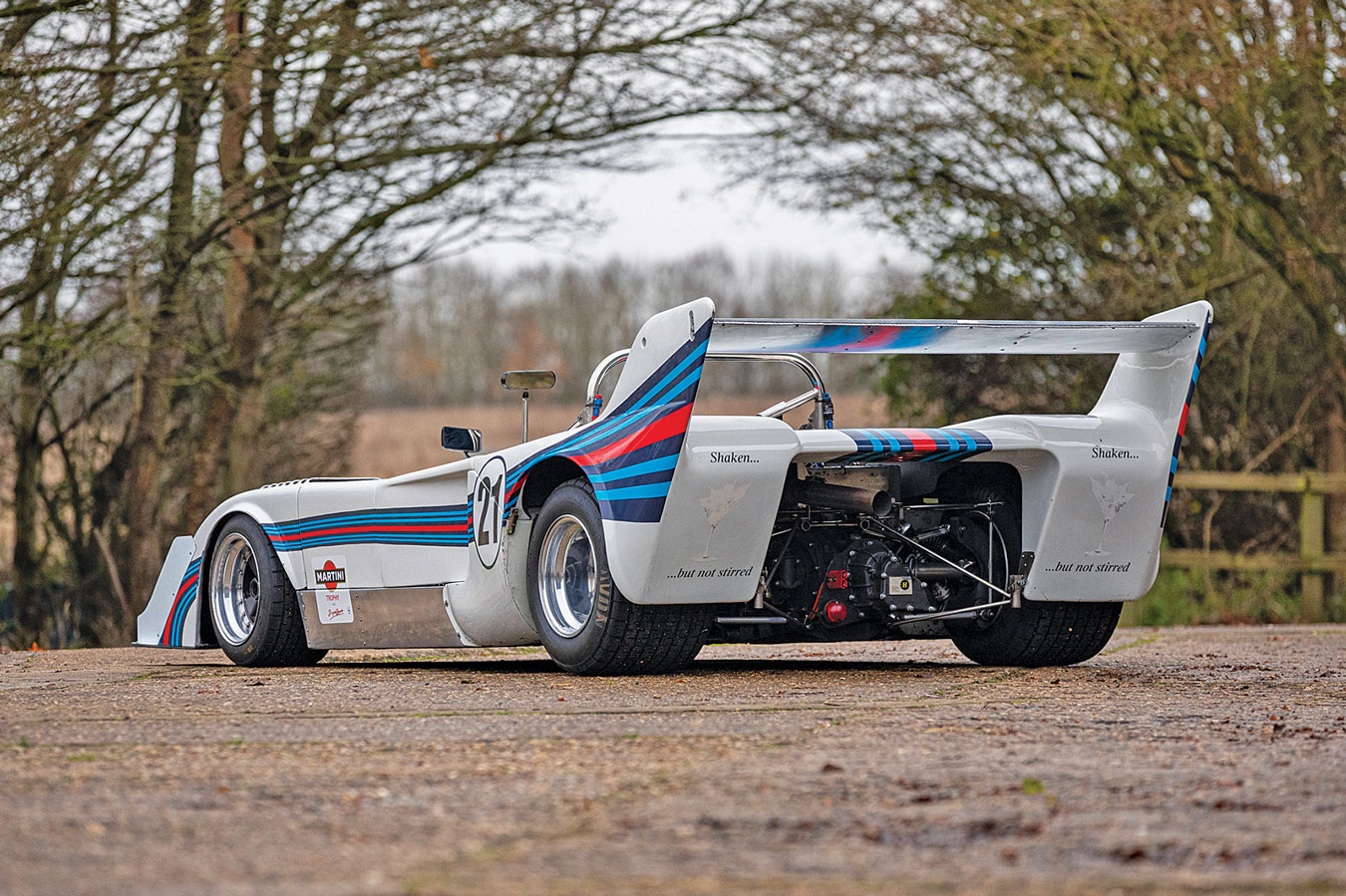
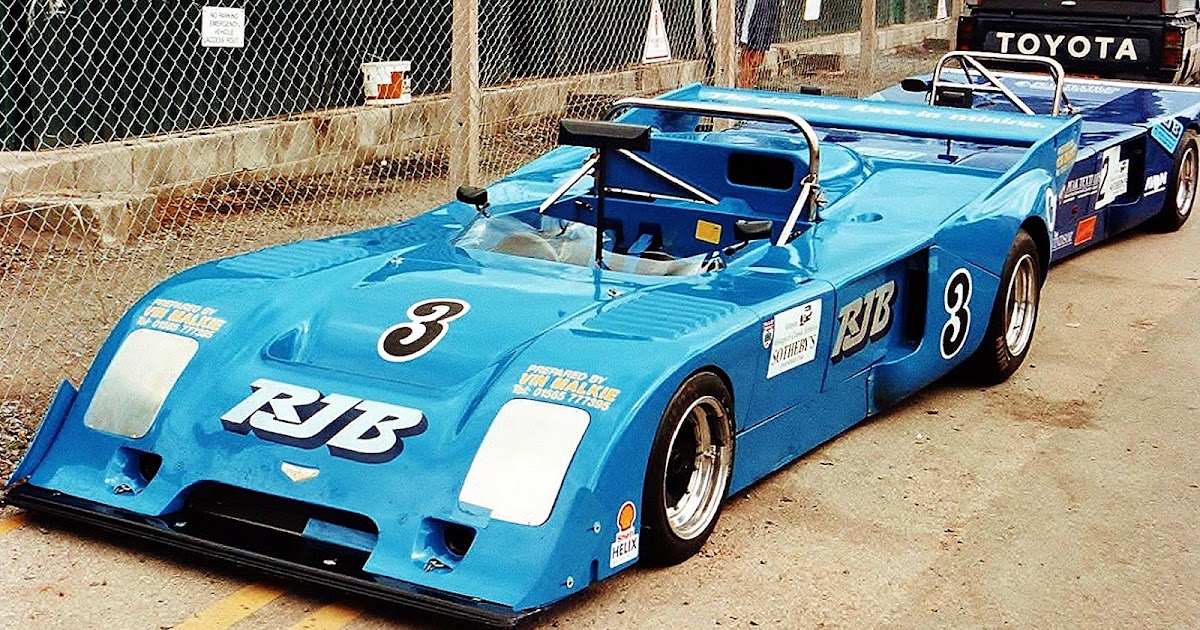
In the mid-1970s, the paddock of the European 2-Litre Sports Car Championship was a sea of Ford blue ovals. The Cosworth BDG was the default engine choice, a brilliant, ubiquitous power unit that powered everything from Lola to March. But for the true individualist, for the team that wanted to break the monopoly with British engineering of a different flavor, there was a potent alternative emerging from Harlow in Essex. Derek Bennett, always open to giving his customers a competitive edge, designed his definitive B31 chassis to accept not just the Ford standard, but the upstart challenger. The result was the Chevron B31 Hart 420R, a machine that combined the best handling chassis of its generation with an engine that would eventually power legends like Ayrton Senna in Formula One.
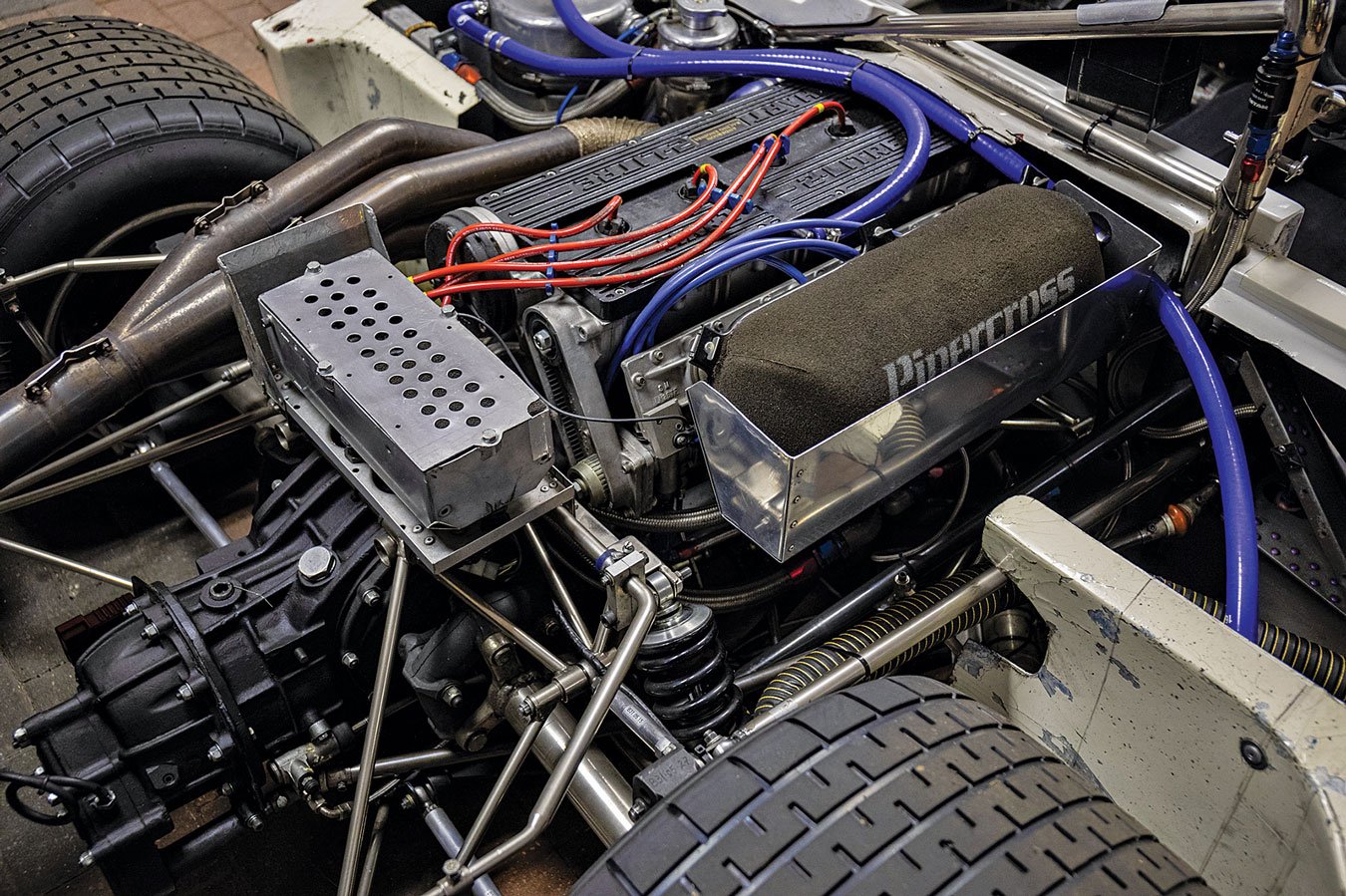
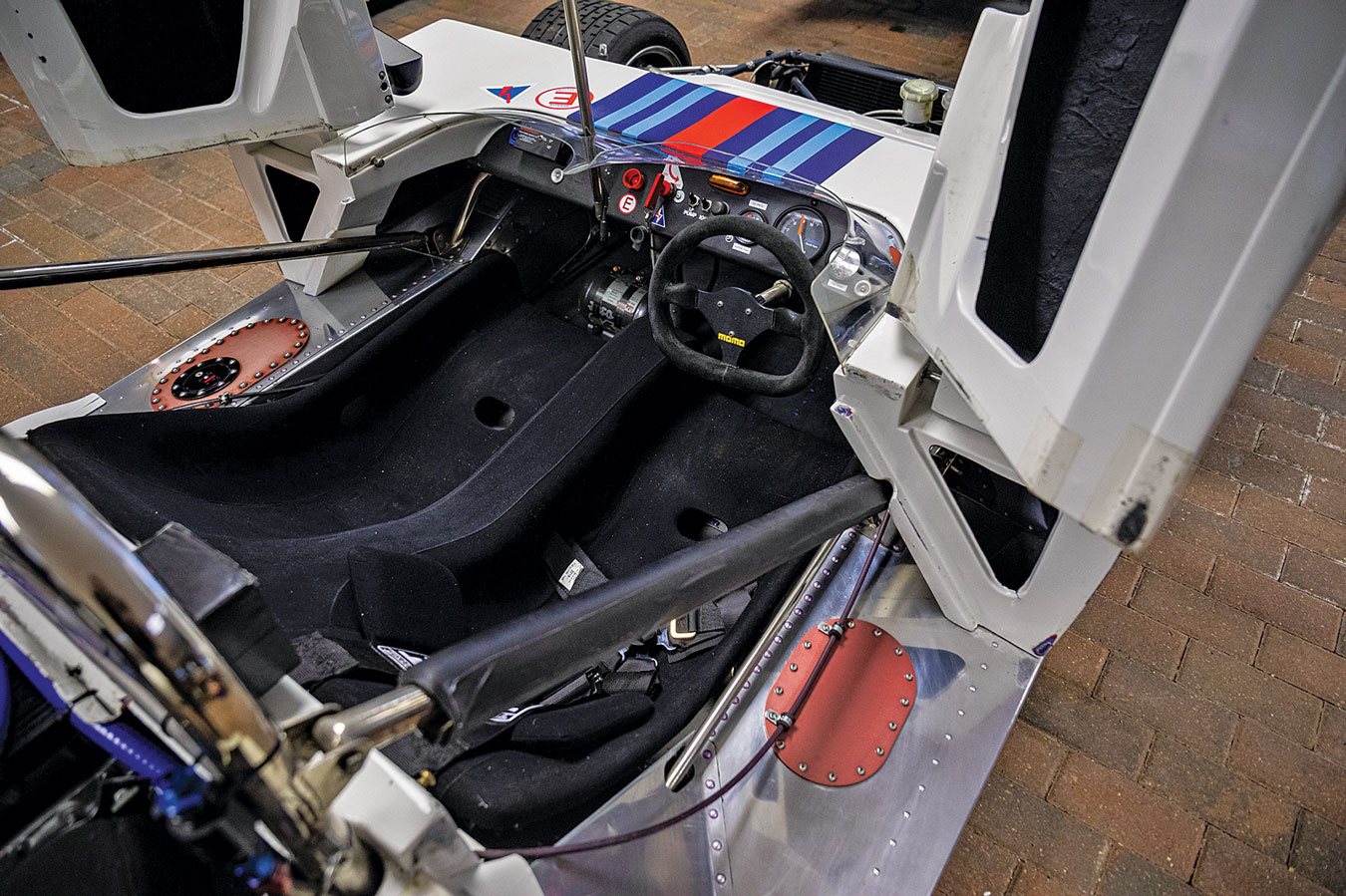
The B31 chassis was already a masterclass in evolution. Replacing the sharp-edged B26, it featured a stiffer, riveted aluminium monocoque and curvaceous, high-downforce bodywork that smoothed out the airflow over the wheels and engine cover. But while the Cosworth-powered cars were known quantities, the Hart-powered B31 was a different animal. Its heart was the Brian Hart 420R. Unlike the Cosworth, which traced its lineage back to the Ford Kent block, the 420R was a bespoke racing engine from the ground up. It was an all-aluminium, 2.0-litre, 16-valve four-cylinder unit that featured a distinct “monobloc” construction (head and block cast together) in its earlier iterations to eliminate head gasket failures—a common plague of the Cosworths. Producing around 280 to 290 bhp, it matched the BDG for power but delivered it with a grittier, punchier mid-range torque curve.
Installing the Hart engine into the B31 required subtle modifications to the rear subframe and engine cover, often resulting in a unique induction noise that seasoned spectators could distinguish from the metallic scream of the Fords. The 420R was physically robust, designed to handle the stresses of Formula 2, and when bolted to the B31’s Hewland FG400 gearbox, it created a package of immense structural rigidity. This stiffness allowed the suspension—double wishbones at the front and parallel links at the rear—to work the slick tires harder, giving the Hart-powered cars a reputation for exceptional mechanical grip. It was a car for the driver who wanted to attack the kerbs, using the engine’s torque to punch out of corners rather than relying solely on high-rpm momentum.
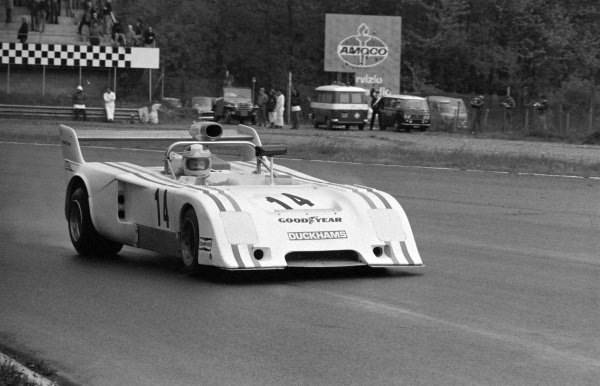
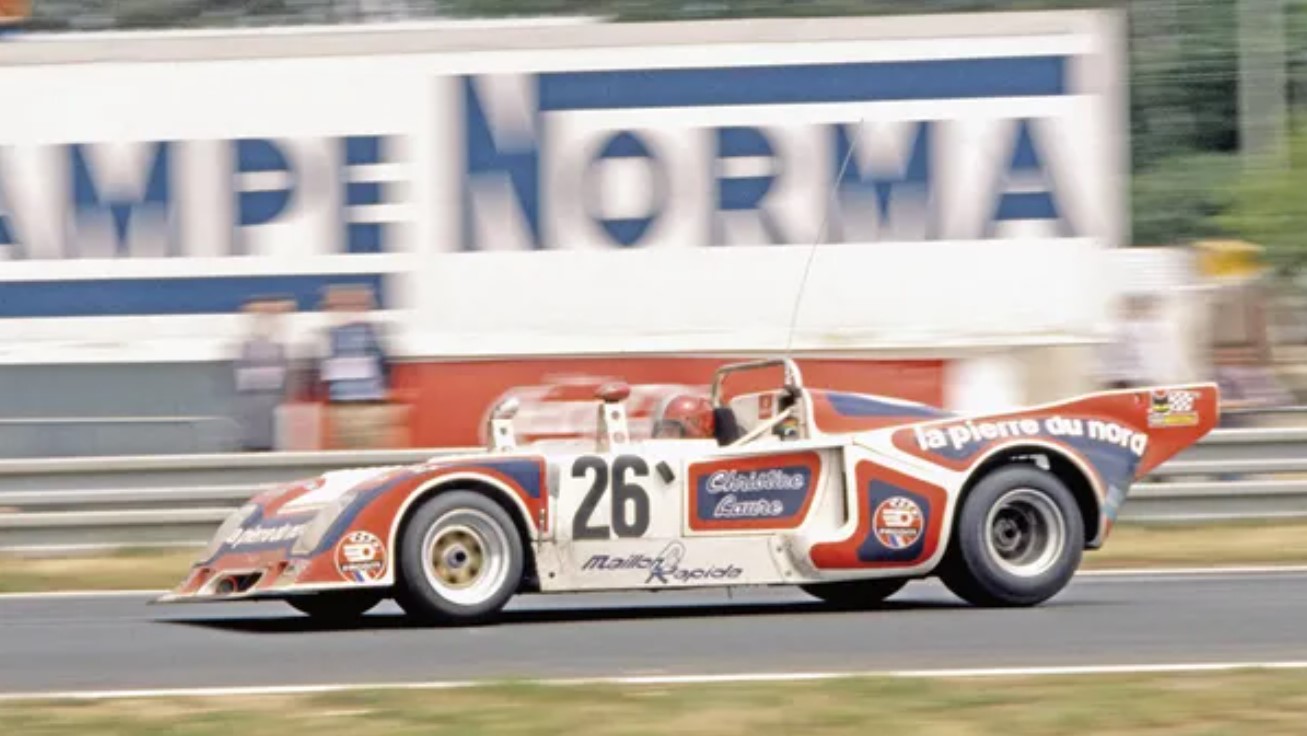
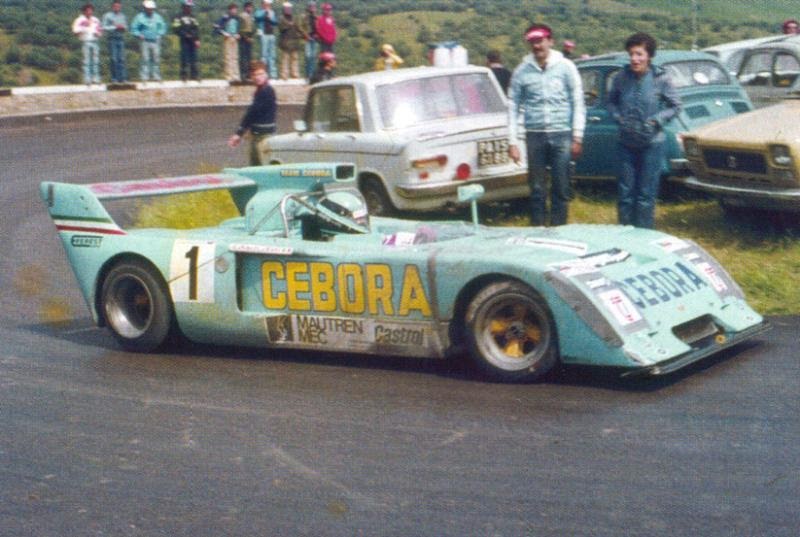
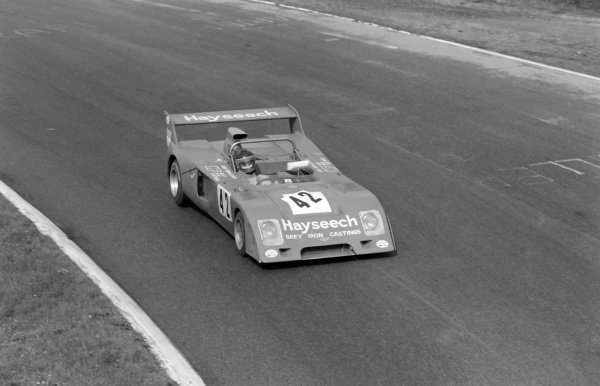
The B31 Hart’s competition history is one of giant-killing potential. While the Cosworth cars won through sheer numbers, the Hart-powered B31s were the snipers. In the 1975 and 1976 seasons, teams like Dorset Racing and brave privateers chose the Hart route. On tracks like Thruxton, where top-end power was critical, the B31 Hart could hold its own against the factory-backed Alpine-Renaults. In the British Sports Car Championship, the Hart engine proved to be a formidable weapon, often showing better reliability than the highly-stressed BDGs. The engine’s durability also made it a favorite for the grueling 1000km races of the World Championship for Makes, where a B31 Hart could run a consistent pace for hours, picking up places as the more fragile sprint engines expired.
However, the B31 Hart was more than just a race winner; it was a developmental laboratory. The success of the 420R in the back of the Chevron chassis was the proof-of-concept Brian Hart needed. It established the engine’s credibility, leading directly to its dominance in the later B36 chassis and eventually to the turbo-charged monsters of Formula One. The B31 Hart represents a specific moment of British engineering bravery—a refusal to follow the herd, resulting in a car that was as fast, as beautiful, and as charismatic as anything on the grid. Today, a B31 running a genuine 420R is a rare and revered sight in historic racing, a reminder of the time when a small team from Bolton and a small engine builder from Essex took on the world and won.
Brand
Produced from
Portal
Vehicle category
Model line
Predecessor
Sucessor
Brand
Produced from
Portal
Vehicle category
Model line
Model generation
Predecessor
Sucessor
Submodel Overview
In the mid-1970s, the paddock of the European 2-Litre Sports Car Championship was a sea of Ford blue ovals. The Cosworth BDG was the default engine choice, a brilliant, ubiquitous power unit that powered everything from Lola to March. But for the true individualist, for the team that wanted to break the monopoly with British engineering of a different flavor, there was a potent alternative emerging from Harlow in Essex. Derek Bennett, always open to giving his customers a competitive edge, designed his definitive B31 chassis to accept not just the Ford standard, but the upstart challenger. The result was the Chevron B31 Hart 420R, a machine that combined the best handling chassis of its generation with an engine that would eventually power legends like Ayrton Senna in Formula One.
The B31 chassis was already a masterclass in evolution. Replacing the sharp-edged B26, it featured a stiffer, riveted aluminium monocoque and curvaceous, high-downforce bodywork that smoothed out the airflow over the wheels and engine cover. But while the Cosworth-powered cars were known quantities, the Hart-powered B31 was a different animal. Its heart was the Brian Hart 420R. Unlike the Cosworth, which traced its lineage back to the Ford Kent block, the 420R was a bespoke racing engine from the ground up. It was an all-aluminium, 2.0-litre, 16-valve four-cylinder unit that featured a distinct “monobloc” construction (head and block cast together) in its earlier iterations to eliminate head gasket failures—a common plague of the Cosworths. Producing around 280 to 290 bhp, it matched the BDG for power but delivered it with a grittier, punchier mid-range torque curve.
Installing the Hart engine into the B31 required subtle modifications to the rear subframe and engine cover, often resulting in a unique induction noise that seasoned spectators could distinguish from the metallic scream of the Fords. The 420R was physically robust, designed to handle the stresses of Formula 2, and when bolted to the B31’s Hewland FG400 gearbox, it created a package of immense structural rigidity. This stiffness allowed the suspension—double wishbones at the front and parallel links at the rear—to work the slick tires harder, giving the Hart-powered cars a reputation for exceptional mechanical grip. It was a car for the driver who wanted to attack the kerbs, using the engine’s torque to punch out of corners rather than relying solely on high-rpm momentum.
The B31 Hart’s competition history is one of giant-killing potential. While the Cosworth cars won through sheer numbers, the Hart-powered B31s were the snipers. In the 1975 and 1976 seasons, teams like Dorset Racing and brave privateers chose the Hart route. On tracks like Thruxton, where top-end power was critical, the B31 Hart could hold its own against the factory-backed Alpine-Renaults. In the British Sports Car Championship, the Hart engine proved to be a formidable weapon, often showing better reliability than the highly-stressed BDGs. The engine’s durability also made it a favorite for the grueling 1000km races of the World Championship for Makes, where a B31 Hart could run a consistent pace for hours, picking up places as the more fragile sprint engines expired.
However, the B31 Hart was more than just a race winner; it was a developmental laboratory. The success of the 420R in the back of the Chevron chassis was the proof-of-concept Brian Hart needed. It established the engine’s credibility, leading directly to its dominance in the later B36 chassis and eventually to the turbo-charged monsters of Formula One. The B31 Hart represents a specific moment of British engineering bravery—a refusal to follow the herd, resulting in a car that was as fast, as beautiful, and as charismatic as anything on the grid. Today, a B31 running a genuine 420R is a rare and revered sight in historic racing, a reminder of the time when a small team from Bolton and a small engine builder from Essex took on the world and won.
Tech Specs
Technical Specifications
Tech Specs
Technical Specifications
Engine
01
03
Internal combustion engine
Configuration
Hart 420R, Inline-4
Location
Mid, longitudinally mounted
Construction
Aluminium block and head
Displacement (cc)
1,995 cc
Displacement (cu in)
121.7 cu in
Compression
-
Bore x Stroke
93.5 mm x 72.6 mm
Valvetrain
4 valves per cylinder, DOHC
Fuel feed
Fuel Injection
Lubrication
Dry sump
Aspiration
Naturally aspirated
Output
Power (hp)
290 hp
Power (kW)
216 kW
Max power at
9,500 RPM
Torque (Nm)
-
Torque (ft lbs)
-
Max torque at
-
Drivetrain
02
03
Chassis
Type
Monocoque with front and rear subframes
Material
Aluminium
Body
Material
Fibreglass
Transmission
Gearbox
5-speed manual
Drive
Rear Wheel Drive
Suspension
Front
Double wishbones, coil springs over dampers, anti-roll bar
Rear
Single top links, twin lower links, twin trailing arms, coil springs over dampers, anti-roll bar
Steering
Type
Rack and pinion
Brakes
Front
Ventilated discs
Rear
Ventilated discs
Wheels
Front
-
Rear
-
Tires
Front
-
Rear
-
Dimensions and performance
03
03
Dimensions
Length (mm)
-
Length (in)
-
Width (mm)
-
Width (in)
-
Height (mm)
-
Height (in)
-
Wheelbase (mm)
-
Wheelbase (in)
-
Weight (kg)
580 kg
Weight (lbs)
1,279 lbs
Performance
Power to weight
0.5 hp/kg
Top speed (km/h)
-
Top speed (mph)
-
0-100 km/h (0-60 mph)
-