
Chevron B31 Ford Cosworth FVD
Brand
Produced from
Portal
Vehicle category
Model line
Predecessor
Successor
Submodel Overview
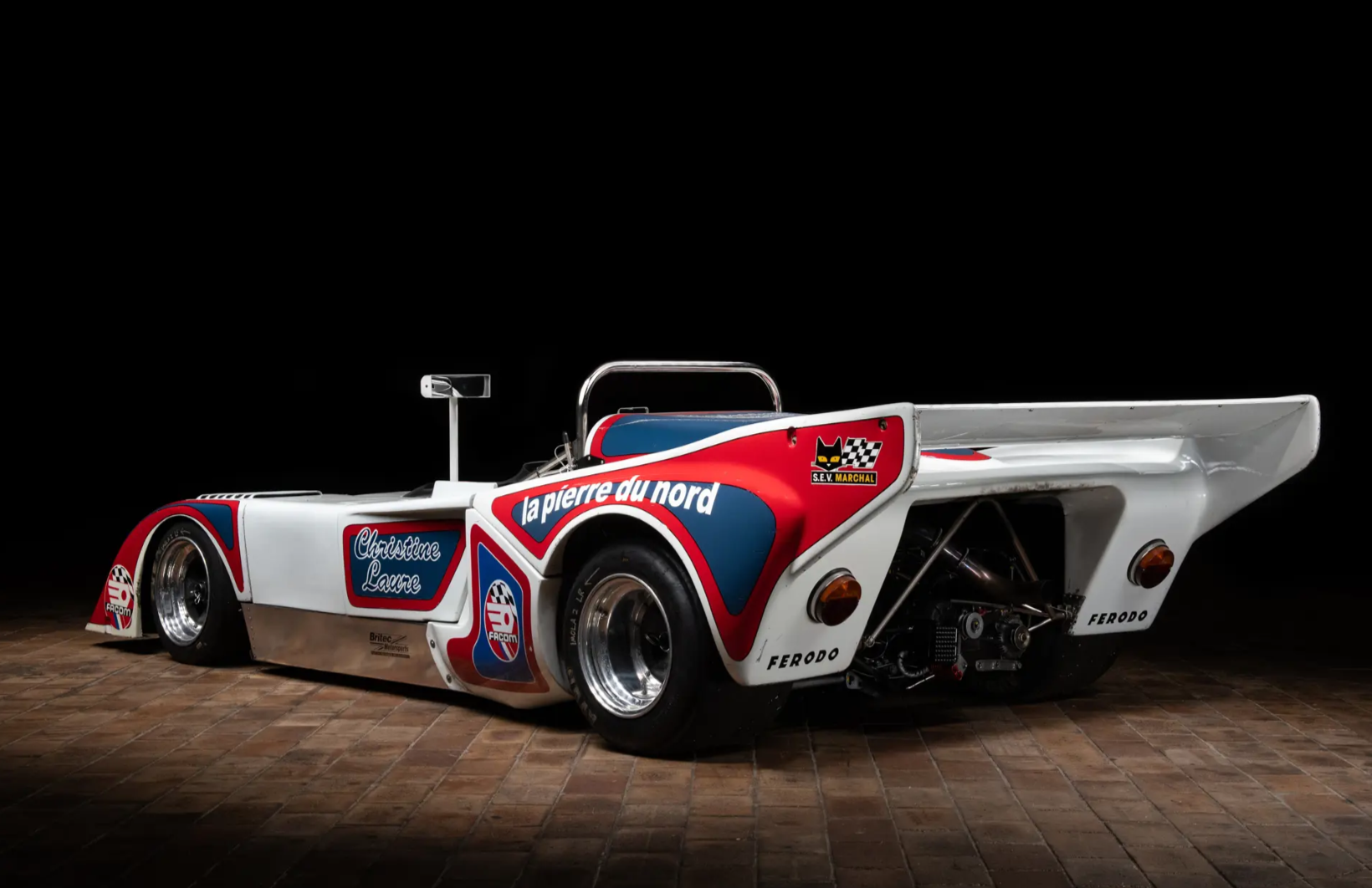
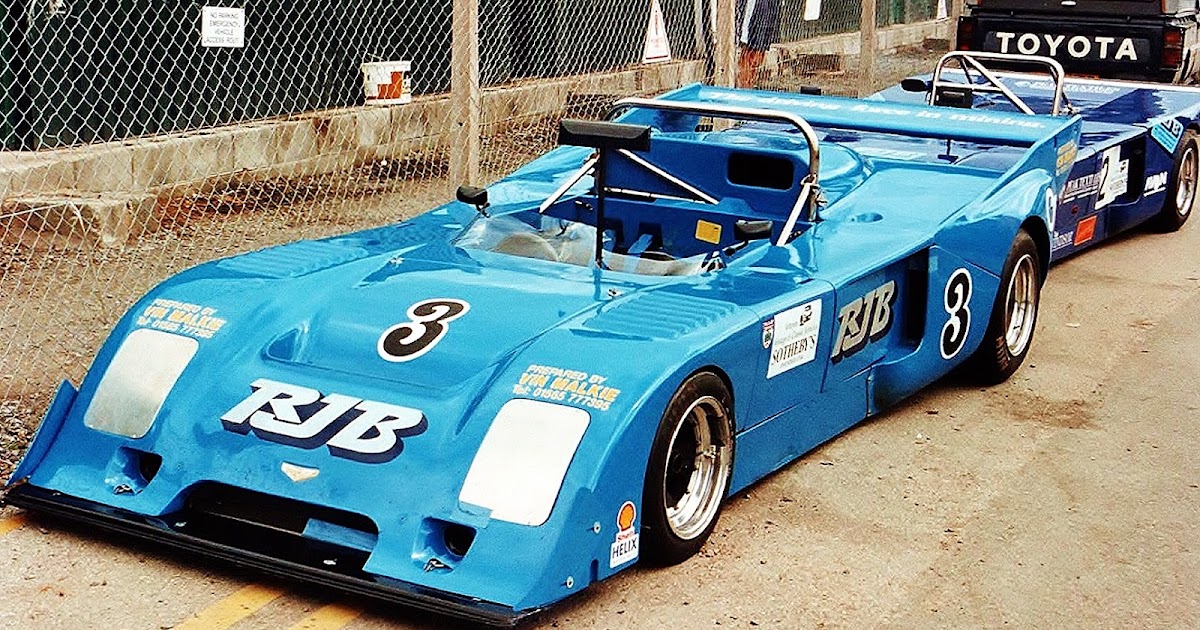
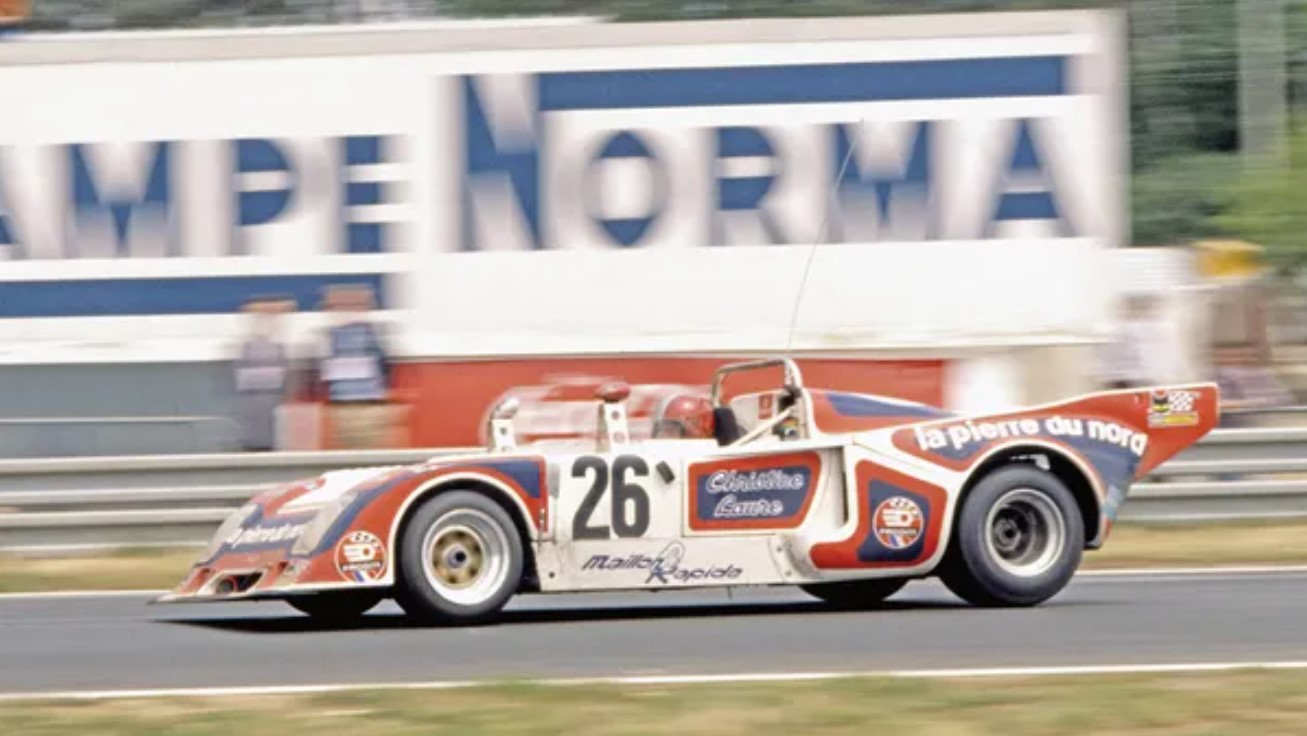
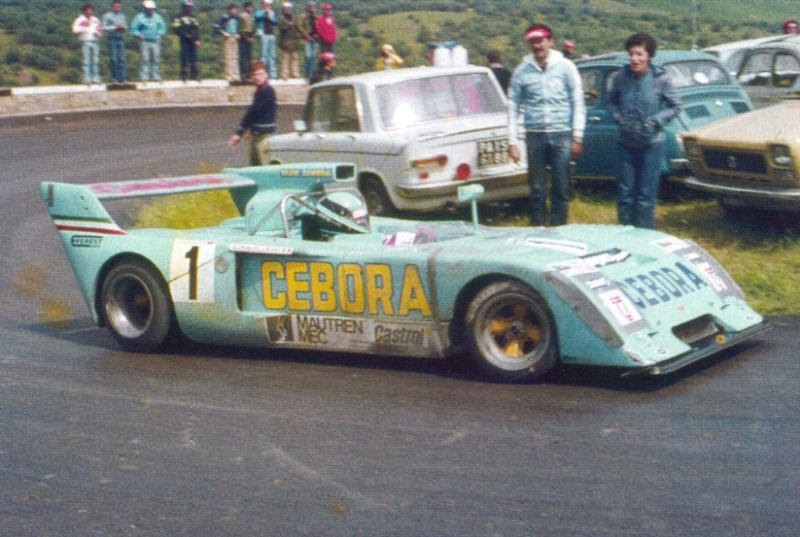
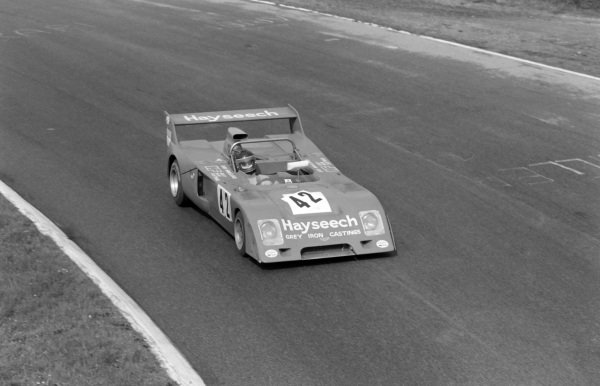
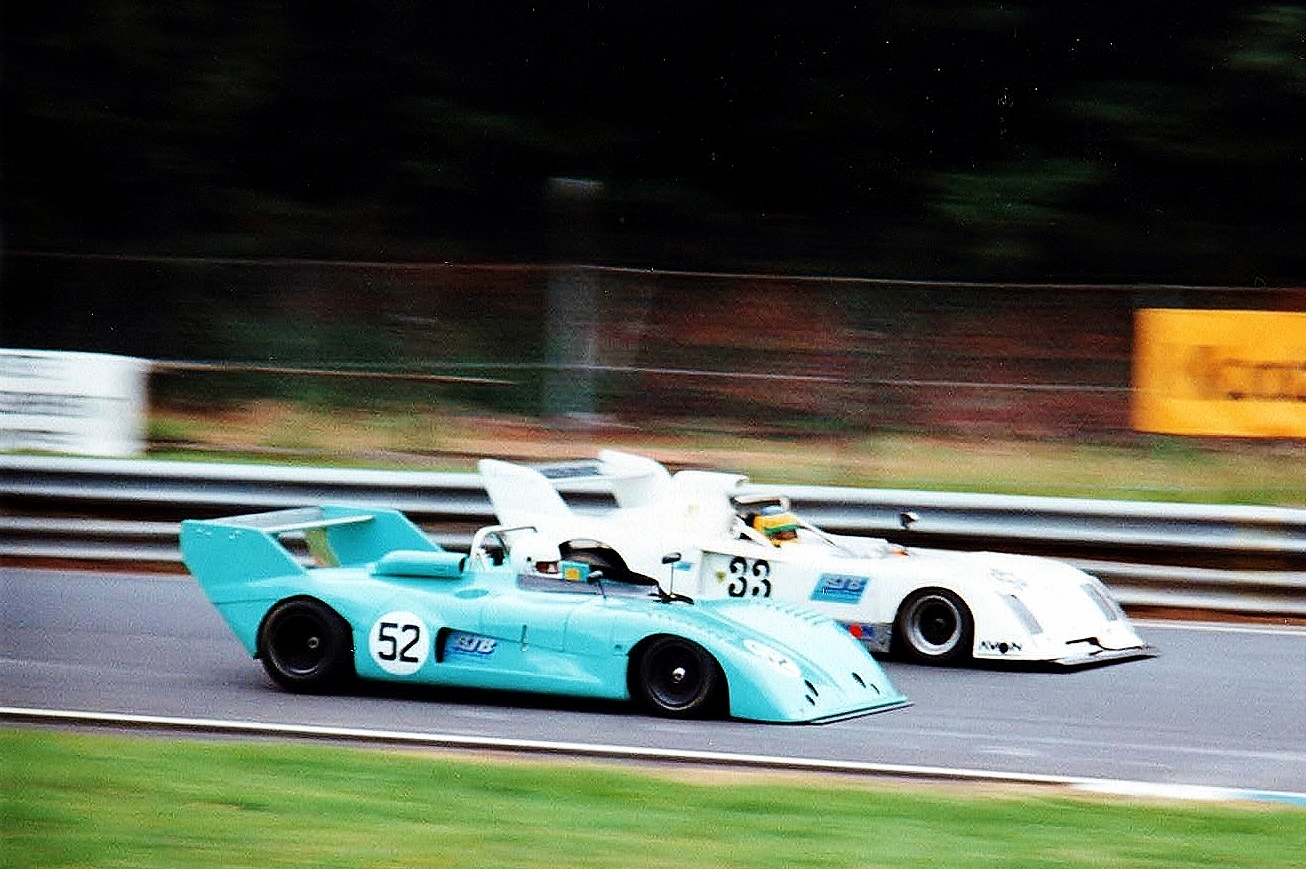
By the middle of the 1970s, the European 2-Litre Sports Car Championship had evolved into a gladiatorial arena where technological stagnation meant instant obsolescence. The days of the gentle “clubman” car were over; this was now a realm of slick tires, high downforce, and exotic materials. Derek Bennett, the engineering soul of Chevron, had unleashed the B31 for the 1975 season, a curvaceous refinement of the monocoque B26 designed to reclaim the aerodynamic advantage from Lola. While the B31 chassis was a masterpiece of compliance and grip, the weapon chosen to power it defined the car’s character. For the privateer with the budget to chase pole positions rather than just race finishes, the iron-block FVC was too heavy and too slow. The answer lay in the fragile but ferocious potential of the aluminium block. This was the 1975 Chevron B31 Ford Cosworth FVD, a machine that represented the bleeding edge of naturally aspirated four-cylinder performance.
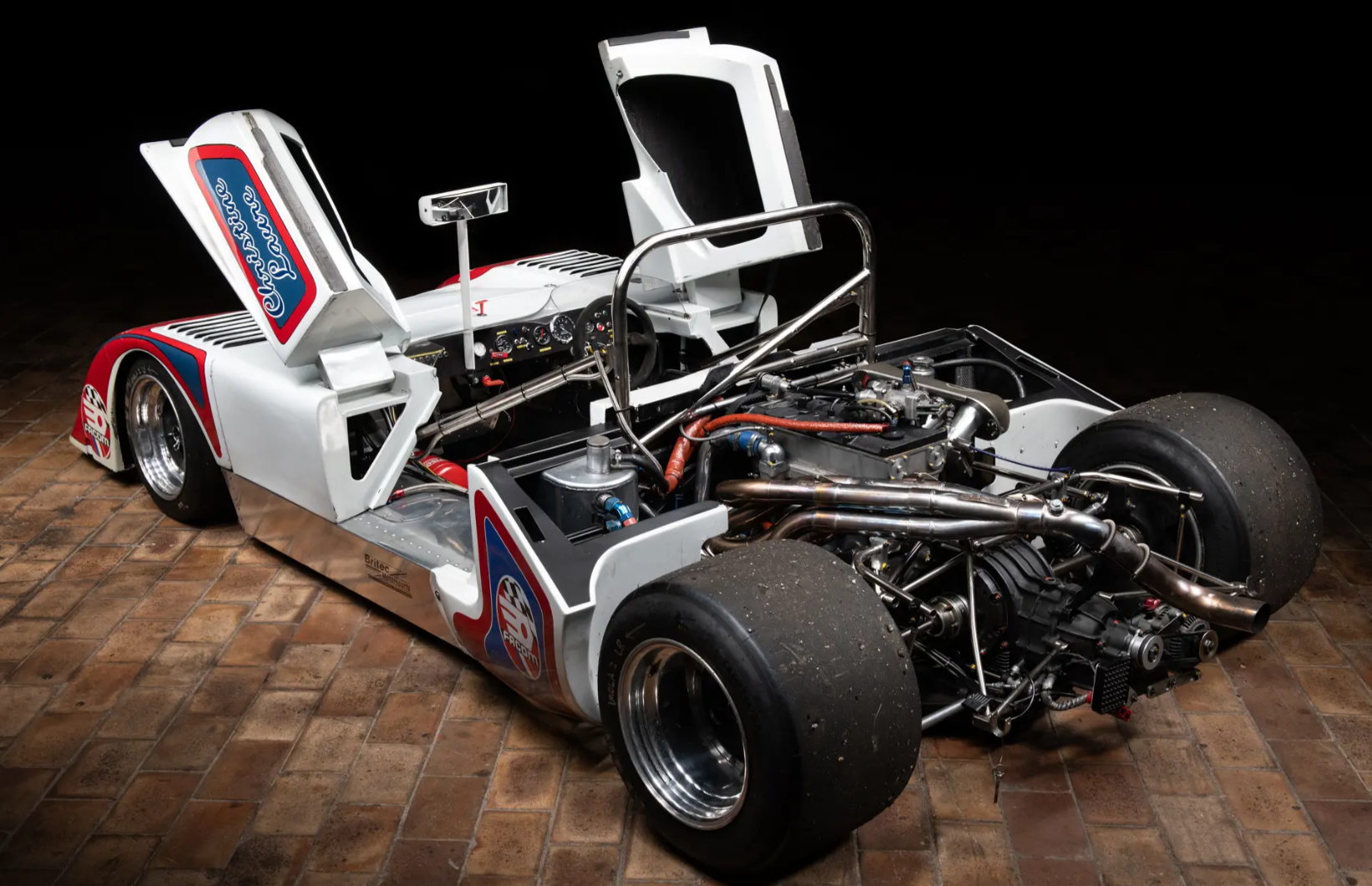
The B31 FVD was a sprint racer in its purest form. Its defining characteristic was the engine: the Cosworth FVD (Four Valve Type D). Historically, the FVD serves as the vital, screaming link between the 1.6-litre FVA and the definitive 2.0-litre BDG. By 1975, the FVD was a known, albeit temperamental, quantity. Displacing a full 1,975cc and utilizing an aluminium alloy block derived from the Formula 2 BDA program, it shed nearly 40 lbs compared to the iron FVC. In the B31’s lightweight monocoque chassis, this weight reduction was transformative. It shifted the weight distribution forward, reducing the pendulum effect at the rear and allowing the car to change direction with the immediacy of a single-seater. Producing upwards of 275 to 280 bhp at a dizzying 9,250 rpm, the FVD offered a power-to-weight ratio that allowed the B31 to hunt down the factory Alpine-Renaults on the straights.
Bennett’s B31 chassis was perfectly suited to harness this frantic energy. The revised bodywork, with its softer, rounded nose and optimized rear wing, generated significant downforce, planting the car firmly into the tarmac and allowing the driver to exploit the FVD’s explosive top-end power. Unlike the torque-rich FVC which could be lugged out of corners, the FVD required a driving style of total commitment. It was an engine that needed to be thrashed, kept permanently in the upper quartile of the rev range where the Lucas mechanical fuel injection delivered a crisp, metallic bark. The vibration from the alloy engine was less low-frequency thudding than the iron block, but it was a high-frequency buzz that tested the durability of every rivet and bracket on the car.
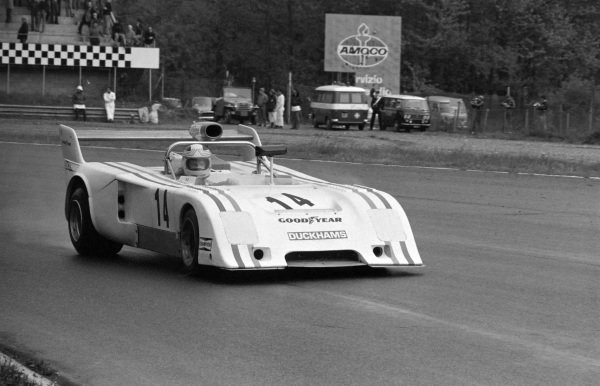
In the 1975 season, the B31 FVD was the weapon of choice for the elite privateer in sprint races and hill climbs. In the European 2-Litre Championship, it battled fiercely against the Lola T294s and T296s powered by similar alloy engines. While the BDG would eventually become the ubiquitous standard for 2.0-litre racing, the FVD-powered B31s held a unique spot on the grid. They were often run by teams who had heavily invested in the FVD architecture during the B26 era and transferred these high-performance units into the new B31 chassis. On high-speed circuits like the Salzburgring or Hockenheim, the B31 FVD was a missile, its low drag and high horsepower making it one of the fastest cars in a straight line. However, the FVD’s reputation for fragility—cracked blocks and head gasket failures were not uncommon—meant that finishing a 1000km race was a roll of the dice. Consequently, the car found immense success in shorter formats, particularly in the European Hill Climb Championship, where the combination of the B31’s mechanical grip and the FVD’s lightweight, explosive power made for a king-of-the-mountain contender.
The legacy of the Chevron B31 FVD is that of an uncompromising thoroughbred. It captures a specific moment in time when the aluminium racing engine moved from being a factory-only luxury to a privateer necessity. It was a car that demanded a professional budget and a professional driver to extract its potential. While less common today than the robust FVC or the later BDG variants, the FVD-powered B31 remains a fascinating study in the pursuit of speed over durability. It stands as a testament to the “win or bust” mentality of the mid-70s privateers, a beautiful, screaming wedge of British engineering that was built to go as fast as physics would allow, for as long as the engine would hold together.
Brand
Produced from
Portal
Vehicle category
Model line
Predecessor
Sucessor
Brand
Produced from
Portal
Vehicle category
Model line
Model generation
Predecessor
Sucessor
Submodel Overview
By the middle of the 1970s, the European 2-Litre Sports Car Championship had evolved into a gladiatorial arena where technological stagnation meant instant obsolescence. The days of the gentle “clubman” car were over; this was now a realm of slick tires, high downforce, and exotic materials. Derek Bennett, the engineering soul of Chevron, had unleashed the B31 for the 1975 season, a curvaceous refinement of the monocoque B26 designed to reclaim the aerodynamic advantage from Lola. While the B31 chassis was a masterpiece of compliance and grip, the weapon chosen to power it defined the car’s character. For the privateer with the budget to chase pole positions rather than just race finishes, the iron-block FVC was too heavy and too slow. The answer lay in the fragile but ferocious potential of the aluminium block. This was the 1975 Chevron B31 Ford Cosworth FVD, a machine that represented the bleeding edge of naturally aspirated four-cylinder performance.
The B31 FVD was a sprint racer in its purest form. Its defining characteristic was the engine: the Cosworth FVD (Four Valve Type D). Historically, the FVD serves as the vital, screaming link between the 1.6-litre FVA and the definitive 2.0-litre BDG. By 1975, the FVD was a known, albeit temperamental, quantity. Displacing a full 1,975cc and utilizing an aluminium alloy block derived from the Formula 2 BDA program, it shed nearly 40 lbs compared to the iron FVC. In the B31’s lightweight monocoque chassis, this weight reduction was transformative. It shifted the weight distribution forward, reducing the pendulum effect at the rear and allowing the car to change direction with the immediacy of a single-seater. Producing upwards of 275 to 280 bhp at a dizzying 9,250 rpm, the FVD offered a power-to-weight ratio that allowed the B31 to hunt down the factory Alpine-Renaults on the straights.
Bennett’s B31 chassis was perfectly suited to harness this frantic energy. The revised bodywork, with its softer, rounded nose and optimized rear wing, generated significant downforce, planting the car firmly into the tarmac and allowing the driver to exploit the FVD’s explosive top-end power. Unlike the torque-rich FVC which could be lugged out of corners, the FVD required a driving style of total commitment. It was an engine that needed to be thrashed, kept permanently in the upper quartile of the rev range where the Lucas mechanical fuel injection delivered a crisp, metallic bark. The vibration from the alloy engine was less low-frequency thudding than the iron block, but it was a high-frequency buzz that tested the durability of every rivet and bracket on the car.
In the 1975 season, the B31 FVD was the weapon of choice for the elite privateer in sprint races and hill climbs. In the European 2-Litre Championship, it battled fiercely against the Lola T294s and T296s powered by similar alloy engines. While the BDG would eventually become the ubiquitous standard for 2.0-litre racing, the FVD-powered B31s held a unique spot on the grid. They were often run by teams who had heavily invested in the FVD architecture during the B26 era and transferred these high-performance units into the new B31 chassis. On high-speed circuits like the Salzburgring or Hockenheim, the B31 FVD was a missile, its low drag and high horsepower making it one of the fastest cars in a straight line. However, the FVD’s reputation for fragility—cracked blocks and head gasket failures were not uncommon—meant that finishing a 1000km race was a roll of the dice. Consequently, the car found immense success in shorter formats, particularly in the European Hill Climb Championship, where the combination of the B31’s mechanical grip and the FVD’s lightweight, explosive power made for a king-of-the-mountain contender.
The legacy of the Chevron B31 FVD is that of an uncompromising thoroughbred. It captures a specific moment in time when the aluminium racing engine moved from being a factory-only luxury to a privateer necessity. It was a car that demanded a professional budget and a professional driver to extract its potential. While less common today than the robust FVC or the later BDG variants, the FVD-powered B31 remains a fascinating study in the pursuit of speed over durability. It stands as a testament to the “win or bust” mentality of the mid-70s privateers, a beautiful, screaming wedge of British engineering that was built to go as fast as physics would allow, for as long as the engine would hold together.
Tech Specs
Technical Specifications
Tech Specs
Technical Specifications
Engine
01
03
Internal combustion engine
Configuration
Ford Cosworth FVD, Inline-4
Location
Mid, longitudinally mounted
Construction
Aluminium block and head
Displacement (cc)
1,990 cc
Displacement (cu in)
121.4 cu in
Compression
-
Bore x Stroke
90.4 mm x 77.6 mm
Valvetrain
4 valves per cylinder, DOHC
Fuel feed
Lucas Fuel Injection
Lubrication
Dry sump
Aspiration
Naturally aspirated
Output
Power (hp)
285 hp
Power (kW)
209 kW
Max power at
9,000 RPM
Torque (Nm)
-
Torque (ft lbs)
-
Max torque at
-
Drivetrain
02
03
Chassis
Type
Monocoque with front and rear subframes
Material
Aluminium
Body
Material
Fibreglass
Transmission
Gearbox
5-speed manual
Drive
Rear Wheel Drive
Suspension
Front
Double wishbones, coil springs over dampers, anti-roll bar
Rear
Single top links, twin lower links, twin trailing arms, coil springs over dampers, anti-roll bar
Steering
Type
Rack and pinion
Brakes
Front
Ventilated discs
Rear
Ventilated discs
Wheels
Front
-
Rear
-
Tires
Front
-
Rear
-
Dimensions and performance
03
03
Dimensions
Length (mm)
-
Length (in)
-
Width (mm)
-
Width (in)
-
Height (mm)
-
Height (in)
-
Wheelbase (mm)
-
Wheelbase (in)
-
Weight (kg)
-
Weight (lbs)
-
Performance
Power to weight
-
Top speed (km/h)
-
Top speed (mph)
-
0-100 km/h (0-60 mph)
-