
Chevron B31 ROC Chrysler-Simca
Brand
Produced from
Portal
Vehicle category
Model line
Predecessor
Successor
Submodel Overview
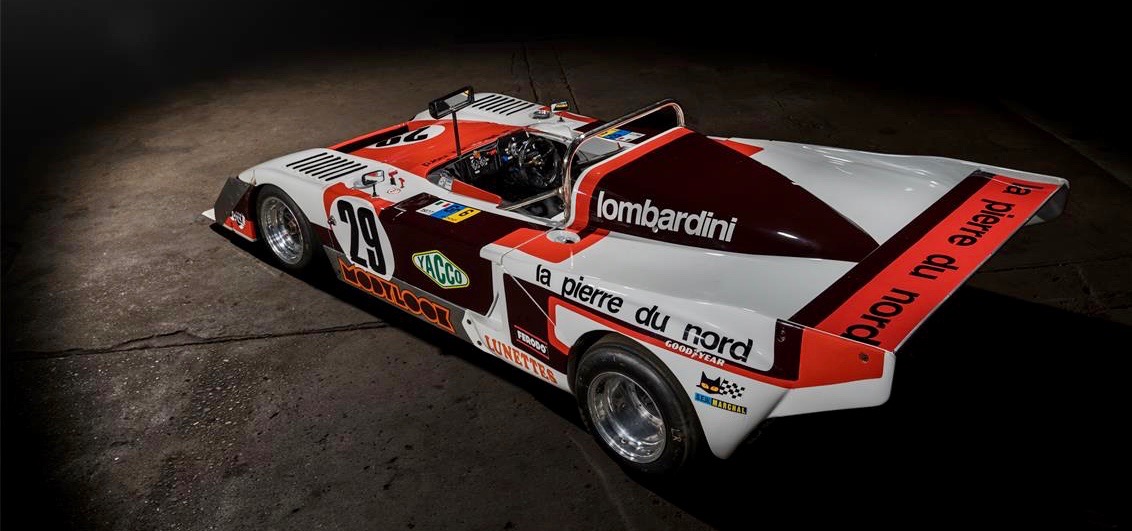
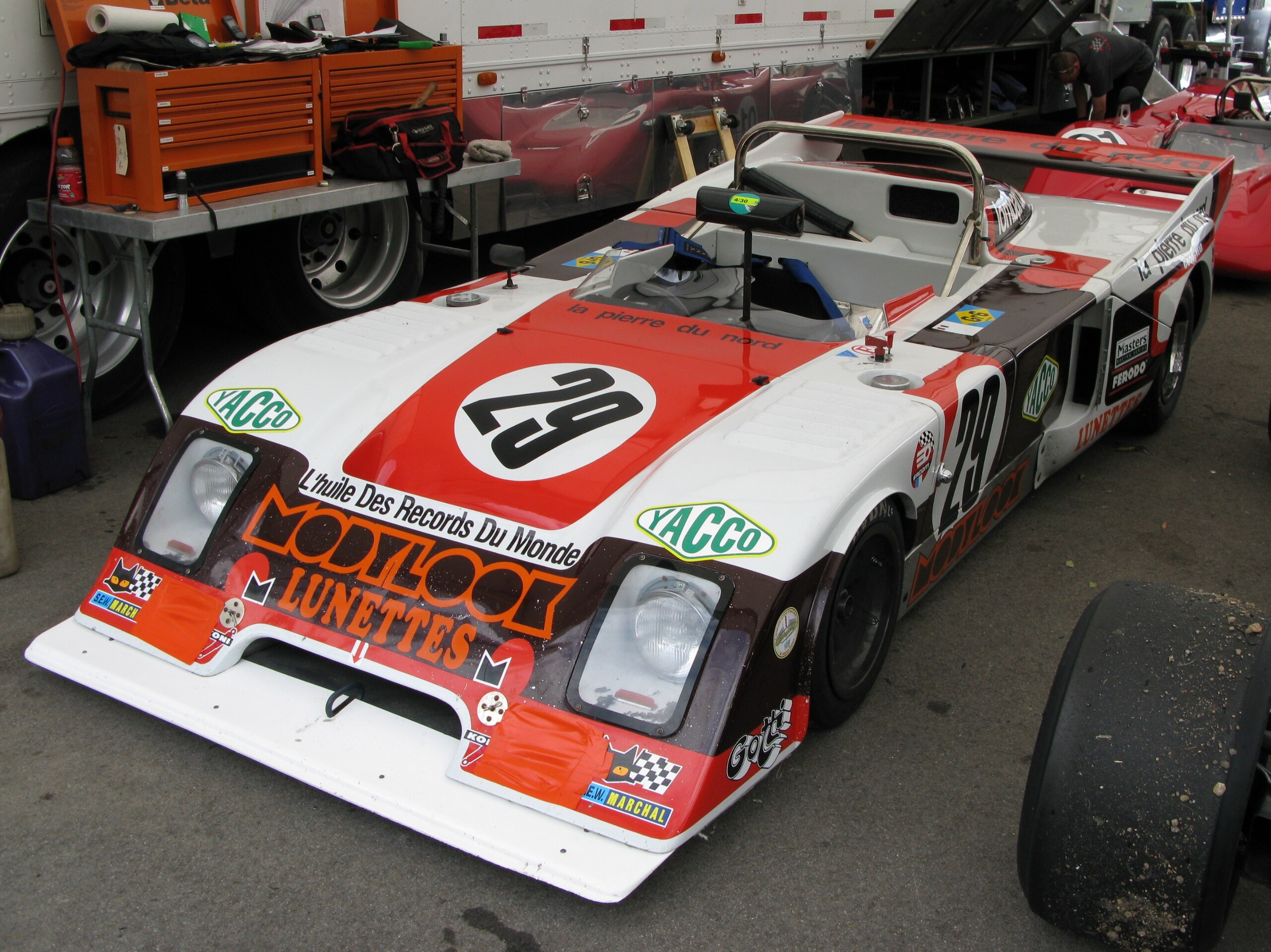
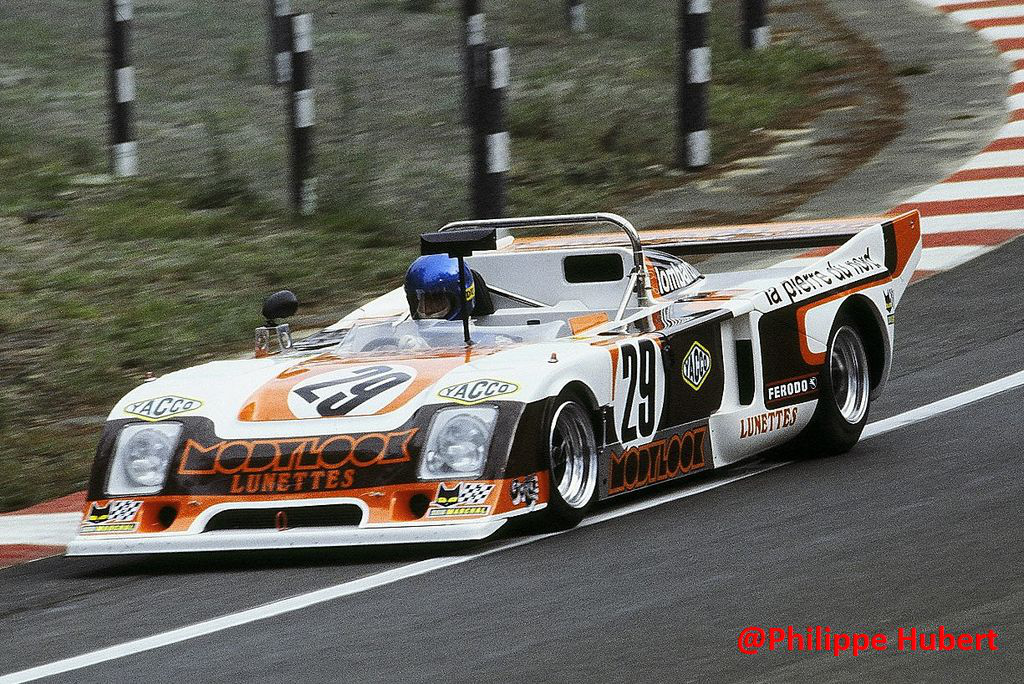
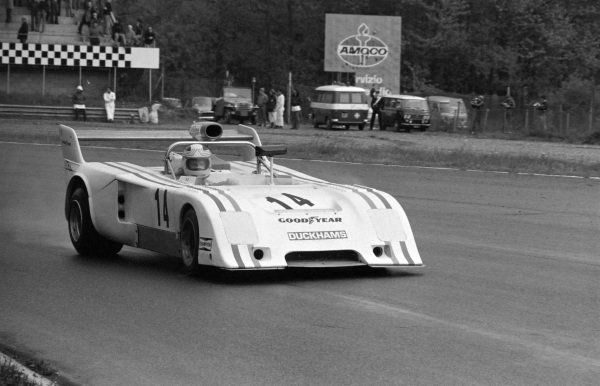
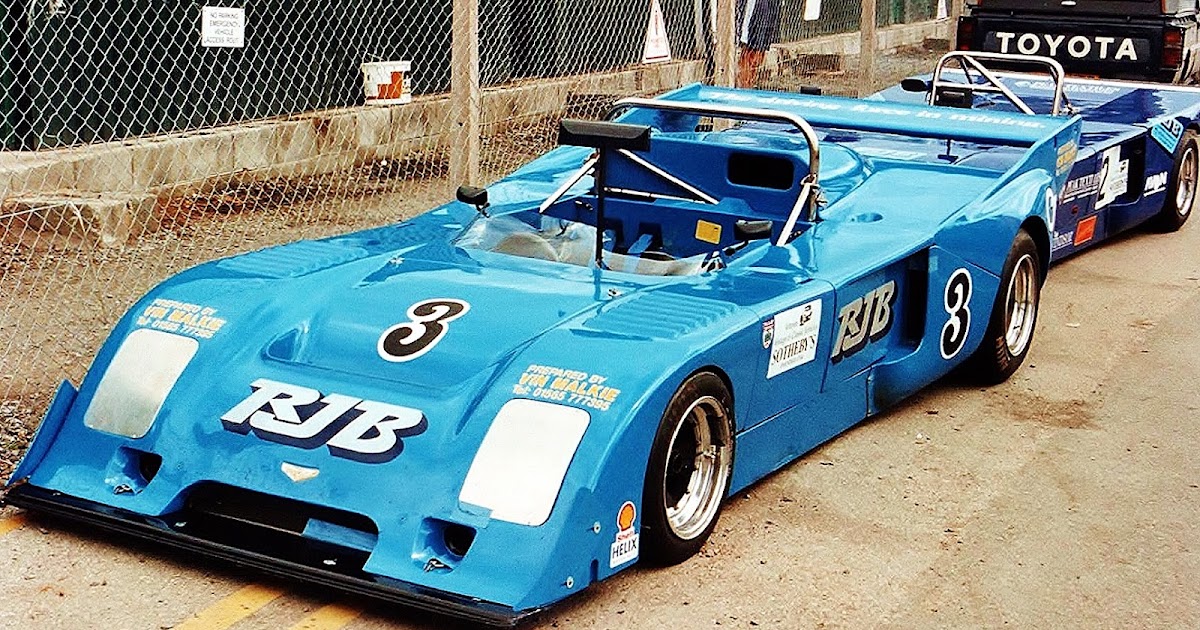
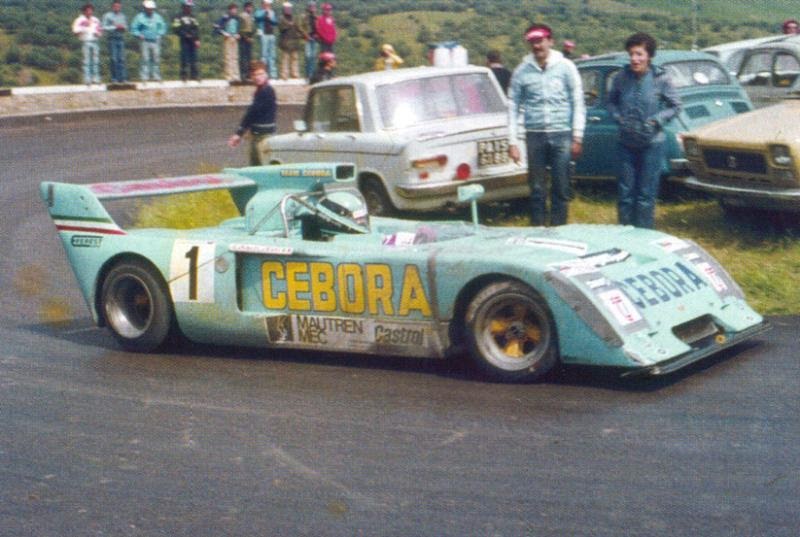
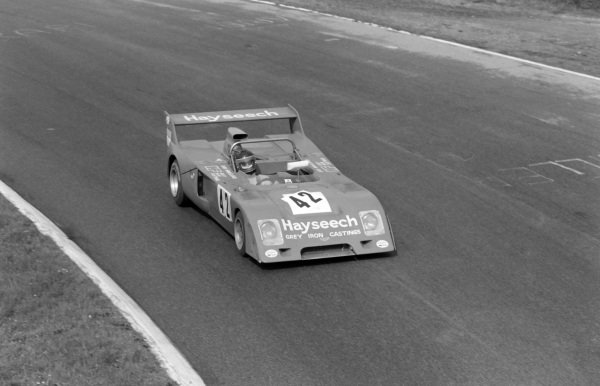
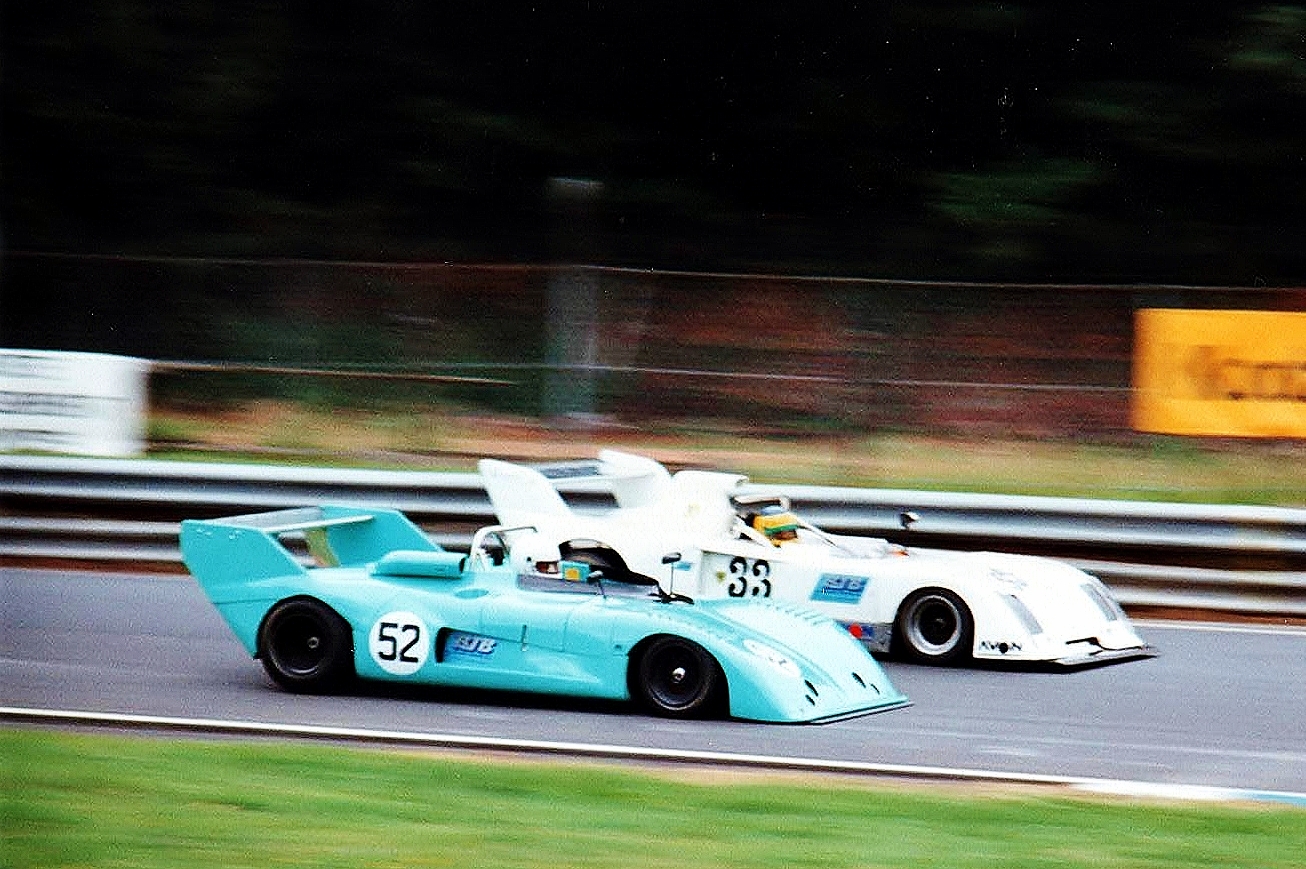
In the kaleidoscopic grid of 1970s sports car racing, national allegiances were usually clearly defined by the engine cover. The British teams ran Ford Cosworths or Harts; the Germans ran BMWs; the Italians ran Abarths. But in 1975, a fascinating anomaly emerged from the workshops of Annemasse, France, that blurred these lines with spectacular results. This was the Chevron B31 ROC Chrysler-Simca, a machine that represented a cross-channel marriage of convenience and ambition. It combined the finest customer chassis in the world—Derek Bennett’s aluminium-monocoque B31—with a uniquely Gallic heart, creating a weapon designed specifically to break the hegemony of the factory Renault-Alpine team on French soil and at the 24 Hours of Le Mans.
The genesis of this submodel lay with Fred Stalder, the founder of ROC (Racing Organisation Course). Stalder was a master engine tuner who saw potential in the humble Chrysler-Simca 2.0-litre block, a unit found in mundane road cars like the Chrysler 180. He developed a bespoke 16-valve cylinder head, creating a pure racing engine that could rival the output of the mighty Cosworth BDG. However, Stalder needed a chassis capable of exploiting this power. While Lola was a common choice, the new-for-1975 Chevron B31 offered superior aerodynamics and a more compliant suspension setup that appealed to the endurance-minded French team. The result was a car that looked like a standard B31 but spoke with a completely different accent.
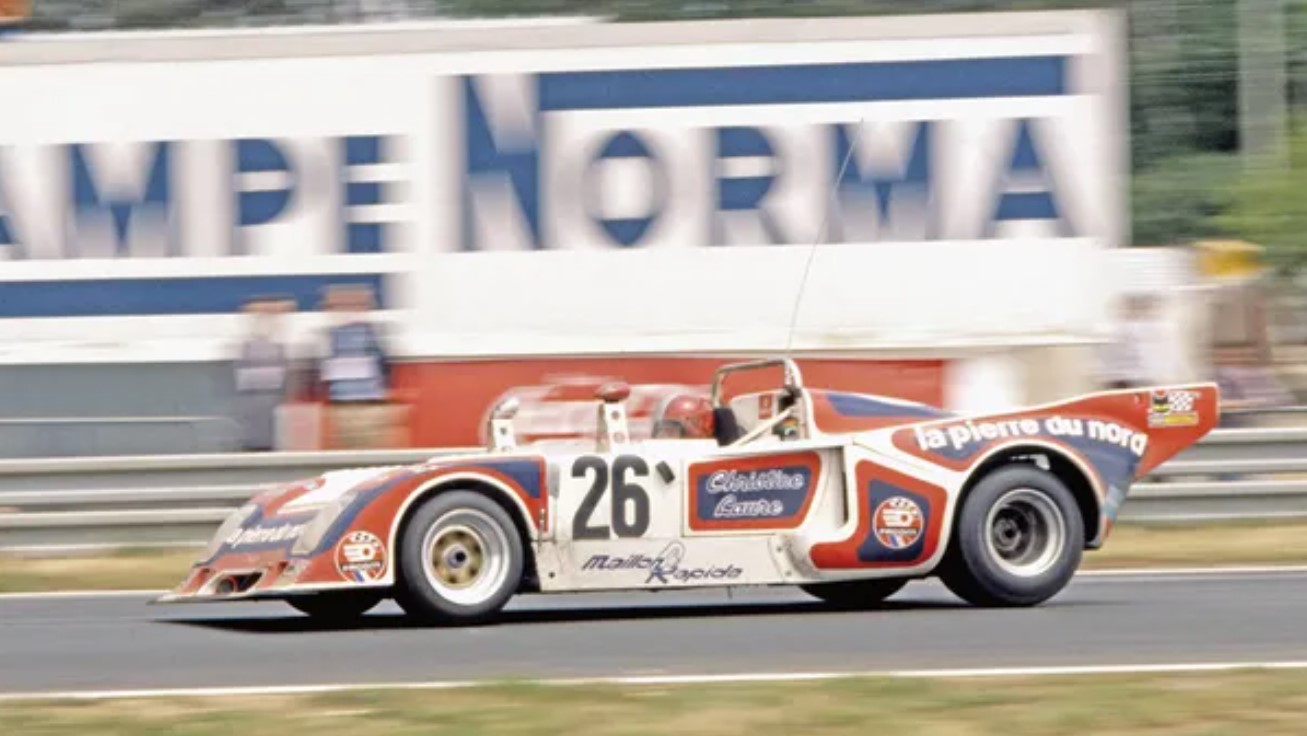
Technically, the B31 ROC was a marvel of integration. Bennett’s chassis, a riveted and bonded aluminium monocoque, was stiff enough to handle the vibrations of the high-strung French engine. The ROC-Simca engine, displacing 1,996cc, was a screamer. Fitted with Kugelfischer mechanical fuel injection and dry-sump lubrication, it produced a potent 285 to 290 bhp at around 9,200 rpm. This put it right in the ballpark of the factory BMW M12s and Cosworth BDGs. The installation required bespoke engine mounts and a modified rear subframe, along with a unique exhaust system that gave the car a sharper, higher-pitched raspy note compared to the deep bellow of the Fords. The bodywork retained the B31’s voluptuous curves and high-downforce rear wing, but the cars were often adorned in distinctive French liveries (often sponsored by Société du Cheval de Fer or similar entities), marking them out as the “local heroes” at Le Mans.
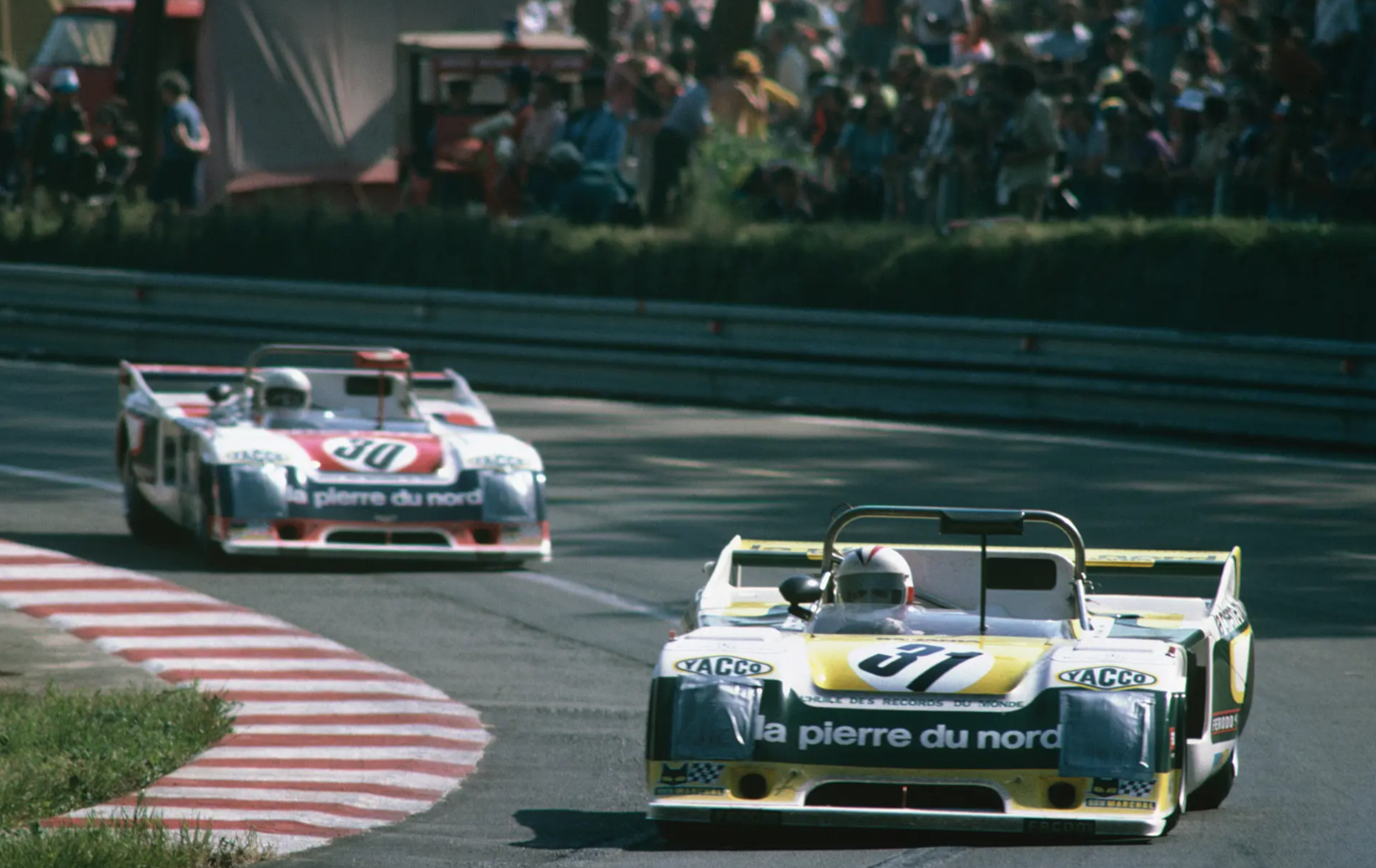
The B31 ROC’s primary battleground was the French Sportscar Championship (Championnat de France des Circuits) and, crucially, the 24 Hours of Le Mans. In the domestic series, it was the only car capable of consistently challenging the dominant Alpine A441s. Drivers like François Servanin and Laurent Ferrier utilized the B31’s superior mechanical grip on technical tracks like Magny-Cours and Nogaro to harass the factory Renaults. However, it was at Le Mans where the car cemented its reputation. The 2.0-litre class at La Sarthe was a grueling test of machinery, and the B31 ROCs were the flag-bearers for privateer French hopes. In 1975 and 1976, these cars were fixtures of the race. They were fast—often clocking higher top speeds on the Mulsanne Straight than their Cosworth equivalents due to the engine’s top-end bias—but they were also fragile. The ROC engine was operating at the absolute limit of its architectural tolerances, and head gasket failures or valvetrain issues were common heartbreaks in the 18th or 20th hour.
Yet, when they ran, they were magnificent. The B31 ROC proved that a “hot-rodded” production block could fight pure racing engines on the world stage. In the 1975 Le Mans 24 Hours, the ROC-entered B31 qualified competitively and ran strongly, becoming a crowd favorite. The car demonstrated that the Chevron chassis was adaptable enough to win regardless of the language spoken by the engine team. It was a car that required a specific driving style; lacking the mid-range torque of the BMW, the ROC engine had to be thrashed, kept on the boil in a narrow powerband, a task that suited the aggressive style of the French pilots.
The legacy of the Chevron B31 ROC is one of audacious engineering and national pride. It remains one of the most exotic variants of the B31 lineage, a car that eschewed the safe Cosworth option for something homegrown and heroic. It paved the way for ROC to eventually build their own chassis, but for a brief window in the mid-70s, the beautiful British Chevron with the screaming French heart was the ultimate expression of the Entente Cordiale in motorsport. Today, these cars are prized in historic racing not just for their speed, but for their rarity and the sheer, magnificent noise of that Stalder-tuned engine at full chat.
Brand
Produced from
Portal
Vehicle category
Model line
Predecessor
Sucessor
Brand
Produced from
Portal
Vehicle category
Model line
Model generation
Predecessor
Sucessor
Submodel Overview
In the kaleidoscopic grid of 1970s sports car racing, national allegiances were usually clearly defined by the engine cover. The British teams ran Ford Cosworths or Harts; the Germans ran BMWs; the Italians ran Abarths. But in 1975, a fascinating anomaly emerged from the workshops of Annemasse, France, that blurred these lines with spectacular results. This was the Chevron B31 ROC Chrysler-Simca, a machine that represented a cross-channel marriage of convenience and ambition. It combined the finest customer chassis in the world—Derek Bennett’s aluminium-monocoque B31—with a uniquely Gallic heart, creating a weapon designed specifically to break the hegemony of the factory Renault-Alpine team on French soil and at the 24 Hours of Le Mans.
The genesis of this submodel lay with Fred Stalder, the founder of ROC (Racing Organisation Course). Stalder was a master engine tuner who saw potential in the humble Chrysler-Simca 2.0-litre block, a unit found in mundane road cars like the Chrysler 180. He developed a bespoke 16-valve cylinder head, creating a pure racing engine that could rival the output of the mighty Cosworth BDG. However, Stalder needed a chassis capable of exploiting this power. While Lola was a common choice, the new-for-1975 Chevron B31 offered superior aerodynamics and a more compliant suspension setup that appealed to the endurance-minded French team. The result was a car that looked like a standard B31 but spoke with a completely different accent.
Technically, the B31 ROC was a marvel of integration. Bennett’s chassis, a riveted and bonded aluminium monocoque, was stiff enough to handle the vibrations of the high-strung French engine. The ROC-Simca engine, displacing 1,996cc, was a screamer. Fitted with Kugelfischer mechanical fuel injection and dry-sump lubrication, it produced a potent 285 to 290 bhp at around 9,200 rpm. This put it right in the ballpark of the factory BMW M12s and Cosworth BDGs. The installation required bespoke engine mounts and a modified rear subframe, along with a unique exhaust system that gave the car a sharper, higher-pitched raspy note compared to the deep bellow of the Fords. The bodywork retained the B31’s voluptuous curves and high-downforce rear wing, but the cars were often adorned in distinctive French liveries (often sponsored by Société du Cheval de Fer or similar entities), marking them out as the “local heroes” at Le Mans.
The B31 ROC’s primary battleground was the French Sportscar Championship (Championnat de France des Circuits) and, crucially, the 24 Hours of Le Mans. In the domestic series, it was the only car capable of consistently challenging the dominant Alpine A441s. Drivers like François Servanin and Laurent Ferrier utilized the B31’s superior mechanical grip on technical tracks like Magny-Cours and Nogaro to harass the factory Renaults. However, it was at Le Mans where the car cemented its reputation. The 2.0-litre class at La Sarthe was a grueling test of machinery, and the B31 ROCs were the flag-bearers for privateer French hopes. In 1975 and 1976, these cars were fixtures of the race. They were fast—often clocking higher top speeds on the Mulsanne Straight than their Cosworth equivalents due to the engine’s top-end bias—but they were also fragile. The ROC engine was operating at the absolute limit of its architectural tolerances, and head gasket failures or valvetrain issues were common heartbreaks in the 18th or 20th hour.
Yet, when they ran, they were magnificent. The B31 ROC proved that a “hot-rodded” production block could fight pure racing engines on the world stage. In the 1975 Le Mans 24 Hours, the ROC-entered B31 qualified competitively and ran strongly, becoming a crowd favorite. The car demonstrated that the Chevron chassis was adaptable enough to win regardless of the language spoken by the engine team. It was a car that required a specific driving style; lacking the mid-range torque of the BMW, the ROC engine had to be thrashed, kept on the boil in a narrow powerband, a task that suited the aggressive style of the French pilots.
The legacy of the Chevron B31 ROC is one of audacious engineering and national pride. It remains one of the most exotic variants of the B31 lineage, a car that eschewed the safe Cosworth option for something homegrown and heroic. It paved the way for ROC to eventually build their own chassis, but for a brief window in the mid-70s, the beautiful British Chevron with the screaming French heart was the ultimate expression of the Entente Cordiale in motorsport. Today, these cars are prized in historic racing not just for their speed, but for their rarity and the sheer, magnificent noise of that Stalder-tuned engine at full chat.
Tech Specs
Technical Specifications
Tech Specs
Technical Specifications
Engine
01
03
Internal combustion engine
Configuration
ROC Chrysler-Simca, Inline-4
Location
Mid, longitudinally mounted
Construction
-
Displacement (cc)
1,993 cc
Displacement (cu in)
121.6 cu in
Compression
-
Bore x Stroke
92.0 mm x 75.0 mm
Valvetrain
4 valves per cylinder, DOHC
Fuel feed
Fuel Injection
Lubrication
Dry sump
Aspiration
Naturally aspirated
Output
Power (hp)
295 hp
Power (kW)
220 kW
Max power at
9,400 RPM
Torque (Nm)
-
Torque (ft lbs)
-
Max torque at
-
Drivetrain
02
03
Chassis
Type
Monocoque with front and rear subframes
Material
Aluminium
Body
Material
Fibreglass
Transmission
Gearbox
5-speed manual
Drive
Rear Wheel Drive
Suspension
Front
Double wishbones, coil springs over dampers, anti-roll bar
Rear
Single top links, twin lower links, twin trailing arms, coil springs over dampers, anti-roll bar
Steering
Type
Rack and pinion
Brakes
Front
Ventilated discs
Rear
Ventilated discs
Wheels
Front
-
Rear
-
Tires
Front
-
Rear
-
Dimensions and performance
03
03
Dimensions
Length (mm)
-
Length (in)
-
Width (mm)
-
Width (in)
-
Height (mm)
-
Height (in)
-
Wheelbase (mm)
-
Wheelbase (in)
-
Weight (kg)
580 kg
Weight (lbs)
1,279 lbs
Performance
Power to weight
0.5 hp/kg
Top speed (km/h)
-
Top speed (mph)
-
0-100 km/h (0-60 mph)
-