
Chevron B36 BMW M12
Brand
Produced from
Portal
Vehicle category
Model line
Predecessor
Successor
Submodel Overview
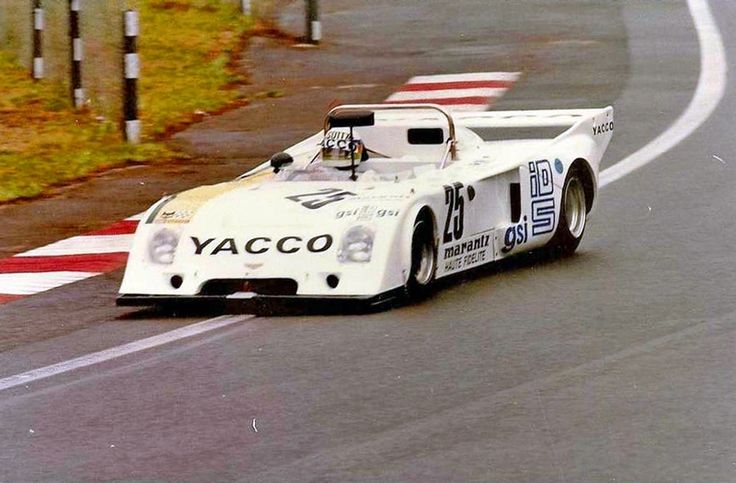
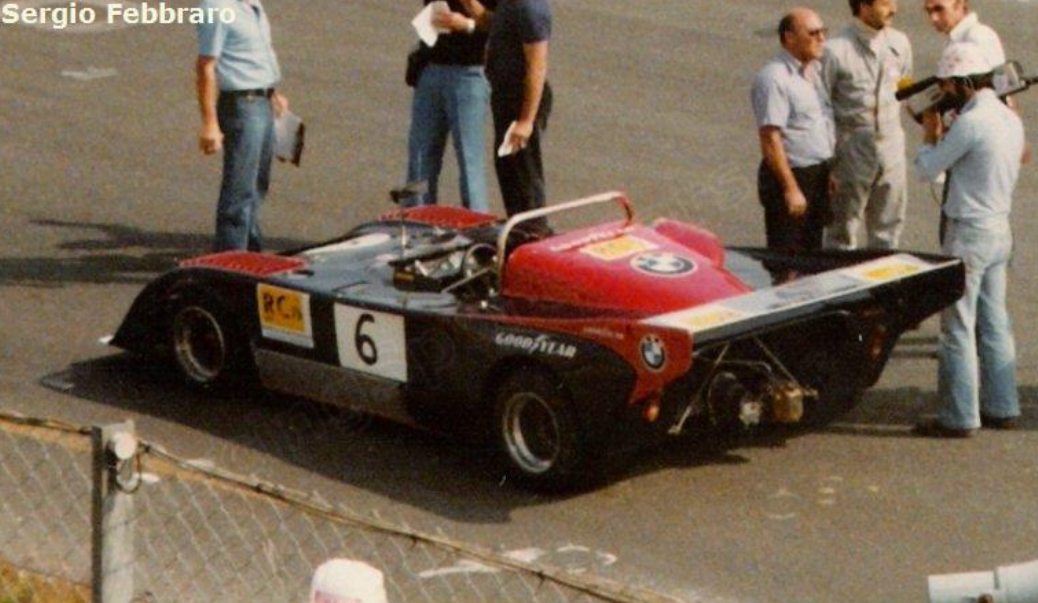
By 1976, the European 2-Litre Sports Car Championship had transformed from a gentleman’s pursuit into a high-stakes technological arms race. The romantic era of the steel-framed, Ford-powered privateer was waning, replaced by a ruthless pursuit of horsepower and aerodynamic efficiency. Derek Bennett, the visionary founder of Chevron Cars, had responded to this shift with the B36, a razor-sharp, aluminium-monocoque evolution of the B31 designed to generate massive downforce. While the vast majority of these chassis were fitted with the ubiquitous, lightweight Ford Cosworth BDG, there existed a subset of racers for whom “enough” was never quite enough. For the teams that prioritized top-end speed over balance, and who had the budget to tame a wild beast, there was only one engine choice. This was the 1976 Chevron B36 BMW M12, a machine that combined the finest British chassis of its generation with the most powerful, sophisticated, and violent 2.0-litre engine in the world.
The B36 BMW was a car defined by its heart. The BMW M12/7 was not a sports car engine by design; it was a purebred Formula 2 powerplant, a masterpiece of Bavarian engineering credited to the legendary Paul Rosche. Displacing 1,990cc and featuring a cast-iron block topped with a complex, 16-valve aluminium cylinder head, it was a physically imposing unit. Standing tall and upright in the back of the low-slung Chevron, it required bespoke engine covers and a modified rear subframe to fit. But the trade-off was worth it. Fed by a Kugelfischer mechanical fuel injection system and breathing through guillotine slide throttles, the M12 produced over 300 bhp at a stratospheric 9,500 rpm. This gave the B36 BMW a significant power advantage—roughly 15 to 20 bhp—over its Cosworth-powered siblings. On the long straights of Hockenheim or the Salzburgring, the BMW-powered car was a missile, simply walking away from the Ford-powered opposition.
However, this speed came at a cost. The M12 was heavier than the alloy-block BDG, shifting the weight distribution rearward and making the car more pendulum-like at the limit. More critically, the BMW engine was notorious for its destructive harmonic vibrations. It didn’t just run; it thrashed. It was an engine that could crack exhaust manifolds, loosen suspension bolts, and fatigue chassis rivets if not meticulously maintained. Bennett’s B36 chassis, a riveted and bonded aluminium monocoque, was incredibly stiff, but the installation of the BMW engine tested that stiffness to its absolute limit. The suspension, featuring magnesium uprights and double wishbones, had to be set up specifically to manage the extra mass and the violent delivery of torque that kicked in higher up the rev range than the tractable Fords. Driving a B36 BMW was a visceral, physical experience; it was louder, rougher, and faster than anything else in the class.
In the 1976 season, the B36 BMW found its niche among the elite teams who could afford the engine’s high running costs. It battled ferociously against the factory-backed Osella PA4s (which also used BMW power) and the Lola T296s. While the Cosworth cars were often favored for tight, twisty tracks, the B36 BMW was the weapon of choice for the power circuits. It also found a legendary second home in Japan. In the Fuji Grand Champion (GC) series, where spectacle and speed were paramount, the B36 BMW became an icon. Japanese teams would modify the bodywork with massive, long-tail cowlings and huge wings to exploit the M12’s horsepower on the endless main straight of Fuji Speedway. In this unrestricted environment, the B36 BMW morphed into a silhouette monster, reaching speeds that would have terrified a European club racer.
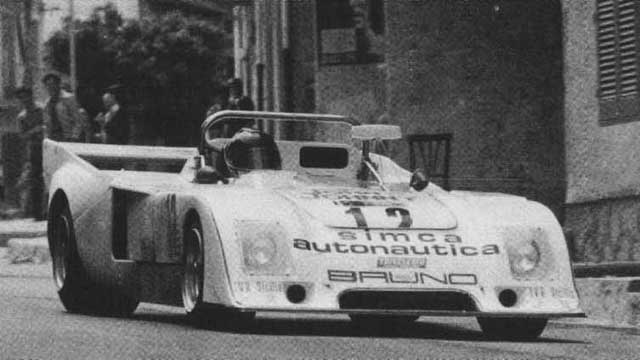
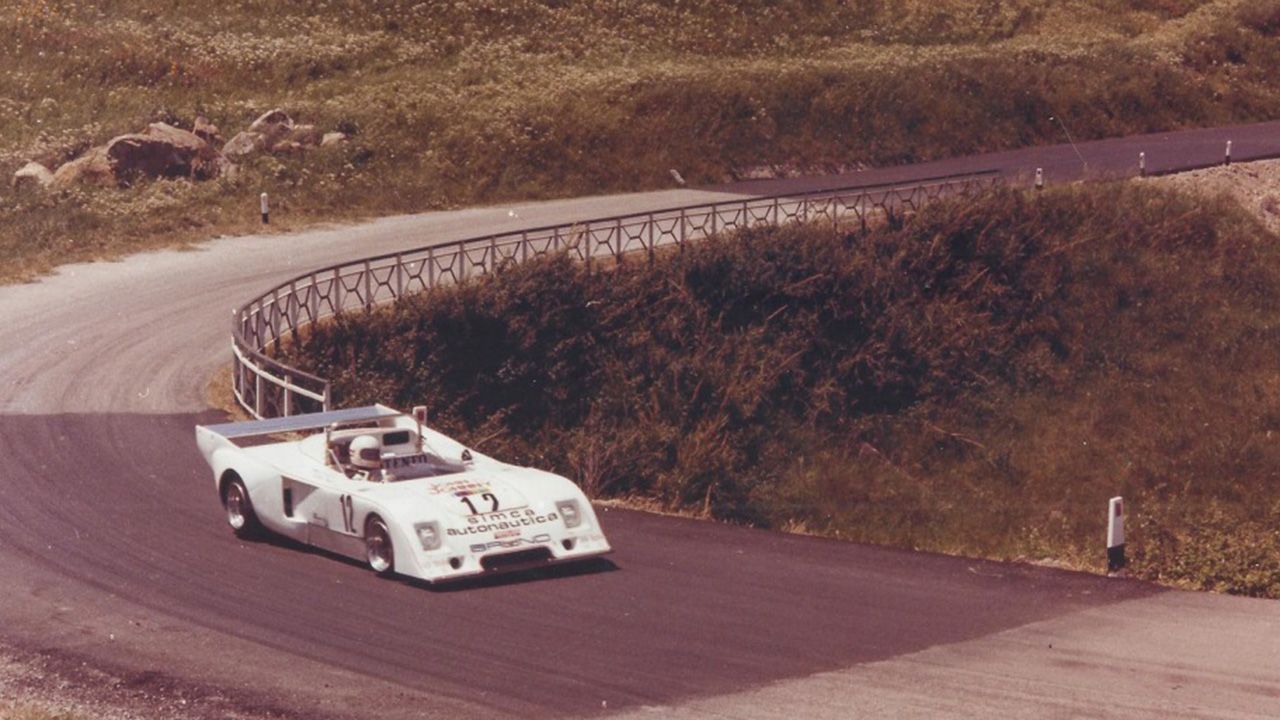
The car also became a staple of the European Hill Climb Championship. Drivers like the Frenchman Michel Pignard realized that the sheer thrust of the BMW engine, combined with the B36’s mechanical grip, was the perfect recipe for conquering mountains. In the short, sharp blasts of a hill climb, the engine’s vibration issues were less critical, allowing the pilot to exploit the 300 bhp to its fullest potential. The sight and sound of a B36 BMW launching off the line, its engine screaming a distinct, hollow, metallic roar that echoed off the canyon walls, became a defining memory of the era.
The legacy of the Chevron B36 BMW M12 is that of the “ultimate” privateer prototype. It represents the absolute ceiling of performance for the 2.0-litre class before the turbo era truly took hold. It was a marriage of the best British chassis engineering with the pinnacle of German engine technology, a car that was as temperamental as it was fast. It proved that Derek Bennett’s design was robust enough to handle Formula 2 levels of power, even if it threatened to shake itself apart in the process. Today, in the world of historic racing, the B36 BMW is a rare and revered beast, a car that demands respect from its driver and awe from the spectators, standing as a vibration-heavy monument to the pursuit of pure, unadulterated speed.
Brand
Produced from
Portal
Vehicle category
Model line
Predecessor
Sucessor
Brand
Produced from
Portal
Vehicle category
Model line
Model generation
Predecessor
Sucessor
Submodel Overview
By 1976, the European 2-Litre Sports Car Championship had transformed from a gentleman’s pursuit into a high-stakes technological arms race. The romantic era of the steel-framed, Ford-powered privateer was waning, replaced by a ruthless pursuit of horsepower and aerodynamic efficiency. Derek Bennett, the visionary founder of Chevron Cars, had responded to this shift with the B36, a razor-sharp, aluminium-monocoque evolution of the B31 designed to generate massive downforce. While the vast majority of these chassis were fitted with the ubiquitous, lightweight Ford Cosworth BDG, there existed a subset of racers for whom “enough” was never quite enough. For the teams that prioritized top-end speed over balance, and who had the budget to tame a wild beast, there was only one engine choice. This was the 1976 Chevron B36 BMW M12, a machine that combined the finest British chassis of its generation with the most powerful, sophisticated, and violent 2.0-litre engine in the world.
The B36 BMW was a car defined by its heart. The BMW M12/7 was not a sports car engine by design; it was a purebred Formula 2 powerplant, a masterpiece of Bavarian engineering credited to the legendary Paul Rosche. Displacing 1,990cc and featuring a cast-iron block topped with a complex, 16-valve aluminium cylinder head, it was a physically imposing unit. Standing tall and upright in the back of the low-slung Chevron, it required bespoke engine covers and a modified rear subframe to fit. But the trade-off was worth it. Fed by a Kugelfischer mechanical fuel injection system and breathing through guillotine slide throttles, the M12 produced over 300 bhp at a stratospheric 9,500 rpm. This gave the B36 BMW a significant power advantage—roughly 15 to 20 bhp—over its Cosworth-powered siblings. On the long straights of Hockenheim or the Salzburgring, the BMW-powered car was a missile, simply walking away from the Ford-powered opposition.
However, this speed came at a cost. The M12 was heavier than the alloy-block BDG, shifting the weight distribution rearward and making the car more pendulum-like at the limit. More critically, the BMW engine was notorious for its destructive harmonic vibrations. It didn’t just run; it thrashed. It was an engine that could crack exhaust manifolds, loosen suspension bolts, and fatigue chassis rivets if not meticulously maintained. Bennett’s B36 chassis, a riveted and bonded aluminium monocoque, was incredibly stiff, but the installation of the BMW engine tested that stiffness to its absolute limit. The suspension, featuring magnesium uprights and double wishbones, had to be set up specifically to manage the extra mass and the violent delivery of torque that kicked in higher up the rev range than the tractable Fords. Driving a B36 BMW was a visceral, physical experience; it was louder, rougher, and faster than anything else in the class.
In the 1976 season, the B36 BMW found its niche among the elite teams who could afford the engine’s high running costs. It battled ferociously against the factory-backed Osella PA4s (which also used BMW power) and the Lola T296s. While the Cosworth cars were often favored for tight, twisty tracks, the B36 BMW was the weapon of choice for the power circuits. It also found a legendary second home in Japan. In the Fuji Grand Champion (GC) series, where spectacle and speed were paramount, the B36 BMW became an icon. Japanese teams would modify the bodywork with massive, long-tail cowlings and huge wings to exploit the M12’s horsepower on the endless main straight of Fuji Speedway. In this unrestricted environment, the B36 BMW morphed into a silhouette monster, reaching speeds that would have terrified a European club racer.
The car also became a staple of the European Hill Climb Championship. Drivers like the Frenchman Michel Pignard realized that the sheer thrust of the BMW engine, combined with the B36’s mechanical grip, was the perfect recipe for conquering mountains. In the short, sharp blasts of a hill climb, the engine’s vibration issues were less critical, allowing the pilot to exploit the 300 bhp to its fullest potential. The sight and sound of a B36 BMW launching off the line, its engine screaming a distinct, hollow, metallic roar that echoed off the canyon walls, became a defining memory of the era.
The legacy of the Chevron B36 BMW M12 is that of the “ultimate” privateer prototype. It represents the absolute ceiling of performance for the 2.0-litre class before the turbo era truly took hold. It was a marriage of the best British chassis engineering with the pinnacle of German engine technology, a car that was as temperamental as it was fast. It proved that Derek Bennett’s design was robust enough to handle Formula 2 levels of power, even if it threatened to shake itself apart in the process. Today, in the world of historic racing, the B36 BMW is a rare and revered beast, a car that demands respect from its driver and awe from the spectators, standing as a vibration-heavy monument to the pursuit of pure, unadulterated speed.
Tech Specs
Technical Specifications
Tech Specs
Technical Specifications
Engine
01
03
Internal combustion engine
Configuration
BMW M12, Inline-4
Location
Mid, longitudinally mounted
Construction
Cast iron block, aluminium alloy head
Displacement (cc)
1,998 cc
Displacement (cu in)
121.9 cu in
Compression
-
Bore x Stroke
89.2 mm x 80.0 mm
Valvetrain
4 valves per cylinder, DOHCc
Fuel feed
Kugelfischer Fuel Injection
Lubrication
Dry sump
Aspiration
Naturally aspirated
Output
Power (hp)
275 hp
Power (kW)
205 kW
Max power at
9,000 RPM
Torque (Nm)
-
Torque (ft lbs)
-
Max torque at
-
Drivetrain
02
03
Chassis
Type
Monocoque with front and rear subframes
Material
Aluminium
Body
Material
Fibreglass
Transmission
Gearbox
5-speed manual
Drive
Rear Wheel Drive
Suspension
Front
Double wishbones, coil springs over dampers, anti-roll bar
Rear
Single top links, twin lower links, twin trailing arms, coil springs over dampers, anti-roll bar
Steering
Type
Rack and pinion
Brakes
Front
Ventilated discs
Rear
Ventilated discs
Wheels
Front
-
Rear
-
Tires
Front
-
Rear
-
Dimensions and performance
03
03
Dimensions
Length (mm)
-
Length (in)
-
Width (mm)
-
Width (in)
-
Height (mm)
-
Height (in)
-
Wheelbase (mm)
2,400 mm
Wheelbase (in)
94.5 in
Weight (kg)
-
Weight (lbs)
-
Performance
Power to weight
-
Top speed (km/h)
-
Top speed (mph)
-
0-100 km/h (0-60 mph)
-