
Chevron B36 Hart 420R
Brand
Produced from
Portal
Vehicle category
Model line
Predecessor
Successor
Submodel Overview
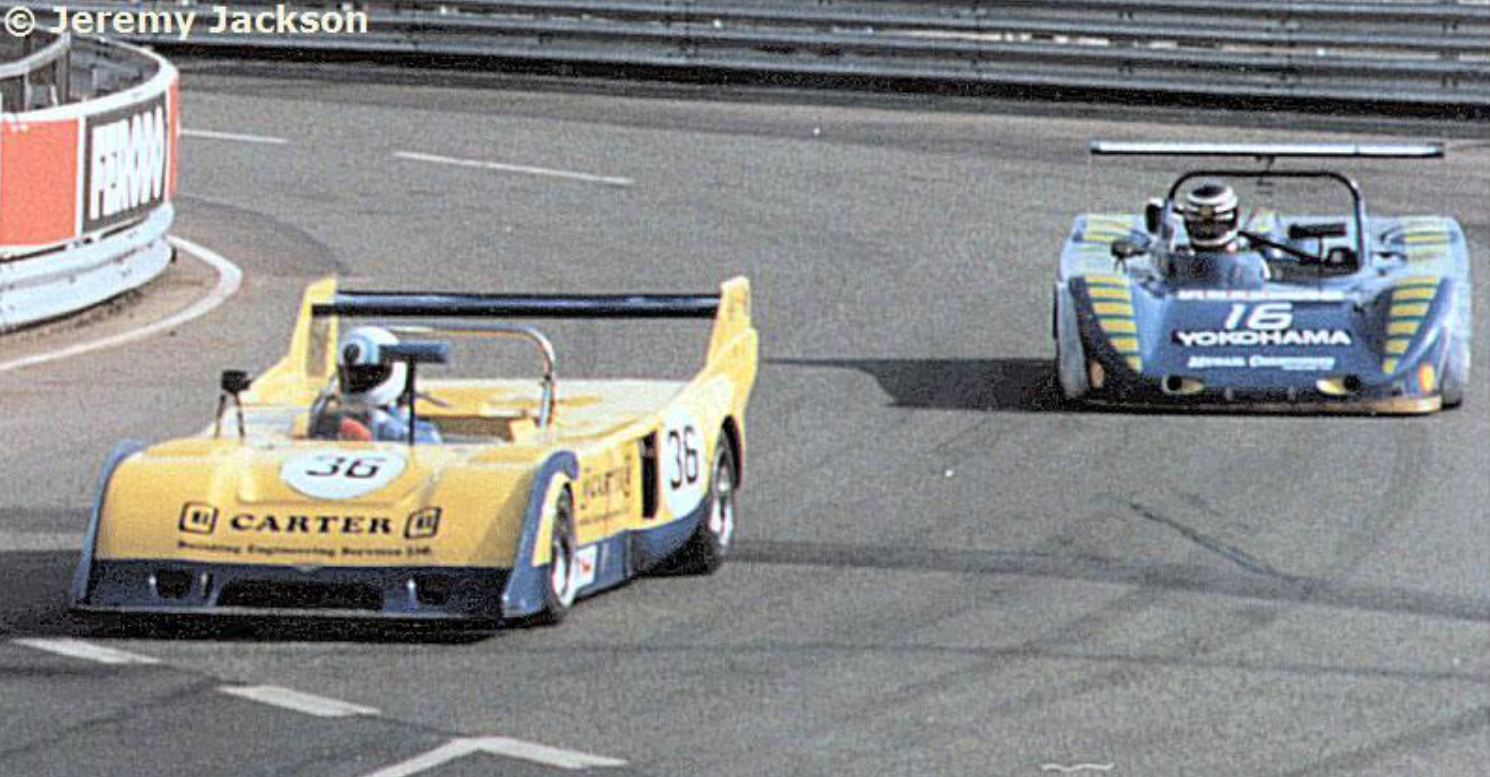
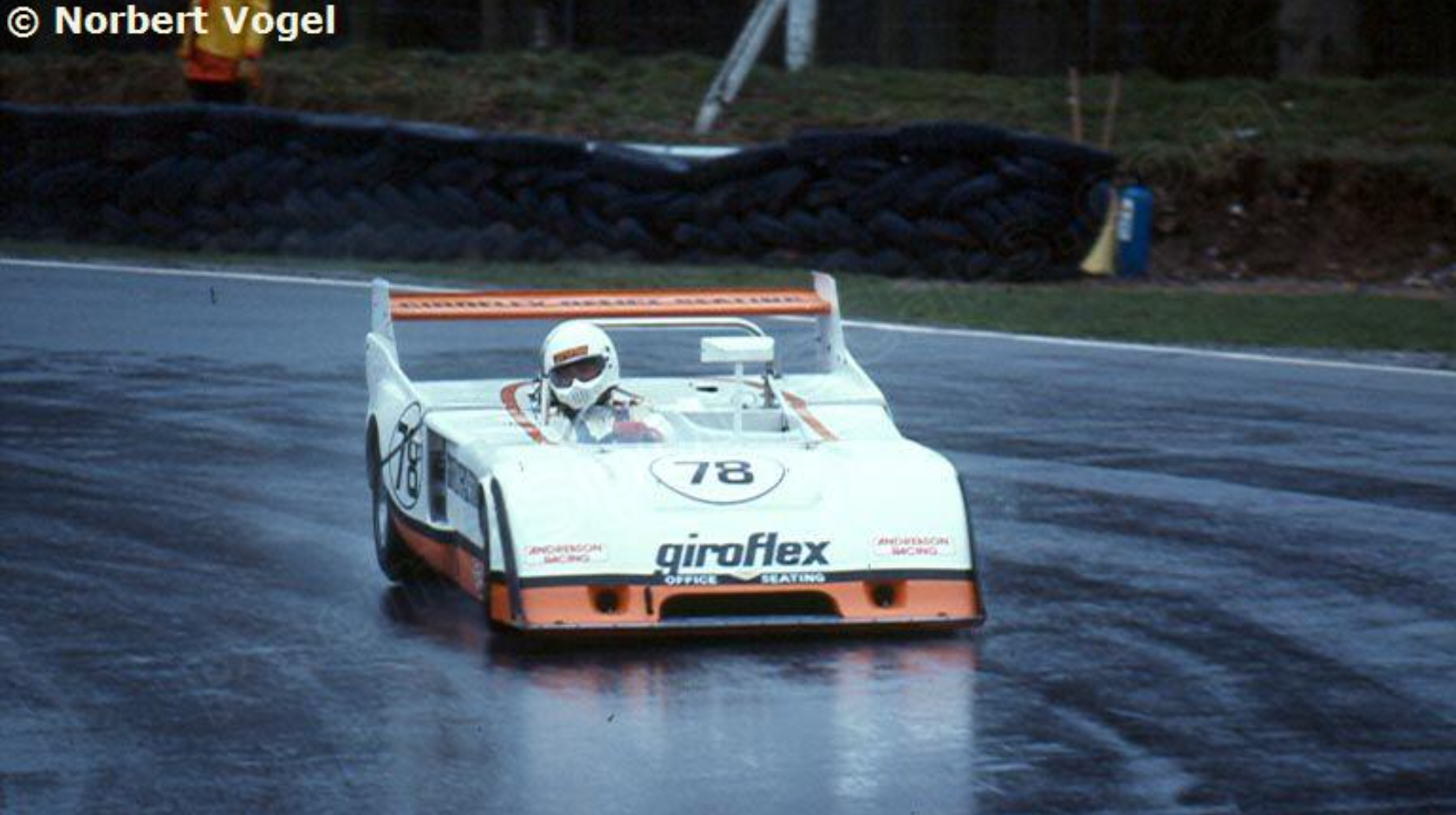
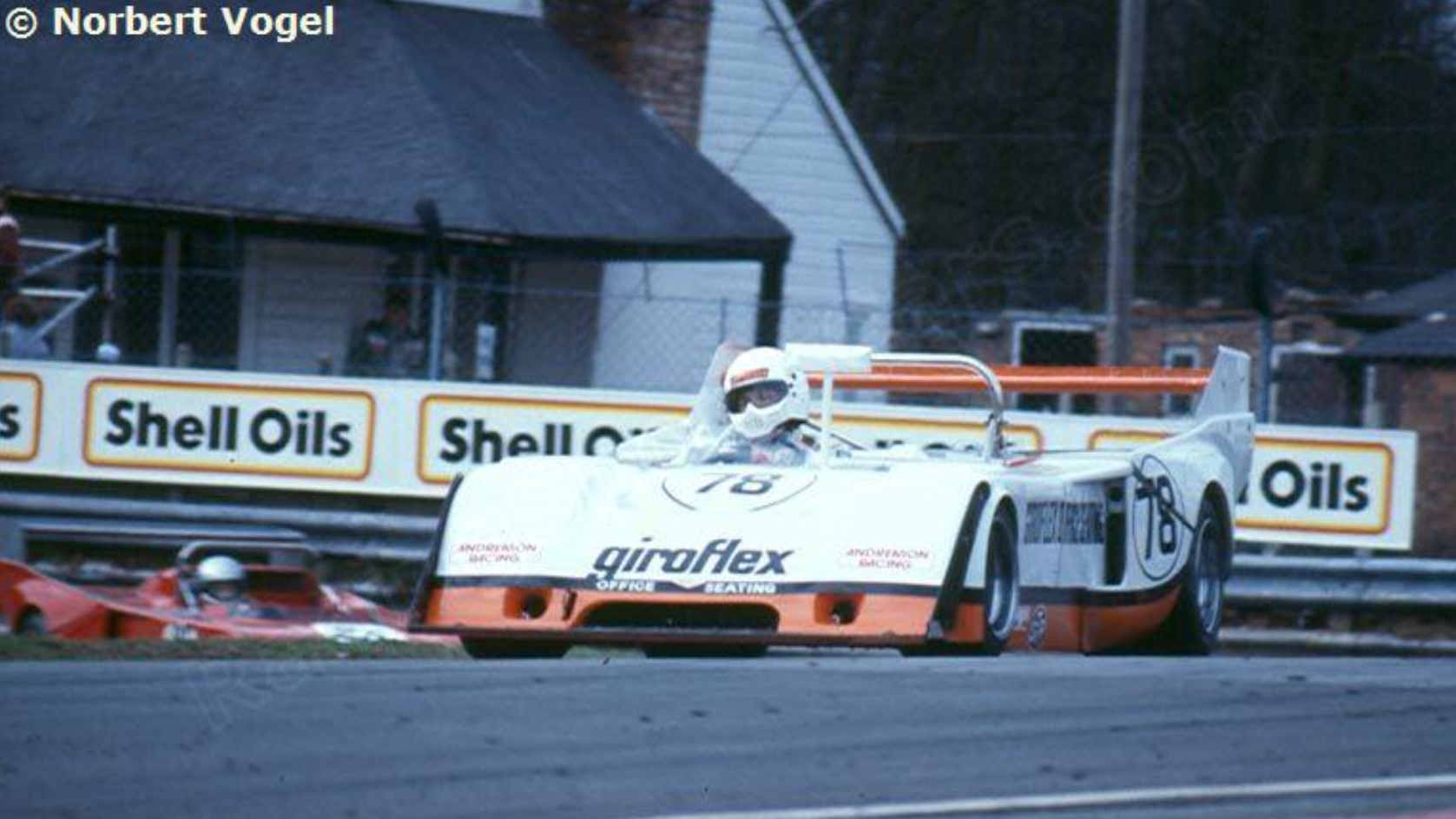
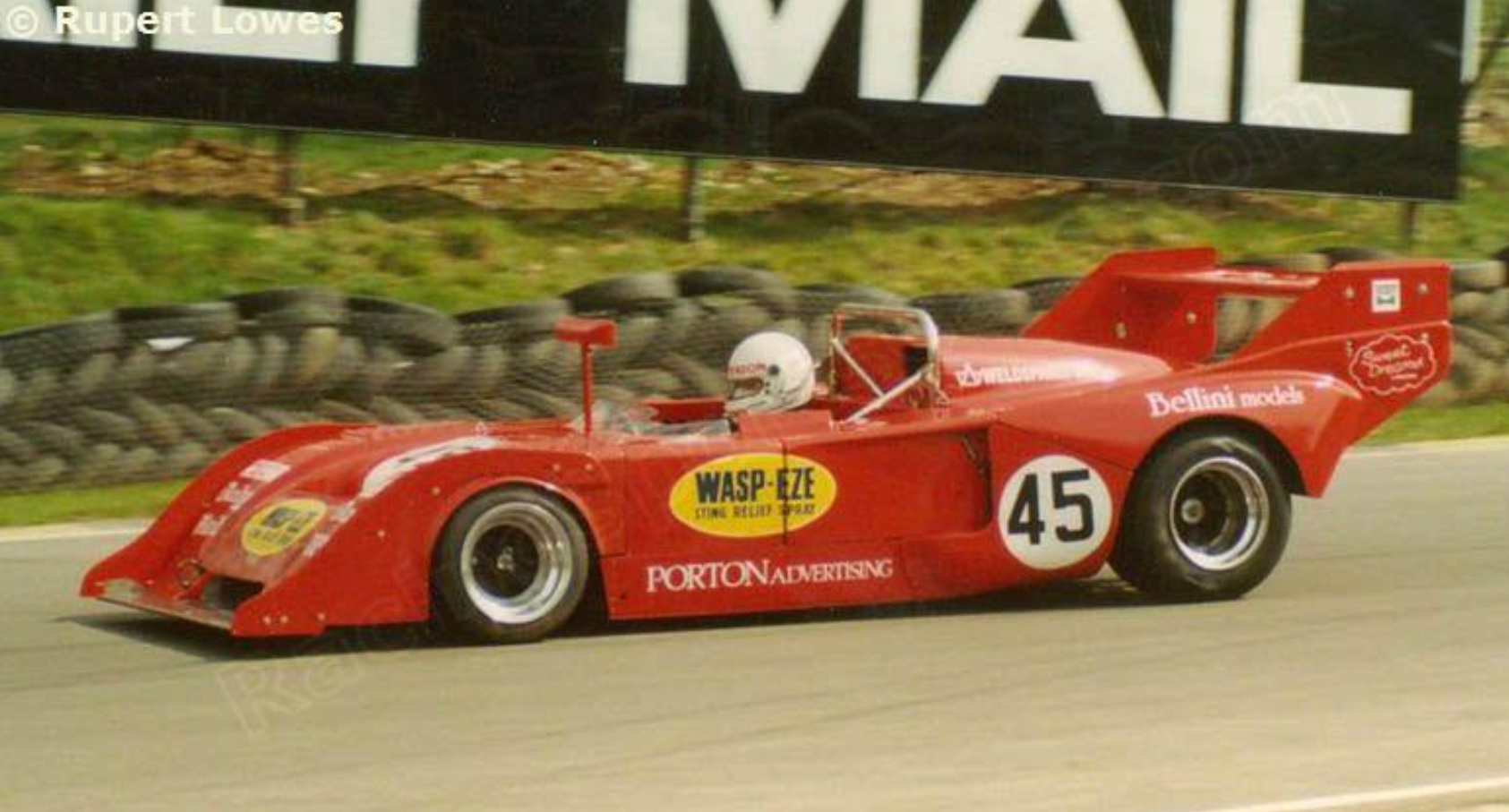
By 1976, the grid of the European sports prototype championship had become a polarized battlefield. On one side stood the legion of Ford Cosworth BDG-powered cars, lightweight and agile; on the other, the vibrating, horsepower-heavy BMW M12 monsters. It was a duopoly that left little room for dissent. Yet, in the heart of the British motorsport valley, a third way was being forged, a combination that represented the ultimate expression of the “Garagiste” spirit. This was the 1976 Chevron B36 Hart 420R, a machine that united Derek Bennett’s final, most sophisticated chassis with the rising star of British engineering, the Brian Hart 420R engine. It was a car built for the patriot, the contrarian, and the endurance specialist, a vehicle that proved you didn’t need a multinational corporate badge on your cam cover to take on the world.
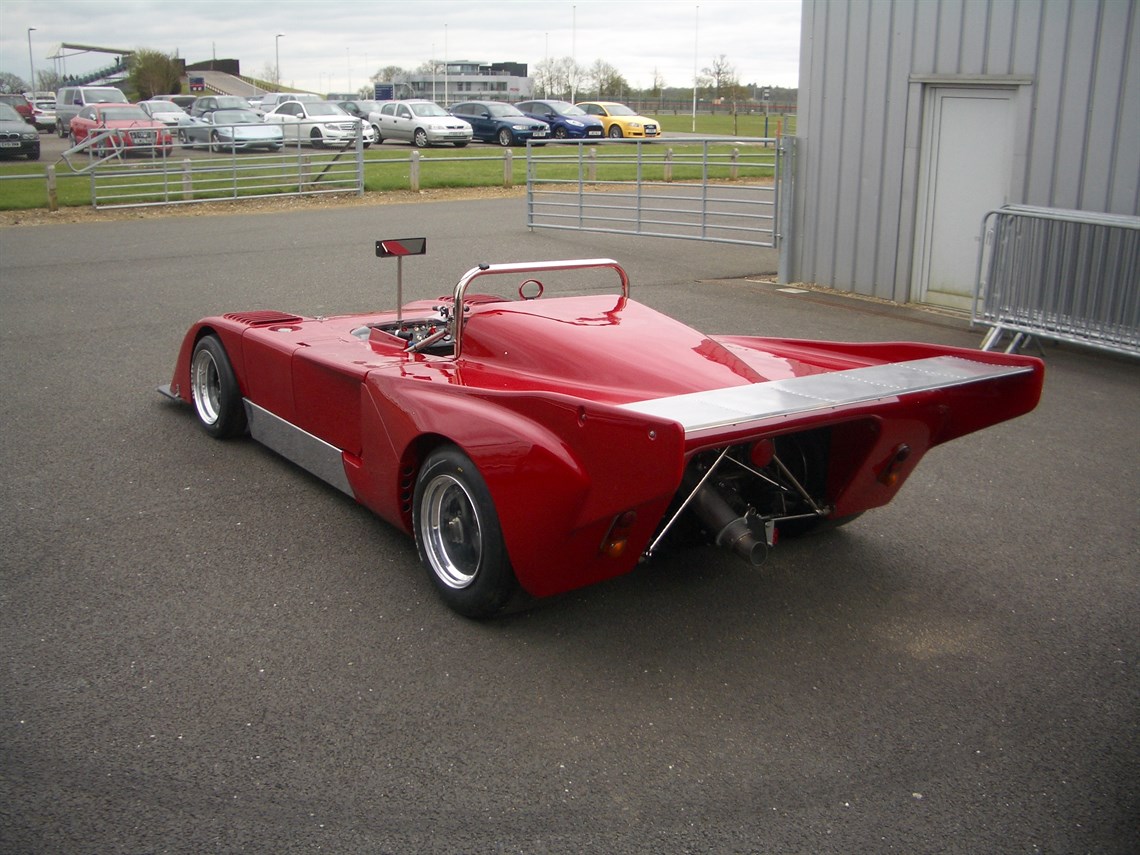
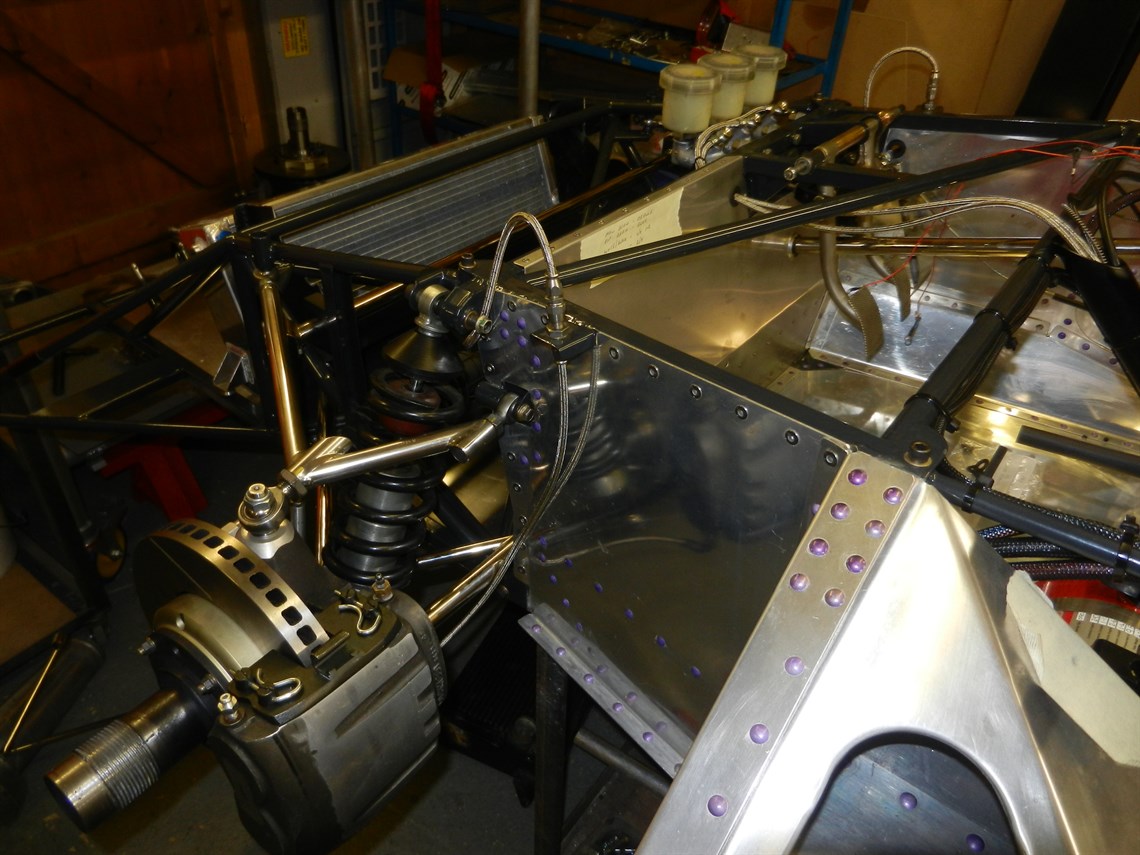
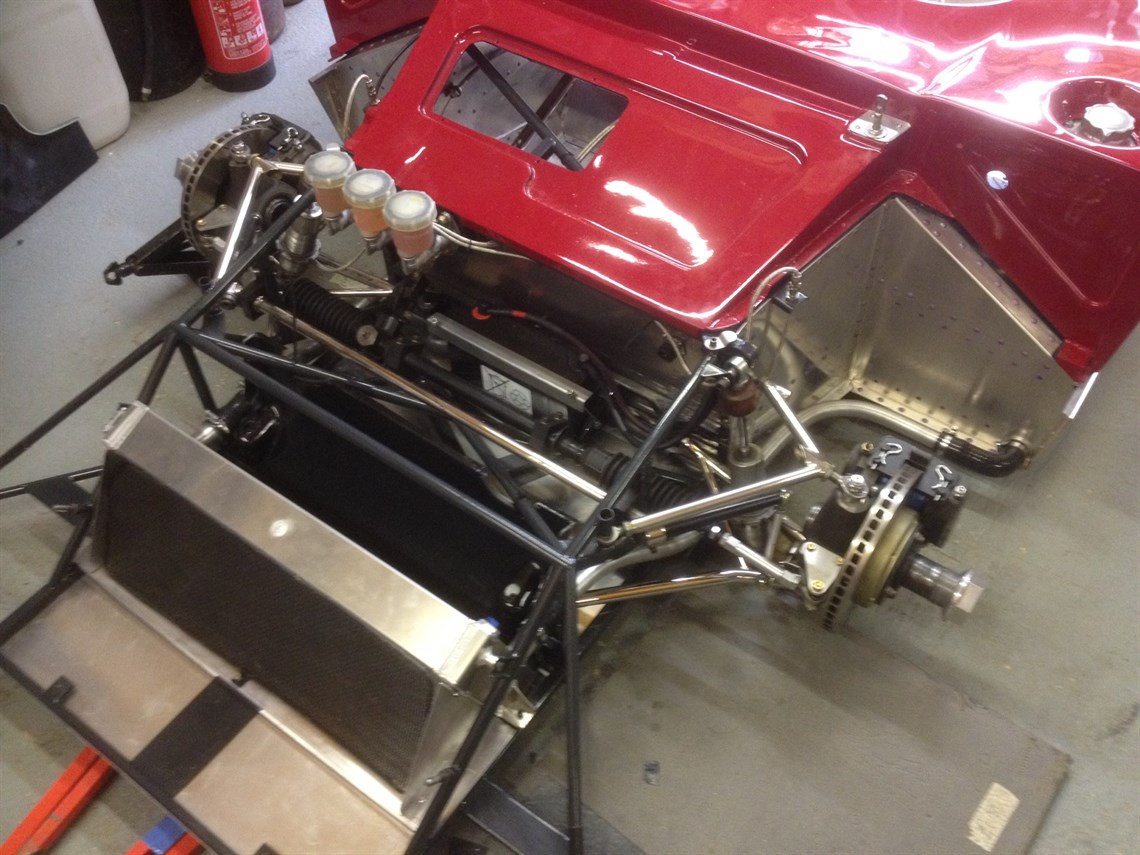
The B36 was the pinnacle of Chevron’s 2.0-litre lineage. Visually, it was a refinement of the B31, characterized by a flatter, sharper nose profile designed to eliminate understeer in high-speed corners and a revised rear wing mounting for cleaner airflow. Structurally, it was a masterpiece: a riveted and bonded aluminium monocoque that offered Formula 1 levels of torsional rigidity. But while the chassis was the canvas, the Hart 420R was the paint. Brian Hart, an ex-racer turned engine wizard, had developed the 420R as a bespoke racing unit, distinct from the road-car-derived roots of the Cosworth FVC. It was an all-aluminium, 2.0-litre, 16-valve four-cylinder engine that was gaining a fearsome reputation for durability. Producing roughly 290 bhp, it matched the Cosworth BDG for power but delivered it with a grittier, mid-range punch that allowed drivers to short-shift and save equipment without losing lap time.
The installation of the Hart engine into the B36 chassis created a uniquely “British” supercar. Unlike the BMW installation, which required compromises to fit the tall block, or the BDG which was ubiquitous to the point of anonymity, the Hart installation was a statement of intent. The engine was physically robust, featuring a “monobloc” construction (in early iterations) that eliminated the head gasket failures plaguing the Cosworths. This inherent toughness made the B36 Hart the weapon of choice for teams with their eyes on the ultimate prize: the 24 Hours of Le Mans. Teams like Dorset Racing and other stalwarts of the British racing scene championed this combination, knowing that while a BMW might be faster over a single qualifying lap at Monza, the Hart would likely be the one still running at 3 PM on Sunday afternoon at La Sarthe.
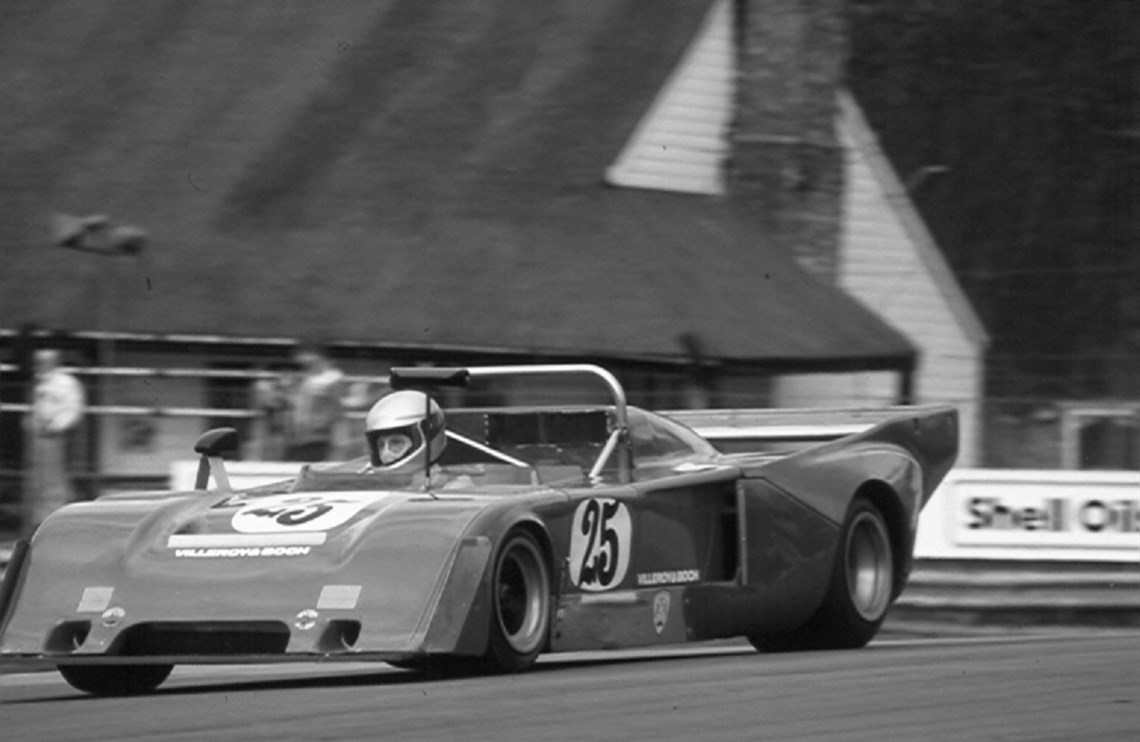
On the track, the B36 Hart had a distinct character. It lacked the ear-splitting, glass-shattering high-frequency scream of the BMW M12; instead, it emitted a deep, throaty, induction-heavy roar that resonated with mechanical purpose. The chassis balance was superb. The alloy block kept the weight distribution neutral, allowing the B36 to change direction with the fluidity that Derek Bennett’s cars were famous for. In the 1976 and 1977 seasons, the B36 Hart was a consistent front-runner in the World Sportscar Championship’s 2.0-litre class. It battled ferociously against the factory-backed Osella PA4s and the armada of Lola T296s. On home soil, in the British Sports Car Championship, the car was a favorite, capable of winning sprints at Thruxton or endurance races at Silverstone with equal aplomb.
However, the B36 Hart is significant for more than just its podium finishes. It was a developmental crucible. The success of the 420R engine in the back of the Chevron B36 provided the credibility and data Brian Hart needed to push further. This was the engine architecture that would eventually evolve, gain a turbocharger, and power the Toleman Formula 1 team and a young Ayrton Senna in the 1980s. The B36 was the launchpad for that future glory.
The legacy of the Chevron B36 Hart 420R is one of defiant excellence. It stands as the ultimate “alternative” prototype of the 1970s, a car that broke the Ford/BMW hegemony through sheer engineering grit. It was arguably the most robust and reliable 2.0-litre package of its era, a machine that allowed privateers to finish the world’s hardest races when the faster, more fragile factory cars had failed. Today, a B36 running a genuine Hart 420R is a rare jewel in historic racing, celebrated not just for its speed, but as a symbol of a time when two small British companies could join forces and scare the giants of the automotive world.
Brand
Produced from
Portal
Vehicle category
Model line
Predecessor
Sucessor
Brand
Produced from
Portal
Vehicle category
Model line
Model generation
Predecessor
Sucessor
Submodel Overview
By 1976, the grid of the European sports prototype championship had become a polarized battlefield. On one side stood the legion of Ford Cosworth BDG-powered cars, lightweight and agile; on the other, the vibrating, horsepower-heavy BMW M12 monsters. It was a duopoly that left little room for dissent. Yet, in the heart of the British motorsport valley, a third way was being forged, a combination that represented the ultimate expression of the “Garagiste” spirit. This was the 1976 Chevron B36 Hart 420R, a machine that united Derek Bennett’s final, most sophisticated chassis with the rising star of British engineering, the Brian Hart 420R engine. It was a car built for the patriot, the contrarian, and the endurance specialist, a vehicle that proved you didn’t need a multinational corporate badge on your cam cover to take on the world.
The B36 was the pinnacle of Chevron’s 2.0-litre lineage. Visually, it was a refinement of the B31, characterized by a flatter, sharper nose profile designed to eliminate understeer in high-speed corners and a revised rear wing mounting for cleaner airflow. Structurally, it was a masterpiece: a riveted and bonded aluminium monocoque that offered Formula 1 levels of torsional rigidity. But while the chassis was the canvas, the Hart 420R was the paint. Brian Hart, an ex-racer turned engine wizard, had developed the 420R as a bespoke racing unit, distinct from the road-car-derived roots of the Cosworth FVC. It was an all-aluminium, 2.0-litre, 16-valve four-cylinder engine that was gaining a fearsome reputation for durability. Producing roughly 290 bhp, it matched the Cosworth BDG for power but delivered it with a grittier, mid-range punch that allowed drivers to short-shift and save equipment without losing lap time.
The installation of the Hart engine into the B36 chassis created a uniquely “British” supercar. Unlike the BMW installation, which required compromises to fit the tall block, or the BDG which was ubiquitous to the point of anonymity, the Hart installation was a statement of intent. The engine was physically robust, featuring a “monobloc” construction (in early iterations) that eliminated the head gasket failures plaguing the Cosworths. This inherent toughness made the B36 Hart the weapon of choice for teams with their eyes on the ultimate prize: the 24 Hours of Le Mans. Teams like Dorset Racing and other stalwarts of the British racing scene championed this combination, knowing that while a BMW might be faster over a single qualifying lap at Monza, the Hart would likely be the one still running at 3 PM on Sunday afternoon at La Sarthe.
On the track, the B36 Hart had a distinct character. It lacked the ear-splitting, glass-shattering high-frequency scream of the BMW M12; instead, it emitted a deep, throaty, induction-heavy roar that resonated with mechanical purpose. The chassis balance was superb. The alloy block kept the weight distribution neutral, allowing the B36 to change direction with the fluidity that Derek Bennett’s cars were famous for. In the 1976 and 1977 seasons, the B36 Hart was a consistent front-runner in the World Sportscar Championship’s 2.0-litre class. It battled ferociously against the factory-backed Osella PA4s and the armada of Lola T296s. On home soil, in the British Sports Car Championship, the car was a favorite, capable of winning sprints at Thruxton or endurance races at Silverstone with equal aplomb.
However, the B36 Hart is significant for more than just its podium finishes. It was a developmental crucible. The success of the 420R engine in the back of the Chevron B36 provided the credibility and data Brian Hart needed to push further. This was the engine architecture that would eventually evolve, gain a turbocharger, and power the Toleman Formula 1 team and a young Ayrton Senna in the 1980s. The B36 was the launchpad for that future glory.
The legacy of the Chevron B36 Hart 420R is one of defiant excellence. It stands as the ultimate “alternative” prototype of the 1970s, a car that broke the Ford/BMW hegemony through sheer engineering grit. It was arguably the most robust and reliable 2.0-litre package of its era, a machine that allowed privateers to finish the world’s hardest races when the faster, more fragile factory cars had failed. Today, a B36 running a genuine Hart 420R is a rare jewel in historic racing, celebrated not just for its speed, but as a symbol of a time when two small British companies could join forces and scare the giants of the automotive world.
Tech Specs
Technical Specifications
Tech Specs
Technical Specifications
Engine
01
03
Internal combustion engine
Configuration
Hart 420R, Inline-4
Location
Mid, longitudinally mounted
Construction
Aluminium block and head
Displacement (cc)
1,995 cc
Displacement (cu in)
121.7 cu in
Compression
-
Bore x Stroke
93.5 mm x 72.6 mm
Valvetrain
4 valves per cylinder, DOHC
Fuel feed
Fuel Injection
Lubrication
Dry sump
Aspiration
Naturally aspirated
Output
Power (hp)
290 hp
Power (kW)
216 kW
Max power at
9,500 RPM
Torque (Nm)
-
Torque (ft lbs)
-
Max torque at
-
Drivetrain
02
03
Chassis
Type
Monocoque with front and rear subframes
Material
Aluminium
Body
Material
Fibreglass
Transmission
Gearbox
5-speed manual
Drive
Rear Wheel Drive
Suspension
Front
Double wishbones, coil springs over dampers, anti-roll bar
Rear
Single top links, twin lower links, twin trailing arms, coil springs over dampers, anti-roll bar
Steering
Type
Rack and pinion
Brakes
Front
Ventilated discs
Rear
Ventilated discs
Wheels
Front
-
Rear
-
Tires
Front
-
Rear
-
Dimensions and performance
03
03
Dimensions
Length (mm)
-
Length (in)
-
Width (mm)
-
Width (in)
-
Height (mm)
-
Height (in)
-
Wheelbase (mm)
2,400 mm
Wheelbase (in)
94.5 in
Weight (kg)
-
Weight (lbs)
-
Performance
Power to weight
-
Top speed (km/h)
-
Top speed (mph)
-
0-100 km/h (0-60 mph)
-