Chevron B36



Brand
Produced from
Vehicle category
Portal
Model line
Model generation
Predecessor
Sucessor
Model Overview
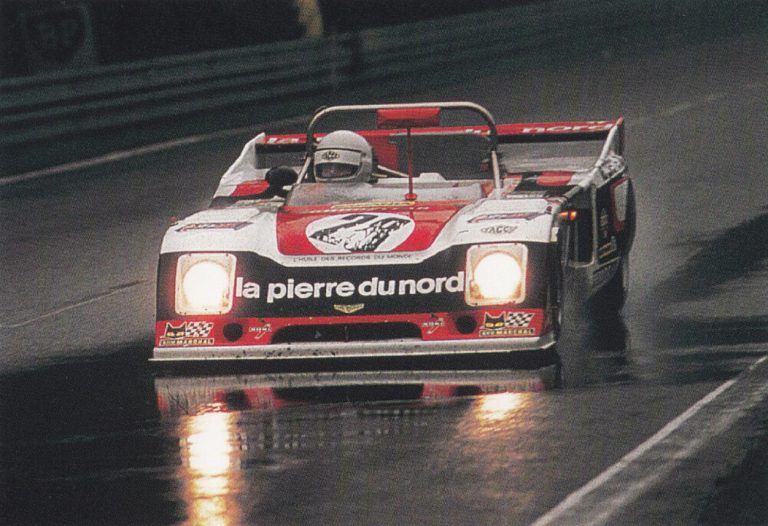
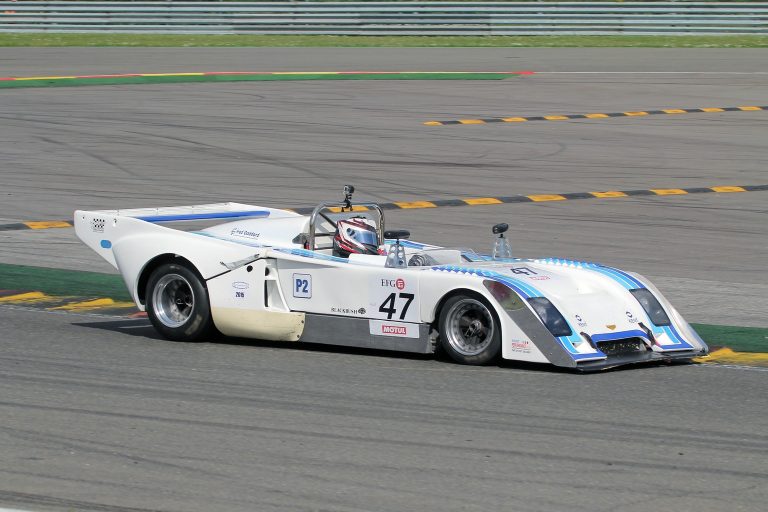
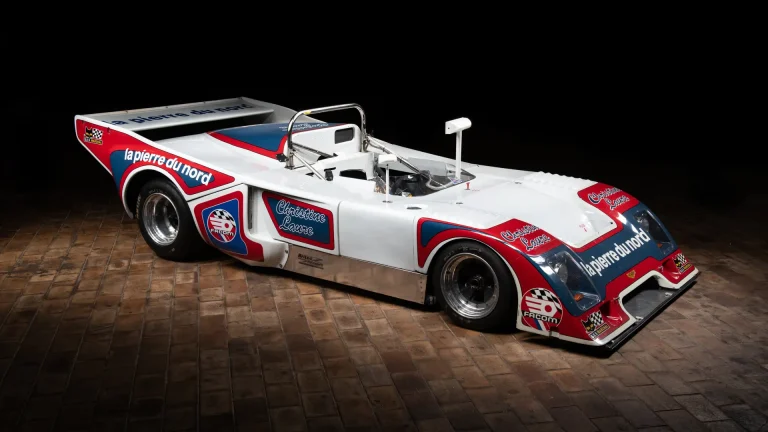
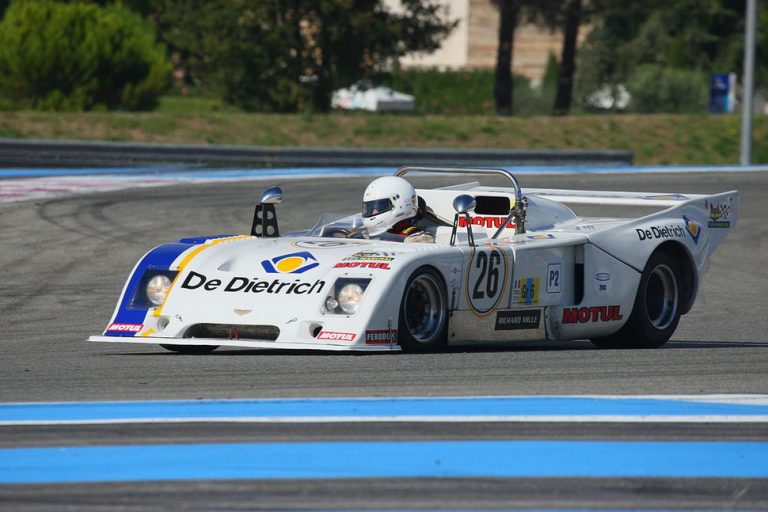
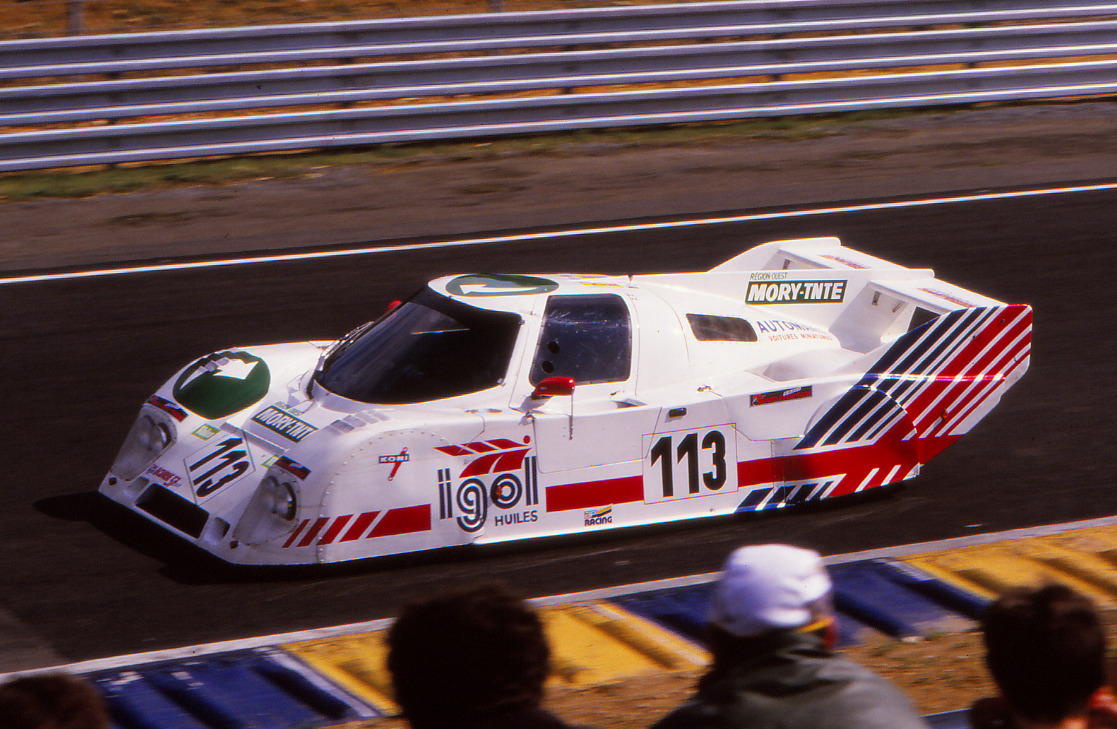
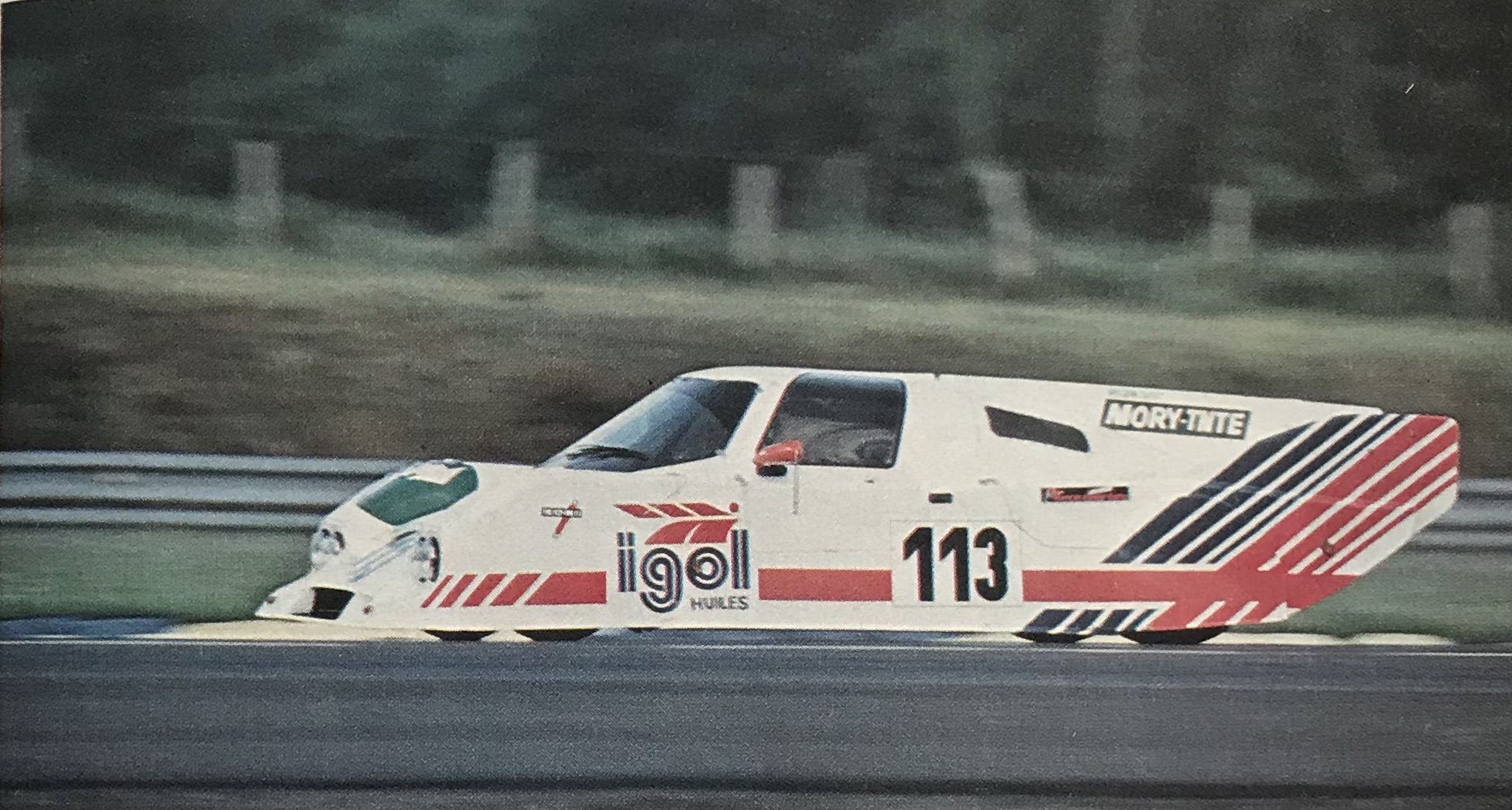
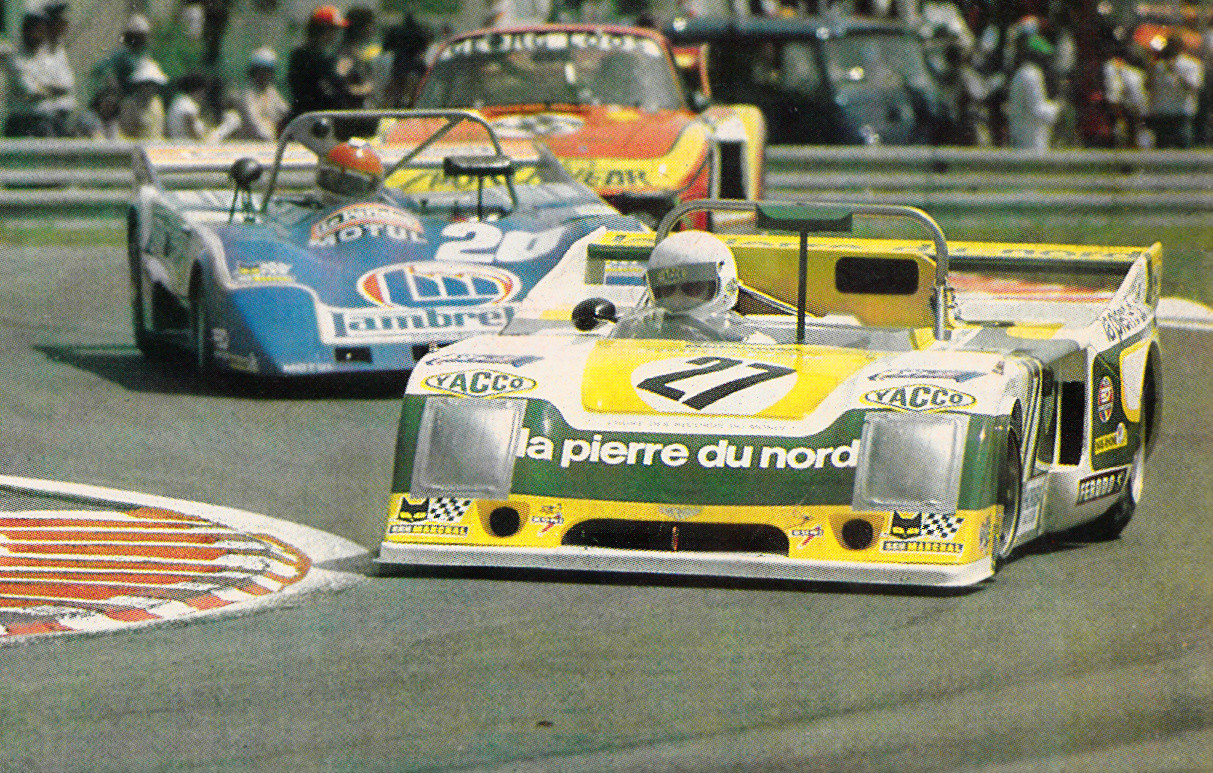
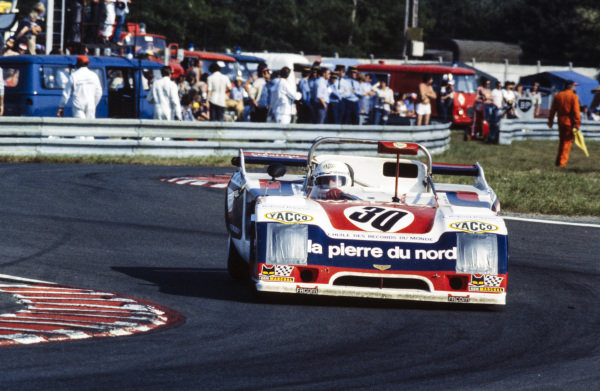
By 1976, the European 2-Litre Sports Car Championship was in its twilight, but the cars racing within it had reached a zenith of aerodynamic and mechanical sophistication. The romantic, experimental era of the late 60s had hardened into a cold war of wind tunnels and alloy blocks. Chevron, the small British firm that had consistently punched above its weight against the likes of Lola and Abarth, needed a definitive statement. Derek Bennett’s B31 had been a brilliant customer car, but to stay ahead of the new Lola T296 and the factory-backed Osella PA4s, an evolution was required. That evolution was the 1976 Chevron B36. It was not a radical reinvention, but rather the ultimate refinement of the monocoque concept Bennett had pioneered with the B26. It was a car built with one purpose: to squeeze the absolute maximum performance from the 2.0-litre formula before the FIA effectively killed the category in favor of Group 6.
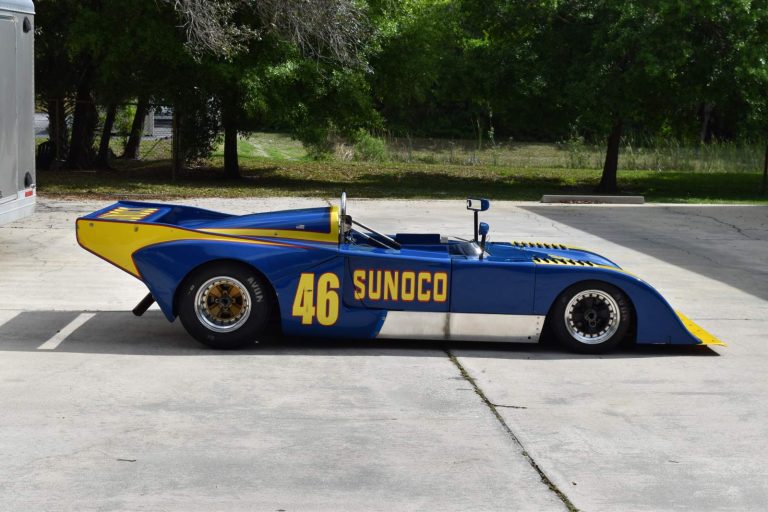
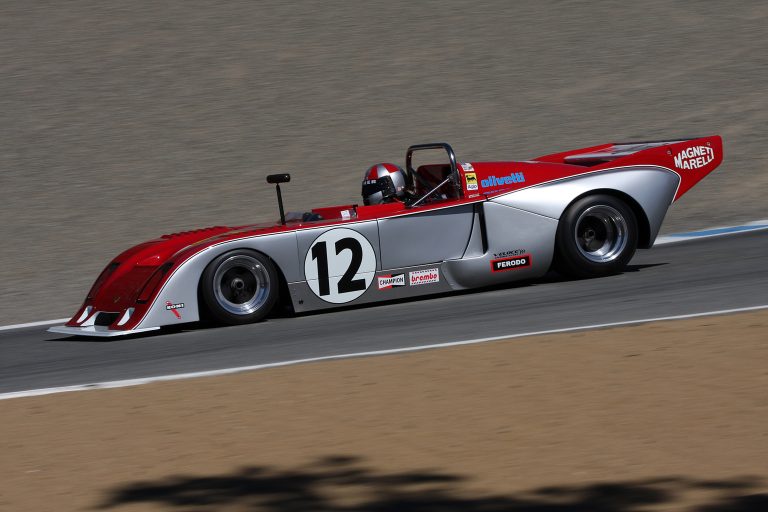
The B36 was visually distinct from its B31 predecessor, primarily in its aerodynamics. While the B31 was curvaceous, the B36 was sharper, featuring a revised, flatter nose section designed to increase front downforce and reduce the understeer that plagued high-speed corners. The rear deck was also profiled to clean up airflow to the rear wing, which was mounted on taller, more robust struts. Beneath the skin, the chassis remained a masterpiece of British engineering: a riveted and bonded aluminium monocoque that was exceptionally stiff and light. The suspension geometry was tweaked to handle the ever-increasing grip of the slick tires, with magnesium uprights and top-tier Koni or Bilstein dampers becoming standard. It was a chassis that inspired confidence, a car that could be driven on the limit for hours without physically destroying its driver.
True to Chevron’s customer-first philosophy, the B36 was a modular weapon. Its engine bay was designed to accept almost any four-cylinder racing engine on the market, leading to a staggering variety of submodels. The Chevron B36 Ford Cosworth BDG was the gold standard. Powered by the 2.0-litre, aluminium-block BDG engine producing around 290 bhp, this was the car that won championships. It was the perfect balance of power, weight, and reliability. However, for those seeking an edge in torque and top speed, there was the Chevron B36 BMW M12. The BMW engine was more powerful (300+ bhp) but heavier and vibrated intensely, requiring a stronger (and heavier) installation. For the British patriots, the Chevron B36 Hart 420R offered a compelling alternative, with Brian Hart’s alloy engine proving to be a punchy and durable rival to the Cosworth.
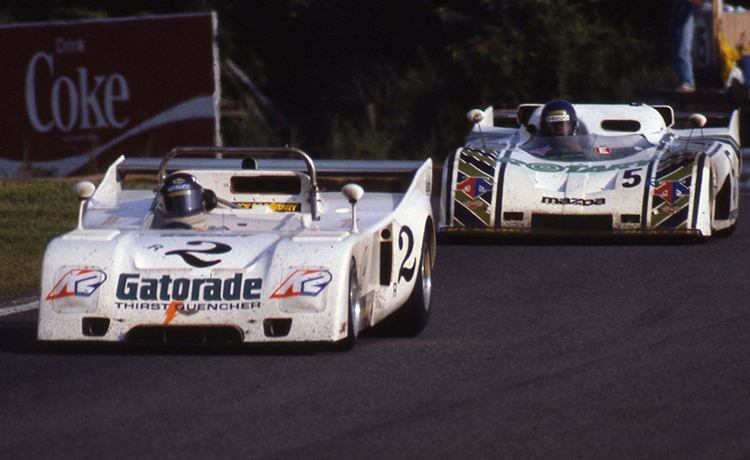
But the B36’s versatility didn’t stop there. The Chevron B36 ROC continued the French connection established with the B31, utilizing Fred Stalder’s 290-bhp Chrysler-Simca engine to great effect at Le Mans and in the French championship. For the smaller 1.6-litre class, teams fitted the Chevron B36 Ford Cosworth FVA or the newer BDH, creating lightweight giant-killers for hill climbs. At the budget end of the spectrum, the trusty iron-block FVC could still be found in clubman entries. Perhaps most exotic of all was the Chevron B36 Mazda, where Japanese teams (and occasionally Europeans) fitted the screaming 12A or 10A rotary engines, continuing the legacy of the B16 Mazda in the Fuji Grand Champion series.
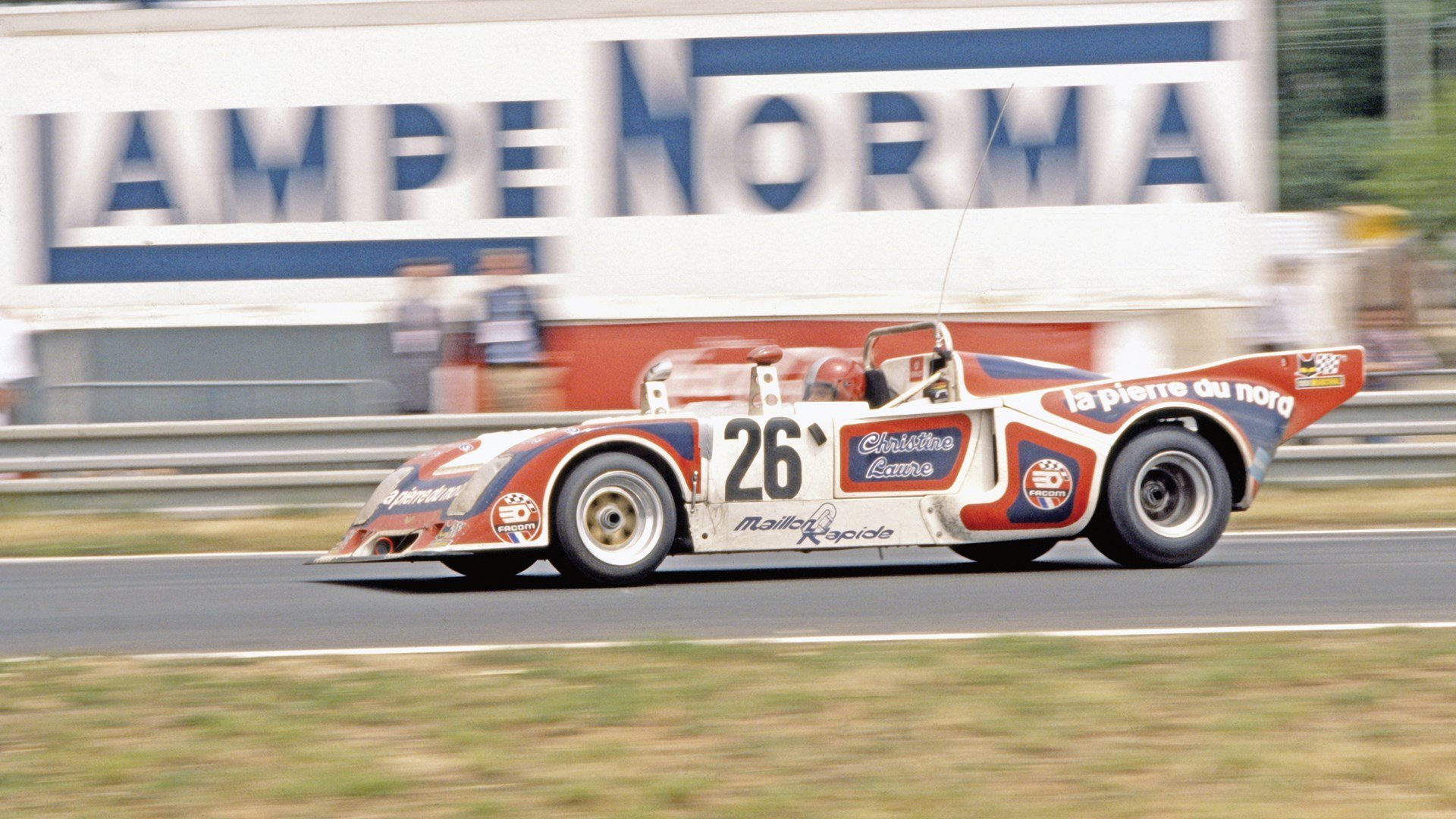
The B36’s competition record is nothing short of illustrious. In 1976 and beyond, it was the car to beat. In the European 2-Litre Sports Car Championship, B36s were omnipresent at the front of the grid. While the championship itself was cancelled after 1975, the cars found a home in the World Sportscar Championship’s 2.0-litre class. At the 24 Hours of Le Mans, the B36 was a legend. In 1977, a ROC-powered B36 finished a stunning 6th overall, winning the 2.0-litre class. In 1978, a B36 powered by a Cosworth BDG repeated the feat, winning the class and finishing 11th overall. These results proved that Bennett’s chassis was not just a sprint car; it was a 24-hour endurance warrior capable of outlasting factory prototypes. In Japan, the B36 became a cult icon in the GC series, often modified with wild, long-tail bodywork. In the US, B36s competed in Can-Am (in the 2.0L class) and SCCA events, cementing the car’s global reputation.
The legacy of the Chevron B36 is poignant. It stands as the final “pure” sports racing car designed by Derek Bennett before his tragic death in a hang-gliding accident in 1978. It represents the peak of the 2.0-litre era, a time when a privateer could buy a car from a small factory in Bolton and go win their class at Le Mans. It was the ultimate evolution of the lineage that began with the B19, a machine that combined aesthetic beauty with ruthless efficiency. Today, the B36 is a cornerstone of historic racing. In series like CER and Le Mans Classic, the B36 grids are packed, and the car remains the benchmark for speed and handling in its class. It is a rolling memorial to one of motorsport’s greatest, and most understated, engineering minds.
Portal
Model line
Brand
Produced from
Vehicle category
Model Overview
By 1976, the European 2-Litre Sports Car Championship was in its twilight, but the cars racing within it had reached a zenith of aerodynamic and mechanical sophistication. The romantic, experimental era of the late 60s had hardened into a cold war of wind tunnels and alloy blocks. Chevron, the small British firm that had consistently punched above its weight against the likes of Lola and Abarth, needed a definitive statement. Derek Bennett’s B31 had been a brilliant customer car, but to stay ahead of the new Lola T296 and the factory-backed Osella PA4s, an evolution was required. That evolution was the 1976 Chevron B36. It was not a radical reinvention, but rather the ultimate refinement of the monocoque concept Bennett had pioneered with the B26. It was a car built with one purpose: to squeeze the absolute maximum performance from the 2.0-litre formula before the FIA effectively killed the category in favor of Group 6.
The B36 was visually distinct from its B31 predecessor, primarily in its aerodynamics. While the B31 was curvaceous, the B36 was sharper, featuring a revised, flatter nose section designed to increase front downforce and reduce the understeer that plagued high-speed corners. The rear deck was also profiled to clean up airflow to the rear wing, which was mounted on taller, more robust struts. Beneath the skin, the chassis remained a masterpiece of British engineering: a riveted and bonded aluminium monocoque that was exceptionally stiff and light. The suspension geometry was tweaked to handle the ever-increasing grip of the slick tires, with magnesium uprights and top-tier Koni or Bilstein dampers becoming standard. It was a chassis that inspired confidence, a car that could be driven on the limit for hours without physically destroying its driver.
True to Chevron’s customer-first philosophy, the B36 was a modular weapon. Its engine bay was designed to accept almost any four-cylinder racing engine on the market, leading to a staggering variety of submodels. The Chevron B36 Ford Cosworth BDG was the gold standard. Powered by the 2.0-litre, aluminium-block BDG engine producing around 290 bhp, this was the car that won championships. It was the perfect balance of power, weight, and reliability. However, for those seeking an edge in torque and top speed, there was the Chevron B36 BMW M12. The BMW engine was more powerful (300+ bhp) but heavier and vibrated intensely, requiring a stronger (and heavier) installation. For the British patriots, the Chevron B36 Hart 420R offered a compelling alternative, with Brian Hart’s alloy engine proving to be a punchy and durable rival to the Cosworth.
But the B36’s versatility didn’t stop there. The Chevron B36 ROC continued the French connection established with the B31, utilizing Fred Stalder’s 290-bhp Chrysler-Simca engine to great effect at Le Mans and in the French championship. For the smaller 1.6-litre class, teams fitted the Chevron B36 Ford Cosworth FVA or the newer BDH, creating lightweight giant-killers for hill climbs. At the budget end of the spectrum, the trusty iron-block FVC could still be found in clubman entries. Perhaps most exotic of all was the Chevron B36 Mazda, where Japanese teams (and occasionally Europeans) fitted the screaming 12A or 10A rotary engines, continuing the legacy of the B16 Mazda in the Fuji Grand Champion series.
The B36’s competition record is nothing short of illustrious. In 1976 and beyond, it was the car to beat. In the European 2-Litre Sports Car Championship, B36s were omnipresent at the front of the grid. While the championship itself was cancelled after 1975, the cars found a home in the World Sportscar Championship’s 2.0-litre class. At the 24 Hours of Le Mans, the B36 was a legend. In 1977, a ROC-powered B36 finished a stunning 6th overall, winning the 2.0-litre class. In 1978, a B36 powered by a Cosworth BDG repeated the feat, winning the class and finishing 11th overall. These results proved that Bennett’s chassis was not just a sprint car; it was a 24-hour endurance warrior capable of outlasting factory prototypes. In Japan, the B36 became a cult icon in the GC series, often modified with wild, long-tail bodywork. In the US, B36s competed in Can-Am (in the 2.0L class) and SCCA events, cementing the car’s global reputation.
The legacy of the Chevron B36 is poignant. It stands as the final “pure” sports racing car designed by Derek Bennett before his tragic death in a hang-gliding accident in 1978. It represents the peak of the 2.0-litre era, a time when a privateer could buy a car from a small factory in Bolton and go win their class at Le Mans. It was the ultimate evolution of the lineage that began with the B19, a machine that combined aesthetic beauty with ruthless efficiency. Today, the B36 is a cornerstone of historic racing. In series like CER and Le Mans Classic, the B36 grids are packed, and the car remains the benchmark for speed and handling in its class. It is a rolling memorial to one of motorsport’s greatest, and most understated, engineering minds.
Submodels