Ferrari 250
Brand
Produced from
Vehicle category
Portal
Model line
Model generation
Predecessor
Sucessor
Model Overview
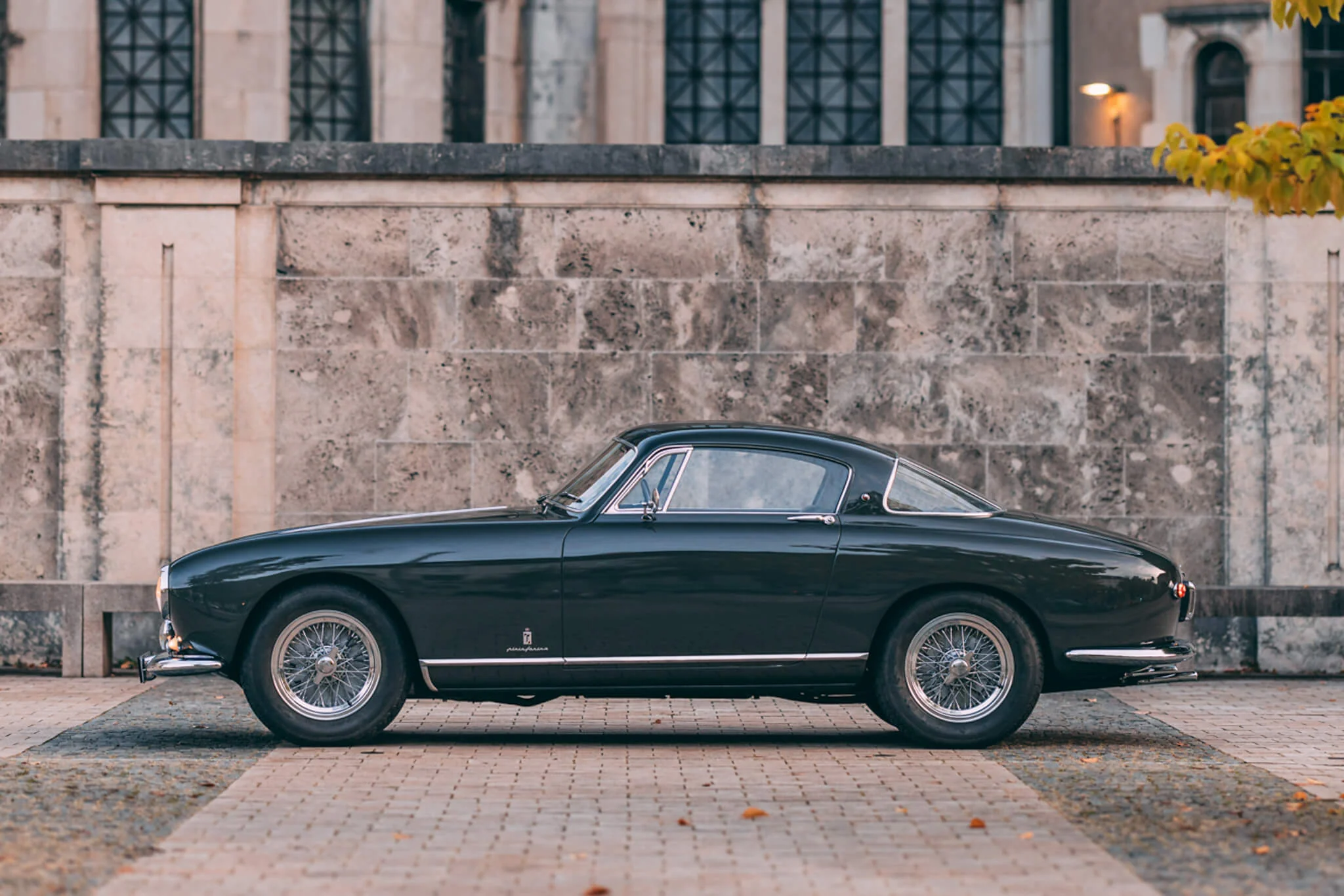
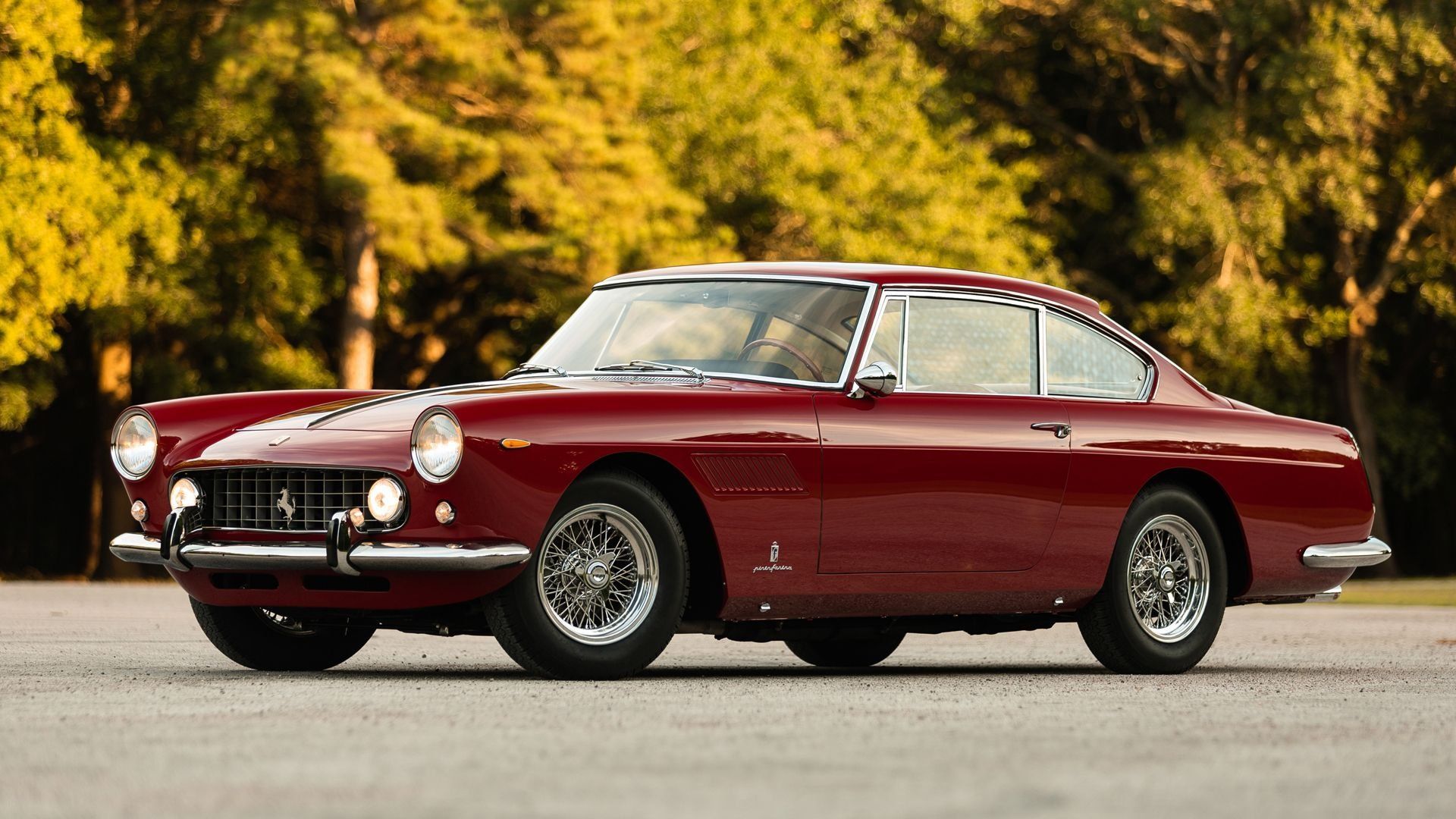
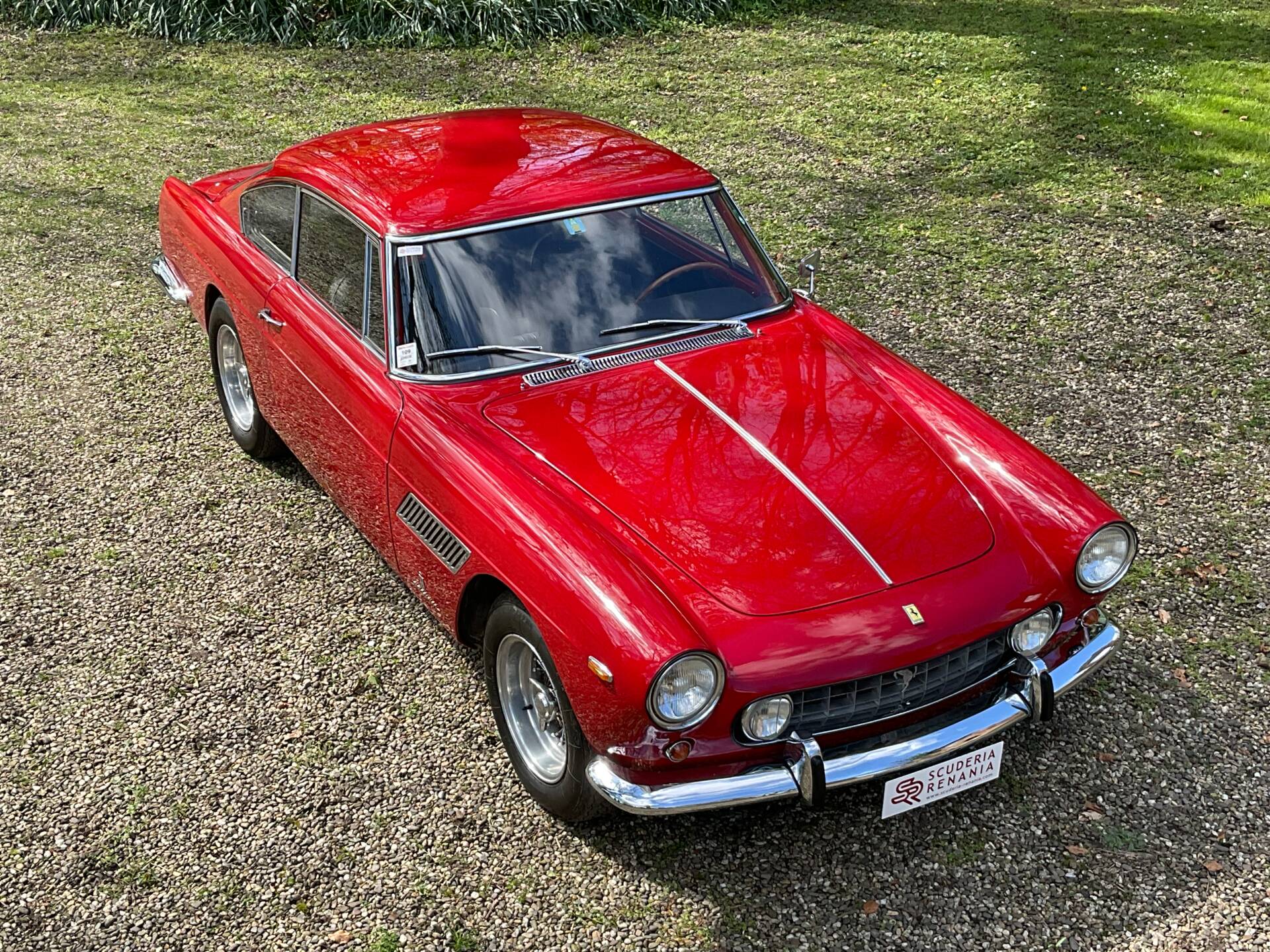
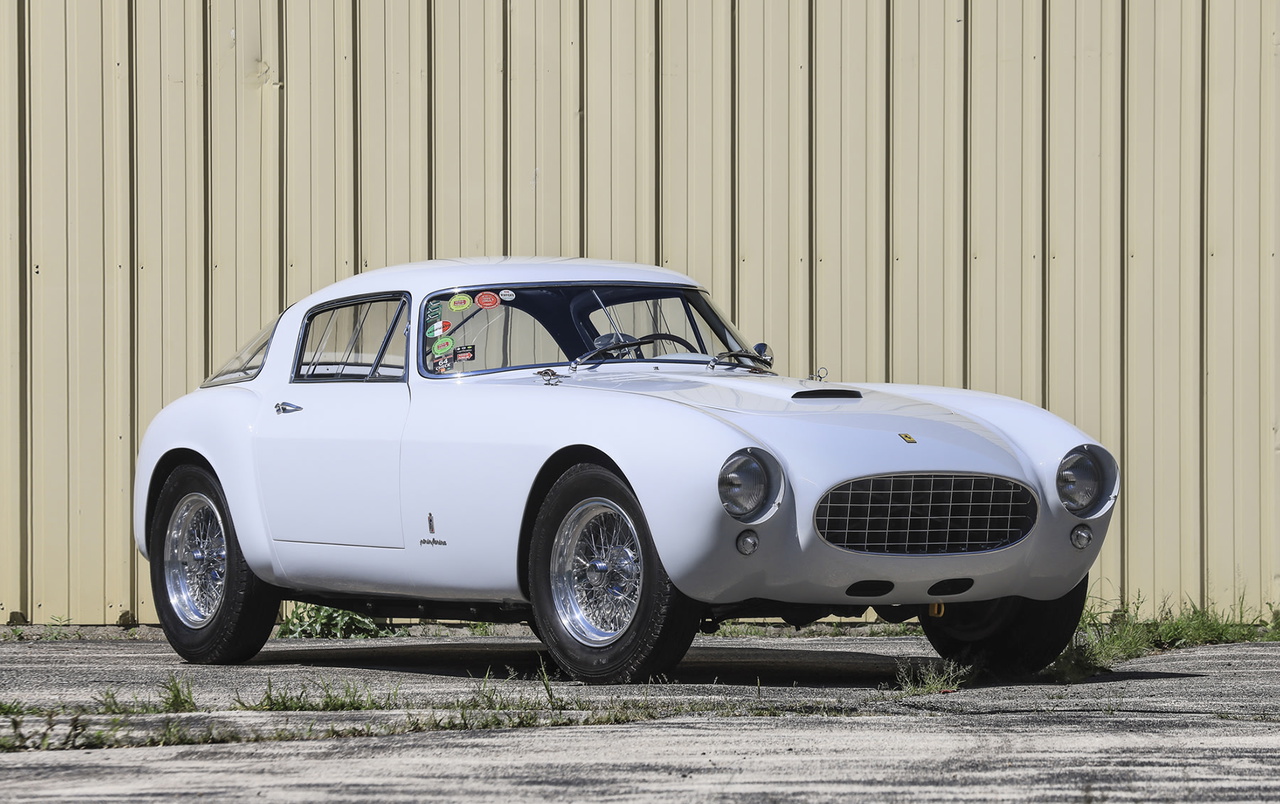
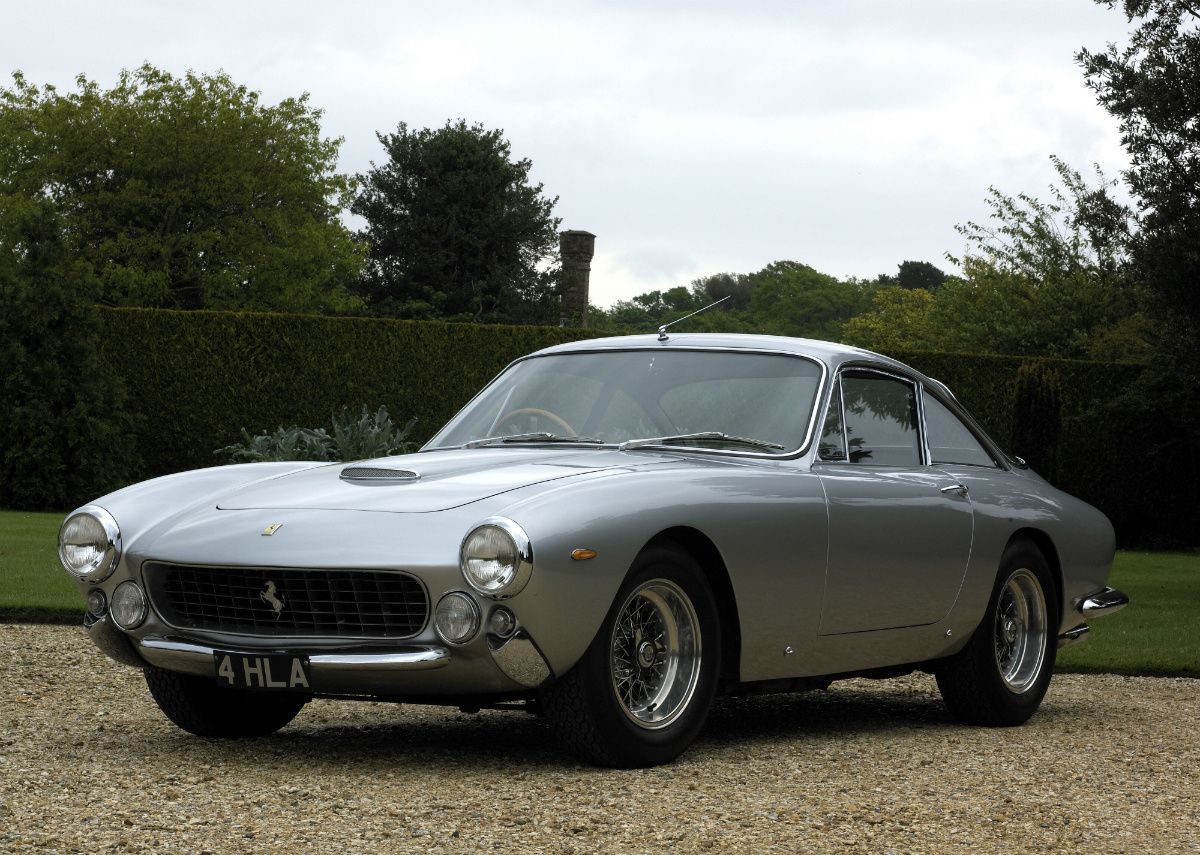
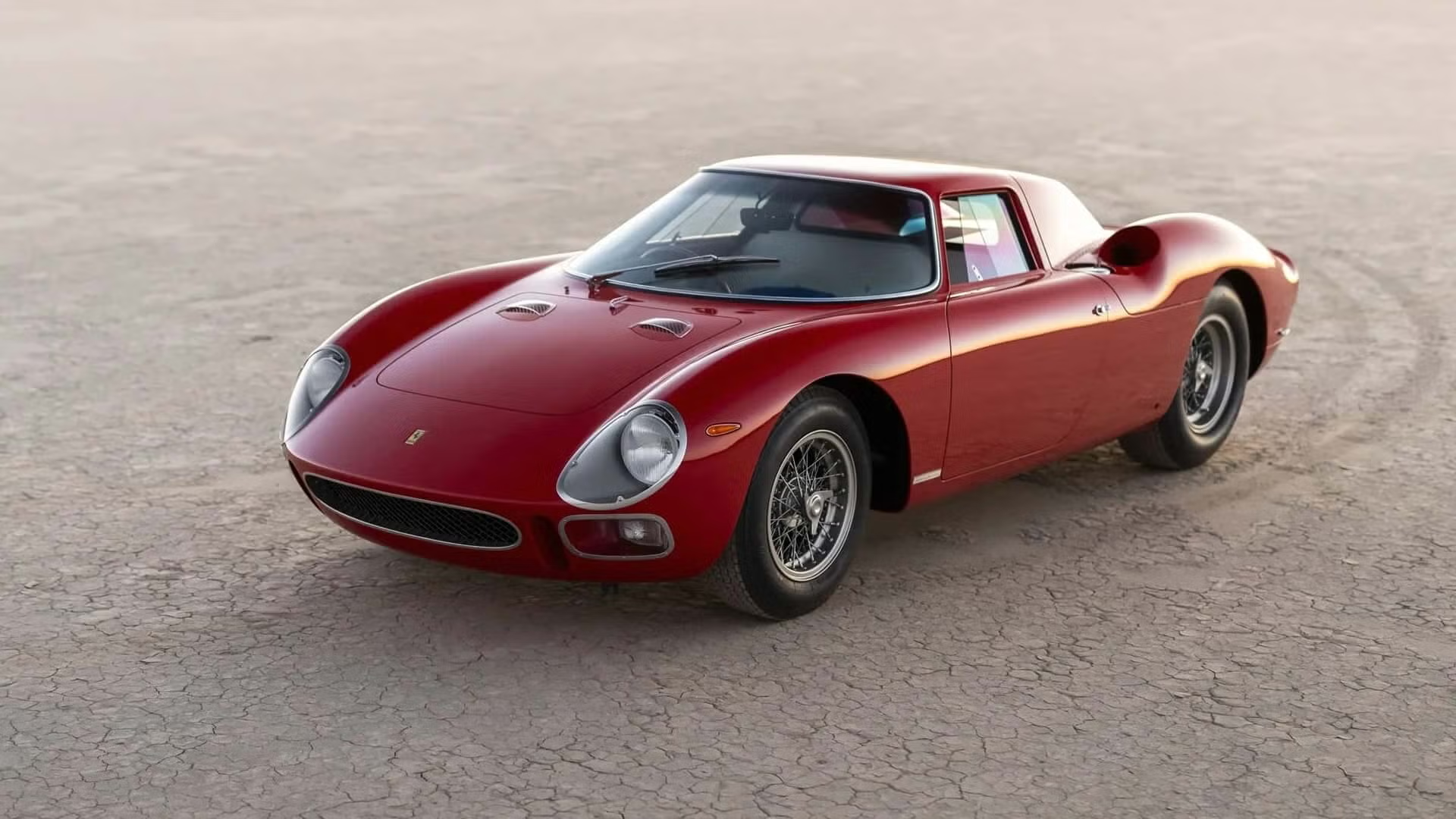
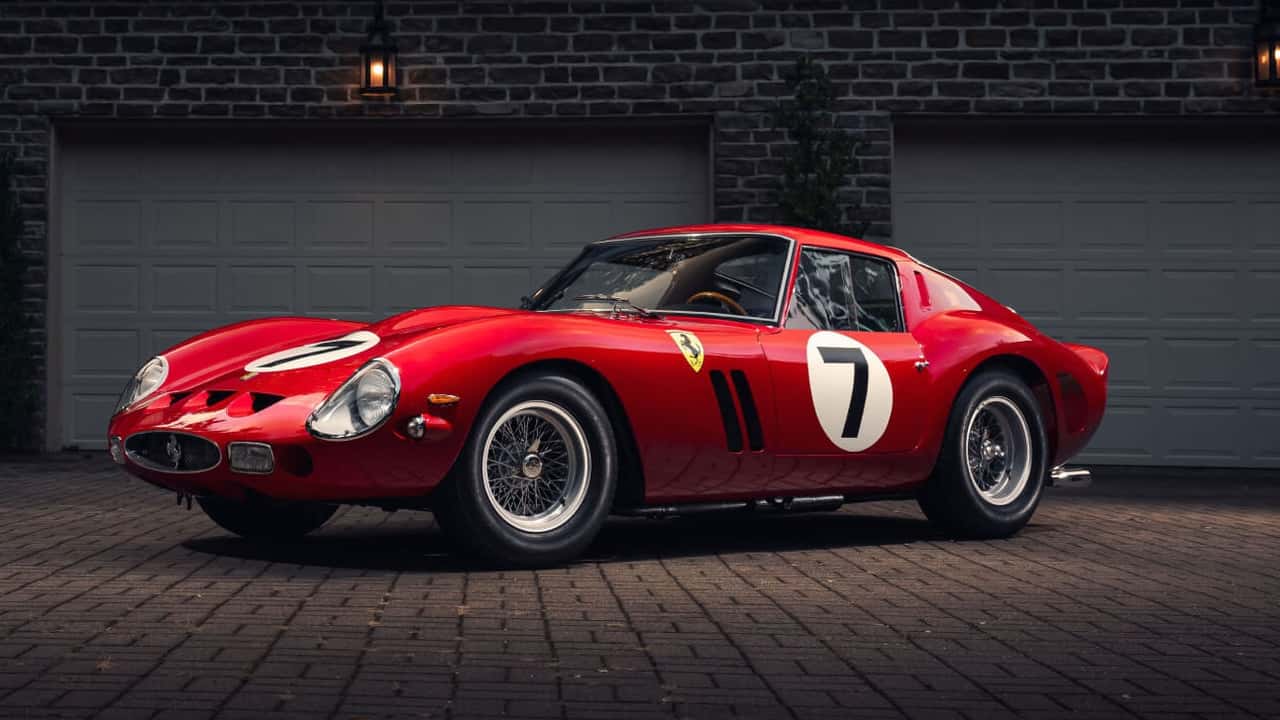
If one were to distill the very essence of the Prancing Horse into a single numerical designation, that number would undoubtedly be 250. In the grand tapestry of automotive history, few lineages carry the weight, the provenance, and the sheer mechanical charisma of the Ferrari 250 series. Spanning just over a decade from the early 1950s to the mid-1960s, this model line did not merely produce cars; it forged the Ferrari legend in steel and aluminium. Before the 250, Ferrari was a boutique manufacturer of sporadic brilliance; after the 250, it was the undisputed emperor of both the racetrack and the Riviera. The lineage arrived at a time when the world was shaking off the austerity of the post-war years, entering an era of jet-set glamour and transcontinental speed. Its predecessors, the 212 Inter and Export, had set the stage, but they were hand-built curiosities compared to the standardized excellence that would follow. The 250 series had to battle against the might of the British empire—specifically the sublime Aston Martin DB4 and the revolutionary Jaguar E-Type—and the engineering precision of the Mercedes-Benz 300 SL. Yet, through a combination of auditory violence and aesthetic purity, the Ferrari 250 transcended them all.
The beating heart of every vehicle in this illustrious family is the Colombo V12, a piece of engineering so charismatic it borders on the theological. The nomenclature “250” is derived from the unitary displacement of a single cylinder: roughly 250cc multiplied by twelve cylinders equals the magical 3.0-liter capacity. Designed by Gioacchino Colombo, this 60-degree V12 is a masterpiece of light-alloy construction, featuring a single overhead camshaft per bank. In its earliest iterations, such as in the 250 Europa, it was a smooth, flexible grand touring unit. However, as development progressed through the decade, culminating in the Testa Rossa and GTO specifications, it became a snarling, high-compression race engine capable of 300 horsepower and 8,000 rpm. The chassis evolution was equally significant, transitioning from the heavy, elliptic-sprung frames of the early 50s to the legendary separation of the “Long Wheelbase” (LWB, 2600mm) and “Short Wheelbase” (SWB, 2400mm) configurations. The SWB chassis, in particular, is often cited by purists as the finest handling live-axle car ever made, balancing high-speed stability with the ability to rotate beautifully on the throttle. Braking technology also saw a paradigm shift within this lineage, moving from the fade-prone drum brakes of the Tour de France (TdF) models to the majestic Dunlop disc brakes that allowed the 250 SWB and GTO to out-brake their rivals deep into Mulsanne Corner.
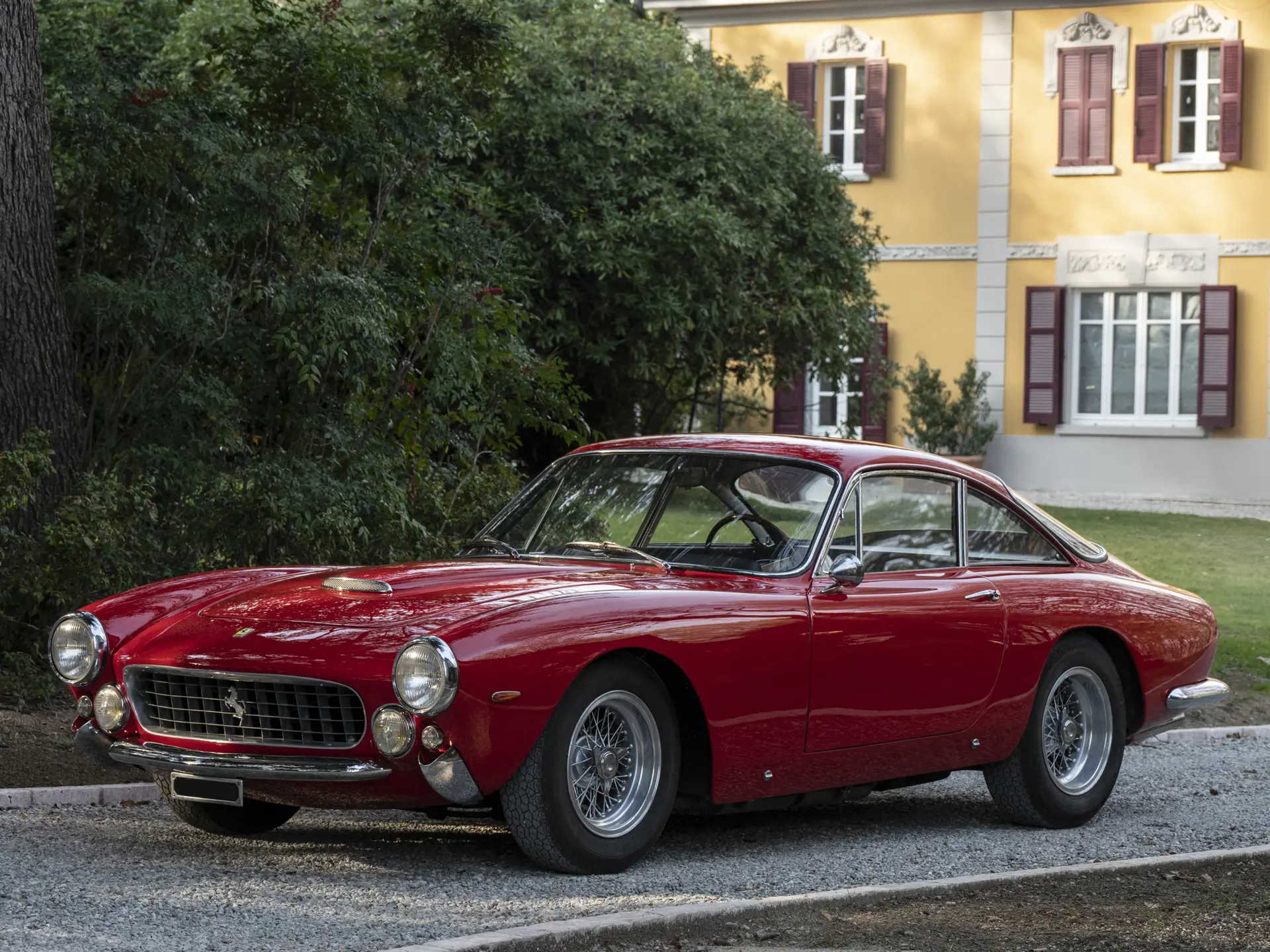
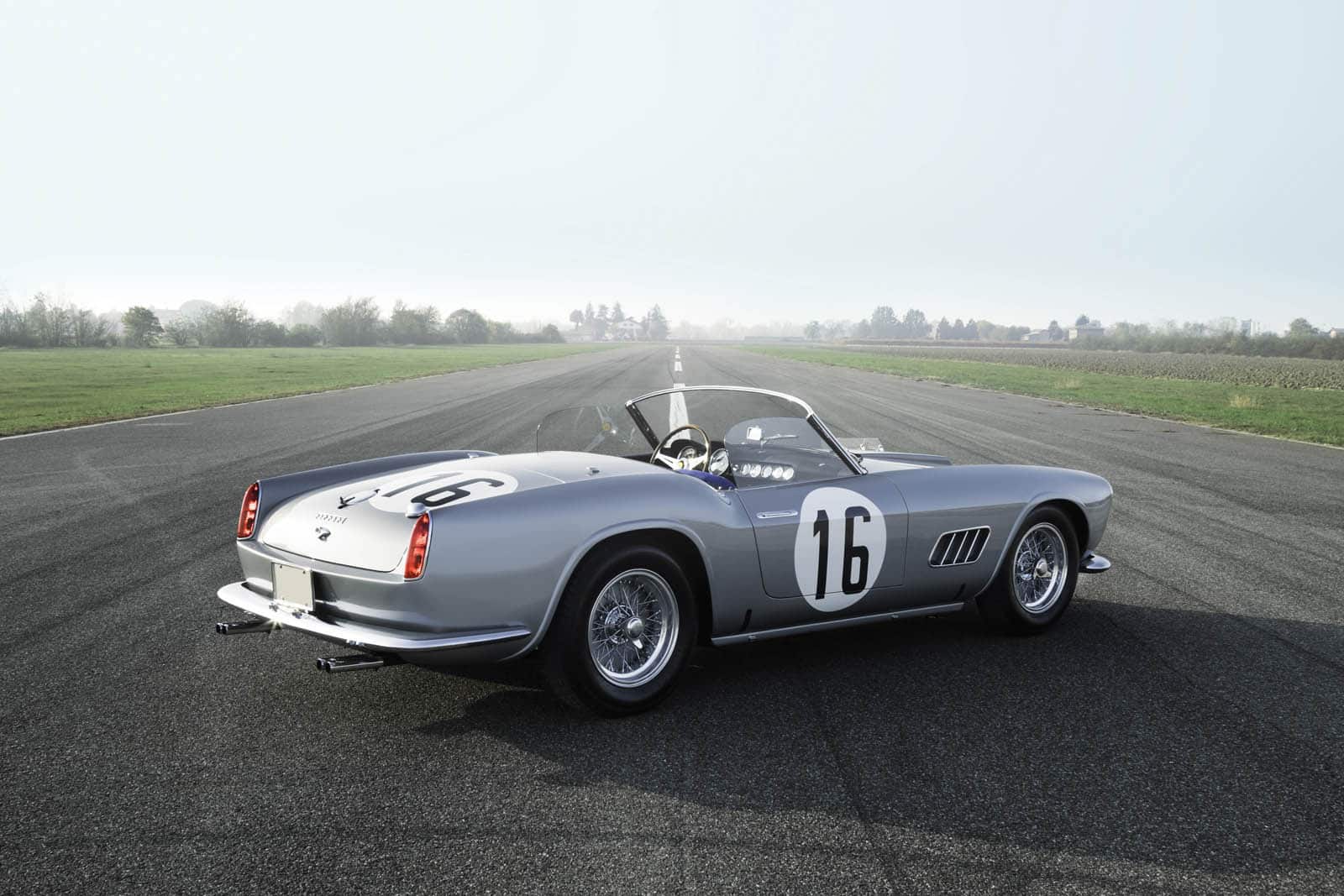
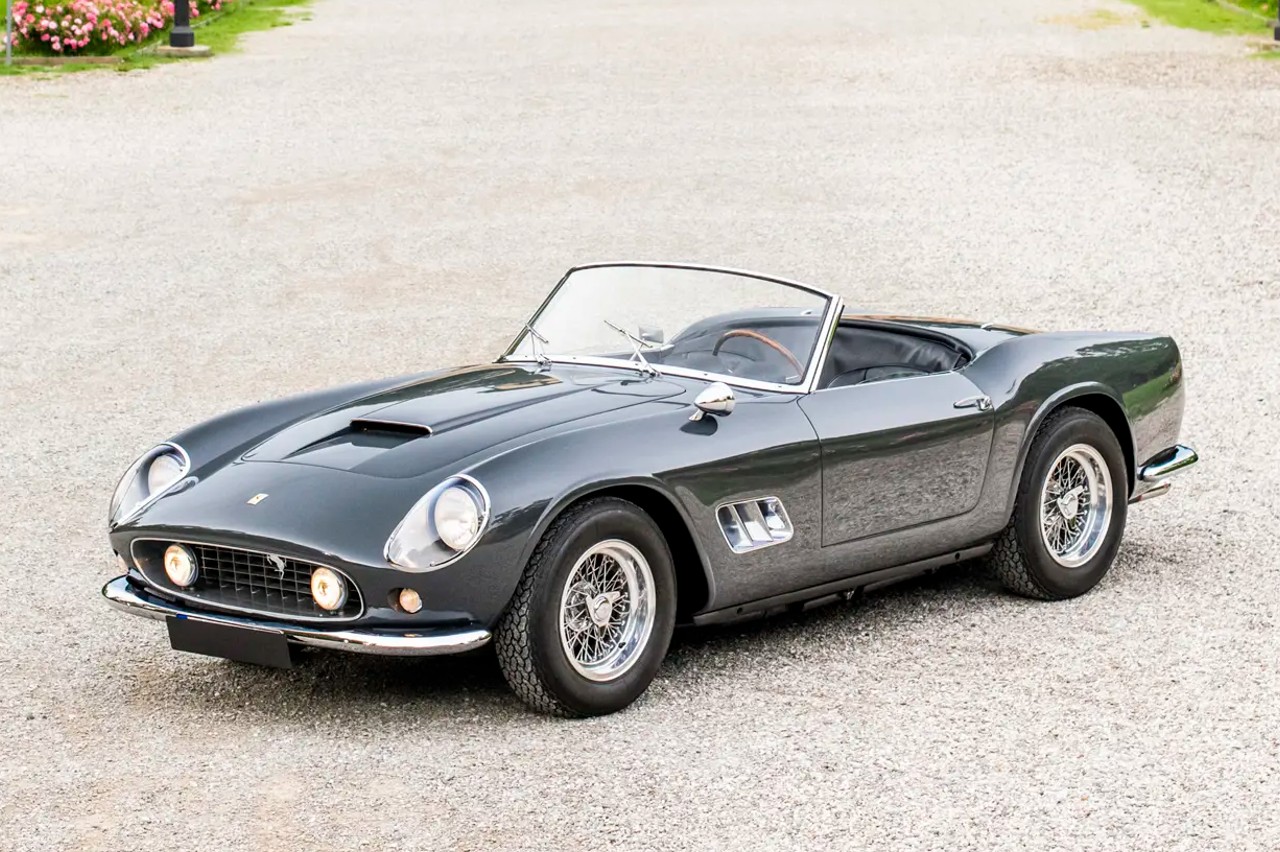
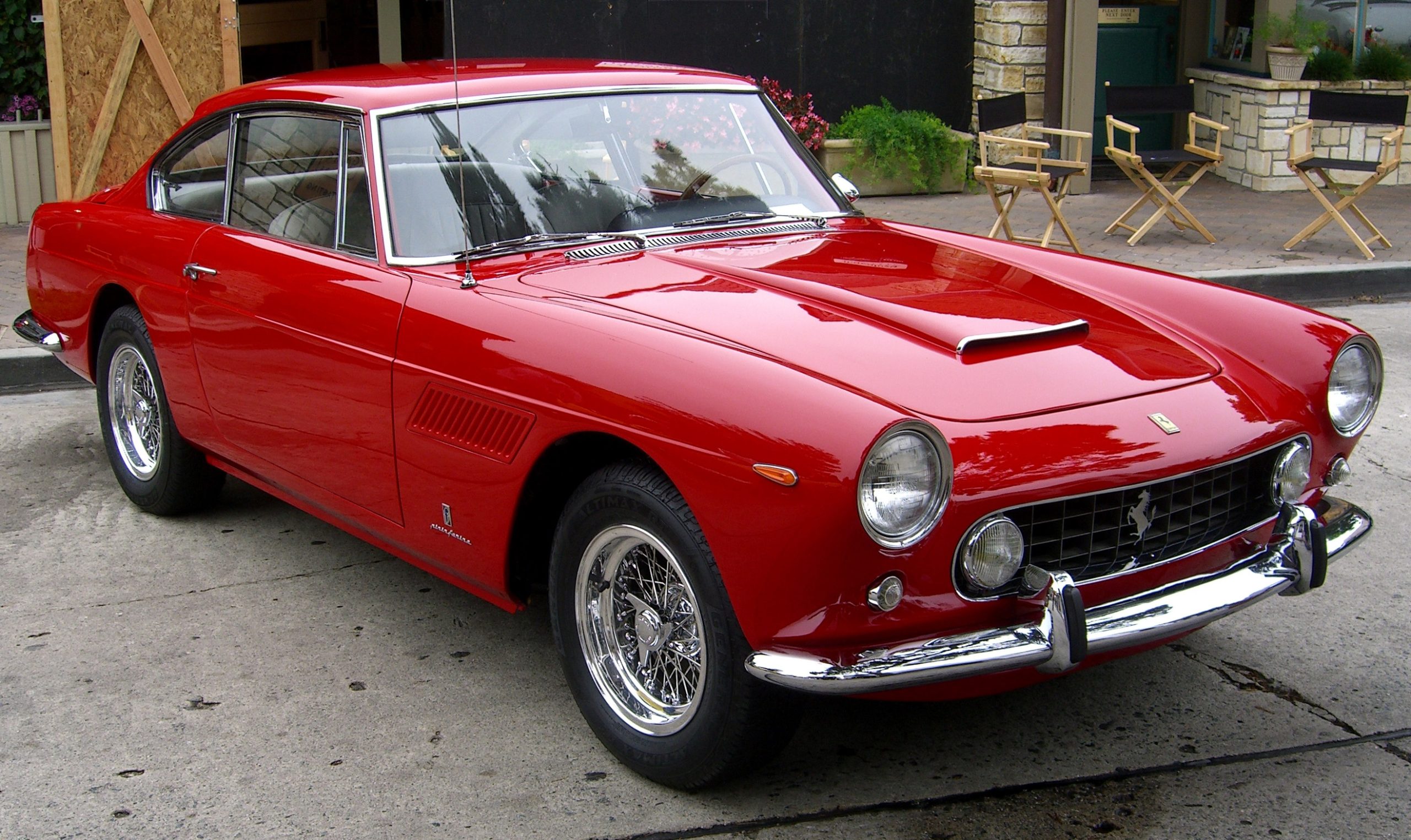
The history of the 250 series is a tale of two distinct but intertwining worlds: the road and the track. On the street, the 250 established the “Gran Turismo” as a viable commercial entity for Enzo Ferrari. The partnership with Battista “Pinin” Farina became formalized during this era, resulting in cars of breathtaking elegance like the 250 GT Coupé and the immensely successful 250 GTE 2+2. The GTE is often the unsung hero of the saga; as Ferrari’s first volume-produced four-seater, it provided the financial stability that allowed Il Commendatore to go racing. Then there were the cars for the playboys and the starlets, specifically the 250 GT California Spyders. Whether in LWB or SWB guise, these Scaglietti-built convertibles captured the optimism of the American dream, combining the race-bred chassis of the Tour de France with open-air hedonism. They were cars designed not just to be driven, but to be seen in, cementing Ferrari’s status as a luxury lifestyle brand long before the term existed.
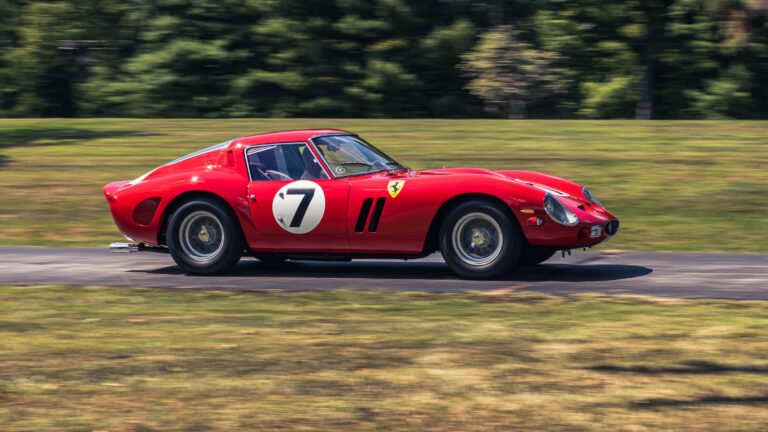
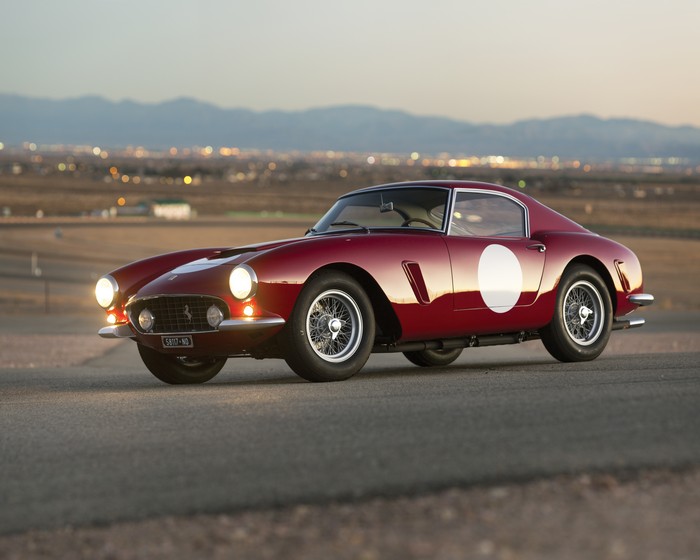
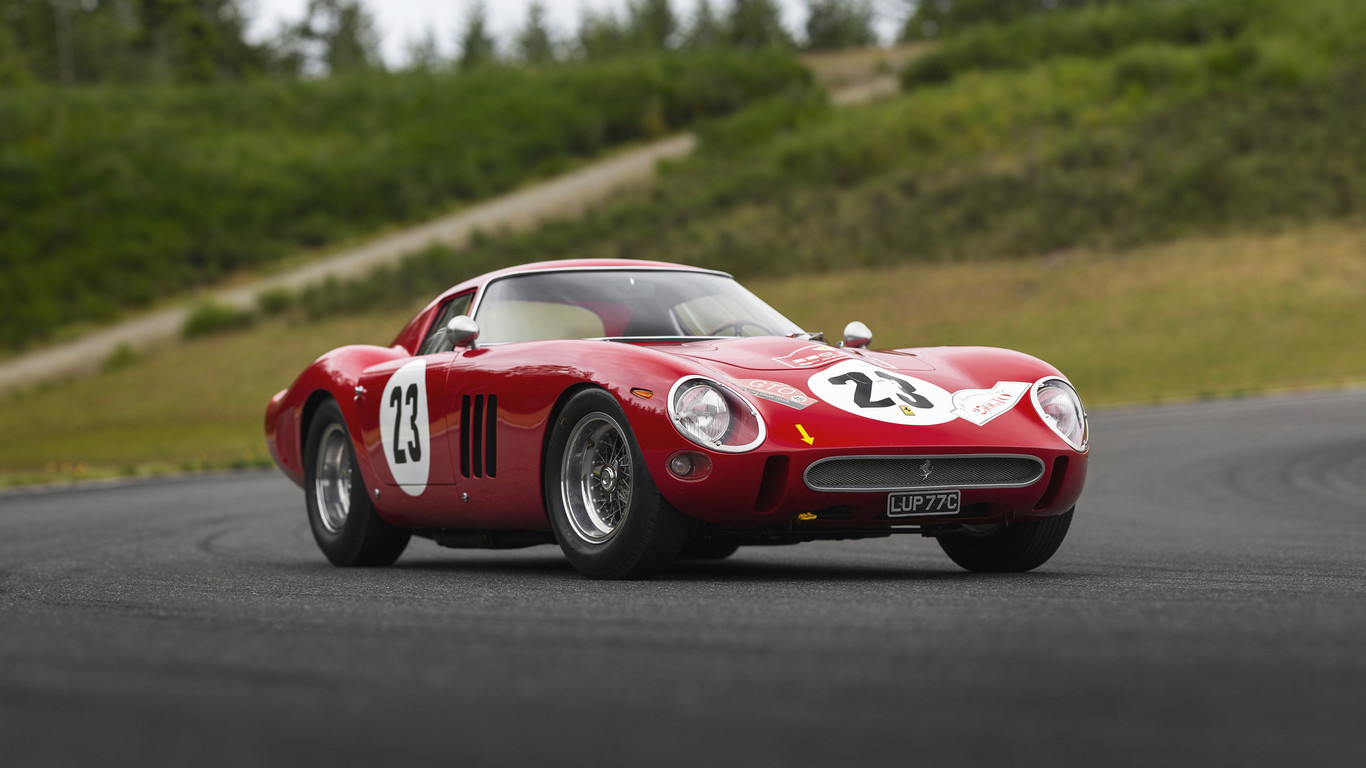
However, it is in competition that the 250 series truly earned its immortality. This model line effectively monopolized the World Sportscar Championship for a decade. The 250 GT Berlinetta ‘Tour de France’ dominated the grueling French road race so thoroughly that the event became its namesake. Following this, the 250 GT SWB Berlinetta proved to be the ultimate dual-purpose machine—a car you could drive to the track, win the GT class, and drive home, provided you didn’t foul the plugs in traffic. The lineage culminated in the 250 GTO (Gran Turismo Omologato) and the 250 LM. The GTO, with its Bizzarrini-engineered aerodynamics and Watts-link rear suspension, remains the holy grail of collectability, a car that held off the mid-engined revolution just long enough to become a myth. Meanwhile, the 250 Testa Rossa variants, with their pontoon fenders and searing red cam covers, claimed victory at Le Mans three times (1958, 1960, 1961), proving the utter dominance of the 3.0-liter V12 formula. Even the 250 LM, ostensibly a mid-engined prototype masquerading as a GT car, managed to snatch the overall win at Le Mans in 1965, the last time a Ferrari would do so for nearly sixty years.
The legacy of the Ferrari 250 series is impossible to overstate. It represents the “Golden Age” of Maranello, a period where the divergence between a racing car and a road car was merely a matter of interior trim and spark plug heat ranges. When production wound down in the mid-1960s to make way for the 275 GTB and the era of transaxles and independent rear suspension, an era of simplicity ended. The 250s were the last Ferraris that a talented amateur mechanic could arguably maintain, yet they were sophisticated enough to beat the world’s largest manufacturers. Today, they are the blue-chip currency of the automotive world, with values of GTOs and California Spyders rivaling the GDP of small nations. But beyond the auction hammer prices, the 250 series stands as a testament to the singular vision of Enzo Ferrari: the relentless pursuit of V12 perfection wrapped in the finest Italian couture.
Portal
Model line
Brand
Produced from
Vehicle category
Portal
Model line
Model generation
Predecessor
Sucessor
Model Overview
If one were to distill the very essence of the Prancing Horse into a single numerical designation, that number would undoubtedly be 250. In the grand tapestry of automotive history, few lineages carry the weight, the provenance, and the sheer mechanical charisma of the Ferrari 250 series. Spanning just over a decade from the early 1950s to the mid-1960s, this model line did not merely produce cars; it forged the Ferrari legend in steel and aluminium. Before the 250, Ferrari was a boutique manufacturer of sporadic brilliance; after the 250, it was the undisputed emperor of both the racetrack and the Riviera. The lineage arrived at a time when the world was shaking off the austerity of the post-war years, entering an era of jet-set glamour and transcontinental speed. Its predecessors, the 212 Inter and Export, had set the stage, but they were hand-built curiosities compared to the standardized excellence that would follow. The 250 series had to battle against the might of the British empire—specifically the sublime Aston Martin DB4 and the revolutionary Jaguar E-Type—and the engineering precision of the Mercedes-Benz 300 SL. Yet, through a combination of auditory violence and aesthetic purity, the Ferrari 250 transcended them all.
The beating heart of every vehicle in this illustrious family is the Colombo V12, a piece of engineering so charismatic it borders on the theological. The nomenclature “250” is derived from the unitary displacement of a single cylinder: roughly 250cc multiplied by twelve cylinders equals the magical 3.0-liter capacity. Designed by Gioacchino Colombo, this 60-degree V12 is a masterpiece of light-alloy construction, featuring a single overhead camshaft per bank. In its earliest iterations, such as in the 250 Europa, it was a smooth, flexible grand touring unit. However, as development progressed through the decade, culminating in the Testa Rossa and GTO specifications, it became a snarling, high-compression race engine capable of 300 horsepower and 8,000 rpm. The chassis evolution was equally significant, transitioning from the heavy, elliptic-sprung frames of the early 50s to the legendary separation of the “Long Wheelbase” (LWB, 2600mm) and “Short Wheelbase” (SWB, 2400mm) configurations. The SWB chassis, in particular, is often cited by purists as the finest handling live-axle car ever made, balancing high-speed stability with the ability to rotate beautifully on the throttle. Braking technology also saw a paradigm shift within this lineage, moving from the fade-prone drum brakes of the Tour de France (TdF) models to the majestic Dunlop disc brakes that allowed the 250 SWB and GTO to out-brake their rivals deep into Mulsanne Corner.
The history of the 250 series is a tale of two distinct but intertwining worlds: the road and the track. On the street, the 250 established the “Gran Turismo” as a viable commercial entity for Enzo Ferrari. The partnership with Battista “Pinin” Farina became formalized during this era, resulting in cars of breathtaking elegance like the 250 GT Coupé and the immensely successful 250 GTE 2+2. The GTE is often the unsung hero of the saga; as Ferrari’s first volume-produced four-seater, it provided the financial stability that allowed Il Commendatore to go racing. Then there were the cars for the playboys and the starlets, specifically the 250 GT California Spyders. Whether in LWB or SWB guise, these Scaglietti-built convertibles captured the optimism of the American dream, combining the race-bred chassis of the Tour de France with open-air hedonism. They were cars designed not just to be driven, but to be seen in, cementing Ferrari’s status as a luxury lifestyle brand long before the term existed.
However, it is in competition that the 250 series truly earned its immortality. This model line effectively monopolized the World Sportscar Championship for a decade. The 250 GT Berlinetta ‘Tour de France’ dominated the grueling French road race so thoroughly that the event became its namesake. Following this, the 250 GT SWB Berlinetta proved to be the ultimate dual-purpose machine—a car you could drive to the track, win the GT class, and drive home, provided you didn’t foul the plugs in traffic. The lineage culminated in the 250 GTO (Gran Turismo Omologato) and the 250 LM. The GTO, with its Bizzarrini-engineered aerodynamics and Watts-link rear suspension, remains the holy grail of collectability, a car that held off the mid-engined revolution just long enough to become a myth. Meanwhile, the 250 Testa Rossa variants, with their pontoon fenders and searing red cam covers, claimed victory at Le Mans three times (1958, 1960, 1961), proving the utter dominance of the 3.0-liter V12 formula. Even the 250 LM, ostensibly a mid-engined prototype masquerading as a GT car, managed to snatch the overall win at Le Mans in 1965, the last time a Ferrari would do so for nearly sixty years.
The legacy of the Ferrari 250 series is impossible to overstate. It represents the “Golden Age” of Maranello, a period where the divergence between a racing car and a road car was merely a matter of interior trim and spark plug heat ranges. When production wound down in the mid-1960s to make way for the 275 GTB and the era of transaxles and independent rear suspension, an era of simplicity ended. The 250s were the last Ferraris that a talented amateur mechanic could arguably maintain, yet they were sophisticated enough to beat the world’s largest manufacturers. Today, they are the blue-chip currency of the automotive world, with values of GTOs and California Spyders rivaling the GDP of small nations. But beyond the auction hammer prices, the 250 series stands as a testament to the singular vision of Enzo Ferrari: the relentless pursuit of V12 perfection wrapped in the finest Italian couture.
Generations
Model Generations
Submodels