De Tomaso Pantera
Brand
Produced from
Vehicle category
Portal
Model line
Model generation
Predecessor
Sucessor
Model Overview
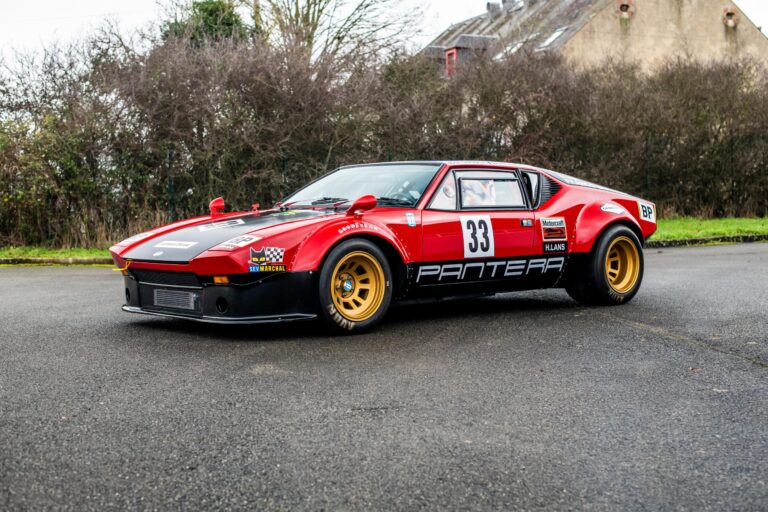
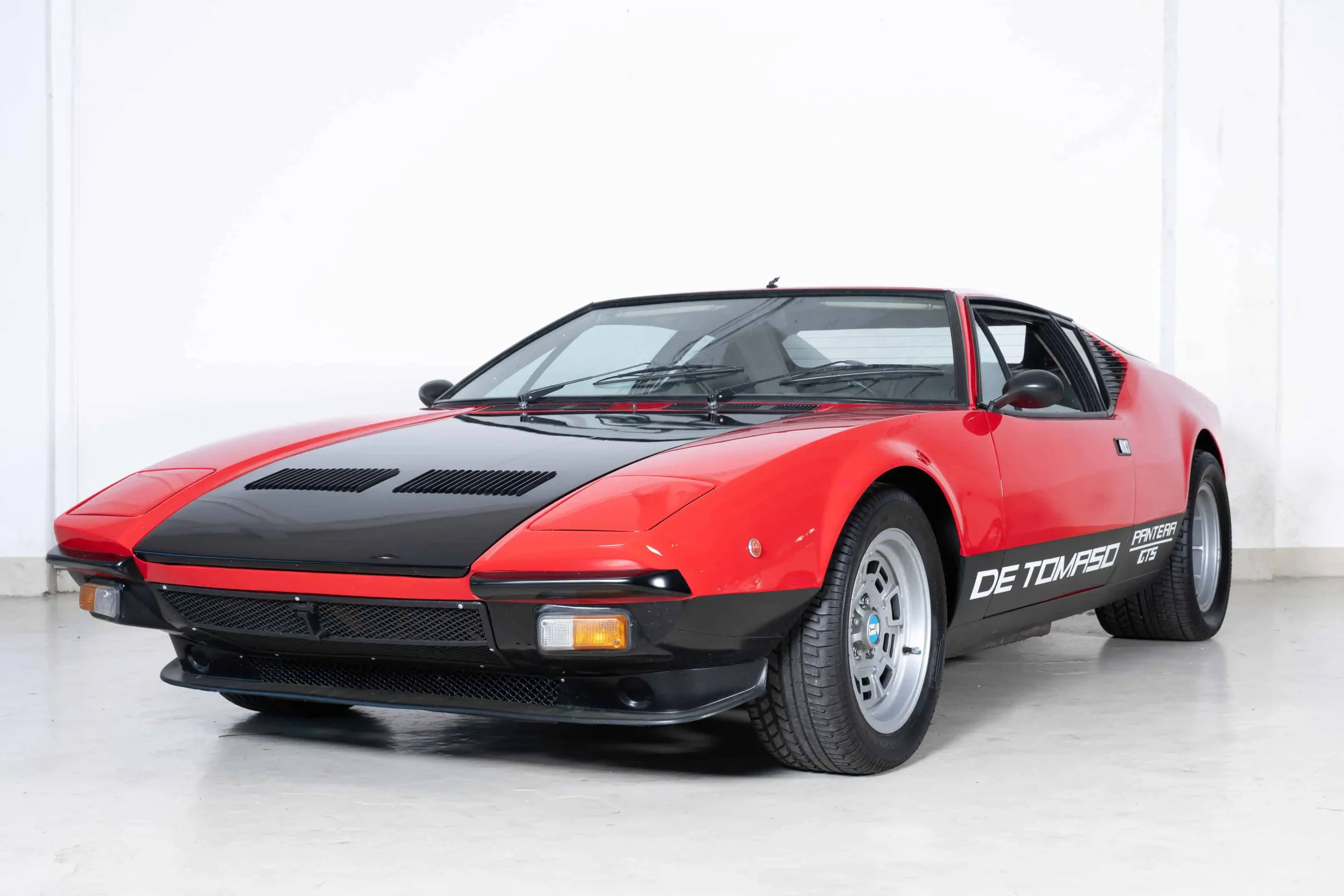
The story of the De Tomaso Pantera is a narrative of ambition, trans-Atlantic industrial politics, and the enduring allure of the “hybrid” sports car—not in the modern electrical sense, but in the classic definition of Italian coachwork married to American horsepower. Unveiled to a stunned public at the New York Auto Show in 1970, the Pantera was the result of a handshake deal between the fiery Argentine Alejandro de Tomaso and the titans of the Ford Motor Company, specifically Lee Iacocca. It was intended to be the car that would finally democratize the mid-engined exotic, a vehicle that offered the visual drama of a Lamborghini for the price of a Lincoln Continental, serviceable at your local Mercury dealership. To understand the Pantera is to understand a twenty-year evolution that transformed a sleek, delicate wedge into a wide-hipped, wing-laden monster, spanning an era from the end of the flower power movement to the dawn of the grunge age.
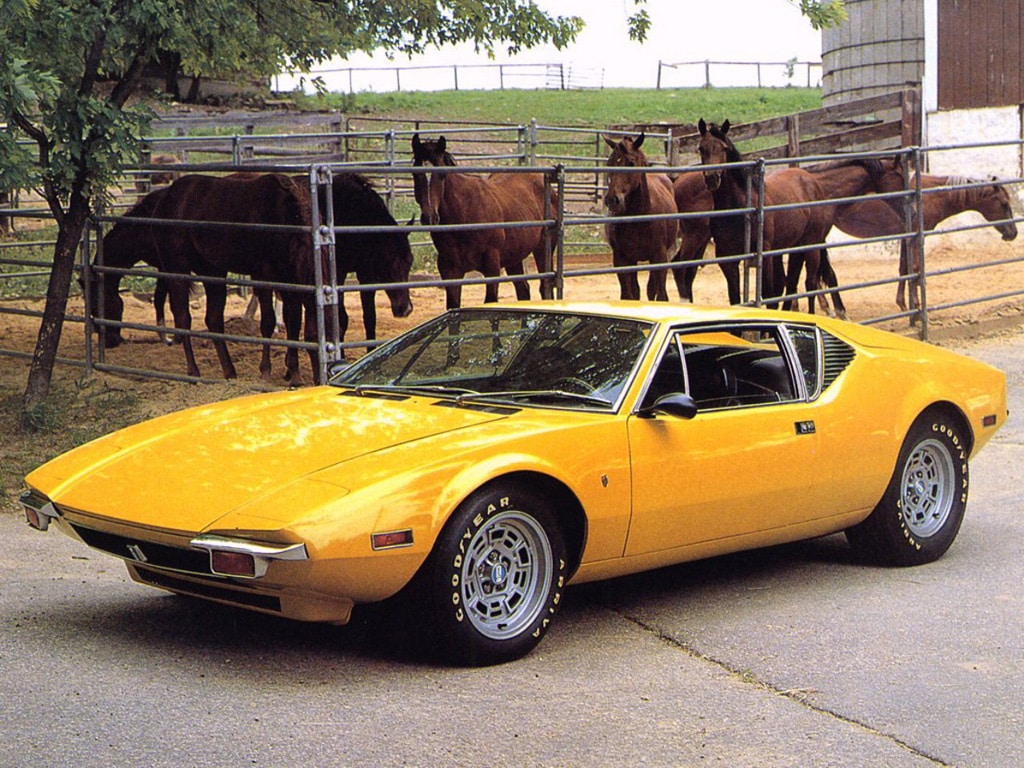
Contextually, the Pantera arrived at a pivot point in automotive history. Its predecessor, the Mangusta, was breathtakingly beautiful but mechanically flawed, built on a flexible spine chassis that made handling unpredictable at the limit. The Pantera was designed to correct these sins. Its mission was to crush the Chevrolet Corvette on the street and embarrass Ferrari on the track, all while being produced in volumes that Maranello could only dream of. Its immediate rivals were the Ferrari Dino 246 GT and the Maserati Bora, but the Pantera offered something they did not: raw, unadulterated torque and the promise of reliability (though the latter would prove to be a complex promise to keep). The design was penned by the American Tom Tjaarda while working at Ghia, and it remains his masterpiece. Where the Mangusta was soft and feline, the Pantera was a brutalist wedge, a sharp crease of steel that looked like it was breaking the sound barrier while standing still. It was the first De Tomaso to utilize a monocoque chassis, a structure developed with the input of Gian Paolo Dallara, the man who had engineered the Miura. This shift from a backbone chassis to a unibody construction was crucial, providing the rigidity necessary for the suspension to actually do its work.
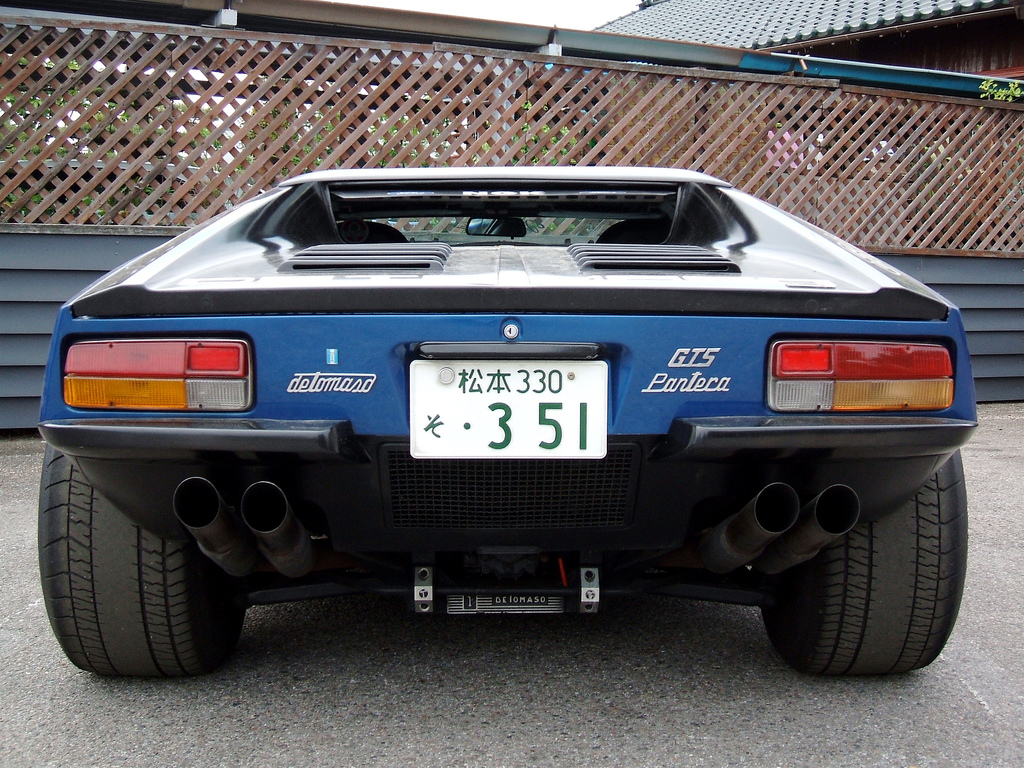
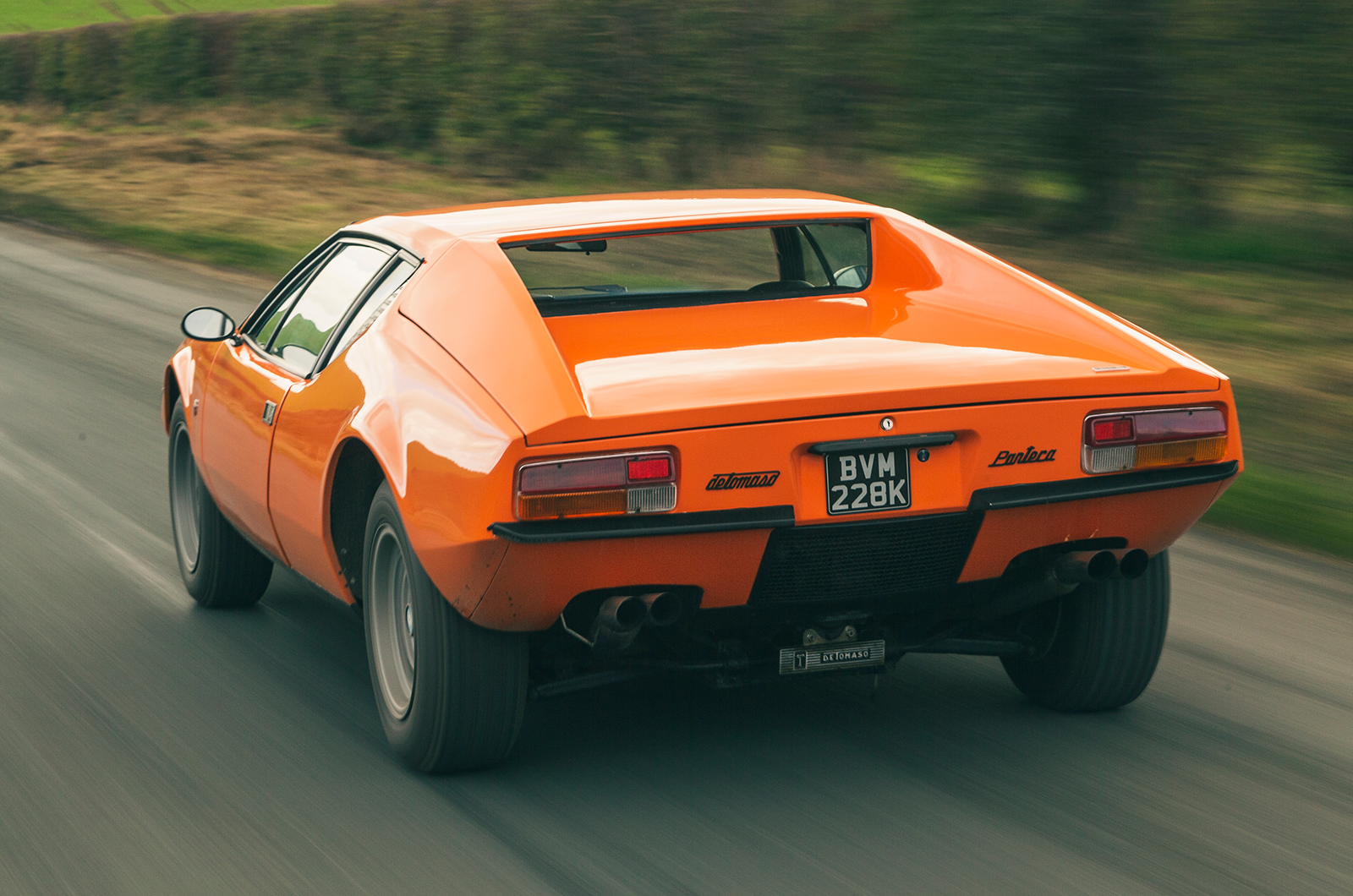
Technically, the Pantera was a fascinating juxtaposition of sophistication and brute force. Sitting low in the chassis—so low that the roofline stood a mere 43 inches from the ground—was the heart of the beast: a 351 cubic-inch (5.8-litre) Ford Cleveland V8. This was not a highly strung, overhead-cam European thoroughbred that needed to be coaxed to the redline; it was a Detroit sledgehammer. In early high-compression trim, it produced a conservatively rated 330 horsepower and, more importantly, a tidal wave of torque that made the car effortlessly fast in any gear. This American iron was mated to a German ZF 5-speed transaxle, the same gearbox used in the Ford GT40, creating a powertrain that was practically indestructible. The suspension was fully independent, with unequal-length A-arms and coil-over shock absorbers at all four corners, a setup that gave the Pantera surprisingly neutral handling characteristics compared to the tail-happy Porsche 911s of the era. The earliest cars, known today as “Pre-L” models, featured delicate chrome bumpers and a cleaner aesthetic. However, the requirement to meet US federal safety standards led to the “L” (Lusso) model in 1972, characterized by heavy black rubber impact bumpers that, while necessary for the market, interrupted Tjaarda’s pure lines.
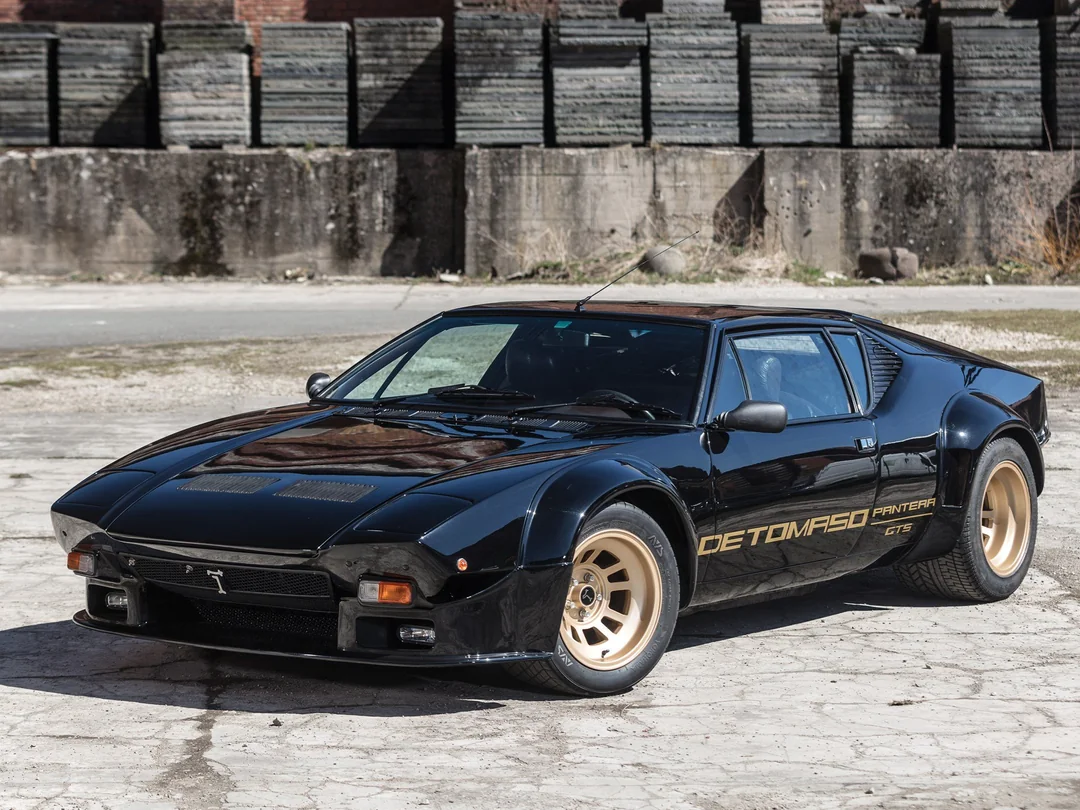
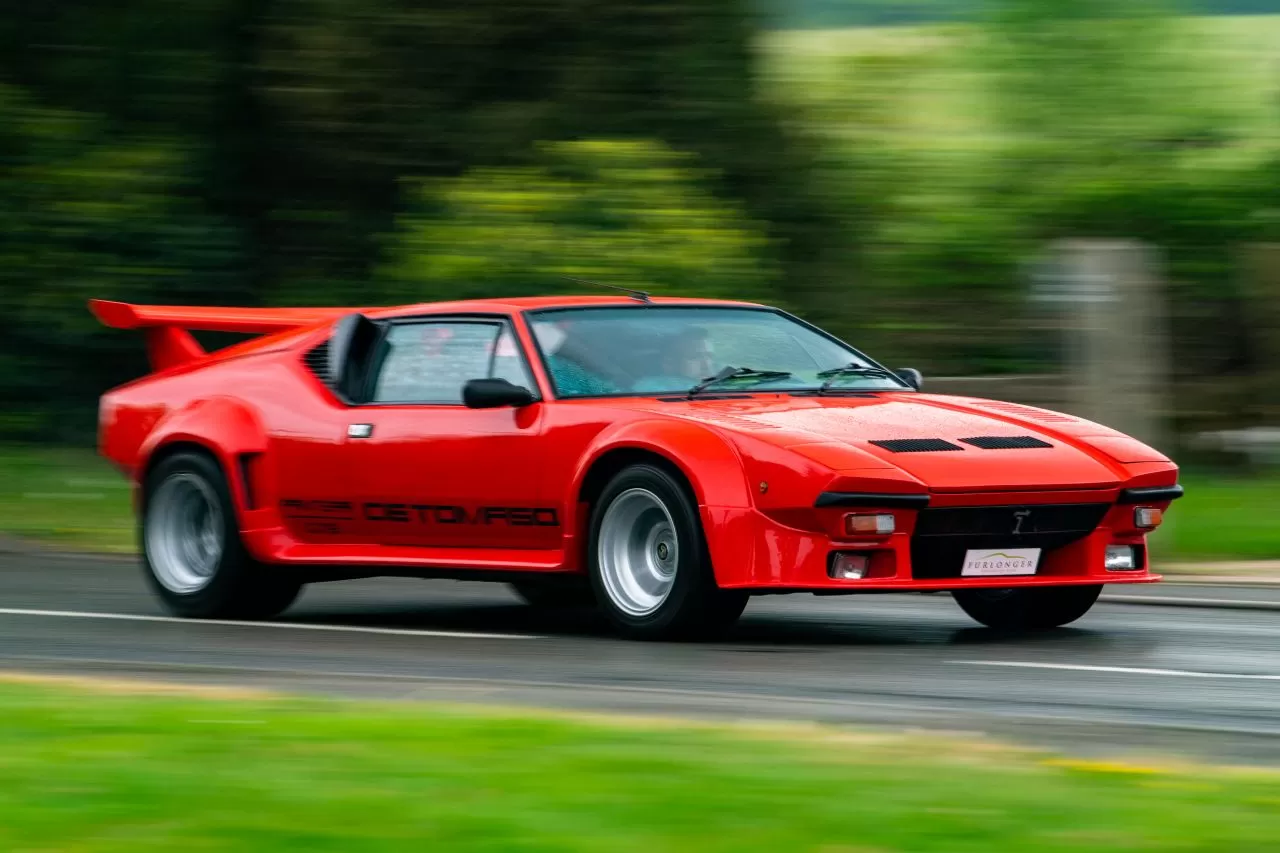
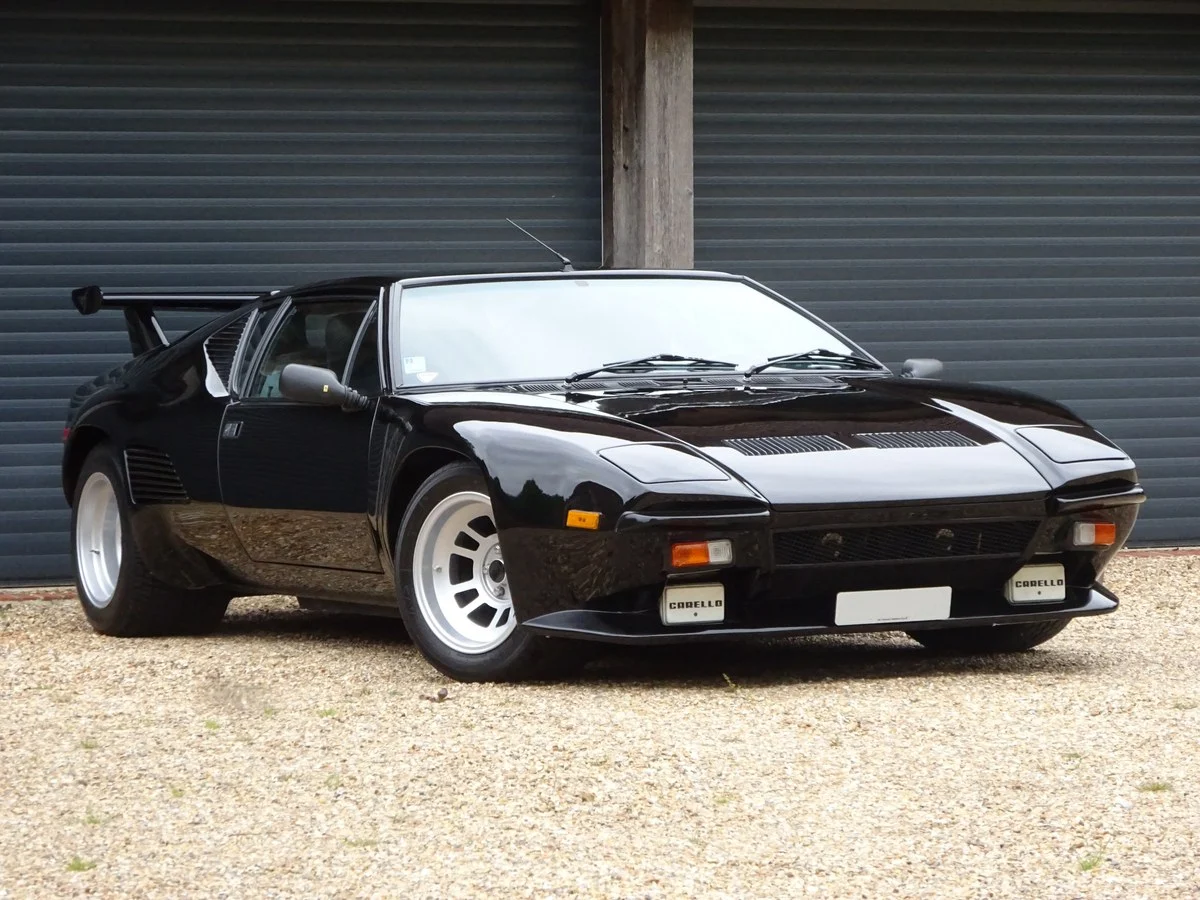
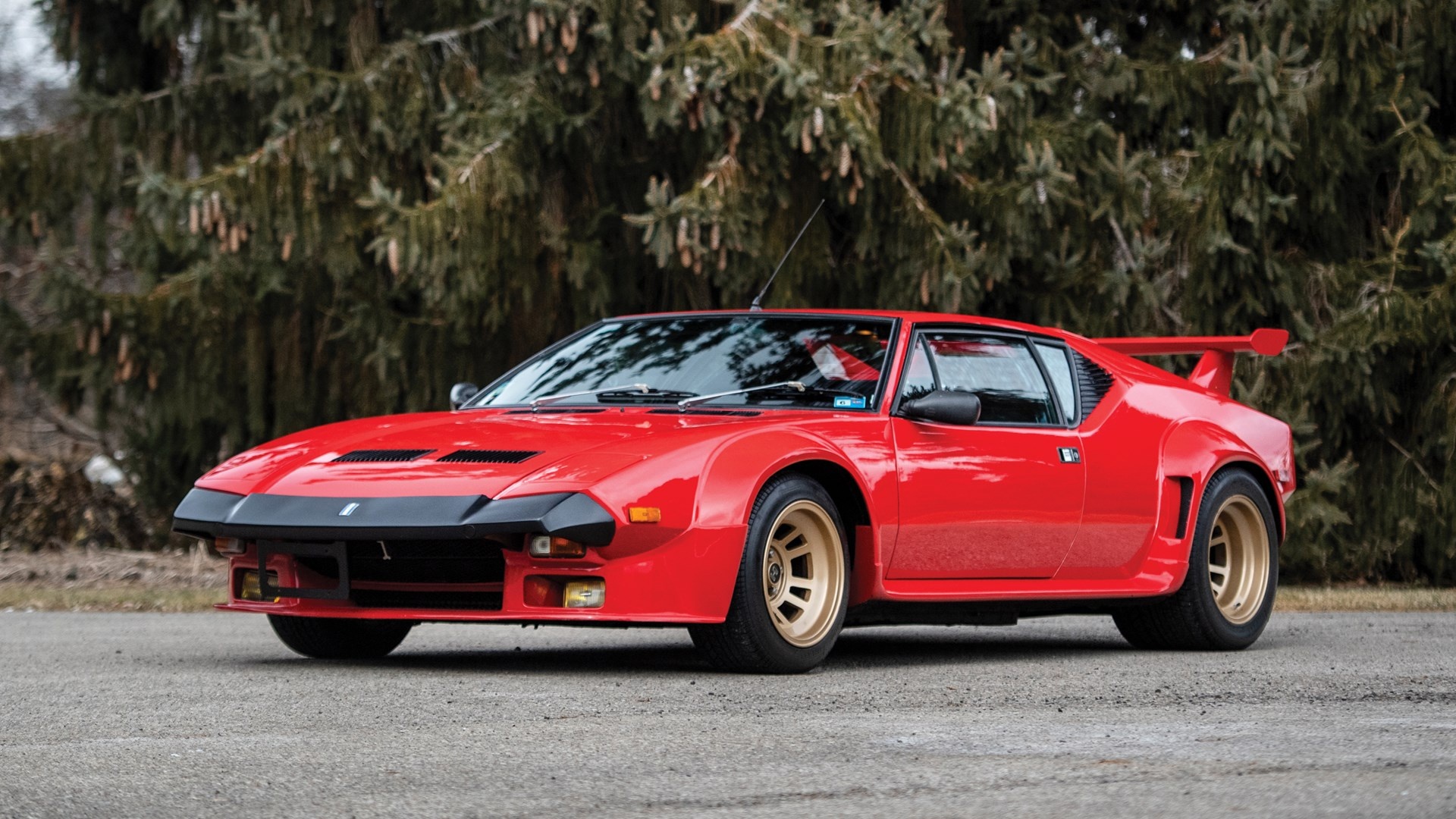
The Pantera’s impact on the automotive world was immediate and polarized. On the road, it was a sensation. It offered supercar performance—0 to 60 mph in roughly 5.5 seconds—with an exhaust note that was a guttural, earth-shaking rumble, a stark contrast to the V12 scream of a Countach. However, the early cars were plagued by teething issues that became the stuff of legend. Overheating was endemic, rustproofing was nonexistent, and the ergonomics were strictly “Italian”, meaning the steering wheel and pedals were offset in a way that required a chiropractic adjustment after a long drive. These quality control issues strained the relationship with Ford, leading the American giant to withdraw its support in 1974. Yet, De Tomaso persevered. Without the constraints of Ford’s mass-market requirements, the Pantera was unleashed to become what it always wanted to be: a racing car for the road. The GTS models brought more aggression, but it was the introduction of the GT5 in 1980 and subsequently the GT5-S in 1985 that defined the Pantera’s second life. These cars, with their massive fiberglass wheel arch extensions, deep air dams, and optional delta wings, mirrored the Group 4 and Group 5 racing cars. They were wider, meaner, and arguably more charismatic, transforming the Pantera from a sleek 70s wedge into an 80s poster icon that could sit proudly alongside a Ferrari Testarossa.
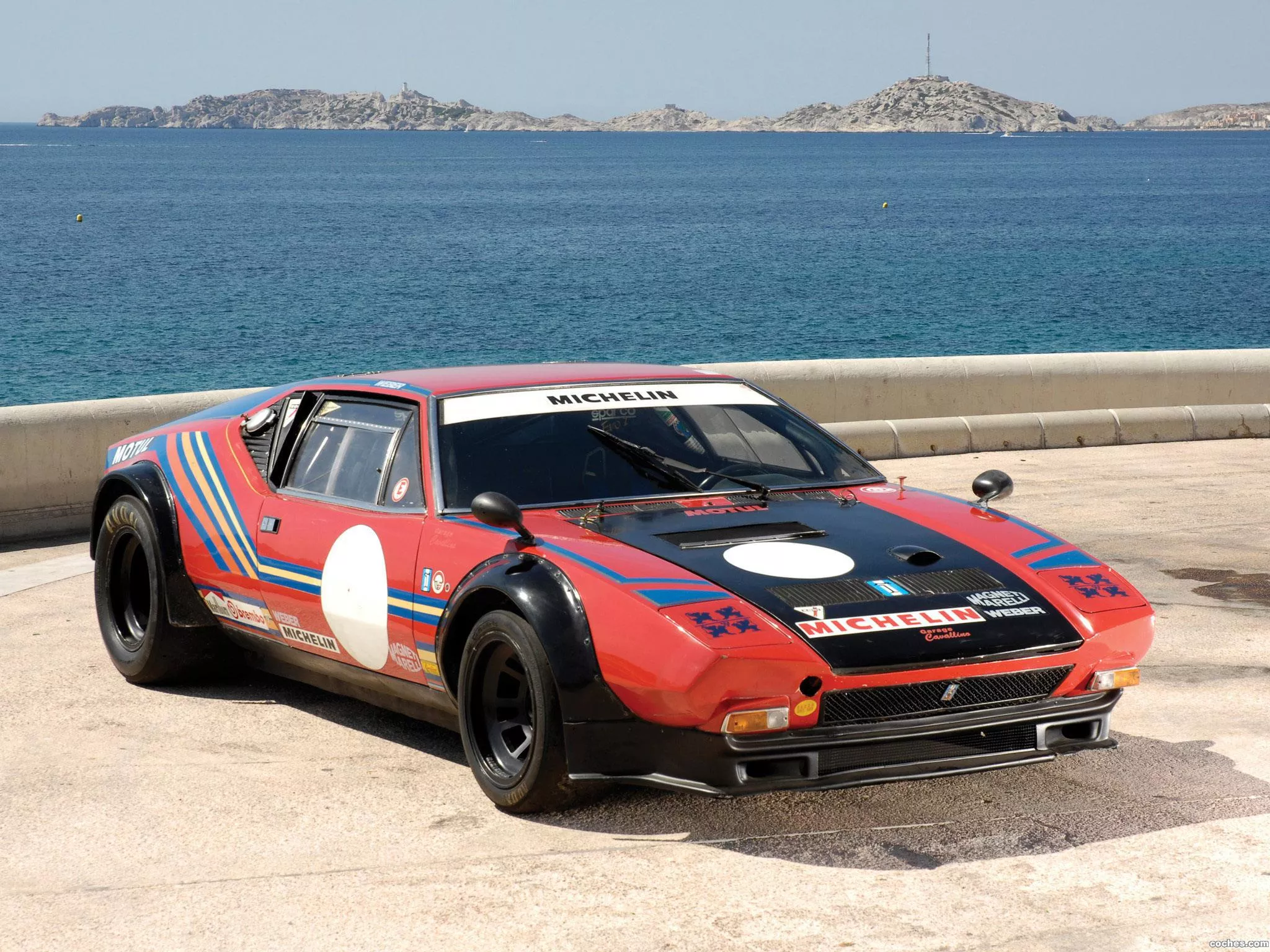
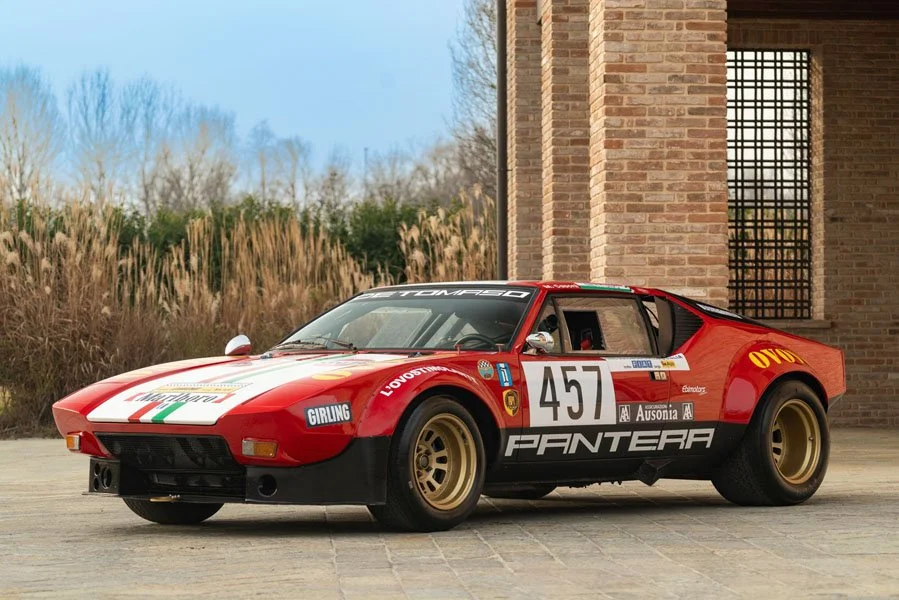
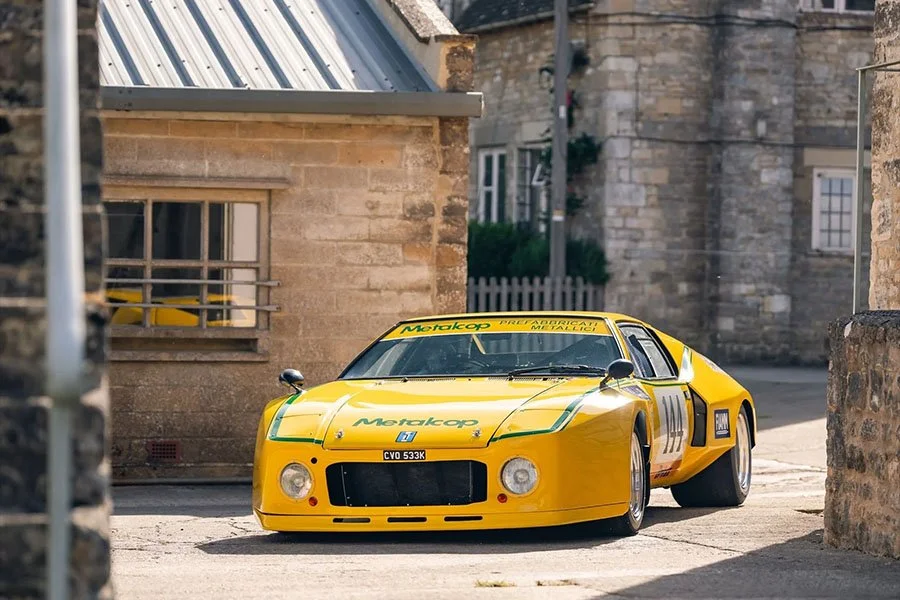
In competition, the Pantera was a formidable, if not dominant, force. The factory developed the Group 3 road-legal racer and the dedicated Group 4 track weapon. These cars, lightened and tuned to produce over 500 horsepower, campaigned in the World Sportscar Championship. While they struggled to match the reliability and funding of the Porsche 911 RSRs and 934s, the Pantera Group 4s were incredibly fast in a straight line and secured podiums and class wins in European endurance racing. Privateers loved them for the low cost of engine maintenance—blowing up a Ford V8 was a minor inconvenience compared to blowing up a Ferrari V12. The ultimate expression of this racing lineage was the Group 5 car, a turbocharged, silhouette monster that pushed the chassis to its absolute breaking point. Even as the design aged, the Pantera refused to die. In 1990, the car received a final, substantial update penned by Marcello Gandini, the designer of the Countach. Known as the Pantera Si (or Pantera 90), it featured softened lines, a spoiler integrated into the rear deck, and a fuel-injected 5.0-litre Ford V8. Only 41 of these twilight models were built before production finally ceased in 1992.
The legacy of the De Tomaso Pantera is complex and enduring. It proved that the mid-engined exotic could be reliable (eventually) and serviceable. It bridged the gap between the inaccessible gods of the Italian supercar world and the blue-collar performance of the American muscle car. While the subsequent De Tomaso Guarà attempted to carry the torch, it lacked the Pantera’s visceral V8 soul and cultural impact. The Pantera occupies a unique place in the pantheon; it is the car Elvis Presley famously shot because it wouldn’t start, the car that graced the driveways of playboys and racers alike, and the car that survived the oil crisis, corporate divorce, and changing fashions to remain in production for over two decades. Today, it is revered not just as a cheaper alternative to a Ferrari, but as a legend in its own right—a machine that combines the elegance of Turin with the punch of Detroit, creating a driving experience that is raw, mechanical, and utterly intoxicating.
Brand
Produced from
Vehicle category
Portal
Model line
Model generation
Predecessor
Sucessor
Brand
Produced from
Vehicle category
Portal
Model line
Model generation
Predecessor
Sucessor
Model Overview
The story of the De Tomaso Pantera is a narrative of ambition, trans-Atlantic industrial politics, and the enduring allure of the “hybrid” sports car—not in the modern electrical sense, but in the classic definition of Italian coachwork married to American horsepower. Unveiled to a stunned public at the New York Auto Show in 1970, the Pantera was the result of a handshake deal between the fiery Argentine Alejandro de Tomaso and the titans of the Ford Motor Company, specifically Lee Iacocca. It was intended to be the car that would finally democratize the mid-engined exotic, a vehicle that offered the visual drama of a Lamborghini for the price of a Lincoln Continental, serviceable at your local Mercury dealership. To understand the Pantera is to understand a twenty-year evolution that transformed a sleek, delicate wedge into a wide-hipped, wing-laden monster, spanning an era from the end of the flower power movement to the dawn of the grunge age.
Contextually, the Pantera arrived at a pivot point in automotive history. Its predecessor, the Mangusta, was breathtakingly beautiful but mechanically flawed, built on a flexible spine chassis that made handling unpredictable at the limit. The Pantera was designed to correct these sins. Its mission was to crush the Chevrolet Corvette on the street and embarrass Ferrari on the track, all while being produced in volumes that Maranello could only dream of. Its immediate rivals were the Ferrari Dino 246 GT and the Maserati Bora, but the Pantera offered something they did not: raw, unadulterated torque and the promise of reliability (though the latter would prove to be a complex promise to keep). The design was penned by the American Tom Tjaarda while working at Ghia, and it remains his masterpiece. Where the Mangusta was soft and feline, the Pantera was a brutalist wedge, a sharp crease of steel that looked like it was breaking the sound barrier while standing still. It was the first De Tomaso to utilize a monocoque chassis, a structure developed with the input of Gian Paolo Dallara, the man who had engineered the Miura. This shift from a backbone chassis to a unibody construction was crucial, providing the rigidity necessary for the suspension to actually do its work.
Technically, the Pantera was a fascinating juxtaposition of sophistication and brute force. Sitting low in the chassis—so low that the roofline stood a mere 43 inches from the ground—was the heart of the beast: a 351 cubic-inch (5.8-litre) Ford Cleveland V8. This was not a highly strung, overhead-cam European thoroughbred that needed to be coaxed to the redline; it was a Detroit sledgehammer. In early high-compression trim, it produced a conservatively rated 330 horsepower and, more importantly, a tidal wave of torque that made the car effortlessly fast in any gear. This American iron was mated to a German ZF 5-speed transaxle, the same gearbox used in the Ford GT40, creating a powertrain that was practically indestructible. The suspension was fully independent, with unequal-length A-arms and coil-over shock absorbers at all four corners, a setup that gave the Pantera surprisingly neutral handling characteristics compared to the tail-happy Porsche 911s of the era. The earliest cars, known today as “Pre-L” models, featured delicate chrome bumpers and a cleaner aesthetic. However, the requirement to meet US federal safety standards led to the “L” (Lusso) model in 1972, characterized by heavy black rubber impact bumpers that, while necessary for the market, interrupted Tjaarda’s pure lines.
The Pantera’s impact on the automotive world was immediate and polarized. On the road, it was a sensation. It offered supercar performance—0 to 60 mph in roughly 5.5 seconds—with an exhaust note that was a guttural, earth-shaking rumble, a stark contrast to the V12 scream of a Countach. However, the early cars were plagued by teething issues that became the stuff of legend. Overheating was endemic, rustproofing was nonexistent, and the ergonomics were strictly “Italian”, meaning the steering wheel and pedals were offset in a way that required a chiropractic adjustment after a long drive. These quality control issues strained the relationship with Ford, leading the American giant to withdraw its support in 1974. Yet, De Tomaso persevered. Without the constraints of Ford’s mass-market requirements, the Pantera was unleashed to become what it always wanted to be: a racing car for the road. The GTS models brought more aggression, but it was the introduction of the GT5 in 1980 and subsequently the GT5-S in 1985 that defined the Pantera’s second life. These cars, with their massive fiberglass wheel arch extensions, deep air dams, and optional delta wings, mirrored the Group 4 and Group 5 racing cars. They were wider, meaner, and arguably more charismatic, transforming the Pantera from a sleek 70s wedge into an 80s poster icon that could sit proudly alongside a Ferrari Testarossa.
In competition, the Pantera was a formidable, if not dominant, force. The factory developed the Group 3 road-legal racer and the dedicated Group 4 track weapon. These cars, lightened and tuned to produce over 500 horsepower, campaigned in the World Sportscar Championship. While they struggled to match the reliability and funding of the Porsche 911 RSRs and 934s, the Pantera Group 4s were incredibly fast in a straight line and secured podiums and class wins in European endurance racing. Privateers loved them for the low cost of engine maintenance—blowing up a Ford V8 was a minor inconvenience compared to blowing up a Ferrari V12. The ultimate expression of this racing lineage was the Group 5 car, a turbocharged, silhouette monster that pushed the chassis to its absolute breaking point. Even as the design aged, the Pantera refused to die. In 1990, the car received a final, substantial update penned by Marcello Gandini, the designer of the Countach. Known as the Pantera Si (or Pantera 90), it featured softened lines, a spoiler integrated into the rear deck, and a fuel-injected 5.0-litre Ford V8. Only 41 of these twilight models were built before production finally ceased in 1992.
The legacy of the De Tomaso Pantera is complex and enduring. It proved that the mid-engined exotic could be reliable (eventually) and serviceable. It bridged the gap between the inaccessible gods of the Italian supercar world and the blue-collar performance of the American muscle car. While the subsequent De Tomaso Guarà attempted to carry the torch, it lacked the Pantera’s visceral V8 soul and cultural impact. The Pantera occupies a unique place in the pantheon; it is the car Elvis Presley famously shot because it wouldn’t start, the car that graced the driveways of playboys and racers alike, and the car that survived the oil crisis, corporate divorce, and changing fashions to remain in production for over two decades. Today, it is revered not just as a cheaper alternative to a Ferrari, but as a legend in its own right—a machine that combines the elegance of Turin with the punch of Detroit, creating a driving experience that is raw, mechanical, and utterly intoxicating.
Submodels