
Ferrari 250 GTO Series I
Brand
Produced from
Portal
Vehicle category
Model line
Model generation
Predecessor
Successor
Submodel Overview
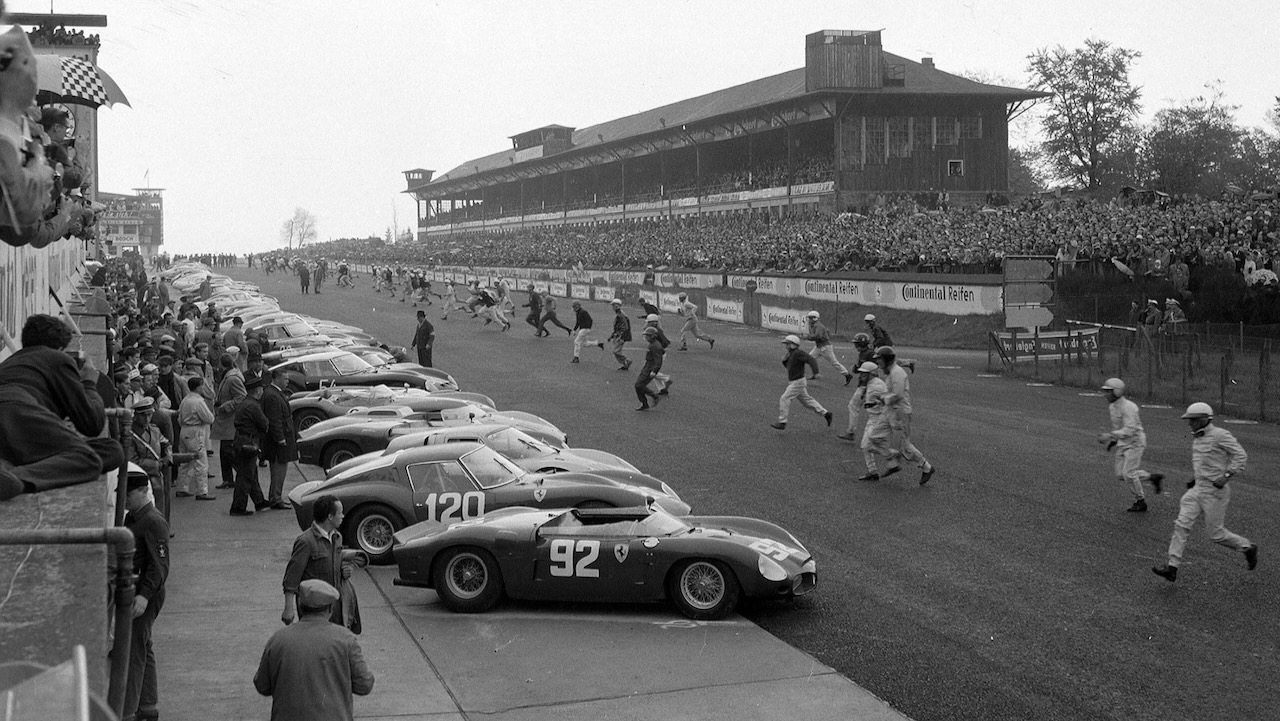
The 1962 Ferrari 250 GTO Series I is not merely a car; it is the Holy Grail of the automotive religion, a machine that exists at the precise intersection of mechanical brutality, aesthetic perfection, and competitive invincibility. Born into the heat of the 1962 International Championship for GT Manufacturers, it was Maranello’s desperate, beautiful answer to a terrifying question: how to defeat the aerodynamic efficiency of the Jaguar E-Type and the impending brute force of the Shelby Cobra. Its predecessor, the 250 GT SWB, had been a masterpiece of balance, but its upright grille and relatively high drag coefficient were liabilities on the high-speed straights of Le Mans and Sebring. Giotto Bizzarrini, working in secrecy and often under the cover of darkness, took the SWB chassis and draped it in a shape defined not by stylists, but by the wind tunnel. The result was the Series I GTO, a car that looked like it was devouring the tarmac even when parked in the pit lane.
The technical anatomy of the Series I GTO represents the absolute zenith of traditional front-engined engineering before the mid-engine revolution rendered it obsolete. The chassis, Type 539/62, was an evolution of the SWB’s tubular steel frame, lightened and stiffened, utilizing a live rear axle located by a Watts linkage—a setup that was theoretically archaic compared to the independent suspensions emerging from England, yet perfected by Ferrari into an art form of predictable, controllable slides. But the soul of the GTO was the engine: the Tipo 168/62 Comp. This 3.0-litre Colombo V12 was a jewel of high-compression violence. Featuring a dry-sump lubrication system that allowed the engine to sit lower in the chassis, and breathing through a sextet of Weber 38 DCN carburetors, it produced a piercing 300 bhp at 7,500 rpm. This power was delivered through a new five-speed gearbox, a crucial upgrade over the SWB’s four-speed, allowing drivers to keep the screaming V12 in its sweet spot.
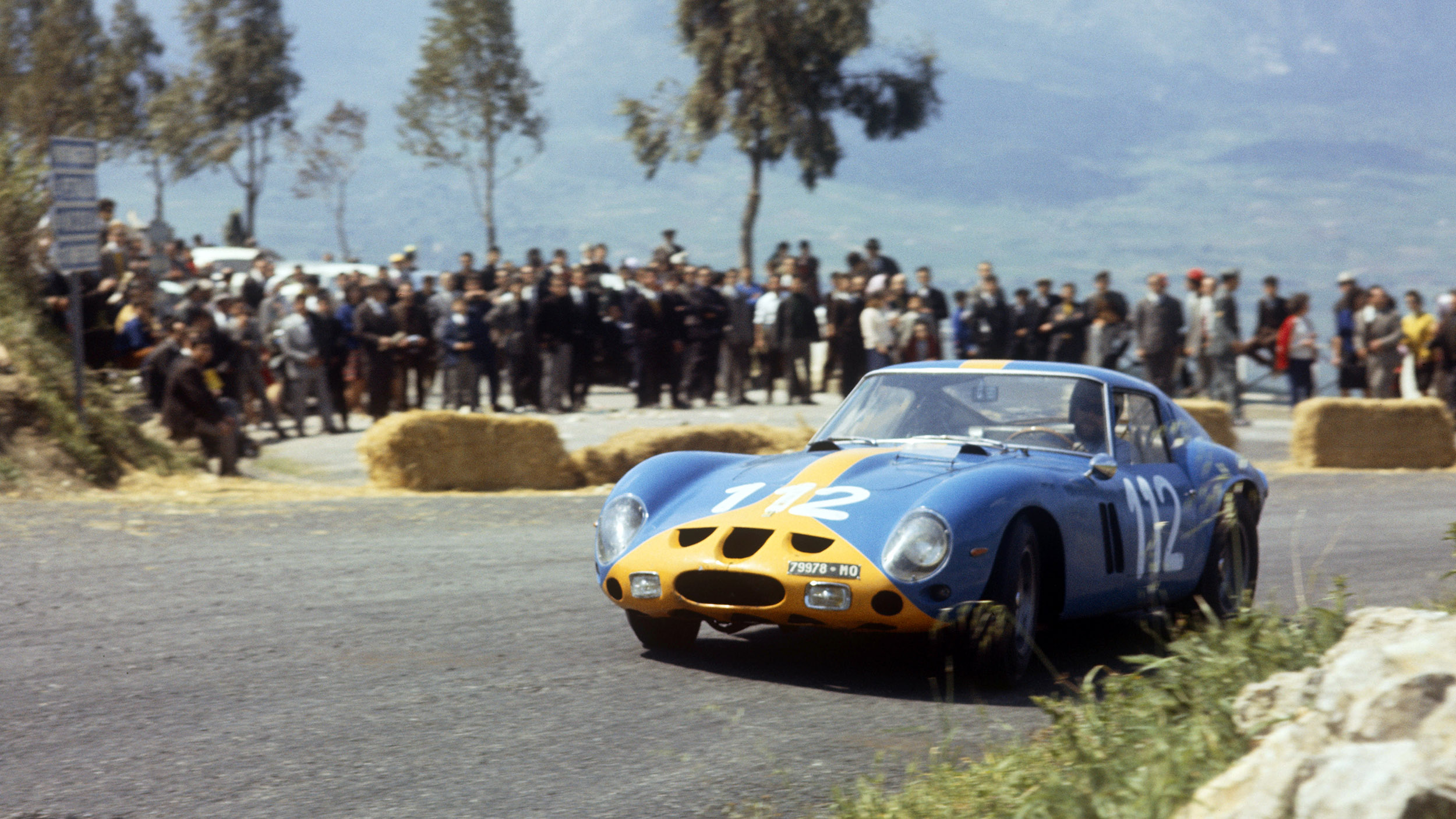
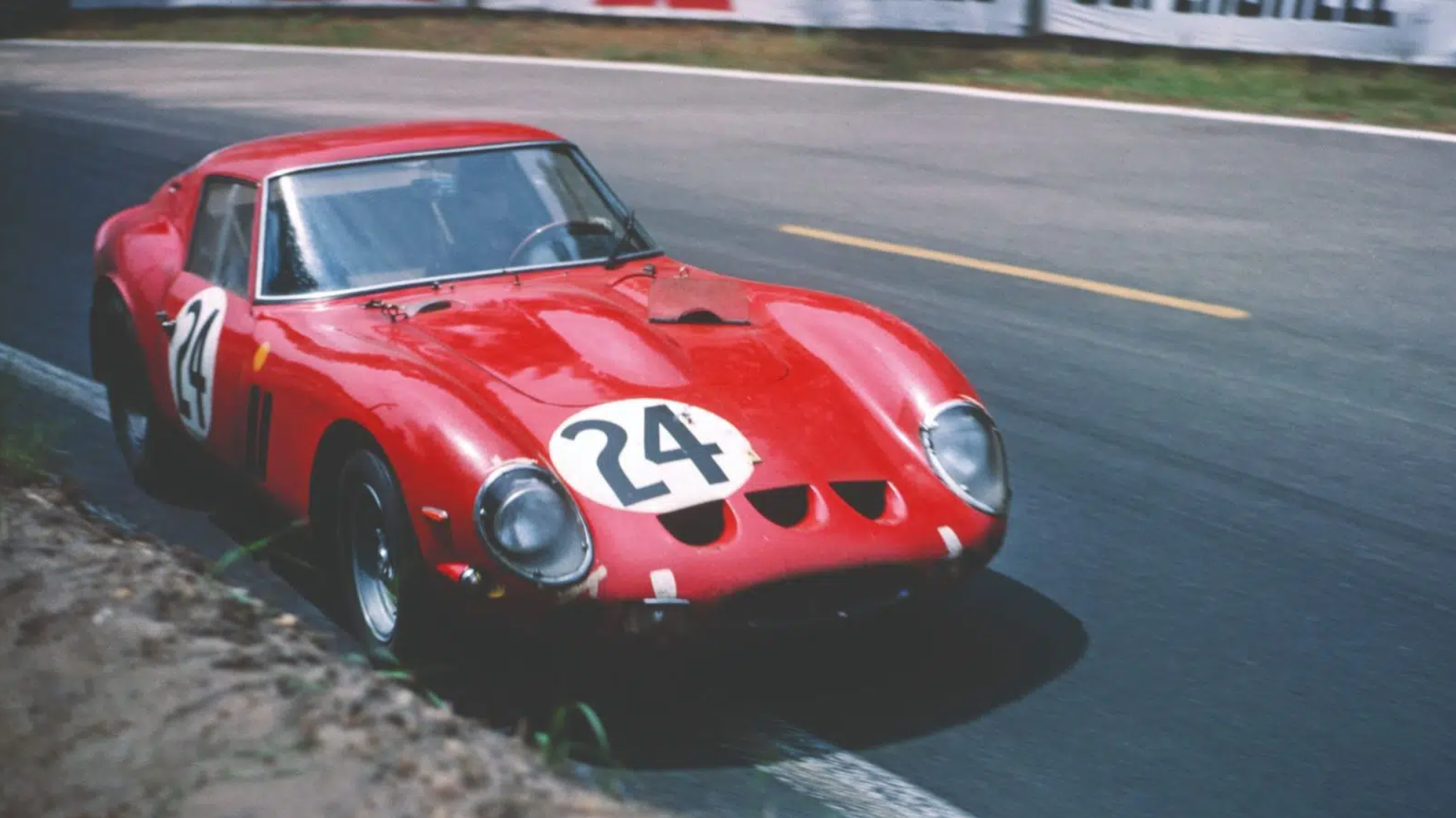
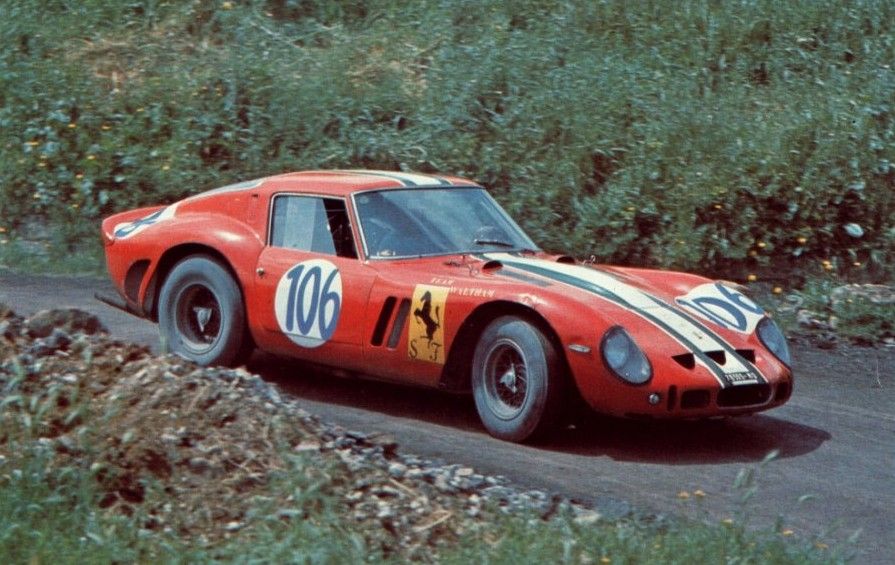
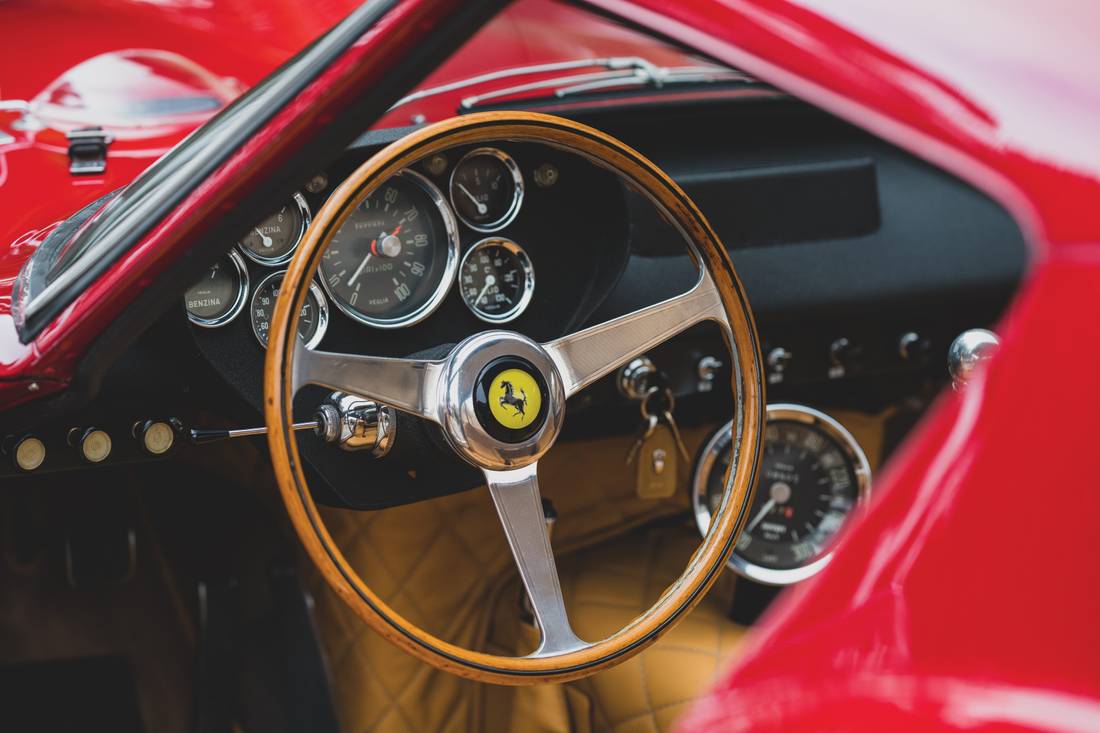
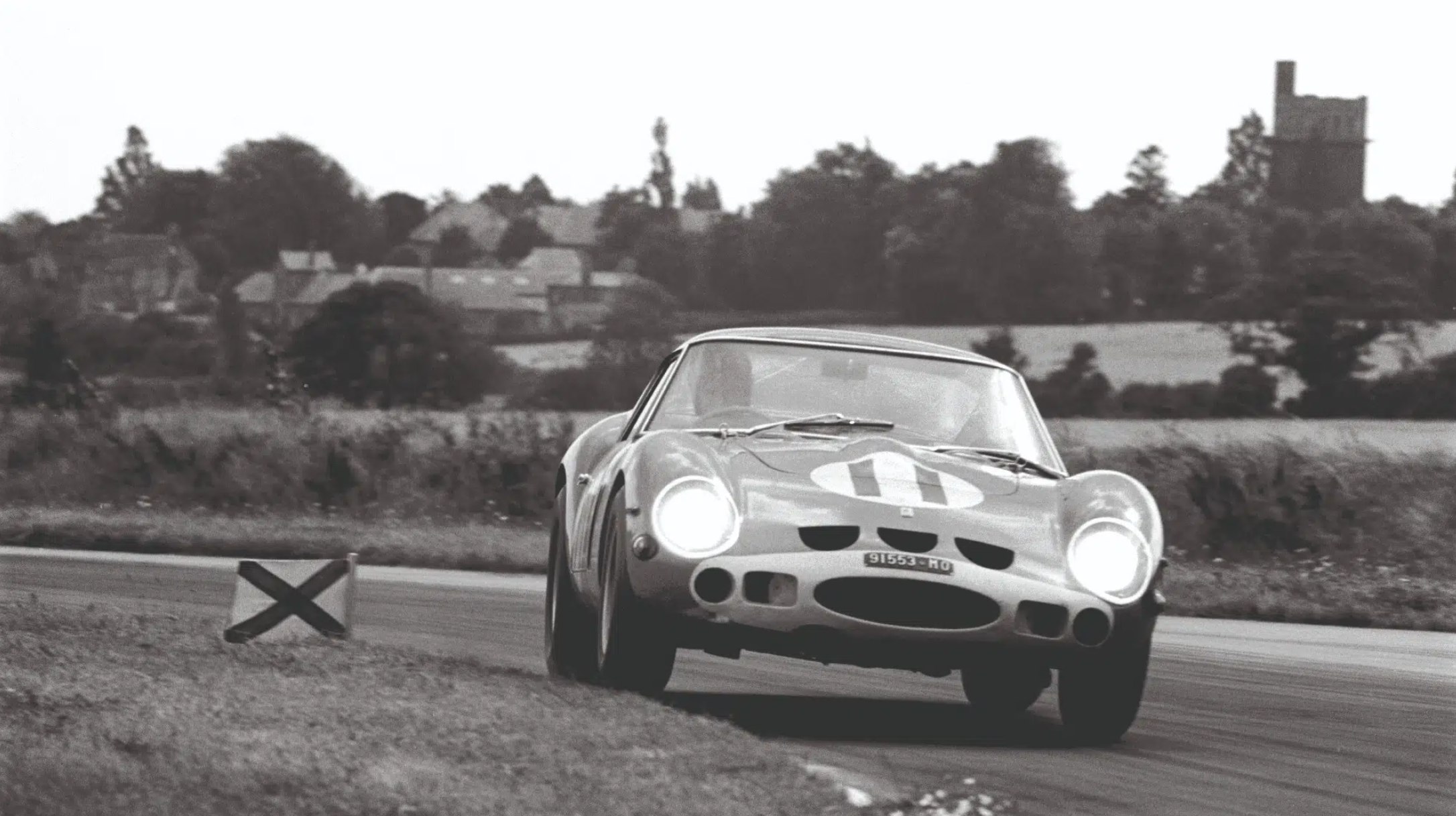
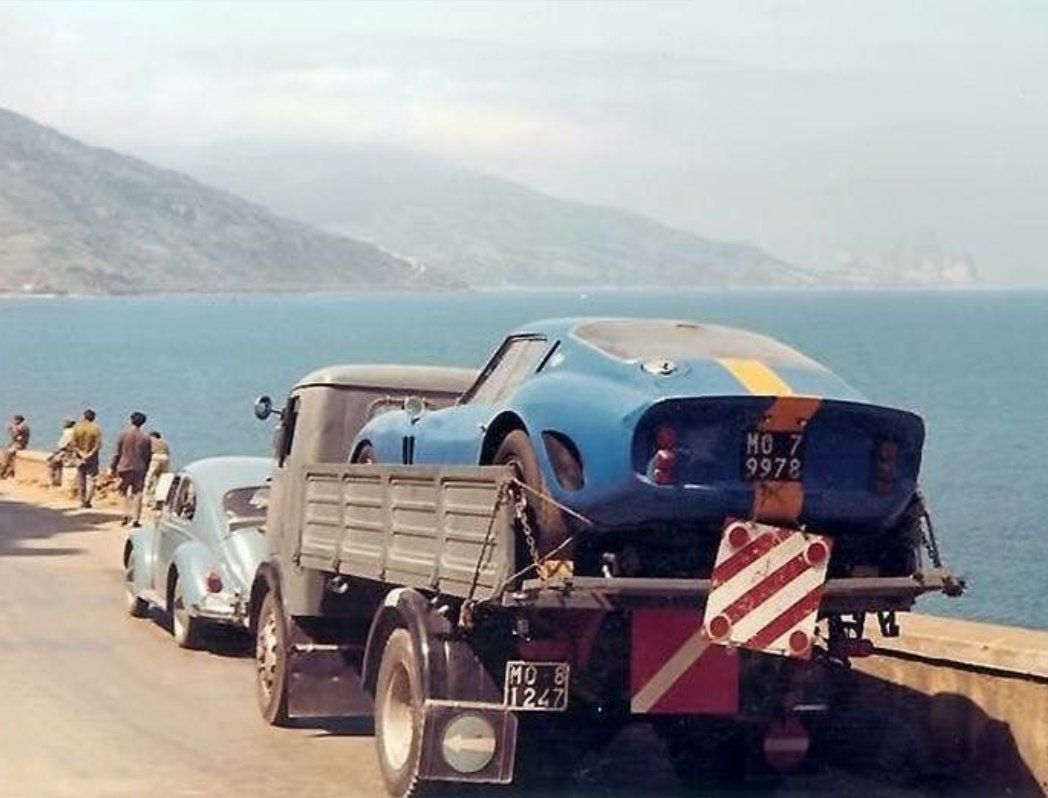
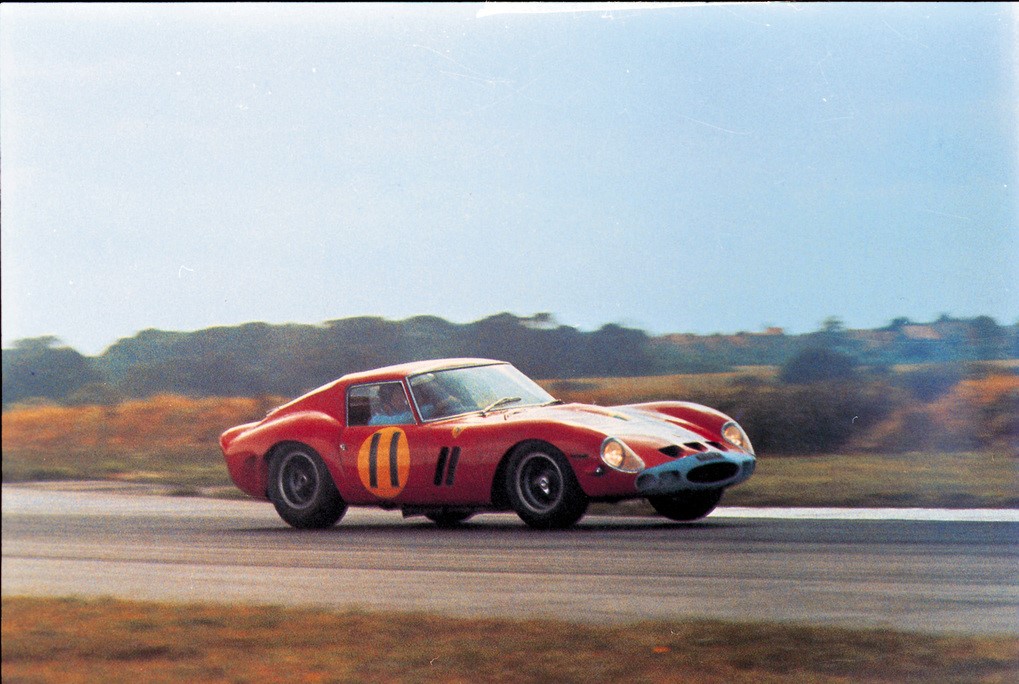
Visually, the Series I is the definitive GTO. Of the 36 examples produced (a figure notoriously fudged by Enzo Ferrari to meet the 100-car homologation requirement), the Series I bodywork by Scaglietti is the most iconic. It features the low, probing nose, the covered headlights, and the abrupt, chopped Kamm tail designed to reduce lift. The early cars are distinguishable by their simple cooling ducts, while later Series I examples often feature the three D-shaped vents above the grille—originally added as a field modification to cool the engine, they became a design signature. The interior was a testament to its singular purpose: no sound deadening, no speedometer, just the bare aluminium of the transmission tunnel, blue cloth bucket seats, and that famous gated gearshift. It was raw, hot, and deafeningly loud, a workspace designed solely for the business of winning.
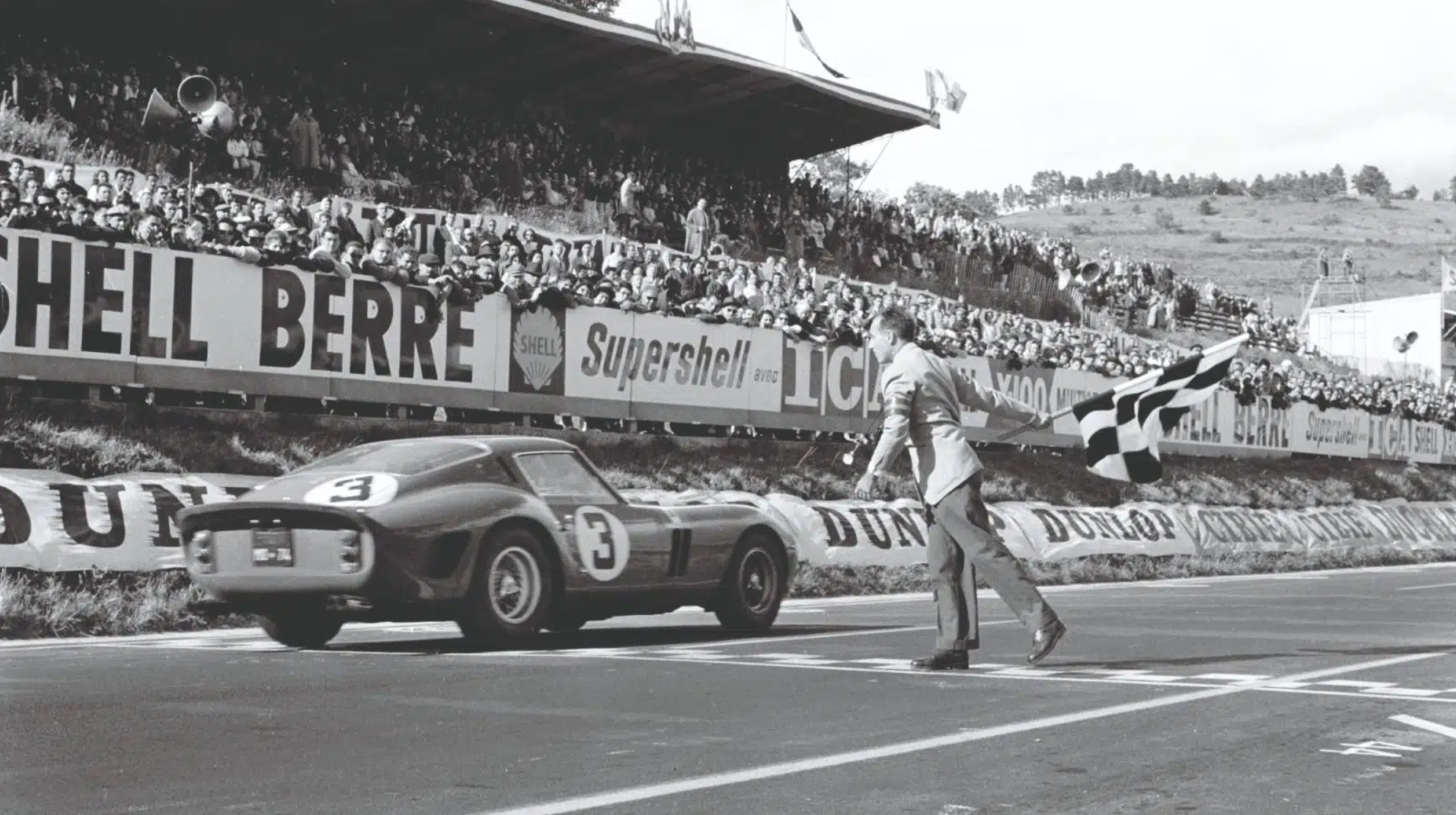
Upon its debut at the 1962 12 Hours of Sebring, the GTO did the impossible. Driven by Phil Hill and Olivier Gendebien, chassis 3223GT finished second overall, beaten only by a prototype Ferrari with nearly double the displacement. It was a declaration of war. The GTO went on to secure the International Championship for GT Manufacturers for Ferrari in 1962, 1963, and 1964. It was a car that could win the grueling Tour de France Automobile—a mix of circuit racing and hill climbs—and then dominate the GT class at Le Mans. It was the weapon of choice for the world’s greatest privateer teams: NART, Maranello Concessionaires, and Ecurie Francorchamps. It was a car that was reliable enough to be driven to the track, fast enough to win, and robust enough to survive the most punishing roads in Europe.
The legacy of the 1962 Ferrari 250 GTO Series I is unrivaled. It marks the end of the “Golden Age” where a GT car could challenge prototypes for overall victory. While the later Series II (1964) bodies were more aerodynamically efficient, it is the Series I shape that has been burned into the collective consciousness of petrolheads. It is the most valuable car in the world, not just because of its scarcity, but because it represents the perfect storm of Ferrari mystique: the final, greatest expression of the front-engined V12 road racer. To drive one is to experience the very peak of analogue motoring; to own one is to hold the keys to the most exclusive club on earth.
Brand
Produced from
Portal
Vehicle category
Model line
Model generation
Predecessor
Sucessor
Brand
Produced from
Portal
Vehicle category
Model line
Model generation
Predecessor
Sucessor
Submodel Overview
The 1962 Ferrari 250 GTO Series I is not merely a car; it is the Holy Grail of the automotive religion, a machine that exists at the precise intersection of mechanical brutality, aesthetic perfection, and competitive invincibility. Born into the heat of the 1962 International Championship for GT Manufacturers, it was Maranello’s desperate, beautiful answer to a terrifying question: how to defeat the aerodynamic efficiency of the Jaguar E-Type and the impending brute force of the Shelby Cobra. Its predecessor, the 250 GT SWB, had been a masterpiece of balance, but its upright grille and relatively high drag coefficient were liabilities on the high-speed straights of Le Mans and Sebring. Giotto Bizzarrini, working in secrecy and often under the cover of darkness, took the SWB chassis and draped it in a shape defined not by stylists, but by the wind tunnel. The result was the Series I GTO, a car that looked like it was devouring the tarmac even when parked in the pit lane.
The technical anatomy of the Series I GTO represents the absolute zenith of traditional front-engined engineering before the mid-engine revolution rendered it obsolete. The chassis, Type 539/62, was an evolution of the SWB’s tubular steel frame, lightened and stiffened, utilizing a live rear axle located by a Watts linkage—a setup that was theoretically archaic compared to the independent suspensions emerging from England, yet perfected by Ferrari into an art form of predictable, controllable slides. But the soul of the GTO was the engine: the Tipo 168/62 Comp. This 3.0-litre Colombo V12 was a jewel of high-compression violence. Featuring a dry-sump lubrication system that allowed the engine to sit lower in the chassis, and breathing through a sextet of Weber 38 DCN carburetors, it produced a piercing 300 bhp at 7,500 rpm. This power was delivered through a new five-speed gearbox, a crucial upgrade over the SWB’s four-speed, allowing drivers to keep the screaming V12 in its sweet spot.
Visually, the Series I is the definitive GTO. Of the 36 examples produced (a figure notoriously fudged by Enzo Ferrari to meet the 100-car homologation requirement), the Series I bodywork by Scaglietti is the most iconic. It features the low, probing nose, the covered headlights, and the abrupt, chopped Kamm tail designed to reduce lift. The early cars are distinguishable by their simple cooling ducts, while later Series I examples often feature the three D-shaped vents above the grille—originally added as a field modification to cool the engine, they became a design signature. The interior was a testament to its singular purpose: no sound deadening, no speedometer, just the bare aluminium of the transmission tunnel, blue cloth bucket seats, and that famous gated gearshift. It was raw, hot, and deafeningly loud, a workspace designed solely for the business of winning.
Upon its debut at the 1962 12 Hours of Sebring, the GTO did the impossible. Driven by Phil Hill and Olivier Gendebien, chassis 3223GT finished second overall, beaten only by a prototype Ferrari with nearly double the displacement. It was a declaration of war. The GTO went on to secure the International Championship for GT Manufacturers for Ferrari in 1962, 1963, and 1964. It was a car that could win the grueling Tour de France Automobile—a mix of circuit racing and hill climbs—and then dominate the GT class at Le Mans. It was the weapon of choice for the world’s greatest privateer teams: NART, Maranello Concessionaires, and Ecurie Francorchamps. It was a car that was reliable enough to be driven to the track, fast enough to win, and robust enough to survive the most punishing roads in Europe.
The legacy of the 1962 Ferrari 250 GTO Series I is unrivaled. It marks the end of the “Golden Age” where a GT car could challenge prototypes for overall victory. While the later Series II (1964) bodies were more aerodynamically efficient, it is the Series I shape that has been burned into the collective consciousness of petrolheads. It is the most valuable car in the world, not just because of its scarcity, but because it represents the perfect storm of Ferrari mystique: the final, greatest expression of the front-engined V12 road racer. To drive one is to experience the very peak of analogue motoring; to own one is to hold the keys to the most exclusive club on earth.
Tech Specs
Technical Specifications
Tech Specs
Technical Specifications
Engine
01
03
Internal combustion engine
Configuration
Ferrari Colombo Tipo 168/62, V12 - 60º
Location
Front-mid, longitudinally mounted
Construction
Silumin alloy block and heads
Displacement (cc)
2,953 cc
Displacement (cu in)
180.2 cu in
Compression
9.8:1
Bore x Stroke
73.0 mm x 58.8 mm
Valvetrain
2 valves per cylinder, SOHC
Fuel feed
6 x Weber 38 DCN carburetors
Lubrication
Dry sump
Aspiration
Naturally aspirated
Output
Power (hp)
300 hp
Power (kW)
224 kW
Max power at
7,400 RPM
Torque (Nm)
294 Nm
Torque (ft lbs)
217 ft lbs
Max torque at
5,500 RPM
Drivetrain
02
03
Chassis
Type
Tubular ladder frame
Material
Steel
Body
Material
Aluminium
Transmission
Gearbox
Ferrari, 5-speed manual
Drive
Rear Wheel Drive
Suspension
Front
Independent, double wishbones, coil springs, Koni telescopic dampers, anti-roll bar
Rear
Live axle, semi-elliptic leaf springs, Watt's linkage, Koni telescopic dampers
Steering
Type
Worm and sector
Brakes
Front
Dunlop solid discs, 2-piston calipers
Rear
Dunlop solid discs, 2-piston calipers
Wheels
Front
15" Borrani wire wheels
Rear
15" Borrani wire wheels
Tires
Front
6.00 x 15
Rear
7.00 x 15
Dimensions and performance
03
03
Dimensions
Length (mm)
4,325 mm
Length (in)
170.3 in
Width (mm)
1,600 mm
Width (in)
63.0 in
Height (mm)
1,210 mm
Height (in)
47.6 in
Wheelbase (mm)
2,400 mm
Wheelbase (in)
94.5 in
Weight (kg)
880 kg
Weight (lbs)
1,940 lbs
Performance
Power to weight
0.34 hp/kg
Top speed (km/h)
280 km/h
Top speed (mph)
174 mph
0-100 km/h (0-60 mph)
5.8 s