Ferrari 512 (Sports Prototype)
Brand
Produced from
Vehicle category
Portal
Model line
Model generation
Predecessor
Sucessor
Model Overview
The history of motorsport is punctuated by rivalries that transcend the sport itself—Mercedes versus Auto Union, Ford versus Ferrari, Senna versus Prost—but purely in terms of aesthetic violence and mechanical grandeur, nothing rivals the war of 1970 and 1971. This was the era of the titans, the “Big Bangers,” precipitated by a loophole in the FIA regulations that allowed 5.0-litre engines if a manufacturer could build twenty-five examples. Porsche, with audacious corporate madness, built the 917. Enzo Ferrari, never one to back down from a duel, sold a stake of his company to Fiat to raise the capital and responded with the Ferrari 512. This model line, encompassing the sensuous 512 S and the brutalist 512 M, represents the absolute zenith of Maranello’s sports prototype lineage. It was the last time a V12 Ferrari would fight for overall victory at Le Mans against a peer of equal displacement, a machine born from haste, forged in fire, and destined to be one of the most romanticized racing cars of all time.
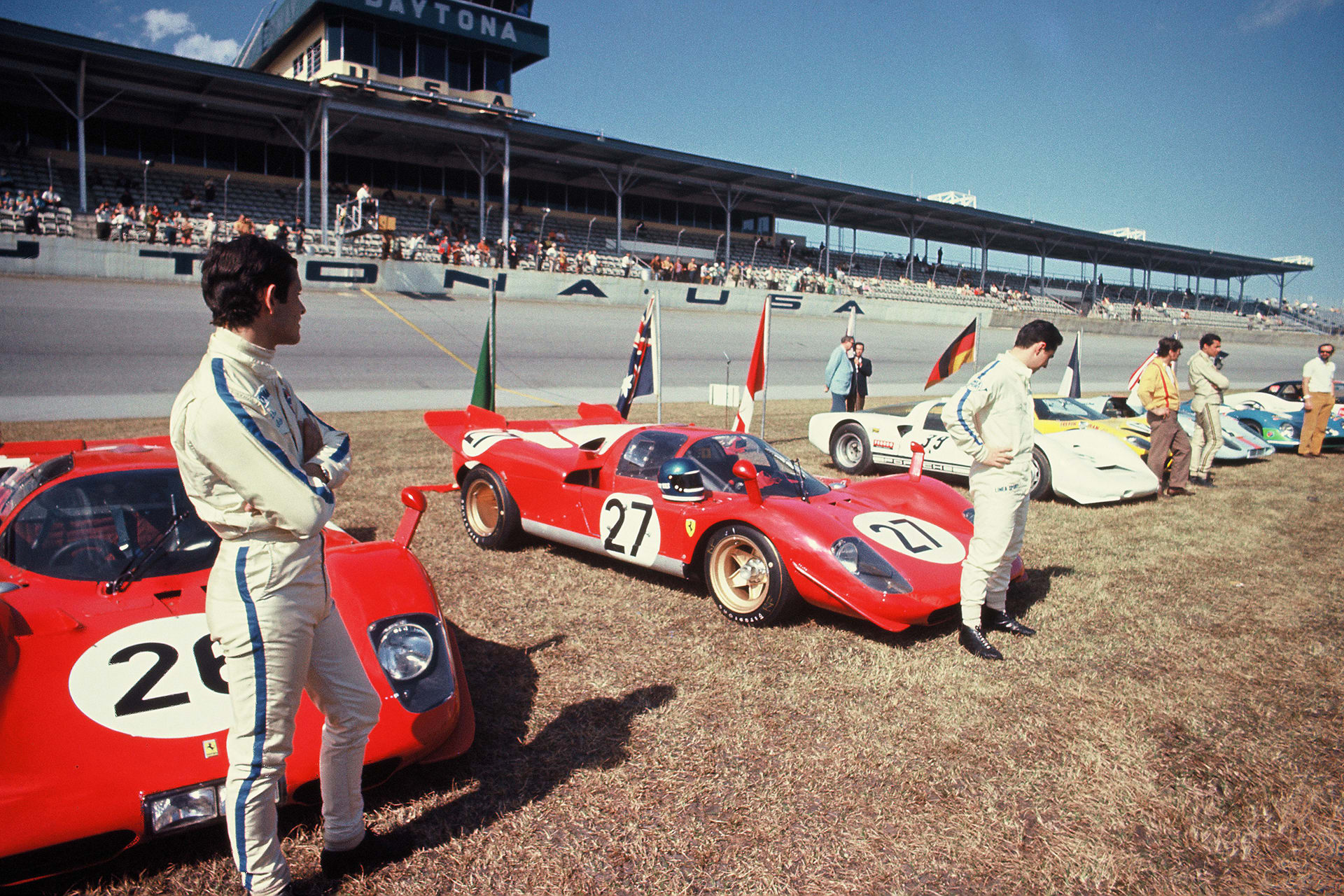
The context of the 512’s birth is pure automotive theatre. In 1969, the 3.0-litre Ferrari 312 P was a magnificent, F1-derived scalpel, but it was being bludgeoned on high-speed circuits by the sledgehammer torque of the 5.0-litre Porsches and Lolas. Enzo Ferrari, realizing that agility could not defeat absolute power on the Mulsanne Straight, commanded his technical director Mauro Forghieri to build a 5.0-litre weapon. The timeline was preposterous: design, test, and manufacture twenty-five chassis in a matter of months to meet the 1970 homologation deadline. When the FIA inspectors arrived at Maranello in January 1970, they found twenty-five 512 S chassis lined up in a row—a sight that has since become one of the most iconic photographs in racing history. The 512 was not a surgical instrument; it was an industrial response to a German threat, a car built to defend Italian honor in the most dangerous era of the World Sportscar Championship.
Technically, the Ferrari 512 S was a fascinating amalgam of traditional Maranello values and necessary innovation. At its heart sat a 60-degree V12 engine (Type 261), displacing 4,993cc. Unlike the flat-12 that would power the later 312 PB, this was a classic V-configuration, a direct descendant of the gargantuan 612 Can-Am engine. Breathing through Lucas fuel injection, it produced approximately 550 bhp in its initial “S” guise. It was a masterpiece of alloy casting, with four valves per cylinder and double overhead camshafts, singing a chaotic, piercing aria that contrasted sharply with the thumping, air-cooled fan noise of the Porsche 917. This engine was mounted in a semi-monocoque chassis constructed from a tubular steel spaceframe reinforced with riveted aluminium sheets.
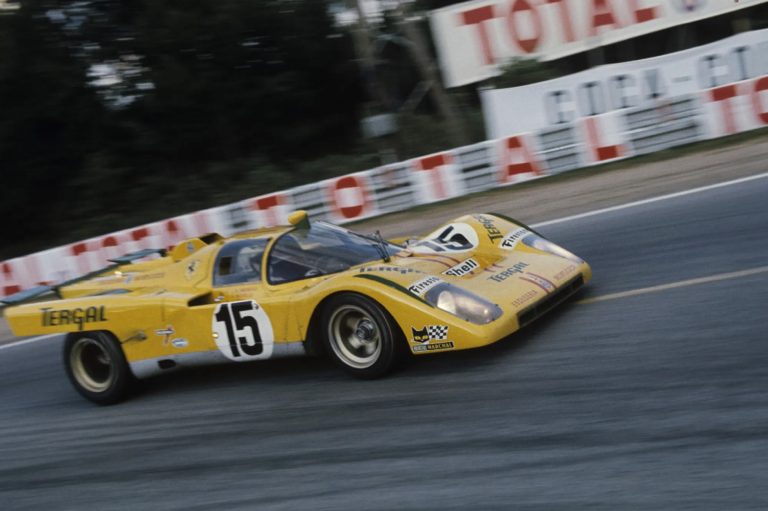
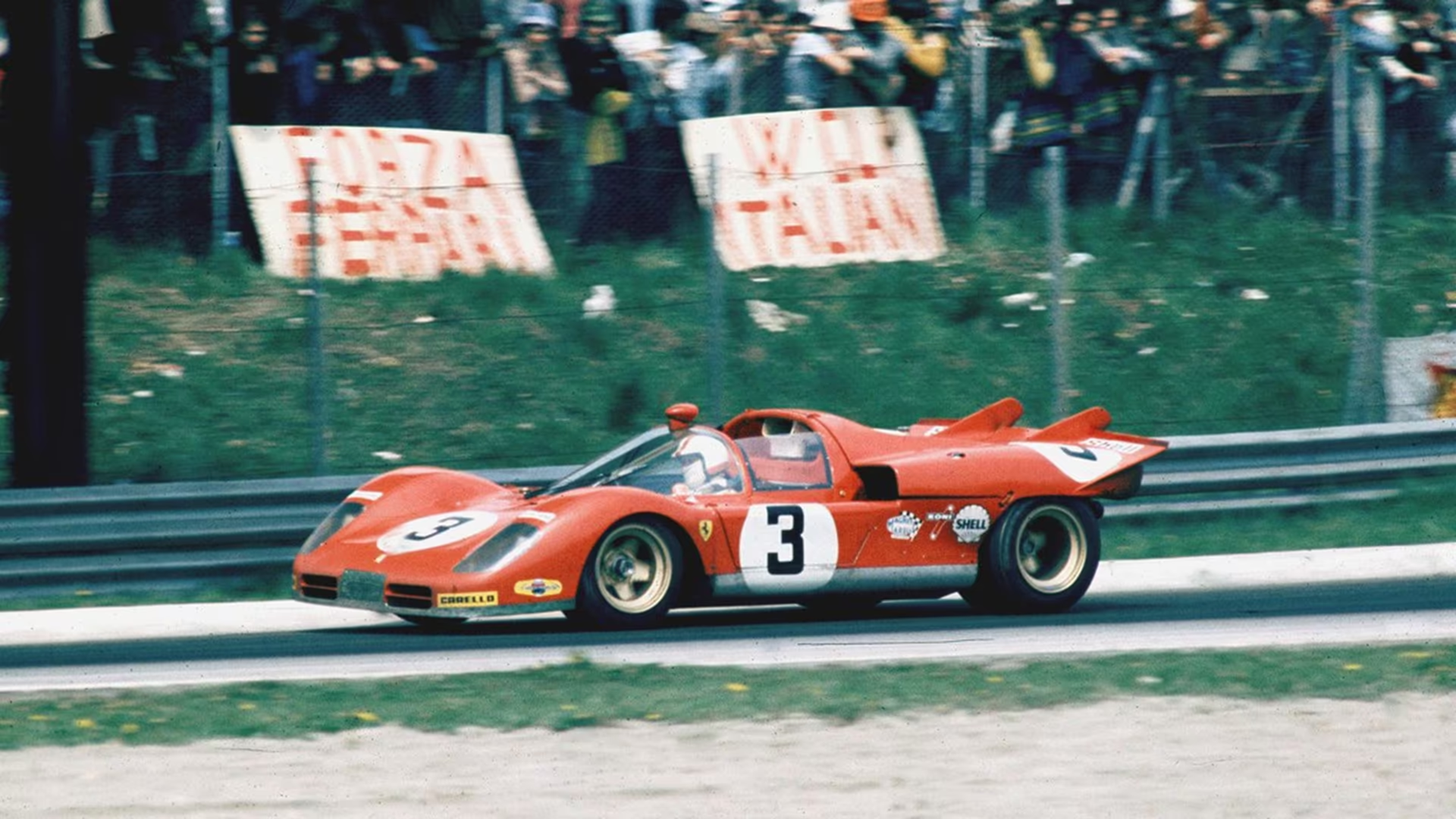
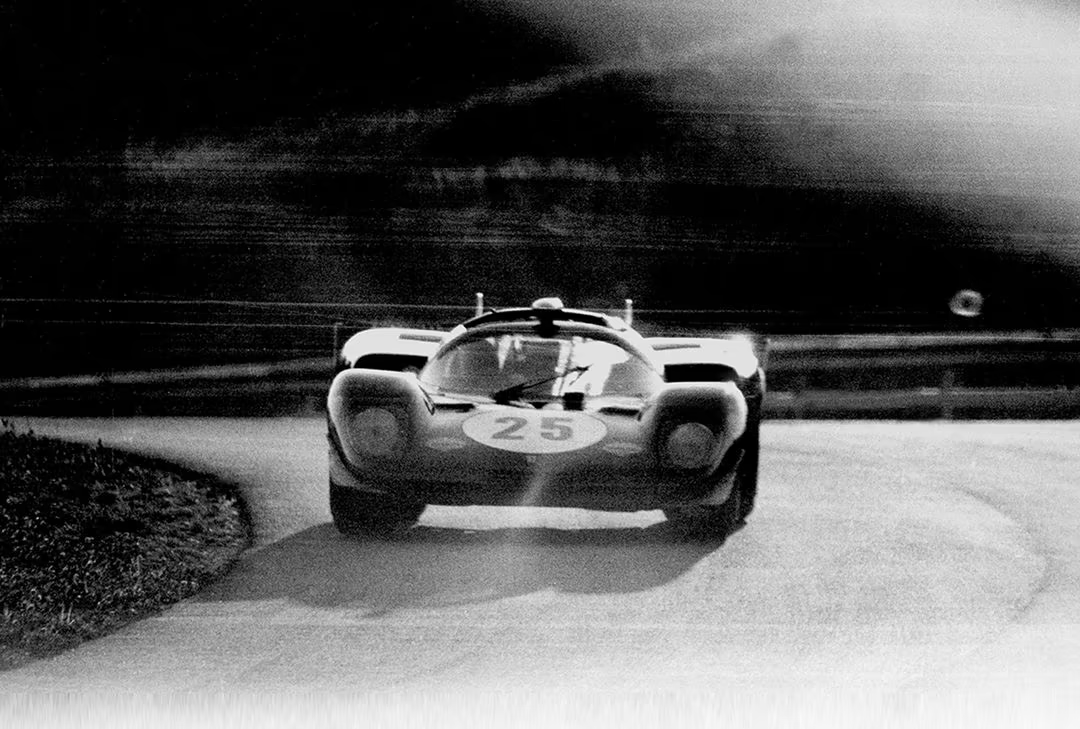
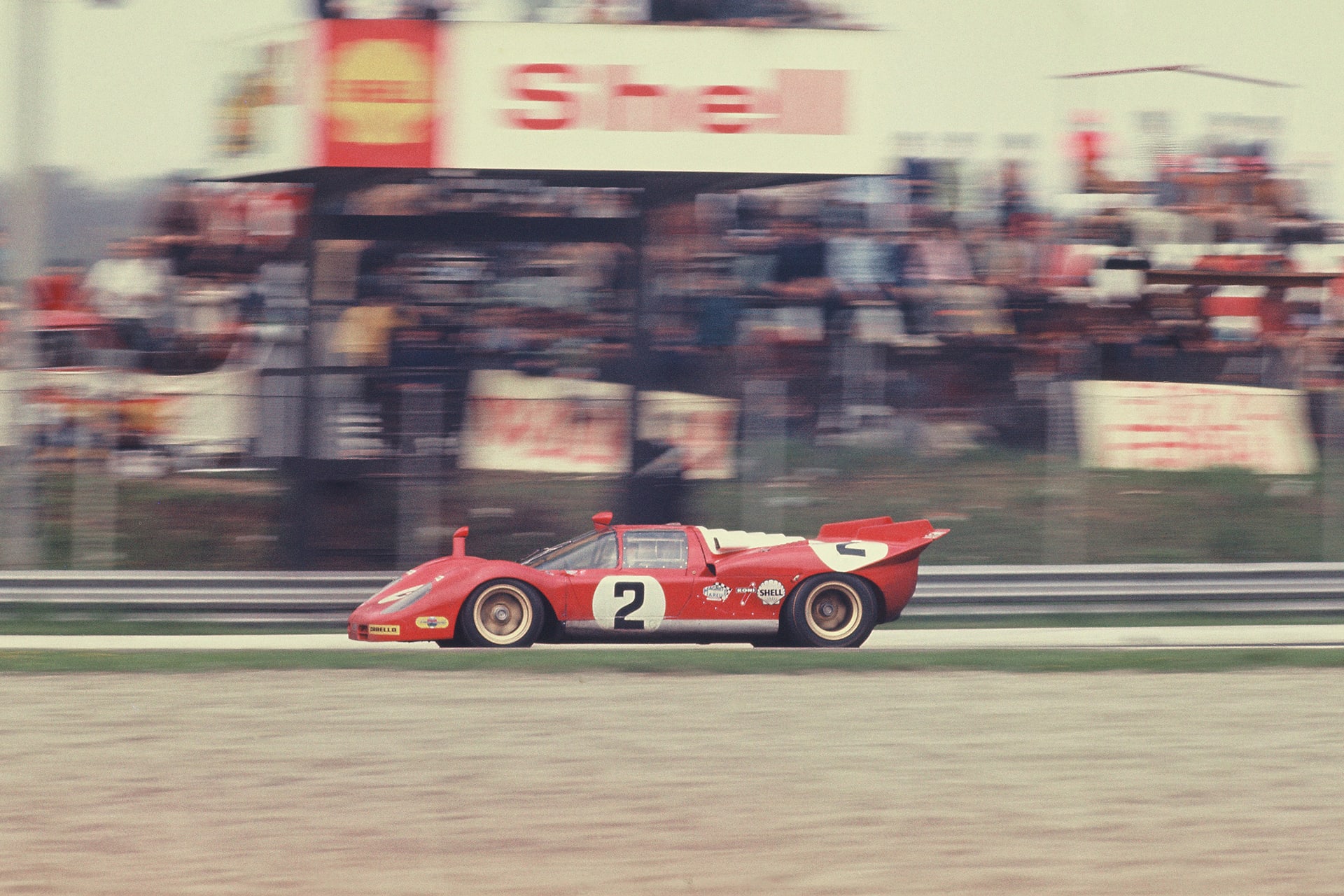
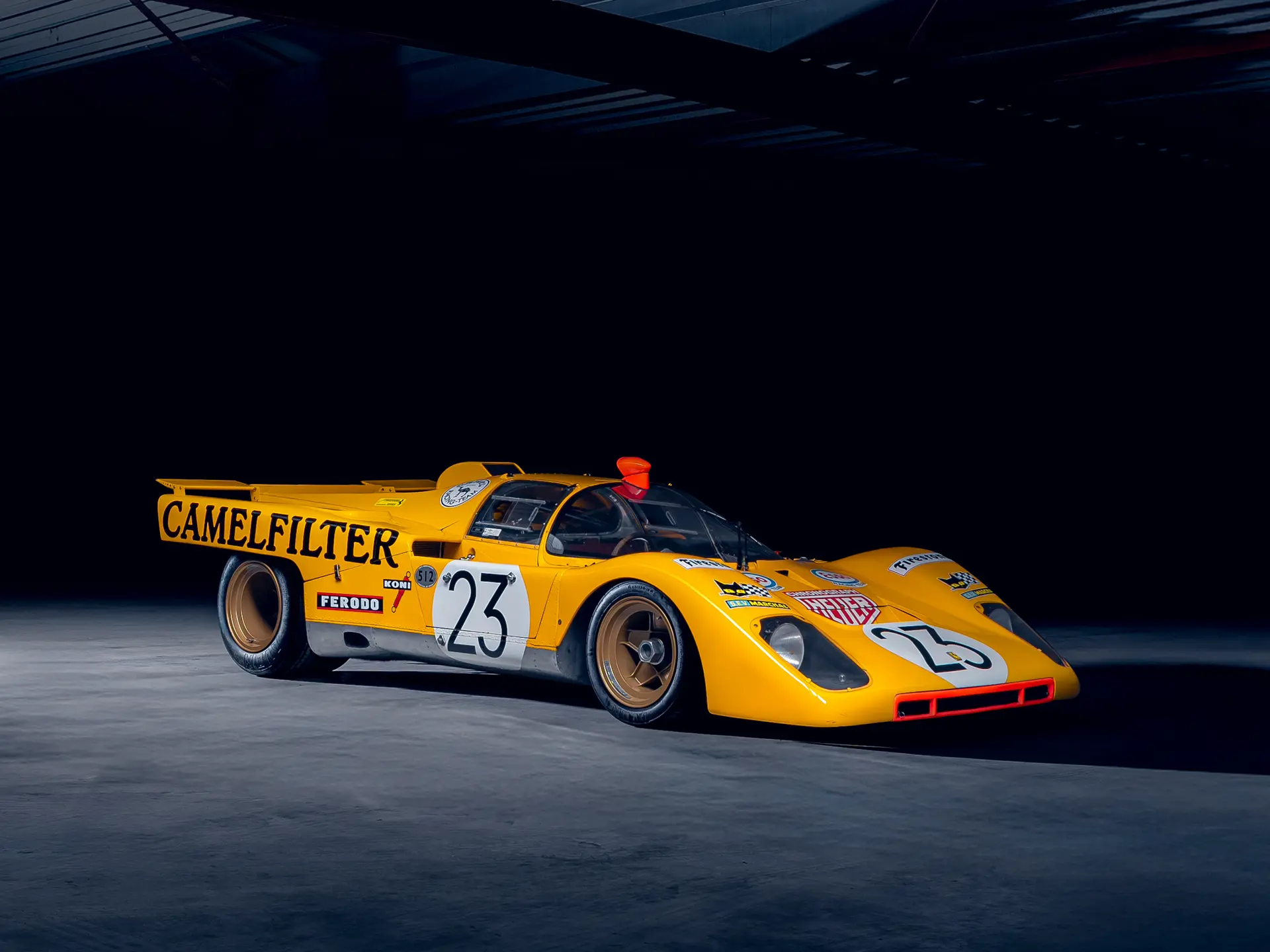
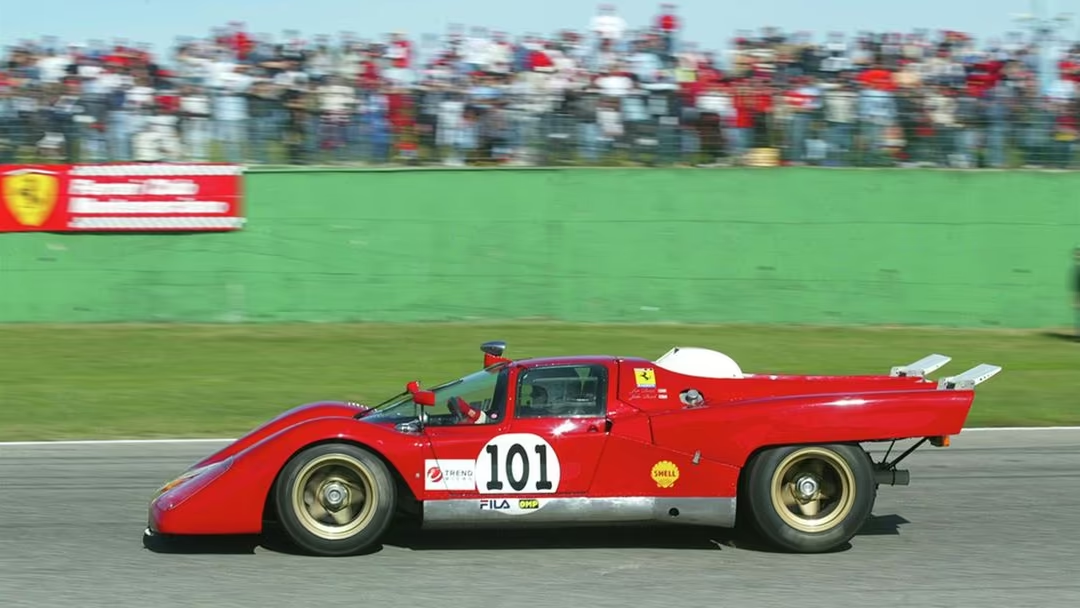
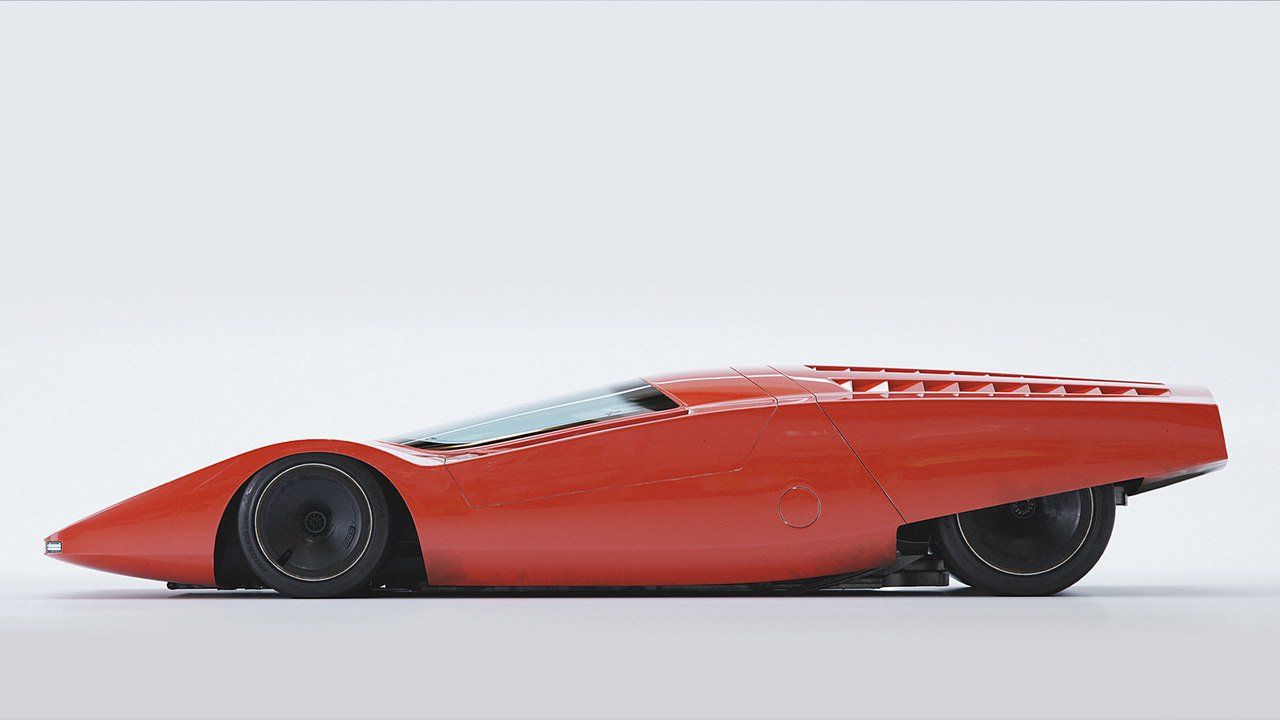
However, the chassis was the 512’s Achilles’ heel. It was robust and stiff, but it was heavy—significantly heavier than the delicate, gas-pressurized spaceframe of the Porsche 917. To stop this mass, Ferrari utilized massive, ventilated disc brakes, initially mounted outboard, though experimentation moved them inboard on later iterations to reduce unsprung weight. The bodywork of the 512 S, available as both a closed Berlinetta and an open Spider, was undeniably beautiful, a curvaceous form penned by Giacomo Caliri that looked soft and organic. But beauty does not always equal efficiency. The 512 S suffered from front-end lift at high speeds and created more drag than the “Kurzheck” (short-tail) Porsches. This led to the evolution of the 512 M (Modificata) for the 1971 season. The M was a visual departure, trading curves for a sharp, wedge-shaped nose and a squared-off tail (Coda Tronca) that drastically improved aerodynamic penetration and high-speed stability. The engine in the M was tuned to produce upwards of 620 bhp, finally giving the car the legs to challenge the 917 K on the straights.
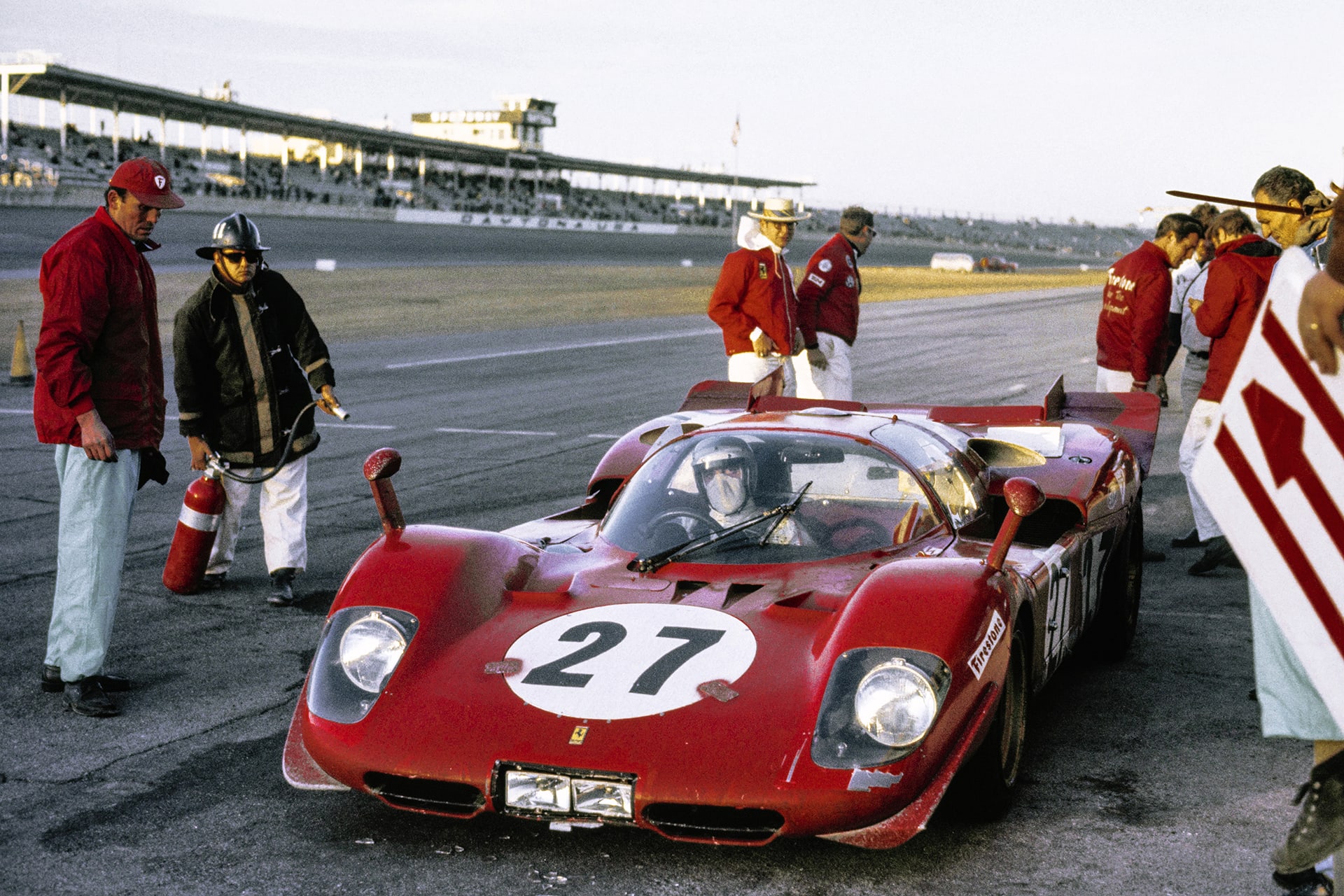
The competition history of the 512 line is a story of heroic “almosts” and flashes of brilliance amidst tragedy. The 1970 season began with the 512 S showing promise at Daytona, but it was the 12 Hours of Sebring that became the car’s defining moment. In a race of attrition and drama, the Ferrari 512 S driven by Mario Andretti, Ignazio Giunti, and Nino Vaccarella took overall victory. The image of Andretti, drafted into the Ferrari cockpit at the last minute, wrestling the big V12 through the darkness to beat Steve McQueen’s Porsche 908 by seconds, is the stuff of legend. However, Le Mans 1970 was a disaster. In treacherous rain, multiple factory 512s eliminated each other in a chaotic accident at Maison Blanche, leaving the field open for Porsche. Despite this, the 512 S remained a podium regular, often finishing second or third, nipping at the heels of the Stuttgart armada.
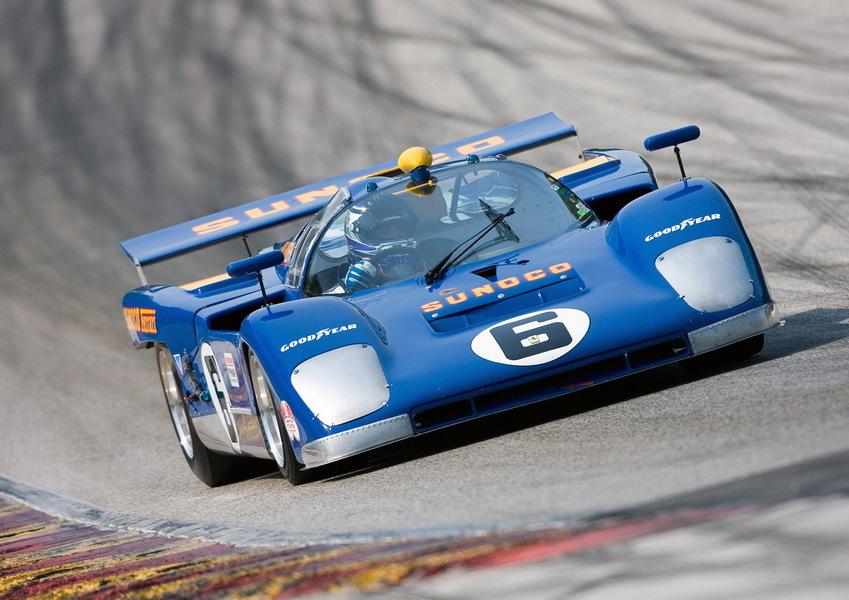
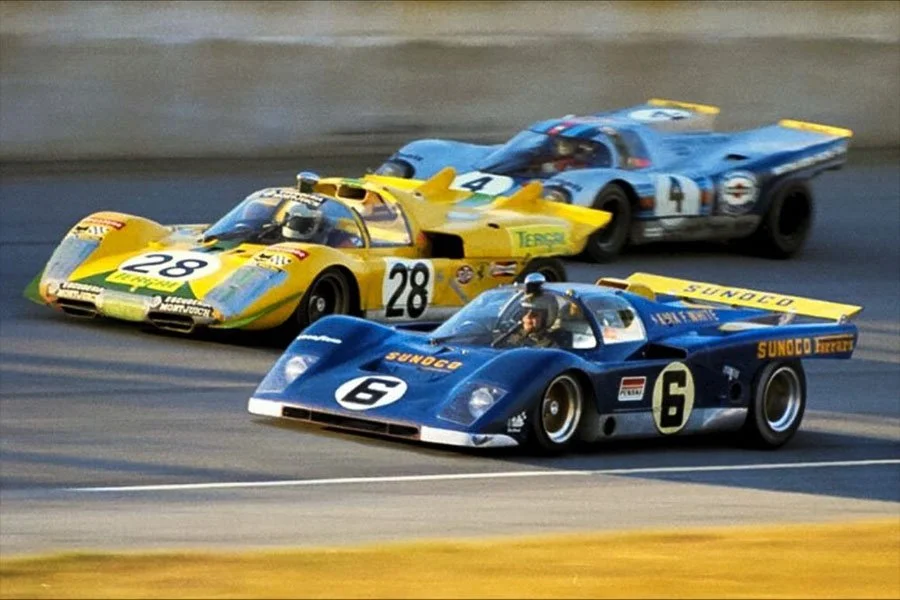
By 1971, Enzo Ferrari, with his eyes already on the upcoming 3.0-litre regulation change for 1972, essentially abandoned the 5.0-litre program to focus on the 312 PB. This left the development of the ultimate 512, the M, to privateers. It was here, in the hands of Roger Penske and Mark Donohue, that the 512 truly showed its potential. The Sunoco-sponsored, blue-and-yellow 512 M was completely re-engineered by Donohue. They stripped weight, re-wired the car with aviation-grade loom, redesigned the fueling system, and fitted a massive rear wing. The “Penske Ferrari” was faster than the factory Porsches, often out-qualifying them and leading races until mechanical gremlins—usually unrelated to Penske’s preparation—intervened. Other privateers like Scuderia Filipinetti, NART, and Ecurie Francorchamps kept the 512 M fighting on tracks like Le Mans and Daytona, proving that the V12 could still scream in anger long after the factory had moved on.
The 512’s impact extends into pop culture through the lens of Steve McQueen’s Le Mans. While the plot crowned the Porsche 917 as the hero, the film immortalized the Ferrari 512 S as the dark, menacing antagonist. The footage of the red 512s, specifically the long-tail (Coda Lunga) variants, blasting down the Mulsanne Straight captures the visceral essence of a time when safety was secondary to speed. The 512 was a difficult car to drive; it was physically demanding, hot, and required a heavy hand on the gear lever, but drivers like Jacky Ickx and Arturo Merzario loved it for its honest, predictable handling and the sheer thrust of that 5.0-litre engine.
In the pantheon of automobilia, the Ferrari 512 occupies a complex space. It is technically a “loser” in the sense that it never won the World Sportscar Championship, which went to Porsche in both 1970 and 1971. Yet, it is regarded with equal reverence. It was the last of the dinosaurs, the final “Big Banger” Ferrari sports prototype. After the 512 M retired, Ferrari moved to the smaller, F1-engine-based 312 PB, a car that was undeniably successful but lacked the thunderous majesty of the big V12. The 512 S and M represent the end of the romantic era, where brute force was the primary engineering solution. Today, a 512 S or M is among the most valuable racing cars on earth, not just for its scarcity, but because it is a tangible artifact of the greatest heavyweight title fight motorsport has ever seen. When a 512 M fires up today at a historic event like Goodwood, the ground shakes, the air smells of unburnt hydrocarbons, and for a fleeting moment, the war of 1970 reignites, reminding us that sometimes, the legend of the challenger is just as potent as that of the champion.
Portal
Model line
Model generation
Predecessor
Sucessor
Brand
Produced from
Vehicle category
Portal
Model line
Model generation
Predecessor
Sucessor
Model Overview
The history of motorsport is punctuated by rivalries that transcend the sport itself—Mercedes versus Auto Union, Ford versus Ferrari, Senna versus Prost—but purely in terms of aesthetic violence and mechanical grandeur, nothing rivals the war of 1970 and 1971. This was the era of the titans, the “Big Bangers,” precipitated by a loophole in the FIA regulations that allowed 5.0-litre engines if a manufacturer could build twenty-five examples. Porsche, with audacious corporate madness, built the 917. Enzo Ferrari, never one to back down from a duel, sold a stake of his company to Fiat to raise the capital and responded with the Ferrari 512. This model line, encompassing the sensuous 512 S and the brutalist 512 M, represents the absolute zenith of Maranello’s sports prototype lineage. It was the last time a V12 Ferrari would fight for overall victory at Le Mans against a peer of equal displacement, a machine born from haste, forged in fire, and destined to be one of the most romanticized racing cars of all time.
The context of the 512’s birth is pure automotive theatre. In 1969, the 3.0-litre Ferrari 312 P was a magnificent, F1-derived scalpel, but it was being bludgeoned on high-speed circuits by the sledgehammer torque of the 5.0-litre Porsches and Lolas. Enzo Ferrari, realizing that agility could not defeat absolute power on the Mulsanne Straight, commanded his technical director Mauro Forghieri to build a 5.0-litre weapon. The timeline was preposterous: design, test, and manufacture twenty-five chassis in a matter of months to meet the 1970 homologation deadline. When the FIA inspectors arrived at Maranello in January 1970, they found twenty-five 512 S chassis lined up in a row—a sight that has since become one of the most iconic photographs in racing history. The 512 was not a surgical instrument; it was an industrial response to a German threat, a car built to defend Italian honor in the most dangerous era of the World Sportscar Championship.
Technically, the Ferrari 512 S was a fascinating amalgam of traditional Maranello values and necessary innovation. At its heart sat a 60-degree V12 engine (Type 261), displacing 4,993cc. Unlike the flat-12 that would power the later 312 PB, this was a classic V-configuration, a direct descendant of the gargantuan 612 Can-Am engine. Breathing through Lucas fuel injection, it produced approximately 550 bhp in its initial “S” guise. It was a masterpiece of alloy casting, with four valves per cylinder and double overhead camshafts, singing a chaotic, piercing aria that contrasted sharply with the thumping, air-cooled fan noise of the Porsche 917. This engine was mounted in a semi-monocoque chassis constructed from a tubular steel spaceframe reinforced with riveted aluminium sheets.
However, the chassis was the 512’s Achilles’ heel. It was robust and stiff, but it was heavy—significantly heavier than the delicate, gas-pressurized spaceframe of the Porsche 917. To stop this mass, Ferrari utilized massive, ventilated disc brakes, initially mounted outboard, though experimentation moved them inboard on later iterations to reduce unsprung weight. The bodywork of the 512 S, available as both a closed Berlinetta and an open Spider, was undeniably beautiful, a curvaceous form penned by Giacomo Caliri that looked soft and organic. But beauty does not always equal efficiency. The 512 S suffered from front-end lift at high speeds and created more drag than the “Kurzheck” (short-tail) Porsches. This led to the evolution of the 512 M (Modificata) for the 1971 season. The M was a visual departure, trading curves for a sharp, wedge-shaped nose and a squared-off tail (Coda Tronca) that drastically improved aerodynamic penetration and high-speed stability. The engine in the M was tuned to produce upwards of 620 bhp, finally giving the car the legs to challenge the 917 K on the straights.
The competition history of the 512 line is a story of heroic “almosts” and flashes of brilliance amidst tragedy. The 1970 season began with the 512 S showing promise at Daytona, but it was the 12 Hours of Sebring that became the car’s defining moment. In a race of attrition and drama, the Ferrari 512 S driven by Mario Andretti, Ignazio Giunti, and Nino Vaccarella took overall victory. The image of Andretti, drafted into the Ferrari cockpit at the last minute, wrestling the big V12 through the darkness to beat Steve McQueen’s Porsche 908 by seconds, is the stuff of legend. However, Le Mans 1970 was a disaster. In treacherous rain, multiple factory 512s eliminated each other in a chaotic accident at Maison Blanche, leaving the field open for Porsche. Despite this, the 512 S remained a podium regular, often finishing second or third, nipping at the heels of the Stuttgart armada.
By 1971, Enzo Ferrari, with his eyes already on the upcoming 3.0-litre regulation change for 1972, essentially abandoned the 5.0-litre program to focus on the 312 PB. This left the development of the ultimate 512, the M, to privateers. It was here, in the hands of Roger Penske and Mark Donohue, that the 512 truly showed its potential. The Sunoco-sponsored, blue-and-yellow 512 M was completely re-engineered by Donohue. They stripped weight, re-wired the car with aviation-grade loom, redesigned the fueling system, and fitted a massive rear wing. The “Penske Ferrari” was faster than the factory Porsches, often out-qualifying them and leading races until mechanical gremlins—usually unrelated to Penske’s preparation—intervened. Other privateers like Scuderia Filipinetti, NART, and Ecurie Francorchamps kept the 512 M fighting on tracks like Le Mans and Daytona, proving that the V12 could still scream in anger long after the factory had moved on.
The 512’s impact extends into pop culture through the lens of Steve McQueen’s Le Mans. While the plot crowned the Porsche 917 as the hero, the film immortalized the Ferrari 512 S as the dark, menacing antagonist. The footage of the red 512s, specifically the long-tail (Coda Lunga) variants, blasting down the Mulsanne Straight captures the visceral essence of a time when safety was secondary to speed. The 512 was a difficult car to drive; it was physically demanding, hot, and required a heavy hand on the gear lever, but drivers like Jacky Ickx and Arturo Merzario loved it for its honest, predictable handling and the sheer thrust of that 5.0-litre engine.
In the pantheon of automobilia, the Ferrari 512 occupies a complex space. It is technically a “loser” in the sense that it never won the World Sportscar Championship, which went to Porsche in both 1970 and 1971. Yet, it is regarded with equal reverence. It was the last of the dinosaurs, the final “Big Banger” Ferrari sports prototype. After the 512 M retired, Ferrari moved to the smaller, F1-engine-based 312 PB, a car that was undeniably successful but lacked the thunderous majesty of the big V12. The 512 S and M represent the end of the romantic era, where brute force was the primary engineering solution. Today, a 512 S or M is among the most valuable racing cars on earth, not just for its scarcity, but because it is a tangible artifact of the greatest heavyweight title fight motorsport has ever seen. When a 512 M fires up today at a historic event like Goodwood, the ground shakes, the air smells of unburnt hydrocarbons, and for a fleeting moment, the war of 1970 reignites, reminding us that sometimes, the legend of the challenger is just as potent as that of the champion.
Submodels