
Ferrari 512 M 5.0L V12 Berlinetta
Brand
Produced from
Portal
Vehicle category
Model line
Predecessor
Successor
Submodel Overview
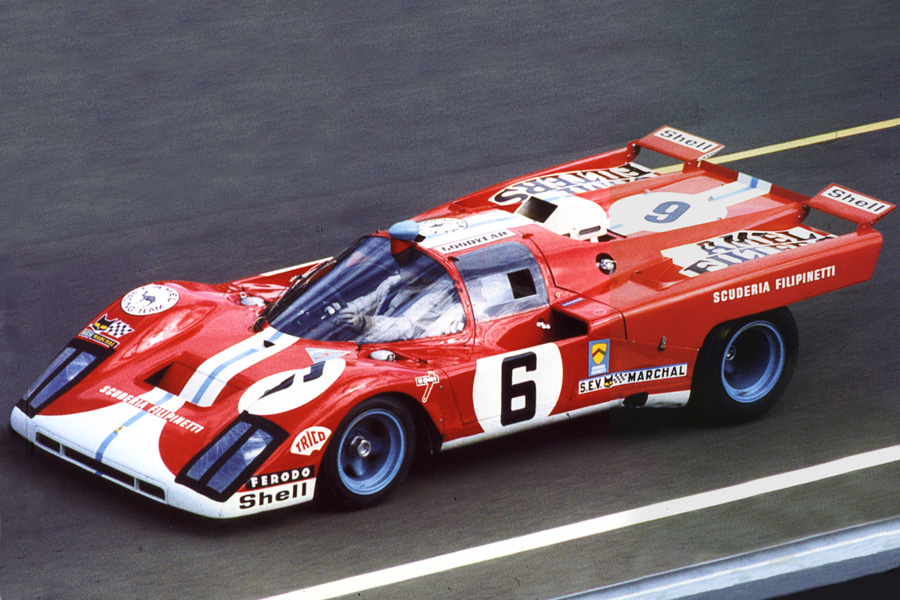
By the closing stages of the 1970 World Sportscar Championship, it had become painfully obvious to Enzo Ferrari that the beautiful, voluptuous 512 S was simply not enough. While it had claimed victory at Sebring, the car was too heavy, too thirsty, and aerodynamically archaic compared to the ruthlessly efficient Porsche 917K. The directive from Il Commendatore to his technical director, Mauro Forghieri, was clear: sharpen the blade. The result was the Ferrari 512 M (for Modificata), a machine that shed the sensual curves of the 1960s for the brutalist, wedge-shaped aggression of the 1970s. It was the final, screaming crescendo of Ferrari’s 5.0-litre sports prototype lineage, a car that possessed the speed to dominate the world but was ultimately orphaned by politics and regulation changes before it could truly claim its throne.
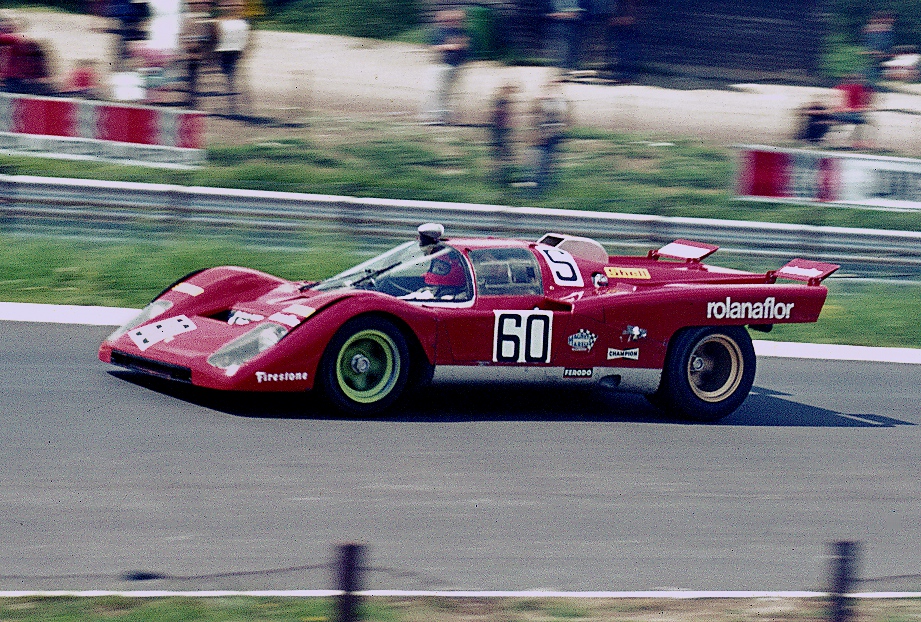
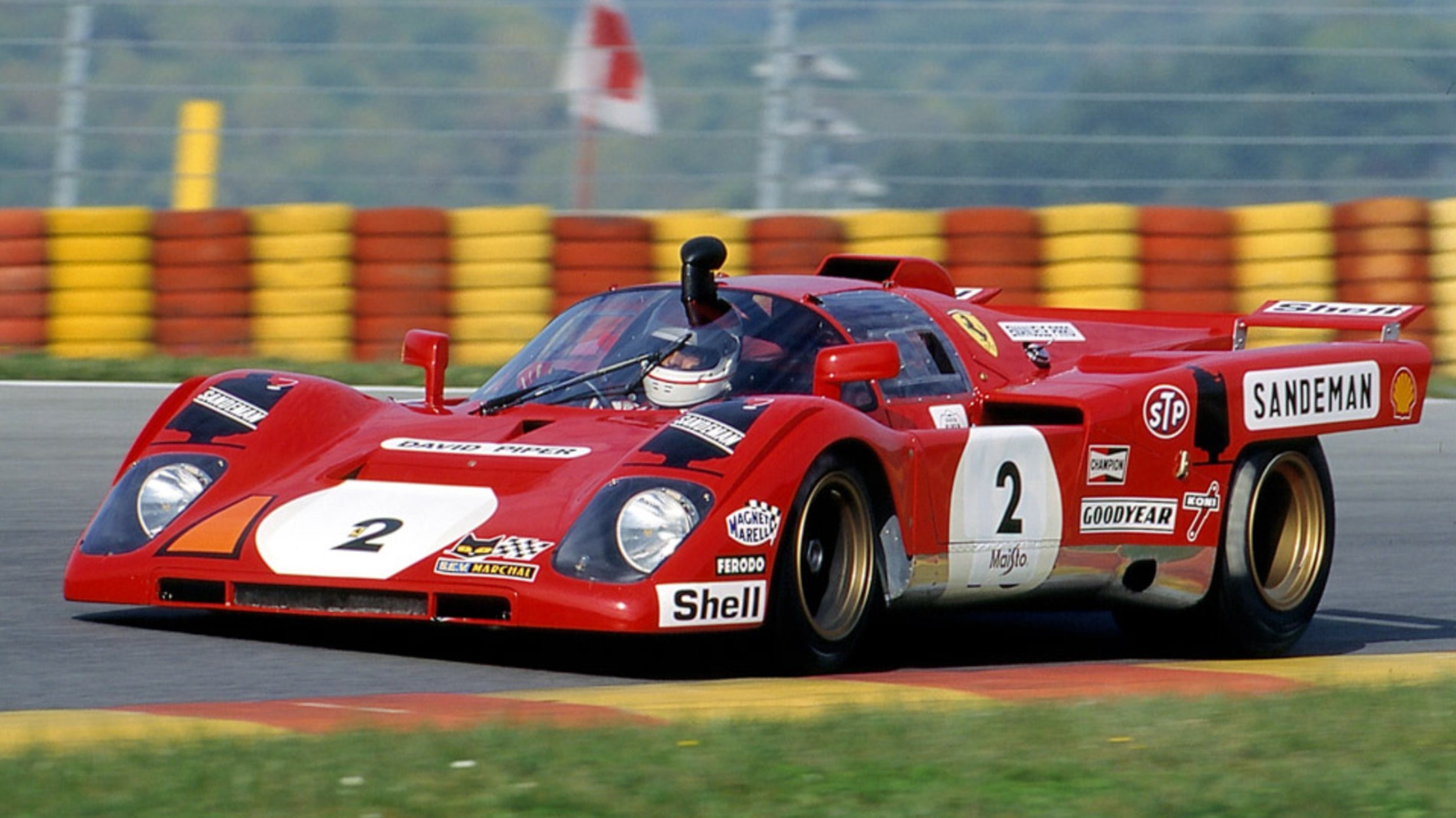
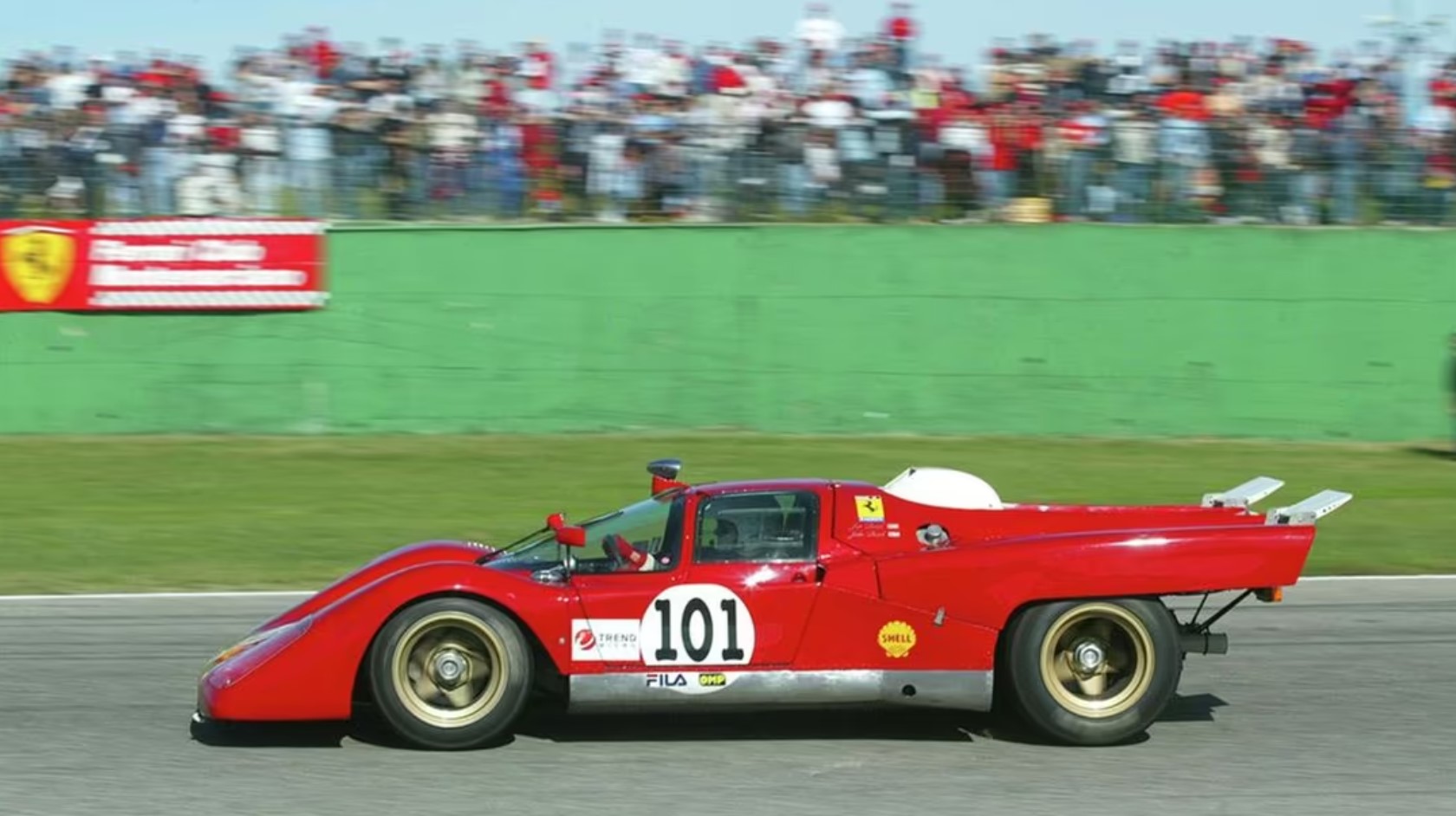
The transformation from ‘S’ to ‘M’ was a masterclass in functional evolution. Visually, the 512 M was unrecognizable from its predecessor. The soft, rounded nose was replaced by a sharp, angular wedge designed to pierce the air and pin the front axle to the tarmac, curing the terrifying high-speed lift that had plagued the 512 S. At the rear, the flowing tail was chopped off into a severe “Coda Tronca” (Kamm tail), a design philosophy that reduced drag while maintaining stability on the chaotic straights of Le Mans. The cockpit canopy was flattened, the intakes were reshaped for ram-air efficiency, and the overall silhouette became lower and wider. It was no longer a thing of beauty in the classical sense; it was a weapon of war, stripped of vanity.
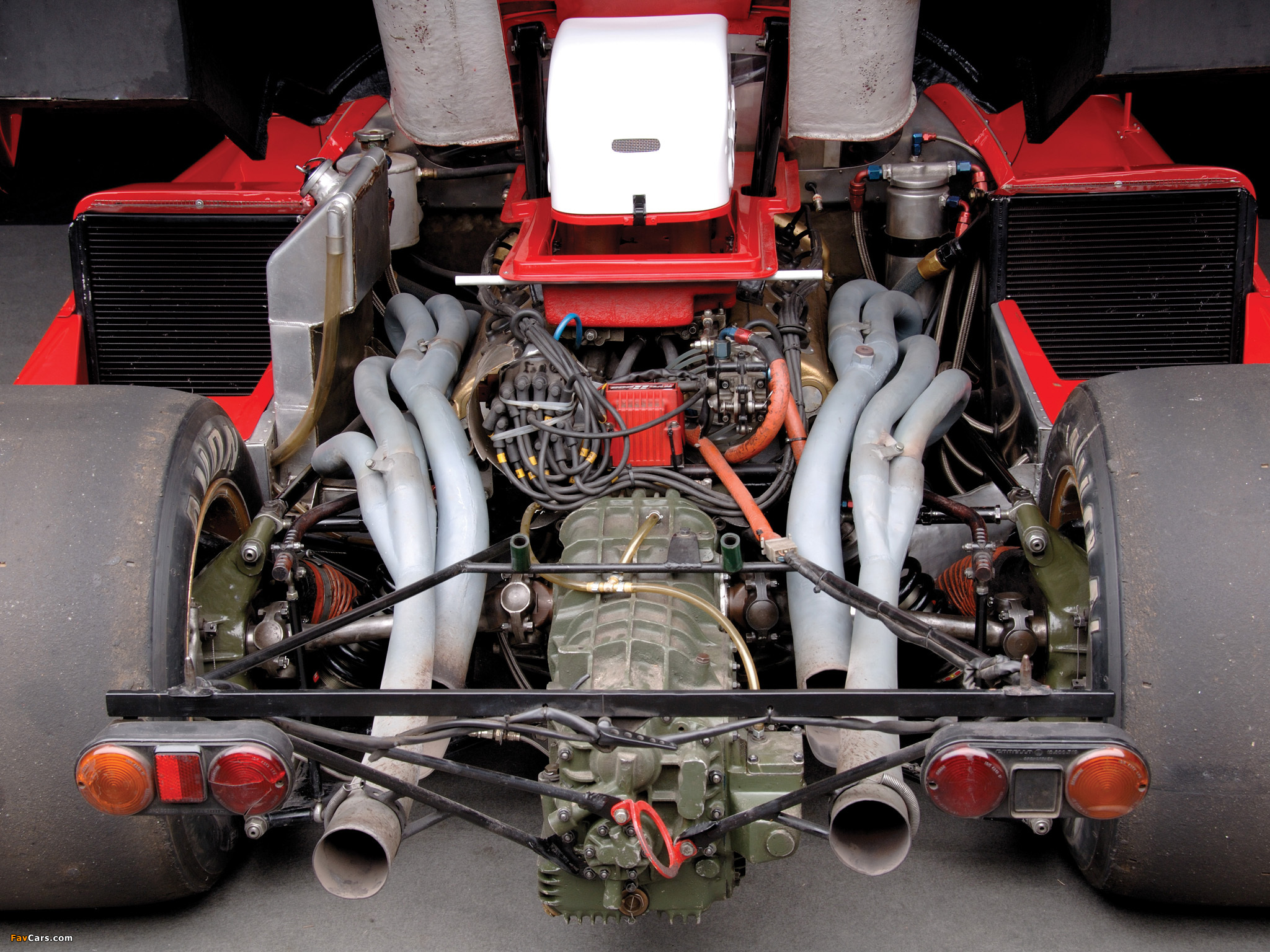
Underneath the new, lighter fiberglass skin lay the heart of a giant. The 5.0-litre (4,993cc) V12, designated Type 261, was reworked to unleash its full potential. With new cylinder heads, more aggressive camshafts, and a refined Lucas fuel injection system, output climbed to a staggering 620 bhp at 9,000 rpm. Unlike the flat-12 of the Porsche 917, which thrummed with a deep, percussive beat, the Ferrari V12 screamed with a high-pitched, metallic fury that could shatter glass. The chassis, a semi-monocoque of tubular steel and riveted aluminium sheet, was lightened by approximately 40 kilograms, though it still struggled to match the featherweight construction of the German competition. Braking was handled by massive ventilated discs, essential for hauling 800 kilograms of Italian steel down from 220 mph.
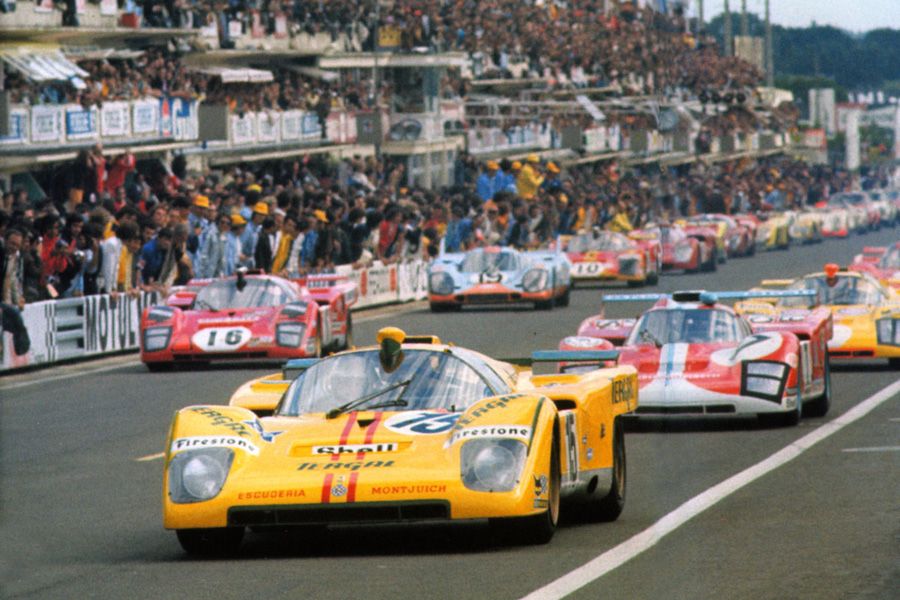
The competitive life of the 512 M is one of the great “what ifs” of motorsport history. By 1971, the FIA had announced that the 5.0-litre class would be banned for the 1972 season. Enzo Ferrari, pragmatic to a fault, decided to abandon the factory development of the 512 M to focus entirely on the new 3.0-litre 312 PB. This left the 512 M in the hands of the privateers. It became the weapon of choice for the great independent teams: Scuderia Filipinetti, Ecurie Francorchamps, NART, and Escuderia Montjuich. These teams, funded by passion and sponsorship rather than factory budgets, took the fight to the works Porsche team. In sheer pace, the 512 M was often superior. It set blistering lap times at Daytona, Monza, and Le Mans, frequently out-qualifying the 917s. Drivers like Herbert Müller, Arturo Merzario, and Chris Amon found the car to be a revelation compared to the ‘S’—more stable, faster, and more responsive.
However, the 512 M was plagued by the fragility of a thoroughbred run on a budget. Without the full weight of the SEFAC Ferrari factory team to develop durability, the privateers often found themselves leading races only to suffer mechanical heartbreaks. At Le Mans in 1971, the sheer speed of the 512 Ms terrified the Porsche contingent, but as the hours ticked by, engines soured and gearboxes crumbled. The 512 M became the fastest car to lose, a tragic hero that possessed the capability to win but lacked the support network to finish. Yet, when it held together, it was magnificent. The sight of the yellow Ecurie Francorchamps car or the gold-and-red Escuderia Montjuich machine tearing through the banking of Daytona remains one of the defining images of the era.
The legacy of the Ferrari 512 M is profound. It represents the absolute peak of the “Big Banger” era for Maranello, the last time a V12 Ferrari fought for overall honors at Le Mans with a large-displacement engine. It was the bridge between the classic era and the modern era, introducing aerodynamic concepts that would define the next decade of racing. While the factory turned its back on it, the 512 M earned the adoration of the fans for its noise, its look, and its underdog status in the 1971 season. It stands in the pantheon not as a champion, but as a gladiator—a car that fought the greatest racing car in history (the 917) to a standstill in terms of speed, succumbing only to the clock and the boardroom.
Brand
Produced from
Portal
Vehicle category
Model line
Predecessor
Sucessor
Brand
Produced from
Portal
Vehicle category
Model line
Model generation
Predecessor
Sucessor
Submodel Overview
By the closing stages of the 1970 World Sportscar Championship, it had become painfully obvious to Enzo Ferrari that the beautiful, voluptuous 512 S was simply not enough. While it had claimed victory at Sebring, the car was too heavy, too thirsty, and aerodynamically archaic compared to the ruthlessly efficient Porsche 917K. The directive from Il Commendatore to his technical director, Mauro Forghieri, was clear: sharpen the blade. The result was the Ferrari 512 M (for Modificata), a machine that shed the sensual curves of the 1960s for the brutalist, wedge-shaped aggression of the 1970s. It was the final, screaming crescendo of Ferrari’s 5.0-litre sports prototype lineage, a car that possessed the speed to dominate the world but was ultimately orphaned by politics and regulation changes before it could truly claim its throne.
The transformation from ‘S’ to ‘M’ was a masterclass in functional evolution. Visually, the 512 M was unrecognizable from its predecessor. The soft, rounded nose was replaced by a sharp, angular wedge designed to pierce the air and pin the front axle to the tarmac, curing the terrifying high-speed lift that had plagued the 512 S. At the rear, the flowing tail was chopped off into a severe “Coda Tronca” (Kamm tail), a design philosophy that reduced drag while maintaining stability on the chaotic straights of Le Mans. The cockpit canopy was flattened, the intakes were reshaped for ram-air efficiency, and the overall silhouette became lower and wider. It was no longer a thing of beauty in the classical sense; it was a weapon of war, stripped of vanity.
Underneath the new, lighter fiberglass skin lay the heart of a giant. The 5.0-litre (4,993cc) V12, designated Type 261, was reworked to unleash its full potential. With new cylinder heads, more aggressive camshafts, and a refined Lucas fuel injection system, output climbed to a staggering 620 bhp at 9,000 rpm. Unlike the flat-12 of the Porsche 917, which thrummed with a deep, percussive beat, the Ferrari V12 screamed with a high-pitched, metallic fury that could shatter glass. The chassis, a semi-monocoque of tubular steel and riveted aluminium sheet, was lightened by approximately 40 kilograms, though it still struggled to match the featherweight construction of the German competition. Braking was handled by massive ventilated discs, essential for hauling 800 kilograms of Italian steel down from 220 mph.
The competitive life of the 512 M is one of the great “what ifs” of motorsport history. By 1971, the FIA had announced that the 5.0-litre class would be banned for the 1972 season. Enzo Ferrari, pragmatic to a fault, decided to abandon the factory development of the 512 M to focus entirely on the new 3.0-litre 312 PB. This left the 512 M in the hands of the privateers. It became the weapon of choice for the great independent teams: Scuderia Filipinetti, Ecurie Francorchamps, NART, and Escuderia Montjuich. These teams, funded by passion and sponsorship rather than factory budgets, took the fight to the works Porsche team. In sheer pace, the 512 M was often superior. It set blistering lap times at Daytona, Monza, and Le Mans, frequently out-qualifying the 917s. Drivers like Herbert Müller, Arturo Merzario, and Chris Amon found the car to be a revelation compared to the ‘S’—more stable, faster, and more responsive.
However, the 512 M was plagued by the fragility of a thoroughbred run on a budget. Without the full weight of the SEFAC Ferrari factory team to develop durability, the privateers often found themselves leading races only to suffer mechanical heartbreaks. At Le Mans in 1971, the sheer speed of the 512 Ms terrified the Porsche contingent, but as the hours ticked by, engines soured and gearboxes crumbled. The 512 M became the fastest car to lose, a tragic hero that possessed the capability to win but lacked the support network to finish. Yet, when it held together, it was magnificent. The sight of the yellow Ecurie Francorchamps car or the gold-and-red Escuderia Montjuich machine tearing through the banking of Daytona remains one of the defining images of the era.
The legacy of the Ferrari 512 M is profound. It represents the absolute peak of the “Big Banger” era for Maranello, the last time a V12 Ferrari fought for overall honors at Le Mans with a large-displacement engine. It was the bridge between the classic era and the modern era, introducing aerodynamic concepts that would define the next decade of racing. While the factory turned its back on it, the 512 M earned the adoration of the fans for its noise, its look, and its underdog status in the 1971 season. It stands in the pantheon not as a champion, but as a gladiator—a car that fought the greatest racing car in history (the 917) to a standstill in terms of speed, succumbing only to the clock and the boardroom.
Tech Specs
Technical Specifications
Tech Specs
Technical Specifications
Engine
01
03
Internal combustion engine
Configuration
Ferrari Tipo 261C, V12 - 60º
Location
Mid, longitudinally mounted
Construction
Light alloy block and heads (Silumin)
Displacement (cc)
4,993 cc
Displacement (cu in)
304.7 cu in
Compression
11.8:1
Bore x Stroke
87.0 mm x 70.0 mm
Valvetrain
4 valves per cylinder, DOHC
Fuel feed
Lucas indirect fuel injection
Lubrication
Dry sump
Aspiration
Naturally aspirated
Output
Power (hp)
620 hp
Power (kW)
462 kW
Max power at
9,000 RPM
Torque (Nm)
544 Nm
Torque (ft lbs)
401 ft lbs
Max torque at
5,500 RPM
Drivetrain
02
03
Chassis
Type
Semi-monocoque (Tubular spaceframe reinforced with riveted Panels)
Material
Steel and aluminium
Body
Material
Fibreglass
Transmission
Gearbox
Ferrari 5-speed manual
Drive
Rear Wheel Drive (Limited Slip Differential)
Suspension
Front
Independent, double wishbones, coil springs over Koni dampers, anti-roll bar
Rear
Independent, double wishbones, coil springs over Koni dampers, anti-roll bar
Steering
Type
Rack and pinion
Brakes
Front
Ventilated steel discs, 4-piston calipers (Girling)
Rear
Ventilated steel discs, 4-piston calipers (Girling) (Inboard mounted)
Wheels
Front
10.5" x 15" (Campagnolo Magnesium Gold)
Rear
15.0" x 15" (Campagnolo Magnesium Gold)
Tires
Front
4.25/11.50-15 (Firestone or Goodyear Racing Slicks)
Rear
6.00/14.50-15 (Firestone or Goodyear Racing Slicks)
Dimensions and performance
03
03
Dimensions
Length (mm)
4,120 mm
Length (in)
162.2 in
Width (mm)
1,980 mm
Width (in)
78.0 in
Height (mm)
980 mm
Height (in)
38.6 in
Wheelbase (mm)
2,400 mm
Wheelbase (in)
94.5 in
Weight (kg)
815 kg
Weight (lbs)
1,797 lbs
Performance
Power to weight
~0.76 hp/kg
Top speed (km/h)
340 km/h
Top speed (mph)
211 mph
0-100 km/h (0-60 mph)
~2.9 s