
Ferrari F430 GTC Evo

Brand
Produced from
Portal
Vehicle category
Model line
Predecessor
Successor
Submodel Overview
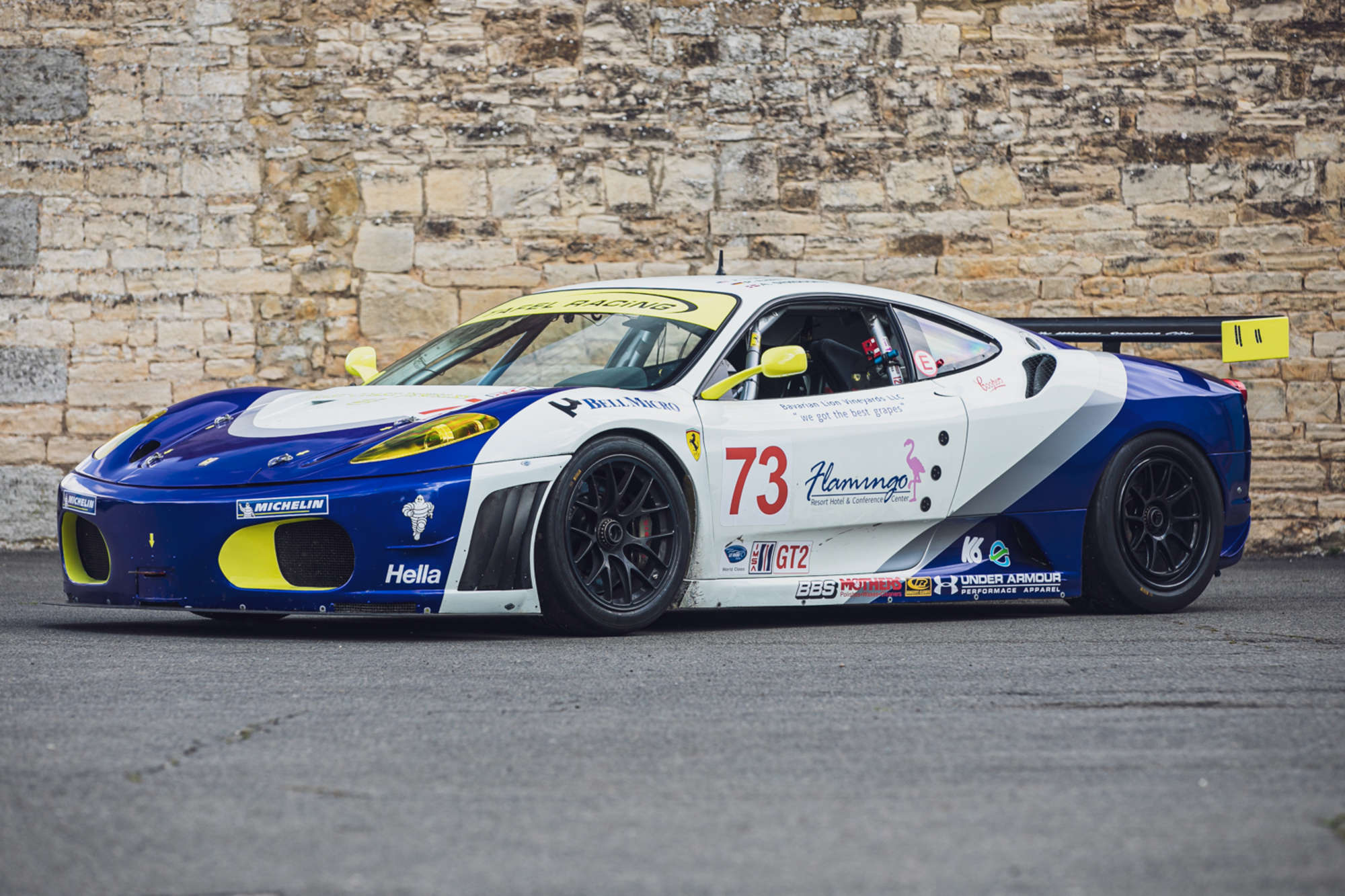
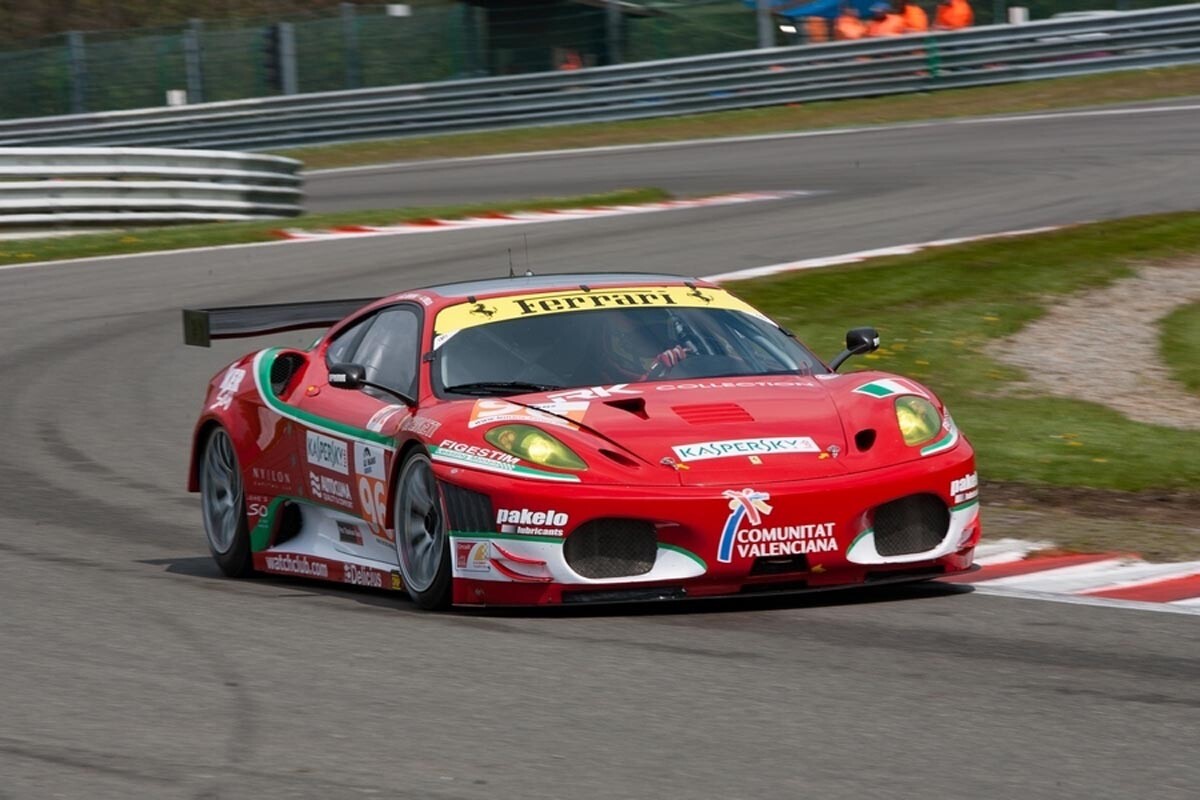
By 2008, the arms race in the GT2 category of international motorsport had reached a fever pitch. The original Ferrari F430 GTC, introduced in 2006, had successfully bloodied the nose of the Porsche 911 GT3 RSR, reclaiming Maranello’s honor at Le Mans and Sebring. However, in the relentless crucible of endurance racing, standing still is equivalent to moving backward. Weissach had responded with their own evolution of the 997 RSR, widening the track and refining the aero, threatening to usurp Ferrari’s newfound dominance. Michelotto Automobili, the wizards behind Ferrari’s GT program in Padua, knew that a simple tune-up would not suffice. The response was the 2008 Ferrari F430 GTC Evo, a comprehensive aerodynamic and mechanical update package designed to sharpen the Italian rapier for one final, glorious duel before the dawn of the 458 era. This was not a new car, but rather the ultimate crystallization of the platform, a machine optimized to extract every last ounce of performance from the F136 engine and the aluminium chassis.
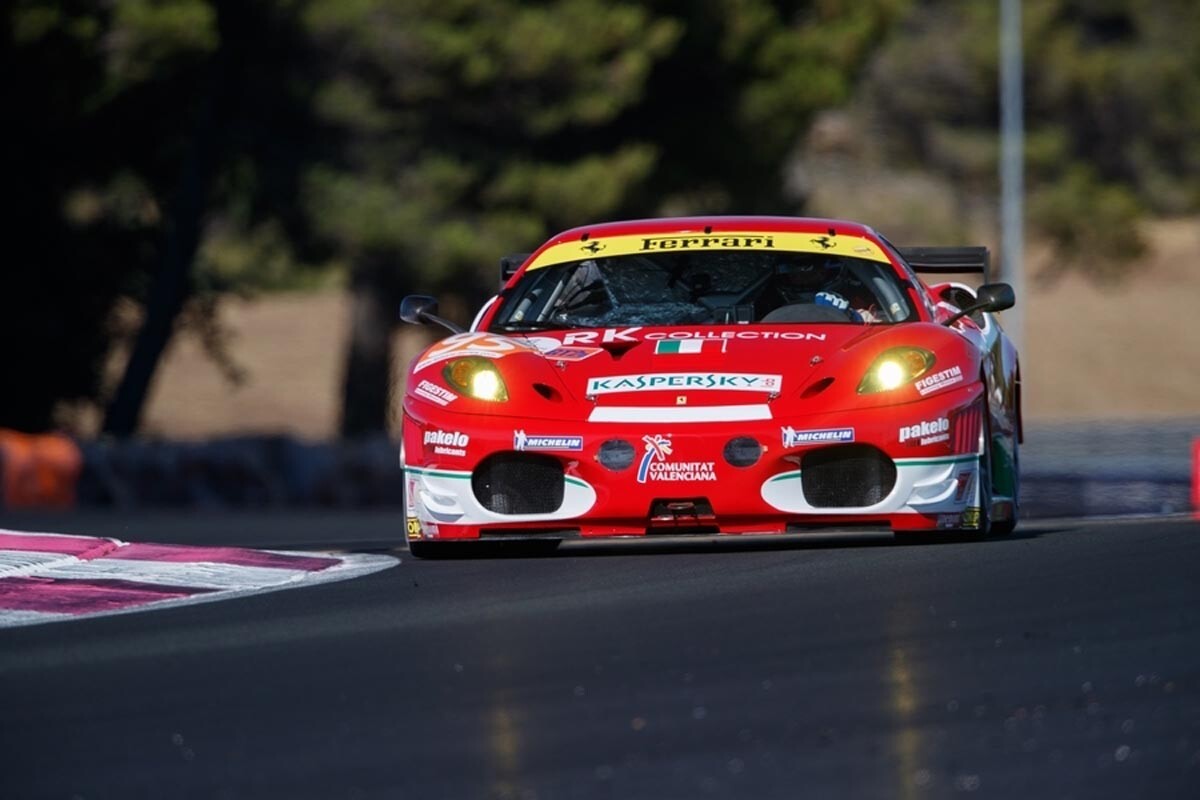
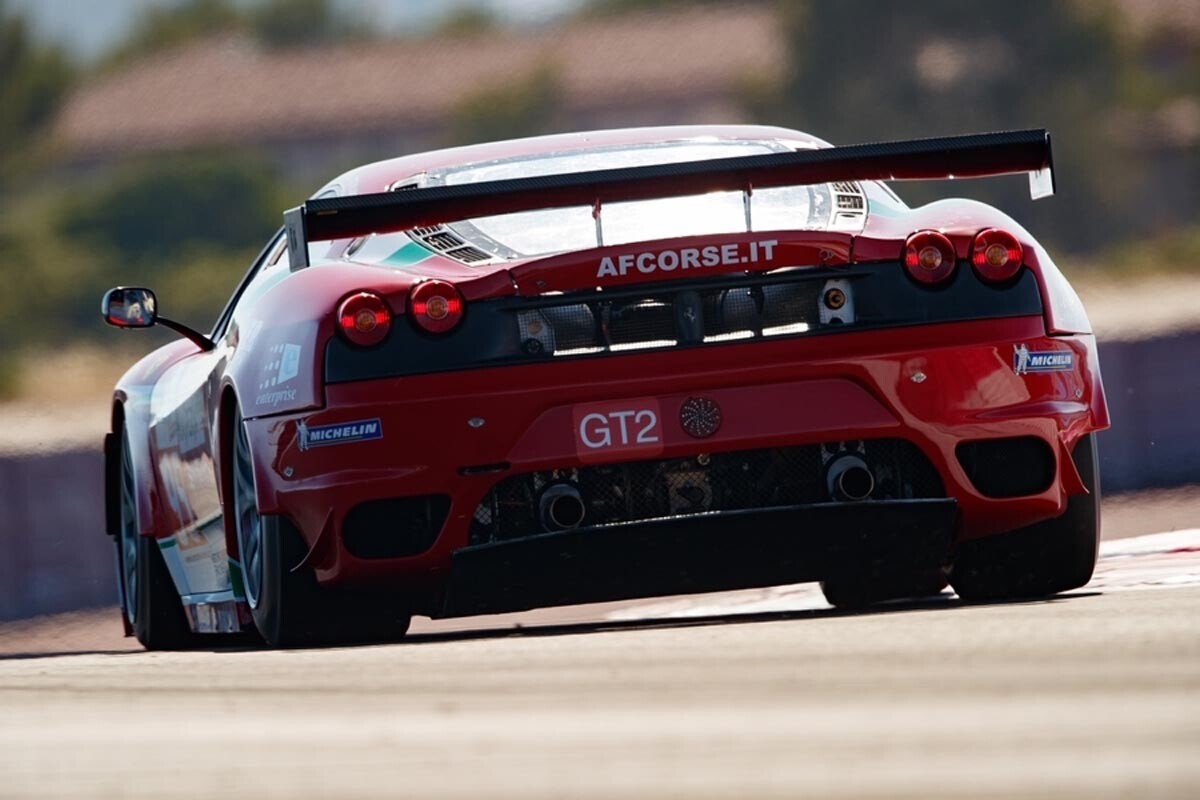
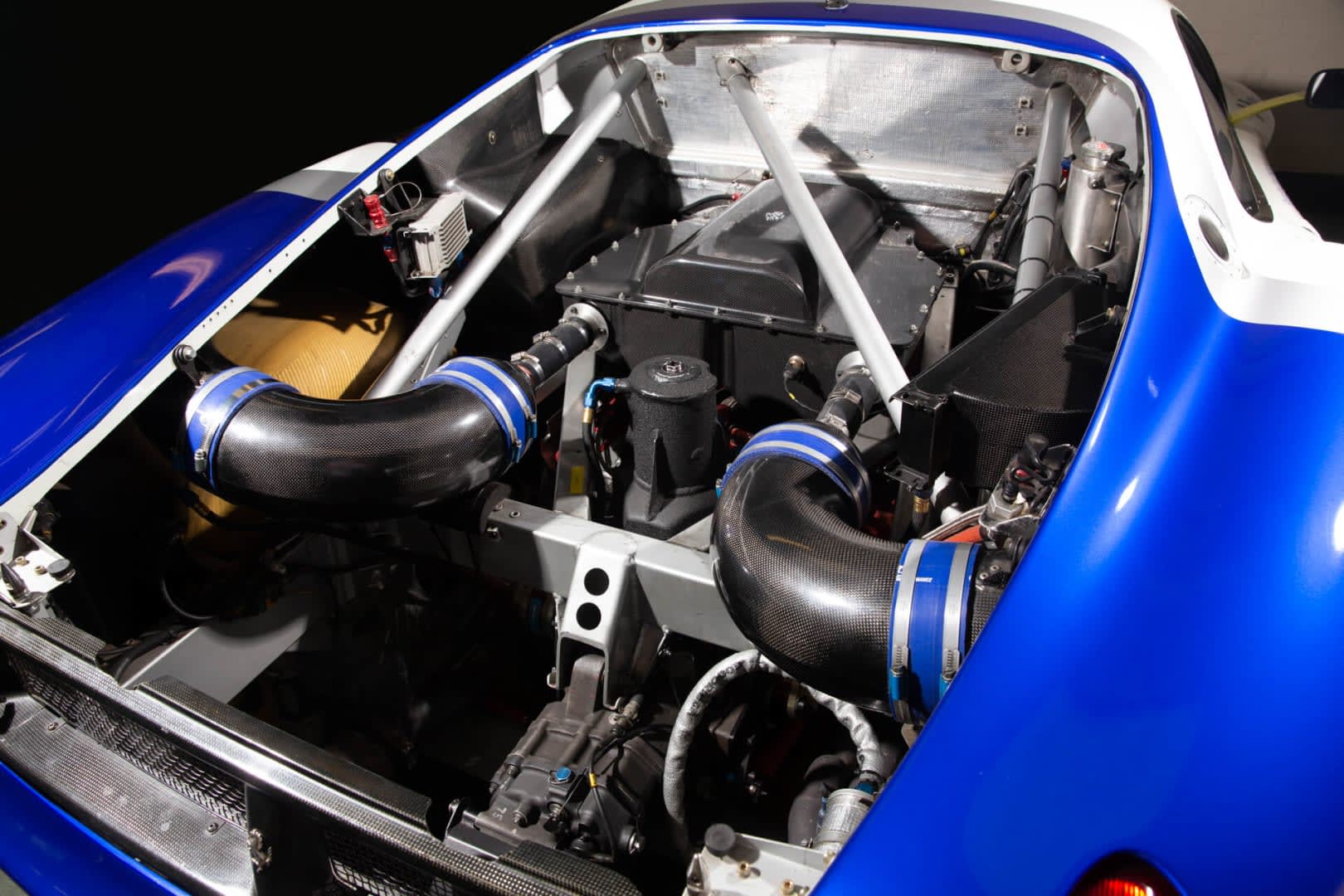
Technically, the “Evo” specification was a exercise in marginal gains that summed to a significant advantage. The most visible changes were aerodynamic. The front fascia was revised to include more aggressive canards (dive planes) and a reshaped splitter, increasing front-end bite and allowing drivers to carry more speed into the apex without washing out in understeer. At the rear, the wing mounting points and endplates were optimized to clean up airflow and improve the efficiency of the rear diffuser. Under the lexan engine cover, the 4.0-liter (3,996cc) V8 engine remained the heart of the beast, but it was refined for durability and torque. Producing approximately 470 bhp restricted, the Evo engine management was remapped to broaden the power band, crucial for punching out of slow corners in traffic. Crucially, the cooling systems were overhauled to cope with the prolonged abuse of 24-hour racing in hotter climates, addressing a minor Achilles’ heel of the earlier cars.
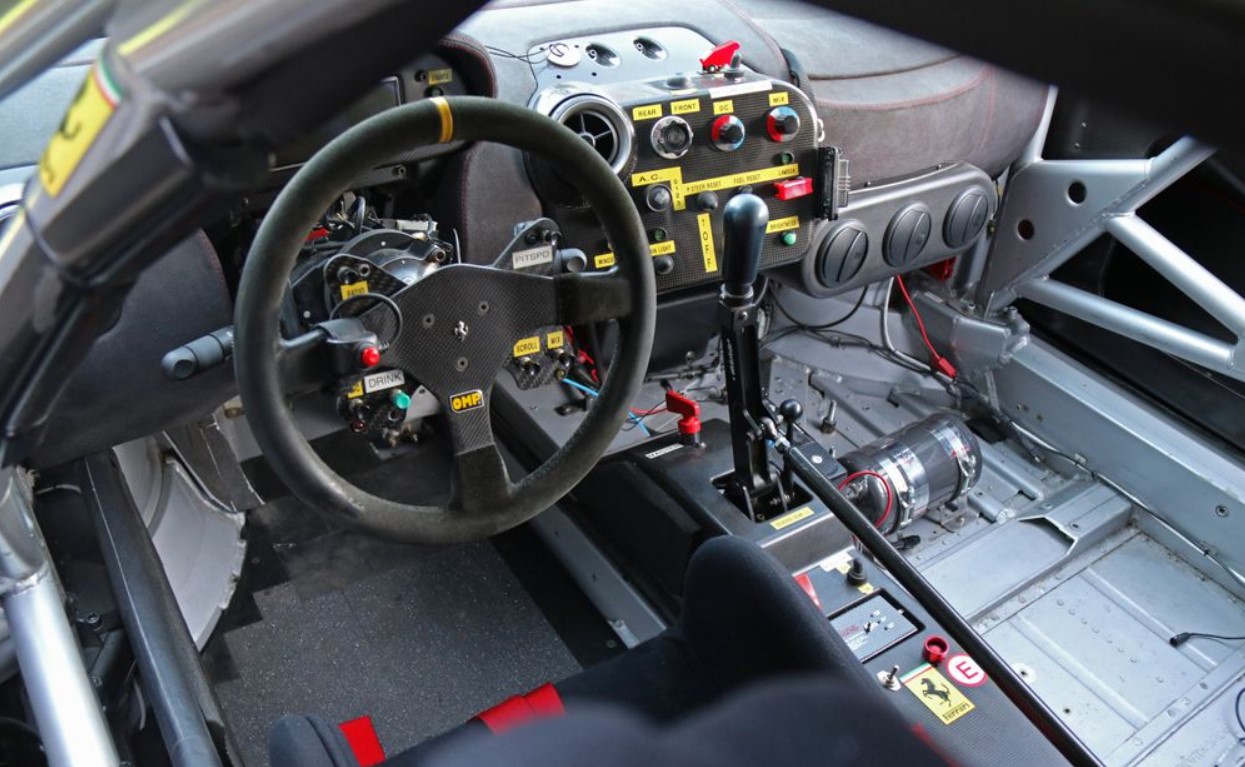
The chassis retention of the double-wishbone suspension setup was tweaked with revised geometry to be gentler on the Dunlop or Michelin slick tires over a double stint. This was the critical battlefield in the war against Porsche: tire degradation. The F430 GTC Evo was engineered to be consistent, allowing its drivers to push at qualifying speeds for hours on end. Inside, the driver still managed the power through the sequential Hewland gearbox, battling the heavy, unassisted steering and the extreme heat of the cockpit. Unlike the later 458, which moved to paddle shifters, the F430 GTC Evo remained a car that required a physical, brutal connection with the driver, a stick-shift warrior in an increasingly digital world.
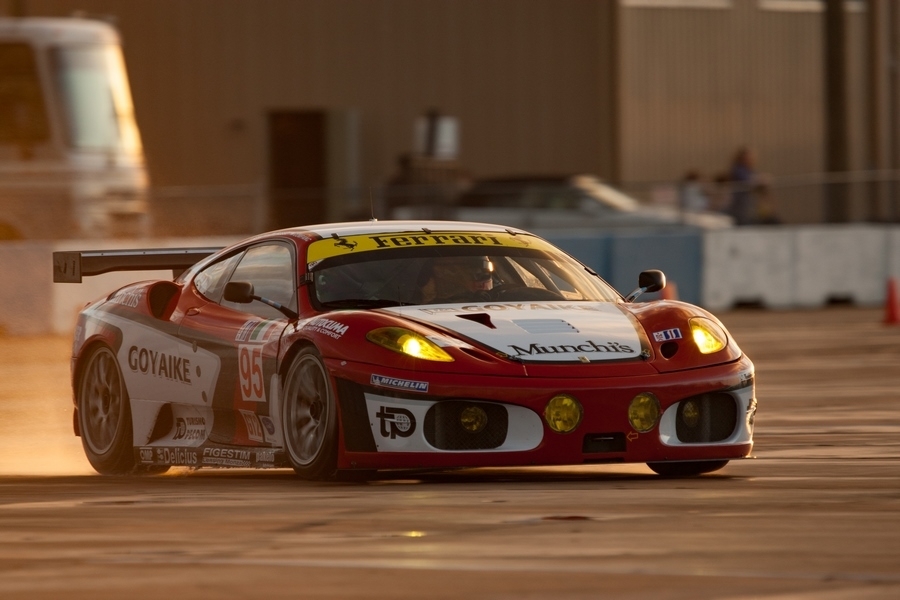
The competitive impact of the F430 GTC Evo was nothing short of legendary. It arrived just in time to cement Ferrari’s stranglehold on the GT2 class. In the United States, the Risi Competizione team utilized the Evo updates to wage war in the American Le Mans Series, turning the #62 Ferrari into an icon of reliability and speed. The car’s crowning achievement came at the 2009 24 Hours of Le Mans. Driven by the “dream team” of Jaime Melo, Mika Salo, and Pierre Kaffer, the Risi Competizione F430 GTC Evo delivered a masterclass performance. They didn’t just win; they dominated, finishing with a comfortable lead over the factory Corvettes and Porsches, securing the F430’s second consecutive class win at La Sarthe. In Europe, AF Corse used the Evo specification to sweep the FIA GT2 championships, proving that the car was effective on both sides of the Atlantic, regardless of the tire war or the specific regulation nuances.
This iteration of the F430 GTC holds a special place in history as the “Swan Song” of Ferrari’s analog GT era. While the BMW M3 GT2 and the Corvette C6.R were introducing more advanced electronics and direct injection technologies, the F430 GTC Evo relied on mechanical grip, aerodynamic efficiency, and a bulletproof powertrain. It was the machine that forced BMW and Corvette to step up their game in the GT2 class, effectively creating the hyper-competitive GTE environment we recognize today. It retired at the absolute peak of its powers, winning major races right up until the moment the 458 Italia GT2 rolled out of the transporter in 2011.
The legacy of the 2008 Ferrari F430 GTC Evo is that of the undisputed champion that left on top. It rectified the minor flaws of the 2006 car and held off a fierce resurgence from Porsche. Today, the Evo-spec cars are the most desirable of the F430 racers for collectors, representing the ultimate development of the platform. It stands in the pantheon of motorsport as the car that proved Michelotto and Ferrari could not only build a race winner but evolve it into a dynasty, ensuring that the final roar of the F430 lineage was a victory cry from the top step of the Le Mans podium.
Brand
Produced from
Portal
Vehicle category
Model line
Predecessor
Sucessor
Brand
Produced from
Portal
Vehicle category
Model line
Model generation
Predecessor
Sucessor
Submodel Overview
By 2008, the arms race in the GT2 category of international motorsport had reached a fever pitch. The original Ferrari F430 GTC, introduced in 2006, had successfully bloodied the nose of the Porsche 911 GT3 RSR, reclaiming Maranello’s honor at Le Mans and Sebring. However, in the relentless crucible of endurance racing, standing still is equivalent to moving backward. Weissach had responded with their own evolution of the 997 RSR, widening the track and refining the aero, threatening to usurp Ferrari’s newfound dominance. Michelotto Automobili, the wizards behind Ferrari’s GT program in Padua, knew that a simple tune-up would not suffice. The response was the 2008 Ferrari F430 GTC Evo, a comprehensive aerodynamic and mechanical update package designed to sharpen the Italian rapier for one final, glorious duel before the dawn of the 458 era. This was not a new car, but rather the ultimate crystallization of the platform, a machine optimized to extract every last ounce of performance from the F136 engine and the aluminium chassis.
Technically, the “Evo” specification was a exercise in marginal gains that summed to a significant advantage. The most visible changes were aerodynamic. The front fascia was revised to include more aggressive canards (dive planes) and a reshaped splitter, increasing front-end bite and allowing drivers to carry more speed into the apex without washing out in understeer. At the rear, the wing mounting points and endplates were optimized to clean up airflow and improve the efficiency of the rear diffuser. Under the lexan engine cover, the 4.0-liter (3,996cc) V8 engine remained the heart of the beast, but it was refined for durability and torque. Producing approximately 470 bhp restricted, the Evo engine management was remapped to broaden the power band, crucial for punching out of slow corners in traffic. Crucially, the cooling systems were overhauled to cope with the prolonged abuse of 24-hour racing in hotter climates, addressing a minor Achilles’ heel of the earlier cars.
The chassis retention of the double-wishbone suspension setup was tweaked with revised geometry to be gentler on the Dunlop or Michelin slick tires over a double stint. This was the critical battlefield in the war against Porsche: tire degradation. The F430 GTC Evo was engineered to be consistent, allowing its drivers to push at qualifying speeds for hours on end. Inside, the driver still managed the power through the sequential Hewland gearbox, battling the heavy, unassisted steering and the extreme heat of the cockpit. Unlike the later 458, which moved to paddle shifters, the F430 GTC Evo remained a car that required a physical, brutal connection with the driver, a stick-shift warrior in an increasingly digital world.
The competitive impact of the F430 GTC Evo was nothing short of legendary. It arrived just in time to cement Ferrari’s stranglehold on the GT2 class. In the United States, the Risi Competizione team utilized the Evo updates to wage war in the American Le Mans Series, turning the #62 Ferrari into an icon of reliability and speed. The car’s crowning achievement came at the 2009 24 Hours of Le Mans. Driven by the “dream team” of Jaime Melo, Mika Salo, and Pierre Kaffer, the Risi Competizione F430 GTC Evo delivered a masterclass performance. They didn’t just win; they dominated, finishing with a comfortable lead over the factory Corvettes and Porsches, securing the F430’s second consecutive class win at La Sarthe. In Europe, AF Corse used the Evo specification to sweep the FIA GT2 championships, proving that the car was effective on both sides of the Atlantic, regardless of the tire war or the specific regulation nuances.
This iteration of the F430 GTC holds a special place in history as the “Swan Song” of Ferrari’s analog GT era. While the BMW M3 GT2 and the Corvette C6.R were introducing more advanced electronics and direct injection technologies, the F430 GTC Evo relied on mechanical grip, aerodynamic efficiency, and a bulletproof powertrain. It was the machine that forced BMW and Corvette to step up their game in the GT2 class, effectively creating the hyper-competitive GTE environment we recognize today. It retired at the absolute peak of its powers, winning major races right up until the moment the 458 Italia GT2 rolled out of the transporter in 2011.
The legacy of the 2008 Ferrari F430 GTC Evo is that of the undisputed champion that left on top. It rectified the minor flaws of the 2006 car and held off a fierce resurgence from Porsche. Today, the Evo-spec cars are the most desirable of the F430 racers for collectors, representing the ultimate development of the platform. It stands in the pantheon of motorsport as the car that proved Michelotto and Ferrari could not only build a race winner but evolve it into a dynasty, ensuring that the final roar of the F430 lineage was a victory cry from the top step of the Le Mans podium.
Tech Specs
Technical Specifications
Tech Specs
Technical Specifications
Engine
01
03
Internal combustion engine
Configuration
Ferrari F136 GT, V8 - 90º (Flat-plane crankshaft)
Location
Mid, longitudinally mounted
Construction
Aluminium alloy block and heads
Displacement (cc)
3,996 cc
Displacement (cu in)
243.8 cu in
Compression
13.0:1
Bore x Stroke
92.0 mm x 75.2 mm
Valvetrain
4 valves per cylinder, DOHC
Fuel feed
Magneti Marelli digital fuel injection
Lubrication
Dry sump
Aspiration
Naturally aspirated (with air restrictors per FIA GT2 regs)
Output
Power (hp)
~475 hp
Power (kW)
~354 kW
Max power at
7,500 RPM
Torque (Nm)
465 Nm
Torque (ft lbs)
343 ft lbs
Max torque at
5,500 RPM
Drivetrain
02
03
Chassis
Type
Monocoque with integrated steel roll cage
Material
Aluminium
Body
Material
Carbon fibre and Kevlar composite panels (Revised cooling ducts for Evo)
Transmission
Gearbox
Hewland, 6-speed sequential
Drive
Rear Wheel Drive (Mechanical Limited Slip Differential)
Suspension
Front
Independent, double wishbones, coil springs over adjustable dampers, anti-roll bar
Rear
Independent, double wishbones, coil springs over adjustable dampers, anti-roll bar
Steering
Type
Rack and pinion, hydraulic power assisted
Brakes
Front
Ventilated steel discs Ø380 mm, 6-piston calipers
Rear
Ventilated steel discs Ø332 mm, 4-piston calipers
Wheels
Front
11" x 18" (Forged Magnesium BBS)
Rear
13" x 18" (Forged Magnesium BBS)
Tires
Front
30/65-18 (Michelin Racing Slicks)
Rear
31/71-18 (Michelin Racing Slicks)
Dimensions and performance
03
03
Dimensions
Length (mm)
4,512 mm
Length (in)
177.6 in
Width (mm)
2,060 mm
Width (in)
81.1 in
Height (mm)
1,175 mm
Height (in)
46.3 in
Wheelbase (mm)
2,600 mm
Wheelbase (in)
102.4 in
Weight (kg)
1,100 kg
Weight (lbs)
2,425 lbs
Performance
Power to weight
~0.43 hp/kg
Top speed (km/h)
~300 km/h
Top speed (mph)
~186 mph
0-100 km/h (0-60 mph)
~3.1 s