
Dodge Viper
Brand
Produced from
Vehicle category
Portal
Model line
Model generation
Predecessor
Sucessor
About this model
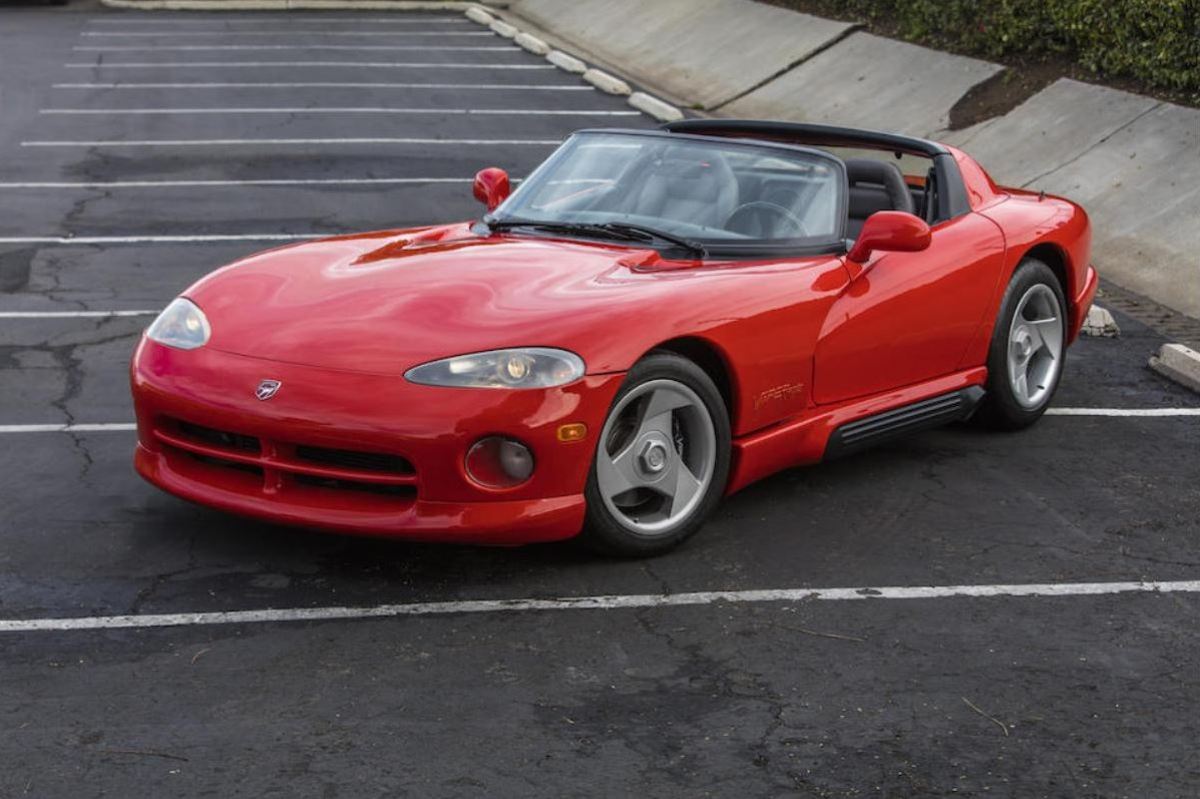
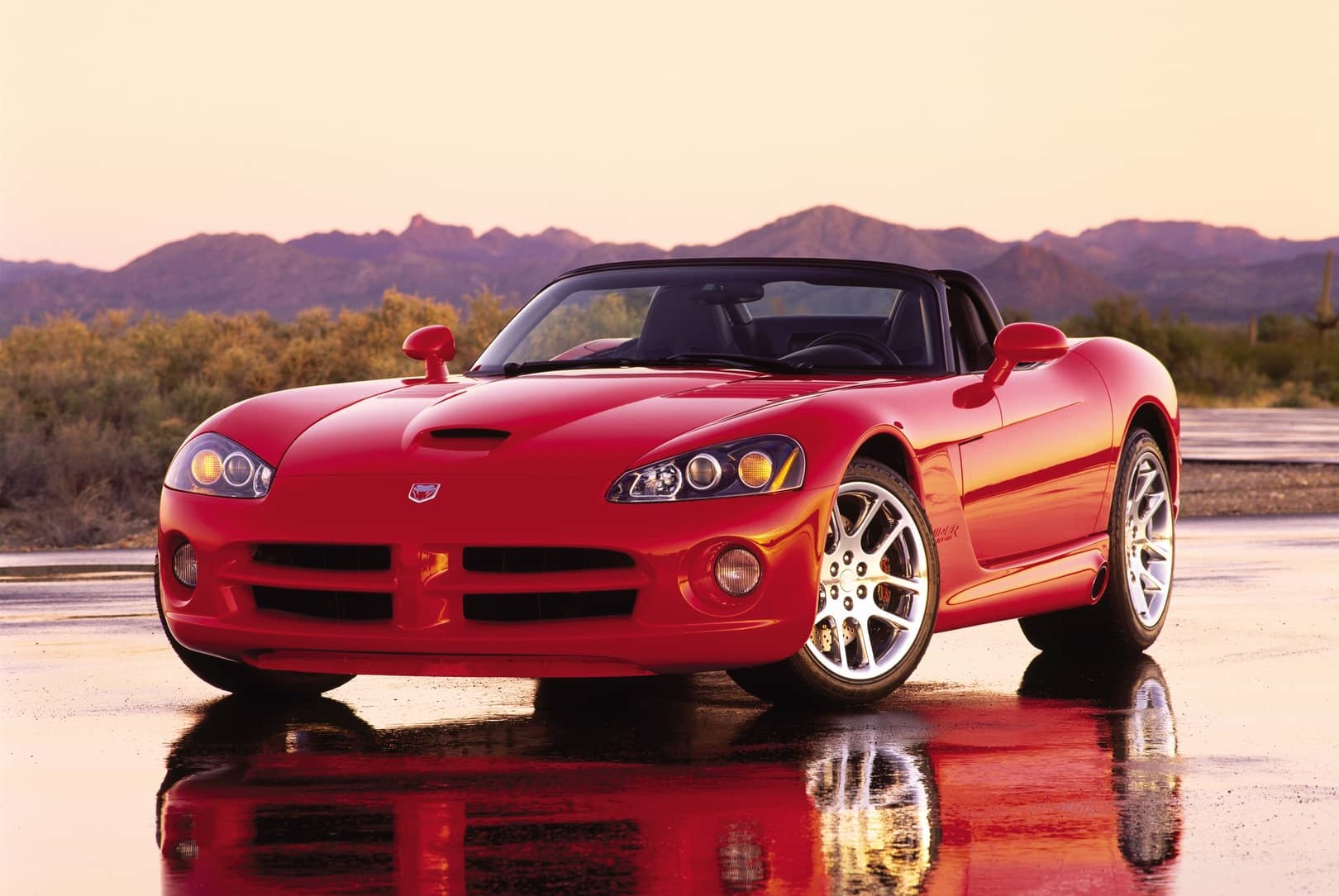
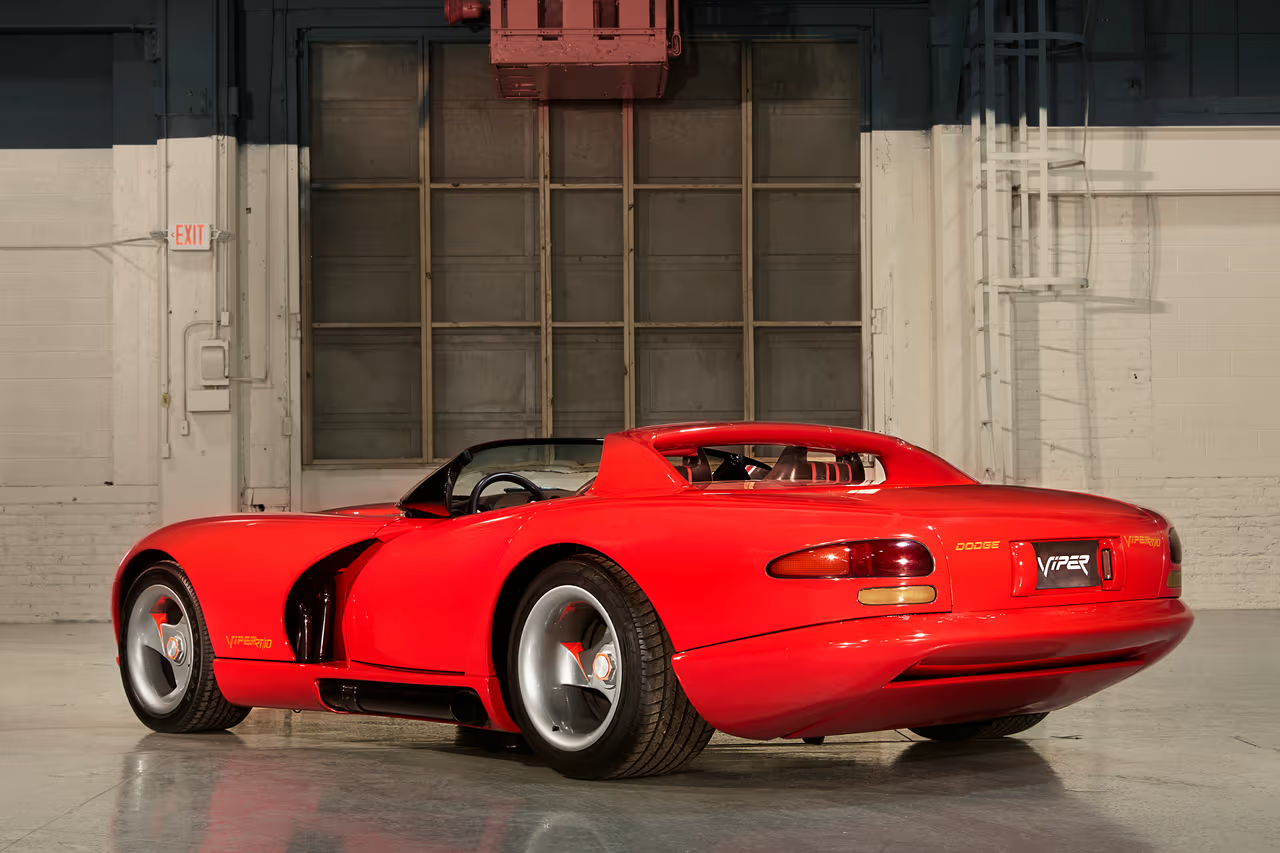
To understand the Dodge Viper is to understand a specific moment in American automotive history where logic was violently defenestrated in favor of sheer, unadulterated emotion. In the greige landscape of the late 1980s, where the K-Car saved Chrysler but killed its soul, and where the sports car market was becoming increasingly digitized by the likes of the Porsche 959 and the looming Honda NSX, the Viper arrived not as a breath of fresh air, but as a punch in the throat. Conceived by Bob Lutz and Tom Gale as a modern interpretation of the Shelby Cobra, the Viper was a rolling rejection of refinement, traction control, and cup holders. It had no predecessor because there had been nothing quite like it since the 427 S/C Cobra of 1965, and in many ways, it had no direct rival. The Chevrolet Corvette ZR-1 was a technological marvel of overhead cams and adjustable suspension; the Viper was a sledgehammer in a room full of scalpels. It was an anachronism from the moment the concept stunned the crowd at the 1989 North American International Auto Show, a vehicle that prioritized torque over technology and visual aggression over aerodynamic subtlety.
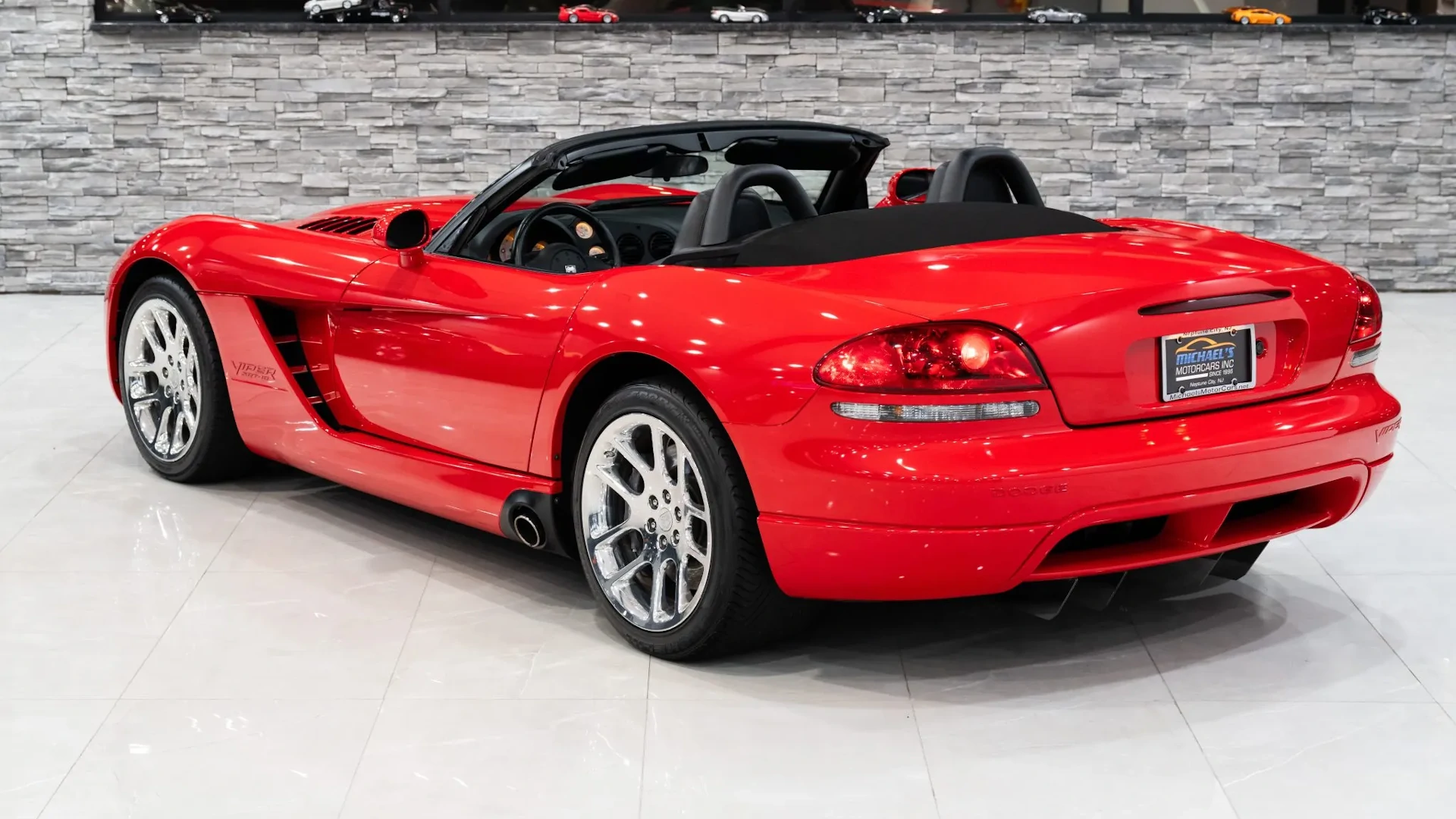
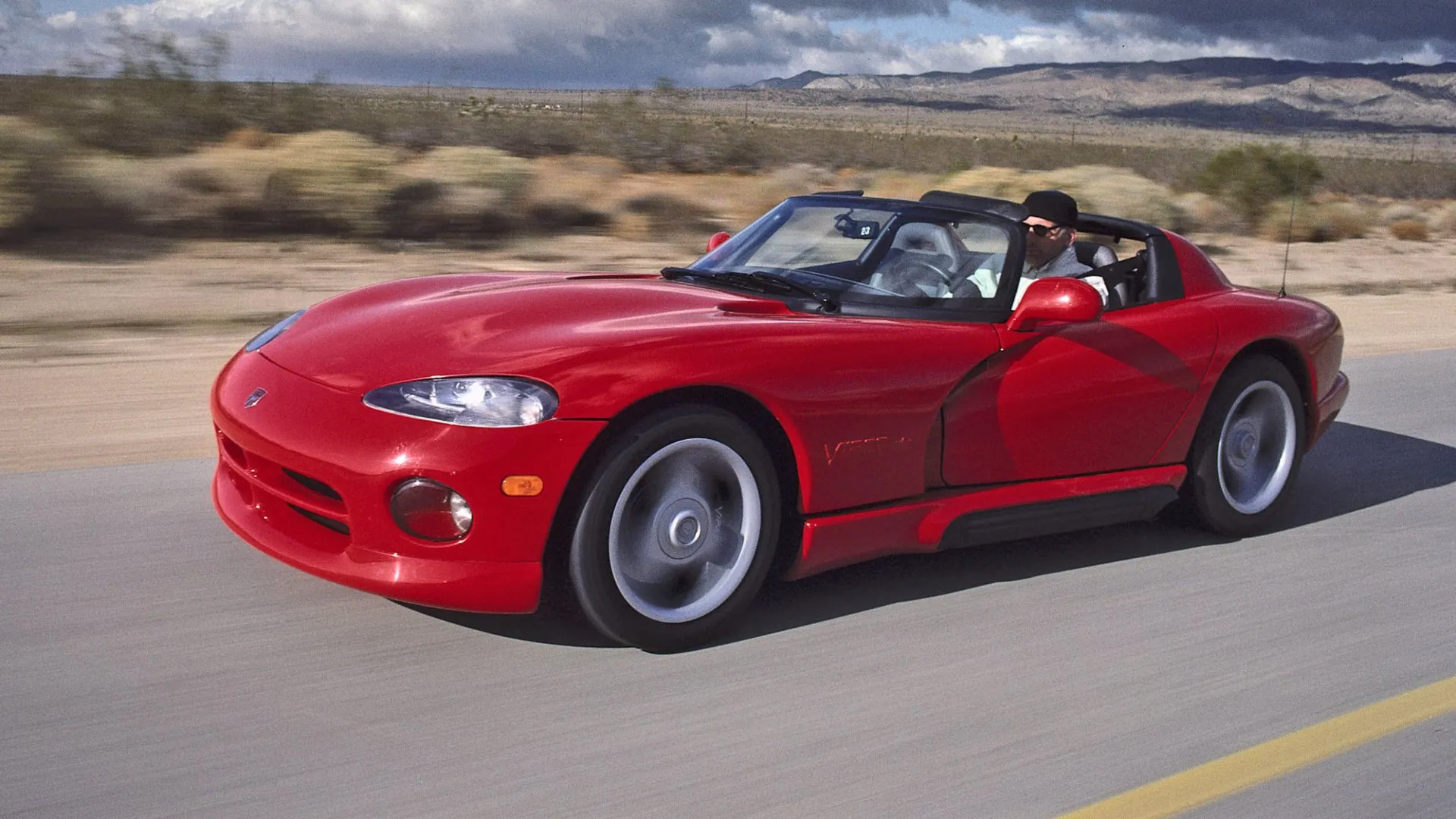
The mechanical anatomy of the Viper was defined by a single, monolithic component: the engine. At a time when Ferrari was pursuing high-revving V8s and Porsche was perfecting the turbocharger, Dodge looked to its truck division, took a cast-iron V10 intended for the Ram pickup, and asked Lamborghini—then a subsidiary of Chrysler—to recast it in aluminium. The result was an 8.0-litre (488 cubic inch) monster that produced 400 horsepower and 465 lb-ft of torque in its initial SR I guise. This was not an engine that sang; it bellowed with a deep, industrial baritone, delivering a tidal wave of torque from idle that could tear the tarmac from the earth. This powerplant was mated to a BorgWarner T-56 six-speed manual transmission, sending power to the massive 335-section rear tires via a limited-slip differential. There was no ABS, no traction control, and no stability management. The chassis was a tubular steel backbone frame, rigid yet heavy, wrapped in resin transfer molding (RTM) composite body panels that formed one of the most provocative shapes in history. Tom Gale’s design was pure biological aggression—a long, phallic hood, a short rear deck, and side-exit exhausts that were notorious for searing the calves of anyone foolish enough to exit the car carelessly. The original RT/10 roadster had no exterior door handles, no real windows (just plastic side curtains), and a canvas toupee for a roof that was useless above 50 mph. It was crude, hot, and cramped, but it offered a purity of feedback that was rapidly vanishing from the world.
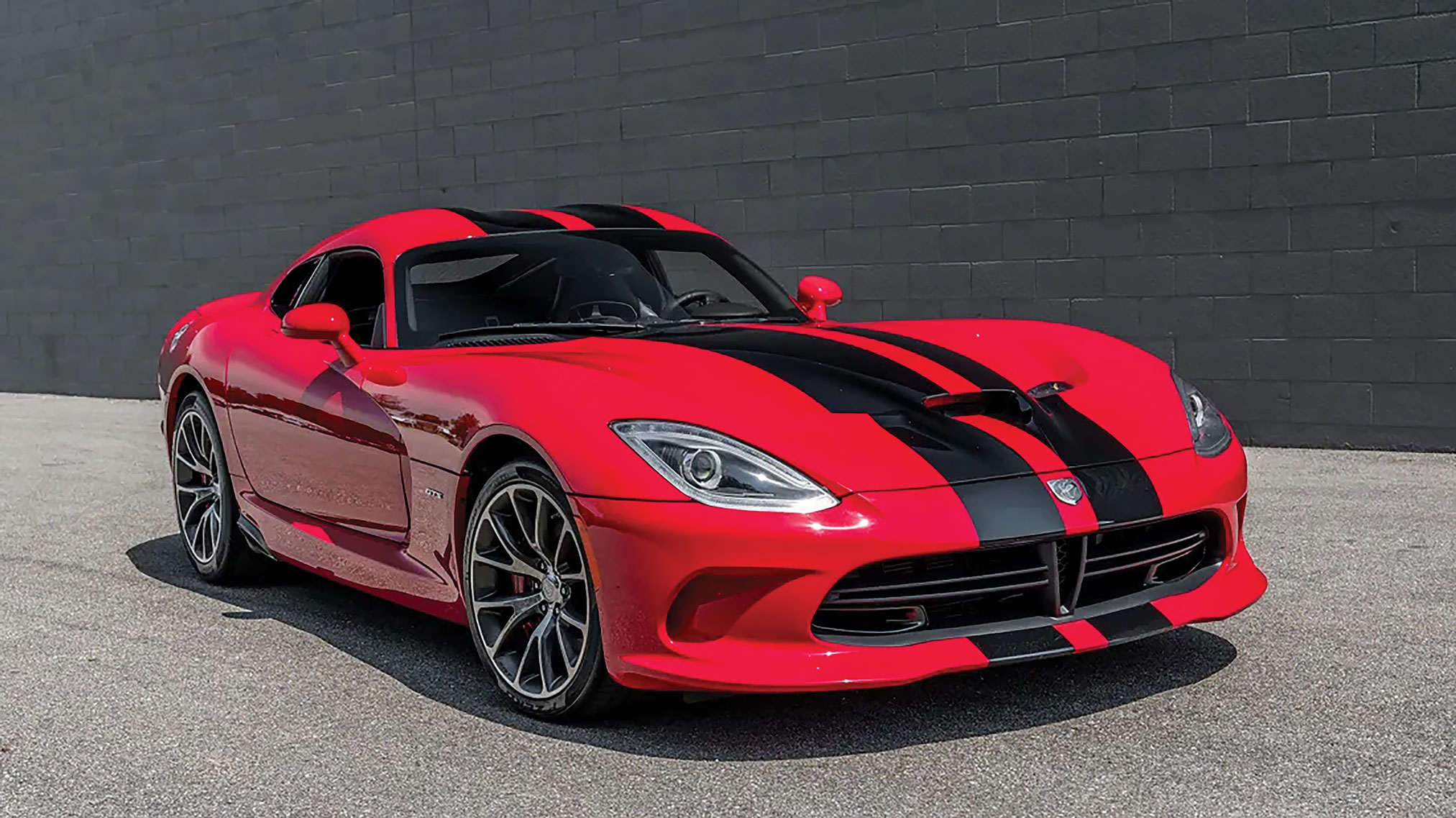
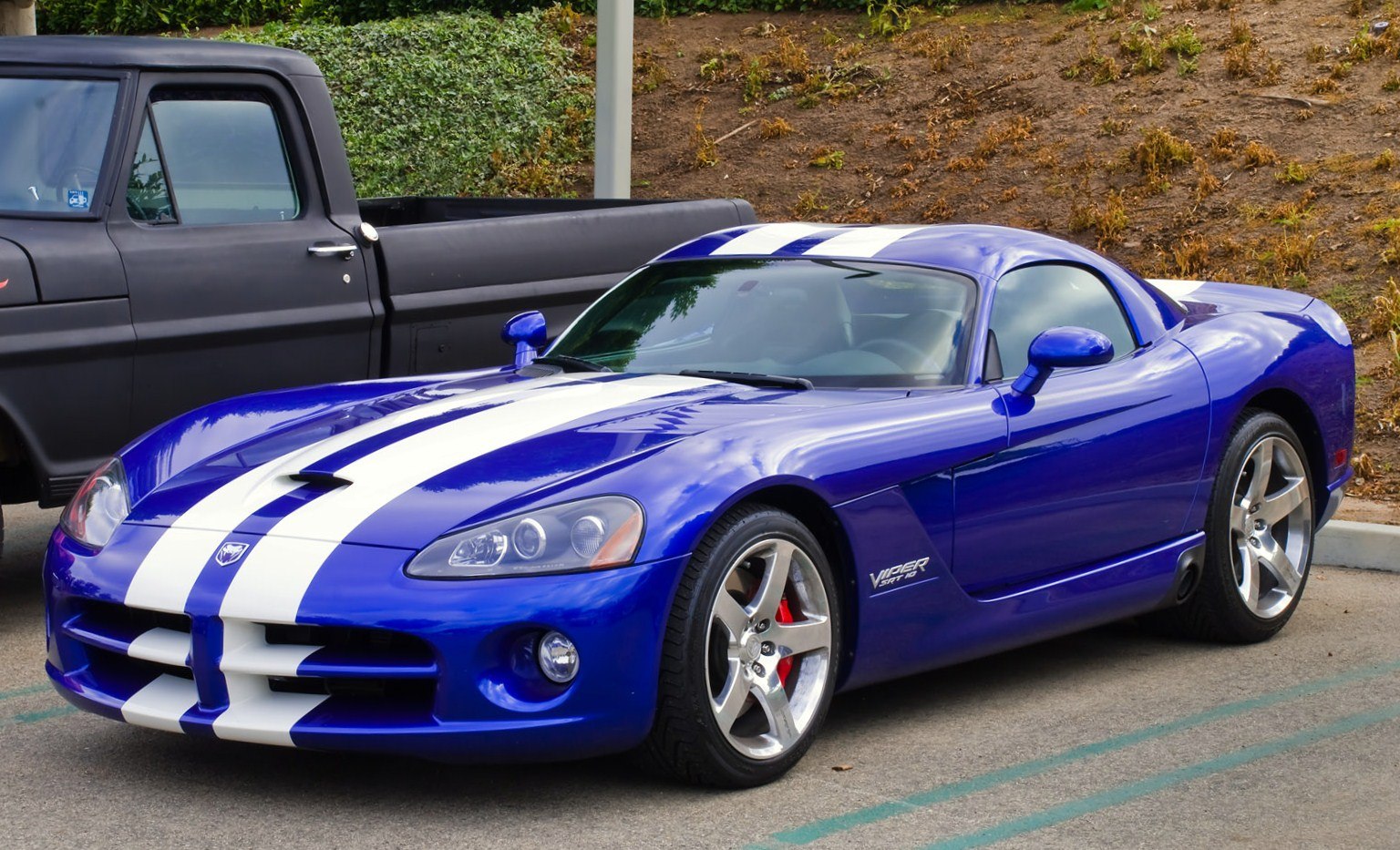
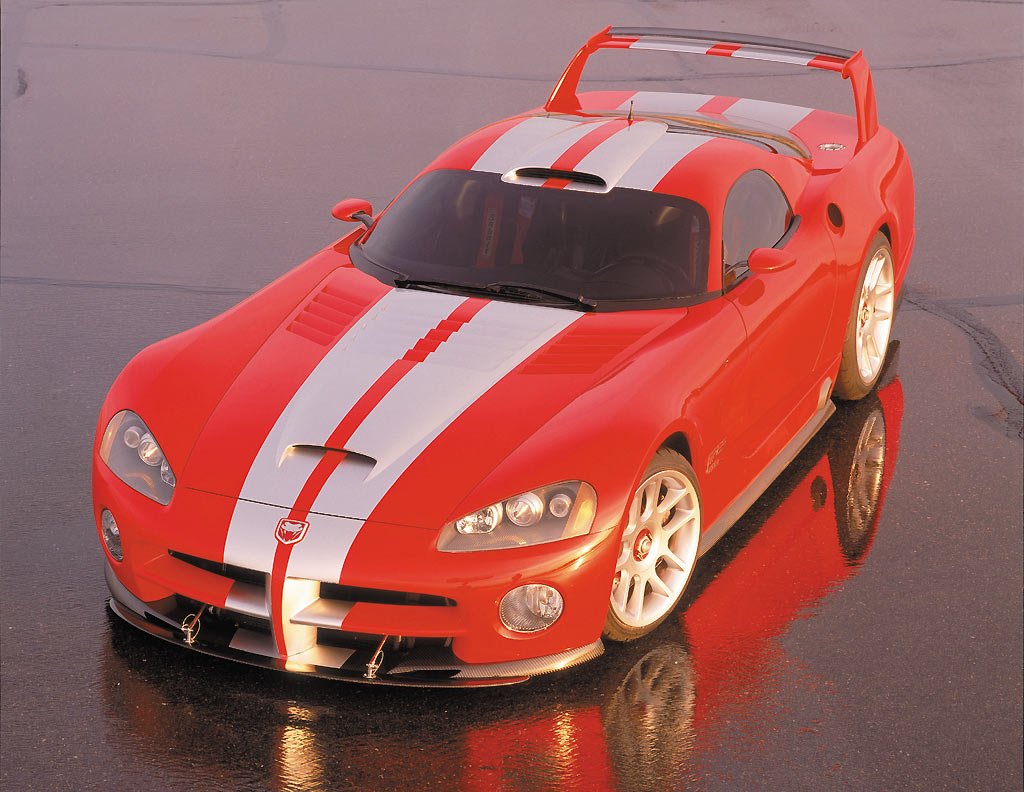
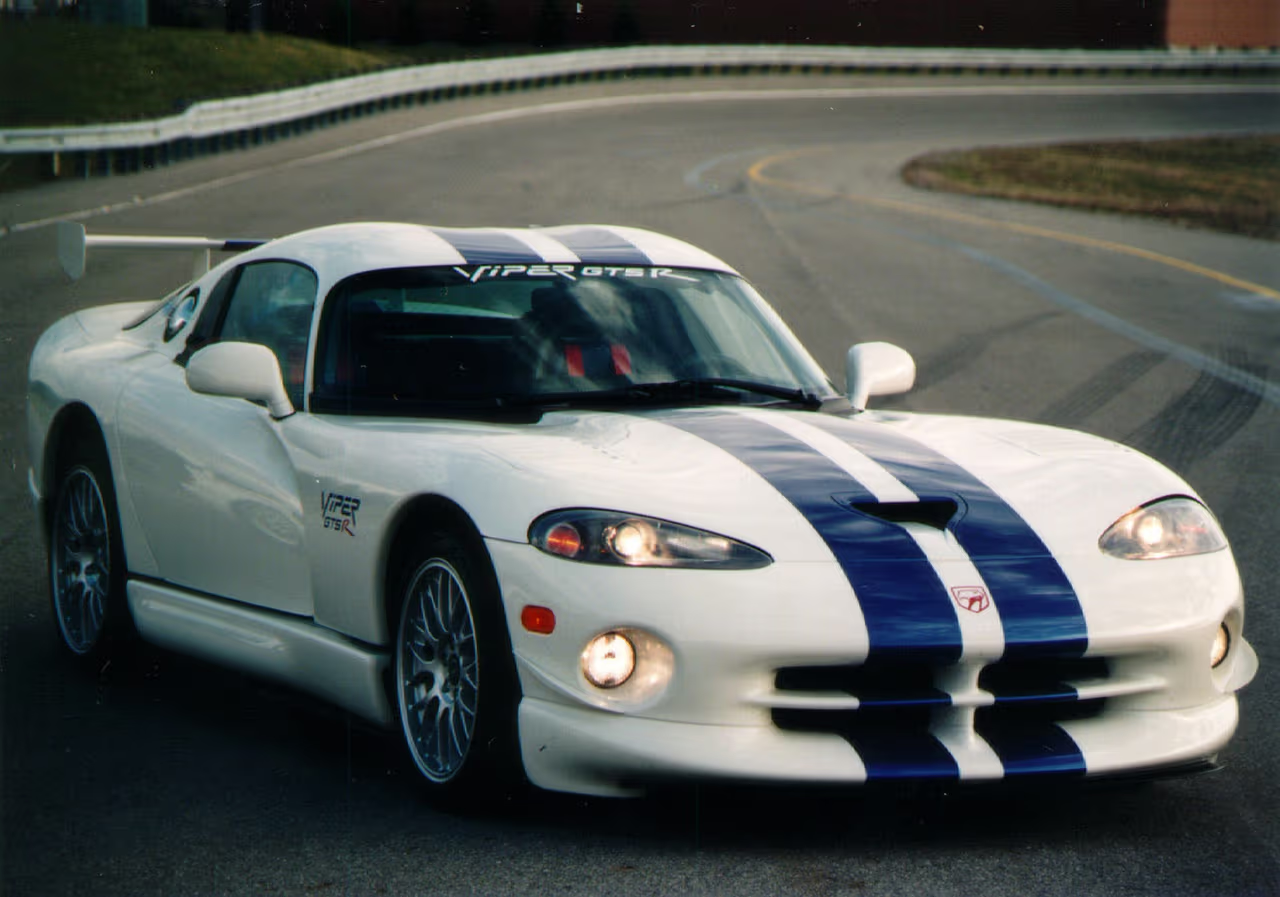
When the GTS coupe arrived in 1996, featuring the iconic “double bubble” roof to accommodate helmets, the Viper transformed from a caricature into a world-class GT car. The power bumped to 450 bhp, the suspension was revised, and the aerodynamics were smoothed, heavily influenced by Peter Brock’s Shelby Daytona Coupe. This evolution continued through the decades, with the displacement growing to 8.3 and eventually 8.4 liters in the final Gen V cars, culminating in the terrifyingly capable Viper ACR (American Club Racer). The ACR, with its massive adjustable wing and specialized Kumho tires, became a Nürburgring lap record slayer, proving that a front-engine, manual-transmission car could still humiliate the latest hybrids and dual-clutch exotics through mechanical grip and aerodynamic downforce alone.
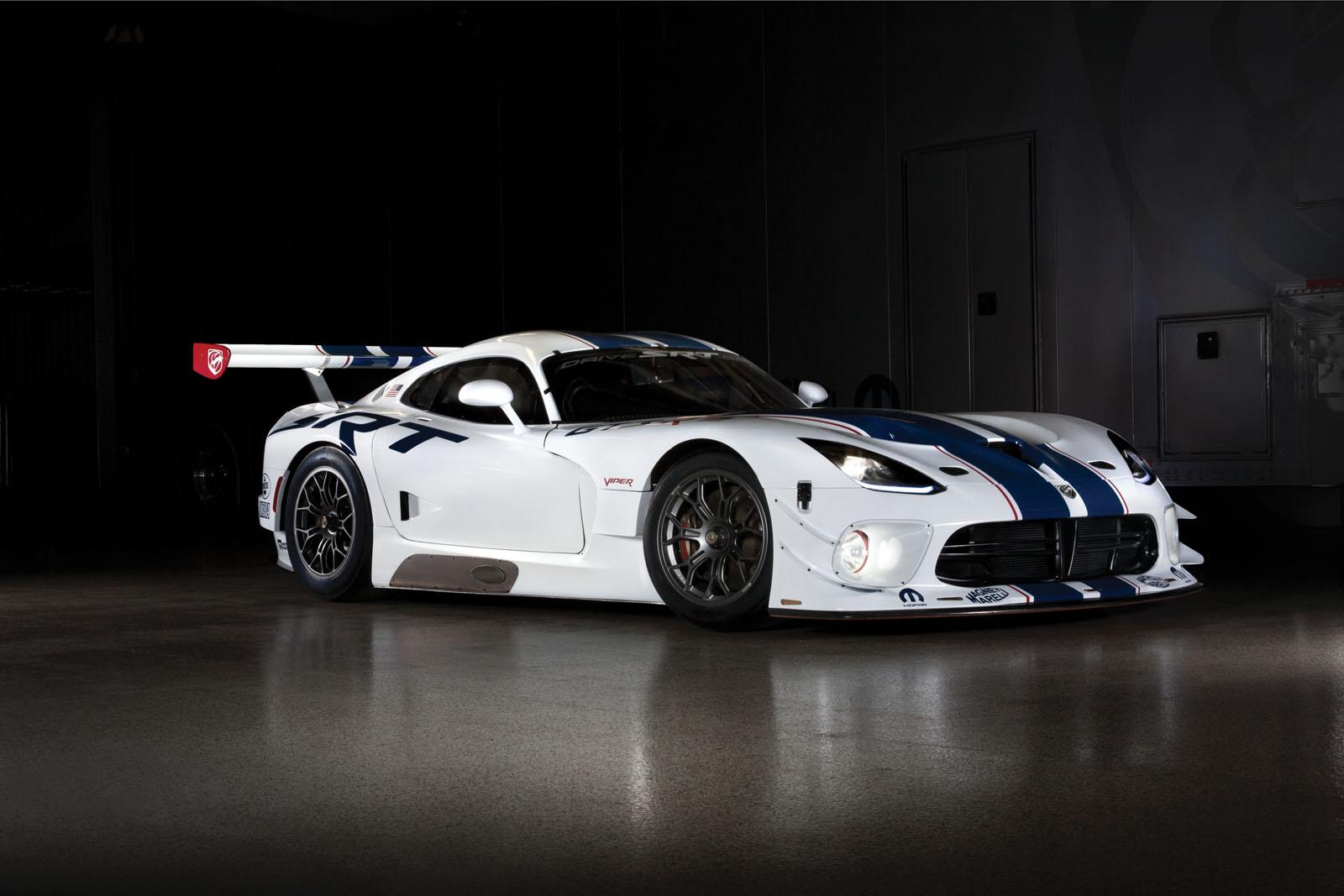
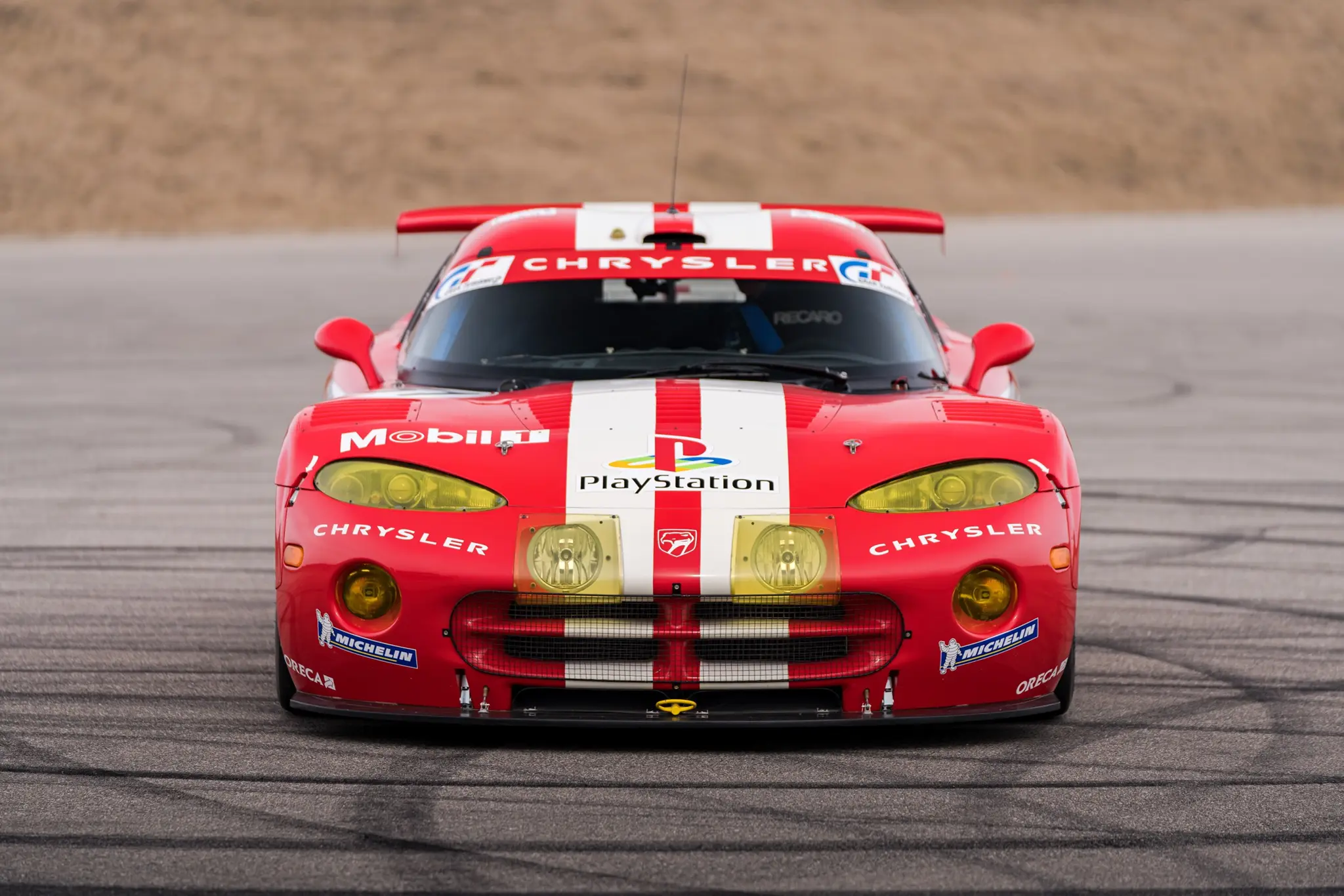
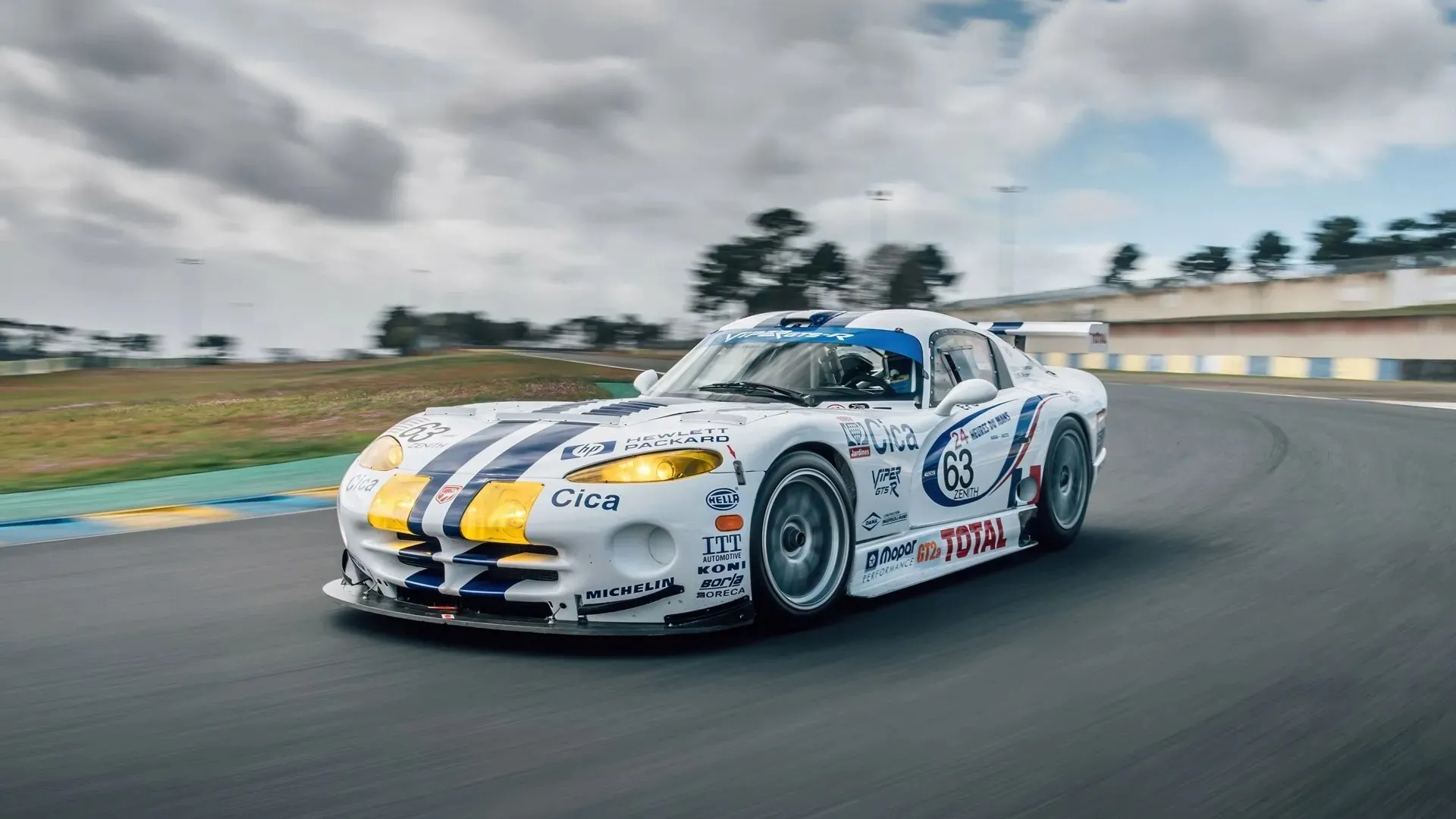
The impact of the Viper on the history of motorsport is nothing short of miraculous. When Chrysler approved the development of a racing program, few expected the “truck-engined” American brute to succeed on the technical circuits of Europe. Yet, under the stewardship of Oreca and with the blessing of engineer Neil Hannemann, the Viper GTS-R became the dominant force in GT racing of the late 90s. It didn’t just compete; it tyrannized the GTS class. The Viper GTS-R secured three consecutive class victories at the 24 Hours of Le Mans (1998, 1999, 2000), five FIA GT Championships, and arguably its greatest achievement: an overall victory at the 2000 Rolex 24 at Daytona. Watching a Viper GTS-R thunder down the Mulsanne Straight, its V10 drowning out the wail of the Porsches and Ferraris, was a defining image of the era. It forced the Europeans to respect American engineering, proving that displacement and reliability could triumph over complexity. On the street, the Viper’s success single-handedly rehabilitated the Dodge brand, injecting a dose of adrenaline that would eventually lead to the Hellcat era. It became a pop culture icon, starring in its own TV series and becoming the poster car for a generation of children who craved something more dangerous than a Testarossa.
However, the Viper’s legacy is tinged with melancholy. It was a car that refused to grow up in a world that demanded maturity. As safety regulations mandated side-curtain airbags (which the Viper’s low roofline struggled to accommodate) and emissions standards tightened, the big V10 became an endangered species. Production ended in 2017, marking the closure of the Conner Avenue Assembly Plant and the end of the analog supercar era. The Viper leaves behind a void that no electric hypercar can fill. It was the last of the Mohicans, a car that demanded physical exertion to drive fast, a machine that would bite you if you disrespected it, and reward you with a sensory overload if you tamed it. It sits in the panteheon of automobilia as the ultimate expression of American excess, a glorious, unrepeatable middle finger to the establishment that proved, once and for all, that there is no replacement for displacement.
Portal
Model line
Model generation
Predecessor
Sucessor
Brand
Produced from
Vehicle category
Portal
Model line
Model generation
Predecessor
Sucessor
About this model
To understand the Dodge Viper is to understand a specific moment in American automotive history where logic was violently defenestrated in favor of sheer, unadulterated emotion. In the greige landscape of the late 1980s, where the K-Car saved Chrysler but killed its soul, and where the sports car market was becoming increasingly digitized by the likes of the Porsche 959 and the looming Honda NSX, the Viper arrived not as a breath of fresh air, but as a punch in the throat. Conceived by Bob Lutz and Tom Gale as a modern interpretation of the Shelby Cobra, the Viper was a rolling rejection of refinement, traction control, and cup holders. It had no predecessor because there had been nothing quite like it since the 427 S/C Cobra of 1965, and in many ways, it had no direct rival. The Chevrolet Corvette ZR-1 was a technological marvel of overhead cams and adjustable suspension; the Viper was a sledgehammer in a room full of scalpels. It was an anachronism from the moment the concept stunned the crowd at the 1989 North American International Auto Show, a vehicle that prioritized torque over technology and visual aggression over aerodynamic subtlety.
The mechanical anatomy of the Viper was defined by a single, monolithic component: the engine. At a time when Ferrari was pursuing high-revving V8s and Porsche was perfecting the turbocharger, Dodge looked to its truck division, took a cast-iron V10 intended for the Ram pickup, and asked Lamborghini—then a subsidiary of Chrysler—to recast it in aluminium. The result was an 8.0-litre (488 cubic inch) monster that produced 400 horsepower and 465 lb-ft of torque in its initial SR I guise. This was not an engine that sang; it bellowed with a deep, industrial baritone, delivering a tidal wave of torque from idle that could tear the tarmac from the earth. This powerplant was mated to a BorgWarner T-56 six-speed manual transmission, sending power to the massive 335-section rear tires via a limited-slip differential. There was no ABS, no traction control, and no stability management. The chassis was a tubular steel backbone frame, rigid yet heavy, wrapped in resin transfer molding (RTM) composite body panels that formed one of the most provocative shapes in history. Tom Gale’s design was pure biological aggression—a long, phallic hood, a short rear deck, and side-exit exhausts that were notorious for searing the calves of anyone foolish enough to exit the car carelessly. The original RT/10 roadster had no exterior door handles, no real windows (just plastic side curtains), and a canvas toupee for a roof that was useless above 50 mph. It was crude, hot, and cramped, but it offered a purity of feedback that was rapidly vanishing from the world.
When the GTS coupe arrived in 1996, featuring the iconic “double bubble” roof to accommodate helmets, the Viper transformed from a caricature into a world-class GT car. The power bumped to 450 bhp, the suspension was revised, and the aerodynamics were smoothed, heavily influenced by Peter Brock’s Shelby Daytona Coupe. This evolution continued through the decades, with the displacement growing to 8.3 and eventually 8.4 liters in the final Gen V cars, culminating in the terrifyingly capable Viper ACR (American Club Racer). The ACR, with its massive adjustable wing and specialized Kumho tires, became a Nürburgring lap record slayer, proving that a front-engine, manual-transmission car could still humiliate the latest hybrids and dual-clutch exotics through mechanical grip and aerodynamic downforce alone.
The impact of the Viper on the history of motorsport is nothing short of miraculous. When Chrysler approved the development of a racing program, few expected the “truck-engined” American brute to succeed on the technical circuits of Europe. Yet, under the stewardship of Oreca and with the blessing of engineer Neil Hannemann, the Viper GTS-R became the dominant force in GT racing of the late 90s. It didn’t just compete; it tyrannized the GTS class. The Viper GTS-R secured three consecutive class victories at the 24 Hours of Le Mans (1998, 1999, 2000), five FIA GT Championships, and arguably its greatest achievement: an overall victory at the 2000 Rolex 24 at Daytona. Watching a Viper GTS-R thunder down the Mulsanne Straight, its V10 drowning out the wail of the Porsches and Ferraris, was a defining image of the era. It forced the Europeans to respect American engineering, proving that displacement and reliability could triumph over complexity. On the street, the Viper’s success single-handedly rehabilitated the Dodge brand, injecting a dose of adrenaline that would eventually lead to the Hellcat era. It became a pop culture icon, starring in its own TV series and becoming the poster car for a generation of children who craved something more dangerous than a Testarossa.
However, the Viper’s legacy is tinged with melancholy. It was a car that refused to grow up in a world that demanded maturity. As safety regulations mandated side-curtain airbags (which the Viper’s low roofline struggled to accommodate) and emissions standards tightened, the big V10 became an endangered species. Production ended in 2017, marking the closure of the Conner Avenue Assembly Plant and the end of the analog supercar era. The Viper leaves behind a void that no electric hypercar can fill. It was the last of the Mohicans, a car that demanded physical exertion to drive fast, a machine that would bite you if you disrespected it, and reward you with a sensory overload if you tamed it. It sits in the panteheon of automobilia as the ultimate expression of American excess, a glorious, unrepeatable middle finger to the establishment that proved, once and for all, that there is no replacement for displacement.
Generations
Generations of this Model Line

Submodels