

Ford Capri
Brand
Produced from
Vehicle category
Portal
Model line
Model generation
Predecessor
Sucessor
About this model
The story of the Ford Capri is the story of a transatlantic translation, a brilliant piece of marketing alchemy that took the raw, unbridled optimism of the American dream and distilled it into a package palatable for the winding B-roads of Britain and the autobahns of Germany. If the Ford Mustang was the soundtrack to the baby boomer revolution in the United States, the Ford Capri was the anthem for the European working class who dared to dream of something more than a grey saloon. Launched in 1969 with the immortal tagline, “The car you always promised yourself,” the Capri was not merely a vehicle; it was an event. It arrived in a landscape populated by the stodgy practicality of the Morris Marina and the antiquated charm of the MGB GT. Its mission was to democratize the grand tourer, to offer the dashing looks of a Maserati for the price of a Cortina. In doing so, it created a segment, defined a generation, and sparked a fierce rivalry with the Opel Manta that would rage from the traffic lights of Essex to the touring car circuits of the Continent.
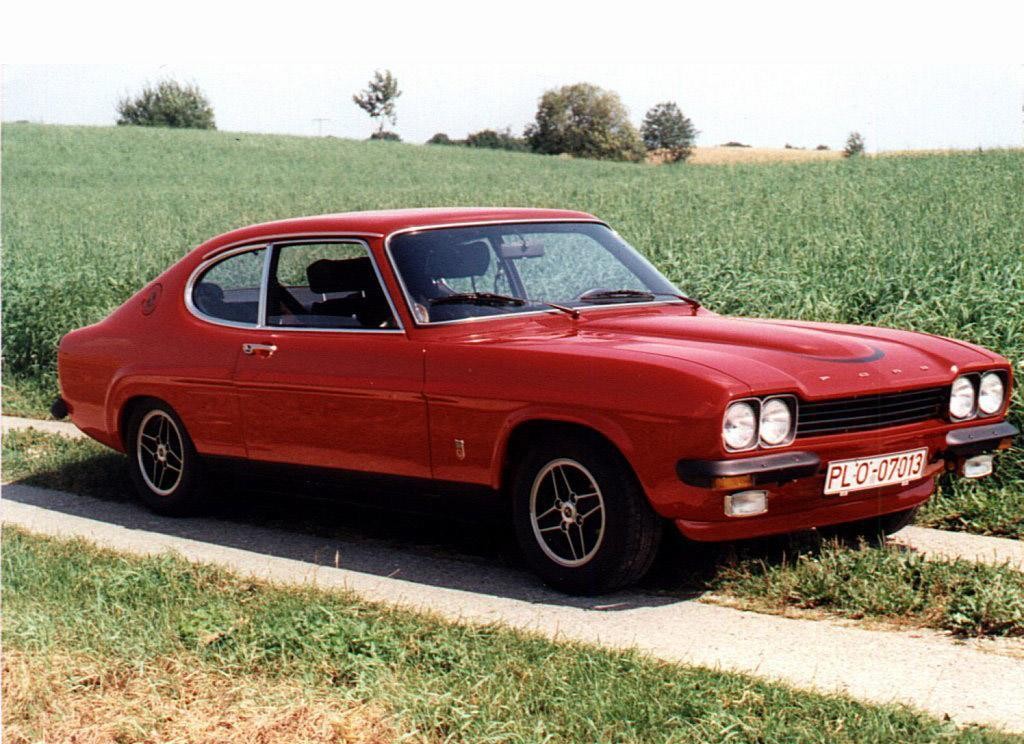
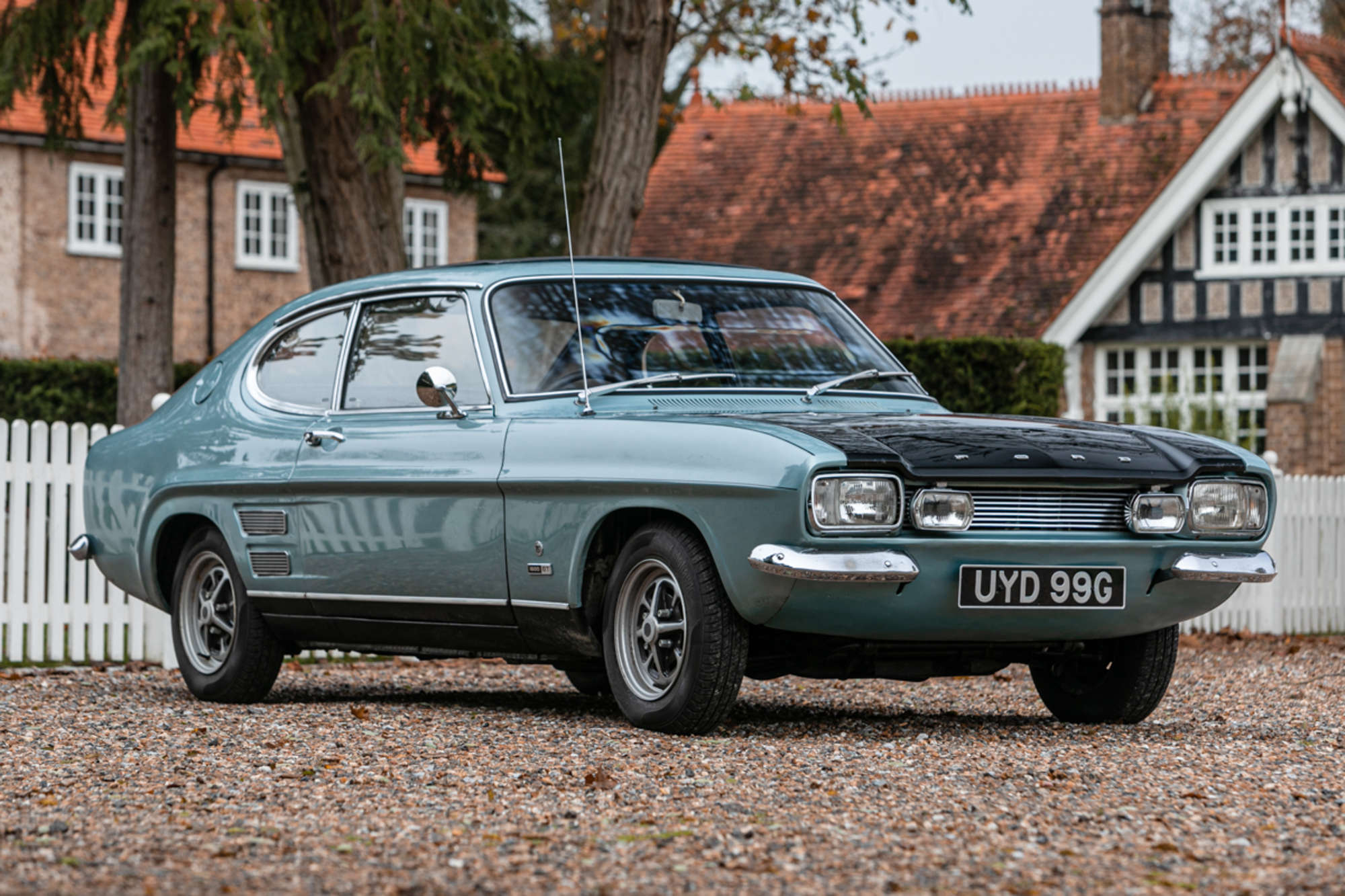
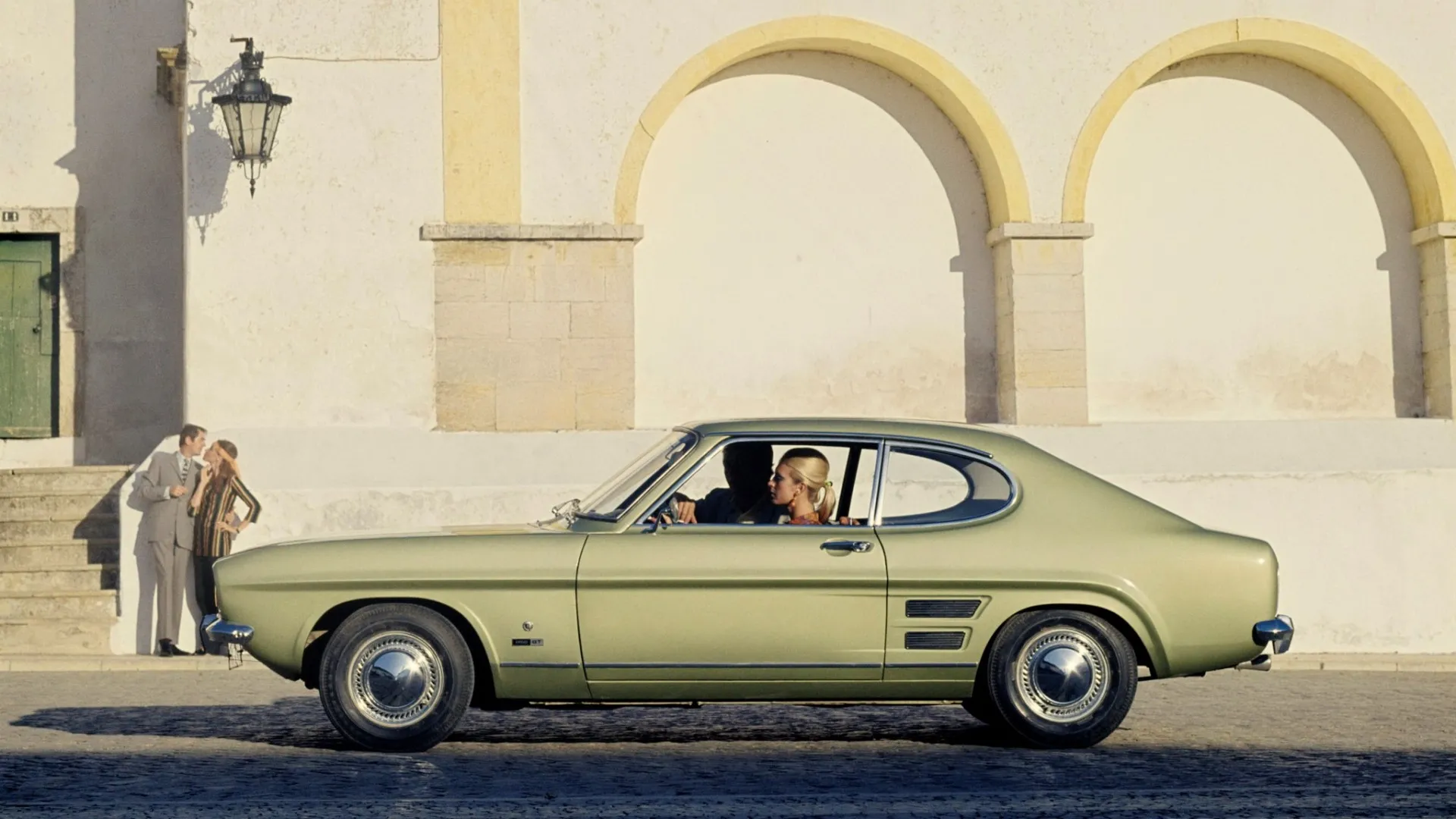
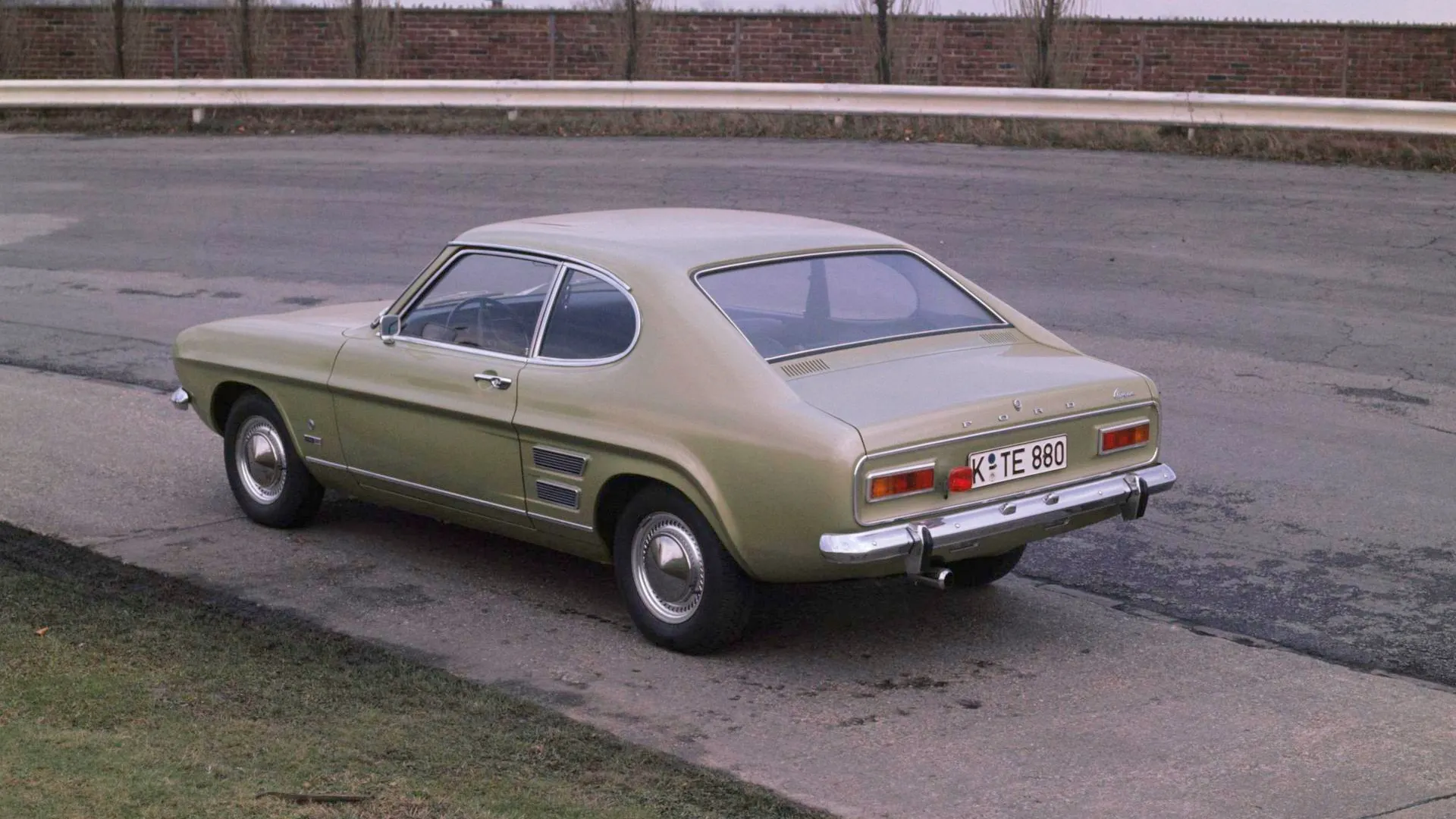
To understand the Capri’s technical ethos, one must appreciate the genius of Ford’s parts-bin engineering. Much like the Mustang relied on the humble Falcon, the Capri Mk1 was built upon the mechanical bones of the Ford Cortina. This was not a criticism, but a necessity to keep the price attainable. The genius lay in the styling. Penned by American designer Philip T. Clark (who also had a hand in the Mustang) and refined by Uwe Bahnsen, the Capri featured the classic long-hood, short-deck proportions that scream “performance” even when standing still. The “hockey stick” crease along the flank of the Mk1 added a dynamic tension, while the faux air vents and roguish fastback profile promised speed that the entry-level engines couldn’t always deliver.
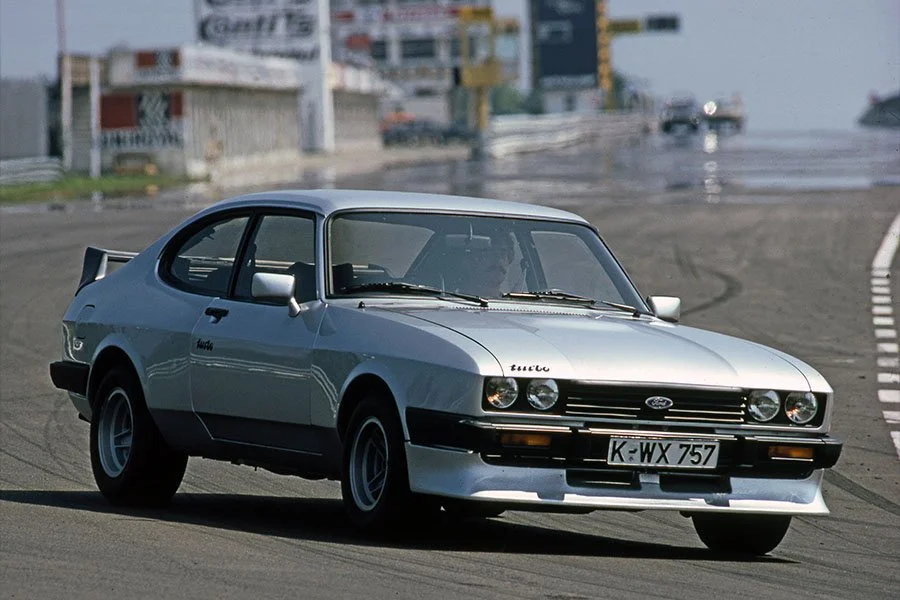
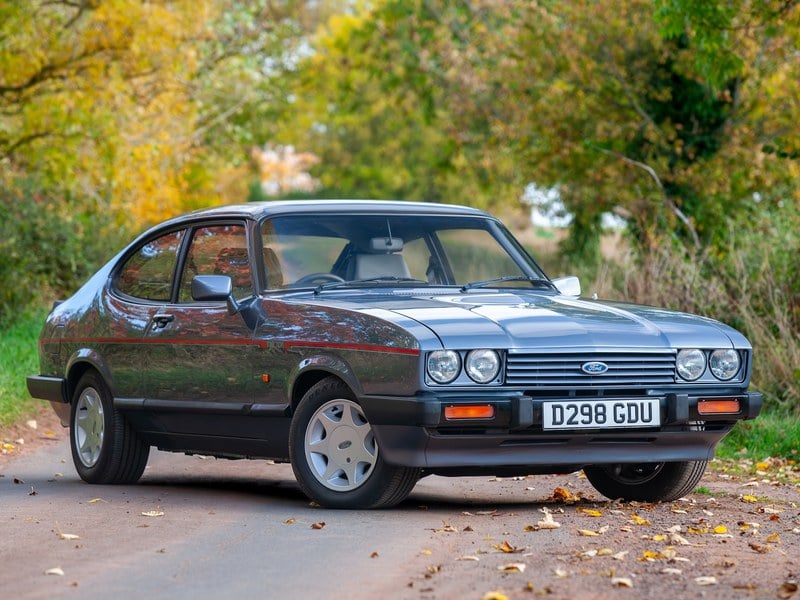
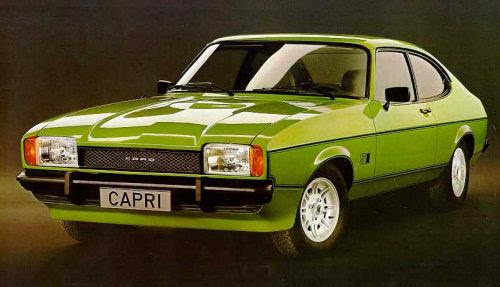
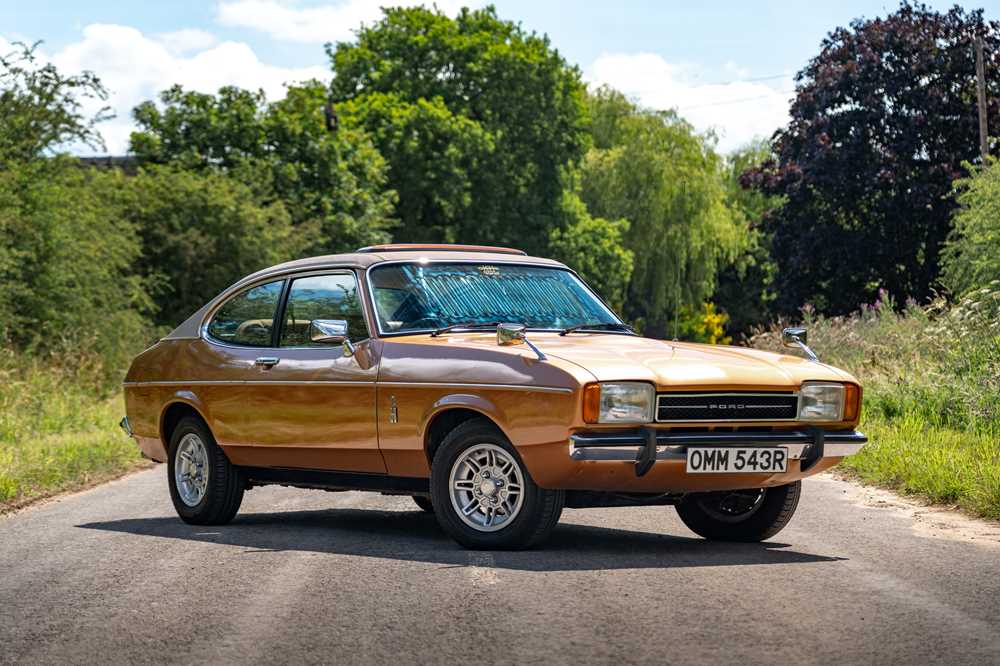
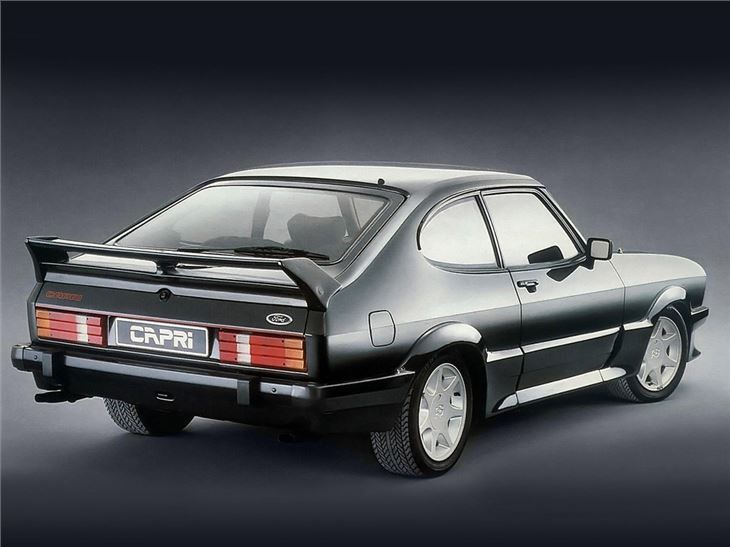
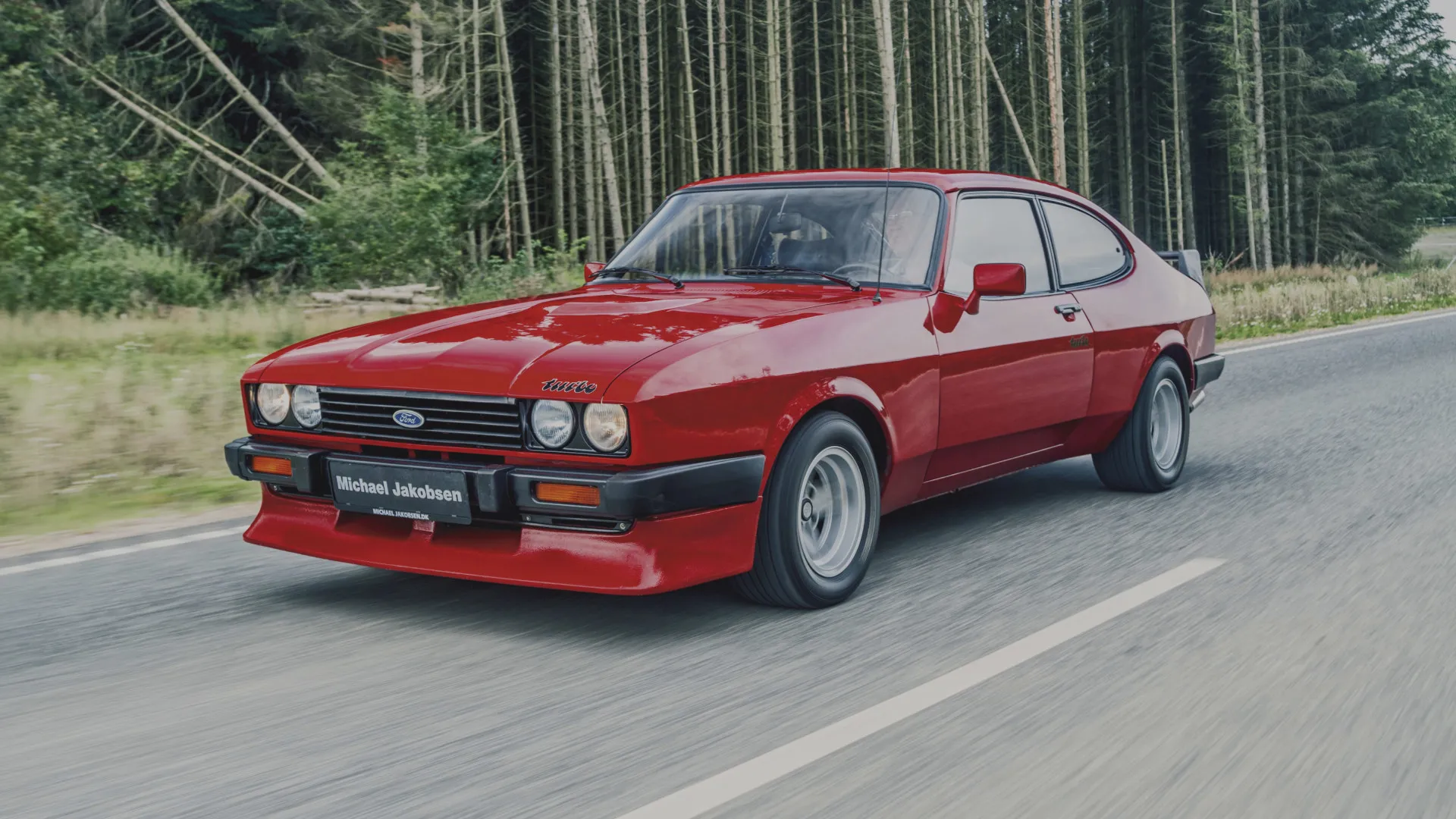
Mechanically, the Capri was a chameleon. It was a “model line” in the truest sense, spanning a spectrum from the anemic 1.3-litre Kent four-cylinder—barely capable of pulling the skin off a rice pudding—to the thundering 3.0-litre Essex V6 and, later, the sophisticated 2.8-litre Cologne V6. The suspension was rudimentary, utilizing MacPherson struts at the front and a live axle suspended by leaf springs at the rear. It was a setup that prioritized durability and cost over sophistication, resulting in a ride that could be jittery on rough surfaces and handling that was famously “tail-happy” in the wet. Yet, this simplicity was part of the charm. The Capri communicated with the driver; it required correction, engagement, and a bit of bravery when the V6 torque overcame the rear tires. As the model evolved into the hatchback Mk2 of 1974 and the aggressively quad-headlamped Mk3 of 1978, the chassis was refined with gas dampers and anti-roll bars, culminating in the 2.8 Injection Special, a car that finally possessed the poise to match its pose.
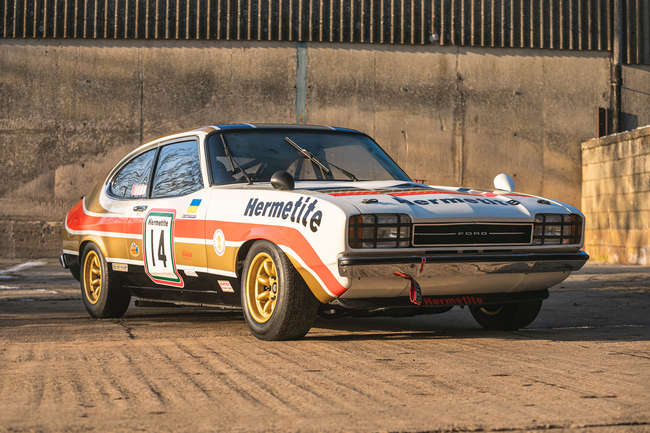
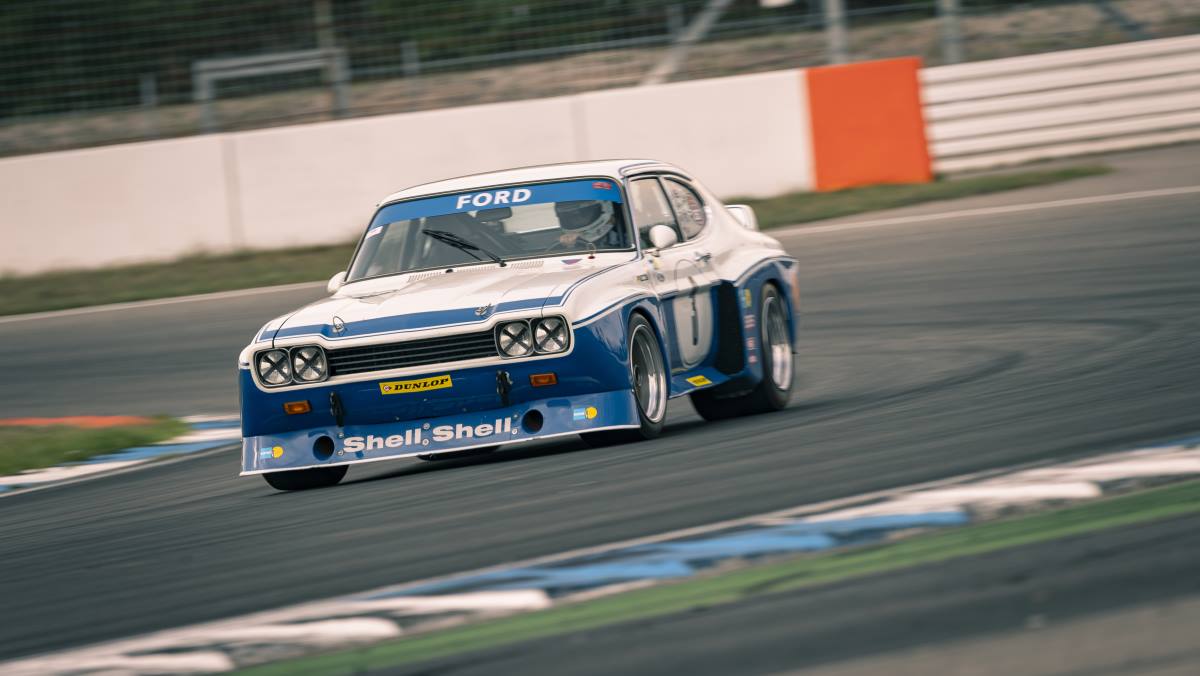
However, to dismiss the Capri as a mere styling exercise is to ignore its thunderous pedigree on the race track. While the street cars were earning a reputation as the chariot of choice for the “boy racer,” the Ford Works team in Cologne was turning the Capri into one of the most successful touring cars in history. The rivalry between the Ford Capri RS2600 and the BMW 3.0 CSL in the European Touring Car Championship (ETCC) of the early 1970s is the stuff of legend. Dieter Glemser and Jochen Mass wrestled these flared-arch beasts, powered by Weslake-tuned, fuel-injected V6 engines, to championship victories in 1971 and 1972. These “homologation specials”—the RS2600 and the later “ducktail” RS3100—were the halo cars that validated every 1.6-litre L model sold on the showroom floor.
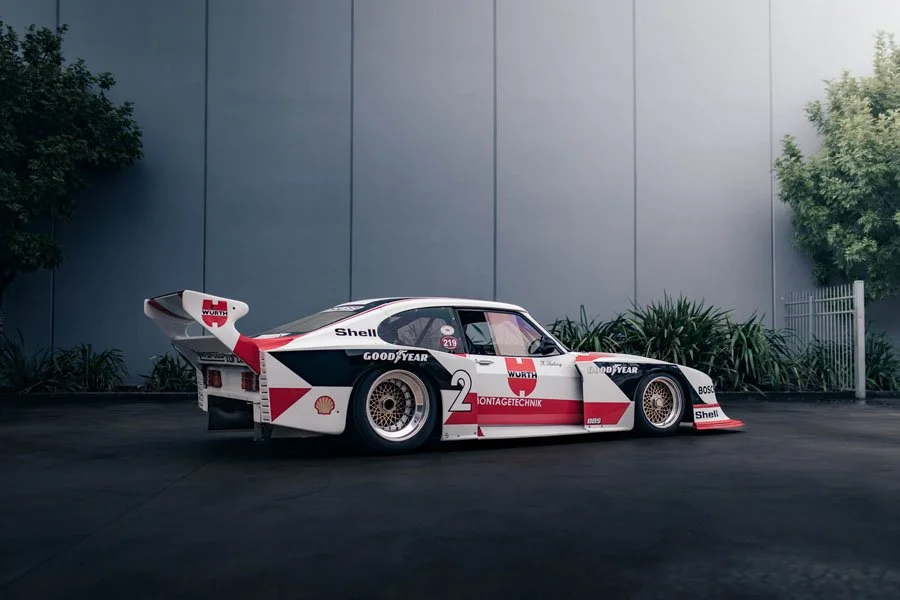
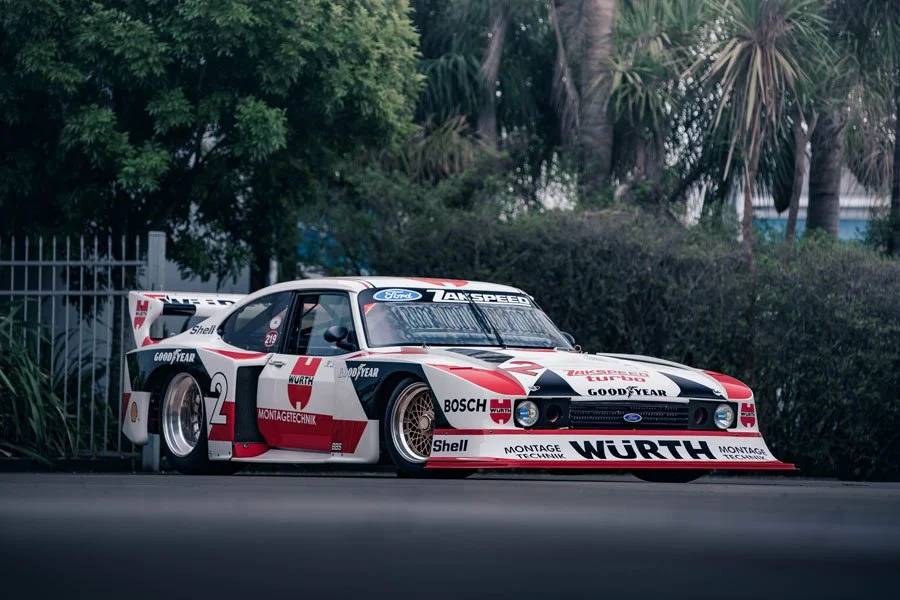
But the apotheosis of the racing Capri came in the late 70s and early 80s with the Zakspeed Group 5 monsters in the Deutsche Rennsport Meisterschaft (DRM). These cars, resembling the road model only in the roofline, were wide-bodied, turbocharged terrors producing upwards of 500 horsepower from tiny 1.4 or 1.7-litre engines. With Klaus Ludwig behind the wheel, the Zakspeed Capri became a fire-breathing symbol of the silhouette racing era, cementing the car’s image as a giant-killer. Even in rallying, before the Escort RS took over completely, the Capri saw action on the loose surfaces of the Safari Rally, proving the durability of its simple mechanicals.
On the street, the Capri’s impact was cultural as much as it was automotive. It sold nearly 1.9 million units over its lifespan, a staggering number for a coupe. It bridged social divides; a Capri looked just as at home parked outside a factory in Dagenham as it did outside a squash club in Kensington. It became a television icon, most notably in the gritty British police drama The Sweeney, where a silver Mk2 3.0 S and later a gold Mk3 were piloted by Bodie and Doyle, drifting around corners and smashing through cardboard boxes, solidifying the car’s rugged, masculine image. In South Africa, the legendary Basil Green stuffed the 302 cubic-inch Windsor V8 into the Mk1 chassis to create the Capri Perana, a car that finally gave the Capri the muscle to match the Mustang, terrorizing the local racetracks and becoming a Holy Grail for collectors today.
By the mid-1980s, the automotive landscape was shifting again. The hot hatch revolution, led by the VW Golf GTI and Ford’s own Escort XR3i, was making the rear-wheel-drive coupe look archaic. The Capri, with its leaf springs and thirst for fuel, was becoming a dinosaur. Ford bid farewell with the Capri 280 “Brooklands,” a limited run of British Racing Green beauties that marked the end of the line in 1986. There was no direct successor. The Ford Probe that followed was a front-wheel-drive Mazda in disguise, lacking the visceral, hooligan soul of the Capri.
The legacy of the Ford Capri is one of democratization. It brought the concept of the “personal car” to the European masses. It proved that a car didn’t need to be technically advanced to be emotionally resonant. Today, the Capri has shed its “banger” reputation and ascended to classic status. The sound of an Essex V6 idling through twin exhausts, the sight of that long bonnet stretching out ahead, and the feeling of the rear axle skipping over a mid-corner bump evoke a specific era of motoring—a time of unassisted steering, hairy chests, and the pure, uncomplicated joy of driving. It remains, quite simply, the car Europe always promised itself, and for seventeen glorious years, Ford delivered.
Portal
Model line
Model generation
Predecessor
Sucessor
Brand
Produced from
Vehicle category
Portal
Model line
Model generation
Predecessor
Sucessor
About this model
The story of the Ford Capri is the story of a transatlantic translation, a brilliant piece of marketing alchemy that took the raw, unbridled optimism of the American dream and distilled it into a package palatable for the winding B-roads of Britain and the autobahns of Germany. If the Ford Mustang was the soundtrack to the baby boomer revolution in the United States, the Ford Capri was the anthem for the European working class who dared to dream of something more than a grey saloon. Launched in 1969 with the immortal tagline, “The car you always promised yourself,” the Capri was not merely a vehicle; it was an event. It arrived in a landscape populated by the stodgy practicality of the Morris Marina and the antiquated charm of the MGB GT. Its mission was to democratize the grand tourer, to offer the dashing looks of a Maserati for the price of a Cortina. In doing so, it created a segment, defined a generation, and sparked a fierce rivalry with the Opel Manta that would rage from the traffic lights of Essex to the touring car circuits of the Continent.
To understand the Capri’s technical ethos, one must appreciate the genius of Ford’s parts-bin engineering. Much like the Mustang relied on the humble Falcon, the Capri Mk1 was built upon the mechanical bones of the Ford Cortina. This was not a criticism, but a necessity to keep the price attainable. The genius lay in the styling. Penned by American designer Philip T. Clark (who also had a hand in the Mustang) and refined by Uwe Bahnsen, the Capri featured the classic long-hood, short-deck proportions that scream “performance” even when standing still. The “hockey stick” crease along the flank of the Mk1 added a dynamic tension, while the faux air vents and roguish fastback profile promised speed that the entry-level engines couldn’t always deliver.
Mechanically, the Capri was a chameleon. It was a “model line” in the truest sense, spanning a spectrum from the anemic 1.3-litre Kent four-cylinder—barely capable of pulling the skin off a rice pudding—to the thundering 3.0-litre Essex V6 and, later, the sophisticated 2.8-litre Cologne V6. The suspension was rudimentary, utilizing MacPherson struts at the front and a live axle suspended by leaf springs at the rear. It was a setup that prioritized durability and cost over sophistication, resulting in a ride that could be jittery on rough surfaces and handling that was famously “tail-happy” in the wet. Yet, this simplicity was part of the charm. The Capri communicated with the driver; it required correction, engagement, and a bit of bravery when the V6 torque overcame the rear tires. As the model evolved into the hatchback Mk2 of 1974 and the aggressively quad-headlamped Mk3 of 1978, the chassis was refined with gas dampers and anti-roll bars, culminating in the 2.8 Injection Special, a car that finally possessed the poise to match its pose.
However, to dismiss the Capri as a mere styling exercise is to ignore its thunderous pedigree on the race track. While the street cars were earning a reputation as the chariot of choice for the “boy racer,” the Ford Works team in Cologne was turning the Capri into one of the most successful touring cars in history. The rivalry between the Ford Capri RS2600 and the BMW 3.0 CSL in the European Touring Car Championship (ETCC) of the early 1970s is the stuff of legend. Dieter Glemser and Jochen Mass wrestled these flared-arch beasts, powered by Weslake-tuned, fuel-injected V6 engines, to championship victories in 1971 and 1972. These “homologation specials”—the RS2600 and the later “ducktail” RS3100—were the halo cars that validated every 1.6-litre L model sold on the showroom floor.
But the apotheosis of the racing Capri came in the late 70s and early 80s with the Zakspeed Group 5 monsters in the Deutsche Rennsport Meisterschaft (DRM). These cars, resembling the road model only in the roofline, were wide-bodied, turbocharged terrors producing upwards of 500 horsepower from tiny 1.4 or 1.7-litre engines. With Klaus Ludwig behind the wheel, the Zakspeed Capri became a fire-breathing symbol of the silhouette racing era, cementing the car’s image as a giant-killer. Even in rallying, before the Escort RS took over completely, the Capri saw action on the loose surfaces of the Safari Rally, proving the durability of its simple mechanicals.
On the street, the Capri’s impact was cultural as much as it was automotive. It sold nearly 1.9 million units over its lifespan, a staggering number for a coupe. It bridged social divides; a Capri looked just as at home parked outside a factory in Dagenham as it did outside a squash club in Kensington. It became a television icon, most notably in the gritty British police drama The Sweeney, where a silver Mk2 3.0 S and later a gold Mk3 were piloted by Bodie and Doyle, drifting around corners and smashing through cardboard boxes, solidifying the car’s rugged, masculine image. In South Africa, the legendary Basil Green stuffed the 302 cubic-inch Windsor V8 into the Mk1 chassis to create the Capri Perana, a car that finally gave the Capri the muscle to match the Mustang, terrorizing the local racetracks and becoming a Holy Grail for collectors today.
By the mid-1980s, the automotive landscape was shifting again. The hot hatch revolution, led by the VW Golf GTI and Ford’s own Escort XR3i, was making the rear-wheel-drive coupe look archaic. The Capri, with its leaf springs and thirst for fuel, was becoming a dinosaur. Ford bid farewell with the Capri 280 “Brooklands,” a limited run of British Racing Green beauties that marked the end of the line in 1986. There was no direct successor. The Ford Probe that followed was a front-wheel-drive Mazda in disguise, lacking the visceral, hooligan soul of the Capri.
The legacy of the Ford Capri is one of democratization. It brought the concept of the “personal car” to the European masses. It proved that a car didn’t need to be technically advanced to be emotionally resonant. Today, the Capri has shed its “banger” reputation and ascended to classic status. The sound of an Essex V6 idling through twin exhausts, the sight of that long bonnet stretching out ahead, and the feeling of the rear axle skipping over a mid-corner bump evoke a specific era of motoring—a time of unassisted steering, hairy chests, and the pure, uncomplicated joy of driving. It remains, quite simply, the car Europe always promised itself, and for seventeen glorious years, Ford delivered.
Generations
Generations of this Model Line

Submodels