Ford Escort RS Zakspeed Group 2
Brand
Produced from
Portal
Vehicle category
Model line
Model generation
Predecessor
Successor
Submodel Overview
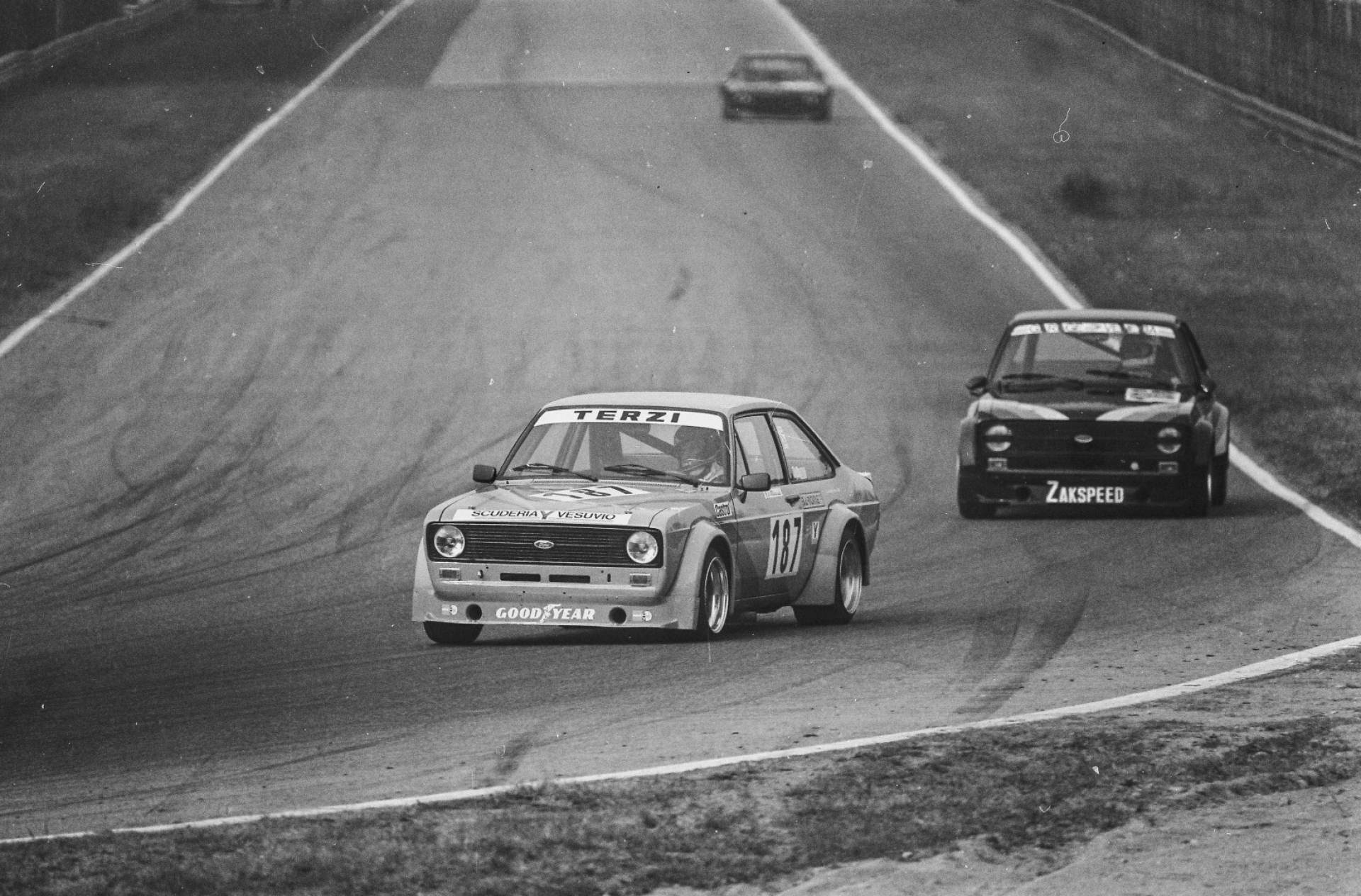
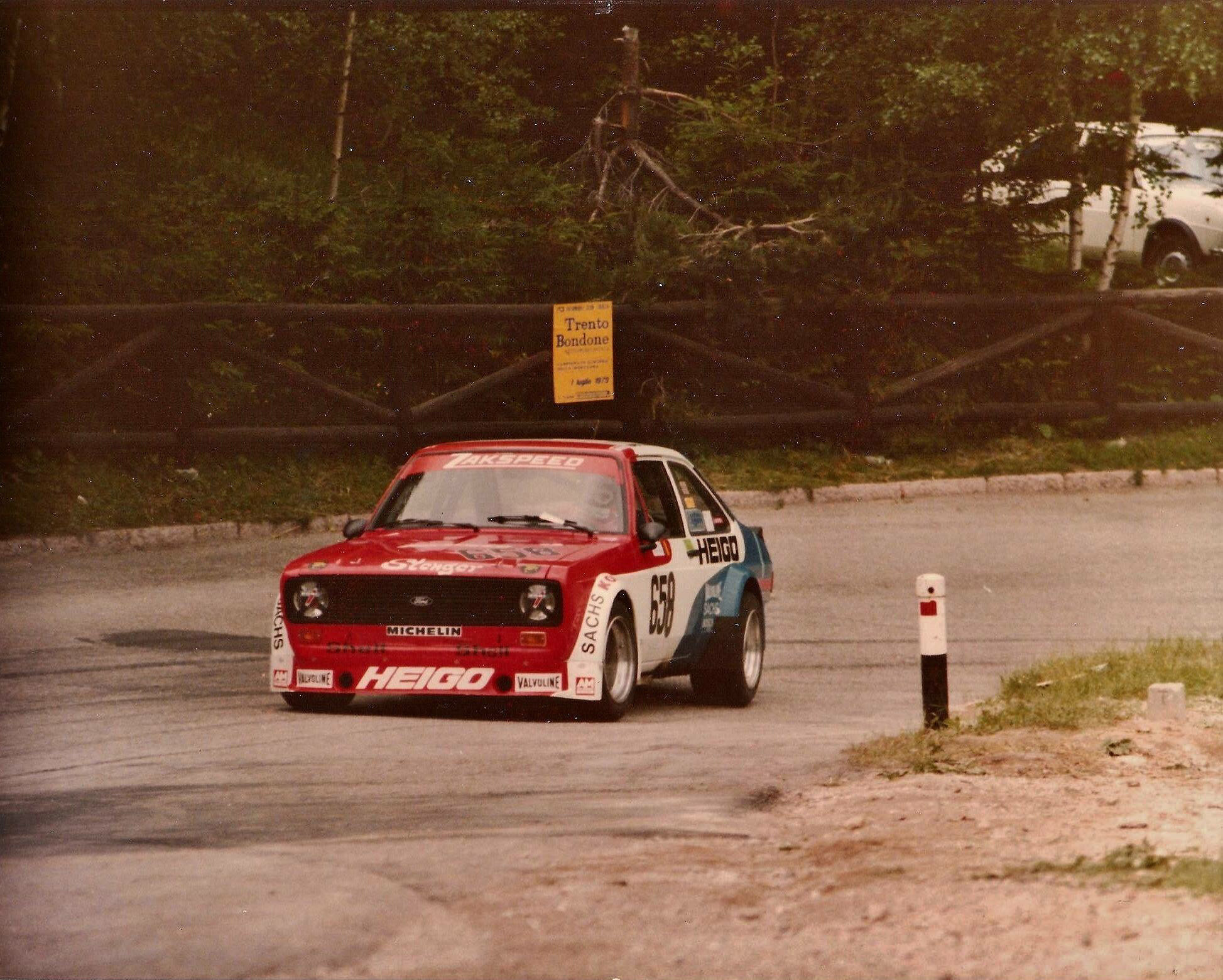
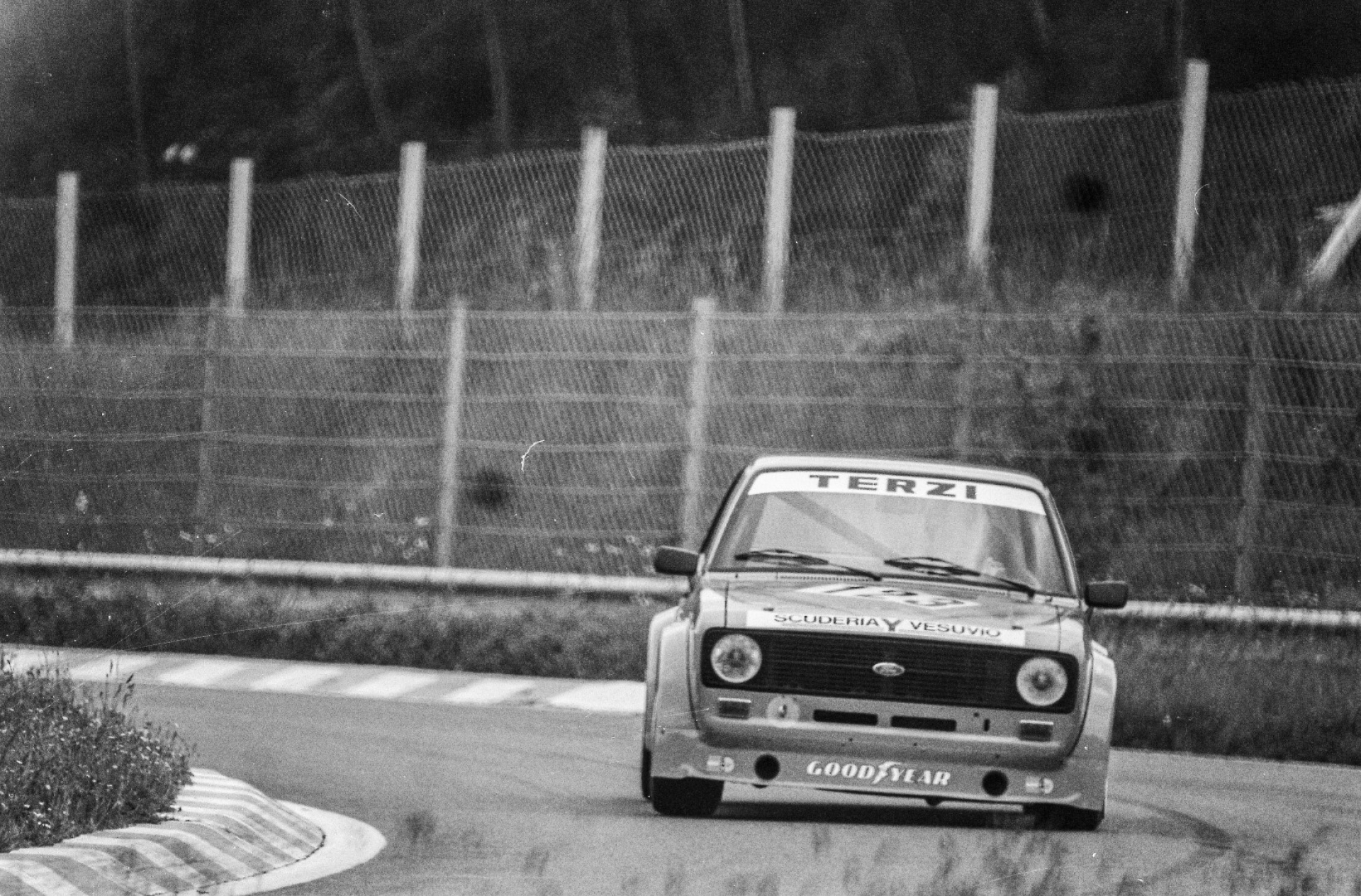
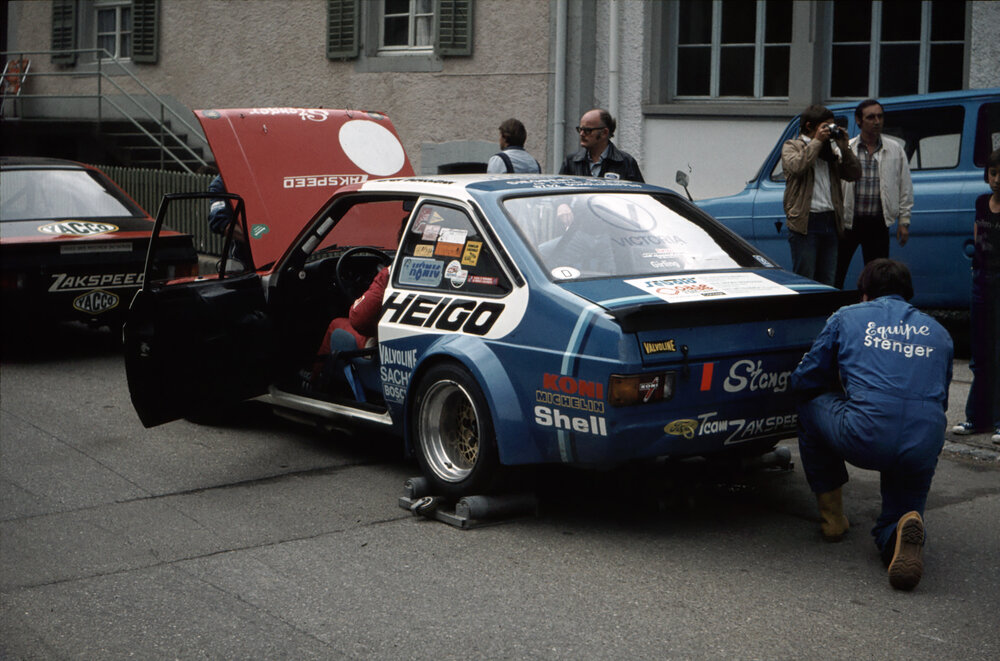
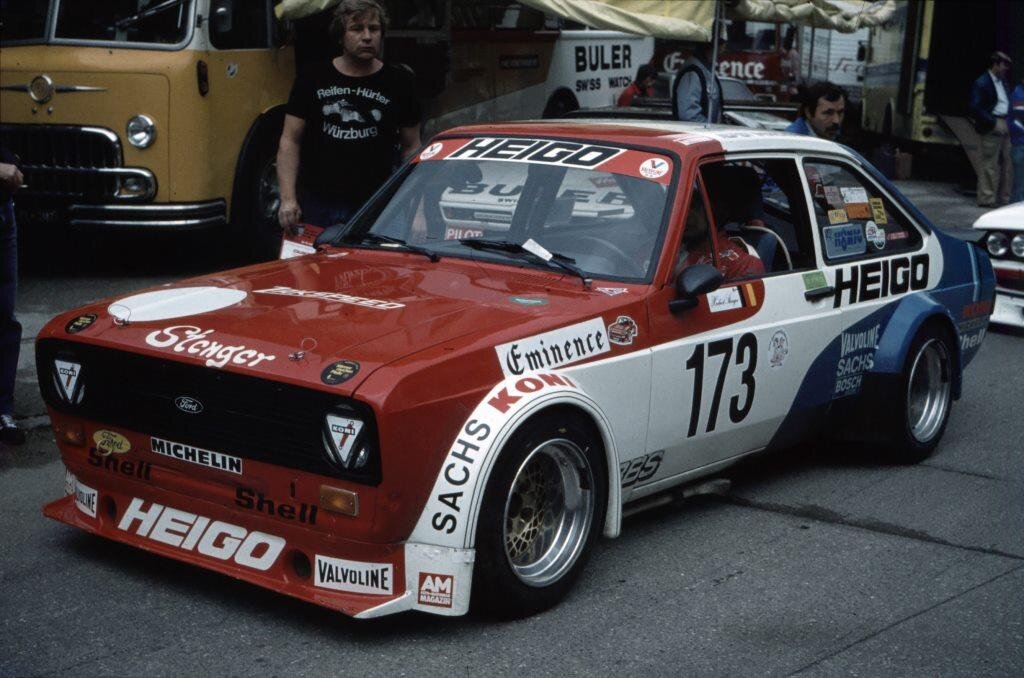
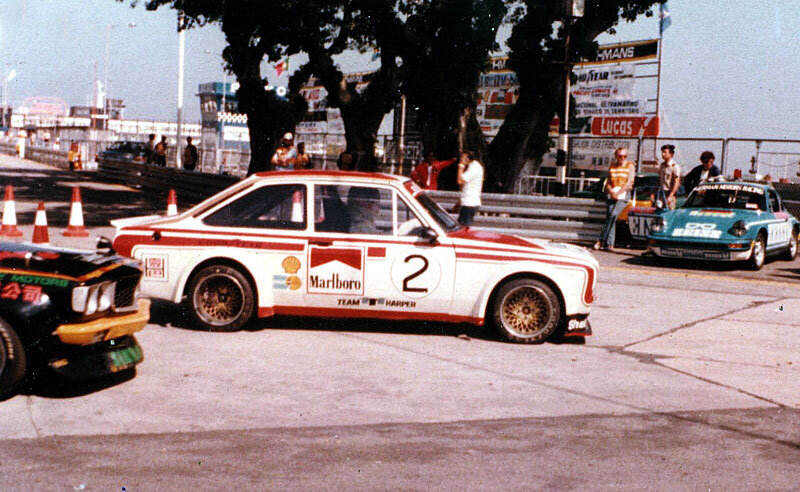
While the Ford Escort made its global reputation going sideways through the forests of Wales and Finland, a parallel and equally violent narrative was being written on the smooth, high-speed tarmac of Germany. By 1977, the Deutsche Rennsport Meisterschaft (DRM) had established itself as the premier touring car series in Europe, a gladiatorial arena where manufacturers fought for showroom supremacy with checkbooks and turbochargers. In this theatre of war, the Ford Escort was not the rugged rally car of Roger Clark; it was a tarmac-hugging, slick-shod assassin prepared by the legendary Erich Zakowski. The 1977 Ford Escort RS Zakspeed Group 2 was the crystallization of Ford Germany’s refusal to yield to BMW. Born in the shadow of the Nürburgring at Zakspeed’s Niederzissen workshops, this machine was the bridge between the naturally aspirated past and the turbocharged future, a box-arched brawler designed to hunt down the BMW 320s in the ferocious Division 2 category.
To transform the Mk2 Escort—a car aerodynamically comparable to a brick outhouse—into a circuit racer capable of 160 mph, Zakspeed had to apply engineering brute force. The heart of the Group 2 beast was the Cosworth BDG, a 2.0-litre evolution of the legendary BDA. Unlike the rally engines tuned for torque and flexibility, the Zakspeed track motors were tuned for stratospheric revolutions. Fitted with Kugelfischer mechanical fuel injection and dry-sump lubrication, these alloy-block screamers produced upwards of 280 bhp at a relentless 9,000 rpm. The sound was a piercing, metallic shriek, distinctly different from the guttural roar of the rally cars. This engine was mated to a ZF five-speed gearbox, sending power to a fully floating Atlas rear axle. Crucially, because Group 2 regulations allowed for extensive suspension modification, the rear leaf springs were often discarded in favor of a coil-over setup with four-link location and a Watts linkage, eliminating the axle tramp that plagued the road cars and allowing the Escort to attack the curbs of the Norisring with precision.
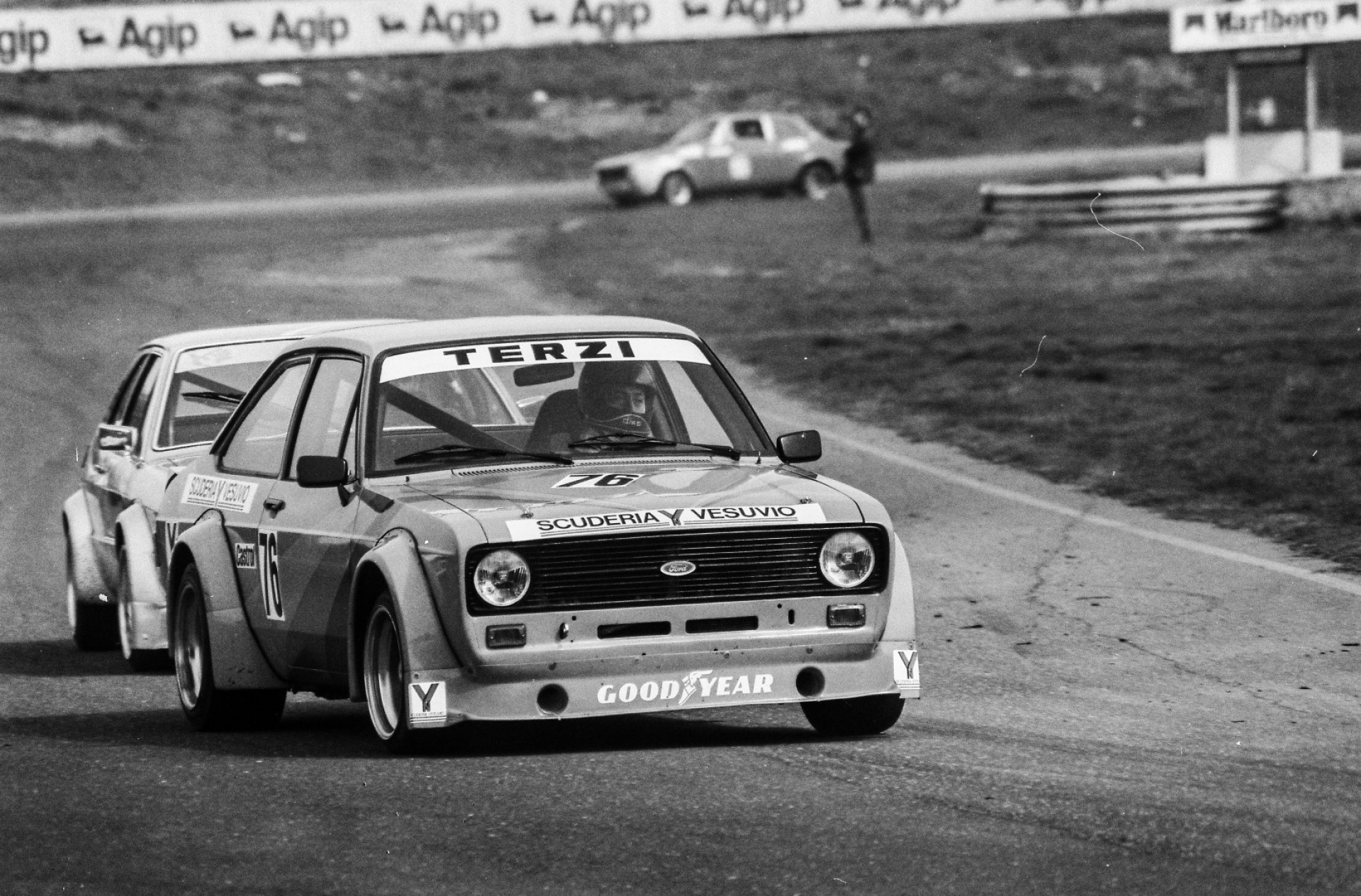
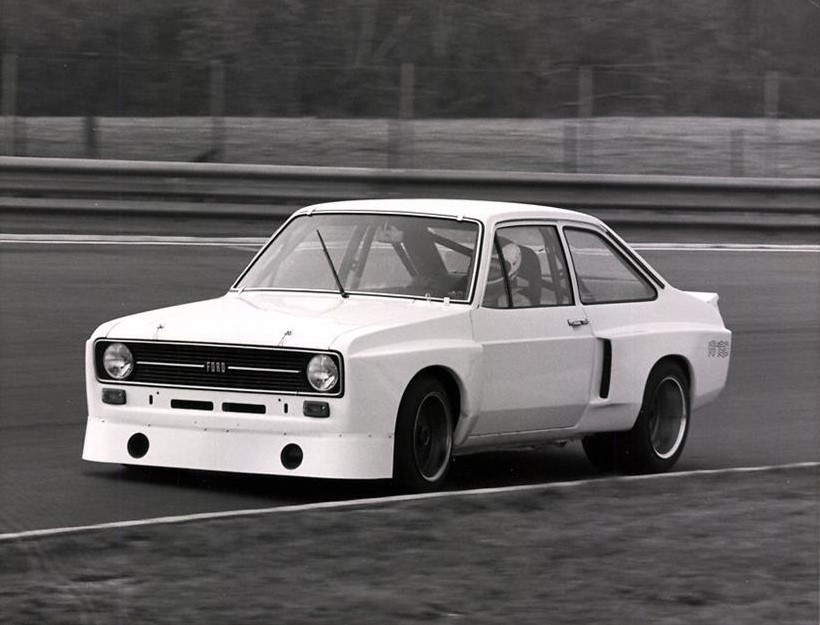
Visually, the 1977 Zakspeed Escort was a study in functional aggression. Gone were the rounded “bubble arches” of the rally cars; in their place were square, boxy fiberglass fender flares that covered massive 13-inch (and later larger) BBS magnesium wheels. These wheels were shod with tires so wide they looked like Formula 1 rubber. A deep front air dam scraped the asphalt to limit lift, while a modest boot spoiler attempted to keep the light rear end planted. The most iconic aspect, however, was the livery. Draped in the black, red, and white colors of Castrol or the striped livery of Mampe, the Zakspeed Escort looked menacing even when stationary. The interior was gutted, leaving only a single bucket seat, a roll cage that added essential torsional rigidity to the two-door shell, and a dashboard stripped of everything but the tachometer and vital gauges.
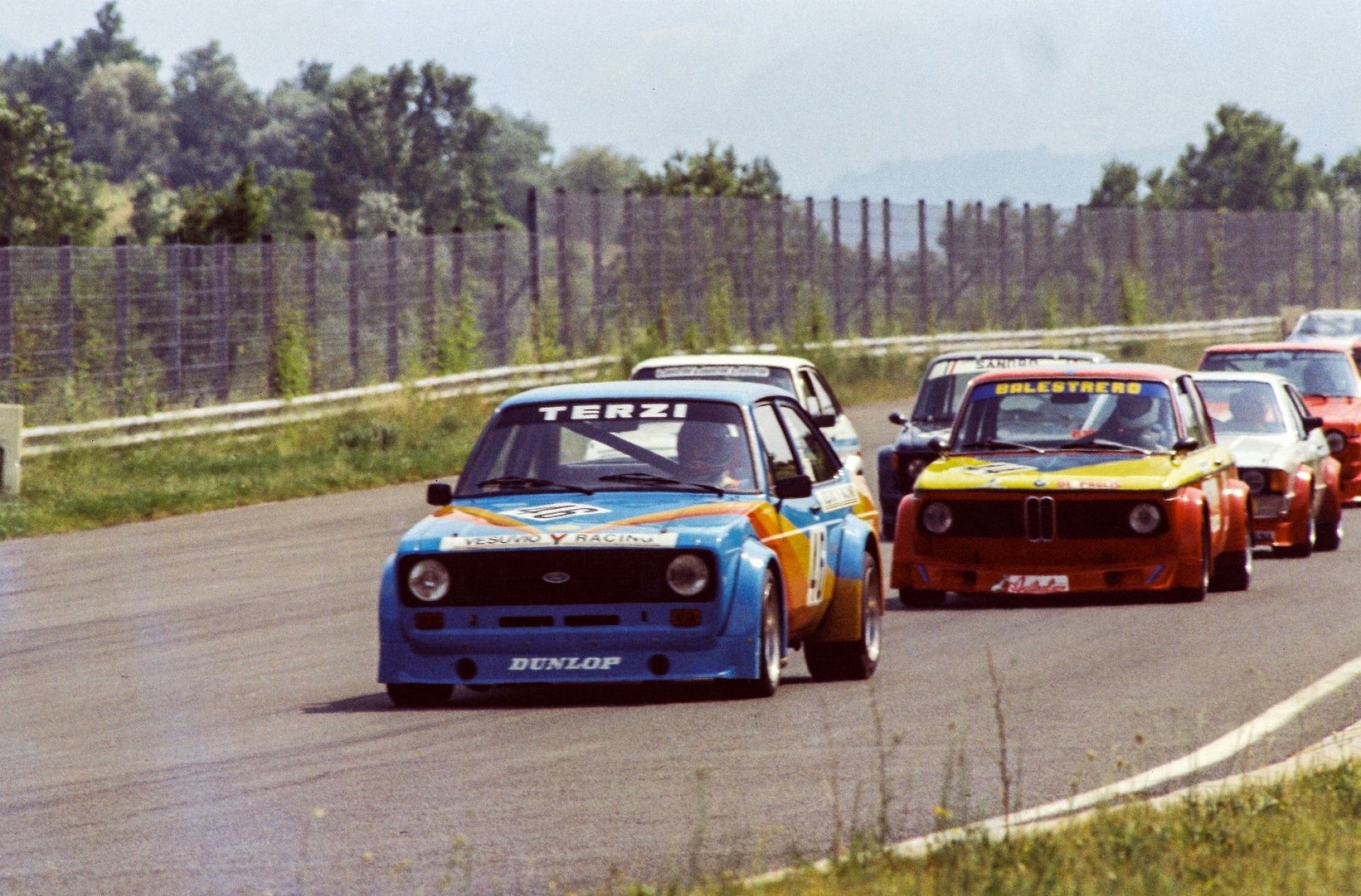
The competitive landscape of 1977 was brutal. The DRM was split into two divisions based on engine displacement, and the Escort RS fought in Division 2 (under 2.0 litres). Its primary antagonist was the BMW 320 (E21), a newer, more sophisticated car campaigned by the BMW Junior Team. Yet, the Zakspeed Escort, often driven by the moustachioed virtuoso Hans Heyer and the tenacious Armin Hahne, gave no quarter. The Escort’s advantage lay in its weight—tipping the scales at just under 800 kg—and its nimble handling. While the BMWs were aerodynamically superior, the Escort could brake later and rotate faster in the technical sections. The 1977 season was a relentless dogfight, with the Zakspeed Escorts trading paint and wins with the Munich machinery. Although the overall championship often favored the Division 1 Porsches, the battle for 2.0-litre supremacy was the main attraction for the German fans, who packed the grandstands to watch the Ford vs. BMW tribal warfare.
The legacy of the 1977 Ford Escort RS Zakspeed Group 2 extends far beyond its trophy cabinet. It was the incubator for the technology that would define the next era of motorsport. It was on this chassis that Zakspeed began experimenting with turbocharging the Cosworth engine, a development that would eventually lead to the terrifying Group 5 “Silhouette” Capri Turbo. The Group 2 Escort proved that the “breadvan” silhouette could be competitive on the fastest circuits in Europe, dispelling the myth that the Escort was solely a rally car. Today, these box-arched racers are revered as the ultimate expression of the Mk2 Escort’s track potential. They represent a specific moment in time when touring cars still looked like the cars in the parking lot, but sounded like fighter jets, driven by men who wrestled with steering wheels and gear levers without the aid of computers.
Brand
Produced from
Portal
Vehicle category
Model line
Predecessor
Sucessor
Brand
Produced from
Portal
Vehicle category
Model line
Model generation
Predecessor
Sucessor
Submodel Overview
While the Ford Escort made its global reputation going sideways through the forests of Wales and Finland, a parallel and equally violent narrative was being written on the smooth, high-speed tarmac of Germany. By 1977, the Deutsche Rennsport Meisterschaft (DRM) had established itself as the premier touring car series in Europe, a gladiatorial arena where manufacturers fought for showroom supremacy with checkbooks and turbochargers. In this theatre of war, the Ford Escort was not the rugged rally car of Roger Clark; it was a tarmac-hugging, slick-shod assassin prepared by the legendary Erich Zakowski. The 1977 Ford Escort RS Zakspeed Group 2 was the crystallization of Ford Germany’s refusal to yield to BMW. Born in the shadow of the Nürburgring at Zakspeed’s Niederzissen workshops, this machine was the bridge between the naturally aspirated past and the turbocharged future, a box-arched brawler designed to hunt down the BMW 320s in the ferocious Division 2 category.
To transform the Mk2 Escort—a car aerodynamically comparable to a brick outhouse—into a circuit racer capable of 160 mph, Zakspeed had to apply engineering brute force. The heart of the Group 2 beast was the Cosworth BDG, a 2.0-litre evolution of the legendary BDA. Unlike the rally engines tuned for torque and flexibility, the Zakspeed track motors were tuned for stratospheric revolutions. Fitted with Kugelfischer mechanical fuel injection and dry-sump lubrication, these alloy-block screamers produced upwards of 280 bhp at a relentless 9,000 rpm. The sound was a piercing, metallic shriek, distinctly different from the guttural roar of the rally cars. This engine was mated to a ZF five-speed gearbox, sending power to a fully floating Atlas rear axle. Crucially, because Group 2 regulations allowed for extensive suspension modification, the rear leaf springs were often discarded in favor of a coil-over setup with four-link location and a Watts linkage, eliminating the axle tramp that plagued the road cars and allowing the Escort to attack the curbs of the Norisring with precision.
Visually, the 1977 Zakspeed Escort was a study in functional aggression. Gone were the rounded “bubble arches” of the rally cars; in their place were square, boxy fiberglass fender flares that covered massive 13-inch (and later larger) BBS magnesium wheels. These wheels were shod with tires so wide they looked like Formula 1 rubber. A deep front air dam scraped the asphalt to limit lift, while a modest boot spoiler attempted to keep the light rear end planted. The most iconic aspect, however, was the livery. Draped in the black, red, and white colors of Castrol or the striped livery of Mampe, the Zakspeed Escort looked menacing even when stationary. The interior was gutted, leaving only a single bucket seat, a roll cage that added essential torsional rigidity to the two-door shell, and a dashboard stripped of everything but the tachometer and vital gauges.
The competitive landscape of 1977 was brutal. The DRM was split into two divisions based on engine displacement, and the Escort RS fought in Division 2 (under 2.0 litres). Its primary antagonist was the BMW 320 (E21), a newer, more sophisticated car campaigned by the BMW Junior Team. Yet, the Zakspeed Escort, often driven by the moustachioed virtuoso Hans Heyer and the tenacious Armin Hahne, gave no quarter. The Escort’s advantage lay in its weight—tipping the scales at just under 800 kg—and its nimble handling. While the BMWs were aerodynamically superior, the Escort could brake later and rotate faster in the technical sections. The 1977 season was a relentless dogfight, with the Zakspeed Escorts trading paint and wins with the Munich machinery. Although the overall championship often favored the Division 1 Porsches, the battle for 2.0-litre supremacy was the main attraction for the German fans, who packed the grandstands to watch the Ford vs. BMW tribal warfare.
The legacy of the 1977 Ford Escort RS Zakspeed Group 2 extends far beyond its trophy cabinet. It was the incubator for the technology that would define the next era of motorsport. It was on this chassis that Zakspeed began experimenting with turbocharging the Cosworth engine, a development that would eventually lead to the terrifying Group 5 “Silhouette” Capri Turbo. The Group 2 Escort proved that the “breadvan” silhouette could be competitive on the fastest circuits in Europe, dispelling the myth that the Escort was solely a rally car. Today, these box-arched racers are revered as the ultimate expression of the Mk2 Escort’s track potential. They represent a specific moment in time when touring cars still looked like the cars in the parking lot, but sounded like fighter jets, driven by men who wrestled with steering wheels and gear levers without the aid of computers.
Tech Specs
Technical Specifications
Tech Specs
Technical Specifications
Engine
01
03
Internal combustion engine
Configuration
Ford-Cosworth BDG, Inline-4
Location
Front, longitudinally mounted
Construction
Aluminium alloy block and head
Displacement (cc)
1,975 cc
Displacement (cu in)
120.5 cu in
Compression
12.5:1
Bore x Stroke
90.0 mm x 77.6 mm
Valvetrain
4 valves per cylinder, DOHC
Fuel feed
Kugelfischer mechanical fuel injection
Lubrication
Dry sump
Aspiration
Naturally aspirated
Output
Power (hp)
280 hp
Power (kW)
210 kW
Max power at
9,250 RPM
Torque (Nm)
235 Nm
Torque (ft lbs)
173 ft lbs
Max torque at
7,000 RPM
Drivetrain
02
03
Chassis
Type
Monocoque (Extensively reinforced and lightened)
Material
Steel
Body
Material
Steel roof/pillars with Fibreglass wide-body box fenders, hood, and trunk
Transmission
Gearbox
ZF S5-18/3, 5-speed manual
Drive
Rear Wheel Drive (Limited Slip Differential)
Suspension
Front
Independent, MacPherson struts, Bilstein gas dampers, adjustable anti-roll bar, magnesium uprights
Rear
Live axle (Atlas), 4-link location, Watts linkage, coil springs, Bilstein gas dampers
Steering
Type
Rack and pinion
Brakes
Front
Ventilated discs Ø280 mm, 4-piston calipers
Rear
Ventilated discs Ø266 mm, 2-piston calipers
Wheels
Front
10" x 15"
Rear
12" x 15"
Tires
Front
235/575-15
Rear
285/600-15
Dimensions and performance
03
03
Dimensions
Length (mm)
3,980 mm
Length (in)
156.7 in
Width (mm)
1,800 mm
Width (in)
70.9 in
Height (mm)
1,280 mm
Height (in)
50.4 in
Wheelbase (mm)
2,407 mm
Wheelbase (in)
94.8 in
Weight (kg)
810 kg
Weight (lbs)
1,786 lbs
Performance
Power to weight
~0.35 hp/kg
Top speed (km/h)
250 km/h
Top speed (mph)
155 mph
0-100 km/h (0-60 mph)
~4.4 s