Ford Escort Twin Cam Group 2



Brand
Produced from
Portal
Vehicle category
Model line
Model generation
Predecessor
Successor
Submodel Overview
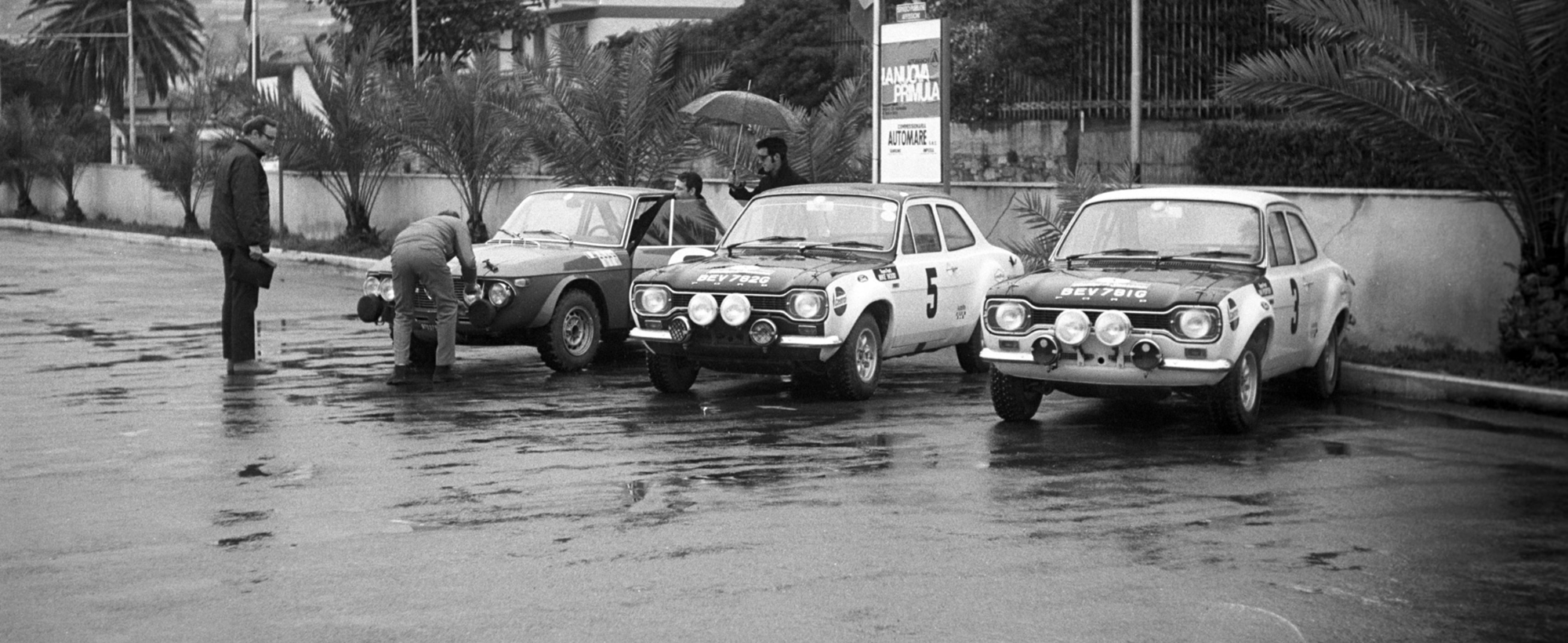
The arrival of the 1968 Ford Escort Twin Cam was not merely a model launch; it was a changing of the guard, a passing of the torch from the delicate, gentlemanly era of the Lotus Cortina to the rugged, pugnacious dominance of the Escort dynasty. By the late 1960s, Ford’s competition department at Boreham, under the astute leadership of Henry Taylor, recognized that the Lotus Cortina Mk2 had become too large, too heavy, and too soft to maintain Ford’s stranglehold on touring car racing and rallying. The answer lay in the newly developed Escort, a compact saloon that replaced the antiquated Anglia. However, to turn this shopping car into a world-beater, Ford needed a heart transplant. In a stroke of pragmatic genius, the engineers shoehorned the legendary 1,558cc Lotus Twin Cam engine into the smaller, lighter Escort shell. The result was a machine that would define the sport for a generation, the “Genesis” moment for every RS and Cosworth that followed.
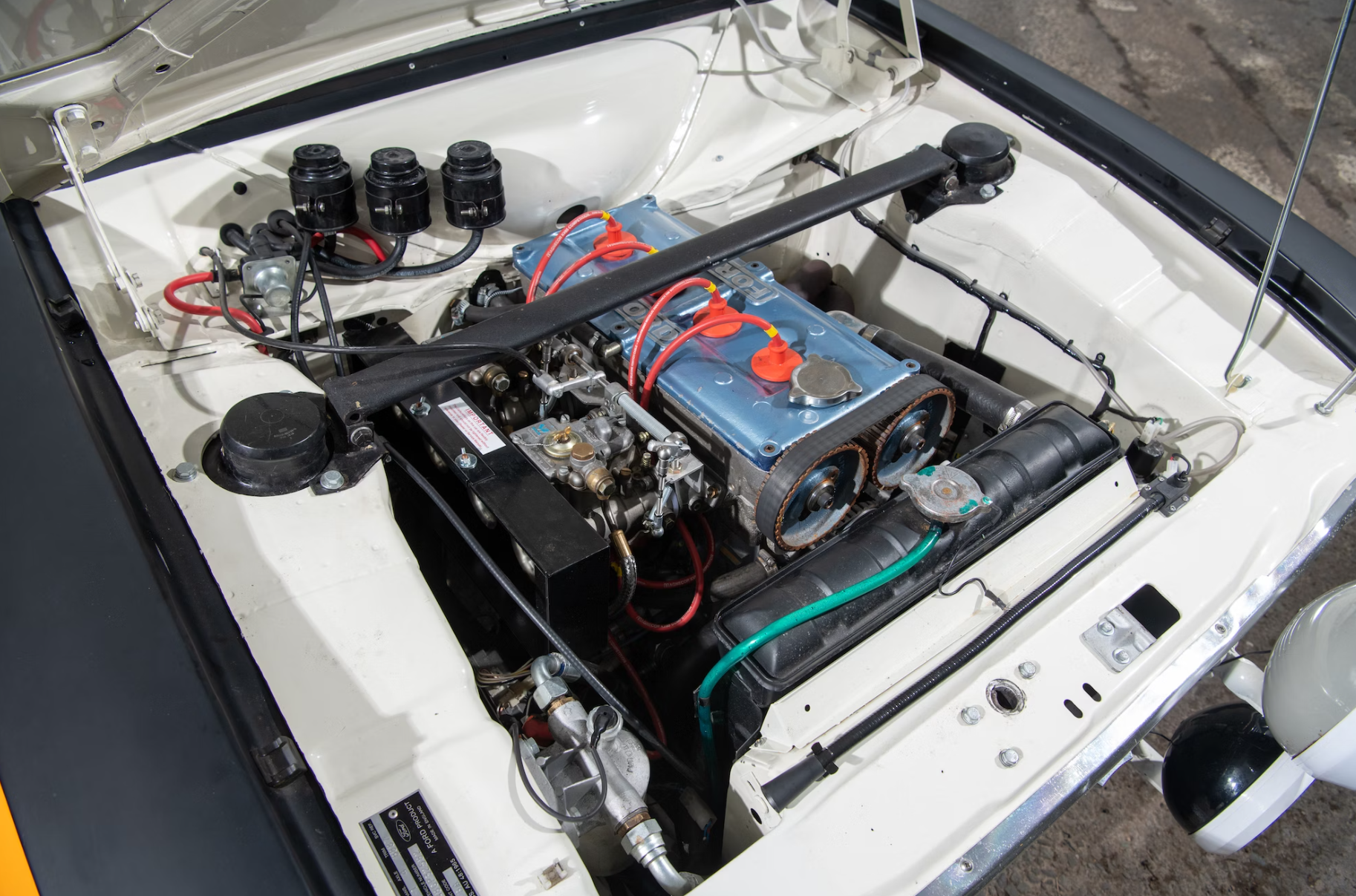
Technically, the Escort Twin Cam Group 2 was a masterclass in parts-bin alchemy. The foundation was the now-mythical Type 49 bodyshell. Unlike the standard mass-production shells, the Type 49 was strengthened at the factory with additional gusseting around the strut tops and chassis rails to withstand the torque of the Lotus engine and the brutality of rally stages. Under the bonnet sat the Harry Mundy-designed, dual-overhead-cam engine that had powered Jim Clark to glory in the Cortina. Breathing through twin Weber 40 DCOE carburetors, the Group 2 engines were tuned by specialists like BRM or Holbay to produce upwards of 160 bhp, a staggering figure for a car weighing less than 800 kg.
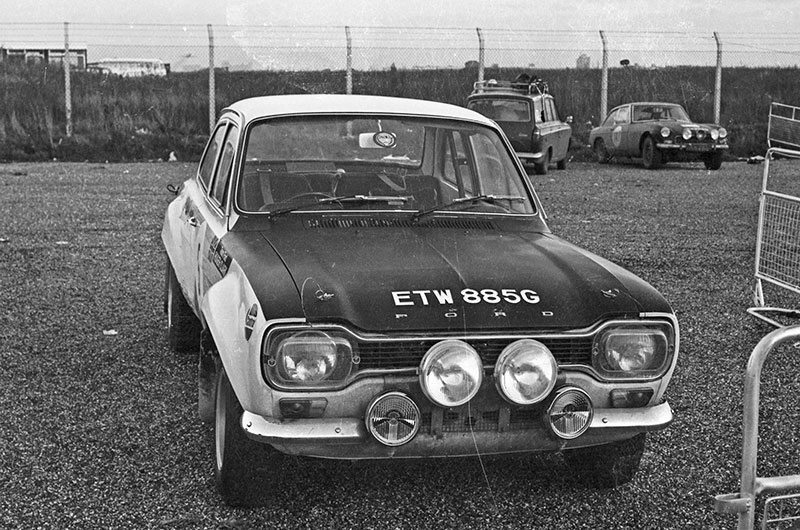
Crucially, the Twin Cam corrected the suspension flaws of its predecessor. While the early Lotus Cortinas used a fragile A-bracket coil-sprung rear end, the Escort Twin Cam reverted to a live axle suspended by leaf springs. While theoretically less sophisticated, this setup was robust, predictable, and ideally suited for putting power down on loose gravel. In Group 2 tarmac trim, the car sat low and menacing, often fitted with “bubble” wheel arch extensions to cover wide Minilite or magnesium alloy wheels. It featured split-circuit brakes with a servo, and the battery was relocated to the boot for better weight distribution. The interior was strictly business: a deep-dish Springalex steering wheel, a Halda Twinmaster for the navigator, and the iconic “six-dial” dash cluster that would become the holy grail for future Escort restorers.
The impact of the Escort Twin Cam was immediate and violent. It didn’t just enter the fray; it kicked the door down. Its competition debut at the 1968 Circuit of Ireland Rally is the stuff of legend. Driven by the future British icon Roger Clark, the Twin Cam fought off the Mini Coopers and Porsche 911s to take an overall victory on its very first outing. It was a statement of intent that sent shockwaves through the paddock. The car’s agility, combined with the Twin Cam’s rev-happy nature, made it a weapon on both tarmac and gravel. In the British Saloon Car Championship (BSCC), the Alan Mann Racing team, famous for their red and gold livery, prepared Group 2 Twin Cams for drivers like Frank Gardner and Graham Hill. These cars, running on slick tires and screaming at 7,500 rpm, waged war against the larger Falcons and Camaros, often embarrassing the V8s on twisty circuits like Brands Hatch and Mallory Park.
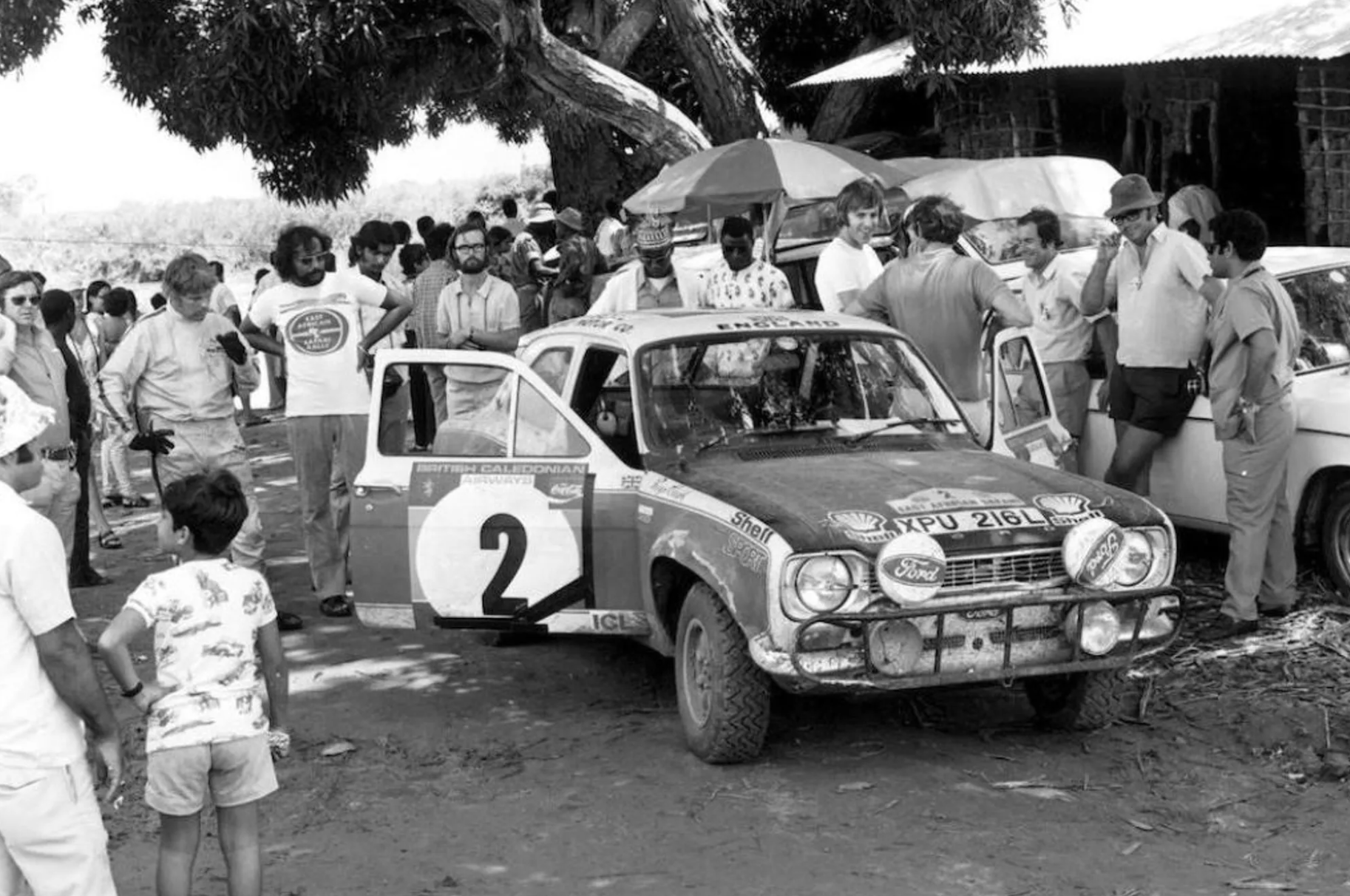
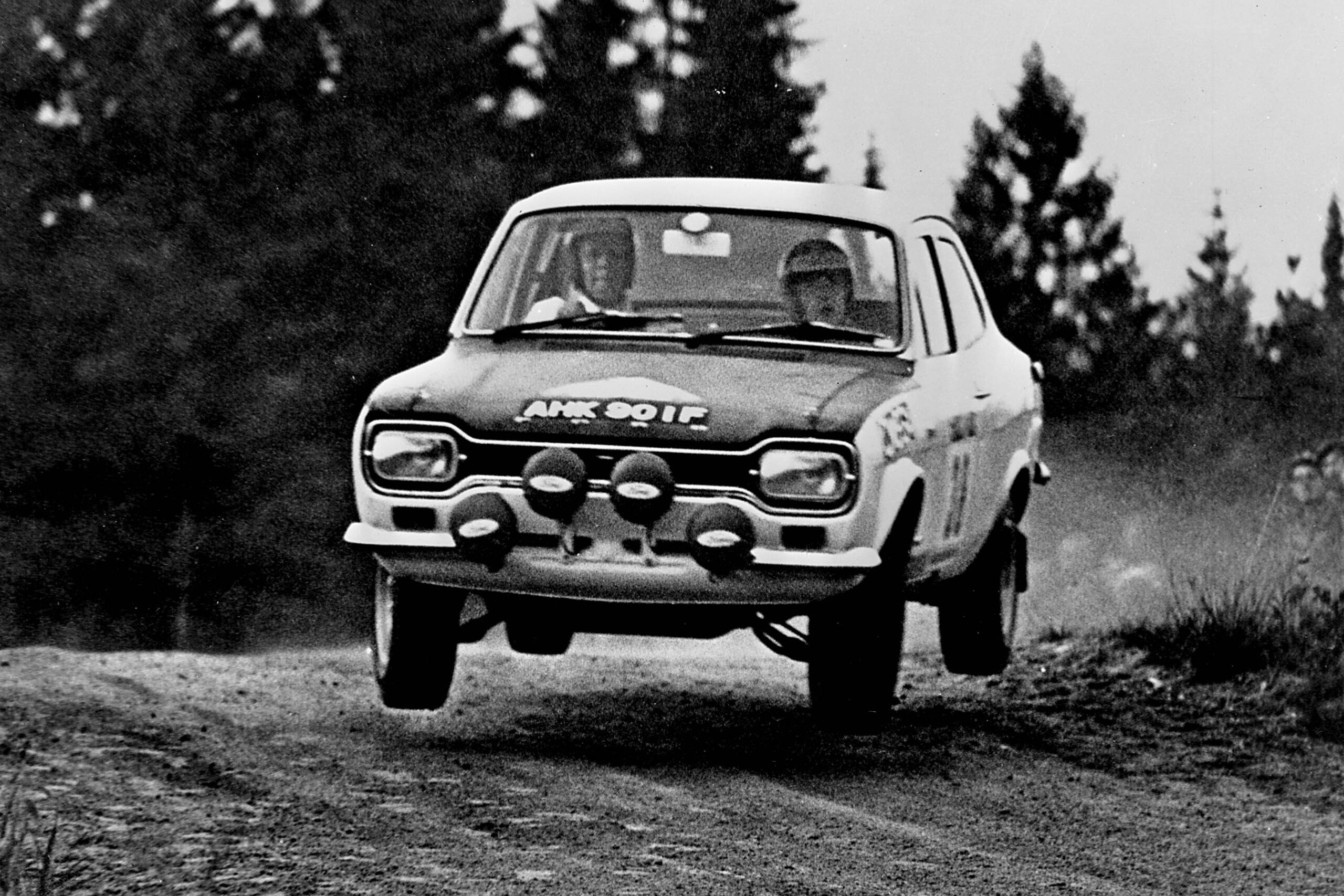
The Twin Cam’s career was intense but relatively short-lived, serving as the bridge to the Cosworth era. It proved that the Escort chassis was a world-class platform, winning the 1968 and 1969 Austrian Alpine Rallies, the 1969 Tulip Rally, and the 1969 1000 Lakes Rally in the hands of Hannu Mikkola. It established the “Escort Attitude”—that signature cornering stance with the tail hung out and the nose tucked in—that would captivate fans for the next thirty years. It was also a commercial success in its own right, with Ford building just enough units to satisfy homologation, creating an instant classic that was coveted by boy racers and professional teams alike.
The legacy of the 1968 Ford Escort Twin Cam Group 2 is monumental. It is the patriarch of the Fast Ford family. Without the Twin Cam, there would be no RS1600, no Mexico, no RS1800, and no Escort Cosworth. It validated the formula of putting a high-performance twin-cam engine into a working-class saloon car. While the later BDA-engined cars were faster and more sophisticated, the Twin Cam remains the purest expression of the early Escort spirit. It was the car that took the baton from Lotus and handed it to the Rallye Sport division, earning its place in the pantheon of automobilia not just as a race winner, but as the spark that ignited a thirty-year inferno of Blue Oval dominance.
Brand
Produced from
Portal
Vehicle category
Model line
Predecessor
Sucessor
Brand
Produced from
Portal
Vehicle category
Model line
Model generation
Predecessor
Sucessor
Submodel Overview
The arrival of the 1968 Ford Escort Twin Cam was not merely a model launch; it was a changing of the guard, a passing of the torch from the delicate, gentlemanly era of the Lotus Cortina to the rugged, pugnacious dominance of the Escort dynasty. By the late 1960s, Ford’s competition department at Boreham, under the astute leadership of Henry Taylor, recognized that the Lotus Cortina Mk2 had become too large, too heavy, and too soft to maintain Ford’s stranglehold on touring car racing and rallying. The answer lay in the newly developed Escort, a compact saloon that replaced the antiquated Anglia. However, to turn this shopping car into a world-beater, Ford needed a heart transplant. In a stroke of pragmatic genius, the engineers shoehorned the legendary 1,558cc Lotus Twin Cam engine into the smaller, lighter Escort shell. The result was a machine that would define the sport for a generation, the “Genesis” moment for every RS and Cosworth that followed.
Technically, the Escort Twin Cam Group 2 was a masterclass in parts-bin alchemy. The foundation was the now-mythical Type 49 bodyshell. Unlike the standard mass-production shells, the Type 49 was strengthened at the factory with additional gusseting around the strut tops and chassis rails to withstand the torque of the Lotus engine and the brutality of rally stages. Under the bonnet sat the Harry Mundy-designed, dual-overhead-cam engine that had powered Jim Clark to glory in the Cortina. Breathing through twin Weber 40 DCOE carburetors, the Group 2 engines were tuned by specialists like BRM or Holbay to produce upwards of 160 bhp, a staggering figure for a car weighing less than 800 kg.
Crucially, the Twin Cam corrected the suspension flaws of its predecessor. While the early Lotus Cortinas used a fragile A-bracket coil-sprung rear end, the Escort Twin Cam reverted to a live axle suspended by leaf springs. While theoretically less sophisticated, this setup was robust, predictable, and ideally suited for putting power down on loose gravel. In Group 2 tarmac trim, the car sat low and menacing, often fitted with “bubble” wheel arch extensions to cover wide Minilite or magnesium alloy wheels. It featured split-circuit brakes with a servo, and the battery was relocated to the boot for better weight distribution. The interior was strictly business: a deep-dish Springalex steering wheel, a Halda Twinmaster for the navigator, and the iconic “six-dial” dash cluster that would become the holy grail for future Escort restorers.
The impact of the Escort Twin Cam was immediate and violent. It didn’t just enter the fray; it kicked the door down. Its competition debut at the 1968 Circuit of Ireland Rally is the stuff of legend. Driven by the future British icon Roger Clark, the Twin Cam fought off the Mini Coopers and Porsche 911s to take an overall victory on its very first outing. It was a statement of intent that sent shockwaves through the paddock. The car’s agility, combined with the Twin Cam’s rev-happy nature, made it a weapon on both tarmac and gravel. In the British Saloon Car Championship (BSCC), the Alan Mann Racing team, famous for their red and gold livery, prepared Group 2 Twin Cams for drivers like Frank Gardner and Graham Hill. These cars, running on slick tires and screaming at 7,500 rpm, waged war against the larger Falcons and Camaros, often embarrassing the V8s on twisty circuits like Brands Hatch and Mallory Park.
The Twin Cam’s career was intense but relatively short-lived, serving as the bridge to the Cosworth era. It proved that the Escort chassis was a world-class platform, winning the 1968 and 1969 Austrian Alpine Rallies, the 1969 Tulip Rally, and the 1969 1000 Lakes Rally in the hands of Hannu Mikkola. It established the “Escort Attitude”—that signature cornering stance with the tail hung out and the nose tucked in—that would captivate fans for the next thirty years. It was also a commercial success in its own right, with Ford building just enough units to satisfy homologation, creating an instant classic that was coveted by boy racers and professional teams alike.
The legacy of the 1968 Ford Escort Twin Cam Group 2 is monumental. It is the patriarch of the Fast Ford family. Without the Twin Cam, there would be no RS1600, no Mexico, no RS1800, and no Escort Cosworth. It validated the formula of putting a high-performance twin-cam engine into a working-class saloon car. While the later BDA-engined cars were faster and more sophisticated, the Twin Cam remains the purest expression of the early Escort spirit. It was the car that took the baton from Lotus and handed it to the Rallye Sport division, earning its place in the pantheon of automobilia not just as a race winner, but as the spark that ignited a thirty-year inferno of Blue Oval dominance.
Tech Specs
Technical Specifications
Tech Specs
Technical Specifications
Engine
01
03
Internal combustion engine
Configuration
Lotus-Ford Twin Cam, Inline-4
Location
Front, longitudinally mounted
Construction
Cast iron block (Ford 116E/120E), Aluminium alloy head (Lotus)
Displacement (cc)
1,558 cc
Displacement (cu in)
95.1 cu in
Compression
11.5:1 (Works rally spec)
Bore x Stroke
82.55 mm x 72.75 mm
Valvetrain
2 valves per cylinder, DOHC
Fuel feed
2 x Weber 45 DCOE carburetors
Lubrication
Dry sump
Aspiration
Naturally aspirated
Output
Power (hp)
~155 hp
Power (kW)
~118 kW
Max power at
7,200 RPM
Torque (Nm)
~176 Nm
Torque (ft lbs)
~130 ft lbs
Max torque at
5,500 RPM
Drivetrain
02
03
Chassis
Type
Monocoque (Standard Type 49 shell strengthened)
Material
Steel
Body
Material
Steel with "Bubble" flared wheel arches
Transmission
Gearbox
Ford Type 2000 "Bullet", 4-speed manual
Drive
Rear Wheel Drive (Limited Slip Differential)
Suspension
Front
Independent, MacPherson struts, coil springs, anti-roll bar, adjustable dampers
Rear
Live axle, semi-elliptic leaf springs (often with additional radius arms for location), telescopic dampers
Steering
Type
Rack and pinion
Brakes
Front
Solid discs Ø244 mm, 2-piston calipers (Girling)
Rear
Drum brakes (9 inch)
Wheels
Front
7" x 13" or 8" x 13"
Rear
7" x 13" or 8" x 13"
Tires
Front
185/70 R13
Rear
185/70 R13
Dimensions and performance
03
03
Dimensions
Length (mm)
3,980 mm
Length (in)
156.7 in
Width (mm)
1,650 mm
Width (in)
65.0 in
Height (mm)
1,380 mm
Height (in)
54.3 in
Wheelbase (mm)
2,400 mm
Wheelbase (in)
94.5 in
Weight (kg)
815 kg
Weight (lbs)
1,796 lbs
Performance
Power to weight
~0.19 hp/kg
Top speed (km/h)
180 km/h
Top speed (mph)
112 mph
0-100 km/h (0-60 mph)
~6.8 s