Ford Mustang
Brand
Produced from
Vehicle category
Portal
Model line
Model generation
Predecessor
Sucessor
Model Overview
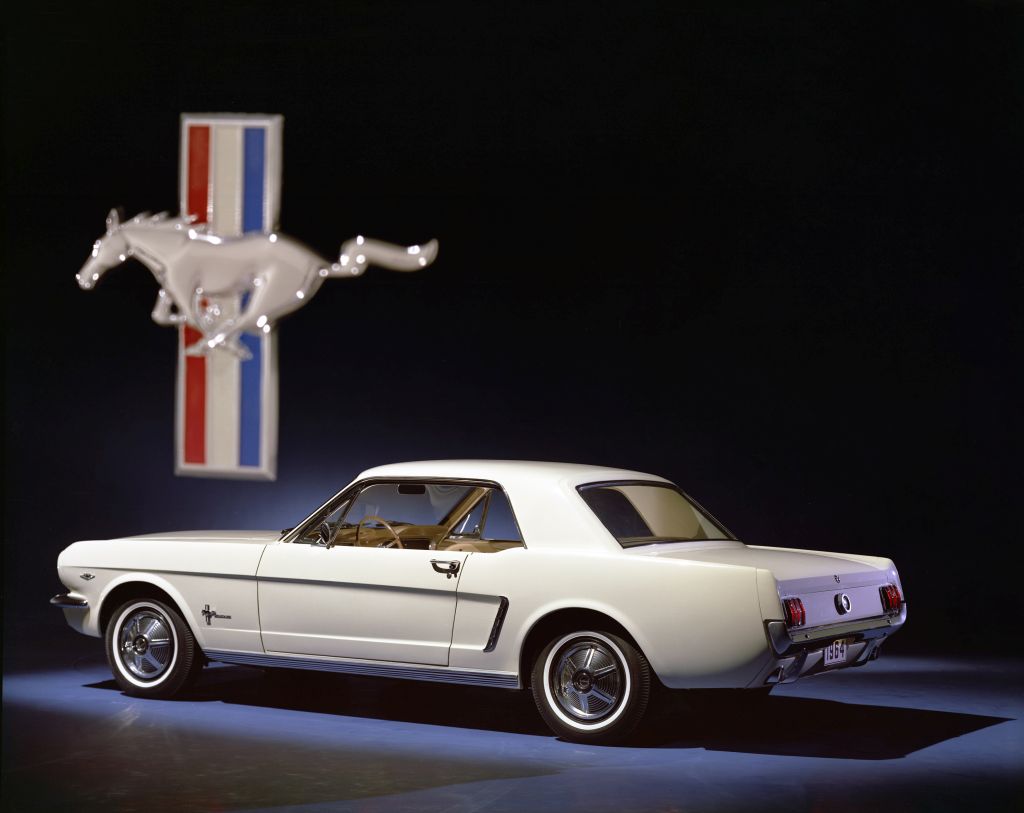
The Ford Mustang is not merely an automobile; it is a cultural artifact, a rolling definition of the American Dream, and the single most successful automotive sub-brand in history. While the Ford Model T put the world on wheels, the Mustang gave those wheels a soul. Launched in the spring of 1964, it arrived at the precise moment the Baby Boomer generation came of age, flush with cash and desperate to escape the dowdy, bench-seat sedans of their parents. Conceived by the visionary Lee Iacocca and penned by Gale Halderman, the Mustang was a masterstroke of “parts-bin engineering,” utilizing the humble bones of the Ford Falcon to create a vehicle that looked like a European grand tourer but cost peanuts to buy and maintain. It created the “Pony Car” segment overnight, spawning a legion of imitators—the Chevrolet Camaro, Pontiac Firebird, AMC Javelin, and Dodge Challenger—yet it remains the only one of the original breed to have remained in uninterrupted production for over sixty years.
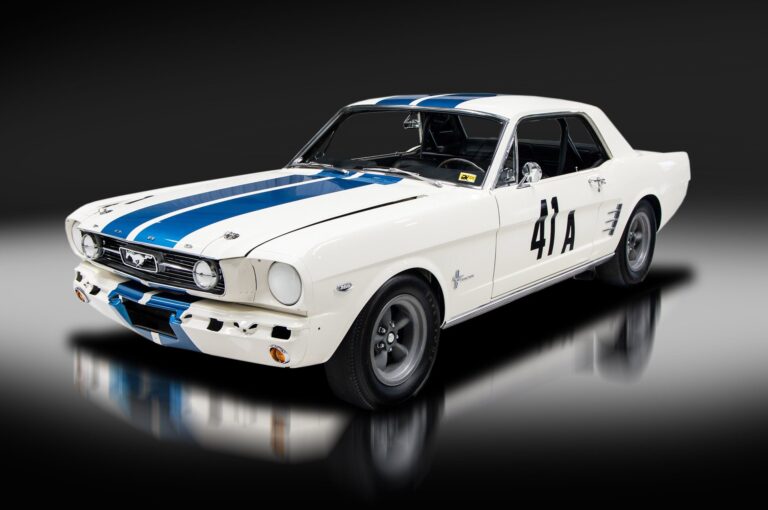
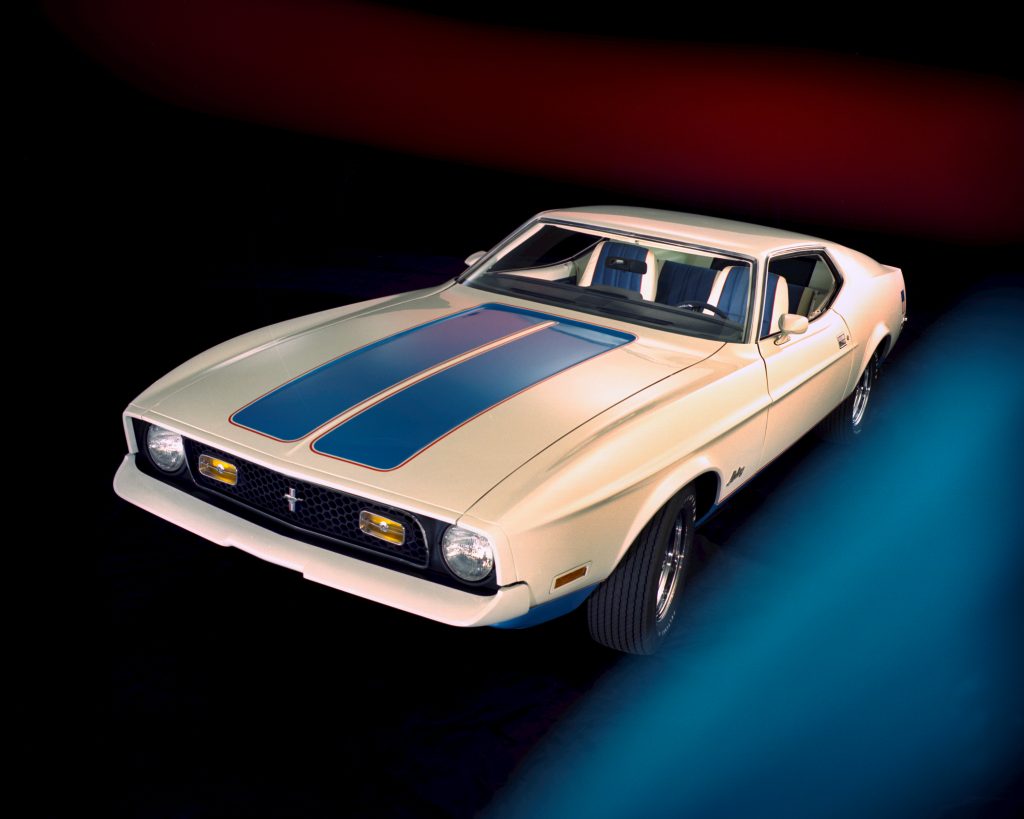
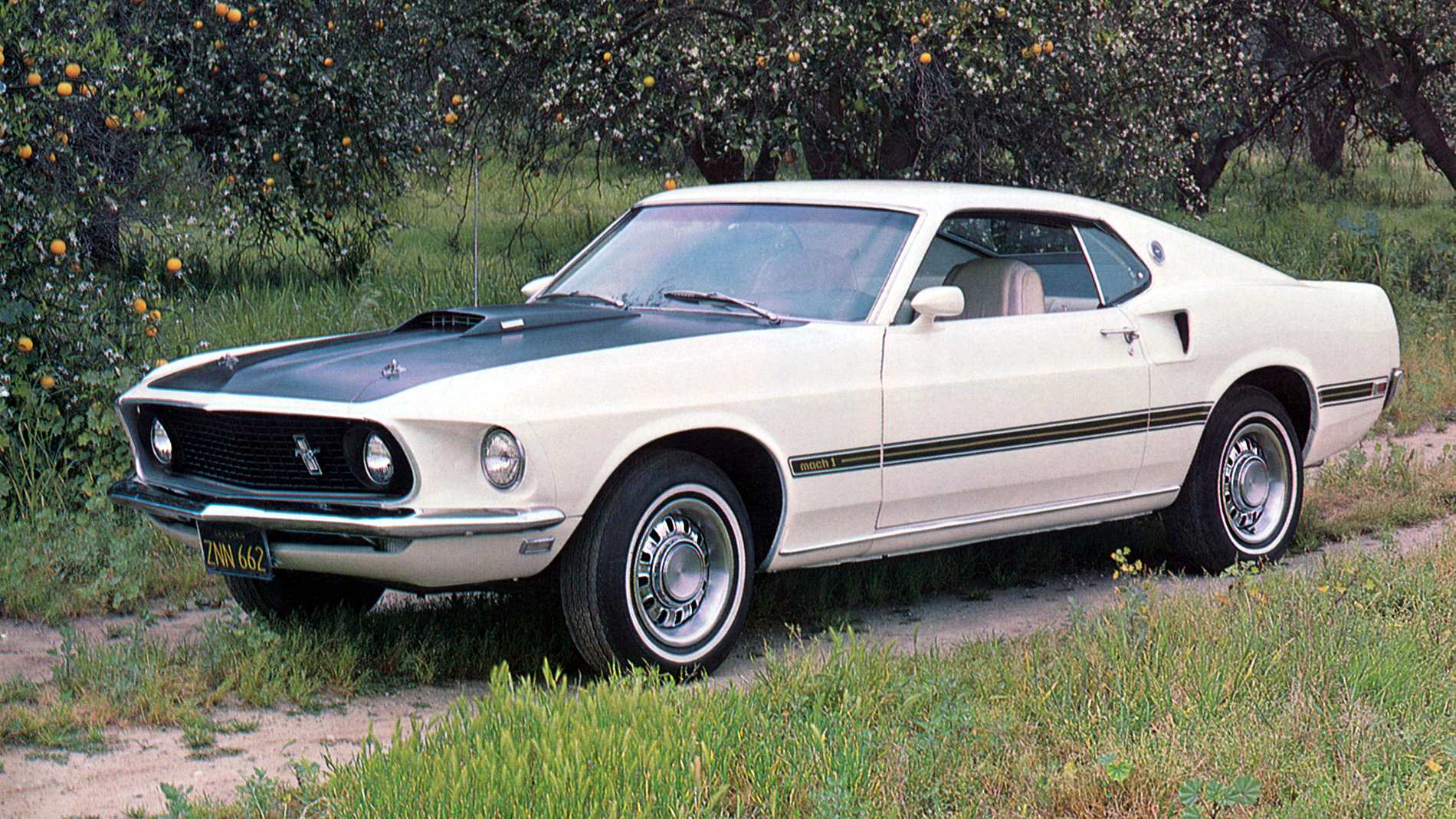
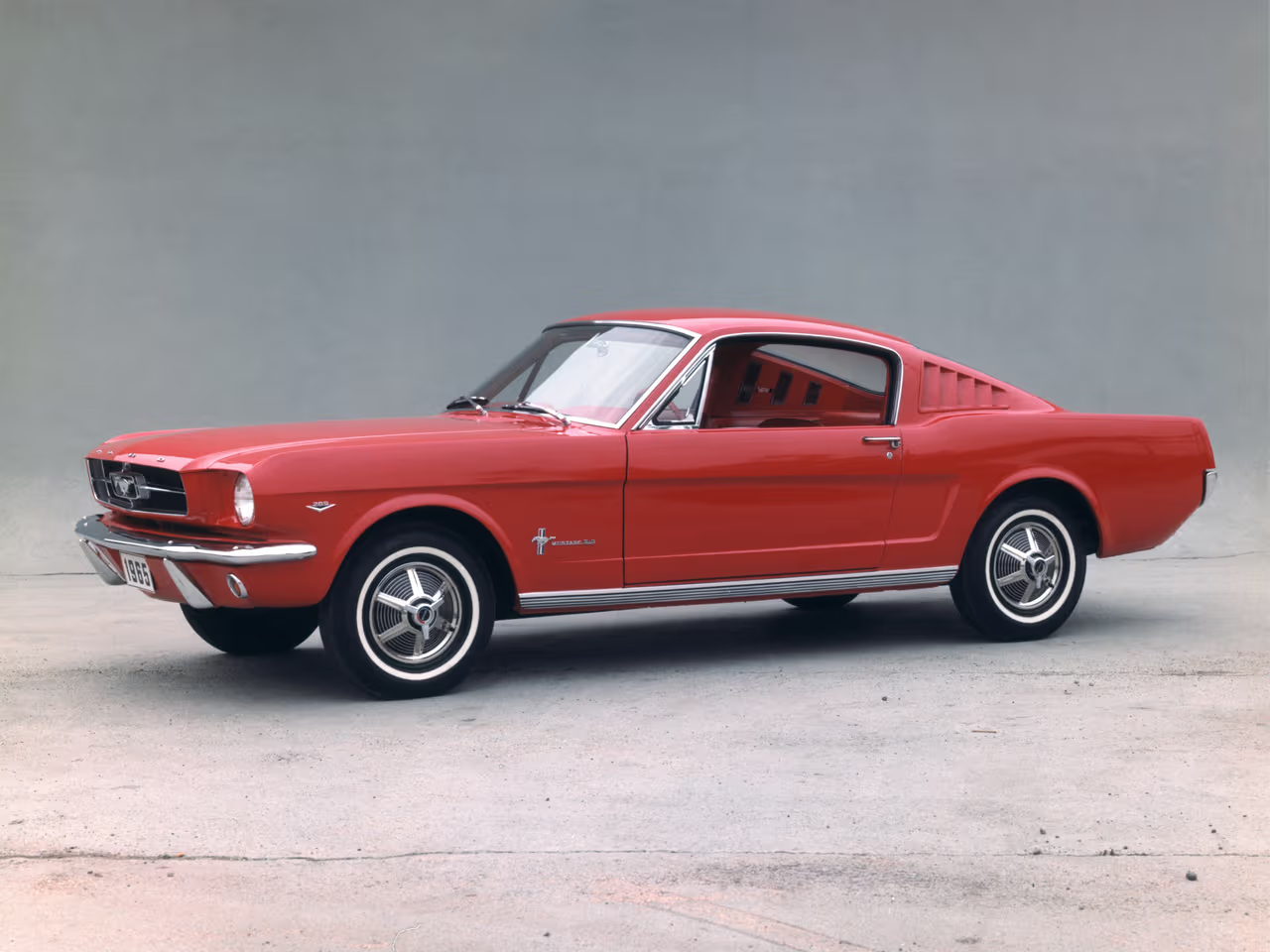
To analyze the technical lineage of the Mustang is to trace the evolution of the American automobile itself. The first generation (1964–1973) was a triumph of style over substance. Underneath the “long hood, short deck” proportions lay a rudimentary unibody chassis with independent front suspension and a live rear axle suspended by leaf springs—a setup that prioritized cost and straight-line durability over cornering finesse. Engines ranged from the thrift-oriented 170 cubic-inch inline-six to the thundering 428 Cobra Jet V8. It was a blank canvas; a secretary could order a six-cylinder coupe with wire wheel covers, while a racer could spec a K-Code 289 Hi-Po or, later, a Boss 429, a homologation special with a hemi-head engine so wide the suspension towers had to be modified to fit it.
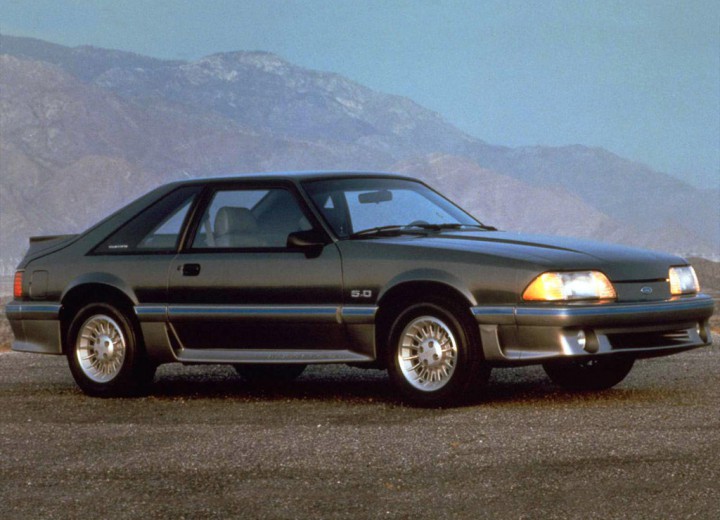
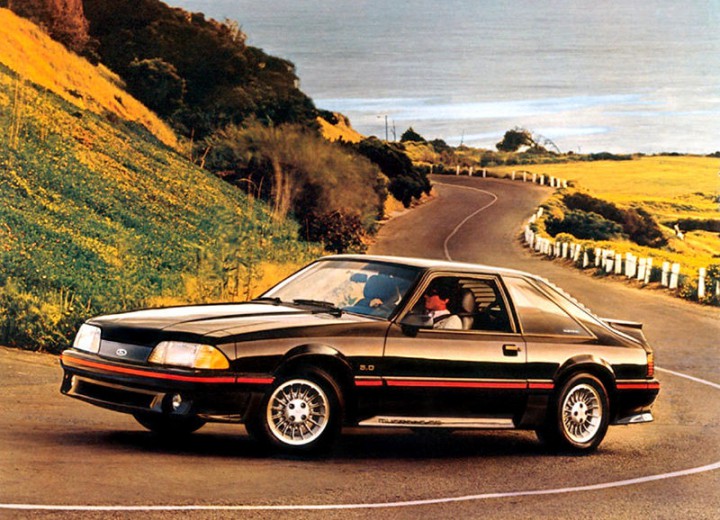
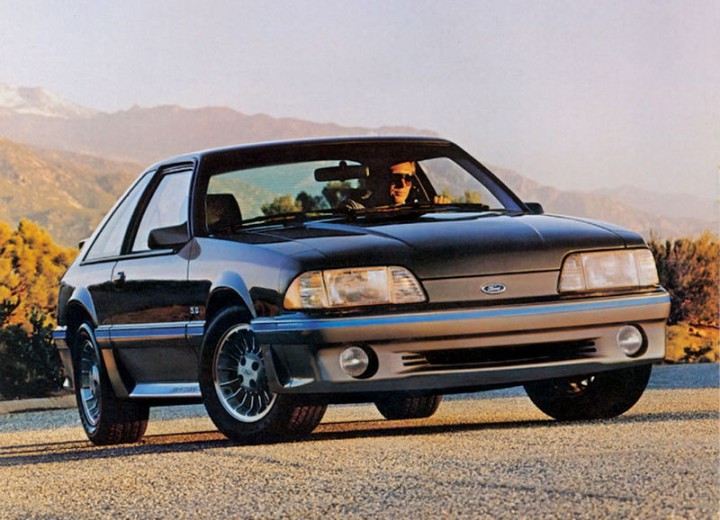
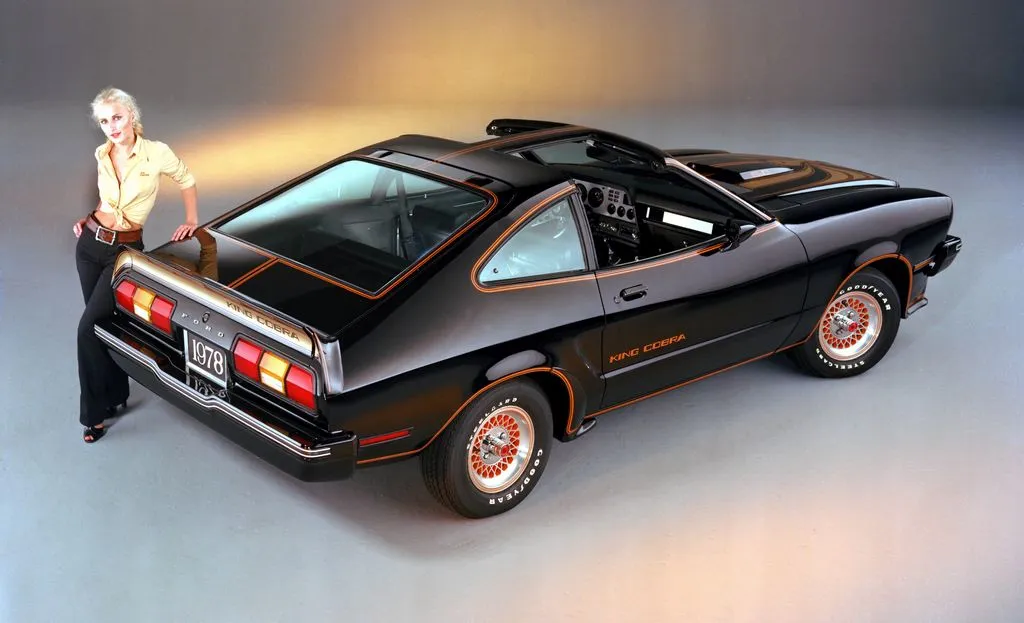
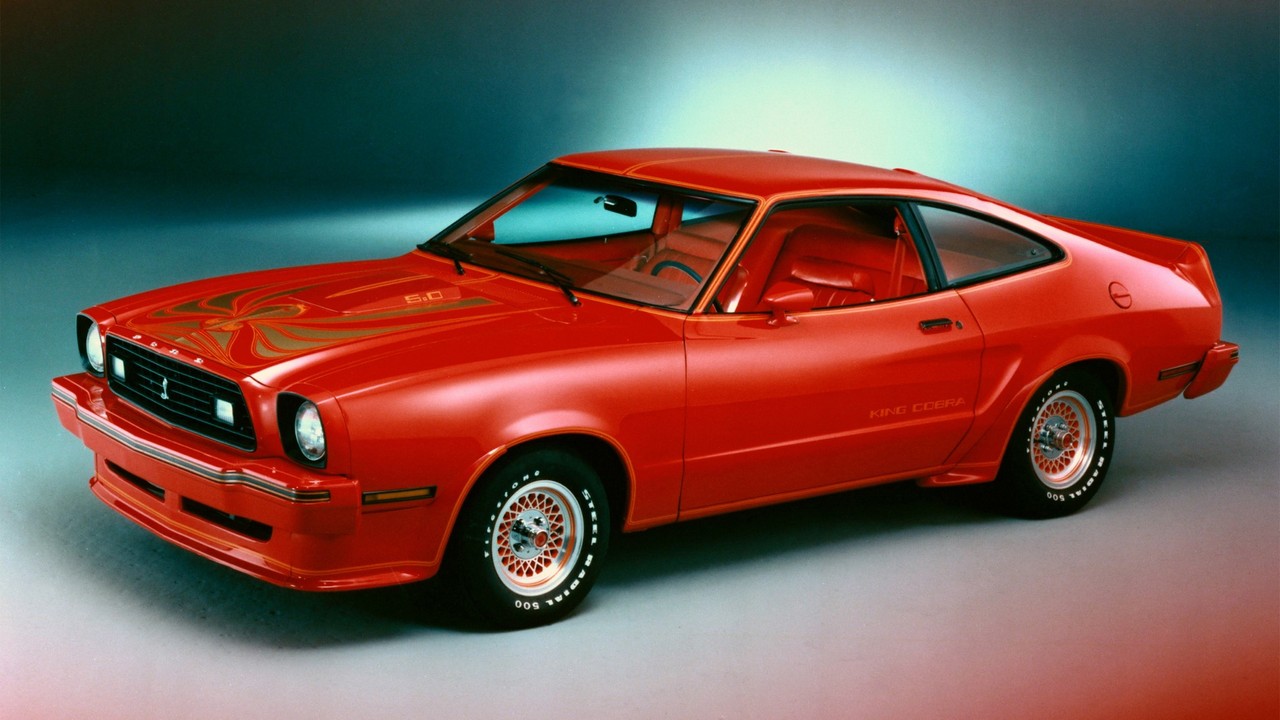
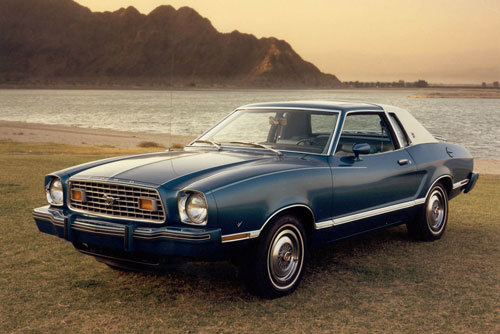
The lineage took a sharp, controversial turn with the Mustang II (1974–1978). Often maligned by purists, this Pinto-based downsizing was actually a prescient move by Iacocca. It arrived exactly as the 1973 Oil Crisis hit, keeping the brand alive when gas-guzzling muscle cars were facing extinction. It was small, slow, and soft, but it sold in the millions. The 1979 introduction of the “Fox Body” platform marked the return of performance. A squared-off, Euro-inspired design with a MacPherson strut front end and a four-link rear suspension, the Fox Body reignited the horsepower wars with the “5.0” High Output V8, a pushrod engine that became the tuning standard of the 1980s and 90s.
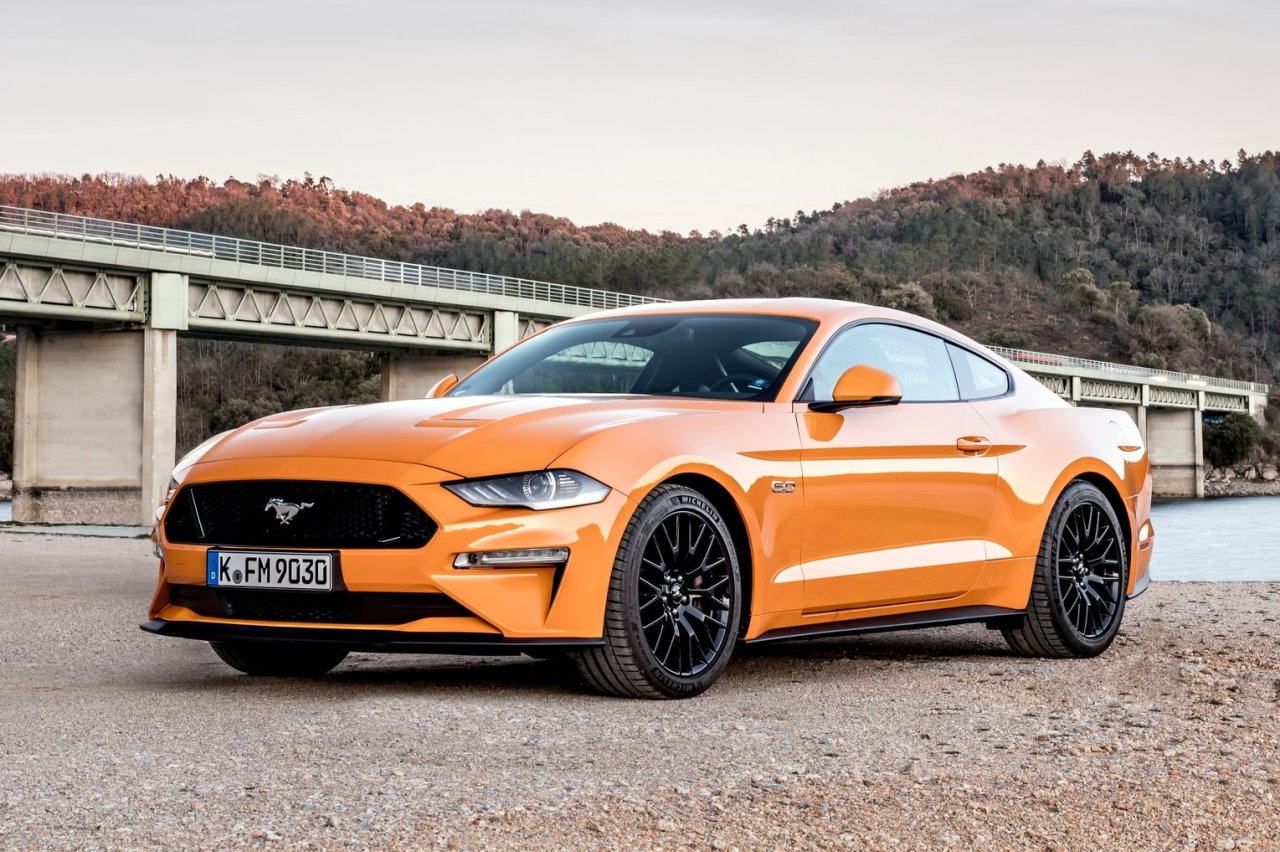
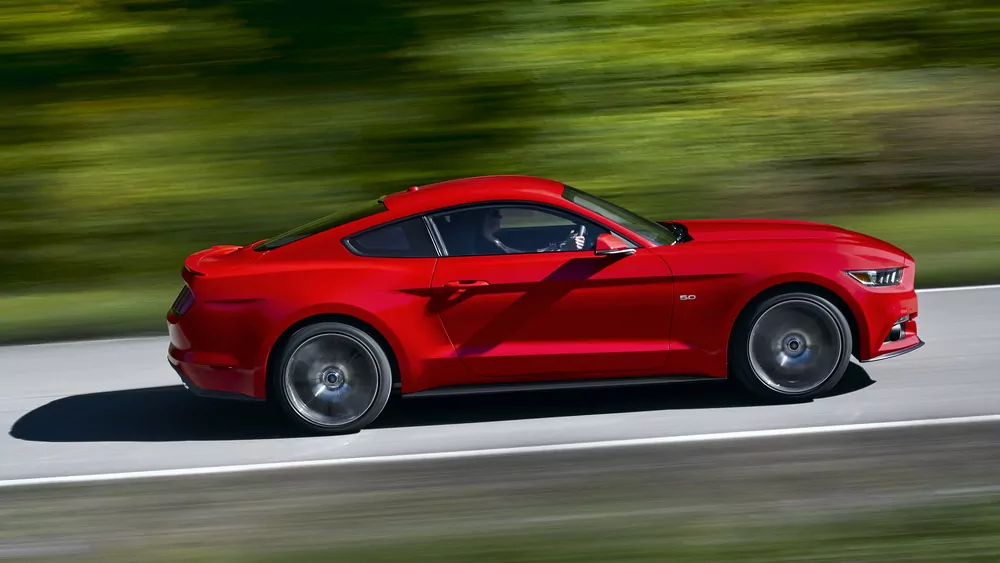
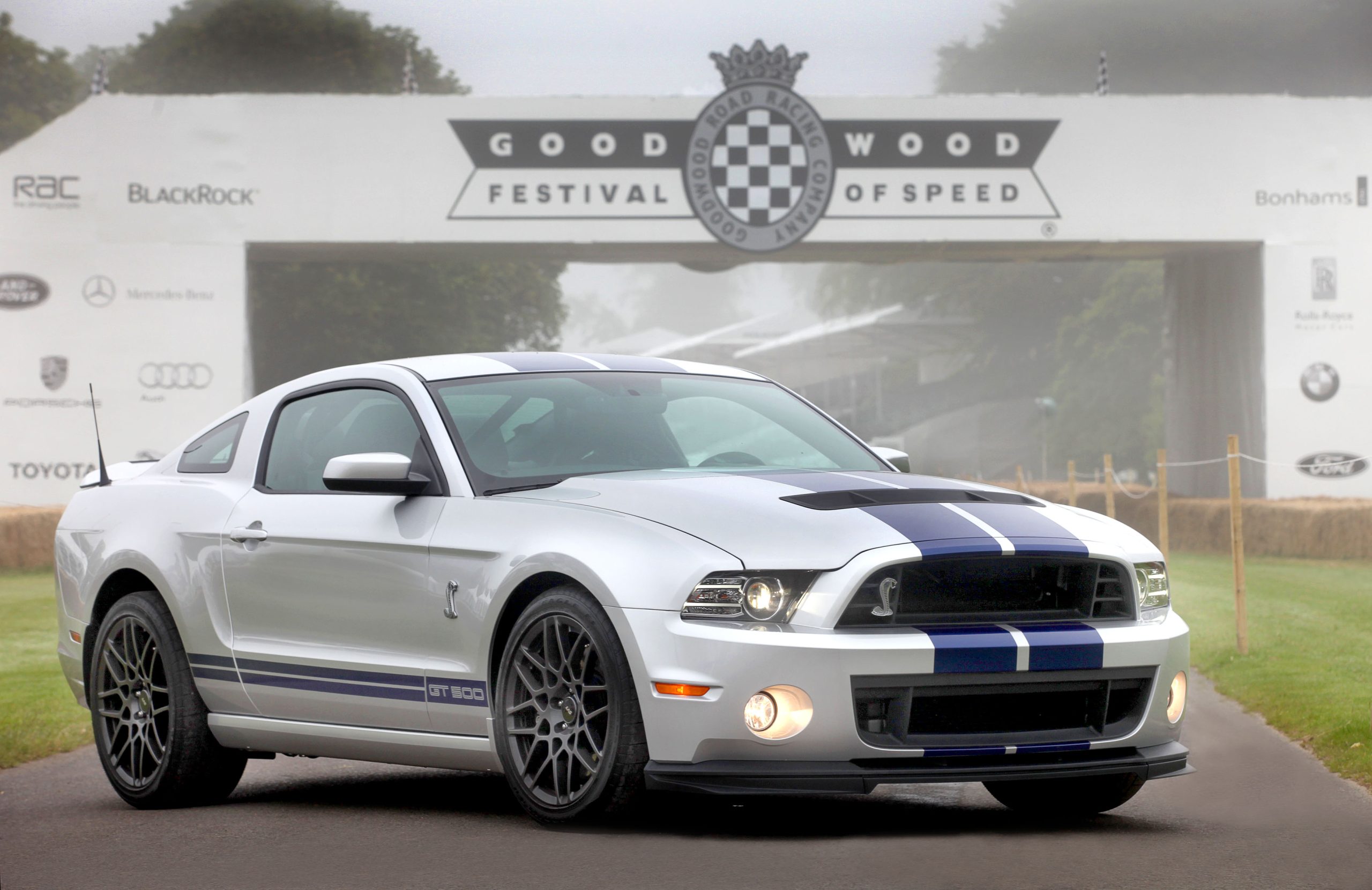
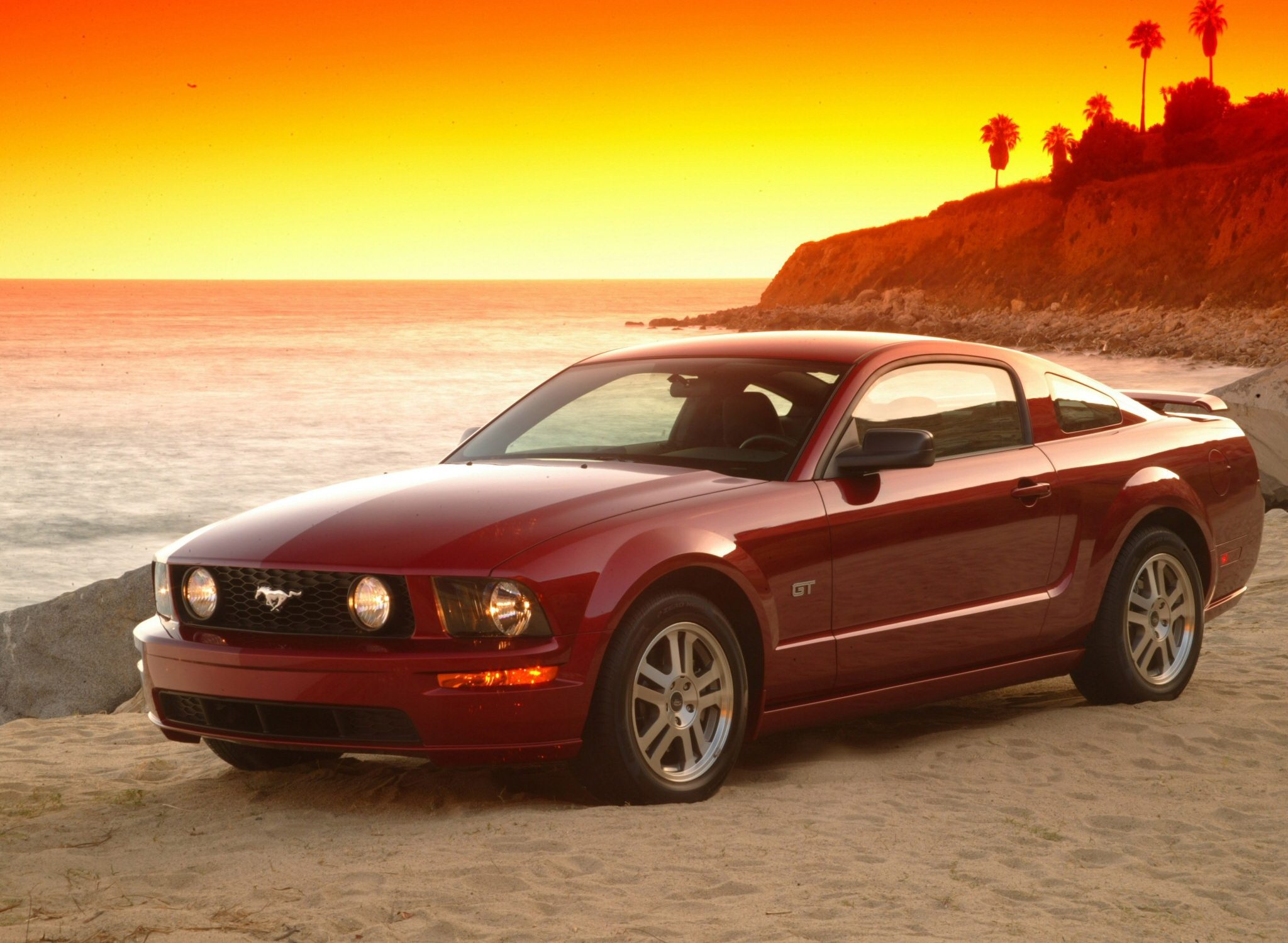
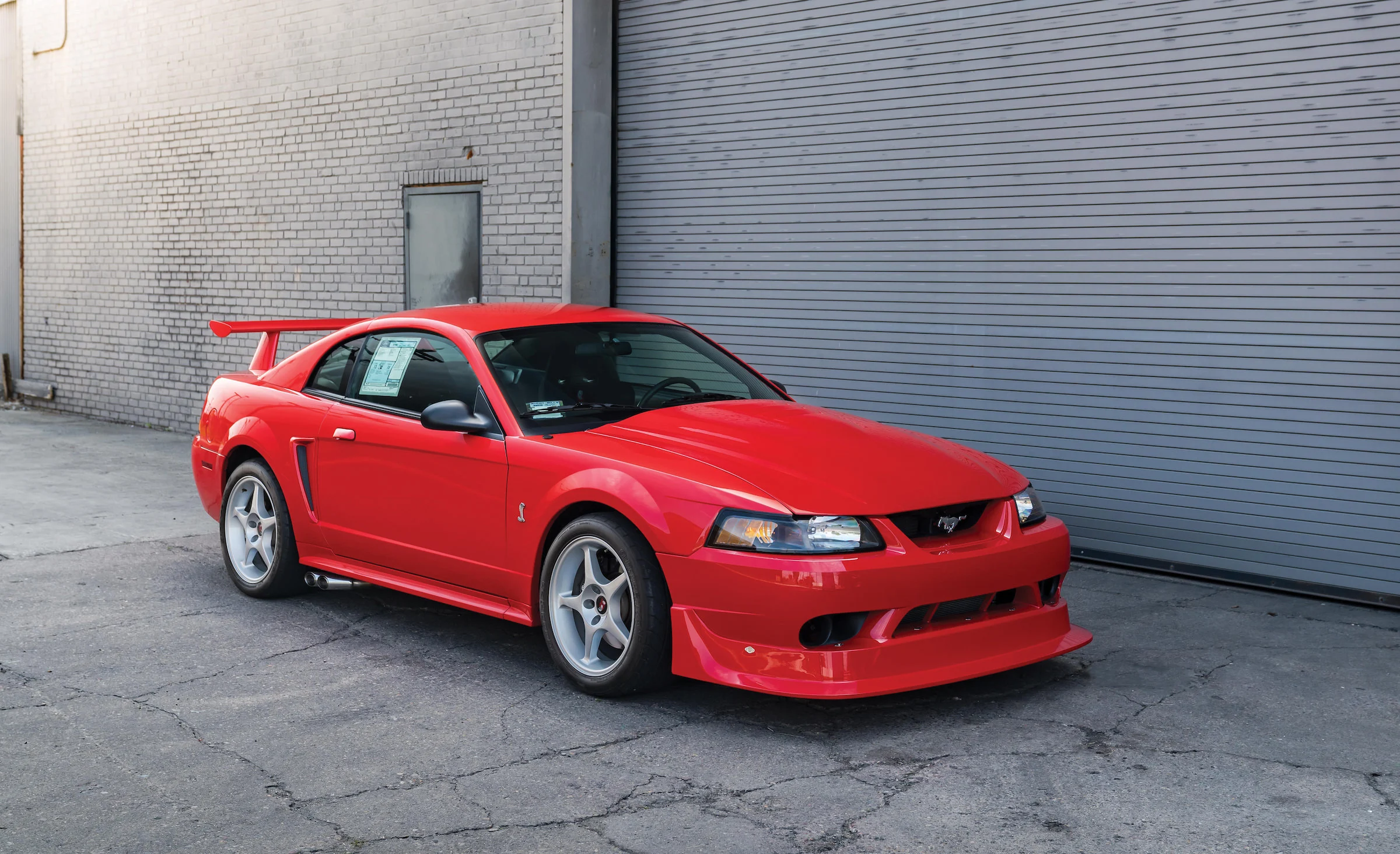
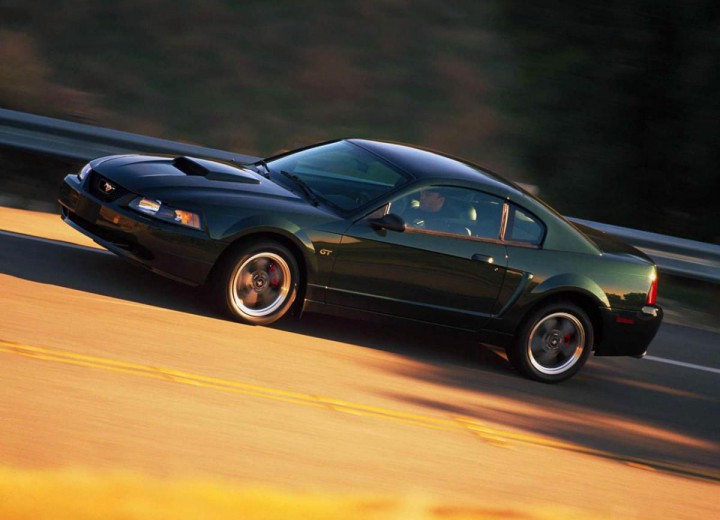
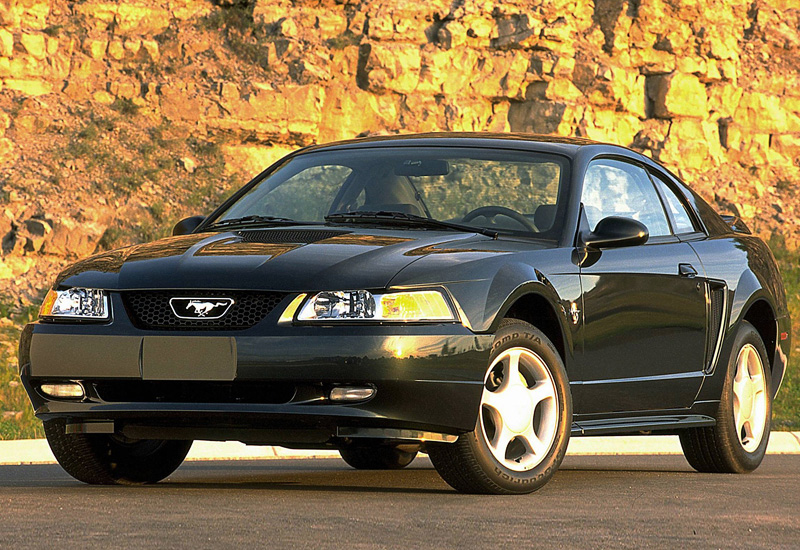
The modern era, ushered in by the SN95 (1994) and the retro-futurist S197 (2005), saw the Mustang finally grappling with modernity. The transition from the pushrod Windsor engines to the overhead-cam “Modular” V8s brought refinement, culminating in the supercharged “Terminator” Cobra of 2003. However, the seismic shift occurred in 2015 with the S550 generation. For the first time in fifty years, the Mustang featured Independent Rear Suspension (IRS) across the entire range, finally banishing the live axle to the history books. This transformed the car from a drag strip hero into a genuine world-class sports car capable of hunting BMW M4s on a twisting circuit. The pinnacle of this engineering ethos was the Shelby GT350, featuring the “Voodoo” 5.2-litre V8 with a flat-plane crankshaft—an exotic, 8,250-rpm screamer that sounded more like a Ferrari than a Ford.
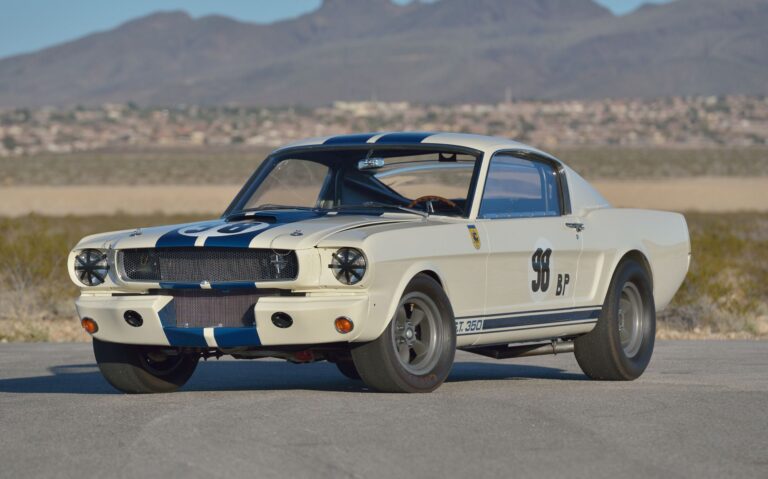
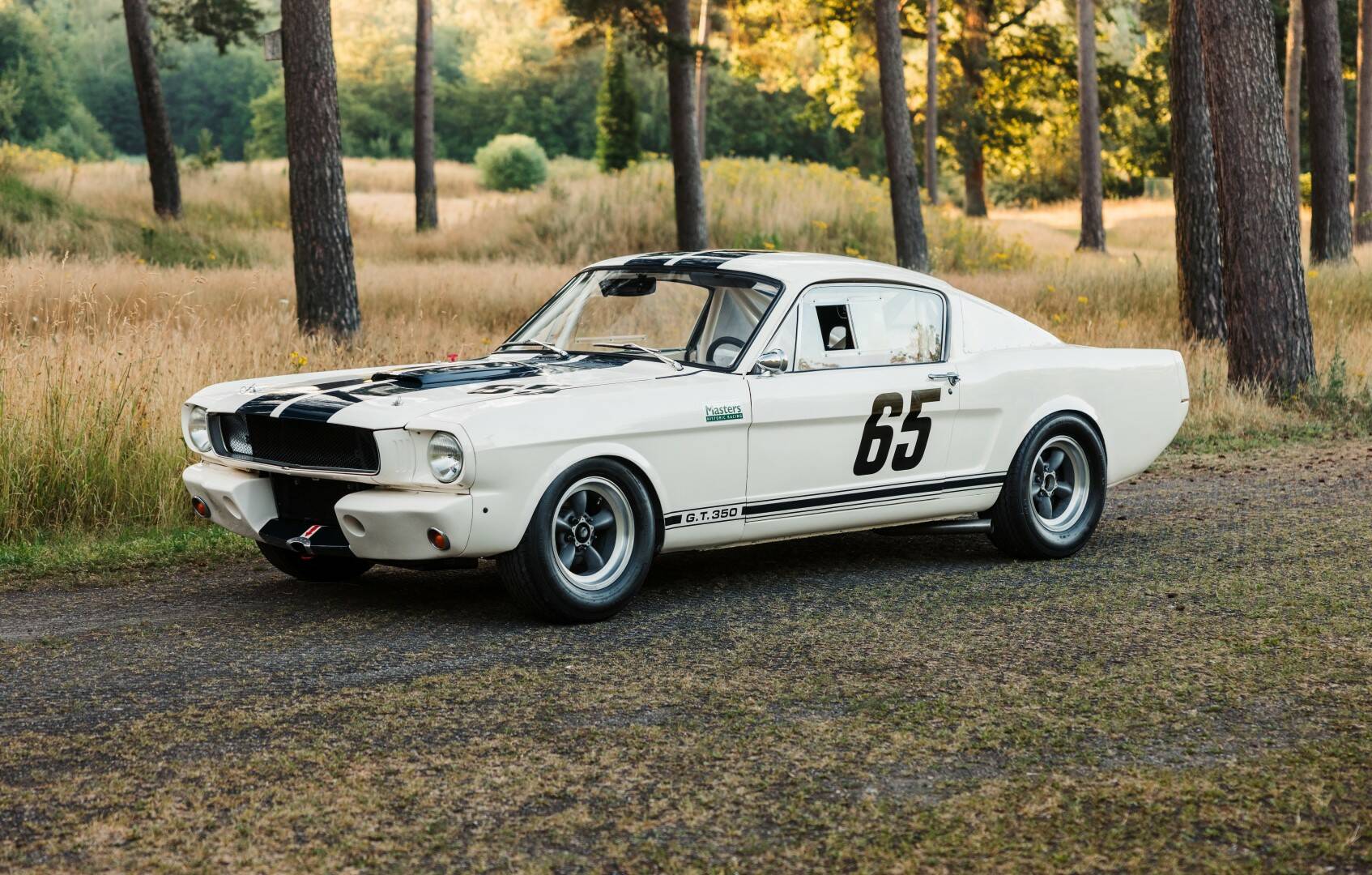
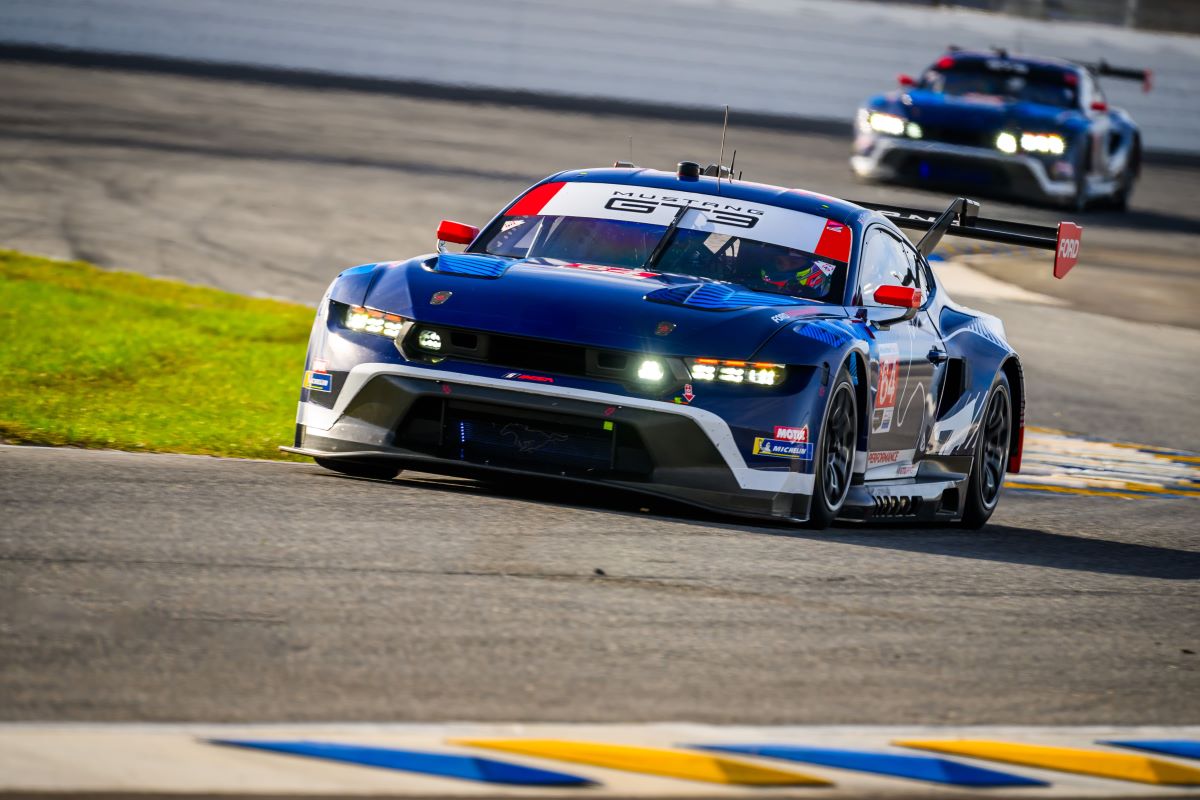
The Mustang’s impact on motorsport is as diverse as its option list. In the 1960s, Carroll Shelby took the “secretary’s car”, stripped it, stiffened it, and created the GT350, a machine that dominated SCCA B-Production racing. The Trans-Am series of the late 60s and early 70s became the battleground for the Golden Era, where Parnelli Jones and George Follmer drifted their School Bus Yellow Boss 302s against the Sunoco Camaros of Mark Donohue. These battles are legendary, cementing the image of the Mustang as a road-course weapon. In drag racing, the 1968 Cobra Jet established the Mustang’s dominance in the Super Stock classes, a legacy that continues today with the factory-built Cobra Jet drag cars.
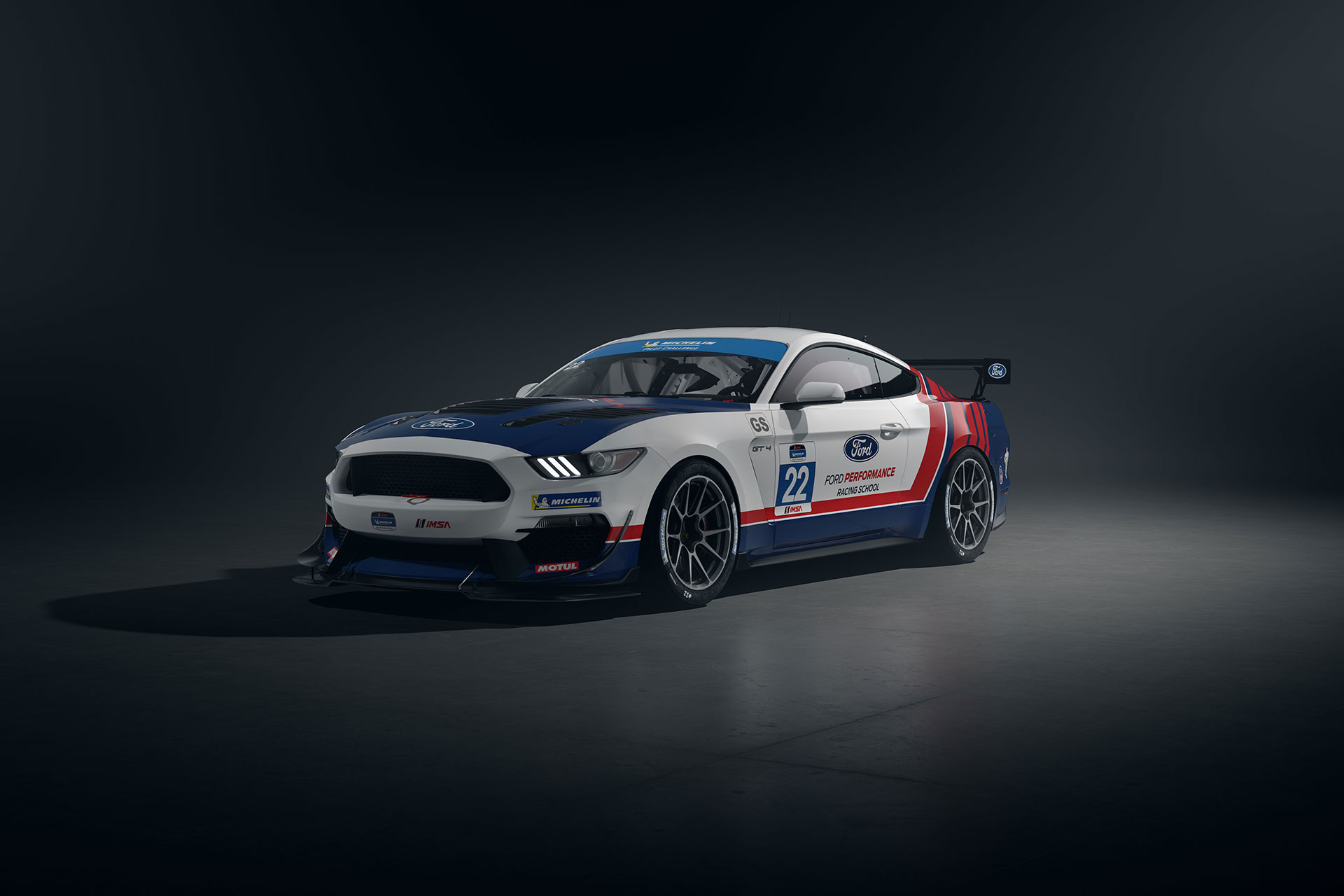
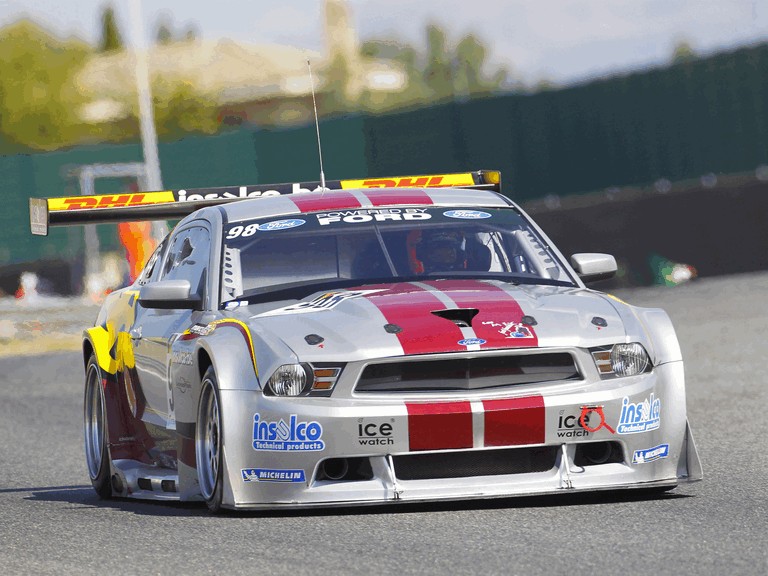
Even in the darkest days of the 1980s, the Roush-prepared Mustangs dominated the IMSA GTO class, looking like bloated caricatures of the road car and spitting flames from side-exit exhausts. In the 21st century, the Mustang found a new home in Formula Drift, where drivers like Vaughn Gittin Jr. proved that the American pony car was the perfect tool for the Japanese art of sliding. It even conquered Australia, with Allan Moffat’s Boss 302 taking famous victories at Bathurst, and the modern Supercars Championship seeing the Mustang replace the Falcon as the Blue Oval’s champion Down Under.
Culturally, the Mustang is peerless. It appeared in the James Bond film Goldfinger before it was even technically on sale. It was immortalized by Steve McQueen in Bullitt, leaping through the streets of San Francisco in a Highland Green fastback, creating the coolest movie car sequence of all time. It is the “Eleanor” from Gone in 60 Seconds, both the original and the remake. It is the car Wilson Pickett sang about in “Mustang Sally”. It represents freedom, rebellion, and the democratization of speed. It is one of the few cars that transcends social class; it is as at home in a high school parking lot as it is in a collector’s climate-controlled garage.
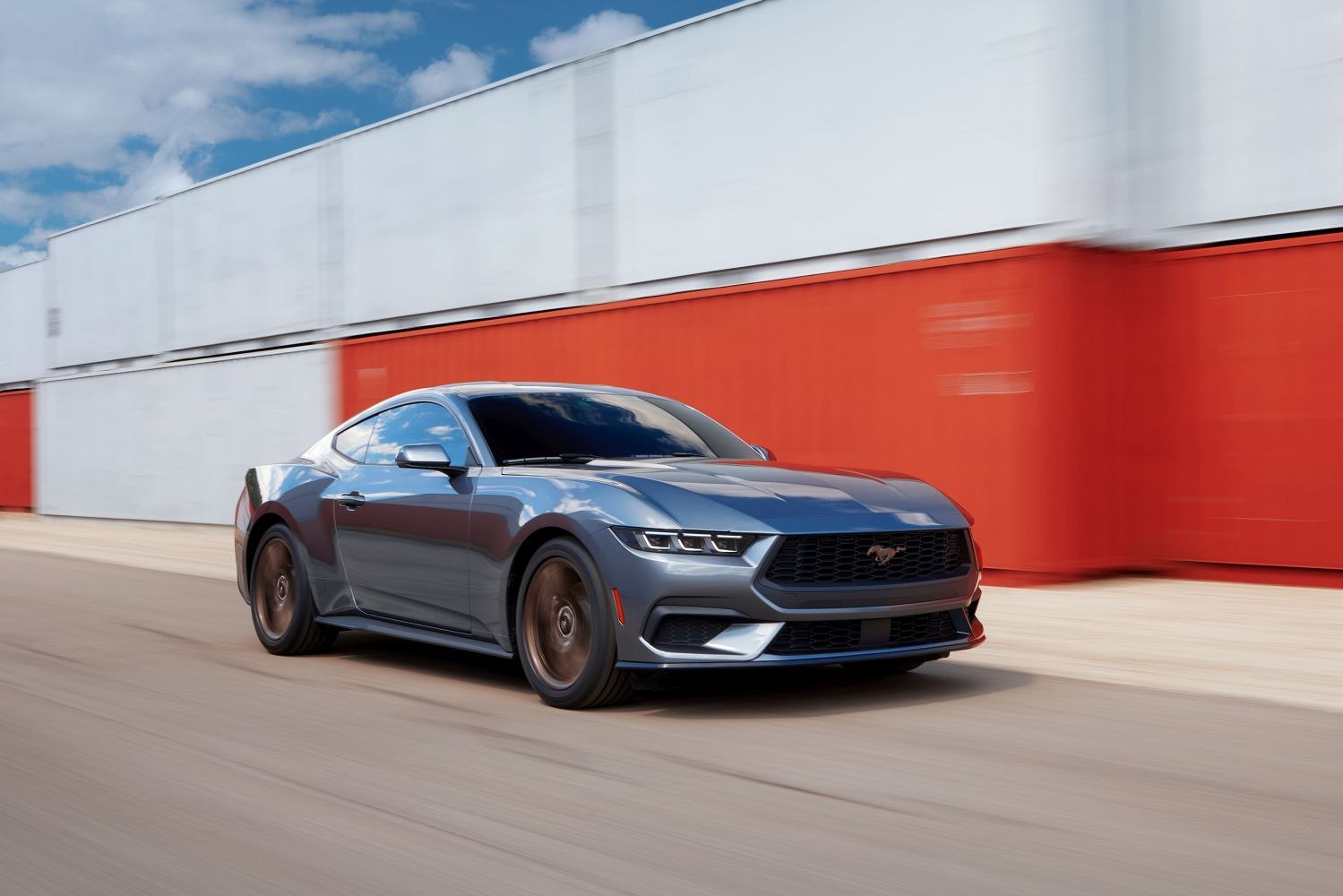
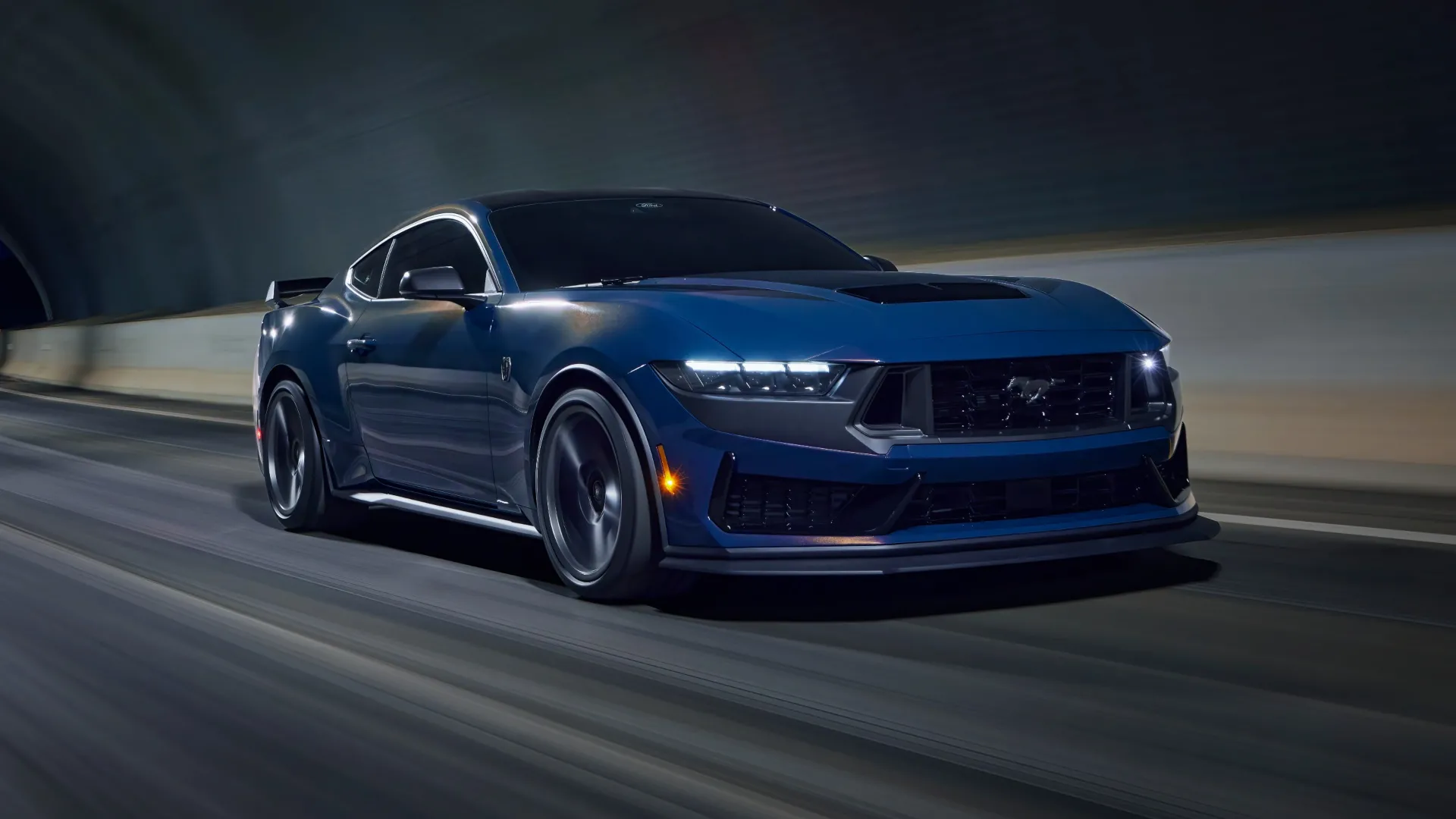
The legacy of the Ford Mustang is that of a survivor. It survived the muscle car implosion, the emissions strangulation of the 70s, and a near-death experience in the late 80s when Ford planned to replace it with a front-wheel-drive Mazda probe (a plan thwarted by thousands of angry letters from fans). It watched its rivals—the Camaro and the Challenger—die, be resurrected, and die again, while the Mustang kept galloping. Today, with the seventh-generation S650 and the Dark Horse variants, the Mustang stands as the last bastion of the V8 manual coupe. It has evolved from a crude, style-first exercise into a sophisticated, global performance icon, yet it has never lost that visceral, burbling character that captured the world’s imagination in 1964. It is the heart of Ford, and arguably, the heart of American motoring.
Portal
Model line
Model generation
Predecessor
Sucessor
Brand
Produced from
Vehicle category
Portal
Model line
Model generation
Predecessor
Sucessor
Model Overview
The Ford Mustang is not merely an automobile; it is a cultural artifact, a rolling definition of the American Dream, and the single most successful automotive sub-brand in history. While the Ford Model T put the world on wheels, the Mustang gave those wheels a soul. Launched in the spring of 1964, it arrived at the precise moment the Baby Boomer generation came of age, flush with cash and desperate to escape the dowdy, bench-seat sedans of their parents. Conceived by the visionary Lee Iacocca and penned by Gale Halderman, the Mustang was a masterstroke of “parts-bin engineering,” utilizing the humble bones of the Ford Falcon to create a vehicle that looked like a European grand tourer but cost peanuts to buy and maintain. It created the “Pony Car” segment overnight, spawning a legion of imitators—the Chevrolet Camaro, Pontiac Firebird, AMC Javelin, and Dodge Challenger—yet it remains the only one of the original breed to have remained in uninterrupted production for over sixty years.
To analyze the technical lineage of the Mustang is to trace the evolution of the American automobile itself. The first generation (1964–1973) was a triumph of style over substance. Underneath the “long hood, short deck” proportions lay a rudimentary unibody chassis with independent front suspension and a live rear axle suspended by leaf springs—a setup that prioritized cost and straight-line durability over cornering finesse. Engines ranged from the thrift-oriented 170 cubic-inch inline-six to the thundering 428 Cobra Jet V8. It was a blank canvas; a secretary could order a six-cylinder coupe with wire wheel covers, while a racer could spec a K-Code 289 Hi-Po or, later, a Boss 429, a homologation special with a hemi-head engine so wide the suspension towers had to be modified to fit it.
The lineage took a sharp, controversial turn with the Mustang II (1974–1978). Often maligned by purists, this Pinto-based downsizing was actually a prescient move by Iacocca. It arrived exactly as the 1973 Oil Crisis hit, keeping the brand alive when gas-guzzling muscle cars were facing extinction. It was small, slow, and soft, but it sold in the millions. The 1979 introduction of the “Fox Body” platform marked the return of performance. A squared-off, Euro-inspired design with a MacPherson strut front end and a four-link rear suspension, the Fox Body reignited the horsepower wars with the “5.0” High Output V8, a pushrod engine that became the tuning standard of the 1980s and 90s.
The modern era, ushered in by the SN95 (1994) and the retro-futurist S197 (2005), saw the Mustang finally grappling with modernity. The transition from the pushrod Windsor engines to the overhead-cam “Modular” V8s brought refinement, culminating in the supercharged “Terminator” Cobra of 2003. However, the seismic shift occurred in 2015 with the S550 generation. For the first time in fifty years, the Mustang featured Independent Rear Suspension (IRS) across the entire range, finally banishing the live axle to the history books. This transformed the car from a drag strip hero into a genuine world-class sports car capable of hunting BMW M4s on a twisting circuit. The pinnacle of this engineering ethos was the Shelby GT350, featuring the “Voodoo” 5.2-litre V8 with a flat-plane crankshaft—an exotic, 8,250-rpm screamer that sounded more like a Ferrari than a Ford.
The Mustang’s impact on motorsport is as diverse as its option list. In the 1960s, Carroll Shelby took the “secretary’s car”, stripped it, stiffened it, and created the GT350, a machine that dominated SCCA B-Production racing. The Trans-Am series of the late 60s and early 70s became the battleground for the Golden Era, where Parnelli Jones and George Follmer drifted their School Bus Yellow Boss 302s against the Sunoco Camaros of Mark Donohue. These battles are legendary, cementing the image of the Mustang as a road-course weapon. In drag racing, the 1968 Cobra Jet established the Mustang’s dominance in the Super Stock classes, a legacy that continues today with the factory-built Cobra Jet drag cars.
Even in the darkest days of the 1980s, the Roush-prepared Mustangs dominated the IMSA GTO class, looking like bloated caricatures of the road car and spitting flames from side-exit exhausts. In the 21st century, the Mustang found a new home in Formula Drift, where drivers like Vaughn Gittin Jr. proved that the American pony car was the perfect tool for the Japanese art of sliding. It even conquered Australia, with Allan Moffat’s Boss 302 taking famous victories at Bathurst, and the modern Supercars Championship seeing the Mustang replace the Falcon as the Blue Oval’s champion Down Under.
Culturally, the Mustang is peerless. It appeared in the James Bond film Goldfinger before it was even technically on sale. It was immortalized by Steve McQueen in Bullitt, leaping through the streets of San Francisco in a Highland Green fastback, creating the coolest movie car sequence of all time. It is the “Eleanor” from Gone in 60 Seconds, both the original and the remake. It is the car Wilson Pickett sang about in “Mustang Sally”. It represents freedom, rebellion, and the democratization of speed. It is one of the few cars that transcends social class; it is as at home in a high school parking lot as it is in a collector’s climate-controlled garage.
The legacy of the Ford Mustang is that of a survivor. It survived the muscle car implosion, the emissions strangulation of the 70s, and a near-death experience in the late 80s when Ford planned to replace it with a front-wheel-drive Mazda probe (a plan thwarted by thousands of angry letters from fans). It watched its rivals—the Camaro and the Challenger—die, be resurrected, and die again, while the Mustang kept galloping. Today, with the seventh-generation S650 and the Dark Horse variants, the Mustang stands as the last bastion of the V8 manual coupe. It has evolved from a crude, style-first exercise into a sophisticated, global performance icon, yet it has never lost that visceral, burbling character that captured the world’s imagination in 1964. It is the heart of Ford, and arguably, the heart of American motoring.
Generations
Model Generations
Submodels