Jaguar E-Type
Brand
Produced from
Vehicle category
Portal
Model line
Model generation
Predecessor
Sucessor
Model Overview
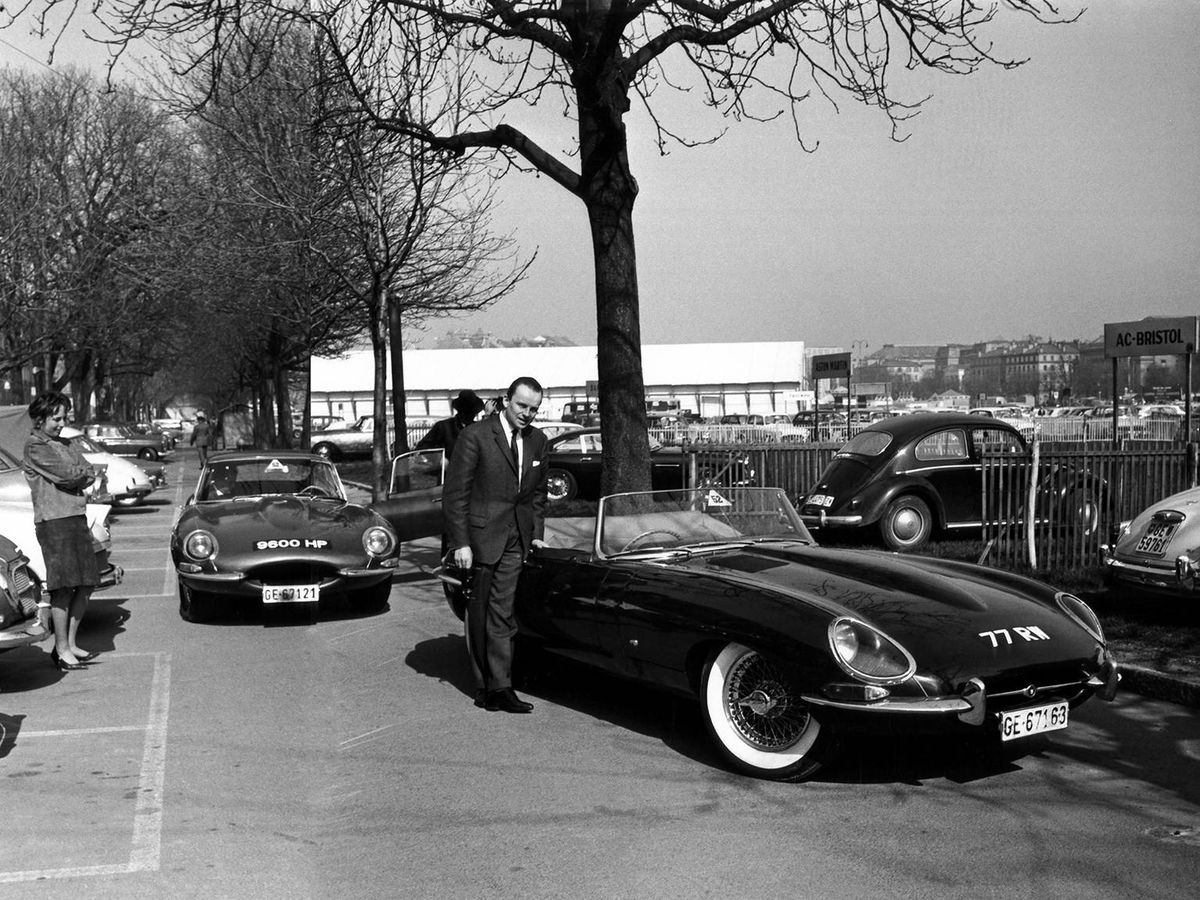
It is difficult to overstate the seismic impact of March 15, 1961. On that day, at the Parc des Eaux-Vives in Geneva, the automotive world did not merely pivot; it was fundamentally upended. When Sir William Lyons unveiled the Jaguar E-Type, he didn’t just present a successor to the ageing, albeit respected, XK150. He presented a machine that rendered the competition instantly obsolete. In an era when sports cars were either fragile, handcrafted Italian exotics costing the price of a manor house, or crude, truck-engined American iron, the E-Type was a revelation. It offered the impossible trinity: breathtaking beauty, 150 mph performance, and a price tag of just over £2,000—roughly half the cost of an Aston Martin DB4 and a third of a Ferrari 250 GT. Enzo Ferrari himself, a man not known for his generosity towards rivals, famously conceded that it was “the most beautiful car ever made.” The E-Type was not just a car; it was a cultural event, as significant to the Swinging Sixties as the Beatles or the mini-skirt. It was a missile of pure sex and speed that democratized the supercar experience, effectively creating the template for the modern grand tourer while simultaneously destroying the residual values of everything else on the market.
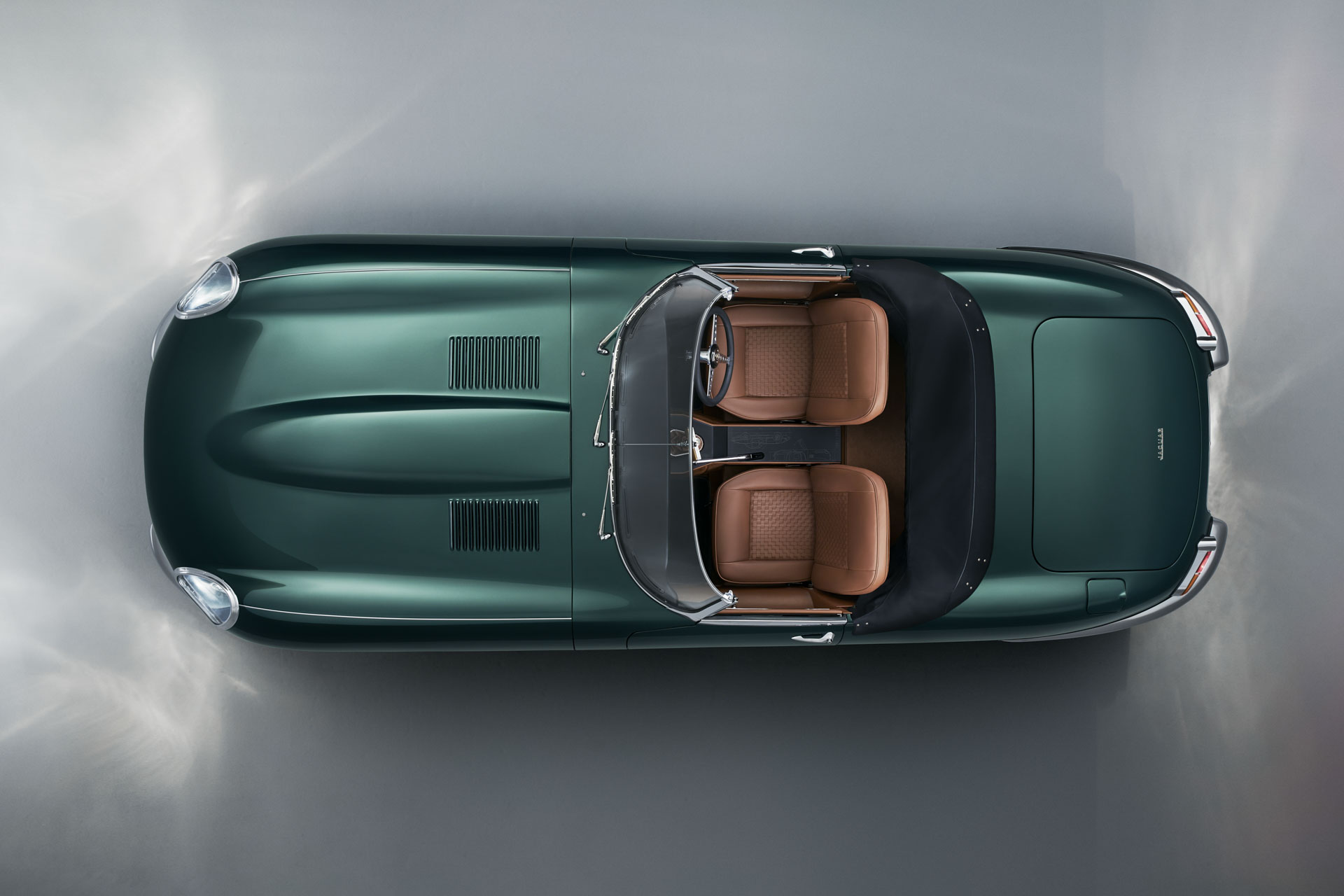
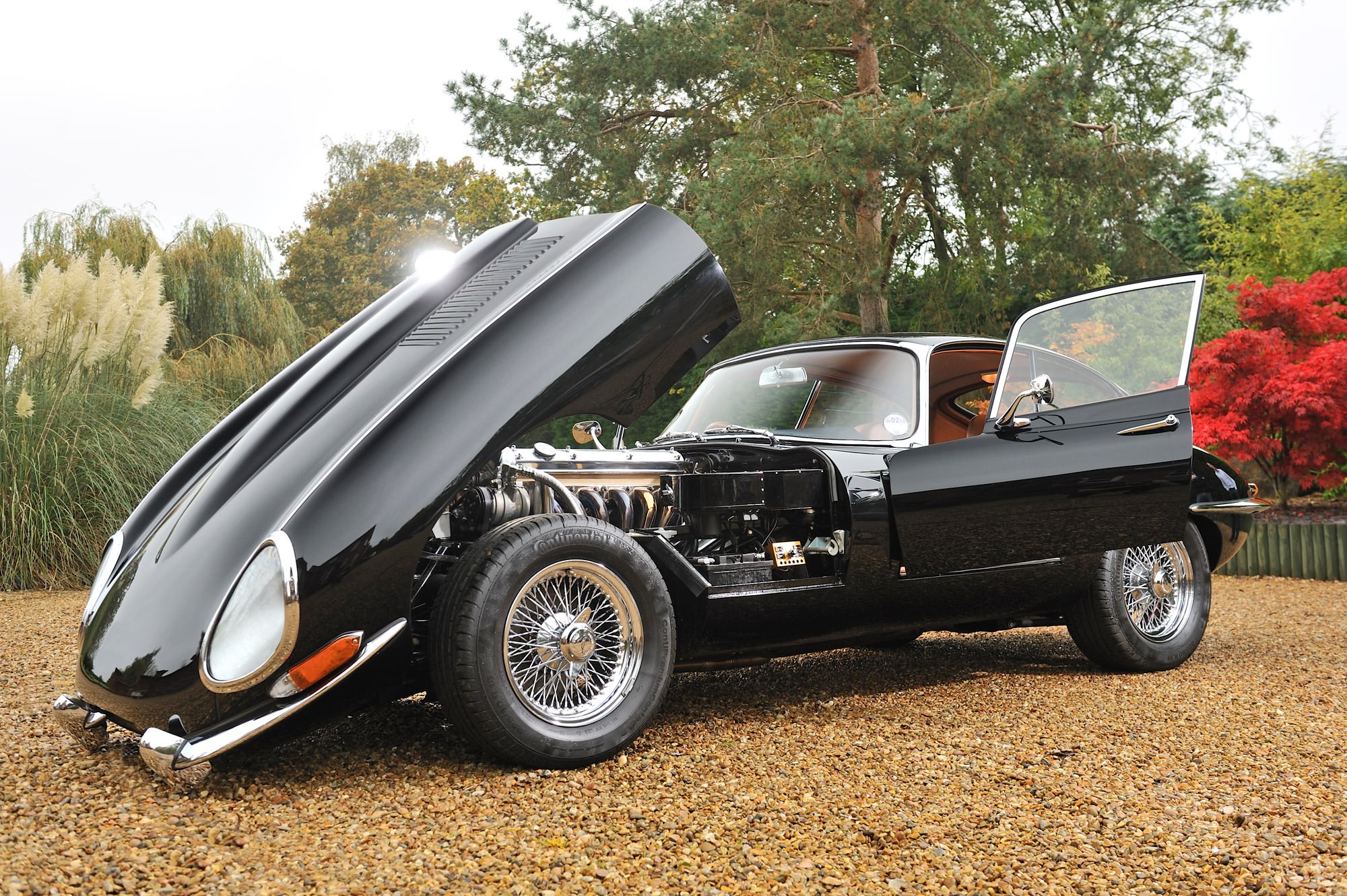
To understand the E-Type’s technical brilliance, one must look past its sensual sheet metal to the mind of its creator, Malcolm Sayer. Sayer was not a stylist in the traditional Italian sense; he was an aerodynamicist who had cut his teeth in the aircraft industry. He did not sculpt the E-Type; he calculated it. The car’s shape was defined by mathematical formulae designed to cheat the wind, resulting in a silhouette that was organic, fluid, and devastatingly efficient. Under the skin, the E-Type was a direct descendant of the Le Mans-winning D-Type racer. It utilized a revolutionary construction method for a road car: a central steel monocoque tub carrying the driver and passenger, with a Reynolds 531 tubular steel spaceframe bolted to the front to cradle the engine and suspension. This design made the car incredibly stiff yet remarkably light, tipping the scales at just over 1,300 kg.
The heart of the Series 1 was the immortal XK straight-six engine. Initially displacing 3.8 litres, this dual-overhead-cam masterpiece produced 265 bhp and a visceral, metallic rasps that is unmistakably Jaguar. In 1964, the engine was enlarged to 4.2 litres, maintaining the same horsepower but increasing torque to 283 lb-ft, making the car more tractable and easier to drive in traffic, mated to a fully synchronized four-speed Moss gearbox that finally replaced the agricultural unit of the early cars. But the E-Type’s ace card was its rear suspension. Designed by Bob Knight, the Independent Rear Suspension (IRS) module was a piece of engineering jewelry. It utilized lower wishbones and the driveshaft itself as the upper link, with the brakes mounted inboard next to the differential to reduce unsprung weight. This setup provided a ride quality that was compliant enough for a cross-continental dash yet stiff enough to hunt Ferraris on a race track. It was so effective that Jaguar would continue to use variations of this IRS setup well into the 1990s.
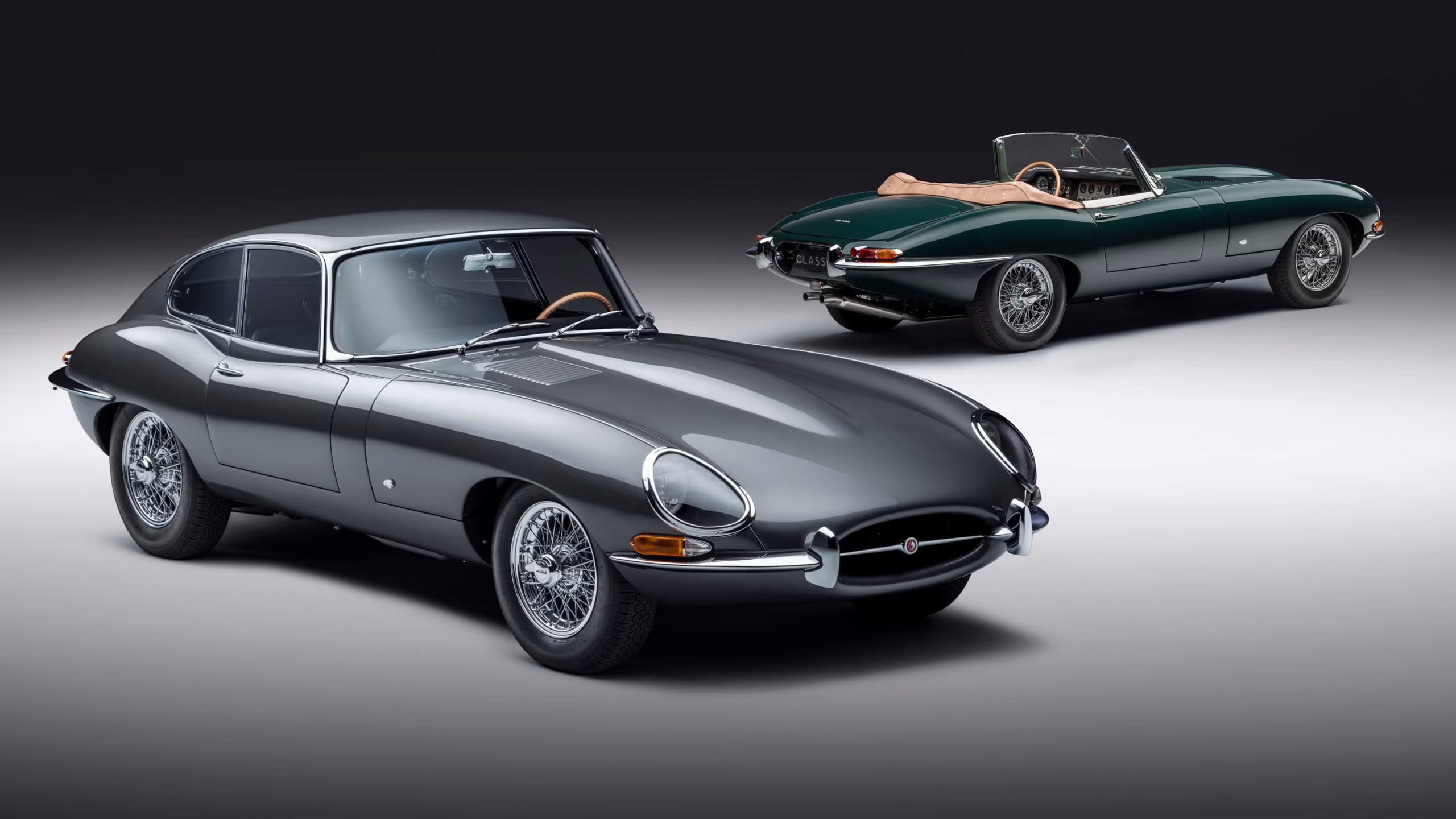
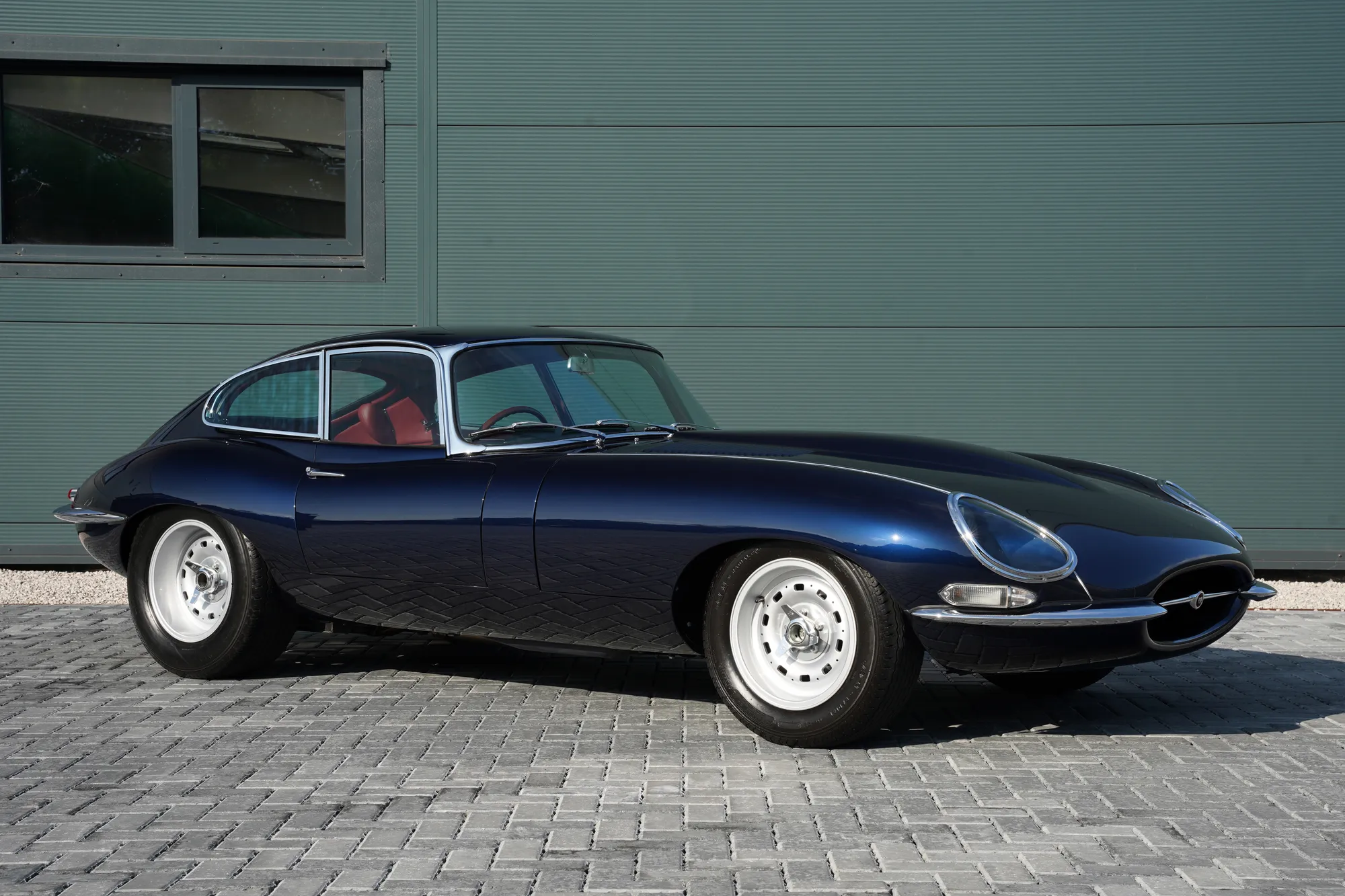
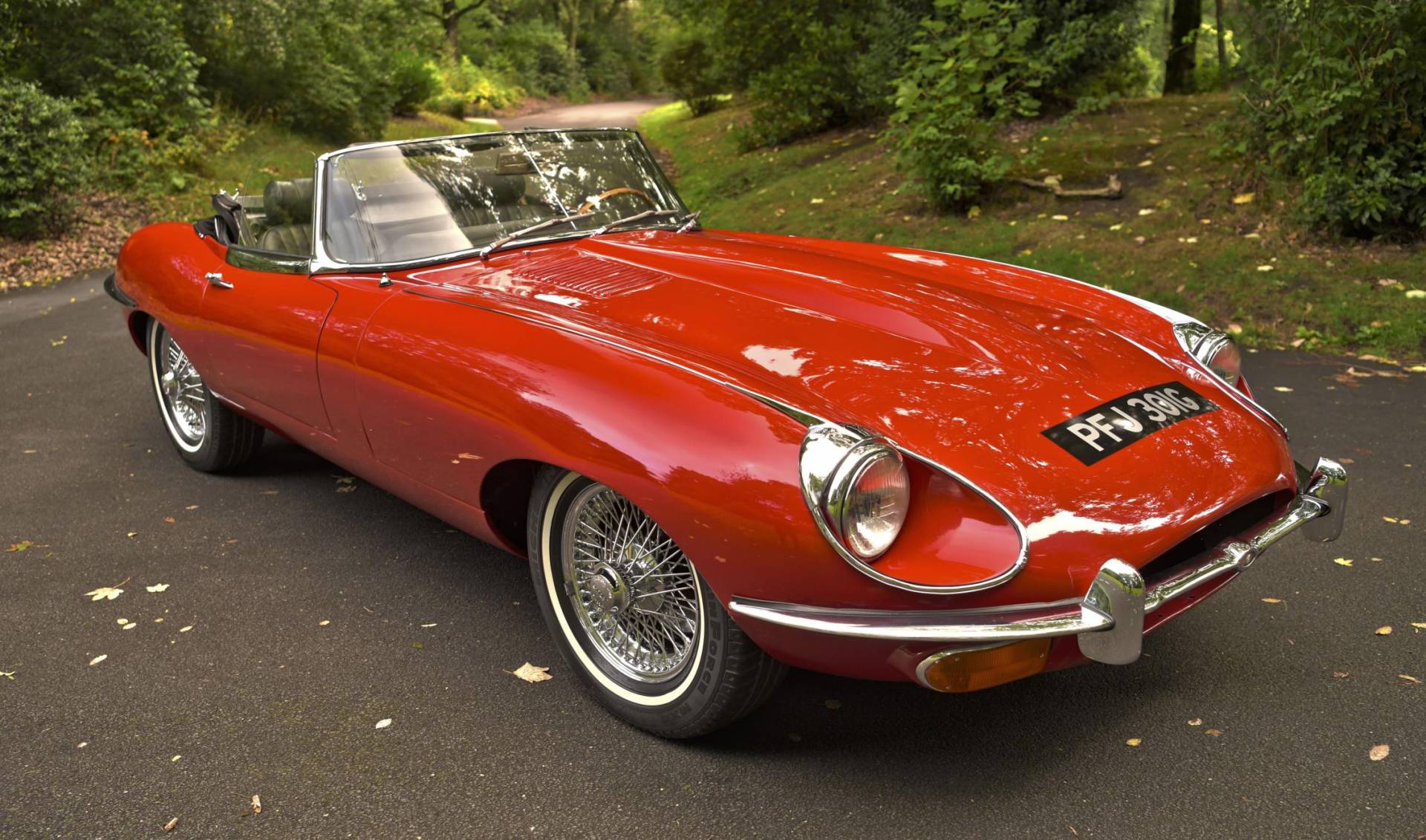
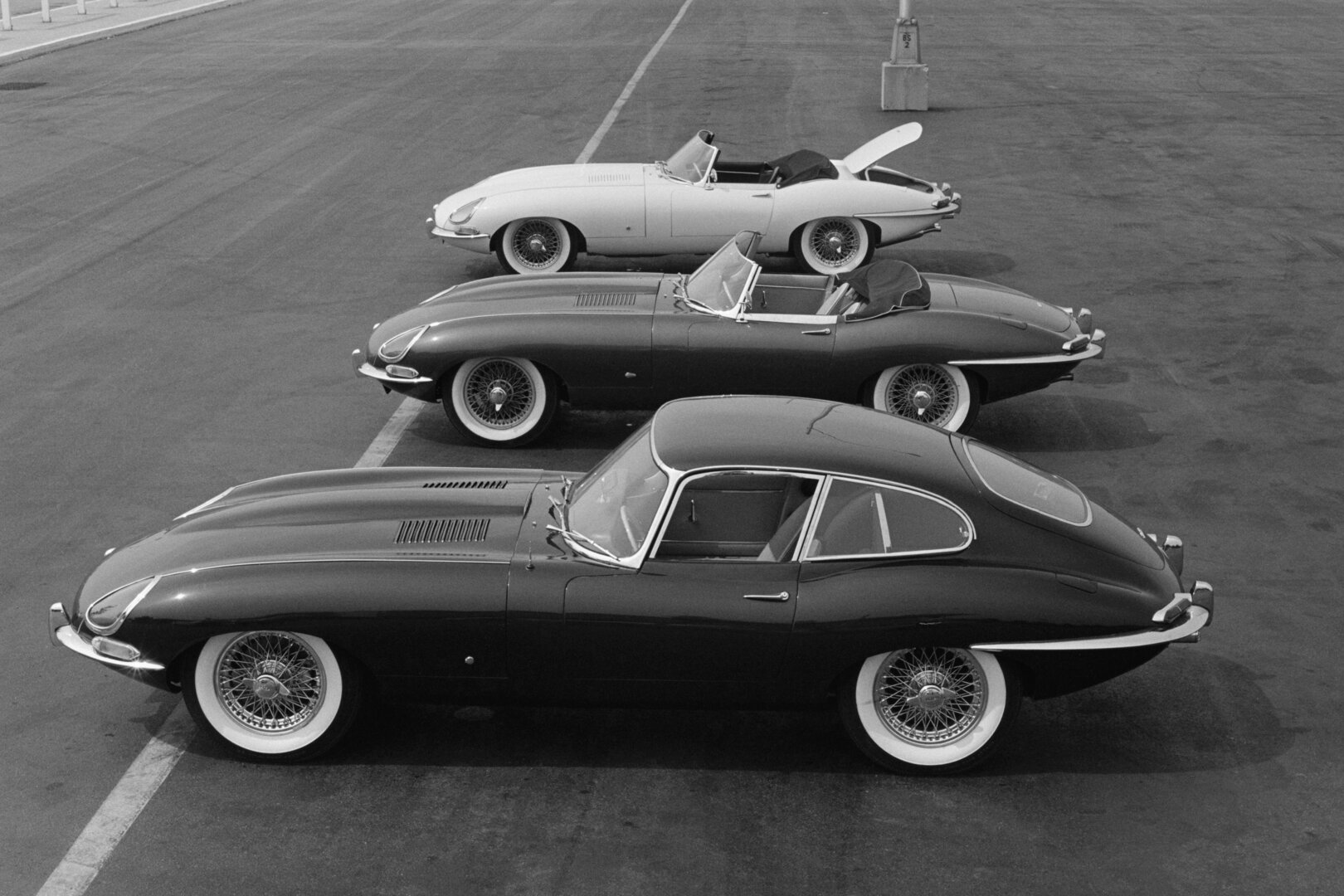
As the decade progressed, the E-Type evolved, though purists argue not always for the better. The Series 2, introduced in 1968, was a victim of the nascent US safety regulations. The pure, glass-covered headlights of the Series 1 were replaced by open units, the delicate mouth was widened to aid cooling, and heavy bumpers were grafted onto the front and rear. It was still a beautiful car, but the visual purity was diluted. The final metamorphosis came in 1971 with the Series 3. To compete with the burgeoning crop of V8 and V12 supercars, Jaguar fitted a buttery-smooth 5.3-litre V12 engine. The car grew longer, wider, and softer. It featured flared wheel arches to accommodate wider rubber and a distinctive cross-slatted grille. The Series 3 was a phenomenal grand tourer—a turbine-smooth cruiser capable of immense speed—but it had lost the lithe, athletic agility of the early six-cylinder cars.
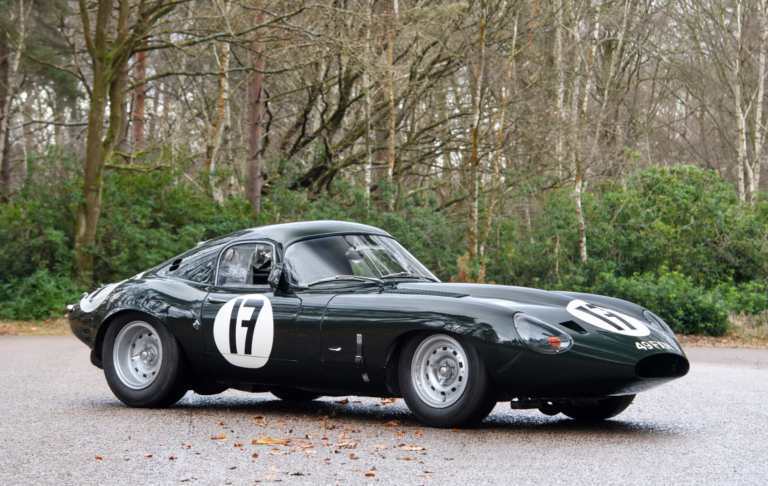
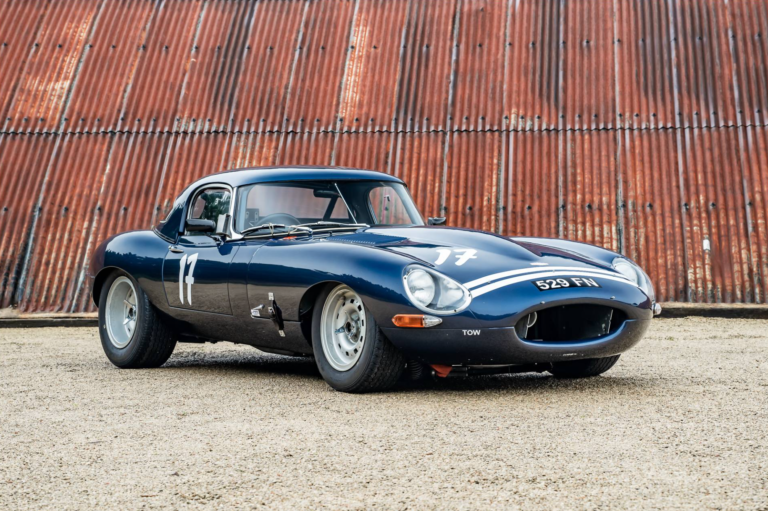
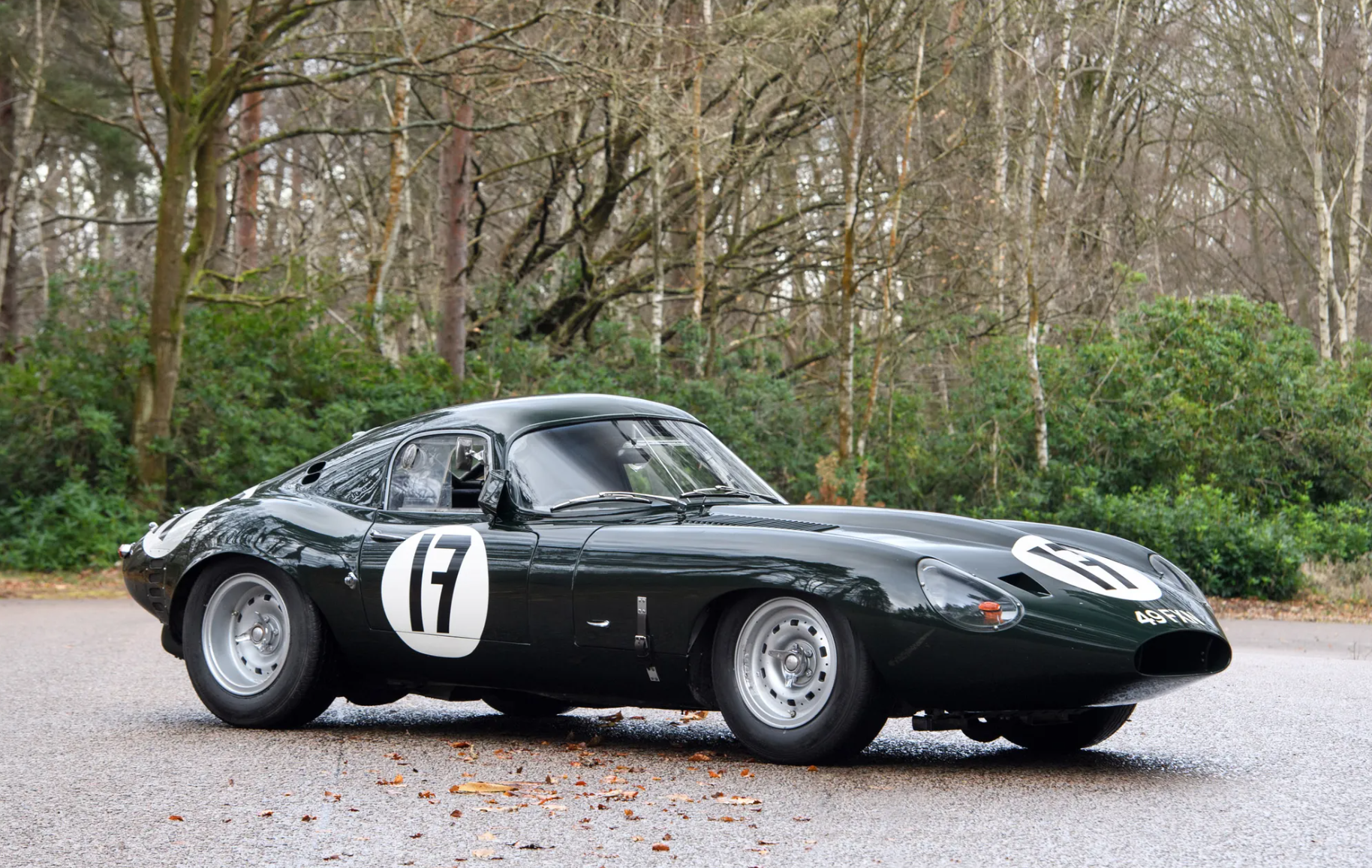
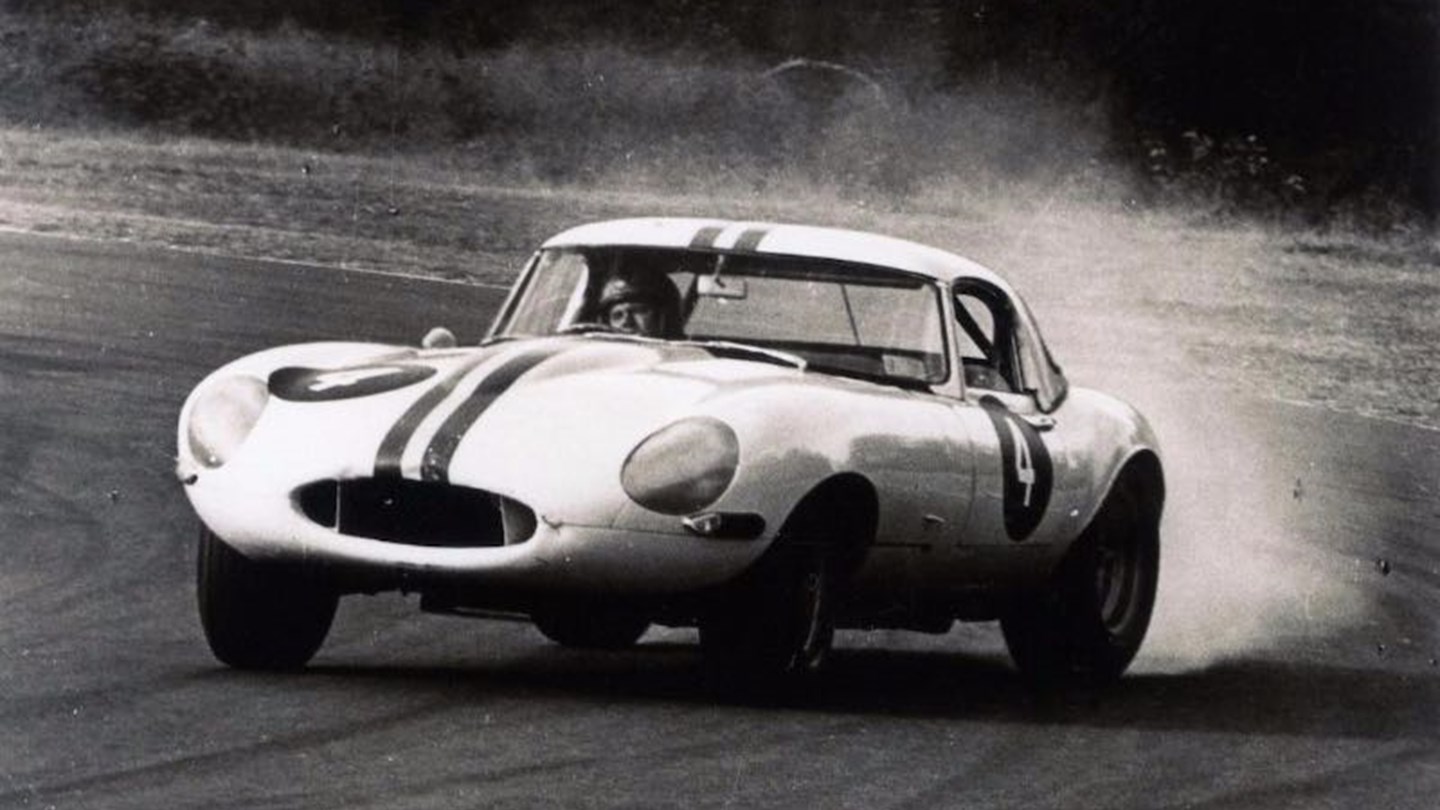
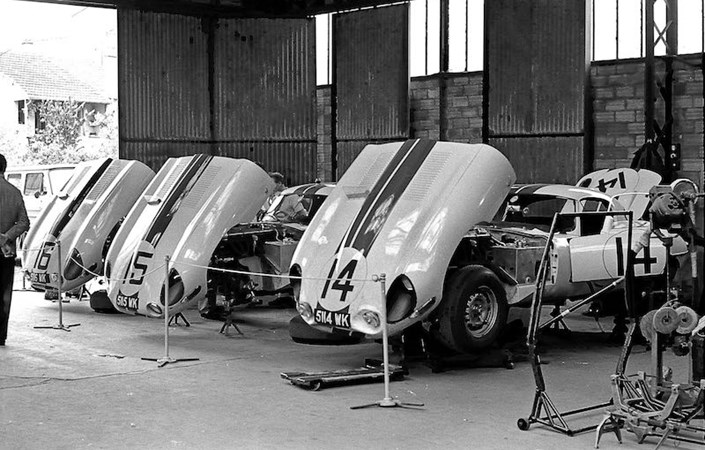
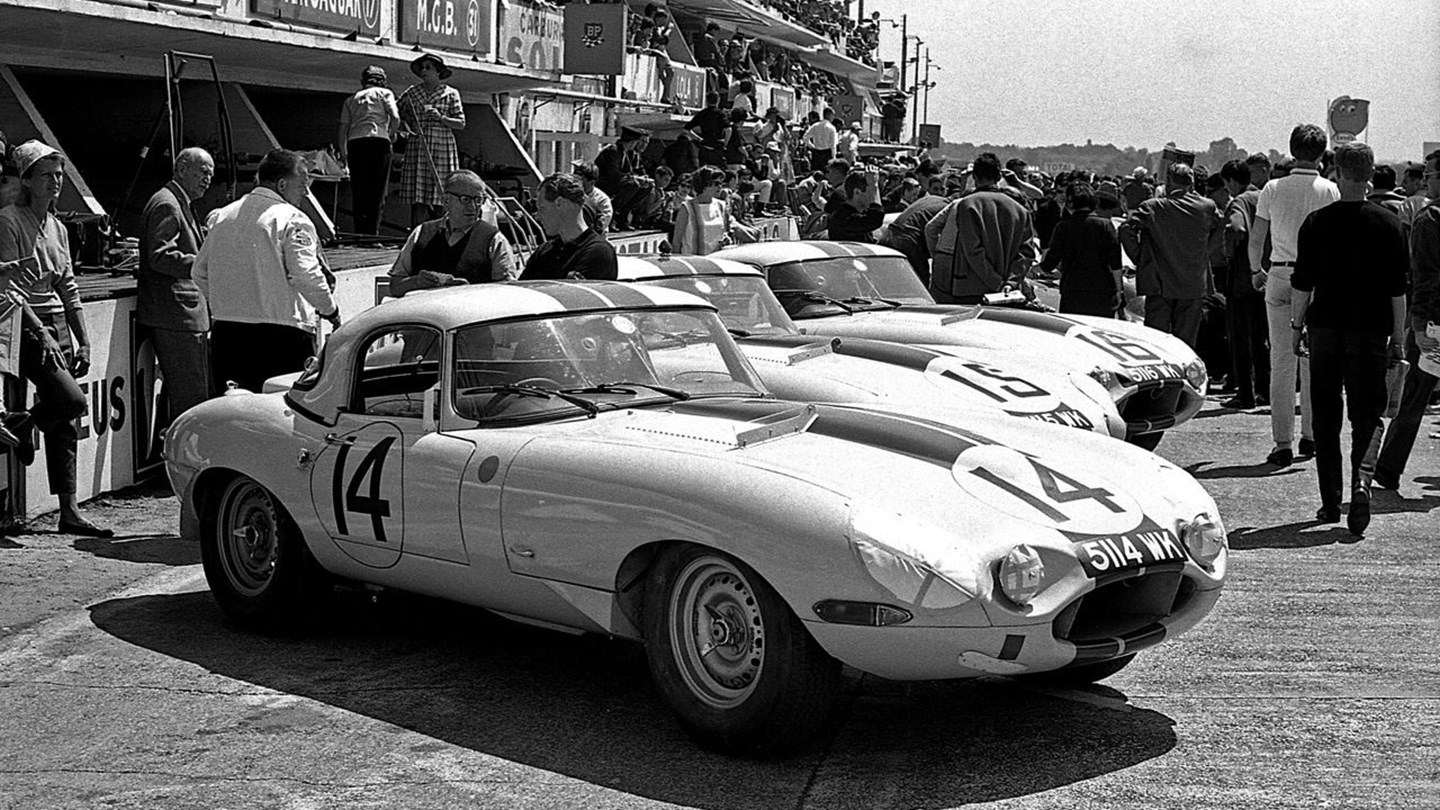
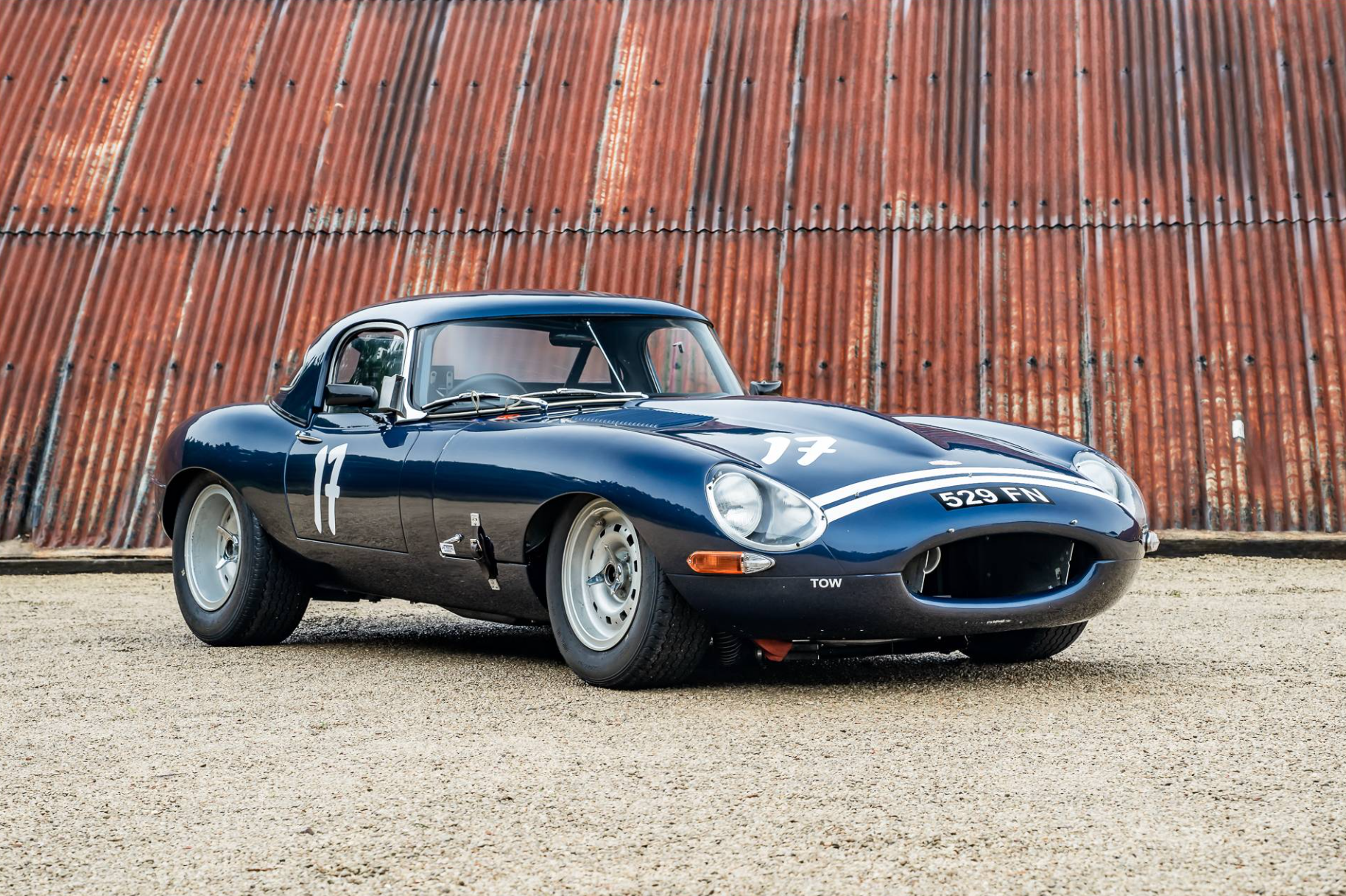
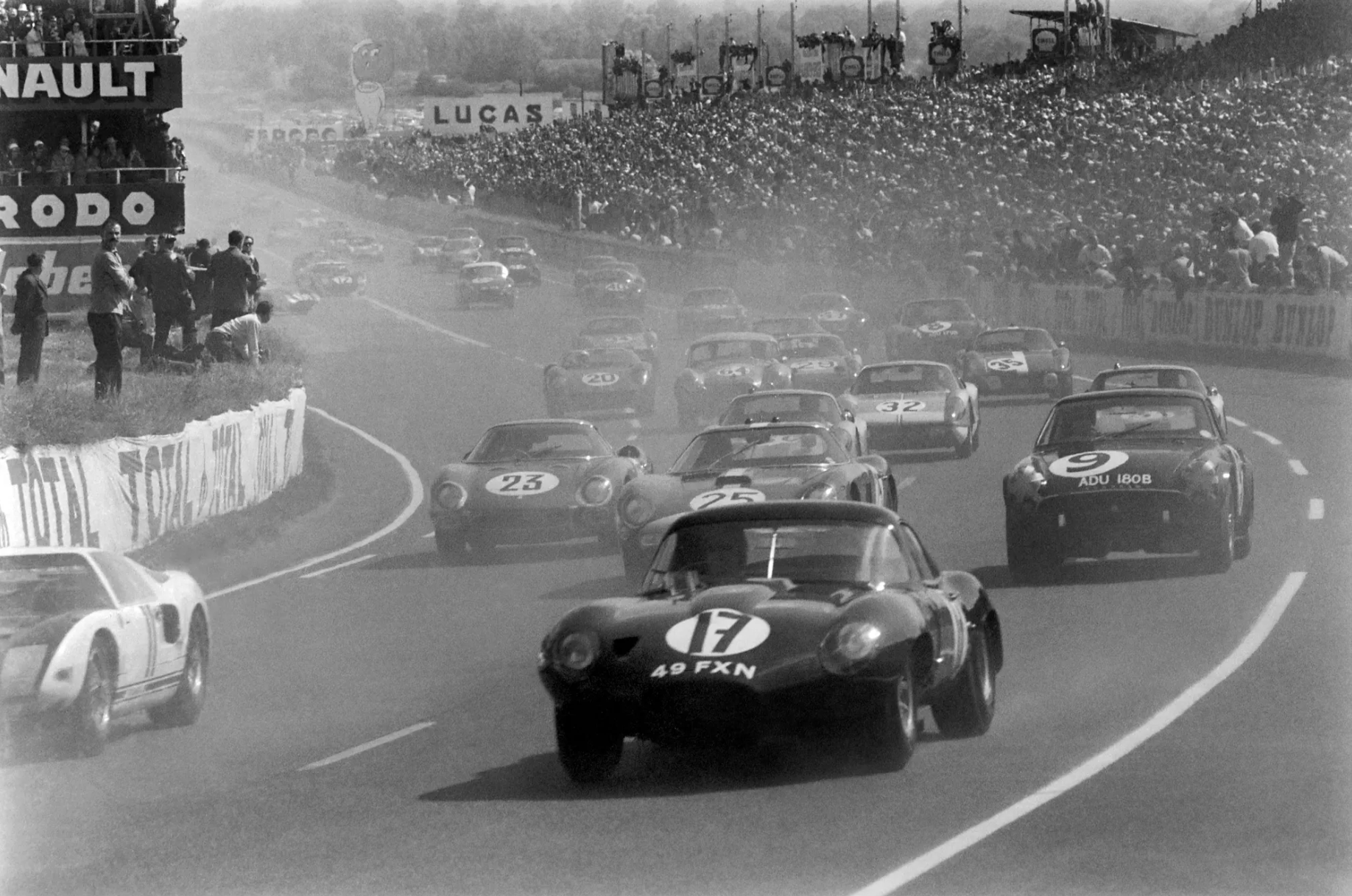
On the race track, the E-Type faced the unenviable task of following the C-Type and D-Type, cars that had practically owned Le Mans. The E-Type was never designed as a pure racer, yet its DNA demanded it compete. The factory developed the “Lightweight” E-Types—twelve bespoke chassis built with aluminium bodies and fuel-injected engines—to battle the Ferrari 250 GTO. In the hands of legends like Graham Hill and Roy Salvadori, the Lightweights were fearsome competitors. They were fast, loud, and visually stunning, capturing the GT class imagination even if they couldn’t quite secure an overall victory at La Sarthe against the mid-engined revolution that was fast approaching. Privateers campaigned E-Types globally, from the SCCA circuits of America to the endurance tracks of Europe, cementing the car’s reputation as a rugged and potent club racer. The “Low Drag Coupes,” aerodynamic experiments by the factory, remain some of the most coveted and fastest Jaguars ever built, hitting speeds of 170 mph on the Mulsanne Straight.
The cultural impact of the E-Type was arguably greater than its racing pedigree. It became the default transport for the international jet set. Frank Sinatra demanded one immediately upon seeing it. George Best, the “fifth Beatle” of football, famously drove one. It appeared in movies, fashion shoots, and on the driveways of the elite, yet it remained attainable enough for the successful doctor or architect. It was the ultimate symbol of “Cool Britannia,” a product that proved Britain could still lead the world in engineering and design. The early “Flat Floor” roadsters and the Fixed Head Coupes are now blue-chip investments, but in the 1960s, they were simply the fastest way to get from London to the South of France.
However, every star burns out, and by 1974, the E-Type was showing its age. The oil crisis had made the thirsty V12 socially awkward, and the design, once futuristic, now looked like a relic of a bygone era. It was replaced by the XJ-S, a car that was technically superior but visually challenging, lacking the E-Type’s universal appeal. The end of E-Type production marked the close of a golden chapter in motoring history. It was the last time a mass-production manufacturer built a car that could genuinely claim to be the fastest and most beautiful in the world.
The legacy of the Jaguar E-Type is not just in its appreciating value or its permanent residency in the Museum of Modern Art in New York (one of the few cars to be added to the design collection). Its legacy is found in the fact that every sports car built since 1961 has been judged against it. It set a benchmark for beauty that has arguably never been surpassed. It proved that complex engineering—like the IRS and monocoque construction—could be mass-produced. Even today, over sixty years later, seeing an E-Type on the road stops traffic. It elicits a smile from people who know nothing about cars, a reaction to Sayer’s mathematical curves that speaks to something primal. It remains the definitive sports car, a flawed, fragile, magnificent masterpiece that defined a generation and remains the standard-bearer for automotive romance.
Portal
Model line
Model generation
Predecessor
Sucessor
Brand
Produced from
Vehicle category
Portal
Model line
Model generation
Predecessor
Sucessor
Model Overview
It is difficult to overstate the seismic impact of March 15, 1961. On that day, at the Parc des Eaux-Vives in Geneva, the automotive world did not merely pivot; it was fundamentally upended. When Sir William Lyons unveiled the Jaguar E-Type, he didn’t just present a successor to the ageing, albeit respected, XK150. He presented a machine that rendered the competition instantly obsolete. In an era when sports cars were either fragile, handcrafted Italian exotics costing the price of a manor house, or crude, truck-engined American iron, the E-Type was a revelation. It offered the impossible trinity: breathtaking beauty, 150 mph performance, and a price tag of just over £2,000—roughly half the cost of an Aston Martin DB4 and a third of a Ferrari 250 GT. Enzo Ferrari himself, a man not known for his generosity towards rivals, famously conceded that it was “the most beautiful car ever made.” The E-Type was not just a car; it was a cultural event, as significant to the Swinging Sixties as the Beatles or the mini-skirt. It was a missile of pure sex and speed that democratized the supercar experience, effectively creating the template for the modern grand tourer while simultaneously destroying the residual values of everything else on the market.
To understand the E-Type’s technical brilliance, one must look past its sensual sheet metal to the mind of its creator, Malcolm Sayer. Sayer was not a stylist in the traditional Italian sense; he was an aerodynamicist who had cut his teeth in the aircraft industry. He did not sculpt the E-Type; he calculated it. The car’s shape was defined by mathematical formulae designed to cheat the wind, resulting in a silhouette that was organic, fluid, and devastatingly efficient. Under the skin, the E-Type was a direct descendant of the Le Mans-winning D-Type racer. It utilized a revolutionary construction method for a road car: a central steel monocoque tub carrying the driver and passenger, with a Reynolds 531 tubular steel spaceframe bolted to the front to cradle the engine and suspension. This design made the car incredibly stiff yet remarkably light, tipping the scales at just over 1,300 kg.
The heart of the Series 1 was the immortal XK straight-six engine. Initially displacing 3.8 litres, this dual-overhead-cam masterpiece produced 265 bhp and a visceral, metallic rasps that is unmistakably Jaguar. In 1964, the engine was enlarged to 4.2 litres, maintaining the same horsepower but increasing torque to 283 lb-ft, making the car more tractable and easier to drive in traffic, mated to a fully synchronized four-speed Moss gearbox that finally replaced the agricultural unit of the early cars. But the E-Type’s ace card was its rear suspension. Designed by Bob Knight, the Independent Rear Suspension (IRS) module was a piece of engineering jewelry. It utilized lower wishbones and the driveshaft itself as the upper link, with the brakes mounted inboard next to the differential to reduce unsprung weight. This setup provided a ride quality that was compliant enough for a cross-continental dash yet stiff enough to hunt Ferraris on a race track. It was so effective that Jaguar would continue to use variations of this IRS setup well into the 1990s.
As the decade progressed, the E-Type evolved, though purists argue not always for the better. The Series 2, introduced in 1968, was a victim of the nascent US safety regulations. The pure, glass-covered headlights of the Series 1 were replaced by open units, the delicate mouth was widened to aid cooling, and heavy bumpers were grafted onto the front and rear. It was still a beautiful car, but the visual purity was diluted. The final metamorphosis came in 1971 with the Series 3. To compete with the burgeoning crop of V8 and V12 supercars, Jaguar fitted a buttery-smooth 5.3-litre V12 engine. The car grew longer, wider, and softer. It featured flared wheel arches to accommodate wider rubber and a distinctive cross-slatted grille. The Series 3 was a phenomenal grand tourer—a turbine-smooth cruiser capable of immense speed—but it had lost the lithe, athletic agility of the early six-cylinder cars.
On the race track, the E-Type faced the unenviable task of following the C-Type and D-Type, cars that had practically owned Le Mans. The E-Type was never designed as a pure racer, yet its DNA demanded it compete. The factory developed the “Lightweight” E-Types—twelve bespoke chassis built with aluminium bodies and fuel-injected engines—to battle the Ferrari 250 GTO. In the hands of legends like Graham Hill and Roy Salvadori, the Lightweights were fearsome competitors. They were fast, loud, and visually stunning, capturing the GT class imagination even if they couldn’t quite secure an overall victory at La Sarthe against the mid-engined revolution that was fast approaching. Privateers campaigned E-Types globally, from the SCCA circuits of America to the endurance tracks of Europe, cementing the car’s reputation as a rugged and potent club racer. The “Low Drag Coupes,” aerodynamic experiments by the factory, remain some of the most coveted and fastest Jaguars ever built, hitting speeds of 170 mph on the Mulsanne Straight.
The cultural impact of the E-Type was arguably greater than its racing pedigree. It became the default transport for the international jet set. Frank Sinatra demanded one immediately upon seeing it. George Best, the “fifth Beatle” of football, famously drove one. It appeared in movies, fashion shoots, and on the driveways of the elite, yet it remained attainable enough for the successful doctor or architect. It was the ultimate symbol of “Cool Britannia,” a product that proved Britain could still lead the world in engineering and design. The early “Flat Floor” roadsters and the Fixed Head Coupes are now blue-chip investments, but in the 1960s, they were simply the fastest way to get from London to the South of France.
However, every star burns out, and by 1974, the E-Type was showing its age. The oil crisis had made the thirsty V12 socially awkward, and the design, once futuristic, now looked like a relic of a bygone era. It was replaced by the XJ-S, a car that was technically superior but visually challenging, lacking the E-Type’s universal appeal. The end of E-Type production marked the close of a golden chapter in motoring history. It was the last time a mass-production manufacturer built a car that could genuinely claim to be the fastest and most beautiful in the world.
The legacy of the Jaguar E-Type is not just in its appreciating value or its permanent residency in the Museum of Modern Art in New York (one of the few cars to be added to the design collection). Its legacy is found in the fact that every sports car built since 1961 has been judged against it. It set a benchmark for beauty that has arguably never been surpassed. It proved that complex engineering—like the IRS and monocoque construction—could be mass-produced. Even today, over sixty years later, seeing an E-Type on the road stops traffic. It elicits a smile from people who know nothing about cars, a reaction to Sayer’s mathematical curves that speaks to something primal. It remains the definitive sports car, a flawed, fragile, magnificent masterpiece that defined a generation and remains the standard-bearer for automotive romance.
Generations
Model Generations

Submodels