
Lancia Montecarlo
Brand
Produced from
Vehicle category
Portal
Model line
Model generation
Predecessor
Sucessor
About this model
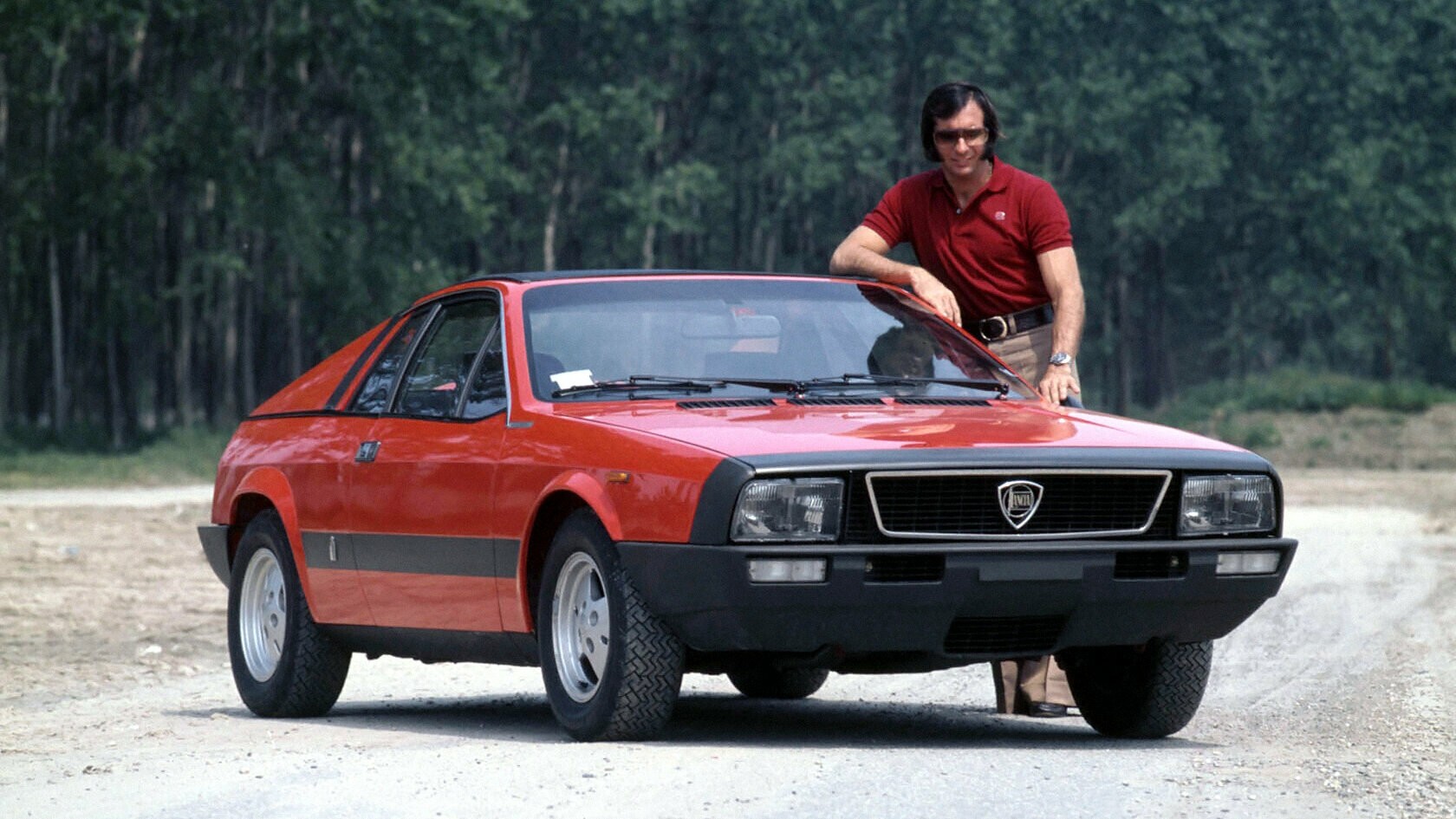
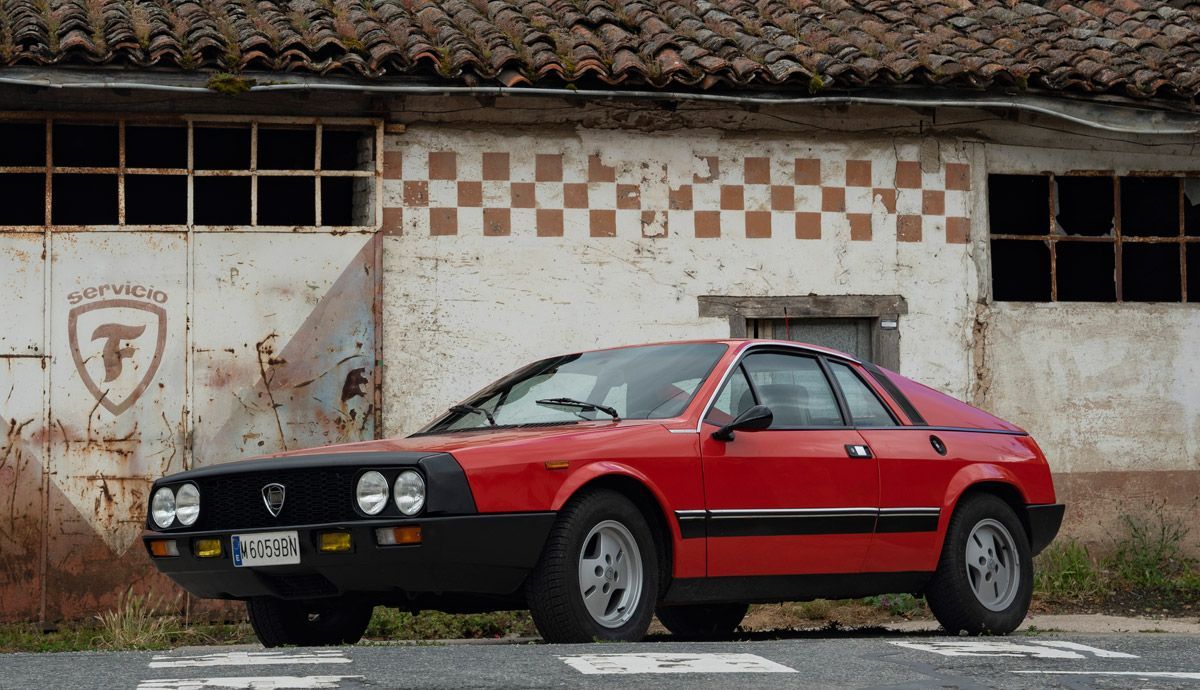
To describe the Lancia Montecarlo is to narrate a tale of two distinct entities living within a single, wedge-shaped silhouette. On one hand, it is the story of a road car marred by an identity crisis, strangled by emissions regulations, and plagued by a braking defect so severe it halted production for two years. On the other hand, it is the story of a motorsport titan, a giant-slayer that utilized its mid-engined architecture to dominate the World Championship for Makes and serve as the genetic donor for the legendary Lancia Rally 037. Born in the mid-1970s, a period of turbulent transition for the Italian automotive industry, the Montecarlo was originally conceived not as a Lancia, but as the “big brother” to the Fiat X1/9. Codenamed X1/8 and later X1/20, it was intended to be the Fiat 124 Sport Spider’s replacement, a Pininfarina-designed targa for the masses. However, as the project matured towards a higher price point, the marketing department at the Lingotto shuffled the deck, slapping the Lancia shield on the nose and naming it after the glamorous principality to evoke a sense of premium pedigree.
It entered a market teeming with talented, if flawed, rivals. It faced off against the transaxle balance of the Porsche 924 and the Alfetta GTV, as well as the composite fragility of the Lotus Éclat. Yet, the Montecarlo offered something none of them could: the exoticism of a mid-engine layout wrapped in the unparalleled elegance of Pininfarina styling. It was a “baby Ferrari” in the truest sense, arriving just as the Stratos was ceasing production, tasked with bridging the gap between Lancia’s delicate, engineering-led past and its aggressive, Fiat-directed future.
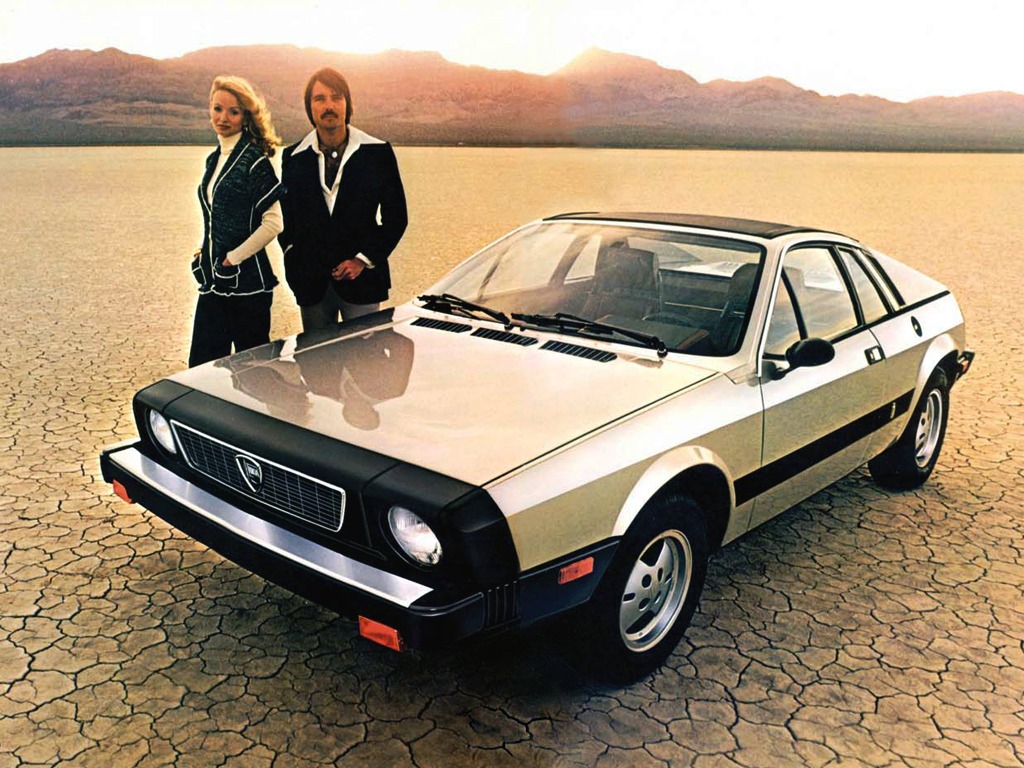
Technically, the Montecarlo was a masterclass in packaging, even if the mechanical ingredients were pulled from the Fiat group parts bin. The chassis utilized a central monocoque tub with MacPherson strut suspension at all four corners, a setup that promised agility and neutral handling. The engine, mounted transversely behind the driver’s head, was the venerable Aurelio Lampredi-designed twin-cam inline-four. In European specification, this 2.0-litre unit produced a spirited 118 bhp, fed by Weber carburetors. It was a gem of an engine—eager to rev, acousticallyraspy, and robust. However, the North American market received a tragic shadow of this machine. Rebranded as the Lancia Scorpion (because Chevrolet held the rights to the name “Monte Carlo”), the US version was fitted with a smog-choked 1.8-litre engine producing a pitiful 81 bhp. To add insult to injury, US bumper regulations forced the installation of pop-up headlights and ungainly impact bumpers that ruined the car’s delicate lines.
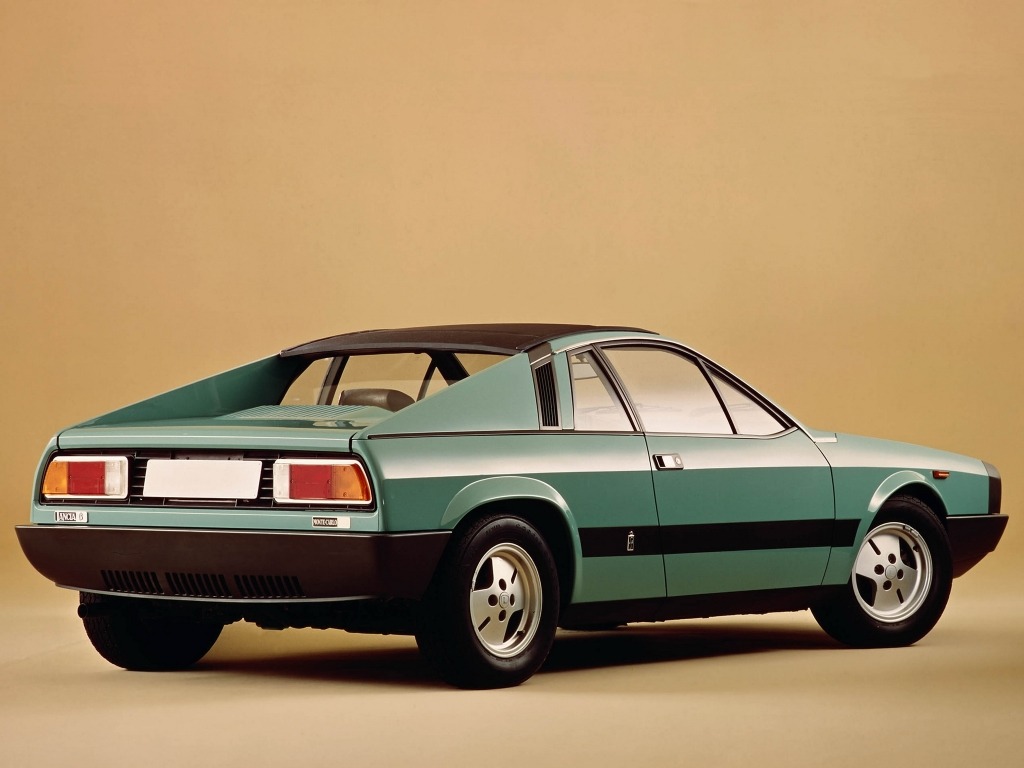
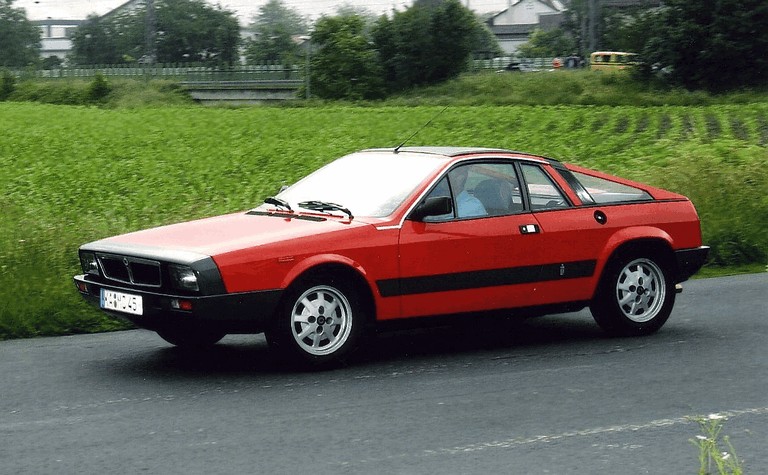
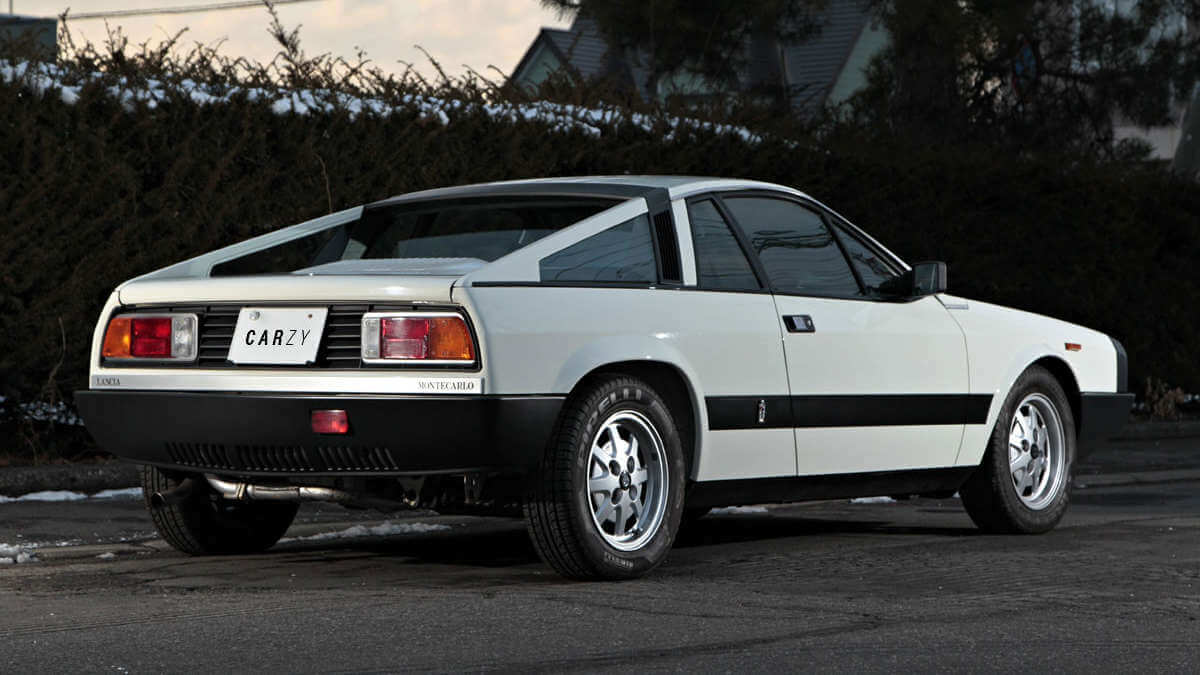
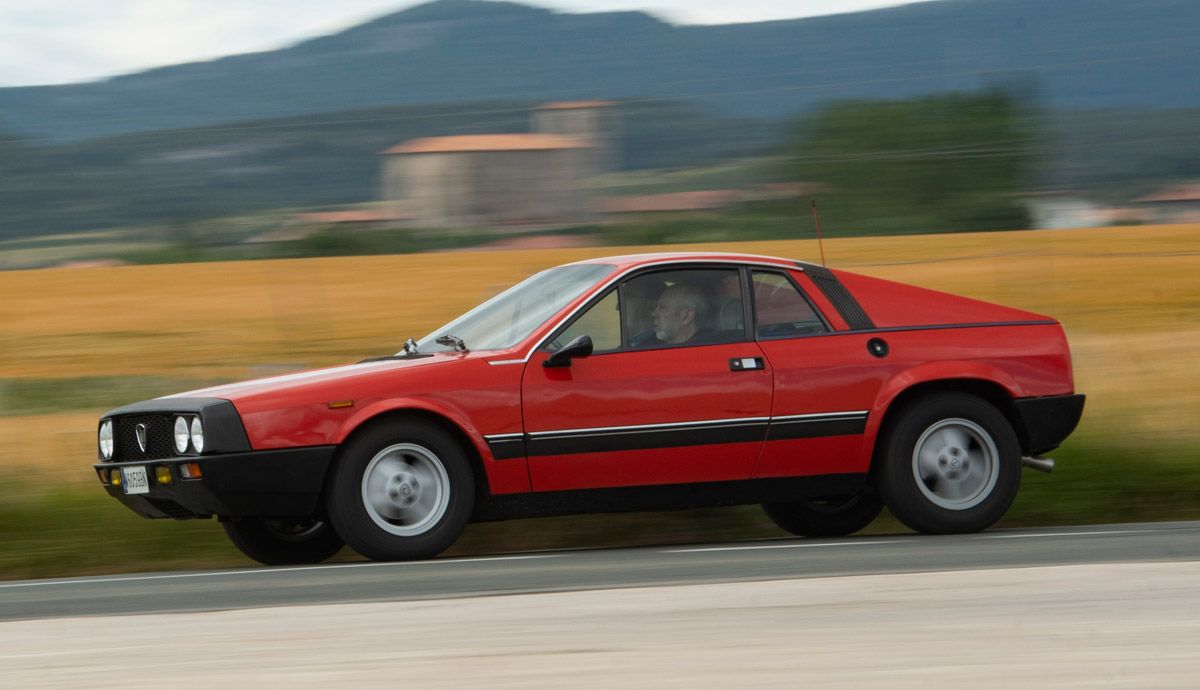
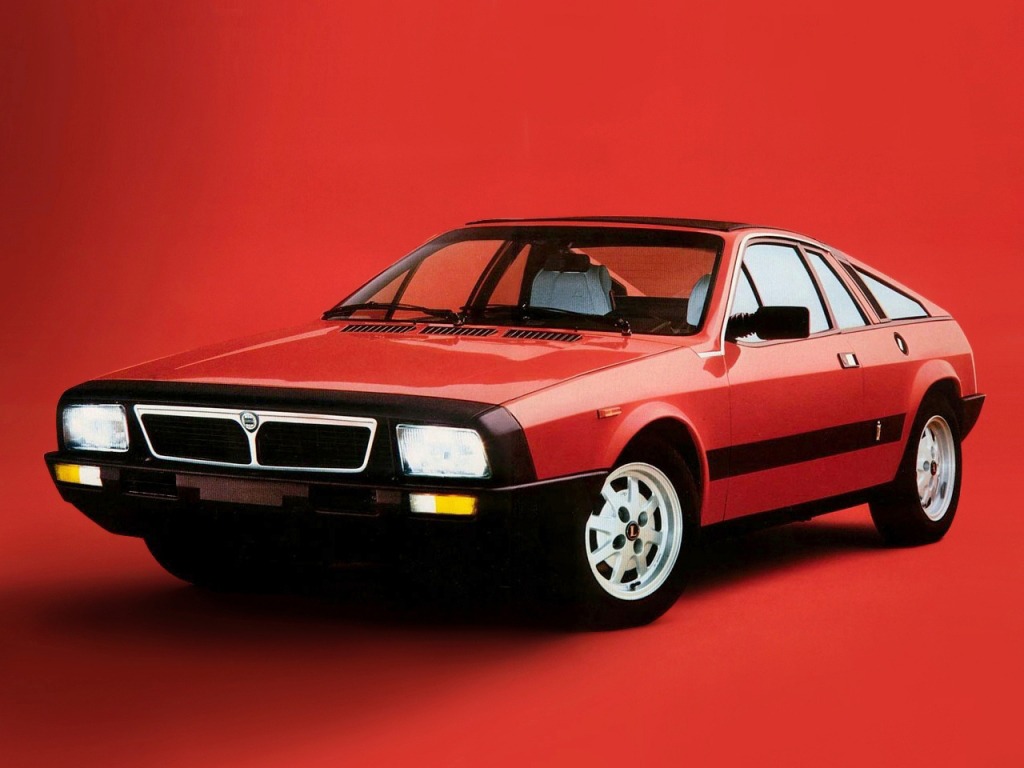
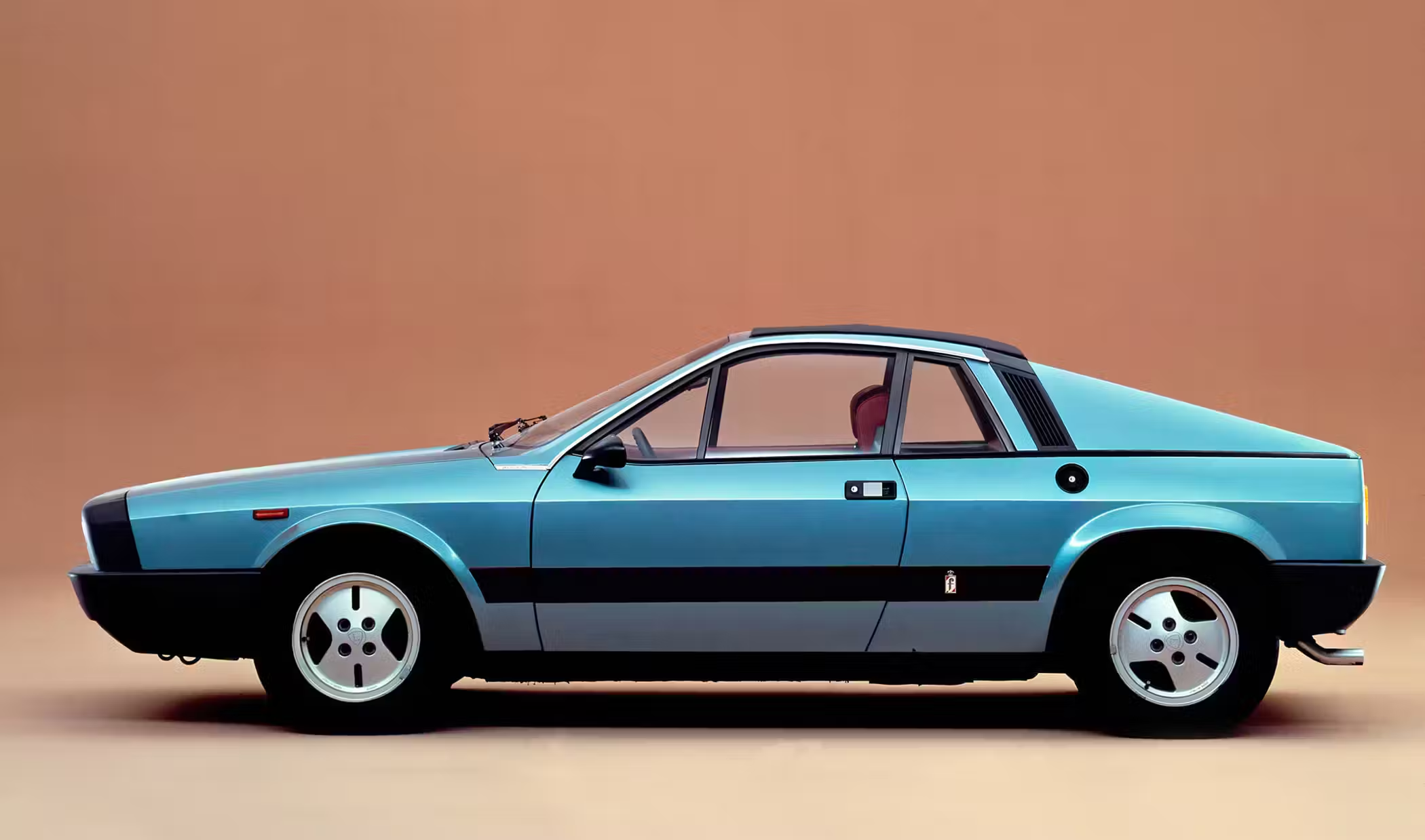
The exterior design remains the Montecarlo’s crowning achievement. Pininfarina penned a shape that was pure 1970s modernism—sharp, angular, yet remarkably clean. The defining feature was the pair of solid flying buttresses at the rear, framing a flat, vertical glass window while giving the profile a sleek fastback appearance. The available roll-back fabric roof (the “Spider” version, though technically a Targa) added a layer of open-air theatre that perfectly suited the car’s Riviera namesake. However, the technical narrative has a dark chapter. The Series 1 cars (1975-1978) suffered from a heavily over-servoed braking system that caused the front wheels to lock up dangerously in wet conditions. The issue was so prevalent and reputation-damaging that Lancia took the unprecedented step of ceasing production entirely in 1978. The car returned in 1980 as the Series 2, featuring a revised grille, glazed rear buttresses for better visibility, and crucially, a braking system stripped of the servo to cure the lock-up issue. While the fix worked, the momentum had been lost.
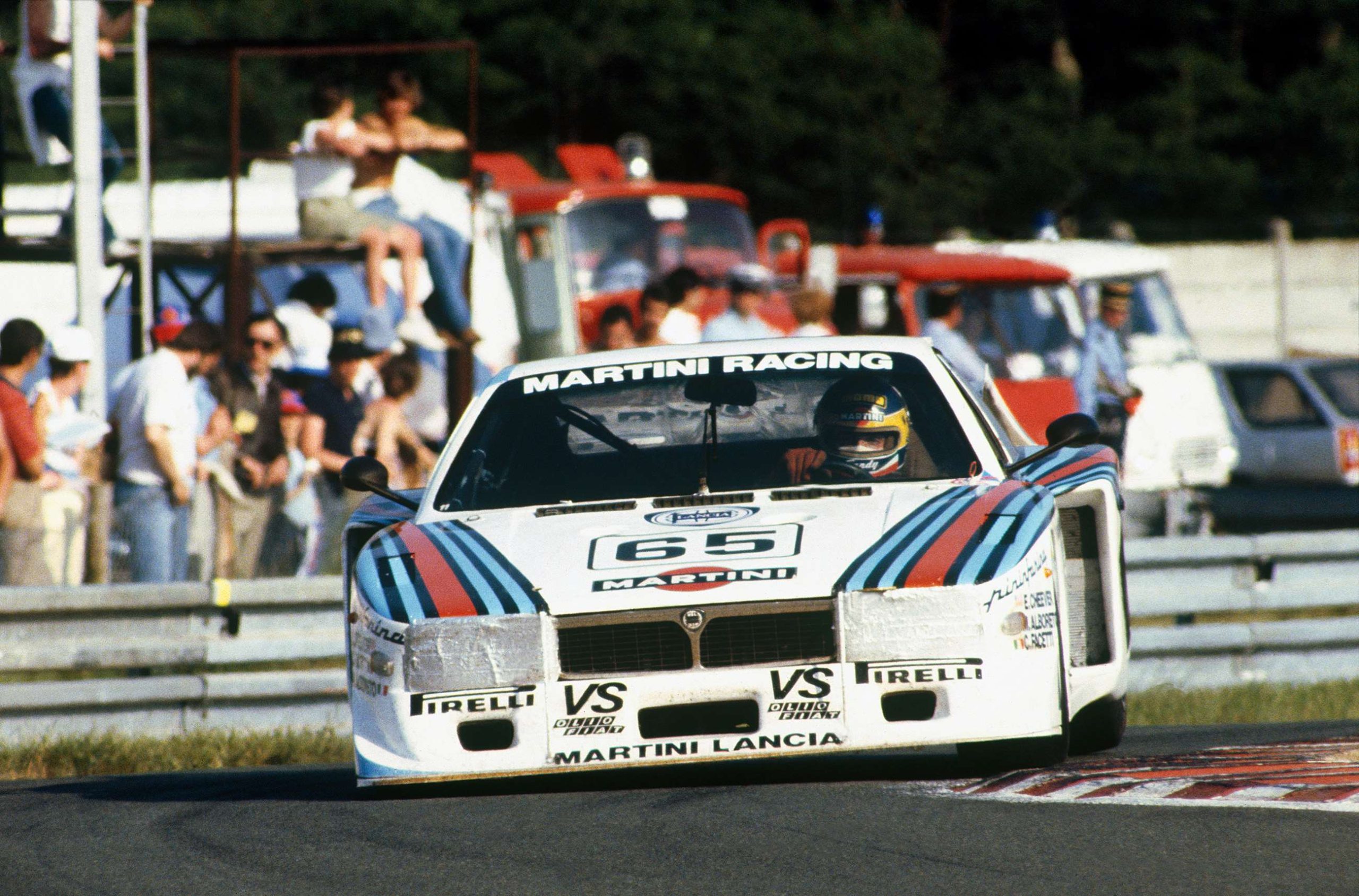
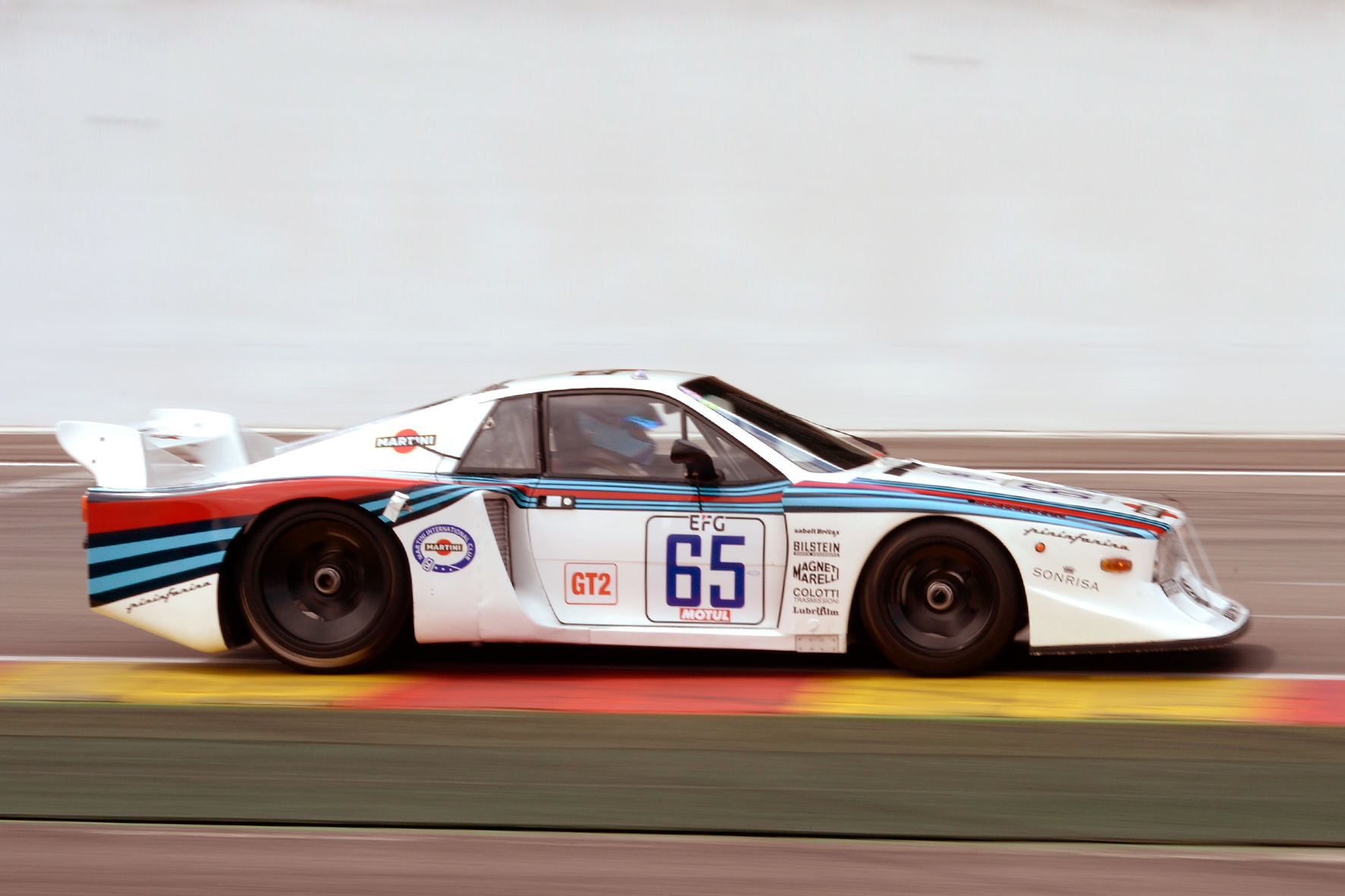
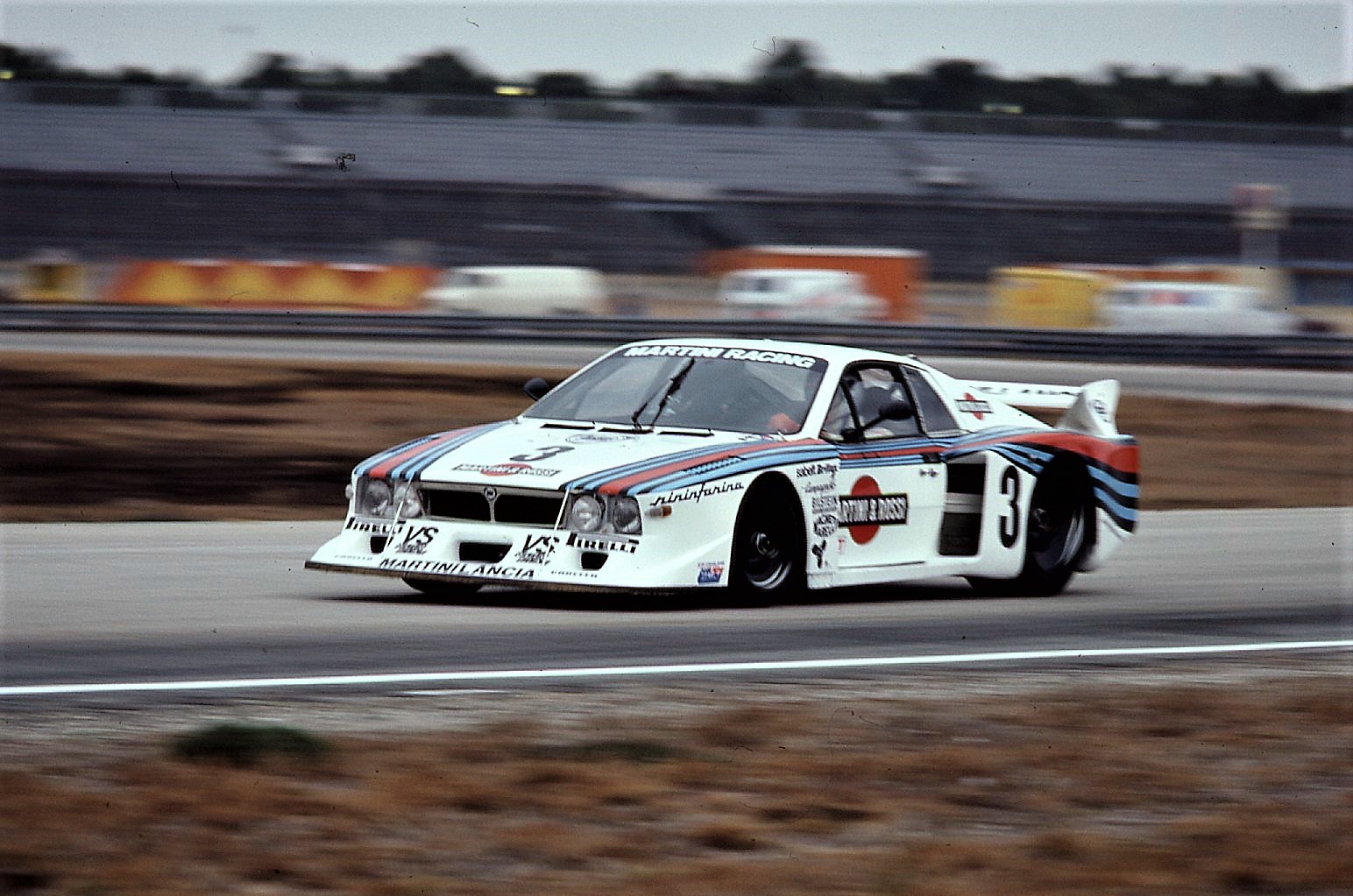
If the road car’s history is one of frustration, its competition history is one of unbridled glory. The Lancia Montecarlo Turbo Group 5 was a machine transformed. Under the direction of Cesare Fiorio, Lancia realized that the Montecarlo’s mid-engine tub was the perfect basis for a “Silhouette” racer. Developed with Abarth and Dallara, the Group 5 monster retained only the center section of the road car. The rest was a tubular spaceframe draped in wild, wide-arched Kevlar bodywork. The Lampredi engine was de-stroked to 1.4 litres and fitted with a massive KKK turbocharger, eventually producing over 470 bhp. This allowed the car to compete in the under-2.0-litre division (due to the 1.4x turbo multiplication factor).
The Montecarlo Turbo didn’t just compete; it decimated the opposition. Facing the mighty Porsche 935s, the nimble Lancia used its lightness and agility to rack up points. It won the World Championship for Makes (under 2.0L division) in 1979, and then secured the overall World Championship for Makes in 1980 and 1981, defeating the larger, more powerful Porsches through sheer consistency and class domination. Drivers like Riccardo Patrese, Walter Röhrl, and Hans Heyer became legends behind the wheel of the Martini-striped Lancias. The car was also a star of the Giro d’Italia Automobilistico, a unique event combining race tracks and rally stages, which the Montecarlo Turbo won in 1980. This success proved that the chassis had immense potential, directly leading to the development of the Lancia Rally 037—the first Group B car. The 037 was, in essence, a heavily modified Montecarlo, sharing the same center monocoque section, a fact that makes every road-going Montecarlo a close relative of the last rear-wheel-drive car to win the World Rally Championship.
The commercial legacy of the Montecarlo is mixed. Production ended in 1981 with fewer than 8,000 units sold worldwide (including the US Scorpions). For years, it was dismissed by collectors due to rust issues—common to all Italian cars of the era—and the stigma of the brake defects. It lived in the shadow of the more powerful Ferrari 308 and the more ubiquitous Alfa Romeos. However, time has been kind to the Montecarlo. Today, it is recognized as one of Pininfarina’s most cohesive designs of the 70s, a “poor man’s Ferrari” that actually delivers a genuine mid-engine driving experience.
Ultimately, the Lancia Montecarlo occupies a vital, if tragic, place in the pantheon. It represents the end of an era of innocence for Lancia sports cars and the beginning of a ruthless era of motorsport dominance. It is a car of “what ifs.” What if it had received the V6 engine it deserved? What if the brakes had been perfect from day one? What if the Scorpion hadn’t been neutered? Despite these flaws, its contribution to motorsport is undeniable. Without the Montecarlo, there is no 037, no Martini Racing dominance in the early 80s, and no Group B legend. It stands as a beautiful, flawed bridge between the gentlemanly Lancias of the past and the fire-breathing monsters of the future, earning its stripes not on the showroom floor, but on the tarmac of the Nürburgring and the asphalt of the Giro d’Italia.
Portal
Model line
Model generation
Predecessor
Sucessor
Brand
Produced from
Vehicle category
Portal
Model line
Model generation
Predecessor
Sucessor
About this model
To describe the Lancia Montecarlo is to narrate a tale of two distinct entities living within a single, wedge-shaped silhouette. On one hand, it is the story of a road car marred by an identity crisis, strangled by emissions regulations, and plagued by a braking defect so severe it halted production for two years. On the other hand, it is the story of a motorsport titan, a giant-slayer that utilized its mid-engined architecture to dominate the World Championship for Makes and serve as the genetic donor for the legendary Lancia Rally 037. Born in the mid-1970s, a period of turbulent transition for the Italian automotive industry, the Montecarlo was originally conceived not as a Lancia, but as the “big brother” to the Fiat X1/9. Codenamed X1/8 and later X1/20, it was intended to be the Fiat 124 Sport Spider’s replacement, a Pininfarina-designed targa for the masses. However, as the project matured towards a higher price point, the marketing department at the Lingotto shuffled the deck, slapping the Lancia shield on the nose and naming it after the glamorous principality to evoke a sense of premium pedigree.
It entered a market teeming with talented, if flawed, rivals. It faced off against the transaxle balance of the Porsche 924 and the Alfetta GTV, as well as the composite fragility of the Lotus Éclat. Yet, the Montecarlo offered something none of them could: the exoticism of a mid-engine layout wrapped in the unparalleled elegance of Pininfarina styling. It was a “baby Ferrari” in the truest sense, arriving just as the Stratos was ceasing production, tasked with bridging the gap between Lancia’s delicate, engineering-led past and its aggressive, Fiat-directed future.
Technically, the Montecarlo was a masterclass in packaging, even if the mechanical ingredients were pulled from the Fiat group parts bin. The chassis utilized a central monocoque tub with MacPherson strut suspension at all four corners, a setup that promised agility and neutral handling. The engine, mounted transversely behind the driver’s head, was the venerable Aurelio Lampredi-designed twin-cam inline-four. In European specification, this 2.0-litre unit produced a spirited 118 bhp, fed by Weber carburetors. It was a gem of an engine—eager to rev, acousticallyraspy, and robust. However, the North American market received a tragic shadow of this machine. Rebranded as the Lancia Scorpion (because Chevrolet held the rights to the name “Monte Carlo”), the US version was fitted with a smog-choked 1.8-litre engine producing a pitiful 81 bhp. To add insult to injury, US bumper regulations forced the installation of pop-up headlights and ungainly impact bumpers that ruined the car’s delicate lines.
The exterior design remains the Montecarlo’s crowning achievement. Pininfarina penned a shape that was pure 1970s modernism—sharp, angular, yet remarkably clean. The defining feature was the pair of solid flying buttresses at the rear, framing a flat, vertical glass window while giving the profile a sleek fastback appearance. The available roll-back fabric roof (the “Spider” version, though technically a Targa) added a layer of open-air theatre that perfectly suited the car’s Riviera namesake. However, the technical narrative has a dark chapter. The Series 1 cars (1975-1978) suffered from a heavily over-servoed braking system that caused the front wheels to lock up dangerously in wet conditions. The issue was so prevalent and reputation-damaging that Lancia took the unprecedented step of ceasing production entirely in 1978. The car returned in 1980 as the Series 2, featuring a revised grille, glazed rear buttresses for better visibility, and crucially, a braking system stripped of the servo to cure the lock-up issue. While the fix worked, the momentum had been lost.
If the road car’s history is one of frustration, its competition history is one of unbridled glory. The Lancia Montecarlo Turbo Group 5 was a machine transformed. Under the direction of Cesare Fiorio, Lancia realized that the Montecarlo’s mid-engine tub was the perfect basis for a “Silhouette” racer. Developed with Abarth and Dallara, the Group 5 monster retained only the center section of the road car. The rest was a tubular spaceframe draped in wild, wide-arched Kevlar bodywork. The Lampredi engine was de-stroked to 1.4 litres and fitted with a massive KKK turbocharger, eventually producing over 470 bhp. This allowed the car to compete in the under-2.0-litre division (due to the 1.4x turbo multiplication factor).
The Montecarlo Turbo didn’t just compete; it decimated the opposition. Facing the mighty Porsche 935s, the nimble Lancia used its lightness and agility to rack up points. It won the World Championship for Makes (under 2.0L division) in 1979, and then secured the overall World Championship for Makes in 1980 and 1981, defeating the larger, more powerful Porsches through sheer consistency and class domination. Drivers like Riccardo Patrese, Walter Röhrl, and Hans Heyer became legends behind the wheel of the Martini-striped Lancias. The car was also a star of the Giro d’Italia Automobilistico, a unique event combining race tracks and rally stages, which the Montecarlo Turbo won in 1980. This success proved that the chassis had immense potential, directly leading to the development of the Lancia Rally 037—the first Group B car. The 037 was, in essence, a heavily modified Montecarlo, sharing the same center monocoque section, a fact that makes every road-going Montecarlo a close relative of the last rear-wheel-drive car to win the World Rally Championship.
The commercial legacy of the Montecarlo is mixed. Production ended in 1981 with fewer than 8,000 units sold worldwide (including the US Scorpions). For years, it was dismissed by collectors due to rust issues—common to all Italian cars of the era—and the stigma of the brake defects. It lived in the shadow of the more powerful Ferrari 308 and the more ubiquitous Alfa Romeos. However, time has been kind to the Montecarlo. Today, it is recognized as one of Pininfarina’s most cohesive designs of the 70s, a “poor man’s Ferrari” that actually delivers a genuine mid-engine driving experience.
Ultimately, the Lancia Montecarlo occupies a vital, if tragic, place in the pantheon. It represents the end of an era of innocence for Lancia sports cars and the beginning of a ruthless era of motorsport dominance. It is a car of “what ifs.” What if it had received the V6 engine it deserved? What if the brakes had been perfect from day one? What if the Scorpion hadn’t been neutered? Despite these flaws, its contribution to motorsport is undeniable. Without the Montecarlo, there is no 037, no Martini Racing dominance in the early 80s, and no Group B legend. It stands as a beautiful, flawed bridge between the gentlemanly Lancias of the past and the fire-breathing monsters of the future, earning its stripes not on the showroom floor, but on the tarmac of the Nürburgring and the asphalt of the Giro d’Italia.
Generations
Generations of this Model Line

Submodels