Lola T212

Brand
Produced from
Vehicle category
Portal
Model line
Model generation
Predecessor
Sucessor
Model Overview
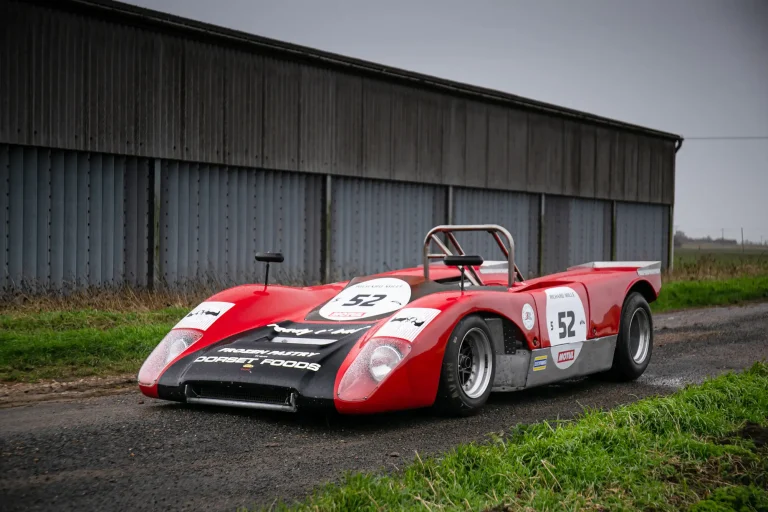
The dawn of the 1970s marked a pivotal transition in the philosophy of sports prototype racing, a shift from the brutish, gargantuan power of the large-displacement era to a philosophy of surgical precision, lightweight engineering, and aerodynamic efficiency. In this new world order, the 2-litre class became the fiercest battleground in Europe, a hotbed of innovation where future Formula 1 champions cut their teeth. Standing at the vanguard of this revolution was the Lola T212. Introduced for the 1971 season, the T212 was not a radical departure from the status quo but rather the exquisite refinement of a concept that Eric Broadley had introduced a year prior with the T210. It was a machine that sat on the precipice of a design shift; it was the last of the sensuous, curvaceous spyders before the brutalist “wedge” era of the T290 took hold. To the eyes of many purists, the T212 remains the most beautiful small-capacity sports racer ever to roll out of the Huntingdon factory, a car that combined the delicate lines of the 1960s with the emerging chassis technology of the 1970s. It entered the arena with a singular purpose: to destroy the tubular-framed Chevron B19s and secure the European 2-Litre Sports Car Championship for Lola.
To understand the T212’s technical brilliance, one must appreciate the engineering schism of the time. While its arch-rival, the Chevron B19, relied on a traditional steel spaceframe—a technology that was easy to repair and forgiving to drive—Eric Broadley championed the aluminium monocoque. The T212’s chassis was a bonded and riveted “bathtub,” a structure derived directly from Lola’s single-seater experience. This offered immense torsional rigidity, providing a stable platform that allowed the suspension geometry to work with absolute fidelity. The suspension itself was pure racing orthodoxy: double wishbones at the front with coil-over dampers, and a reversed lower wishbone, top link, and radius rod setup at the rear. This stiffness gave the T212 a sharper, more reactive turn-in than the softer Chevrons, though it arguably made the car more physically demanding at the limit.
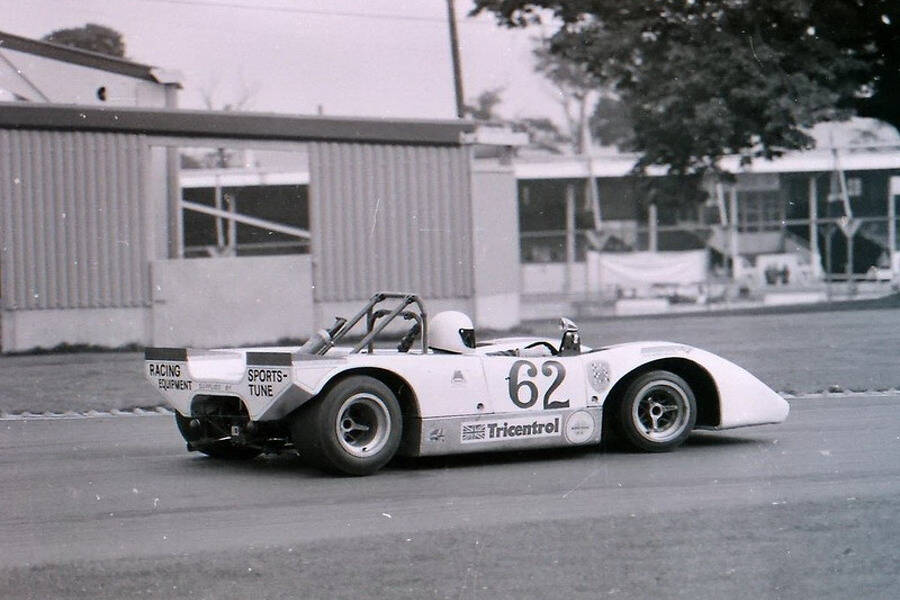
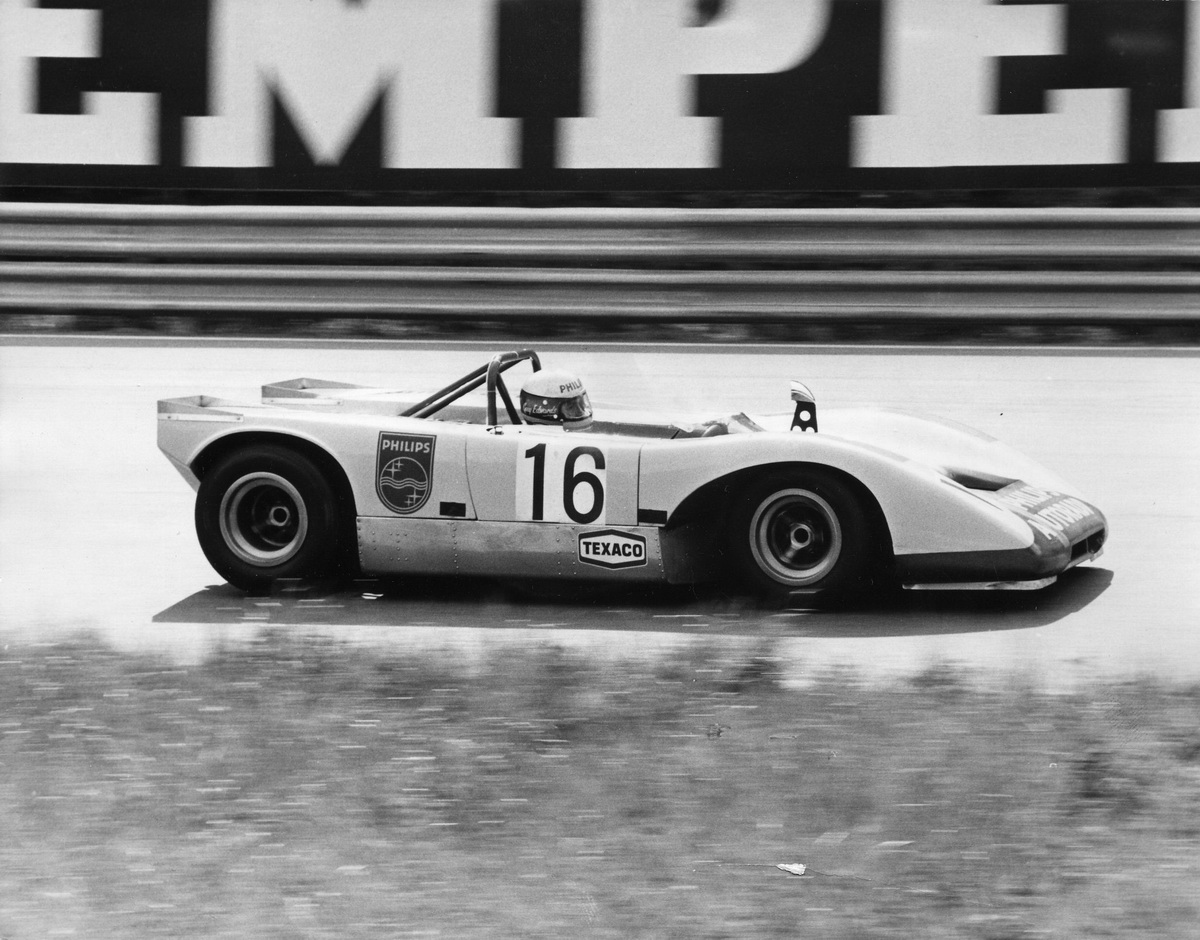
The bodywork of the T212 was a masterclass in low-drag efficiency. Unlike the later T290, which used a separate rear wing to generate downforce, the T212 featured an integrated rear deck with a pronounced spoiler lip—often fitted with a “Gurney flap”—to manage airflow. The nose was low and rounded, feeding air into a small radiator duct, while the cockpit was a tight, sparse environment dominated by the simple instrument cluster and the gear lever for the Hewland FT200 transaxle. The car was incredibly compact, a diminutive weapon that weighed barely 550 kilograms.
The heart of the T212, and the source of its frenetic character, was the engine. While the chassis was designed to be adaptable, the definitive powerplant was the Ford Cosworth FVC. This 1.8-litre (specifically 1,790cc) inline-four was a pure racing engine, featuring a gear-driven double overhead camshaft and four valves per cylinder. Producing approximately 270 to 280 brake horsepower at a dizzying 9,000 rpm, the FVC was a visceral, vibrating masterpiece. It didn’t have the torque of a large V8; it required the driver to keep the revs in the stratosphere, dancing on the pedals to keep the engine “on the cam.” However, Lola also experimented with other powerplants in the T212 chassis to suit different markets and budgets. There were variants fitted with the Cosworth EA, an experimental all-alloy engine based on the Chevrolet Vega block. While lighter and potentially more powerful, the EA proved disastrously unreliable, vibrating so severely it would crack chassis bulkheads. Other privateers fitted BMW engines or even 2.0-litre Abarth units, but it is the screaming, metallic rasp of the FVC that remains the T212’s signature soundtrack.
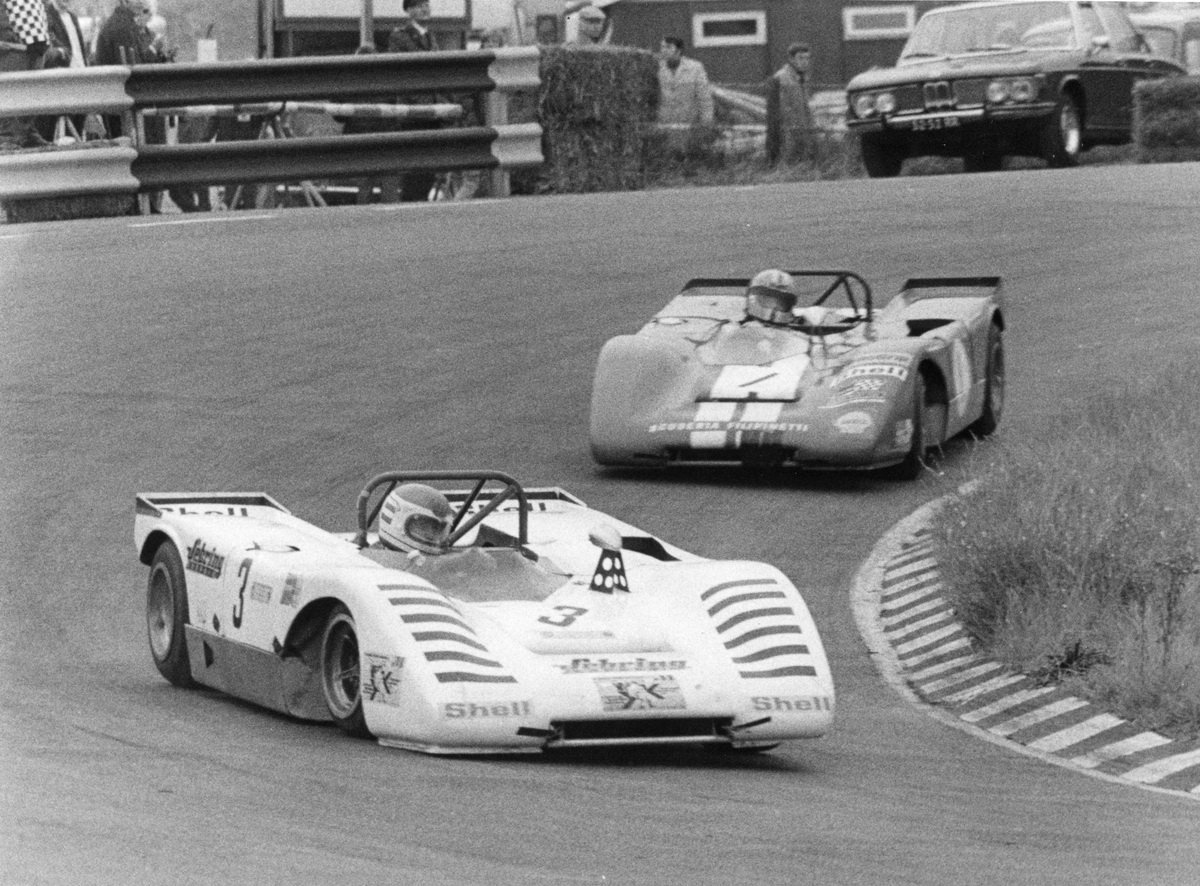
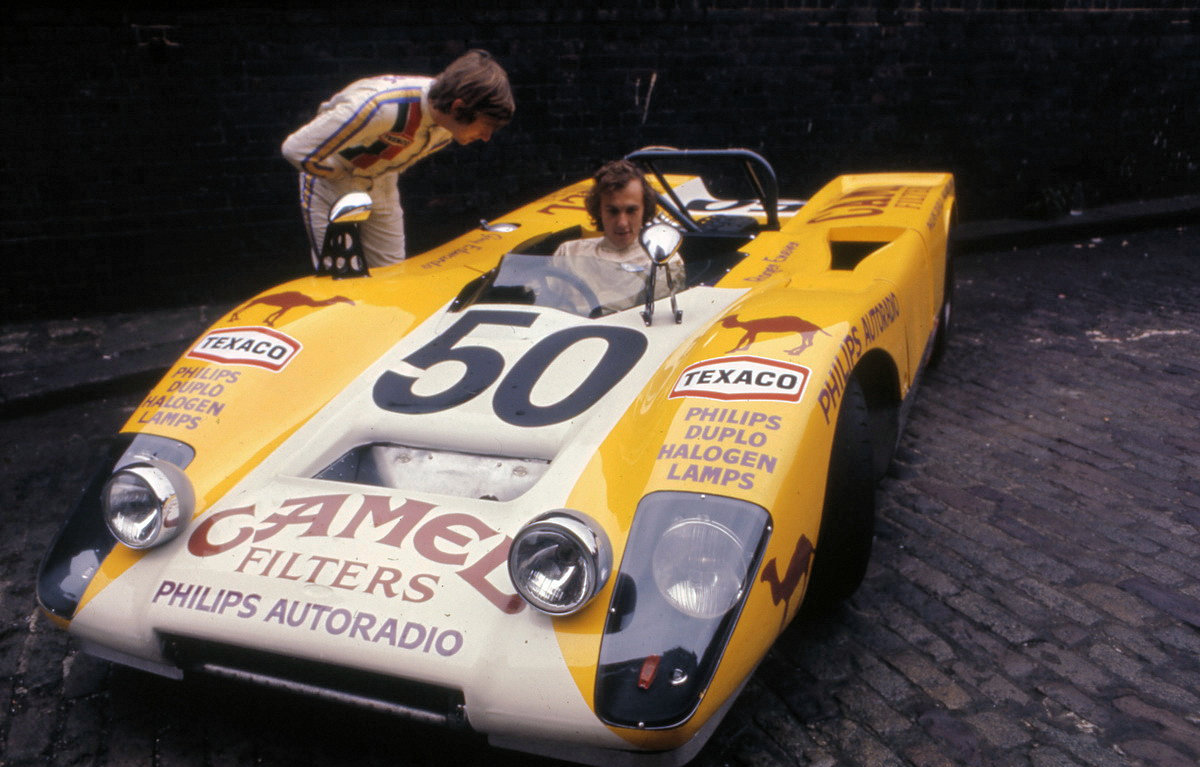
The competitive history of the T212 is dominated by one season and one driver: 1971 and Dr. Helmut Marko. Before he was the stern-faced advisor of Red Bull Racing, Marko was a driver of blistering speed and immense bravery. Driving for Ecurie Bonnier (the de facto factory team run by Jo Bonnier), Marko used the T212 to wage a season-long war against the Chevron hordes. The 1971 European 2-Litre Championship was a grueling series of sprint races held on some of the most dangerous tracks in Europe. The T212 proved to be the superior package on the faster, flowing circuits. Marko took victories at the Salzburgring, the Auvergne Trophy at Clermont-Ferrand, and Imola. The Clermont-Ferrand win was particularly telling; on a track often described as a “mini-Nürburgring,” the T212’s superior chassis stiffness allowed Marko to thread the needle through the volcanic rock faces with unmatched precision.
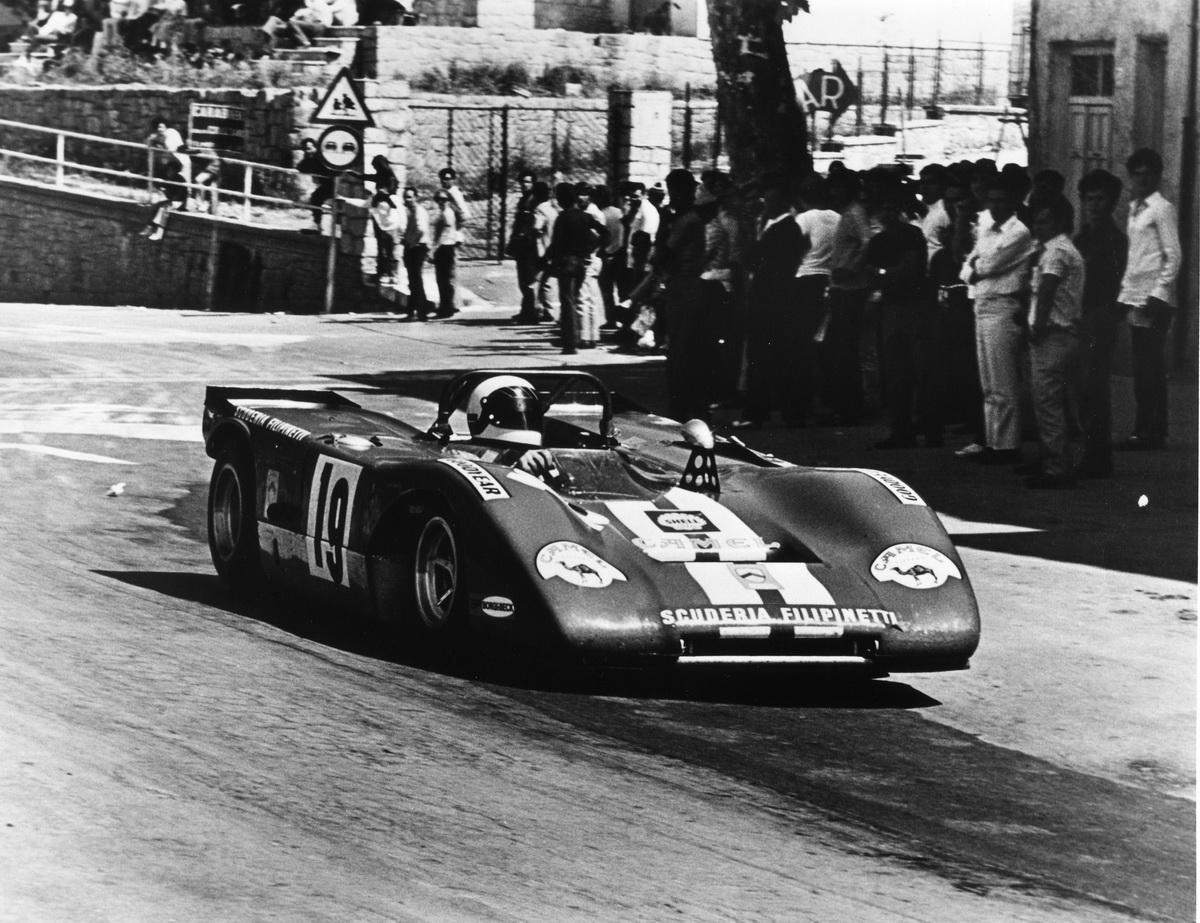
Despite the Chevron B19 winning more races numerically due to the sheer volume of entries, Marko’s consistency and the T212’s reliability in the key rounds secured the 1971 Drivers’ Championship. It was a monumental achievement that validated Broadley’s monocoque philosophy. The car also excelled in endurance events where agility was prized over top speed. At the Targa Florio, the nimble T212s were perfectly suited to the twisty Sicilian roads, darting between the stone walls and olive groves faster than the lumbering 3.0-litre Alfa Romeos and Porsches in the twisty sections. While outright victory at the Targa often went to the factory Alfa T33s, the Lolas were constantly nipping at their heels, winning the 2.0-litre class and finishing high in the overall classification.
However, the car was not without its flaws. The vibration from the solid-mounted FVC engine was a constant plague. It was said that after a 500-kilometer race, a T212 mechanic would spend the entire evening tightening every bolt on the car, as the high-frequency resonance tried to shake the vehicle back into its component parts. The cockpit heat was also legendary, with the front-mounted radiator plumbing running through the sills, effectively turning the driver’s seat into a convection oven. Yet, these were the prices paid for speed.
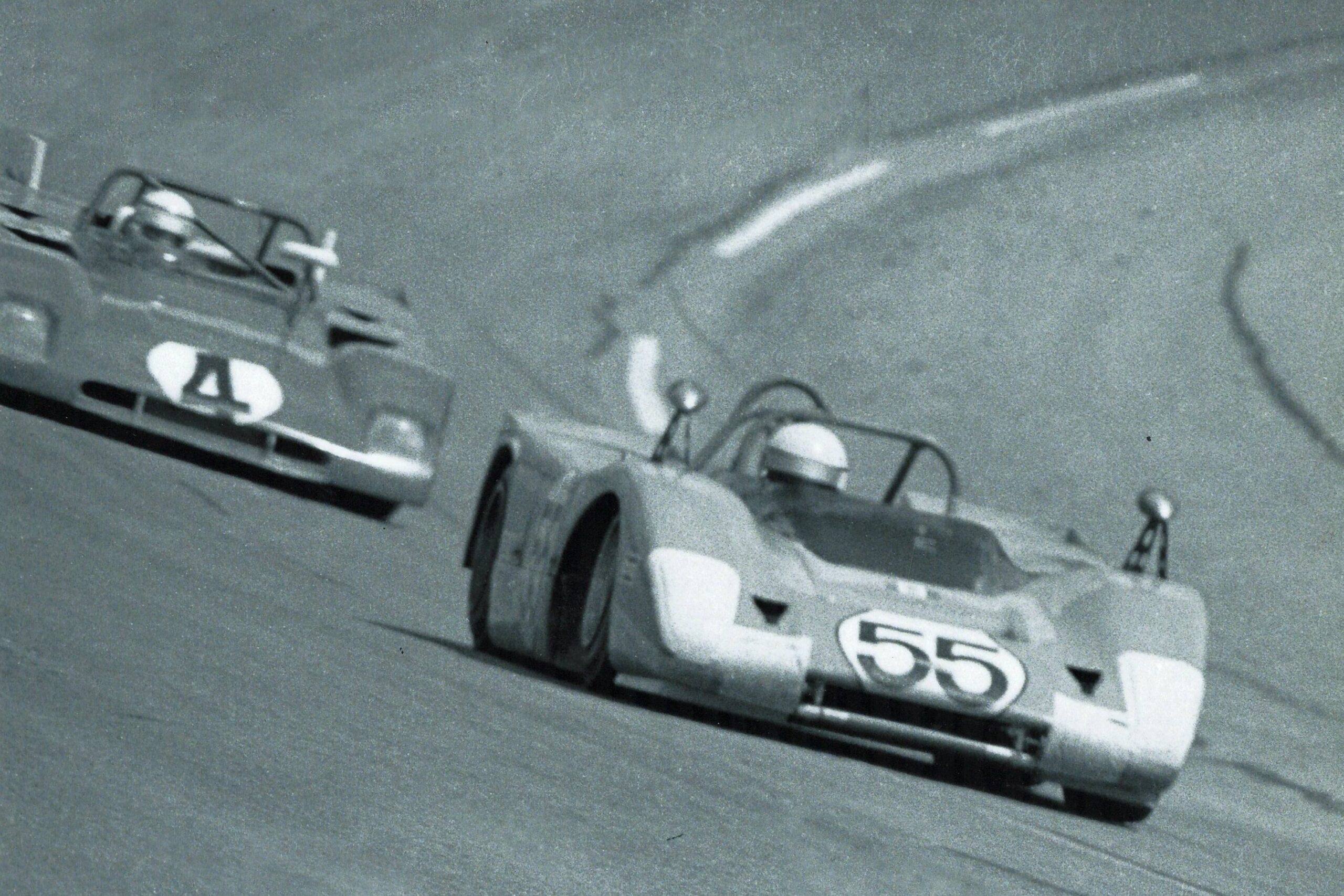
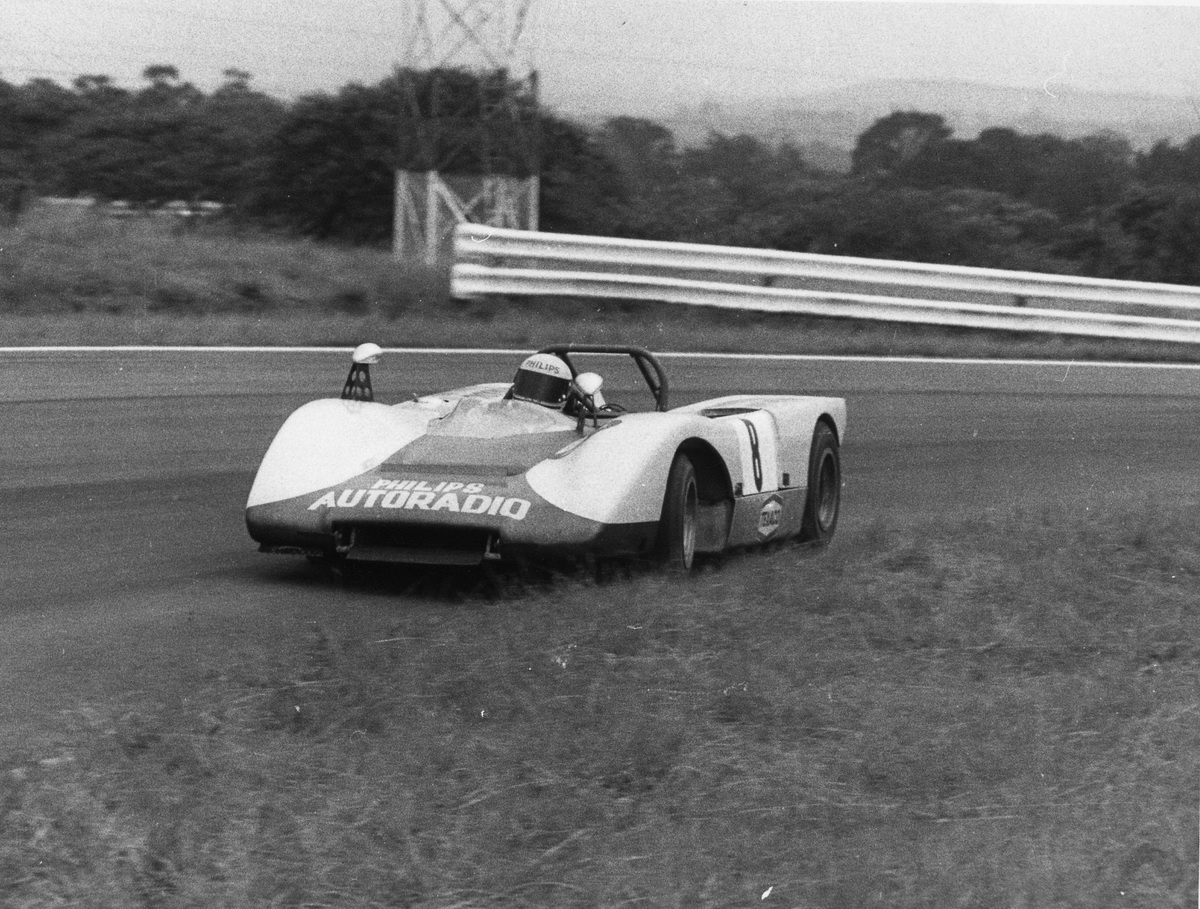
The T212 also found a second life beyond the European circuit championship. It was a popular choice in the South African Springbok Series, where the endurance format tested the car’s durability in searing heat. It was also exported to Japan and the United States, where it competed in various SCCA classes. In the burgeoning world of hillclimbing, the lightweight T212 became a weapon of choice for mountain specialists, who would strip even more weight out of it and run shorter gear ratios to explode out of hairpins.
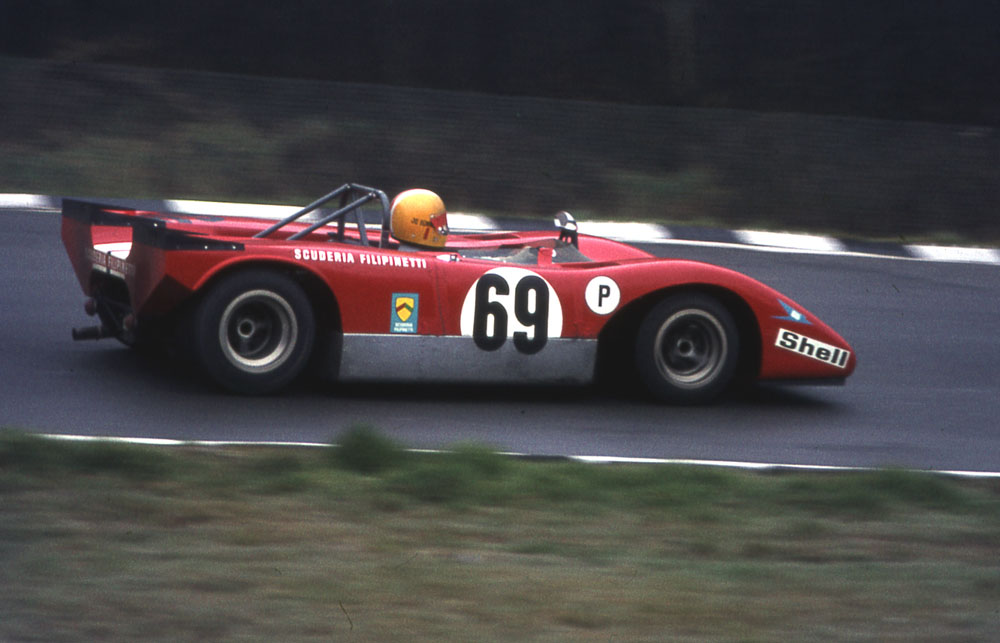
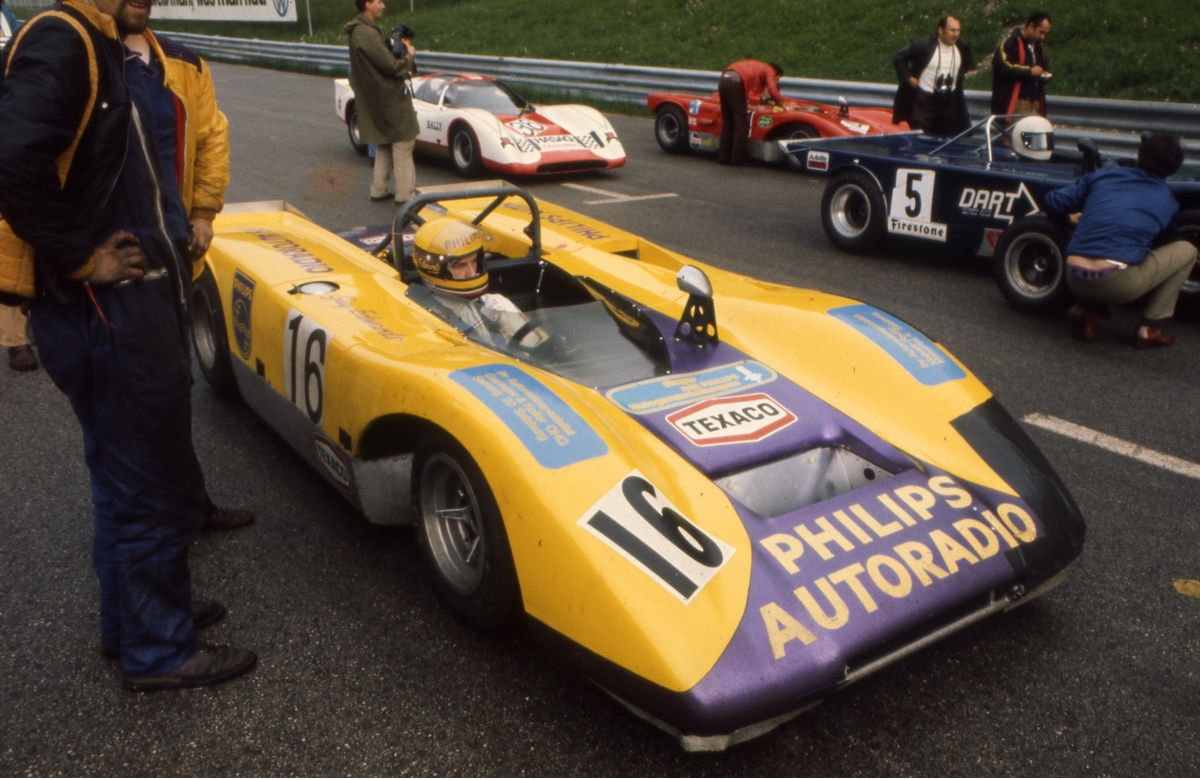
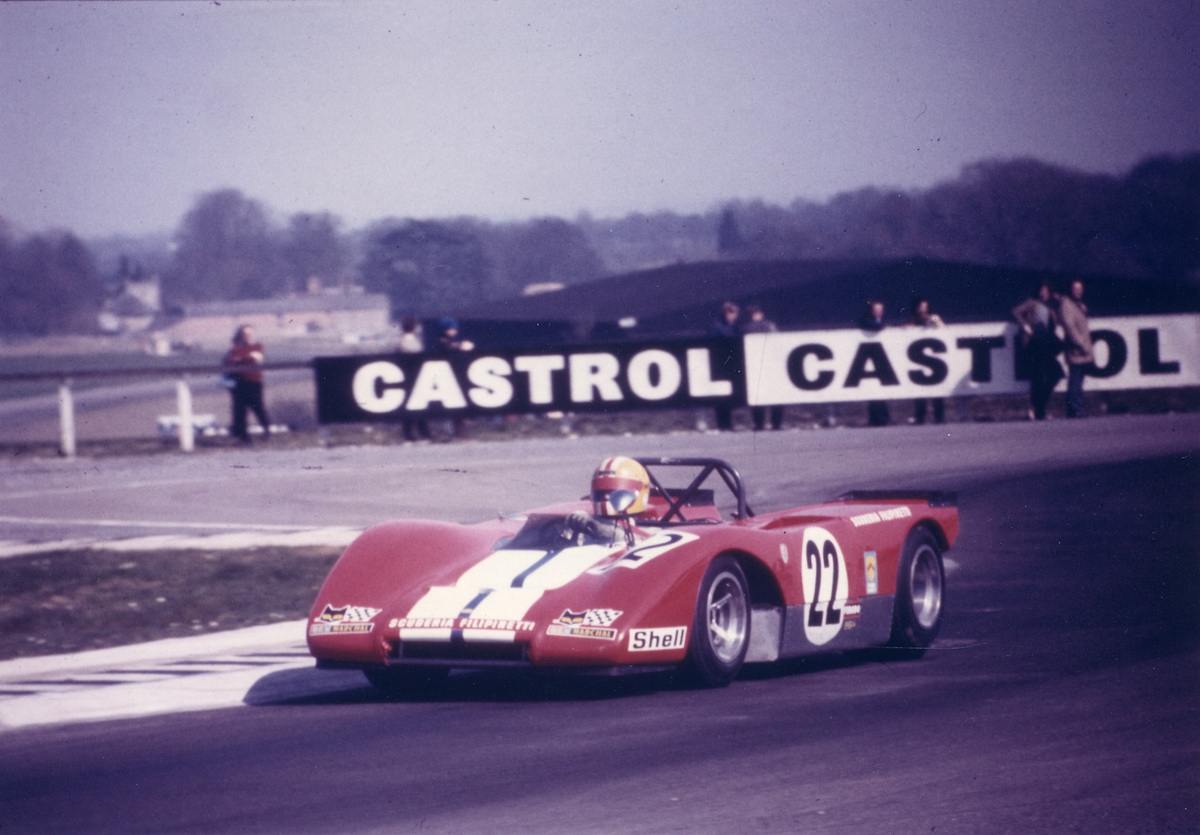
The legacy of the Lola T212 is profound, serving as the bridge between two distinct eras of motorsport design. It was the final expression of the 1960s aesthetic—low, smooth, and organic—before the relentless pursuit of downforce led to the sharp-edged, flat-nosed T290 of 1972. The T212 proved that the monocoque was the future of sports car construction, forcing rivals like Chevron and March to eventually abandon their spaceframes to stay competitive. In the pantheon of automobilia, the T212 occupies a special place as the “driver’s car” of the era. It was a machine that communicated clearly, rotated willingly, and rewarded commitment. Today, it is a highly coveted entry in historic racing series like the Le Mans Classic and Peter Auto’s CER. When a T212 takes to the track today, usually in the iconic yellow livery of Ecurie Bonnier or the red and white of a privateer, it is a reminder of a golden summer in 1971 when a small British spyder and an Austrian law graduate conquered Europe.
Portal
Model line
Model generation
Predecessor
Sucessor
Brand
Produced from
Vehicle category
Portal
Model line
Model generation
Predecessor
Sucessor
Model Overview
The dawn of the 1970s marked a pivotal transition in the philosophy of sports prototype racing, a shift from the brutish, gargantuan power of the large-displacement era to a philosophy of surgical precision, lightweight engineering, and aerodynamic efficiency. In this new world order, the 2-litre class became the fiercest battleground in Europe, a hotbed of innovation where future Formula 1 champions cut their teeth. Standing at the vanguard of this revolution was the Lola T212. Introduced for the 1971 season, the T212 was not a radical departure from the status quo but rather the exquisite refinement of a concept that Eric Broadley had introduced a year prior with the T210. It was a machine that sat on the precipice of a design shift; it was the last of the sensuous, curvaceous spyders before the brutalist “wedge” era of the T290 took hold. To the eyes of many purists, the T212 remains the most beautiful small-capacity sports racer ever to roll out of the Huntingdon factory, a car that combined the delicate lines of the 1960s with the emerging chassis technology of the 1970s. It entered the arena with a singular purpose: to destroy the tubular-framed Chevron B19s and secure the European 2-Litre Sports Car Championship for Lola.
To understand the T212’s technical brilliance, one must appreciate the engineering schism of the time. While its arch-rival, the Chevron B19, relied on a traditional steel spaceframe—a technology that was easy to repair and forgiving to drive—Eric Broadley championed the aluminium monocoque. The T212’s chassis was a bonded and riveted “bathtub,” a structure derived directly from Lola’s single-seater experience. This offered immense torsional rigidity, providing a stable platform that allowed the suspension geometry to work with absolute fidelity. The suspension itself was pure racing orthodoxy: double wishbones at the front with coil-over dampers, and a reversed lower wishbone, top link, and radius rod setup at the rear. This stiffness gave the T212 a sharper, more reactive turn-in than the softer Chevrons, though it arguably made the car more physically demanding at the limit.
The bodywork of the T212 was a masterclass in low-drag efficiency. Unlike the later T290, which used a separate rear wing to generate downforce, the T212 featured an integrated rear deck with a pronounced spoiler lip—often fitted with a “Gurney flap”—to manage airflow. The nose was low and rounded, feeding air into a small radiator duct, while the cockpit was a tight, sparse environment dominated by the simple instrument cluster and the gear lever for the Hewland FT200 transaxle. The car was incredibly compact, a diminutive weapon that weighed barely 550 kilograms.
The heart of the T212, and the source of its frenetic character, was the engine. While the chassis was designed to be adaptable, the definitive powerplant was the Ford Cosworth FVC. This 1.8-litre (specifically 1,790cc) inline-four was a pure racing engine, featuring a gear-driven double overhead camshaft and four valves per cylinder. Producing approximately 270 to 280 brake horsepower at a dizzying 9,000 rpm, the FVC was a visceral, vibrating masterpiece. It didn’t have the torque of a large V8; it required the driver to keep the revs in the stratosphere, dancing on the pedals to keep the engine “on the cam.” However, Lola also experimented with other powerplants in the T212 chassis to suit different markets and budgets. There were variants fitted with the Cosworth EA, an experimental all-alloy engine based on the Chevrolet Vega block. While lighter and potentially more powerful, the EA proved disastrously unreliable, vibrating so severely it would crack chassis bulkheads. Other privateers fitted BMW engines or even 2.0-litre Abarth units, but it is the screaming, metallic rasp of the FVC that remains the T212’s signature soundtrack.
The competitive history of the T212 is dominated by one season and one driver: 1971 and Dr. Helmut Marko. Before he was the stern-faced advisor of Red Bull Racing, Marko was a driver of blistering speed and immense bravery. Driving for Ecurie Bonnier (the de facto factory team run by Jo Bonnier), Marko used the T212 to wage a season-long war against the Chevron hordes. The 1971 European 2-Litre Championship was a grueling series of sprint races held on some of the most dangerous tracks in Europe. The T212 proved to be the superior package on the faster, flowing circuits. Marko took victories at the Salzburgring, the Auvergne Trophy at Clermont-Ferrand, and Imola. The Clermont-Ferrand win was particularly telling; on a track often described as a “mini-Nürburgring,” the T212’s superior chassis stiffness allowed Marko to thread the needle through the volcanic rock faces with unmatched precision.
Despite the Chevron B19 winning more races numerically due to the sheer volume of entries, Marko’s consistency and the T212’s reliability in the key rounds secured the 1971 Drivers’ Championship. It was a monumental achievement that validated Broadley’s monocoque philosophy. The car also excelled in endurance events where agility was prized over top speed. At the Targa Florio, the nimble T212s were perfectly suited to the twisty Sicilian roads, darting between the stone walls and olive groves faster than the lumbering 3.0-litre Alfa Romeos and Porsches in the twisty sections. While outright victory at the Targa often went to the factory Alfa T33s, the Lolas were constantly nipping at their heels, winning the 2.0-litre class and finishing high in the overall classification.
However, the car was not without its flaws. The vibration from the solid-mounted FVC engine was a constant plague. It was said that after a 500-kilometer race, a T212 mechanic would spend the entire evening tightening every bolt on the car, as the high-frequency resonance tried to shake the vehicle back into its component parts. The cockpit heat was also legendary, with the front-mounted radiator plumbing running through the sills, effectively turning the driver’s seat into a convection oven. Yet, these were the prices paid for speed.
The T212 also found a second life beyond the European circuit championship. It was a popular choice in the South African Springbok Series, where the endurance format tested the car’s durability in searing heat. It was also exported to Japan and the United States, where it competed in various SCCA classes. In the burgeoning world of hillclimbing, the lightweight T212 became a weapon of choice for mountain specialists, who would strip even more weight out of it and run shorter gear ratios to explode out of hairpins.
The legacy of the Lola T212 is profound, serving as the bridge between two distinct eras of motorsport design. It was the final expression of the 1960s aesthetic—low, smooth, and organic—before the relentless pursuit of downforce led to the sharp-edged, flat-nosed T290 of 1972. The T212 proved that the monocoque was the future of sports car construction, forcing rivals like Chevron and March to eventually abandon their spaceframes to stay competitive. In the pantheon of automobilia, the T212 occupies a special place as the “driver’s car” of the era. It was a machine that communicated clearly, rotated willingly, and rewarded commitment. Today, it is a highly coveted entry in historic racing series like the Le Mans Classic and Peter Auto’s CER. When a T212 takes to the track today, usually in the iconic yellow livery of Ecurie Bonnier or the red and white of a privateer, it is a reminder of a golden summer in 1971 when a small British spyder and an Austrian law graduate conquered Europe.
Submodels