
Lola T70 Mk III Chevrolet 5.7L (350) V8 Coupe
Brand
Produced from
Portal
Vehicle category
Model line
Model generation
Predecessor
Successor
Submodel Overview
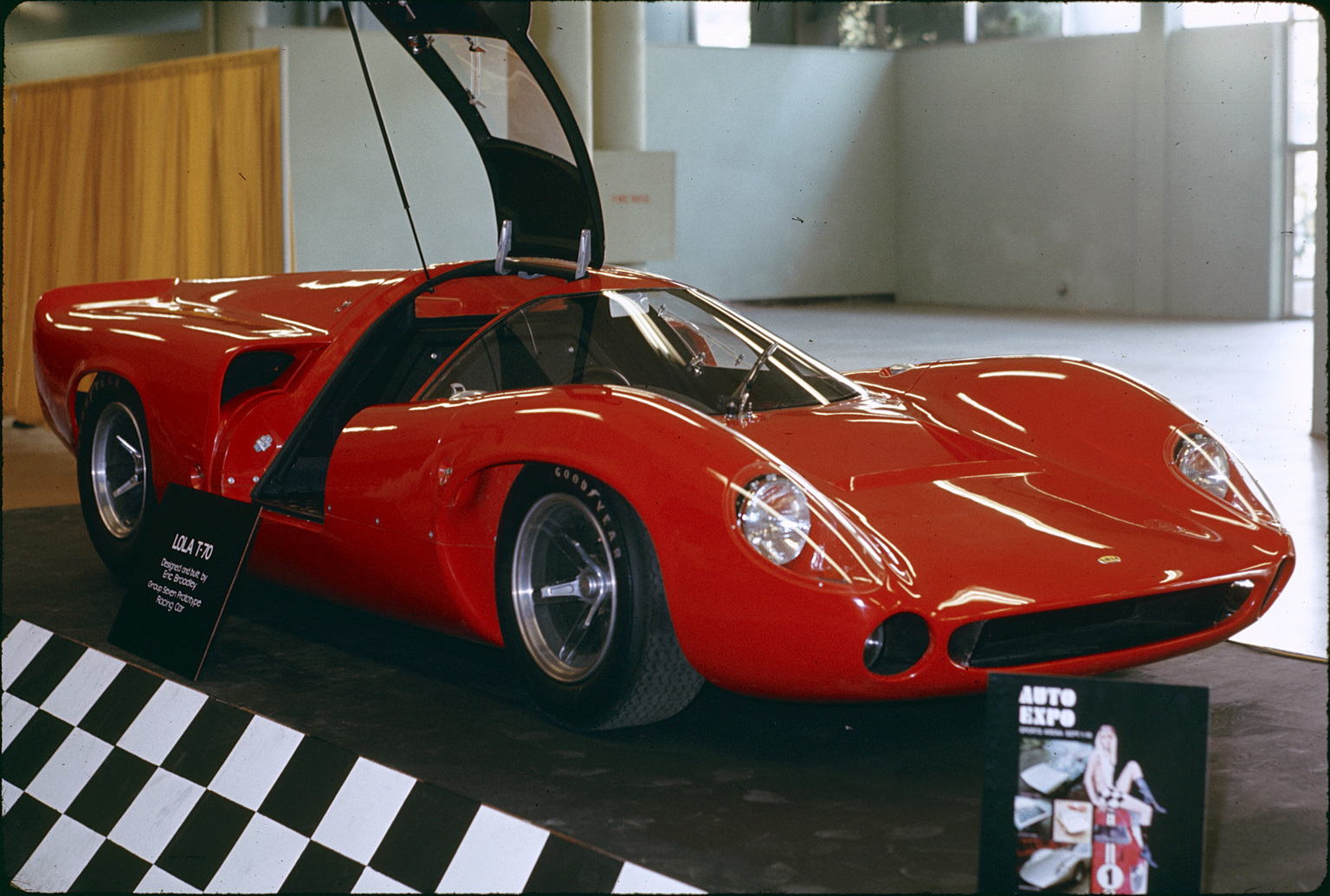
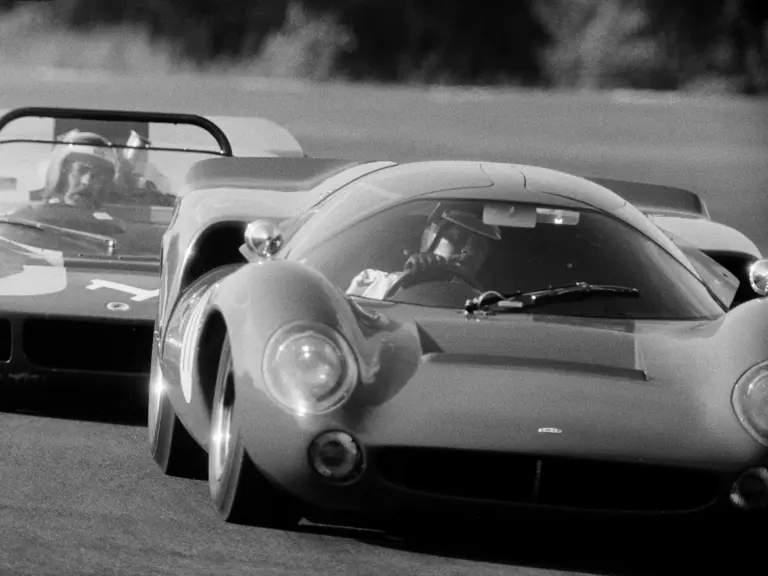
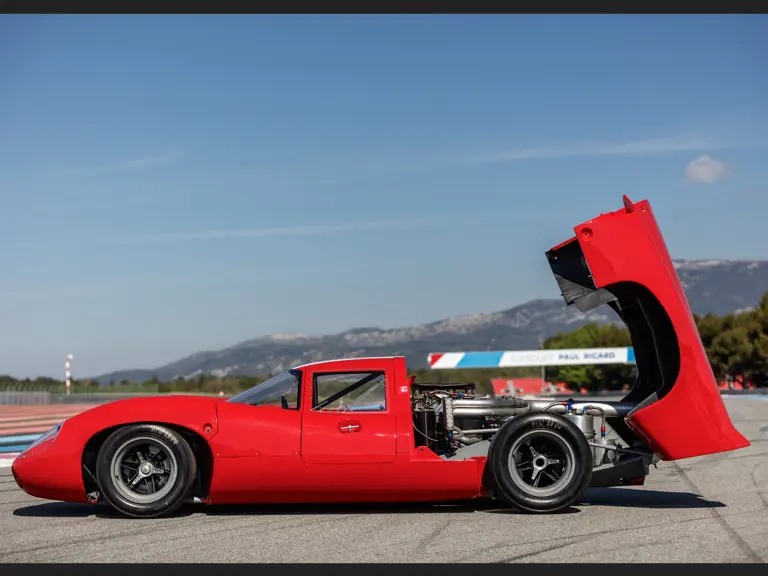
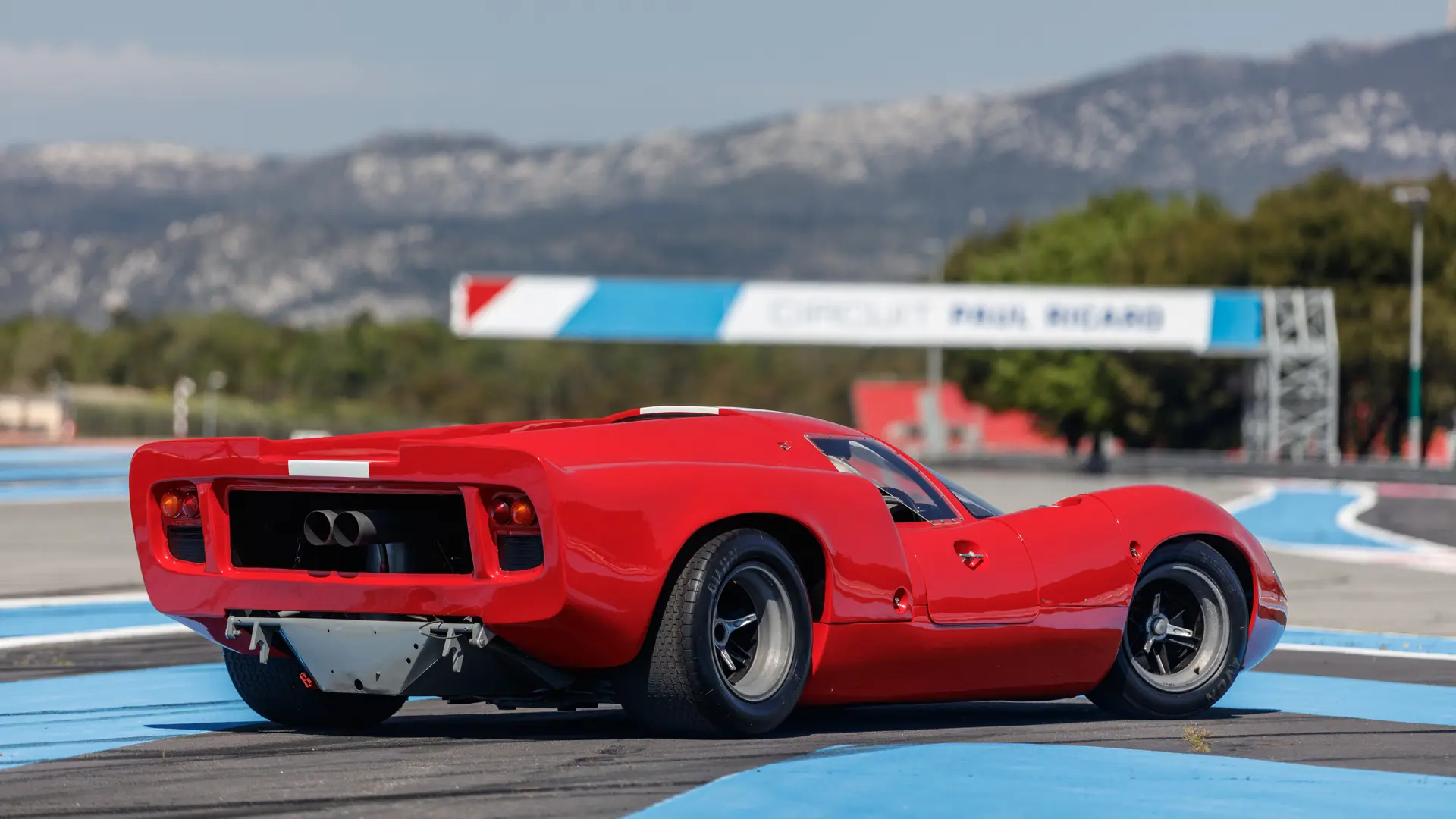
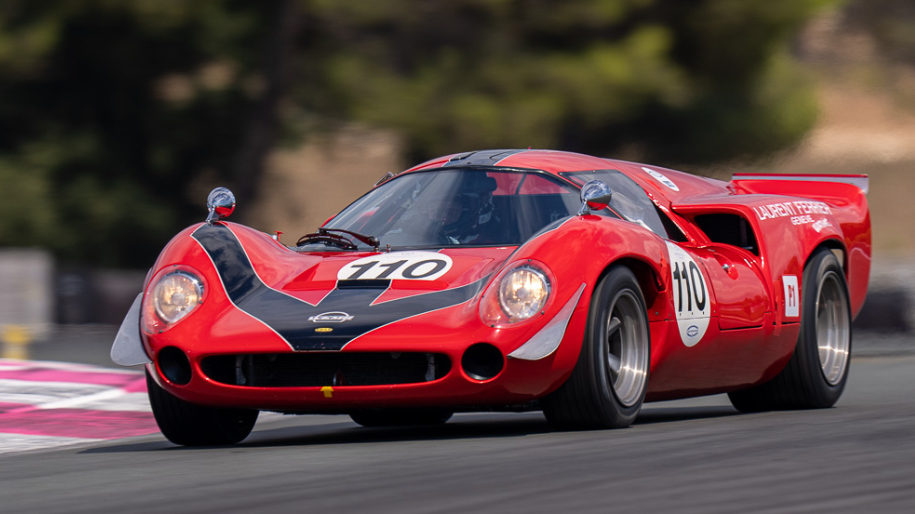
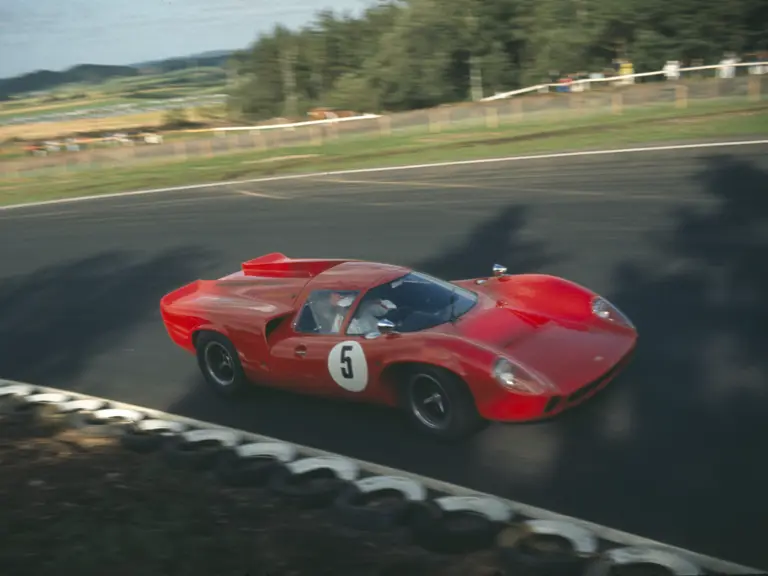
If the Ford GT40 was the calculated, billion-dollar haymaker thrown by a corporate giant, the 1967 Lola T70 Mk III Coupe was the switchblade pulled by the street fighter. Introduced in the heat of the “Ford versus Ferrari” total war, the Mk III Coupe was Eric Broadley’s attempt to take the dominant speed of his Can-Am Spyders and bottle it within a closed-cockpit GT car capable of conquering the World Sportscar Championship. While history often remembers the Mk III for its later evolution—the Mk IIIB—or for its tragic role as a stunt double in cinema, the original 1967 Mk III remains arguably the most aesthetically perfect racing car ever to emerge from Huntingdon. It was a machine that married the brutality of a 5.7-litre Chevrolet small-block V8 to a silhouette so sensuous, so impossibly low and curvaceous, that it made the Ferrari 330 P4 look almost fussy by comparison. It was the privateer’s dream: a car that looked like a spaceship, sounded like a dragster, and could be fixed with a hammer and a wrench.
Technically, the move from the Mk II Spyder to the Mk III Coupe was not merely a matter of adding a roof. Broadley and his team, utilizing the expertise of Specialised Mouldings for the fiberglass bodywork, created a shape that was aerodynamically slippery, aimed at the high speeds of the Mulsanne Straight. Underneath that stunning skin lay a chassis that was a transition point in Lola’s engineering lineage. It utilized an aluminium monocoque tub, but unlike the later Mk IIIB which was fully aluminium, the 1967 Mk III featured bonded and riveted aluminium skins over mild steel bulkheads. This hybrid construction was stiff compared to a tube frame but heavy and prone to corrosion.
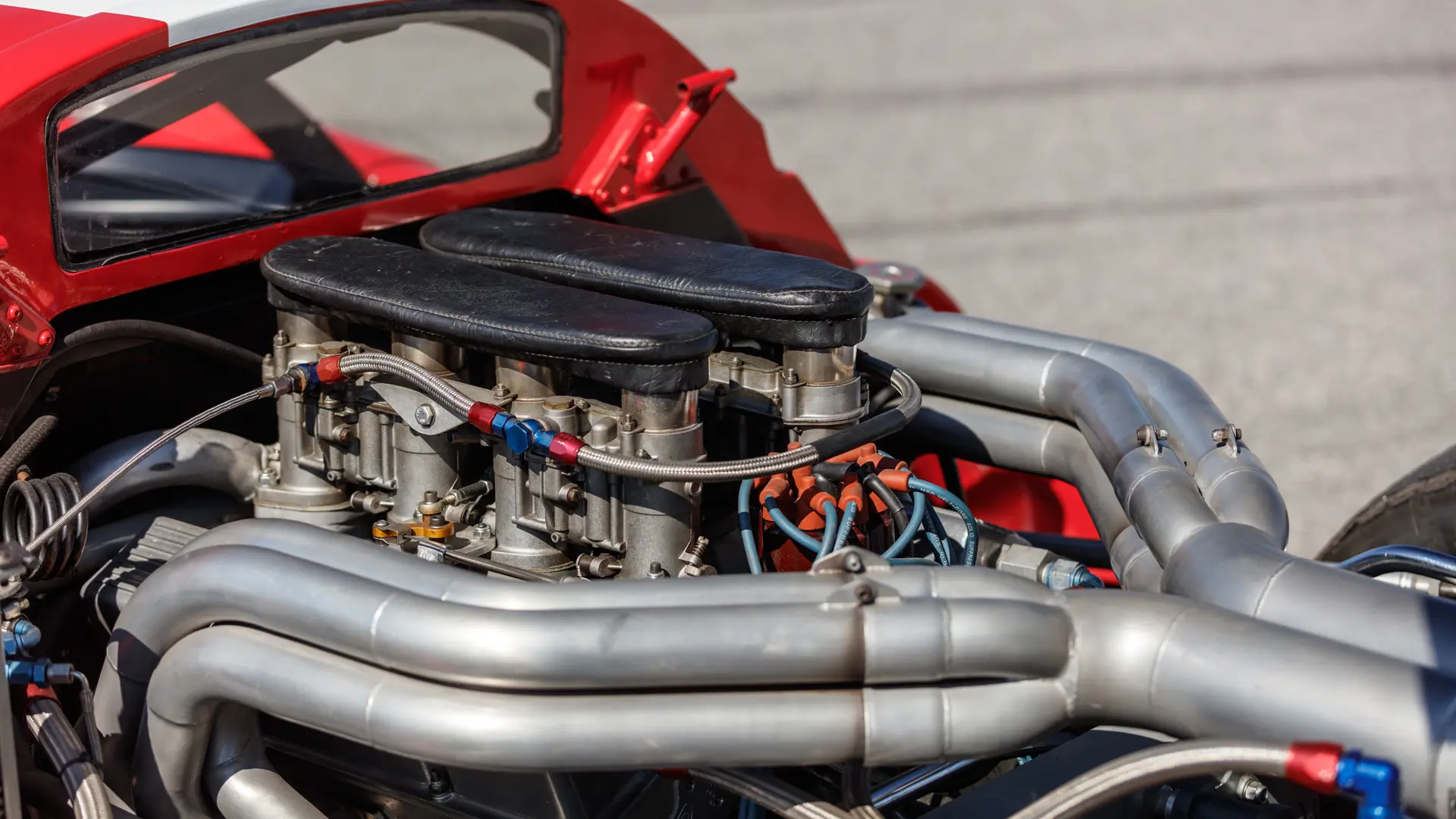
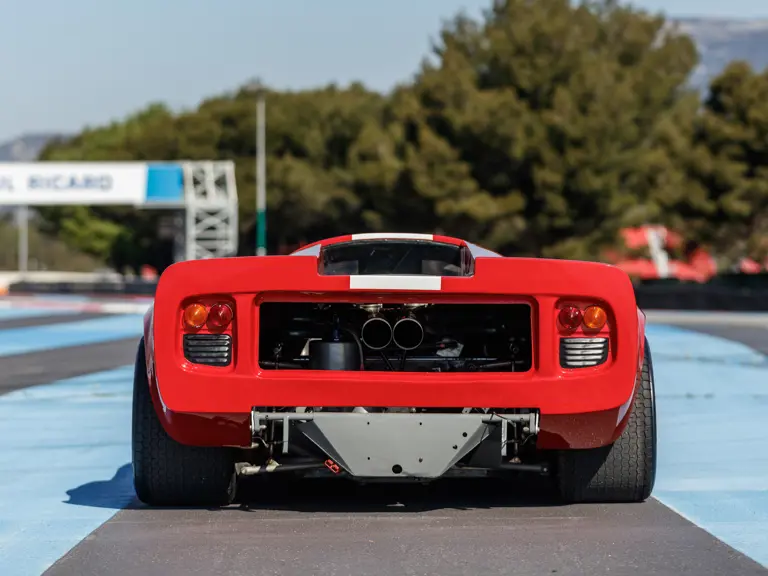
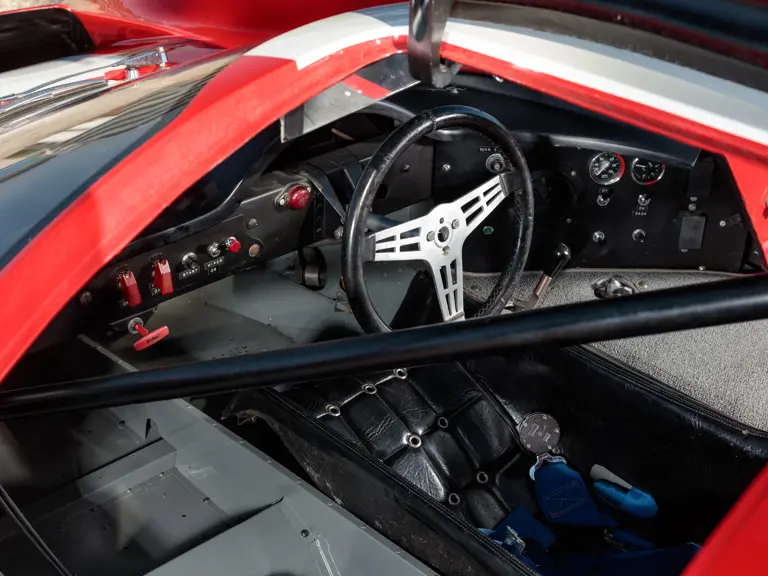
The beating heart of this specific submodel was the ubiquitous Chevrolet Small Block V8. Displacing 5.7 litres (350 cubic inches), this pushrod iron engine was the antithesis of the complex, overhead-cam V12s from Maranello. It was simple, robust, and produced a tidal wave of torque—roughly 525 to 550 bhp in racing trim, breathing through four twin-choke Weber 48 IDA carburetors that sat proudly under the rear glass. This American grunt was fed to the rear wheels via a Hewland LG600 five-speed transaxle, a gearbox designed to withstand the immense shock loads of the V8. The suspension followed the classic Broadley ethos: double wishbones at the front and a multi-link setup at the rear. However, the 1967 Mk III suffered from a fatal flaw in its suspension geometry; at high speeds, the rear end would squat and the front would lift, making the car terrifyingly light on the steering at 200 mph—a trait that demanded nerves of steel from its pilots.
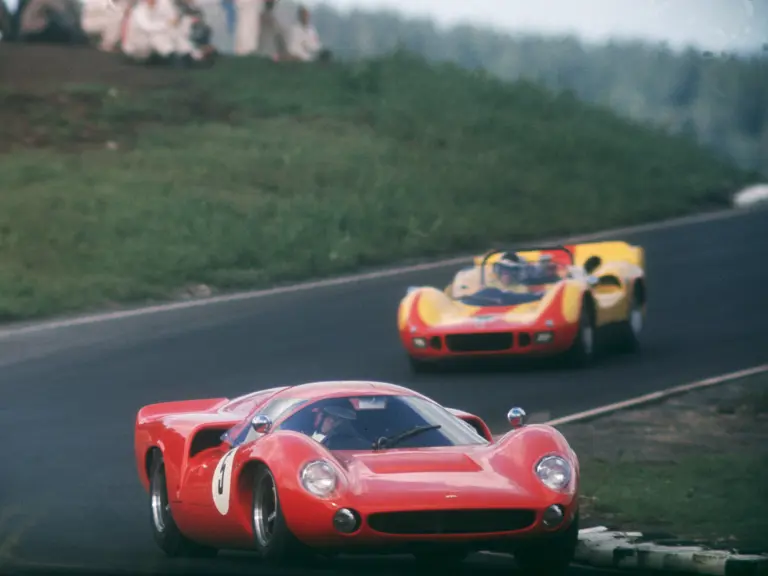
The impact of the T70 Mk III on the 1967 season was a mix of blinding speed and heartbreaking fragility. In the shorter British events and non-championship races, the car was a weapon. John Surtees, the car’s greatest champion and developer, proved that the Mk III could run at the front, winning the Guards Trophy at Brands Hatch. However, on the international stage, the car struggled against the factory might of Porsche and Ford. The 5.7-litre engine put the car in the Prototype (Group 6) class, pitting it directly against the 7.0-litre Ford Mk IVs and the Ferrari P4s, a battle it could rarely win on reliability. When the FIA changed the rules for 1968, limiting prototypes to 3.0 litres but allowing 5.0-litre “Sportscars” (Group 4) if 50 were built, Lola homologated the T70. Many Mk IIIs were fitted with smaller 5.0-litre (302ci) engines to comply, but the raw 5.7-litre cars remained the choice for unrestricted races and Can-Am events where they were still legal.
Perhaps the most infamous chapter in the Mk III’s history was the ill-fated collaboration with Aston Martin. In 1967, two Team Surtees T70 Mk IIIs were fitted with the new Aston Martin V8 engine for Le Mans. The project was a disaster; the engines failed almost immediately, overshadowing the potential of the chassis. Yet, for the privateer who stuck with the Chevy V8, the Mk III was a ticket to the big leagues. It allowed teams like Sid Taylor Racing and drivers like Denny Hulme to thunder around European circuits, the deep, rhythmic bellow of the Chevy engine providing a stark counterpoint to the scream of the continental machinery.
Culturally, the 1967 T70 Mk III has achieved a strange form of immortality through destruction. By 1970, these cars were obsolete, surpassed by the Porsche 917 and Ferrari 512. Cheap and available, they were purchased in bulk by Steve McQueen’s Solar Productions for the filming of the movie “Le Mans.” Dressed in fake bodywork to resemble the newer Porsches and Ferraris, several original Mk IIIs were deliberately crashed and destroyed for the cameras. The slow-motion footage of a “Ferrari 512” disintegration in that film is, in reality, the death of a Lola T70 Mk III. While a tragedy for preservationists, it cemented the car’s place in the visual lexicon of motorsport history.
The legacy of the 1967 Lola T70 Mk III is that of the “flawed masterpiece.” It was arguably the most beautiful sports car of its decade, a design so pure that it looks modern even today. Its shortcomings—specifically the front-end lift and the heavy steel bulkheads—were eventually rectified in the 1969 Mk IIIB, which became the definitive version. However, the Mk III paved the way. It proved that a customer car could look better than a factory car and, on its day, go just as fast. It represents the golden era of the “big banger” sports car, a time when a Chevy V8 and a British chassis were the universal language of speed. Today, genuine Mk IIIs are incredibly rare and revered, their gullwing doors and thunderous soundtracks serving as a reminder of Eric Broadley’s genius and the privateer spirit that fueled the 1960s.
Brand
Produced from
Portal
Vehicle category
Model line
Predecessor
Sucessor
Brand
Produced from
Portal
Vehicle category
Model line
Model generation
Predecessor
Sucessor
Submodel Overview
If the Ford GT40 was the calculated, billion-dollar haymaker thrown by a corporate giant, the 1967 Lola T70 Mk III Coupe was the switchblade pulled by the street fighter. Introduced in the heat of the “Ford versus Ferrari” total war, the Mk III Coupe was Eric Broadley’s attempt to take the dominant speed of his Can-Am Spyders and bottle it within a closed-cockpit GT car capable of conquering the World Sportscar Championship. While history often remembers the Mk III for its later evolution—the Mk IIIB—or for its tragic role as a stunt double in cinema, the original 1967 Mk III remains arguably the most aesthetically perfect racing car ever to emerge from Huntingdon. It was a machine that married the brutality of a 5.7-litre Chevrolet small-block V8 to a silhouette so sensuous, so impossibly low and curvaceous, that it made the Ferrari 330 P4 look almost fussy by comparison. It was the privateer’s dream: a car that looked like a spaceship, sounded like a dragster, and could be fixed with a hammer and a wrench.
Technically, the move from the Mk II Spyder to the Mk III Coupe was not merely a matter of adding a roof. Broadley and his team, utilizing the expertise of Specialised Mouldings for the fiberglass bodywork, created a shape that was aerodynamically slippery, aimed at the high speeds of the Mulsanne Straight. Underneath that stunning skin lay a chassis that was a transition point in Lola’s engineering lineage. It utilized an aluminium monocoque tub, but unlike the later Mk IIIB which was fully aluminium, the 1967 Mk III featured bonded and riveted aluminium skins over mild steel bulkheads. This hybrid construction was stiff compared to a tube frame but heavy and prone to corrosion.
The beating heart of this specific submodel was the ubiquitous Chevrolet Small Block V8. Displacing 5.7 litres (350 cubic inches), this pushrod iron engine was the antithesis of the complex, overhead-cam V12s from Maranello. It was simple, robust, and produced a tidal wave of torque—roughly 525 to 550 bhp in racing trim, breathing through four twin-choke Weber 48 IDA carburetors that sat proudly under the rear glass. This American grunt was fed to the rear wheels via a Hewland LG600 five-speed transaxle, a gearbox designed to withstand the immense shock loads of the V8. The suspension followed the classic Broadley ethos: double wishbones at the front and a multi-link setup at the rear. However, the 1967 Mk III suffered from a fatal flaw in its suspension geometry; at high speeds, the rear end would squat and the front would lift, making the car terrifyingly light on the steering at 200 mph—a trait that demanded nerves of steel from its pilots.
The impact of the T70 Mk III on the 1967 season was a mix of blinding speed and heartbreaking fragility. In the shorter British events and non-championship races, the car was a weapon. John Surtees, the car’s greatest champion and developer, proved that the Mk III could run at the front, winning the Guards Trophy at Brands Hatch. However, on the international stage, the car struggled against the factory might of Porsche and Ford. The 5.7-litre engine put the car in the Prototype (Group 6) class, pitting it directly against the 7.0-litre Ford Mk IVs and the Ferrari P4s, a battle it could rarely win on reliability. When the FIA changed the rules for 1968, limiting prototypes to 3.0 litres but allowing 5.0-litre “Sportscars” (Group 4) if 50 were built, Lola homologated the T70. Many Mk IIIs were fitted with smaller 5.0-litre (302ci) engines to comply, but the raw 5.7-litre cars remained the choice for unrestricted races and Can-Am events where they were still legal.
Perhaps the most infamous chapter in the Mk III’s history was the ill-fated collaboration with Aston Martin. In 1967, two Team Surtees T70 Mk IIIs were fitted with the new Aston Martin V8 engine for Le Mans. The project was a disaster; the engines failed almost immediately, overshadowing the potential of the chassis. Yet, for the privateer who stuck with the Chevy V8, the Mk III was a ticket to the big leagues. It allowed teams like Sid Taylor Racing and drivers like Denny Hulme to thunder around European circuits, the deep, rhythmic bellow of the Chevy engine providing a stark counterpoint to the scream of the continental machinery.
Culturally, the 1967 T70 Mk III has achieved a strange form of immortality through destruction. By 1970, these cars were obsolete, surpassed by the Porsche 917 and Ferrari 512. Cheap and available, they were purchased in bulk by Steve McQueen’s Solar Productions for the filming of the movie “Le Mans.” Dressed in fake bodywork to resemble the newer Porsches and Ferraris, several original Mk IIIs were deliberately crashed and destroyed for the cameras. The slow-motion footage of a “Ferrari 512” disintegration in that film is, in reality, the death of a Lola T70 Mk III. While a tragedy for preservationists, it cemented the car’s place in the visual lexicon of motorsport history.
The legacy of the 1967 Lola T70 Mk III is that of the “flawed masterpiece.” It was arguably the most beautiful sports car of its decade, a design so pure that it looks modern even today. Its shortcomings—specifically the front-end lift and the heavy steel bulkheads—were eventually rectified in the 1969 Mk IIIB, which became the definitive version. However, the Mk III paved the way. It proved that a customer car could look better than a factory car and, on its day, go just as fast. It represents the golden era of the “big banger” sports car, a time when a Chevy V8 and a British chassis were the universal language of speed. Today, genuine Mk IIIs are incredibly rare and revered, their gullwing doors and thunderous soundtracks serving as a reminder of Eric Broadley’s genius and the privateer spirit that fueled the 1960s.
Tech Specs
Technical Specifications
Tech Specs
Technical Specifications
Engine
01
03
Internal combustion engine
Configuration
Chevrolet Small Block (Race prepared), V8 - 90º
Location
Mid, longitudinally mounted
Construction
Cast iron block, Aluminium cylinder heads
Displacement (cc)
5,735 cc
Displacement (cu in)
350.0 cu in
Compression
12.0:1
Bore x Stroke
101.6 mm x 88.4 mm
Valvetrain
2 valves per cylinder, OHV (Pushrod)
Fuel feed
Lucas mechanical fuel injection (Some privateers used 4 x Weber 48 IDA)
Lubrication
Dry sump
Aspiration
Naturally aspirated
Output
Power (hp)
560 hp
Power (kW)
418 kW
Max power at
7,200 RPM
Torque (Nm)
610 Nm
Torque (ft lbs)
450 ft lbs
Max torque at
5,200 RPM
Drivetrain
02
03
Chassis
Type
Monocoque
Material
Aluminium (Riveted and bonded) and steel
Body
Material
Fibreglass reinforced plastic
Transmission
Gearbox
Hewland LG600, 5-speed manual
Drive
Rear Wheel Drive (Limited Slip Differential)
Suspension
Front
Independent, double wishbones, coil springs over adjustable dampers, anti-roll bar
Rear
Independent, reversed lower wishbones, top links, twin radius arms, coil springs over adjustable dampers
Steering
Type
Rack and pinion
Brakes
Front
Ventilated discs Ø305 mm, 4-piston calipers (Girling)
Rear
Ventilated discs Ø305 mm, 4-piston calipers (Girling)
Wheels
Front
10" x 15" (Cast Magnesium)
Rear
12" x 15" or 14" x 15" (Cast Magnesium)
Tires
Front
10.50/15
Rear
14.00/15
Dimensions and performance
03
03
Dimensions
Length (mm)
4,166 mm
Length (in)
164.0 in
Width (mm)
1,854 mm
Width (in)
73.0 in
Height (mm)
991 mm
Height (in)
39.0 in
Wheelbase (mm)
2,413 mm
Wheelbase (in)
95.0 in
Weight (kg)
~920 kg
Weight (lbs)
~2,028 lbs
Performance
Power to weight
~0.61 hp/kg
Top speed (km/h)
325 km/h
Top speed (mph)
202 mph
0-100 km/h (0-60 mph)
~3.2 s