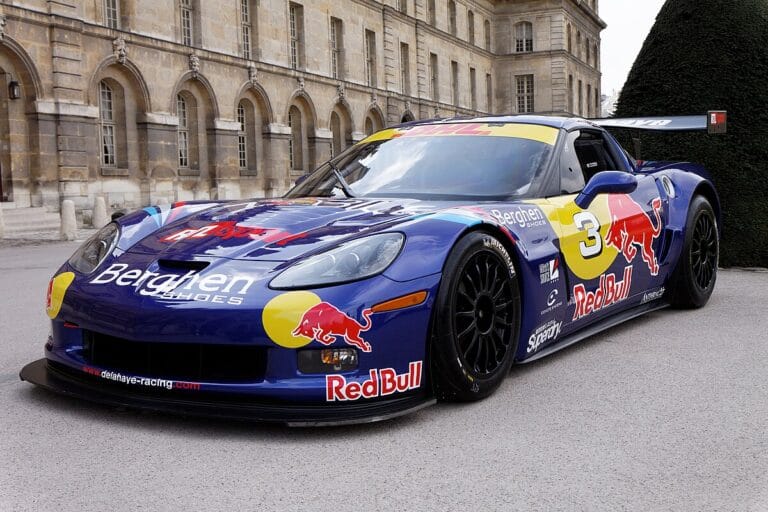
Chevrolet Corvette C6
Brand
Produced from
Vehicle category
Portal
Model line
Model generation
Generation Overview
If the C5 Corvette was the revolution that saved the nameplate, the C6 Corvette (2005-2013) was the refinement that perfected it. Launched in 2005, the sixth-generation Corvette was not a clean-sheet reimagining, but a laser-focused evolution designed to fix every complaint of its predecessor while sharpening its claws to razor sharpness. The mandate from General Motors was clear: build a car that no longer made excuses. No longer would the Corvette be “good, for an American car”. It had to be simply “good,” capable of hunting down Porsche 911s on the autobahn and humiliating Ferraris on the track. In doing so, the C6 became the definitive modern sports car of the 2000s, a machine that combined accessible performance with the capacity for terrifying speed, culminating in the return of the “King of the Hill,” the ZR1.
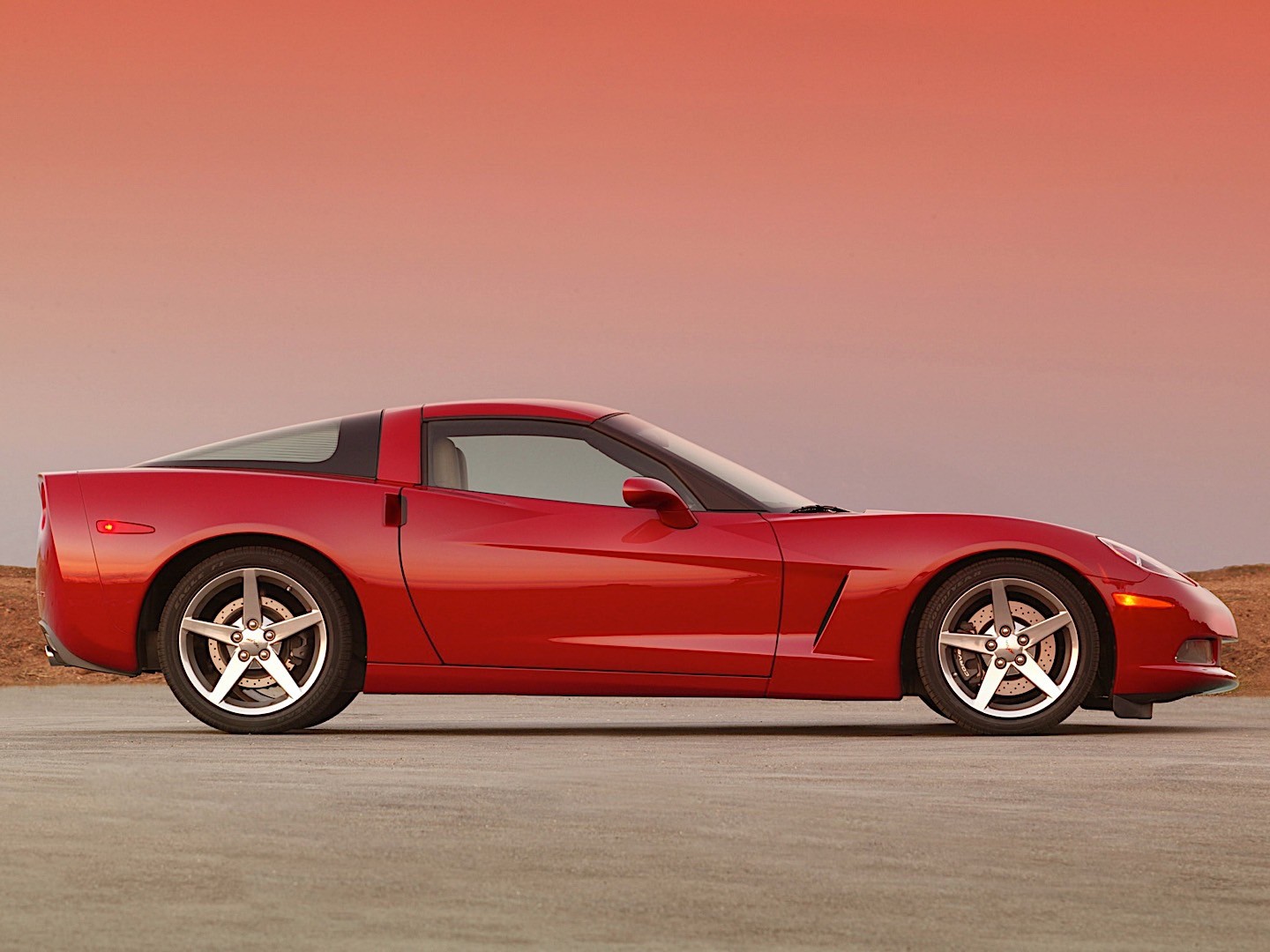
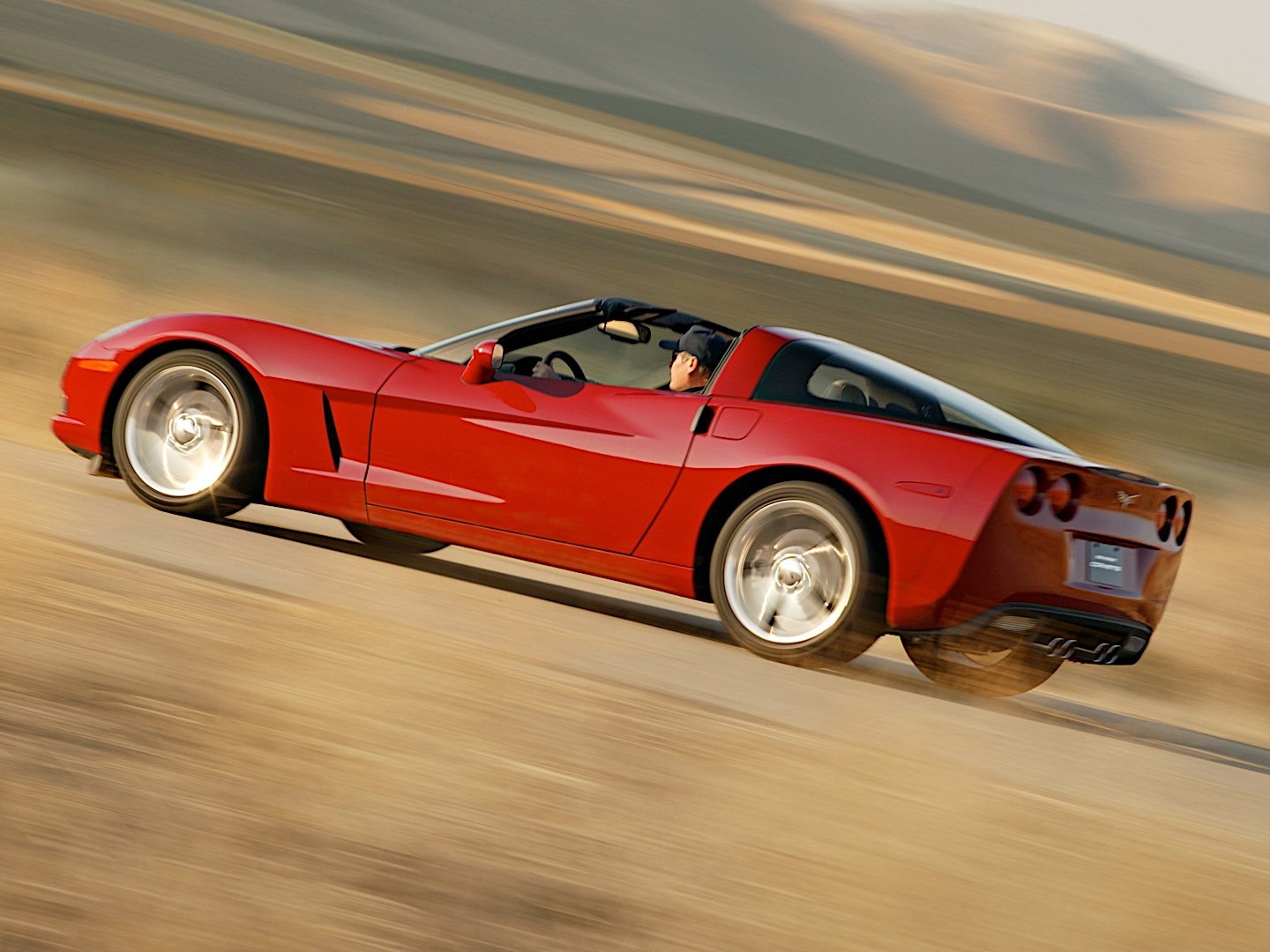
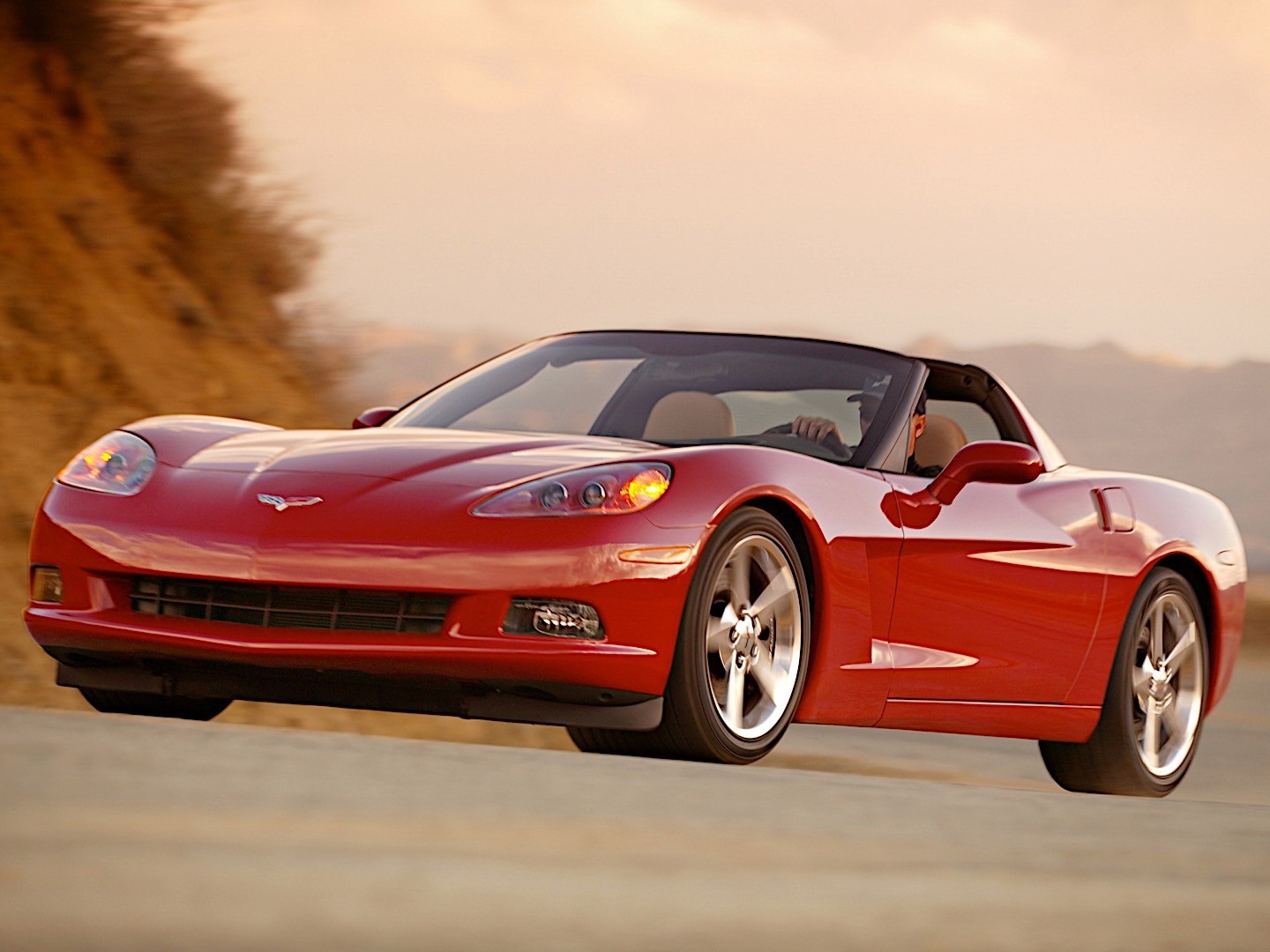
The visual identity of the C6 was a shock to the system for one specific reason: the headlights. For the first time since 1962, the Corvette wore fixed, exposed headlamps, abandoning the pop-up units that had defined its silhouette for forty years. This was done for aerodynamics, weight reduction, and lighting performance, but it signaled a break from tradition. The rest of the car was tighter, leaner, and more muscular. The C6 was actually shorter and narrower than the C5, with virtually no overhangs, giving it a coiled, aggressive stance. The interior, while still not up to Audi standards, was a marked improvement, introducing decent materials and modern navigation systems, acknowledging that a supercar needs to be livable.
However, the soul of the C6 was, as always, the Small Block V8. The base models launched with the 6.0-litre LS2 (400 hp), a torque-rich powerhouse that made the standard Corvette faster than the previous generation’s C5 Z06. In 2008, this was upgraded to the glorious 6.2-litre LS3 (430-436 hp), an engine so bulletproof and potent it remains the benchmark for engine swaps worldwide. But the C6 generation is defined by its high-performance variants, which moved the goalposts so far that the competition needed binoculars to see them.
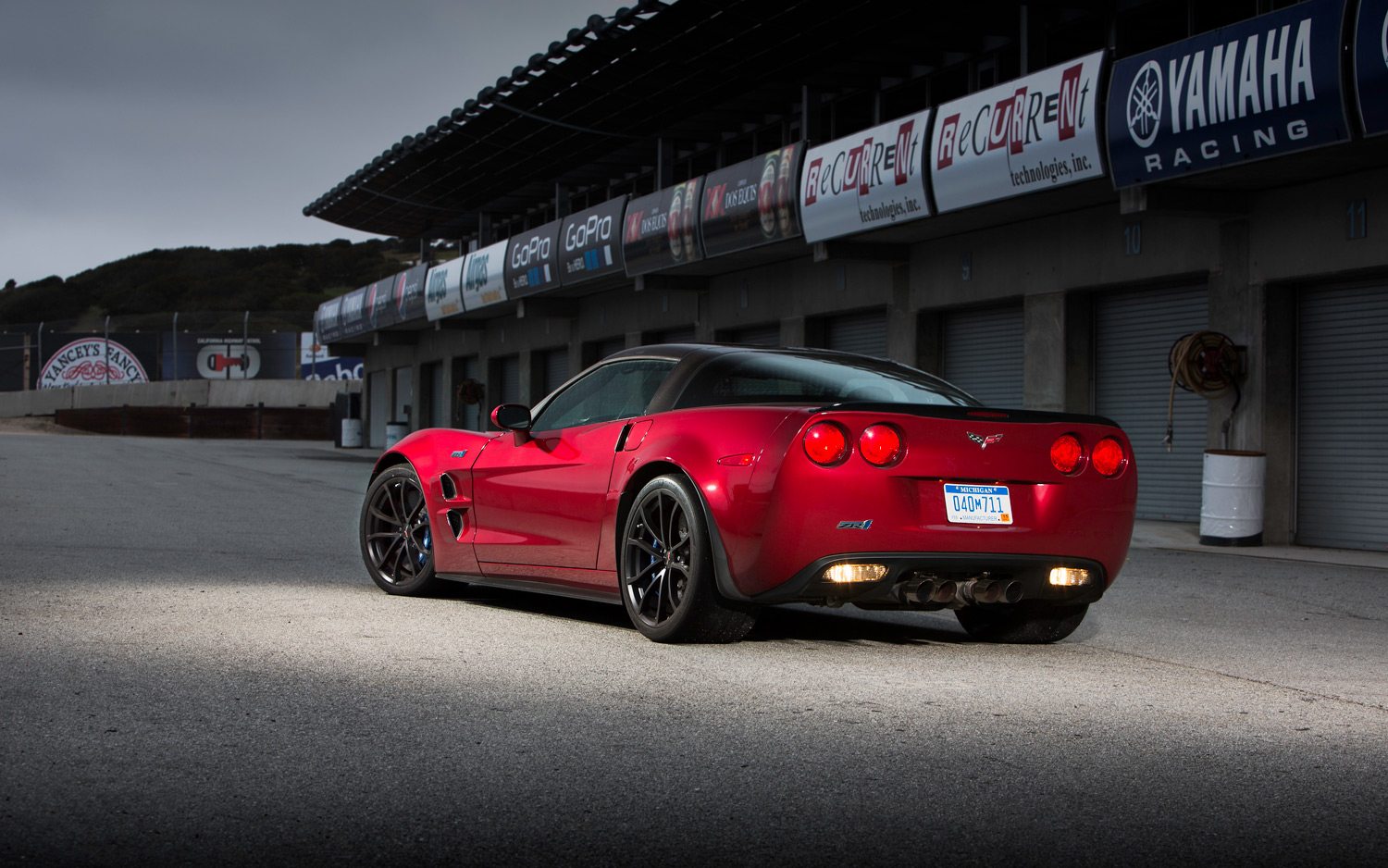
In 2006, Chevrolet unleashed the C6 Z06. This was not just an engine upgrade; it was a distinct vehicle with its own chassis code. It featured a unique aluminium frame (replacing the standard steel hydroformed rails) and magnesium engine cradle to shed weight. But the headline was the engine: the LS7. A 7.0-litre (427 cubic inch) naturally aspirated monster, it featured titanium connecting rods, dry-sump lubrication, and a 7,000 rpm redline. Producing 505 horsepower, the LS7 is widely considered one of the greatest internal combustion engines ever made. The C6 Z06 was a raw, visceral track weapon that could hit 60 mph in 3.7 seconds and pull over 1.0g on a skidpad. It was a supercar killer for a fraction of the price, offering a driving experience so pure and engaging that it remains a highly sought-after collectable today.
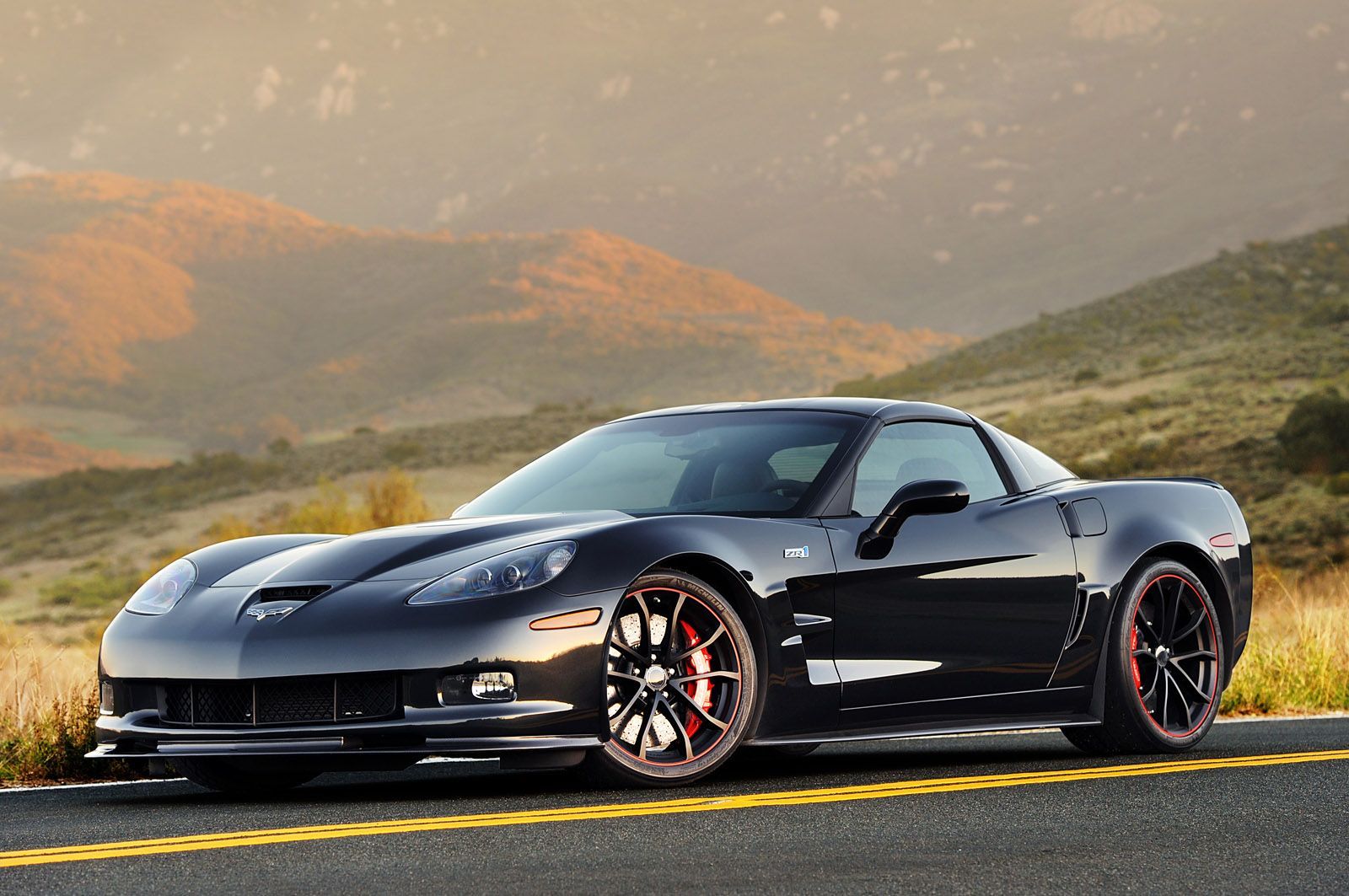
But GM wasn’t done. The engineers, led by Tadge Juechter, wanted to see how far they could push the front-engine architecture. The result, launched in 2009, was the ZR1, codenamed “Blue Devil.” It was a technological tour de force. Under a polycarbonate window in the carbon-fibre hood sat the LS9: a 6.2-litre, supercharged V8 producing a staggering 638 horsepower and 604 lb-ft of torque. To handle this power, the ZR1 was fitted with massive Brembo carbon-ceramic brakes (borrowed from the Ferrari FXX technology pool) and specially developed Michelin Pilot Sport Cup tires. It utilized Magnetic Selective Ride Control to make the car livable on the street yet flat in the corners. The ZR1 was an absolute monster, capable of over 205 mph. It shattered the production car lap record at the Nürburgring Nordschleife, proving that the Corvette was no longer just a straight-line hero; it was the fastest car in the world on the most difficult track in the world.
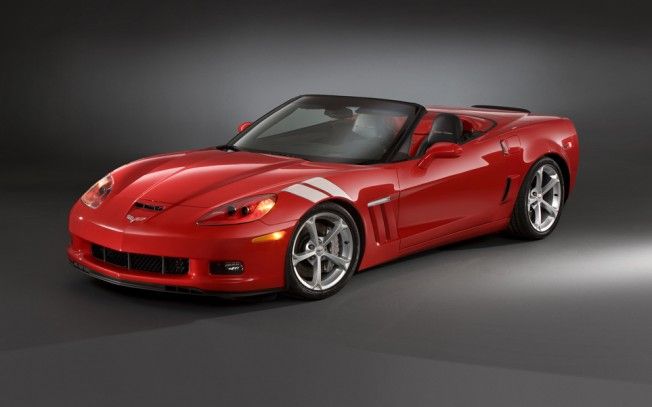
Bridging the gap between the base car and the Z06 was the Grand Sport, reintroduced in 2010. It combined the wide-body styling, suspension, and brakes of the Z06 with the reliable, steel-framed LS3 powertrain of the base car. It became the volume seller, offering the “look” and handling of the race cars without the intimidating nature of the 427 or the cost of the ZR1. It was arguably the best all-around sports car GM ever built.
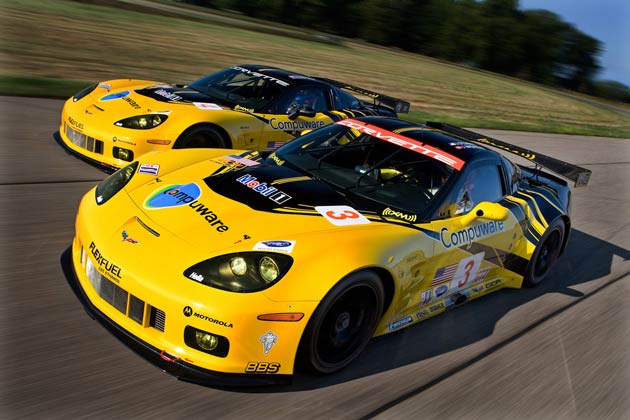
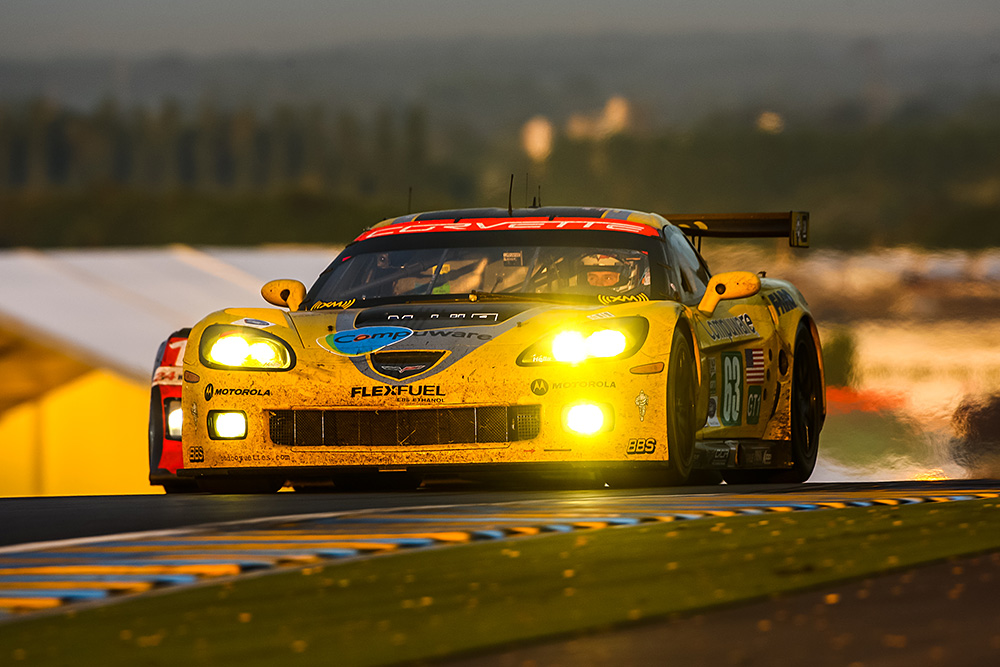
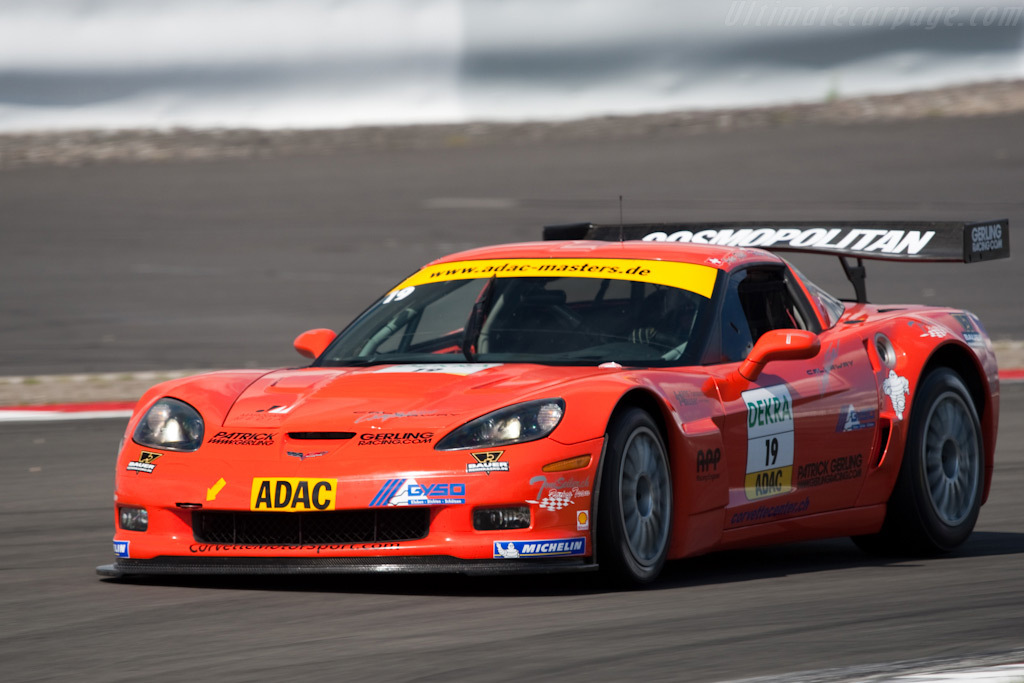
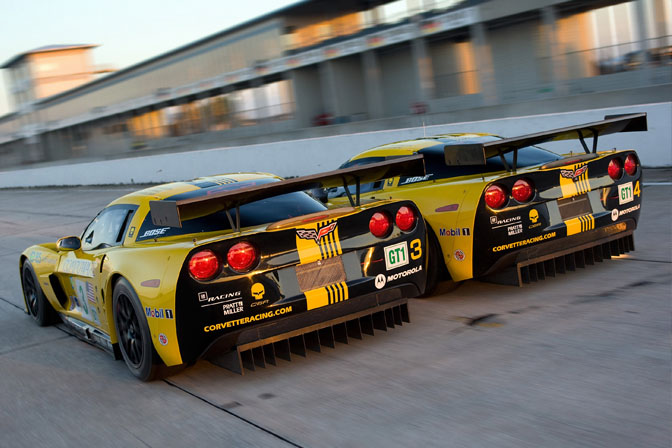
On the racetrack, the C6.R continued the dynasty started by the C5-R. The factory team, Pratt & Miller, campaigned the C6.R in the American Le Mans Series and at the 24 Hours of Le Mans. The GT1 version (2005-2009) was a 7.0-litre V8 beast that engaged in a legendary, multi-year war with the Aston Martin DBR9. The battles between the yellow Corvettes and the green Astons are etched in Le Mans history. The C6.R GT1 took class victories at Le Mans in 2005, 2006, and 2009. When the GT1 class collapsed, Corvette Racing successfully transitioned to the GT2 class with a 5.5-litre V8 version of the C6.R, continuing to win against Ferrari and Porsche, including a GTE-Pro class win at Le Mans in 2011.
The C6 era ended in 2013 with the 427 Convertible Collector Edition, a fitting swan song that put the Z06’s engine into a drop-top. The C6’s legacy is one of democratization of speed. It made 400 horsepower the “entry-level” standard and made 600+ horsepower usable on a daily commute. It proved that a pushrod V8 could be high-tech, and that leaf springs (albeit transverse composite ones) could handle better than coils. The C6 Z06 and ZR1 stand as the high-water marks of the naturally aspirated and supercharged front-engine era, respectively. They were cars that didn’t just compete; they dominated, earning the Corvette a permanent seat at the table of global supercars.
Portal
Model line
Model generation
Brand
Produced from
Vehicle category
Generation Overview
If the C5 Corvette was the revolution that saved the nameplate, the C6 Corvette (2005-2013) was the refinement that perfected it. Launched in 2005, the sixth-generation Corvette was not a clean-sheet reimagining, but a laser-focused evolution designed to fix every complaint of its predecessor while sharpening its claws to razor sharpness. The mandate from General Motors was clear: build a car that no longer made excuses. No longer would the Corvette be “good, for an American car”. It had to be simply “good,” capable of hunting down Porsche 911s on the autobahn and humiliating Ferraris on the track. In doing so, the C6 became the definitive modern sports car of the 2000s, a machine that combined accessible performance with the capacity for terrifying speed, culminating in the return of the “King of the Hill,” the ZR1.
The visual identity of the C6 was a shock to the system for one specific reason: the headlights. For the first time since 1962, the Corvette wore fixed, exposed headlamps, abandoning the pop-up units that had defined its silhouette for forty years. This was done for aerodynamics, weight reduction, and lighting performance, but it signaled a break from tradition. The rest of the car was tighter, leaner, and more muscular. The C6 was actually shorter and narrower than the C5, with virtually no overhangs, giving it a coiled, aggressive stance. The interior, while still not up to Audi standards, was a marked improvement, introducing decent materials and modern navigation systems, acknowledging that a supercar needs to be livable.
However, the soul of the C6 was, as always, the Small Block V8. The base models launched with the 6.0-litre LS2 (400 hp), a torque-rich powerhouse that made the standard Corvette faster than the previous generation’s C5 Z06. In 2008, this was upgraded to the glorious 6.2-litre LS3 (430-436 hp), an engine so bulletproof and potent it remains the benchmark for engine swaps worldwide. But the C6 generation is defined by its high-performance variants, which moved the goalposts so far that the competition needed binoculars to see them.
In 2006, Chevrolet unleashed the C6 Z06. This was not just an engine upgrade; it was a distinct vehicle with its own chassis code. It featured a unique aluminium frame (replacing the standard steel hydroformed rails) and magnesium engine cradle to shed weight. But the headline was the engine: the LS7. A 7.0-litre (427 cubic inch) naturally aspirated monster, it featured titanium connecting rods, dry-sump lubrication, and a 7,000 rpm redline. Producing 505 horsepower, the LS7 is widely considered one of the greatest internal combustion engines ever made. The C6 Z06 was a raw, visceral track weapon that could hit 60 mph in 3.7 seconds and pull over 1.0g on a skidpad. It was a supercar killer for a fraction of the price, offering a driving experience so pure and engaging that it remains a highly sought-after collectable today.
But GM wasn’t done. The engineers, led by Tadge Juechter, wanted to see how far they could push the front-engine architecture. The result, launched in 2009, was the ZR1, codenamed “Blue Devil.” It was a technological tour de force. Under a polycarbonate window in the carbon-fibre hood sat the LS9: a 6.2-litre, supercharged V8 producing a staggering 638 horsepower and 604 lb-ft of torque. To handle this power, the ZR1 was fitted with massive Brembo carbon-ceramic brakes (borrowed from the Ferrari FXX technology pool) and specially developed Michelin Pilot Sport Cup tires. It utilized Magnetic Selective Ride Control to make the car livable on the street yet flat in the corners. The ZR1 was an absolute monster, capable of over 205 mph. It shattered the production car lap record at the Nürburgring Nordschleife, proving that the Corvette was no longer just a straight-line hero; it was the fastest car in the world on the most difficult track in the world.
Bridging the gap between the base car and the Z06 was the Grand Sport, reintroduced in 2010. It combined the wide-body styling, suspension, and brakes of the Z06 with the reliable, steel-framed LS3 powertrain of the base car. It became the volume seller, offering the “look” and handling of the race cars without the intimidating nature of the 427 or the cost of the ZR1. It was arguably the best all-around sports car GM ever built.
On the racetrack, the C6.R continued the dynasty started by the C5-R. The factory team, Pratt & Miller, campaigned the C6.R in the American Le Mans Series and at the 24 Hours of Le Mans. The GT1 version (2005-2009) was a 7.0-litre V8 beast that engaged in a legendary, multi-year war with the Aston Martin DBR9. The battles between the yellow Corvettes and the green Astons are etched in Le Mans history. The C6.R GT1 took class victories at Le Mans in 2005, 2006, and 2009. When the GT1 class collapsed, Corvette Racing successfully transitioned to the GT2 class with a 5.5-litre V8 version of the C6.R, continuing to win against Ferrari and Porsche, including a GTE-Pro class win at Le Mans in 2011.
The C6 era ended in 2013 with the 427 Convertible Collector Edition, a fitting swan song that put the Z06’s engine into a drop-top. The C6’s legacy is one of democratization of speed. It made 400 horsepower the “entry-level” standard and made 600+ horsepower usable on a daily commute. It proved that a pushrod V8 could be high-tech, and that leaf springs (albeit transverse composite ones) could handle better than coils. The C6 Z06 and ZR1 stand as the high-water marks of the naturally aspirated and supercharged front-engine era, respectively. They were cars that didn’t just compete; they dominated, earning the Corvette a permanent seat at the table of global supercars.
Submodels