BMW 3 Series I (E21)
Generation Overview
The mid-1970s were a precarious time for the European automotive industry, still shivering from the lingering chill of the 1973 oil crisis. Yet, within the halls of BMW’s Munich headquarters, there was a palpable sense of defiant optimism. The marque had survived the post-war doldrums entirely on the shoulders of the Neue Klasse and the phenomenally successful 02 Series. But the beloved 2002, with its upright glasshouse and lively tail, was aging. To replace it, BMW did not simply pen a successor; they birthed a dynasty. Unveiled in July 1975 at the Munich Olympic Stadium, the BMW 3 Series (E21) established the blueprint for the modern compact executive car. It arrived in a fiercely competitive arena, ready to lock horns with the soulful Alfa Romeo Alfetta, the innovative Audi 80, and the spirited Triumph Dolomite. The initial lineup—comprising the 316, 318, 320, and the fuel-injected 320i—had massive shoes to fill, but the E21 brought a newfound level of sophistication, refinement, and autobahn-crushing capability that transformed BMW from a niche maker of sports sedans into a global premium juggernaut.
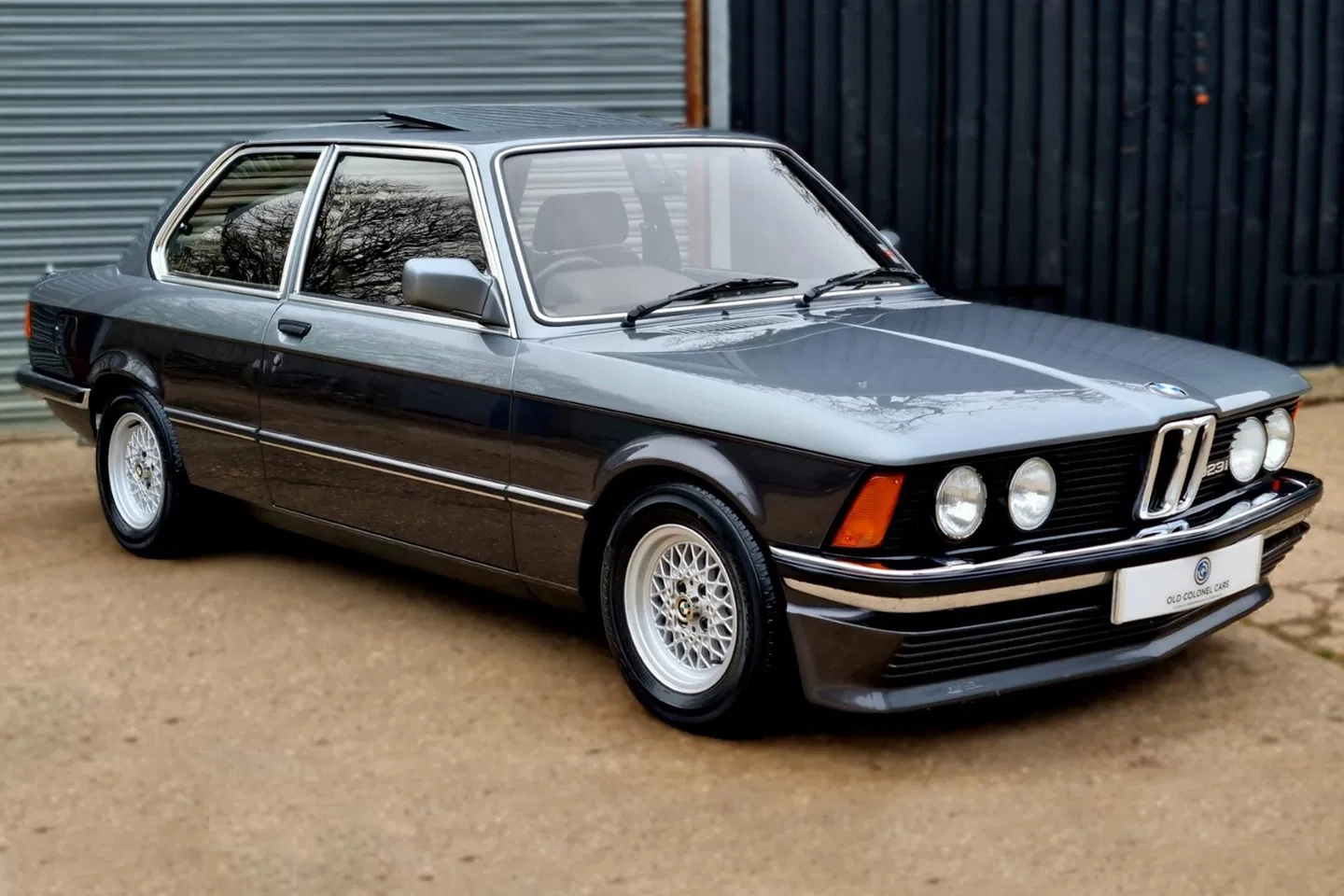
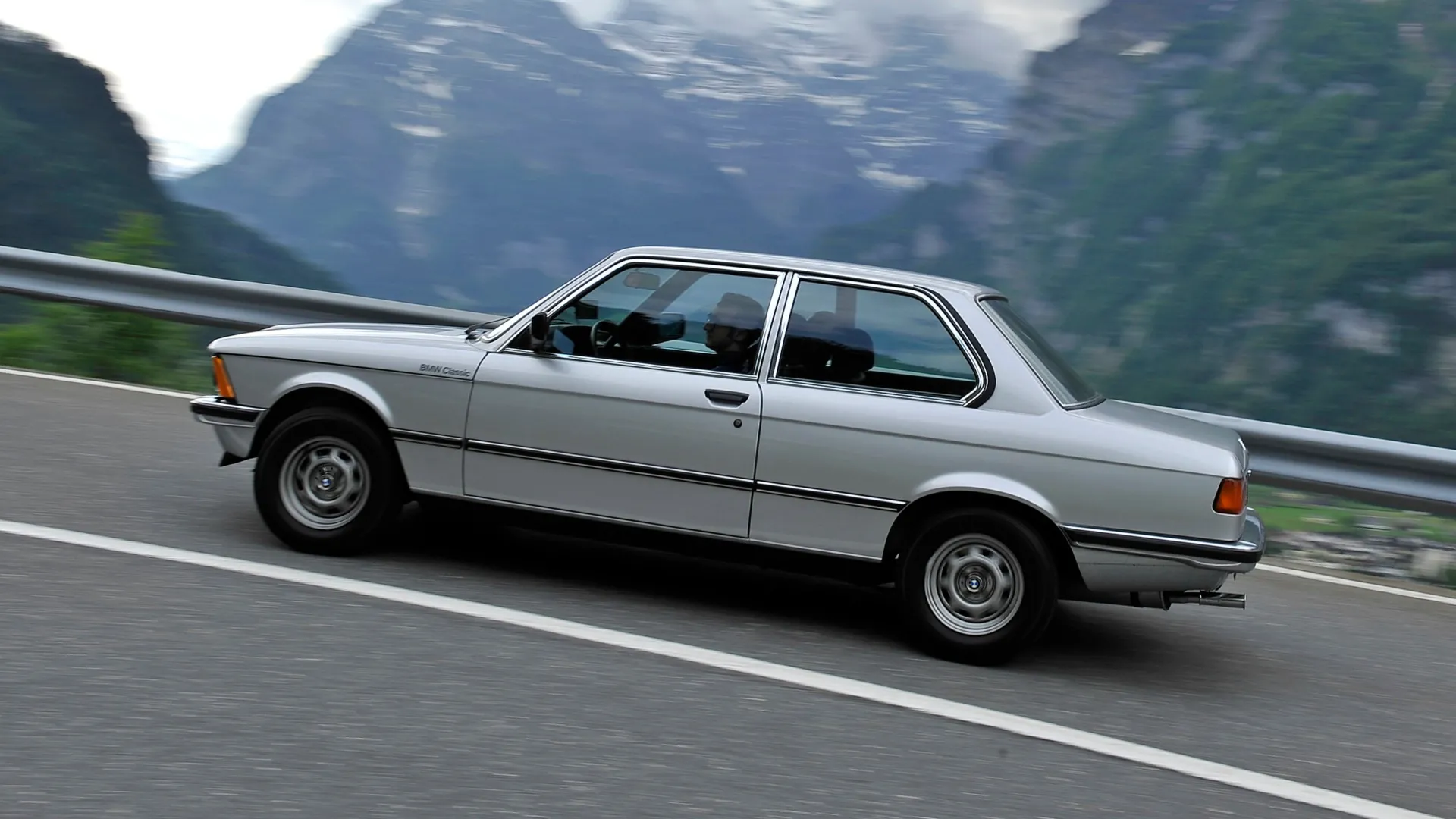
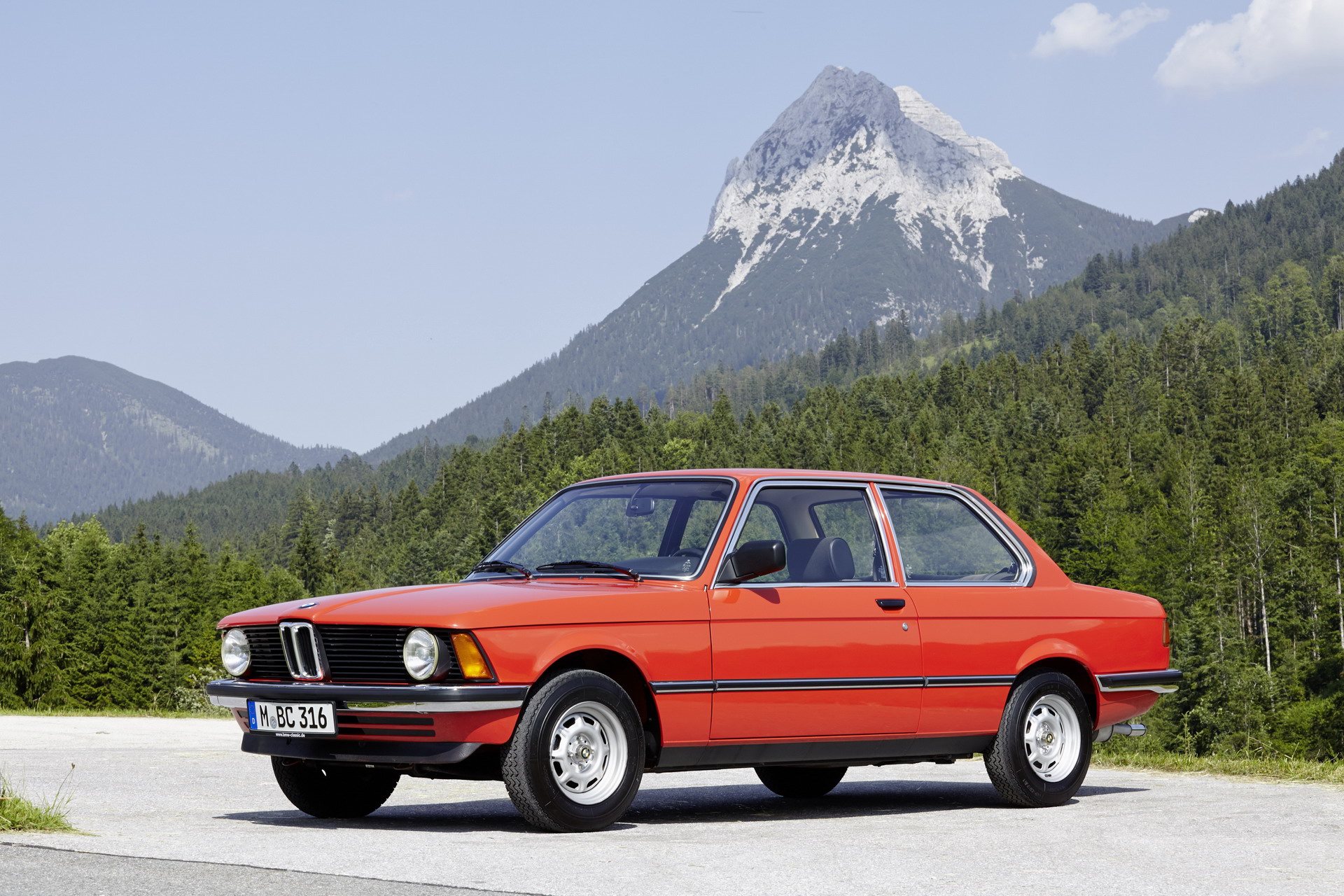
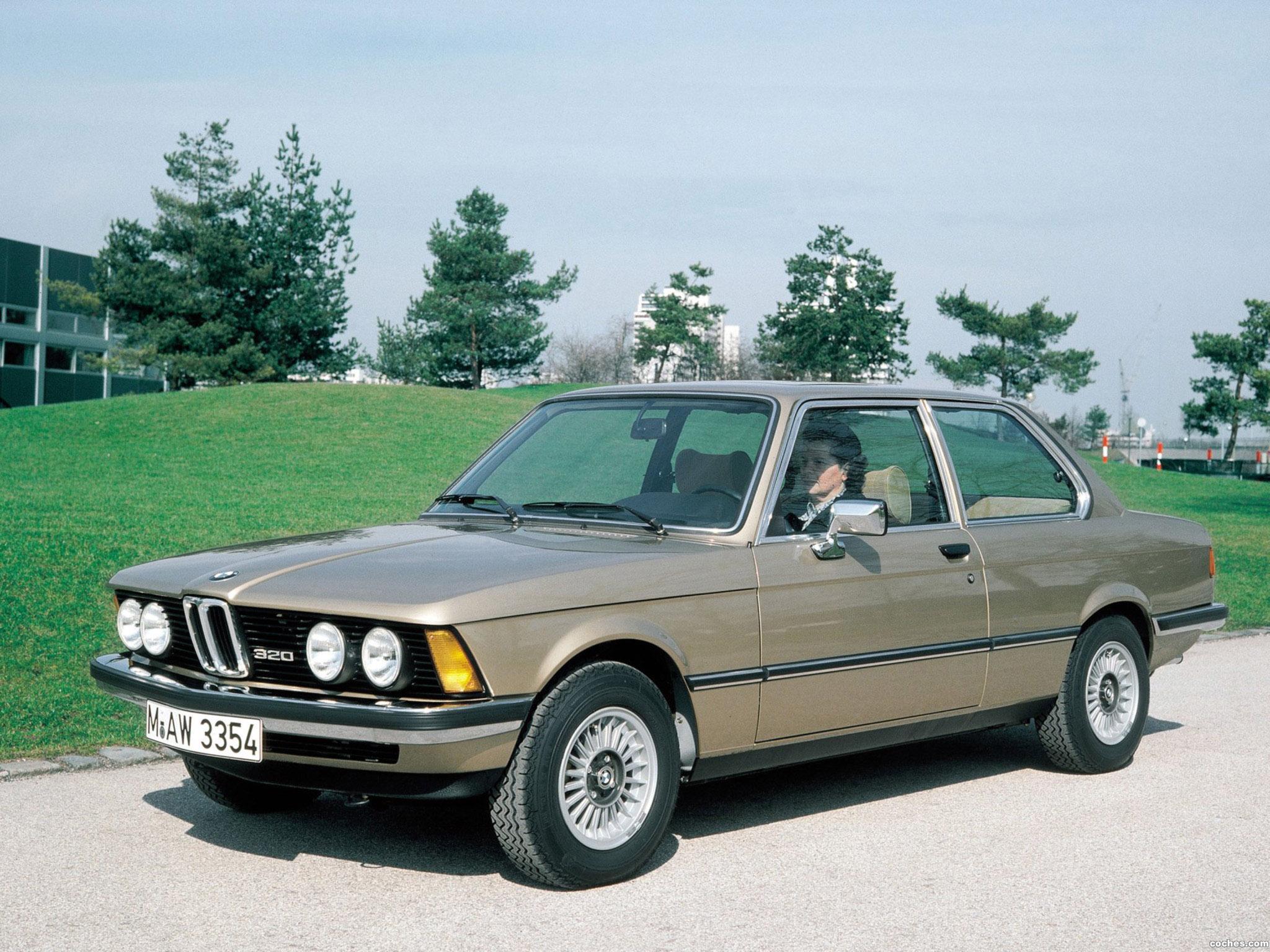
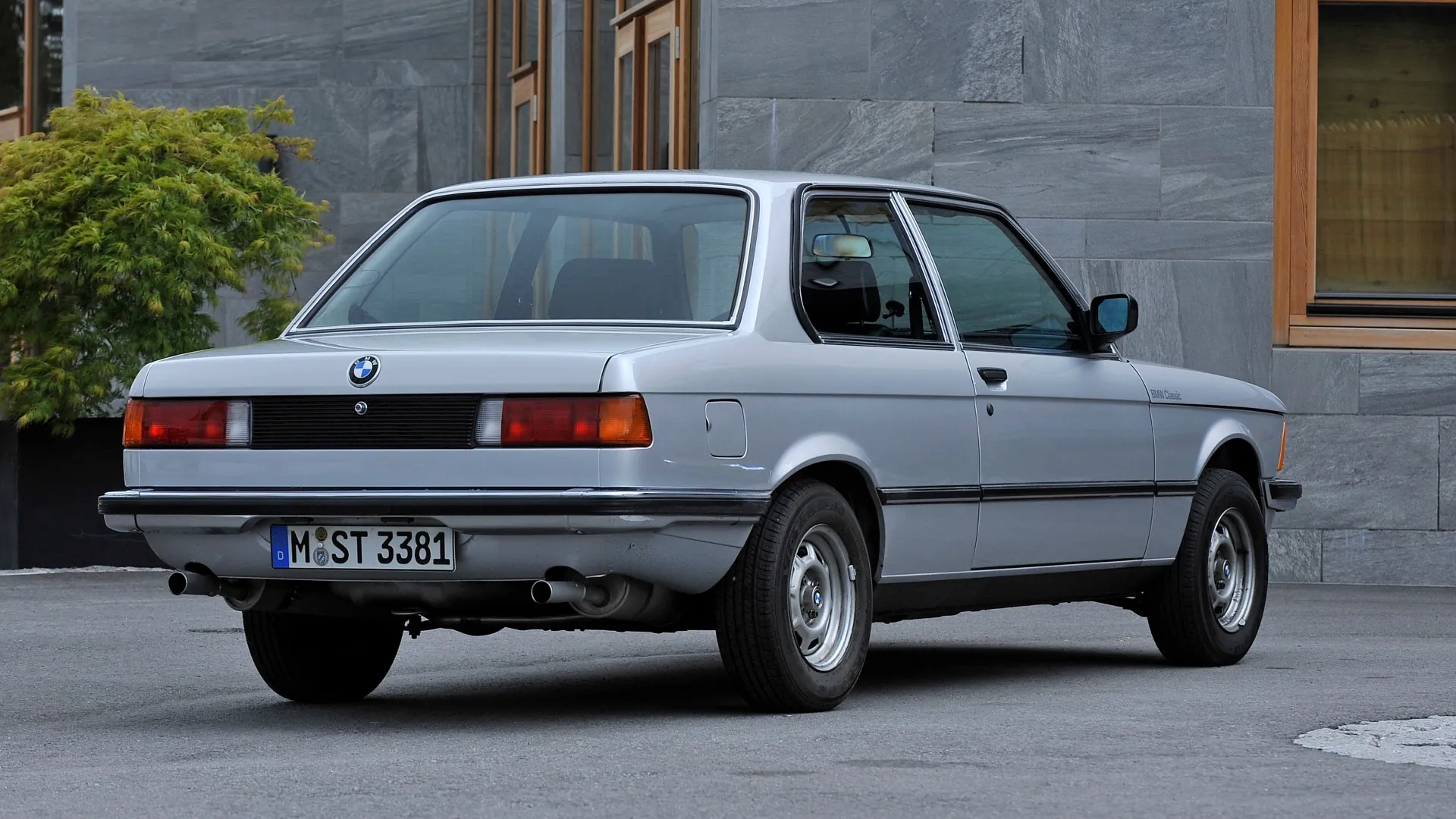
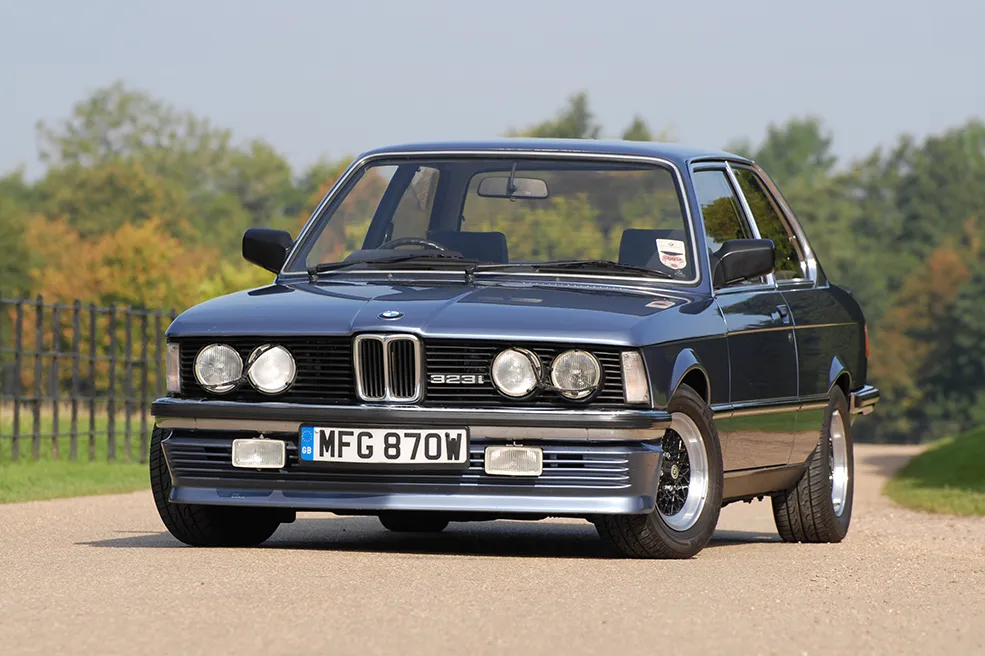
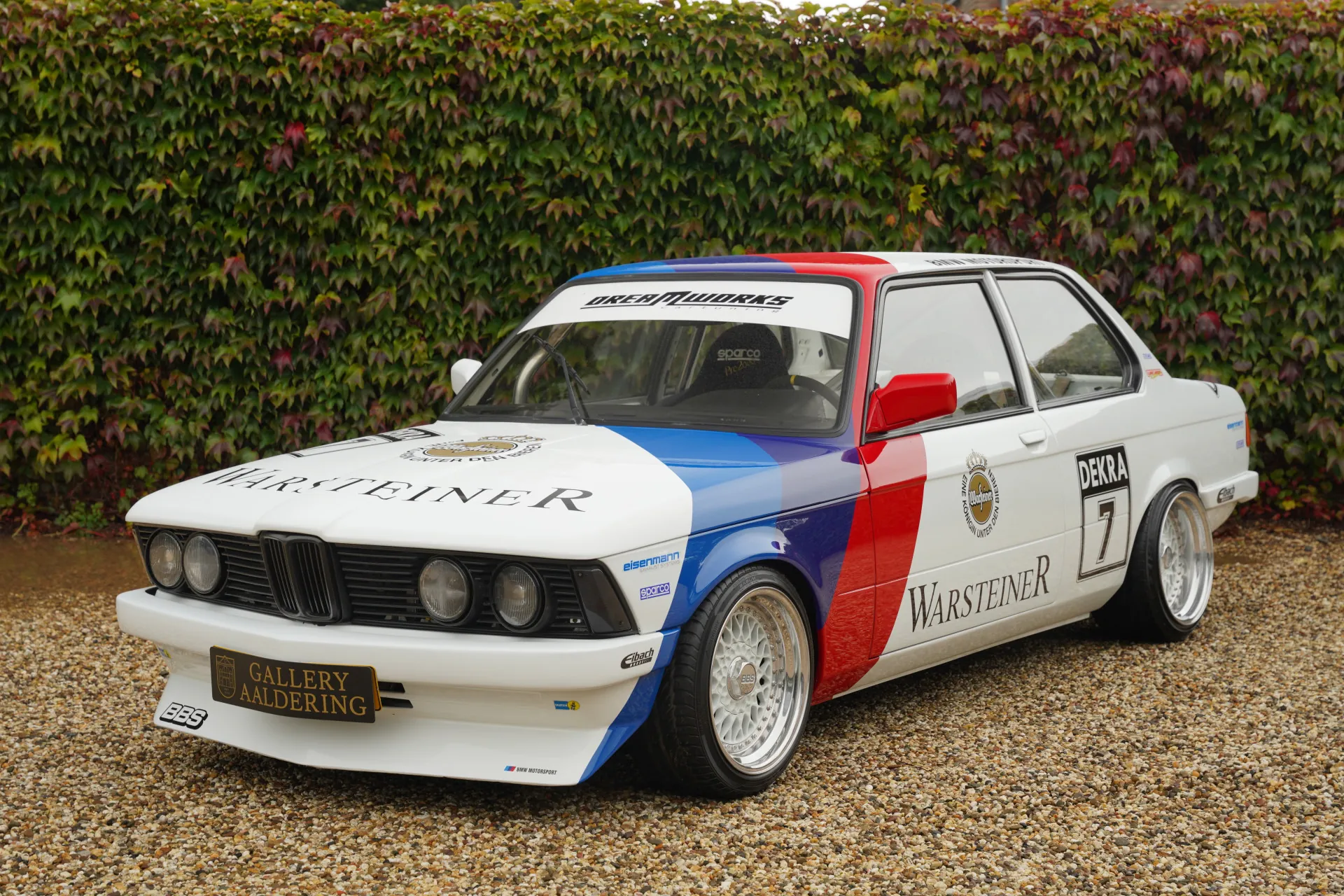
To walk around an early E21 is to witness the absolute zenith of Paul Bracq’s design tenure at BMW. The styling was an elegant evolution rather than a revolution, taking the boxy charm of the 02 Series and sweeping it into a sleek, wedge-shaped profile. The front fascia introduced the defining “shark-nose” profile, leaning aggressively forward into the wind, flanked by the iconic kidney grilles. A visual hierarchy was established immediately: the four-cylinder 316 and 318 made do with single round headlamps, while the potent 320 and 320i boasted an imposing quad-headlamp setup. Beneath the sheet metal, the E21 initially relied on the bulletproof M10 four-cylinder engine, a cast-iron workhorse that provided eager, rev-happy performance. However, the true mechanical watershed moment arrived in 1977 at the Frankfurt Motor Show, when BMW shoehorned the new M20 “baby six” inline-six engine into the compact chassis. This birthed the silky-smooth 320/6 and the crowning jewel of the range: the 323i. Pumping out 143 brake horsepower through a Bosch K-Jetronic injection system, the 323i featured a dual-exit exhaust system and, crucially, rear disc brakes to rein in its 118 mph top speed.
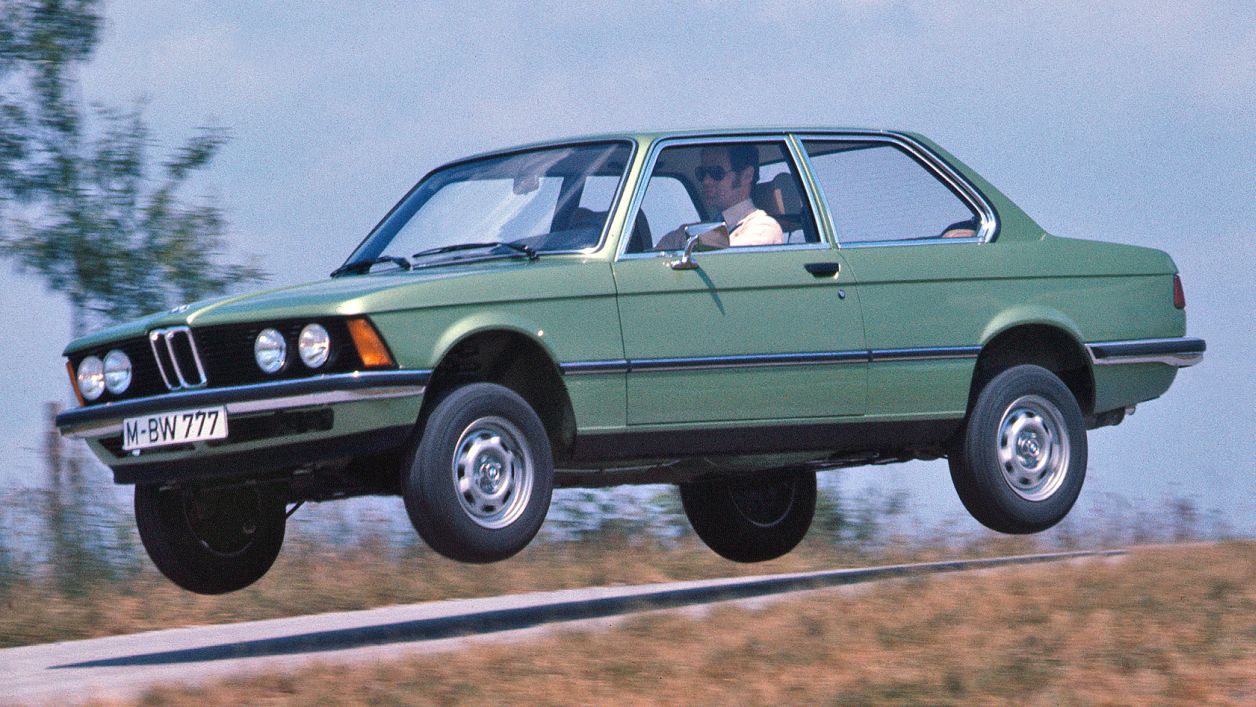
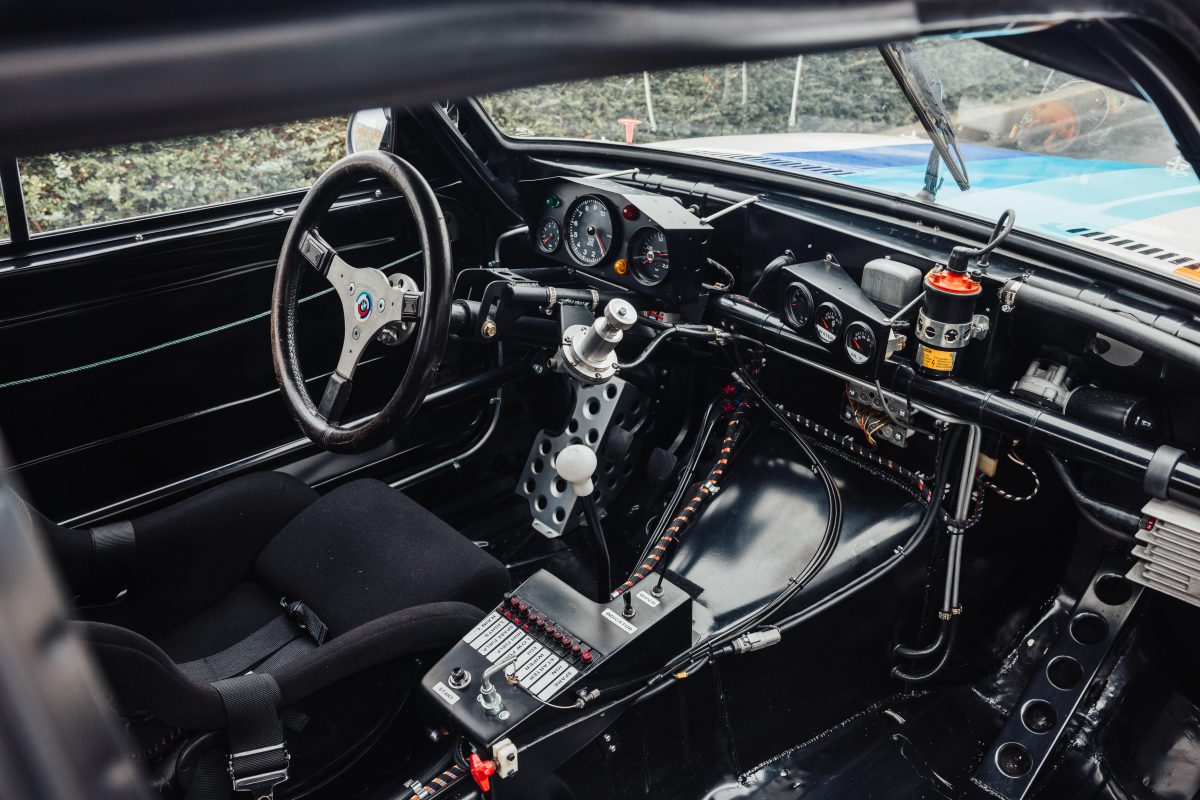
The chassis dynamics of the E21 were the stuff of immediate legend and occasional terror. Utilizing McPherson struts at the front and a semi-trailing arm independent suspension at the rear, the E21 was a phenomenally communicative machine. However, the rear suspension geometry, combined with the period’s tire technology, made the car notoriously prone to snap lift-off oversteer if a driver abruptly closed the throttle mid-corner, particularly in the wet. It was a car that demanded respect and rewarded skilled, deliberate inputs. Stepping inside, the E21 introduced perhaps the most enduring interior design cue in BMW’s history: the driver-angled center console. By physically turning the dashboard controls toward the pilot, BMW silently communicated that the person behind the steering wheel was the absolute center of the universe. It was an ergonomic masterstroke that defined the “Ultimate Driving Machine” ethos for the next four decades.
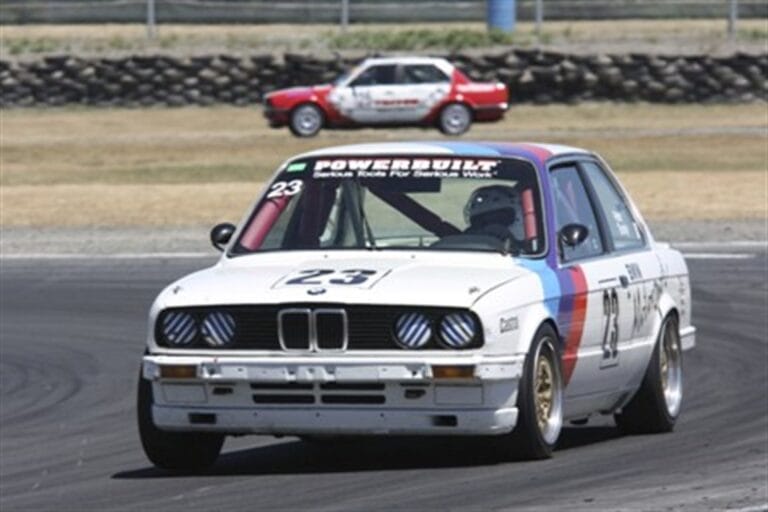
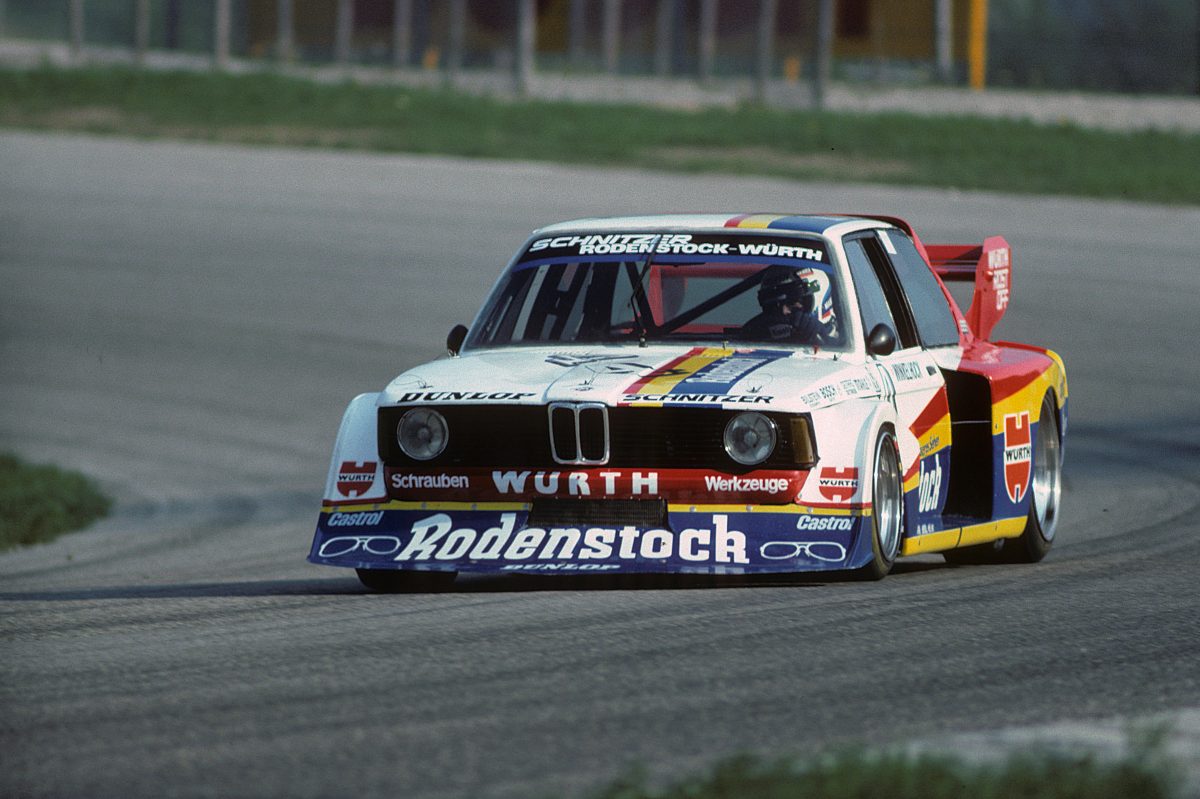
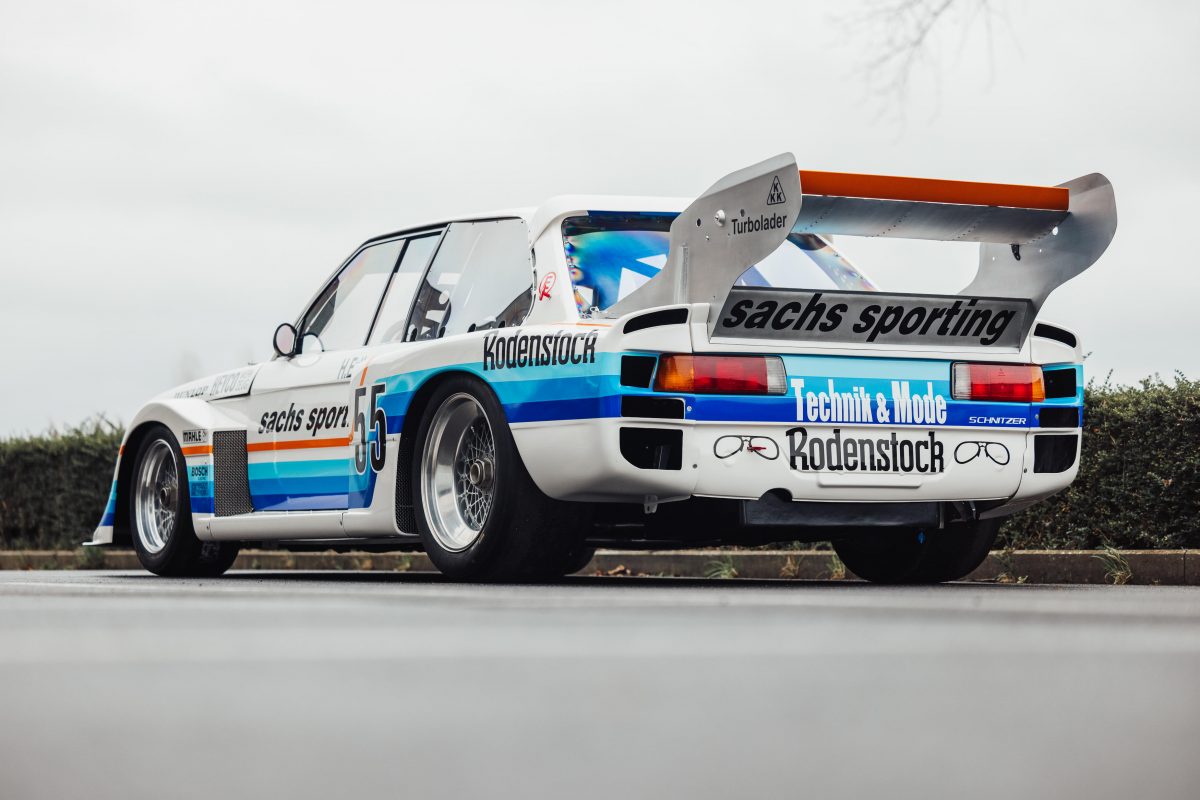
While the street cars were earning their keep on the twisting Alpine passes and derestricted autobahns, BMW Motorsport recognized the E21’s potential to conquer the racetracks of the world. To replace the aging 3.0 CSL “Batmobile”, Jochen Neerpasch and his team developed the monstrous BMW 320 Turbo for FIA Group 5 silhouette racing. Stripped of all civility, cloaked in massive fiberglass box flares, and fitted with an enormous rear wing, this “Flying Brick” was a terrifyingly brutal machine. Under the hood lay a 2.0-liter M12 engine derived from Formula 2, fitted with a massive KKK turbocharger that spooled up to deliver over 600 horsepower. In the Deutsche Rennsport Meisterschaft (DRM) and the IMSA Camel GT series in the United States, the Group 5 E21 shot literal foot-long flames from its side exhaust, driven by absolute titans like Hans-Joachim Stuck, Ronnie Peterson, and David Hobbs. The sight of a bright orange Jägermeister-liveried 320 Turbo violently bouncing over the kerbs at the Norisring is an image permanently burned into the retinas of 1970s motorsport fans.
Back on the street, the E21’s commercial impact was staggering, pushing past 1.3 million units sold before production ceased. It also spawned the beloved Baur TopCabriolet (TC1), a clever coachbuilt conversion that retained the door frames and a targa-style roof bar to offer open-air motoring without sacrificing the chassis stiffness required of a true BMW.
In the grand, sweeping narrative of Bavarian motor works, the E21 is occasionally treated as the forgotten middle child—sandwiched between the cult-hero 2002 that preceded it and the legendary E30 that followed. To view it this way is a tragic historical oversight. The 1975 BMW 3 Series I was the crucible in which the modern BMW identity was forged. It introduced the inline-six to the compact class, it birthed the driver-centric cockpit, and it carried the Motorsport division’s flaming torch through the wildest era of silhouette racing. It is the genesis of the sports sedan empire, a magnificent, shark-nosed pioneer that taught the world exactly what a 3 Series was supposed to be.
Generation Overview
The mid-1970s were a precarious time for the European automotive industry, still shivering from the lingering chill of the 1973 oil crisis. Yet, within the halls of BMW’s Munich headquarters, there was a palpable sense of defiant optimism. The marque had survived the post-war doldrums entirely on the shoulders of the Neue Klasse and the phenomenally successful 02 Series. But the beloved 2002, with its upright glasshouse and lively tail, was aging. To replace it, BMW did not simply pen a successor; they birthed a dynasty. Unveiled in July 1975 at the Munich Olympic Stadium, the BMW 3 Series (E21) established the blueprint for the modern compact executive car. It arrived in a fiercely competitive arena, ready to lock horns with the soulful Alfa Romeo Alfetta, the innovative Audi 80, and the spirited Triumph Dolomite. The initial lineup—comprising the 316, 318, 320, and the fuel-injected 320i—had massive shoes to fill, but the E21 brought a newfound level of sophistication, refinement, and autobahn-crushing capability that transformed BMW from a niche maker of sports sedans into a global premium juggernaut.
To walk around an early E21 is to witness the absolute zenith of Paul Bracq’s design tenure at BMW. The styling was an elegant evolution rather than a revolution, taking the boxy charm of the 02 Series and sweeping it into a sleek, wedge-shaped profile. The front fascia introduced the defining “shark-nose” profile, leaning aggressively forward into the wind, flanked by the iconic kidney grilles. A visual hierarchy was established immediately: the four-cylinder 316 and 318 made do with single round headlamps, while the potent 320 and 320i boasted an imposing quad-headlamp setup. Beneath the sheet metal, the E21 initially relied on the bulletproof M10 four-cylinder engine, a cast-iron workhorse that provided eager, rev-happy performance. However, the true mechanical watershed moment arrived in 1977 at the Frankfurt Motor Show, when BMW shoehorned the new M20 “baby six” inline-six engine into the compact chassis. This birthed the silky-smooth 320/6 and the crowning jewel of the range: the 323i. Pumping out 143 brake horsepower through a Bosch K-Jetronic injection system, the 323i featured a dual-exit exhaust system and, crucially, rear disc brakes to rein in its 118 mph top speed.
The chassis dynamics of the E21 were the stuff of immediate legend and occasional terror. Utilizing McPherson struts at the front and a semi-trailing arm independent suspension at the rear, the E21 was a phenomenally communicative machine. However, the rear suspension geometry, combined with the period’s tire technology, made the car notoriously prone to snap lift-off oversteer if a driver abruptly closed the throttle mid-corner, particularly in the wet. It was a car that demanded respect and rewarded skilled, deliberate inputs. Stepping inside, the E21 introduced perhaps the most enduring interior design cue in BMW’s history: the driver-angled center console. By physically turning the dashboard controls toward the pilot, BMW silently communicated that the person behind the steering wheel was the absolute center of the universe. It was an ergonomic masterstroke that defined the “Ultimate Driving Machine” ethos for the next four decades.
While the street cars were earning their keep on the twisting Alpine passes and derestricted autobahns, BMW Motorsport recognized the E21’s potential to conquer the racetracks of the world. To replace the aging 3.0 CSL “Batmobile”, Jochen Neerpasch and his team developed the monstrous BMW 320 Turbo for FIA Group 5 silhouette racing. Stripped of all civility, cloaked in massive fiberglass box flares, and fitted with an enormous rear wing, this “Flying Brick” was a terrifyingly brutal machine. Under the hood lay a 2.0-liter M12 engine derived from Formula 2, fitted with a massive KKK turbocharger that spooled up to deliver over 600 horsepower. In the Deutsche Rennsport Meisterschaft (DRM) and the IMSA Camel GT series in the United States, the Group 5 E21 shot literal foot-long flames from its side exhaust, driven by absolute titans like Hans-Joachim Stuck, Ronnie Peterson, and David Hobbs. The sight of a bright orange Jägermeister-liveried 320 Turbo violently bouncing over the kerbs at the Norisring is an image permanently burned into the retinas of 1970s motorsport fans.
Back on the street, the E21’s commercial impact was staggering, pushing past 1.3 million units sold before production ceased. It also spawned the beloved Baur TopCabriolet (TC1), a clever coachbuilt conversion that retained the door frames and a targa-style roof bar to offer open-air motoring without sacrificing the chassis stiffness required of a true BMW.
In the grand, sweeping narrative of Bavarian motor works, the E21 is occasionally treated as the forgotten middle child—sandwiched between the cult-hero 2002 that preceded it and the legendary E30 that followed. To view it this way is a tragic historical oversight. The 1975 BMW 3 Series I was the crucible in which the modern BMW identity was forged. It introduced the inline-six to the compact class, it birthed the driver-centric cockpit, and it carried the Motorsport division’s flaming torch through the wildest era of silhouette racing. It is the genesis of the sports sedan empire, a magnificent, shark-nosed pioneer that taught the world exactly what a 3 Series was supposed to be.
Submodels