Marcos Mantara
Brand
Produced from
Vehicle category
Portal
Model line
Model generation
Predecessor
Sucessor
Model Overview
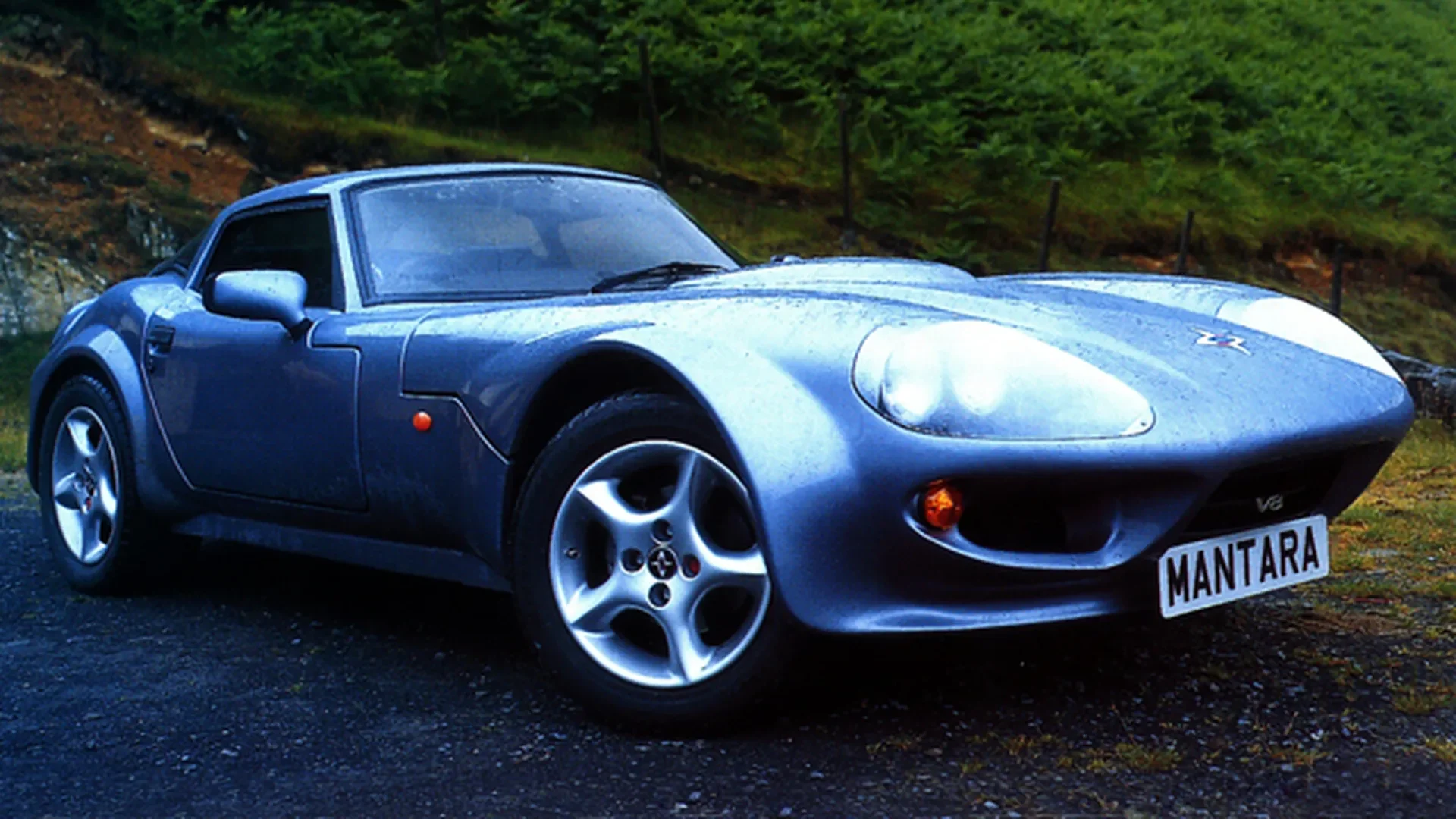
To truly understand the visceral, thunderous impact of the 1992 Marcos Mantara, one must first plunge into the incredibly vibrant and utterly uncompromising world of the 1990s British boutique sports car renaissance. This was a golden era, a brief but glorious window where small, passionate firms operating out of industrial estates across the United Kingdom were bolting massive V8 engines into featherweight chassis, utterly ignoring the sanitized, mass-market trends of the major manufacturers. The Blackpool-based TVR was making global headlines with the terrifyingly rapid Griffith, Morgan was steadfastly continuing its vintage ash-framed Plus 8 lineage, and Lotus was evolving the Esprit. Amidst this high-octane arms race, Jem Marsh—the towering, indomitable founder of Marcos—realized his company stood at a critical crossroads. Throughout the 1980s, the Marcos Mantula had sustained the firm, but it was largely sold in component form to circumvent punishing British taxes. The kit-car stigma was beginning to tarnish the brand’s storied 1960s racing heritage. Marsh needed a definitive statement of intent, a vehicle that would re-establish Marcos as a serious, low-volume factory manufacturer. The result was the Marcos Mantara. Unveiled in 1992, it was a fully type-approved, factory-built sledgehammer of a sports car. It retained the outrageously low, swooping, Dennis Adams-penned silhouette of the original 1964 Marcos 1800 GT, but infused it with modern, devastating V8 firepower and a comprehensively modernized chassis. It was a car that didn’t just compete with the TVR Griffith; it offered a darker, more dramatic, and infinitely rarer alternative for the true automotive extrovert.
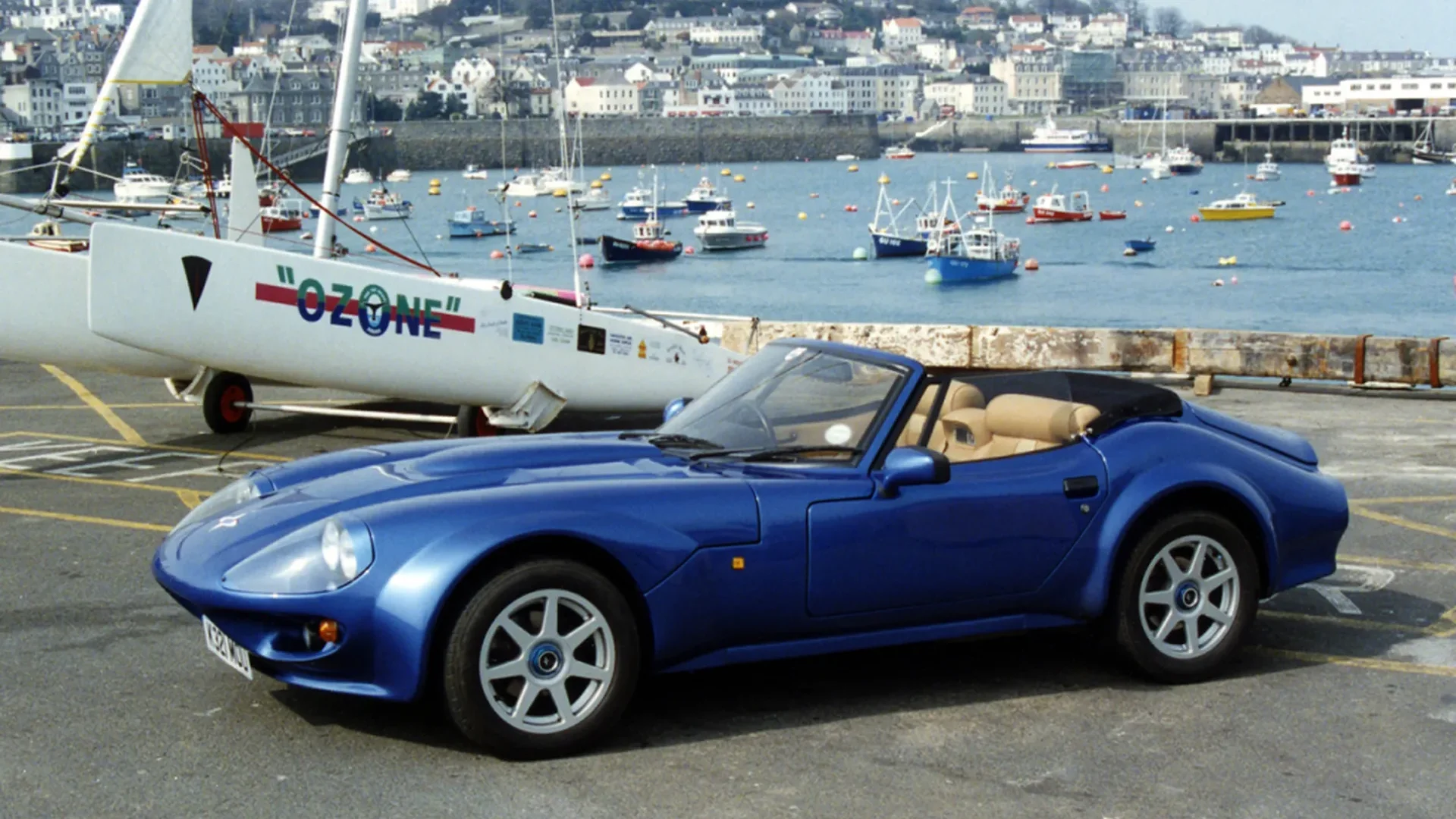
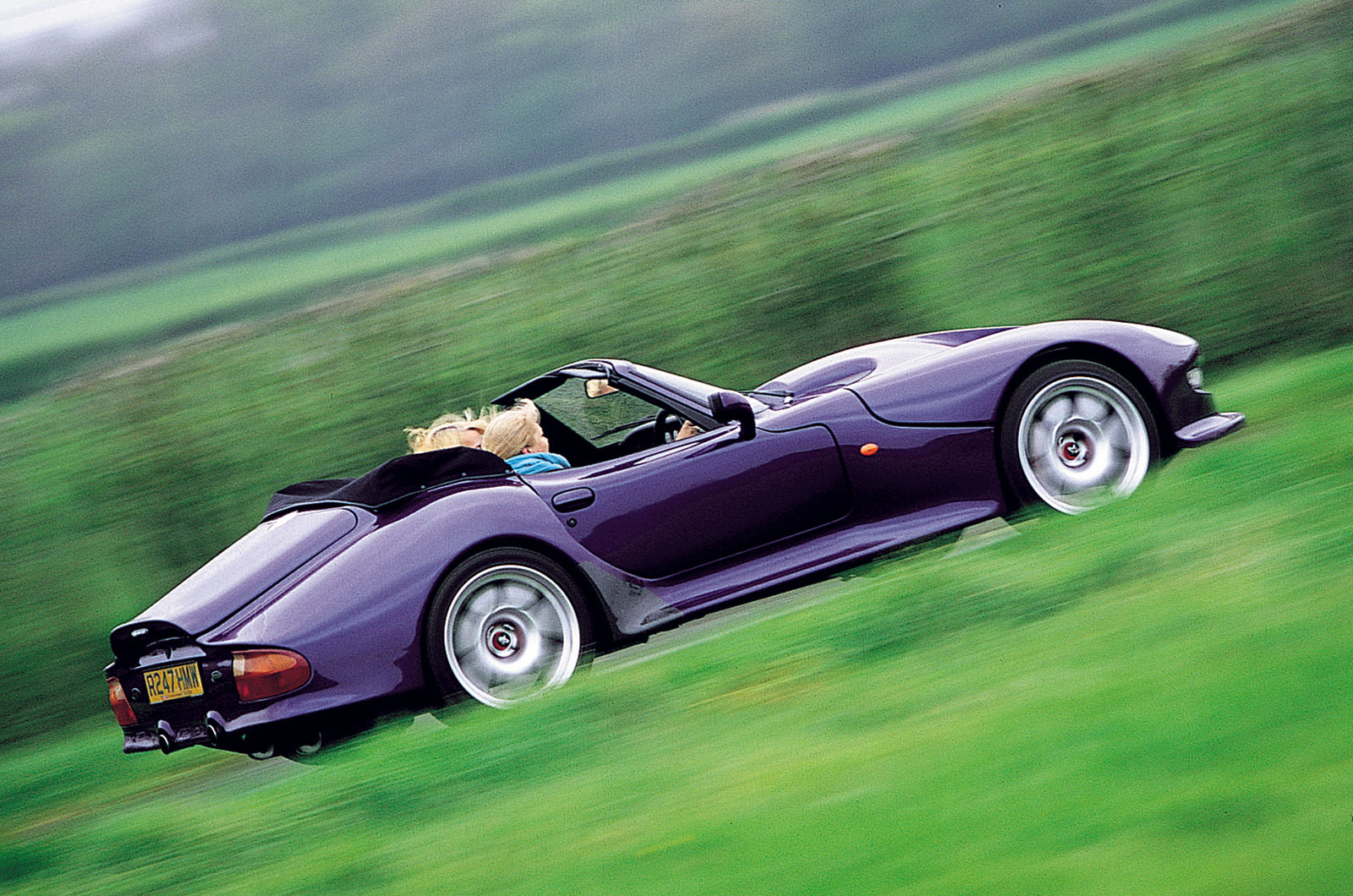
To peel back the voluptuous, fiberglass skin of the Mantara is to witness a masterclass in the evolution of traditional British sports car engineering. Visually, the Mantara was an exercise in aggressive retro-futurism. It traced its aesthetic lineage directly back to the 1960s, maintaining the impossibly low roofline—which stood barely 43 inches off the tarmac—and the incredibly long, phallic bonnet. However, the Mantara featured smoothly integrated, muscular wheel arches designed to house modern, wider alloy wheels and much fatter rubber, alongside a revised, cleaner front valance. Beneath this dramatic coachwork lay the most significant engineering leap in the model’s history. The archaic Ford Cortina-derived live rear axle that had defined the outgoing Mantula was finally and permanently banished. In its place, Marcos engineered a robust, bespoke tubular steel spaceframe chassis mated to a fully independent rear suspension setup derived from the Ford Sierra. Up front, a McPherson strut arrangement kept the nose planted. This transformation was absolute; it cured the snap-oversteer characteristics of the older cars and blessed the Mantara with massive mechanical grip, allowing it to put its power down with astonishing composure.
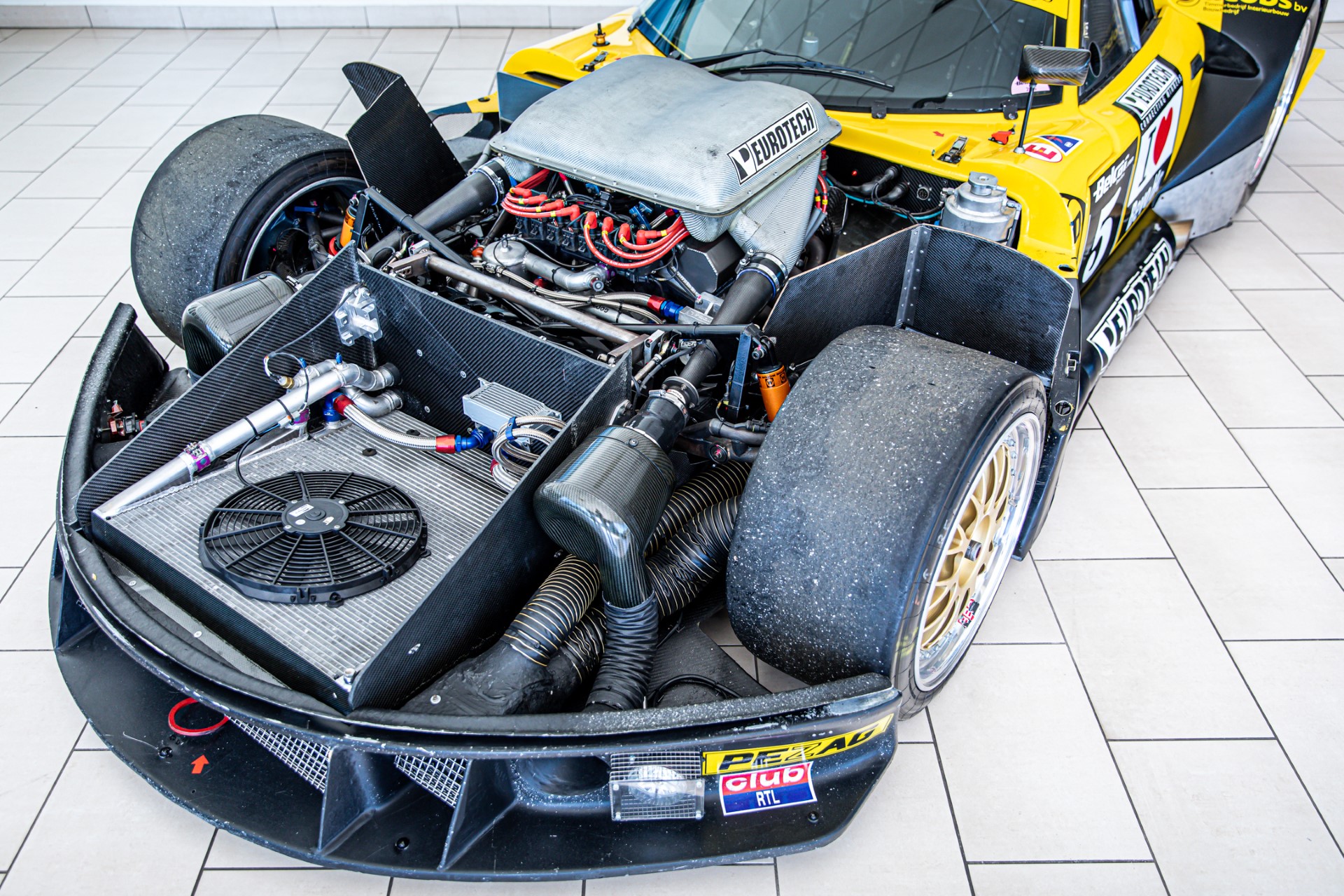
And that power was prodigious. The beating heart of the Mantara was the ubiquitous, legendary Rover aluminium V8 engine. Initially offered in a fuel-injected 3.9-liter guise, it produced roughly 190 brake horsepower. While that figure might sound modest by modern standards, the Mantara weighed scarcely more than a ton, granting it explosive, neck-snapping acceleration and a soundtrack that sounded like tearing canvas. As the production run progressed, Marcos offered increasingly ferocious variants, including a torquey 4.0-liter and a thunderous 4.6-liter option that pushed output well beyond 220 horsepower, propelling the low-slung wedge to 60 mph in under five seconds. To haul the car down from its 140 mph top speed, ventilated disc brakes were fitted all around.
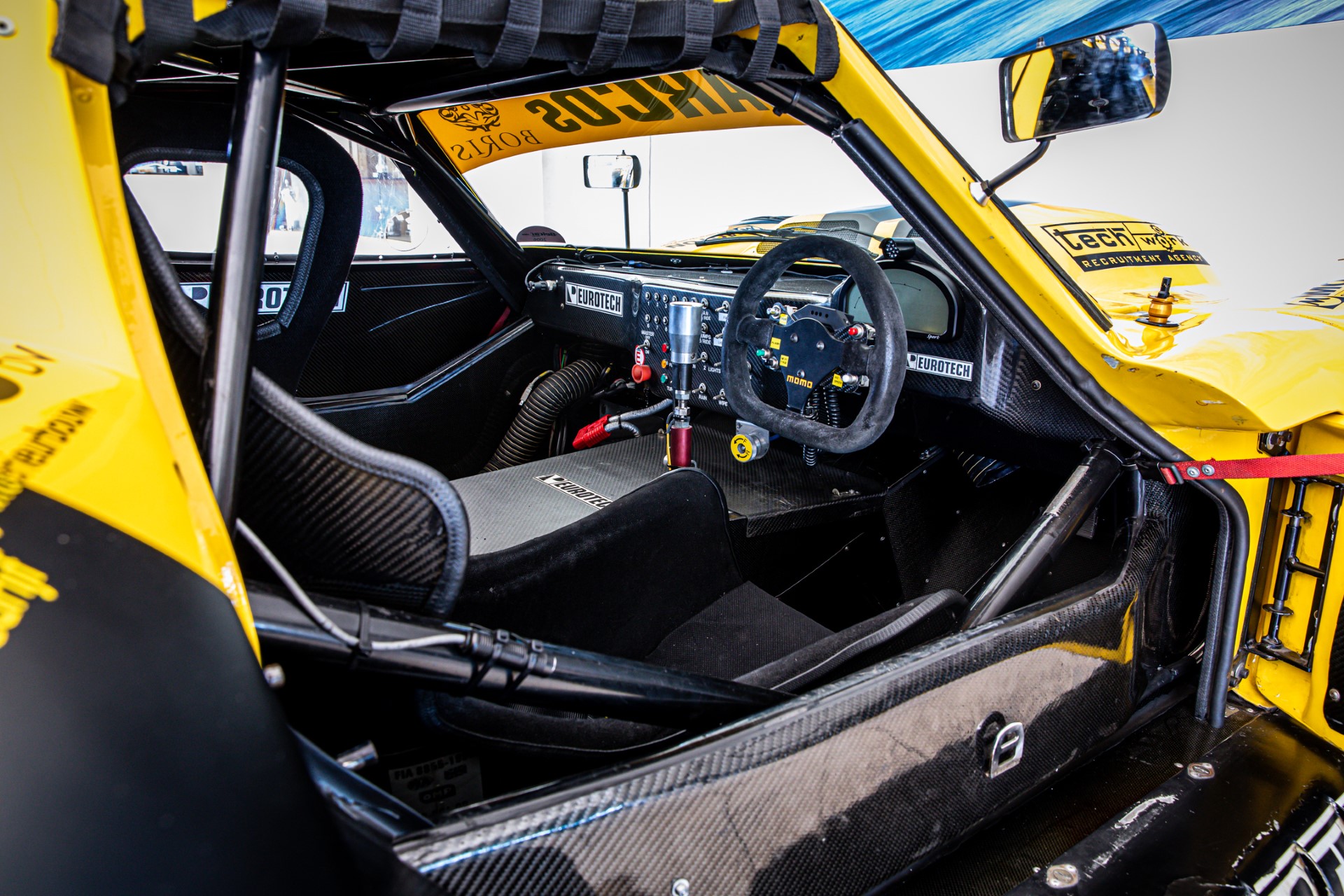
Yet, perhaps the most defining characteristic of the Mantara was the sheer theater of its interior. Entering the car was an event in itself; you didn’t so much step into it as you lowered yourself down into a deep, bathtub-like cockpit. Because the roof was so incredibly low, Marcos utilized a brilliant, highly unusual ergonomic solution that had been a brand trademark since the 1960s: the seats were fixed permanently to the floorpan, molded directly into the structure of the car to keep the driver’s center of gravity as low as possible. To accommodate drivers of different heights, the Mantara featured an adjustable pedal box. By turning a rotary knob on the dashboard, the entire pedal assembly moved electrically toward or away from the driver. Surrounded by a sea of ruched Connolly leather, rich burr walnut veneers, and an upright, thick-rimmed steering wheel, the driving position was utterly unique—an intoxicating, heavily reclined blend of traditional British gentlemen’s clubroom luxury and bespoke Le Mans prototype ergonomics. You sat practically over the rear axle, watching the long bonnet rise and fall over the undulations of the road, feeling every pulse of the Rover V8 through the seat of your trousers.
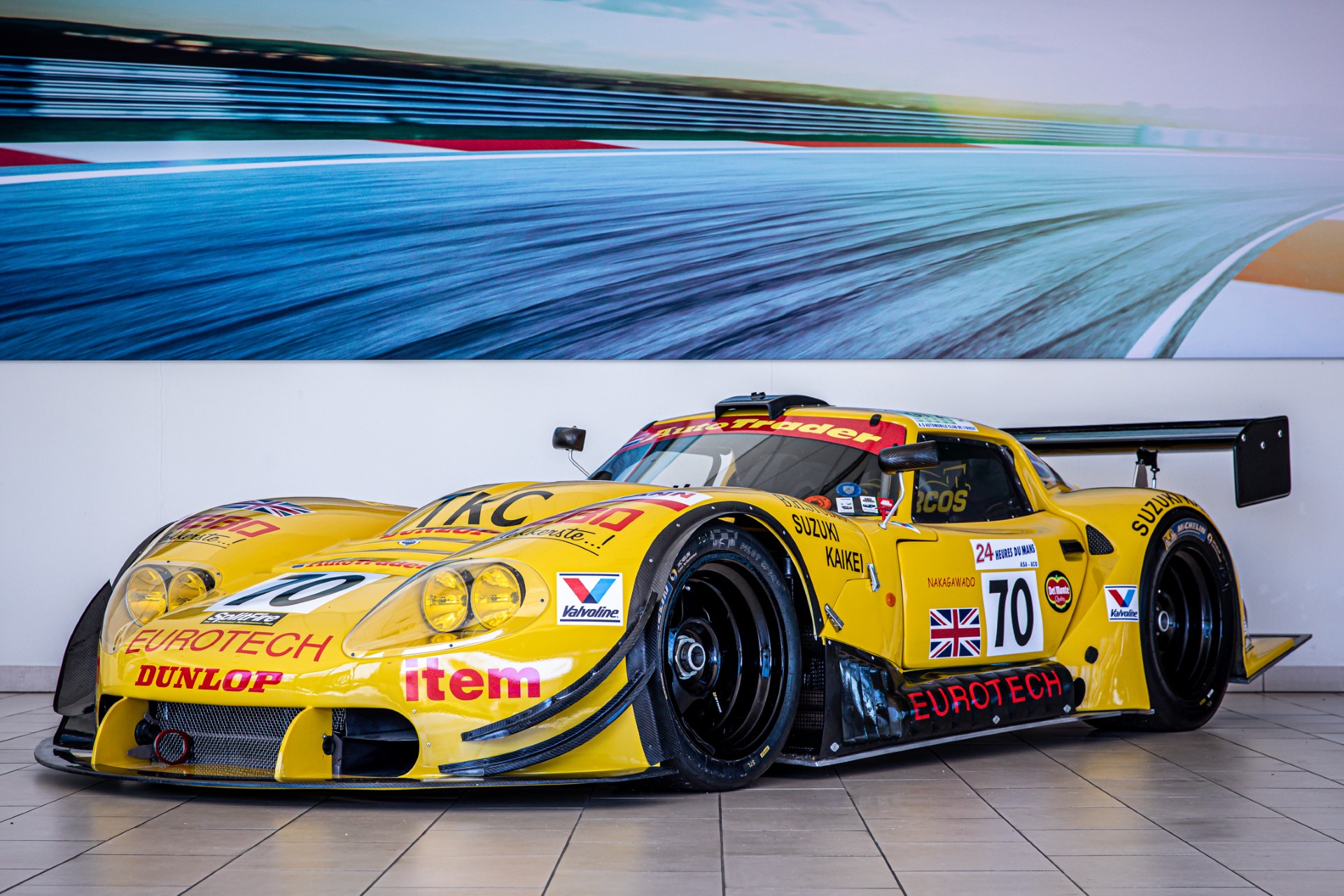
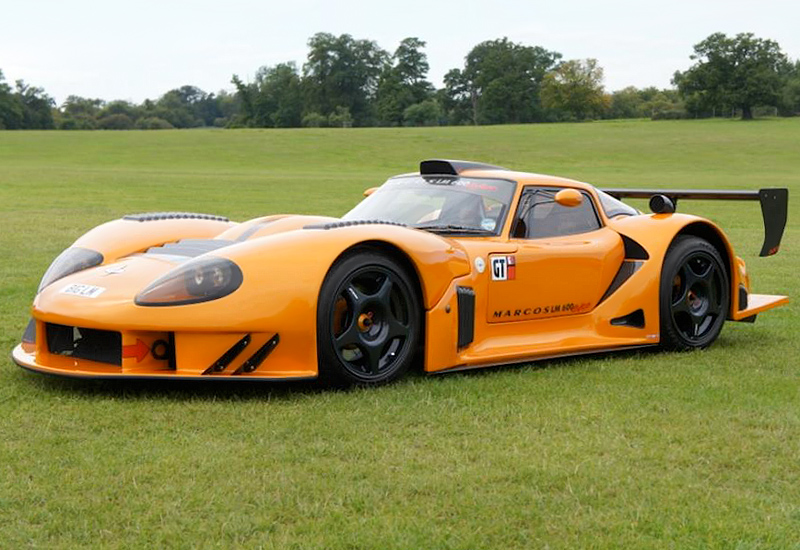
The commercial and historical impact of the Mantara was nothing short of a total renaissance for the Wiltshire-based marque. On the street, its transition from a kit-car to a £27,000 factory-built exotic brought a new, highly affluent clientele to the Marcos showrooms. It cultivated a fiercely loyal cult following, appealing directly to the individualist who found a Porsche 911 too clinical and a TVR Griffith too ubiquitous. But the Mantara’s true immortality—the chapter that elevates it to the highest echelons of automotive legend—was forged in the fiery crucible of international motorsport. Jem Marsh and his engineers quickly recognized that the Mantara’s rigid new tubular chassis and independent suspension possessed immense, untapped racing potential. This realization birthed the legendary Marcos LM series (LM400, LM500, and eventually the Chevrolet-powered LM600), which were heavily modified, wildly widened racing derivatives of the road-going Mantara.
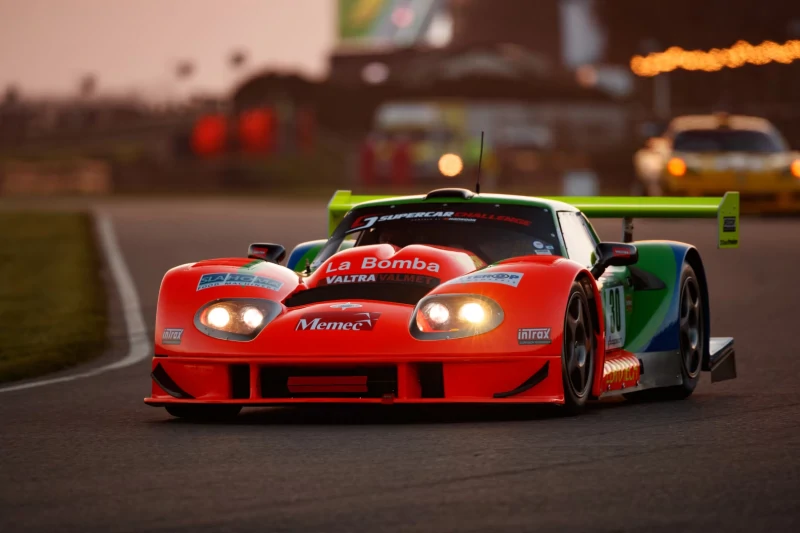
When the British GT Championship exploded in popularity in the mid-1990s, the Marcos LM series became the undisputed, flame-spitting stars of the show. Driven by a roster of fiercely talented wheelmen—most notably the legendary British driver Chris Hodgetts and the spectacular, hard-charging Dutchman Cor Euser—the Marcos works team took the fight directly to the world’s most expensive machinery. The sight of the low, neon-accented, wide-bodied Marcos LM600s going door-to-door against McLaren F1 GTRs, Porsche 911 GT2s, and Lister Storms became the defining image of 1990s British motorsport. Hodgetts famously secured the British GT Championship title in 1995 behind the wheel of the Mantara-derived LM600. Furthermore, the car spearheaded Marcos’s highly emotional, thunderous return to the 24 Hours of Le Mans in 1995, an event the marque had not contested since the 1960s with the Mini Marcos. While they battled the inevitable mechanical gremlins inherent in endurance racing against factory-funded monoliths, the sheer audacity of a tiny British firm bringing their thunderous, V8-powered wedge to the Circuit de la Sarthe won the hearts of the global motorsport community.
The legacy of the 1992 Marcos Mantara is profound and unassailable. It was the crucial, load-bearing bridge that carried the storied British marque from the shadowy realm of 1980s component cars into the glowing limelight of international 1990s GT racing. By marrying Dennis Adams’s immortal 1964 silhouette with a modern independent suspension and the reliable, thunderous torque of the Rover V8, Jem Marsh created a masterpiece of brute-force engineering. The Mantara paved the absolute groundwork for the wildly extreme models that followed, including the Ford Modular V8-powered Mantis and the ferocious TSO, keeping the Marcos flame burning brightly into the early 2000s. Today, a well-preserved Mantara is a highly coveted unicorn, a visceral, sensory-overloading machine that demands respect and skill to drive at the limit. It occupies a sovereign place in the pantheon of motoring as the ultimate expression of the independent British sports car—a gloriously anachronistic, aggressively beautiful brute that reminded the world that sports cars are at their absolute best when they are loud, low, and just a little bit unhinged.
Portal
Model line
Model generation
Predecessor
Sucessor
Brand
Produced from
Vehicle category
Portal
Model line
Model generation
Predecessor
Sucessor
Model Overview
To truly understand the visceral, thunderous impact of the 1992 Marcos Mantara, one must first plunge into the incredibly vibrant and utterly uncompromising world of the 1990s British boutique sports car renaissance. This was a golden era, a brief but glorious window where small, passionate firms operating out of industrial estates across the United Kingdom were bolting massive V8 engines into featherweight chassis, utterly ignoring the sanitized, mass-market trends of the major manufacturers. The Blackpool-based TVR was making global headlines with the terrifyingly rapid Griffith, Morgan was steadfastly continuing its vintage ash-framed Plus 8 lineage, and Lotus was evolving the Esprit. Amidst this high-octane arms race, Jem Marsh—the towering, indomitable founder of Marcos—realized his company stood at a critical crossroads. Throughout the 1980s, the Marcos Mantula had sustained the firm, but it was largely sold in component form to circumvent punishing British taxes. The kit-car stigma was beginning to tarnish the brand’s storied 1960s racing heritage. Marsh needed a definitive statement of intent, a vehicle that would re-establish Marcos as a serious, low-volume factory manufacturer. The result was the Marcos Mantara. Unveiled in 1992, it was a fully type-approved, factory-built sledgehammer of a sports car. It retained the outrageously low, swooping, Dennis Adams-penned silhouette of the original 1964 Marcos 1800 GT, but infused it with modern, devastating V8 firepower and a comprehensively modernized chassis. It was a car that didn’t just compete with the TVR Griffith; it offered a darker, more dramatic, and infinitely rarer alternative for the true automotive extrovert.
To peel back the voluptuous, fiberglass skin of the Mantara is to witness a masterclass in the evolution of traditional British sports car engineering. Visually, the Mantara was an exercise in aggressive retro-futurism. It traced its aesthetic lineage directly back to the 1960s, maintaining the impossibly low roofline—which stood barely 43 inches off the tarmac—and the incredibly long, phallic bonnet. However, the Mantara featured smoothly integrated, muscular wheel arches designed to house modern, wider alloy wheels and much fatter rubber, alongside a revised, cleaner front valance. Beneath this dramatic coachwork lay the most significant engineering leap in the model’s history. The archaic Ford Cortina-derived live rear axle that had defined the outgoing Mantula was finally and permanently banished. In its place, Marcos engineered a robust, bespoke tubular steel spaceframe chassis mated to a fully independent rear suspension setup derived from the Ford Sierra. Up front, a McPherson strut arrangement kept the nose planted. This transformation was absolute; it cured the snap-oversteer characteristics of the older cars and blessed the Mantara with massive mechanical grip, allowing it to put its power down with astonishing composure.
And that power was prodigious. The beating heart of the Mantara was the ubiquitous, legendary Rover aluminium V8 engine. Initially offered in a fuel-injected 3.9-liter guise, it produced roughly 190 brake horsepower. While that figure might sound modest by modern standards, the Mantara weighed scarcely more than a ton, granting it explosive, neck-snapping acceleration and a soundtrack that sounded like tearing canvas. As the production run progressed, Marcos offered increasingly ferocious variants, including a torquey 4.0-liter and a thunderous 4.6-liter option that pushed output well beyond 220 horsepower, propelling the low-slung wedge to 60 mph in under five seconds. To haul the car down from its 140 mph top speed, ventilated disc brakes were fitted all around.
Yet, perhaps the most defining characteristic of the Mantara was the sheer theater of its interior. Entering the car was an event in itself; you didn’t so much step into it as you lowered yourself down into a deep, bathtub-like cockpit. Because the roof was so incredibly low, Marcos utilized a brilliant, highly unusual ergonomic solution that had been a brand trademark since the 1960s: the seats were fixed permanently to the floorpan, molded directly into the structure of the car to keep the driver’s center of gravity as low as possible. To accommodate drivers of different heights, the Mantara featured an adjustable pedal box. By turning a rotary knob on the dashboard, the entire pedal assembly moved electrically toward or away from the driver. Surrounded by a sea of ruched Connolly leather, rich burr walnut veneers, and an upright, thick-rimmed steering wheel, the driving position was utterly unique—an intoxicating, heavily reclined blend of traditional British gentlemen’s clubroom luxury and bespoke Le Mans prototype ergonomics. You sat practically over the rear axle, watching the long bonnet rise and fall over the undulations of the road, feeling every pulse of the Rover V8 through the seat of your trousers.
The commercial and historical impact of the Mantara was nothing short of a total renaissance for the Wiltshire-based marque. On the street, its transition from a kit-car to a £27,000 factory-built exotic brought a new, highly affluent clientele to the Marcos showrooms. It cultivated a fiercely loyal cult following, appealing directly to the individualist who found a Porsche 911 too clinical and a TVR Griffith too ubiquitous. But the Mantara’s true immortality—the chapter that elevates it to the highest echelons of automotive legend—was forged in the fiery crucible of international motorsport. Jem Marsh and his engineers quickly recognized that the Mantara’s rigid new tubular chassis and independent suspension possessed immense, untapped racing potential. This realization birthed the legendary Marcos LM series (LM400, LM500, and eventually the Chevrolet-powered LM600), which were heavily modified, wildly widened racing derivatives of the road-going Mantara.
When the British GT Championship exploded in popularity in the mid-1990s, the Marcos LM series became the undisputed, flame-spitting stars of the show. Driven by a roster of fiercely talented wheelmen—most notably the legendary British driver Chris Hodgetts and the spectacular, hard-charging Dutchman Cor Euser—the Marcos works team took the fight directly to the world’s most expensive machinery. The sight of the low, neon-accented, wide-bodied Marcos LM600s going door-to-door against McLaren F1 GTRs, Porsche 911 GT2s, and Lister Storms became the defining image of 1990s British motorsport. Hodgetts famously secured the British GT Championship title in 1995 behind the wheel of the Mantara-derived LM600. Furthermore, the car spearheaded Marcos’s highly emotional, thunderous return to the 24 Hours of Le Mans in 1995, an event the marque had not contested since the 1960s with the Mini Marcos. While they battled the inevitable mechanical gremlins inherent in endurance racing against factory-funded monoliths, the sheer audacity of a tiny British firm bringing their thunderous, V8-powered wedge to the Circuit de la Sarthe won the hearts of the global motorsport community.
The legacy of the 1992 Marcos Mantara is profound and unassailable. It was the crucial, load-bearing bridge that carried the storied British marque from the shadowy realm of 1980s component cars into the glowing limelight of international 1990s GT racing. By marrying Dennis Adams’s immortal 1964 silhouette with a modern independent suspension and the reliable, thunderous torque of the Rover V8, Jem Marsh created a masterpiece of brute-force engineering. The Mantara paved the absolute groundwork for the wildly extreme models that followed, including the Ford Modular V8-powered Mantis and the ferocious TSO, keeping the Marcos flame burning brightly into the early 2000s. Today, a well-preserved Mantara is a highly coveted unicorn, a visceral, sensory-overloading machine that demands respect and skill to drive at the limit. It occupies a sovereign place in the pantheon of motoring as the ultimate expression of the independent British sports car—a gloriously anachronistic, aggressively beautiful brute that reminded the world that sports cars are at their absolute best when they are loud, low, and just a little bit unhinged.
Submodels