MG MGB
Brand
Produced from
Vehicle category
Portal
Model line
Model generation
Predecessor
Sucessor
Model Overview
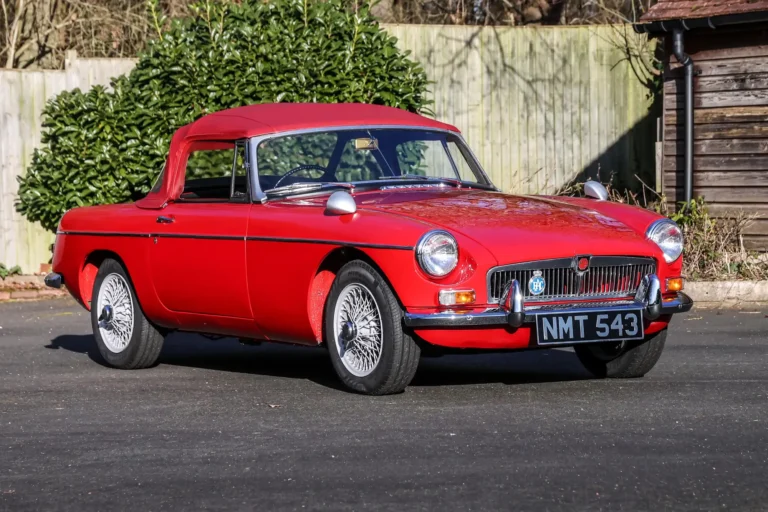
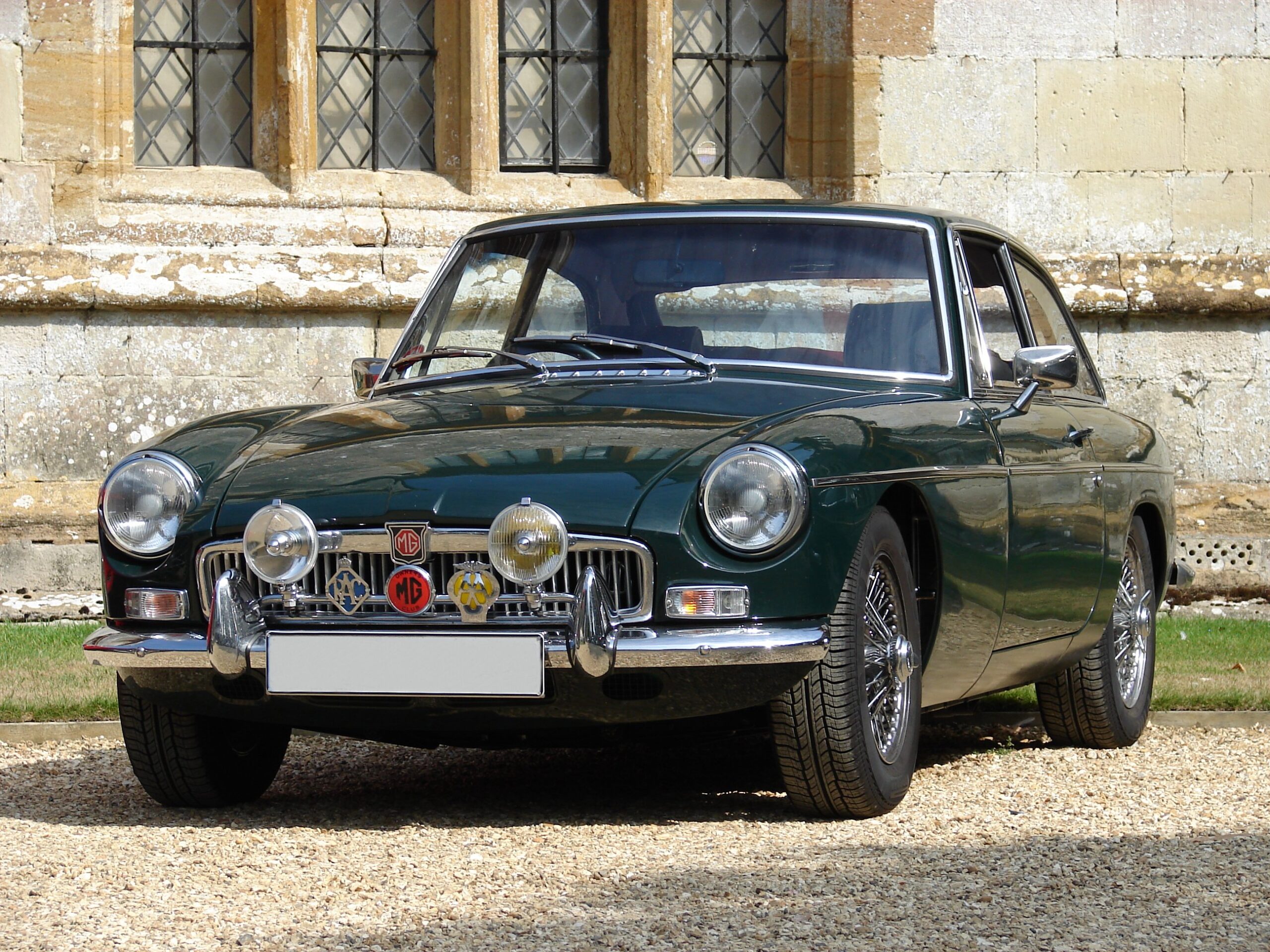
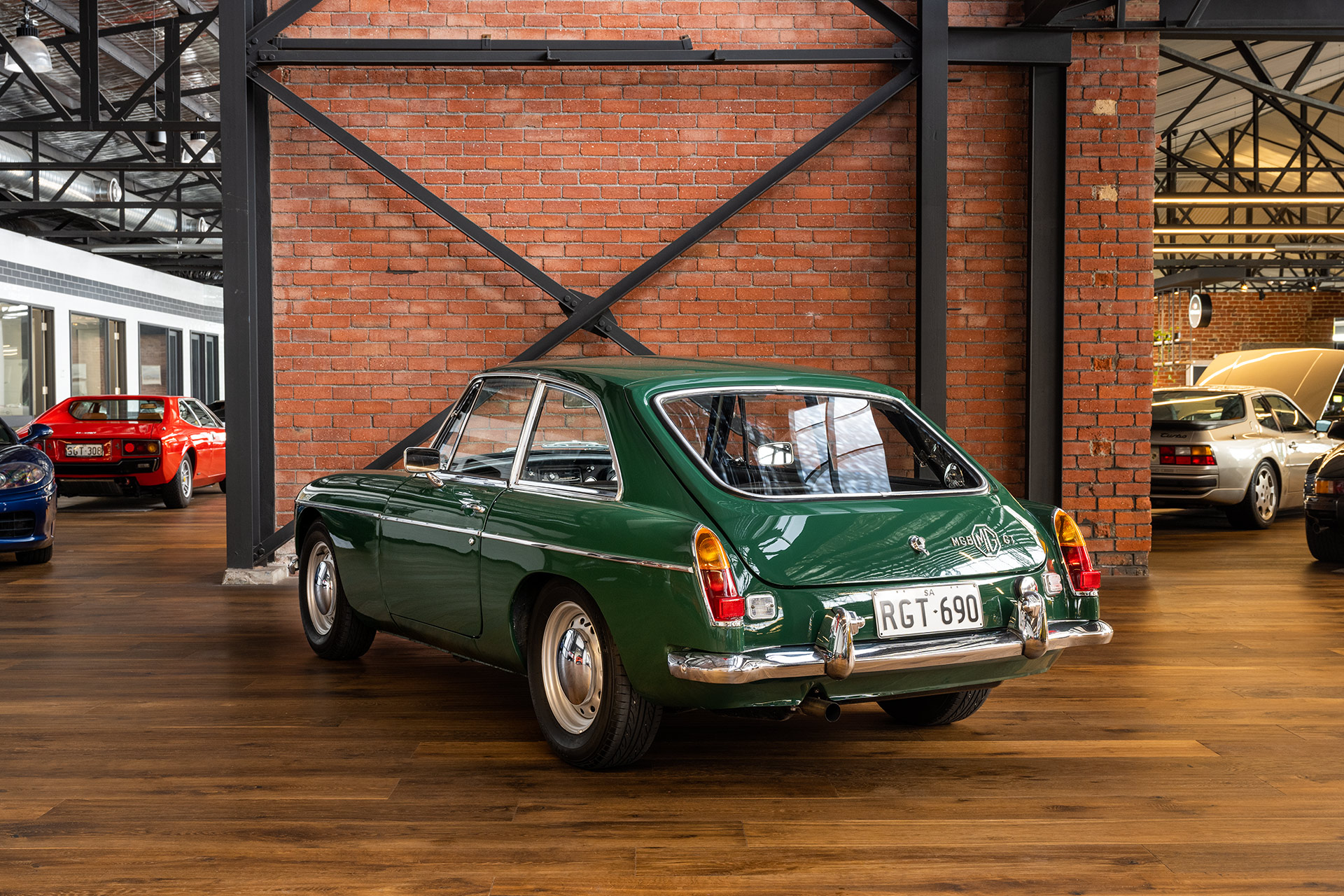
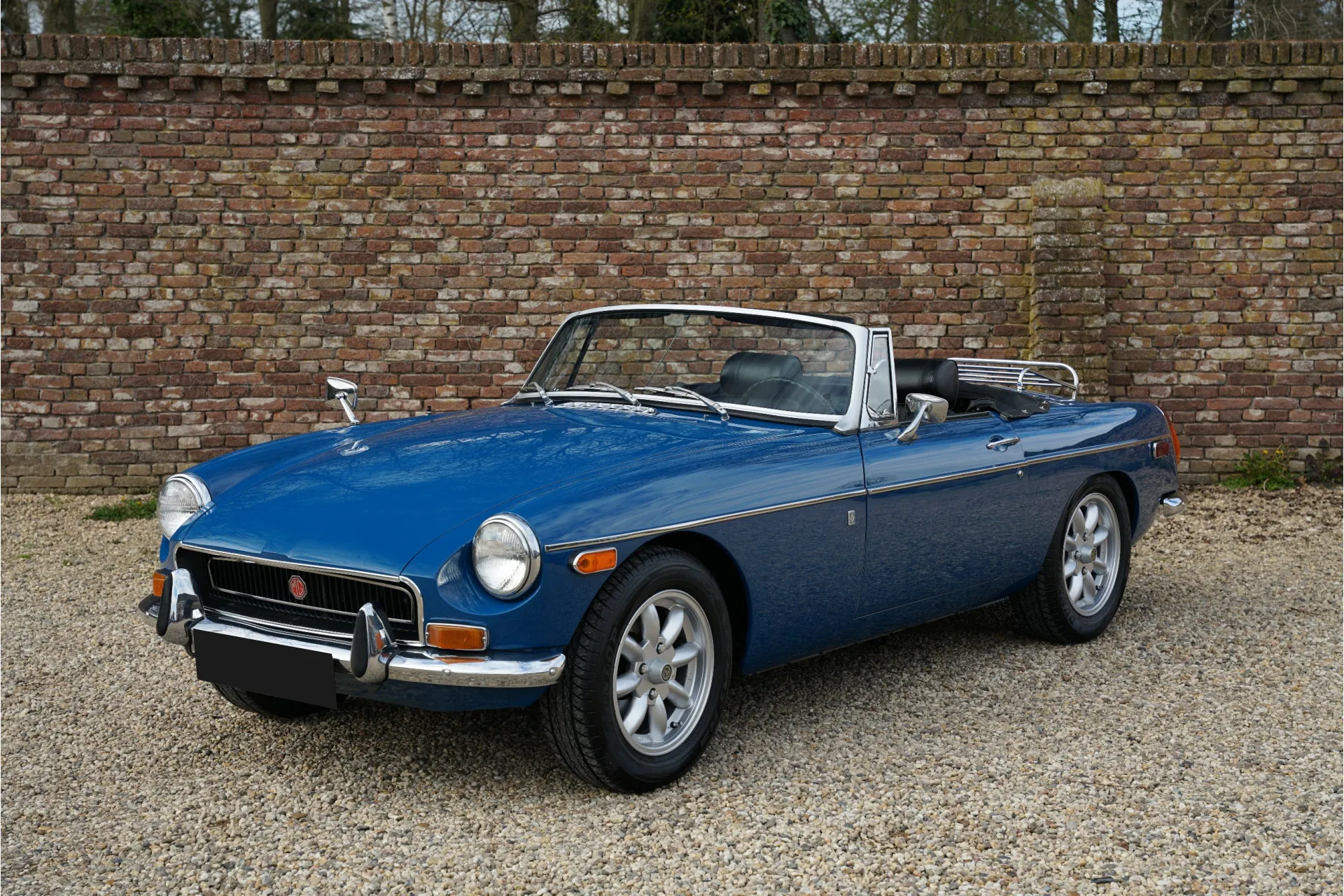
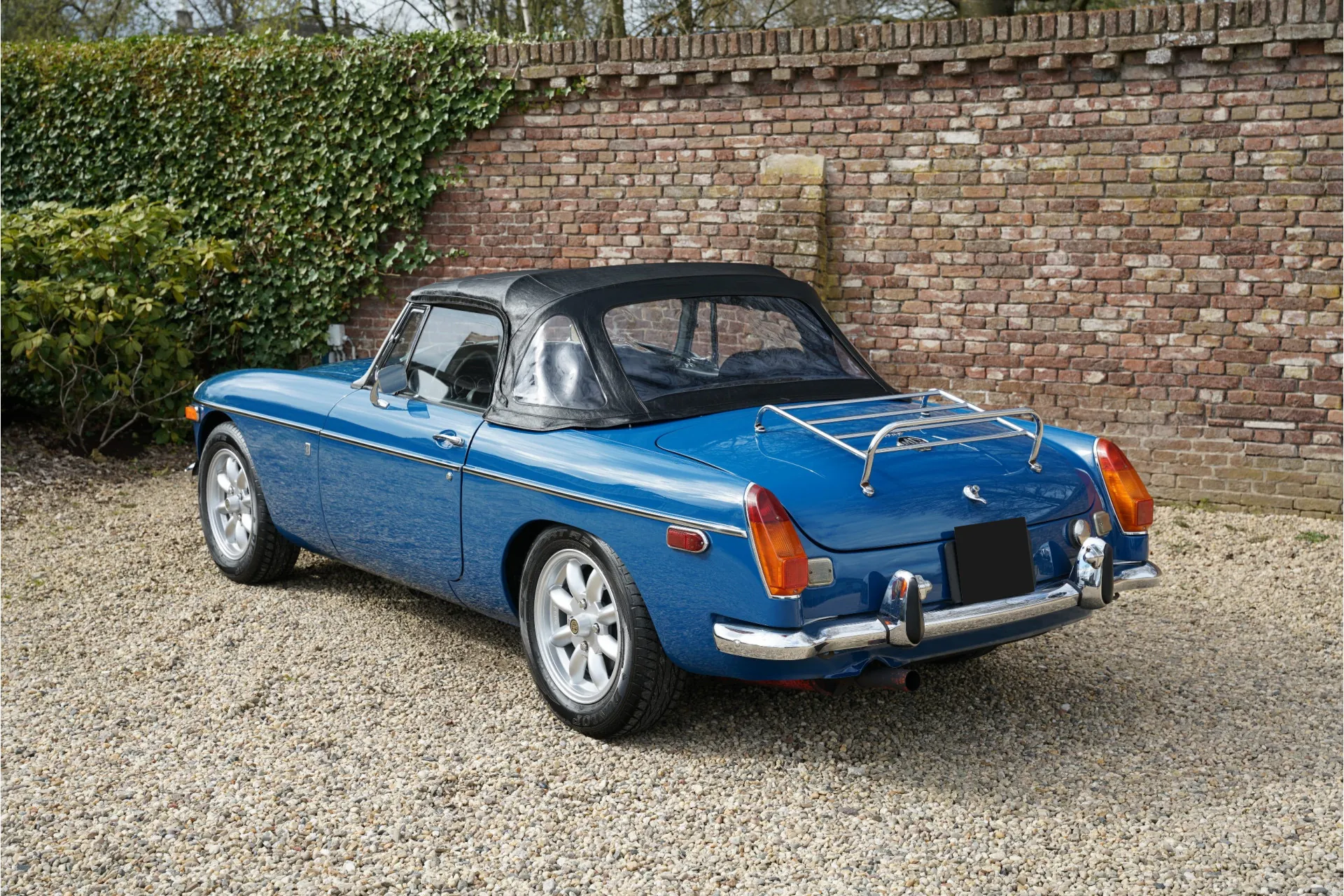
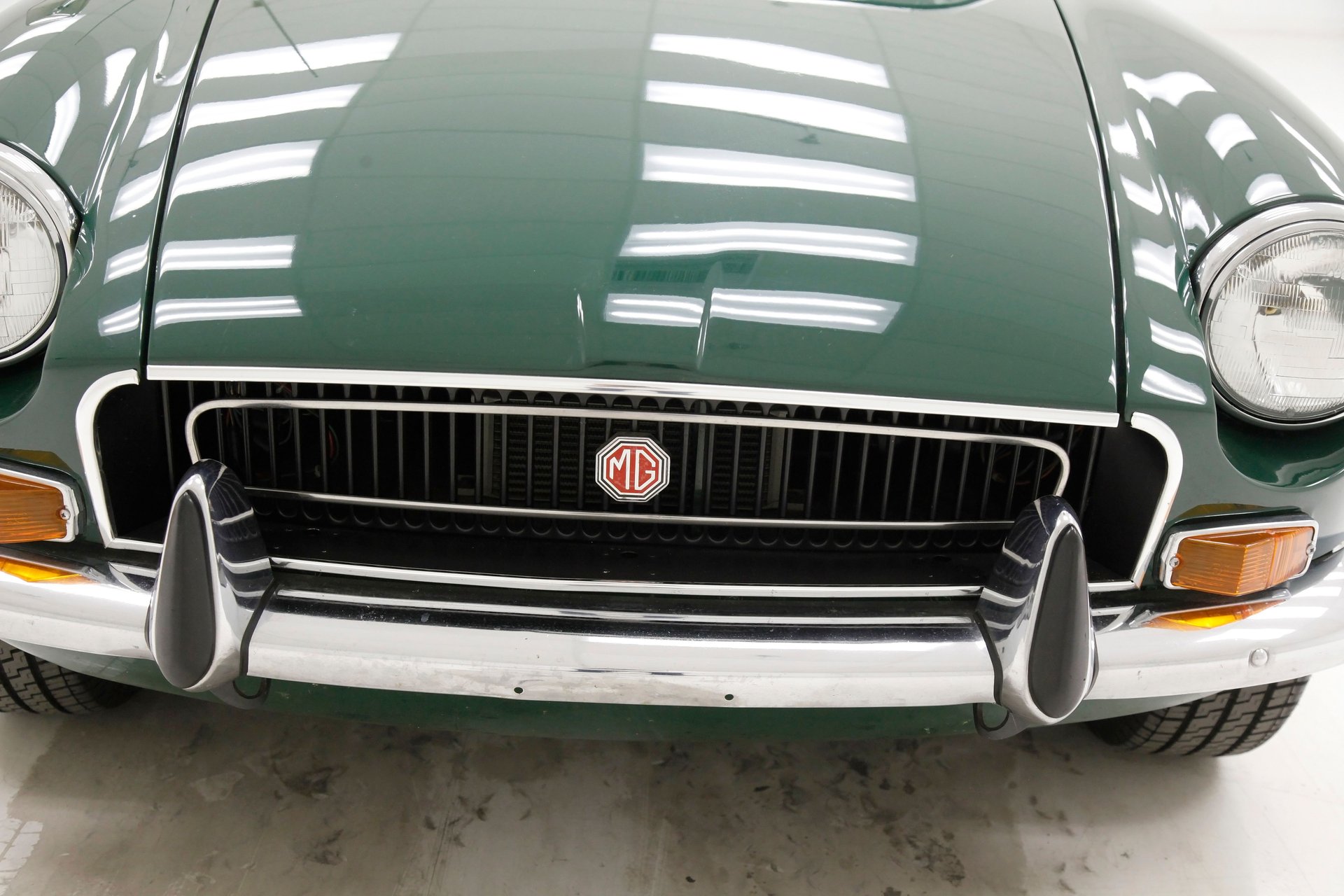
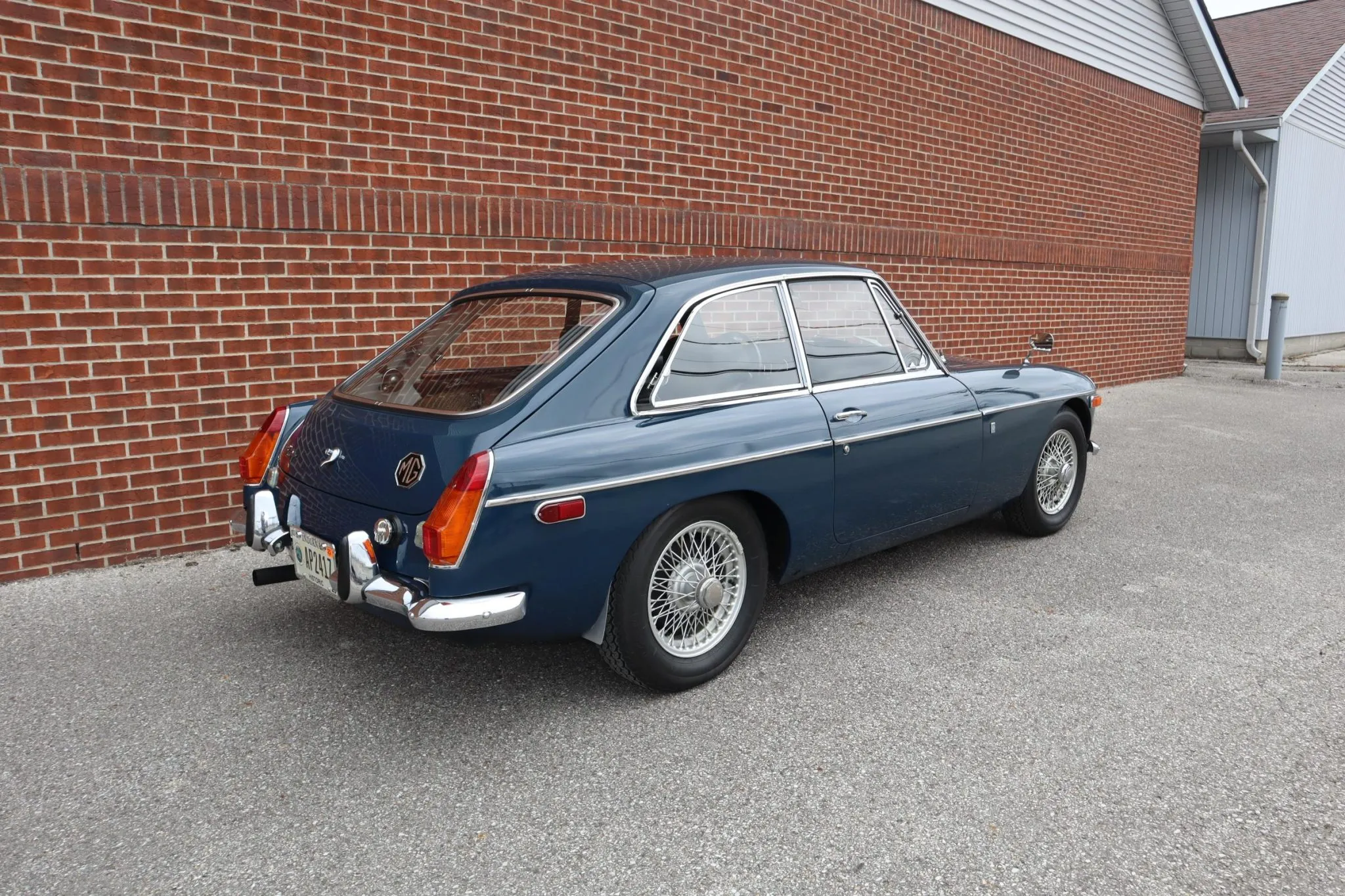
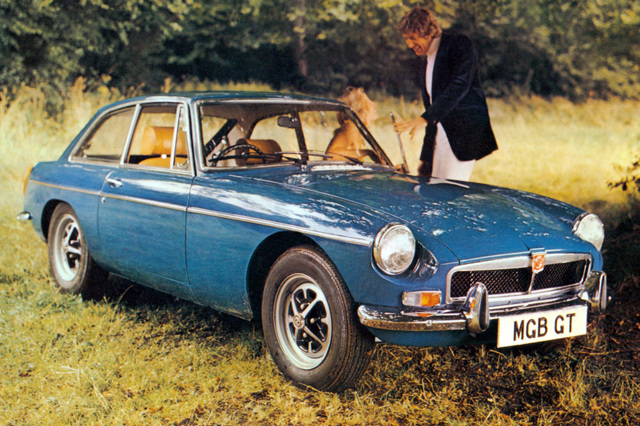
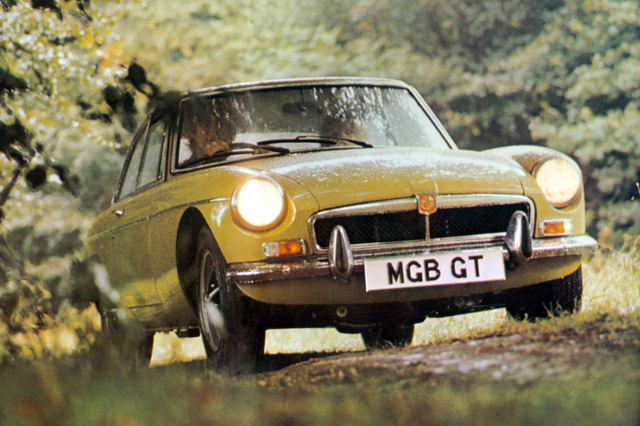
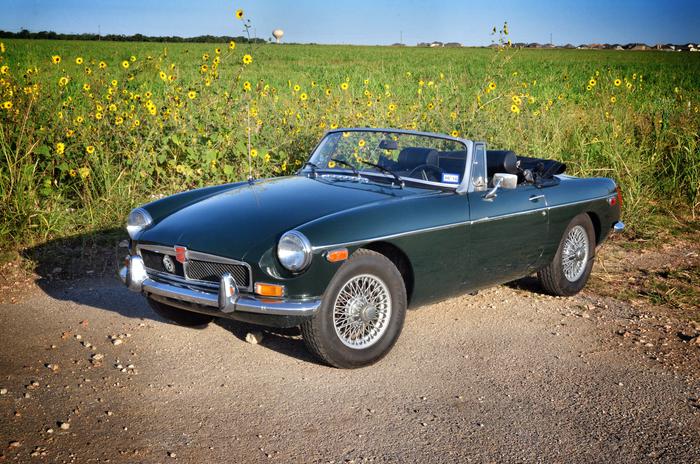
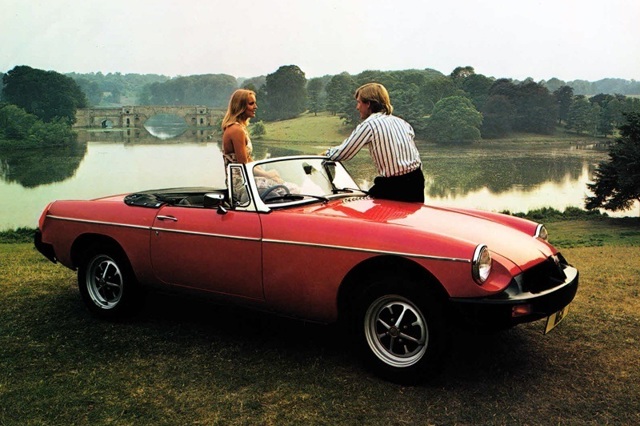
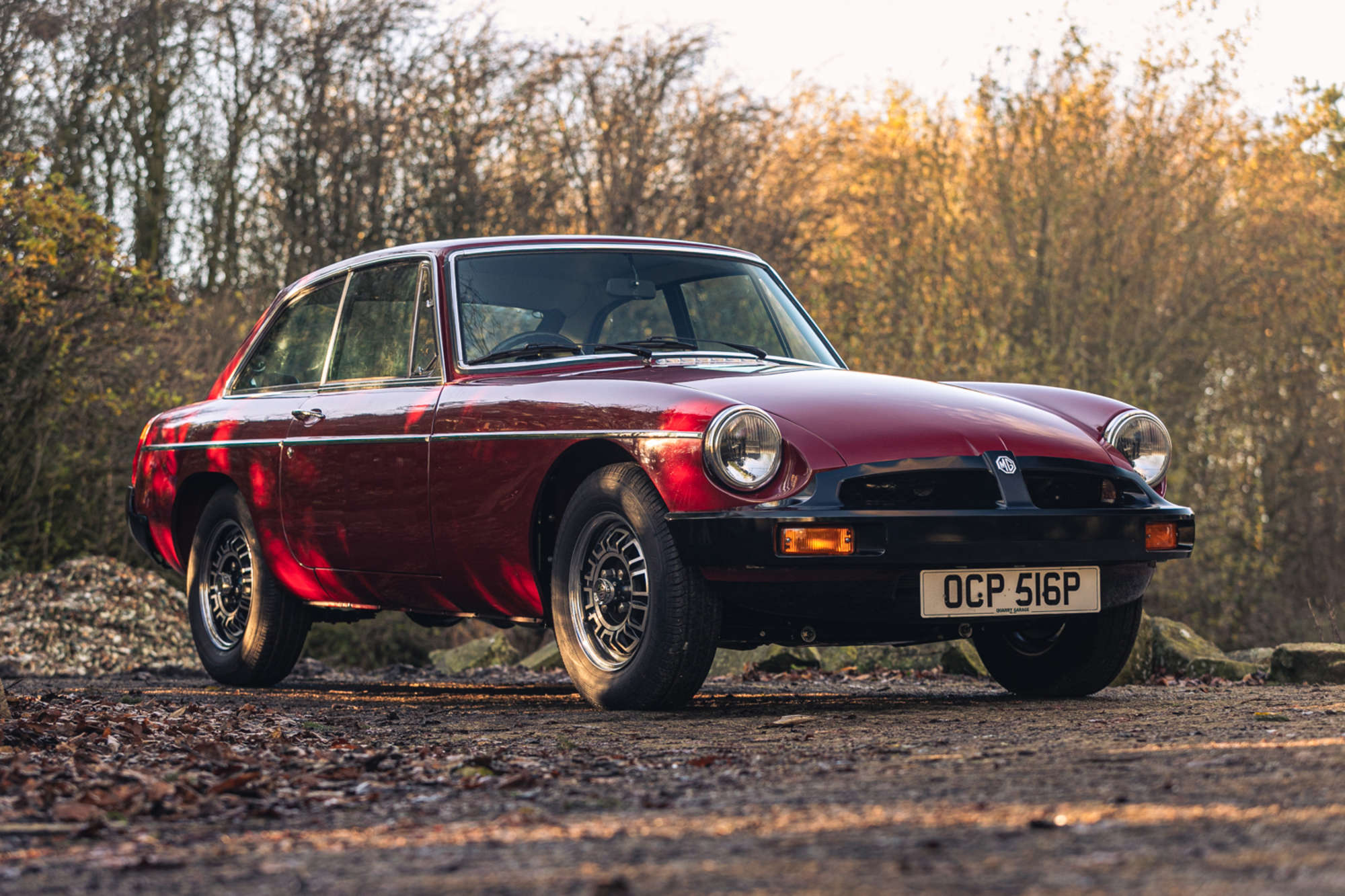
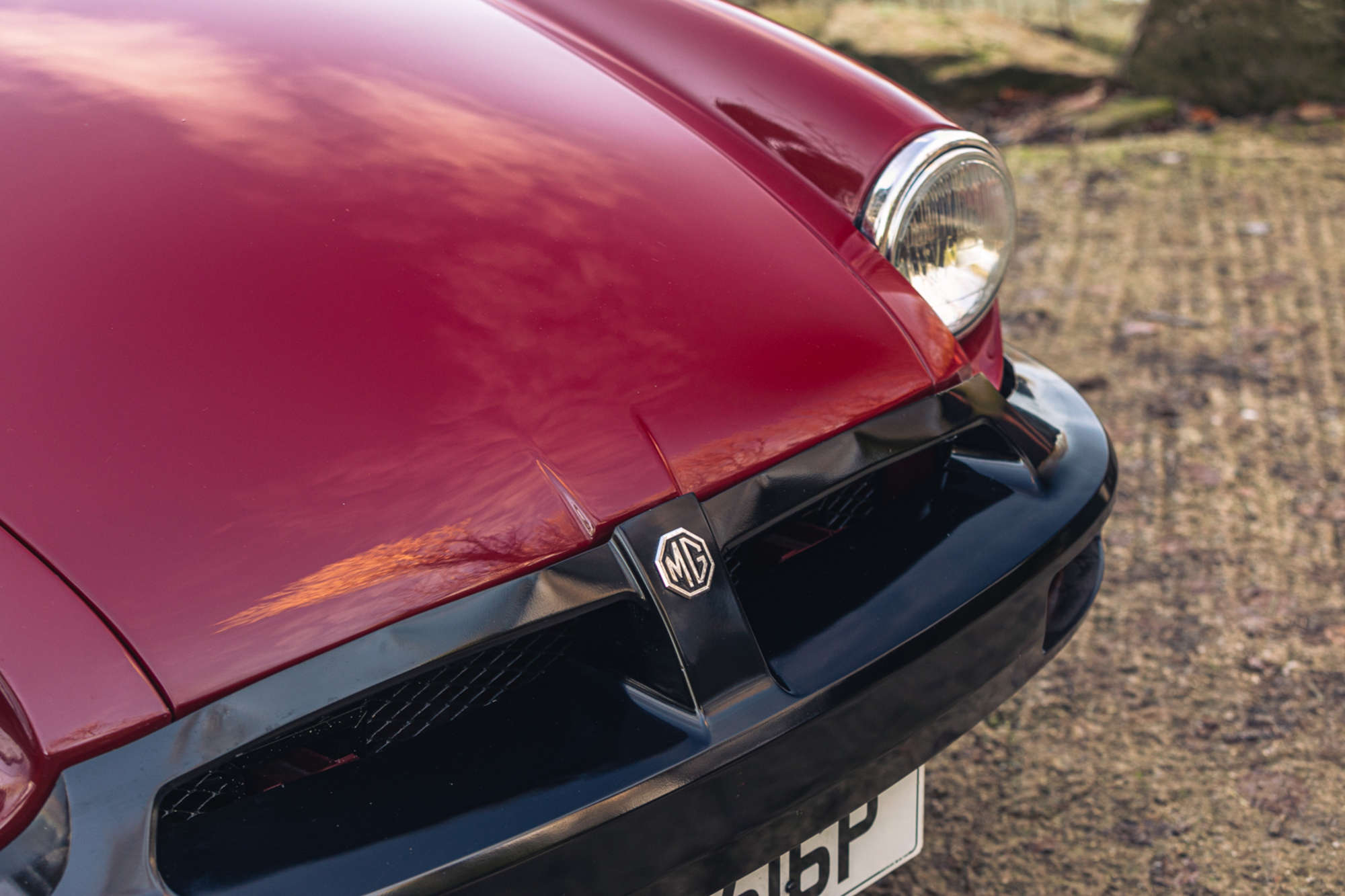
In the early 1960s, the British motor industry stood at a fascinating crossroads, caught between the charmingly archaic traditions of the past and a sudden, desperate need for modernity. For the MG Car Company at Abingdon, the challenge was monumental: how to replace the beloved MGA—a car of breathtaking beauty but essentially a refined pre-war concept with its separate chassis and cramped cockpit. The answer, arriving in 1962, was the MGB. It was a radical departure that fundamentally democratized the sports car experience. While rivals like the Triumph TR4 offered more muscularity and the Sunbeam Alpine more civility, the MGB struck a perfect, golden chord of balance. It introduced monocoque construction to the mass-market roadster, providing a level of structural rigidity and passenger space that made its predecessors feel like Victorian carriages. For eighteen years, the MGB would remain the world’s best-selling sports car, surviving the collapse of empires, oil crises, and the birth of the modern era, eventually evolving into a refined V8-powered cruiser in the 1990s as the RV8. It was, and remains, the quintessential British sports car—the “Octagon” badge’s most enduring gift to the world of motoring.
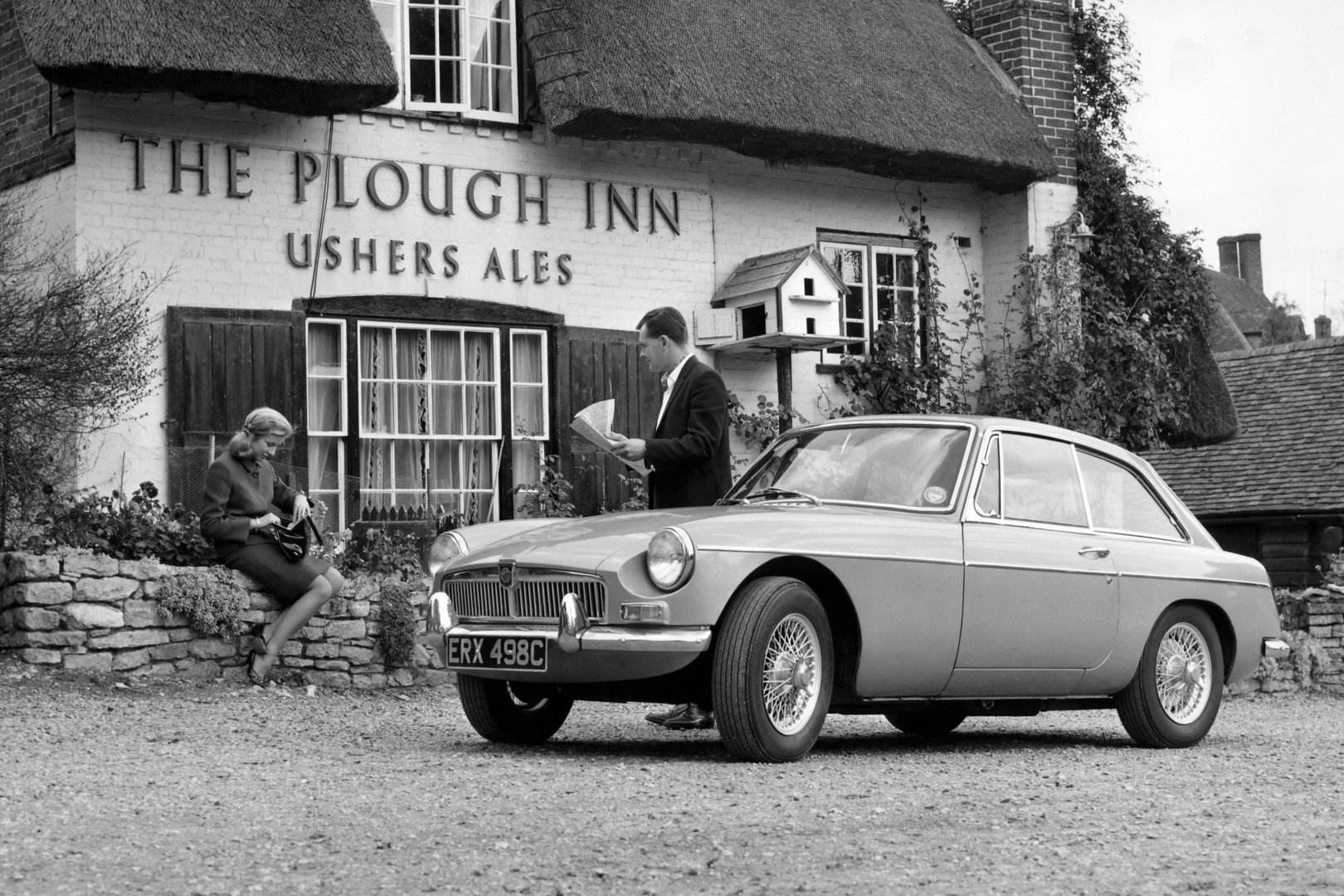
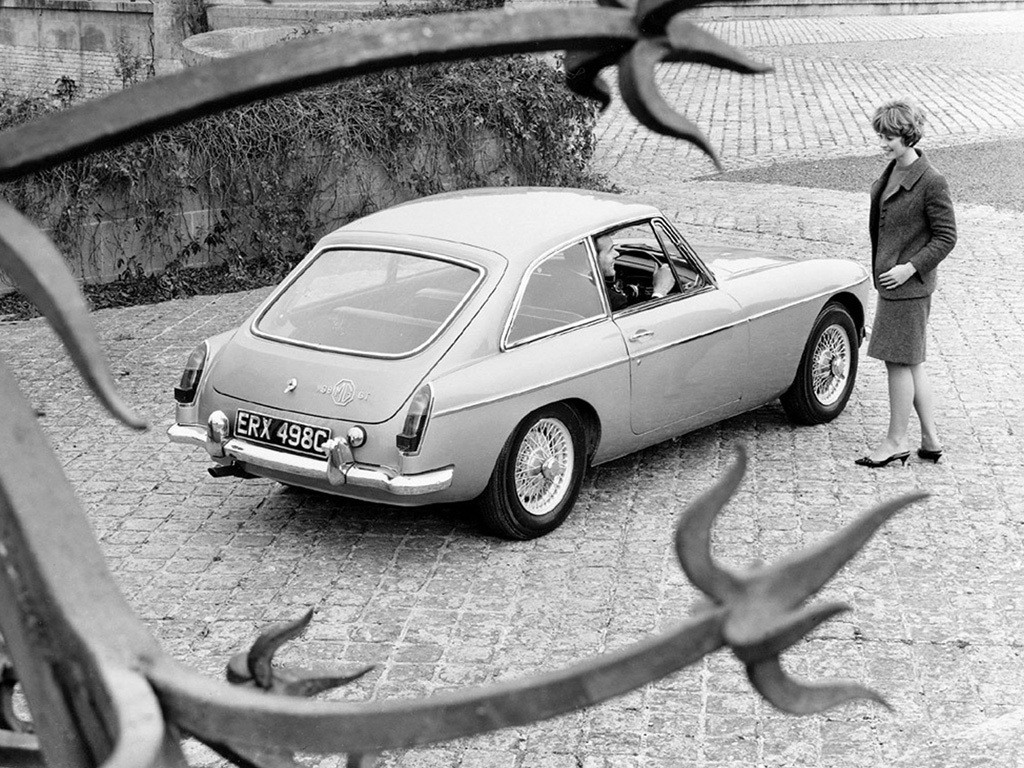
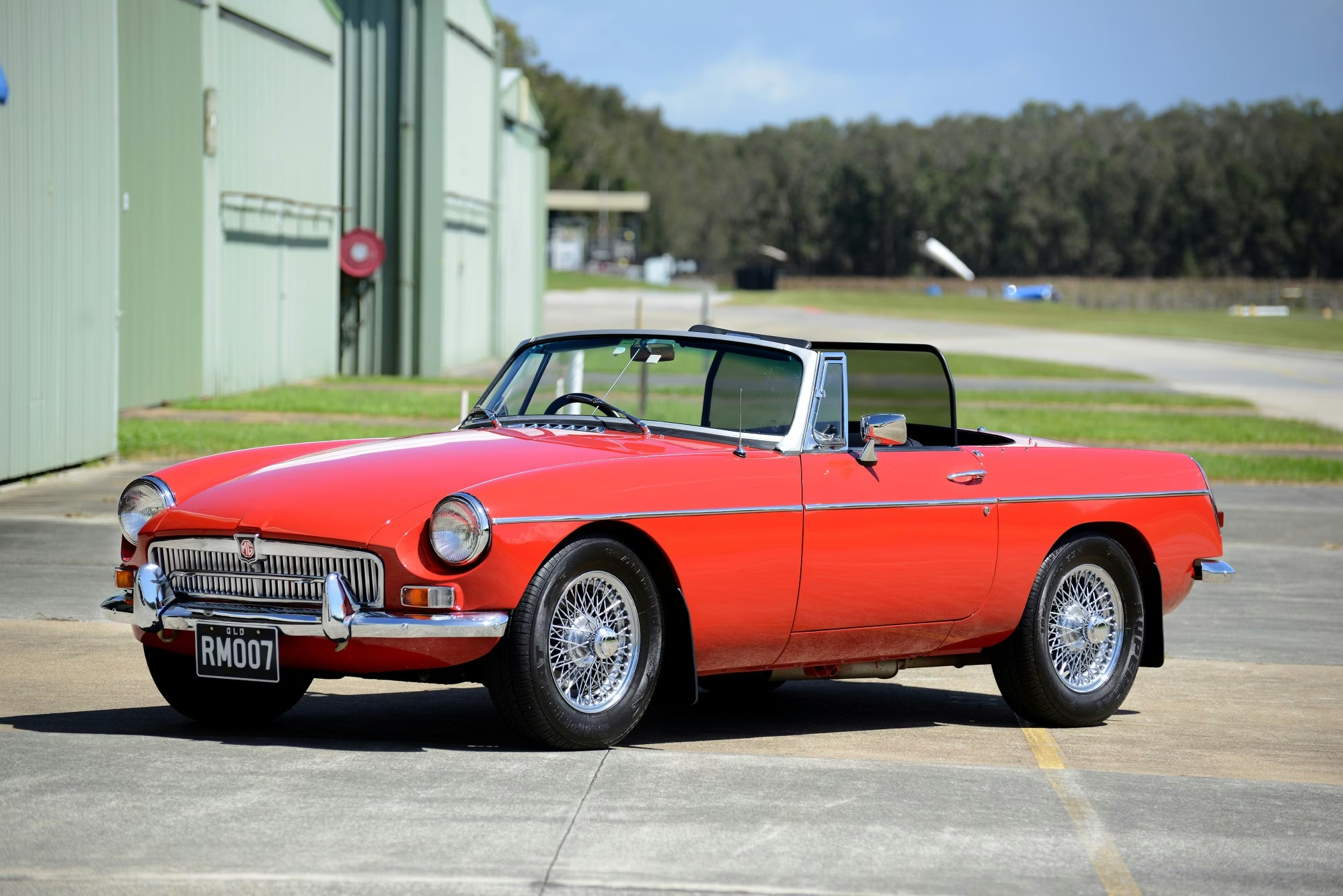
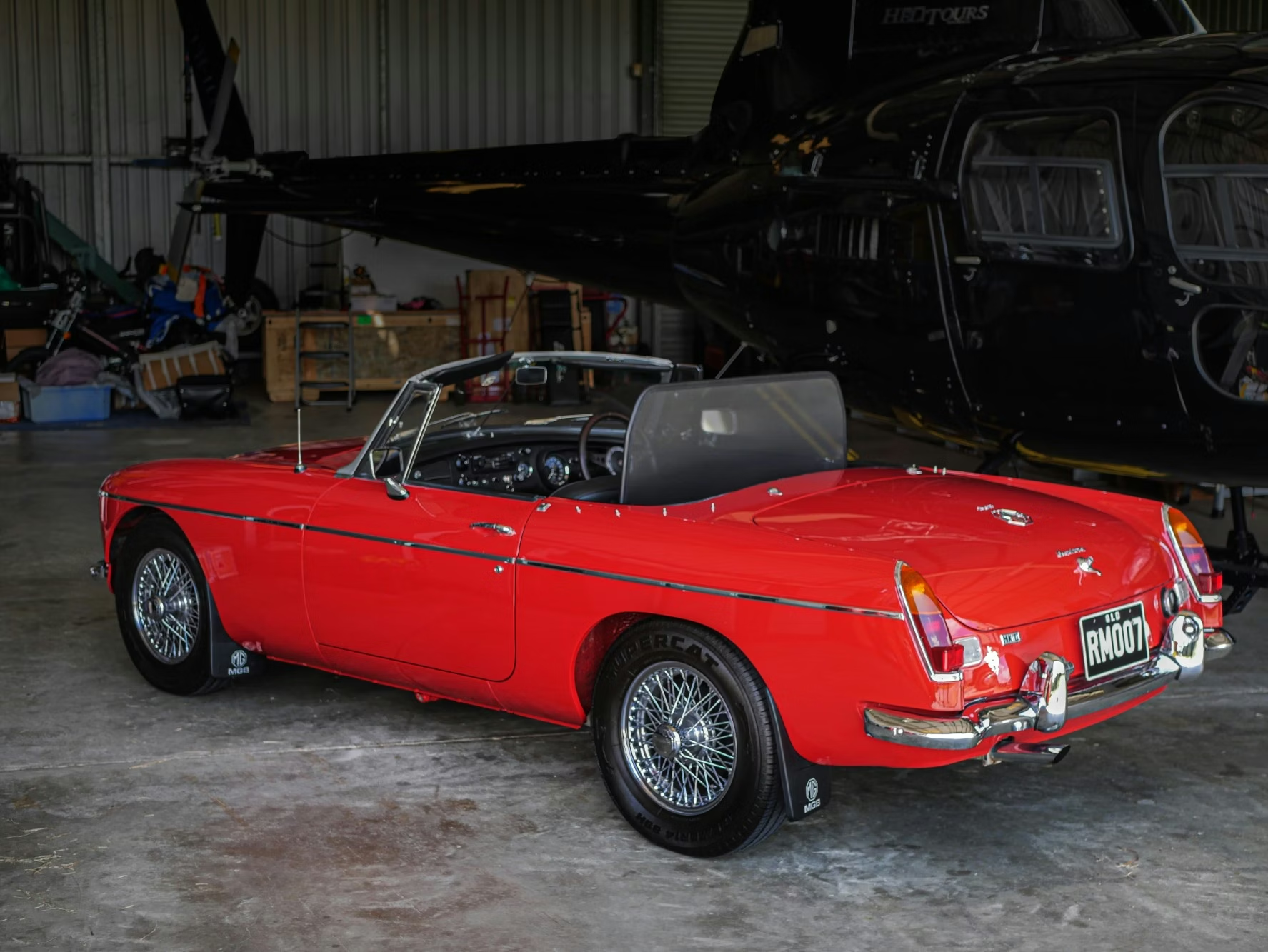
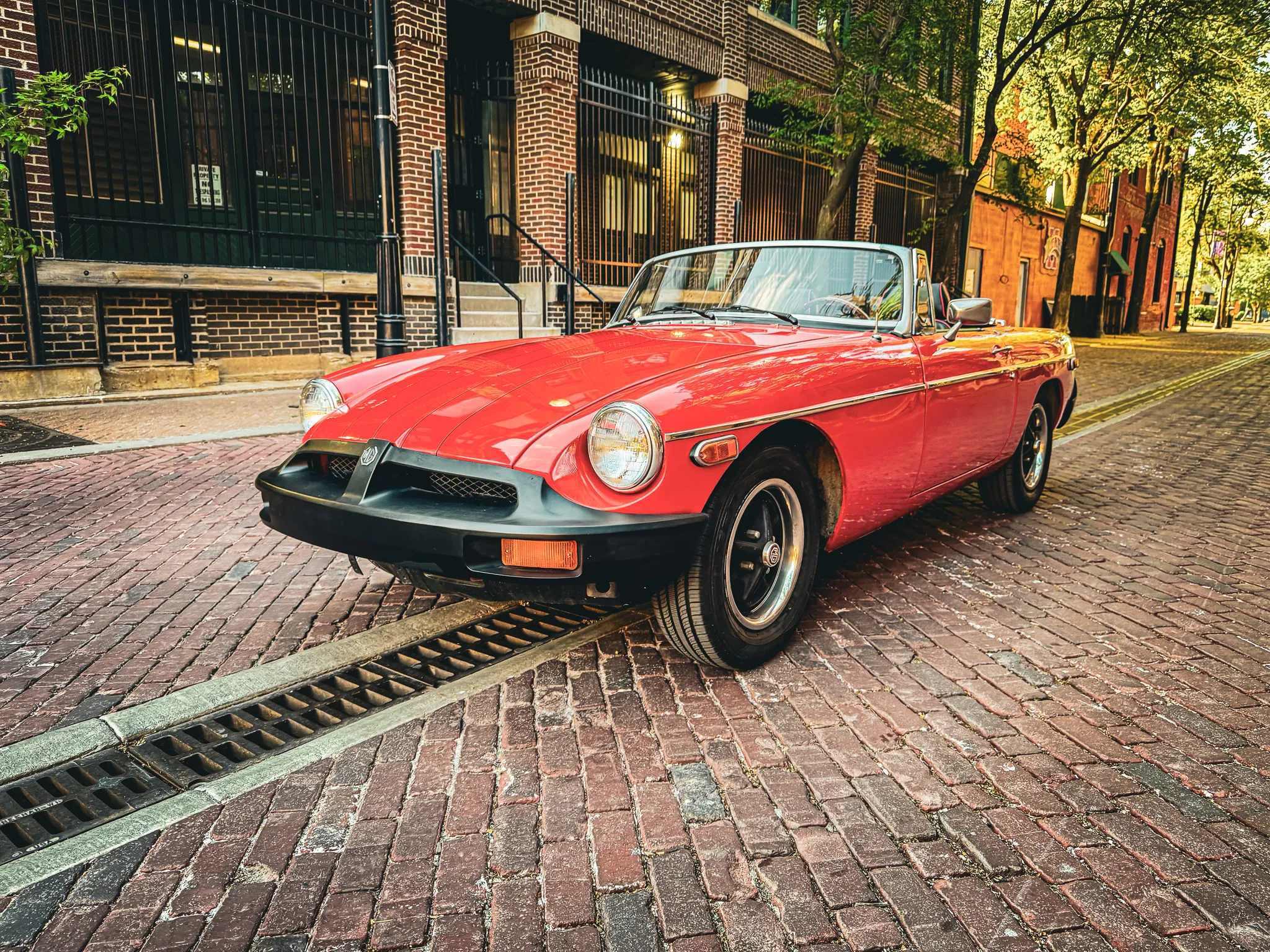
Technically, the MGB was a triumph of pragmatic innovation. By abandoning the separate ladder chassis of the MGA, MG engineers created a unitary body shell that was not only significantly stiffer but allowed for a much roomier interior within roughly the same footprint. The styling, credited to Don Hayter and refined by the watchful eyes at Pininfarina, was a masterclass in understated elegance—the “Abingdon Pillow” silhouette with its clean flanks and crisp shut lines. Under the bonnet, the MGB relied on the unburstable B-Series engine, initially in 1,798cc guise. This overhead-valve four-cylinder, breathing through twin SU carburettors, produced a respectable 95 horsepower. It wasn’t a screaming race engine, but it possessed a torquey, tractable character that suited the car’s personality perfectly. Power was sent through a four-speed manual gearbox, which, in the Mark I, famously lacked synchromesh on first gear—a quirk that separated the drivers from the mere steering-wheel holders until the Mark II arrived in 1967 with a fully synchronized box. The suspension was traditional: independent at the front with coil springs and wishbones, and a live axle at the rear on semi-elliptic leaf springs. While the ride was firm, the rack-and-pinion steering provided a level of tactile feedback that became the benchmark for the class. Stopping power was equally balanced, utilizing front disc brakes and rear drums, a setup that remained largely unchanged throughout its long life.
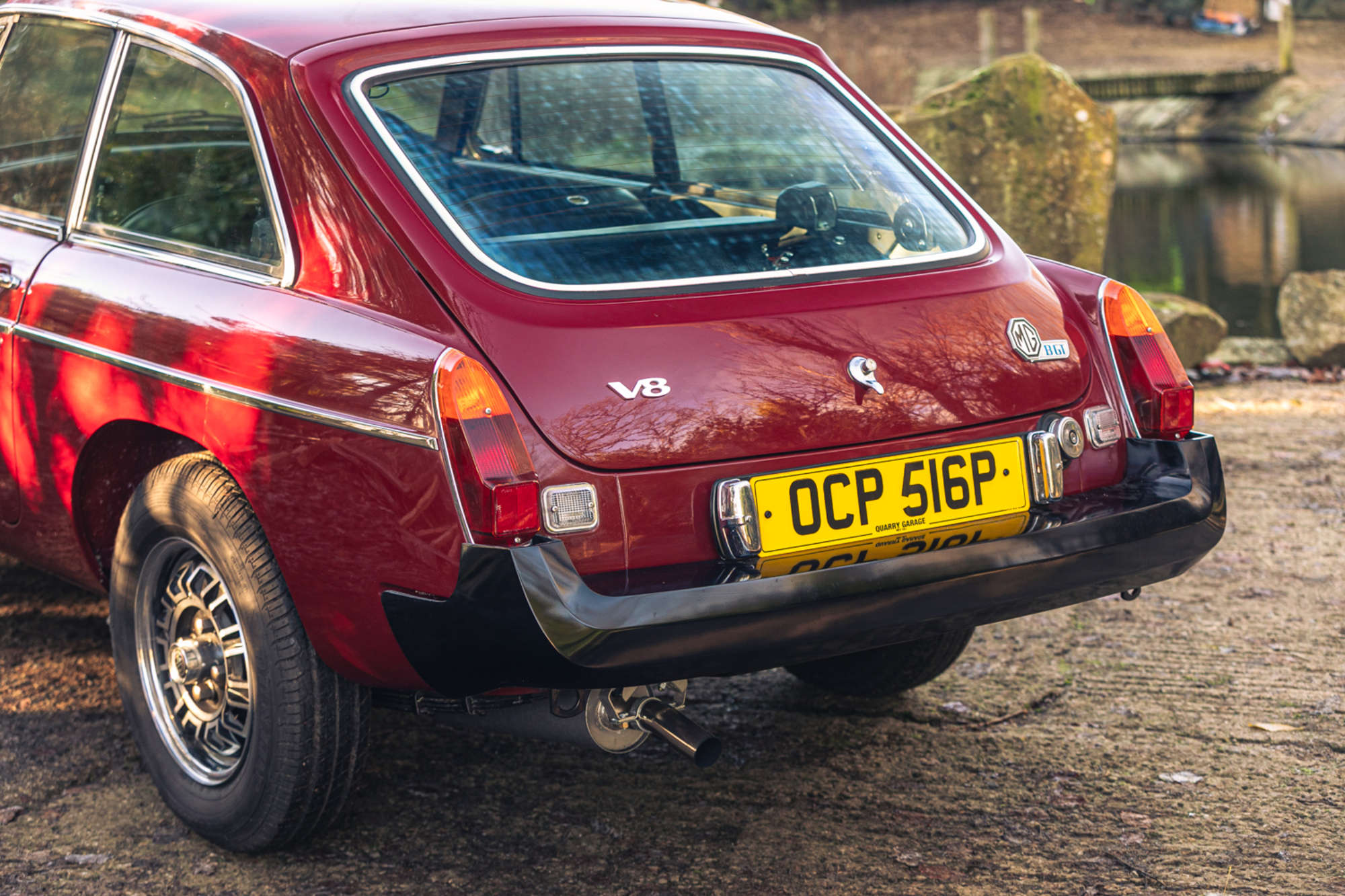
The MGB’s interior was equally revolutionary for its era. It offered genuine comfort, with wind-up windows (a luxury the MGA lacked) and a cockpit feel dominated by a crinkle-finish dashboard and a large, thin-rimmed steering wheel. As the car evolved from the Mark I through to the Mark III, the cabin saw shifts from the classic “steel dash” to the more safety-conscious, padded plastic arrangements of the 1970s. However, the most significant technical evolution occurred in the 1990s. Long after the original production line had stopped in 1980, Rover realized that the hunger for the MGB had never faded. This birthed the MG RV8 in 1992. While it shared the basic silhouette and 5% of the original parts, it was a totally different beast. Under the bulging bonnet sat the 3.9-liter Rover V8, producing 190 horsepower and enough torque to warp the rear leaf springs. It featured a luxurious Connoly leather and elm-wood interior, transforming the spartan roadster into a boutique luxury cruiser for the modern age.
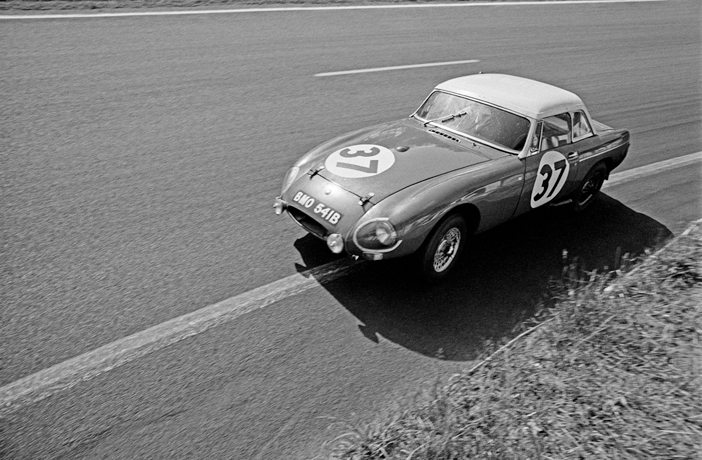
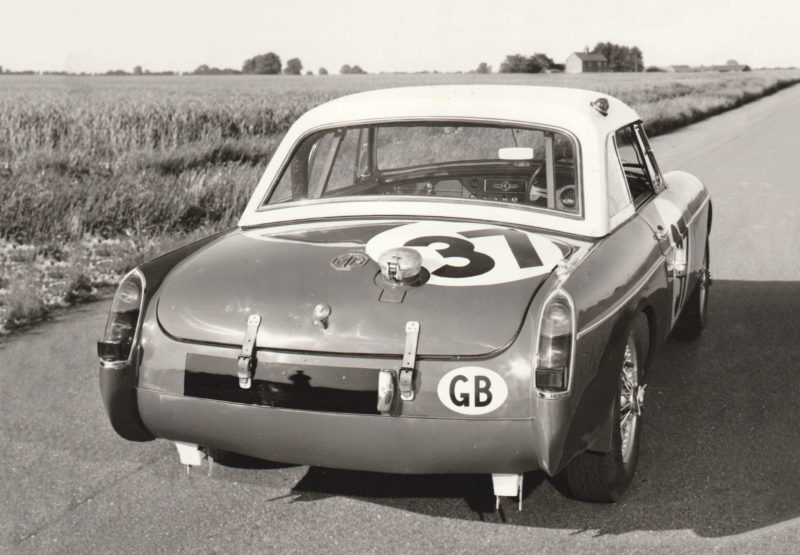
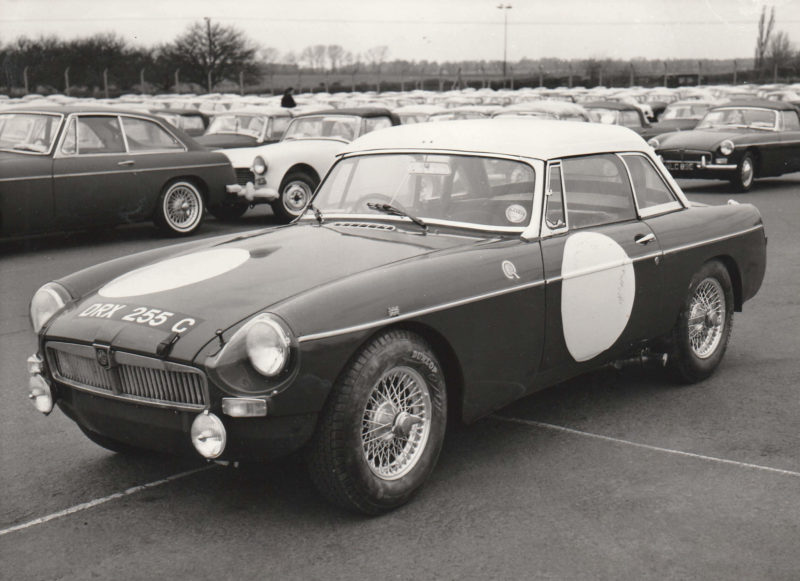
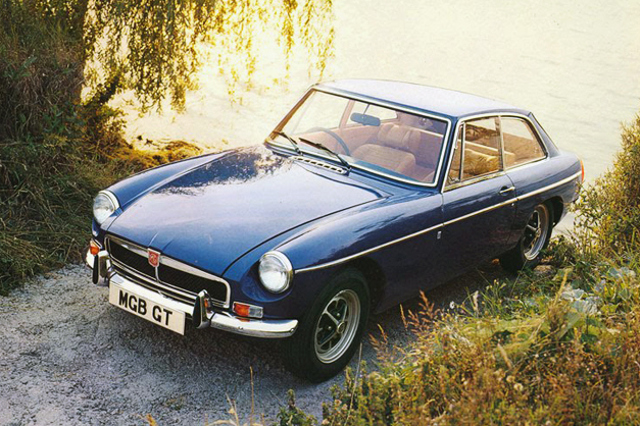
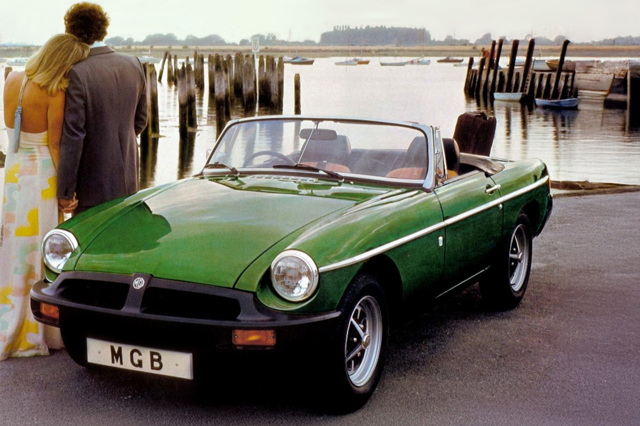
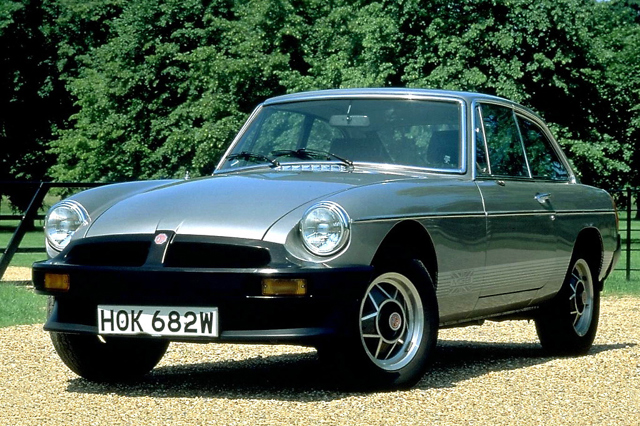
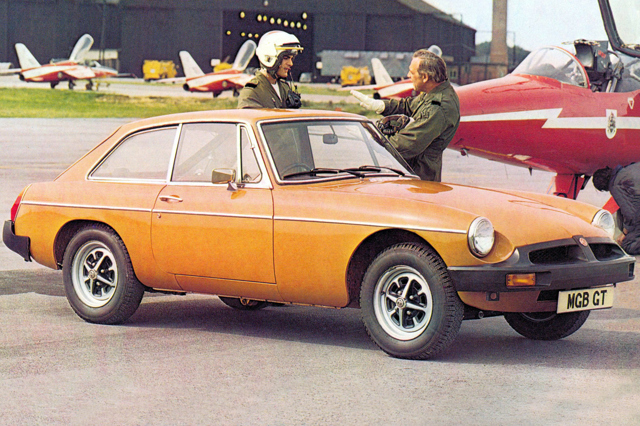
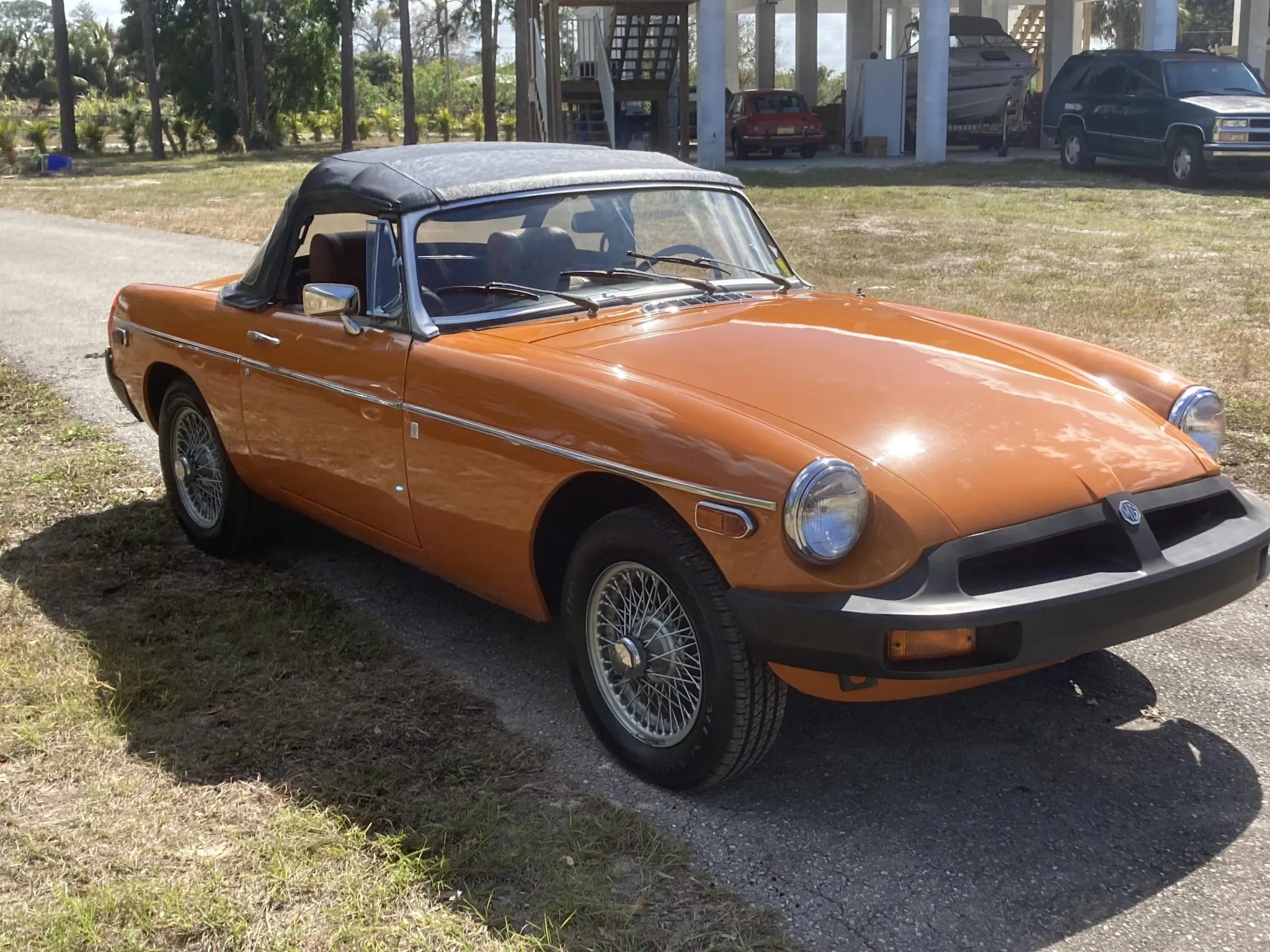
The impact of the MGB cannot be measured solely by its sales figures, though over half a million units is a staggering achievement for a sports car. Its true history was written on the track and the rally stage. In the mid-1960s, the MGB was a giant-killer in endurance racing. Prepared by the legendary BMC Competitions Department at Abingdon, the works MGBs—often sporting the iconic “narrow-arch” look—took on the world at the 24 Hours of Le Mans, the Targa Florio, and the Monte Carlo Rally. Its greatest hour perhaps came at the Marathon de la Route at the Nürburgring in 1966, where an MGB finished an incredible third overall, outlasting much more exotic machinery through sheer, stubborn reliability. On the street, the MGB became a cultural icon. It was the car of the “swinging sixties”, yet it transitioned into the 1970s as the affordable dream for the everyman. The introduction of the “rubber bumper” models in 1974, necessitated by American safety regulations, is often lamented by purists for raising the ride height and softening the handling, yet these cars kept the MG dream alive during the darkest days of British Leyland.
As we look back from the vantage point of 2026, the legacy of the MGB is undisputed. It didn’t just provide a fun way to get from A to B; it created an entire subculture. It was the MGB that inspired the engineers at Mazda to create the MX-5, thus saving the roadster from extinction in the 1980s. When the MGB finally bowed out, it didn’t disappear; it became the most supported classic car in history. Today, one can practically build a brand-new MGB from a catalog of parts, a testament to the enduring love for this simple, honest machine. It sits in the pantheon of motoring as the ultimate bridge between the pre-war sporting spirit and the modern era—a car that was never the fastest, never the most complex, but was always exactly what a driver needed. Whether in the form of a delicate 1962 pull-handle roadster or a thumping 1990s RV8, the MGB remains the beating heart of British motoring.
Portal
Model line
Model generation
Predecessor
Sucessor
Brand
Produced from
Vehicle category
Portal
Model line
Model generation
Predecessor
Sucessor
Model Overview
In the early 1960s, the British motor industry stood at a fascinating crossroads, caught between the charmingly archaic traditions of the past and a sudden, desperate need for modernity. For the MG Car Company at Abingdon, the challenge was monumental: how to replace the beloved MGA—a car of breathtaking beauty but essentially a refined pre-war concept with its separate chassis and cramped cockpit. The answer, arriving in 1962, was the MGB. It was a radical departure that fundamentally democratized the sports car experience. While rivals like the Triumph TR4 offered more muscularity and the Sunbeam Alpine more civility, the MGB struck a perfect, golden chord of balance. It introduced monocoque construction to the mass-market roadster, providing a level of structural rigidity and passenger space that made its predecessors feel like Victorian carriages. For eighteen years, the MGB would remain the world’s best-selling sports car, surviving the collapse of empires, oil crises, and the birth of the modern era, eventually evolving into a refined V8-powered cruiser in the 1990s as the RV8. It was, and remains, the quintessential British sports car—the “Octagon” badge’s most enduring gift to the world of motoring.
Technically, the MGB was a triumph of pragmatic innovation. By abandoning the separate ladder chassis of the MGA, MG engineers created a unitary body shell that was not only significantly stiffer but allowed for a much roomier interior within roughly the same footprint. The styling, credited to Don Hayter and refined by the watchful eyes at Pininfarina, was a masterclass in understated elegance—the “Abingdon Pillow” silhouette with its clean flanks and crisp shut lines. Under the bonnet, the MGB relied on the unburstable B-Series engine, initially in 1,798cc guise. This overhead-valve four-cylinder, breathing through twin SU carburettors, produced a respectable 95 horsepower. It wasn’t a screaming race engine, but it possessed a torquey, tractable character that suited the car’s personality perfectly. Power was sent through a four-speed manual gearbox, which, in the Mark I, famously lacked synchromesh on first gear—a quirk that separated the drivers from the mere steering-wheel holders until the Mark II arrived in 1967 with a fully synchronized box. The suspension was traditional: independent at the front with coil springs and wishbones, and a live axle at the rear on semi-elliptic leaf springs. While the ride was firm, the rack-and-pinion steering provided a level of tactile feedback that became the benchmark for the class. Stopping power was equally balanced, utilizing front disc brakes and rear drums, a setup that remained largely unchanged throughout its long life.
The MGB’s interior was equally revolutionary for its era. It offered genuine comfort, with wind-up windows (a luxury the MGA lacked) and a cockpit feel dominated by a crinkle-finish dashboard and a large, thin-rimmed steering wheel. As the car evolved from the Mark I through to the Mark III, the cabin saw shifts from the classic “steel dash” to the more safety-conscious, padded plastic arrangements of the 1970s. However, the most significant technical evolution occurred in the 1990s. Long after the original production line had stopped in 1980, Rover realized that the hunger for the MGB had never faded. This birthed the MG RV8 in 1992. While it shared the basic silhouette and 5% of the original parts, it was a totally different beast. Under the bulging bonnet sat the 3.9-liter Rover V8, producing 190 horsepower and enough torque to warp the rear leaf springs. It featured a luxurious Connoly leather and elm-wood interior, transforming the spartan roadster into a boutique luxury cruiser for the modern age.
The impact of the MGB cannot be measured solely by its sales figures, though over half a million units is a staggering achievement for a sports car. Its true history was written on the track and the rally stage. In the mid-1960s, the MGB was a giant-killer in endurance racing. Prepared by the legendary BMC Competitions Department at Abingdon, the works MGBs—often sporting the iconic “narrow-arch” look—took on the world at the 24 Hours of Le Mans, the Targa Florio, and the Monte Carlo Rally. Its greatest hour perhaps came at the Marathon de la Route at the Nürburgring in 1966, where an MGB finished an incredible third overall, outlasting much more exotic machinery through sheer, stubborn reliability. On the street, the MGB became a cultural icon. It was the car of the “swinging sixties”, yet it transitioned into the 1970s as the affordable dream for the everyman. The introduction of the “rubber bumper” models in 1974, necessitated by American safety regulations, is often lamented by purists for raising the ride height and softening the handling, yet these cars kept the MG dream alive during the darkest days of British Leyland.
As we look back from the vantage point of 2026, the legacy of the MGB is undisputed. It didn’t just provide a fun way to get from A to B; it created an entire subculture. It was the MGB that inspired the engineers at Mazda to create the MX-5, thus saving the roadster from extinction in the 1980s. When the MGB finally bowed out, it didn’t disappear; it became the most supported classic car in history. Today, one can practically build a brand-new MGB from a catalog of parts, a testament to the enduring love for this simple, honest machine. It sits in the pantheon of motoring as the ultimate bridge between the pre-war sporting spirit and the modern era—a car that was never the fastest, never the most complex, but was always exactly what a driver needed. Whether in the form of a delicate 1962 pull-handle roadster or a thumping 1990s RV8, the MGB remains the beating heart of British motoring.
Generations
Model Generations

Submodels