
Nissan R93CK
Brand
Produced from
Portal
Vehicle category
Predecessor
Successor
Submodel Overview
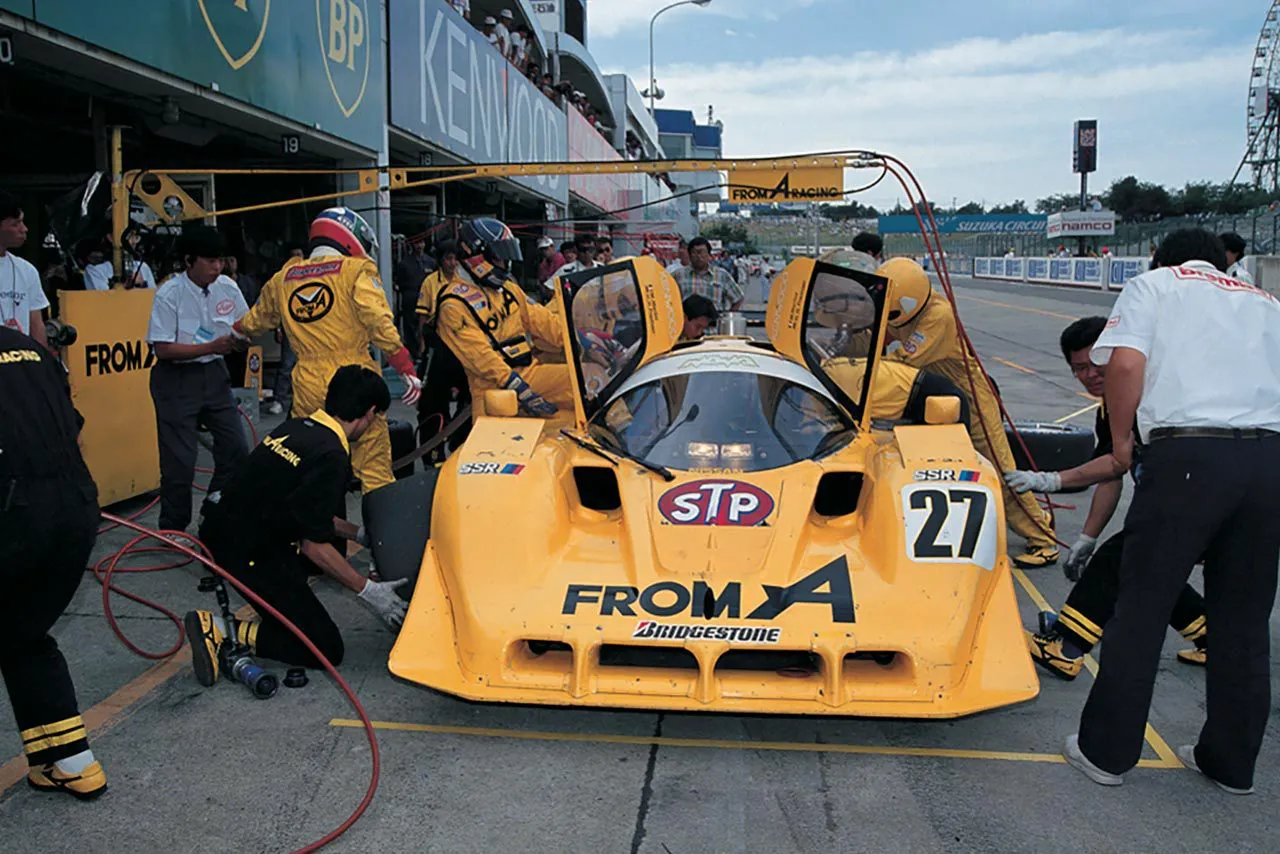
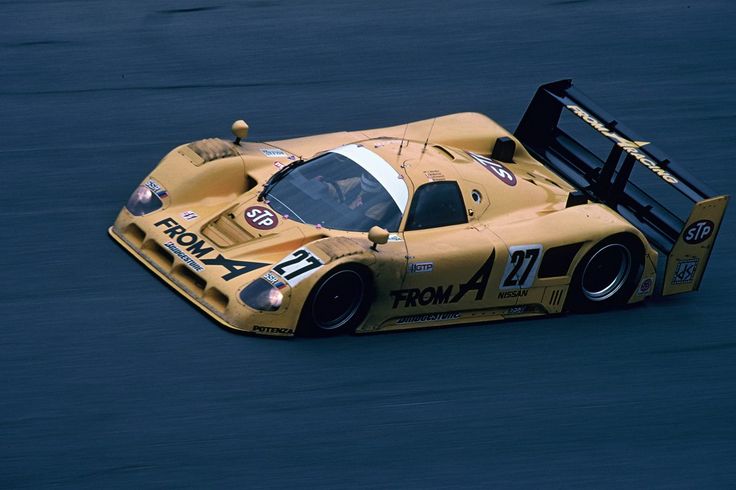
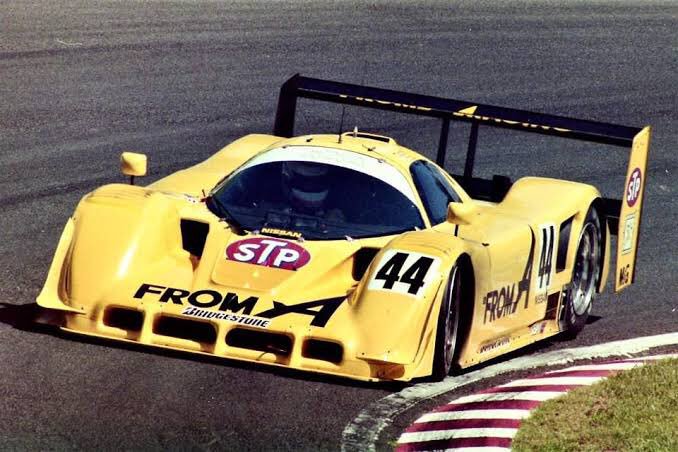
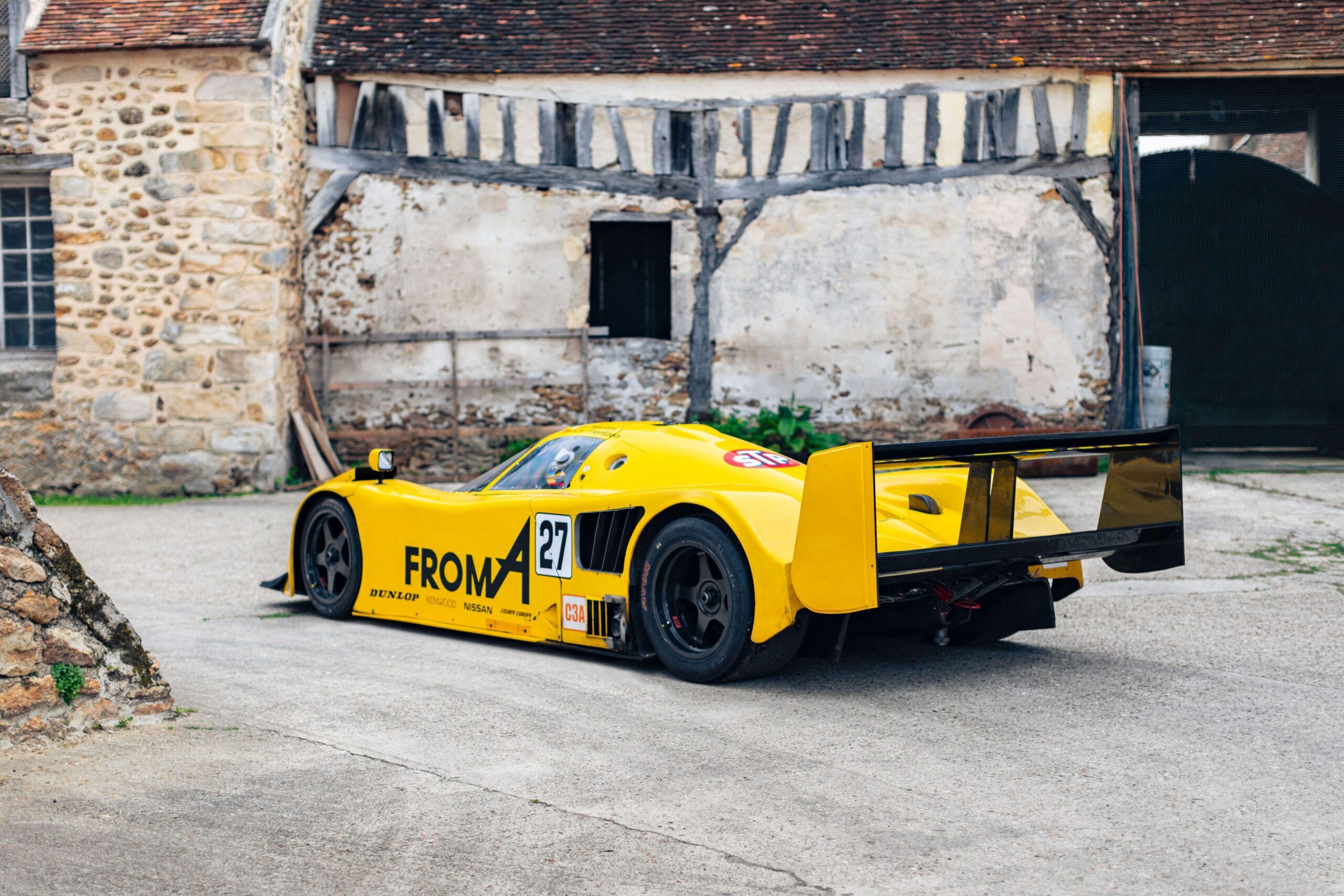
By 1993, the sun had officially set on the golden, terrifying era of the Group C sports prototype. The World Sportscar Championship had collapsed under the immense financial weight of the 3.5-liter atmospheric regulations, and across Europe, the grids had gone silent. Yet, in the Land of the Rising Sun, the fire of the turbocharged leviathans refused to extinguish completely. While Nissan had officially concluded its awe-inspiring factory prototype program with the domestic R92CP, the fiercely independent and highly capable privateer outfit Nova Engineering—racing under their iconic, bright yellow “From A” sponsorship livery—refused to lay their weapons down. They possessed chassis R90C-07, the thirteenth and very last of the carbon-kevlar tubs originally built by Lola in England. Rather than consigning this magnificent chassis to a museum, Nova Engineering launched a relentless development program. For the 1993 1000 km of Suzuka—one of the final bastions of unrestricted endurance racing in Japan—the team heavily upgraded their weapon, birthing the magnificent Nissan R93CK. It was a spectacular, high-downforce swansong; a privateer samurai standing defiantly against a mixed grid of modern machinery, proving that the old turbocharged monsters still possessed a lethal, venomous bite.
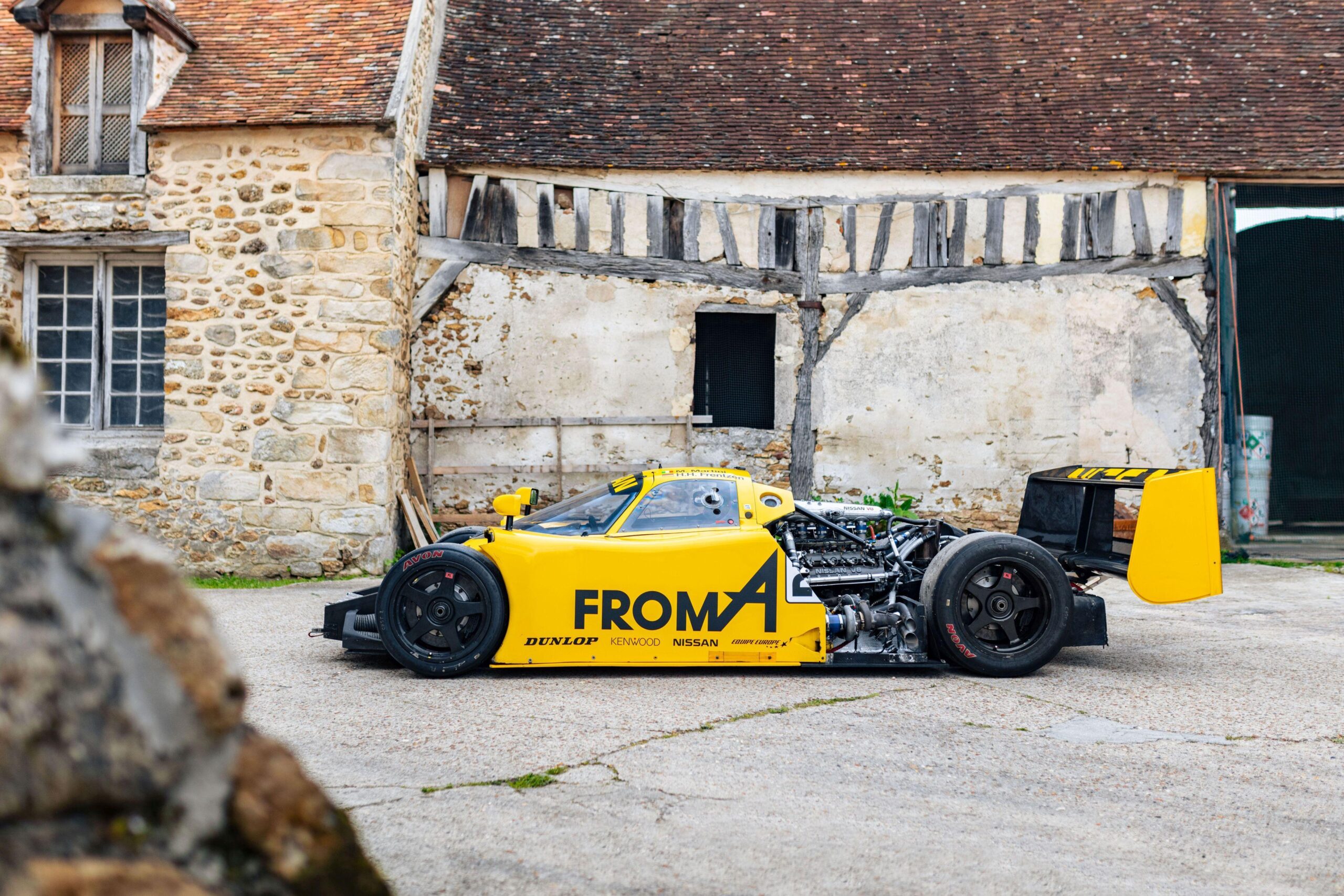
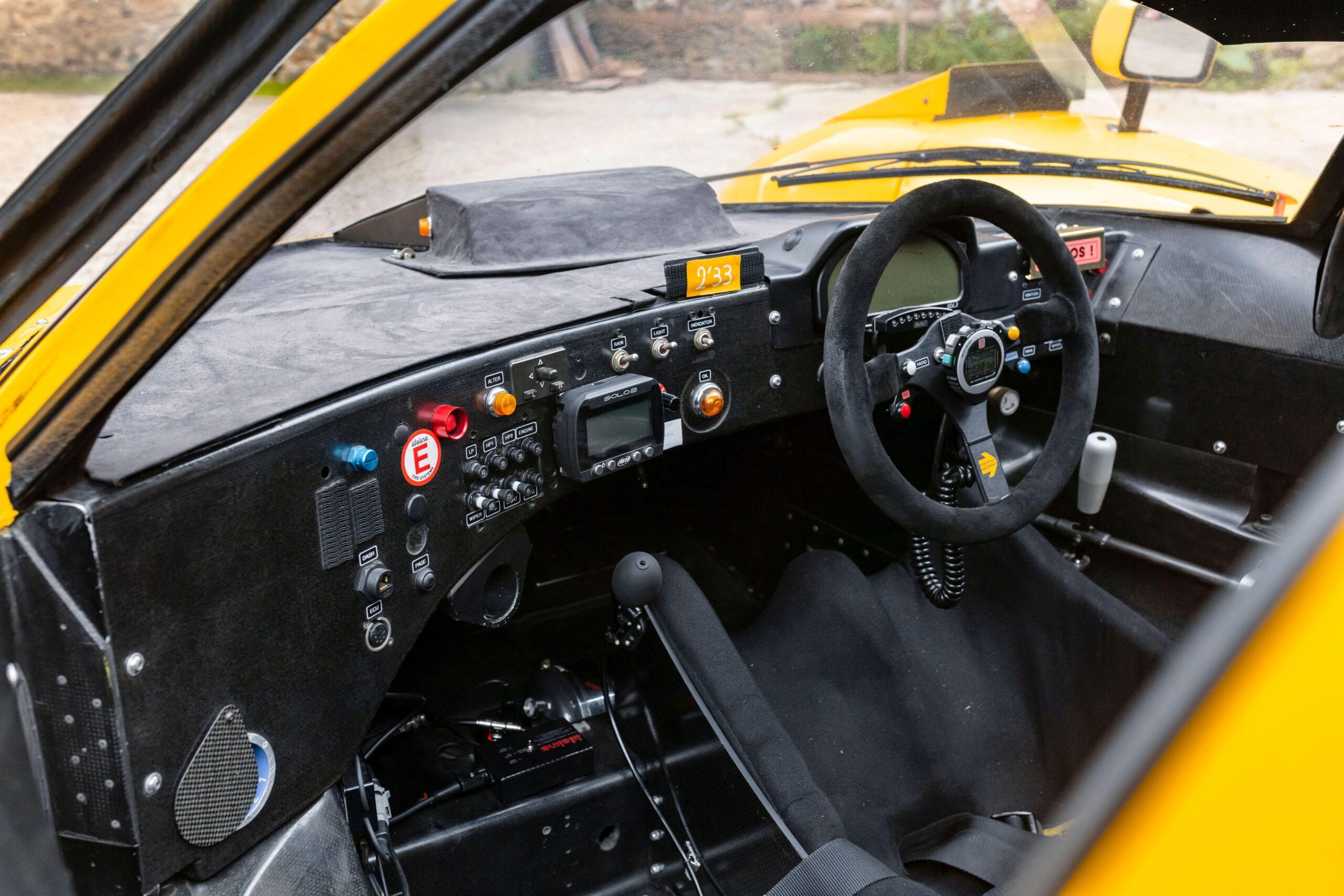
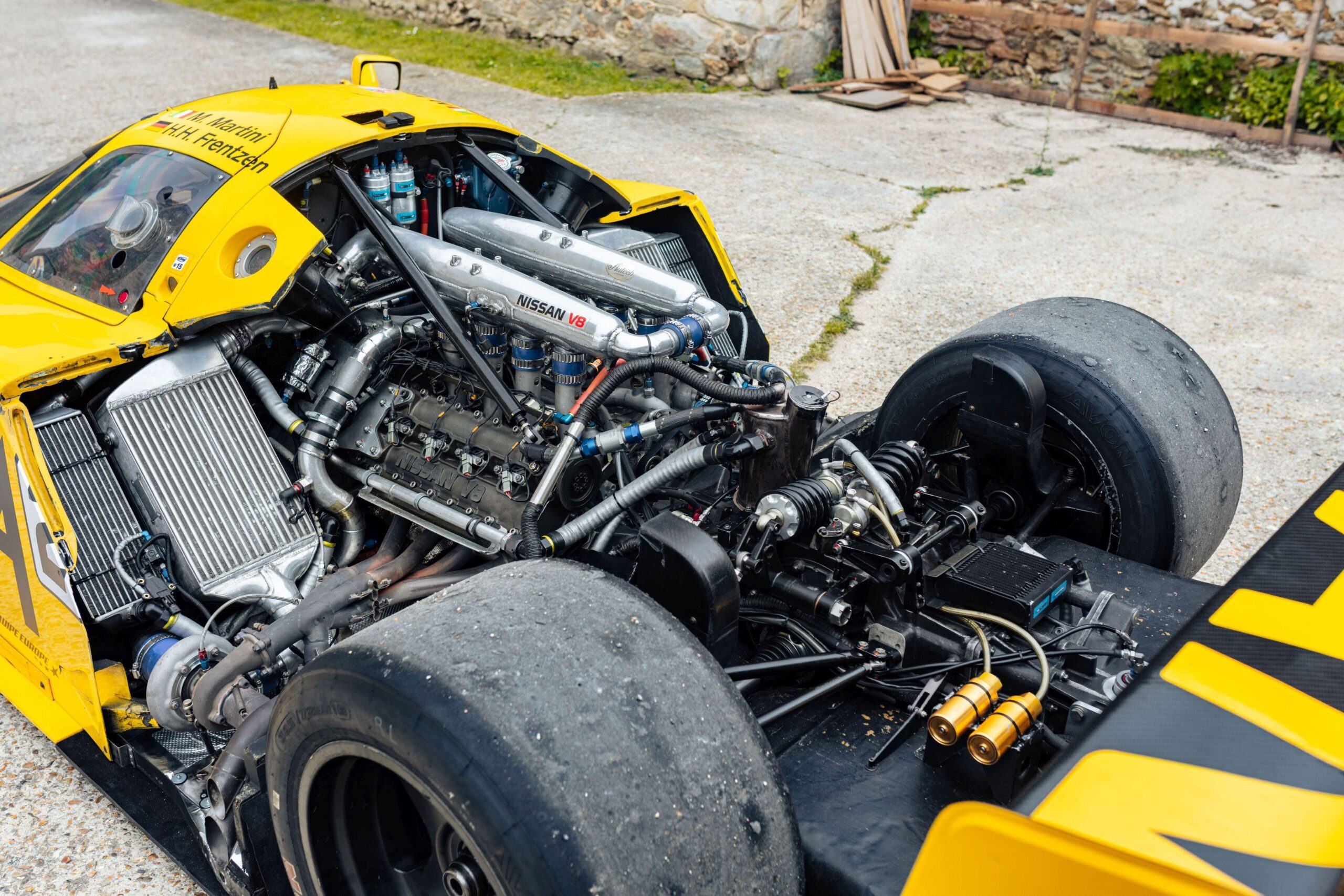
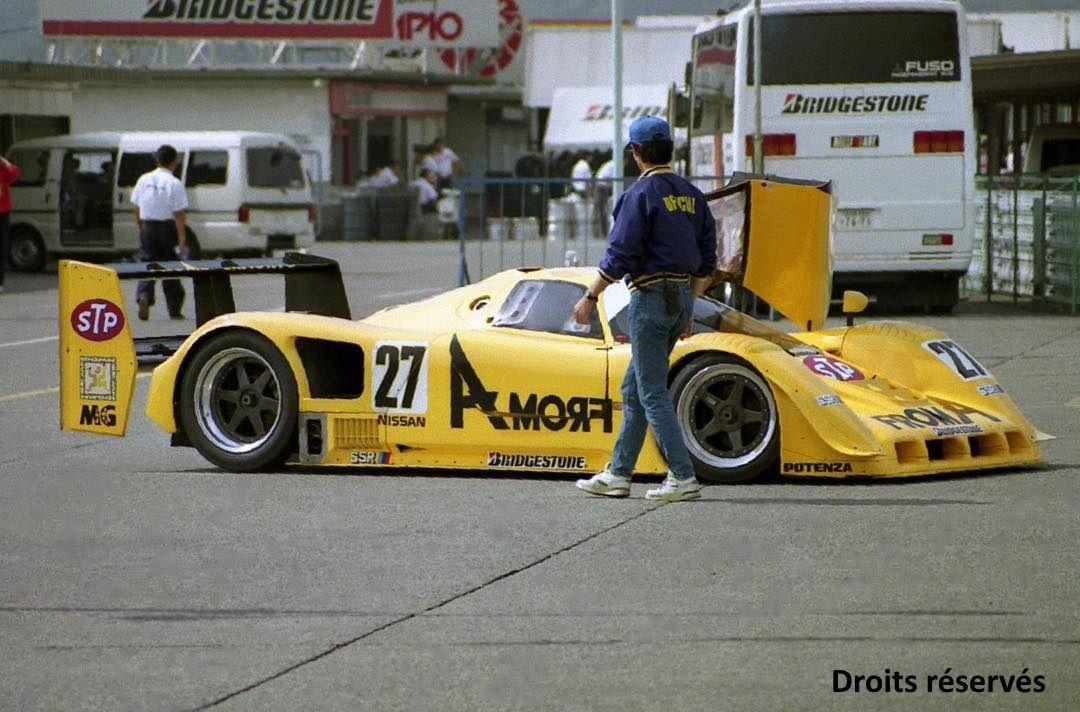
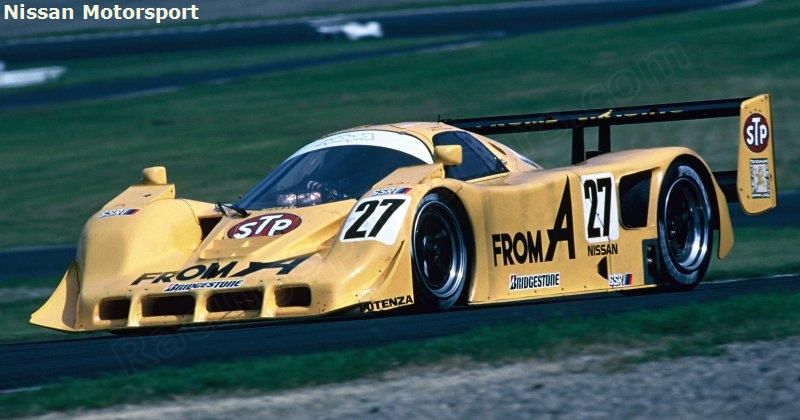
To peer beneath the striking, wasp-like yellow and black bodywork of the R93CK is to witness a masterclass in privateer aerodynamic evolution. The original European R90CK shape, which prioritized low-drag efficiency for the Mulsanne Straight, was completely discarded. Nova Engineering recognized that conquering Suzuka’s demanding “S” Curves and the fearsome 130R required immense mechanical grip and aerodynamic suction. The R93CK was thus equipped with a radically aggressive, high-downforce package. It featured a heavily revised front splitter, bold dive planes, and a massive, bi-plane rear wing assembly that pushed the 12×16-inch rear tires relentlessly into the tarmac. However, the undisputed soul of this machine remained the legendary Nissan VRH35Z powerplant. This 3.5-liter, twin-turbocharged aluminium V8 is widely regarded as one of the finest endurance engines ever forged. Unshackled from the strict fuel-consumption limits of earlier years, the Nova mechanics could push the engine closer to its thermal limits, easily extracting over 800 brake horsepower and unleashing a deep, ground-shaking baritone roar. Power was routed through a robust, specialized five-speed manual transaxle. To manage the immense kinetic energy of this 900-kilogram missile, colossal 8-inch carbon brakes were employed, requiring bespoke active cooling ducts to pull air out of the wheel wells. Inside the claustrophobic, heat-soaked carbon tub, the driver was faced with an analog array of gauges and a manual boost dial—a simple switch that dictated the razor-thin margin between ultimate glory and catastrophic mechanical failure.
The competitive history of this specific chassis is a remarkable tale of longevity, but the R93CK iteration was built for one specific, glorious final act. At the 1993 1000 km of Suzuka, Nova Engineering enlisted the formidable driving pairing of Italian sports car veteran Mauro Martini and a blisteringly fast, young German named Heinz-Harald Frentzen. The #27 “From A” Nissan was a massive crowd favorite, a screaming yellow dart attacking the grueling figure-eight circuit. Despite the underlying platform being fundamentally years old, Nova Engineering’s relentless refinements made the car ferociously quick. In a grueling, sweltering race of attrition, Martini and Frentzen wrestled the turbocharged monster to a magnificent second-place overall finish. It was a deeply emotional podium; it wasn’t merely a silver medal, but the final, roaring curtain call for the VRH35Z lineage in top-tier Japanese prototype racing. After this heroic effort, with the domestic Japanese Grand Touring Championship (JGTC) fully taking over, the R93CK was officially retired from contemporary motorsport. However, unlike many of its peers that were lost to scrapyards or locked away in secret factory vaults, chassis R90C-07 was lovingly preserved. It found a spectacular second life in the 21st century, campaigned passionately by historic racers like Charlie Agg, bringing the thunder of the Group C era back to circuits like Daytona, Sebring, and Le Mans in vintage events.
The legacy of the 1993 Nissan R93CK by Nova Engineering is that of the ultimate, uncompromising survivor. It represents the absolute, highly-strung terminus of the privateer Group C era in Japan—a time when an independent team of brilliant engineers could take a legendary factory chassis, refine its aerodynamics in-house, and genuinely fight for overall victories against the dying light of the prototype era. While the works teams had already moved on to the production-based GT Skyline racers that would define the late 90s, the R93CK stood as a monument to unadulterated speed. Today, the yellow “From A” R93CK remains a celebrated unicorn in the historic paddock. It is a glorious, 800-horsepower echo of the days when the ground shook, the turbochargers whistled, and independent teams could still dance on the absolute bleeding edge of aerodynamic grip.
Brand
Produced from
Portal
Vehicle category
Predecessor
Sucessor
Brand
Produced from
Portal
Vehicle category
Model generation
Predecessor
Sucessor
Submodel Overview
By 1993, the sun had officially set on the golden, terrifying era of the Group C sports prototype. The World Sportscar Championship had collapsed under the immense financial weight of the 3.5-liter atmospheric regulations, and across Europe, the grids had gone silent. Yet, in the Land of the Rising Sun, the fire of the turbocharged leviathans refused to extinguish completely. While Nissan had officially concluded its awe-inspiring factory prototype program with the domestic R92CP, the fiercely independent and highly capable privateer outfit Nova Engineering—racing under their iconic, bright yellow “From A” sponsorship livery—refused to lay their weapons down. They possessed chassis R90C-07, the thirteenth and very last of the carbon-kevlar tubs originally built by Lola in England. Rather than consigning this magnificent chassis to a museum, Nova Engineering launched a relentless development program. For the 1993 1000 km of Suzuka—one of the final bastions of unrestricted endurance racing in Japan—the team heavily upgraded their weapon, birthing the magnificent Nissan R93CK. It was a spectacular, high-downforce swansong; a privateer samurai standing defiantly against a mixed grid of modern machinery, proving that the old turbocharged monsters still possessed a lethal, venomous bite.
To peer beneath the striking, wasp-like yellow and black bodywork of the R93CK is to witness a masterclass in privateer aerodynamic evolution. The original European R90CK shape, which prioritized low-drag efficiency for the Mulsanne Straight, was completely discarded. Nova Engineering recognized that conquering Suzuka’s demanding “S” Curves and the fearsome 130R required immense mechanical grip and aerodynamic suction. The R93CK was thus equipped with a radically aggressive, high-downforce package. It featured a heavily revised front splitter, bold dive planes, and a massive, bi-plane rear wing assembly that pushed the 12×16-inch rear tires relentlessly into the tarmac. However, the undisputed soul of this machine remained the legendary Nissan VRH35Z powerplant. This 3.5-liter, twin-turbocharged aluminium V8 is widely regarded as one of the finest endurance engines ever forged. Unshackled from the strict fuel-consumption limits of earlier years, the Nova mechanics could push the engine closer to its thermal limits, easily extracting over 800 brake horsepower and unleashing a deep, ground-shaking baritone roar. Power was routed through a robust, specialized five-speed manual transaxle. To manage the immense kinetic energy of this 900-kilogram missile, colossal 8-inch carbon brakes were employed, requiring bespoke active cooling ducts to pull air out of the wheel wells. Inside the claustrophobic, heat-soaked carbon tub, the driver was faced with an analog array of gauges and a manual boost dial—a simple switch that dictated the razor-thin margin between ultimate glory and catastrophic mechanical failure.
The competitive history of this specific chassis is a remarkable tale of longevity, but the R93CK iteration was built for one specific, glorious final act. At the 1993 1000 km of Suzuka, Nova Engineering enlisted the formidable driving pairing of Italian sports car veteran Mauro Martini and a blisteringly fast, young German named Heinz-Harald Frentzen. The #27 “From A” Nissan was a massive crowd favorite, a screaming yellow dart attacking the grueling figure-eight circuit. Despite the underlying platform being fundamentally years old, Nova Engineering’s relentless refinements made the car ferociously quick. In a grueling, sweltering race of attrition, Martini and Frentzen wrestled the turbocharged monster to a magnificent second-place overall finish. It was a deeply emotional podium; it wasn’t merely a silver medal, but the final, roaring curtain call for the VRH35Z lineage in top-tier Japanese prototype racing. After this heroic effort, with the domestic Japanese Grand Touring Championship (JGTC) fully taking over, the R93CK was officially retired from contemporary motorsport. However, unlike many of its peers that were lost to scrapyards or locked away in secret factory vaults, chassis R90C-07 was lovingly preserved. It found a spectacular second life in the 21st century, campaigned passionately by historic racers like Charlie Agg, bringing the thunder of the Group C era back to circuits like Daytona, Sebring, and Le Mans in vintage events.
The legacy of the 1993 Nissan R93CK by Nova Engineering is that of the ultimate, uncompromising survivor. It represents the absolute, highly-strung terminus of the privateer Group C era in Japan—a time when an independent team of brilliant engineers could take a legendary factory chassis, refine its aerodynamics in-house, and genuinely fight for overall victories against the dying light of the prototype era. While the works teams had already moved on to the production-based GT Skyline racers that would define the late 90s, the R93CK stood as a monument to unadulterated speed. Today, the yellow “From A” R93CK remains a celebrated unicorn in the historic paddock. It is a glorious, 800-horsepower echo of the days when the ground shook, the turbochargers whistled, and independent teams could still dance on the absolute bleeding edge of aerodynamic grip.
Tech Specs
Technical Specifications
Tech Specs
Technical Specifications
Engine
01
03
Internal combustion engine
Configuration
Nissan VRH35Z, V8 - 90º
Location
Mid, longitudinally mounted
Construction
Aluminium alloy block and heads
Displacement (cc)
3,496 cc
Displacement (cu in)
213.3 cu in
Compression
8.5:1
Bore x Stroke
85.0 mm x 77.0 mm
Valvetrain
4 valves per cylinder, DOHC
Fuel feed
Nissan ECCS electronic fuel injection
Lubrication
Dry sump
Aspiration
Twin-Turbocharged (2 x IHI turbochargers)
Output
Power (hp)
800 hp
Power (kW)
596 kW
Max power at
7,600 RPM
Torque (Nm)
784 Nm
Torque (ft lbs)
578 ft lbs
Max torque at
5,600 RPM
Drivetrain
02
03
Chassis
Type
Monocoque unibody
Material
Carbon fibre composite and aluminium honeycomb
Body
Material
Carbon fibre and Kevlar composite
Transmission
Gearbox
Nissan / Hewland 5-speed manual
Drive
Rear Wheel Drive (Limited Slip Differential)
Suspension
Front
Independent, double wishbones, inboard pushrod-actuated coil springs over dampers, anti-roll bar
Rear
Independent, double wishbones, inboard pushrod-actuated coil springs over dampers, anti-roll bar
Steering
Type
Rack and pinion, power assisted
Brakes
Front
Ventilated carbon ceramic discs Ø356 mm (14 in), 6-piston AP Racing calipers
Rear
Ventilated carbon ceramic discs Ø356 mm (14 in), 6-piston AP Racing calipers
Wheels
Front
13" x 17"
Rear
14.5" x 18"
Tires
Front
25.5/27.0-17
Rear
28.5/31.0-18
Dimensions and performance
03
03
Dimensions
Length (mm)
4,800 mm
Length (in)
189.0 in
Width (mm)
1,990 mm
Width (in)
78.3 in
Height (mm)
1,000 mm
Height (in)
39.4 in
Wheelbase (mm)
2,779 mm
Wheelbase (in)
109.4 in
Weight (kg)
900 kg
Weight (lbs)
1,984 lbs
Performance
Power to weight
~0.88 hp/kg
Top speed (km/h)
~380 km/h
Top speed (mph)
~236 mph
0-100 km/h (0-60 mph)
~2.8 s