
Alfa Romeo Tipo 33/3 Spider
Brand
Produced from
Portal
Vehicle category
Model line
Predecessor
Successor
Submodel Overview
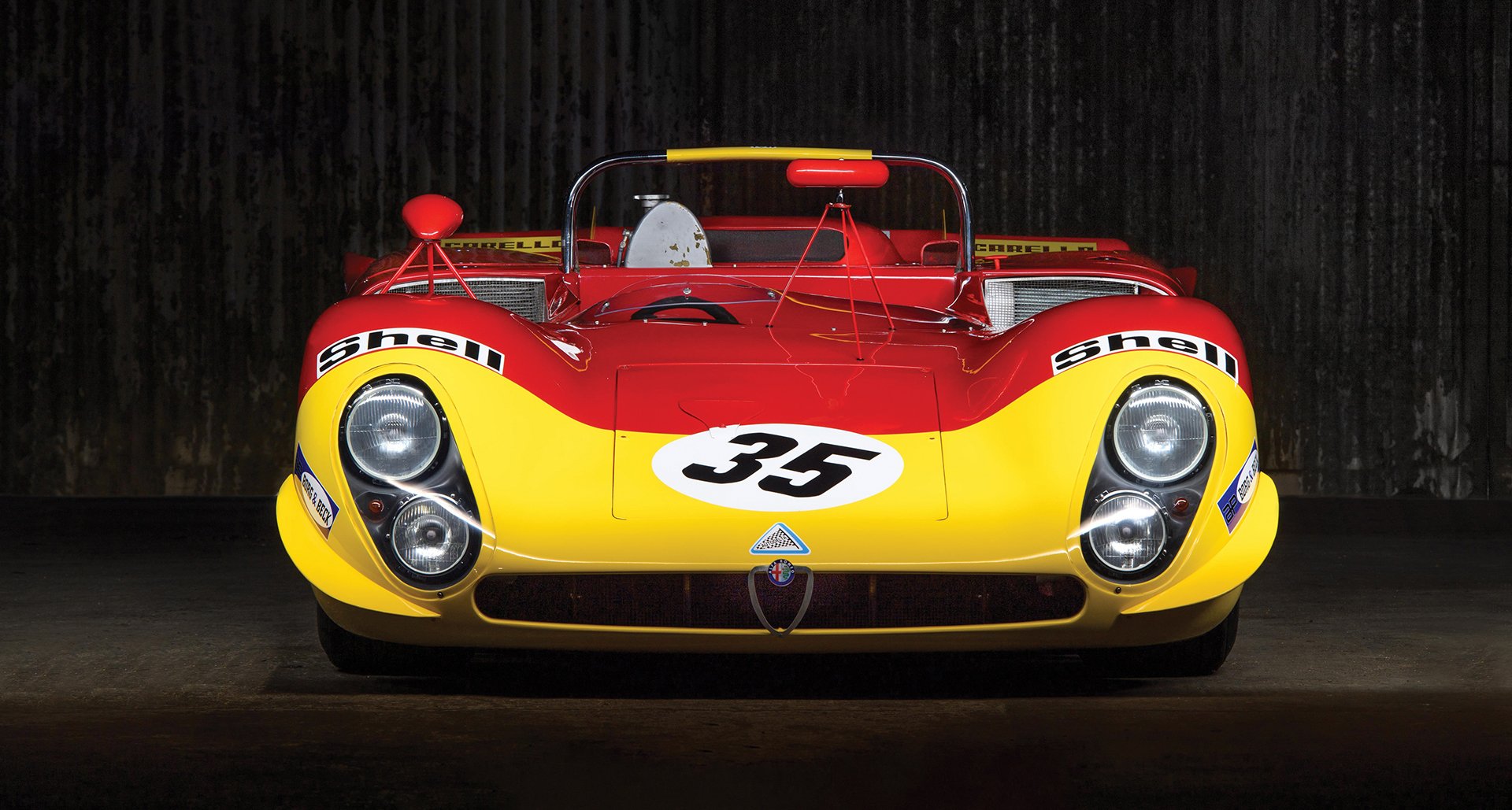
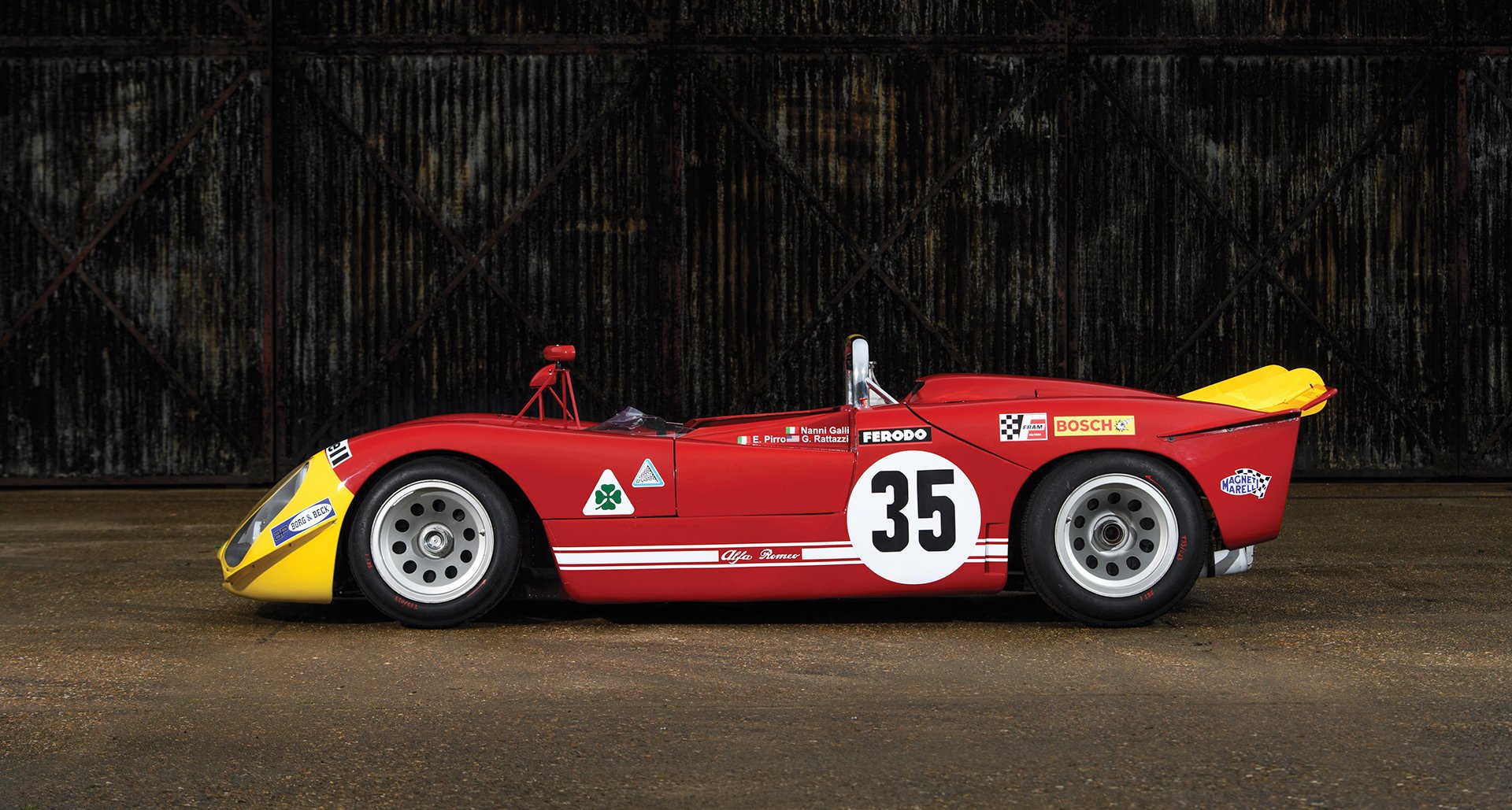
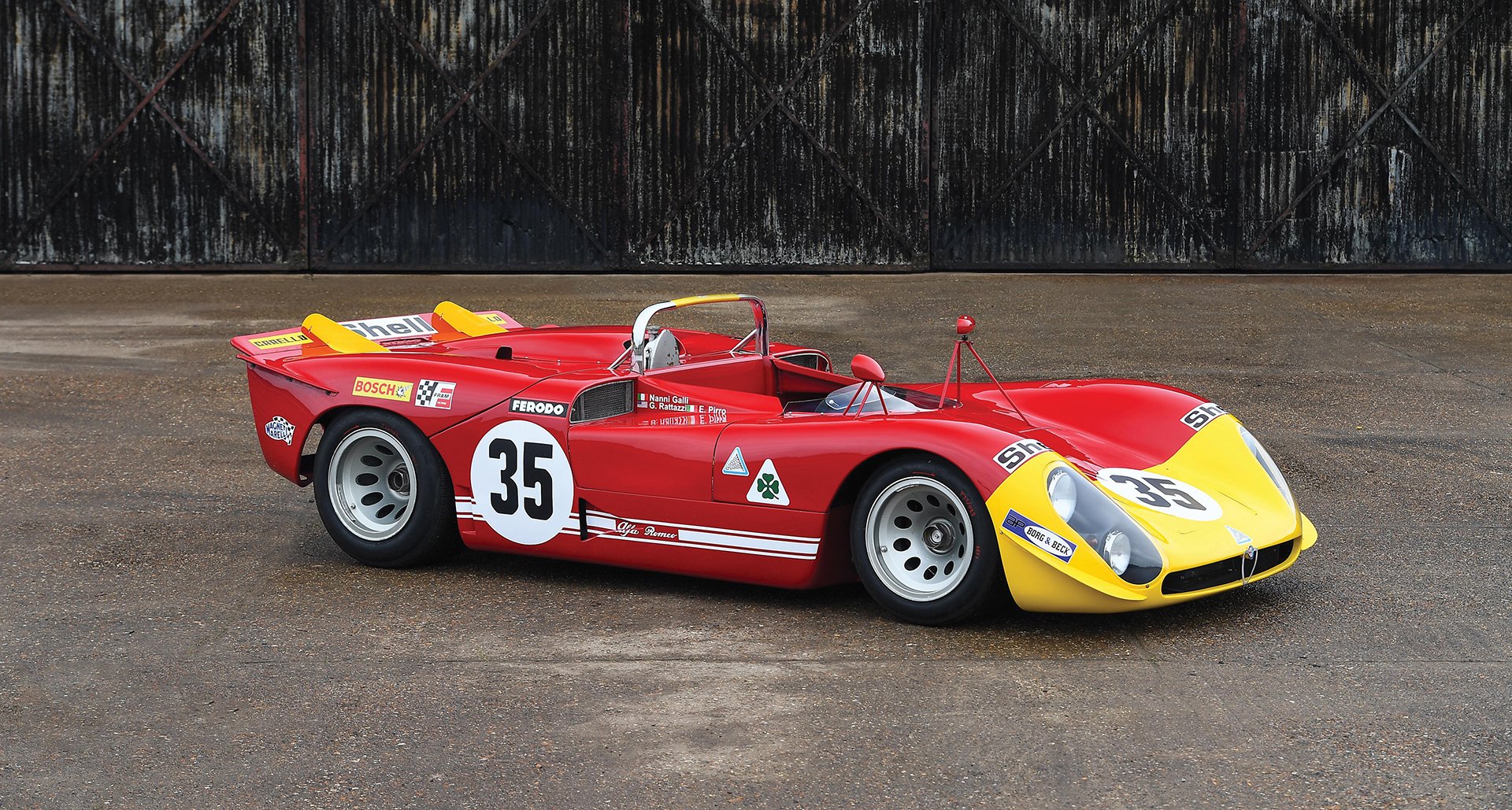
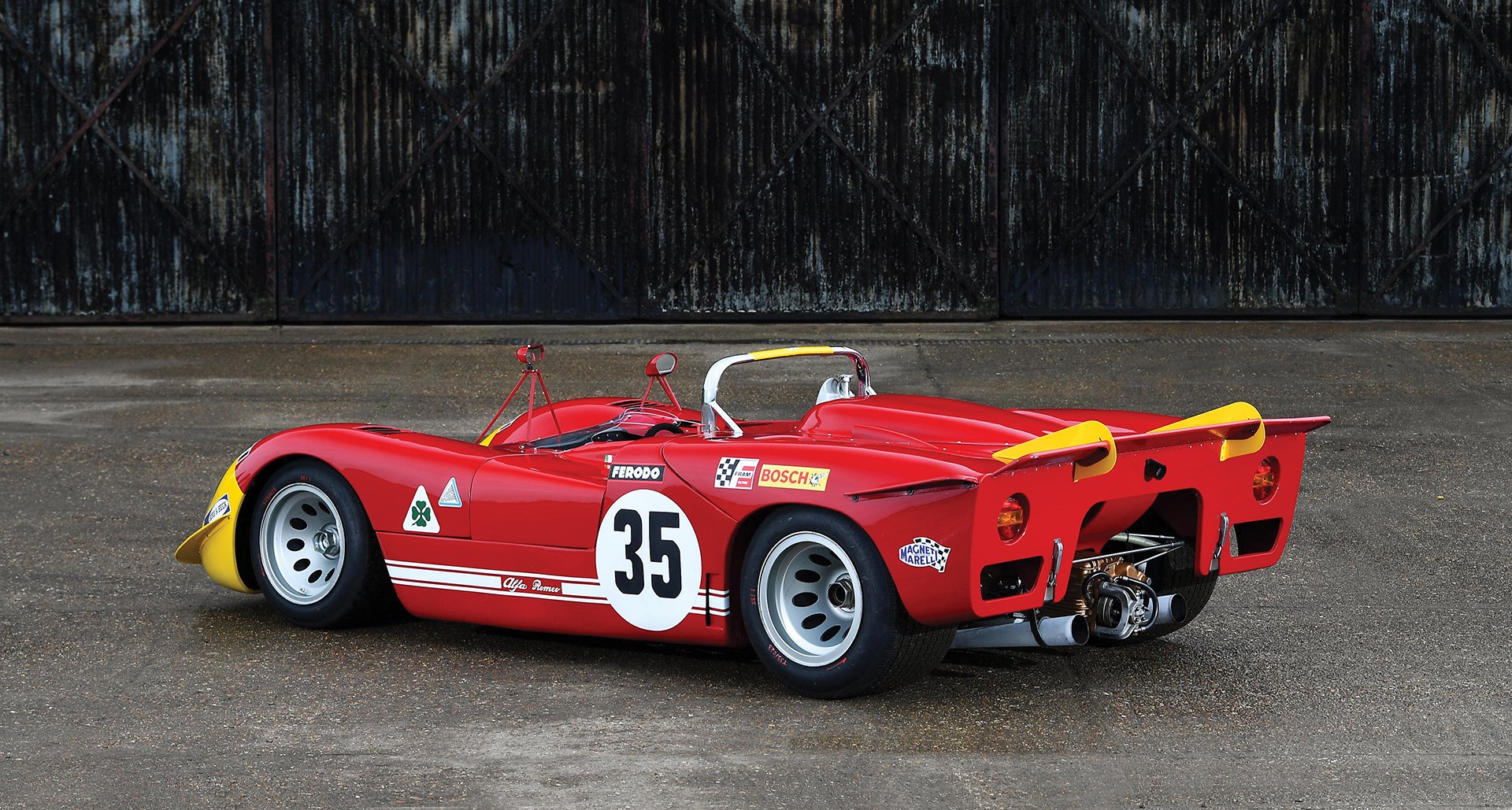
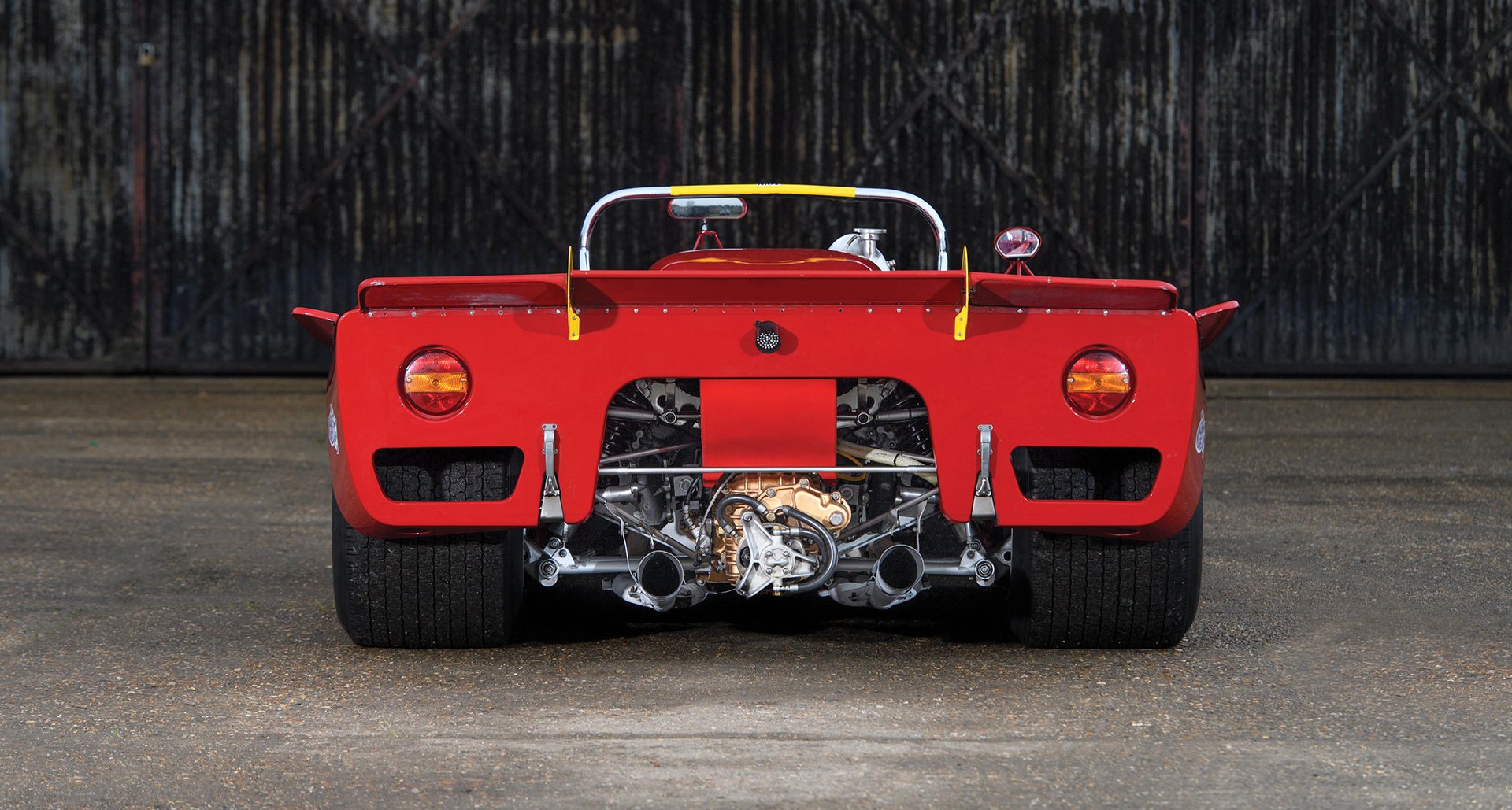
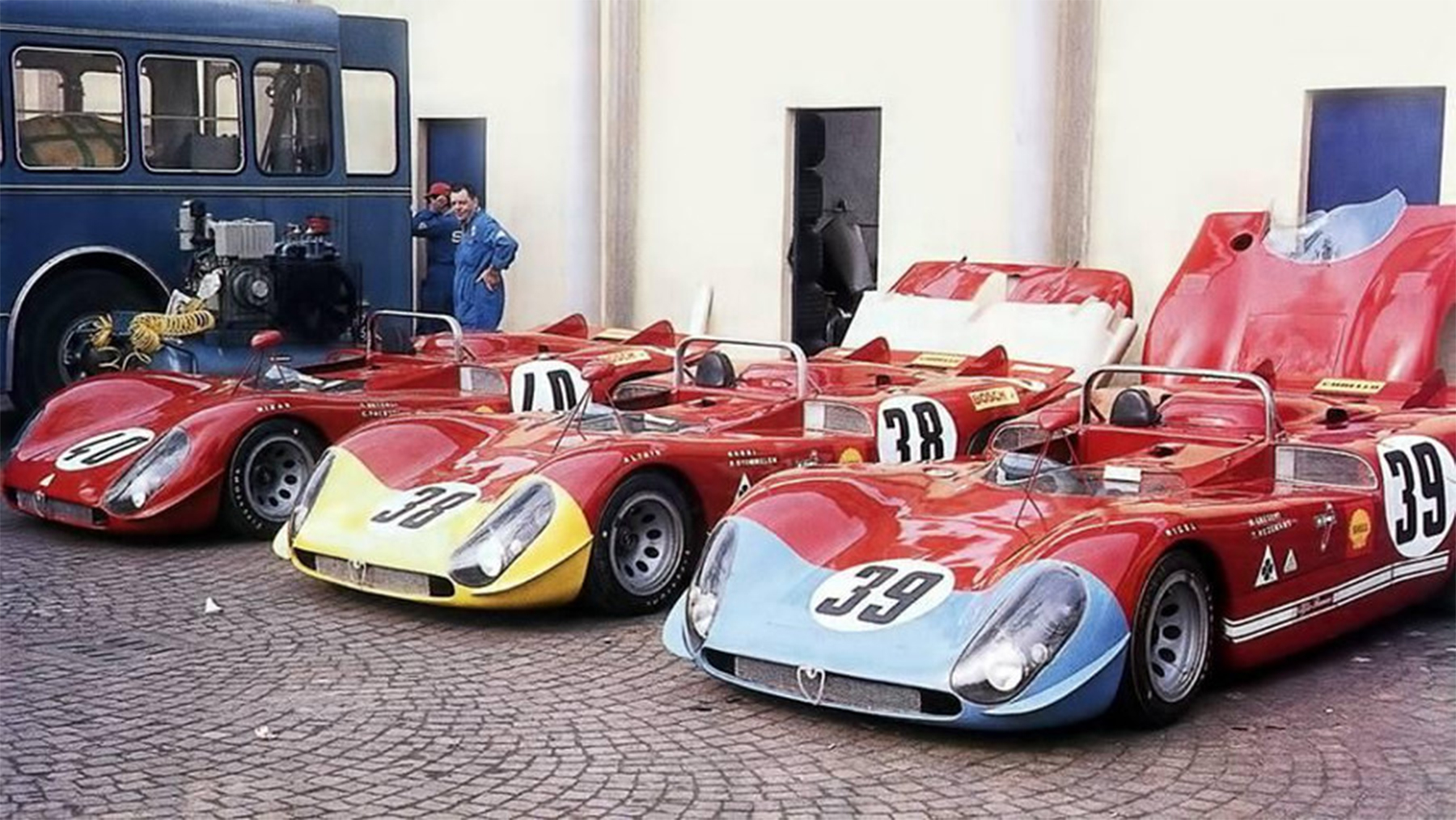
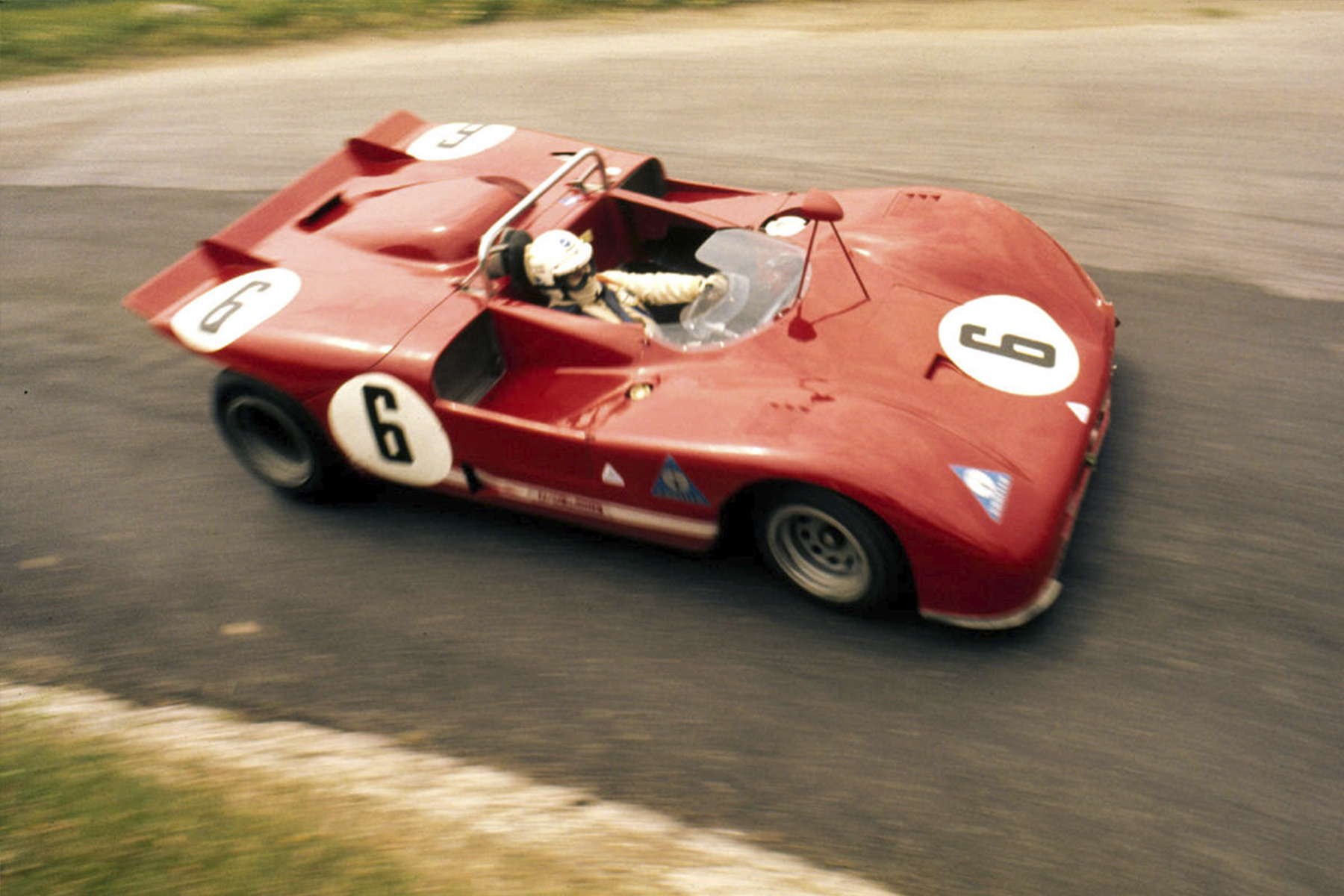
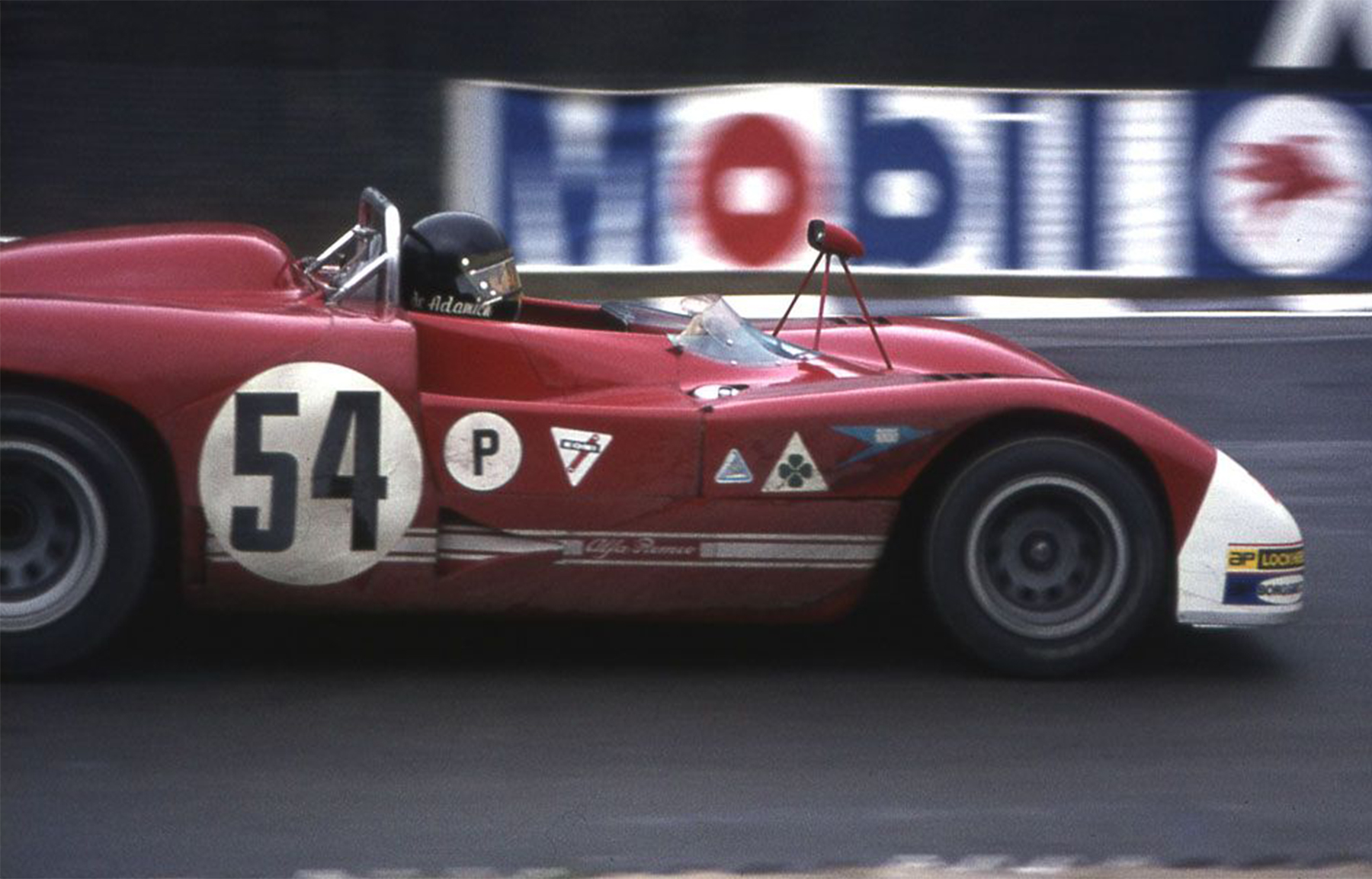
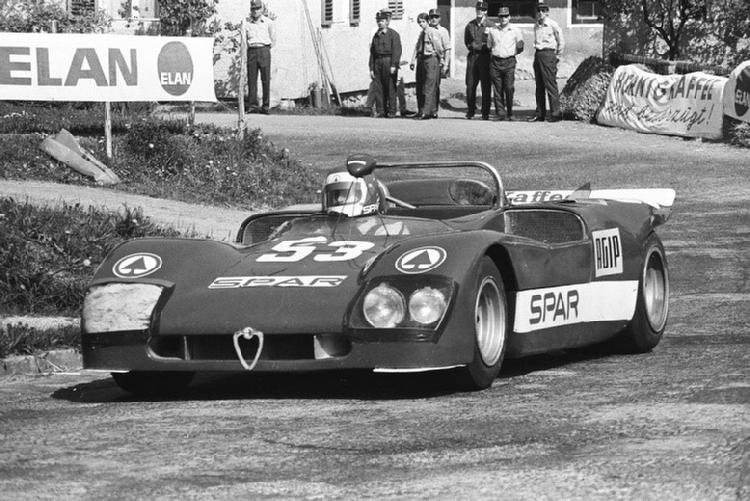
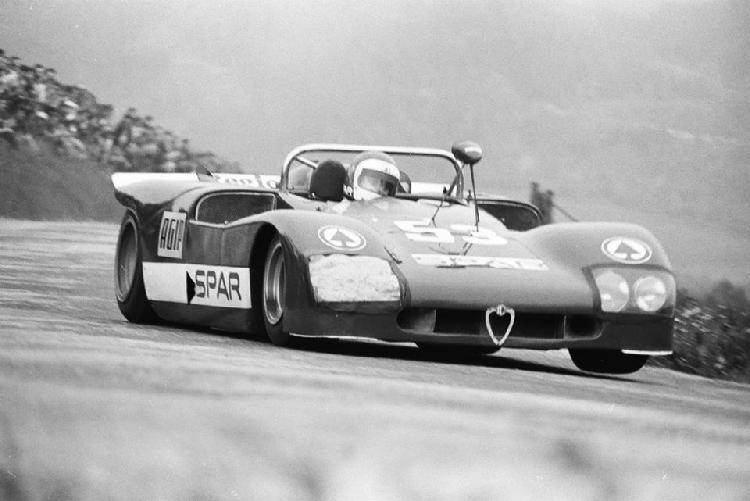
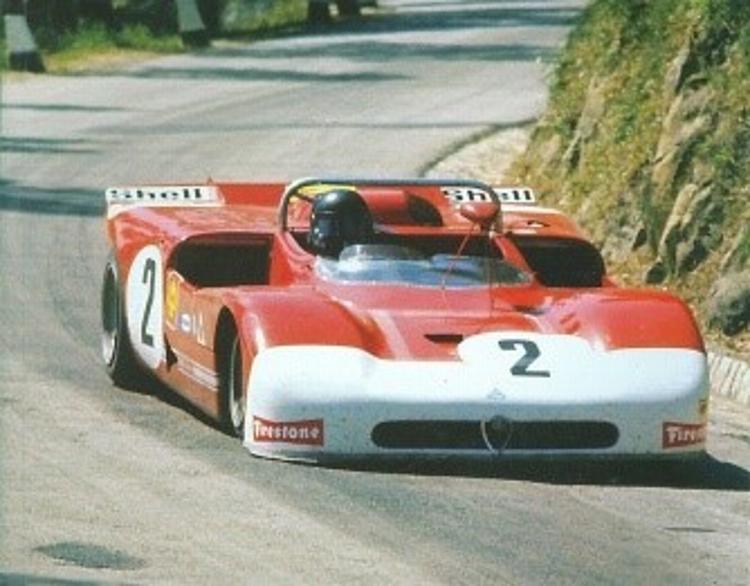
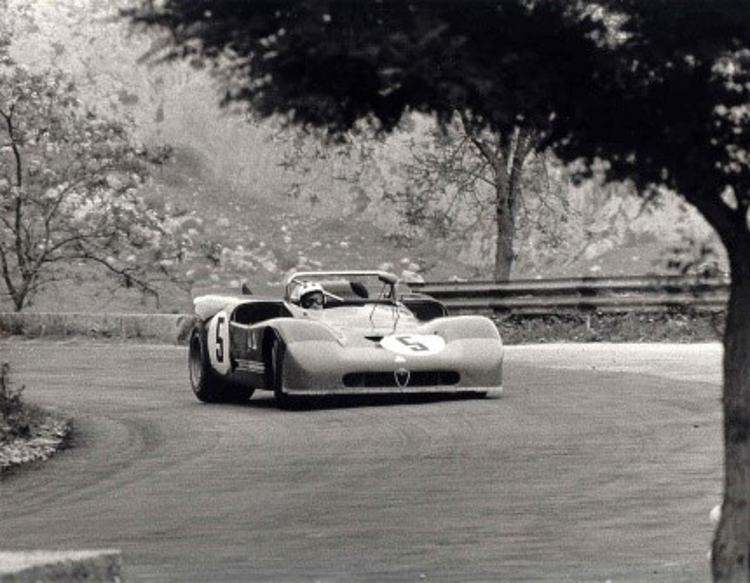
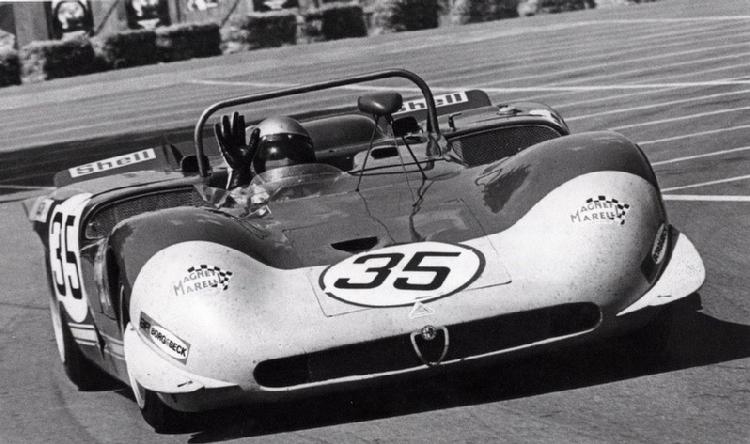
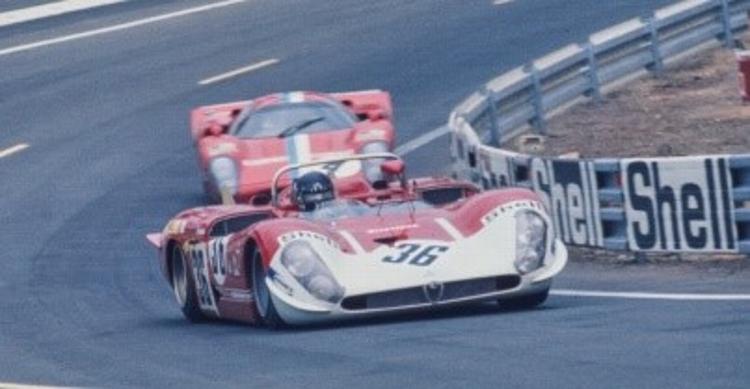
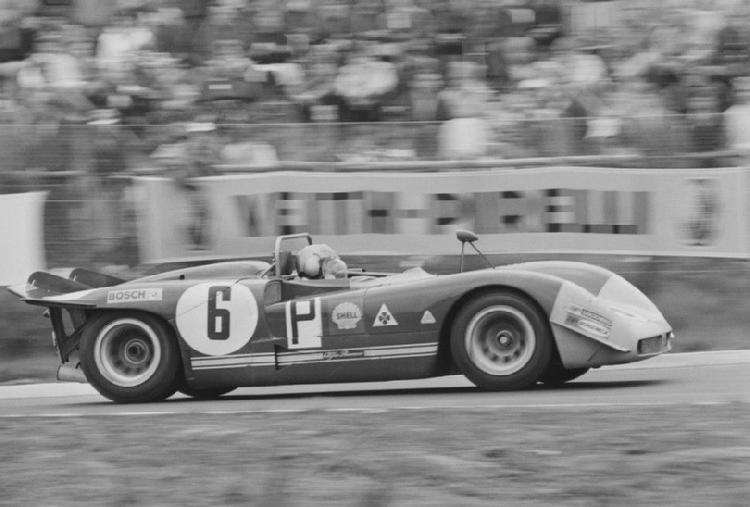
To fully grasp the magnitude of the 1969 Alfa Romeo Tipo 33/3 Spider, one must step into the volatile, high-stakes arena of the World Sportscar Championship at the close of the 1960s. The FIA had thrown a regulatory curveball by capping Group 6 prototype engine capacities at 3.0 liters. Suddenly, the heavyweight 5.0-liter titans were obsolete, and the battlefield shifted to a fierce, agile arms race. At Autodelta, Alfa Romeo’s quasi-works racing division operating out of Settimo Milanese, the brilliant and larger-than-life engineer Carlo Chiti knew that his beautiful but underpowered 2.0-liter and 2.5-liter Tipo 33/2 models could no longer challenge for overall victories. Porsche had unleashed the incredibly light 908/02 “Flunder”, while across Italy, Ferrari was preparing the howling 312 P. Chiti’s response was an uncompromising escalation of force: the Tipo 33/3. Making its debut in 1969, the 33/3 Spider was a raw, aggressive, open-top barchetta that traded the curvaceous elegance of its predecessor for pure, wind-cheating brutality. It was Autodelta’s absolute declaration of war, a machine built to put the Milanese marque back on the absolute top step of international endurance racing.
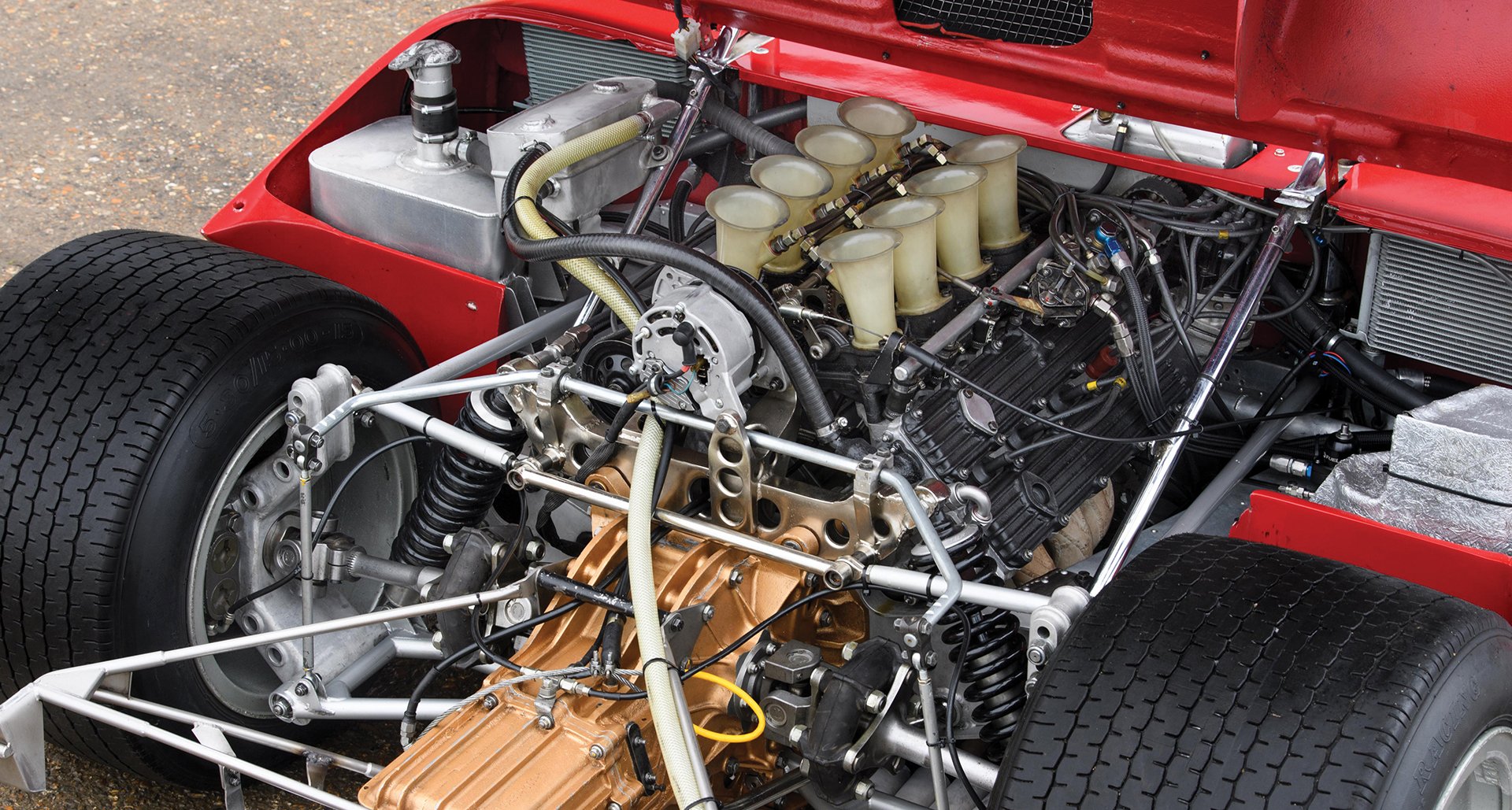
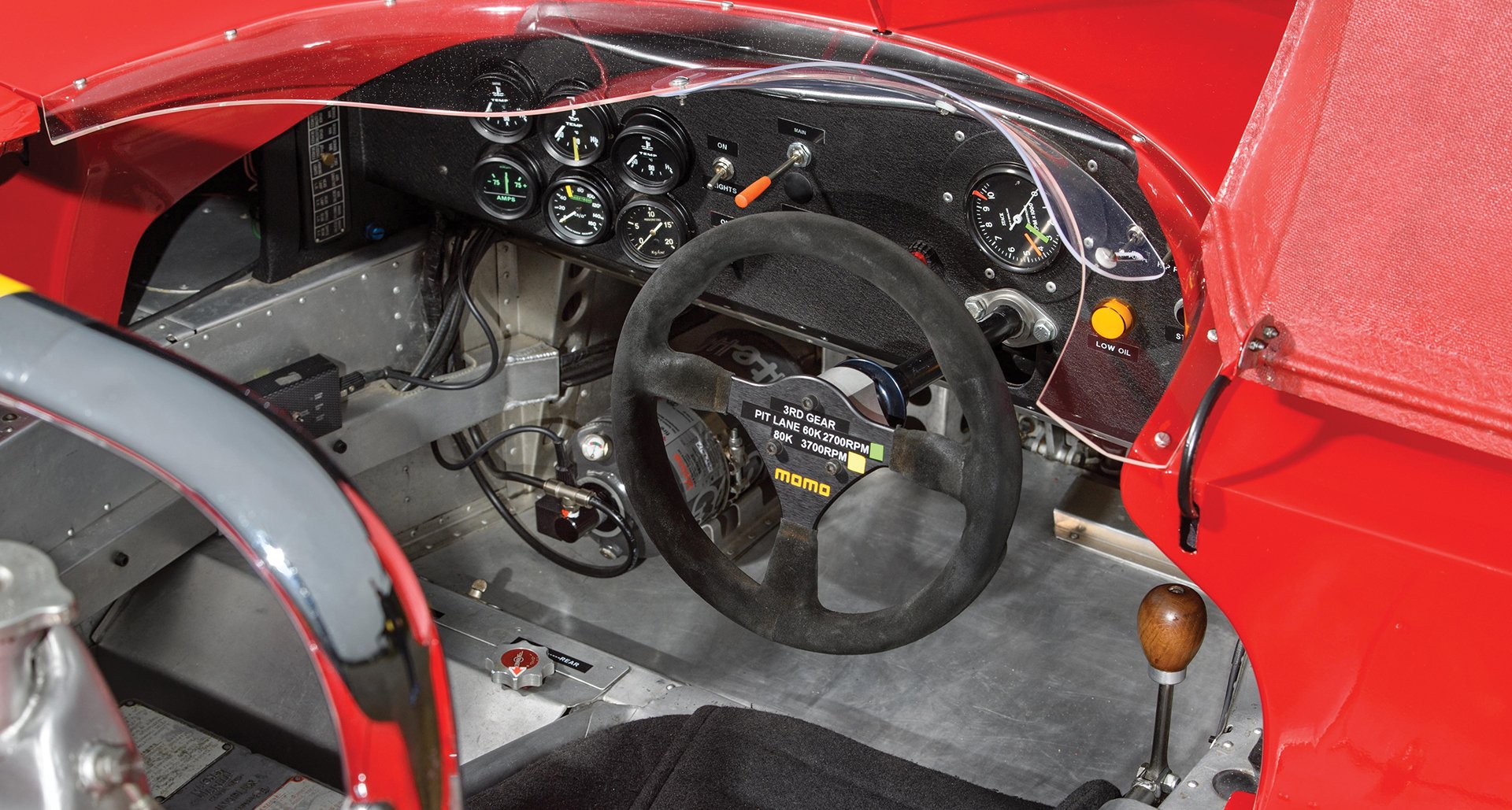
Peeling back the impossibly low, wedge-shaped fiberglass bodywork of the 1969 33/3 reveals a fascinating evolution in chassis and powertrain engineering. Moving away from the large H-shaped magnesium and aluminium tubular frame of the 33/2, Chiti engineered a much stiffer, riveted aluminium monocoque structure, utilizing aviation-style box sections to drastically improve torsional rigidity. Yet, the undisputed soul of the 33/3 was its all-new 2,998cc 90-degree V8 engine. Designed in-house by Autodelta, this all-alloy masterpiece featured four gear-driven camshafts, four valves per cylinder, and a precise Lucas mechanical fuel injection system. Revving with a fierce, ripping mechanical crescendo, the 3.0-liter V8 produced a highly competitive 400 brake horsepower at a shrieking 9,000 rpm. Mated to a robust six-speed transaxle gearbox mounted inboard of the rear axle, the powertrain provided a devastating punch out of slow corners. Suspension was classic prototype practice of the era: independent all around with double wishbones, coil springs, and anti-roll bars, while massive ventilated disc brakes (inboard at the rear to reduce unsprung weight) handled the immense stopping duties. The cockpit was a stark, cramped aluminium bathtub, offering no luxury—only a small Momo steering wheel, a stark array of vital Veglia dials, and the overwhelming, deafening roar of the quad-cam V8 positioned just inches behind the driver’s helmet.
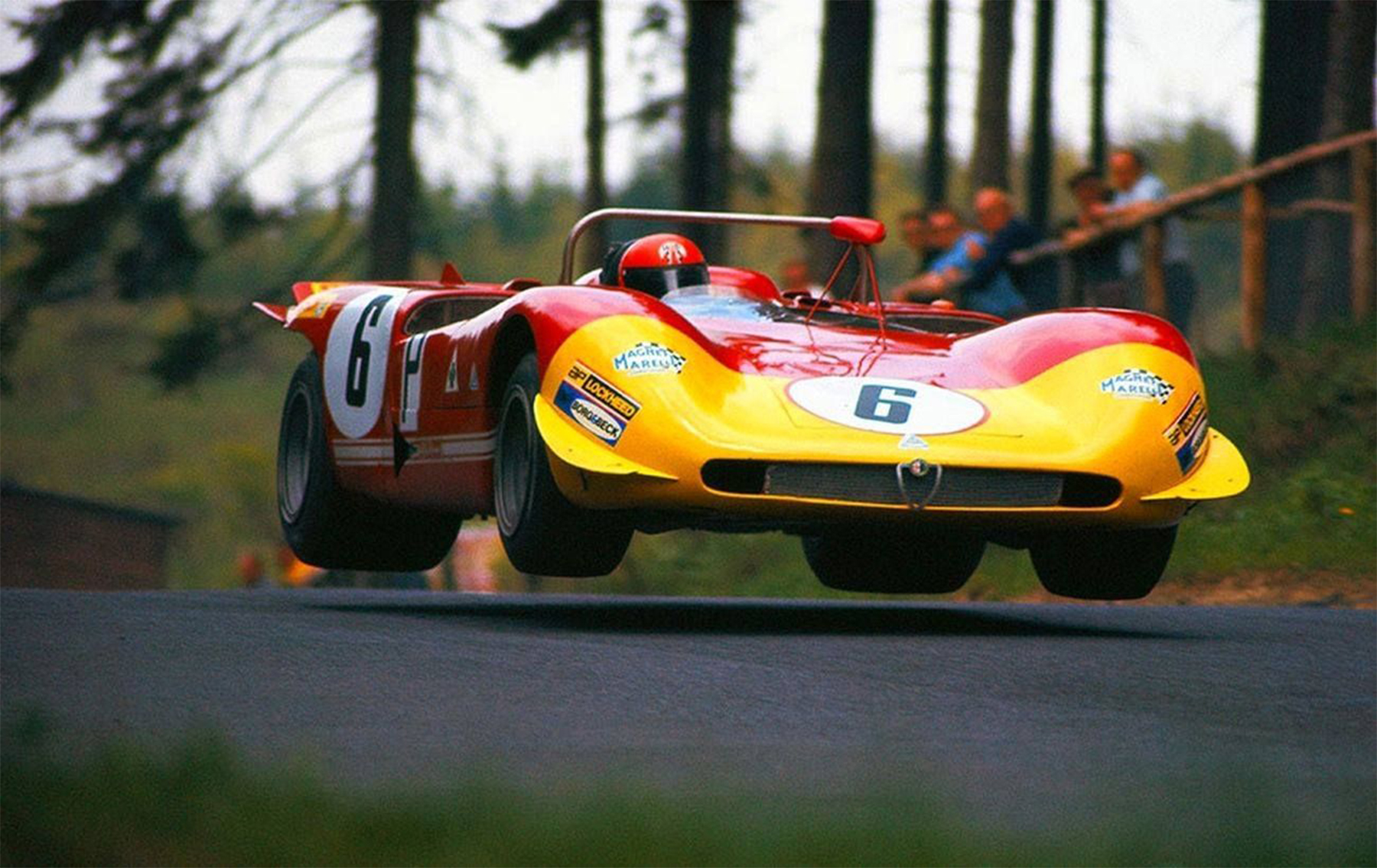
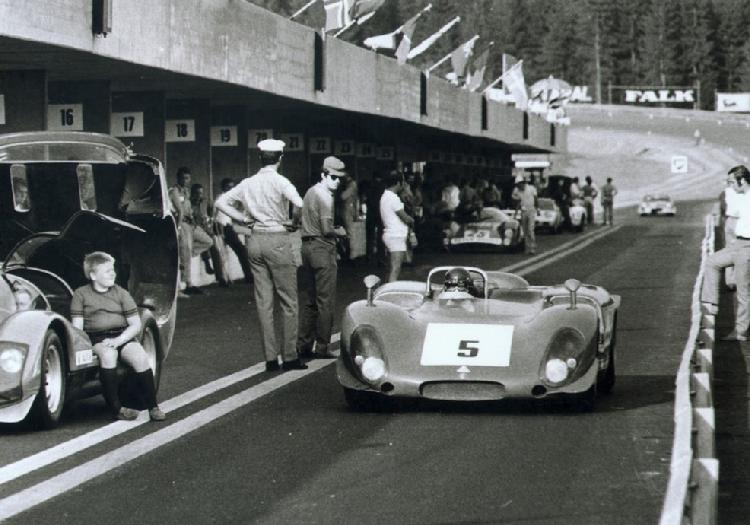
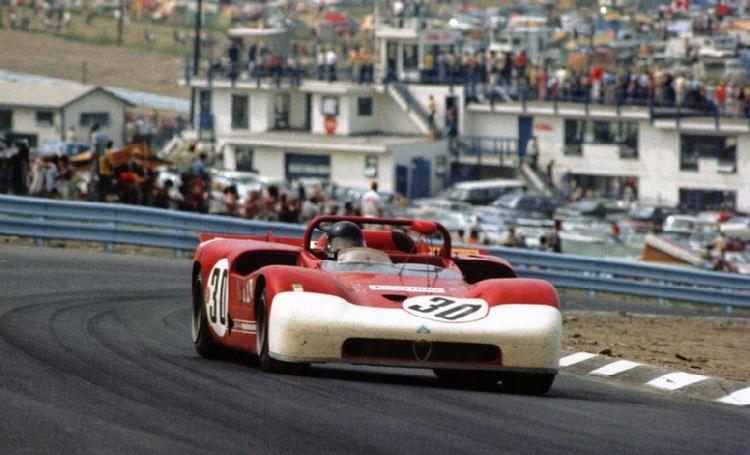
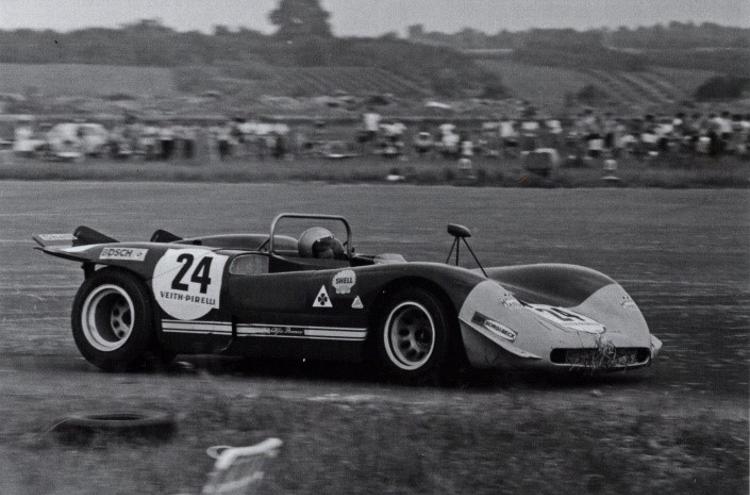
The 1969 racing season served as a brutal, baptism-by-fire development year for the Tipo 33/3 Spider. Autodelta arrived at the 12 Hours of Sebring with high hopes, unleashing a driver roster that included incredible talents like Nanni Galli, Ignazio Giunti, and Mario Andretti. However, the 33/3 proved to be agonizingly fragile in its infancy. While it possessed the raw qualifying pace to terrorize the Porsches and Ferraris, persistent teething issues—ranging from overheating to suspension failures—plagued its early campaign. The 1969 24 Hours of Le Mans was particularly heartbreaking, with the cars suffering from reliability woes that prevented them from seeing the checkered flag. Yet, beneath the DNFs and the paddock frustrations, Chiti and his engineers knew they had a weapon of immense potential. The 33/3 possessed an inherent mechanical grip and an engine that was as powerful as it was sonorous. This difficult 1969 gestation period was absolutely critical; it forced Autodelta into a relentless program of refinement and strengthening. The lessons learned in the crucible of that first year forged the updated versions of the 33/3 that would go on to achieve legendary status, eventually scoring overall victories in 1971 at the Targa Florio, the 1000km of Brands Hatch, and Watkins Glen.
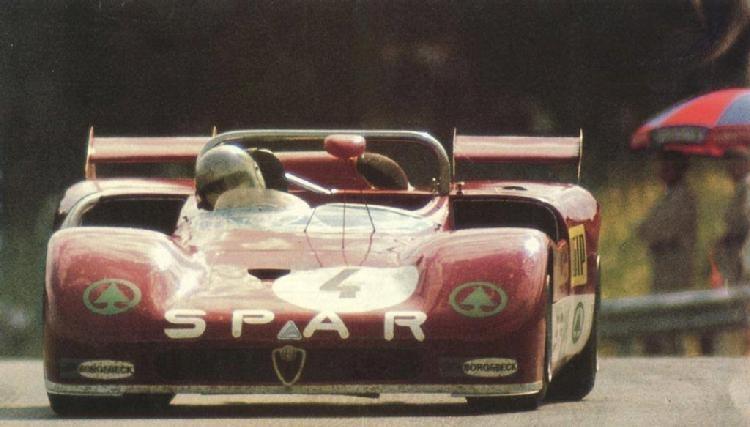
The legacy of the 1969 Alfa Romeo Tipo 33/3 Spider is that of a magnificent, roaring stepping stone. It was the crucial bridge between the class-winning 33/2 and the world-beating 3-liter Alfa Romeos of the 1970s. It proved that Autodelta could design and build a large-capacity V8 prototype capable of standing toe-to-toe with the industrial might of Porsche and the grand prix-derived pedigree of Ferrari. Eventually, the aluminium monocoque of the 33/3 would be replaced by the tubular spaceframe of the 33/TT/3, leading ultimately to the 12-cylinder 33/TT/12 that would capture the World Championship for Makes. Today, the surviving 1969-spec 33/3 Spiders are revered as some of the most visceral and aurally spectacular prototypes of the golden 3-liter era. They remain a pure, unadulterated expression of Carlo Chiti’s engineering passion—a crimson, V8-powered Italian missile that screamed through the late sixties and forever cemented Alfa Romeo’s place in the pantheon of endurance racing royalty.
Brand
Produced from
Portal
Vehicle category
Model line
Predecessor
Sucessor
Brand
Produced from
Portal
Vehicle category
Model line
Model generation
Predecessor
Sucessor
Submodel Overview
To fully grasp the magnitude of the 1969 Alfa Romeo Tipo 33/3 Spider, one must step into the volatile, high-stakes arena of the World Sportscar Championship at the close of the 1960s. The FIA had thrown a regulatory curveball by capping Group 6 prototype engine capacities at 3.0 liters. Suddenly, the heavyweight 5.0-liter titans were obsolete, and the battlefield shifted to a fierce, agile arms race. At Autodelta, Alfa Romeo’s quasi-works racing division operating out of Settimo Milanese, the brilliant and larger-than-life engineer Carlo Chiti knew that his beautiful but underpowered 2.0-liter and 2.5-liter Tipo 33/2 models could no longer challenge for overall victories. Porsche had unleashed the incredibly light 908/02 “Flunder”, while across Italy, Ferrari was preparing the howling 312 P. Chiti’s response was an uncompromising escalation of force: the Tipo 33/3. Making its debut in 1969, the 33/3 Spider was a raw, aggressive, open-top barchetta that traded the curvaceous elegance of its predecessor for pure, wind-cheating brutality. It was Autodelta’s absolute declaration of war, a machine built to put the Milanese marque back on the absolute top step of international endurance racing.
Peeling back the impossibly low, wedge-shaped fiberglass bodywork of the 1969 33/3 reveals a fascinating evolution in chassis and powertrain engineering. Moving away from the large H-shaped magnesium and aluminium tubular frame of the 33/2, Chiti engineered a much stiffer, riveted aluminium monocoque structure, utilizing aviation-style box sections to drastically improve torsional rigidity. Yet, the undisputed soul of the 33/3 was its all-new 2,998cc 90-degree V8 engine. Designed in-house by Autodelta, this all-alloy masterpiece featured four gear-driven camshafts, four valves per cylinder, and a precise Lucas mechanical fuel injection system. Revving with a fierce, ripping mechanical crescendo, the 3.0-liter V8 produced a highly competitive 400 brake horsepower at a shrieking 9,000 rpm. Mated to a robust six-speed transaxle gearbox mounted inboard of the rear axle, the powertrain provided a devastating punch out of slow corners. Suspension was classic prototype practice of the era: independent all around with double wishbones, coil springs, and anti-roll bars, while massive ventilated disc brakes (inboard at the rear to reduce unsprung weight) handled the immense stopping duties. The cockpit was a stark, cramped aluminium bathtub, offering no luxury—only a small Momo steering wheel, a stark array of vital Veglia dials, and the overwhelming, deafening roar of the quad-cam V8 positioned just inches behind the driver’s helmet.
The 1969 racing season served as a brutal, baptism-by-fire development year for the Tipo 33/3 Spider. Autodelta arrived at the 12 Hours of Sebring with high hopes, unleashing a driver roster that included incredible talents like Nanni Galli, Ignazio Giunti, and Mario Andretti. However, the 33/3 proved to be agonizingly fragile in its infancy. While it possessed the raw qualifying pace to terrorize the Porsches and Ferraris, persistent teething issues—ranging from overheating to suspension failures—plagued its early campaign. The 1969 24 Hours of Le Mans was particularly heartbreaking, with the cars suffering from reliability woes that prevented them from seeing the checkered flag. Yet, beneath the DNFs and the paddock frustrations, Chiti and his engineers knew they had a weapon of immense potential. The 33/3 possessed an inherent mechanical grip and an engine that was as powerful as it was sonorous. This difficult 1969 gestation period was absolutely critical; it forced Autodelta into a relentless program of refinement and strengthening. The lessons learned in the crucible of that first year forged the updated versions of the 33/3 that would go on to achieve legendary status, eventually scoring overall victories in 1971 at the Targa Florio, the 1000km of Brands Hatch, and Watkins Glen.
The legacy of the 1969 Alfa Romeo Tipo 33/3 Spider is that of a magnificent, roaring stepping stone. It was the crucial bridge between the class-winning 33/2 and the world-beating 3-liter Alfa Romeos of the 1970s. It proved that Autodelta could design and build a large-capacity V8 prototype capable of standing toe-to-toe with the industrial might of Porsche and the grand prix-derived pedigree of Ferrari. Eventually, the aluminium monocoque of the 33/3 would be replaced by the tubular spaceframe of the 33/TT/3, leading ultimately to the 12-cylinder 33/TT/12 that would capture the World Championship for Makes. Today, the surviving 1969-spec 33/3 Spiders are revered as some of the most visceral and aurally spectacular prototypes of the golden 3-liter era. They remain a pure, unadulterated expression of Carlo Chiti’s engineering passion—a crimson, V8-powered Italian missile that screamed through the late sixties and forever cemented Alfa Romeo’s place in the pantheon of endurance racing royalty.
Tech Specs
Technical Specifications
Tech Specs
Technical Specifications
Engine
01
03
Internal combustion engine
Configuration
Alfa Romeo V8 - 90º
Location
Mid, longitudinally mounted
Construction
Aluminium alloy block and heads
Displacement (cc)
2,998 cc
Displacement (cu in)
182.9 cu in
Compression
11.0:1
Bore x Stroke
86.0 mm x 64.4 mm
Valvetrain
4 valves per cylinder, DOHC
Fuel feed
Lucas mechanical fuel injection
Lubrication
Dry sump
Aspiration
Naturally aspirated
Output
Power (hp)
400 hp
Power (kW)
298 kW
Max power at
9,000 RPM
Torque (Nm)
330 Nm
Torque (ft lbs)
243 ft lbs
Max torque at
7,200 RPM
Drivetrain
02
03
Chassis
Type
Monocoque unibody with rear tubular subframe
Material
Aluminium and Magnesium
Body
Material
Fibreglass
Transmission
Gearbox
Alfa Romeo / Colotti 6-speed manual
Drive
Rear Wheel Drive (Limited Slip Differential)
Suspension
Front
Independent, double unequal length wishbones, coil springs, telescopic dampers, anti-roll bar
Rear
Independent, single top links, lower wishbones, twin trailing arms, coil springs, telescopic dampers, anti-roll bar
Steering
Type
Rack and pinion, unassisted
Brakes
Front
Ventilated steel discs Ø280 mm, Girling calipers
Rear
Ventilated steel discs Ø280 mm, Girling calipers
Wheels
Front
10" x 13" (Campagnolo cast magnesium alloy)
Rear
12" x 13" (Campagnolo cast magnesium alloy)
Tires
Front
9.0/20.0-13
Rear
12.0/22.0-13
Dimensions and performance
03
03
Dimensions
Length (mm)
4,000 mm
Length (in)
157.5 in
Width (mm)
1,890 mm
Width (in)
74.4 in
Height (mm)
990 mm
Height (in)
39.0 in
Wheelbase (mm)
2,240 mm
Wheelbase (in)
88.2 in
Weight (kg)
700 kg
Weight (lbs)
1,543 lbs
Performance
Power to weight
0.57 hp/kg
Top speed (km/h)
~310 km/h
Top speed (mph)
~193 mph
0-100 km/h (0-60 mph)
~3.3 s