
Peugeot 905 Evo 1 Bis
Brand
Produced from
Portal
Vehicle category
Predecessor
Successor
Submodel Overview
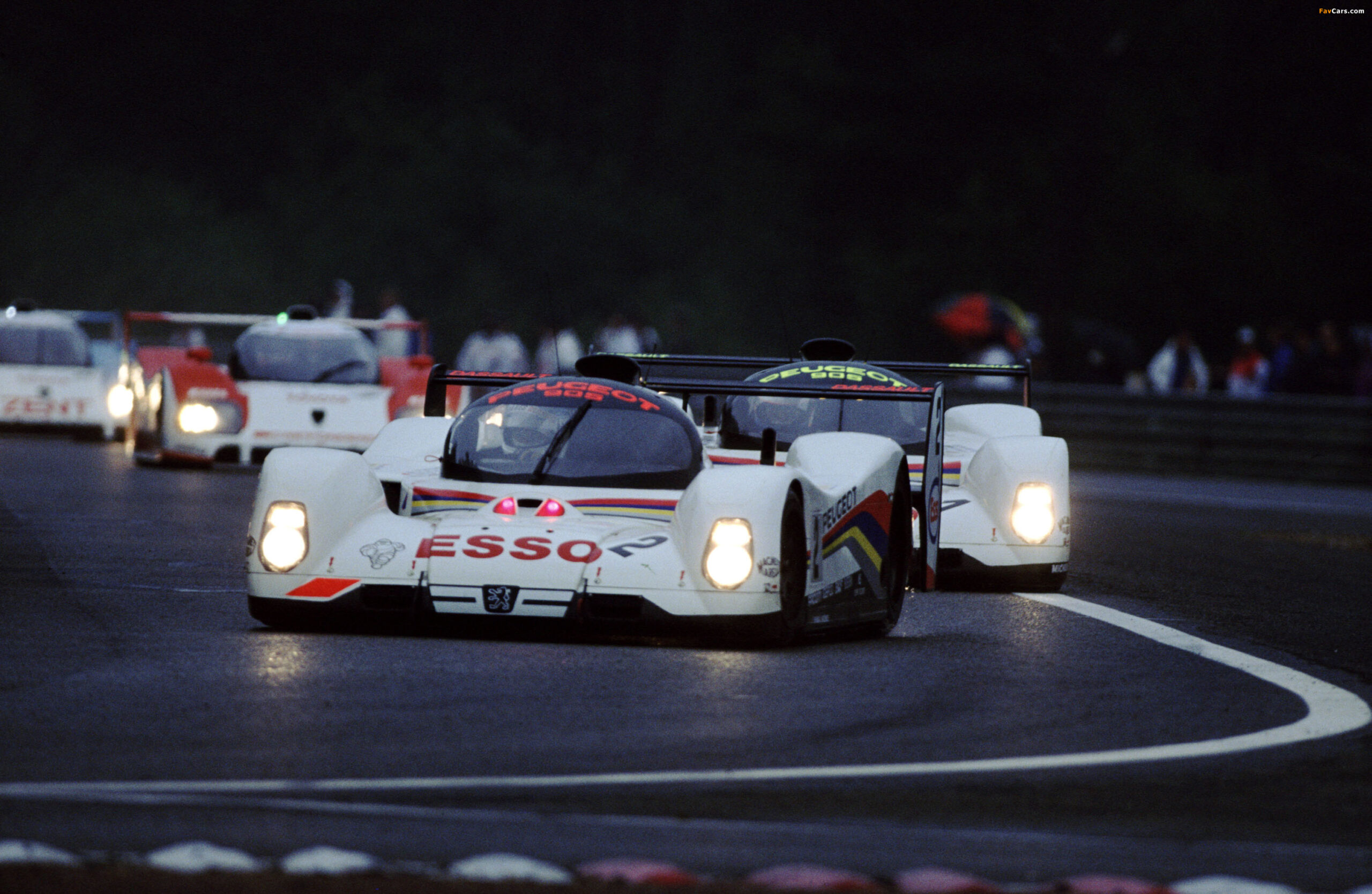
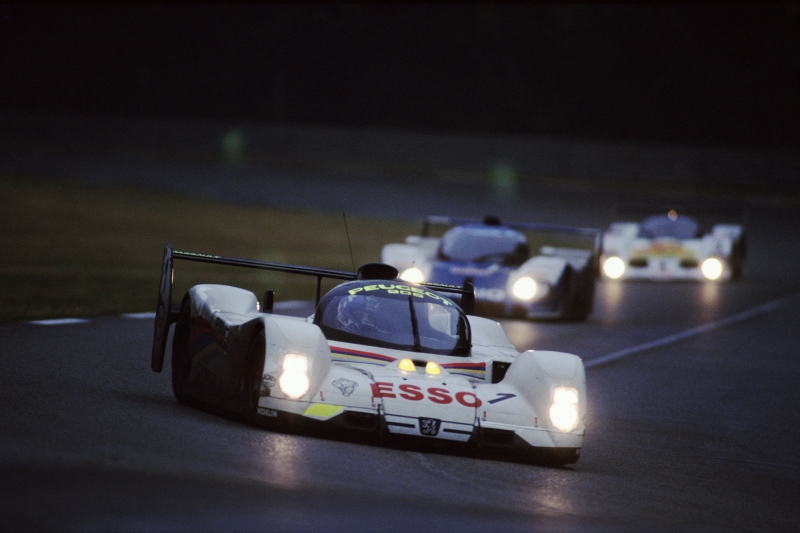
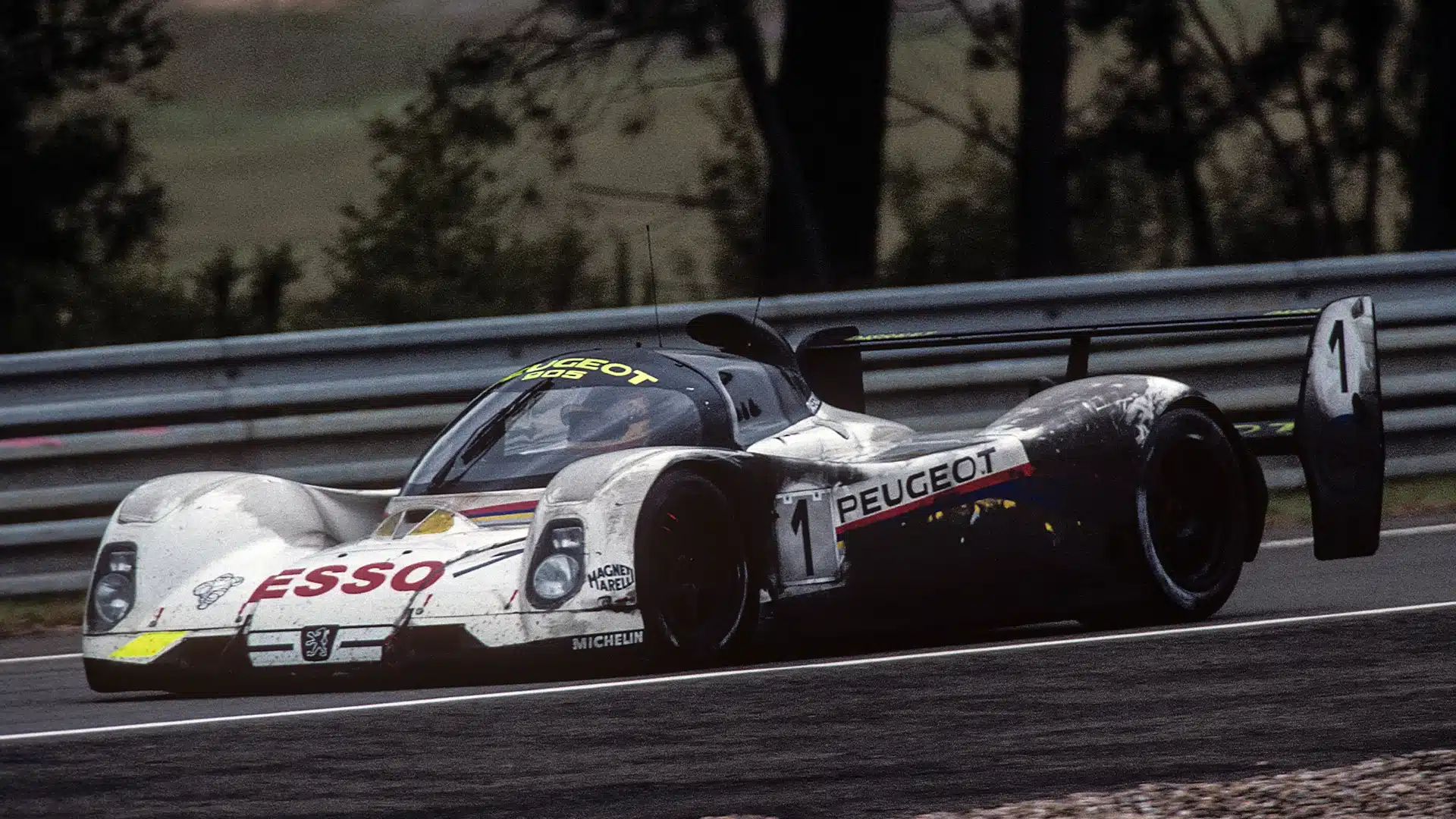
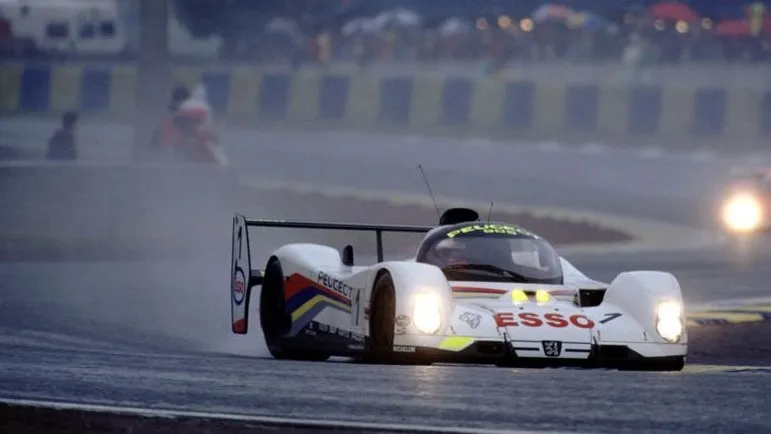
In the volatile landscape of 1991 sports car racing, a seismic shift was occurring, driven by a dramatic change in Group C regulations. The era of fuel-efficient turbo monsters was being forcibly retired, replaced by a formula that mandated 3.5-liter, naturally aspirated engines—essentially Formula 1 powerplants clothed in sleek, closed-cockpit bodywork. It was into this highly technical, high-rpm arena that Peugeot Sport, under the ambitious direction of Jean Todt, unleashed the 905 Evo 1 Bis. The original 905, debuted in late 1990, had been a fast but temperamental beast, struggling to convert raw speed into reliability. However, its successor, the Evo 1 Bis (signifying revision ‘B’), introduced late in the 1991 season, was a revelation. It arrived on the grid as the definitive French response to the absolute technological dominance of Ross Brawn’s groundbreaking Jaguar XJR-14 and the troubled, flat-12 Mercedes-Benz C291. It wasn’t merely a race car; it was a screaming, 12,000rpm declaration of Franco-British technical warfare and the absolute apex of atmospheric Group C design.
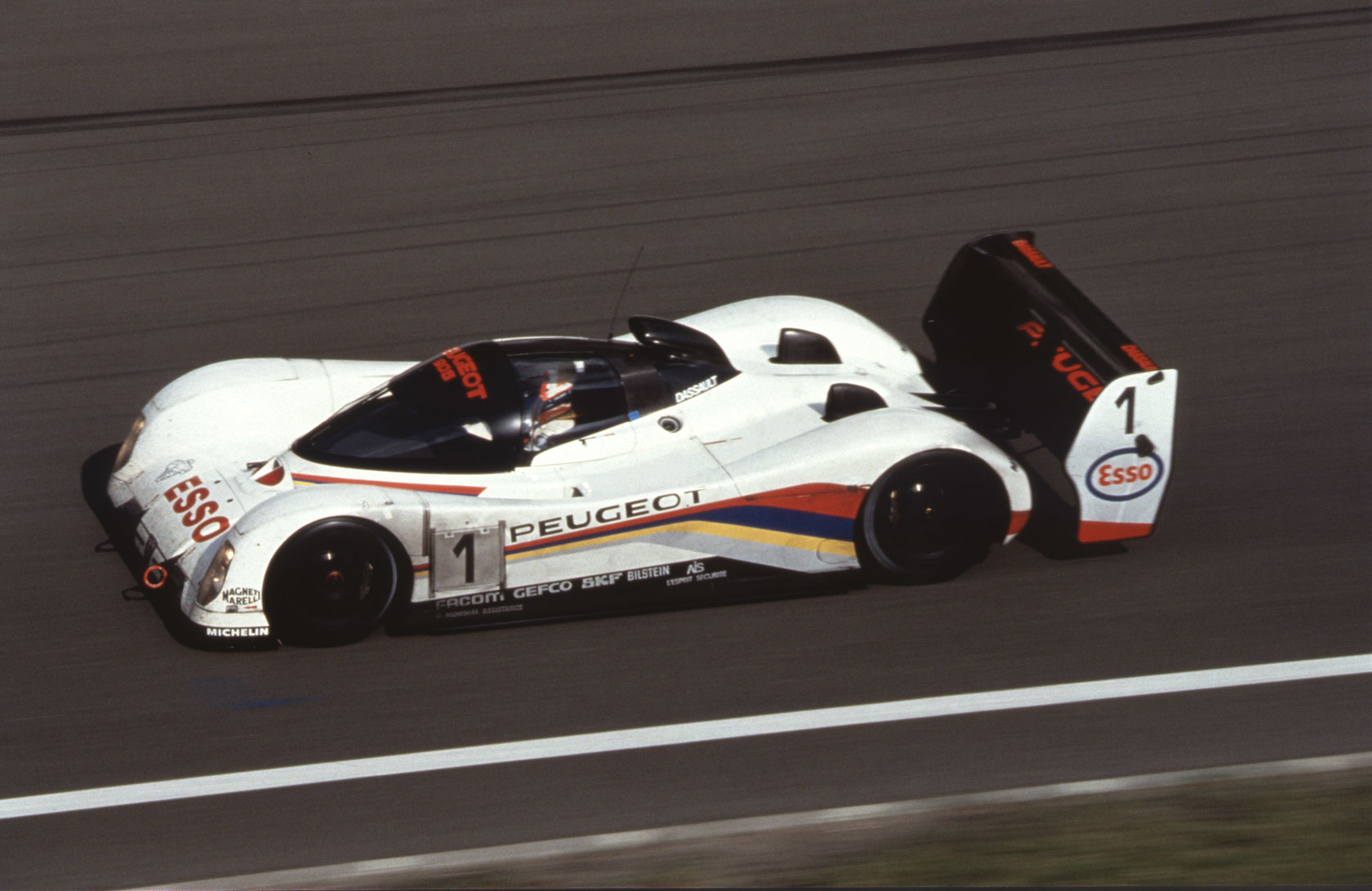
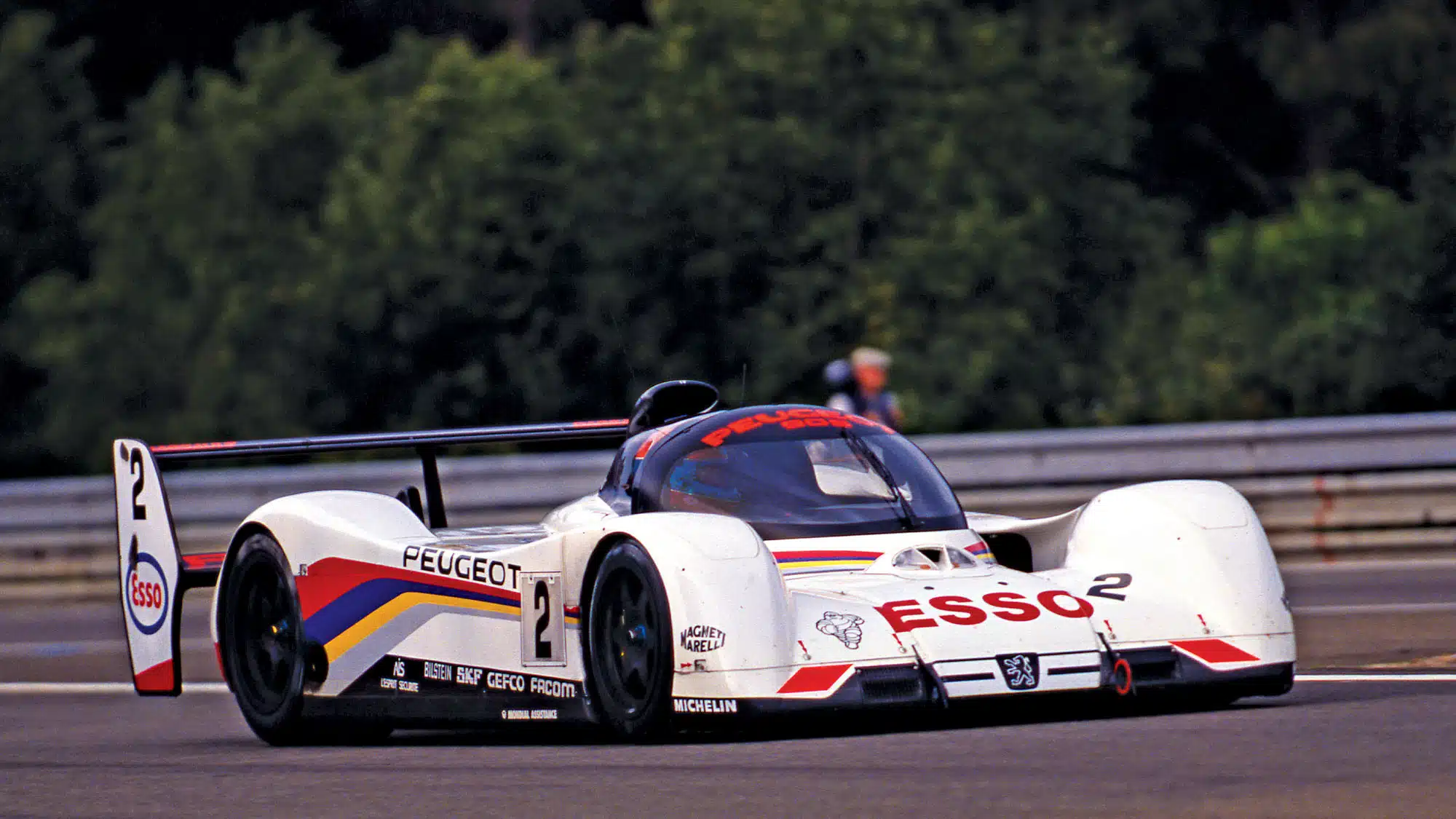
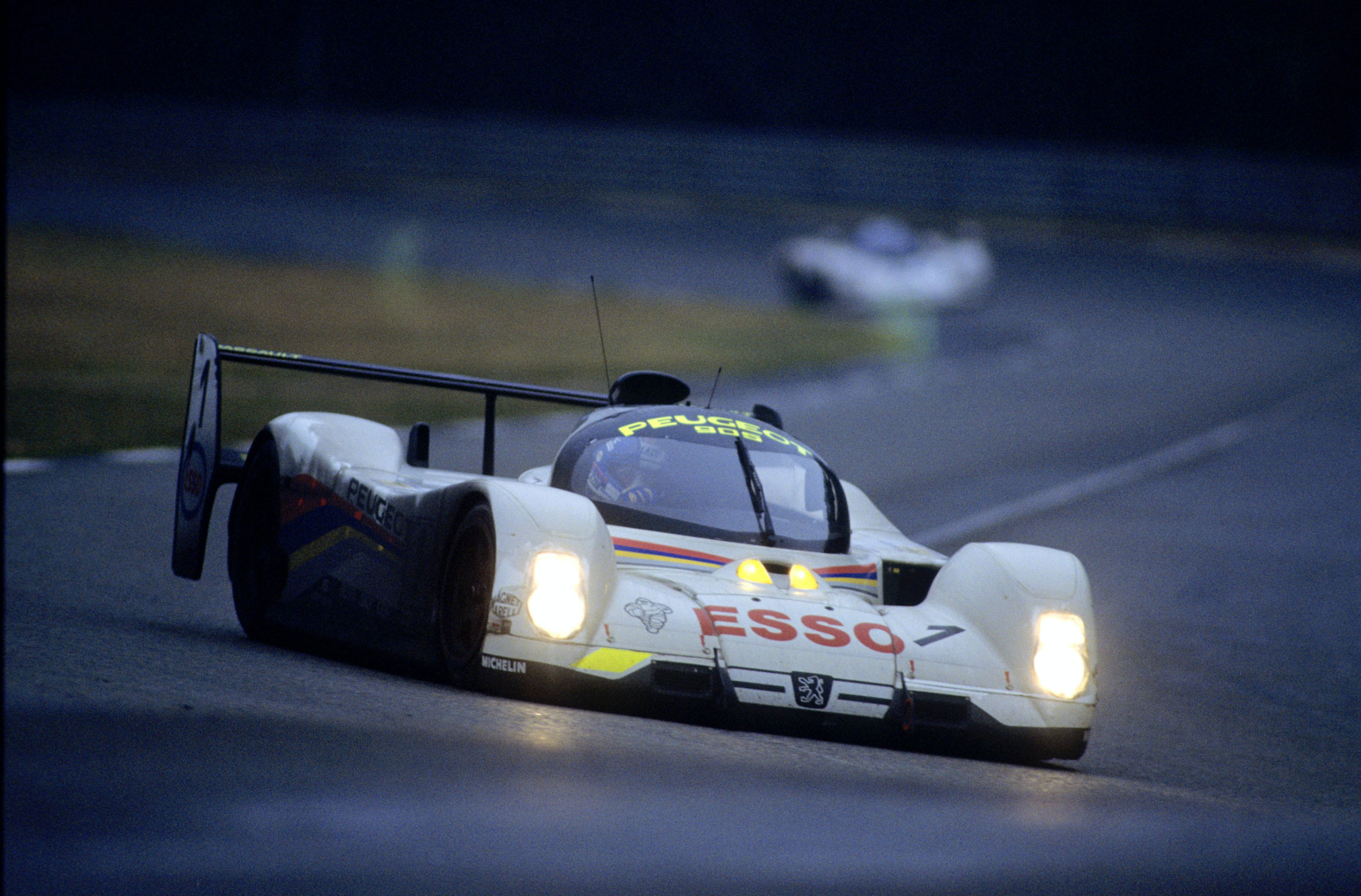
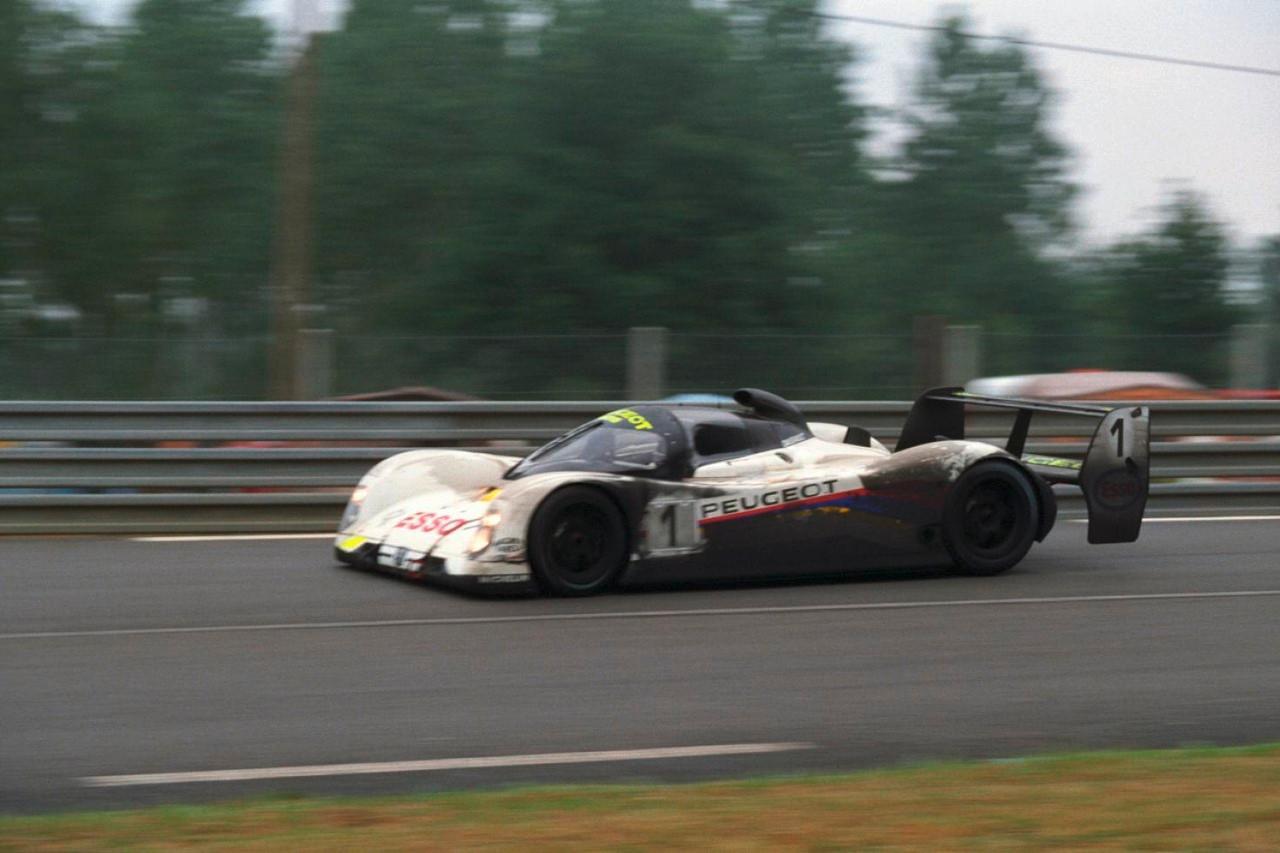
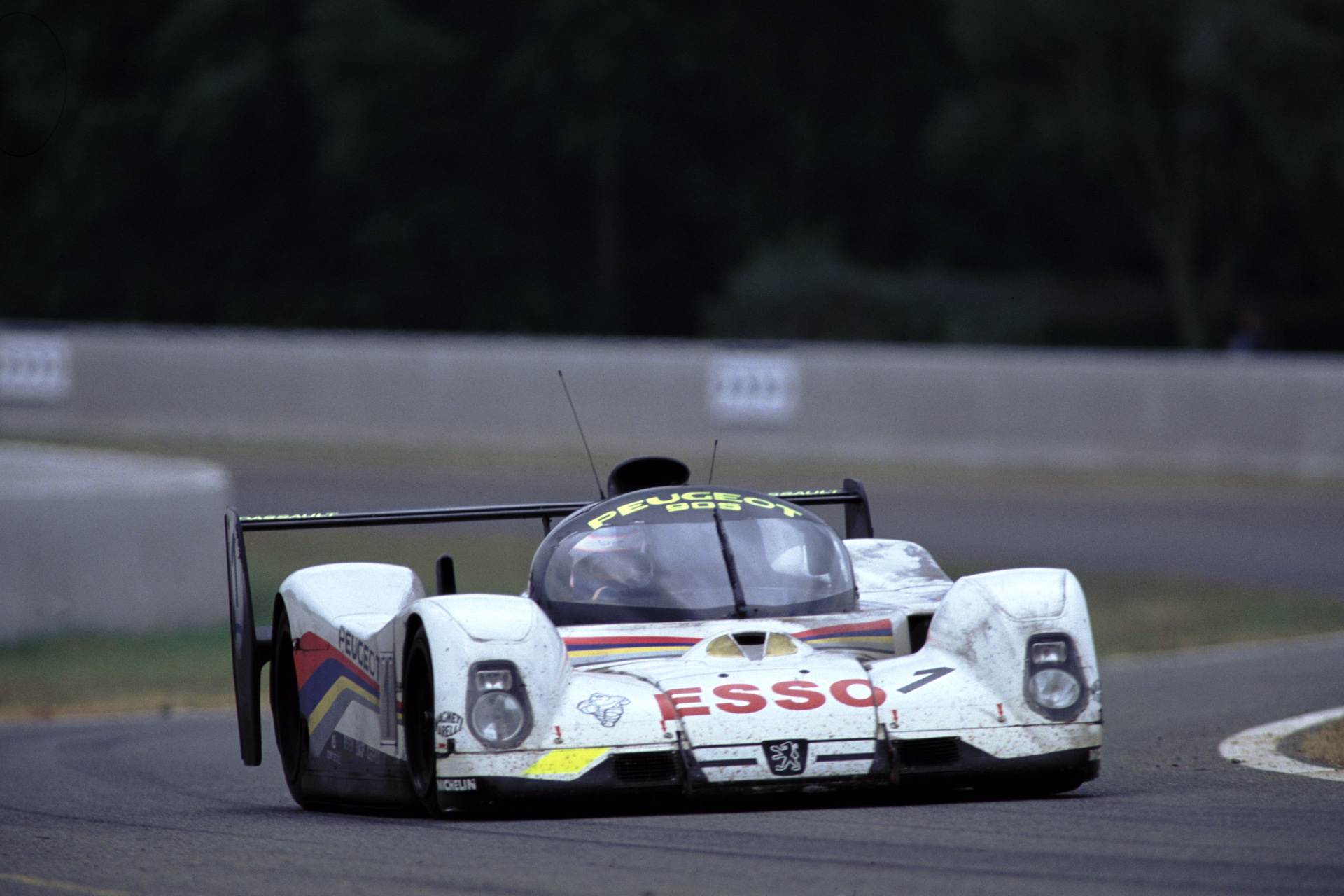
To dissect the technical composition of the Peugeot 905 Evo 1 Bis is to examine a fusion of Formula 1 screaming sonic fury and aerospace structural rigidity. While the original 905 featured integrated, flowing bodywork, the “Bis” update was defined by André de Cortanze’s ruthless pursuit of aerodynamic downforce. The most striking changes were visible at the front and rear: a massive, bi-plane rear wing replaced the integrated setup, and a distinctive, high-downforce nose with aggressive dive planes was adopted. This revised package generated monumental levels of suction, crucial for conquering the diverse circuits of the World Sportscar Championship (WSC). The heart of the machine was the SA35-A1 3.5-liter V10, an 80-degree masterpiece naturally aspirated, producing roughly 650 horsepower. This engine was a technological marvel, effectively an F1 unit developed in parallel with Peugeot’s Grand Prix ambitions, and it emitted a primal, ear-splitting scream that became the defining soundtrack of early 1990s Group C. The chassis was equally advanced—a carbon-fiber monocoque constructed by aerospace giant Dassault Aviation, linking the 905 directly to fighter-jet technology. Mated to a six-speed transverse gearbox and massive carbon brakes, the Evo 1 Bis was an analogue projectile, requiring disciplined, professional pilots to extract its towering performance.
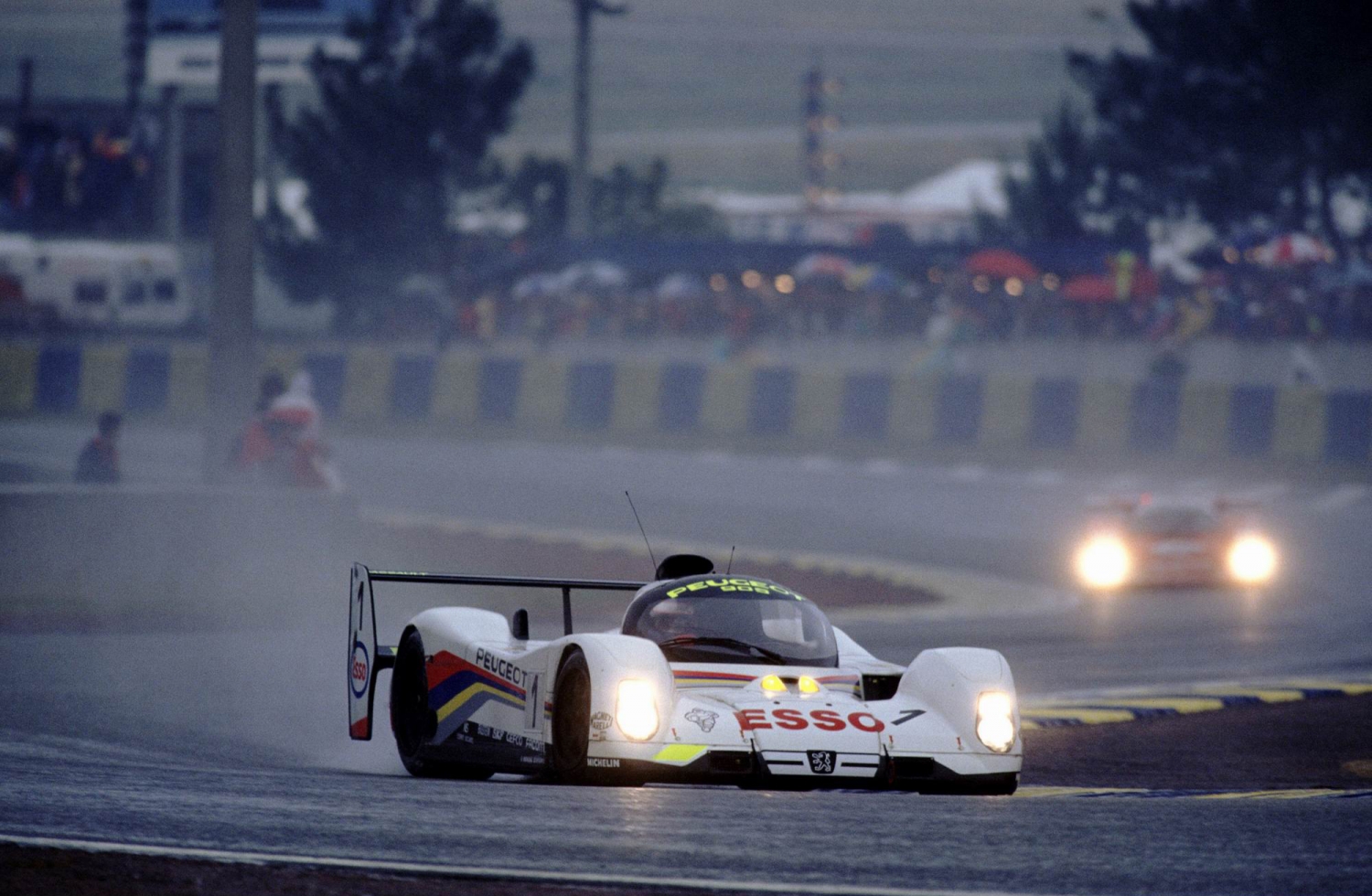
The historical impact of the Peugeot 905 Evo 1 Bis is defined by its role as the catalyst for Peugeot Sport’s ultimate endurance hegemony. In 1991, the car’s initial focus was the WSC, where it faced a complex field. The beginning of the season saw the original 905 show speed but famously lose the 24 Hours of Le Mans against the old, turbo-fueled formulas (and the rotary-powered Mazda). However, when Todt unleashed the full Evo 1 Bis specification later in the year, the hierarchy changed overnight. It didn’t just compete; it dominated. Wins at Magny-Cours and Mexico City were absolute masterclasses, where Yannick Dalmas and former F1 champion Keke Rosberg utilized the new aerodynamic and mechanical supremacy to demolish the Jaguar and Mercedes opposition. These late-season WSC victories proved that Peugeot had mastered the new atmospheric formula and established the blueprint for their historical overall wins at Le Mans in 1992 and 1993, turning a challenging program into a national victory lap.
The legacy of the 1991 Peugeot 905 Evo 1 Bis is its sovereign place in the pantheon of motorsport as the car that bridged the gap between Formula 1 and Le Mans prototypes. It represents the ultimate, highly evolved final iteration of the non-ground-effect Group C cars, defined by high-revving engines and extreme wings. The 905 Evo 1 Bis established Peugeot’s dominance at La Sarthe, setting the stage for every successive Peugeot prototype, including the 908 HDi FAP and the groundbreaking 9X8. Today, it is revered as a roaring, analogue work of art, a potent reminder of the era when a driver could still wrestle an 800bhp, 3.5L V10 monster through Eau Rouge, fueled by Franco-British technical rivalry and the pure, unadulterated passion for speed.
Brand
Produced from
Portal
Vehicle category
Predecessor
Sucessor
Brand
Produced from
Portal
Vehicle category
Model generation
Predecessor
Sucessor
Submodel Overview
In the volatile landscape of 1991 sports car racing, a seismic shift was occurring, driven by a dramatic change in Group C regulations. The era of fuel-efficient turbo monsters was being forcibly retired, replaced by a formula that mandated 3.5-liter, naturally aspirated engines—essentially Formula 1 powerplants clothed in sleek, closed-cockpit bodywork. It was into this highly technical, high-rpm arena that Peugeot Sport, under the ambitious direction of Jean Todt, unleashed the 905 Evo 1 Bis. The original 905, debuted in late 1990, had been a fast but temperamental beast, struggling to convert raw speed into reliability. However, its successor, the Evo 1 Bis (signifying revision ‘B’), introduced late in the 1991 season, was a revelation. It arrived on the grid as the definitive French response to the absolute technological dominance of Ross Brawn’s groundbreaking Jaguar XJR-14 and the troubled, flat-12 Mercedes-Benz C291. It wasn’t merely a race car; it was a screaming, 12,000rpm declaration of Franco-British technical warfare and the absolute apex of atmospheric Group C design.
To dissect the technical composition of the Peugeot 905 Evo 1 Bis is to examine a fusion of Formula 1 screaming sonic fury and aerospace structural rigidity. While the original 905 featured integrated, flowing bodywork, the “Bis” update was defined by André de Cortanze’s ruthless pursuit of aerodynamic downforce. The most striking changes were visible at the front and rear: a massive, bi-plane rear wing replaced the integrated setup, and a distinctive, high-downforce nose with aggressive dive planes was adopted. This revised package generated monumental levels of suction, crucial for conquering the diverse circuits of the World Sportscar Championship (WSC). The heart of the machine was the SA35-A1 3.5-liter V10, an 80-degree masterpiece naturally aspirated, producing roughly 650 horsepower. This engine was a technological marvel, effectively an F1 unit developed in parallel with Peugeot’s Grand Prix ambitions, and it emitted a primal, ear-splitting scream that became the defining soundtrack of early 1990s Group C. The chassis was equally advanced—a carbon-fiber monocoque constructed by aerospace giant Dassault Aviation, linking the 905 directly to fighter-jet technology. Mated to a six-speed transverse gearbox and massive carbon brakes, the Evo 1 Bis was an analogue projectile, requiring disciplined, professional pilots to extract its towering performance.
The historical impact of the Peugeot 905 Evo 1 Bis is defined by its role as the catalyst for Peugeot Sport’s ultimate endurance hegemony. In 1991, the car’s initial focus was the WSC, where it faced a complex field. The beginning of the season saw the original 905 show speed but famously lose the 24 Hours of Le Mans against the old, turbo-fueled formulas (and the rotary-powered Mazda). However, when Todt unleashed the full Evo 1 Bis specification later in the year, the hierarchy changed overnight. It didn’t just compete; it dominated. Wins at Magny-Cours and Mexico City were absolute masterclasses, where Yannick Dalmas and former F1 champion Keke Rosberg utilized the new aerodynamic and mechanical supremacy to demolish the Jaguar and Mercedes opposition. These late-season WSC victories proved that Peugeot had mastered the new atmospheric formula and established the blueprint for their historical overall wins at Le Mans in 1992 and 1993, turning a challenging program into a national victory lap.
The legacy of the 1991 Peugeot 905 Evo 1 Bis is its sovereign place in the pantheon of motorsport as the car that bridged the gap between Formula 1 and Le Mans prototypes. It represents the ultimate, highly evolved final iteration of the non-ground-effect Group C cars, defined by high-revving engines and extreme wings. The 905 Evo 1 Bis established Peugeot’s dominance at La Sarthe, setting the stage for every successive Peugeot prototype, including the 908 HDi FAP and the groundbreaking 9X8. Today, it is revered as a roaring, analogue work of art, a potent reminder of the era when a driver could still wrestle an 800bhp, 3.5L V10 monster through Eau Rouge, fueled by Franco-British technical rivalry and the pure, unadulterated passion for speed.
Tech Specs
Technical Specifications
Tech Specs
Technical Specifications
Engine
01
03
Internal combustion engine
Configuration
Peugeot SA35-A1, V10 - 80º
Location
Mid, longitudinally mounted (Fully stressed member)
Construction
Aluminium alloy block and heads
Displacement (cc)
3,499 cc
Displacement (cu in)
213.5 cu in
Compression
~12.5:1
Bore x Stroke
91.0 mm x 53.8 mm
Valvetrain
4 valves per cylinder, DOHC
Fuel feed
Magneti Marelli electronic fuel injection
Lubrication
Dry sump
Aspiration
Naturally aspirated
Output
Power (hp)
670 hp
Power (kW)
500 kW
Max power at
12,500 RPM
Torque (Nm)
~400 Nm
Torque (ft lbs)
~295 ft lbs
Max torque at
9,000 RPM
Drivetrain
02
03
Chassis
Type
Monocoque unibody
Material
Carbon fibre composite and aluminium honeycomb
Body
Material
Carbon fibre and Kevlar composite
Transmission
Gearbox
Peugeot 6-speed sequential manual
Drive
Rear Wheel Drive (Limited Slip Differential)
Suspension
Front
Independent, double wishbones, pushrod-actuated inboard coil springs over dampers, anti-roll bar
Rear
Independent, double wishbones, pushrod-actuated inboard coil springs over dampers, anti-roll bar
Steering
Type
Rack and pinion, power assisted
Brakes
Front
Ventilated carbon ceramic discs Ø355 mm (14 in), 6-piston Brembo calipers
Rear
Ventilated carbon ceramic discs Ø355 mm (14 in), 6-piston Brembo calipers
Wheels
Front
13" x 17" or 13" x 18" (Speedline Magnesium alloy)
Rear
14.5" x 18" (Speedline Magnesium alloy)
Tires
Front
32/66-18
Rear
35/71-18
Dimensions and performance
03
03
Dimensions
Length (mm)
4,800 mm
Length (in)
189.0 in
Width (mm)
1,960 mm
Width (in)
77.2 in
Height (mm)
1,040 mm
Height (in)
40.9 in
Wheelbase (mm)
2,800 mm
Wheelbase (in)
110.2 in
Weight (kg)
750 kg
Weight (lbs)
1,653 lbs
Performance
Power to weight
~0.89 hp/kg
Top speed (km/h)
~350 km/h
Top speed (mph)
~217 mph
0-100 km/h (0-60 mph)
~3.0 s