
Porsche
Type
Foundation Year
Founder/s
Country
Headquarters
Brand Overview
In the collective consciousness of the automotive world, there is a distinct line in the sand. On one side, there is art, emotion, and chaos; on the other, there is science, logic, and relentless evolution. If Ferrari is the fiery, temperamental artist, Porsche is the surgeon. It is a brand built not on the whims of passion, but on a stubborn, almost fanatical adherence to engineering principles. For over 75 years, the crest of Stuttgart-Zuffenhausen has represented a specific kind of excellence: the pursuit of efficiency, the triumph of lightweight construction, and the audacity to take a mechanical layout that physics says is wrong—the engine hanging out over the rear axle—and refining it until it becomes the benchmark for the entire sports car industry. To drive a Porsche is to experience a machine that feels hewn from a single block of granite, a device where every switch, every control weight, and every mechanical interaction has been calibrated to a tolerance measured in microns.
The genesis of this empire was humble, born in the shadow of war and the noise of a sawmill in Gmünd, Austria. Ferdinand Porsche was already a legendary engineer, the mind behind the Auto Union Grand Prix cars and the Volkswagen Beetle, but it was his son, Ferry Porsche, who crystallized the family name into a brand. Legend has it that Ferry looked around at the automotive landscape of 1948 and could not find the car he dreamed of, so he decided to build it himself. That car was the 356. It was small, it was powered by a modest Volkswagen engine, and it looked like an inverted bathtub. But it was light, aerodynamic, and possessed a balance that allowed it to dance away from far more powerful machinery on the twisting Alpine passes. The 356 established the Porsche ethos: power is nothing without control, and weight is the enemy of performance.
But the company’s identity was truly forged in 1963. The 356 was aging, and a successor was needed. Ferry’s son, Ferdinand Alexander “Butzi” Porsche, penned a shape that would become the most recognizable silhouette in industrial history. Initially called the 901, but changed to 911 after a trademark dispute with Peugeot, the new car was a revelation. It retained the rear-engine layout but added two cylinders to create a flat-six “Boxer” engine. The 911 was not perfect; early cars were tail-happy and demanded respect, earning the nickname “Widowmaker” among the unskilled. But Porsche did not abandon the concept. Instead, they refined it. Decade after decade, engineers polished the 911 stone, lengthening the wheelbase, widening the track, and adding turbochargers, until the inherent flaw of the rear-engine pendulum became its greatest traction advantage.
While the 911 was conquering the road, a civil war of engineering was brewing in the race department, led by another family member: the brilliant, ruthless Ferdinand Piëch. In the late 1960s, Piëch decided that class wins were no longer enough; he wanted to win Le Mans overall. He exploited a loophole in the FIA regulations to build 25 examples of a 4.5-litre monster. The result was the 917. It is, quite simply, the greatest racing car ever built. In its early form, it was so unstable that drivers refused to race it. But once the aerodynamics were tamed (creating the “Kurzheck” or Short Tail), the 917 became a weapon of mass destruction. In 1970 and 1971, it smashed the opposition at Le Mans, hitting speeds of over 240 mph on the Mulsanne Straight. The 917 didn’t just win; it broke the spirit of its rivals. It cemented Porsche’s status as the King of Endurance.
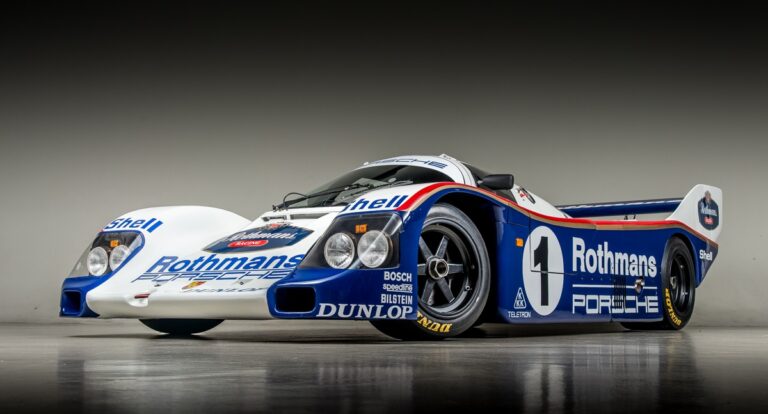
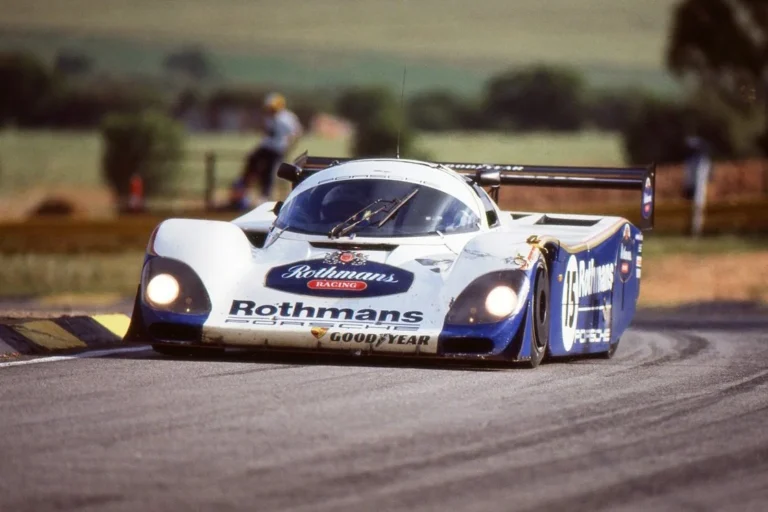
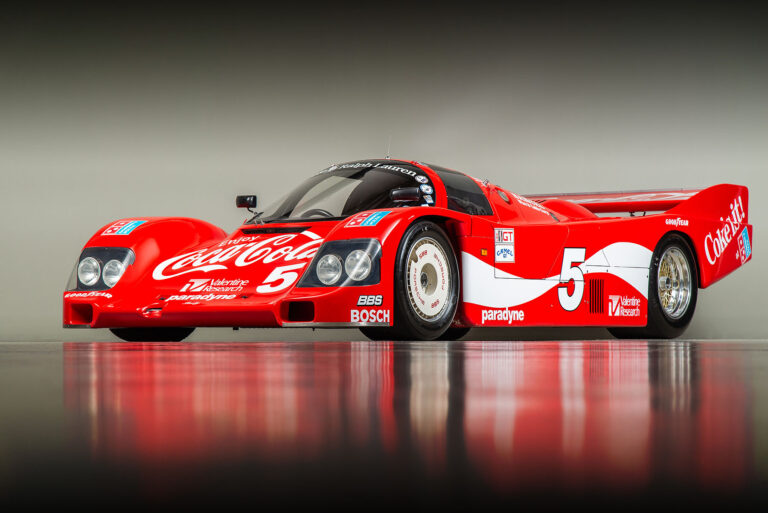
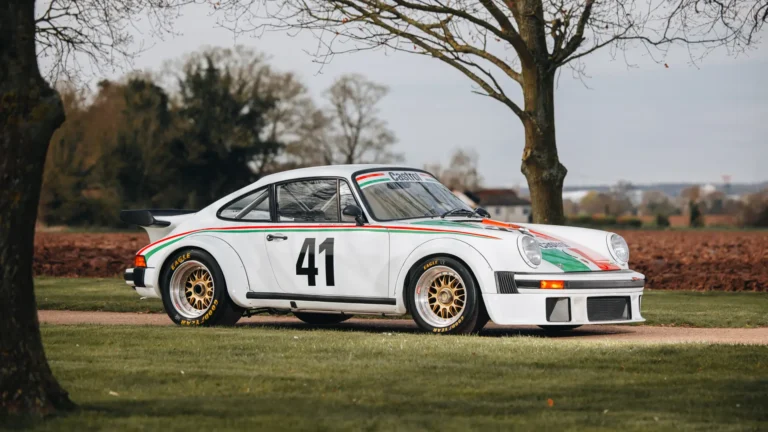
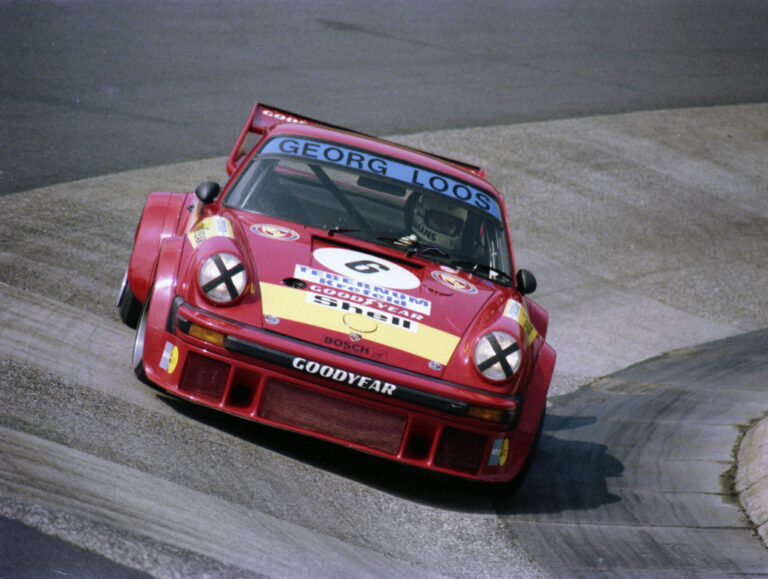
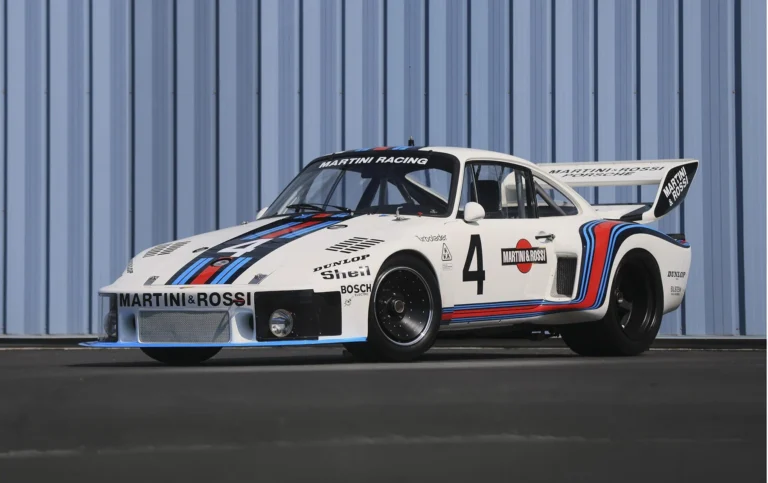
The 1970s and 80s were the era of the Turbo. Porsche pioneered turbocharging for road cars with the 911 Turbo (930), bringing race-track technology to the autobahn. On the track, this technology morphed into the 935 “Moby Dick” and the 936, but the zenith was reached with the arrival of Group C in 1982. Porsche responded with the 956 and its evolution, the 962. These cars were so dominant that they effectively became a spec-series for Le Mans. Powered by the legendary Hans Mezger-designed flat-six, they won Le Mans six years in a row. They were raced by factory teams and privateers alike, durable enough to run for 24 hours and fast enough to set the Nürburgring Nordschleife lap record (Stefan Bellof’s 6:11.13) that stood for 35 years.
However, Porsche is also a company that has stared into the abyss. In the early 1990s, the brand was on the brink of bankruptcy. The production methods were archaic, and sales were plummeting. They needed a miracle. They found two. First, they introduced the Boxster, a mid-engined roadster that shared components with the 911, saving development costs. Second, and far more controversially, they launched the Cayenne in 2002. Purists screamed. A SUV? From Porsche? It was heresy. But the Cayenne was the best-handling SUV in the world, and it printed money. It funded the development of the GT3s, the GT2s, and the RS models that the purists loved. It saved the company and allowed it to remain independent (mostly).
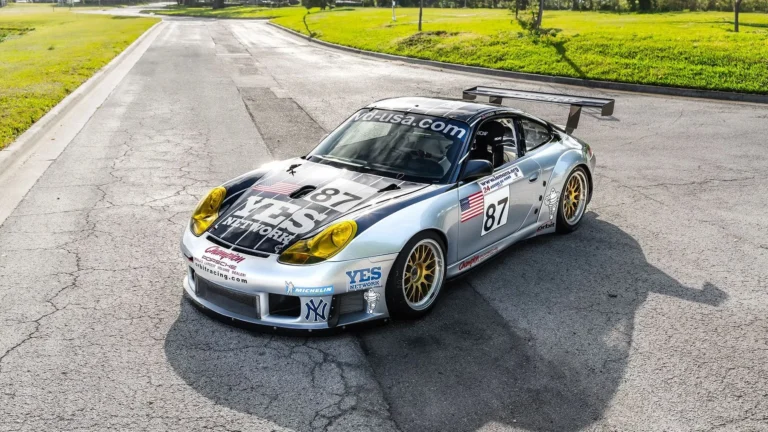
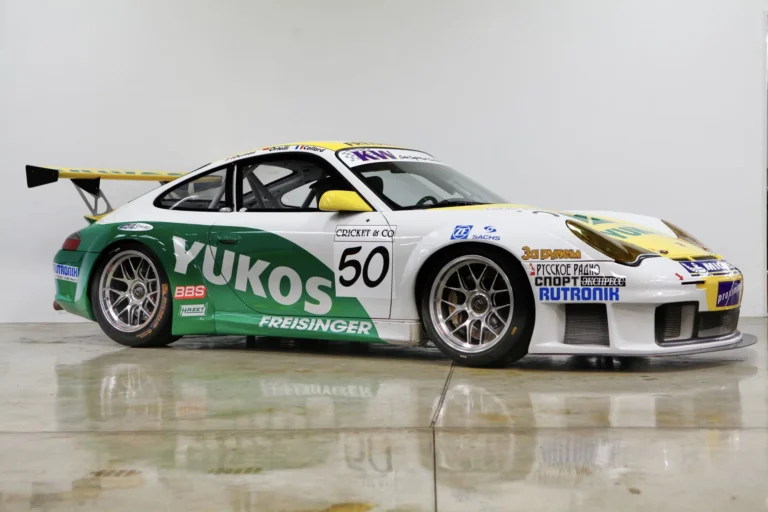
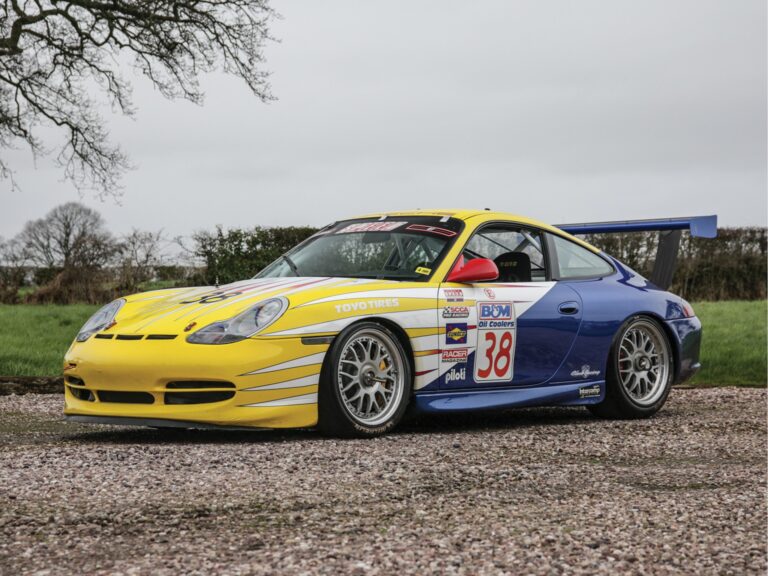
This era also saw the most painful transition in the brand’s history: the switch from air-cooled to water-cooled engines with the 996 generation 911 in 1997. It was a necessary evil to meet emissions and performance targets, but it divided the fanbase into two tribes—the air-cooled disciples and the modernists—a schism that persists to this day.
Porsche’s relentless pursuit of technology reached a peak with the 959 in the late 80s. It was a rolling laboratory, featuring sequential twin-turbocharging, all-wheel drive, and adjustable ride height. It was designed to win the Group B rally class (which it did, winning the Paris-Dakar), but as a road car, it was a spaceship. It laid the groundwork for every modern supercar. This lineage continued with the V10-powered Carrera GT—an analogue masterpiece known for its screaming engine and tricky clutch—and the 918 Spyder, which proved that hybrid power could be used for speed, not just economy.
Today, Porsche stands as the most successful manufacturer in Le Mans history with 19 overall wins. The 919 Hybrid, a V4-powered technological marvel, took three of those wins recently. But the soul of the company remains in the ignition key, which is always located to the left of the steering wheel—a nod to the old Le Mans starts where drivers had to run to the car, jump in, and start the engine with one hand while engaging gear with the other. It is a touch of romance in a company defined by logic.
Porsche is unique because it is a broad church. It builds the Macan for the school run, the Taycan for the electric future, and the 911 GT3 RS for the Nürburgring track rat. Yet, somehow, they all feel like Porsches. They all have that damping quality, that steering feedback, that sense of solidity. “The best or nothing” may be Mercedes’ slogan, but Porsche quietly lives it. It is the brand for those who value substance over style, who understand that a car is not an accessory, but a precision instrument designed for the serious business of driving.
Type
Foundation Year
Country
Founder/s
Headquarters
Type
Foundation Year
Country
Founder/s
Headquarters
About this brand
In the collective consciousness of the automotive world, there is a distinct line in the sand. On one side, there is art, emotion, and chaos; on the other, there is science, logic, and relentless evolution. If Ferrari is the fiery, temperamental artist, Porsche is the surgeon. It is a brand built not on the whims of passion, but on a stubborn, almost fanatical adherence to engineering principles. For over 75 years, the crest of Stuttgart-Zuffenhausen has represented a specific kind of excellence: the pursuit of efficiency, the triumph of lightweight construction, and the audacity to take a mechanical layout that physics says is wrong—the engine hanging out over the rear axle—and refining it until it becomes the benchmark for the entire sports car industry. To drive a Porsche is to experience a machine that feels hewn from a single block of granite, a device where every switch, every control weight, and every mechanical interaction has been calibrated to a tolerance measured in microns.
The genesis of this empire was humble, born in the shadow of war and the noise of a sawmill in Gmünd, Austria. Ferdinand Porsche was already a legendary engineer, the mind behind the Auto Union Grand Prix cars and the Volkswagen Beetle, but it was his son, Ferry Porsche, who crystallized the family name into a brand. Legend has it that Ferry looked around at the automotive landscape of 1948 and could not find the car he dreamed of, so he decided to build it himself. That car was the 356. It was small, it was powered by a modest Volkswagen engine, and it looked like an inverted bathtub. But it was light, aerodynamic, and possessed a balance that allowed it to dance away from far more powerful machinery on the twisting Alpine passes. The 356 established the Porsche ethos: power is nothing without control, and weight is the enemy of performance.
But the company’s identity was truly forged in 1963. The 356 was aging, and a successor was needed. Ferry’s son, Ferdinand Alexander “Butzi” Porsche, penned a shape that would become the most recognizable silhouette in industrial history. Initially called the 901, but changed to 911 after a trademark dispute with Peugeot, the new car was a revelation. It retained the rear-engine layout but added two cylinders to create a flat-six “Boxer” engine. The 911 was not perfect; early cars were tail-happy and demanded respect, earning the nickname “Widowmaker” among the unskilled. But Porsche did not abandon the concept. Instead, they refined it. Decade after decade, engineers polished the 911 stone, lengthening the wheelbase, widening the track, and adding turbochargers, until the inherent flaw of the rear-engine pendulum became its greatest traction advantage.
While the 911 was conquering the road, a civil war of engineering was brewing in the race department, led by another family member: the brilliant, ruthless Ferdinand Piëch. In the late 1960s, Piëch decided that class wins were no longer enough; he wanted to win Le Mans overall. He exploited a loophole in the FIA regulations to build 25 examples of a 4.5-litre monster. The result was the 917. It is, quite simply, the greatest racing car ever built. In its early form, it was so unstable that drivers refused to race it. But once the aerodynamics were tamed (creating the “Kurzheck” or Short Tail), the 917 became a weapon of mass destruction. In 1970 and 1971, it smashed the opposition at Le Mans, hitting speeds of over 240 mph on the Mulsanne Straight. The 917 didn’t just win; it broke the spirit of its rivals. It cemented Porsche’s status as the King of Endurance.
The 1970s and 80s were the era of the Turbo. Porsche pioneered turbocharging for road cars with the 911 Turbo (930), bringing race-track technology to the autobahn. On the track, this technology morphed into the 935 “Moby Dick” and the 936, but the zenith was reached with the arrival of Group C in 1982. Porsche responded with the 956 and its evolution, the 962. These cars were so dominant that they effectively became a spec-series for Le Mans. Powered by the legendary Hans Mezger-designed flat-six, they won Le Mans six years in a row. They were raced by factory teams and privateers alike, durable enough to run for 24 hours and fast enough to set the Nürburgring Nordschleife lap record (Stefan Bellof’s 6:11.13) that stood for 35 years.
However, Porsche is also a company that has stared into the abyss. In the early 1990s, the brand was on the brink of bankruptcy. The production methods were archaic, and sales were plummeting. They needed a miracle. They found two. First, they introduced the Boxster, a mid-engined roadster that shared components with the 911, saving development costs. Second, and far more controversially, they launched the Cayenne in 2002. Purists screamed. A SUV? From Porsche? It was heresy. But the Cayenne was the best-handling SUV in the world, and it printed money. It funded the development of the GT3s, the GT2s, and the RS models that the purists loved. It saved the company and allowed it to remain independent (mostly).
This era also saw the most painful transition in the brand’s history: the switch from air-cooled to water-cooled engines with the 996 generation 911 in 1997. It was a necessary evil to meet emissions and performance targets, but it divided the fanbase into two tribes—the air-cooled disciples and the modernists—a schism that persists to this day.
Porsche’s relentless pursuit of technology reached a peak with the 959 in the late 80s. It was a rolling laboratory, featuring sequential twin-turbocharging, all-wheel drive, and adjustable ride height. It was designed to win the Group B rally class (which it did, winning the Paris-Dakar), but as a road car, it was a spaceship. It laid the groundwork for every modern supercar. This lineage continued with the V10-powered Carrera GT—an analogue masterpiece known for its screaming engine and tricky clutch—and the 918 Spyder, which proved that hybrid power could be used for speed, not just economy.
Today, Porsche stands as the most successful manufacturer in Le Mans history with 19 overall wins. The 919 Hybrid, a V4-powered technological marvel, took three of those wins recently. But the soul of the company remains in the ignition key, which is always located to the left of the steering wheel—a nod to the old Le Mans starts where drivers had to run to the car, jump in, and start the engine with one hand while engaging gear with the other. It is a touch of romance in a company defined by logic.
Porsche is unique because it is a broad church. It builds the Macan for the school run, the Taycan for the electric future, and the 911 GT3 RS for the Nürburgring track rat. Yet, somehow, they all feel like Porsches. They all have that damping quality, that steering feedback, that sense of solidity. “The best or nothing” may be Mercedes’ slogan, but Porsche quietly lives it. It is the brand for those who value substance over style, who understand that a car is not an accessory, but a precision instrument designed for the serious business of driving.
Submodels
Latest Variants
Model Lines