Porsche 356 C
Brand
Produced from
Vehicle category
Portal
Model line
Model generation
Generation Overview
By the autumn of 1963, the global automotive landscape was hurtling toward a bold, high-displacement future. Jaguar’s E-Type was already redefining British performance, Chevrolet had unleashed the striking Corvette Sting Ray, and even within the hallowed halls of Zuffenhausen, Porsche was secretly readying its all-new, six-cylinder 901 masterpiece. Against this backdrop of relentless modernization, one might have expected the aging Porsche 356—a car whose fundamental architecture was rooted in the post-war late 1940s—to quietly bow out. Instead, Ferry Porsche and his engineers delivered the Porsche 356 C generation. It was not a radical reinvention, but rather the absolute, uncompromising zenith of a proven philosophy. Replacing the outgoing 356 B, this final iteration arrived as the most highly refined, flawlessly assembled, and dynamically composed “bathtub” Porsche ever created. The generation encompassed several distinct submodels to cater to an increasingly demanding clientele: the standard 75-horsepower 356 C, the highly desirable 95-horsepower 356 SC, and the mythical, low-production Carrera 2, available in both Coupe and Cabriolet body styles. Fighting against fresh, modern rivals like the Alfa Romeo Giulia Sprint GT, the muscular Triumph TR4, and the elegant Mercedes-Benz 230 SL ‘Pagoda’, the 356 C relied on its surgical precision, unburstable build quality, and unmatched tactile feedback to remain relevant—and wildly successful—in a changing world.
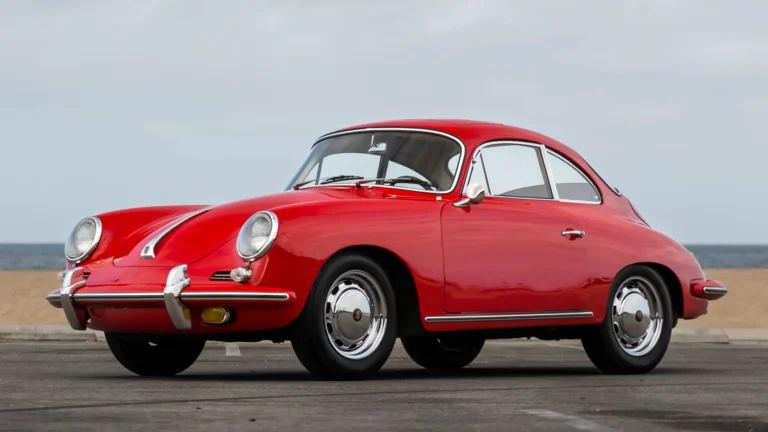
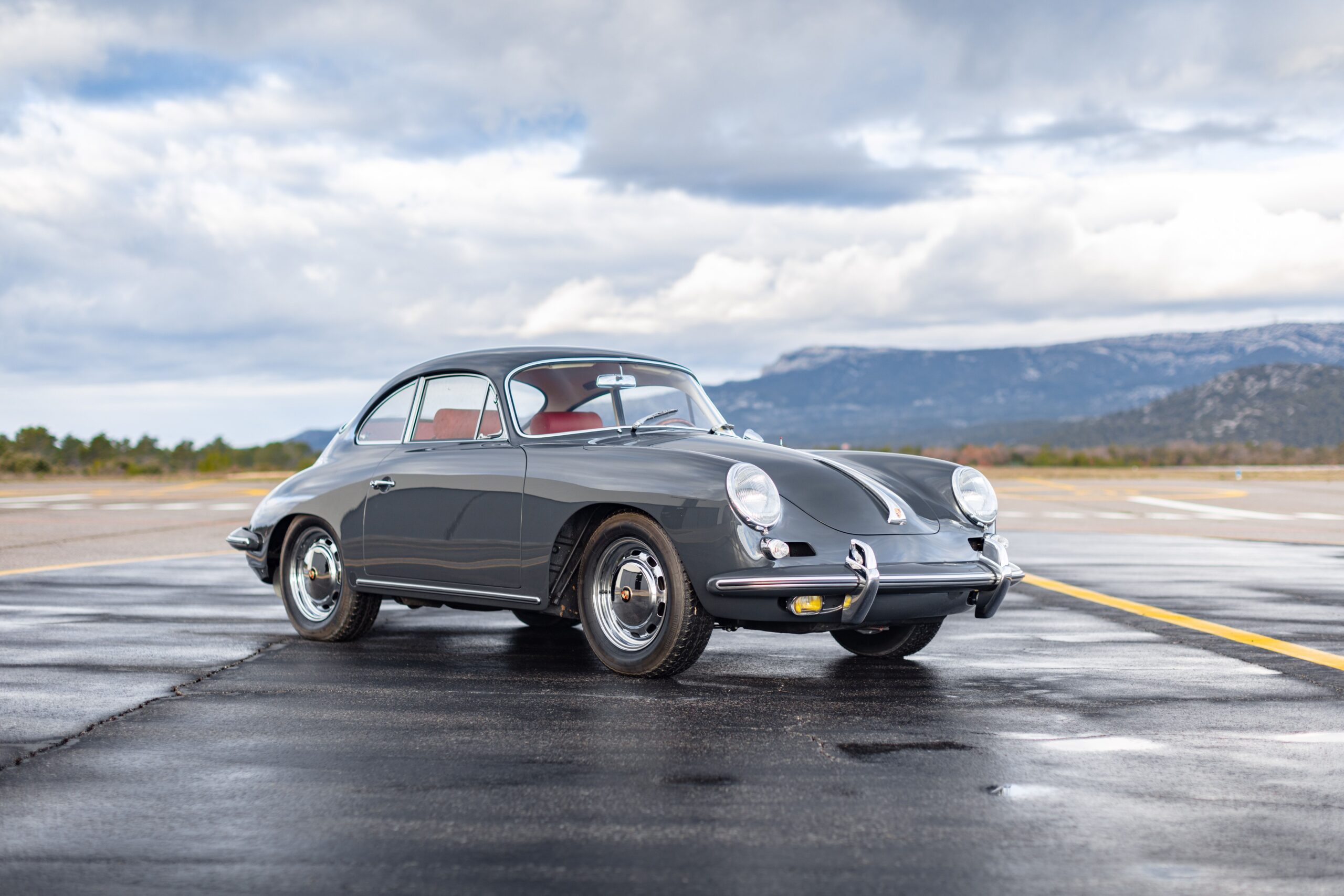
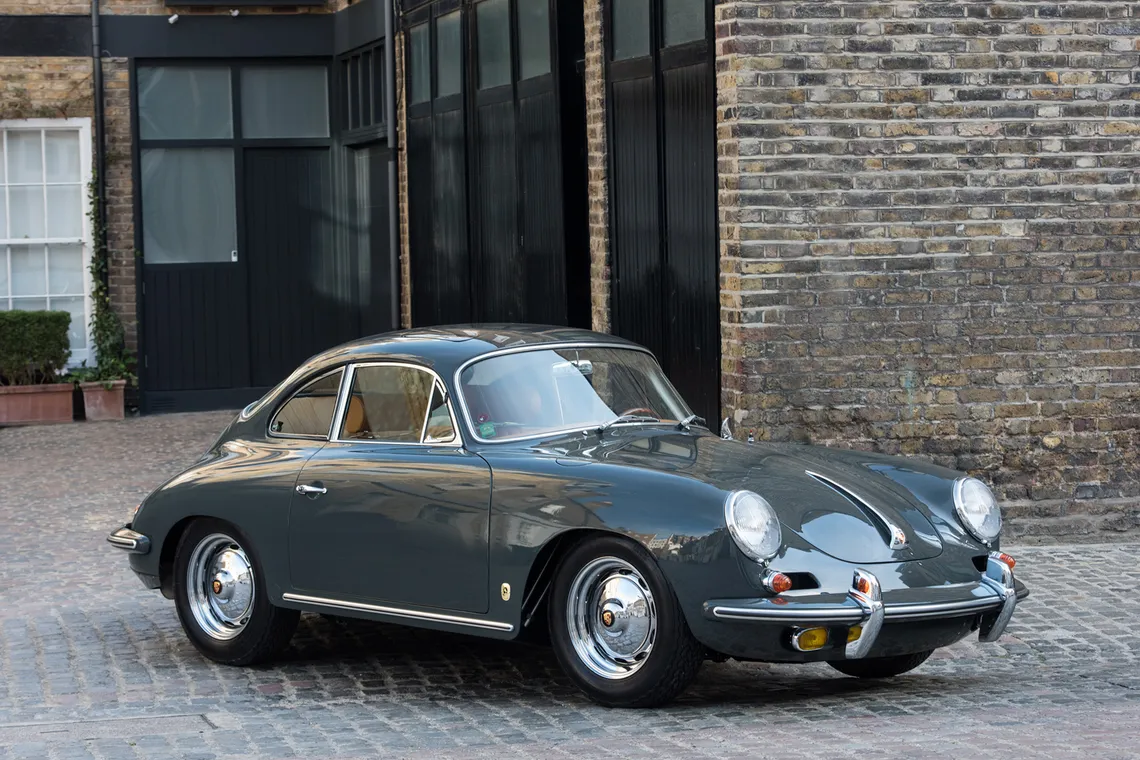
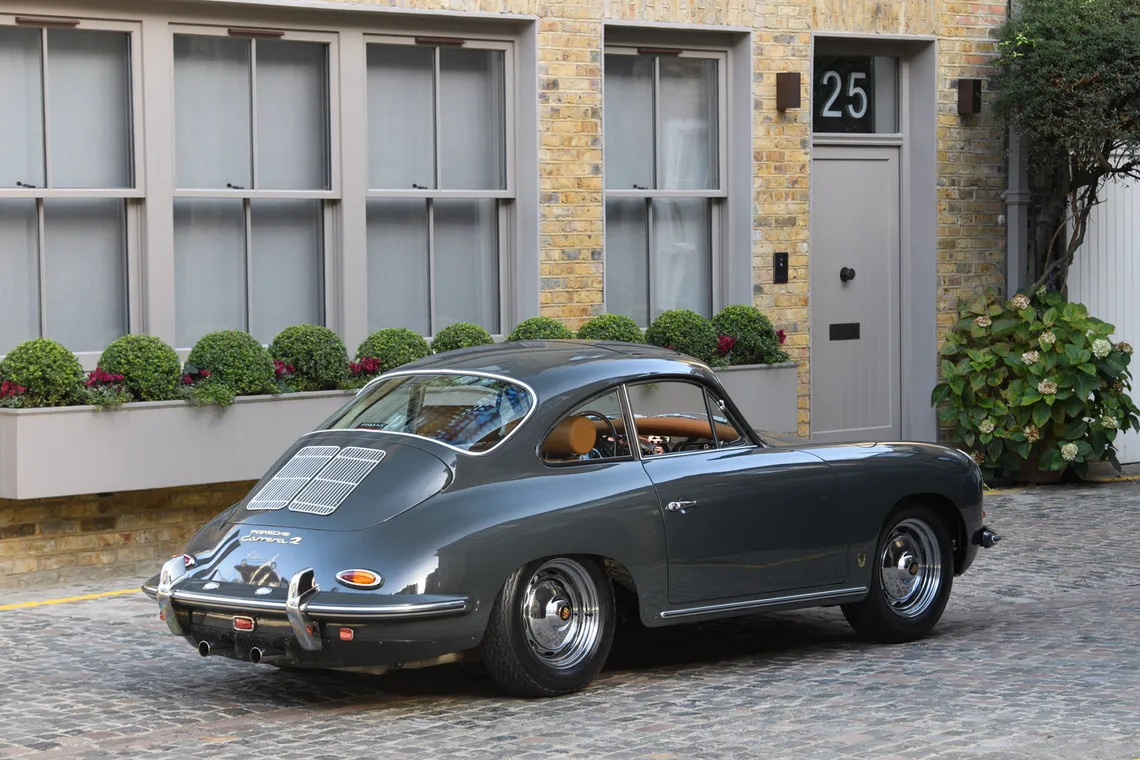
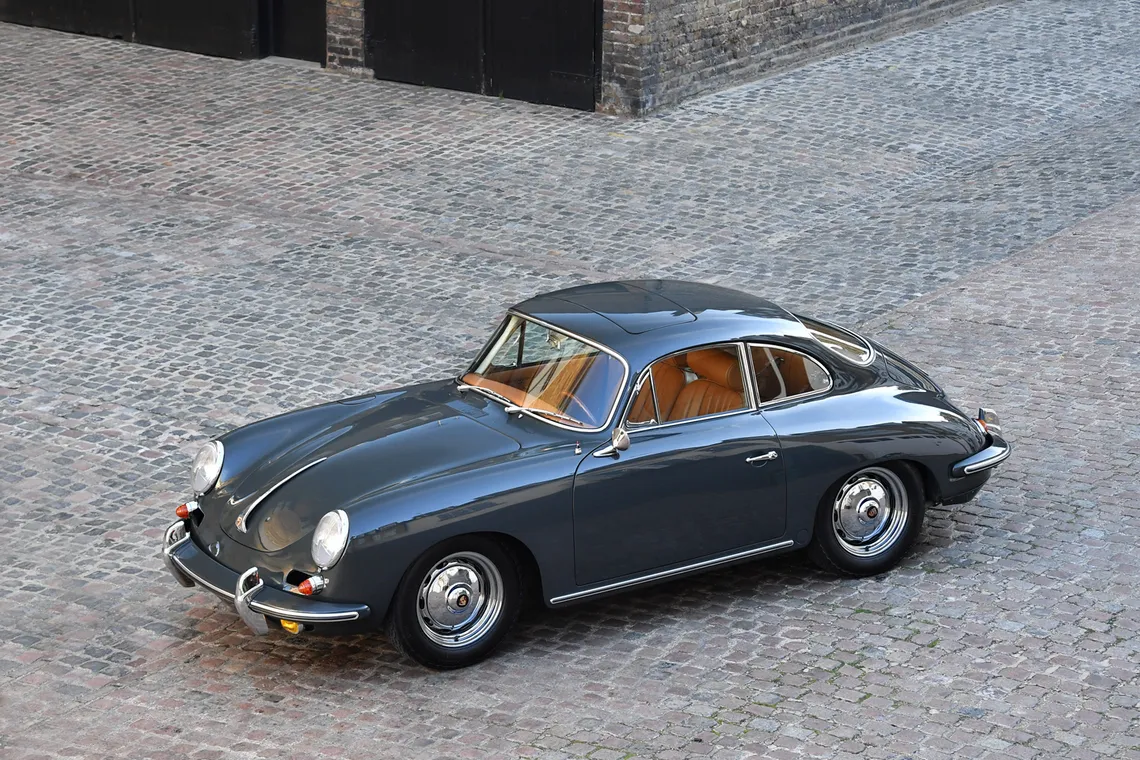
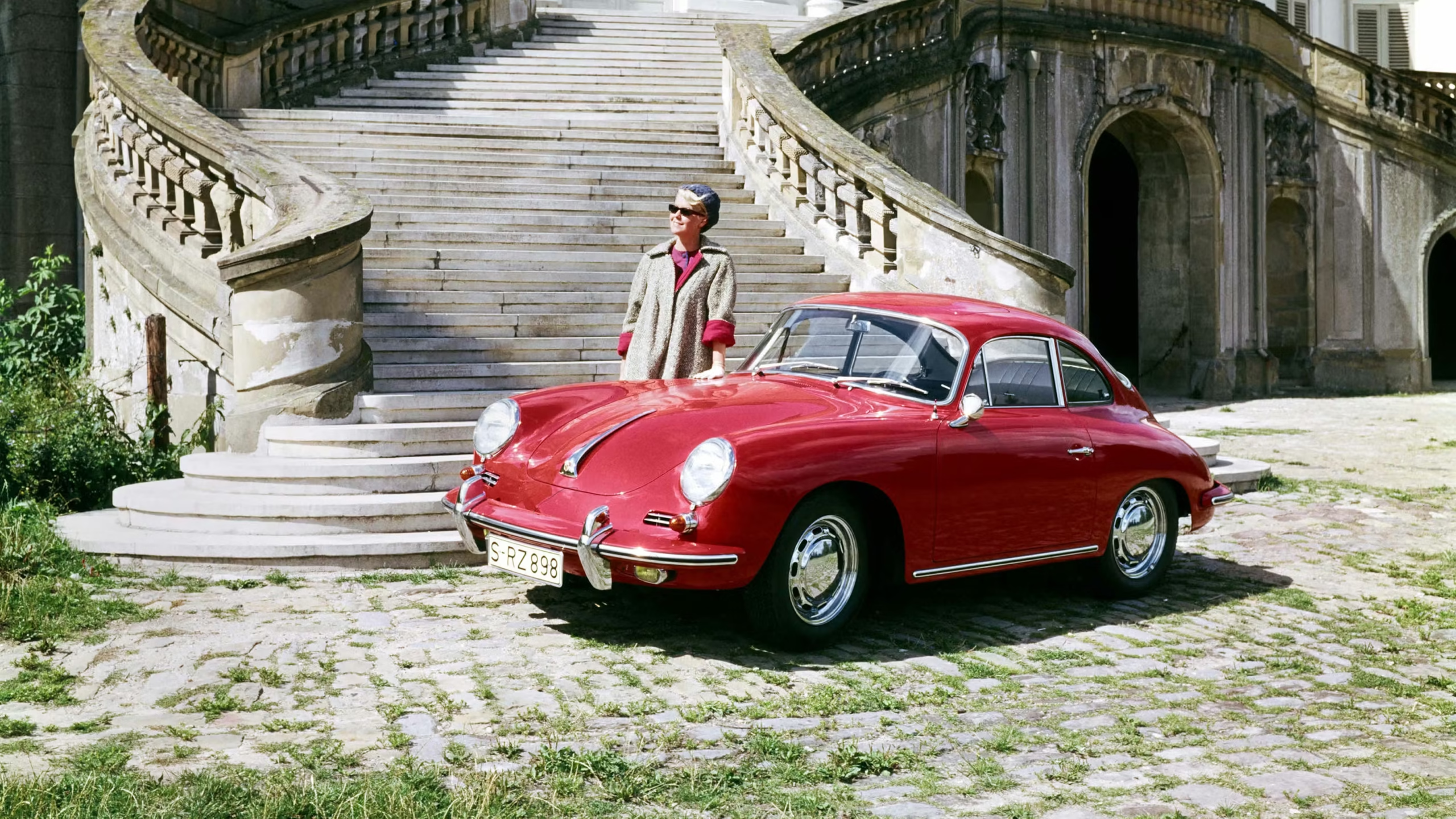
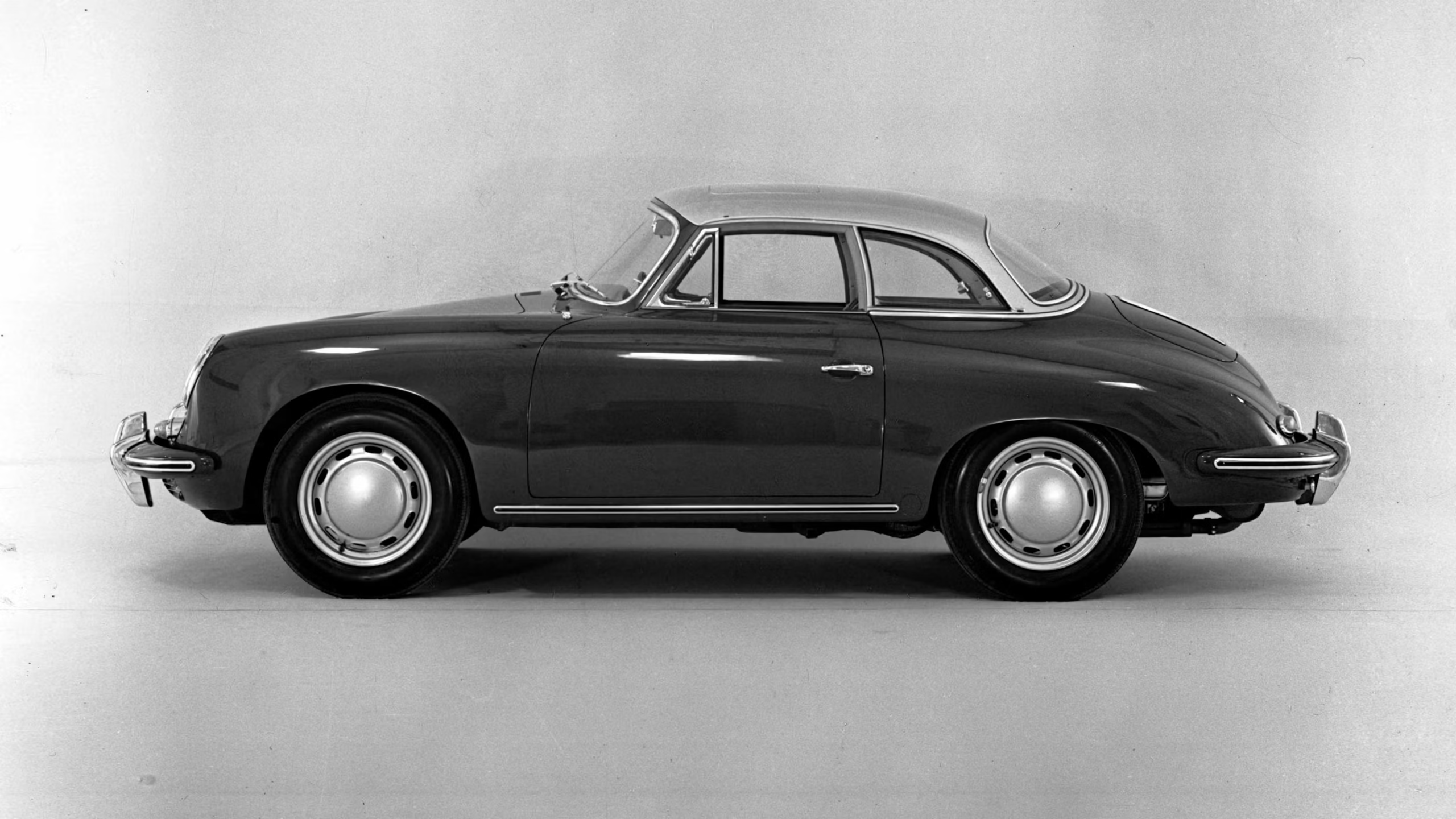
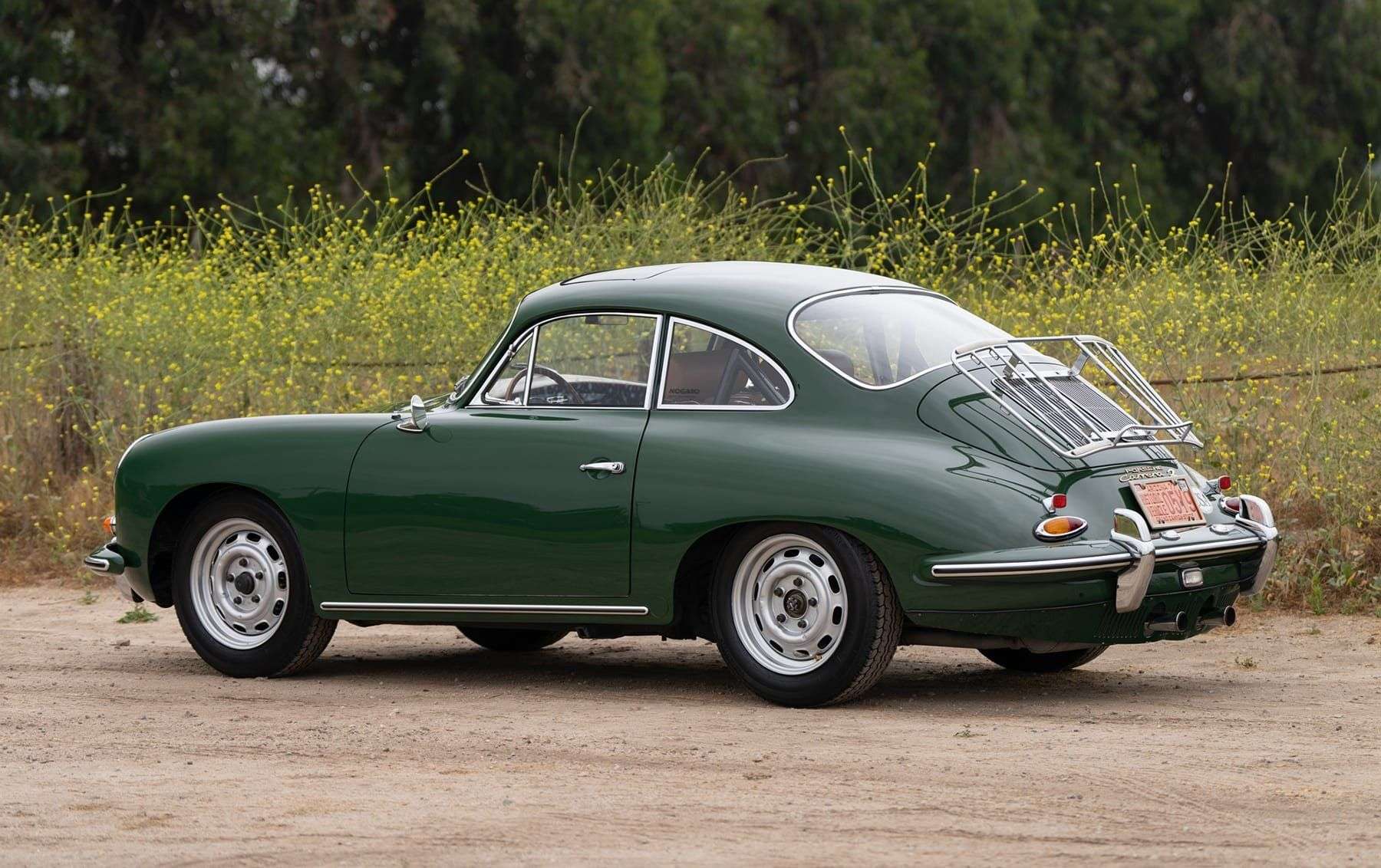
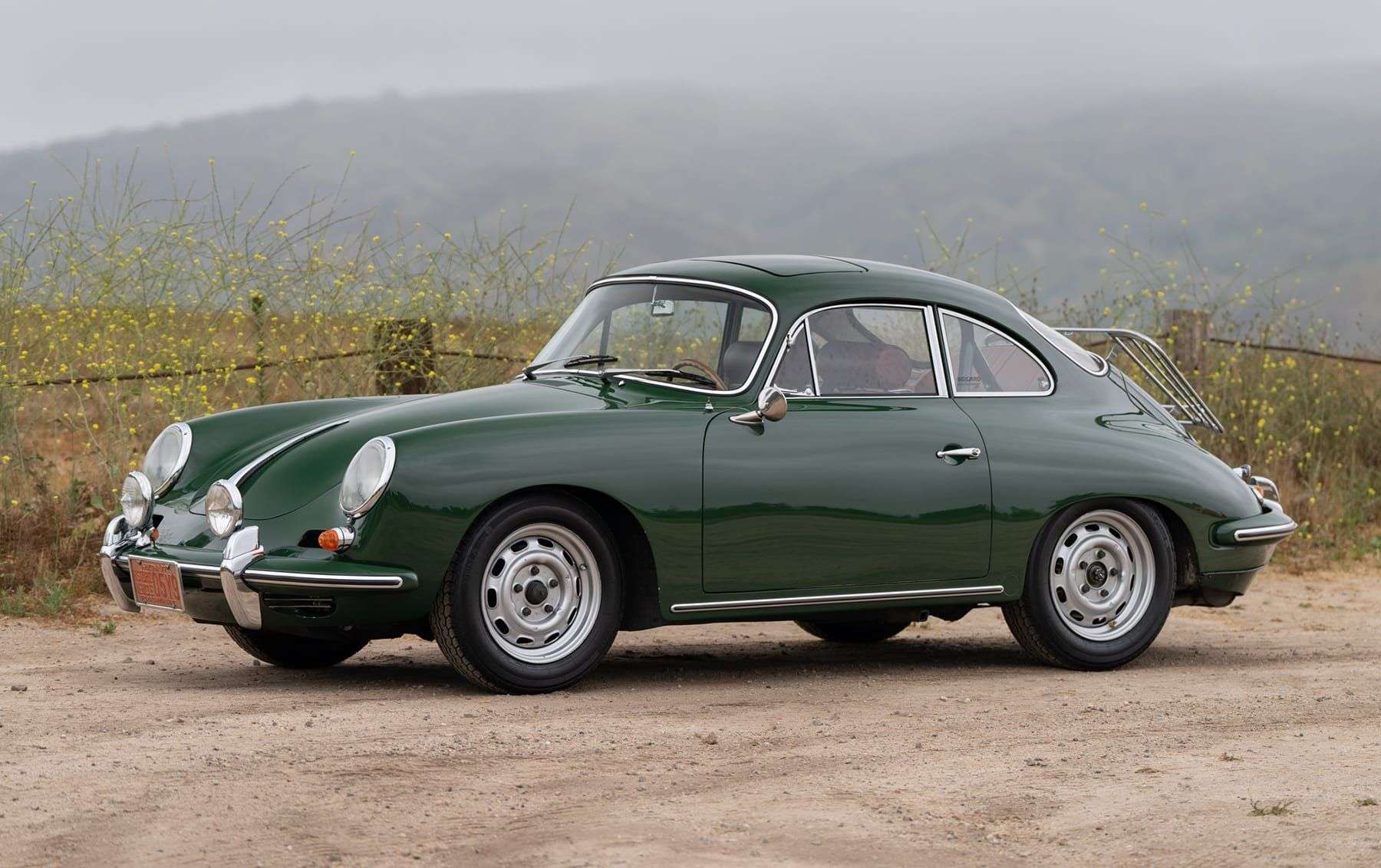
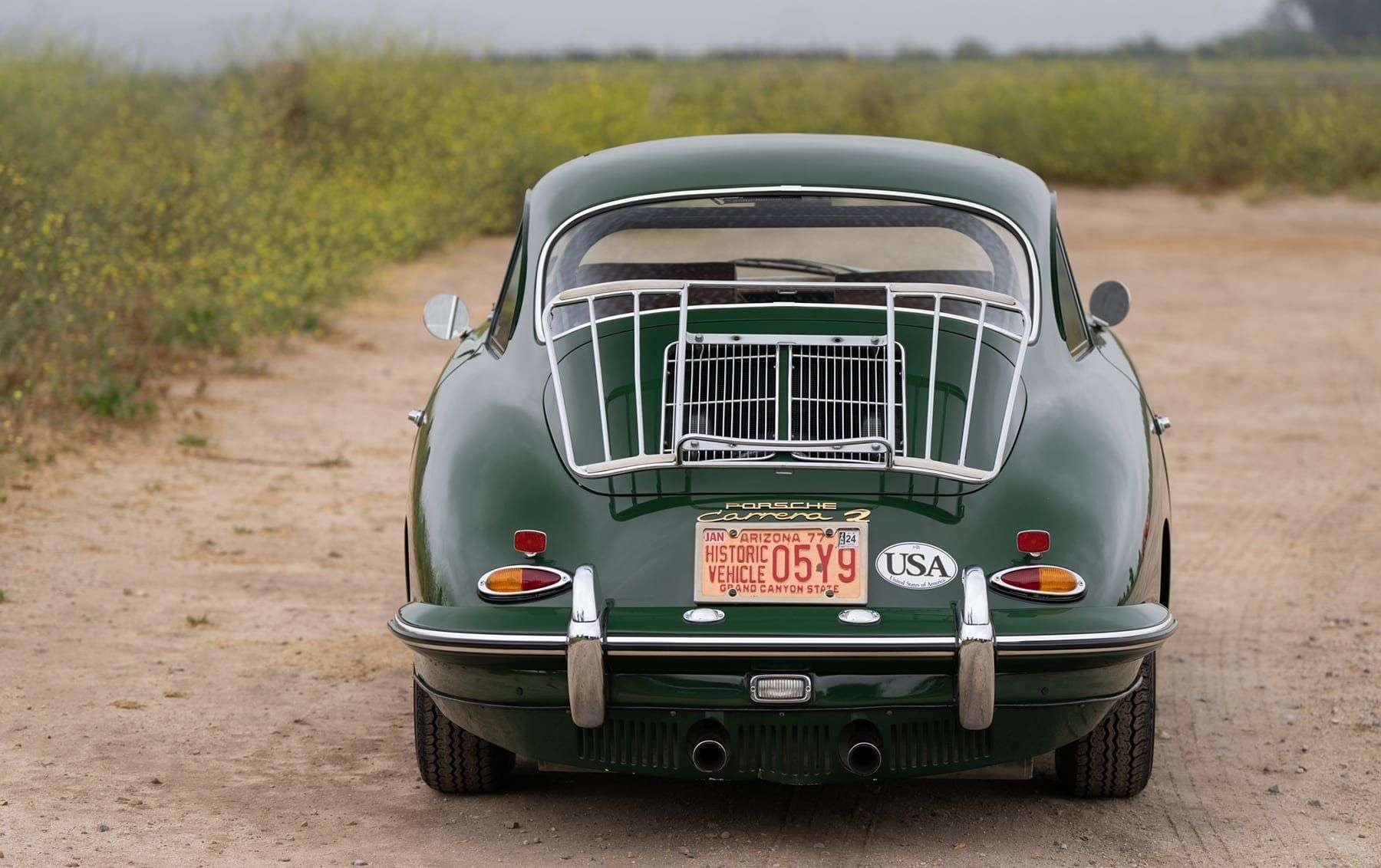
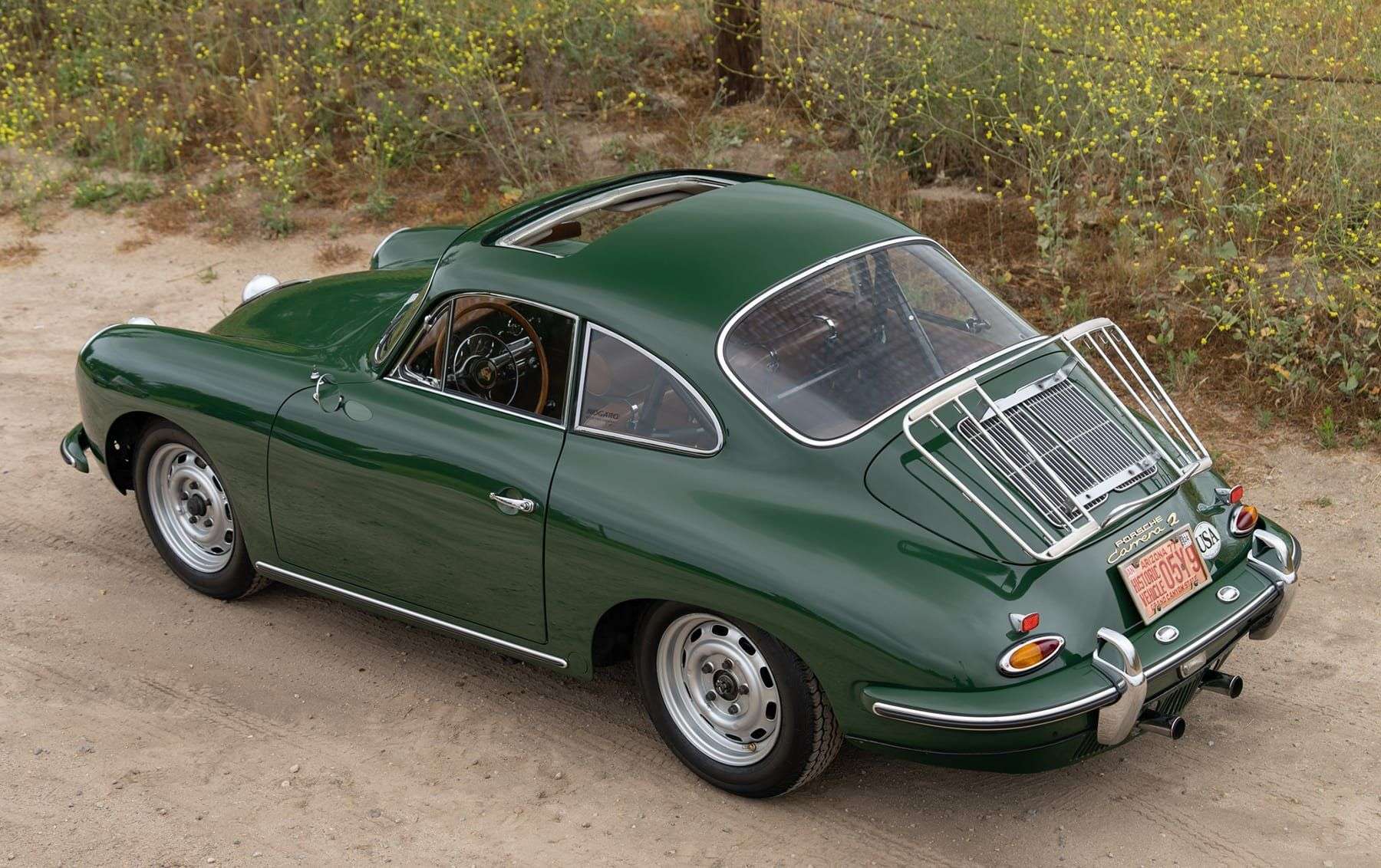
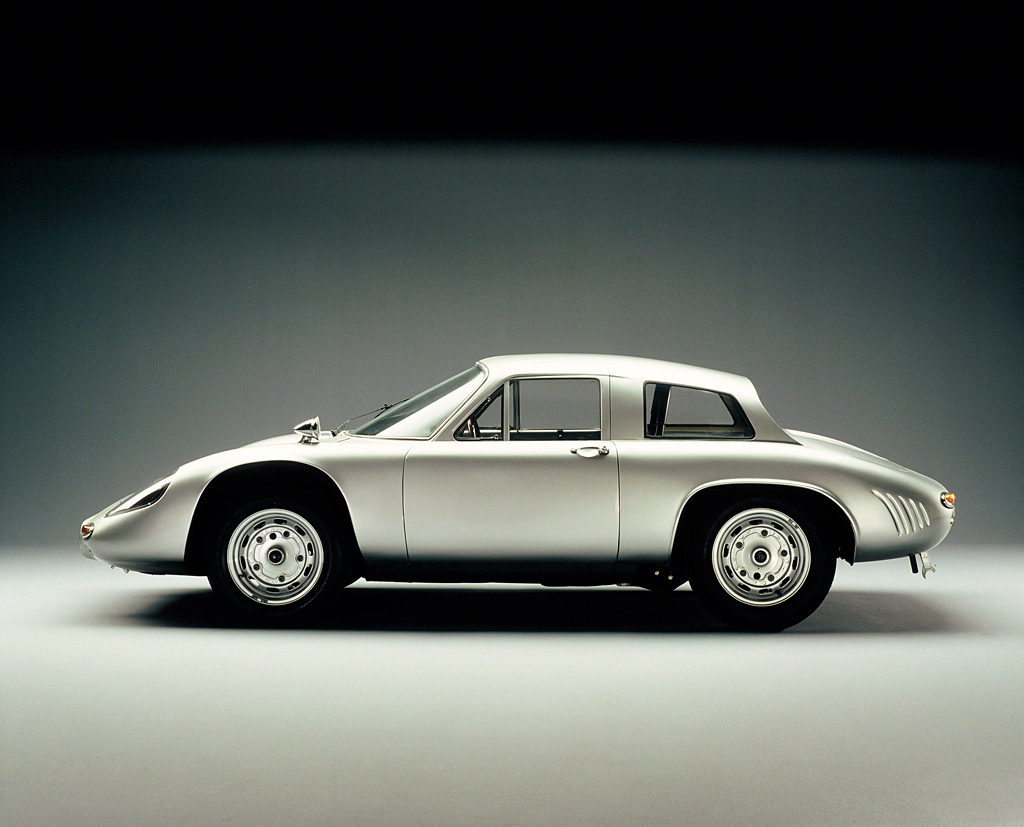
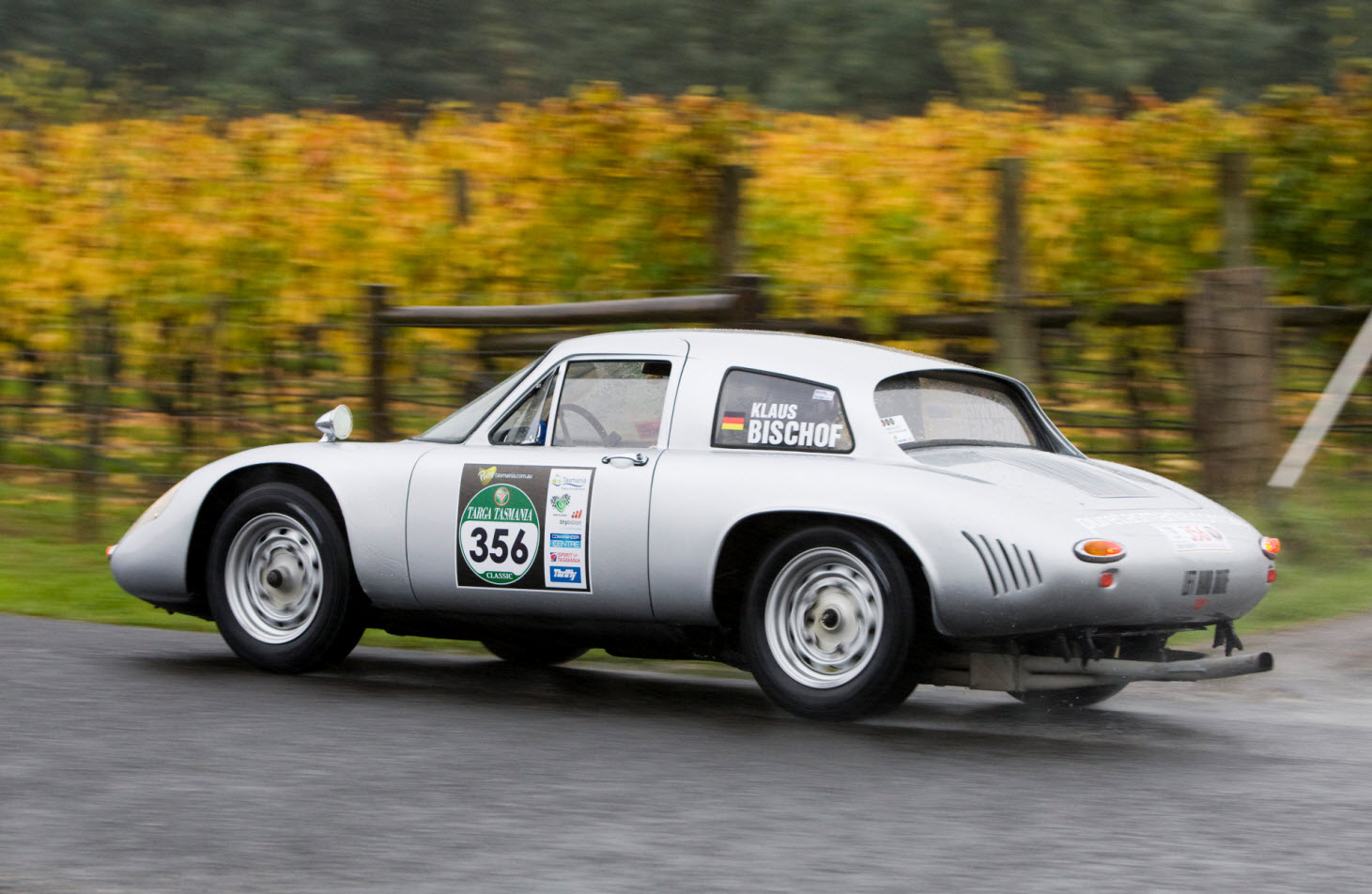
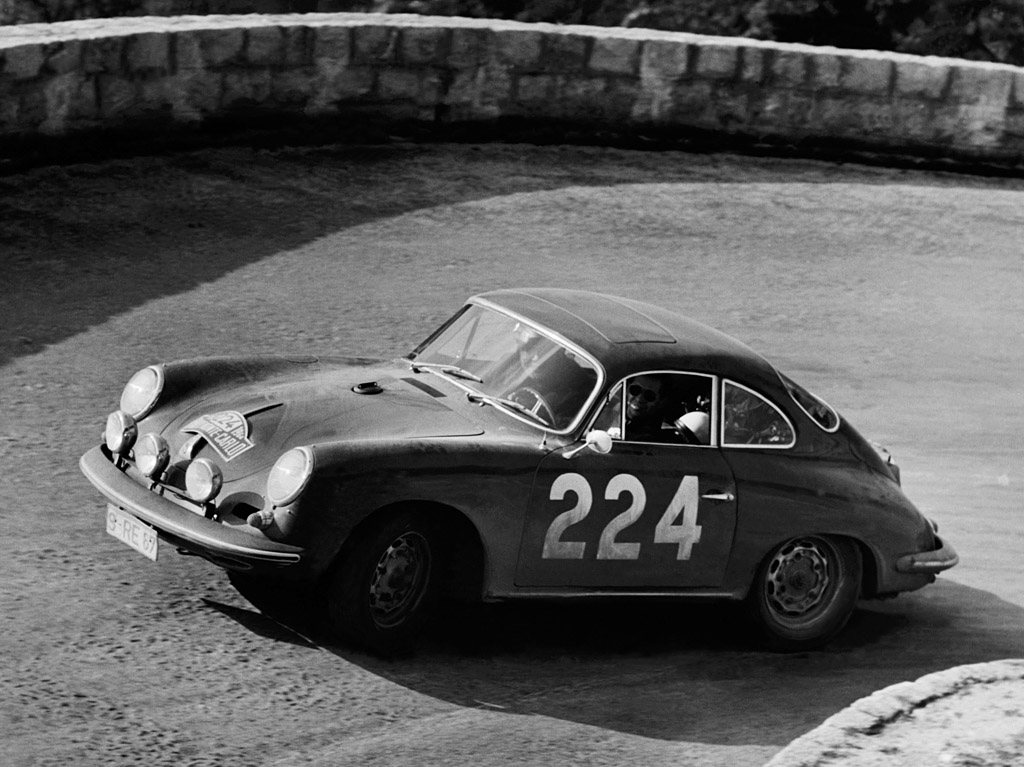
To peer beneath the subtle, flowing lines of the 356 C is to witness a masterclass in teutonic mechanical evolution. Visually, it shared the “T6” body type introduced late in the 356 B’s lifecycle, featuring the squared-off front hood and twin engine-grilles at the rear. However, the most vital visual and mechanical upgrade was hidden behind the wheels. The deeply domed “baby moon” hubcaps of the past were replaced by flatter, unadorned covers. This aesthetic shift was necessitated by the 356 C’s defining technical triumph: the introduction of four-wheel ATE disc brakes as standard equipment. This completely transformed the car, eliminating the brake fade that plagued earlier drum-braked models and providing stopping power that rivaled purebred racing machinery. Under the rear lid, the pushrod 1.6-liter air-cooled flat-four was offered in two primary flavors. The standard ‘C’ utilized Zenith carburetors to produce a smooth, reliable 75 horsepower. The enthusiast’s choice, however, was the ‘SC’, which utilized a counter-weighted crankshaft, higher compression, and larger Solex carburetors to punch out 95 horsepower, allowing the lightweight coupe to touch 185 km/h (115 mph). For the absolute purist, a handful of Carrera 2 models were built, utilizing Dr. Ernst Fuhrmann’s insanely complex 2.0-liter, four-cam engine producing 130 horsepower. Dynamically, Porsche engineers finally tamed the notorious swing-axle oversteer by fitting softer rear torsion bars and a stiffer front anti-roll bar, complimented by a refined ZF steering box. Inside, the cabin reached its highest level of grand-touring luxury, featuring deeply bolstered seats, updated synthetic leather (or optional genuine leather), and a beautifully purposeful VDO instrument cluster.
The historical impact of the 356 C is defined not by giant-killing track victories—by 1963, Porsche’s racing department was focused on the mid-engined 904 Carrera GTS—but by its overwhelming commercial triumph and profound cultural resonance. Rather than fading into obscurity pending the arrival of the 911, the 356 C achieved the highest sales figures in the model’s history, with over 14,000 units sold in 1964 alone. It became an icon of sophisticated, understated rebellion. Its cultural footprint was perhaps best immortalized by rock legend Janis Joplin, who purchased a 1964 356 C Cabriolet and had it painted in a wildly vivid, psychedelic mural. That very car became a rolling monument to the counter-culture movement of the 1960s, proving the 356 had transcended its sports car origins to become a canvas for cultural expression. In a starkly contrasting yet equally fascinating chapter of its history, the Dutch Rijkspolitie (highway patrol) selected the 356 C Cabriolet as their pursuit vehicle of choice. Driven by elite officers in white coats and open-face helmets, these Porsches patrolled the Autobahns, relying on the unburstable reliability of the air-cooled engine to chase down speeding motorists.
The legacy of the 1963 Porsche 356 C Generation is its role as the ultimate, perfected bridge between the company’s humble Gmünd origins and its global future. When production finally ceased in 1965, overlapping the introduction of the new 911, the 356 didn’t just disappear. Recognizing that the new six-cylinder 911 was significantly more expensive, Porsche brilliantly transplanted the 95-horsepower engine from the 356 SC directly into the new chassis, creating the beloved Porsche 912. The 356 C stands immortal in the pantheon of automobilism as the most drivable, reliable, and mechanically complete iteration of Ferry Porsche’s original vision. Today, it is revered by collectors not just as a beautiful mid-century artifact, but as a genuinely capable vintage sports car that can be driven vigorously, relying on its disc brakes and refined suspension to deliver a pure, unfiltered driving experience that modern exotics can only dream of replicating.
Portal
Model line
Model generation
Brand
Produced from
Vehicle category
Generation Overview
By the autumn of 1963, the global automotive landscape was hurtling toward a bold, high-displacement future. Jaguar’s E-Type was already redefining British performance, Chevrolet had unleashed the striking Corvette Sting Ray, and even within the hallowed halls of Zuffenhausen, Porsche was secretly readying its all-new, six-cylinder 901 masterpiece. Against this backdrop of relentless modernization, one might have expected the aging Porsche 356—a car whose fundamental architecture was rooted in the post-war late 1940s—to quietly bow out. Instead, Ferry Porsche and his engineers delivered the Porsche 356 C generation. It was not a radical reinvention, but rather the absolute, uncompromising zenith of a proven philosophy. Replacing the outgoing 356 B, this final iteration arrived as the most highly refined, flawlessly assembled, and dynamically composed “bathtub” Porsche ever created. The generation encompassed several distinct submodels to cater to an increasingly demanding clientele: the standard 75-horsepower 356 C, the highly desirable 95-horsepower 356 SC, and the mythical, low-production Carrera 2, available in both Coupe and Cabriolet body styles. Fighting against fresh, modern rivals like the Alfa Romeo Giulia Sprint GT, the muscular Triumph TR4, and the elegant Mercedes-Benz 230 SL ‘Pagoda’, the 356 C relied on its surgical precision, unburstable build quality, and unmatched tactile feedback to remain relevant—and wildly successful—in a changing world.
To peer beneath the subtle, flowing lines of the 356 C is to witness a masterclass in teutonic mechanical evolution. Visually, it shared the “T6” body type introduced late in the 356 B’s lifecycle, featuring the squared-off front hood and twin engine-grilles at the rear. However, the most vital visual and mechanical upgrade was hidden behind the wheels. The deeply domed “baby moon” hubcaps of the past were replaced by flatter, unadorned covers. This aesthetic shift was necessitated by the 356 C’s defining technical triumph: the introduction of four-wheel ATE disc brakes as standard equipment. This completely transformed the car, eliminating the brake fade that plagued earlier drum-braked models and providing stopping power that rivaled purebred racing machinery. Under the rear lid, the pushrod 1.6-liter air-cooled flat-four was offered in two primary flavors. The standard ‘C’ utilized Zenith carburetors to produce a smooth, reliable 75 horsepower. The enthusiast’s choice, however, was the ‘SC’, which utilized a counter-weighted crankshaft, higher compression, and larger Solex carburetors to punch out 95 horsepower, allowing the lightweight coupe to touch 185 km/h (115 mph). For the absolute purist, a handful of Carrera 2 models were built, utilizing Dr. Ernst Fuhrmann’s insanely complex 2.0-liter, four-cam engine producing 130 horsepower. Dynamically, Porsche engineers finally tamed the notorious swing-axle oversteer by fitting softer rear torsion bars and a stiffer front anti-roll bar, complimented by a refined ZF steering box. Inside, the cabin reached its highest level of grand-touring luxury, featuring deeply bolstered seats, updated synthetic leather (or optional genuine leather), and a beautifully purposeful VDO instrument cluster.
The historical impact of the 356 C is defined not by giant-killing track victories—by 1963, Porsche’s racing department was focused on the mid-engined 904 Carrera GTS—but by its overwhelming commercial triumph and profound cultural resonance. Rather than fading into obscurity pending the arrival of the 911, the 356 C achieved the highest sales figures in the model’s history, with over 14,000 units sold in 1964 alone. It became an icon of sophisticated, understated rebellion. Its cultural footprint was perhaps best immortalized by rock legend Janis Joplin, who purchased a 1964 356 C Cabriolet and had it painted in a wildly vivid, psychedelic mural. That very car became a rolling monument to the counter-culture movement of the 1960s, proving the 356 had transcended its sports car origins to become a canvas for cultural expression. In a starkly contrasting yet equally fascinating chapter of its history, the Dutch Rijkspolitie (highway patrol) selected the 356 C Cabriolet as their pursuit vehicle of choice. Driven by elite officers in white coats and open-face helmets, these Porsches patrolled the Autobahns, relying on the unburstable reliability of the air-cooled engine to chase down speeding motorists.
The legacy of the 1963 Porsche 356 C Generation is its role as the ultimate, perfected bridge between the company’s humble Gmünd origins and its global future. When production finally ceased in 1965, overlapping the introduction of the new 911, the 356 didn’t just disappear. Recognizing that the new six-cylinder 911 was significantly more expensive, Porsche brilliantly transplanted the 95-horsepower engine from the 356 SC directly into the new chassis, creating the beloved Porsche 912. The 356 C stands immortal in the pantheon of automobilism as the most drivable, reliable, and mechanically complete iteration of Ferry Porsche’s original vision. Today, it is revered by collectors not just as a beautiful mid-century artifact, but as a genuinely capable vintage sports car that can be driven vigorously, relying on its disc brakes and refined suspension to deliver a pure, unfiltered driving experience that modern exotics can only dream of replicating.
Submodels