
Porsche 356 C 1600 SC Coupe
Brand
Produced from
Portal
Vehicle category
Model line
Model generation
Predecessor
Successor
Submodel Overview
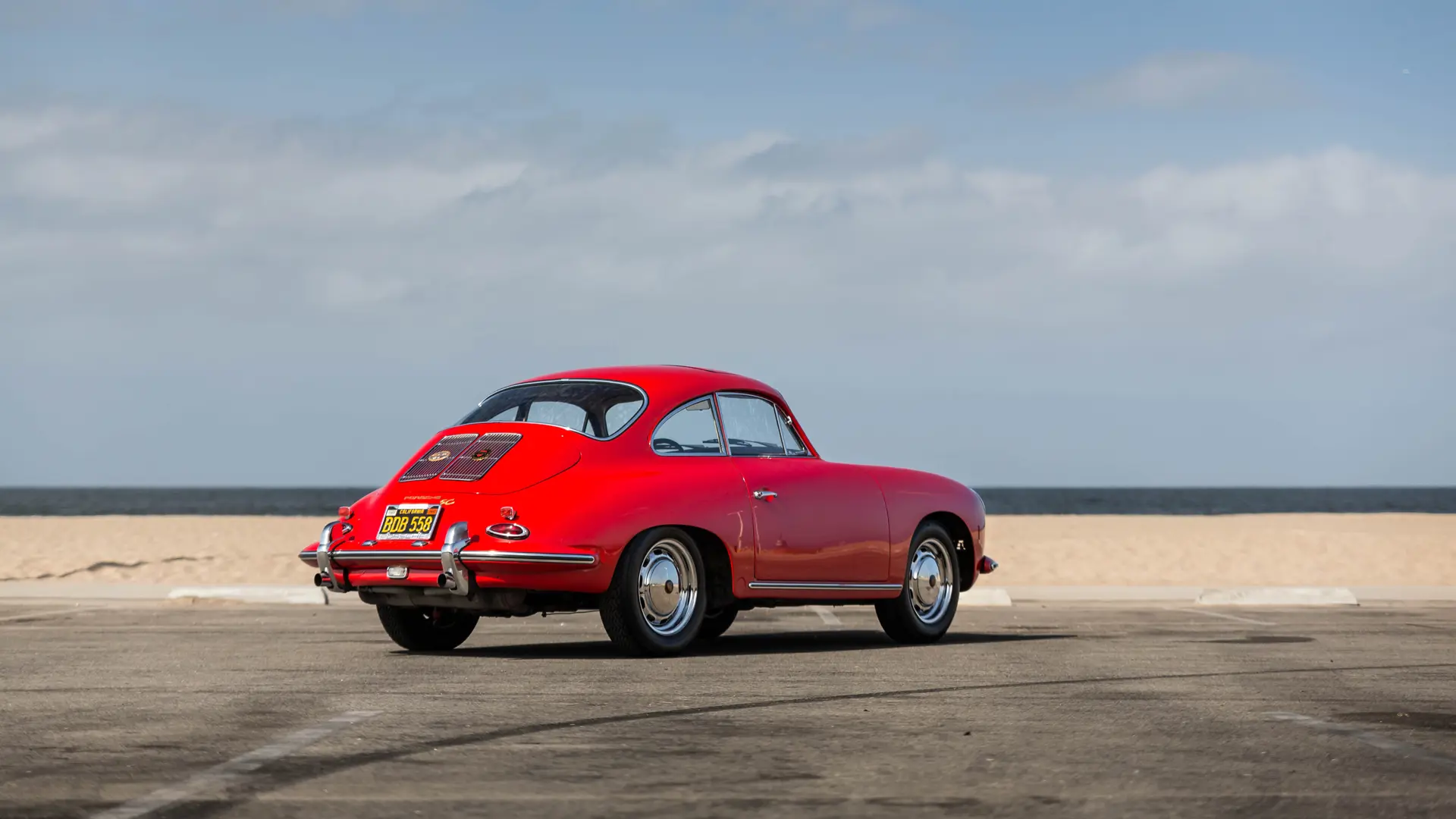
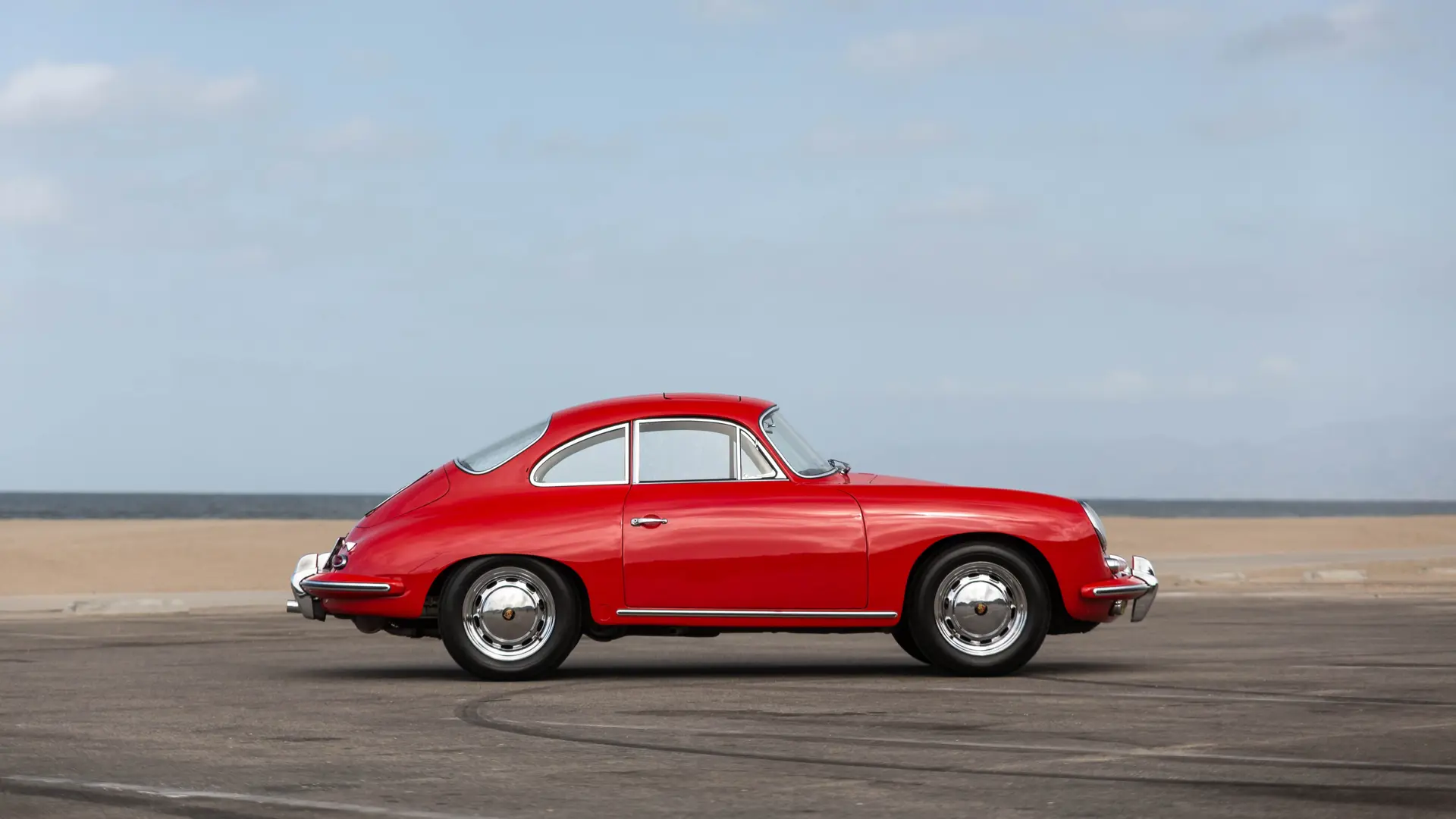
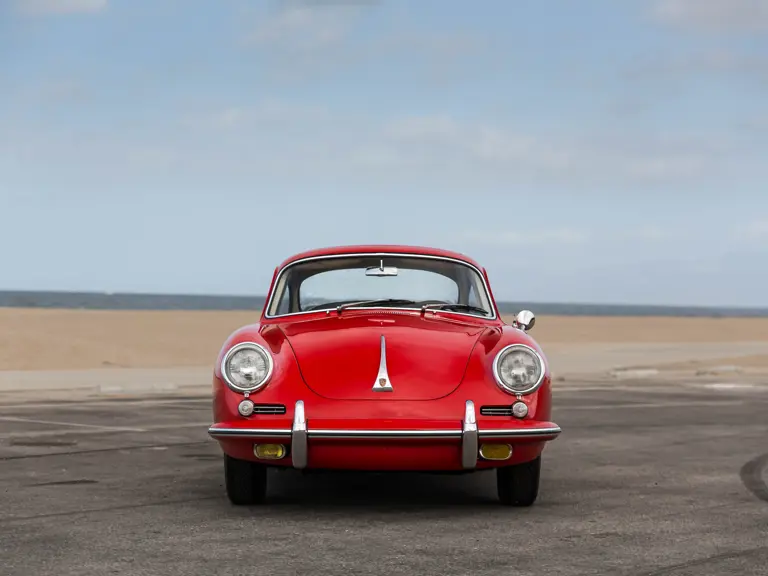
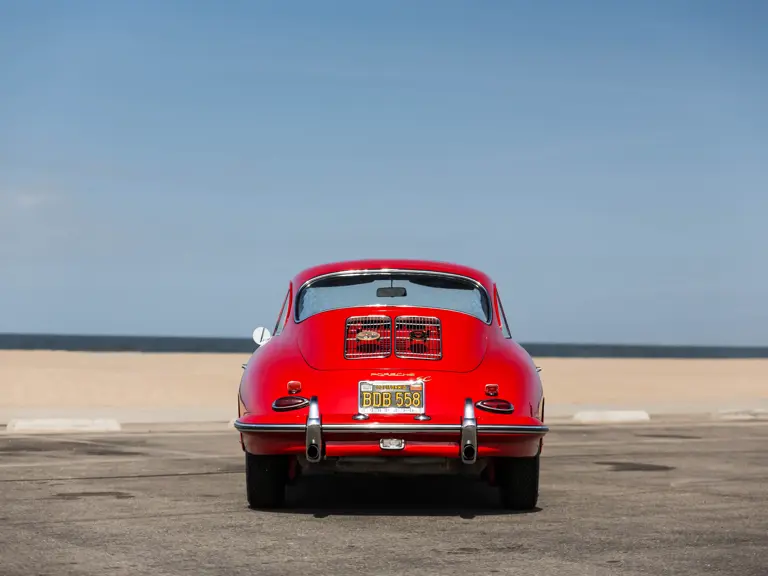
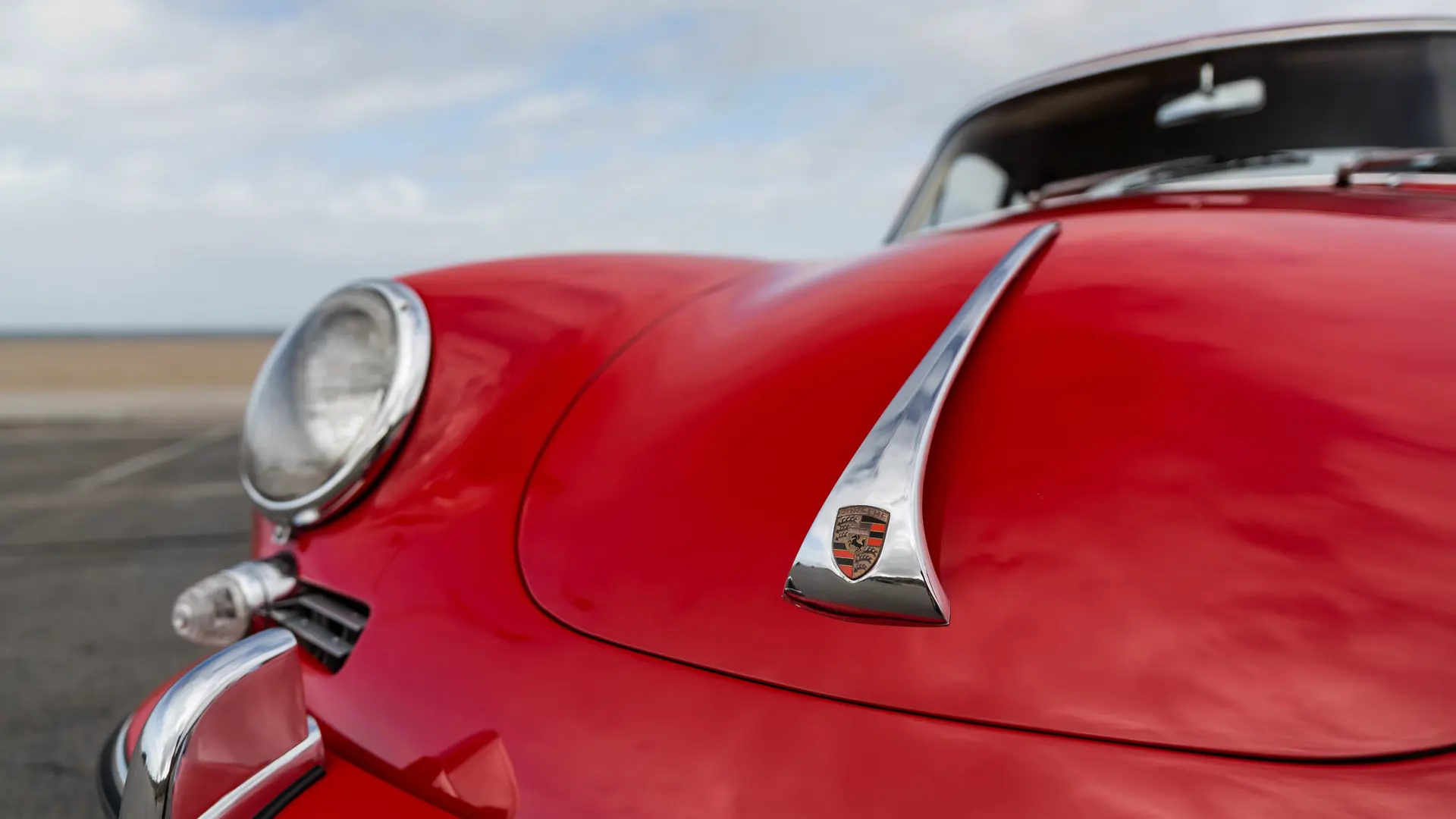
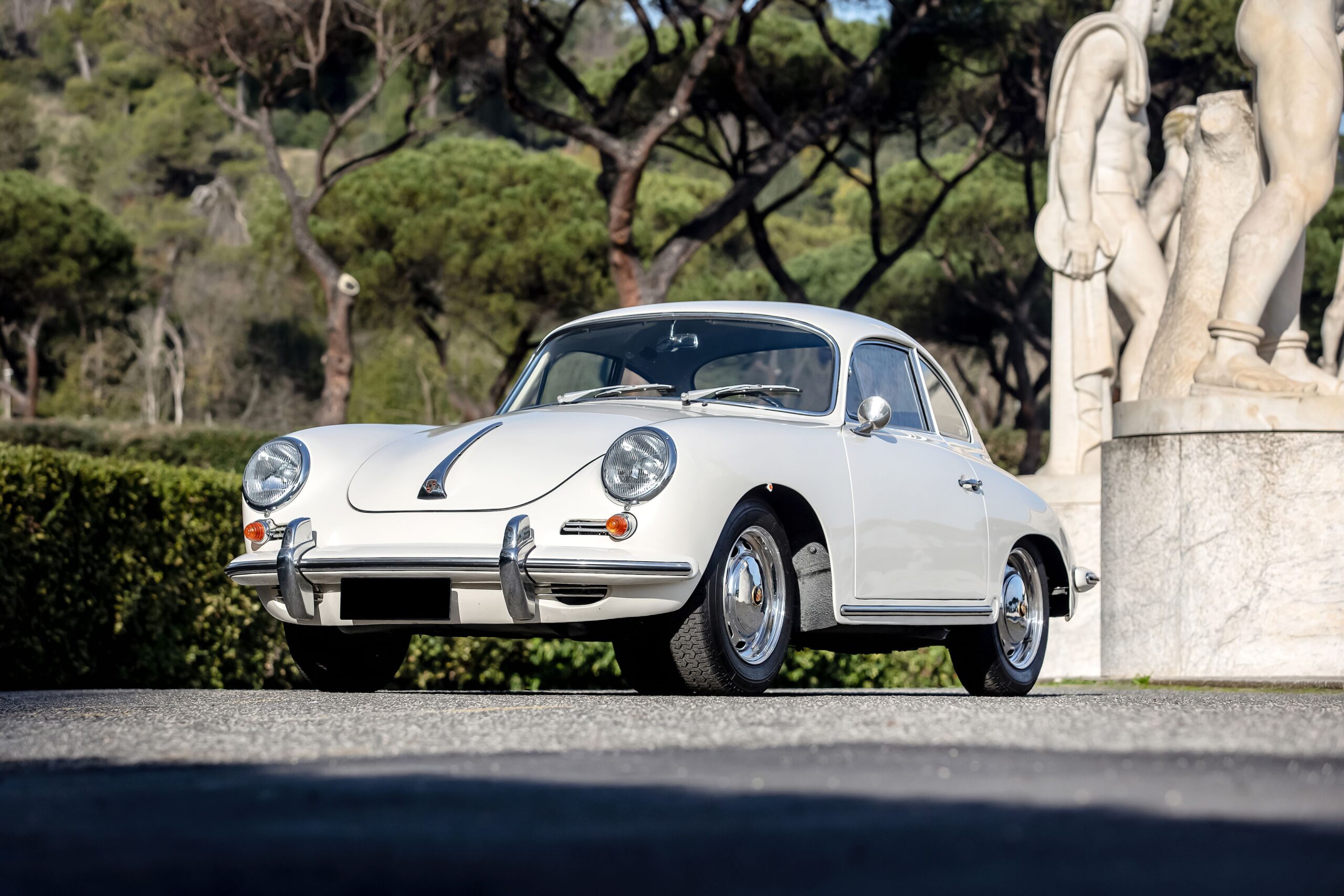
In the autumn of 1963, attendees of the Frankfurt Motor Show were utterly captivated by the unveiling of the sleek, six-cylinder Porsche 901 prototype. It was clearly the dawn of a new era for Zuffenhausen. Yet, sharing the same stand was another machine—one that represented not a radical future, but the absolute, uncompromising perfection of the past. This was the 1963 Porsche 356 C, and at the top of its pushrod-engine hierarchy sat the magnificent 1600 SC. Introduced as the direct replacement for the outgoing 356 B Super 90, the SC was designed for the enthusiastic driver who demanded high performance without the temperamental, watch-like fragility and exorbitant cost of the four-cam Carrera 2. In an era where the market was being flooded with brilliant, modern machinery like the nimble Lotus Elan, the twin-cam Alfa Romeo Giulia Sprint GT, and the muscular Triumph TR4, the 1600 SC relied on continuous, meticulous teutonic evolution. It was the ultimate expression of Ferry Porsche’s original vision, a car that had been honed over fifteen years into a surgical, deeply communicative driving instrument.
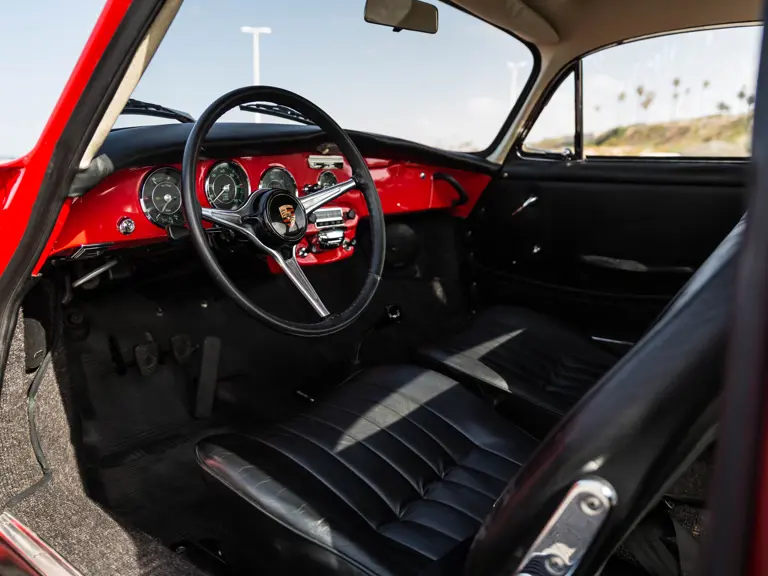
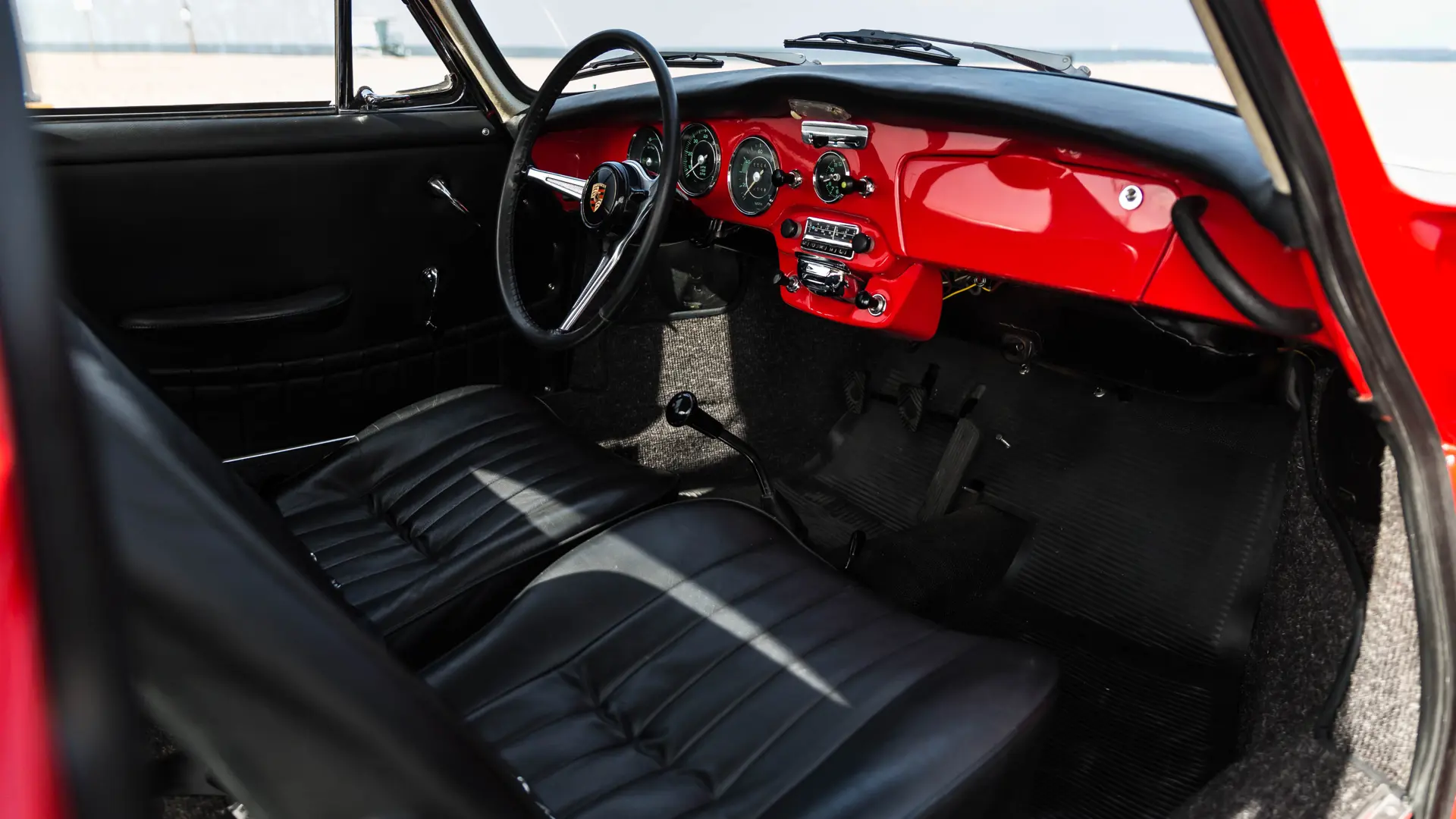
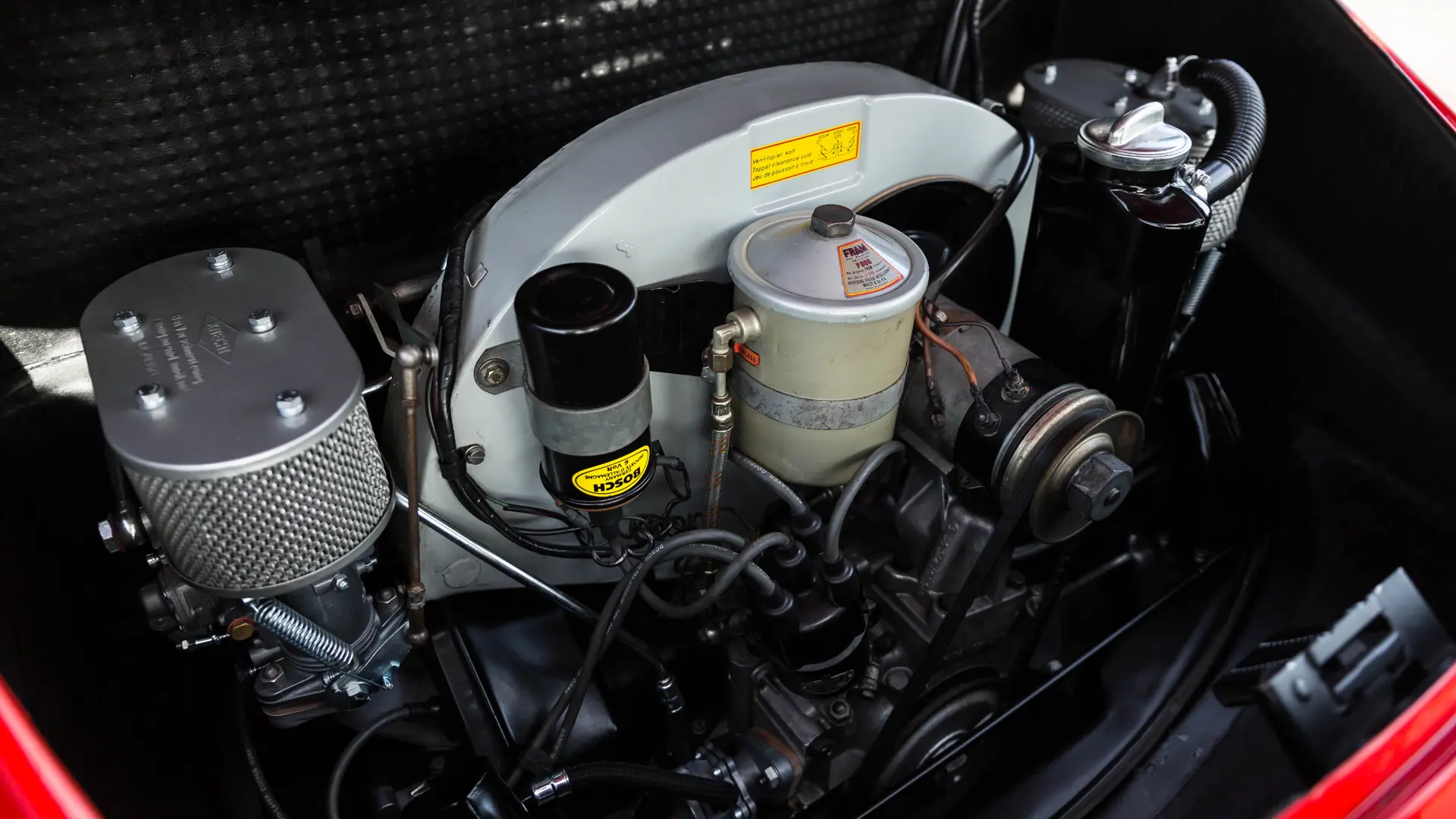
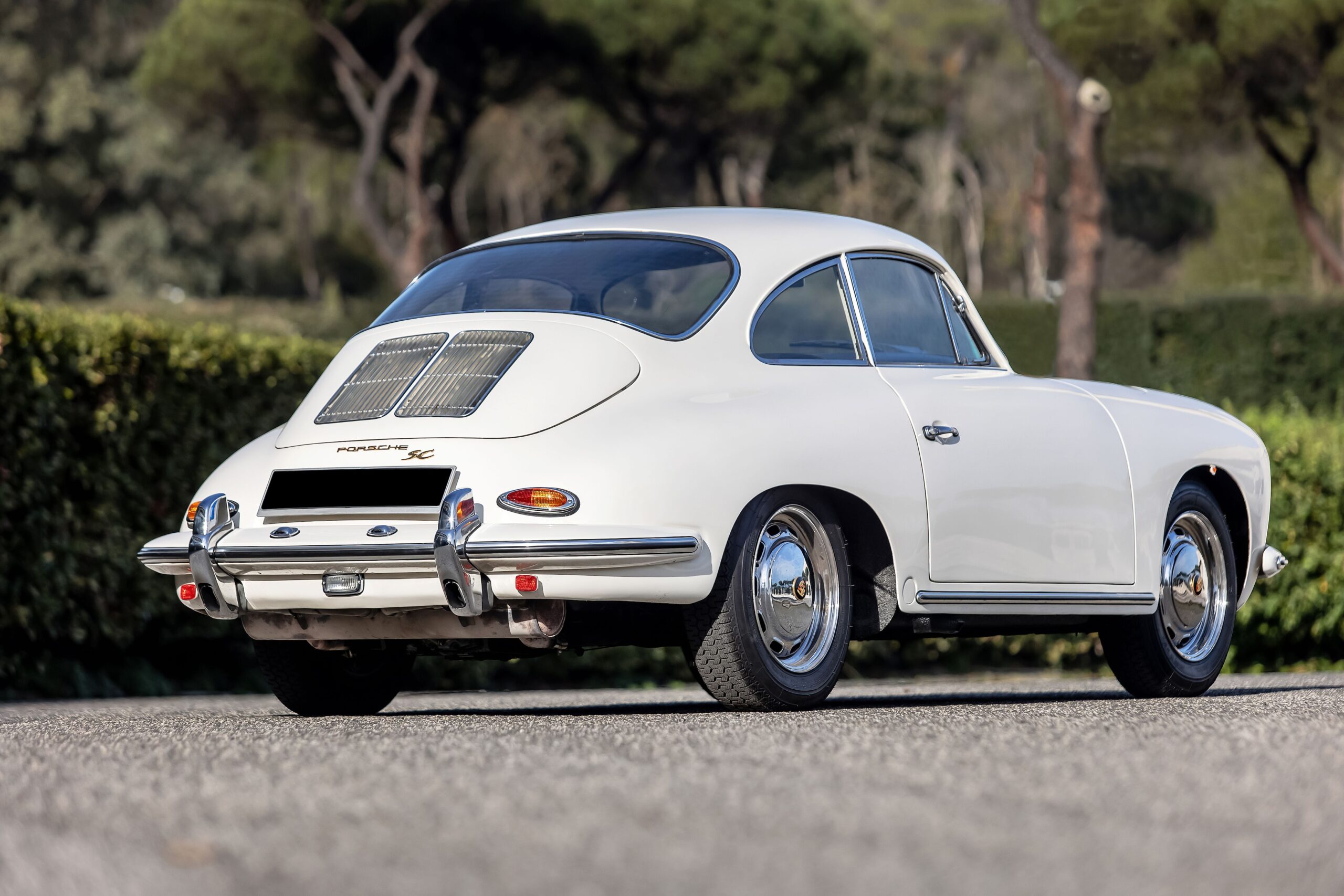
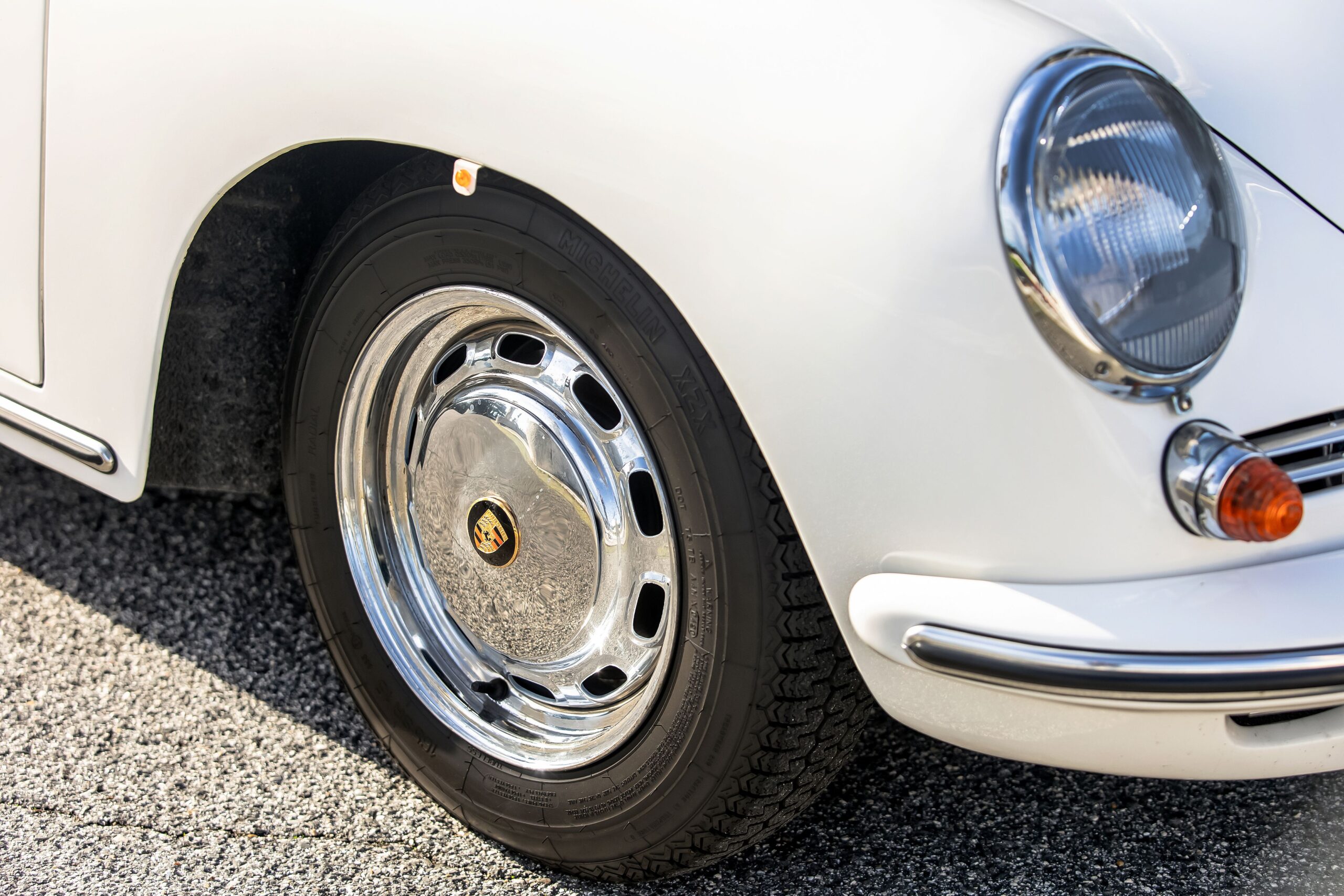
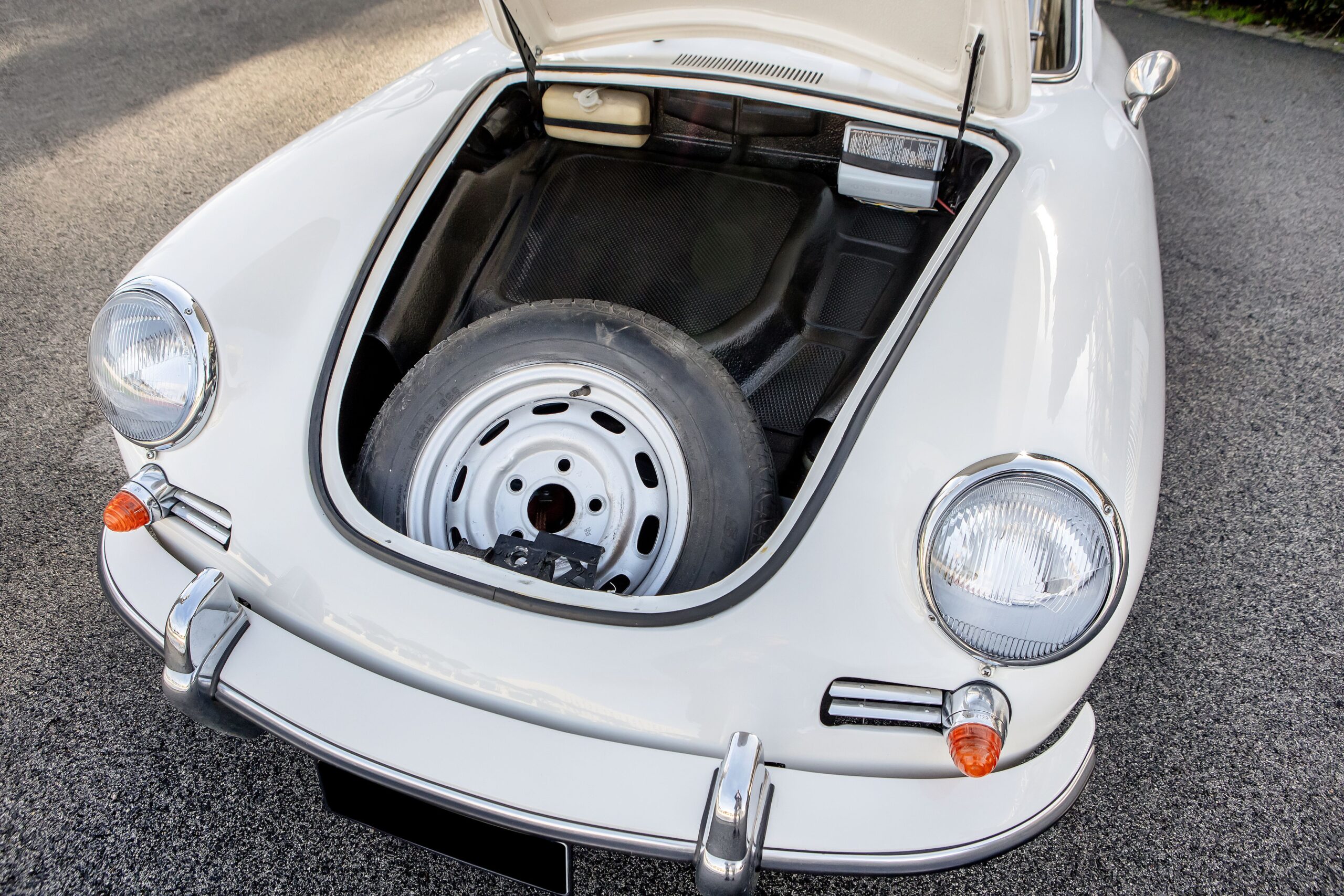
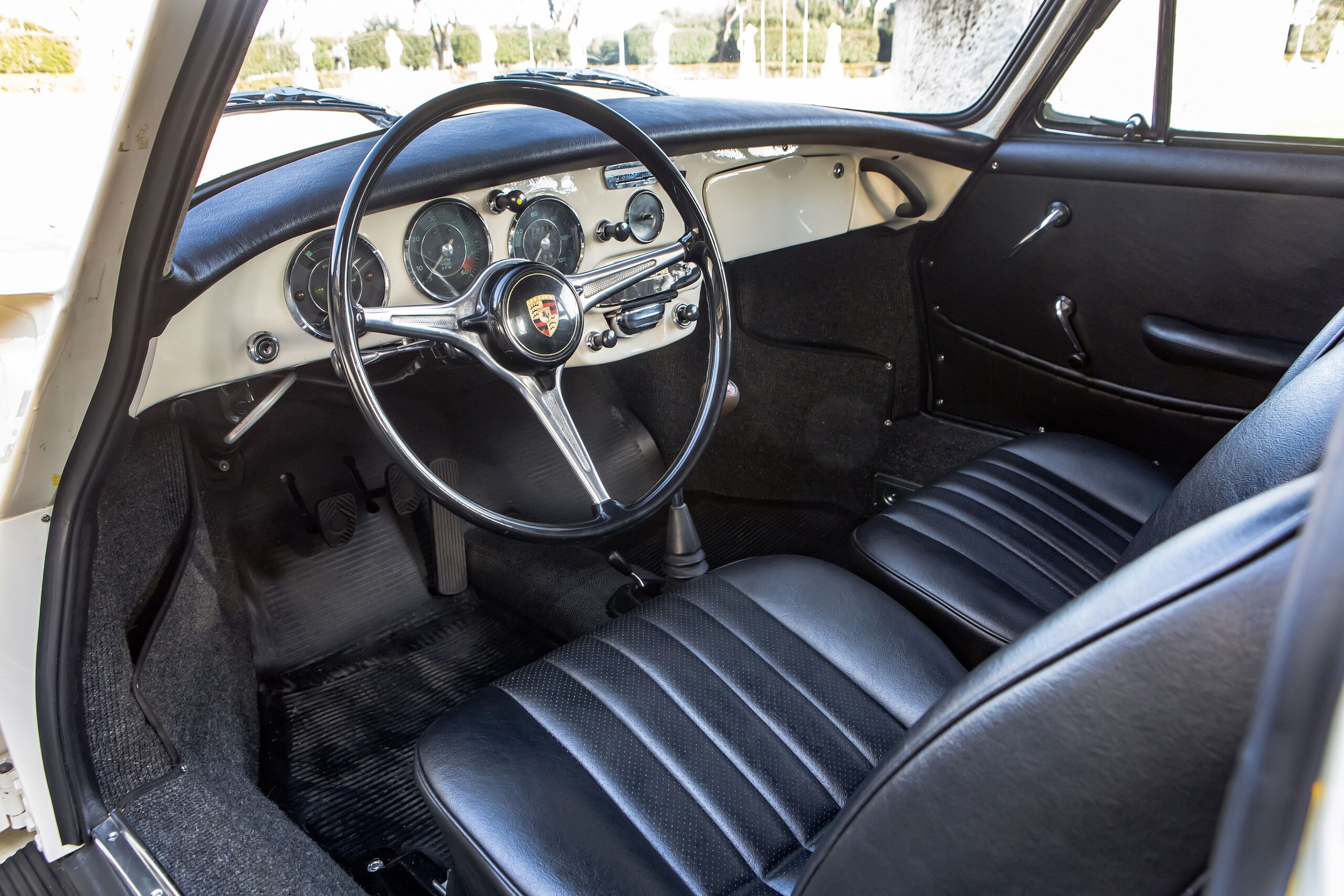
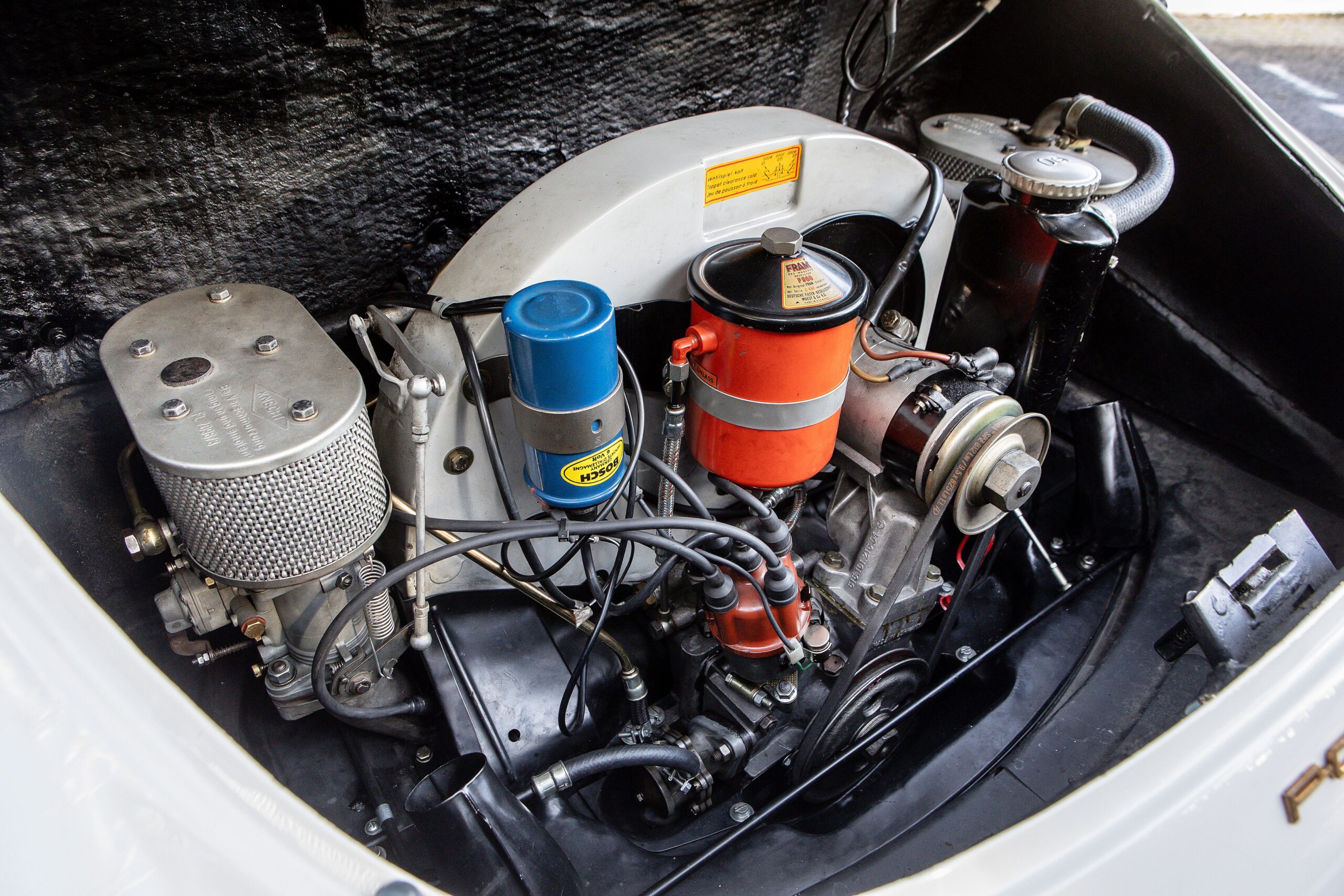
To peer beneath the familiar, teardrop-shaped T6 bodywork of the 1600 SC is to examine the absolute pinnacle of Porsche’s air-cooled, four-cylinder pushrod engineering. At its heart was the Type 616/16 flat-four engine. Displacing 1,582cc, this powerplant was heavily revised from the old Super 90. It featured a robust, counter-weighted crankshaft, improved cylinder heads, and breathed deeply through a pair of large twin-choke Solex 40 PII-4 carburetors. The result was a highly tractable, deeply sonorous 95 horsepower (DIN) at 5,800 rpm, allowing the lightweight coupe to effortlessly cruise at over 175 km/h (110 mph). But the defining technical triumph of the 356 C generation—and a crucial element in the SC’s dynamic superiority—was the introduction of four-wheel ATE disc brakes as standard equipment. This long-awaited upgrade vanquished the fade issues that plagued the earlier drum-braked cars and necessitated a new wheel design with a smaller bolt pattern, characterized by the flatter, less bulbous hubcaps that visually distinguish the C from the B. The chassis dynamics were also perfected; by fitting a thicker front anti-roll bar and softer rear torsion bars, along with a precise ZF steering box, Porsche engineers finally tamed the notorious swing-axle snap oversteer. Inside, the cabin of the SC was a sanctuary of purposeful grand-touring luxury. The driver was gripped by deeply bolstered seats and faced a painted metal dashboard dominated by a trio of emerald-green VDO dials, with the tachometer rightfully occupying the center stage, directly in the pilot’s line of sight.
While the factory racing department’s attention had shifted entirely to purpose-built, mid-engined fiberglass prototypes by 1963, the 356 C 1600 SC carved out a formidable reputation on both the street and the amateur racing circuit. In the United States, it became a beloved weapon in the Sports Car Club of America (SCCA) production classes. Privateers quickly realized that the combination of the SC’s unburstable 95-horsepower engine and the newfound stopping power of the ATE disc brakes made it a giant-killer capable of out-braking and out-cornering vastly more powerful domestic iron. On European roads, it was the quintessential high-speed executive express. Its reputation for sustained, high-speed reliability was so absolute that the Dutch Rijkspolitie (highway patrol) famously selected the 356 (specifically favoring the SC engines) in Cabriolet form as their pursuit vehicle of choice. Driven by elite officers in open-face helmets, these Porsches hunted down speeding motorists on the Autobahns, cementing the car’s image as an unbreakable machine.
The legacy of the 1963 Porsche 356 C 1600 SC is inextricably linked to the birth of its successor. When 356 production finally ceased in 1965, the world had fallen in love with the new 911, but the six-cylinder flagship was deemed too expensive for many traditional Porsche buyers. Recognizing this, Zuffenhausen made a brilliant, pragmatic decision: they took the glorious, highly evolved Type 616/16 engine straight from the 1600 SC and dropped it into the back of the new 911 body shell, giving birth to the legendary Porsche 912. Thus, the heart of the SC lived on, bridging the gap between two eras of motoring royalty. Today, the 1600 SC stands at the very summit of the pushrod 356 lineage. For the classic motoring purist, it is widely considered the best-driving 356 ever built—a masterpiece of mid-century engineering that pairs the romantic, wind-cheating silhouette of the 1950s with a level of braking and mechanical refinement that remains genuinely thrilling to drive on modern roads.
Brand
Produced from
Portal
Vehicle category
Model line
Model generation
Predecessor
Sucessor
Brand
Produced from
Portal
Vehicle category
Model line
Model generation
Predecessor
Sucessor
Submodel Overview
In the autumn of 1963, attendees of the Frankfurt Motor Show were utterly captivated by the unveiling of the sleek, six-cylinder Porsche 901 prototype. It was clearly the dawn of a new era for Zuffenhausen. Yet, sharing the same stand was another machine—one that represented not a radical future, but the absolute, uncompromising perfection of the past. This was the 1963 Porsche 356 C, and at the top of its pushrod-engine hierarchy sat the magnificent 1600 SC. Introduced as the direct replacement for the outgoing 356 B Super 90, the SC was designed for the enthusiastic driver who demanded high performance without the temperamental, watch-like fragility and exorbitant cost of the four-cam Carrera 2. In an era where the market was being flooded with brilliant, modern machinery like the nimble Lotus Elan, the twin-cam Alfa Romeo Giulia Sprint GT, and the muscular Triumph TR4, the 1600 SC relied on continuous, meticulous teutonic evolution. It was the ultimate expression of Ferry Porsche’s original vision, a car that had been honed over fifteen years into a surgical, deeply communicative driving instrument.
To peer beneath the familiar, teardrop-shaped T6 bodywork of the 1600 SC is to examine the absolute pinnacle of Porsche’s air-cooled, four-cylinder pushrod engineering. At its heart was the Type 616/16 flat-four engine. Displacing 1,582cc, this powerplant was heavily revised from the old Super 90. It featured a robust, counter-weighted crankshaft, improved cylinder heads, and breathed deeply through a pair of large twin-choke Solex 40 PII-4 carburetors. The result was a highly tractable, deeply sonorous 95 horsepower (DIN) at 5,800 rpm, allowing the lightweight coupe to effortlessly cruise at over 175 km/h (110 mph). But the defining technical triumph of the 356 C generation—and a crucial element in the SC’s dynamic superiority—was the introduction of four-wheel ATE disc brakes as standard equipment. This long-awaited upgrade vanquished the fade issues that plagued the earlier drum-braked cars and necessitated a new wheel design with a smaller bolt pattern, characterized by the flatter, less bulbous hubcaps that visually distinguish the C from the B. The chassis dynamics were also perfected; by fitting a thicker front anti-roll bar and softer rear torsion bars, along with a precise ZF steering box, Porsche engineers finally tamed the notorious swing-axle snap oversteer. Inside, the cabin of the SC was a sanctuary of purposeful grand-touring luxury. The driver was gripped by deeply bolstered seats and faced a painted metal dashboard dominated by a trio of emerald-green VDO dials, with the tachometer rightfully occupying the center stage, directly in the pilot’s line of sight.
While the factory racing department’s attention had shifted entirely to purpose-built, mid-engined fiberglass prototypes by 1963, the 356 C 1600 SC carved out a formidable reputation on both the street and the amateur racing circuit. In the United States, it became a beloved weapon in the Sports Car Club of America (SCCA) production classes. Privateers quickly realized that the combination of the SC’s unburstable 95-horsepower engine and the newfound stopping power of the ATE disc brakes made it a giant-killer capable of out-braking and out-cornering vastly more powerful domestic iron. On European roads, it was the quintessential high-speed executive express. Its reputation for sustained, high-speed reliability was so absolute that the Dutch Rijkspolitie (highway patrol) famously selected the 356 (specifically favoring the SC engines) in Cabriolet form as their pursuit vehicle of choice. Driven by elite officers in open-face helmets, these Porsches hunted down speeding motorists on the Autobahns, cementing the car’s image as an unbreakable machine.
The legacy of the 1963 Porsche 356 C 1600 SC is inextricably linked to the birth of its successor. When 356 production finally ceased in 1965, the world had fallen in love with the new 911, but the six-cylinder flagship was deemed too expensive for many traditional Porsche buyers. Recognizing this, Zuffenhausen made a brilliant, pragmatic decision: they took the glorious, highly evolved Type 616/16 engine straight from the 1600 SC and dropped it into the back of the new 911 body shell, giving birth to the legendary Porsche 912. Thus, the heart of the SC lived on, bridging the gap between two eras of motoring royalty. Today, the 1600 SC stands at the very summit of the pushrod 356 lineage. For the classic motoring purist, it is widely considered the best-driving 356 ever built—a masterpiece of mid-century engineering that pairs the romantic, wind-cheating silhouette of the 1950s with a level of braking and mechanical refinement that remains genuinely thrilling to drive on modern roads.
Tech Specs
Technical Specifications
Tech Specs
Technical Specifications
Engine
01
03
Internal combustion engine
Configuration
Porsche Type 616/16, Flat-4 (Boxer) - Air-cooled
Location
Rear, longitudinally mounted
Construction
Aluminium alloy block and heads with cast iron cylinder liners
Displacement (cc)
1,582 cc
Displacement (cu in)
96.5 cu in
Compression
9.5:1
Bore x Stroke
82.5 mm x 74.0 mm
Valvetrain
2 valves per cylinder, OHV
Fuel feed
2 x Solex 40 PII-4 carburetors
Lubrication
Wet sump
Aspiration
Naturally aspirated
Output
Power (hp)
95 hp
Power (kW)
71 kW
Max power at
5,800 RPM
Torque (Nm)
124 Nm
Torque (ft lbs)
91 ft lbs
Max torque at
4,200 RPM
Drivetrain
02
03
Chassis
Type
Unibody platform chassis
Material
Steel
Body
Material
Steel
Transmission
Gearbox
Porsche Type 741, 4-speed manual
Drive
Rear Wheel Drive
Suspension
Front
Independent, trailing arms, transverse torsion bars, telescopic dampers, anti-roll bar
Rear
Independent, swing axles, transverse torsion bars, telescopic dampers
Steering
Type
ZF worm and peg, unassisted
Brakes
Front
Solid discs Ø292 mm
Rear
Solid discs Ø292 mm
Wheels
Front
4.5" x 15"
Rear
4.5" x 15"
Tires
Front
165 HR 15
Rear
165 HR 15
Dimensions and performance
03
03
Dimensions
Length (mm)
4,010 mm
Length (in)
157.9 in
Width (mm)
1,670 mm
Width (in)
65.7 in
Height (mm)
1,330 mm
Height (in)
52.4 in
Wheelbase (mm)
2,100 mm
Wheelbase (in)
82.7 in
Weight (kg)
935 kg
Weight (lbs)
2,061 lbs
Performance
Power to weight
0.10 hp/kg
Top speed (km/h)
185 km/h
Top speed (mph)
115 mph
0-100 km/h (0-60 mph)
~11.0 s