
Bizzarrini 5300 GT Corsa
Brand
Produced from
Portal
Model line
Predecessor
Successor
Submodel Overview
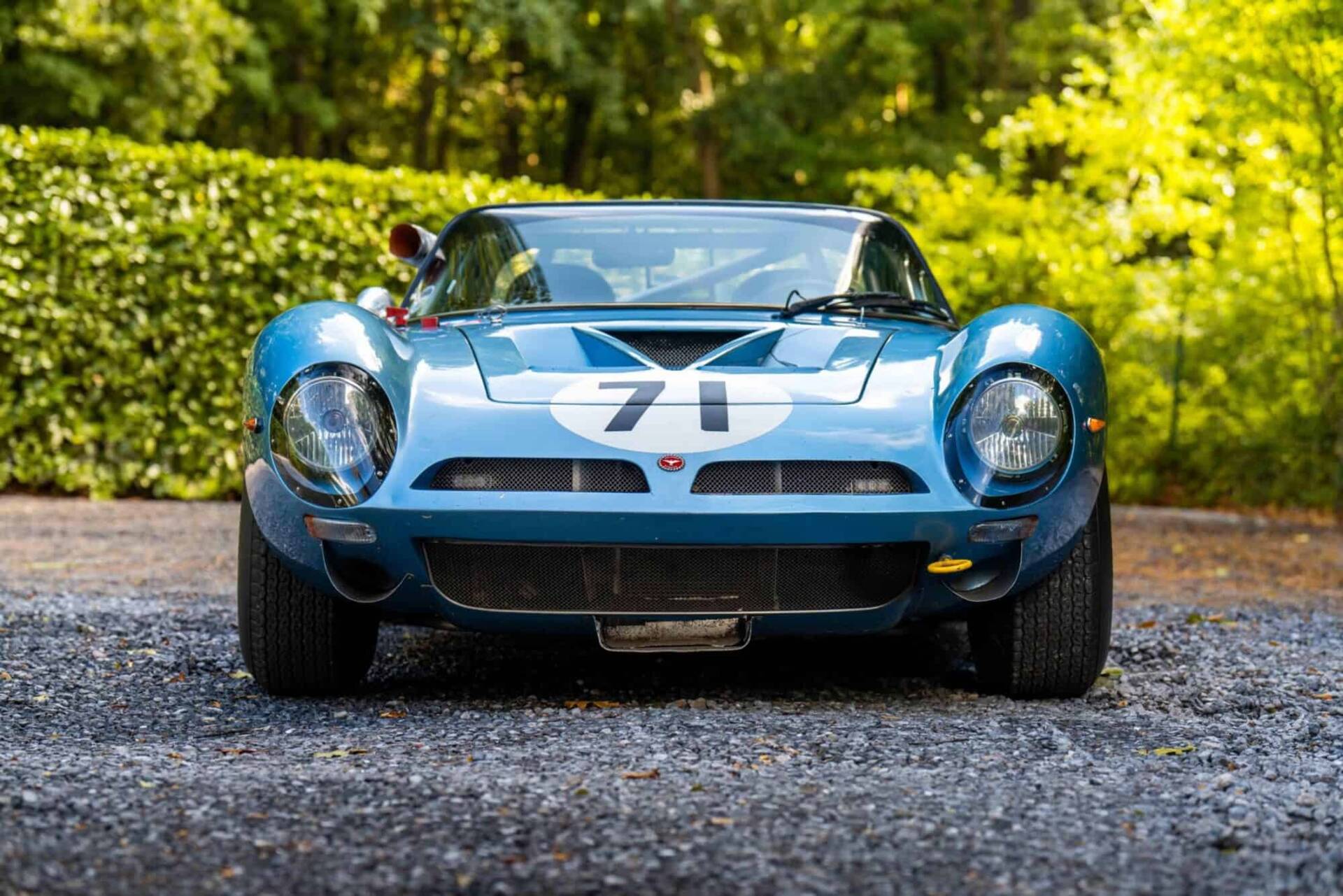
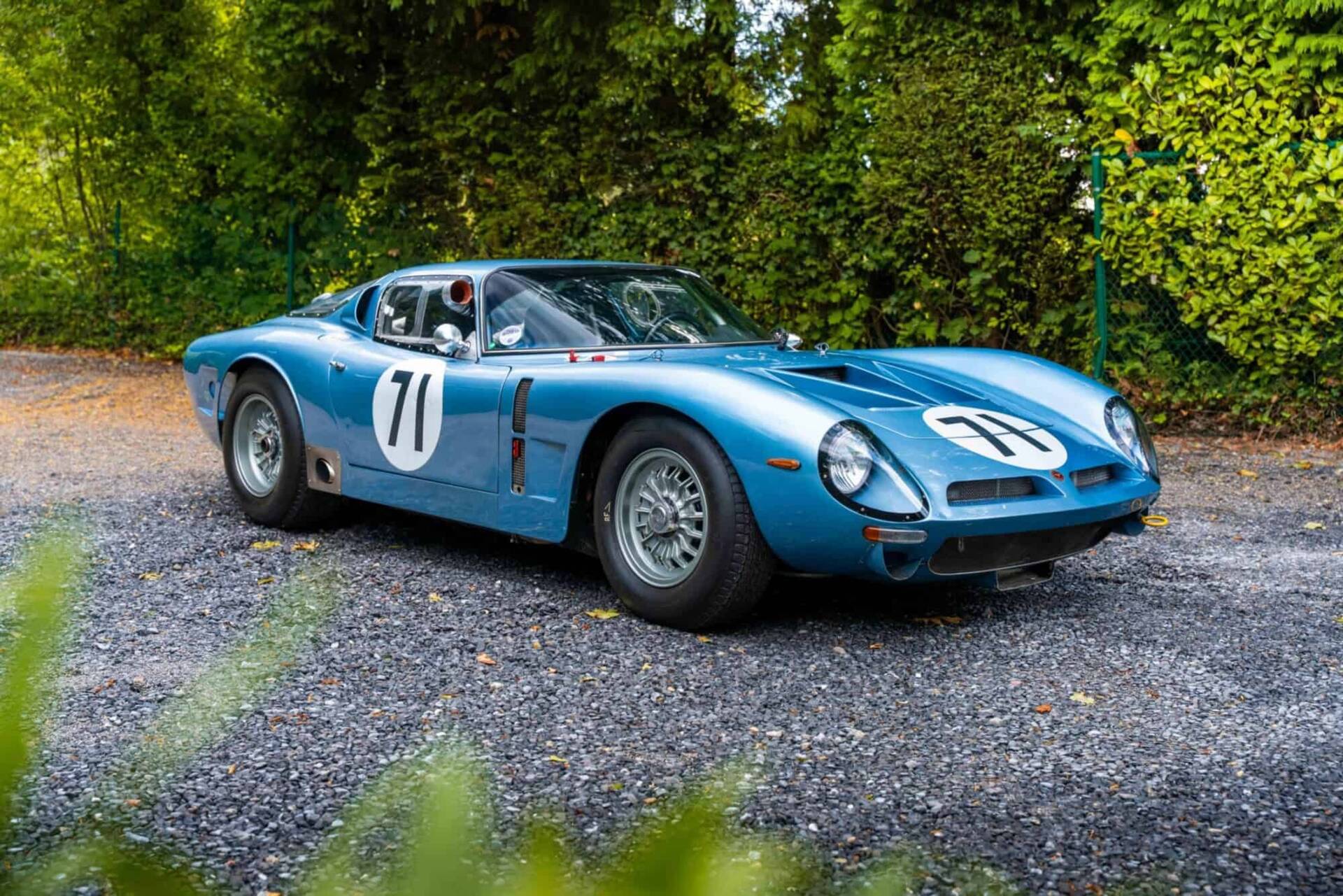
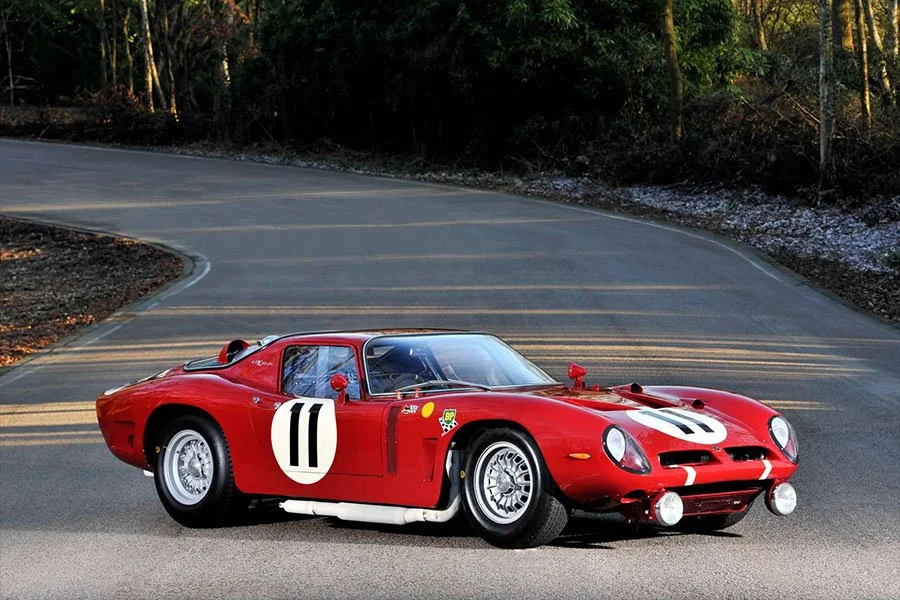
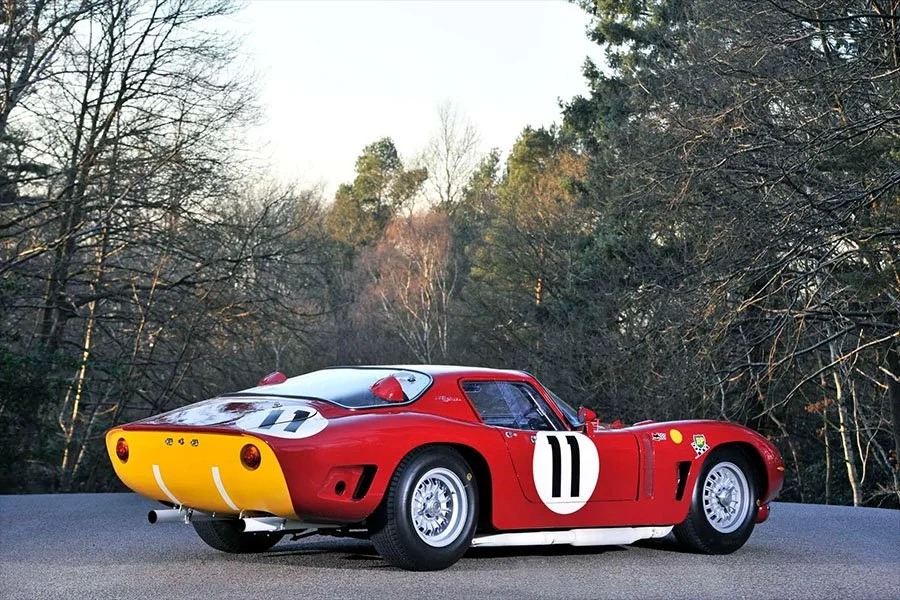
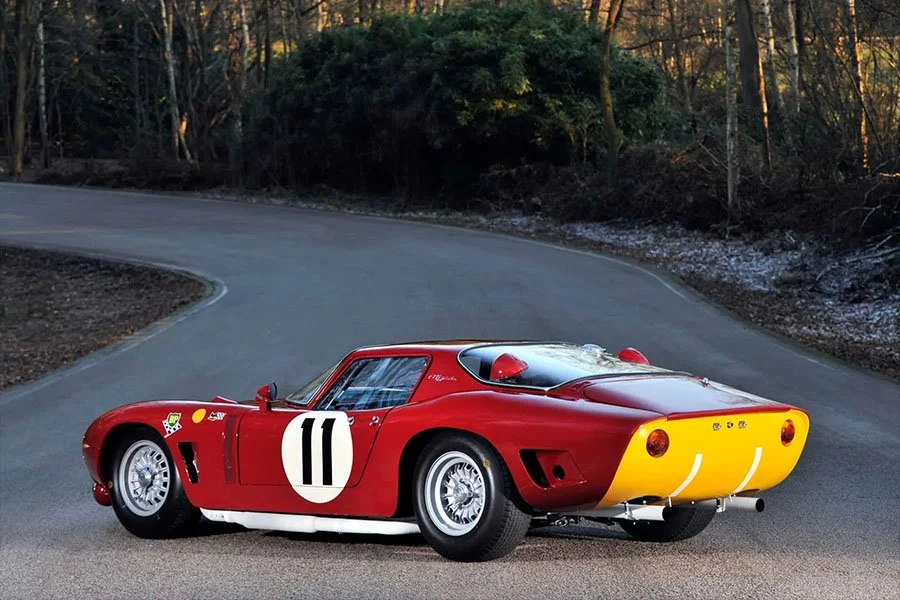
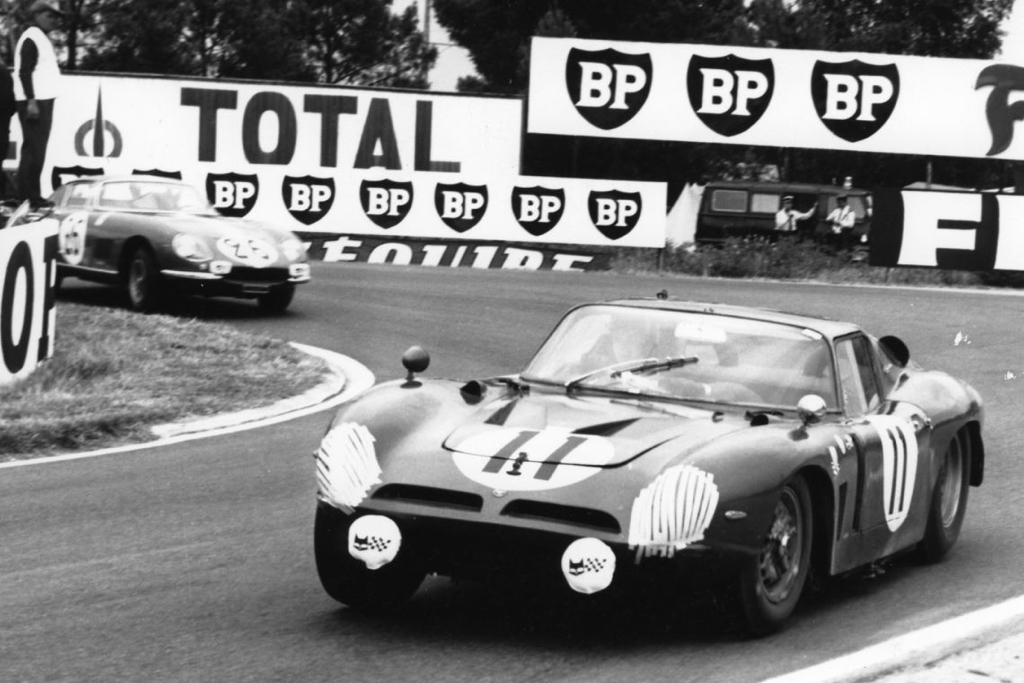
In the turbulent, fiercely competitive crucible of mid-1960s sports car racing, a very specific breed of machine emerged to challenge the absolute hegemony of Maranello. To understand the genesis of the 1965 Bizzarrini 5300 GT Corsa, one must first understand the brilliant, uncompromising mind of its creator, Giotto Bizzarrini. Having been the chief engineer behind the mythical Ferrari 250 GTO, Bizzarrini was ousted during the infamous 1961 ‘Palace Revolt’. Unshackled and driven by a burning desire to out-engineer his former employer, he initially partnered with industrialist Renzo Rivolta to create the Iso Grifo A3/C. However, their relationship fractured over Bizzarrini’s singular obsession with motor racing rather than building luxurious grand tourers. Taking his blueprint, he established his own marque in Livorno. The 5300 GT Corsa was the ultimate, unadulterated realization of his vision—a track-focused, aluminium-bodied weapon designed to hunt down the Ferrari 275 GTB/C, the Shelby Daytona Coupes, and the burgeoning Ford GT40s in the over-5.0-liter GT class. It was the quintessential European-American hybrid, marrying exquisite Italian chassis dynamics and aerodynamics with thunderous, unbreakable Detroit muscle.
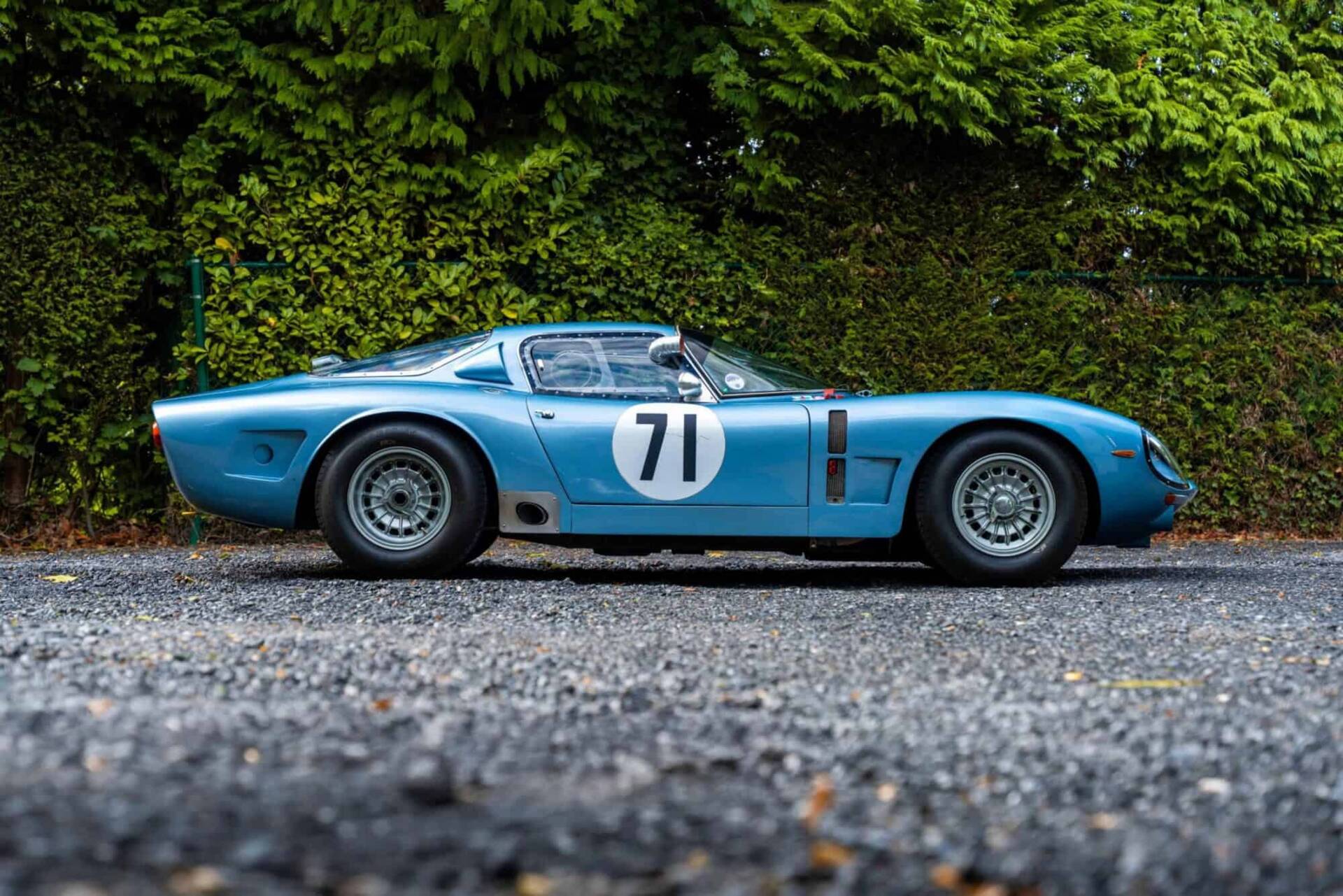
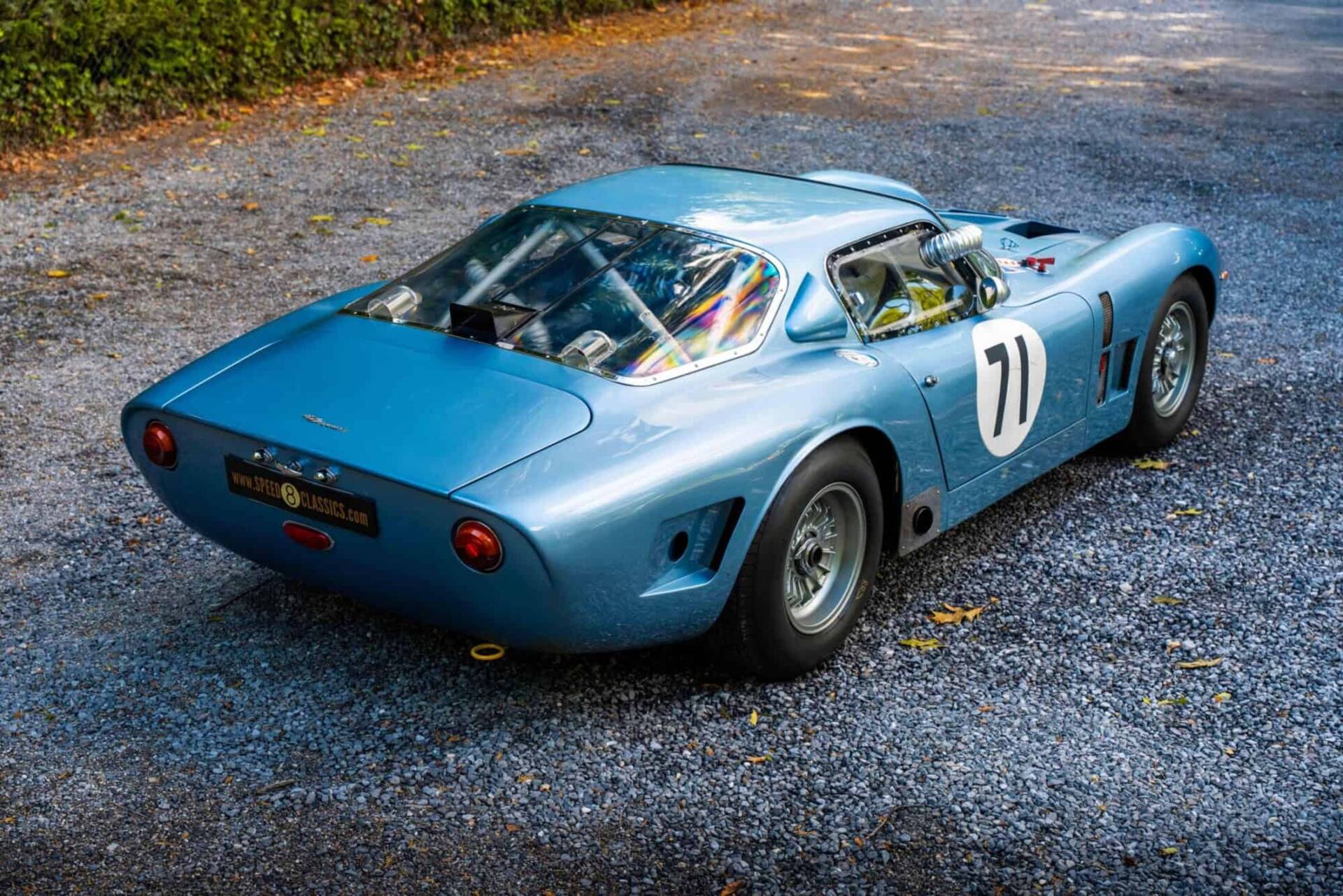
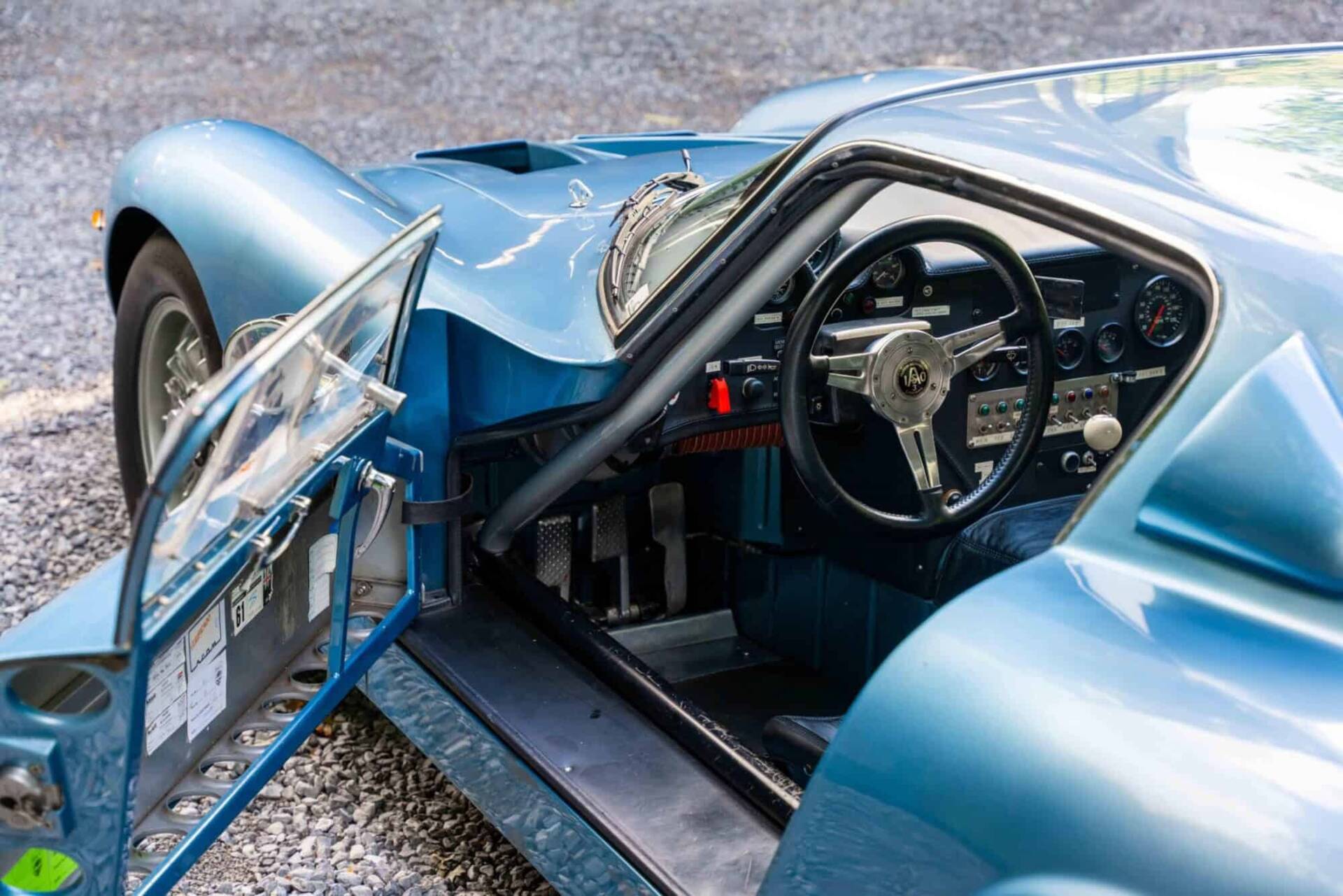
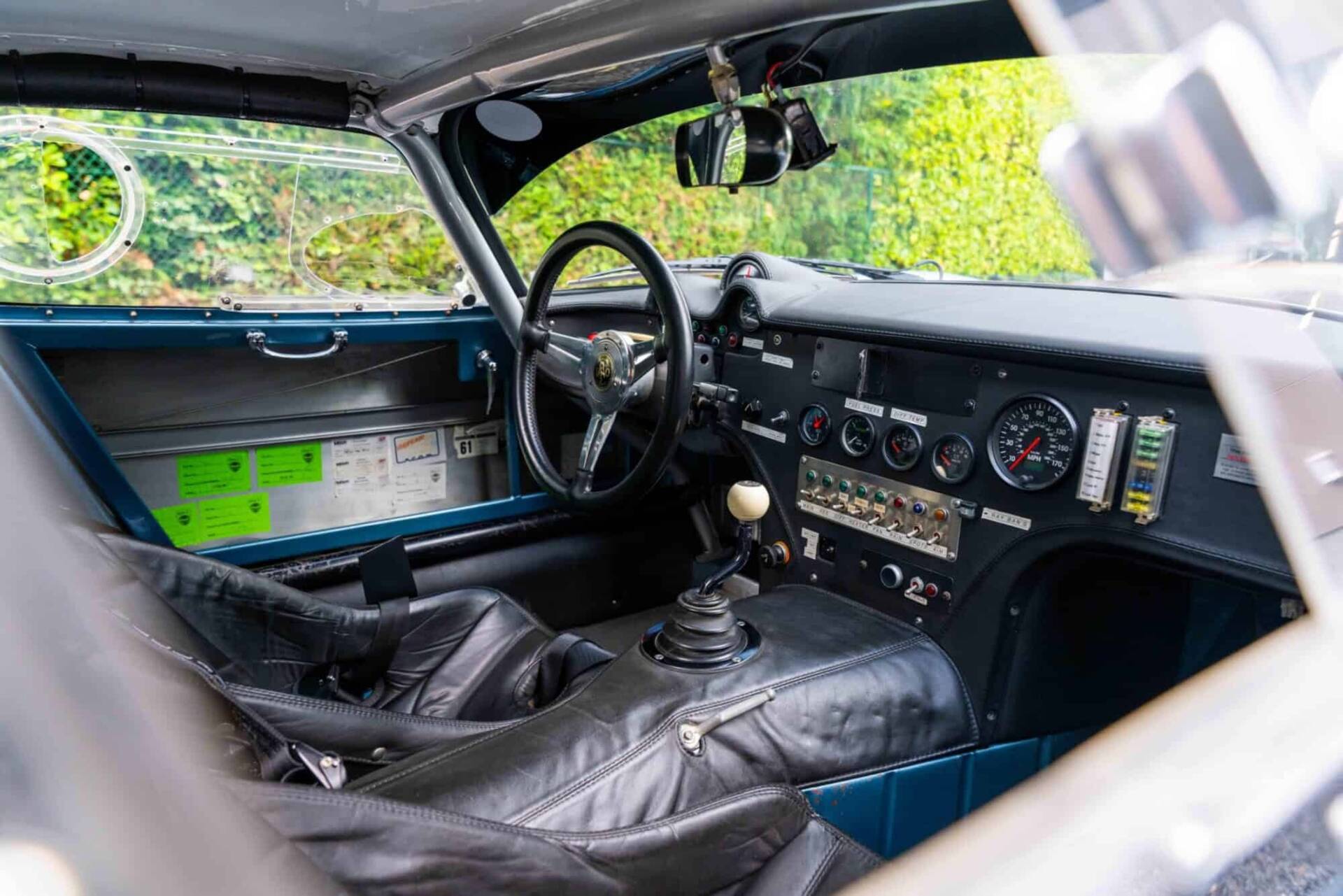
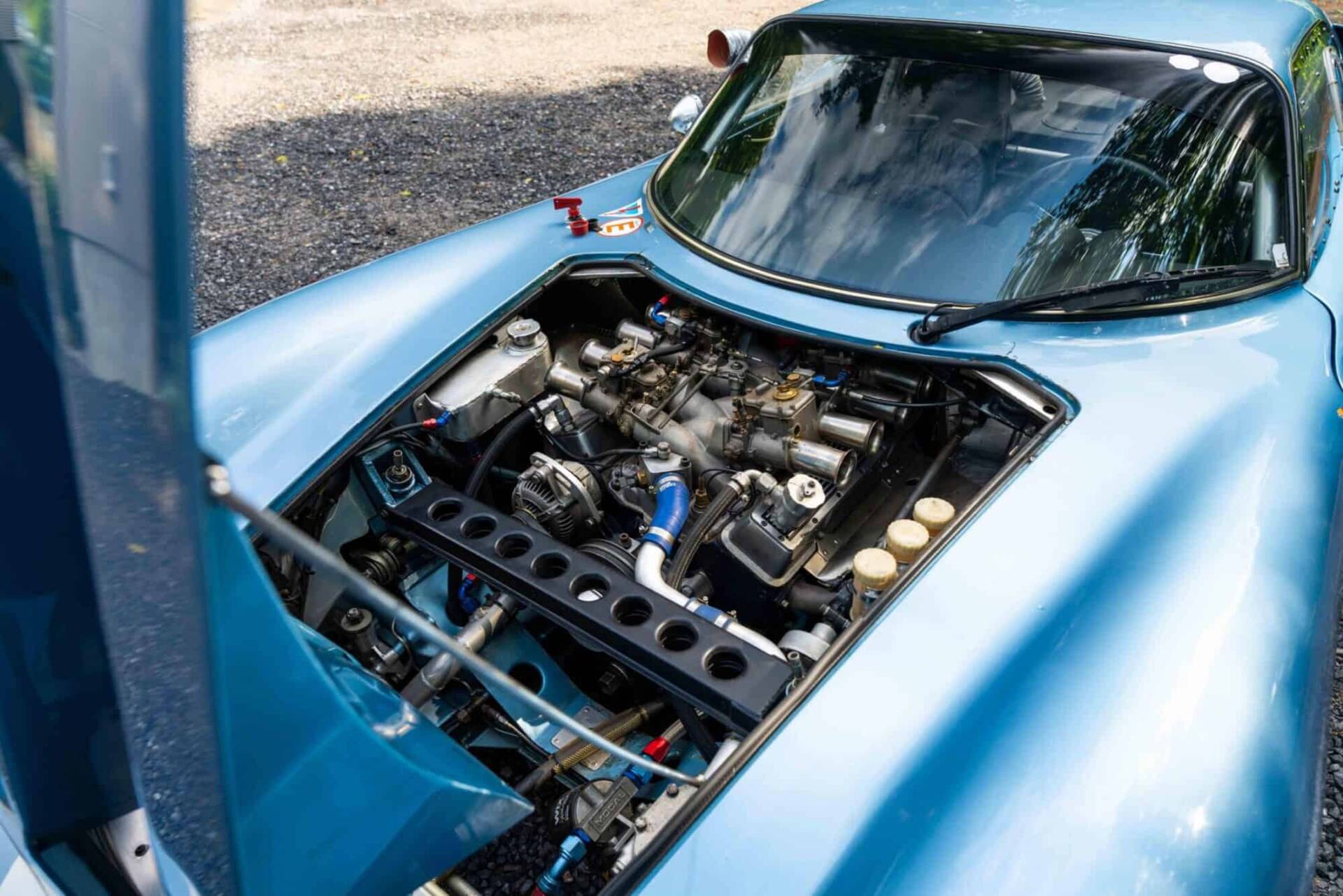
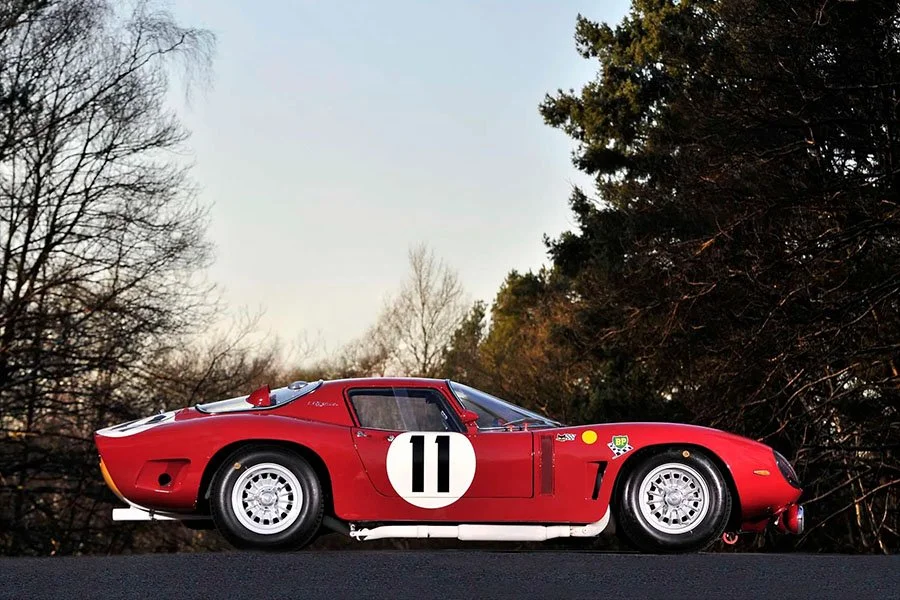
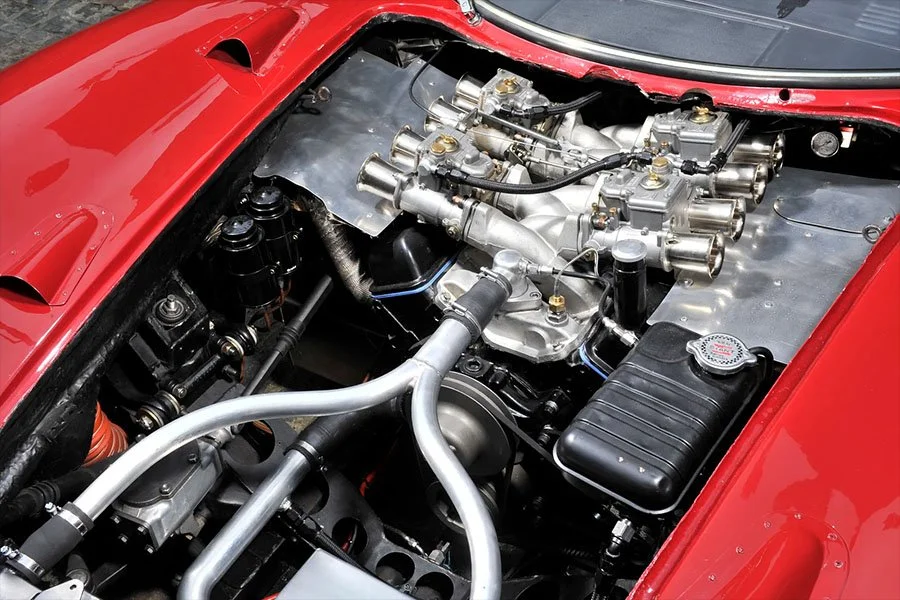
To peel back the breathtaking, incredibly low-slung Peraluman (aluminium alloy) bodywork of the Corsa is to witness a masterclass in extreme weight distribution. Bizzarrini’s engineering philosophy dictated that the engine must be placed as close to the center of the car as physically possible. He took the brutal, reliable 5.3-liter (327 cubic inch) Chevrolet Corvette V8 and shoved it so far back into the welded sheet-tube semi-monocoque chassis that it effectively became a front-mid-engined car. The packaging was so extreme that the distributor was famously accessed through a removable panel in the dashboard. In Corsa specification, this iron-block leviathan was fed by four massive Weber 45 DCOE side-draft carburetors on a bespoke cross-ram intake manifold, producing a staggering 400 horsepower. To harness this violence, Bizzarrini utilized a sophisticated independent front suspension and a De Dion rear axle, a setup that provided impeccable traction and predictable breakaway characteristics. Colossal Dunlop four-wheel disc brakes—mounted inboard at the rear to reduce unsprung mass—ensured fading was kept to an absolute minimum during 24-hour marathons. Inside, the Corsa was a completely stripped, heat-soaked aluminium cavern. The driver sat practically reclined over the rear axle, straddling a massive transmission tunnel, completely enveloped in the deafening, baritone roar of the American V8.
The 5300 GT Corsa did not possess the limitless factory backing of Ford or Ferrari, yet its competitive history is etched with giant-killing romance. Its absolute zenith arrived at the 1965 24 Hours of Le Mans. Fielded by privateer efforts but heavily supported by Bizzarrini himself, the car proved astonishingly fast on the Mulsanne Straight, its wind-cheating Giugiaro-penned aerodynamics allowing it to exceed 300 km/h (185 mph). Driven by Regis Fraissinet and Jean de Mortemart, the Iso-Bizzarrini badged Corsa survived the grueling French marathon to finish an incredible 9th overall and secure a magnificent victory in the over-5.0-liter class, effectively winning its category against the might of the Shelby efforts. It was a staggering validation of Bizzarrini’s pragmatic approach. Beyond Le Mans, the Corsa became a fearsome competitor in European hill climbs and endurance events. Despite this track success, Giotto Bizzarrini’s total lack of interest in the commercial realities of building the road-going ‘Strada’ versions meant the company was perennially strapped for cash. Production remained agonizingly slow and bespoke, which ultimately doomed the marque to financial collapse by 1969.
The legacy of the 1965 Bizzarrini 5300 GT Corsa is that of the ultimate, uncompromising privateer exotic. It represents the absolute pinnacle of the 1960s Euro-American hybrids, succeeding where others failed by combining a genuinely world-class racing chassis with unburstable American torque. It was the car that proved the father of the 250 GTO could build a machine capable of beating Maranello at its own game on a fraction of the budget. Today, an original 5300 GT Corsa is a highly coveted blue-chip unicorn, an absolute star of the Goodwood Revival and Peter Auto classic events, where its sweeping shape and thunderous sound continue to mesmerize crowds.
Brand
Produced from
Portal
Model line
Predecessor
Sucessor
Brand
Produced from
Portal
Model line
Model generation
Predecessor
Sucessor
Submodel Overview
In the turbulent, fiercely competitive crucible of mid-1960s sports car racing, a very specific breed of machine emerged to challenge the absolute hegemony of Maranello. To understand the genesis of the 1965 Bizzarrini 5300 GT Corsa, one must first understand the brilliant, uncompromising mind of its creator, Giotto Bizzarrini. Having been the chief engineer behind the mythical Ferrari 250 GTO, Bizzarrini was ousted during the infamous 1961 ‘Palace Revolt’. Unshackled and driven by a burning desire to out-engineer his former employer, he initially partnered with industrialist Renzo Rivolta to create the Iso Grifo A3/C. However, their relationship fractured over Bizzarrini’s singular obsession with motor racing rather than building luxurious grand tourers. Taking his blueprint, he established his own marque in Livorno. The 5300 GT Corsa was the ultimate, unadulterated realization of his vision—a track-focused, aluminium-bodied weapon designed to hunt down the Ferrari 275 GTB/C, the Shelby Daytona Coupes, and the burgeoning Ford GT40s in the over-5.0-liter GT class. It was the quintessential European-American hybrid, marrying exquisite Italian chassis dynamics and aerodynamics with thunderous, unbreakable Detroit muscle.
To peel back the breathtaking, incredibly low-slung Peraluman (aluminium alloy) bodywork of the Corsa is to witness a masterclass in extreme weight distribution. Bizzarrini’s engineering philosophy dictated that the engine must be placed as close to the center of the car as physically possible. He took the brutal, reliable 5.3-liter (327 cubic inch) Chevrolet Corvette V8 and shoved it so far back into the welded sheet-tube semi-monocoque chassis that it effectively became a front-mid-engined car. The packaging was so extreme that the distributor was famously accessed through a removable panel in the dashboard. In Corsa specification, this iron-block leviathan was fed by four massive Weber 45 DCOE side-draft carburetors on a bespoke cross-ram intake manifold, producing a staggering 400 horsepower. To harness this violence, Bizzarrini utilized a sophisticated independent front suspension and a De Dion rear axle, a setup that provided impeccable traction and predictable breakaway characteristics. Colossal Dunlop four-wheel disc brakes—mounted inboard at the rear to reduce unsprung mass—ensured fading was kept to an absolute minimum during 24-hour marathons. Inside, the Corsa was a completely stripped, heat-soaked aluminium cavern. The driver sat practically reclined over the rear axle, straddling a massive transmission tunnel, completely enveloped in the deafening, baritone roar of the American V8.
The 5300 GT Corsa did not possess the limitless factory backing of Ford or Ferrari, yet its competitive history is etched with giant-killing romance. Its absolute zenith arrived at the 1965 24 Hours of Le Mans. Fielded by privateer efforts but heavily supported by Bizzarrini himself, the car proved astonishingly fast on the Mulsanne Straight, its wind-cheating Giugiaro-penned aerodynamics allowing it to exceed 300 km/h (185 mph). Driven by Regis Fraissinet and Jean de Mortemart, the Iso-Bizzarrini badged Corsa survived the grueling French marathon to finish an incredible 9th overall and secure a magnificent victory in the over-5.0-liter class, effectively winning its category against the might of the Shelby efforts. It was a staggering validation of Bizzarrini’s pragmatic approach. Beyond Le Mans, the Corsa became a fearsome competitor in European hill climbs and endurance events. Despite this track success, Giotto Bizzarrini’s total lack of interest in the commercial realities of building the road-going ‘Strada’ versions meant the company was perennially strapped for cash. Production remained agonizingly slow and bespoke, which ultimately doomed the marque to financial collapse by 1969.
The legacy of the 1965 Bizzarrini 5300 GT Corsa is that of the ultimate, uncompromising privateer exotic. It represents the absolute pinnacle of the 1960s Euro-American hybrids, succeeding where others failed by combining a genuinely world-class racing chassis with unburstable American torque. It was the car that proved the father of the 250 GTO could build a machine capable of beating Maranello at its own game on a fraction of the budget. Today, an original 5300 GT Corsa is a highly coveted blue-chip unicorn, an absolute star of the Goodwood Revival and Peter Auto classic events, where its sweeping shape and thunderous sound continue to mesmerize crowds.
Tech Specs
Technical Specifications
Tech Specs
Technical Specifications
Engine
01
03
Internal combustion engine
Configuration
Chevrolet Small Block 327, V8 - 90º
Location
Front-Mid, longitudinally mounted
Construction
Cast iron block and heads
Displacement (cc)
5,358 cc
Displacement (cu in)
327.0 cu in
Compression
11.0:1
Bore x Stroke
101.6 mm x 82.5 mm
Valvetrain
2 valves per cylinder, OHV
Fuel feed
4 x Weber 45 DCOE carburetors
Lubrication
Wet sump
Aspiration
Naturally aspirated
Output
Power (hp)
~400 hp
Power (kW)
~298 kW
Max power at
6,000 RPM
Torque (Nm)
490 Nm
Torque (ft lbs)
361 ft lbs
Max torque at
4,000 RPM
Drivetrain
02
03
Chassis
Type
Welded tubular steel frame with semi-monocoque stressed panels
Material
Steel
Body
Material
Lightweight Aluminium
Transmission
Gearbox
Borg-Warner T-10, 4-speed manual
Drive
Rear Wheel Drive (Salisbury Limited Slip Differential)
Suspension
Front
Independent, unequal length double wishbones, coil springs, telescopic dampers, anti-roll bar
Rear
De Dion tube, trailing arms, coil springs, telescopic dampers, anti-roll bar
Steering
Type
Burman recirculating ball, unassisted
Brakes
Front
Solid discs Ø305 mm, Dunlop calipers
Rear
Solid discs Ø305 mm, Dunlop calipers (Inboard)
Wheels
Front
7" x 15" (Campagnolo cast magnesium alloy)
Rear
8" x 15" or 9" x 15" (Campagnolo cast magnesium alloy)
Tires
Front
6.00-15
Rear
7.00-15
Dimensions and performance
03
03
Dimensions
Length (mm)
4,360 mm
Length (in)
171.6 in
Width (mm)
1,720 mm
Width (in)
67.7 in
Height (mm)
1,110 mm
Height (in)
43.7 in
Wheelbase (mm)
2,450 mm
Wheelbase (in)
96.5 in
Weight (kg)
~1,150 kg
Weight (lbs)
~2,535 lbs
Performance
Power to weight
~0.35 hp/kg
Top speed (km/h)
~300 km/h
Top speed (mph)
~186 mph
0-100 km/h (0-60 mph)
~5.0 s