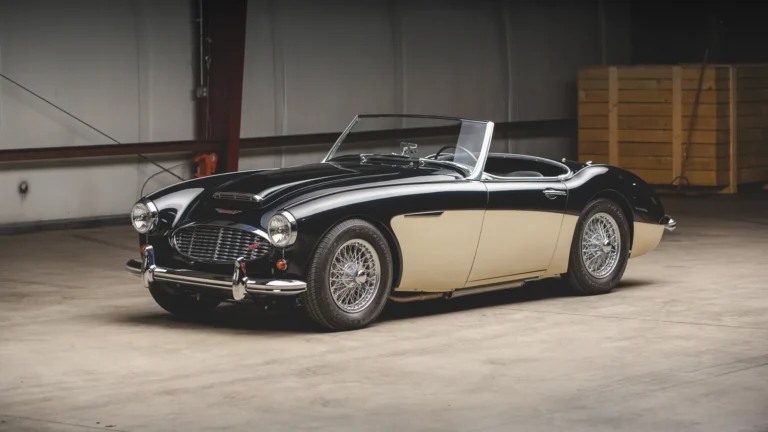
Austin Healey 3000 Mark I
Brand
Produced from
Vehicle category
Portal
Model line
Model generation
Sucessor
Generation Overview
The late 1950s represented a defining turning point for the British sports car. The austerity of the post-war era had firmly lifted, and the vital American export market was clamoring for more—more power, more refinement, and more undeniable presence. Donald Healey and the British Motor Corporation (BMC) had already transitioned away from the raw, four-cylinder 100 series with the Austin-Healey 100-Six, but while that car introduced the silky straight-six configuration, it lacked the absolute low-end wallop that driving enthusiasts craved. Enter the 1959 Austin-Healey 3000 Mark I. Unveiled to a motoring public hungry for performance, the Mark I was the absolute genesis of the definitive “Big Healey” legend. It arrived in two distinct submodels: the purist BN7 two-seater and the more practical, but still fiercely sporting, BT7 2+2. Stepping into the ring against the likes of the rugged Triumph TR3A and casting a wary eye upmarket toward the outgoing Jaguar XK150, the 3000 Mark I struck a brilliant, aggressive compromise. It was a hairy-chested, pavement-pounding bruiser that maintained the elemental thrill of a traditional roadster while finally delivering the mechanical firepower necessary to conquer both the boulevards of California and the treacherous rallying stages of Europe.
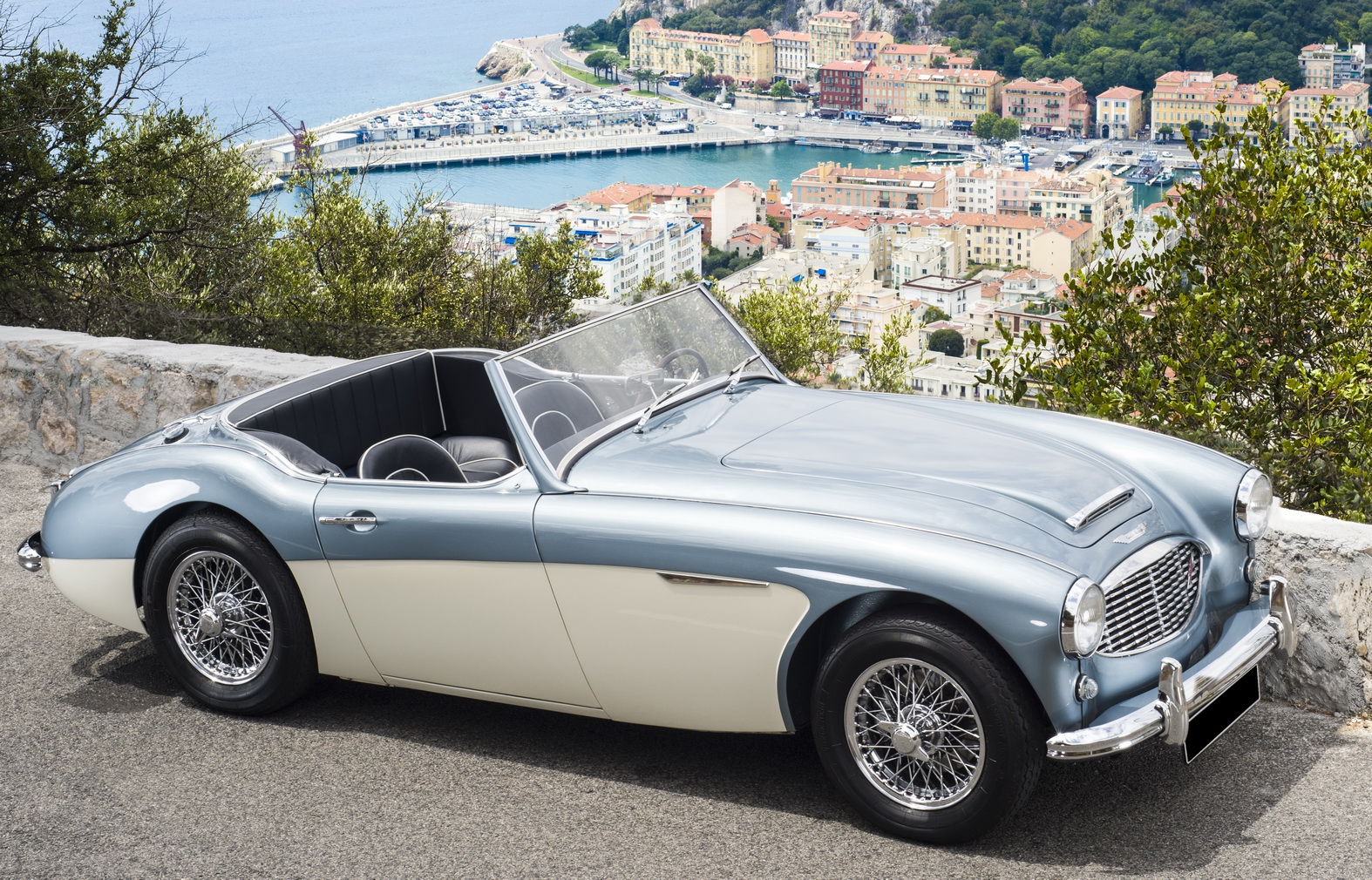
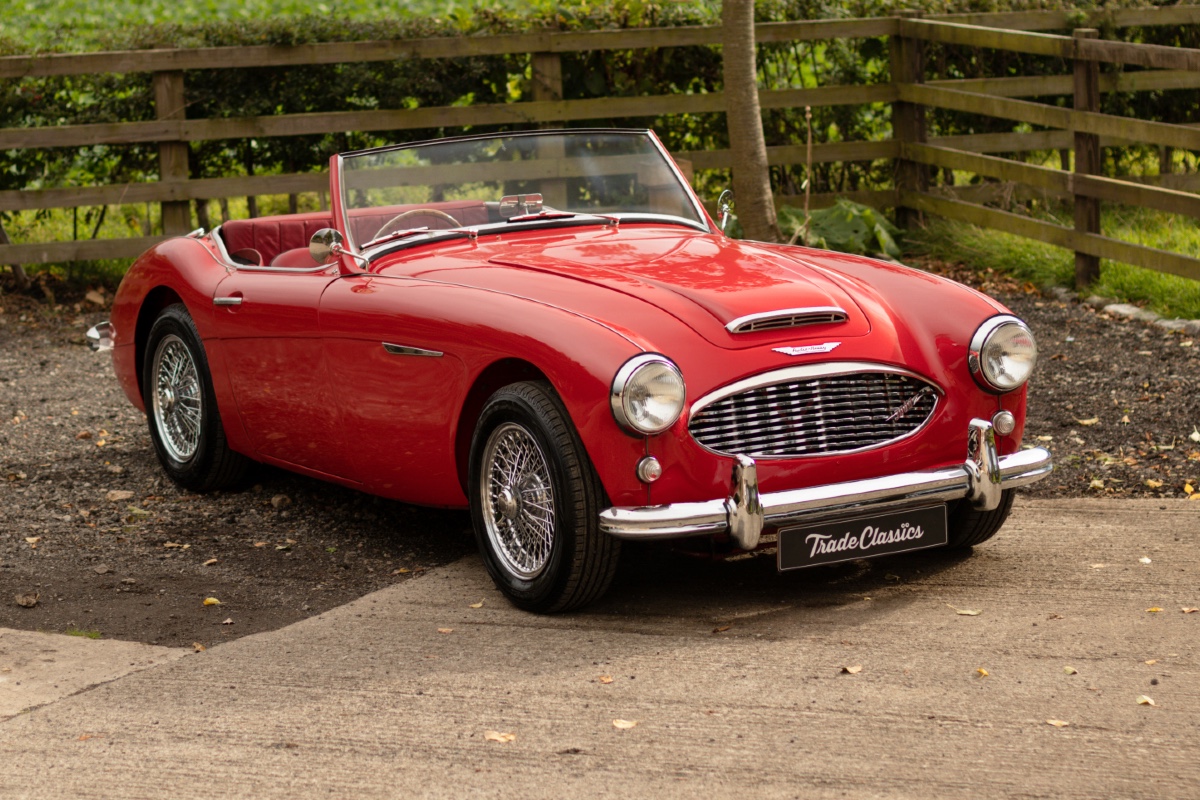
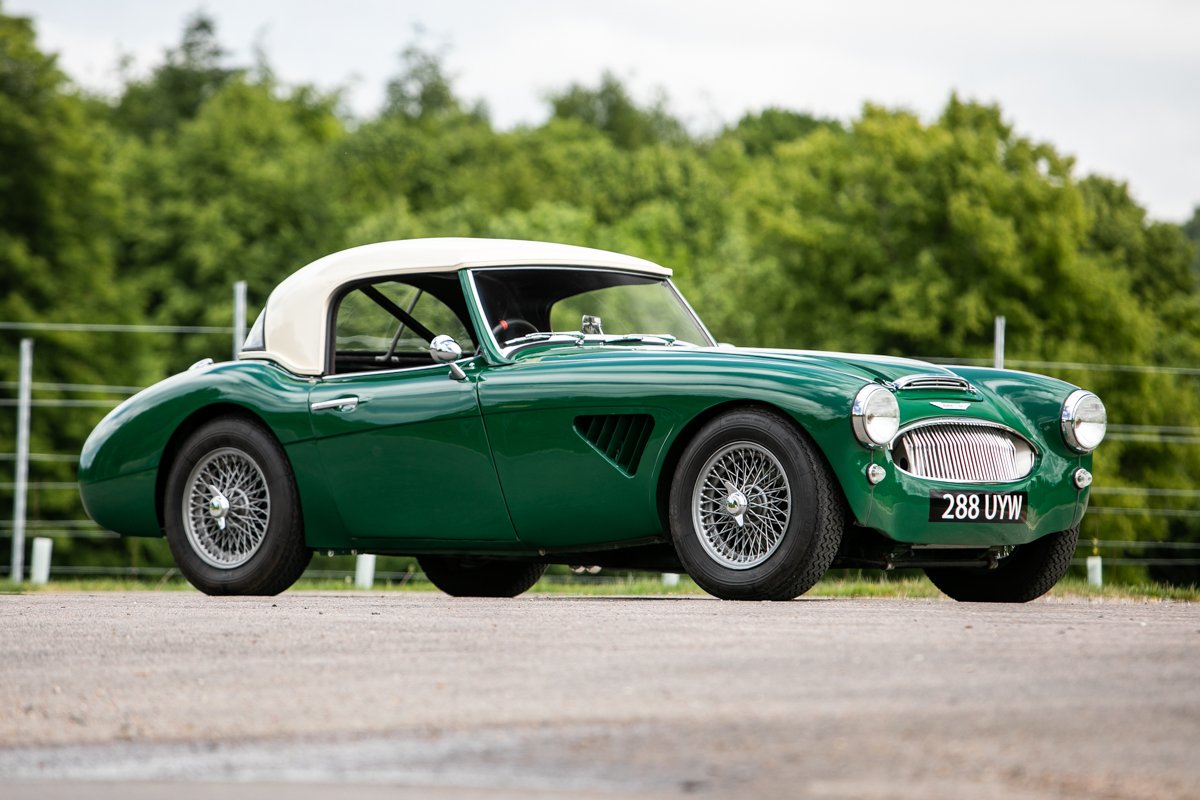
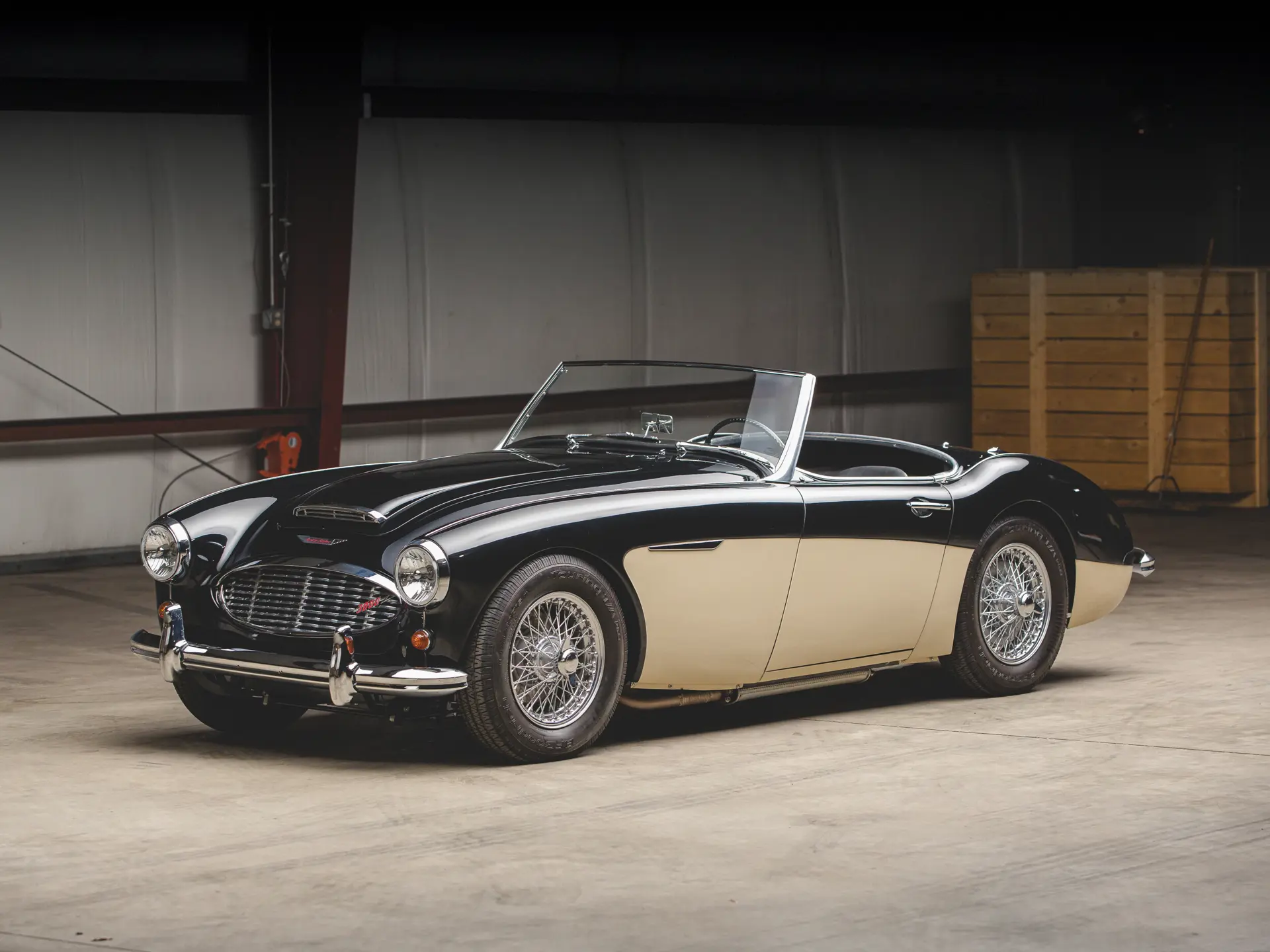
To look upon the Mark I is to admire Gerry Coker’s masterful original silhouette, largely untouched since the early 1950s because, quite simply, it required no alteration. The sweeping fender lines, the low-slung, purposeful stance, and the quintessential oval grille remained a masterclass in classic British proportions. However, the true alchemy of the 3000 Mark I occurred beneath that louvered bonnet. BMC engineers took the existing C-Series inline-six and bored it out to a voluminous 2,912cc. Fed by twin SU HD6 carburetors, this cast-iron monolith produced 124 brake horsepower. While that figure was highly respectable, the engine’s true party piece was its torque—a mountainous, relentless wave of twisting force that transformed the car from a brisk tourer into a genuine powerhouse, capable of surging past 100 mph with contemptuous ease. But power is nothing without control, and the Mark I introduced the single most vital mechanical upgrade in the model’s history: front Girling disc brakes. Replacing the fade-prone front drums of the 100-Six, these 11.25-inch discs finally allowed drivers to scrub off speed with the same ferocity with which they accumulated it. The chassis remained a sturdy ladder-frame affair, underslung at the rear, combined with independent front coil springs and a live rear axle on leaf springs. The interior was still very much a traditional roadster environment; roll-up windows were a luxury yet to come, meaning occupants relied on rudimentary side-screens and a fold-away convertible top, gripping a large, thin-rimmed steering wheel while monitoring a comprehensive suite of Smiths dials.
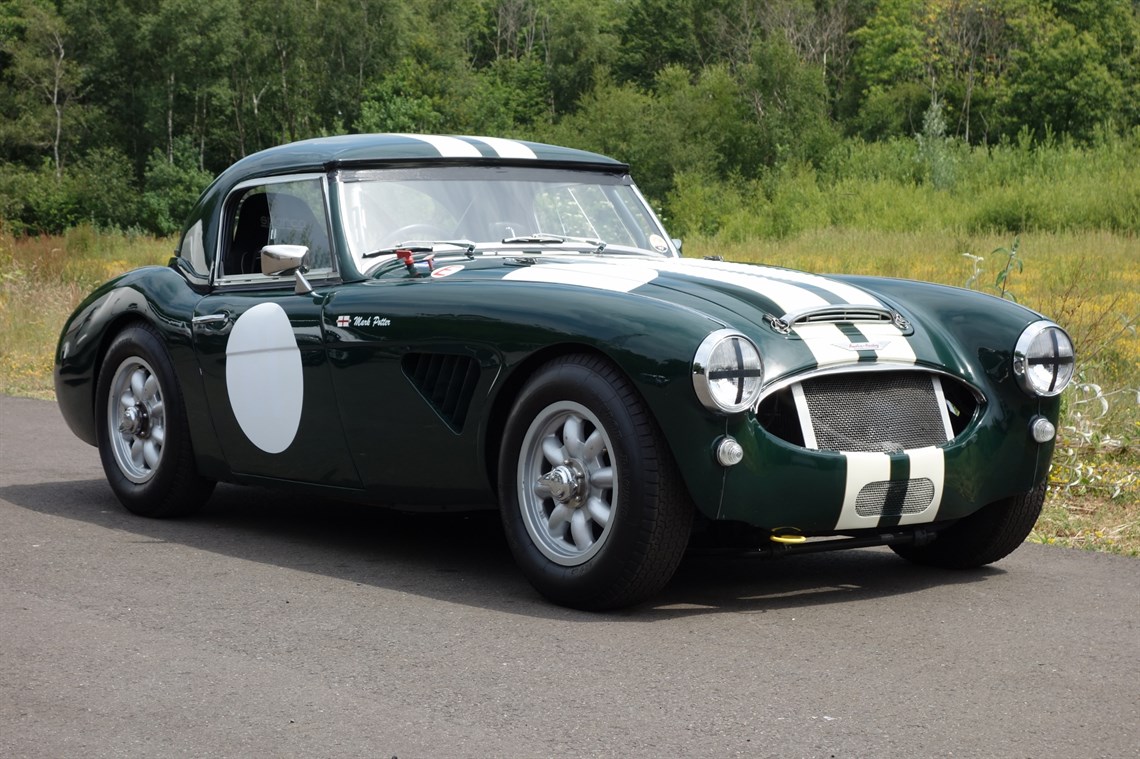
The impact of the Austin-Healey 3000 Mark I was instantaneous and deafening. Commercially, it was an absolute triumph, serving as a massive cash cow for BMC as over 90 percent of the nearly 14,000 units produced were eagerly shipped across the Atlantic. In the United States, it became the quintessential weekend warrior’s weapon, dominating SCCA production classes and cementing the British roadster mythos in American pop culture. Yet, it was in the mud, snow, and gravel of European rallying that the Mark I forged its immortal soul. The BMC Competitions Department, led by the astute Marcus Chambers, realized that while the Big Healey was heavy and possessed notoriously low ground clearance, its indestructible engine and predictable, throttle-steerable chassis made it a formidable weapon. The car’s rallying magnum opus arrived in 1960. Against all odds, the legendary Pat Moss, navigated by Ann Wisdom, manhandled a works Mark I to an outright victory at the grueling Liège-Rome-Liège rally. This 96-hour, non-stop marathon was considered the toughest motoring event in Europe, and the image of Moss wrestling “The Pig”—as the heavy Healey was affectionately known—through the Alps cemented the 3000’s reputation as an indestructible, world-beating brute.
The Austin-Healey 3000 Mark I was only in production until 1961, when it was superseded by the Mark II with its fleeting triple-carburetor experiment and later introduction of wind-up windows. Yet, its legacy as the foundational stone of the 3000 dynasty is absolute. It is the crucial bridge between the spartan 100-Six and the luxurious, gentlemanly Mark III BJ8. For many purists, the Mark I (particularly in BN7 two-seater guise) represents the sweet spot of the entire lineage: it possesses the necessary disc brakes and the glorious 2.9-liter torque, but it retains the pure, elemental roadster ethos before the creeping onset of grand touring refinement. In the pantheon of British motoring, the 1959 Austin-Healey 3000 Mark I stands tall as a titan of the analogue age. It is a car that demands physical exertion and rewards it with a sensory overload of roaring exhaust, wind-battered exhilaration, and an unyielding mechanical connection that modern sports cars can only dream of mimicking.
Portal
Model line
Model generation
Sucessor
Brand
Produced from
Vehicle category
Generation Overview
The late 1950s represented a defining turning point for the British sports car. The austerity of the post-war era had firmly lifted, and the vital American export market was clamoring for more—more power, more refinement, and more undeniable presence. Donald Healey and the British Motor Corporation (BMC) had already transitioned away from the raw, four-cylinder 100 series with the Austin-Healey 100-Six, but while that car introduced the silky straight-six configuration, it lacked the absolute low-end wallop that driving enthusiasts craved. Enter the 1959 Austin-Healey 3000 Mark I. Unveiled to a motoring public hungry for performance, the Mark I was the absolute genesis of the definitive “Big Healey” legend. It arrived in two distinct submodels: the purist BN7 two-seater and the more practical, but still fiercely sporting, BT7 2+2. Stepping into the ring against the likes of the rugged Triumph TR3A and casting a wary eye upmarket toward the outgoing Jaguar XK150, the 3000 Mark I struck a brilliant, aggressive compromise. It was a hairy-chested, pavement-pounding bruiser that maintained the elemental thrill of a traditional roadster while finally delivering the mechanical firepower necessary to conquer both the boulevards of California and the treacherous rallying stages of Europe.
To look upon the Mark I is to admire Gerry Coker’s masterful original silhouette, largely untouched since the early 1950s because, quite simply, it required no alteration. The sweeping fender lines, the low-slung, purposeful stance, and the quintessential oval grille remained a masterclass in classic British proportions. However, the true alchemy of the 3000 Mark I occurred beneath that louvered bonnet. BMC engineers took the existing C-Series inline-six and bored it out to a voluminous 2,912cc. Fed by twin SU HD6 carburetors, this cast-iron monolith produced 124 brake horsepower. While that figure was highly respectable, the engine’s true party piece was its torque—a mountainous, relentless wave of twisting force that transformed the car from a brisk tourer into a genuine powerhouse, capable of surging past 100 mph with contemptuous ease. But power is nothing without control, and the Mark I introduced the single most vital mechanical upgrade in the model’s history: front Girling disc brakes. Replacing the fade-prone front drums of the 100-Six, these 11.25-inch discs finally allowed drivers to scrub off speed with the same ferocity with which they accumulated it. The chassis remained a sturdy ladder-frame affair, underslung at the rear, combined with independent front coil springs and a live rear axle on leaf springs. The interior was still very much a traditional roadster environment; roll-up windows were a luxury yet to come, meaning occupants relied on rudimentary side-screens and a fold-away convertible top, gripping a large, thin-rimmed steering wheel while monitoring a comprehensive suite of Smiths dials.
The impact of the Austin-Healey 3000 Mark I was instantaneous and deafening. Commercially, it was an absolute triumph, serving as a massive cash cow for BMC as over 90 percent of the nearly 14,000 units produced were eagerly shipped across the Atlantic. In the United States, it became the quintessential weekend warrior’s weapon, dominating SCCA production classes and cementing the British roadster mythos in American pop culture. Yet, it was in the mud, snow, and gravel of European rallying that the Mark I forged its immortal soul. The BMC Competitions Department, led by the astute Marcus Chambers, realized that while the Big Healey was heavy and possessed notoriously low ground clearance, its indestructible engine and predictable, throttle-steerable chassis made it a formidable weapon. The car’s rallying magnum opus arrived in 1960. Against all odds, the legendary Pat Moss, navigated by Ann Wisdom, manhandled a works Mark I to an outright victory at the grueling Liège-Rome-Liège rally. This 96-hour, non-stop marathon was considered the toughest motoring event in Europe, and the image of Moss wrestling “The Pig”—as the heavy Healey was affectionately known—through the Alps cemented the 3000’s reputation as an indestructible, world-beating brute.
The Austin-Healey 3000 Mark I was only in production until 1961, when it was superseded by the Mark II with its fleeting triple-carburetor experiment and later introduction of wind-up windows. Yet, its legacy as the foundational stone of the 3000 dynasty is absolute. It is the crucial bridge between the spartan 100-Six and the luxurious, gentlemanly Mark III BJ8. For many purists, the Mark I (particularly in BN7 two-seater guise) represents the sweet spot of the entire lineage: it possesses the necessary disc brakes and the glorious 2.9-liter torque, but it retains the pure, elemental roadster ethos before the creeping onset of grand touring refinement. In the pantheon of British motoring, the 1959 Austin-Healey 3000 Mark I stands tall as a titan of the analogue age. It is a car that demands physical exertion and rewards it with a sensory overload of roaring exhaust, wind-battered exhilaration, and an unyielding mechanical connection that modern sports cars can only dream of mimicking.
Submodels