
Shelby Cobra 289 Competition
Brand
Produced from
Portal
Vehicle category
Model line
Model generation
Predecessor
Successor
Submodel Overview
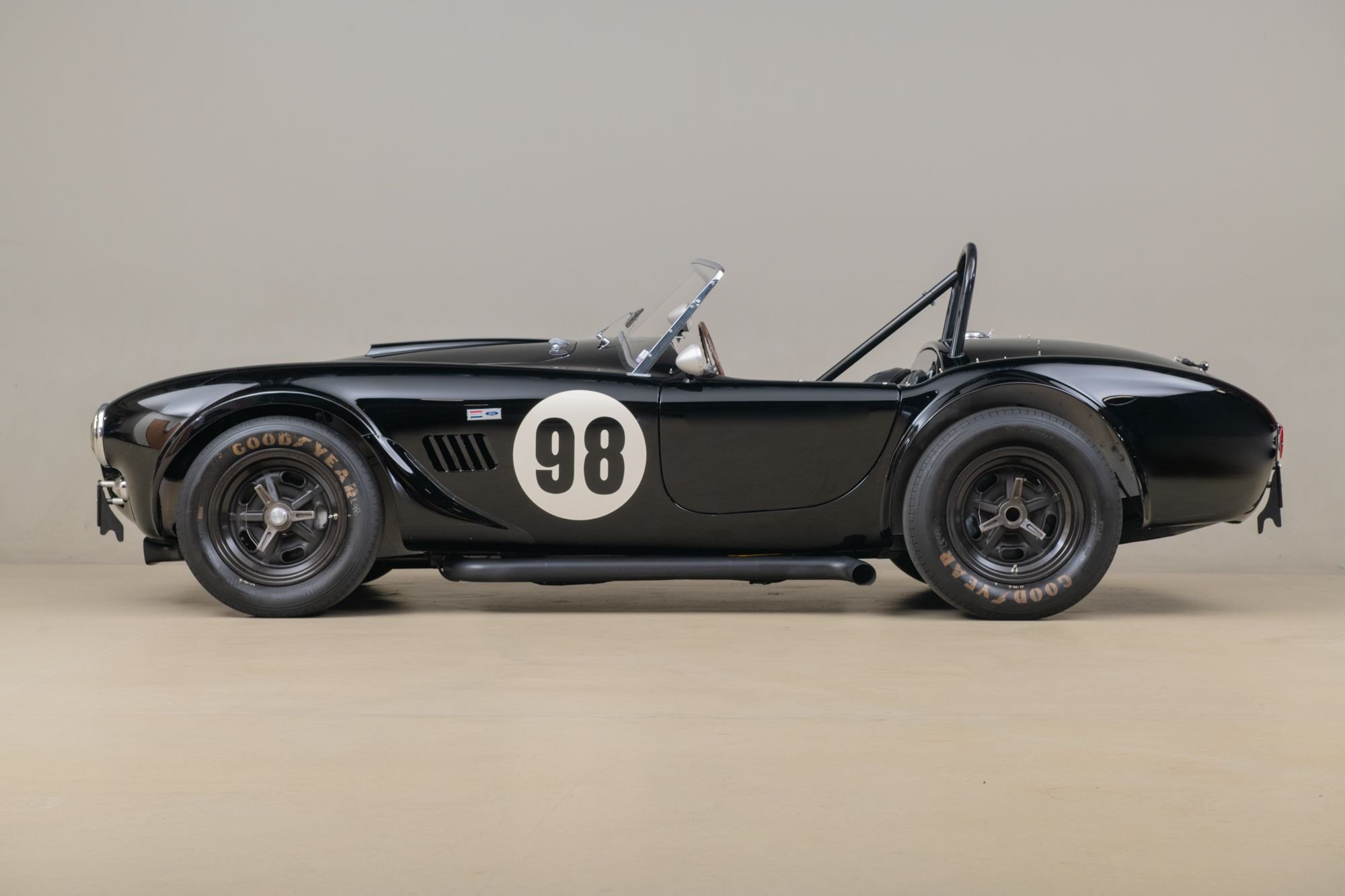
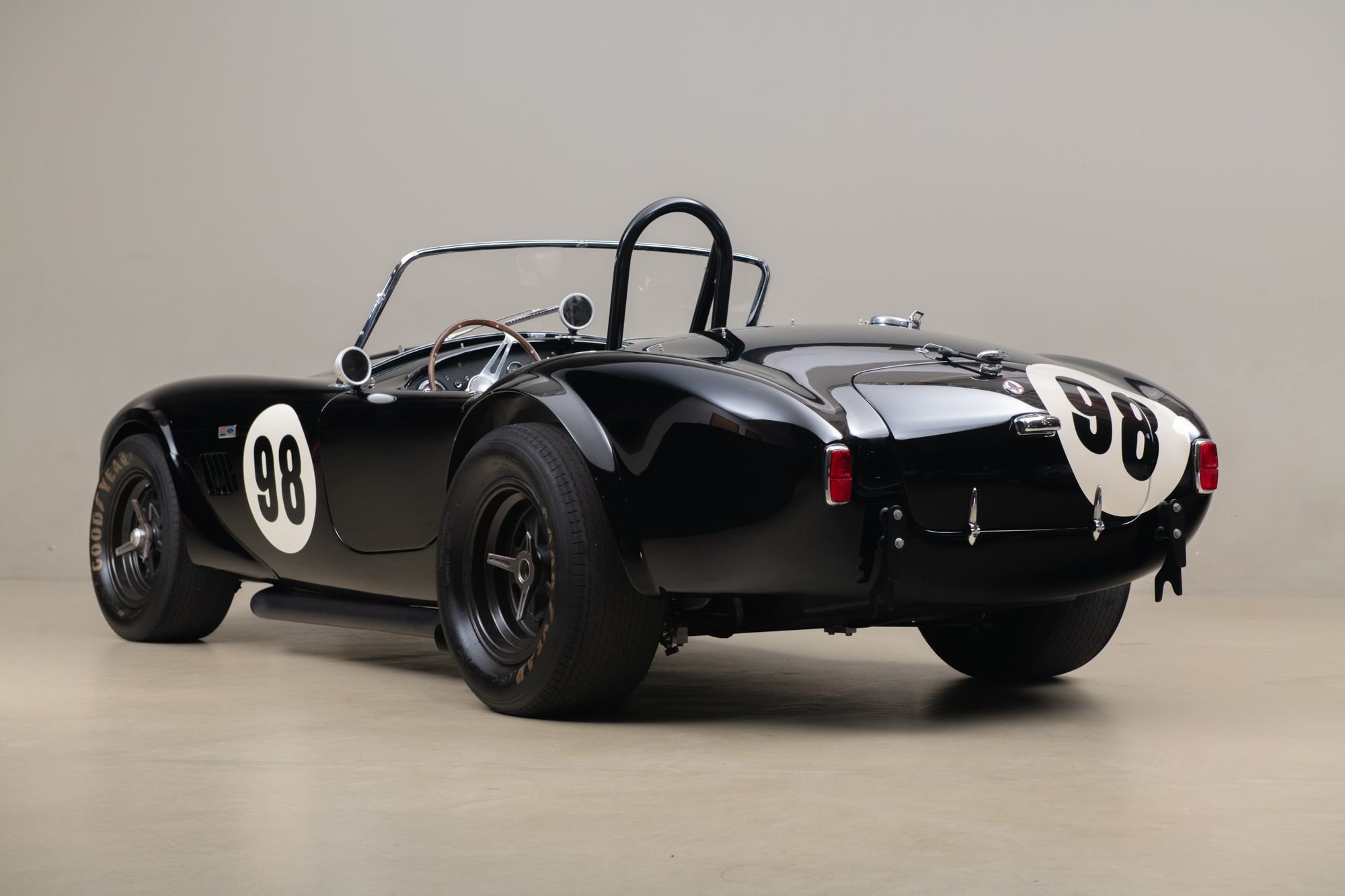
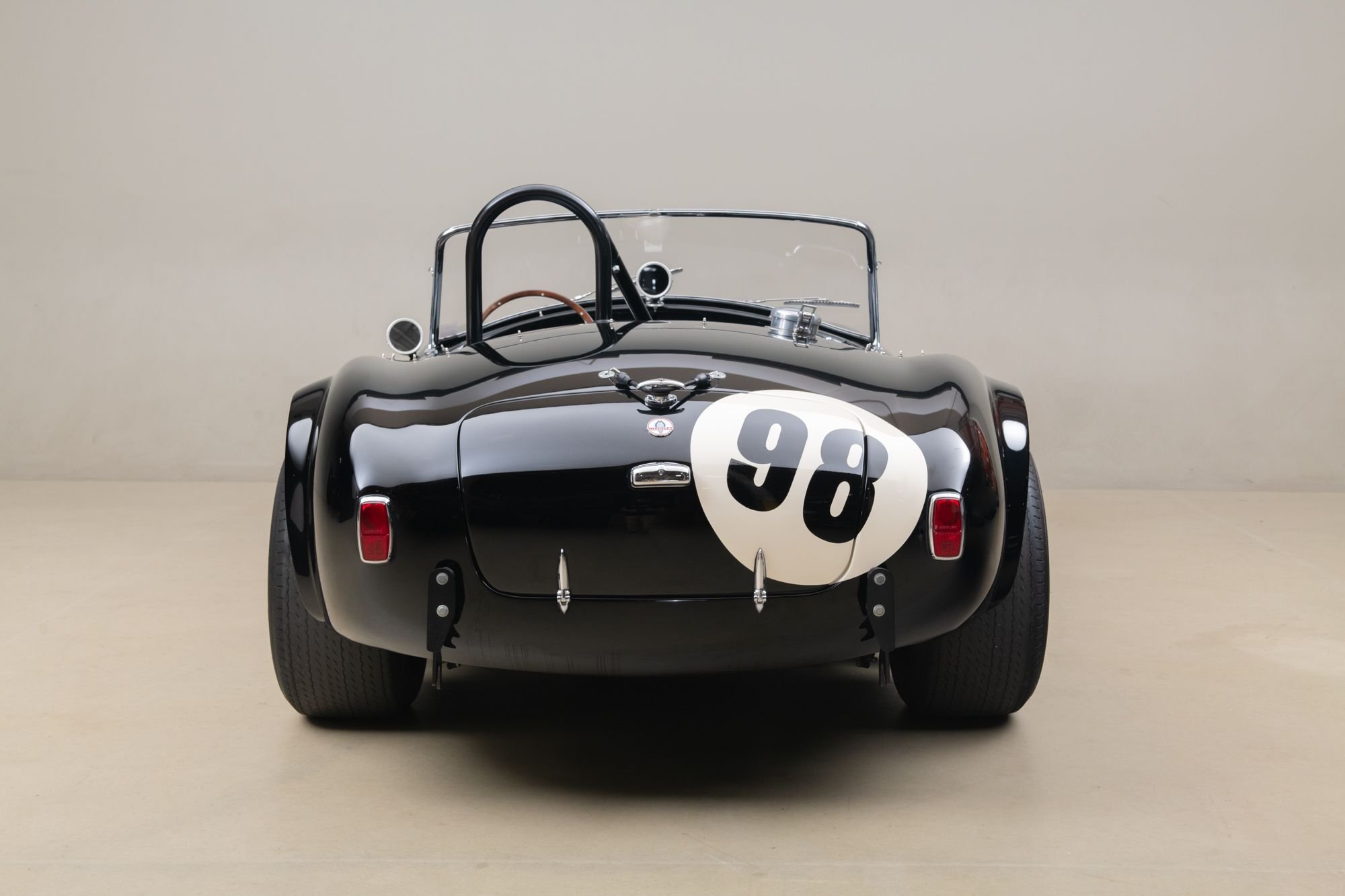
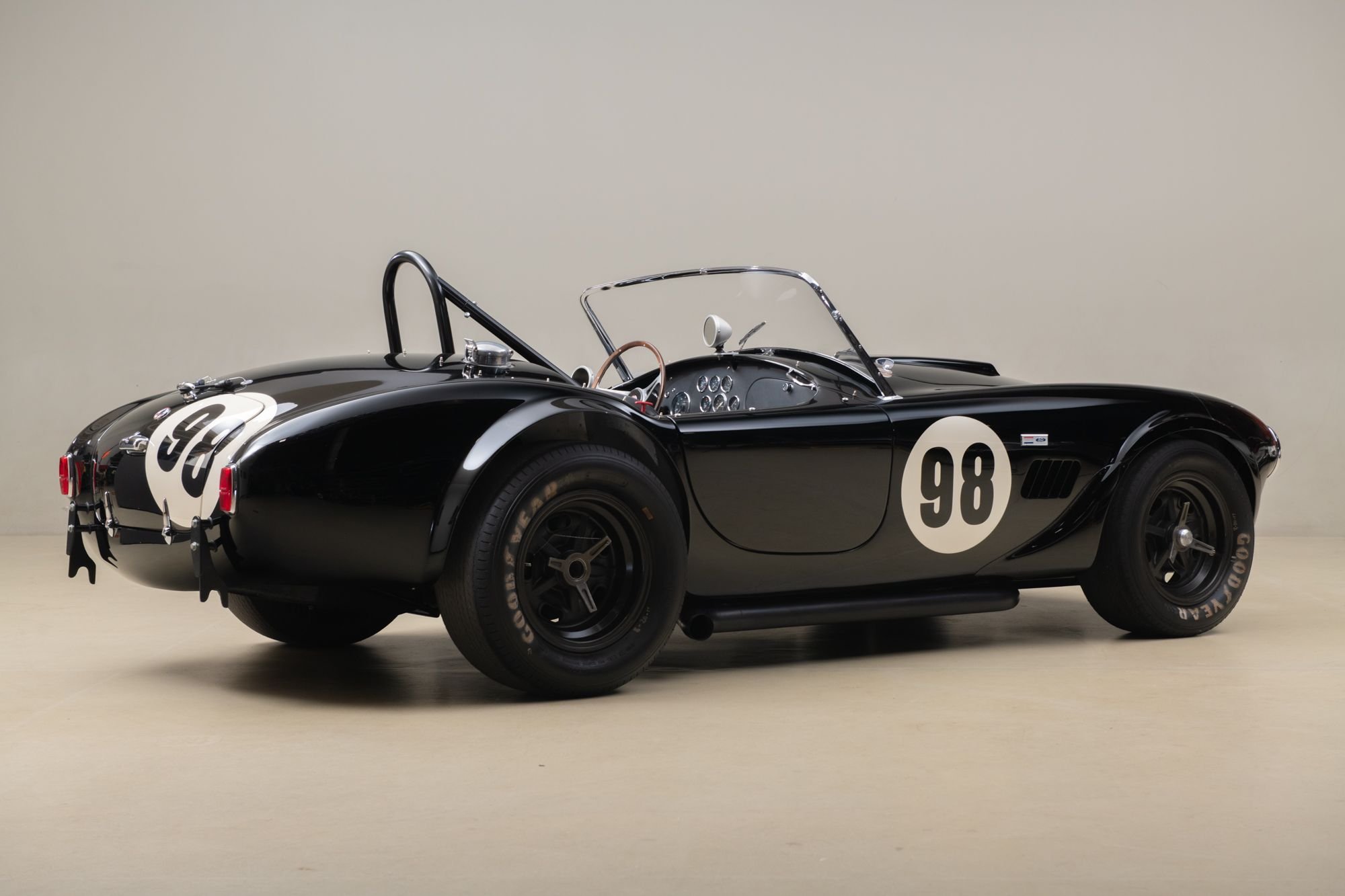
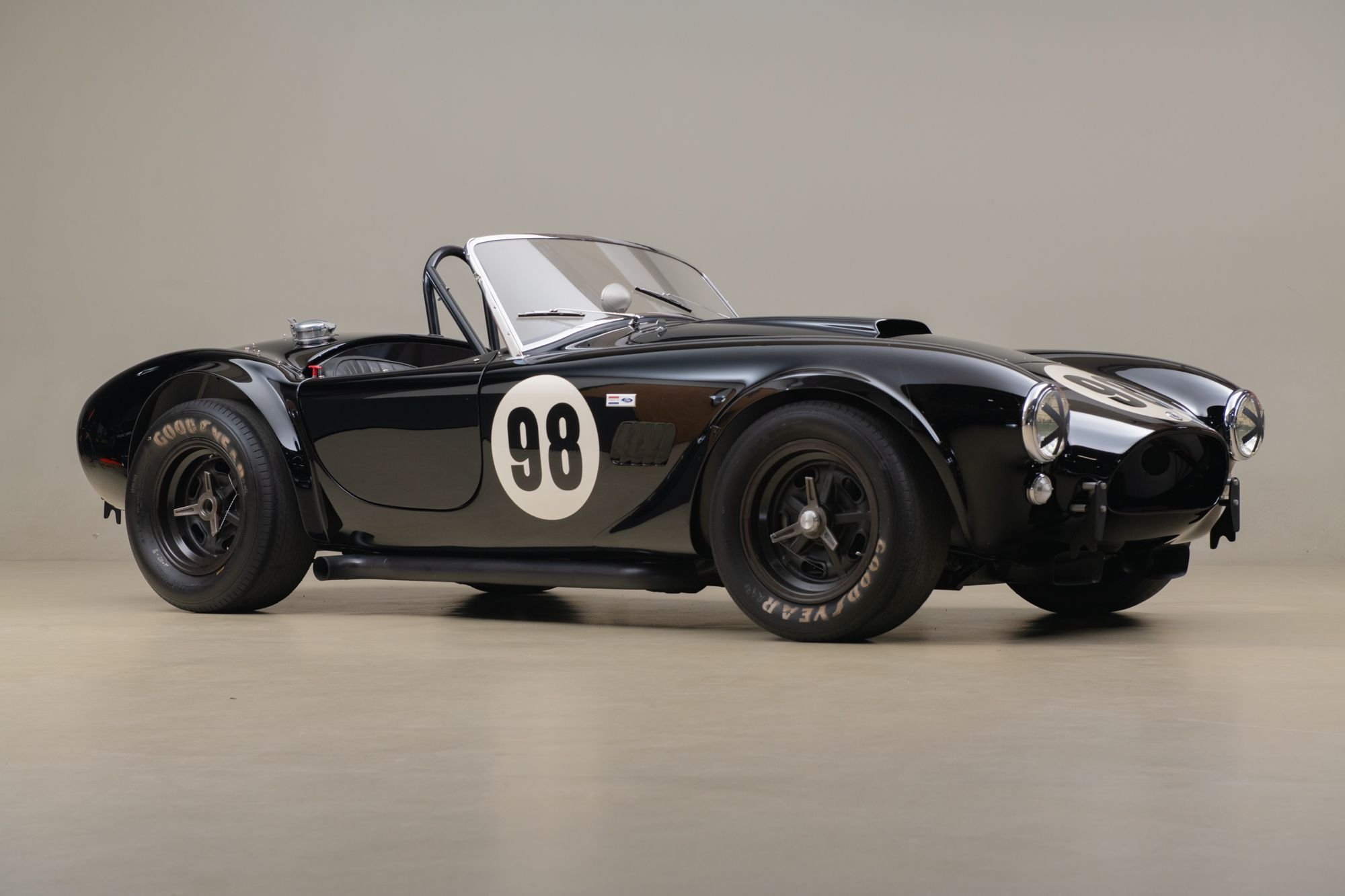
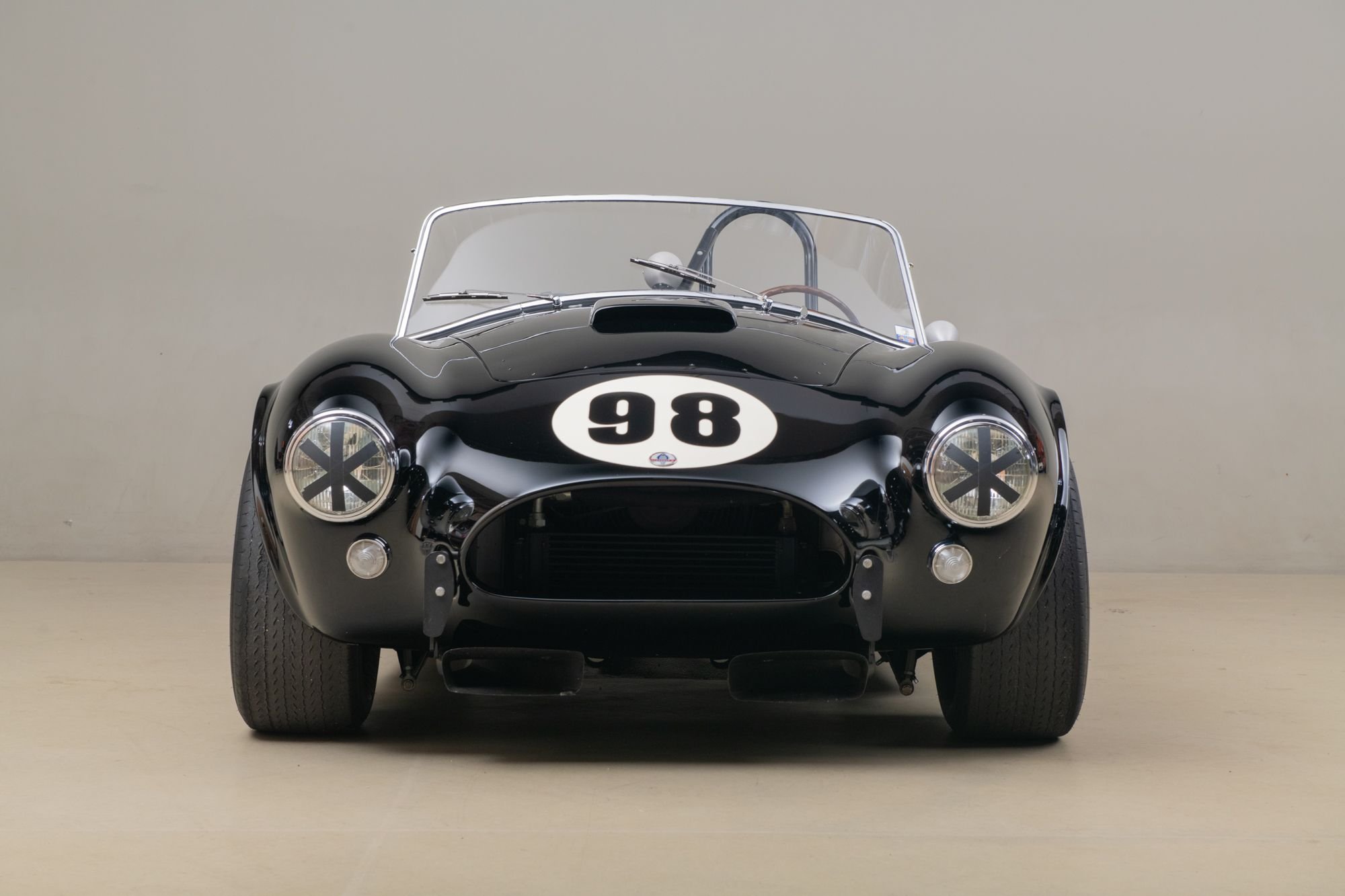
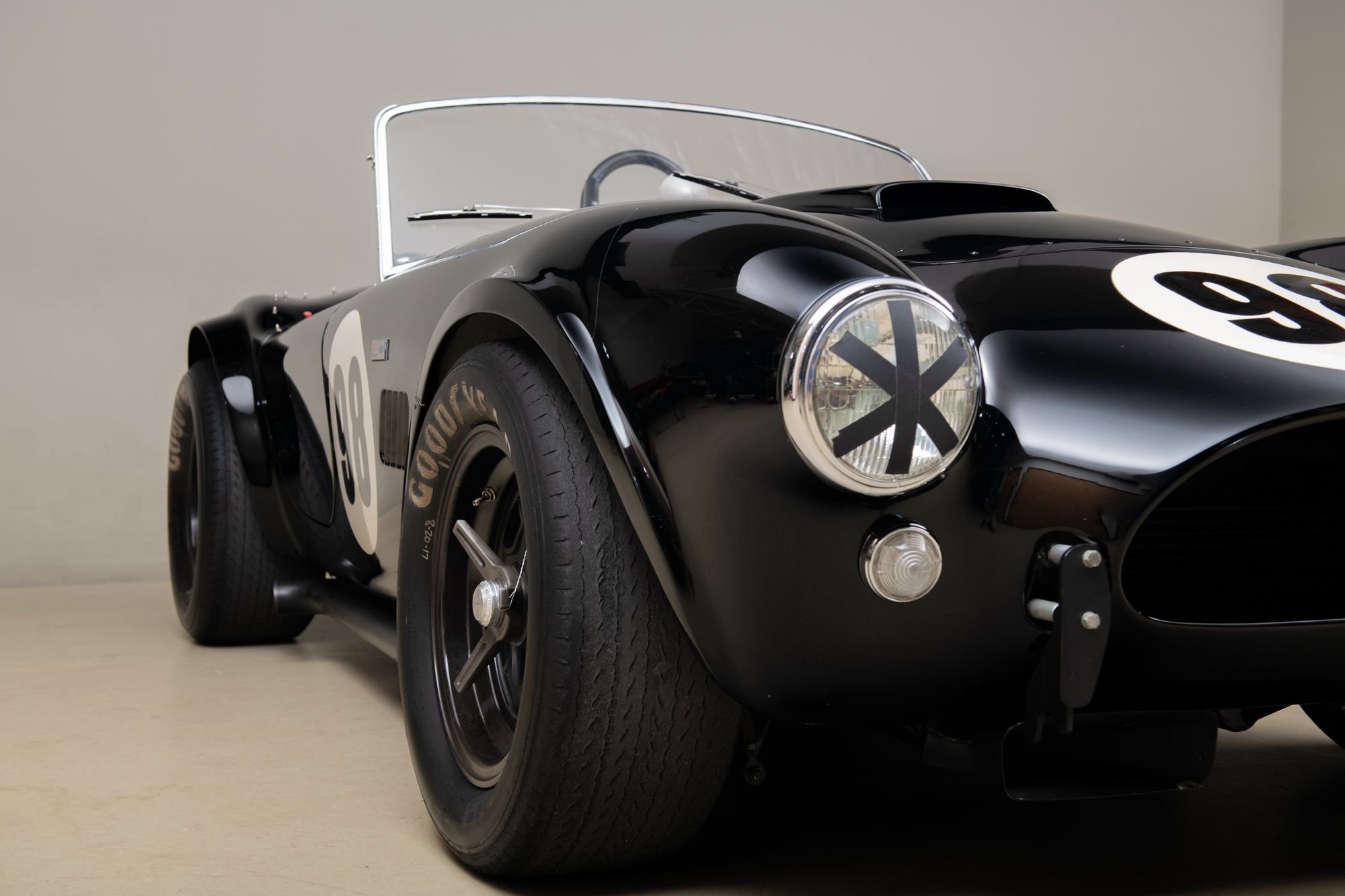
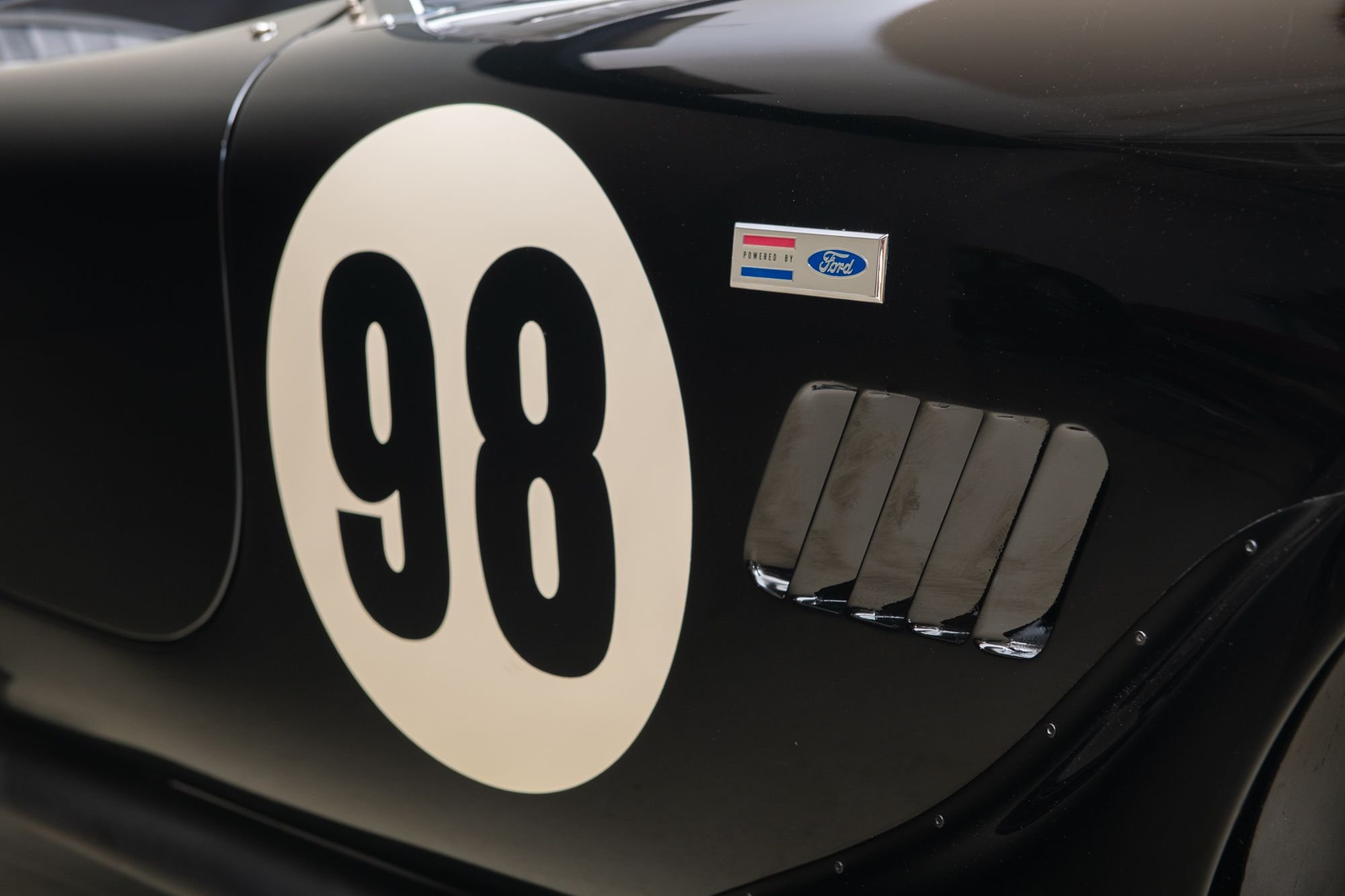
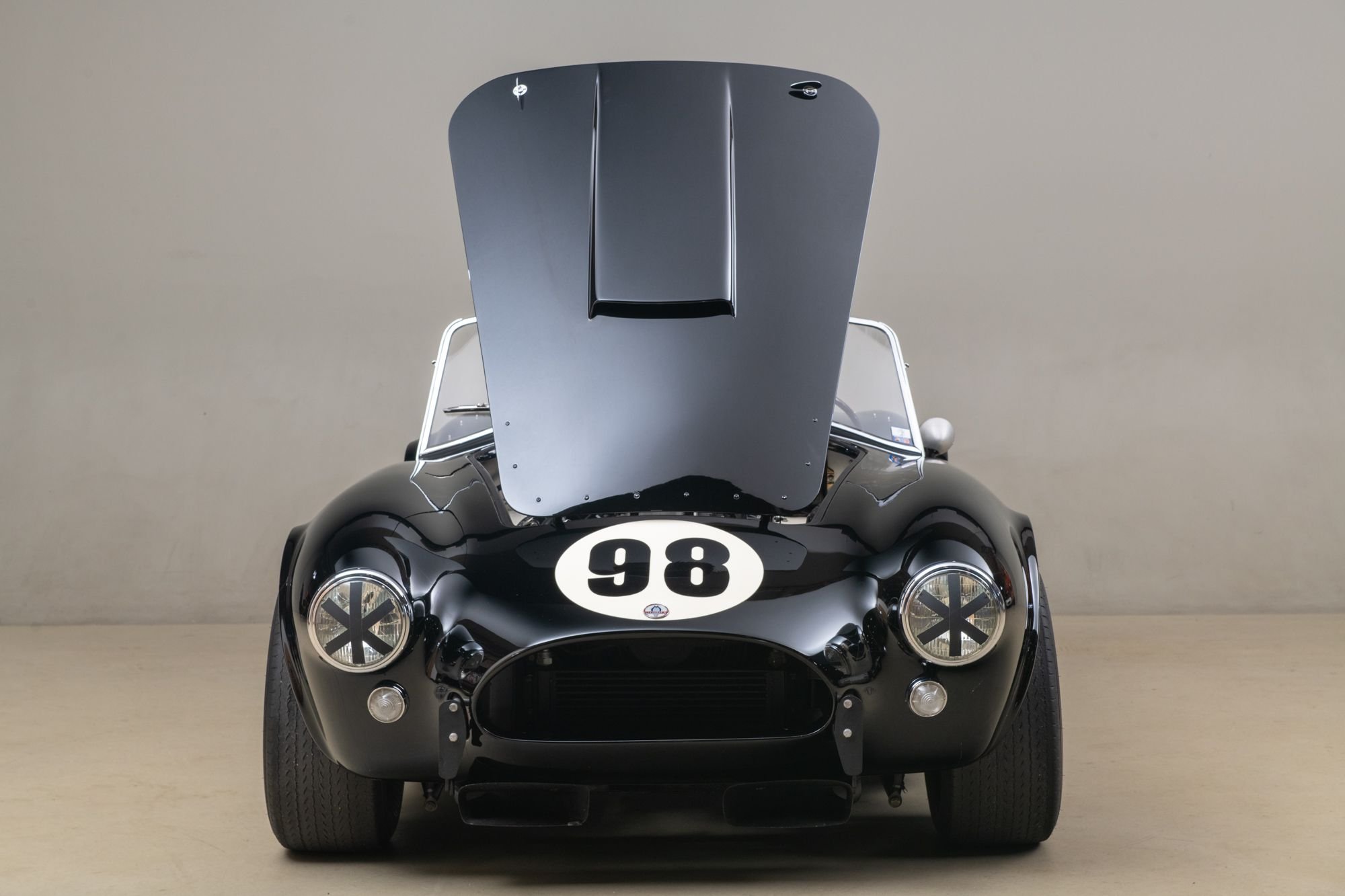
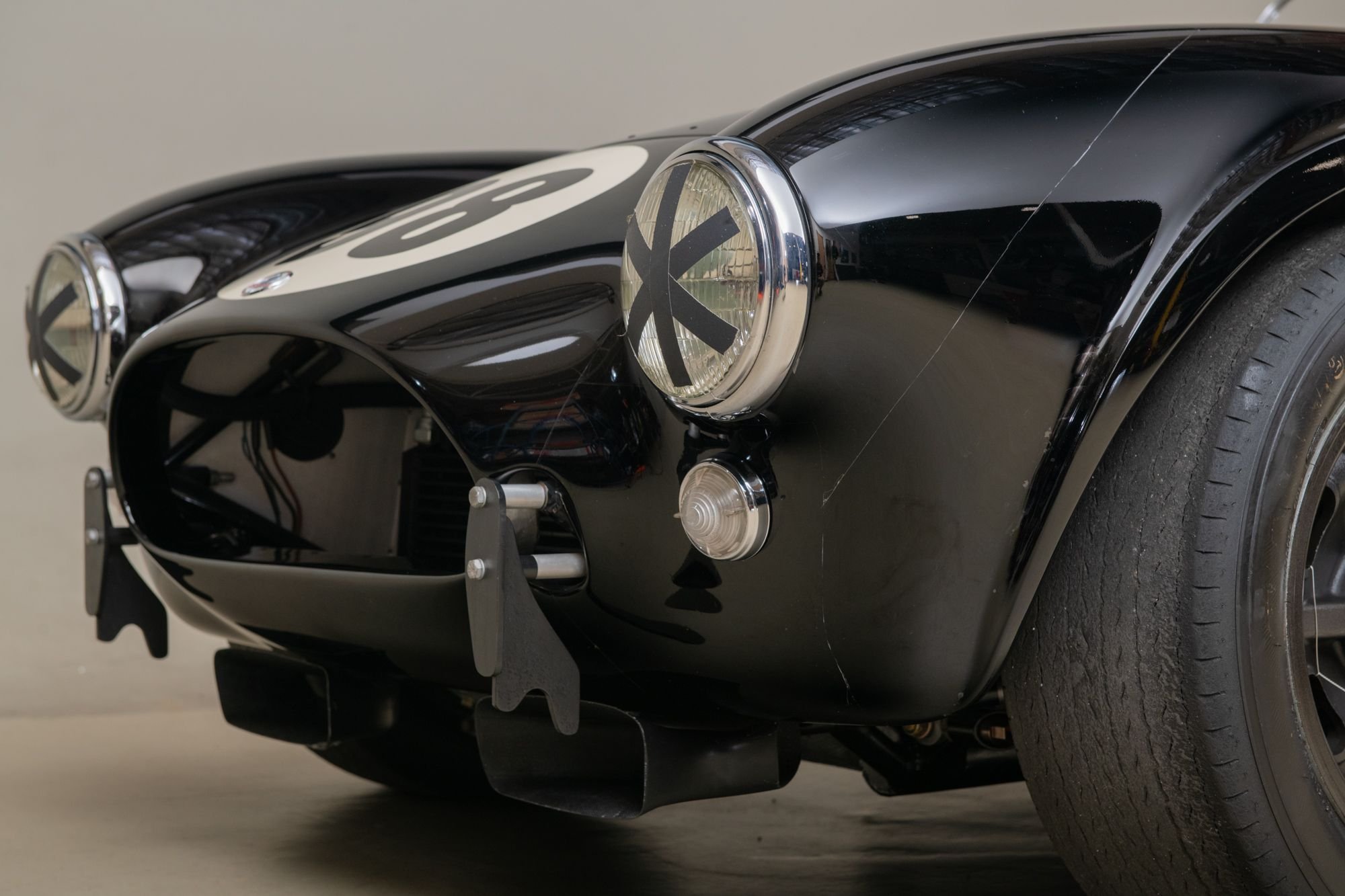
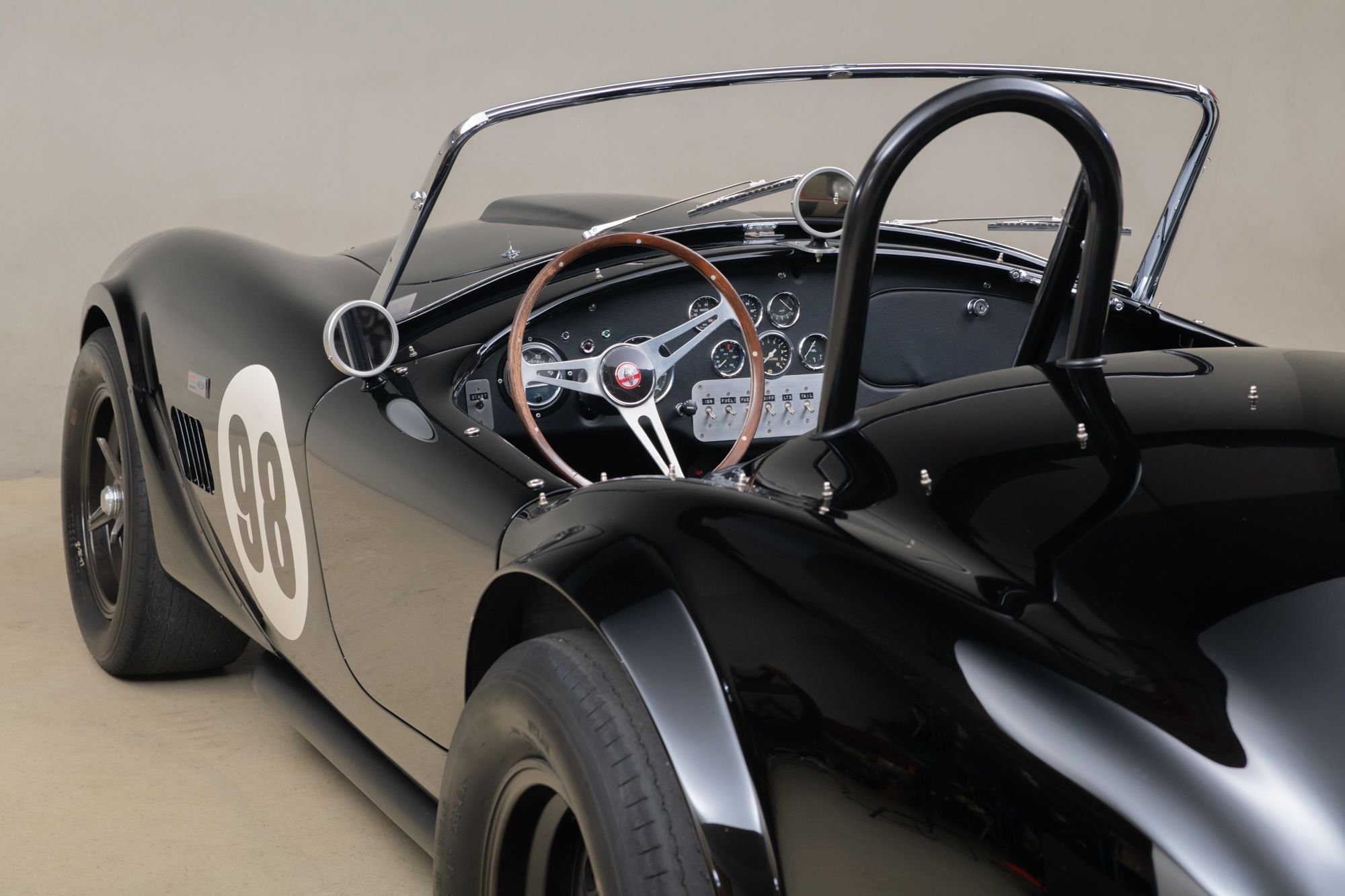
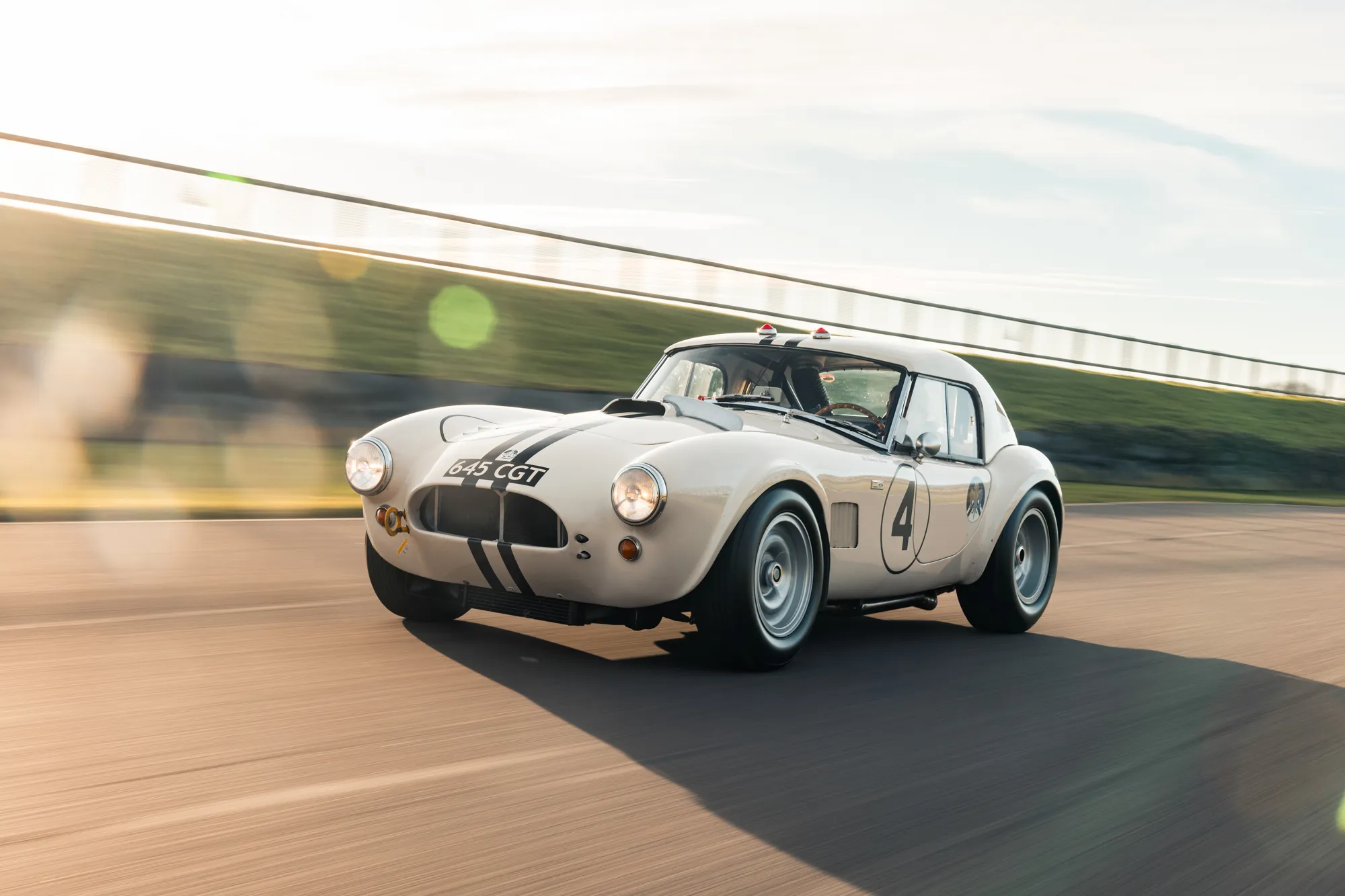
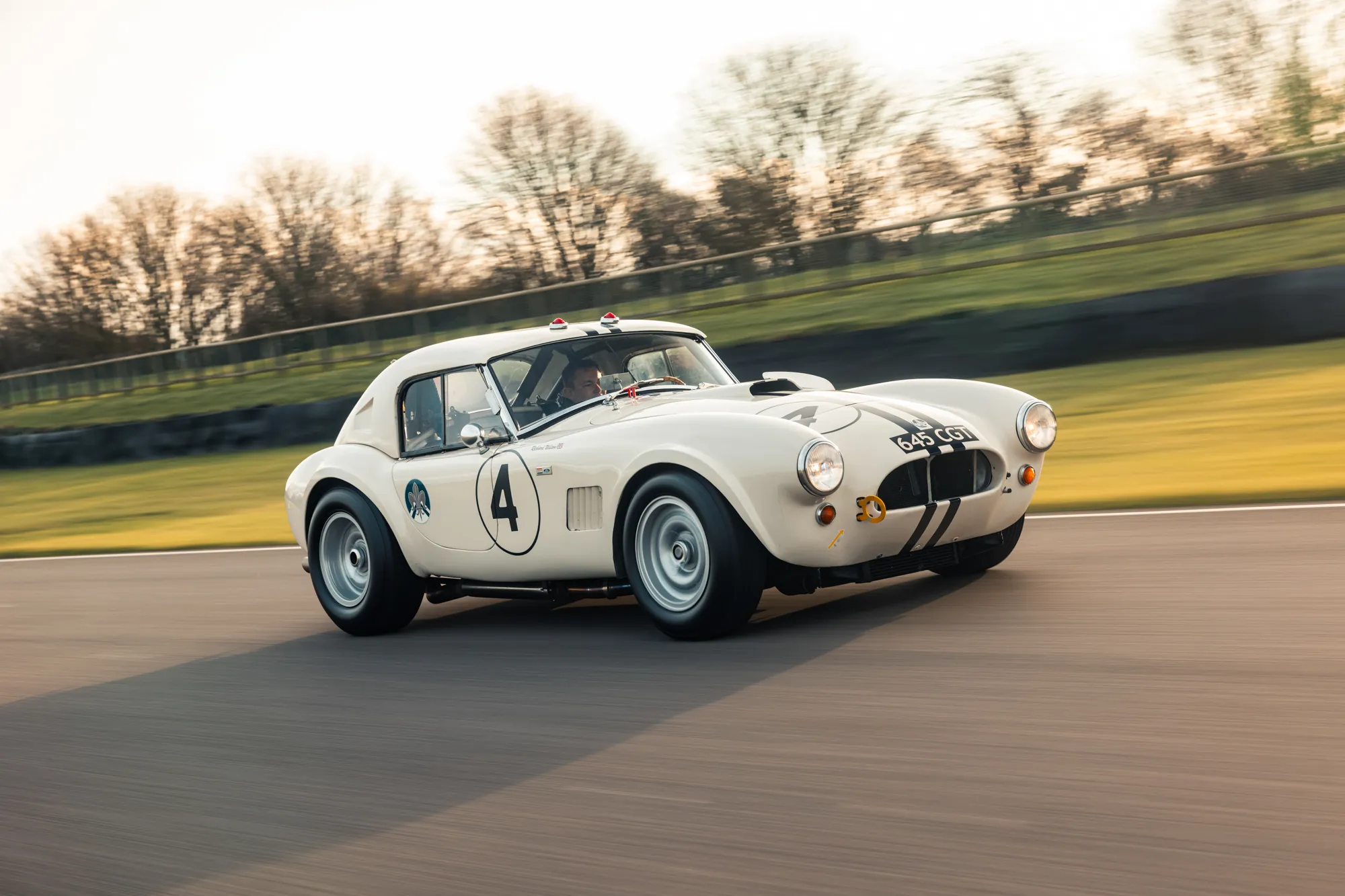
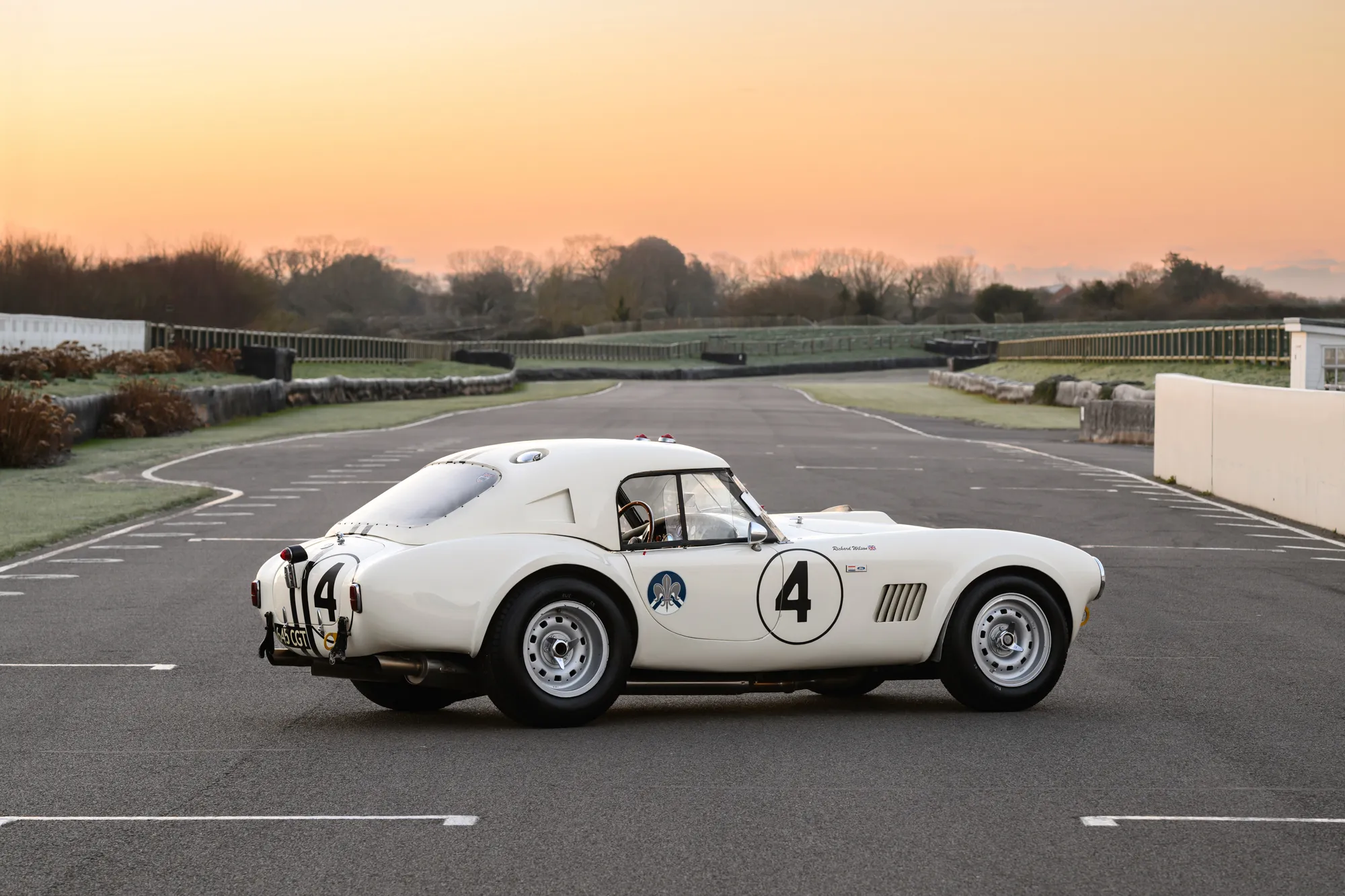
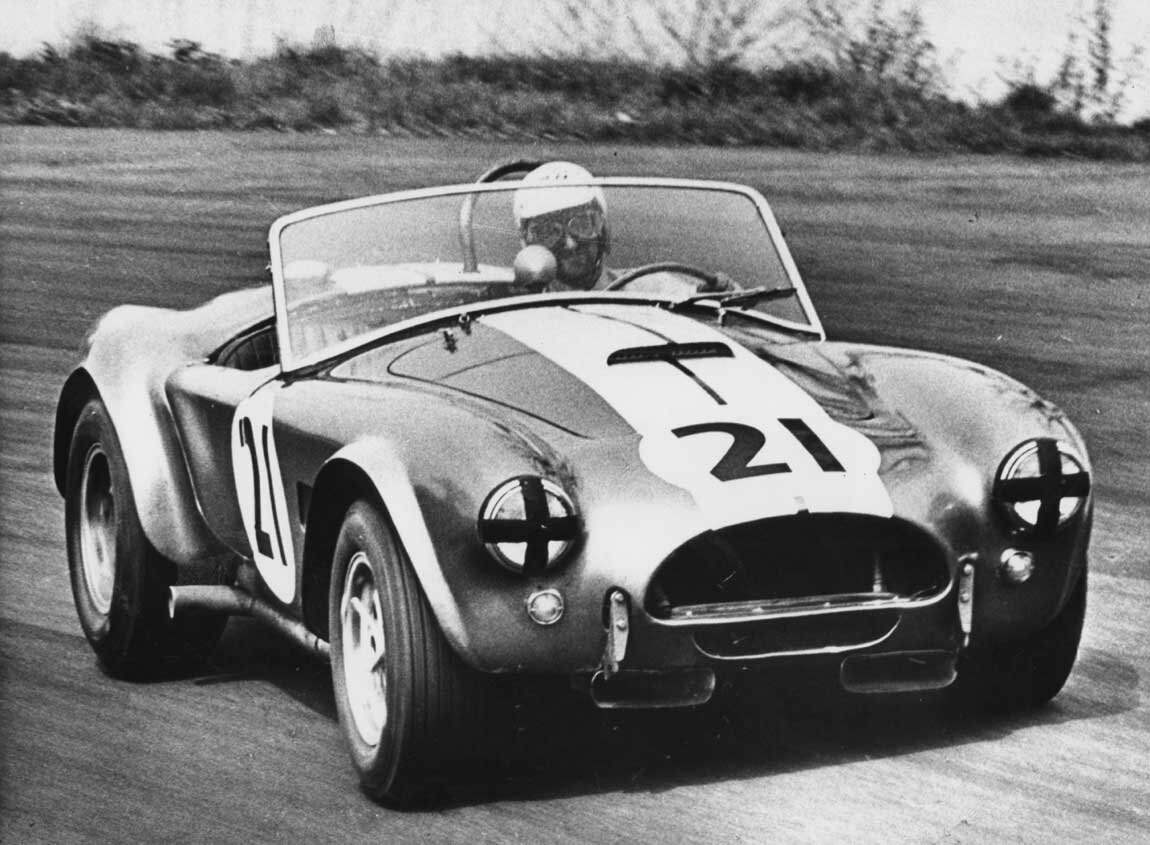
In the early, dust-choked months of the 1963 racing season, Carroll Shelby found himself in a precarious position. The initial 260 cubic-inch Mk I Cobra had effectively shocked the world at Riverside the previous autumn, proving that an archaic British roadster stuffed with an American V8 could out-accelerate the establishment. However, Shelby was never a man to rest on his laurels, particularly with Zora Arkus-Duntov preparing to unleash the spectacular, fuel-injected Chevrolet Corvette Sting Ray Z06. Shelby needed a heavier hammer. The 260 cubic-inch Ford engine was swiftly phased out, replaced by the now-mythological 289 cubic-inch (4.7-liter) small block. Crucially, before the AC Cars chassis was comprehensively updated with modern rack-and-pinion steering to become the revered Mk II, a brief, terrifying, and highly successful transitional predator was born: the 1963 Shelby Cobra 289 Competition of the Mk I generation. It was a vehicle that bridged the gap between Shelby’s initial hot-rod experiment and his eventual world-beating dynasty, pitting raw, unbridled American horsepower against a fundamentally antiquated British chassis that demanded absolute physical mastery to survive.
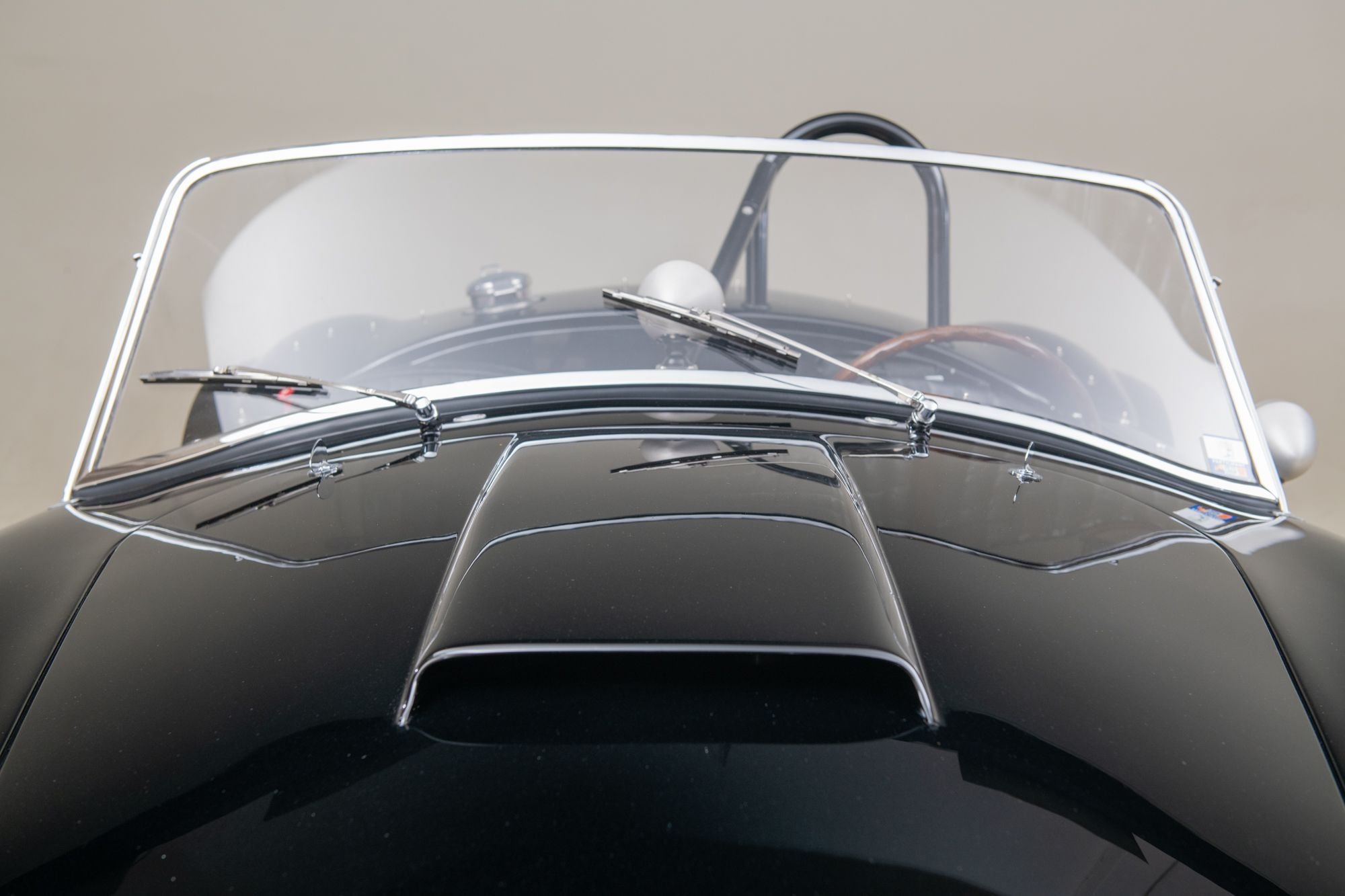
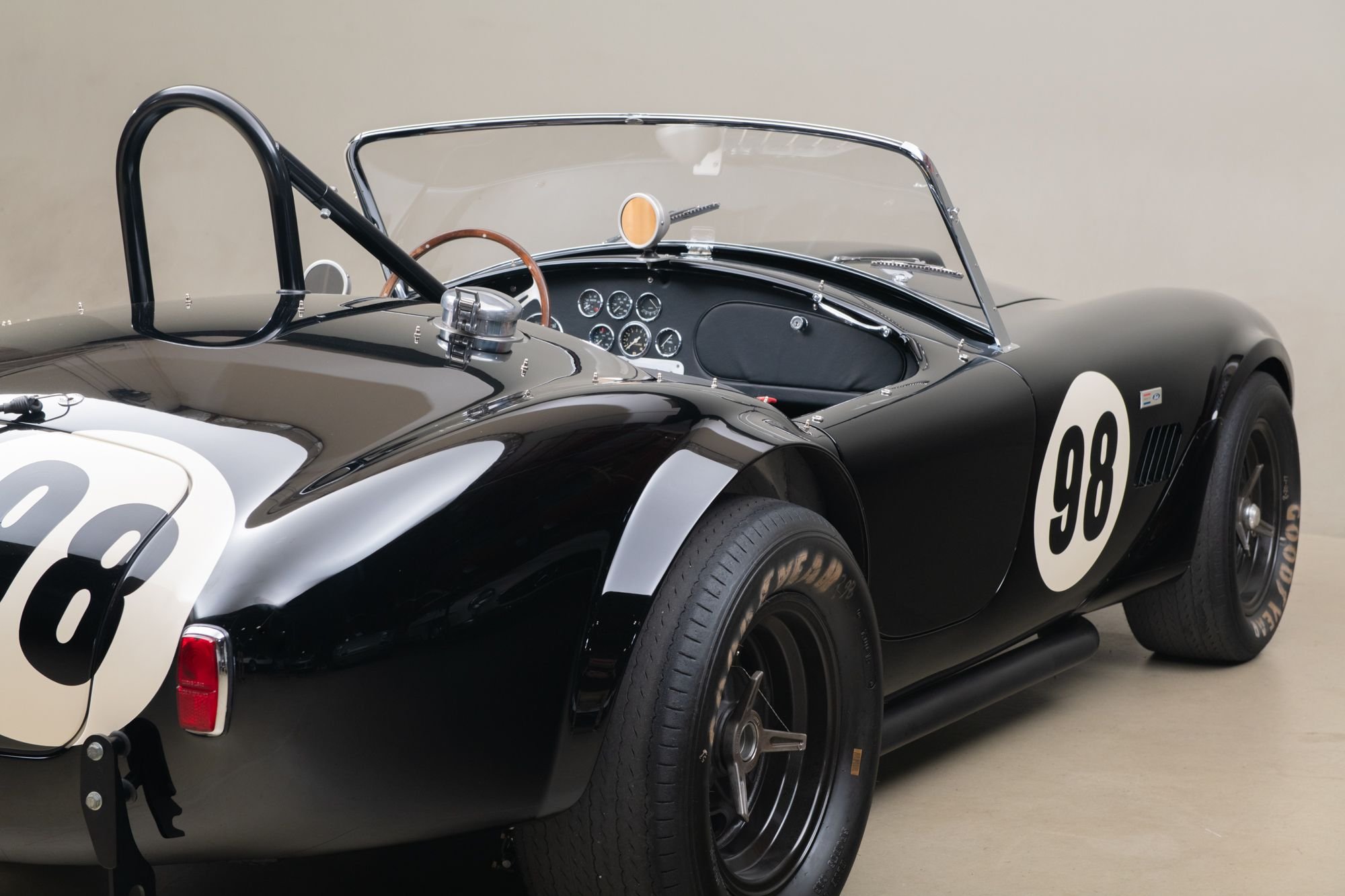
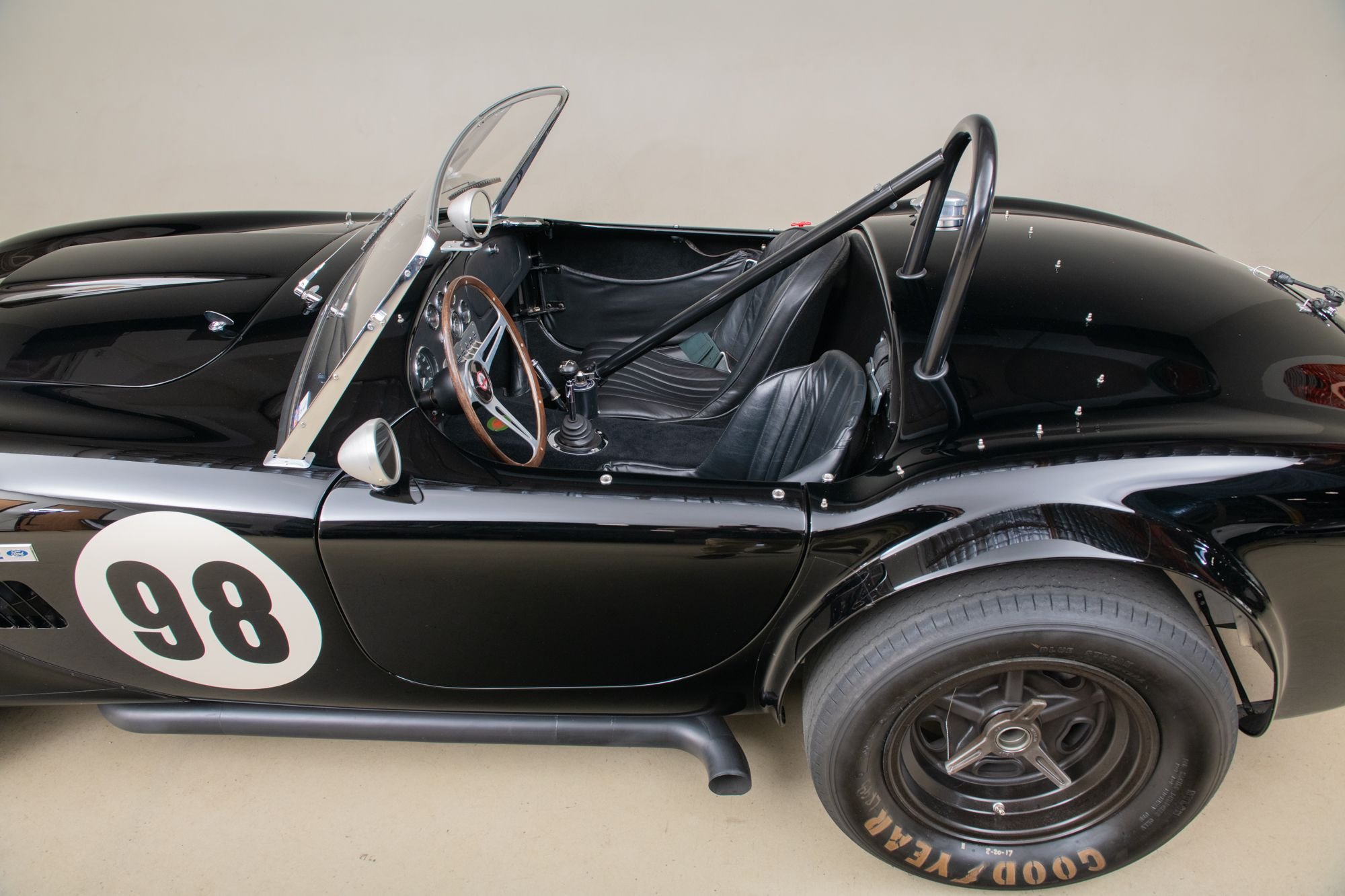
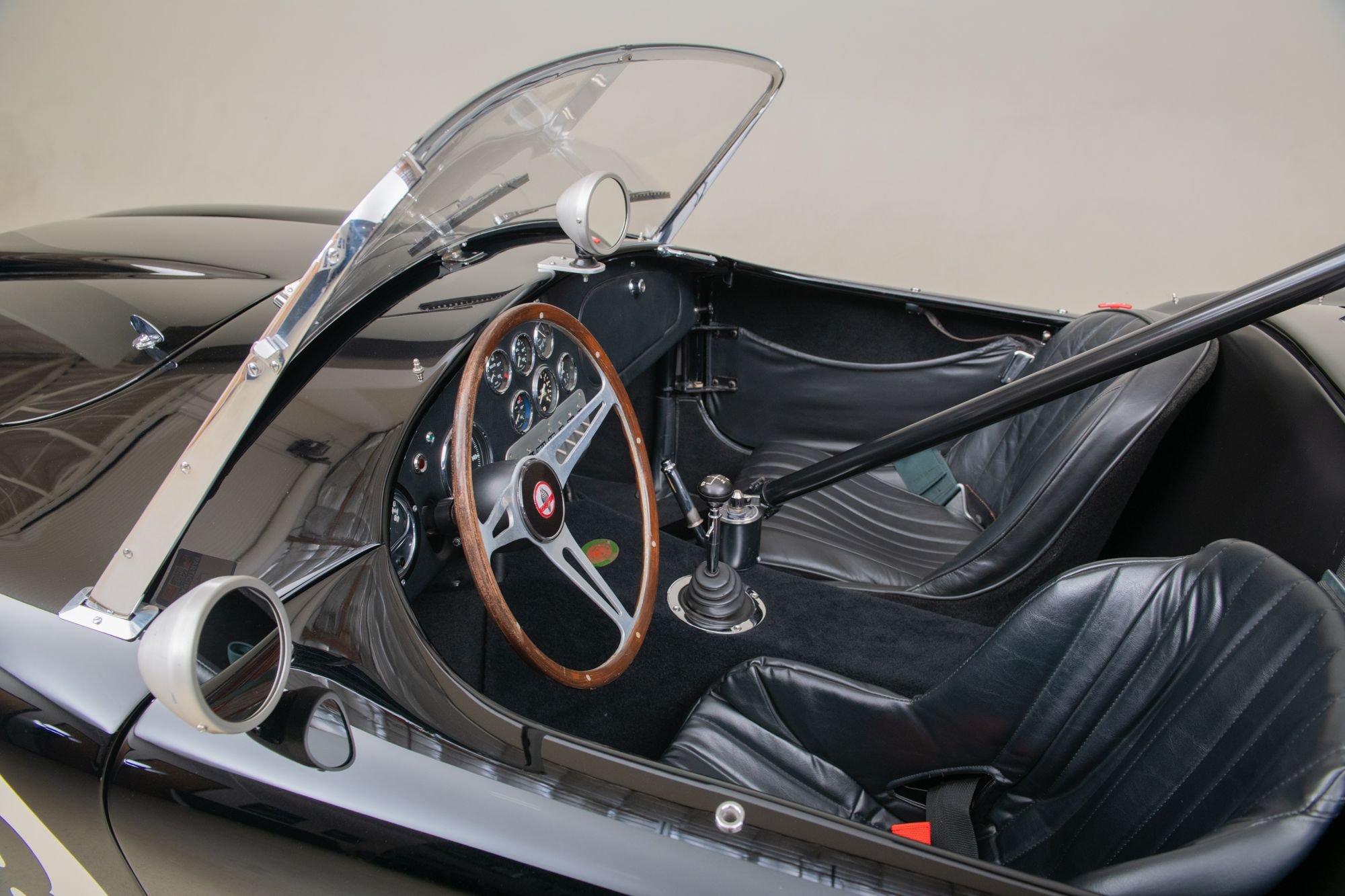
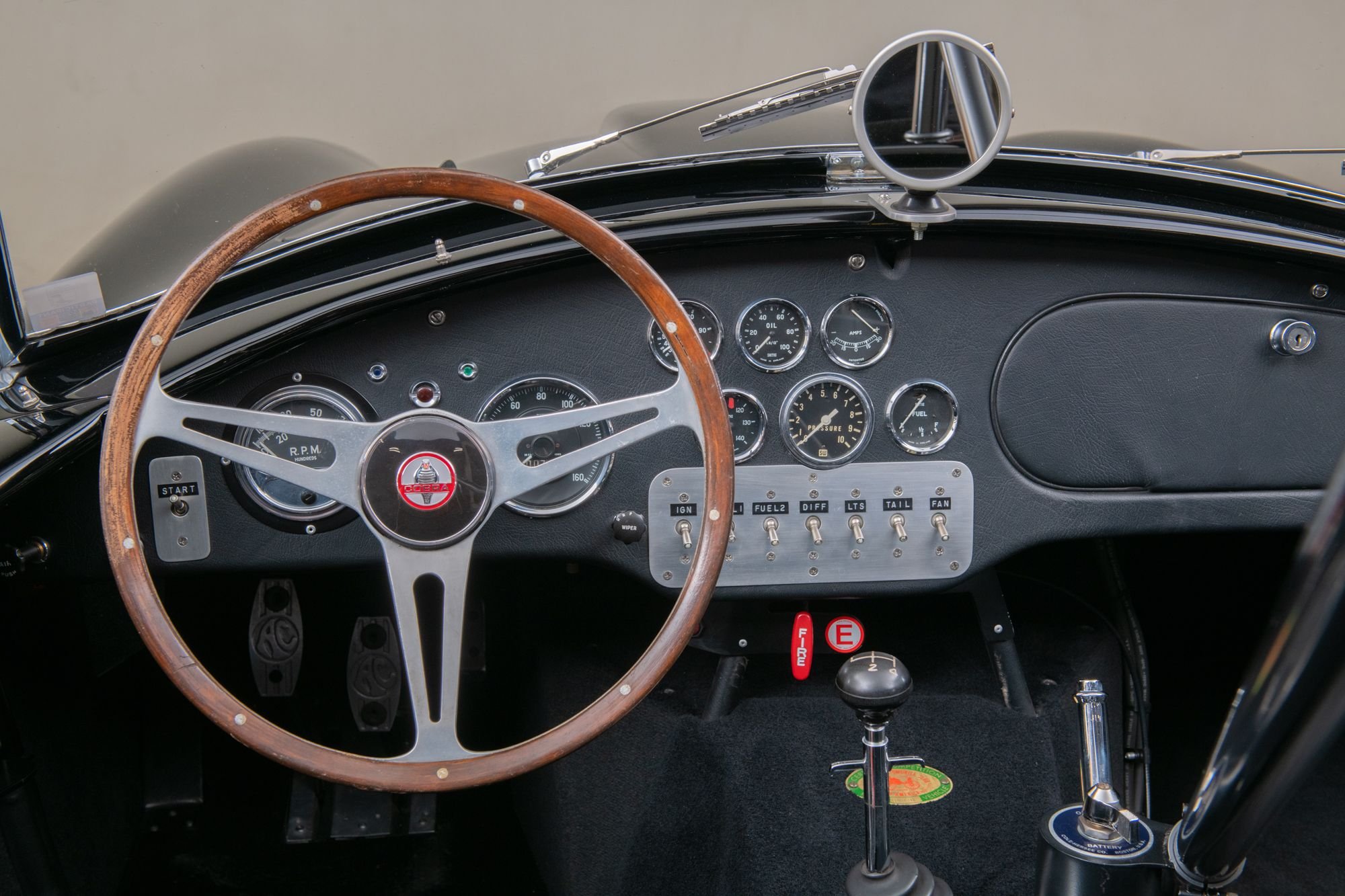
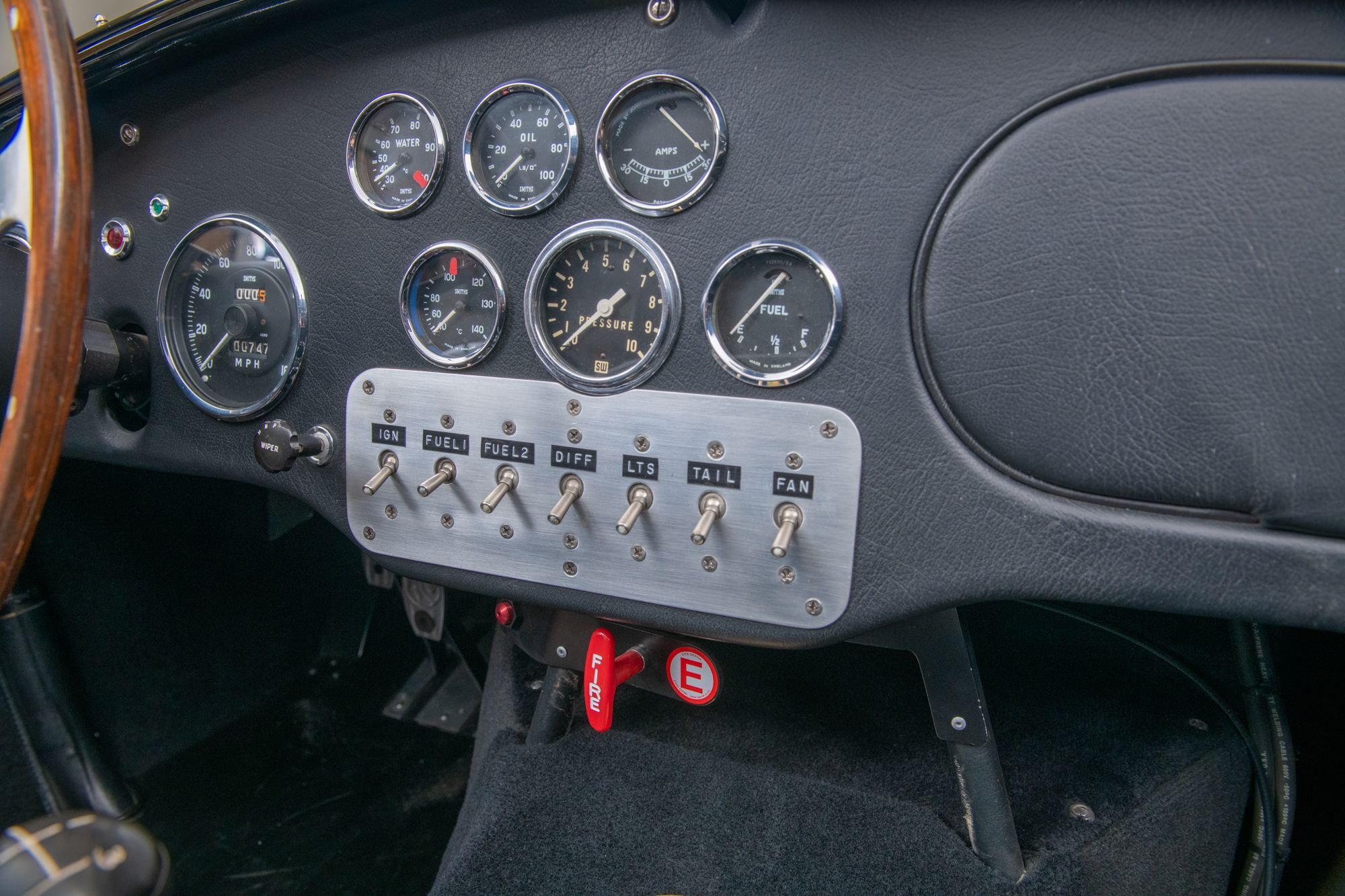
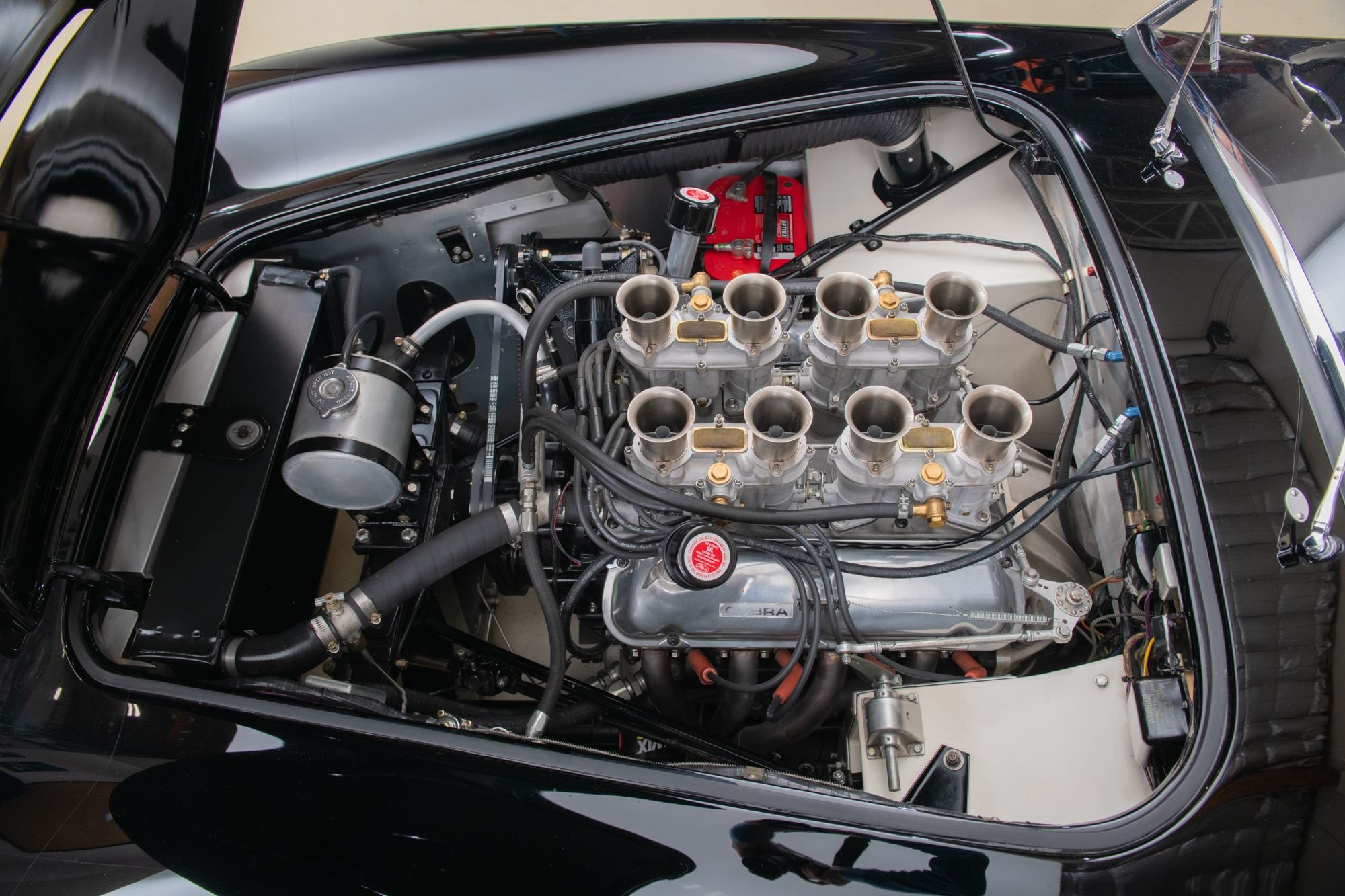
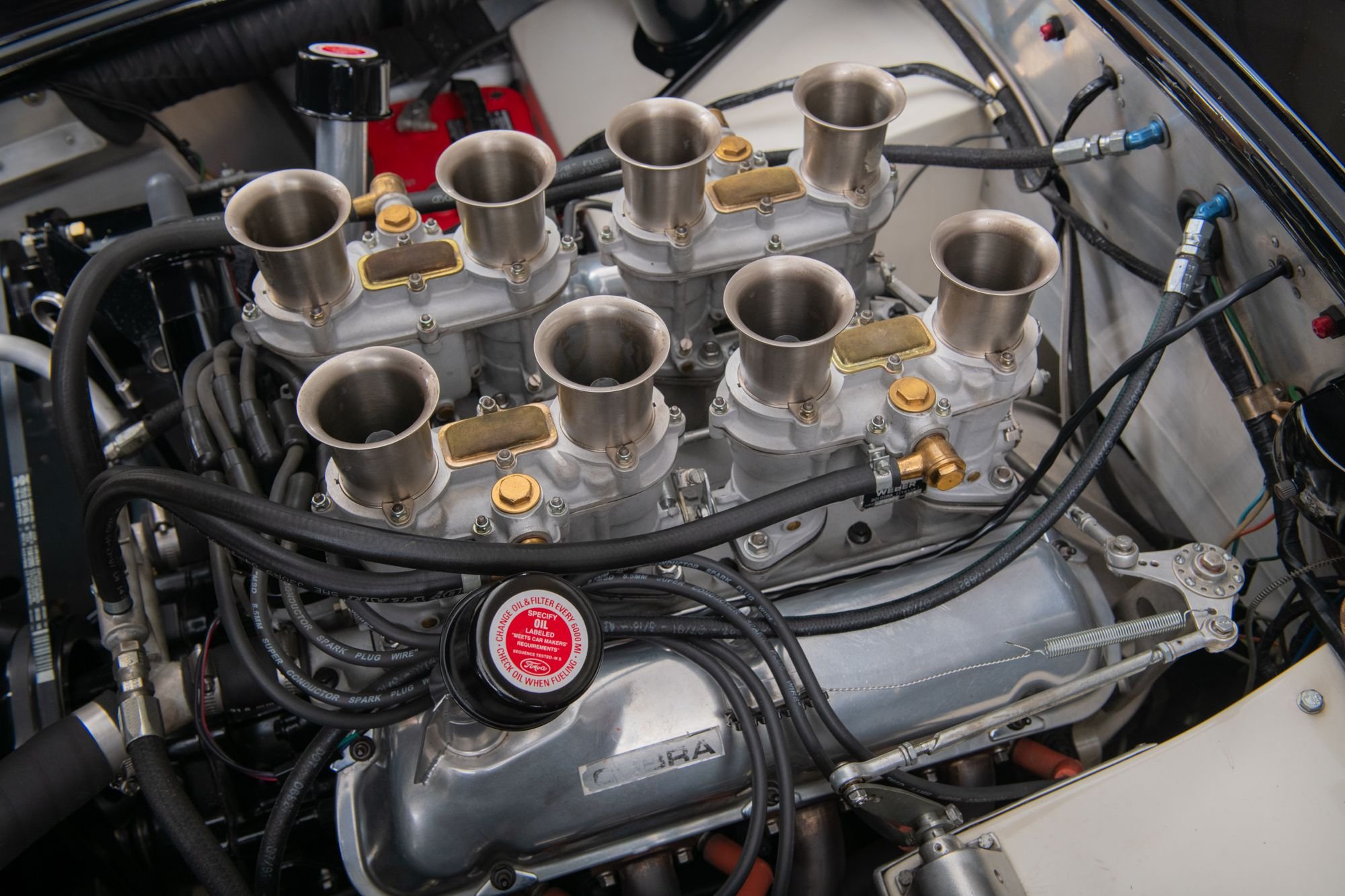
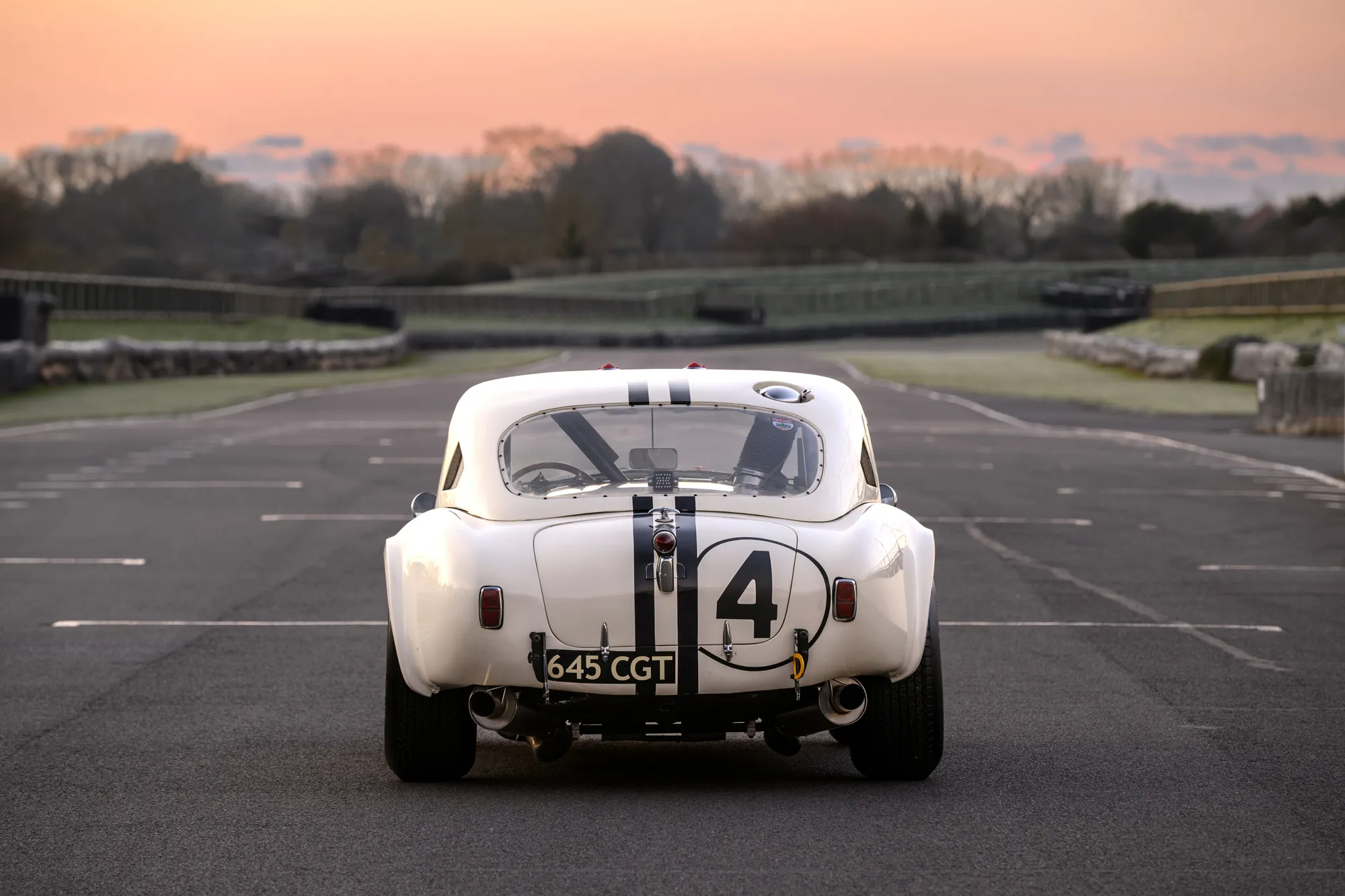
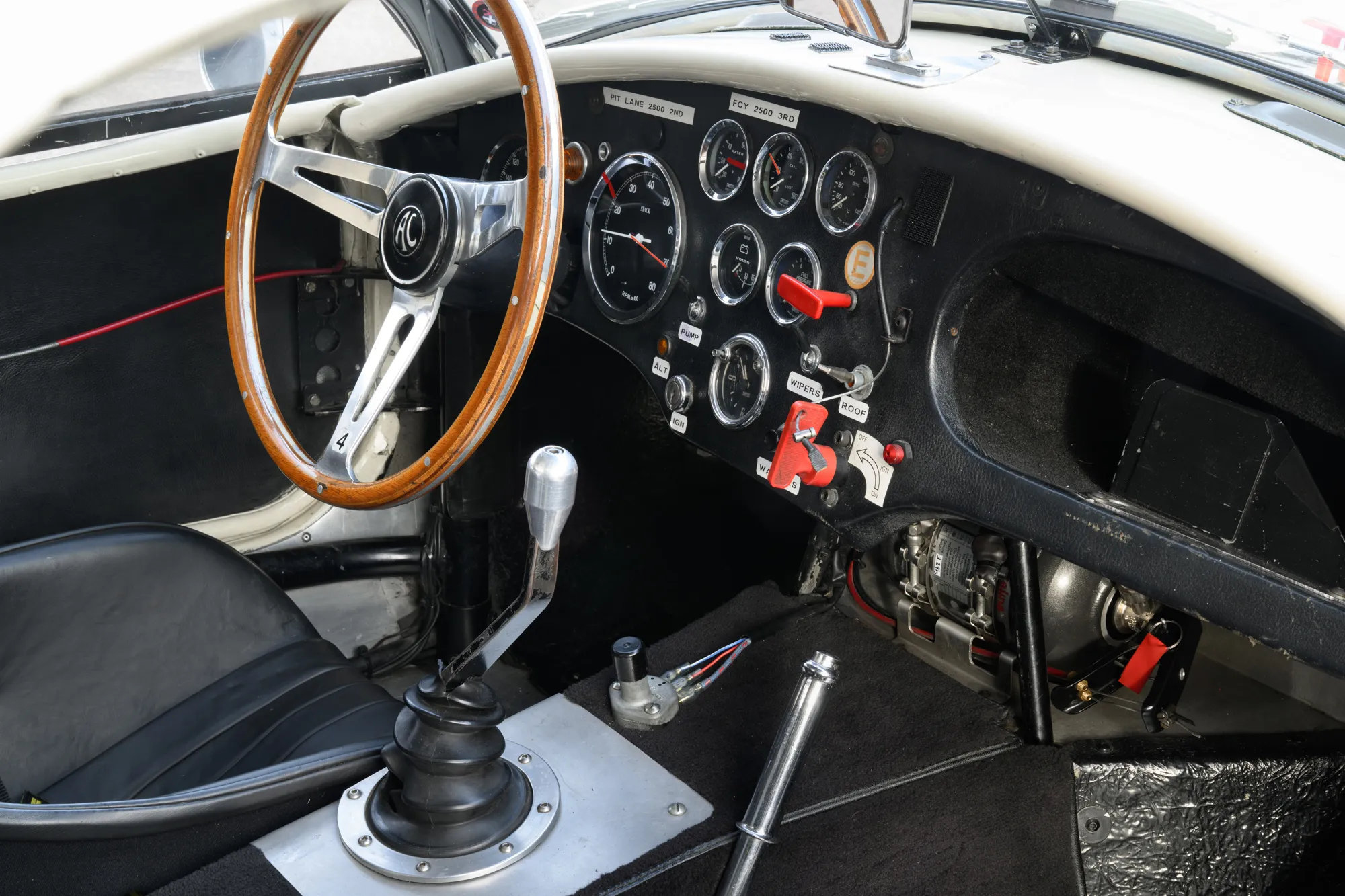
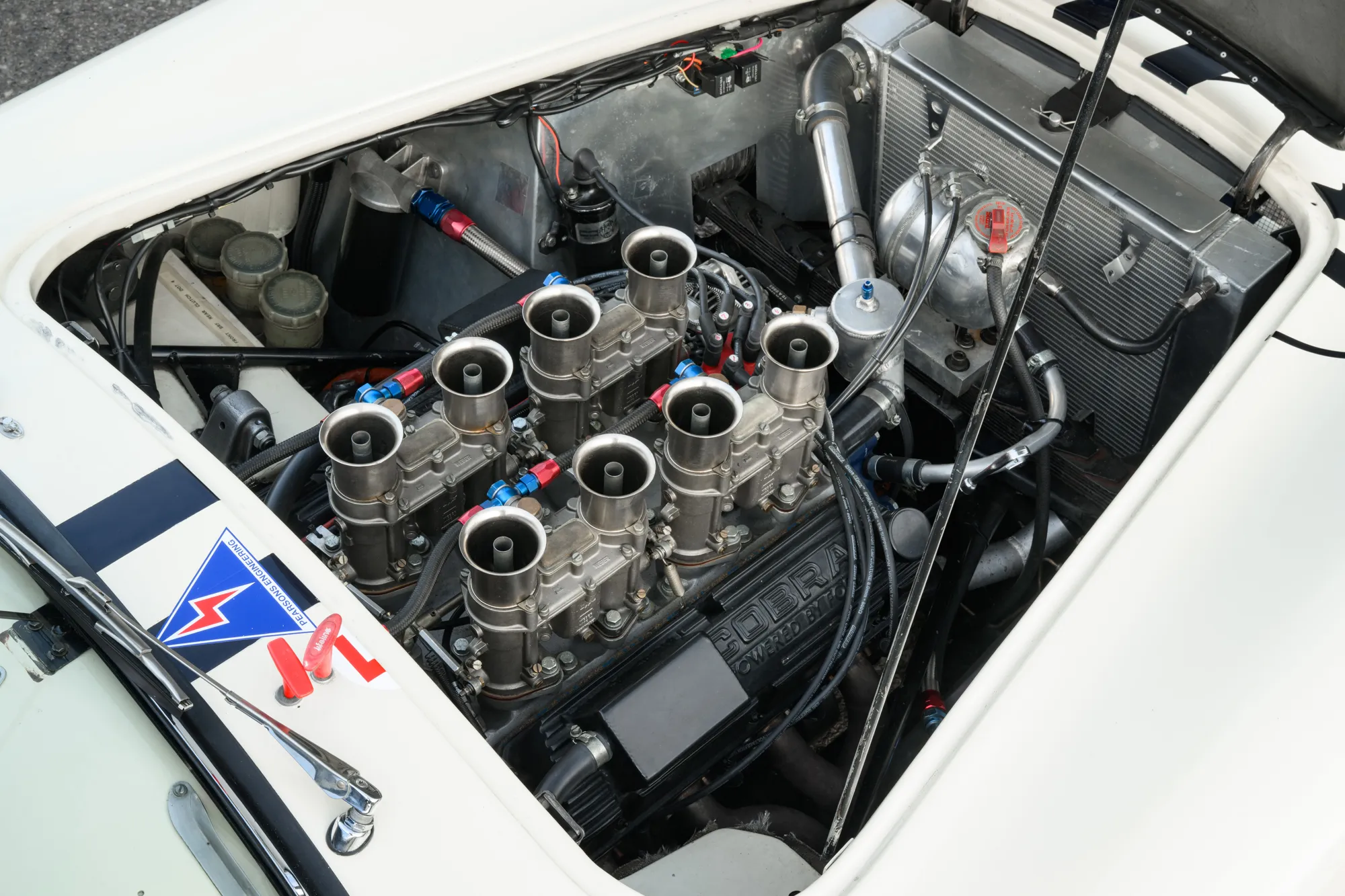
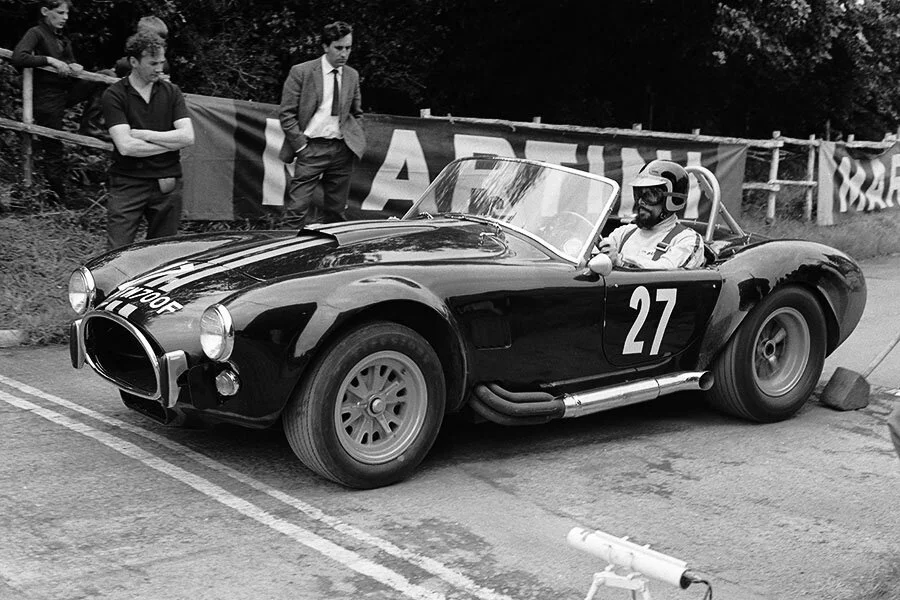
To peer beneath the hand-beaten, flared aluminum skin of the Mk I 289 Competition is to gaze upon a fascinating, violent collision of eras. The beating heart of the machine was the new 289 cubic-inch Ford Windsor V8. In full competition tune, breathing aggressively through a quartet of twin-choke Weber carburetors and exhaling through unsilenced side pipes, this iron-block marvel produced a shrieking 340-plus brake horsepower. Yet, this apocalyptic power was bolted into a chassis that fundamentally belonged to the 1950s. The twin-tube ladder frame still relied on antiquated transverse leaf springs at both the front and rear. What truly defines this specific submodel as a Mk I, however, is its retention of the old AC worm-and-sector steering box. Unlike the surgical rack-and-pinion setup of the subsequent Mk II, this steering mechanism was incredibly heavy, vague on center, and notoriously slow to respond. Piloting the Mk I 289 Competition at the absolute limit required the muscular forearms of a bare-knuckle boxer and the delicate throttle control of a neurosurgeon. The immense torque would constantly threaten to overwhelm the rear racing rubber, requiring the driver to steer the featherweight, 2,000-pound roadster almost entirely with the throttle pedal. Stopping this unruly missile fell to four-wheel Girling disc brakes, which were highly effective but lacked modern modulation. Inside, the spartan cockpit offered zero sanctuary: just a low-backed bucket seat, a massive wood-rimmed steering wheel to provide leverage against the heavy steering box, and a relentless assault of heat and noise radiating through the thin aluminum firewall.
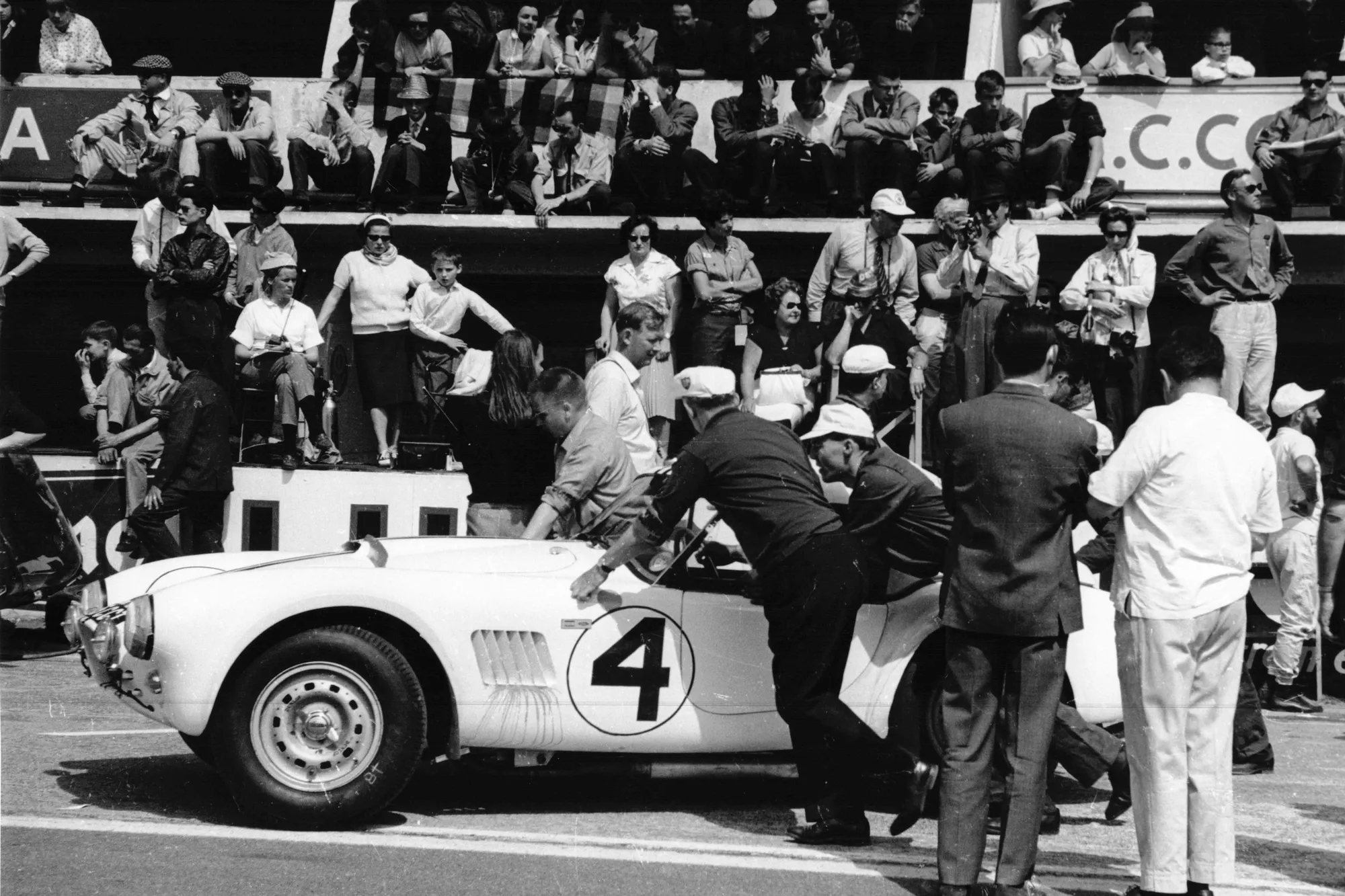
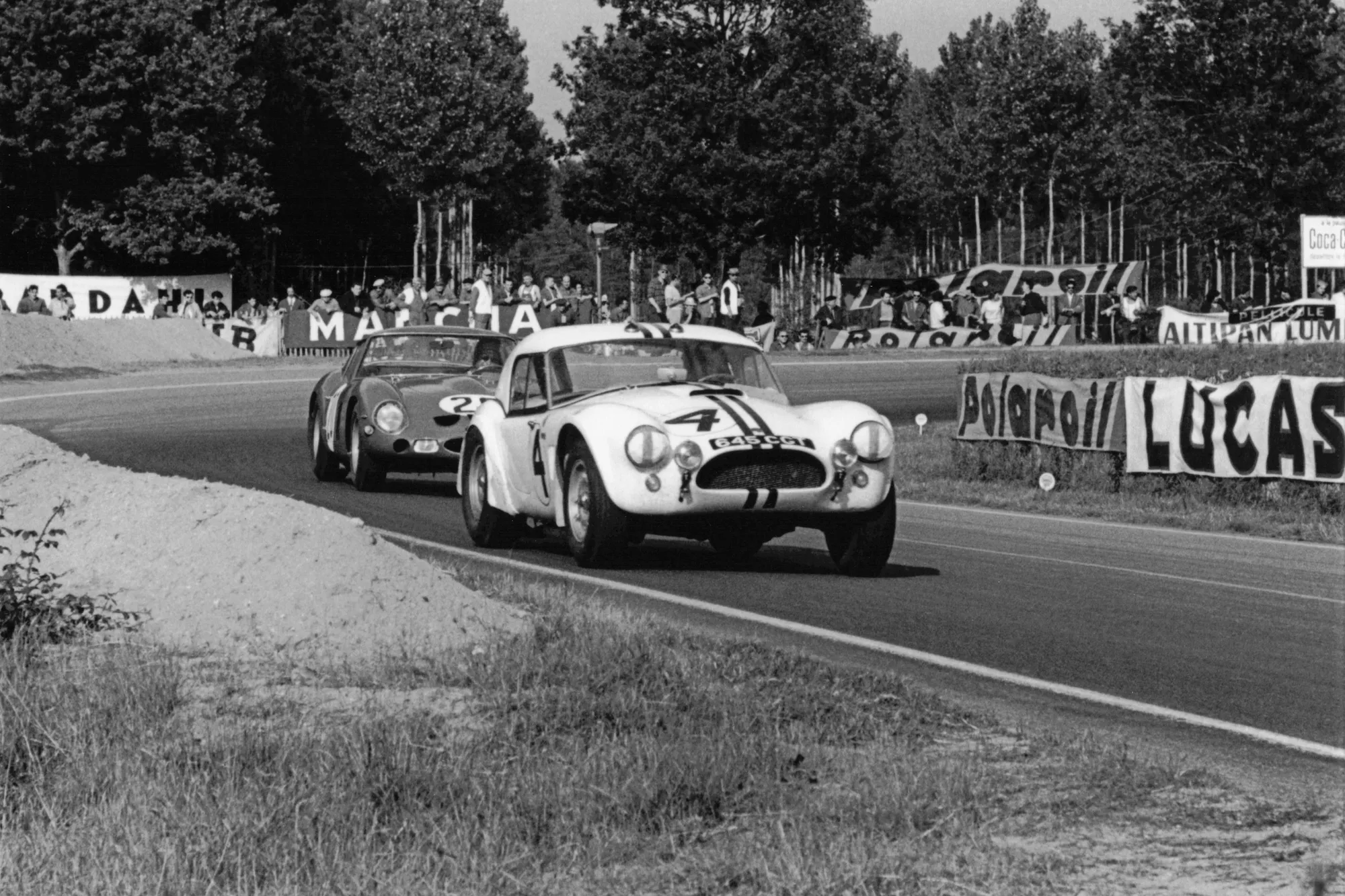
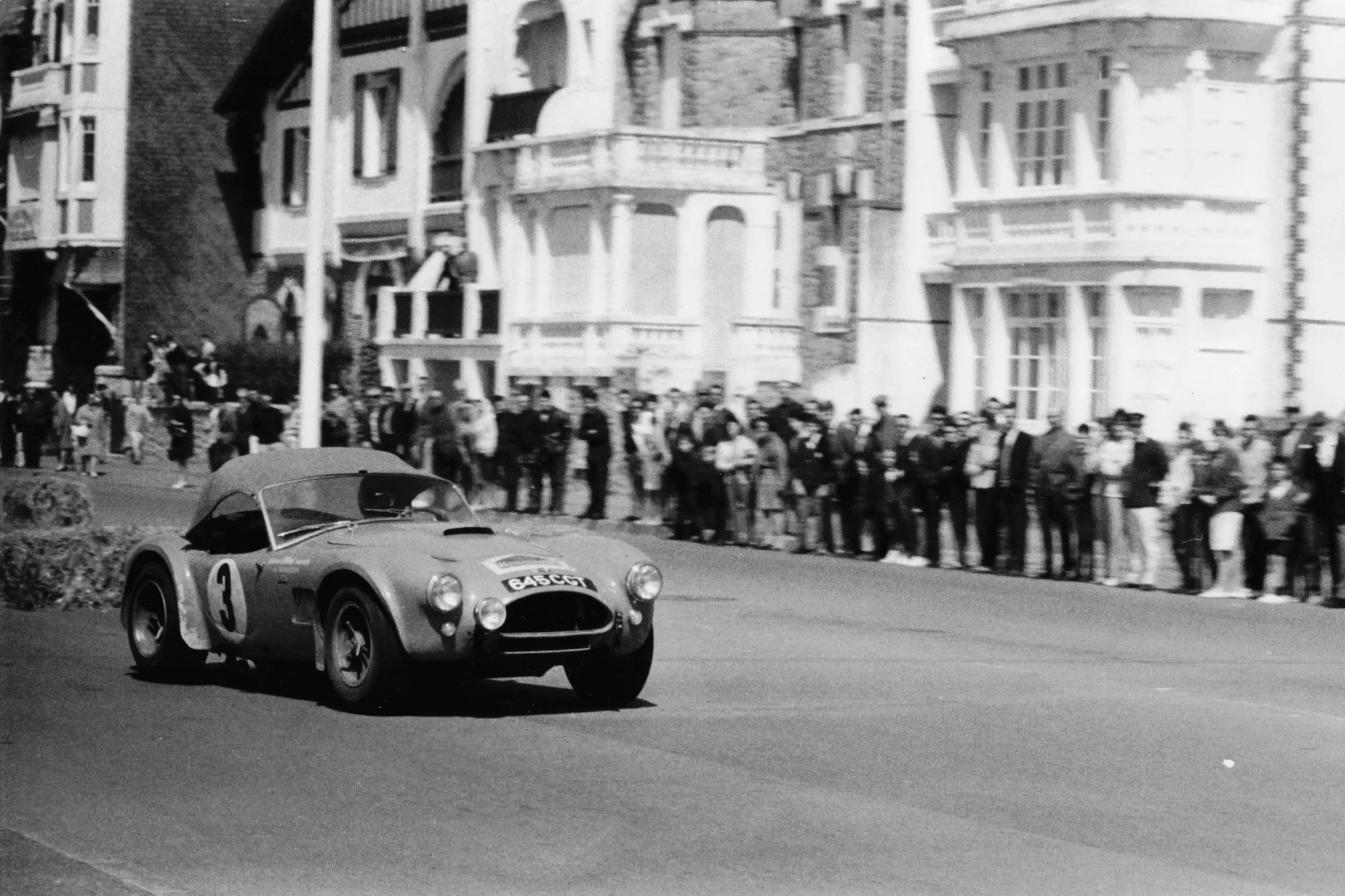
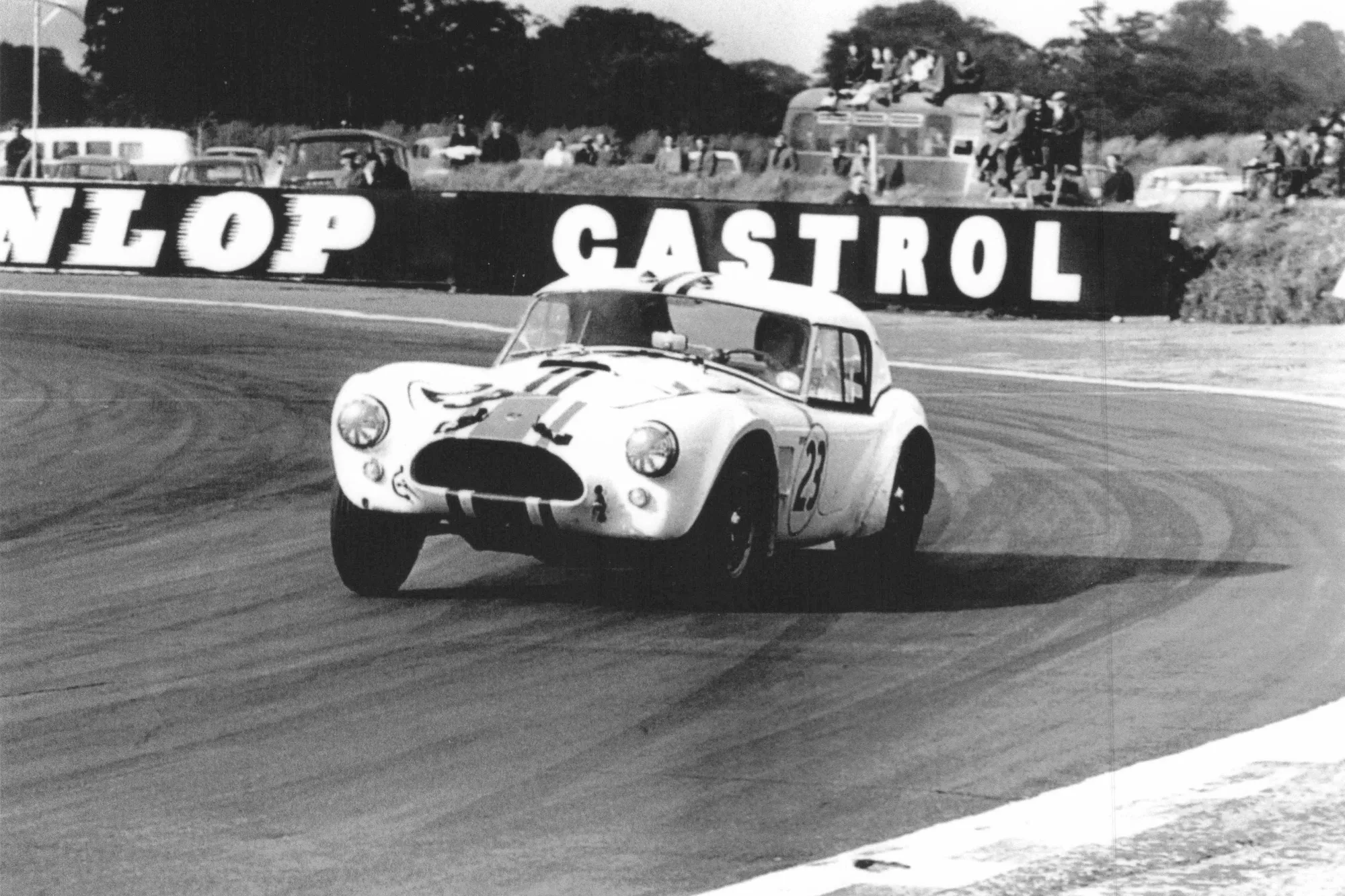
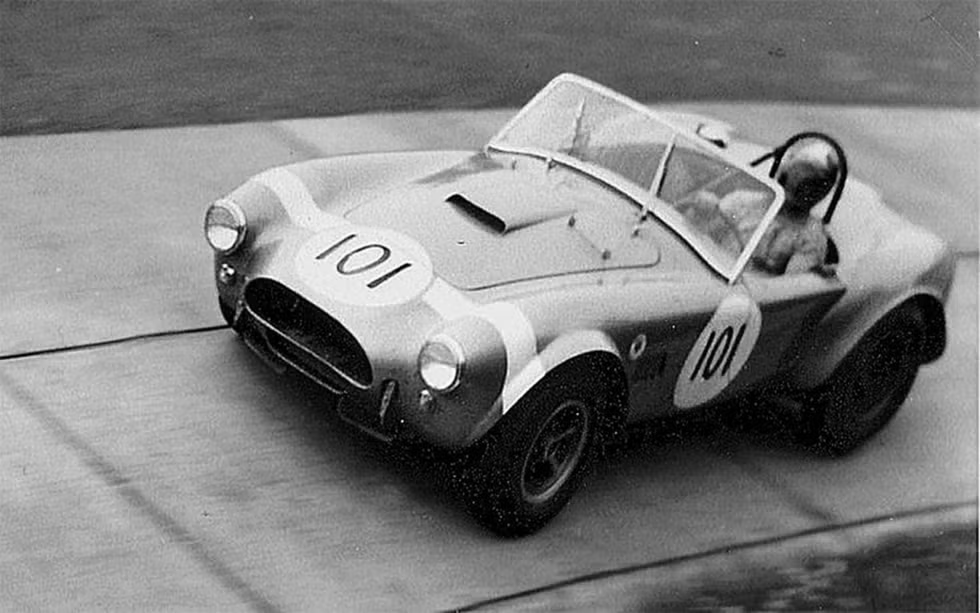
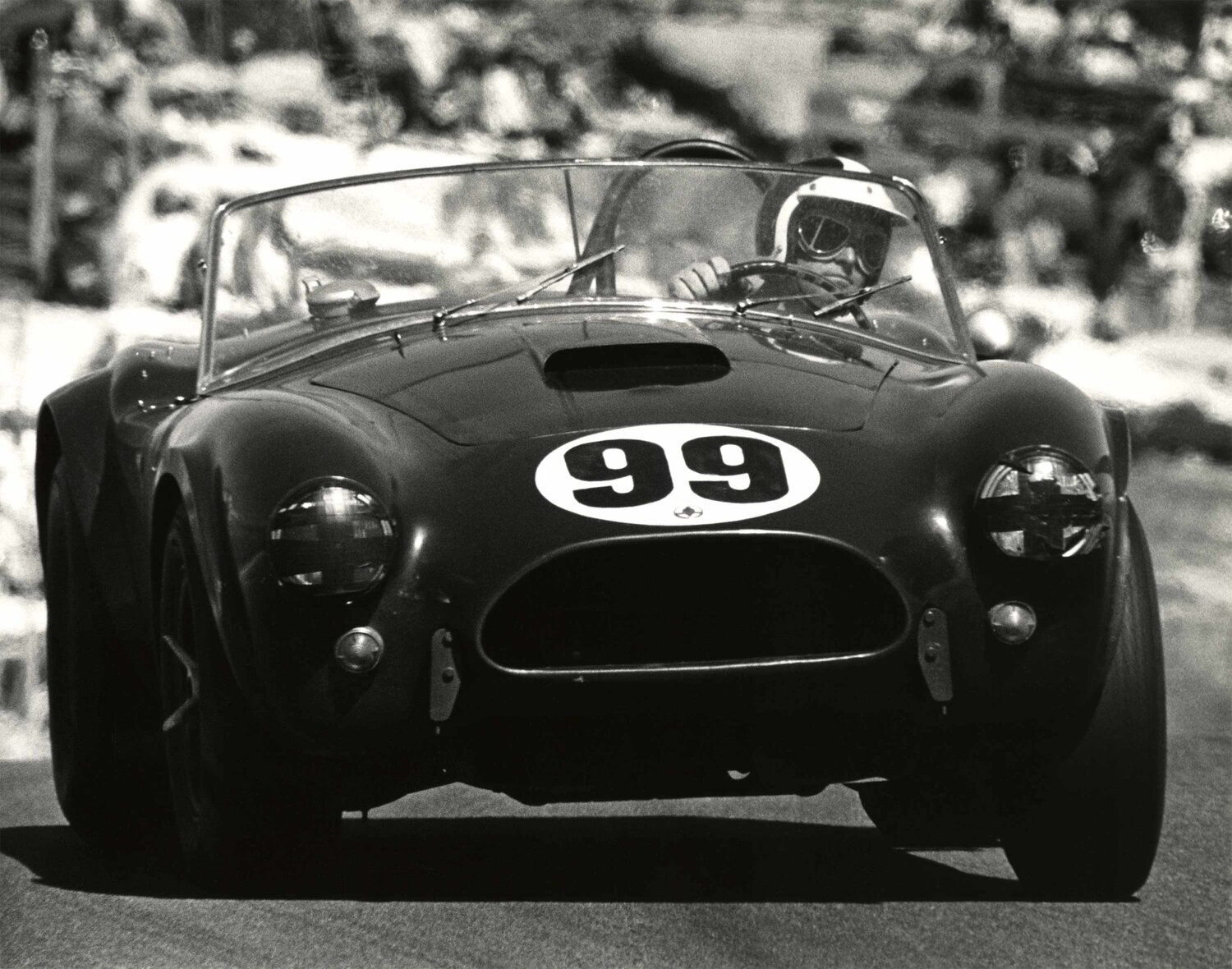
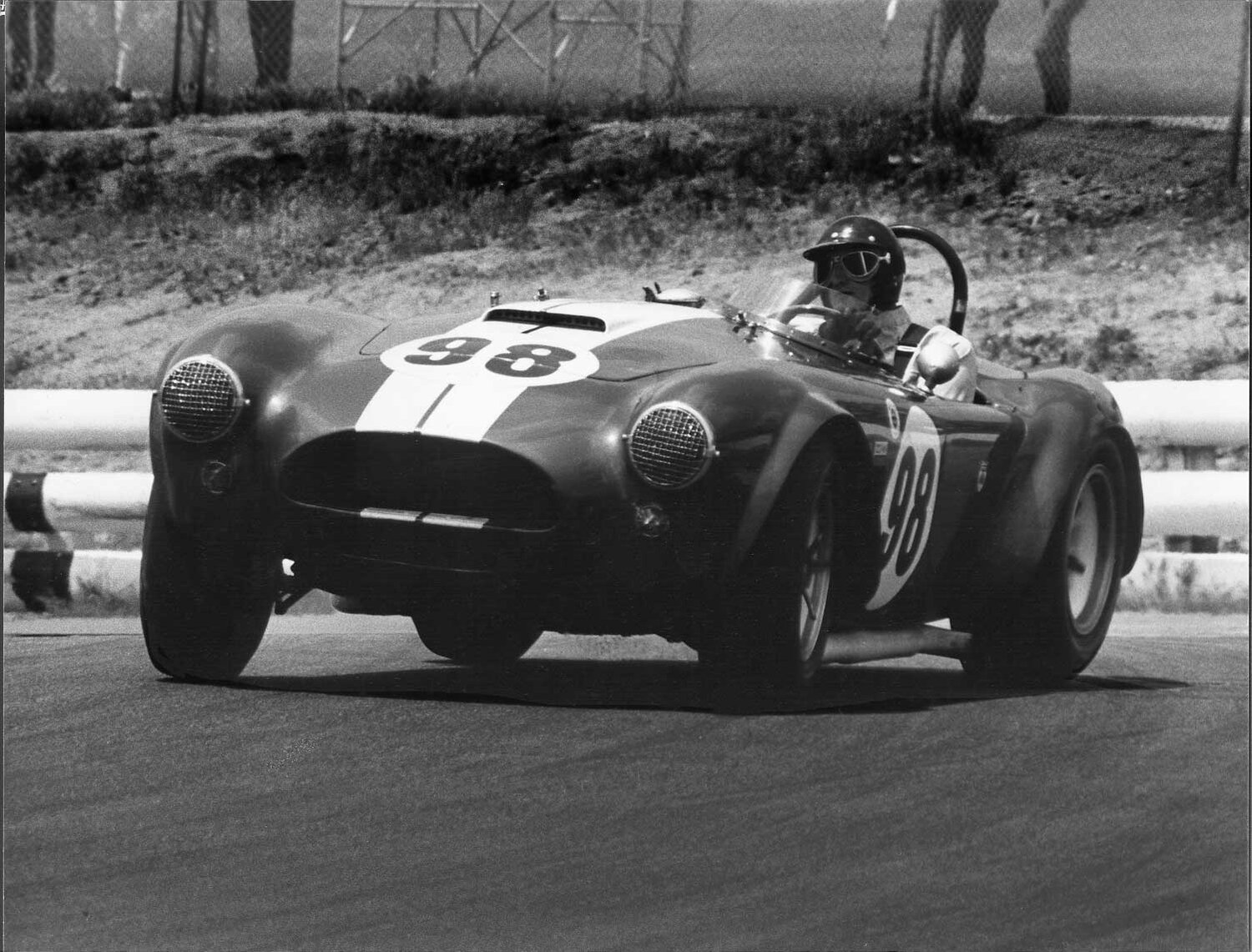
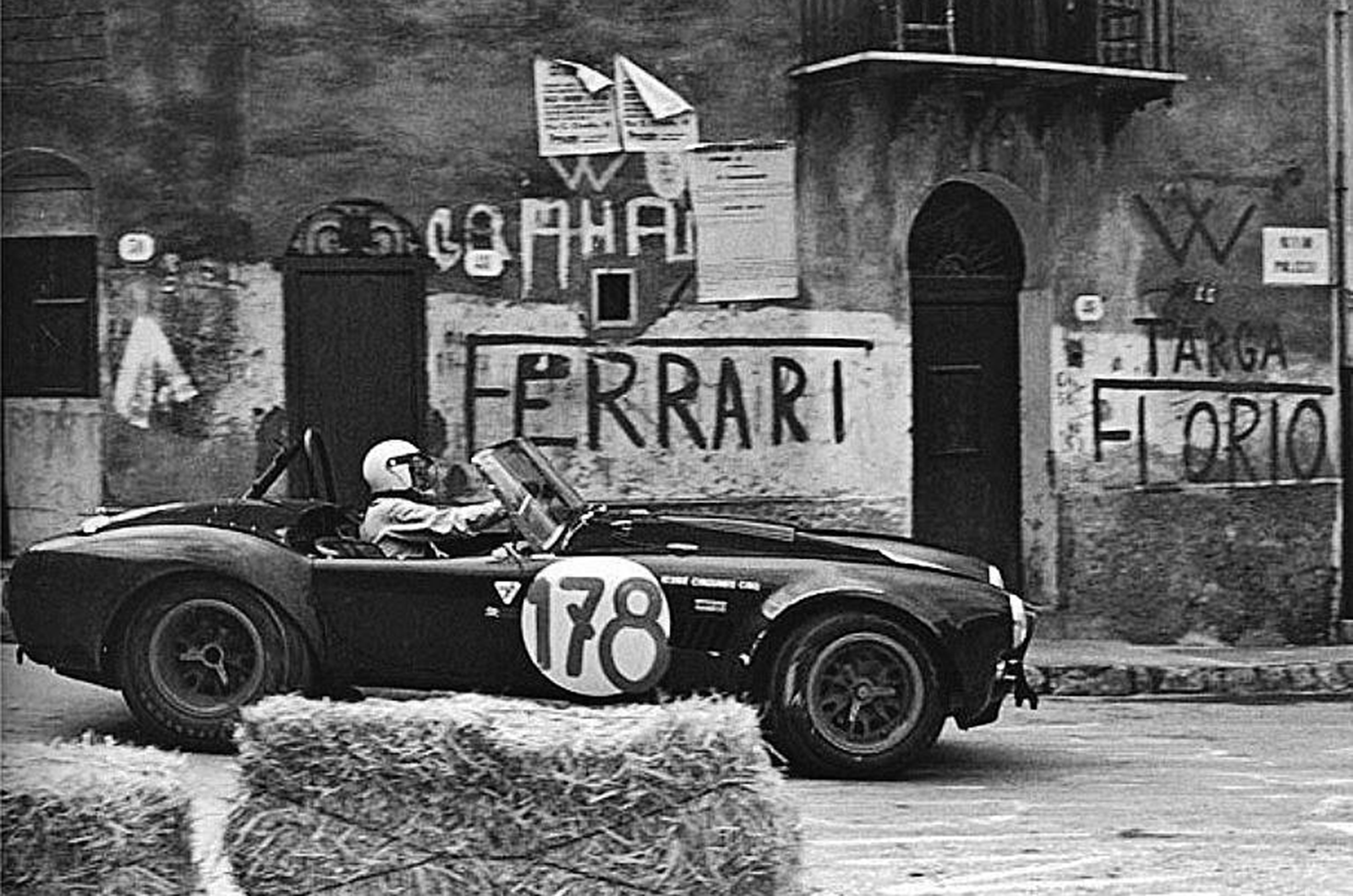
Despite its severe physical demands—or perhaps precisely because of them—the Mk I 289 Competition was an absolute terror on the racetrack. Released into the capable hands of Shelby American’s legendary roster of wheelmen, including Ken Miles, Dave MacDonald, and Dan Gurney, it orchestrated a brutal massacre in domestic sports car racing. The 1963 season became a defining chapter in the Cobra mythos. In the Sports Car Club of America (SCCA) A-Production class and the newly formed United States Road Racing Championship (USRRC), the 289 Mk I completely demoralized the heavily hyped Corvette Z06 contingent. The sheer, relentless grunt of the 289 V8 allowed the Cobra to blast down the straights with impunity, while the sheer bravery of Shelby’s drivers forced the archaic chassis through the corners. It was during this specific era that the Cobra established its reputation not just as a fast car, but as an incredibly violent and spectacular one to watch, frequently sliding through high-speed sweepers in massive, screaming, power-induced drifts. The Mk I 289 Competition cars also made their initial, heroic forays onto the international stage, fighting grueling battles at Sebring and laying the crucial mechanical and psychological groundwork for Shelby’s eventual European invasion against the Ferrari 250 GTOs. Commercially, this weekend racing success translated into a massive surge of interest for the tamer street cars, cementing Shelby’s cramped operation in Venice, California, as the epicenter of the American high-performance revolution.
The legacy of the 1963 Shelby Cobra 289 Competition Mk I is that of a glorious, hairy-chested stepping stone. It is the vital missing link of the Cobra bloodline. It proved beyond a shadow of a doubt that the 289 Ford small-block was the ultimate, indestructible powerplant for the lightweight roadster concept. However, the sheer ferocity of the engine also ruthlessly exposed the final, fatal limitations of the worm-and-sector steering, practically forcing Phil Remington and Shelby’s engineers to develop the modernized Mk II to handle the power. Today, a genuine Mk I 289 Competition is one of the most revered and historically significant artifacts in the classic car world.
Brand
Produced from
Portal
Vehicle category
Model line
Model generation
Predecessor
Sucessor
Brand
Produced from
Portal
Vehicle category
Model line
Model generation
Predecessor
Sucessor
Submodel Overview
In the early, dust-choked months of the 1963 racing season, Carroll Shelby found himself in a precarious position. The initial 260 cubic-inch Mk I Cobra had effectively shocked the world at Riverside the previous autumn, proving that an archaic British roadster stuffed with an American V8 could out-accelerate the establishment. However, Shelby was never a man to rest on his laurels, particularly with Zora Arkus-Duntov preparing to unleash the spectacular, fuel-injected Chevrolet Corvette Sting Ray Z06. Shelby needed a heavier hammer. The 260 cubic-inch Ford engine was swiftly phased out, replaced by the now-mythological 289 cubic-inch (4.7-liter) small block. Crucially, before the AC Cars chassis was comprehensively updated with modern rack-and-pinion steering to become the revered Mk II, a brief, terrifying, and highly successful transitional predator was born: the 1963 Shelby Cobra 289 Competition of the Mk I generation. It was a vehicle that bridged the gap between Shelby’s initial hot-rod experiment and his eventual world-beating dynasty, pitting raw, unbridled American horsepower against a fundamentally antiquated British chassis that demanded absolute physical mastery to survive.
To peer beneath the hand-beaten, flared aluminum skin of the Mk I 289 Competition is to gaze upon a fascinating, violent collision of eras. The beating heart of the machine was the new 289 cubic-inch Ford Windsor V8. In full competition tune, breathing aggressively through a quartet of twin-choke Weber carburetors and exhaling through unsilenced side pipes, this iron-block marvel produced a shrieking 340-plus brake horsepower. Yet, this apocalyptic power was bolted into a chassis that fundamentally belonged to the 1950s. The twin-tube ladder frame still relied on antiquated transverse leaf springs at both the front and rear. What truly defines this specific submodel as a Mk I, however, is its retention of the old AC worm-and-sector steering box. Unlike the surgical rack-and-pinion setup of the subsequent Mk II, this steering mechanism was incredibly heavy, vague on center, and notoriously slow to respond. Piloting the Mk I 289 Competition at the absolute limit required the muscular forearms of a bare-knuckle boxer and the delicate throttle control of a neurosurgeon. The immense torque would constantly threaten to overwhelm the rear racing rubber, requiring the driver to steer the featherweight, 2,000-pound roadster almost entirely with the throttle pedal. Stopping this unruly missile fell to four-wheel Girling disc brakes, which were highly effective but lacked modern modulation. Inside, the spartan cockpit offered zero sanctuary: just a low-backed bucket seat, a massive wood-rimmed steering wheel to provide leverage against the heavy steering box, and a relentless assault of heat and noise radiating through the thin aluminum firewall.
Despite its severe physical demands—or perhaps precisely because of them—the Mk I 289 Competition was an absolute terror on the racetrack. Released into the capable hands of Shelby American’s legendary roster of wheelmen, including Ken Miles, Dave MacDonald, and Dan Gurney, it orchestrated a brutal massacre in domestic sports car racing. The 1963 season became a defining chapter in the Cobra mythos. In the Sports Car Club of America (SCCA) A-Production class and the newly formed United States Road Racing Championship (USRRC), the 289 Mk I completely demoralized the heavily hyped Corvette Z06 contingent. The sheer, relentless grunt of the 289 V8 allowed the Cobra to blast down the straights with impunity, while the sheer bravery of Shelby’s drivers forced the archaic chassis through the corners. It was during this specific era that the Cobra established its reputation not just as a fast car, but as an incredibly violent and spectacular one to watch, frequently sliding through high-speed sweepers in massive, screaming, power-induced drifts. The Mk I 289 Competition cars also made their initial, heroic forays onto the international stage, fighting grueling battles at Sebring and laying the crucial mechanical and psychological groundwork for Shelby’s eventual European invasion against the Ferrari 250 GTOs. Commercially, this weekend racing success translated into a massive surge of interest for the tamer street cars, cementing Shelby’s cramped operation in Venice, California, as the epicenter of the American high-performance revolution.
The legacy of the 1963 Shelby Cobra 289 Competition Mk I is that of a glorious, hairy-chested stepping stone. It is the vital missing link of the Cobra bloodline. It proved beyond a shadow of a doubt that the 289 Ford small-block was the ultimate, indestructible powerplant for the lightweight roadster concept. However, the sheer ferocity of the engine also ruthlessly exposed the final, fatal limitations of the worm-and-sector steering, practically forcing Phil Remington and Shelby’s engineers to develop the modernized Mk II to handle the power. Today, a genuine Mk I 289 Competition is one of the most revered and historically significant artifacts in the classic car world.
Tech Specs
Technical Specifications
Tech Specs
Technical Specifications
Engine
01
03
Internal combustion engine
Configuration
Ford Windsor 289, V8 - 90º
Location
Front-mid, longitudinally mounted
Construction
Cast iron block and heads
Displacement (cc)
4,736 cc
Displacement (cu in)
289.0 cu in
Compression
10.5:1
Bore x Stroke
101.6 mm x 72.9 mm
Valvetrain
2 valves per cylinder, OHV
Fuel feed
4 x Weber 48 IDA downdraft carburettors
Lubrication
Wet sump
Aspiration
Naturally aspirated
Output
Power (hp)
~350 hp
Power (kW)
~261 kW
Max power at
6,500 RPM
Torque (Nm)
~474 Nm
Torque (ft lbs)
~350 ft lbs
Max torque at
4,500 RPM
Drivetrain
02
03
Chassis
Type
Twin-tube ladder frame
Material
Steel
Body
Material
Aluminium
Transmission
Gearbox
Borg-Warner T-10, 4-speed manual
Drive
Rear Wheel Drive (Salisbury Limited Slip Differential)
Suspension
Front
Independent, lower wishbones, transverse semi-elliptic leaf spring, telescopic dampers, anti-roll bar
Rear
Independent, lower wishbones, transverse semi-elliptic leaf spring, telescopic dampers
Steering
Type
Worm and sector, unassisted
Brakes
Front
Solid steel discs Ø305 mm, Girling calipers
Rear
Solid steel discs Ø280 mm, Girling calipers
Wheels
Front
7.5" x 15"
Rear
8.5" x 15"
Tires
Front
6.50-15
Rear
7.00-15
Dimensions and performance
03
03
Dimensions
Length (mm)
3,848 mm
Length (in)
151.5 in
Width (mm)
~1,613 mm
Width (in)
~63.5 in
Height (mm)
1,245 mm
Height (in)
49.0 in
Wheelbase (mm)
2,286 mm
Wheelbase (in)
90.0 in
Weight (kg)
~950 kg
Weight (lbs)
~2,094 lbs
Performance
Power to weight
0.37 hp/kg
Top speed (km/h)
~260 km/h
Top speed (mph)
~161 mph
0-100 km/h (0-60 mph)
~4.2 s