
Bugatti Type 35B
Brand
Produced from
Portal
Vehicle category
Model line
Predecessor
Successor
Submodel Overview
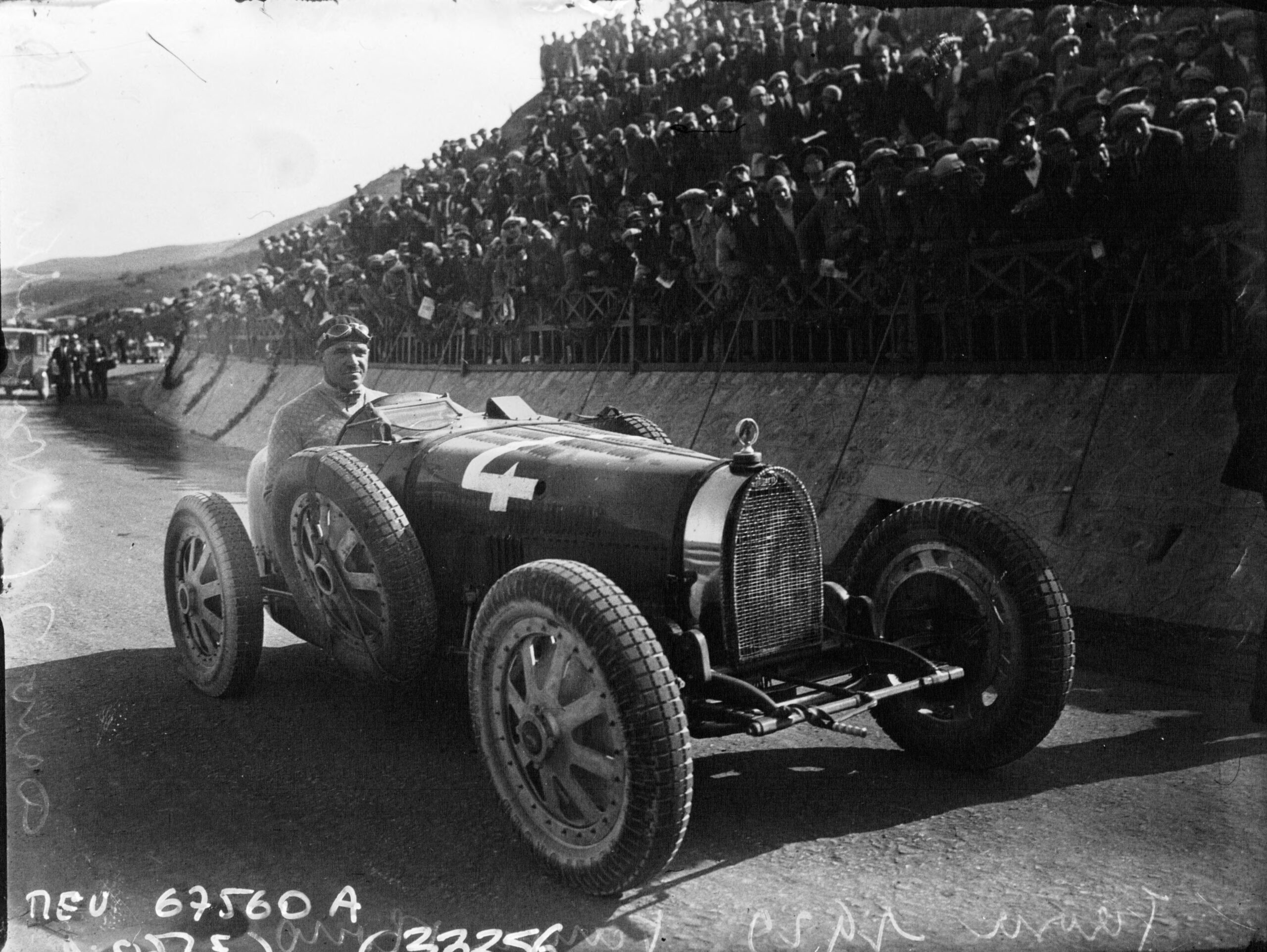
A howling mechanical crescendo echoed off the stone facades of Monte Carlo in April 1929, signalling not just a motor race, but the coronation of a sovereign. When William Grover-Williams slid his deep green Bugatti Type 35B through the tight harbour streets to win the inaugural Monaco Grand Prix, he cemented the ultimate evolution of Ettore Bugatti’s masterpiece. Born in 1927, the Type 35B was the brutal, forced-induction climax of the Type 35 lineage. The original 1924 car had relied on naturally aspirated purity to fight the heavy, complex Alfa Romeo P2 and the shrieking Delage 15 S 8. However, as the 1920s progressed, absolute speed demanded forced induction and larger engine capacities. Bugatti responded by taking the larger 2.3-litre (140 cu in) block from the Type 35T and marrying it to the Roots-type supercharger of the Type 35C. The result was a definitive 138 bhp titan that blended Molsheim’s trademark lightweight artistry with fearsome, supercharged violence.
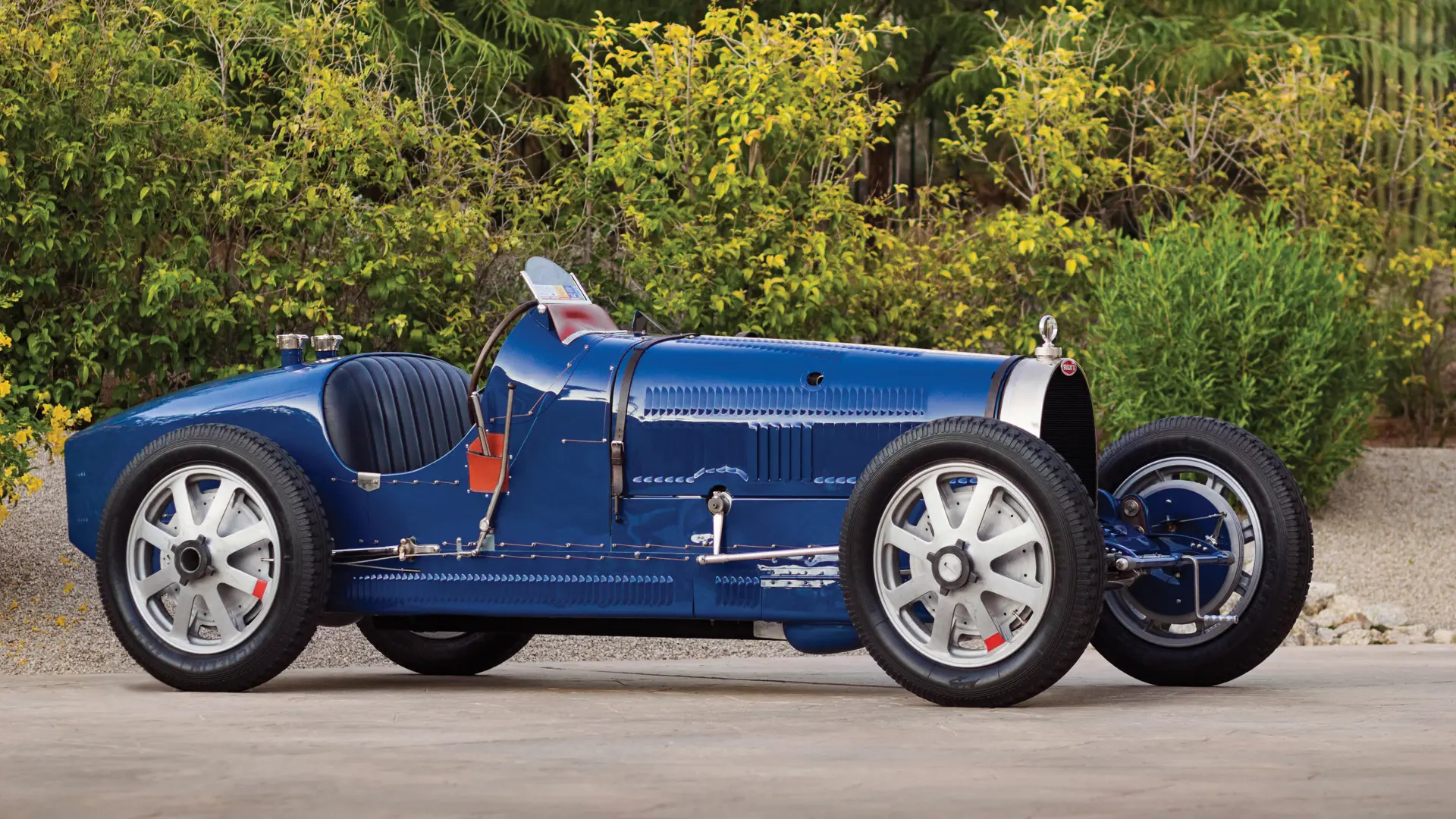
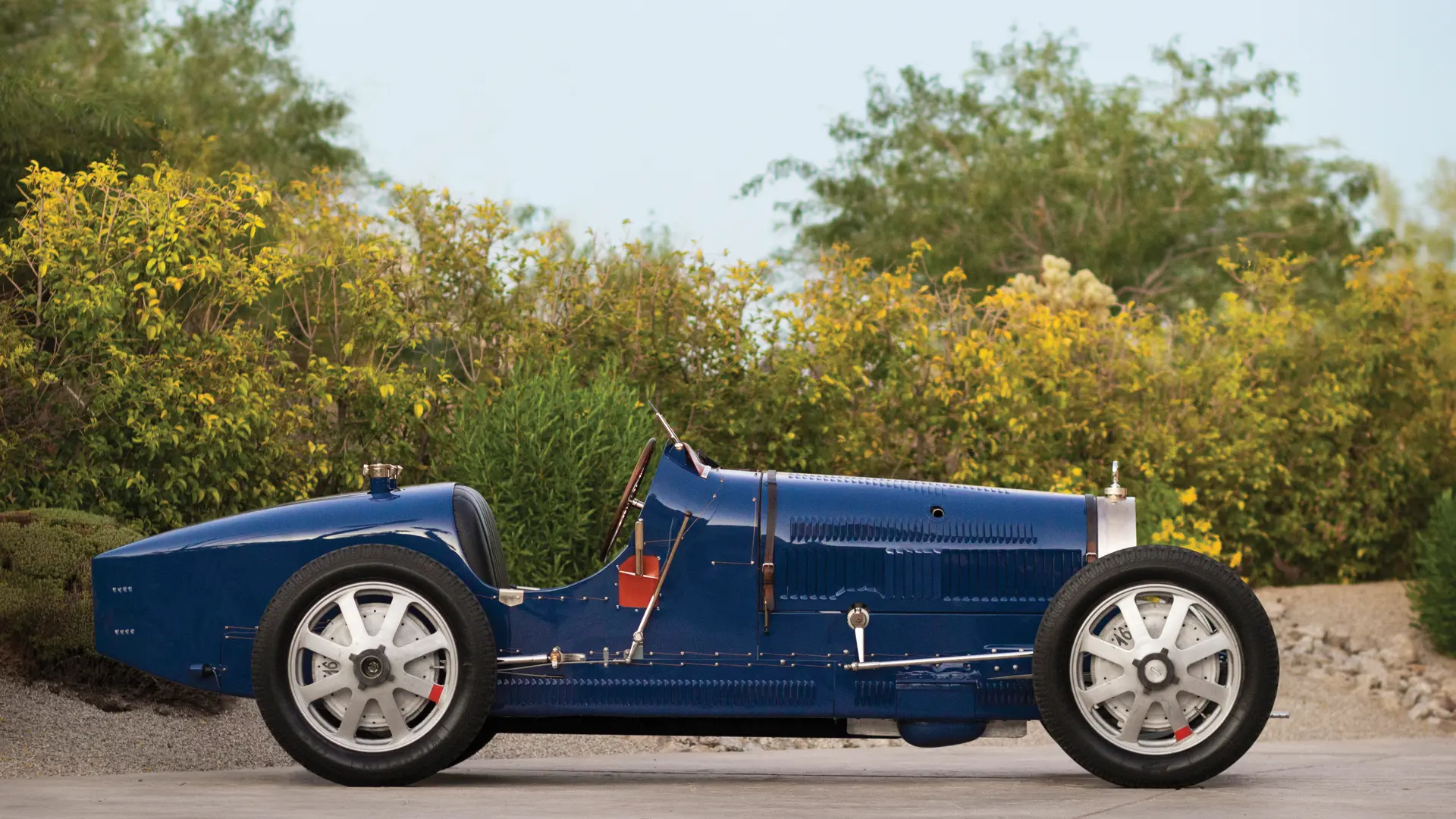
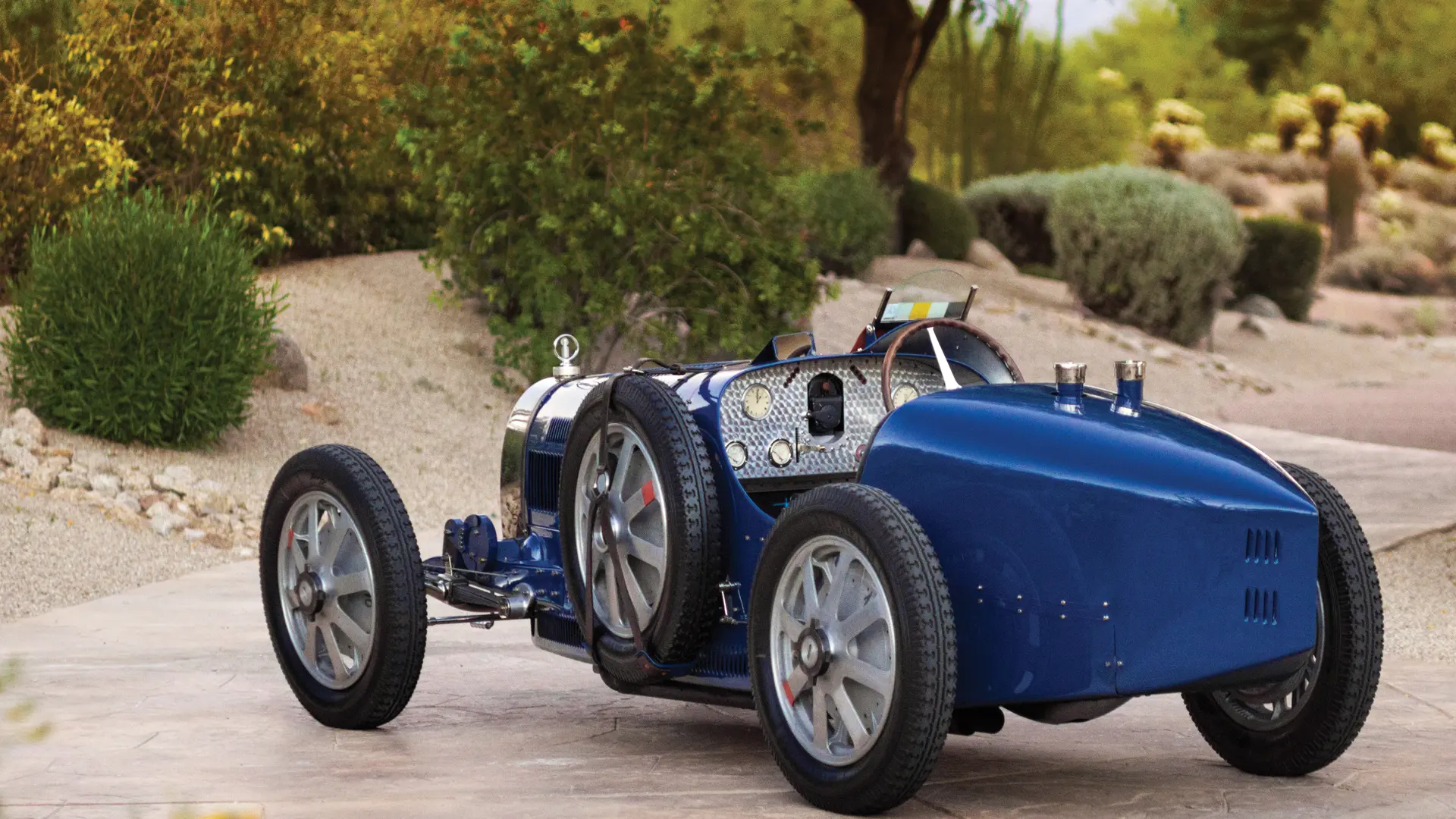
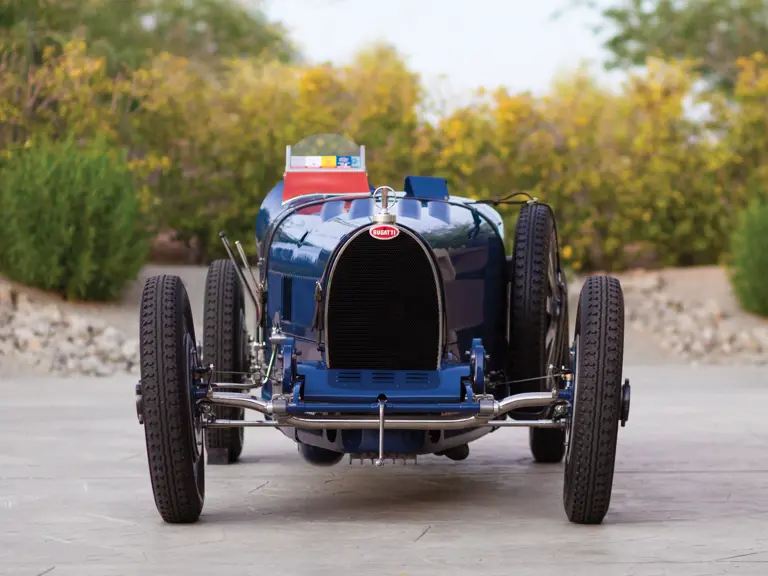
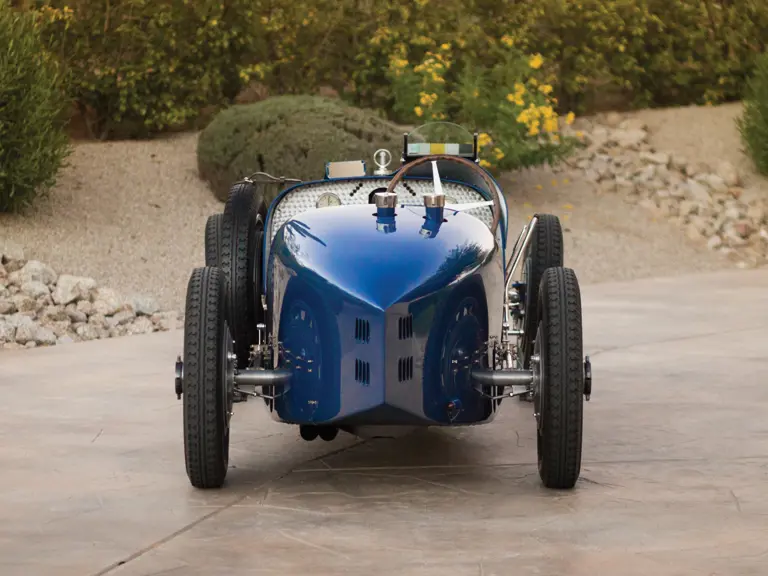
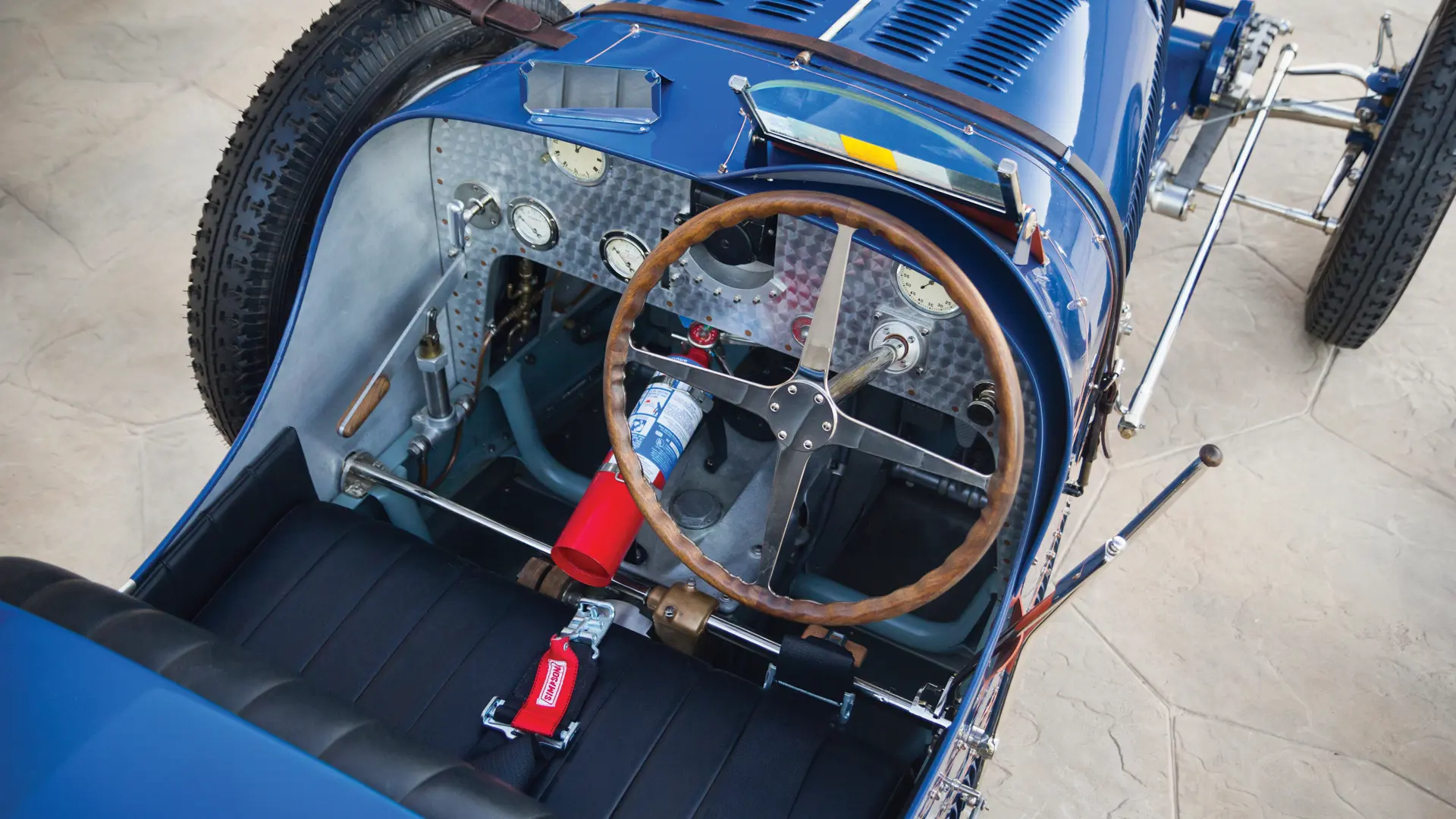
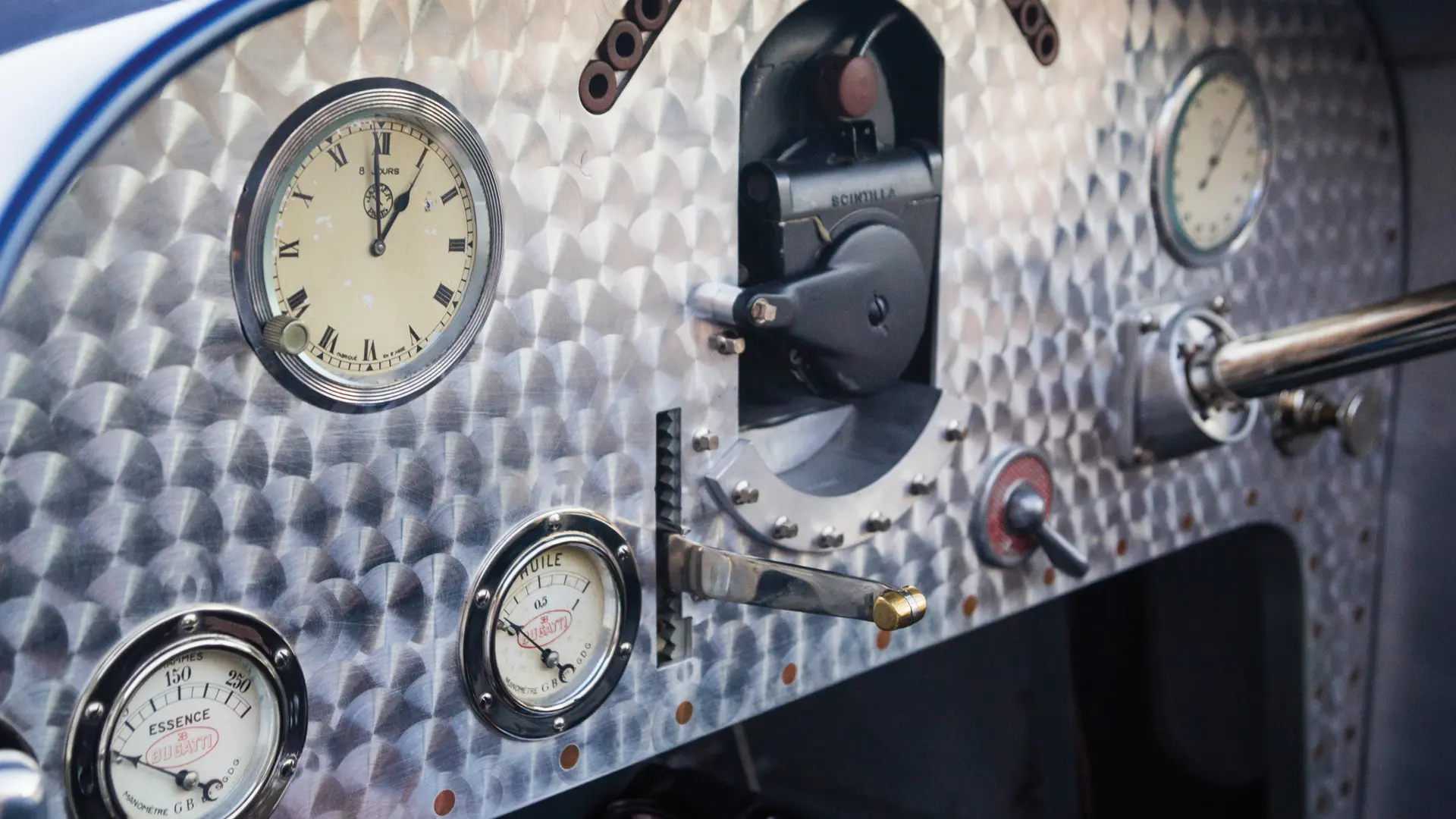
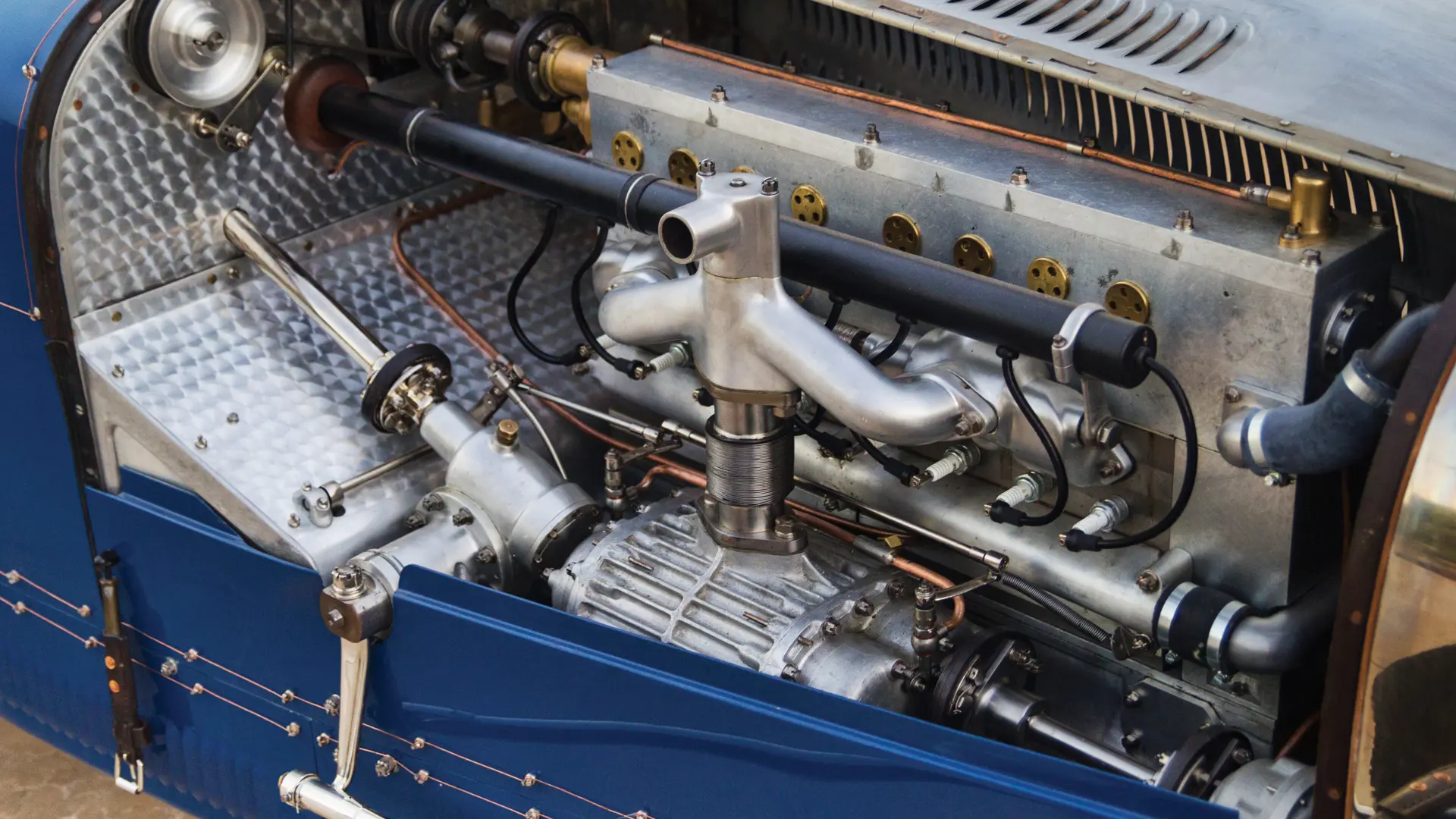
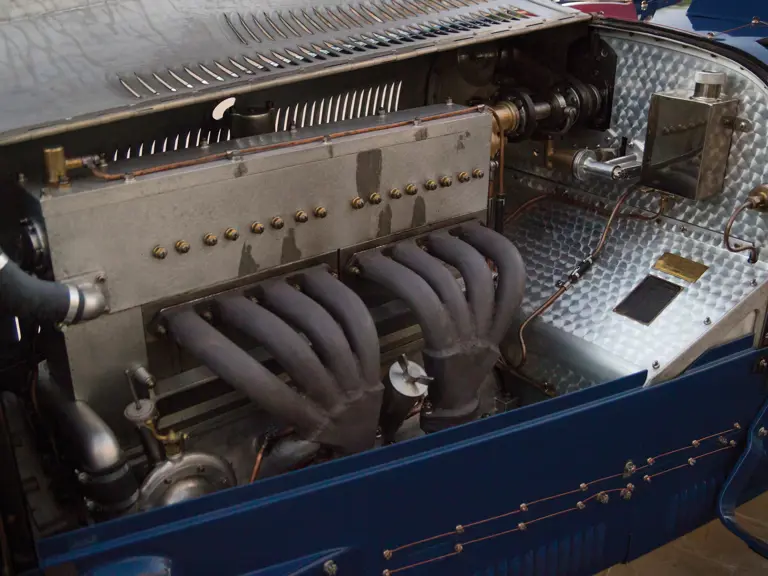
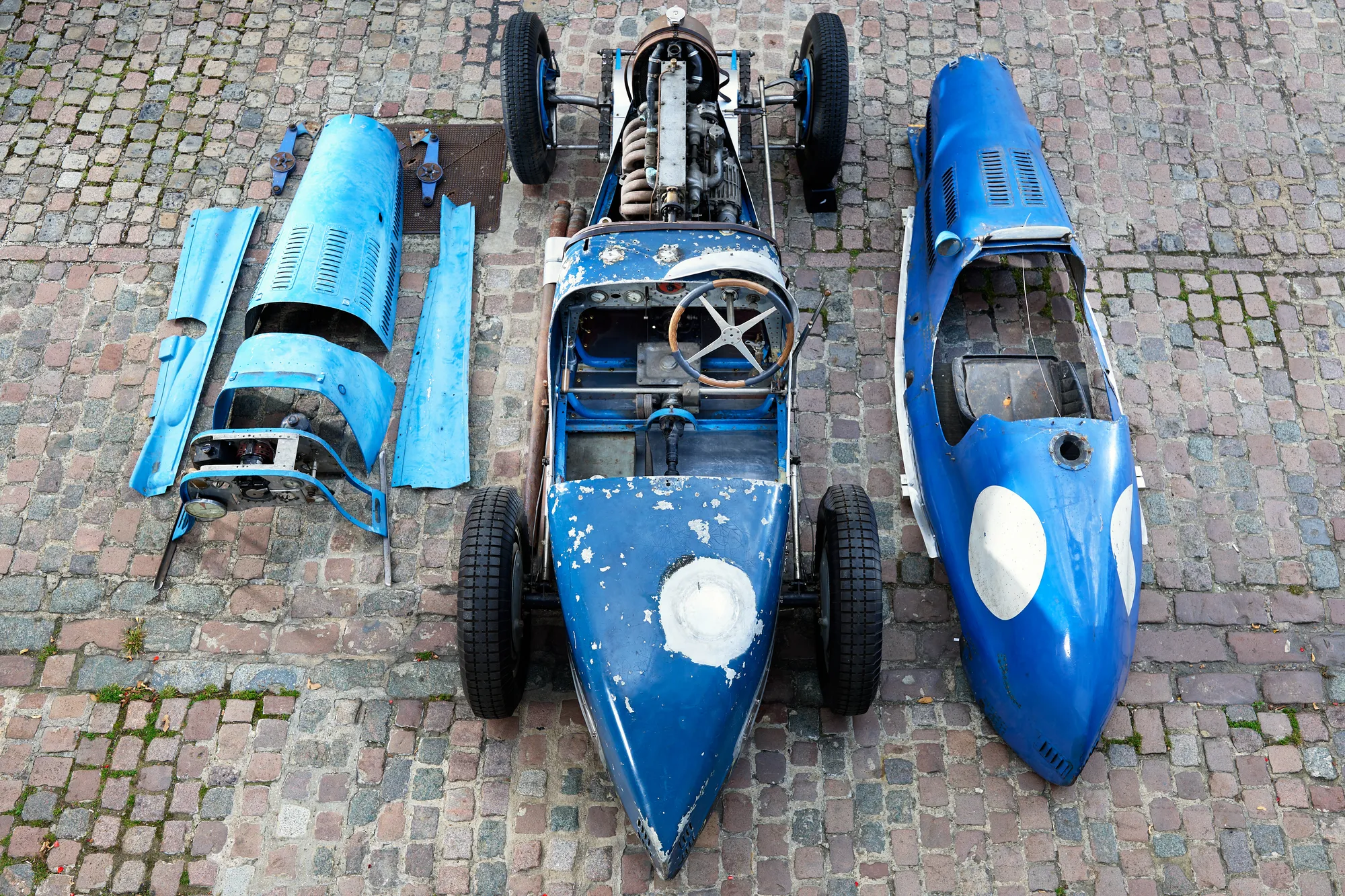
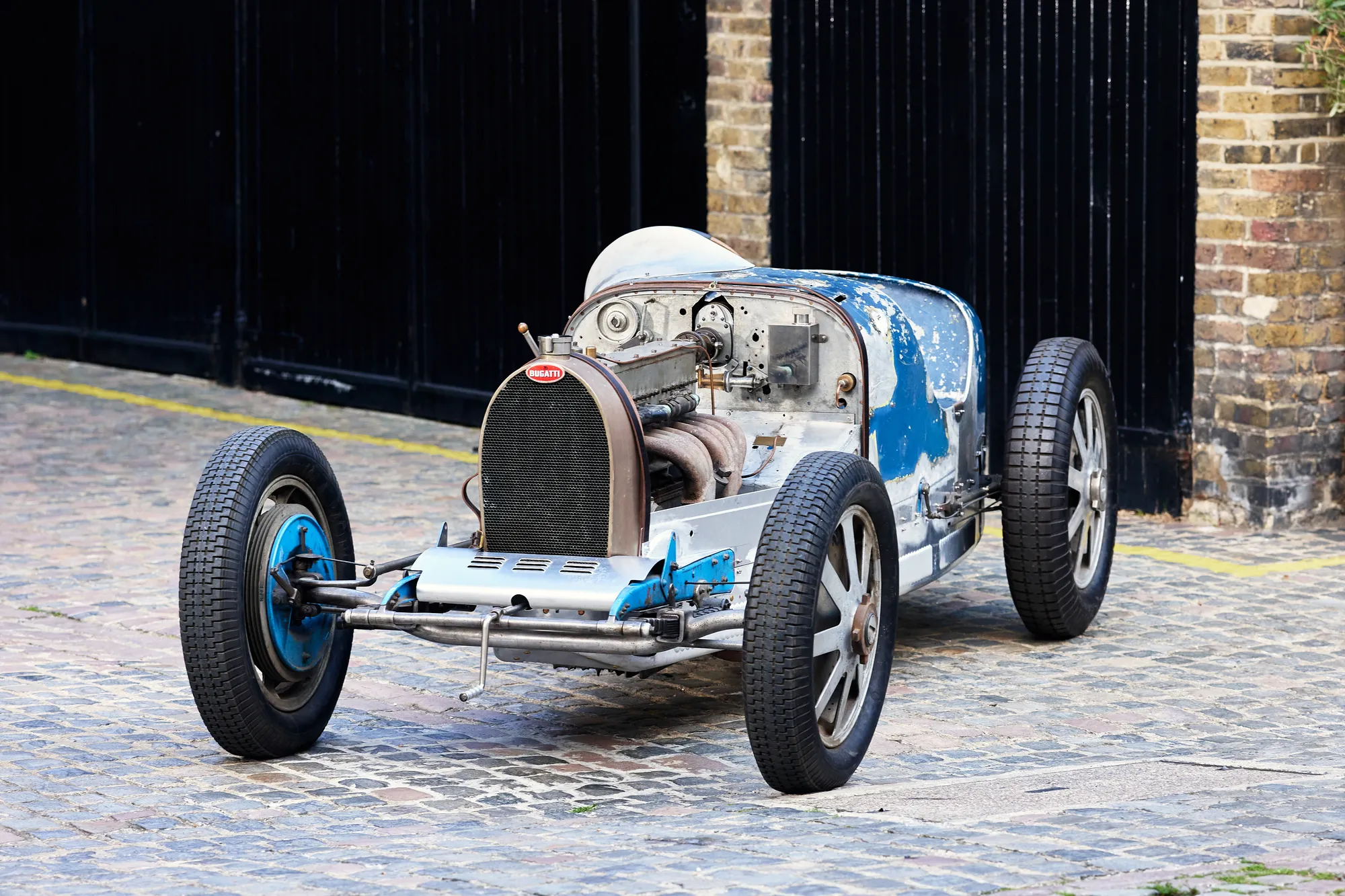
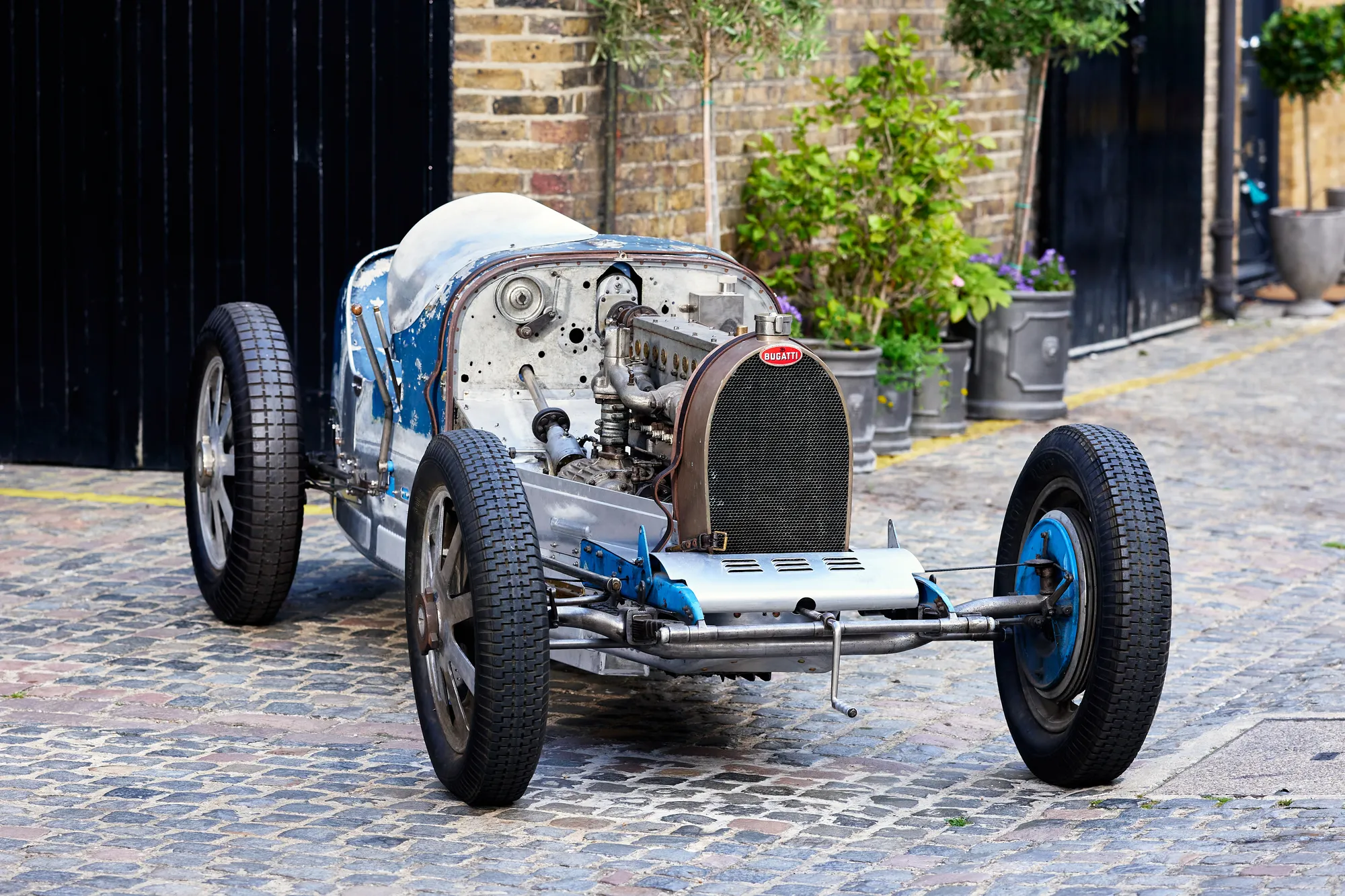
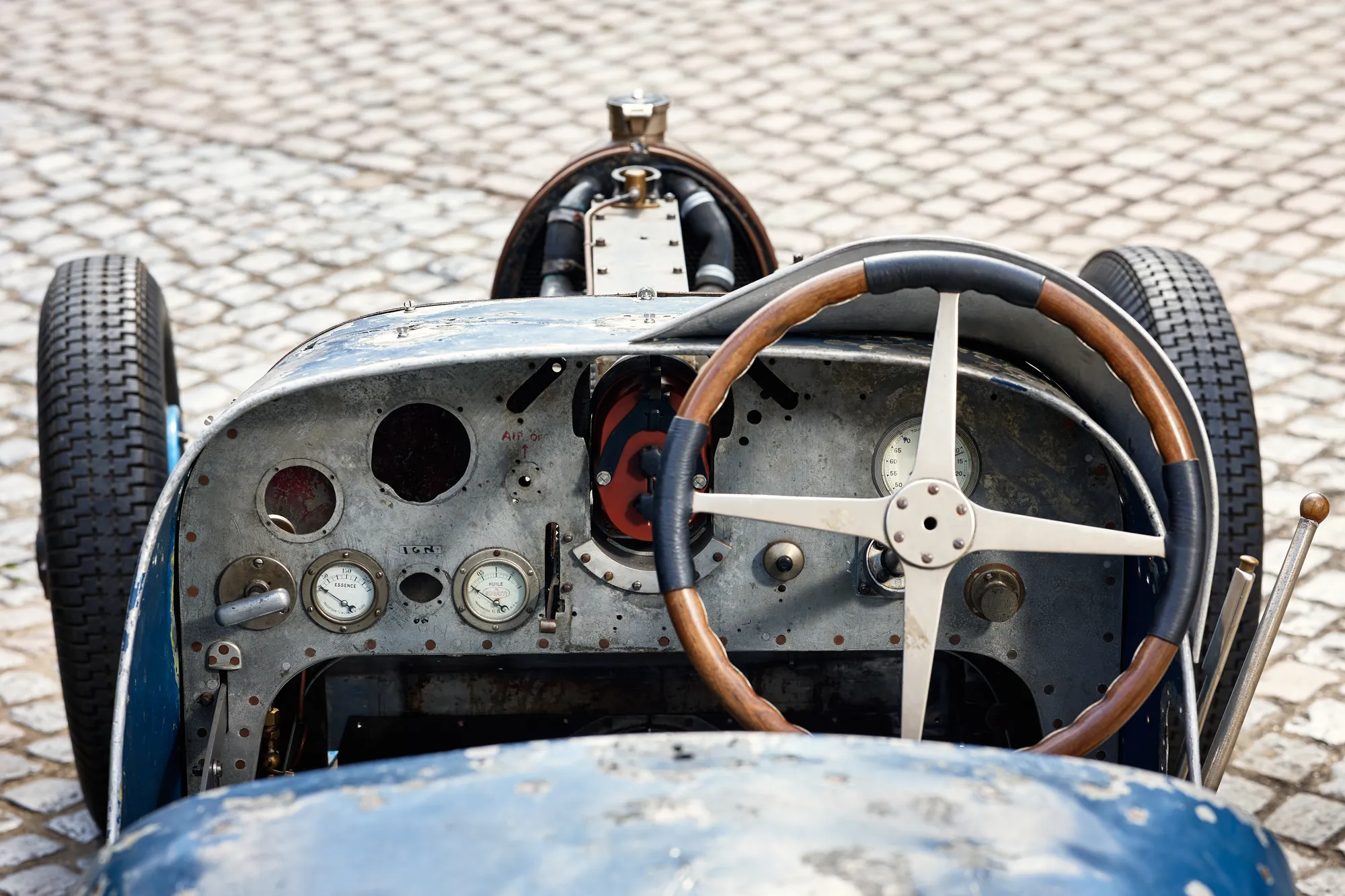
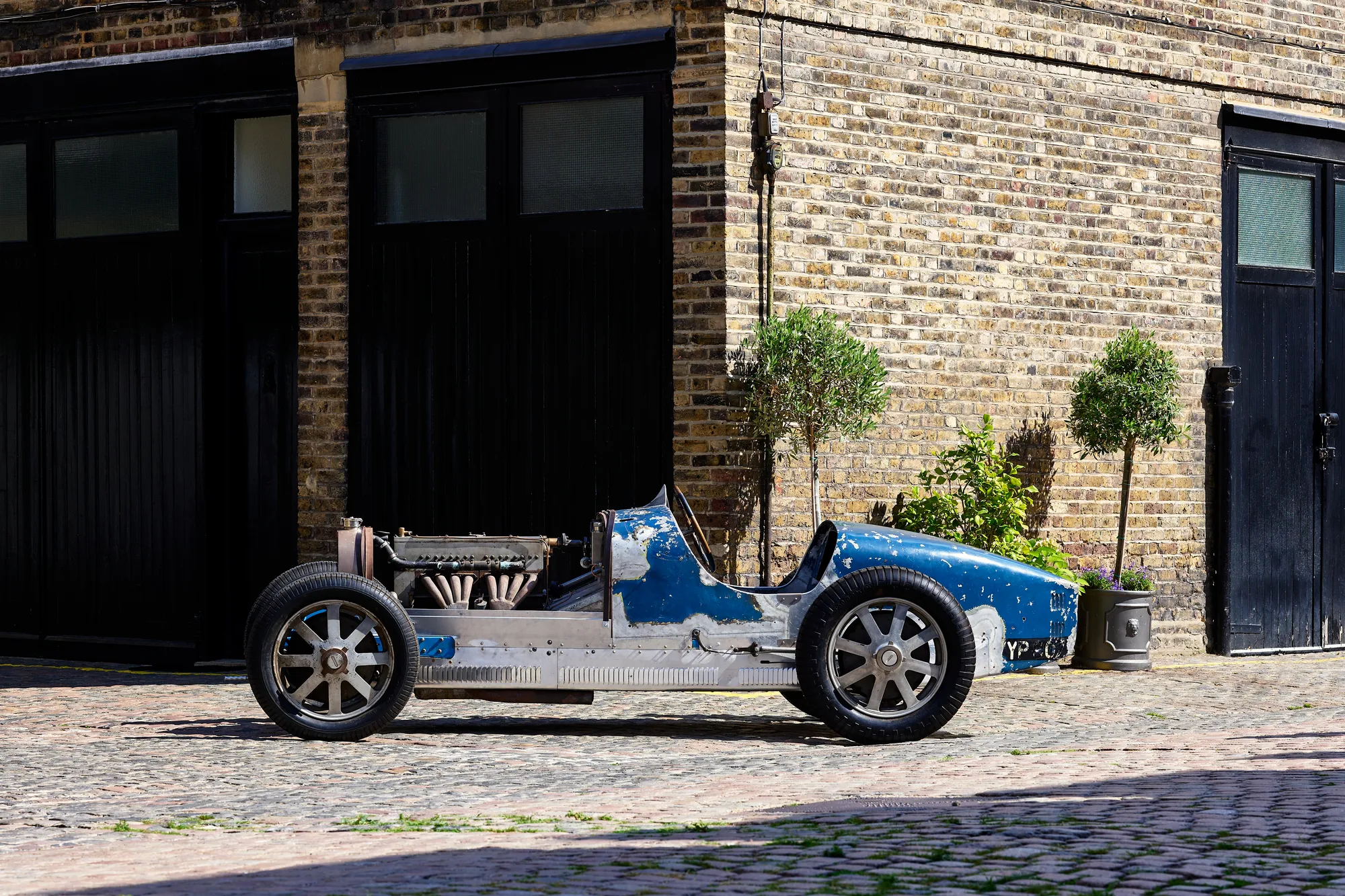
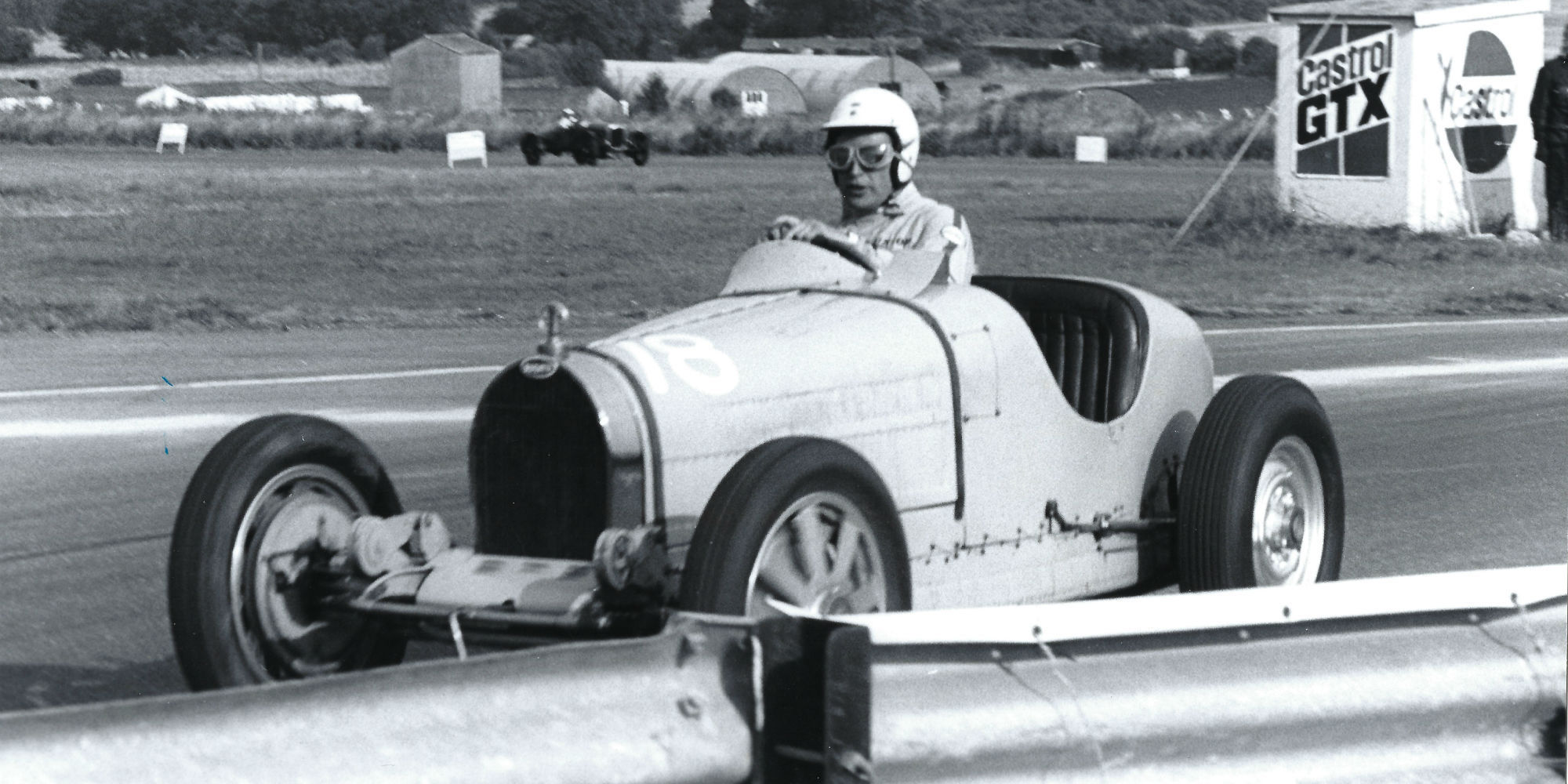
To behold the Type 35B is to gaze upon a kinetic sculpture, its tapered boat-tail bodywork and iconic horseshoe radiator hammered from aluminium with obsessive precision. Yet, it was beneath the leather-strapped, louvred bonnet where the true alchemy occurred. The 2.3-litre (140 cu in) inline-eight was an architectural marvel, featuring a bespoke 24-valve cylinder head with two intake valves and one exhaust valve per cylinder. Fed by a Zenith carburettor and pressurised by that prominent Roots blower, the engine produced an astonishing 138 bhp. It did not merely rev; it shrieked—a high-frequency, metallic tear that sounded like ripping silk, overlaid with the frantic whine of the supercharger. Power was sent to the rear wheels via a heavy, non-synchronised four-speed manual gearbox that required a deft, masterful touch to engage. The chassis was a masterclass in minimising unsprung mass. The front axle was forged hollow, managing to be both featherweight and immensely rigid. The legendary cast aluminium alloy wheels, featuring integral ribbed brake drums, were wider on the Type 35B than on earlier variants to handle the immense torque. These cable-operated drum brakes demanded colossal physical exertion from the driver’s right leg, but they dissipated heat magnificently. In the spartan cockpit, the driver sat intimately close to the magnificent engine-turned aluminium dashboard, wrestling a large four-spoke steering wheel while being constantly baked by the mechanical heat radiating from the transmission tunnel.
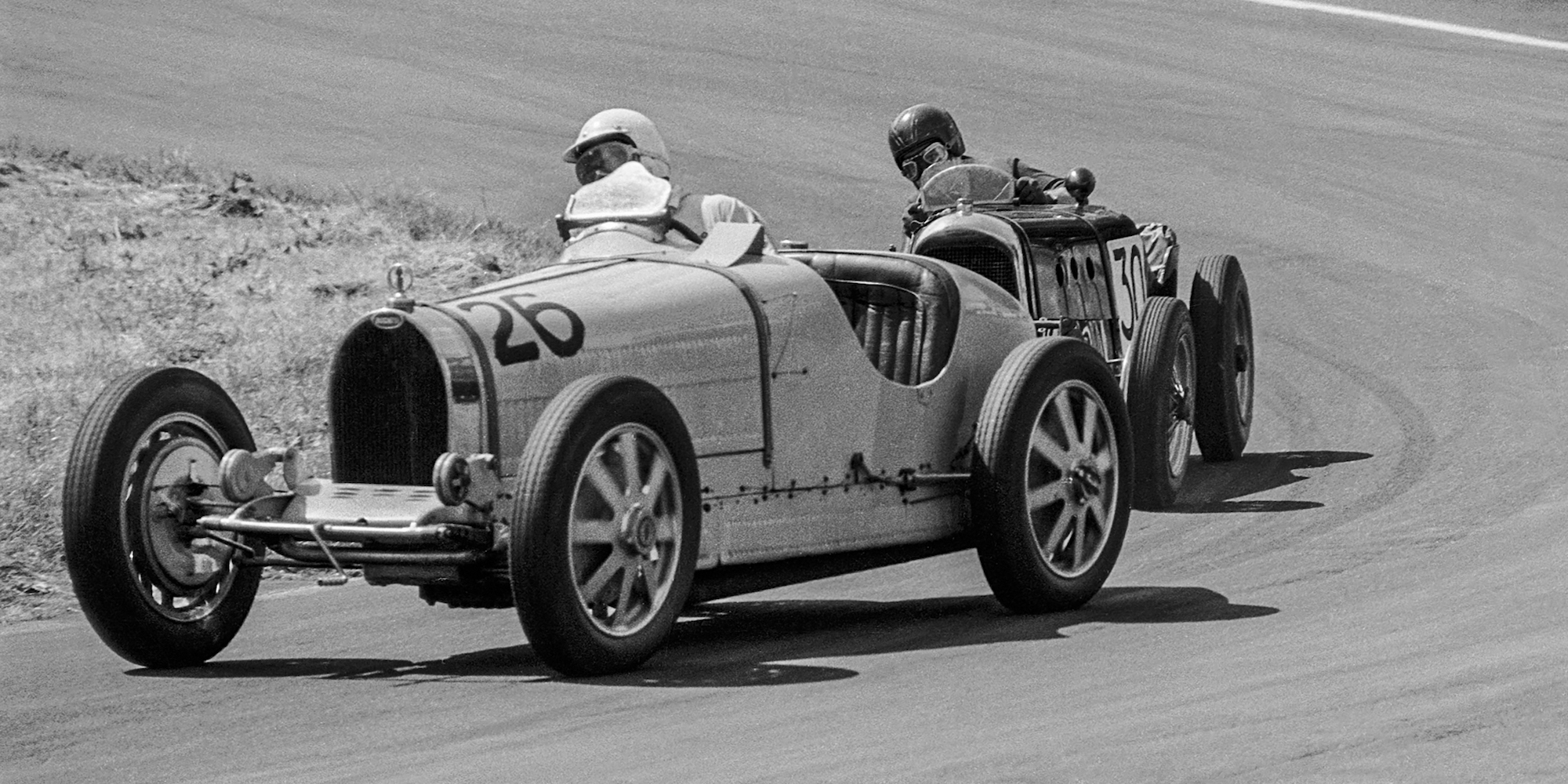
On the circuit, the Type 35B was devastatingly effective, weighing a mere 750 kg (1653 lbs) and capable of breaching 210 km/h (130 mph). Its rear-wheel-drive chassis was notoriously tail-happy, dancing aggressively on its narrow cross-ply tyres. Elite drivers like Louis Chiron and Albert Divo learned to exploit this oversteer, steering the car as much with the throttle pedal as with the steering wheel. It was a machine that required the pilot to initiate a four-wheel drift to scrub off speed for a corner, rather than relying solely on the heavy cable brakes. This supreme, delicate balance allowed the Type 35B to conquer the most punishing road races on earth. Beyond Grover-Williams’ historic triumph at Monaco, the 2.3-litre supercharged Bugattis secured outright victories at the gruelling Targa Florio and dominated the French Grand Prix. Crucially, the Type 35B was also a staggering commercial triumph. Ettore Bugatti was a remarkably shrewd businessman, and he gladly sold these race-ready weapons to wealthy privateers. European aristocrats and gentleman racers would purchase a Type 35B directly from the factory, drive it to a circuit, win a local hill climb, and drive it down to the Riviera for dinner. It established a romantic era of amateur motor racing that forever bound the French racing blue to the concept of high-society motorsport.
The Bugatti Type 35B concluded its production run in 1931, closing a magnificent chapter on the most successful racing design in automotive history. It was eventually succeeded by the Bugatti Type 51, which adopted twin overhead camshafts to stay competitive against the looming, state-sponsored might of the Italian and German grand prix machines. Yet, the Type 35B remains the ultimate, most potent expression of Ettore Bugatti’s original ethos. It proved unequivocally that staggering performance did not require heavy, cumbersome engineering.
Brand
Produced from
Portal
Vehicle category
Model line
Predecessor
Sucessor
Brand
Produced from
Portal
Vehicle category
Model line
Model generation
Predecessor
Sucessor
Submodel Overview
A howling mechanical crescendo echoed off the stone facades of Monte Carlo in April 1929, signalling not just a motor race, but the coronation of a sovereign. When William Grover-Williams slid his deep green Bugatti Type 35B through the tight harbour streets to win the inaugural Monaco Grand Prix, he cemented the ultimate evolution of Ettore Bugatti’s masterpiece. Born in 1927, the Type 35B was the brutal, forced-induction climax of the Type 35 lineage. The original 1924 car had relied on naturally aspirated purity to fight the heavy, complex Alfa Romeo P2 and the shrieking Delage 15 S 8. However, as the 1920s progressed, absolute speed demanded forced induction and larger engine capacities. Bugatti responded by taking the larger 2.3-litre (140 cu in) block from the Type 35T and marrying it to the Roots-type supercharger of the Type 35C. The result was a definitive 138 bhp titan that blended Molsheim’s trademark lightweight artistry with fearsome, supercharged violence.
To behold the Type 35B is to gaze upon a kinetic sculpture, its tapered boat-tail bodywork and iconic horseshoe radiator hammered from aluminium with obsessive precision. Yet, it was beneath the leather-strapped, louvred bonnet where the true alchemy occurred. The 2.3-litre (140 cu in) inline-eight was an architectural marvel, featuring a bespoke 24-valve cylinder head with two intake valves and one exhaust valve per cylinder. Fed by a Zenith carburettor and pressurised by that prominent Roots blower, the engine produced an astonishing 138 bhp. It did not merely rev; it shrieked—a high-frequency, metallic tear that sounded like ripping silk, overlaid with the frantic whine of the supercharger. Power was sent to the rear wheels via a heavy, non-synchronised four-speed manual gearbox that required a deft, masterful touch to engage. The chassis was a masterclass in minimising unsprung mass. The front axle was forged hollow, managing to be both featherweight and immensely rigid. The legendary cast aluminium alloy wheels, featuring integral ribbed brake drums, were wider on the Type 35B than on earlier variants to handle the immense torque. These cable-operated drum brakes demanded colossal physical exertion from the driver’s right leg, but they dissipated heat magnificently. In the spartan cockpit, the driver sat intimately close to the magnificent engine-turned aluminium dashboard, wrestling a large four-spoke steering wheel while being constantly baked by the mechanical heat radiating from the transmission tunnel.
On the circuit, the Type 35B was devastatingly effective, weighing a mere 750 kg (1653 lbs) and capable of breaching 210 km/h (130 mph). Its rear-wheel-drive chassis was notoriously tail-happy, dancing aggressively on its narrow cross-ply tyres. Elite drivers like Louis Chiron and Albert Divo learned to exploit this oversteer, steering the car as much with the throttle pedal as with the steering wheel. It was a machine that required the pilot to initiate a four-wheel drift to scrub off speed for a corner, rather than relying solely on the heavy cable brakes. This supreme, delicate balance allowed the Type 35B to conquer the most punishing road races on earth. Beyond Grover-Williams’ historic triumph at Monaco, the 2.3-litre supercharged Bugattis secured outright victories at the gruelling Targa Florio and dominated the French Grand Prix. Crucially, the Type 35B was also a staggering commercial triumph. Ettore Bugatti was a remarkably shrewd businessman, and he gladly sold these race-ready weapons to wealthy privateers. European aristocrats and gentleman racers would purchase a Type 35B directly from the factory, drive it to a circuit, win a local hill climb, and drive it down to the Riviera for dinner. It established a romantic era of amateur motor racing that forever bound the French racing blue to the concept of high-society motorsport.
The Bugatti Type 35B concluded its production run in 1931, closing a magnificent chapter on the most successful racing design in automotive history. It was eventually succeeded by the Bugatti Type 51, which adopted twin overhead camshafts to stay competitive against the looming, state-sponsored might of the Italian and German grand prix machines. Yet, the Type 35B remains the ultimate, most potent expression of Ettore Bugatti’s original ethos. It proved unequivocally that staggering performance did not require heavy, cumbersome engineering.
Tech Specs
Technical Specifications
Tech Specs
Technical Specifications
Engine
01
03
Internal combustion engine
Configuration
Bugatti Inline-8
Location
Front, longitudinally mounted
Construction
Aluminium alloy block and head
Displacement (cc)
2,262 cc
Displacement (cu in)
138.0 cu in
Compression
6.0:1
Bore x Stroke
60.0 mm x 100.0 mm
Valvetrain
3 valves per cylinder (2 intake, 1 exhaust), SOHC
Fuel feed
Single Zenith 48K up-draft carburettor
Lubrication
Wet sump
Aspiration
Supercharged (Roots-type blower)
Output
Power (hp)
138 hp
Power (kW)
103 kW
Max power at
5,000 RPM
Torque (Nm)
~203 Nm
Torque (ft lbs)
~150 ft lbs
Max torque at
3,500 RPM
Drivetrain
02
03
Chassis
Type
Ladder frame
Material
Steel
Body
Material
Aluminium
Transmission
Gearbox
Bugatti 4-speed manual (non-synchromesh)
Drive
Rear Wheel Drive
Suspension
Front
Hollow tubular solid axle, semi-elliptic leaf springs, friction dampers
Rear
Live axle, reversed quarter-elliptic leaf springs, friction dampers
Steering
Type
Worm and wheel, unassisted
Brakes
Front
Cable-operated mechanical drum brakes
Rear
Cable-operated mechanical drum brakes
Wheels
Front
19" (Bugatti 8-spoke cast aluminium alloy)
Rear
19" (Bugatti 8-spoke cast aluminium alloy)
Tires
Front
5.00 x 19
Rear
5.00 x 19
Dimensions and performance
03
03
Dimensions
Length (mm)
3,680 mm
Length (in)
144.9 in
Width (mm)
1,320 mm
Width (in)
52.0 in
Height (mm)
1,050 mm
Height (in)
41.3 in
Wheelbase (mm)
2,400 mm
Wheelbase (in)
94.5 in
Weight (kg)
~750 kg
Weight (lbs)
~1,653 lbs
Performance
Power to weight
~0.18 hp/kg
Top speed (km/h)
~210 km/h
Top speed (mph)
~130 mph
0-100 km/h (0-60 mph)
~6.0 s